TUESDAY, FEBRUARY 04, 2025 | |
|
#FROM THE DIRECTOR'S DESK#
A Calamitous War Without End in Sudan
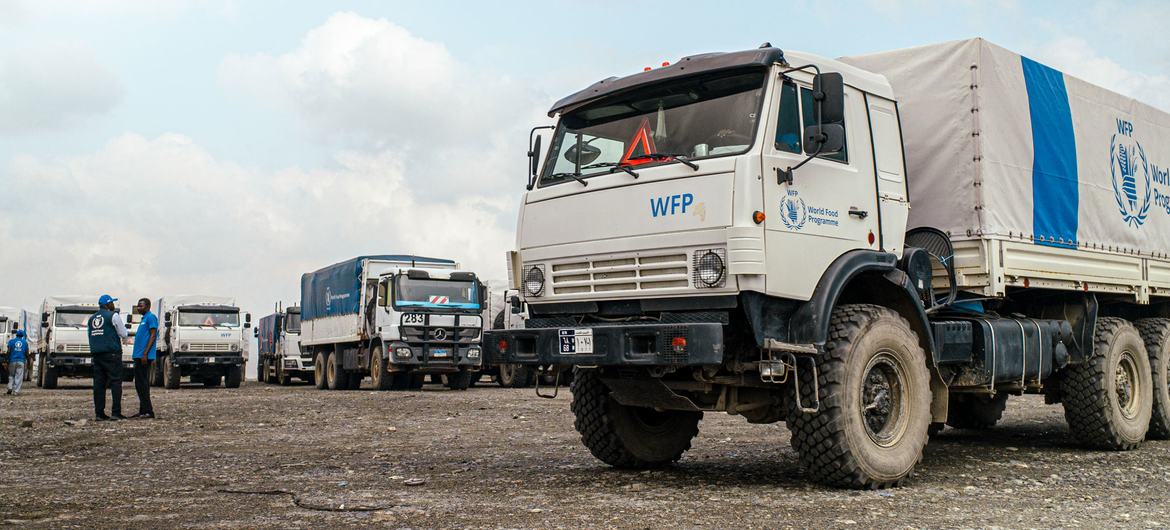
ARAB NEWS — The civil war in Sudan, ignited in April 2023 by a failed power-sharing pact, has devastated the nation. More than 12 million people are displaced or facing famine, with 15,000 confirmed dead. The economy has contracted by 40 percent, leaving 70 percent of hospitals in conflict zones closed. The Rapid Support Forces exploit gold mines while the Sudanese Armed Forces rely on military strength, both committing severe human rights abuses. International efforts have been fragmented and ineffective, allowing the conflict to persist unchallenged. Humanitarian aid faces significant obstacles, with infrastructure destruction making survival difficult. Despite global diplomatic attempts, the war's resolution remains distant, highlighting the need for coordinated external pressure and a unified civilian movement for meaningful progress.
|
|
|
Egypt Fears Syria’s Revolutionary Fervor Could Be Contagious
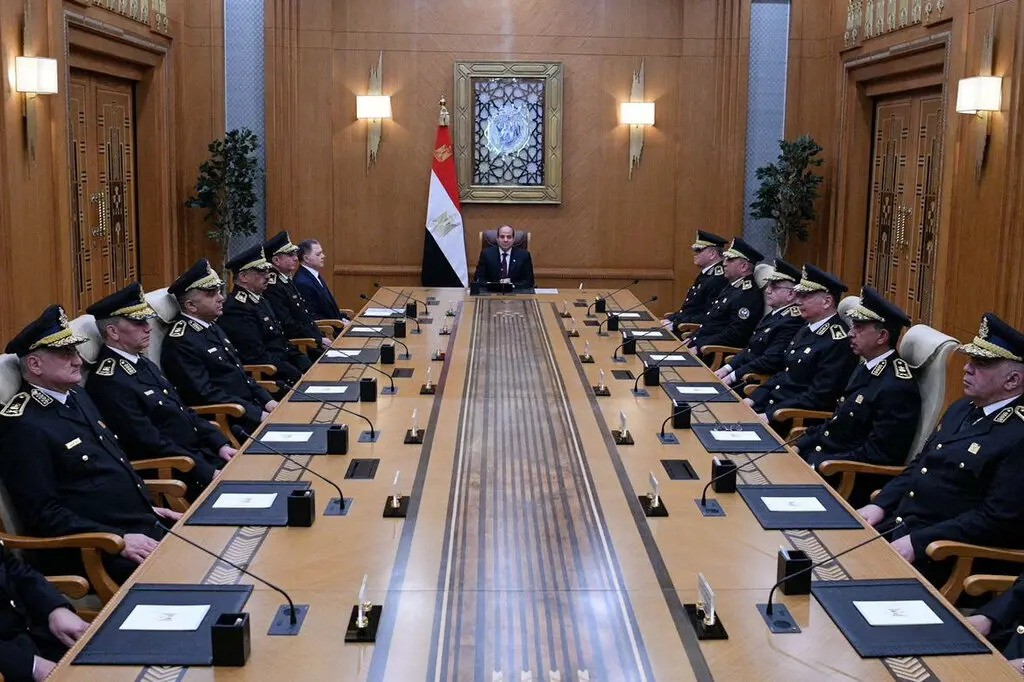
THE NEW YORK TIMES — Following the ouster of Syrian President Bashar al-Assad by Islamist rebels, Egypt faces rising concerns over potential revolutionary contagion. President Abdel Fattah el-Sisi's administration has responded with heightened security measures, including arresting Syrian refugees in Cairo and tightening travel restrictions. Egypt, already dealing with deep economic woes and public discontent, fears the spread of Islamist influence and unrest. Recent statements from el-Sisi aim to distance his leadership from al-Assad’s legacy while addressing the longstanding grievances among Egyptians. As anti-Sisi sentiment grows amid economic hardship, Egypt remains cautious in its dealings with Syria's new leadership and continues to emphasize the threat posed by political Islam.
|
|
|
Sudan: UN Rights Chief ‘Alarmed’ By Summary Executions, Attacks on Civilians
UNITED NATIONS — The UN High Commissioner for Human Rights, Volker Türk, expressed grave concern over reports of summary executions of civilians in Khartoum North by militias aligned with the Sudanese Armed Forces. Since April 2023, the ongoing conflict between the Sudanese Armed Forces and the Rapid Support Forces has resulted in escalating violence. Recent incidents include the killing of 18 civilians from Darfur and Kordofan regions and the attack on an IDP camp in El Fasher by RSF forces, which killed nine people and injured 12. Additionally, a drone attack on Al-Saudi Maternity Hospital by RSF killed 67 people and severely damaged the facility. Türk emphasized that these acts constitute war crimes and called for independent investigations and adherence to international law to protect civilians.
|
|
|
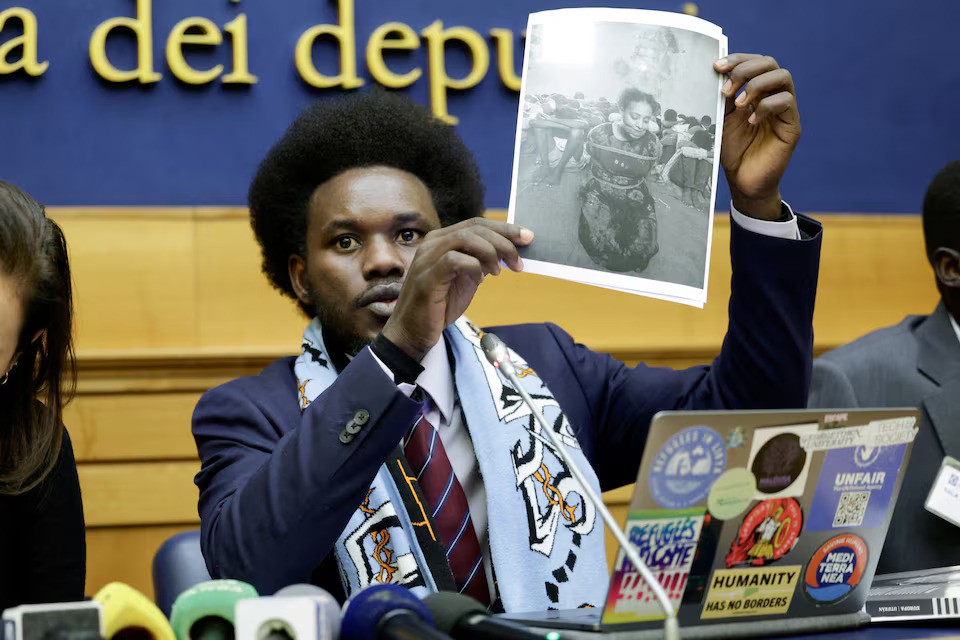
Victims of Libyan War Crimes Suspect Express Dismay, Fear After Italy Frees Him
REUTERS — Migrants voiced dismay and fear after Italy released Osama Elmasry Njeem, a Libyan policeman wanted by the ICC for war crimes and human rights abuses, allowing him to return home. Njeem, accused of murder, torture, and sexual violence against migrants, was arrested in Italy but released due to procedural faults. The Italian government faces criticism for potentially prioritizing migrant control over justice. Prime Minister Giorgia Meloni and other officials are under investigation for their handling of the case, accused of misusing public funds and abetting a crime.
|
|
|
Algeria: Arbitrary Travel Bans Against Critics
HUMAN RIGHTS WATCH — Algerian authorities have increasingly imposed arbitrary travel bans on critics, including civil society activists, opposition leaders, journalists, and union supporters, to curb dissent. These bans, often enacted without formal notice or legal justification, violate the right to freedom of movement and are frequently indefinite and unchallenged in court. Documented cases since 2022 show a troubling trend of extrajudicial actions that separate families and impair personal and professional lives. Despite legal provisions that limit travel bans to three months, authorities routinely disregard these limits, highlighting a broader campaign to silence opposition and weaken civic engagement.
|
|
|
At Least 27 People Killed, Dozens Rescued After Two Shipwrecks Off Tunisia
AL-JAZEERA — At least 27 people, including women and children from sub-Saharan Africa, died when two makeshift boats sank off the Tunisian coast near Sfax, a common departure point for migrants heading to Europe. The Tunisian National Guard rescued 83 survivors, 15 of whom were hospitalized, and continues search efforts for the missing. This tragedy adds to a rising toll, with 600 to 700 people killed or missing in such incidents off Tunisia in 2024, compared to over 1,300 in 2023. The central Mediterranean remains perilous, with nearly 24,500 migrant deaths since 2014. Despite an EU agreement to curb departures, Tunisia has replaced Libya as a leading launch point for migrants. Critics question the agreement's effectiveness and raise concerns about human rights abuses in Tunisia.
|
|
|
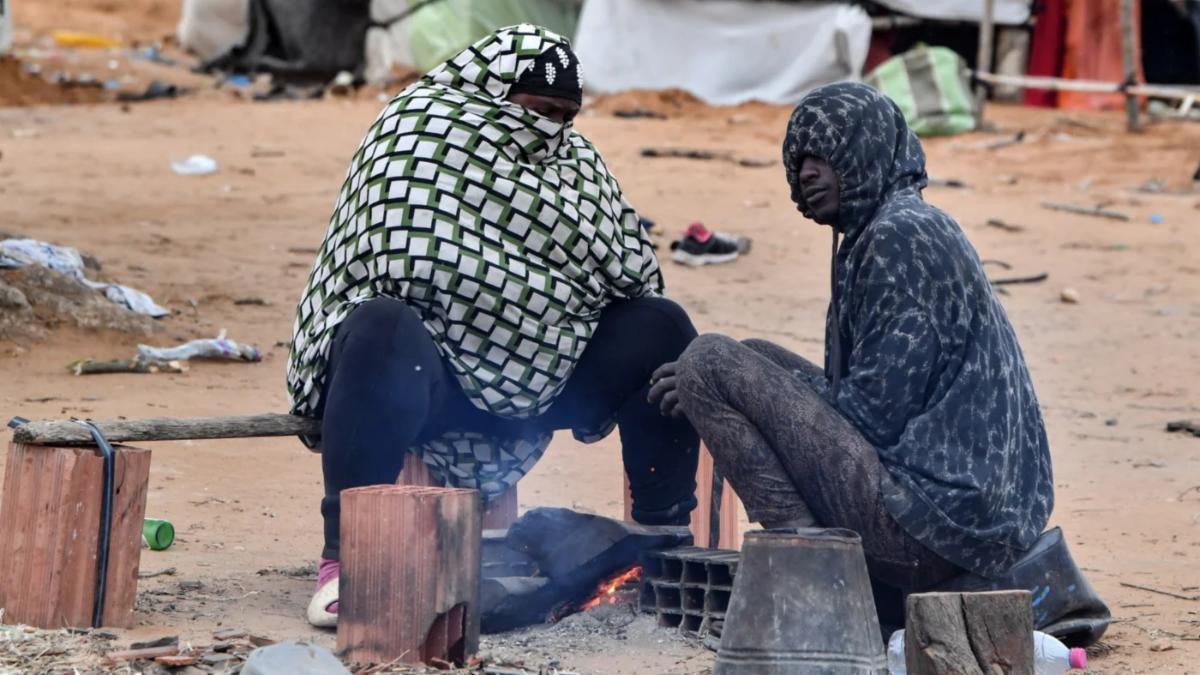
Report: Tunisian State Involved in Sale of Migrant People to Libya
MIDDLE EAST EYE — A report presented to the European Parliament accuses Tunisian authorities of direct involvement in the trafficking and sale of Sub-Saharan African migrants to Libya. Testimonies from 30 migrants, trafficked between June 2023 and November 2024, describe being arrested in Tunisia, detained at the Libyan border, and sold to Libyan armed groups. Migrants report extensive abuse, including torture, violence, and rape by Tunisian forces and Libyan captors, with ransoms demanded from their families. The report suggests these actions constitute state crimes under international law. Researchers aim to highlight the complicity of the EU, which designates Tunisia as a "safe country" despite these severe human rights violations.
|
|
|
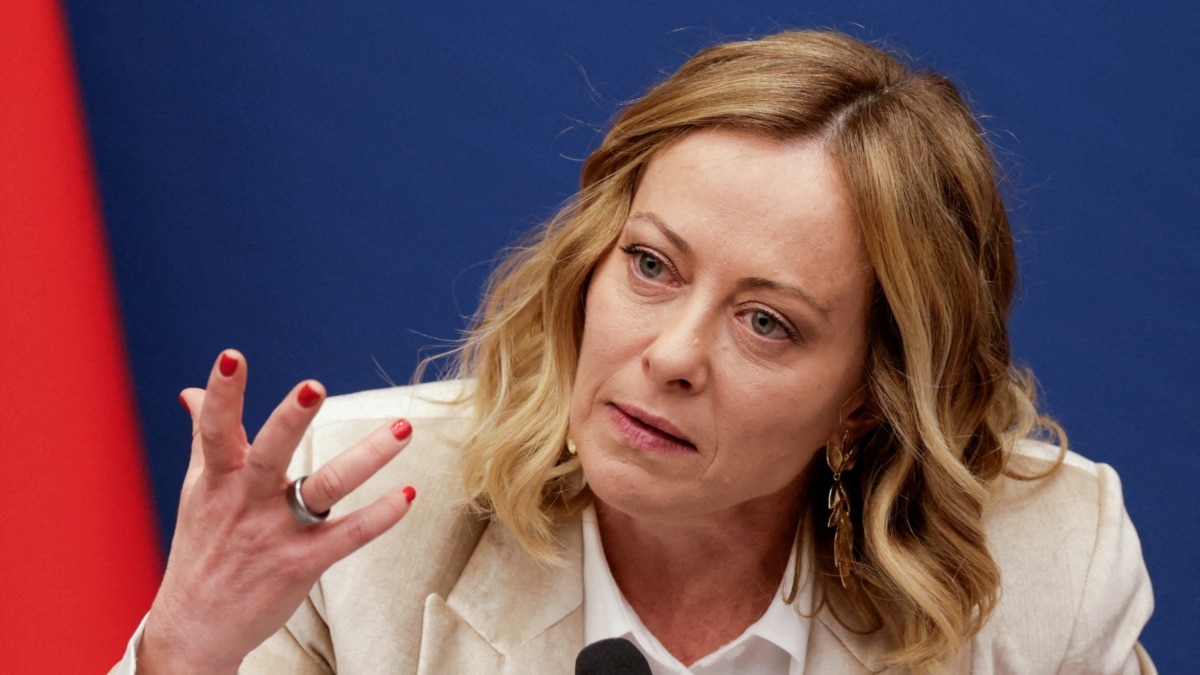
Italy’s Meloni Under Investigation Over Release of Libya War Crimes Suspect
SCMP — Italian Prime Minister Giorgia Meloni is under investigation for releasing Osama Elmasry Njeem, a Libyan police officer wanted by the International Criminal Court for crimes against humanity. Njeem was detained in Turin under an ICC warrant but freed and flown back to Libya using an Italian state aircraft. The ICC has demanded clarification for the decision, which was made without consulting them. Rome’s chief prosecutor opened an investigation into Meloni for potentially aiding a crime and misuse of public funds. Despite this, being investigated in Italy does not imply guilt or immediate formal charges.
|
|
|
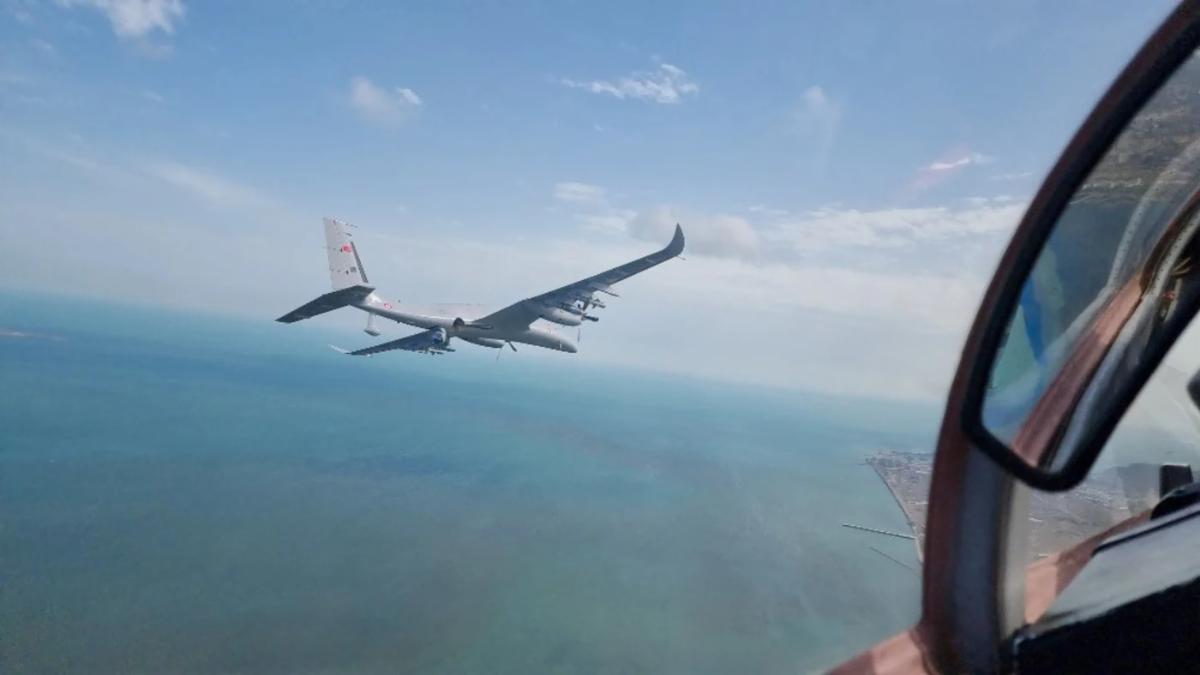
Turkish Defence Company's Morocco Drone Investment Isn't What It Seems
MIDDLE EAST EYE — Turkish drone manufacturer Baykar has established a subsidiary, Atlas Defence, in Morocco to maintain and support the unmanned aerial vehicles (UAVs) it sold to the Rabat government in 2021. Contrary to speculation about large-scale production, the subsidiary's modest capital of 2.5 million dirhams suggests limited operations focused on maintenance and spare parts due to local regulatory requirements. This investment is part of Baykar's transparent strategy of setting up foreign facilities, although Morocco is not seen as a significant market for expanding its production. Baykar's drones, notably the Bayraktar TB2, have gained international recognition and are employed by Morocco to strengthen its defensive capabilities against the Polisario Front amid regional tensions involving Algeria.
|
|
|
Libya: Civic Space Crushed
HUMAN RIGHTS WATCH — Libyan authorities have significantly restricted civic space through the use of broad and repressive laws inherited from the Gaddafi era. These regulations have been used to threaten, harass, arbitrarily detain, and attack activists and civil society members. The obstructive requirements for non-governmental organizations (NGOs) severely hinder their operations, driving many activists into self-censorship or exile. In the absence of a law that aligns with international human rights standards, the legal environment remains hostile, with harsh penalties including the death sentence for those involved in unapproved associations. This climate of repression impedes civic groups from functioning safely and effectively, undermining freedoms of expression, assembly, and association.
|
|
|
European Commission Counters Dumped Polyvinyl Chloride from USA and Egypt
EU COMMISSION — The European Commission has imposed anti-dumping duties on polyvinyl chloride (PVC) imports from Egypt, ranging between 74.2% and 100.1%, following an investigation that found these imports were damaging the EU industry. This action aims to prevent further market share loss and potential plant closures within the Union, which employs 4,000 individuals across seven Member States. The EU market for PVC is valued at EUR 3.5 billion. PVC is utilized in manufacturing sectors such as construction, where it is used for pipes, films, and moldings. These measures intend to stabilize the EU market by curbing unfair pricing practices from Egyptian suppliers.
|
|
|
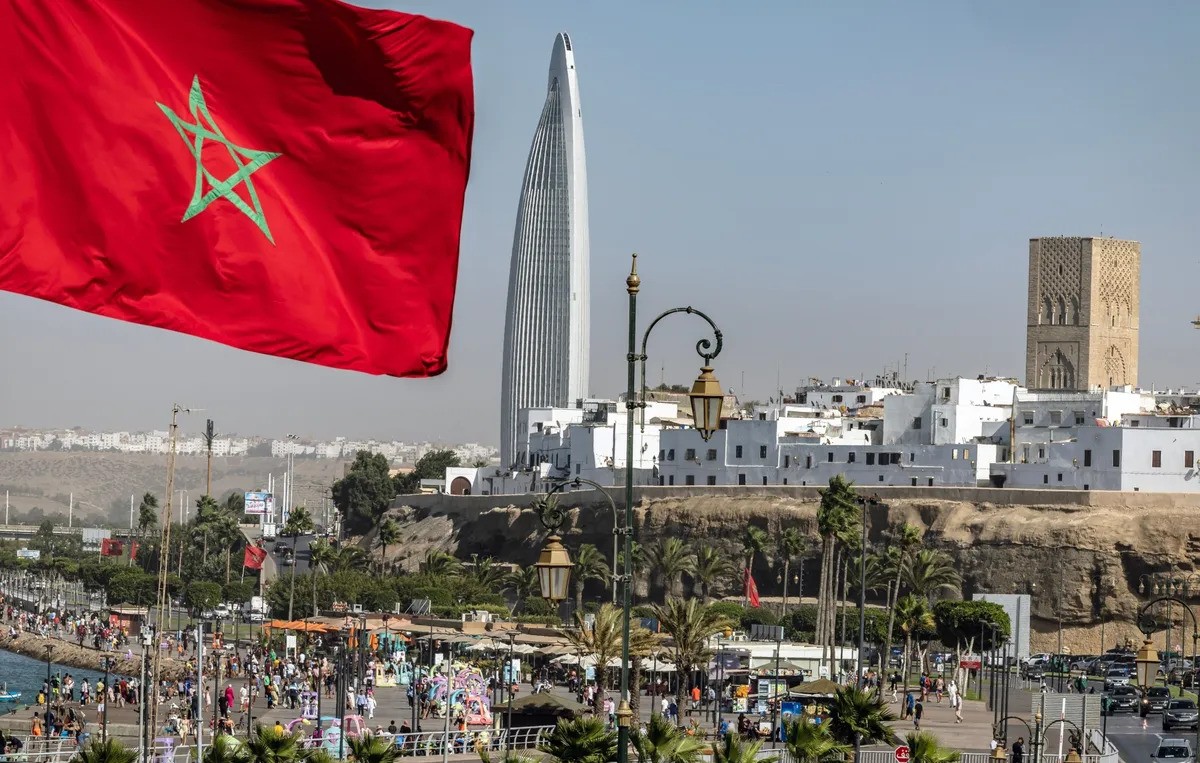
Morocco Unions Call First General Strike in Decade on Wages
BLOOMBERG — Morocco's major labor unions have called for a two-day nationwide strike, the first in nearly a decade, to demand resumption of wage negotiations and protest pension reforms by Prime Minister Aziz Akhannouch's government. Unions criticize the administration for inadequate measures to control food inflation and enhance purchasing power, while objecting to a controversial law criminalizing worker strikes. Key grievances include planned pension reform, raising the retirement age to 65, and insufficient action on agreed wage discussions and income tax reductions. This strike reflects widespread dissatisfaction amidst rising unemployment and concerns over stalled developmental projects.
|
|
|
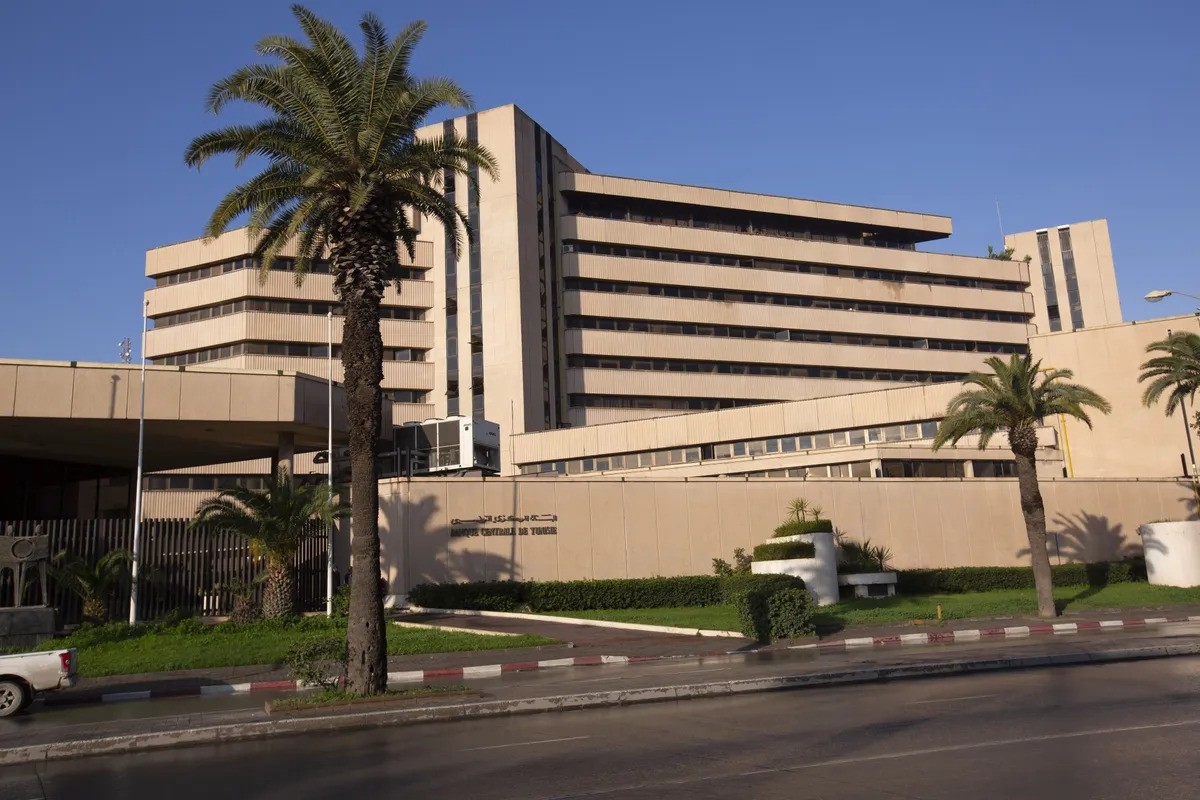
Eurobond Payment Shrinks Tunisia’s Forex Reserves by $1 Billion
BLOOMBERG — Tunisia's foreign-exchange reserves dropped by nearly 13% in a single day, reducing import cover from 119 to 104 days following a $1 billion eurobond repayment. The central bank's holdings fell from 26.7 billion dinars to 23.3 billion dinars. The government has increasingly turned to the central bank for external debt repayments while facing revenue struggles in key sectors amid ongoing political instability. Budget austerity and currency controls have helped reduce fiscal deficits, yet economic growth remains sluggish and reliant on domestic borrowing. The central bank has urged banks to limit dividend distributions to manage the outflow of foreign currency.
|
|
|
Tunisian Banks Have Sufficient Liquidity to Help Meet Sovereign Financing
FITCH RATINGS — In 2025, Tunisian banks will provide substantial liquidity to meet the government's financing needs, buoyed by a robust 6% increase in deposits and weak private-sector credit growth of 1.5% in the first eight months of 2024. Tunisia aims to secure TND4.8 billion in external funding, while domestic financing from banks, through loans, bonds, and T-bills, is projected at TND15 billion, equating to 9.4% of GDP. The 2025 budget includes borrowings of TND5.6 billion from domestic banks and TND8.2 billion from bond issuances. Bank exposure to government and the Central Bank of Tunisia was 21% of assets as of August 2024. Fiscal deficit is expected to decrease to 5.7% of GDP due to reduced oil subsidies and higher tax revenues. Consequently, total financing needs are projected to drop to 16.5% of GDP in 2025, supported by foreign-currency reserves of about US$8 billion.
|
|
|
CBE Reports $26.3 Billion in Remittances for First 11 Months of 2024
BARRON'S / AFP — The Central Bank of Egypt reported a substantial increase in remittances, reaching $26.3 billion in the first 11 months of 2024, a 47.1% rise from $17.9 billion during the same period in 2023. This growth is largely attributed to economic reforms initiated in March 2024, including the devaluation of the Egyptian pound and interest rate adjustments which enhanced remittance attractiveness. From July to November 2024, remittances surged by 77%, amounting to $13.8 billion. Despite previous declines due to global economic disruptions, Egypt has elevated to the fifth position worldwide in remittance receipts, demonstrating their critical role in sustaining the national economy. The resurgence in remittances reveals increased confidence in Egypt’s financial environment post-reforms.
|
|
|
Made in Morocco: How China’s EV Battery Makers Are Powering Past Western Tariffs
SCMP — Chinese firm CNGR Morocco New Energy has launched production of nickel-based precursor cathode active materials in Morocco, targeting European and North American markets while avoiding Western tariffs. The enterprise is part of a $2 billion agreement formed in 2023, featuring a joint venture between CNGR Advanced Material and African fund Al Mada. Situated near Morocco’s Jorf Lasfar port, the facility is pivotal for producing nickel-cobalt-manganese battery components for electric vehicles, aligning with the global surge in demand. Future expansions include plans for lithium-iron phosphate materials and battery recycling, aiming for a production capacity that could support over 1 million electric vehicles annually.
|
|
|
Conference Pledges $50 Billion to Electrify Africa
GCR — A recent conference in Tanzania, co-hosted by Tanzania and the World Bank, committed over $50 billion for Africa's electrification, targeting 300 million people by 2030. This funding is directed towards renewable energy and infrastructure improvements, with the World Bank and African Development Bank contributing $48 billion. Additional funds come from various international banks. The initiative also launched Zafiri, an investment company aimed at mobilizing private capital for renewable micro-grids and solar home systems. Countries like Nigeria, Senegal, and Zambia presented plans to expand renewable capacities, emphasizing regulatory reforms for transparency and predictable tariffs.
|
|
|
Algeria Strikes Deal With Chevron To Assess Offshore Oil
BARRON'S / AFP — Algeria has entered into an agreement with Chevron to evaluate offshore oil potential. This collaboration aims to explore and potentially develop Algeria's offshore energy resources. The deal represents a strategic move to leverage Chevron's expertise in offshore oil assessment. This partnership will enhance Algeria's energy sector and contribute to its economic growth by tapping into unexplored offshore oil reserves.
|
|
|
—TRANSLATED—
Immigration in France: The Weight of the Maghreb
LE POINT — The debate on immigration in France has intensified following Prime Minister François Bayrou's remarks about a national sentiment of being overwhelmed. His comments have caused political friction, with socialists embarrassed and the far-left satisfied, seeing it as evidence of the government's alleged racism. This ongoing controversy reflects France's struggles to address immigration issues and captures the internal and international perceptions of French societal dynamics.
|
|
|
THE SAIS REVIEW OF INTERNATIONAL AFFAIRS
—CALL FOR PAPERS—
Forgotten Wars: Beyond the Mainstream
Since 2022, global media has heavily concentrated on two major conflicts—the Russia-Ukraine War and the Israel-Hamas-Hezbollah War. While these wars have significant geopolitical, economic, and humanitarian implications, this narrow focus often obscures other conflicts that continue to shape global security, and regional stability.
In this issue,The SAIS Review aims to shed light on these overlooked crises, by elevating underreported conflicts to cultivate a deeper understanding of their historical roots, political dynamics, and humanitarian consequences as well as exploring potential paths toward resolution.
Policymakers, professionals, academics, and activists with expertise may submit to sais.review@gmail.com.
Abstracts are due March 15, 2025
Manuscripts are due March 29, 2025
|
|
|
THE NORTH AFRICA INITIATIVE
—NEW EPISODE—
Eye on the Maghreb
The Eye on the Maghreb video interview series, led by Hafed Al-Ghwell, FPI Senior Fellow & Director of NAI, and developed by SAIS students, Sima Beitinjaneh & Jozie Gregg, explores the pressing issues affecting the Maghreb subregion. In this latest episode, Hafed discusses the ramifications of Bashar al-Assad's ouster in Syria and the shifting balance of power as Russia encroaches on Libya, seeking to leverage its proximity to Europe as well as Africa Corps operations across the Sahel and Central Africa; Egypt's fear of a potential resurgence of political Islam given Syria's new leadership and rising anti-regime fervor amidst worsening economic woes and repression.
You can catch this and previous episodes on NAI's YouTube Channel.
| |
|
THE NORTH AFRICA INITIATIVE & SAIS REVIEW'S THE LOOKING GLASS PODCAST
—IN CASE YOU MISSED IT—
The Libya Chronicles: A Nation in Flux
Catch the newest episode of The Looking Glass' "The Libya Chronicles: A Nation in Flux" — part of the first Maghreb Voices Mini Series dedicated to Libya, a collaboration between the SAIS Review of International Affairs and the North Africa Initiative at Johns Hopkins School of Advanced International Studies (SAIS).
This episode dives into Libya’s rich yet tumultuous history, from ancient kingdoms to the transformation of society under Gaddafi and beyond. Joining us is Stephanie Turco Williams, nonresident senior fellow at the Brookings Center for Middle East Policy and former special adviser on Libya to the UN Secretary-General. Stephanie shares her expertise on Libya’s social and economic shifts, informed by her extensive career, including roles as acting special representative for Libya and deputy special representative to the United Nations as well as 24 years in the U.S. Foreign Service focusing on the Middle East.
Stay tuned for her insights on Libya’s challenges, opportunities, and the global impact of its transformation.
You can listen to this episode on Apple Podcasts or Spotify.
| | |
|
INSTITUTE FOR RESEARCH & STUDIES ON THE MEDITERRANEAN & MIDDLE EAST (IReMMO) | SEMINAR SESSIONS
—ONGOING EVENT—
Geopolitics of Natural Resources in the Mediterranean and the Middle East
JANUARY 9TH — MARCH 13TH, 2025 | THURSDAYS — 6:30 PM to 8:30 PM
Join IReMMO for an insightful seminar to explore the geopolitical underpinnings of natural resource management that crystallize power games and rivalries in the Mediterranean region and the Middle East. This issue has been central to the political, economic and social upheavals and the political making of identities and states in this region since the mid-20th century. Such seminar sessions will provide an opportunity to explore these different dynamics in greater depth and offer keys to better understand power strategies in light of food, agricultural, energy and water issues.
| | |
|
ARAB LAND INITIATIVE | CONFERENCE
—FUTURE EVENT—
The Third Arab Land Conference
FEBRUARY 18 — 20, 2025 | 4:00 PM (GMT +1)
The Government of Morocco is hosting the Third Arab Land Conference in Rabat on the 18-20 February 2025. The Conference, co-organized by UN-Habitat and the Arab Land Initiative, among others, is an important milestone in advancing good land governance for the achievement of social, economic, environmental and peace dividends in the Arab region.
Join in-person and virtual participants from ministerial and government delegations, land professionals, civil society, NGOs, academia, private sector and international organizations for this highly anticipated event.
| |
|
CARNEGIE ENDOWMENT FOR INTERNATIONAL PEACE | DIWAN
—COMMENTARY—
Aiding and Abetting Egypt’s Behavior
In late 2024, Egypt announced the privatization of ten state-owned enterprises, including military companies, aligning with an IMF agreement for $1.2 billion in new loans. Despite this, the Egyptian government has largely ignored structural reforms promised in previous loan agreements, such as enhancing financial management and transparency in military companies. The military's economic influence and policymaking power have expanded, overshadowing civilian governance. This context renders partial privatization a mere distraction from needed reforms. The IMF's continued financial support, despite unmet reform conditions, indicates an acceptance of limited progress. Consequently, the IMF and other international entities seem to have shifted focus from substantial structural changes toward accommodating Egypt’s existing economic framework, which contradicts their initial reform objectives.
| |
|
—TRANSLATED—
ITALIAN INSTITUTE FOR INTERNATIONAL POLITICAL STUDIES (ISPI)
Libya: Tensions Between East and West Ease
Libya currently experiences a decrease in tensions between the eastern and western factions, primarily due to UN mediation. The country remains politically fragmented, with the Government of National Unity controlling Tripoli and the northwest, while forces led by Khalifa Haftar hold sway over the east and significant central and southern regions. Recent steps toward stabilizing the Central Bank dispute have mitigated immediate conflict risks, although fundamental divisions persist. The UN's role remains pivotal, promoting election schedules despite resistance from entrenched political and military leaders aiming to maintain the status quo. The resignation of National Oil Corporation's director signals potential volatility in oil revenue distribution, a crucial economic factor. Renewed energy sector investments and ongoing geopolitical maneuvers, such as Russia’s bolstering eastern defense resources, reflect the dynamic interplay of internal and external influences shaping Libya’s current and future stability.
|
|
|
—TRANSLATED—
ITALIAN INSTITUTE FOR INTERNATIONAL POLITICAL STUDIES (ISPI)
Algeria: Tests of Continuity
Abdelmadjid Tebboune's re-election in Algeria underscores a trajectory of continuity amidst socio-political and economic stability, largely sustained by hydrocarbon revenues. Key domestic priorities include bolstering non-extractive sectors, such as tourism and agriculture, with ambitions to generate 20,000 startups. Expansion in hydrocarbon production aims to increase revenues by $15 billion over five years, alongside initiatives in mining and infrastructure enhancement. Despite high public spending causing a fiscal deficit and public debt at 49.5% of GDP, there is a notable 3.8% GDP growth, driven by non-extractive industries. Inflation reduction remains critical after peaking at 9.3% during 2022-2023. Internationally, Algeria is leveraging its UN Security Council seat to enhance diplomatic influence amidst regional security threats and its longstanding rivalry with Morocco. Noteworthy developments in the energy sector include increasing gas production targets and new agreements with major energy firms, despite fluctuations in European demand.
|
|
|
—TRANSLATED—
ITALIAN INSTITUTE FOR INTERNATIONAL POLITICAL STUDIES (ISPI)
Tunisia: Saïed Full Steam Ahead
Following his re-election in October 2024 with a record 90.7% of the vote, Tunisian President Kaïs Saïed continues to dominate the political landscape. Despite this overwhelming victory, only 28.8% of the electorate participated, pointing to significant political apathy. Economically, the country remains stagnant with no substantial reforms implemented. The president's emphasis on sovereign and anti-corruption narratives resonates amid a backdrop of youth unemployment at 40%. Saïed's approach to international relations is marked by a pronounced national sovereignty stance, notably maintaining close ties with Algeria. Internally, his administration focuses on constructing a "New Tunisia" by improving public welfare and resisting external pressures, particularly from international financial institutions like the IMF and World Bank.
|
|
|
—TRANSLATED—
ITALIAN INSTITUTE FOR INTERNATIONAL POLITICAL STUDIES (ISPI)
Morocco: The Reign of Mohammed VI, A Quarter Century of Light and Shadow
Marking a quarter-century of Mohammed VI's rule, Morocco has experienced notable political, economic, and social transformations. While recent foreign policy achievements include strengthened ties with France and Sahel states, challenges persist amid global uncertainties. Domestically, despite reforms and economic growth—marked by a 4.3% GDP increase in Q3 2024—issues like droughts, water crises, and elevated unemployment rates (21.3% in 2024) strain the nation. Government reshuffles aimed at improving education, health, and labor sectors highlight ongoing difficulties. Increased exports and robust tourism contributed to fiscal improvements, yet social inequality remains stark. Internationally, Morocco's diplomatic success includes the French endorsement of its Sahara sovereignty claim, further bolstering its strategic partnerships. Nonetheless, unresolved issues with Spain and EU dynamics reflect underlying diplomatic challenges.
|
|
|
BROOKINGS
Intra-African Trade and Its Potential to Accelerate Progress Toward the SDGs
Intra-African trade, significantly driven by the African Continental Free Trade Area (AfCFTA), has seen an upswing, increasing formal trade within the continent from 12-18% prior to 2021 to remarkable levels post-implementation. This growth is crucial for sustainable economic development, heavily contributing towards the Sustainable Development Goals (SDGs). Enhanced trade connectivity fosters inclusive growth, job creation, and economic resilience (SDG 8), while also driving industrialization and innovation (SDG 9). Additionally, it stabilizes food prices and improves food security (SDG 2). Environmentally, the AfCFTA encourages ecological sustainability and aligns economic activities with climate action (SDG 13). Despite current challenges, including investment in cross-border infrastructure and the need for stronger political commitment, the ongoing efforts show promising potential. The projected 35% increase in intra-African trade by 2045 underscores the transformative impact of the AfCFTA, aiming to lift 50 million Africans out of extreme poverty by 2035. Future success depends on reducing trade barriers and promoting green investment and sustainable practices, ensuring Africa's meaningful role in the global economy.
|
|
|
ATLANTIC COUNCIL
The Green Gold Rush: Why Renewable Energy is Egypt’s Next Big Opportunity
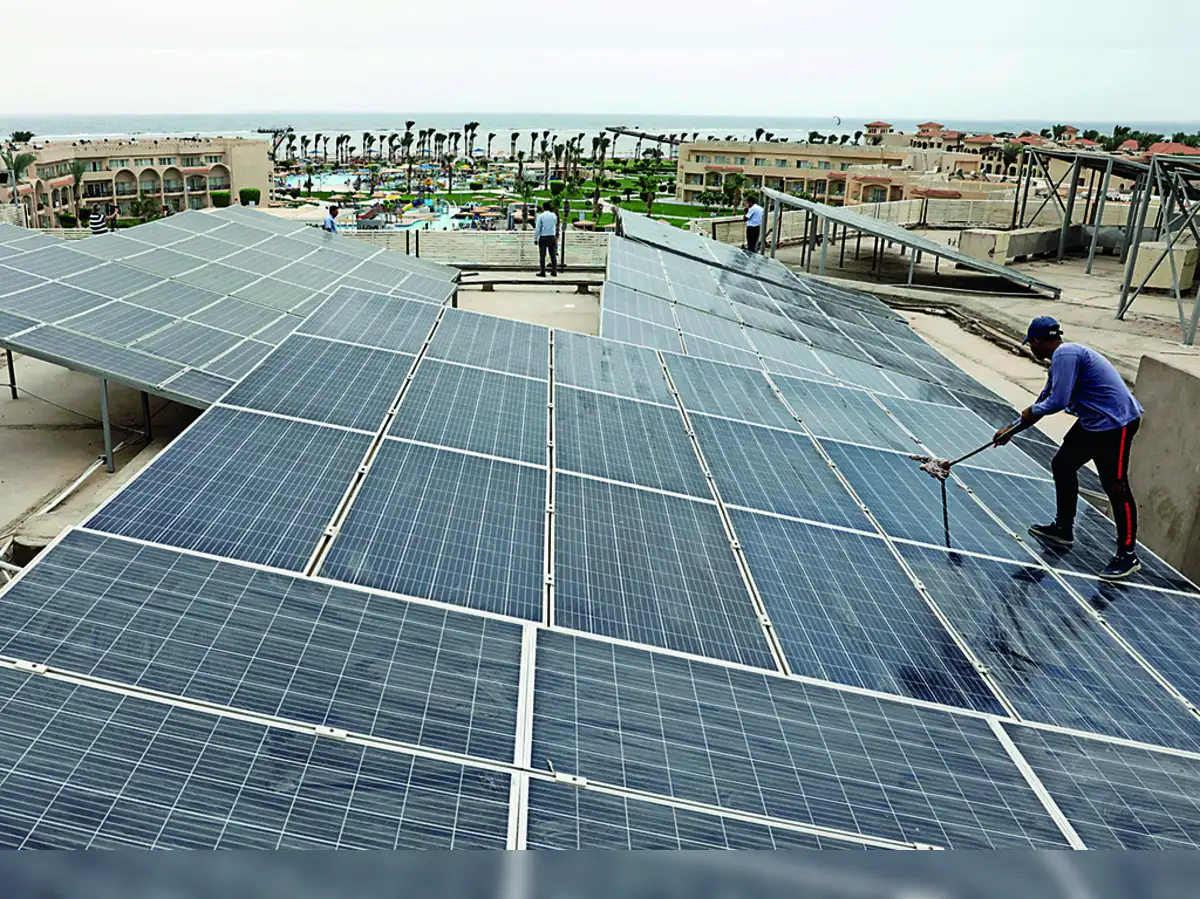
Egypt's renewable energy sector is poised for significant growth, driven by its vast solar and wind resources. Solar irradiance levels between 2,000 to 3,200 kWh per square meter and more than 3,500 hours of sunshine annually present significant opportunities. Major projects include the Benban Solar Park with 1.8 GW capacity and plans for further expansion. Wind energy in the Gulf of Suez and Nile Valley, with average wind speeds of 8-10 m/s, targets 14 GW by 2030. High-profile projects include a 5 GW wind farm by AMEA Power and a 10 GW project by the Masdar consortium, poised to cut emissions significantly. The country's ambitions extend to green hydrogen, leveraging its renewable resources to potentially produce green hydrogen at under two dollars per kilogram by 2030. However, achieving these goals requires overcoming substantial challenges such as an underdeveloped energy infrastructure, financial constraints, and a high dependency on fossil fuels, which currently account for 80% of electricity generation. Addressing these issues through strategic investments, upgraded grids, and favorable policies is critical for Egypt to emerge as a global leader in renewable energy.
|
|
PROJECTS, REPORTS & PUBLICATIONS | |
|
THE ISLAMIC REPUBLIC OF MAURITANIA
National Energy Pact
Mauritania is committed to achieving universal energy access by 2030 as part of its SCAPP 2030 strategy and the UN's Sustainable Development Goal 7. This comprehensive roadmap aims to provide affordable, reliable, inclusive, sustainable, and clean energy for all Mauritanians. Crafted through a participatory approach, the Pact involves stakeholders like development partners, the private sector, and civil society.
| |
|
INTERNATIONAL MONETARY FUND (IMF) | REPORT
African Century
The global population reached a significant milestone of 8 billion. More recently, in April, India overtook China as the world's most populous country. It is Africa's booming population, however, that commands attention, with its demographic transformation set to reshape the continent and the world beyond. This projected shift in population and potential demographic dividend for five African countries could have profound economic effects and even alter the world order, with some of these states possibly emerging as new world powers.
| |
|
UNITED NATIONS | REPORT
Final Report of the Panel of Experts Established Pursuant to Resolution 1973 (2011) Concerning Libya
According to the UN's Panel of Experts on Libya, armed groups have significantly influenced state institutions, particularly in the west and east, with LAAF controlling governance functions and external relations. These groups have increased revenue through diesel smuggling and influenced oil companies. Despite no terrorist attacks, terrorist elements remain active in the south, using cross-border activities for financing and recruitment. Human rights abuses and trafficking are rampant, facilitated by armed actors. The influx of military equipment persists despite an arms embargo, with LAAF showcasing its arsenal advancements.
|
|
|
AfDB | Principal Country Economist
The African Development Bank is seeking a Principal Country Economist who is fluent in Arabic to be based in Cairo, Egypt. The role involves analyzing economic and financial situations, preparing strategic documents, and engaging in policy dialogue. The position reports to the ECCE1 Division Manager and the Country Manager for Egypt.
APPLY BY: FEBRUARY 08, 2025
| |
|
ICRC | Legal Adviser
The International Committee of the Red Cross in Cairo, Egypt is hiring a Legal Adviser with 1-3 years of experience. The role involves advising on international humanitarian law, conducting legal research, and supporting IHL dissemination. A law degree, fluency in English and Arabic, and legal drafting experience are required.
| |
|
#TENDER#
OECD | Egypt In-Country Experts (Non-Staff Consultants)
The Organisation for Economic Co-operation and Development (OECD) is launching a Call for Tenders to source three individuals, non-staff consultants, based in Egypt to work and contribute to the project: “Promoting Citizen-centred Governance in Egypt”. This call for tenders is divided into 3 lots: Senior Justice Expert; Senior Regulatory Policy Expert, and; Youth Empowerment Expert. Interested candidates should register here in order to access the associated documents and further information.
APPLY BEFORE: FEBRUARY 19, 2025
| | |
|
Give today, support students and drive positive change in the world.
Consider contributing to the North Africa Initiative by selecting 'Other' and specifying 'The North Africa Initiative' when making your gift. Your support plays a vital role in advancing research and programming, fostering development, stability, and prosperity in the subregion.
Your gift has an immediate impact on students, staff and scholarships at Johns Hopkins SAIS!
| |
Stay informed.
Stay ahead.
| |
|
See the latest analyses and posts by FPI Senior Fellow & Executive Director of The North Africa Initiative (NAI)
Also, catch Hafed's latest and other columns in Arab News.
| |
|
You can contact the North Africa Initiative (NAI) by emailing:
Senior Research Program Coordinator
| |
Muhammad Umar Zafar, SAIS MAIR Student & NAI Research Assistant, contributed to this newsletter. | | |
The Maghreb Weekly is produced by the North Africa Initiative of the Johns Hopkins University's School of Advanced International Studies (SAIS) Foreign Policy Institute with a focus on developments that impact the region's dynamics. This weekly digest includes an overview of the latest published research, studies and reports from think tanks and policy centers, covering long-term perspectives and analyses of North Africa's challenges and opportunities. | |
Any views expressed in the articles above, as well as any errors, are solely those of the authors. | | | | |


![Migrants, mainly from sub-Saharan Africa, are stopped by the Tunisian National Guard at sea during an attempt to get to Italy, near the coast of Sfax, Tunisia [File: AP]](https://www.aljazeera.com/wp-content/uploads/2024/09/AP24159313979160-1727696622.jpg?resize=770%2C513&quality=80)







.jpg)