Stay informed about nuclear waste risks on our coastline | | Strong El Niño Will Test San Onofre | | |
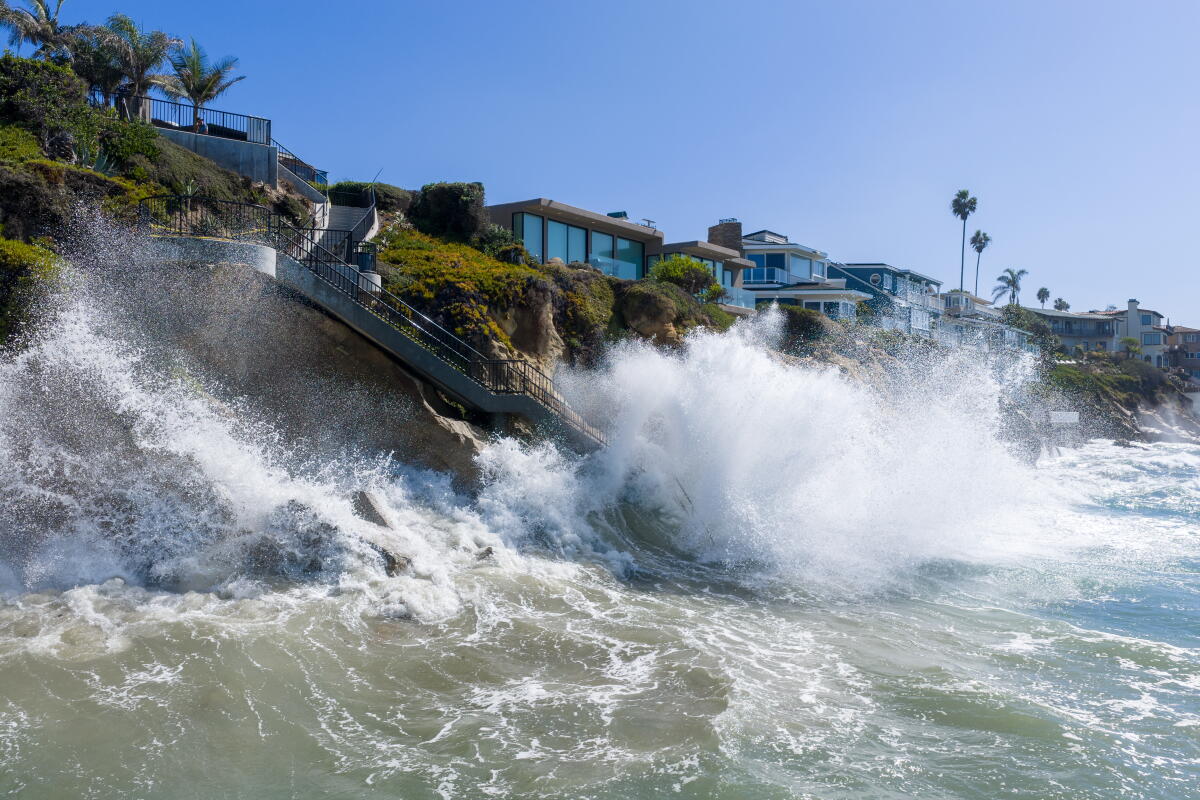
The National Oceanic and Atmospheric Administration (NOAA) now gives an 83% chance this El Niño will be the strongest since 1950. El Niño is a months-long warming of the tropical Pacific that raises California's sea level and makes big waves and a stormy winter more likely.
Coastal impacts are already showing. Earlier this month, swells from Tropical Storm Rachel and high tides flooded Newport Beach, prompting a local emergency, and broke through a seawall in Long Beach. Water levels rose to as much as 1.5 feet above predictions on a coast still recovering from Hurricane Marie in September.
At La Jolla, the ocean is near 1983 levels:
- Sea level reached 5.1 inches above NOAA's baseline at the January 1983 El Niño peak, and 4.9 inches above this July.
- Sea level is approximately 3.4 inches higher than it was in 1983, meaning less water is needed to reach the same elevation.
- A July 13 tide of 7.67 feet topped the 1983 storm peak of 7.46 feet.
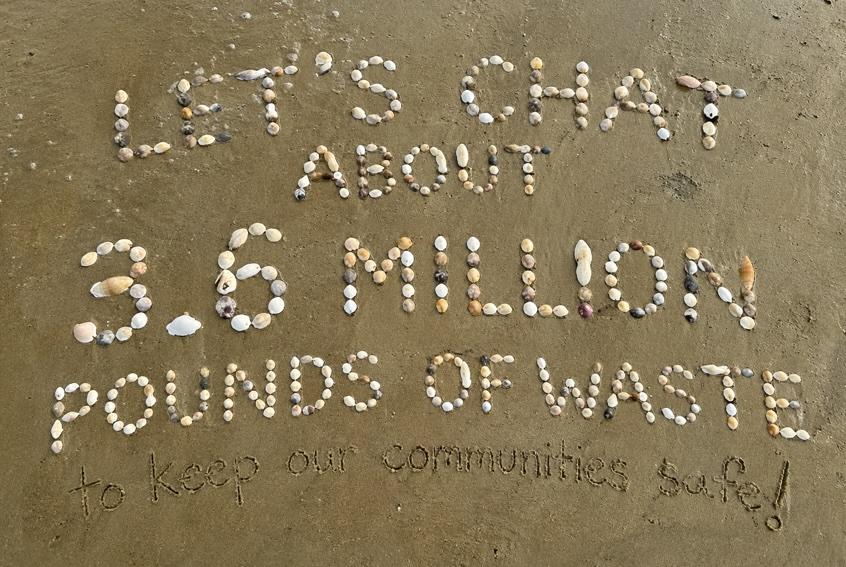
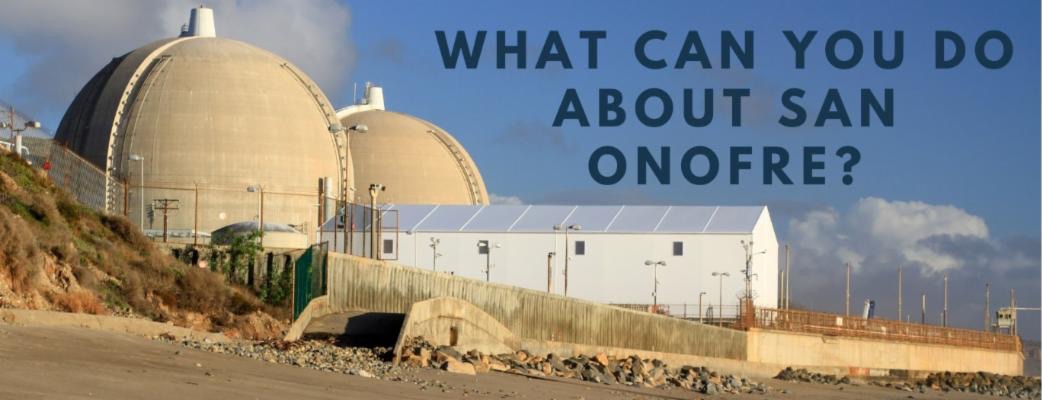
At San Onofre: With 3.6 million pounds of spent nuclear fuel just 100 feet from the Pacific Ocean, the risks could be great. The California Coastal Commission approved the newer storage system in 2015 with its base about 2 feet above groundwater. It found rising seas "could potentially lead to intermittent groundwater contact with the base" but judged limited contact would not undermine the structure. Approval runs through October 2035, with a new hazard review required before any extension. Anyone can request Edison's quarterly groundwater readings from the State Lands Commission at CSLC.PRARequest@slc.ca.gov.
Photos from 1983? Please share them at admin@samuellawrencefoundation.org
| | San Diego Climate Week Recap | | |
San Diego Climate Week brought together scientists, tribal leaders, local officials and community members for three events centered on our shared future. Here’s a look back at the conversations, connections and ideas that brought us together.
-
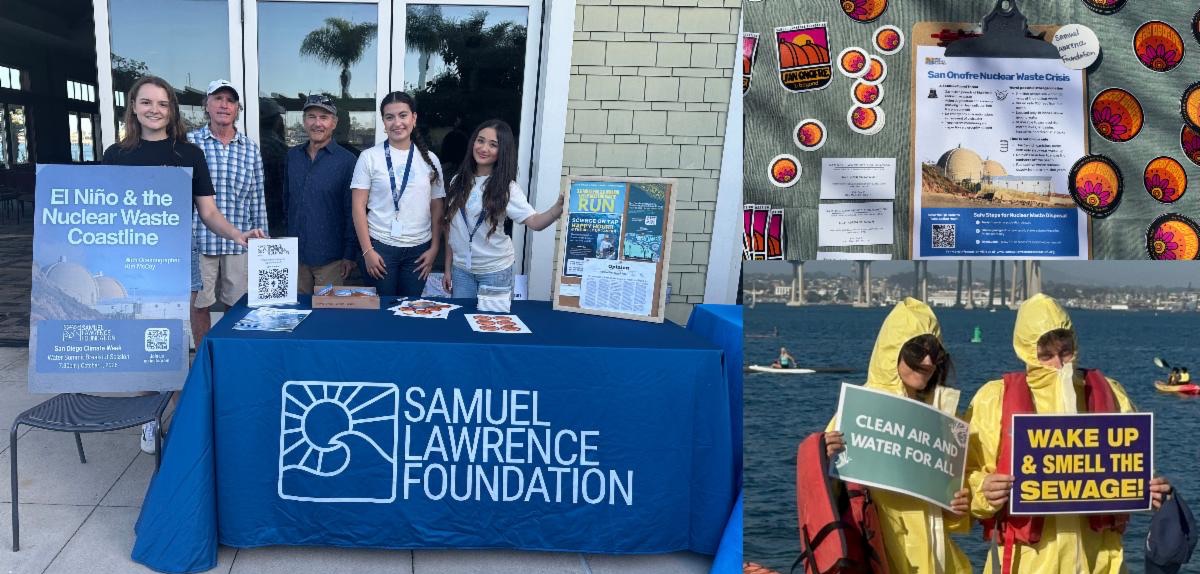
Water Summit: As presenting sponsor, SLF opened Climate Week with remarks from President Bart Ziegler linking the Tijuana River Valley and San Onofre. Oceanographer Kim McCoy led our breakout on El Niño and coastal risks at San Onofre, and we debuted new flyers at the nonprofit fair.
-
Walter Munk Day: We tabled all day, launched our petition, met many local youth groups, and handed out 15 pounds of bananas to spark conversations about radiation.
-
Science on Tap: Johnny Bear Contreras, sculptor, storyteller and member of the San Pasqual Band of the Kumeyaay Nation, joined us at Tower 13 to discuss Indigenous stewardship and tribal consent. The video sizzle is live on SLF's Instagram, and the full video will be on our YouTube later today!
Thank you to everyone who joined us!
| | |
In September, our Symposium conversation reached Congress. Both chambers examined the Department of Energy's (DOE) new spent fuel plan, "Nuclear Lifecycle Innovation Campuses" in volunteer states that would combine storage, reprocessing and disposal, and San Onofre made it into the record.
House, September 15: At an Energy and Commerce Subcommittee on Energy hearing, Rep. Scott Peters (D-CA-50) entered into the record a Los Angeles Times article that drew on The San Onofre Symposium, hosted by the Samuel Lawrence Foundation. "Experts agree that the nuclear waste stored at San Onofre is stored safely," Peters said. "However, it was never meant to be there in perpetuity. So we need to get moving." He asked Theodore J. Garrish, DOE's Assistant Secretary for Nuclear Energy, to prioritize waste at "shut down plants in high risk areas like San Onofre." Garrish did not commit, saying DOE would start with the fuel easiest to reprocess while also considering shutdown plants.
Senate, September 23: At a Senate Environment and Public Works Committee hearing, Chair Shelley Moore Capito (R-WV) said the current waste framework has failed to achieve its goals. Sen. Ed Markey (D-MA) faulted the administration for firing members of the Nuclear Waste Technical Review Board, and former DOE nuclear energy head Kathryn Huff warned that past mistakes will repeat without transparency and public consent.
Thank you to LA Times reporter Blanca Begert for carrying the story from our Symposium to Washington. SLF will keep pushing until San Onofre moves to the front of the line.
| | Program Spotlight: Open Door for Art | | |
The Samuel Lawrence Foundation believes every child deserves the chance to experience the thrill of live music, the beauty of dance, and the magic of theater. Our Open Door for Art program brings students into the audience, putting the arts within reach of children who might otherwise miss out. We partner with local venues to provide youth with complimentary tickets to world-class performances. Each ticket opens the door to a new experience, a new perspective, a world of imagination, and a lifetime of possibilities.
So far, we have connected 3,000 students and families with access to live music, ballet, and performing arts. Stay tuned for more information on upcoming performances and how you can support.
| |
| Palisades Restart on Hold After Fuel Loading Mishap | | |
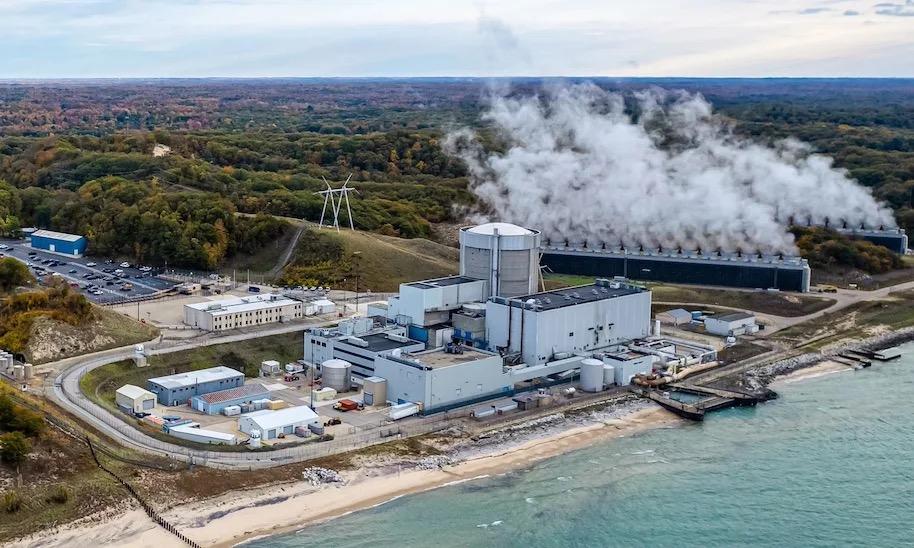
Holtec International's restart of Palisades, the Michigan nuclear plant closed in 2022, is on hold after a fuel assembly tilted inside the reactor vessel. Holtec says it happened August 30, the first day of loading. The assembly was one of 136 partially used ones being reloaded alongside 68 new.
The public learned of it about three weeks later, when Edwin Lyman of the Union of Concerned Scientists flagged an online post alleging a dropped assembly. The NRC said it tipped rather than dropped and did not meet reporting requirements. "I suspect that the rush to do things quickly is leading to mistakes," Lyman told the Detroit Free Press.
Holtec has paused loading and plans to seek a license amendment for retrieval. Nuclear engineer Arnie Gundersen says parts of the fix are going through an internal process requiring no NRC approval. San Onofre's replacement steam generators, which forced its 2013 closure, went through the same process.
| | NRC Approves Construction of SMR | | |
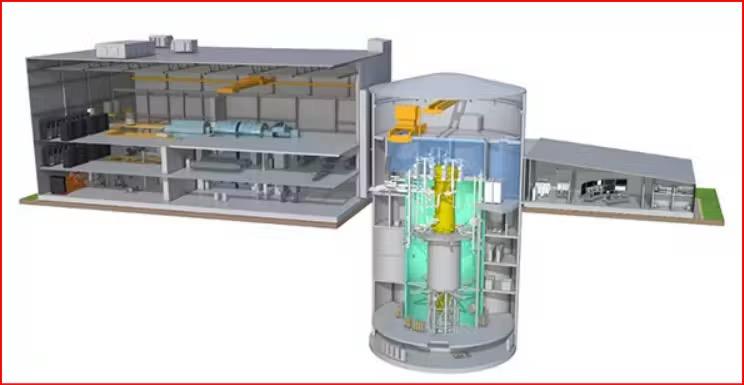
On September 29, the Nuclear Regulatory Commission issued a construction permit for the Tennessee Valley Authority's 300-megawatt BWRX-300 small modular reactor (SMR), the first U.S. construction approval for a commercial SMR. A separate operating license is still required.
Supporters say SMRs will be faster and cheaper to build, but none yet operate commercially in the U.S. The Department of Energy has committed $400 million to the project, its total cost has been reported at $5.4 billion, and operations won’t start until at least 2033.
SMRs also add to a waste stockpile with no federal repository, and a 2022 Stanford-led study found they could produce more waste per unit of energy than conventional reactors.
New energy technology deserves investment as demand grows. But billions in public and ratepayer money for a reactor years from producing power could go further toward proven clean energy, grid upgrades and geothermal.
| | |
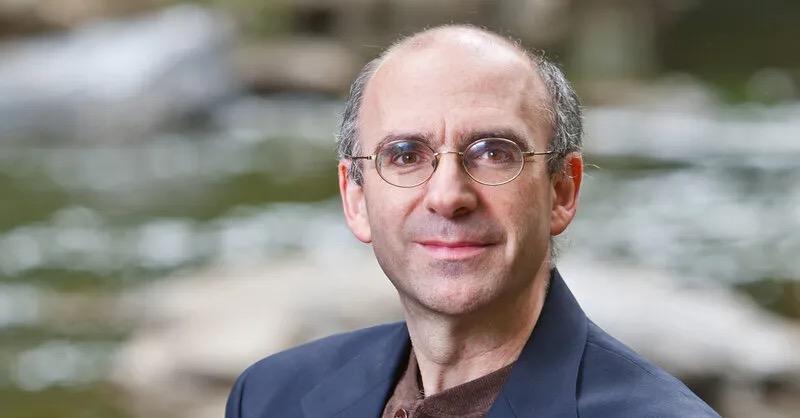
Joe Romm, a physicist, author, and leading climate expert, passed away in September. He earned his PhD in physics from MIT and served as Acting Assistant Secretary for Energy Efficiency and Renewable Energy at the U.S. Department of Energy. He was the founding editor of Climate Progress and authored ten books on climate, clean energy, and science communication. Most recently, he was a senior research fellow at the University of Pennsylvania’s Center for Science, Sustainability and the Media.
Joe was central to much of our work and a steadfast advocate for a lasting solution for the nation’s nuclear waste, including spent fuel stored along California’s coast. He consistently emphasized the power of narrative and the importance of how complex issues are communicated to the public.
We are deeply grateful for his expertise, guidance, and contributions to this work. His insight and commitment will be greatly missed.
| | |
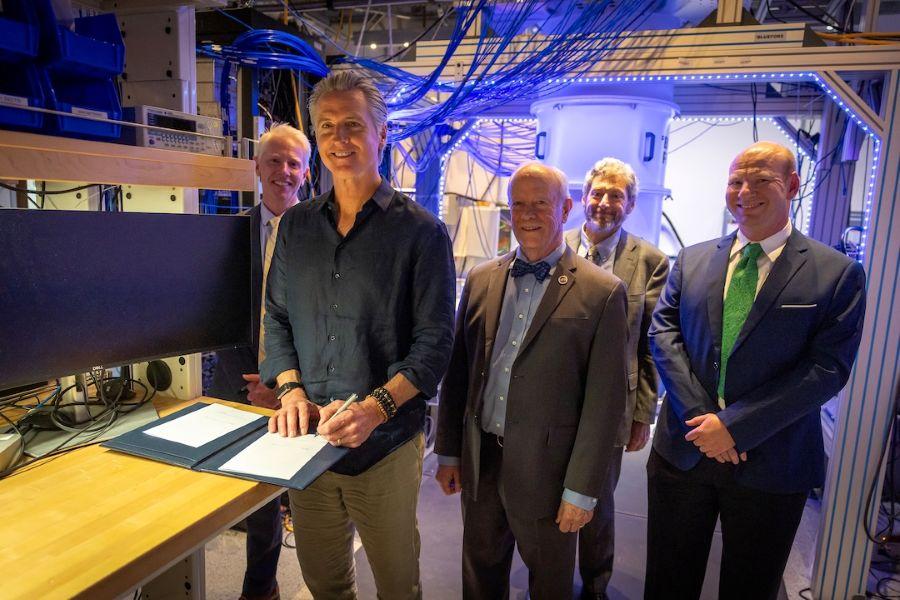
On September 30, Governor Newsom signed AB 2647. The bill began as an effort to repeal California's 50-year moratorium on new nuclear plants but pivoted to a mere study of new nuclear reactors because of fierce opposition. Make no mistake, AB 2647 still opens the door to considering more nuclear energy in California. SLF is opposed to nuclear power if there isn’t a national solution for the 3.6 million pounds of nuclear fuel waste at San Onofre, and especially the exotic, potentially more dangerous waste from SMRs that this bill will study.
The California Energy Commission has until January 1, 2028 to assess whether new nuclear plants even make sense on California’s grid given the 25 Diablo Canyon Power Plants worth of battery storage coming onto the grid in the meantime. The study will include the full nuclear lifecycle costs: fuel costs, construction, and ratepayers and taxpayers running tab for onsite, interim and long-term storage. The moratorium was written in 1976 because the country had no permanent place for high-level nuclear waste. It still doesn't.
SLF was among the organizations that opposed the bill as it was originally written and the version signed into law. A study this consequential has to be data-driven, rigorous, and neutral. We will be following every step of the way and keep you informed as we learn more.
| | |
Staff Spotlight:
Kaolyn Roberts, Policy Analyst
| | |
Something about me that's not in my bio:
I am PADI Open Water and NAUI Advanced scuba certified and have been diving since I was 14. I thought I wanted to be a marine biologist when I was a kid, before I realized I love law and writing. Currently applying to law school so I can become an environmental lawyer (wish me luck)!
Most memorable trip:
My study abroad in Italy. I double majored in Italian in college so it was fun to 'parla italiano' with all the locals! I also got to sit in on Papal mass inside St. Peter's Basilica in Rome.
Favorite Songs:
Fly on the wall - Miley Cyrus; Corcovado - Getz & Gilberto; Ciao Ciao - La rappresenta di lista; Till there was you - Beatles
Favorite SLF memory:
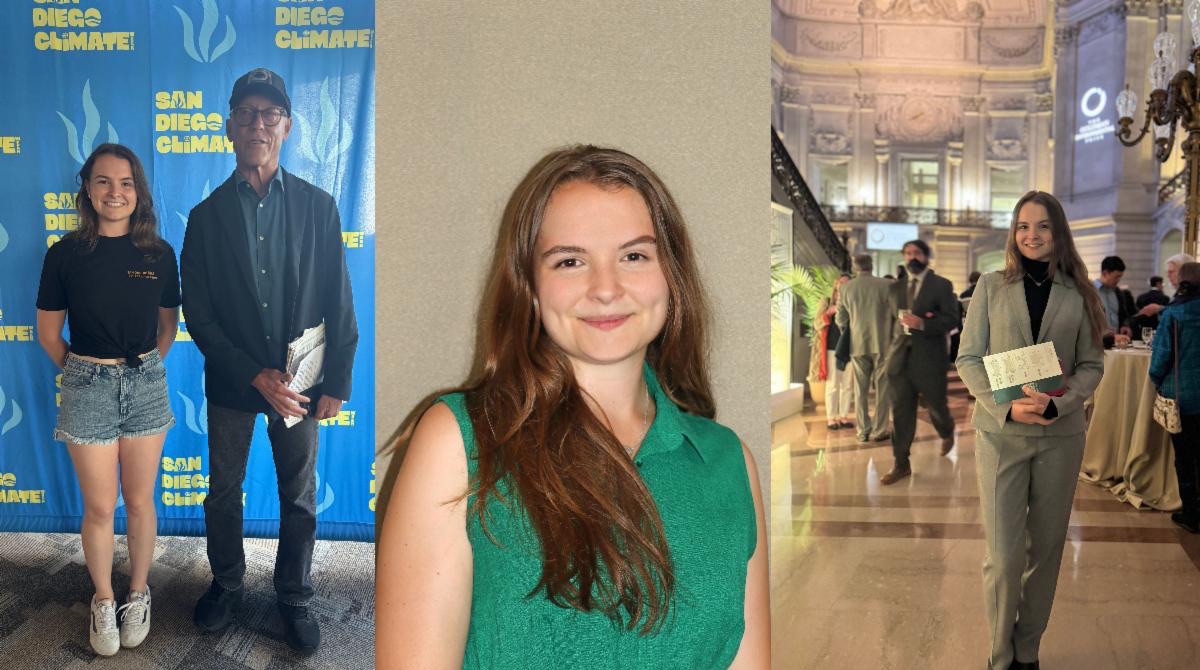
Way too difficult to choose! Touring a nuclear plant or walk along the beach collecting radiation data. Attending the Goldman Environmental Awards in SF on behalf of SLF was so inspiring-- so many awesome young people championing progress. I also always love tabling in the community (come volunteer with us!) and this year I gave guest lectures on San Onofre at SDSU.
Something fun I did this weekend:
Made some Trader Joe's pumpkin bread with my mom.
| | We have a full year of events ahead, and we would love your help. From SLF programs to tabling at community events, SLF needs volunteers to greet guests, create graphics and pitch in behind the scenes. There's a role for everyone, no experience needed. | | |
Stay on top of NRC rulemakings
The NRC is rewriting its regulations at a pace not seen in decades, and each proposed rule has a public comment period. Comments become part of the official record, and the agency must respond to them. Bookmark the NRC's Documents for Comment page to catch future dockets. We'll flag the ones that matter for San Onofre in every newsletter.
Watch the San Onofre Symposium
On August 20, scientists, policymakers, and community leaders convened for a full day on nuclear waste and the clean energy transition. Watch here.
Tell Congress to pass the Nuclear Waste Administration Act
Rep. Mike Levin's bipartisan bill would create an independent agency dedicated to managing the nation's nuclear waste, with consent-based siting and reliable funding. Ask your representatives to cosponsor. Template here.
Contact Your County Supervisor
San Diego and Orange County supervisors co-chair the Spent Fuel Solutions coalition. Tell them to keep San Onofre at the top of the agenda. Find yours here.
Volunteer With Us
Join us at tabling events, the symposium, and beyond. Sign up below.
| | Share this newsletter with someone who should know this issue exists. | | |
Copyright © 2026
Samuel Lawrence Foundation
All rights reserved.
Our mailing address is:
P.O. Box F, Del Mar, CA 92014, USA
Email us at:
admin@samuellawrencefoundation.org
| |  | |
Thank you for supporting the Samuel Lawrence Foundation. Your gift, of any size, makes our
programs and advocacy possible.
Click here to make a donation
View this email as a Webpage
| | | | |