PERFORMING ANIMAL WELFARE SOCIETY (PAWS)
Rescue. Advocacy. Sanctuary. For Life.
Since 1984
Elephant Interaction
FAQs 
What are elephant interactions?
Elephant interactions – also called elephant encounters – include riding, touching or petting, feeding, bathing, and taking up-close photos with captive elephants. Elephants would never naturally allow any of these activities. Facilities that offer interactions are profitable businesses that rely on elephant exploitation.
 
Where are these places found?
Captive elephant interactions can be found worldwide, including in Europe, the United States, South and Southeast Asia, and Africa. Thailand has the highest number of elephants used in tourism, followed by India.
 
What kinds of elephants are used for interactions?
Asian and African elephants – both of which are endangered species.
 
Where do the elephants come from?
Most of the elephants you see in captivity were taken from the wild. In Asia, more elephants are being bred for tourism and a lifetime in captivity; some are illegally taken from the wild. In the U.S., elephants have mostly come from circuses, and some interaction venues continue to use them for performances.
 
Aren’t these elephants domesticated?
Elephants are not domesticated – even those in born in captivity – as they have never undergone the selective breeding that is part of the domestication process. They are wild animals forced through harsh training to submit to human control.
 
How are elephants trained for interactions?
Calves are traumatically separated from their mothers, even though female elephants naturally remain with their mothers for life and males do not leave their families until they are in their teens. The young elephants are physically and mentally “broken” through punishing training sessions that are meant to cause pain, instill fear, and establish human domination. If you can ride, touch, or bathe an elephant, the animal has undergone this cruel training, no matter the country.
What is the bullhook (or ankus)?
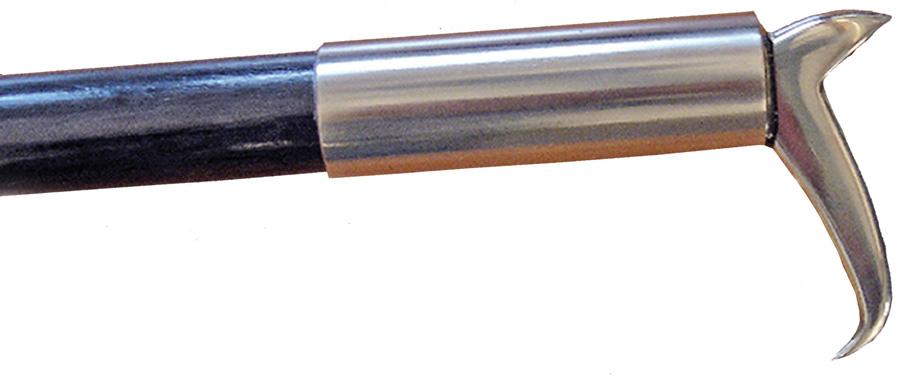
Handlers rely on the bullhook (left), a rod with a sharpened metal tip, to maintain control of an elephant and to protect themselves. An elephant is taught to associate the bullhook with pain by being restrained and beaten and stabbed with the device. Although portrayed as a benign tool by handlers, the bullhook is a source of pain and fear for elephants. At the same time, it provides a false sense of security as a bullhook cannot stop an elephant.
 
Why are harmful training methods used?
Interactions cannot take place, and generate profits, unless elephants are under strict control. Harmful training practices are considered necessary to minimize risk of injury or death to people around them. As long as people pay to engage in interactions, elephants will be subjected to practices that can never be considered ethical or humane, even if required for “safety” purposes.
 
Is it dangerous to interact with an elephant?
Numerous incidents involving elephants have been reported. In 2021, an elephant killed a man feeding the animal at a roadside attraction in Thailand. In 2019 and 2020, two tourists were gored by the elephants they were riding in Thailand; one of them was trampled to death. World Animal Protection reports that between 2010 and 2016 in Thailand, captive elephants caused 17 fatalities and 21 serious injuries, including tourists, local bystanders, or handlers (such incidents are likely highly underreported). In South Africa, the NSPCA reported that between 2001 and 2015 there were 17 attacks on people by captive/managed elephants, resulting in six deaths and 11 injuries. Elephant interaction venues are relatively new in the U.S., though a woman was hospitalized with serious injuries in 2013 after being attacked by an elephant.
 
What are conditions like for the elephants?
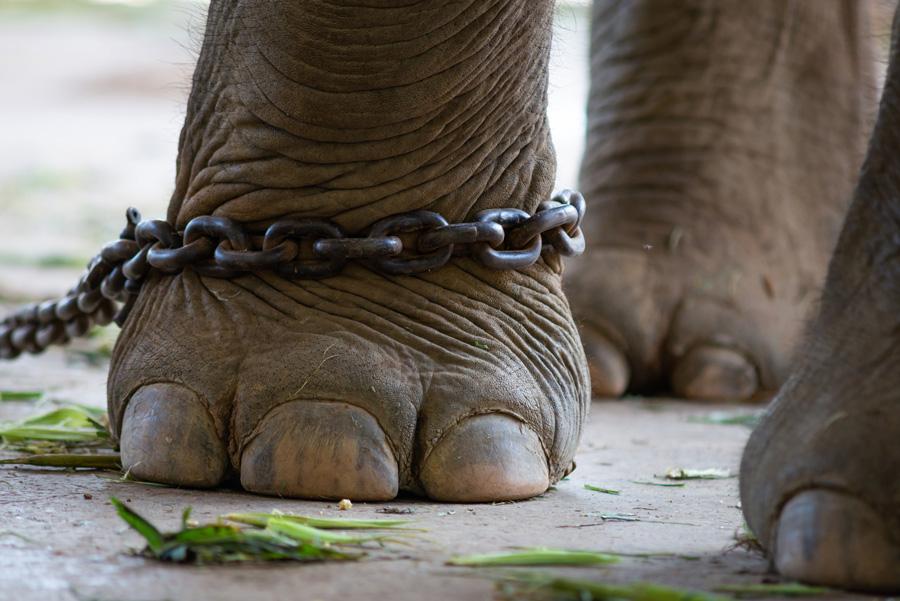
Elephants may be kept in chains for prolonged periods of time, receive limited or no veterinary care, be socially deprived, and confined in small enclosures on concrete floors that damage their feet and joints. A 2020 report by World Animal Protection assessed welfare conditions for 3,837 elephants at 357 venues in seven Asian countries and found that 93% of elephants were suffering in severely inadequate or inadequate conditions. Only 7% were kept in high-welfare observation-only venues.
 
No captive facility can meet elephants’ complex needs, including vast room to roam, intricate social networks, and the freedom to make their own choices and engage in natural behaviors.
 
Are elephant interactions venues in the U.S. better than those in other countries?
U.S. venues engage in the same activities offered overseas: bathing, touching, and taking up-close photos. Elephants may also perform tricks such as twirling hula hoops and standing on their back legs. What all venues have in common, no matter the location, is the inhumane training required to exert control over the elephants and use of the bullhook.
 
What about animal protection laws?
Government oversight is minimal or nonexistent, so elephants are not truly protected. Trade industry “standards” do not go far enough; they safeguard business interests while allowing elephant interactions to continue – causing elephants to suffer for people’s entertainment.
 
I’ve been to an elephant encounter – why didn’t I see anything wrong?
It takes an expert to spot distress or discomfort in elephants, apart from obvious abnormal behaviors such as repetitive swaying and rocking. One study found that tourists attending wildlife attractions (not only elephants) did not recognize or respond to negative welfare impacts and gave positive feedback even for places with the poorest welfare standards.

Do interactions help elephants in the wild?
Elephant interaction venues send the message that it’s acceptable to exploit endangered species for entertainment and profit. They “greenwash” their operations by claiming to “educate” the public. In reality, they distort people’s perception of elephants and their imperiled status in the wild, and they harm genuine conservation efforts.
 
How can I make the right choice for captive elephants?
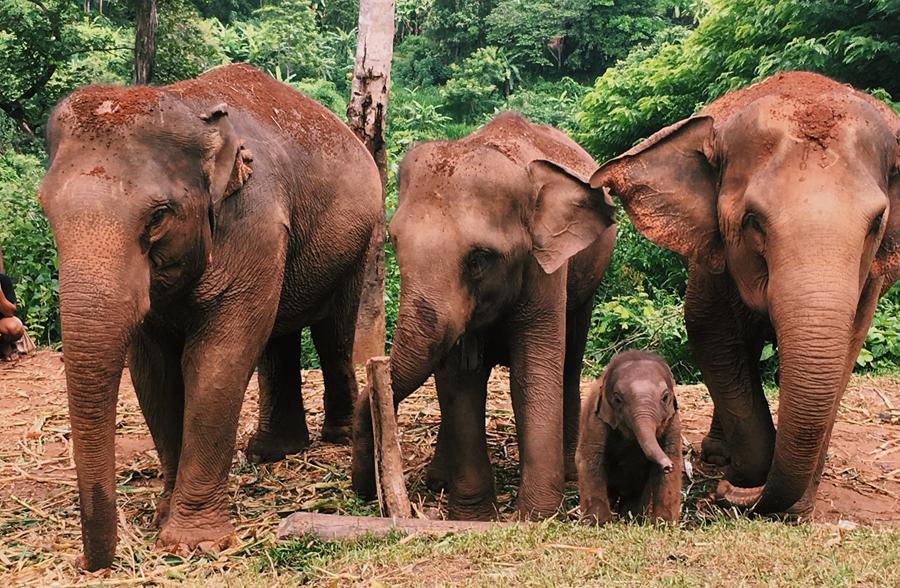
The best way to experience elephants is to see them as they naturally live in the wild. As long as people will pay to see elephants up close, they will continue to be held captive in conditions that can never fully meet their needs. If you are set on visiting a tourist facility, choose one where you watch the elephants from a safe and respectful distance and the elephants have access to large natural enclosures. World Animal Protection offers a list of elephant-friendly facilities in Asia that you can access here.
 
Elephants are highly intelligent, emotionally complex, and self-aware animals who suffer greatly for a few moments of “entertainment.” Be part of the solution, not the problem!
 
  • Never ride an elephant – in another country or at home.
  • Never pet, bathe, or take a selfie with an elephant.
  • Never patronize places where elephants perform tricks.
  • Share this information with your friends, family, and colleagues.
 
Since 1984 PAWS has been working to end the suffering of captive wild animals in roadside zoos, the exotic “pet” trade, circuses and other entertainment – while providing safe refuge for elephants, big cats, bears and other wild animals at our three sanctuaries in California.
 
For more information, visit www.PAWSweb.org.
paws
Connect with us:

Share this information:
Performing Animal Welfare Society
P. O. Box 849, Galt, CA 95632
(209) 745-2606