As we enter the month of March, we are excited to bring you another edition of our Emerging HR-esource letter, filled with informative articles, expert advice, and updates on the latest trends and developments within HR. We ran our popular Increases and Reward Trends survey - with fuel, energy costs and inflation still high, this is a key survey to get the results of.
In this issue, we'll be focusing on topics such as:
- Annual Increases Survey Highlights
- What to look for in a Salary Survey
- Certificate in Compensation Managment Programme
- What is HR?
|
|
The purpose of Salary Benchmarking (salary survey) is to compare the pay levels within your organisation against a relevant comparator group.
Things to Consider When Choosing a Salary Survey
Employee Pay is a large portion of an organisation’s budget, therefore having good salary data is not only beneficial but can be critical to its sustainability. Companies use Salary surveys to establish pay rates, identify salary trends, and ensuring that you remain competitive and are can consistently make market-guided decisions when it comes to pay levels.
Here are a few good questions to ask /considerations before selecting a salary survey provider:
- How long has the survey been in operation?
- Does the survey have relevant comparators for my organisation? Making sure that there are sufficient good-quality employers, within your industry ensures that your compensation comparisons are meaningful.
- Is survey data submitted directly by the company or by individuals employed at the company? The answer to this question can have a major impact on the validity of the data. Surveys that collect data directly from organisations provide a higher level of objectivity and data accuracy.
- Can data be provided for industry, geography, and company size? There are numerous factors to consider – salary benchmarks can differ by industry, location, and at the executive level, company size.
- Quality survey companies will review data submission and contact you to clarify any errors or anomalies in the data submitted. Ensuring accurate data submissions is a critical step to ensuring accurate survey results.
|
|
High petrol prices, inflation, interest rates and load shedding... How has this impacted Salary Increases, incentives and options/alternatives for backup power assistance for employees?
Leaders & RemCo's are curious about what to offer their employees to remain competitive. We ran our bi-annual Increases & Reward Trends survey and the results are in!
The results include:
- Historical increases granted in 2022, and the start of 2023
- Predicted / budgeted increases for the remainder of 2023 and 2024
- Bonuses - potential to earn and actual granted
- Backup Power Assistance
- Resignation - Why are our people moving on?
- Reward trends
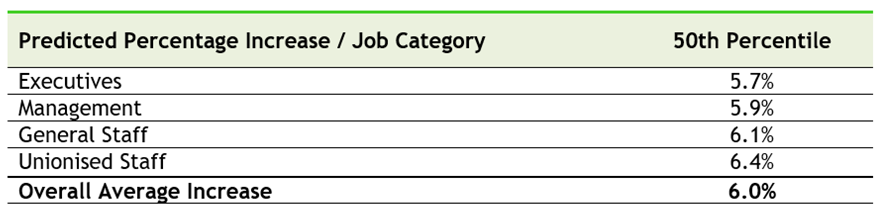
The economic headwinds reveal that 25% of organisations will be granting a 0% increase for all staff. For those organisations granting increases, the 50th Percentile predicted percentage increase by job level/category is shown below:
|
|
If you participated and completed this survey, you will be receiving a full copy of the report soon, keep an eye on your email.
|
|
A certificate in compensation management is a 5-day in-depth training programme that focuses on the principles and practices of designing, implementing, and administering compensation programs and policies in an organisation. The programme covers topics such as job analysis, salary structure development, performance-based compensation, benefits administration, and current issues in compensation. The content of this highly interactive programme enhances and reinforces the knowledge of effective remuneration practices and principles for all delegates, from Directors to Analysts.
Why attend this 5-day certification programme?
Who should attend:
- Compensation/Remuneration/ Reward Professionals.
- Finance Managers or Directors.
- Human Resource Professionals.
- Line Managers.
- Recruitment Professionals &
- Students pursuing a career in Reward Management.
Why take your career to the next level with this in-demand programme?
Learn how to leverage benchmarking, understand data sources, and build a stronger Compensation and Benefits strategy.
Learn how to interpret pay gap statistics, identify the key drivers of reward, and measure pay inequality.
Dive into the job evaluation and grading process, and study various aspects of pay, including variable pay and the pay for cross-border workers, as well as the implications for HR.
This programme will help attendees understand the full cycle of Compensation & Benefits strategy. Learn to develop a Total Rewards Strategy that includes a robust compensation structure, a benefits plan, well-being, and recognition programs.
|
|
What is HR?
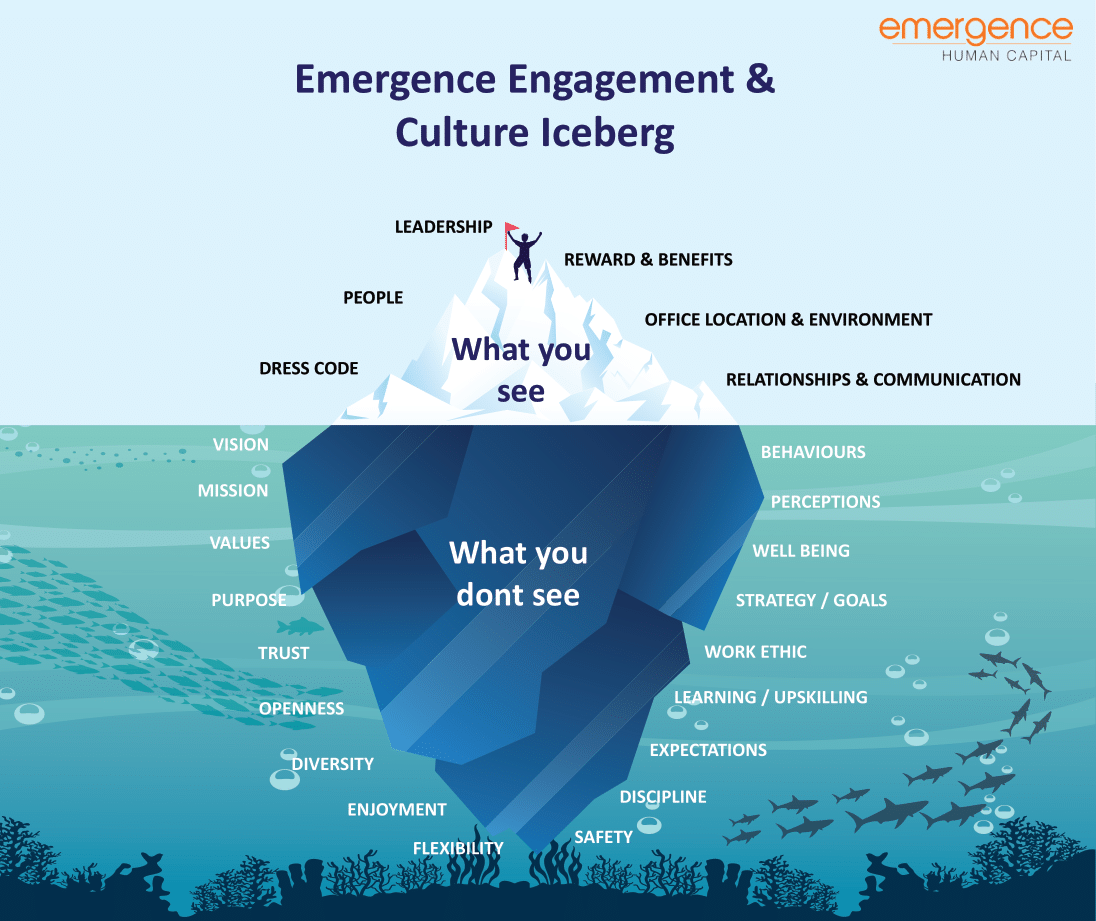
Human Resource (HR), Human Capital (HC), People Managment, Culture Management, no matter what you refer to HR as.
HR refers to the management of people within an organisation or company. HR involves a variety of activities related to hiring, training, compensating, and retaining employees, as well as addressing any issues that may arise within the workforce.
Human capital refers to the skills, knowledge, and other intangible assets that an individual possesses and that can be used to create value for an organisation. It is the collective knowledge, skills, experience, and abilities of an organisation's workforce, which can be seen as a valuable asset that contributes to the success of the organisation.
People Managment is often thought of as an intangible asset because it is not physical, like a building or a piece of machinery. However, it can have a significant impact on an organisation's performance and value. Culture Managment is developed through education, training, and experience, and it can be improved through ongoing learning and development opportunities.
Investing in HR can have a range of benefits for any size organisation, such as increasing productivity, improving employee engagement and retention, and enhancing the organisation's ability to innovate and adapt to change.
Overall, human capital is an important concept in modern business, as organisations recognise the importance of developing and leveraging their workforce to remain competitive and successful in the long term.
|
|
We value your feedback and suggestions, so please feel free to reach out to us with any comments or ideas for future editions of our newsletter. We hope you find this issue informative and engaging, and we look forward to sharing more insights and expertise with you in the months to come. Email events@emergencegrowth.com
|
|
Hours: Monday to Thursday 08h30 - 16h30 and Friday 08h00 - 15h00
|
|
|
|
|
|
|