Celebrating A Wonderful Way To Be A Catholic | | |
Emmaus ECC Newsletter
February 20, 2026
| | |
The First Sunday of Lent
Speak to our hearts
| | |
Preparing for Mass over Zoom: If attending by Zoom create a sacred space for yourself and your family. It is helpful to light a candle and put down a small cloth where you will place your bit of bread and wine. Download and print the worship aids. We gather at 10:00 am and mass begins at 10:30 am. Request Zoom link HERE.
Come to Church: All are welcome! When you ask people how they found us, the answer is often that they heard about us from a friend. Be that friend. Invite them to come with you to mass in our Sacred Space. We encourage you to come in person if you can. We would love to welcome you to join us.
Community Meeting: After mass this Sunday. Stay after mass either in person or online and contribute to the discussions about our community.
Latest ECC OPB Newsletter: January Journeys -- This newsletter is packed with news. Go HERE and catch up on what our presiding bishop has been up to lately, and on more news from around the Communion.
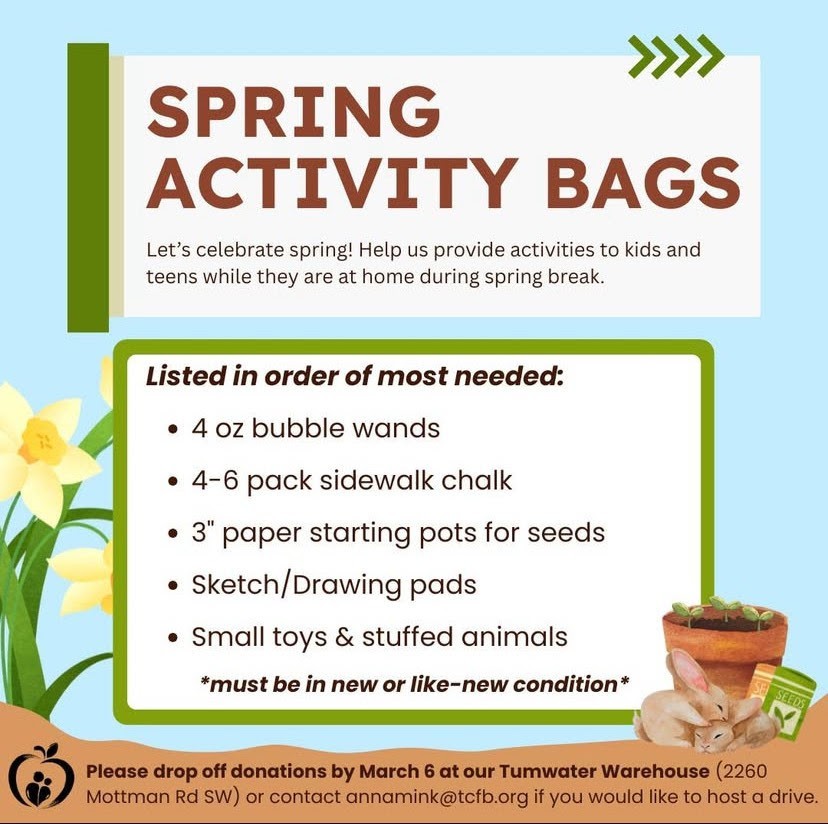
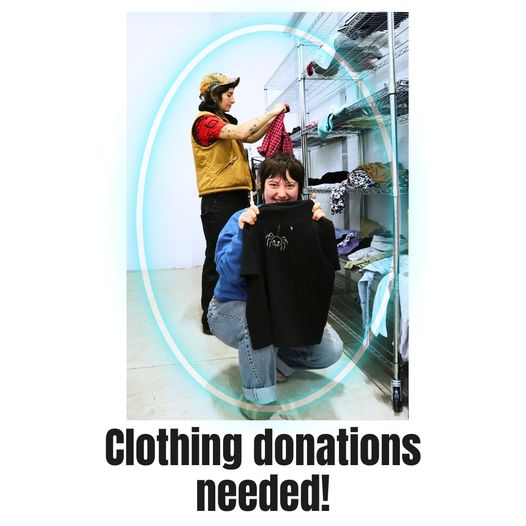
Spring Activity Bags: The Food Bank is planning to provide activities for children. See their ad below to see how you can help. Drop off items by March 6th.
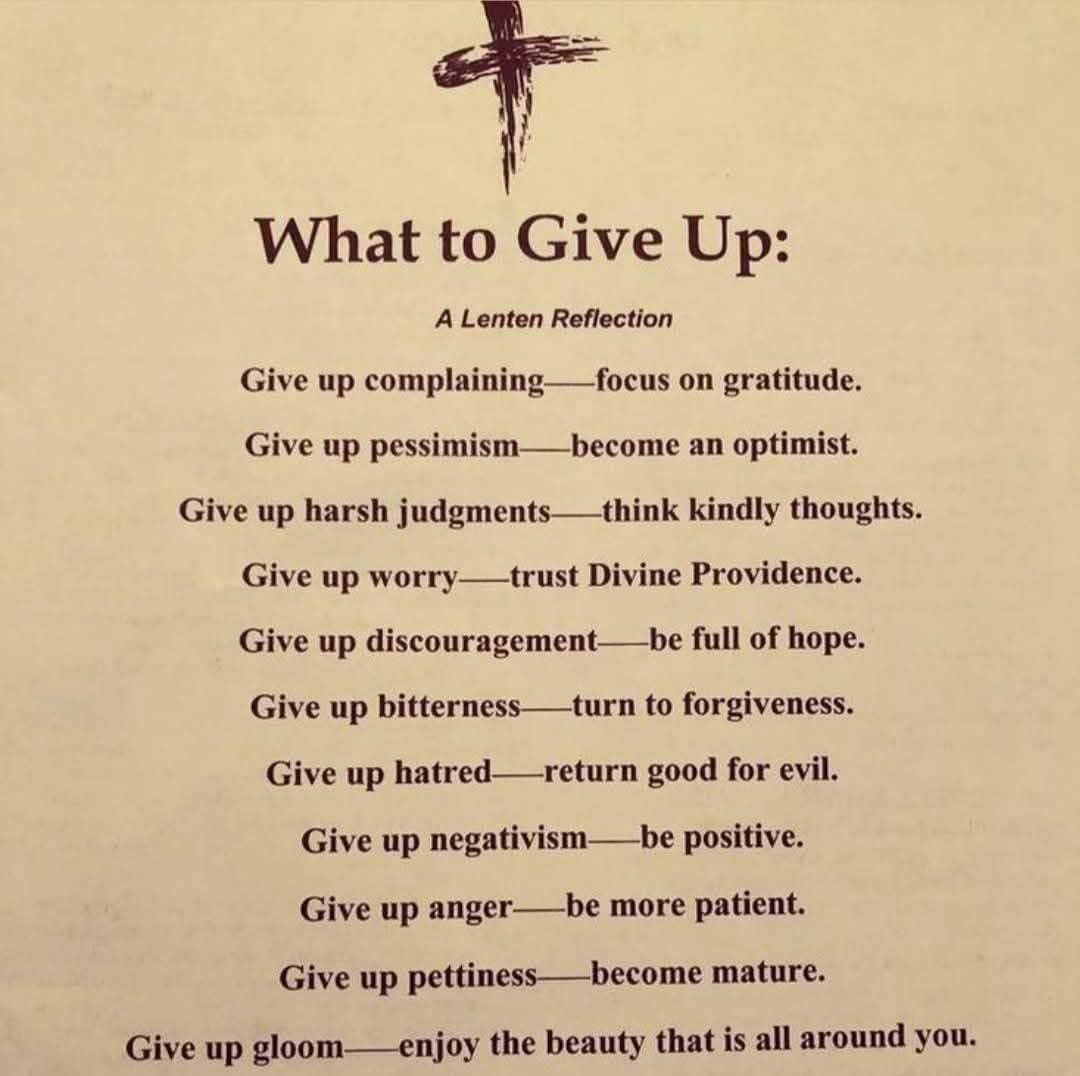
This Lent: There are many opportunities for Lenten practices. Our diocese is having Wednesday prayer services at 7:00 pm beginning this week, February 25th. Here is the Zoom link: HERE. The passcode is: lent.
These will be short times of prayer as we journey together through Lent. Come join us.
Ignatian Solidarity is offering reflections of "Stubborn Hope." Subscribe to receive these daily reflections HERE.
Dignity USA sent us the following: Ashes to Alleluia, our weekly Lenten Reflection Series for 2026. Join us on Wednesdays starting February 25, through April 1, at 8pm ET / 5pm PT for prayerful reflection, shared wisdom and hope-filled preparation for Easter. Go HERE to register.
Synaxis: A good practice any time, but a good way to celebrate Lent is this daily prayer where the ECC and the OCC come together under the sponsorship of the Franciscans of Reconciliation. Synaxis takes place every day at 3:00 pm Pacific time. This is a time to share with one another as well as pray together. Use link HERE. Come join us for prayer.
Food Bank: Our support is still crucial! Please bring canned goods and other non-perishables to church with you on Sunday and put them in our food bank bag. To donate to the Thurston County Food Bank, go HERE. Your generosity means families in our community will have the resources they need.
Old Catholic Theology Summer School in Utrecht: July 5-10; 12-17, 2026. Plan ahead! See the information HERE.
-------------------
Websites to visit often: Bookmark our community website HERE and also our diocesan website HERE.
Follow Interfaith Works on Facebook HERE.
Facebook Page: Stay in touch! Visit our Emmaus ECC Facebook page for news during the week HERE. Visit the PNW Diocesan page HERE.
Bishop Kedda's blog: You can check it out HERE. Right now, she has started a series of reflections on her book All Creation Waits. Much has happened as the years have gone by -- how much of what she wrote is still relevant today.
If you have suggestions for how our community of Emmaus could be reaching out into our neighborhood to make a difference, contact Deacon Connie and share your ideas.
| | |
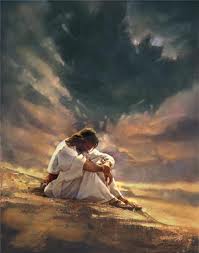
Jesus
take us to the
desert and stay with us.
Speak to our hearts about all that
matters. Chase away everything that doesn’t.
Caress our hearts so they know you better,
see you more clearly in the suffering
of your children and your planet.
Let us say to all who suffer,
“Your tears are my tears.
Your pain is my
pain.”*
The Sunday Website at St. Louis University
___________________________________________________________
| | |
The First Sunday of Lent
Our 40-day Retreat
Many cultures have a tradition of holding initiation rites at times of transition, for example when their youth are becoming adults. In some cultures, their youth are asked to fast and are sent into the wilderness on a Vision Quest. The vision they experience during their time away is meant to guide them for the rest of their lives. In scripture times of transition are often marked by the number 40. Noah and his family were on the ark for 40 days, and when they emerged they were given a new relationship with God, Moses was up on Mount Sinai for 40 days and received the Law of the Covenant, and the slaves who had followed him out of Egypt became one people of God, the prophet Elijah fasted for 40 days when God called him into service, and the people of Israel wandered for 40 years in the wilderness before they became a nation, and settled in one place.
Jesus, the new Moses, went into the wilderness for 40 days, and when he came out, he left behind his private life and began his public ministry. We enter the 40 days of Lent, following this pattern, and every Lent we use this time to prepare either to be baptized for the first time or to renew our baptisms. On his 40-day retreat Jesus was tested, or as scripture puts it, he was tempted. Temptation is the enticement every human faces to put ourselves first – our needs, our desires, our wills. For example, we are told to seek first the kingdom of God, but we are constantly tempted to put other things first, and the things of God we put on the back burner.
Jesus was tempted to doubt himself, to doubt his identity as God’s Beloved Child. The devil is constantly saying to him, “If you are the Only Begotten One…” Jesus was tempted to put God to the test, to see if what he knew about his relationship with God was real. We, too, are often tempted to doubt that we are loved by God, and we can lose confidence in God’s promise to be with us always, especially when things seem to be going wrong.
Jesus went into the wilderness to struggle with his identity, and with his mission. He struggled to understand his ministry. He was tempted to be a man with special powers, who can turn stones into bread, and leap off tall buildings and not be hurt. He was tempted to become a political leader, the kind of warrior Messiah that the people were waiting for. The temptation to seek power over others would come back to plague him time and again.
But Jesus is the light come into the world, and the lamb of God who comes to take away the world’s sin. He still comes to call humanity into a loving relationship with God, and with each other. If he was to give into the temptation to be the kind of Messiah that people wanted him to be, he would fail in what he came into the world to do. The old patterns of sin would not be overturned, and nothing would change. Jesus came into the world to transform it, not to embrace the sinful patterns of the world. He needs to lead us in a new way, a radical way of compassion, forgiveness, and non-violence if sin is to be taken away, and if humanity is to return to its original blessing. Jesus emptied himself of all desire for power over others, and became the servant, not the master, sharing power with people, and calling them, calling us, into a discipleship of equals.
The story of Adam and Eve illustrates that humans are part of God’s creation, and our relationship with God is beautiful, but something always seems to go wrong. The story is meant to show us that we can’t blame God for our troubles. Humanity is responsible for our choices, and for the consequences of those choices. Christ Jesus came into the world to bring us back into a loving relationship with God, and it began with the choices he made on his 40-day retreat. Now it is our turn to go on retreat, to struggle with our identity as Christians, and to better understand our ministry as the Body of Christ.
Mother Kedda
_______________________________________________________
| | | |
They tried to bury us. They didn't know we were seeds.
~Dinos Christianopoulos~
_____________________________________________________
| | |
FAQ: How Can You Be Catholic if You Are Not Under Rome?
While those of us who have been with the Ecumenical Catholic Communion for many years no longer think about this question, it still comes up in conversations. There is a simple answer to this question. We are catholics because we are rooted in the original catholics of the early Church. This is one of many topics the Council of Bishops discussed at our annual retreat October 20-24 in Colorado. This article is meant to summarize the elements that continue to make us Catholic, and more specifically that tie us with the Old Catholic Church in Utrecht.
It is important to remember that all of those who followed the teachings of the first apostles were catholics. All the distinct churches were unified under the same umbrella, even with their diversity of expression. In other words, to be catholic means we still hold to the teachings of the early Church before the various separations that would happen down through history. We are faithful to the one, holy, catholic, and apostolic Church.
In the formation of the Ecumenical Catholic Church our founders made the decision to choose a bishop within the Old Catholic tradition. We chose to be those who look back to the early Church for our understanding of what it means to be catholic. The story of the Old Catholic Church is not one of rebellion, but of remembrance. It is the quiet thread that runs through the tapestry of Christian history, holding fast to the faith of the apostles, the wisdom of the early councils, and the spiritual depth of the mystics and martyrs. It is not a new church—it is the Church that endures.
From the first century, the Christian community was marked by shared leadership, sacramental life, and a deep commitment to the teachings of Christ. The apostles did not build empires; they built communities. Their successors, the bishops of the early Church, governed not by decree but by discernment—gathering in councils, listening to one another, and seeking the Spirit’s guidance.
St. Ignatius of Antioch coined the term “Catholic” to describe the Church. This early bishop’s letters continue to be a treasure as they reveal the earliest understandings of the structure of the Church. He was born in the first century and died in the second century. When St. Ignatius calls the Church “Catholic” it means “according to the whole.” Or as St Vincent of Lerins in the fifth century would explain, Catholicism is: “That we hold that faith which has been believed everywhere, always, by all.”
Read the whole article HERE.
____________________________________________________________
| | |
Interfaith Works Homeless Services: Donation drop offs can be taken to our admin office 110 11th Ave SE 10am-4pm, Mon-Thurs
Thanks so much!
________________________________________________________________
| |
The Emmaus ECC Statement Against Racism
Our faith calls us to racial justice. We recognize that our faith demands that we transform our beliefs, values, systems, and commitment to racial equity. Scripture has given us the way for such healing to occur, and the responsibility to pursue it.
Our faith calls us to lives of charity, advocacy, and action on behalf of marginalized people. In the Pacific Northwest, we are especially committed to justice for Indigenous, Latina and Latino, African American, and Asian communities, whose oppressive histories and realities are well-documented.
We value the voices of people of color in this calling and in these efforts. We believe all people are loved equally by God our creator. We commit to partnering with ecumenical, interfaith, and civic initiatives to pursue racial justice in our local communities. We will seek solidarity with broader initiatives but will not wait on them in order to act. “The time is always right to do what is right” (Rev. Dr. Martin Luther King).
| | |
ECC Statement on Race:
Our nation is in desperate need of racial healing and transformation. The healing process cannot begin until the truth of our country's past and present sins are confronted. As people of Christian faith, we acknowledge and renounce both past and present dehumanizing, oppressive, abusive, enslaving, violent and lethal actions and inactions against African American communities. We proclaim that it is time for metanoia – turning away from evil and turning toward God's liberating love.
As members of the ECC, we believe in the power of communication to heal and that the search for truth can lead to justice. As such, we pray that our country will begin a process of truth-seeking that will lead to long-term reconciliation. We in the ECC pledge to begin a deliberate and transparent truth-telling process within our own faith communities.
Jesus, the heart of our faith, lived and died for love. He showed no partiality. God's community is diverse and totally integrated. We pray for God's guidance and mercy as we work to attain racial justice and build the beloved community, walking together the path paved with truth, love, equity, and justice. In the prophetic tradition, we boldly proclaim, "Let justice roll down like waters and righteousness like a mighty stream." (Amos 5:24)
____________________________________________________________
| | |
Good
Shepherd
Ministry
Contact Fr. David Gerardot HERE.
Phone: 360-789-5149
For a description of Good Shepherd Ministry go HERE.
For the news and information on Good Shepherd Ministry go HERE.
| | |
Joe's Environmental Tip
Consider instituting “meatless Fridays” during Lent and year-round. Livestock production accounts for 4 percent of greenhouse gas emissions in the United States, according to the Environmental Protection Administration. By giving up meat one day a week, you will help take better care of creation.
| | |
Elevator speech: An Ecumenical Catholic is someone who wants to engage deeply with the example of the early Church, when congregations were small, inclusive, participatory, and centered on Christ’s message of love, collaboration, and service. Ecumenical Catholics believe that God is present in all things, and that to know and care for all the people, the earth, and all the living things around us is how God wants us to serve Them. (Submitted by Beverly Marshall-Saling).
ECC YouTube Channel: Go HERE for videos of the 2022 ECC Synod. You can also catch the "Parade of Parishes" which shows off what various ECC communities are doing to be churches in action. It is awesome to see other ECC communities around the country.
ECC Ecclesiology: HERE.
____________________________________________________________
| | |
ECC Diocese of the Pacific Northwest
Vision Statement
Ecumenical Catholics of the Pacific Northwest
Restoring relationships of justice, peace, and love
with God, with one another, and with all of Creation
by living out our baptismal ministry as the Body of Christ.
Mission Statement
We are the Ecumenical Catholic Church of the Pacific Northwest embracing a network of sacramental communities in Washington, Oregon, and Idaho. As authentic Catholics we celebrate our continuity with the undivided Church of the first millennium and believe that salvation is offered to all. Our unity is built on scripture and the Nicene Creed, and Eucharist is the visible sign of that unity. We are in communion with the association of Churches known as the Ecumenical Catholic Communion and function within the generous parameters of the ECC Constitution.
We Believe
We are the People of God, baptized in Christ – bishop, priests, deacons, and laity – who believe that all people are unique and sacred. We believe that all people possess valuable gifts and talents to be shared. Participation of all the baptized in the work of the Church is essential to our call as the Body of Christ serving in this region. Therefore, we are a synodal Church.
We Offer
The ECC Diocese of the Pacific Northwest offers a joyful way of being Catholic focused on love, not guilt. We welcome all people and offer unity with diversity. We commit ourselves to dialogue and cooperation with others. We believe we have a responsibility to be open to ecumenical dialogue with all the baptized, and we support interfaith cooperation and understanding.
We do
We join together as Church to follow the messianic call of the Holy Spirit to form sacramental communities, to preach the good news of salvation and liberation to all, to offer a refuge in Christ for those who suffer prejudice, and to conform our lives to the example and teachings of Christ Jesus. The setting in which we live fosters an awe of God’s majestic creation, and respect for the land, water, and mountains, as well as the diverse animal life, and all the people who lived on this sacred ground before us.
Distinctions
We are the people of God who seek to dive deeper into the Catholic faith handed down to us by our ancestors from the teachings of the early Church. We believe that anyone who is gifted and called by God, qualified for ordination, and is called by a community, may present themselves for ordination. We believe that marriage is a partnership for the whole of life, and if two adults intend to commit themselves to such a union, they may celebrate a sacramental marriage. We believe that persons have the right to follow their sincere and informed consciences in moral decision making. We recognize that only the Holy Spirit possesses infallibility. No human or institution can claim this.
The Diocesan Constitution may be read HERE. See Website HERE.
| | |
Contemplative Prayer/Scripture study: noon on Thursdays at St. John Episcopal Church. Contact Fr. David for more information.
Sundays we gather at 10:00 and mass begins at 10:30. All are welcome to join us! You are also able to join us by Zoom. Email Bishop Kedda for a link.
Thursday study group: 6:30 pm by Zoom with Oregon Episcopalians.
Synaxis: Every day at 3:00 pm. Sponsored by Franciscans of Reconciliation. Use link HERE. Come join us for prayer.
Community Meeting: February 22nd after mass
Wednesday Prayer Service: February 25th at 7:00 pm by Zoom
Get to Know a Muslim: First Fridays of every month. Open invitation to join them 1:00 to 3:00 pm. For more information read their flyer HERE.
Enter into Friday Stillness: Fridays. Contact Rev. Kathleen Bellefleuille-Rice for more information.
| | Emmaus ECC | Member of the Ecumenical Catholic Communion | www.emmaus-ecc.org | |
NOTICE
The Sacraments of Marriage, Reconciliation and Anointing, are available upon request. Contact us about Funerals and grave side services. Preparation is required for Baptisms -- for parents when children to be baptized are below age seven; for those over age seven, our community supports the Rite of Christian Initiation of Adults. Our priests are also happy to meet with you individually, and confidentially, to discuss any spiritual or pastoral concerns you may have.
Bishop of the ECC Pacific Northwest Diocese
We Support Marriage Equality
| | | | |