|
First Monthly Memo
October 14, 2026
| | |
Greetings from EyesOpenIowa!,
Some of the most lasting harm is never meant to happen. It builds slowly, in the joke no one challenges, the question that goes unanswered, and the conversation we keep putting off until “later.” This October, that idea runs through everything in this issue.
It is National Domestic Violence Awareness Month and National Bullying Prevention Month, two causes that look different on the surface but share the same root: how we treat one another, and what happens when respect, boundaries, and empathy go untaught. Inside, we look at what a major settlement with Meta reveals about harm that builds out of sight, why the conversations that prevent harm have to start long before college, and why Gail believes three small words, “I don’t know,” might be some of the best sex education a parent can give.
You’ll also find a free November training on teaching consent at every age, an update on Growing Sideways, our community-built conversation game, and a look back at a truly magical night at Purse Bingo, including a spotlight on the woman who made it shine.
Pour something warm and settle in. If anything here sparks a question or a conversation, hit reply or reach us anytime at info@eyesopeniowa.org. Know a parent, teacher, or friend who would love this issue? Forward it their way.
We are so glad you are here.
With gratitude,
— The EyesOpenIowa Team
| |
What If We Let Our Kids See Us Not Know?
| | |
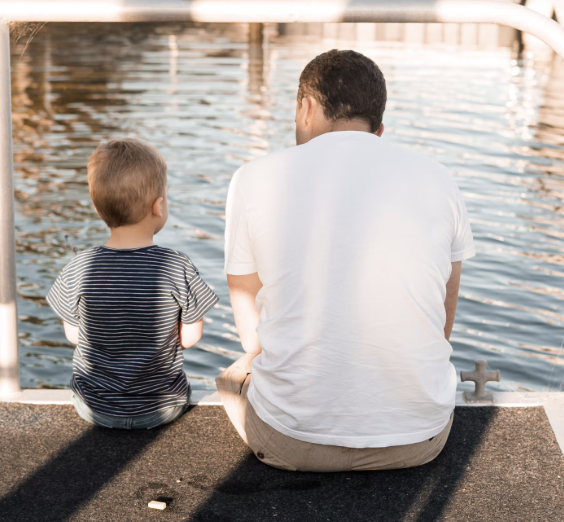
I have worked in adolescent sexual health for a very long time.
This means that when it comes to talking to my own children about sex and relationships, I am always calm, confident, perfectly informed, and never awkward.
Hahahahahaha.
No.
Like every other parent, I have had questions from my children that caused some part of my brain to yell:
WE WERE NOT PREPARED FOR THIS QUESTION TODAY.
Sometimes I know the answer but have no idea how much information my child is actually requesting.
Sometimes I start answering and realize I have gone approximately six exits past the information they wanted.
And sometimes?
I genuinely don't know.
I think parents can feel enormous pressure around this. Especially when it comes to sexual health.
We think we're supposed to know when puberty starts and exactly how every form of birth control works and what every new term means and what kids are doing online and how to answer every possible question about gender and sexual orientation and relationships.
This can lead to a strange outcome: Because we're afraid of giving the wrong answer, we avoid the conversation altogether.
| |
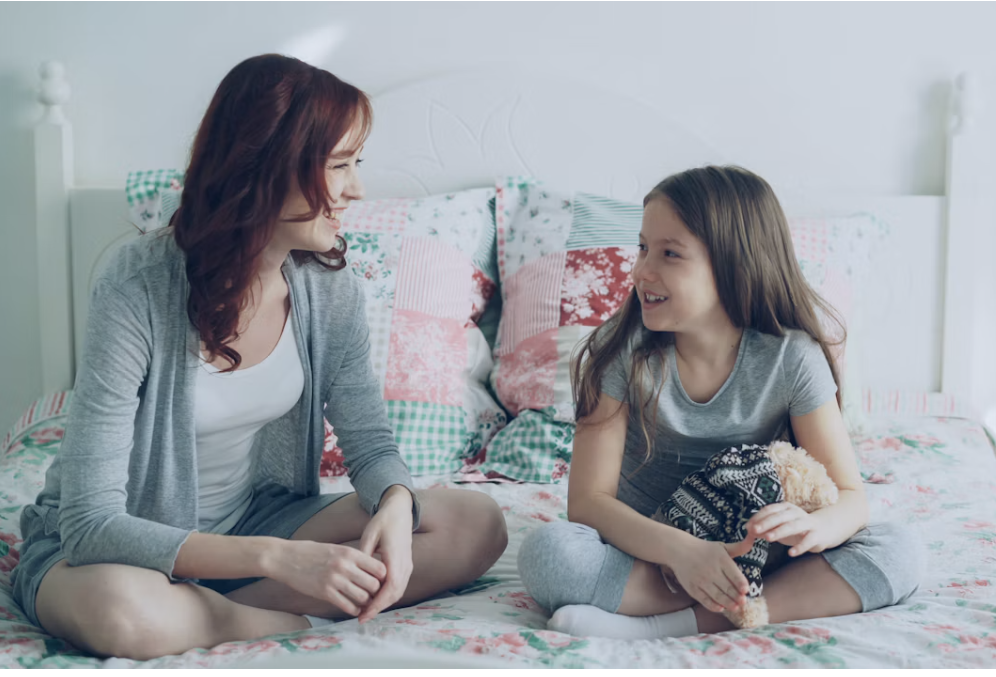
But what if one of the most useful things we can say to our children is: “I don't know.”
Followed by: “Let's find out.”
Think about what this teaches.
First, it teaches children that sexual health is a legitimate area of knowledge.
There are facts.
There are credible sources.
There are professionals who know things we don't know.
We can ask questions and learn.
In other words, sex doesn't have to live in some mysterious category where everyone is supposed to magically know things, but nobody is allowed to talk about how they learned them.
Second, saying, “I don't know” gives our children permission not to know either.
This is important.
Young people live in a culture where it can seem as though everyone else already knows everything about sex and relationships.
Their friends know.
TikTok knows.
The internet DEFINITELY knows.
And nobody wants to be the person who raises their hand and says:
“Wait. What does that mean?”
But not knowing is normal.
Adults don't know everything about sex either.
We don't know everything about our bodies.
We don't know everything about relationships.
We don't always know why we feel the way we do.
Many of us are still learning about our bodies well into adulthood—during pregnancy, after childbirth, while navigating sexual health concerns, during perimenopause and menopause, and in a thousand other circumstances nobody thought to mention in seventh-grade health class.
So perhaps part of comprehensive sex education is modeling what learning looks like.
A child asks a question. We take a second. Maybe we say: “That's a good question. I'm actually not sure.”
Then we figure out where to look.
Maybe we find a reliable sexual health website. Maybe we ask a doctor. Maybe we say, “I know part of the answer, but I want to make sure I'm giving you accurate information.”
And sometimes we may even discover that the answer is complicated.
That's useful too.
Because someday, our children will be adults responsible for their own sexual health.
We won't be sitting beside them at every medical appointment.
We won't be there when they have a question about contraception or a new relationship or something happening in their body that they don't understand.
What we can give them now is something better than an encyclopedic parent. We can teach them:
| |
Questions are okay.
Not knowing is okay.
Your body is worth learning about.
You deserve accurate information.
You can keep asking until you understand. And maybe most importantly: There is no shame in needing help figuring something out.
Which means that perhaps the next time one of our children catches us completely unprepared with a question about sex, bodies, or relationships, we don't have to panic.
We can take a breath and say: “Huh. I don't know.”
And then we can learn together.
That sounds like pretty good sex education to me.
Gail Cowan, MSW, is EOI’s Director of Development. A former therapist, she also runs her own coaching business. Find her at gail@gailcowan.com or gail@eyesopeniowa.org.
| | |
October holds National Domestic Violence Awareness Month and National Bullying Prevention Month. They may sound like separate concerns, one about adults and homes, the other about children and schools, but they share a common root: how we treat one another, especially when there is a difference in power, and how much harm can grow when respect, boundaries, and empathy are missing.
Domestic Violence Awareness Month grew out of a “Day of Unity” that advocates first held in October 1981, and it became a national observance in 1987. National Bullying Prevention Month began in 2006 as a single week led by PACER’s National Bullying Prevention Center and grew into a full month in 2010. Bullying remains common today. In the most recent federal data, about one in five students ages 12 to 18 reported being bullied at school.
What links these causes is not only harm, but hope. The same skills that ease conflict on a playground build healthy relationships across a lifetime: recognizing another person’s feelings, honoring boundaries, handling disagreement without cruelty, and speaking up when something is wrong. Empathy is not a soft extra. It is one of the most powerful forms of prevention we have. Harm often grows in silence and in the belief that cruelty is normal, and empathy interrupts both.
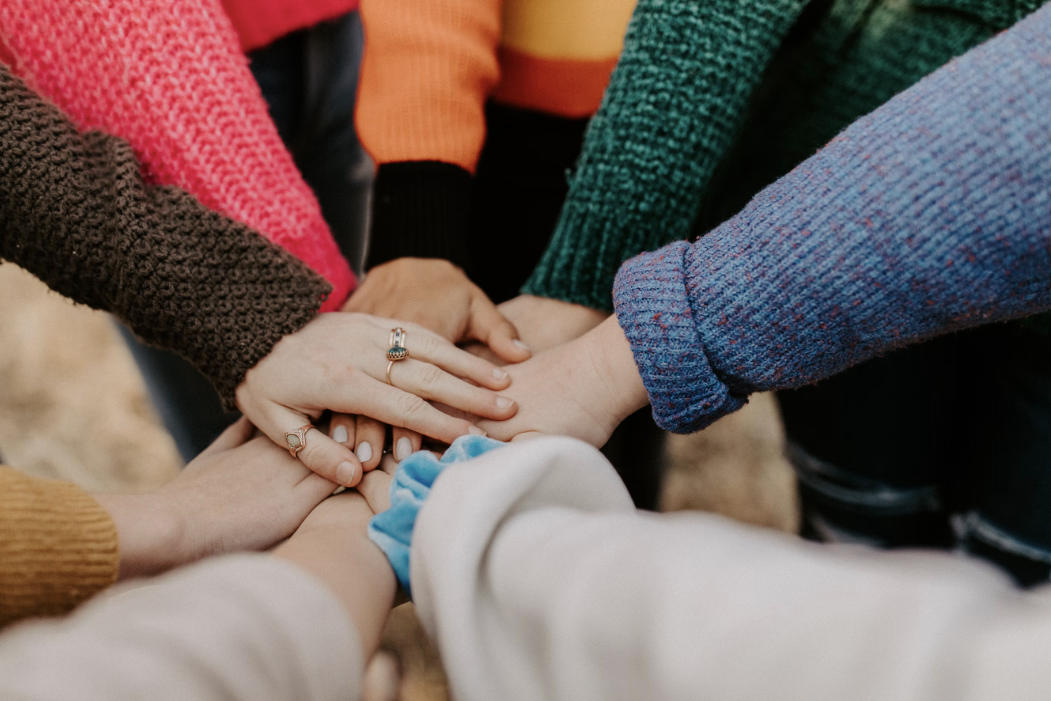
A kinder community is not built in a single month. It is built in countless ordinary moments, in how we listen, how we respond, and what we choose to model.
| If you or someone you know needs support, help is available and confidential. The National Domestic Violence Hotline is open 24/7 at 1-800-799-7233, or text START to 88788. To learn more about preventing bullying, visit StopBullying.gov. | Sources: National Resource Center on Domestic Violence; PACER's National Bullying Prevention Center; National Center for Education Statistics, Condition of Education 2024 (2021-22 school year data). | |
Raising a More
Empathetic Generation
For a long time, the well-meaning answer to a child’s hard question was to close the door on it. Don’t worry about that. You’ll understand when you’re older. Those responses were meant to protect, but they taught children that some things are not safe to talk about. If we want a kinder society, we have to teach differently, by taking children’s questions seriously and answering them honestly and age-appropriately.
Part of that teaching is helping children understand harm itself. Not everyone who hurts us meant to. Not every mistake we make is who we are. When young people grasp that harm can be unintended, they get better at two things at once: protecting themselves and extending grace to others. They learn to name what hurt without assuming the worst, and to own their missteps without drowning in shame. That is where forgiveness and compassion take root, and for a child it can be the difference between a grudge and a repaired friendship.
None of this is only for children. Patience, empathy, and the humility to hear one another are skills adults are still practicing too. When we model them, imperfectly and out loud, we give young people permission to keep growing. That is how a more empathetic generation is built, not through lectures, but through the steady example of adults willing to do the work alongside them.
| |
Meta's Settlement and the Long Reach of Unintended Harm | | |
On August 26, Meta, the company behind Facebook and Instagram, settled a major lawsuit brought by a coalition of states over how its platforms affect young users, and a federal judge approved the agreement. Meta will pay at least $12 billion over ten years, and up to about $17 billion if other social media companies reach similar settlements. It also agreed to change how minors experience its apps.
The states, led by California, Colorado, Kentucky, and New Jersey, alleged that the platforms were designed to be addictive for young users, that Meta misled the public about known risks, and that it collected personal data from children under 13. Meta denied the allegations and did not admit wrongdoing. Under the agreement, protections for users under 18 will roll out in the coming months, including a default two-hour daily time limit, a default block on use from midnight to 6 a.m., the removal of cosmetic surgery filters and visible “like” counts for minors, a non-personalized feed option, and an independent monitor.
What stands out is not just the dollar figure but the nature of the harm. Much of it was not loud or obvious. It built slowly, through choices whose long-term effects on young minds were not fully weighed at the time. That is often how unintended harm works. It rarely announces itself, and its deepest costs tend to surface years later. It is also how small compromises add up. A shortcut taken for ease, a risk waved off as “just this once,” a burden set down a little too quickly, each can feel harmless on its own and still gather into something heavy over time.
There is real hope in that same truth, though. If harm can accumulate quietly, so can care. When we slow down enough to ask what could go wrong, to picture the outcomes we would not want, and to act within our own values and boundaries to prevent them, we change the long-term story. Foresight is not fear. It is one of the most practical forms of compassion we have, and it is a skill we can model for young people and strengthen in ourselves. At EyesOpenIowa, that is the work we care about most: helping families and young people move through the world with a little more foresight, honesty, and care.
Sources: NPR, "Meta, states agree to $17 billion settlement in child safety trial," August 26, 2026; CBS News, "Meta settles social media addiction suit with states for up to $17.1 billion," August 26, 2026.
|
| The Conversations That Come First | | |
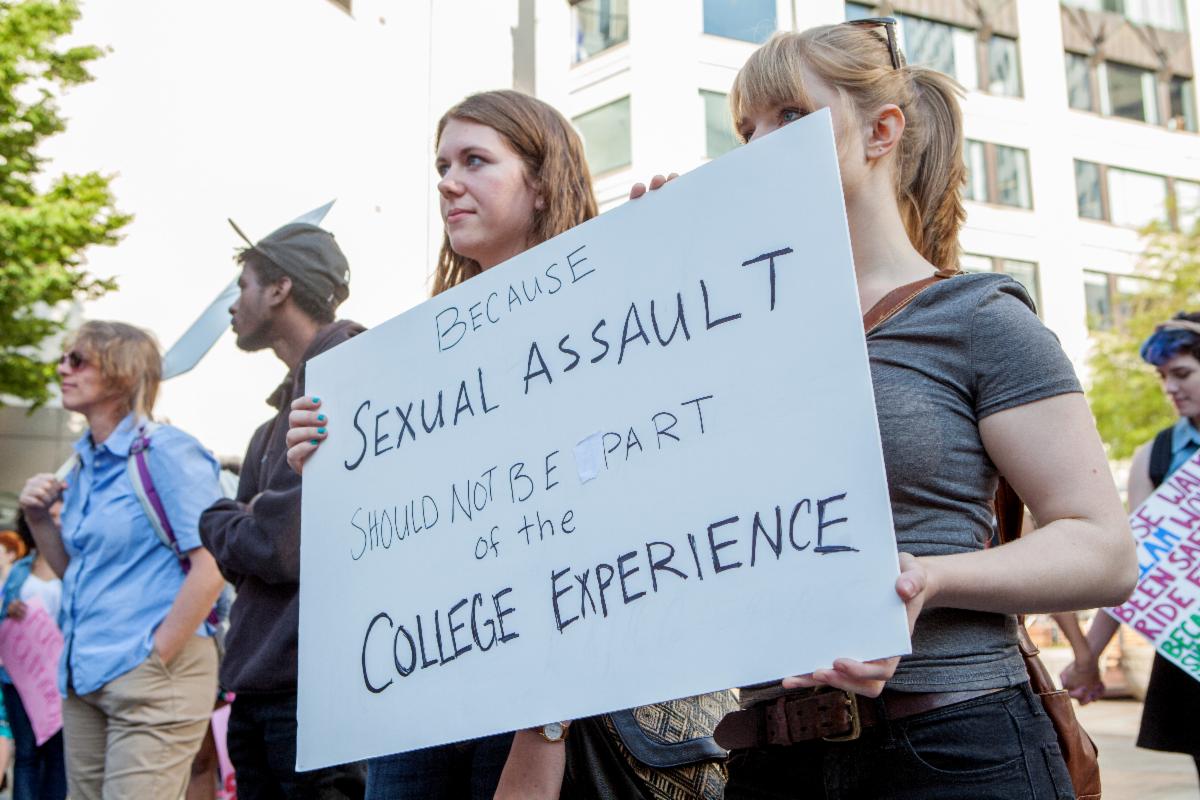
Many of you have likely seen the news out of Cornell University, where a former student has filed a lawsuit alleging she was sexually assaulted by multiple members of a fraternity at a party in 2024. The case has sparked protests, an independent review of how the university responded, and the appointment of New York’s attorney general as special prosecutor. The legal process is still unfolding, and no one has been criminally charged. Whatever comes next, our hearts are with her and with every survivor who sees their own story in headlines like this one.
We won’t try to make sense of something this painful in a few paragraphs. But it does bring us back to a question at the heart of our work: what are we teaching young people long before they ever walk into that party?
For generations, prevention advice has been aimed mostly at girls and women. Watch your drink. Don’t walk alone. Be careful what you wear. Those messages put the responsibility on the people being harmed. Real prevention asks something different. It asks every young person, and especially boys and young men, to understand consent, to see others as fully human, and to know that respect is not optional when no one is watching.
It also asks them to speak up. Harm like this rarely happens in a vacuum. It grows in cultures where a crude joke in a group chat goes unchallenged, where staying quiet feels easier than standing out, and where no one ever practiced what to say when something feels wrong. Those small silences are rarely meant to hurt anyone. Their consequences can be devastating anyway.
That is why these conversations can’t wait until college. They start with the basics, naming feelings, respecting “no,” and asking permission, and they grow into the harder ones: what consent really means, how to check on a friend, and how to step in when something isn’t right.
| |
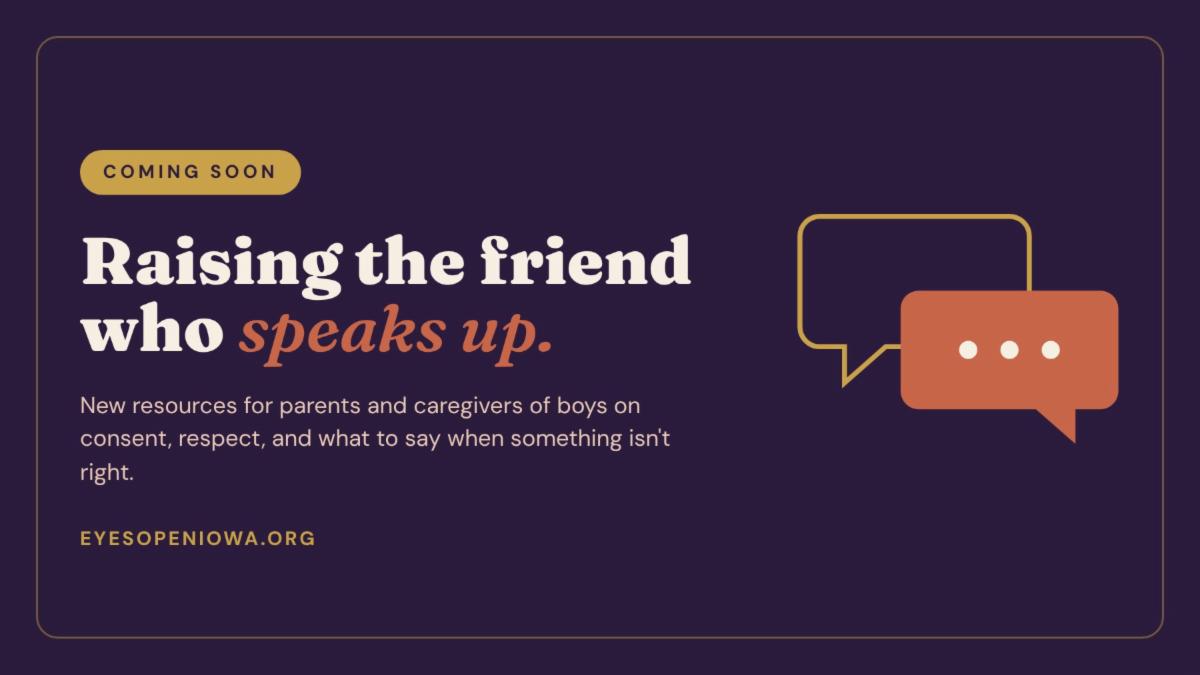
Coming soon: support for parents of boys.
Our education team is developing new resources to help parents and caregivers talk with their sons about consent, respect, and what it means to be the friend who speaks up. Most of us never imagine our own kids in a story like this. But every young person will one day be in a room where someone needs them to say something. We want to help them be ready. Stay tuned.
| | |
If you or someone you know has been affected by sexual violence, the National Sexual Assault Hotline is available 24/7 at 1-800-656-HOPE (4673) or online.rainn.org.
Sources: Al Jazeera, "Why the Cornell gang rape case has raised concerns about fraternity culture," October 12, 2026; PBS NewsHour, "What the Cornell case reveals about how sexual assault allegations are handled," October 2026.
| | Let the Game Ask the Hard Questions | | |
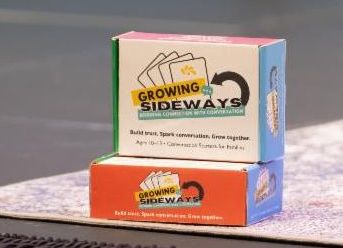
Talking about bodies, boundaries, relationships, and growing up can feel awkward, for kids and grown-ups alike. Where do you start? What if the question lands wrong? Growing Sideways takes that pressure off, because the prompt comes from the cards, not from you. That small shift makes the spotlight disappear and lets real conversation flow naturally.
Growing Sideways is a conversation card game for youth ages 10 to 13 and the trusted adults in their corner. Players roll a custom die to draw from one of six categories: Values and Decision-Making, Consent and Boundaries, Bodies and Changes, Healthy Relationships, Real-Life Pressures, and Shifts and Turns. There is no pressure to say the “right” thing, just space to think out loud, hear each other, and connect.
It was built with real families, and it shows. As one player put it, “It got less awkward the more we played.” Best of all, the conversations tend to keep going long after the game ends.
| |
This is a limited Community Builders Edition, priced at $25 plus shipping. Every copy includes a QR code to a short feedback survey, so when you play, you become a genuine co-creator shaping the next version of the game. Your purchase directly supports a small Iowa nonprofit doing big work.
Play it. Talk. Tell us what you think.
| | Thank You for a Truly Magical Night | | |
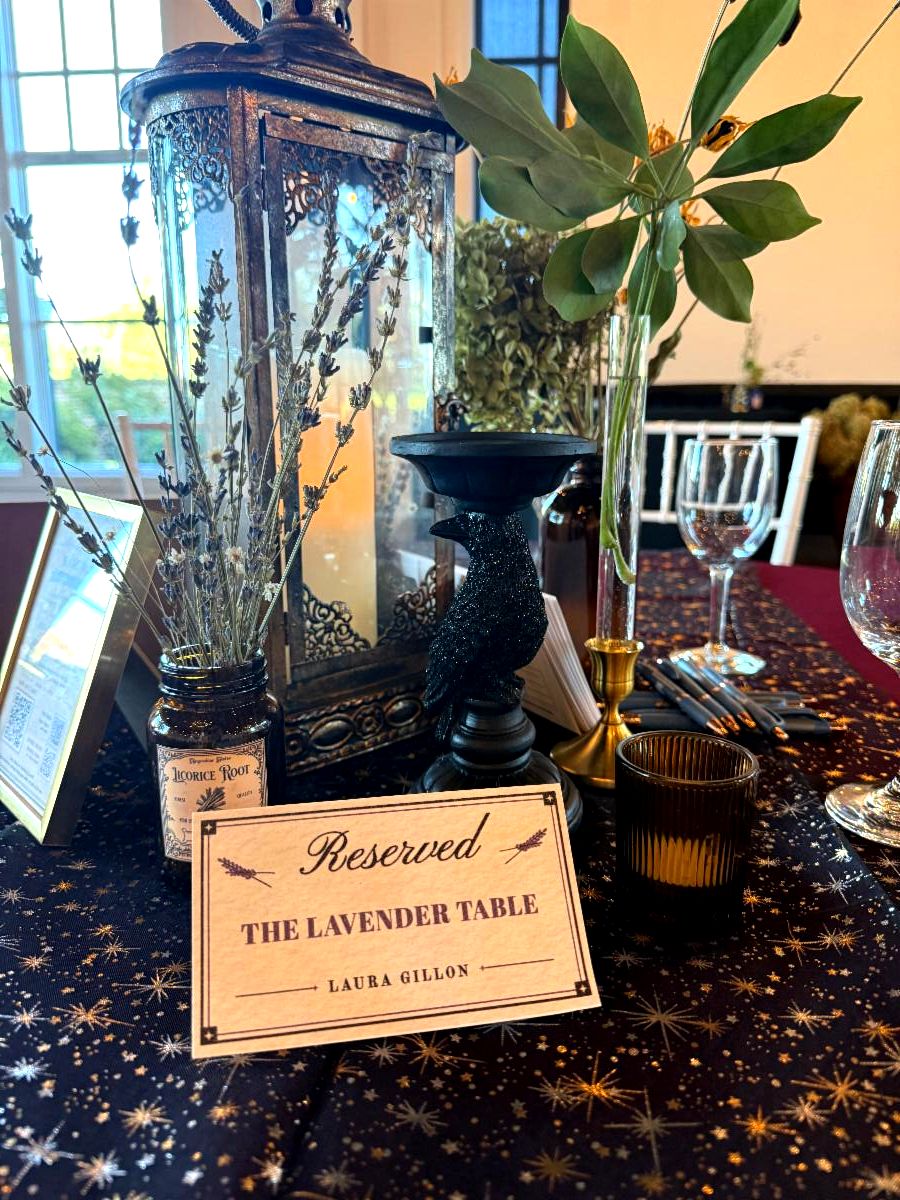
On October 7, The Monroe was transformed into something straight out of Practical Magic, and you filled every seat. Whether you went home with a new designer bag, a raffle prize, or just a few great stories, thank you for spending your evening with us and showing up for Iowa’s young people.
Every ticket, raffle entry, and donation from the night supports medically accurate, unbiased health education for Iowa youth and families, work that matters more now than ever.
A night like this takes a village. To our planning committee and every volunteer who set up tables, sourced decor, ran the raffle, called numbers, cleaned up, and showed up in a hundred quiet ways, thank you. We saw every bit of it, and we could not have done it without you.
| | The Magic Maker: Sarah Plummer | |
If you walked into The Monroe on October 7 and felt like you had stepped into another world, much of that is thanks to Sarah Plummer.
Sarah led our planning committee and was the creative heart of the night. She dreamed up the vision for the decor, then planned, designed, and sourced it, and worked alongside our volunteers to bring it all together. She gave her own time and resources to make it happen. The candlelight, the crystal balls, and the touches that made the room feel enchanted all started with Sarah’s vision.
And here’s the part that makes us both grateful and a little guilty. That same night, Sarah’s company, Terracotta Life, was named Best Interior Design Company in the Des Moines Community Choice Awards. She missed her own award celebration to be with us. That says everything about who she is.
Sarah, congratulations on an incredibly well-deserved honor, and thank you for choosing us that night. We will never forget it.
To our community: the best thank-you we can give Sarah is to support her work. If you’re dreaming up a new space, follow along or reach out:
Terracotta Life terracottalife.com | @terracottalife.design
| With Gratitude to Those Who Made the Magic | |
Purse Bingo happens because local businesses believe in our mission. Please show them some love.
Community Choice Credit Union, for generously standing with Iowa's youth.
Dr. Amy Bingaman, for her generosity and steadfast belief in this work.
Orange Theory Fitness, heart-rate-based group workouts for every fitness level, with metro locations in West Des Moines, Clive, and Ankeny.
Chef Grant Gillon, Iowa private chef and MasterChef Season 13 winner, known for bold, farm-to-table menus built with Iowa farmers and producers. Planning a dinner party? Let Grant cook.
Breathe. Physical Therapy & Wellness, personalized care to help you move and feel your best.
The Monroe, for hosting us and generously donating the use of the venue.
The Sunflower Chef Catering, for feeding us so well and supporting the night.
The Good Co. DSM Event Rentals & Design, for lending the feather wall, our favorite photo backdrop of the night.
K. Renee, for donating a raffle prize. krenee.com
Thank you to every sponsor, partner, player, and volunteer. You showed up for this community, and we can't wait to see you at the next one.
| Why Your Support Matters Right Now | |
Comprehensive sex education is under real pressure, in Iowa and across the country. In August, EyesOpenIowa’s federal Teen Pregnancy Prevention grant was terminated with no warning. That paused our LiFT family retreats and clinic partnerships and scaled back our Youth Advisory Council.
This is about more than one grant. When young people are kept from accurate information, they are left more vulnerable to misinformation, unhealthy relationships, and decisions made for them instead of by them. Education is equity. Every young person deserves the same honest information, whatever their zip code, school, or family background.
We have done this work for nearly 30 years, and we are not stopping. But we can’t do it alone. If Purse Bingo reminded you what this community can do together, here is how to keep the magic going:
Give monthly. Even a small recurring gift brings steady support to Iowa youth and families.
| |
Spread the word. Forward this email to someone who believes young people deserve the truth.
Every gift, of any size, helps make sure the next generation grows up informed, safe, and confident. Questions? Reach out at info@eyesopeniowa.org or call 515.276.6788.
| |
There are so many ways to be part of this work. Pick the one that fits you.
Sponsor our next Purse Bingo. Get on our sponsor list early for first pick of sponsorship opportunities and recognition at our next event.
| Help shape what we build next. Interested in our upcoming program for parents of boys, have an idea for a training, or want to bring a session to your group? Tell us. | | |
Lend a hand. Join our event planning committee, volunteer at a future event, or donate an item or service.
| |
Stay Connected!
Thank you for reading, and for caring about the young people and families of Iowa. This work is only possible because of people like you.
Follow along, share this with someone who might need it, and never hesitate to reach out. Together, one conversation at a time, we are building a healthier, kinder Iowa.
Follow along by clicking any icon below, visit us at eyesopeniowa.org, or reach out anytime at info@eyesopeniowa.org.
| | | | |