The End Abuse of People with Disabilities monthly newsletter is our opportunity to spotlight promising practices, programs, and resources at the intersection of domestic violence, sexual assault, and disability. In honor of Black History Month, this month we are highlighting black people with disabilities throughout history. | |
As we commemorate Black History Month, we celebrate the countless Black advocates -- whose disabilities have often been ignored -- that have shaped our social justice movements throughout history. | | |
|
|
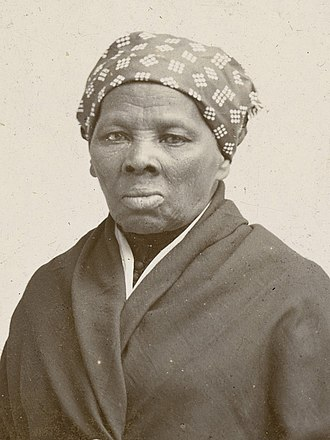
Harriet Tubman, who had epilepsy, lead 70 souls to freedom via the Underground Railroad, which was a secret passageway northward to Canada.
| | |
|
|
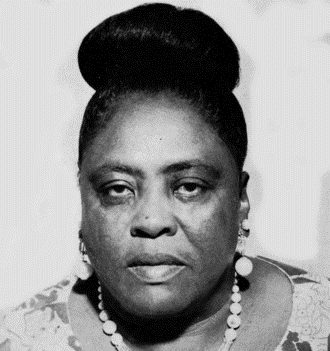
Fannie Lou Hamer, who contracted polio as a child, was an ardent activist and leader during the civil rights movement.
| | |
|
|
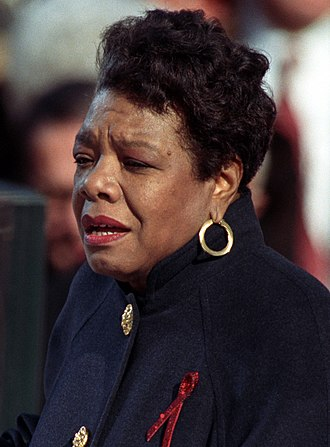
Maya Angelou, who wrote about her experience surviving rape and shone a spotlight on the intersections of race and sexism, also wrote about experiencing selective mutism as a result of her experience.
| | |
|
|
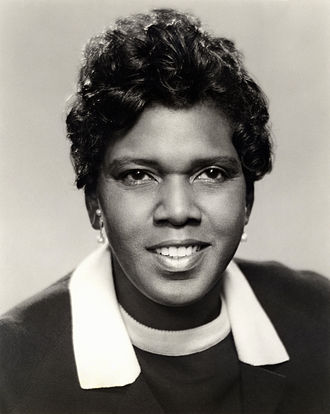
Barbara Jordan, known primarily as the the first southern Black woman elected to the U.S. House of Representatives and the first Black woman to keynote a national political convention, had multiple sclerosis and used a cane and later a wheelchair to aid in mobility.
| | |
|
|
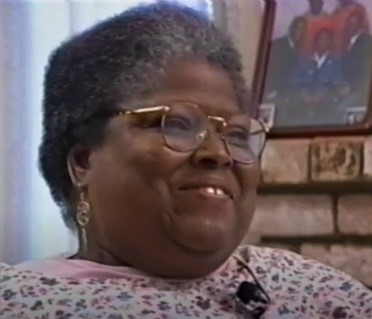
Johnnie Lacy, who was paralyzed after contracting polio at age 19, was a critical voice in the independent living movement for people with disabilities.
| |
We encourage you to learn more about the figures in our social justice movements who lived or are living at the intersection of Blackness and disability. | |
Resources for Further Learning | | |
|
|
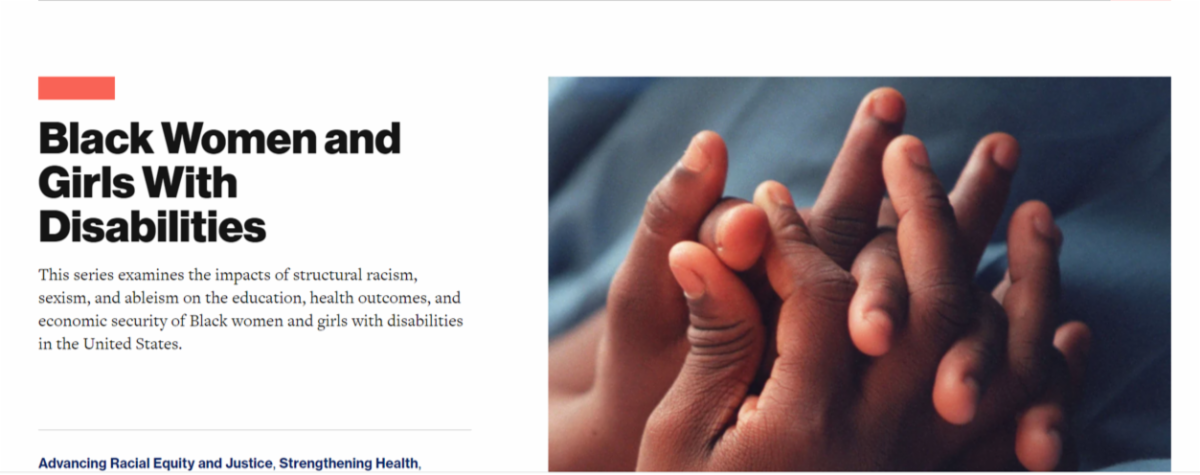
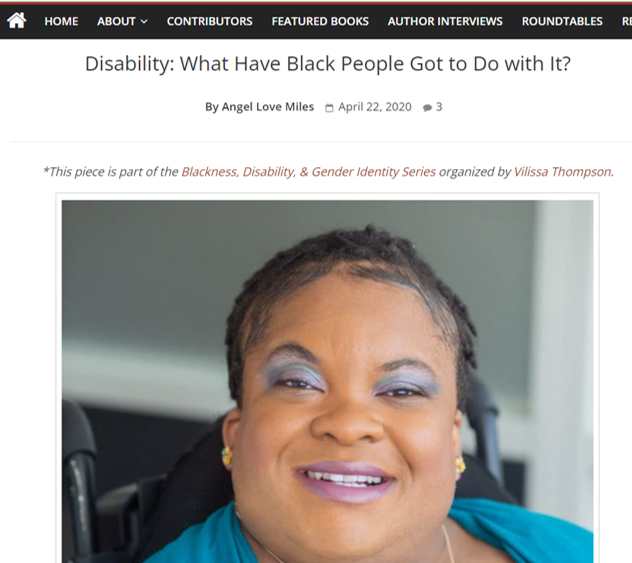
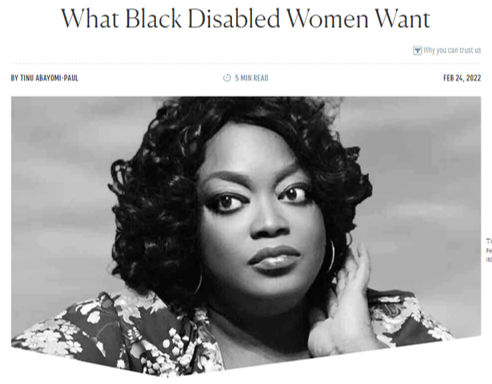
Black Women and Girls With Disabilities
This series examines the impacts of structural racism, sexism, and ableism on the education, health outcomes, and economic security of Black women and girls with disabilities in the United States.
| | |
|
|
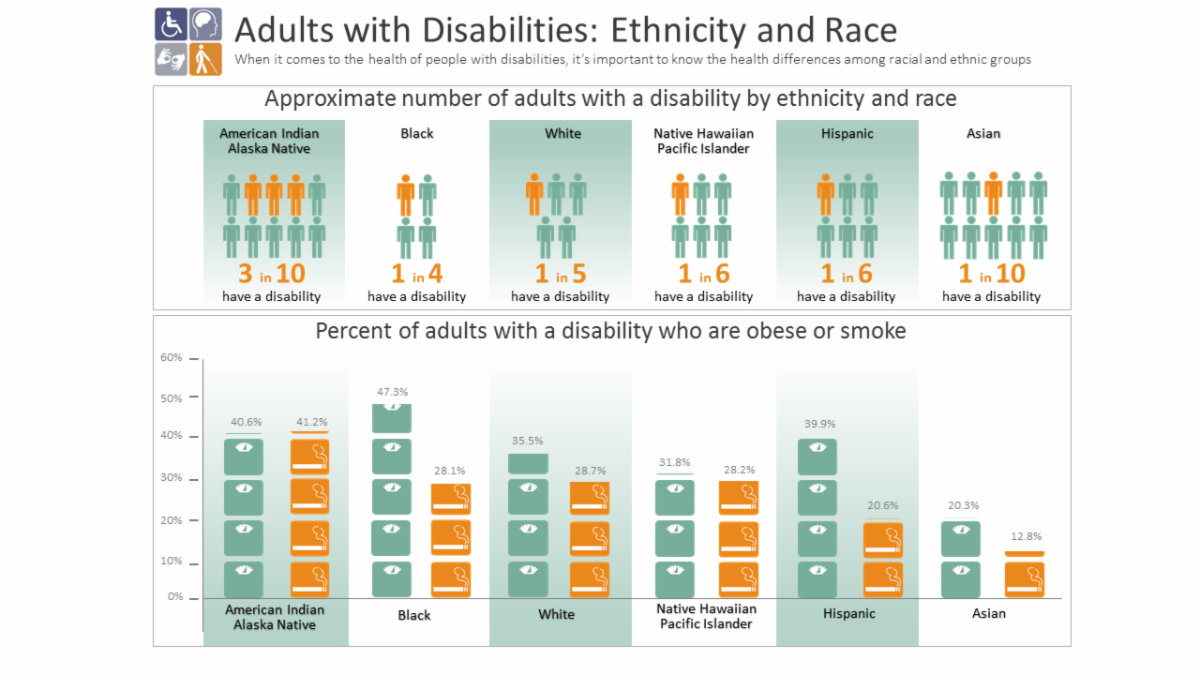
Adults with Disabilities: Ethnicity and Race
When it comes to the health of people with disabilities, it’s important to know the health differences among racial and ethnic groups. This infographic by the Center on Disease Control shows the approximate number of adults with a disability by ethnicity and race.
| |
|
UPCOMING EVENTS
Supporting Black Deaf Survivors
February 28
2 - 3:30 pm ET
| |
Black deaf survivors of domestic and/or sexual violence often have to navigate a web of barriers to accessing healing services: programs designed to respond to domestic and sexual violence, for instance, may not have the knowledge or resources to address the needs of Deaf survivors while Deaf programs may not have the knowledge or experience to address survivorship. However, the Deaf community has been working ot address this gap in services by developing programs specifically at this intersection. This webinar will feature one of those programs, DAWN, which was formed inn 1999 in the Washington metropolitan area and has been providing direct support services to women and their families in the Deaf community. Please join us for a conversation between Roberta Eaton, DAWN’s Executive Director, and Raven Sutton, Senior Survivor Resource Specialist, as they discuss DAWN’s unique approach to meeting the needs of Black deaf survivors. | | |
|
|
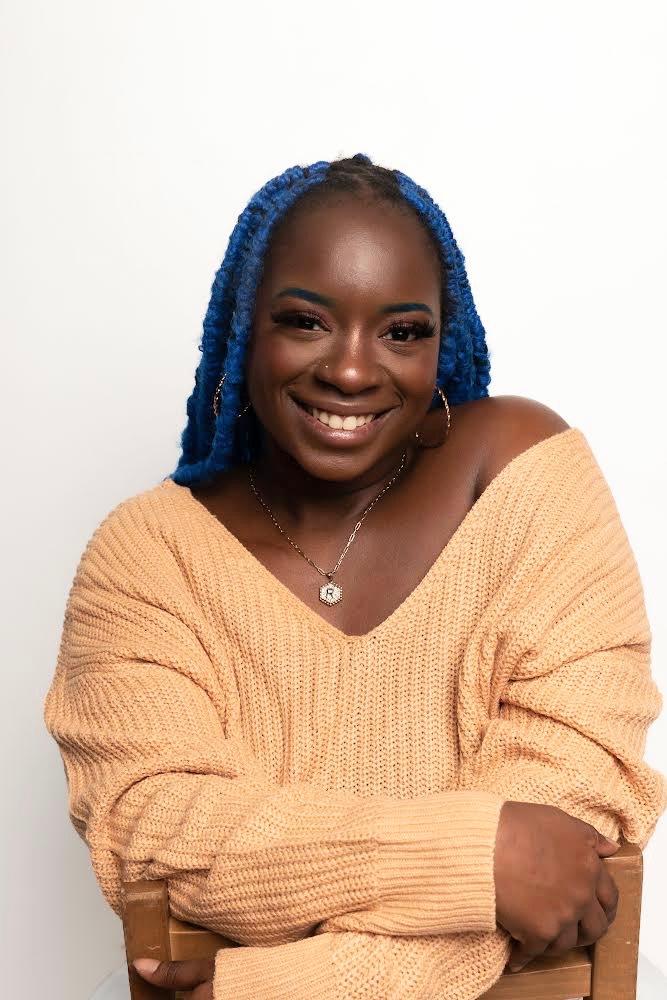
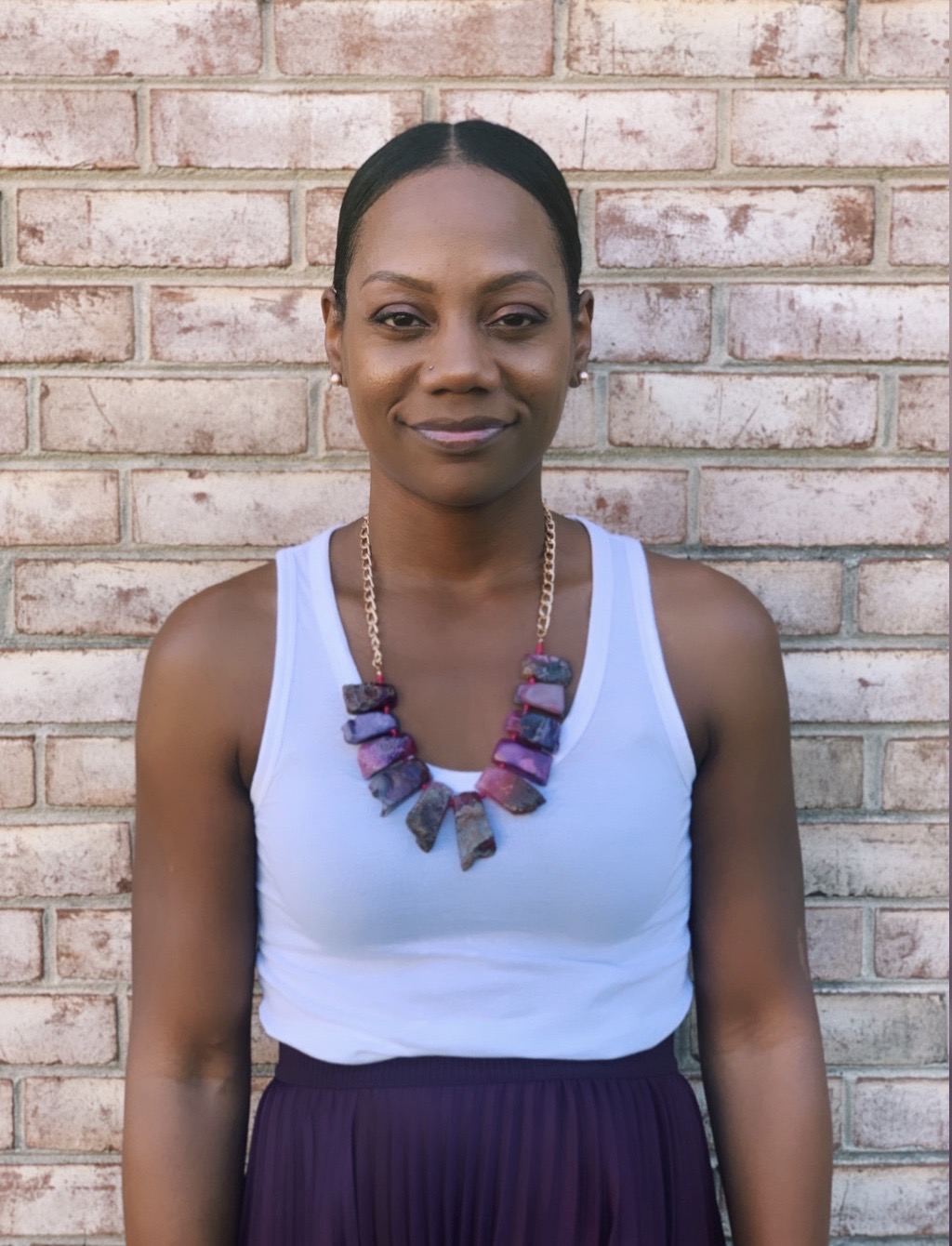
Raven Sutton, Senior Survivor Resource Specialist at DAWN. An anti-oppression agency that center and support historically marginalized Deaf, DeafBlind, DeafDisabled, Late Deafened. and Hard of Hearing survivors with multiple identities from a wide variety of communities that experience Domestic Violence and Sexual Assault.
| | |
|
|
Roberta Eaton, Executive Director at DAWN, the first program in the country that is Black-led, Deaf-led rooted in anti-oppression work centering and supporting historically marginalized Deaf, DeafBlind, DeafDisabled, Late Deafened. and Hard of Hearing survivors with multiple identities from a wide variety of communities.
| |
IN CASE YOU MISSED IT: Highlighted Resources | |
Intersectionality, Disability and Victimization This webinar provided an overview on supporting survivors with disabilities in an intersectional manner. Recognizing the wide-spread nature of trauma and its effects, which can, in and of itself, cause disability, understanding the potential avenues for recovery and healing, which may or may not include a person’s support team, and being able to identify signs and symptoms of trauma in persons served, particularly those who do not and/or have limited ability to communicate verbally. | |
The National Center on Ending Abuse of People with Disabilities is a resource center funded by the U.S. Department of Justice, Office on Violence Against Women to bring together people with disabilities, policymakers, practitioners, and other community members to better serve people with disabilities and Deaf people who have experienced violence. The National Center fosters dialogue and provides guidance on addressing problems that impede access to services, developing promising practices, and works to center the needs of people with disabilities and Deaf people when developing solutions and responses to crime. For more information, reach out to us at endabusepwd@activatingchange.org.
| | | | |