March Newsletter

The End Abuse of People with Disabilities monthly newsletter is our opportunity to spotlight promising practices, programs, and resources at the intersection of domestic violence, sexual assault, and disability. In honor of Developmental Disabilities Awareness Month, we are highlighting strategies for ensuring that advocates with developmental disabilities are authentically included in efforts to address domestic and sexual violence.

March has been recognized as Developmental Disabilities Awareness Month since 1987. The 2023 theme for Developmental Disabilities Awareness Month, Beyond the Conversation, focuses on the question, "what next?" highlighting change and innovation – what individuals and communities are doing to move past discussions and take action on education, employment, accessibility, and more. Because studies demonstrate that people with developmental disabilities experience abuse and exploitation our to ten times more often than their peers without disabilities, Activating Change's "what next" focuses on supporting self-advocates to become active members in the movement to end violence against people with disabilities.

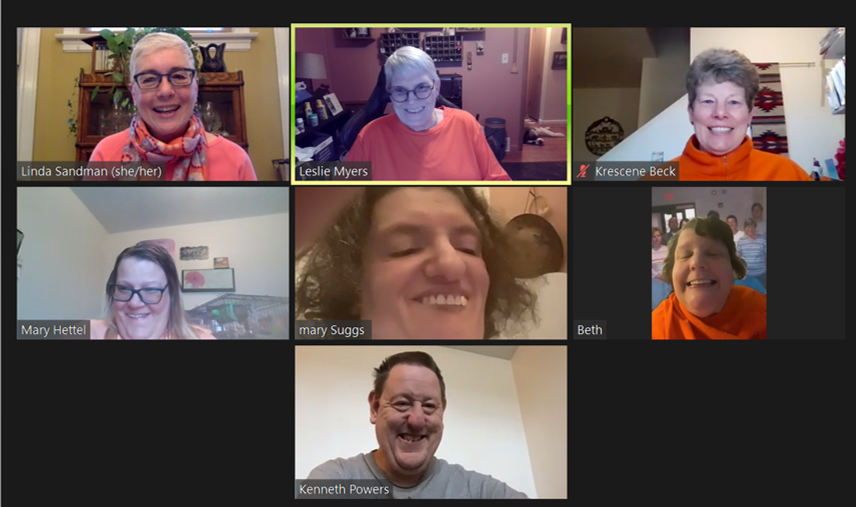
Activating Change is now holding a pilot program with our Peer to Peer: Bridging the Gap through Self-Advocacy curriculum. Designed to provide self-advocates with the information and tools needed to support survivors and to act as a bridge between the survivor and the programs in the community designed to serve them. During our second meeting with the pilot project, we donned our orange t-shirts and took a group photo in support of Developmental Disabilities Awareness Month.

Peer-to-Peer pilot program participants include: Top row: Linda, Leslie, and Krescene.

Middle row: Mary, Mary and Beth. Bottom row: Kenny

Show your support for DD Awareness Month!


Wear Orange

Orange is a color symbolizing energy and positivity. It's also the official color of Developmental Disabilities Awareness Month. One of the easiest ways to recognize DD Awareness Month is to invite your team to wear orange.


Build Relationships

We encourage you to learn more about developmental disabilities and reach out to your state's council of developmental disabilities and local self-advocacy groups.


Learn More

We have included some additional resources below. Invite your team members to join you in a lunch and learn to build your knowledge of the needs of survivors with developmental disabilities.

Resources for Further Learning

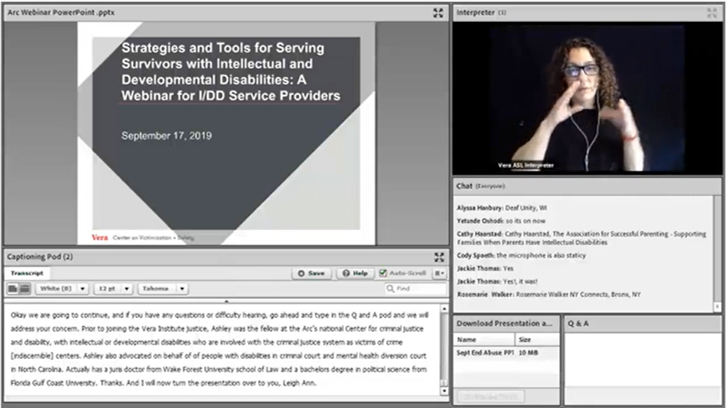
Strategies and Tools for Serving Survivors with Intellectual and Developmental Disabilities: A Webinar for I/DD Service Providers People with intellectual and developmental disabilities (I/DD) are 7 times more likely to experience sexual assault than people without disabilities and are also more likely to experience domestic violence. It is important that service providers such as chapters of The Arc are prepared to address victimization that may occur. 

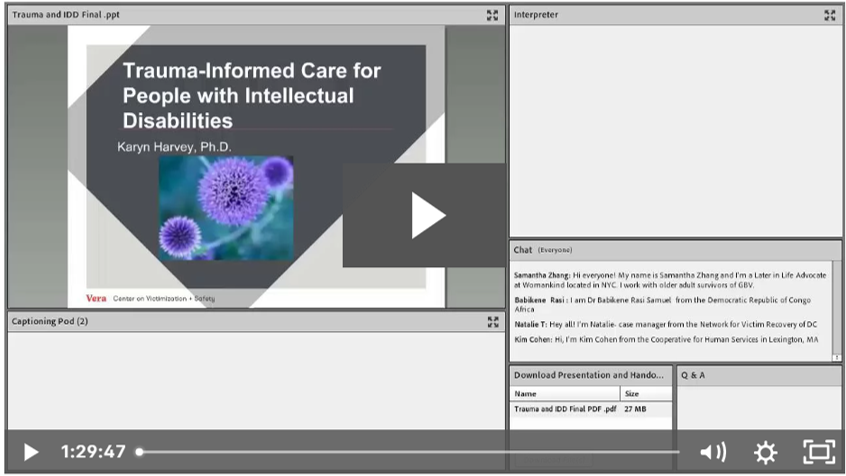
Addressing Trauma in the Lives of People with Intellectual and Developmental Disabilities Trauma can have a lasting effect on a person’s mental, emotional, and even physical states. When a person has an intellectual or developmental disability, the impact of trauma can be even more pronounced and unique methods for addressing the trauma are necessary.

The National Association of Councils on Developmental Disabilities (NACDD) partners with like-minded advocacy groups and organizations including state councils of developmental disabilities. These councils are federally funded, self-governing organizations, charged with identifying the most pressing needs of people with developmental disabilities in their state or territory. 

Self Advocacy Resource and Technical Assistance Center (SARTAC) seeks to strengthen the self-advocacy movement by supporting self advocacy organizations to grow in diversity and leadership.

IN CASE YOU MISSED IT: Highlighted Resources

Serving Survivors of Sexual Assault with Intellectual and Developmental Disabilities

In honor of Sexual Assault Awareness Month we held a conversation centering people with intellectual and developmental disabilities (I/DD) who are more likely to experience sexual assault. In this webinar, you will learn about the unique risks they face, barriers they encounter when seeking services, and best practices that you can implement to serve survivors with I/DD effectively. Also, a self-advocate shares her experiences and provide tips for ways in which you can increase survivors’ comfort, be trauma-informed, and meet the needs of those most likely to experience sexual assault.

The National Center on Ending Abuse of People with Disabilities is a resource center funded by the U.S. Department of Justice, Office on Violence Against Women to bring together people with disabilities, policymakers, practitioners, and other community members to better serve people with disabilities and Deaf people who have experienced violence. The National Center fosters dialogue and provides guidance on addressing problems that impede access to services, developing promising practices, and works to center the needs of people with disabilities and Deaf people when developing solutions and responses to crime. For more information, reach out to us at endabusepwd@activatingchange.org.