The CO General Assembly is officially adjourned!
This proposed legislation would have prohibited carriers from inducing or otherwise requiring a healthcare provider to collect any coinsurance, copayment, or deductible directly from a covered person or their responsible party. This restructures the payment of cost-sharing amounts owed by covered persons. Unfortunately, this legislation was struck down in Senate Appropriations due to budget and time constraints as a result of COVID-19. Regardless, I'll continue to fight to protect consumers in Colorado.
PASSED! This legislation addresses substance use disorder in the state of Colorado. It requires the substance use trend and response task force to meet and review future legislation around this subject. The goal is to address the opioid crisis in our state.
PASSED!
This proposed legislation addresses license plate expiration on change of ownership. It will also make the method of production for personalized plates the same for standard plate going forward. This change will allow the new standard plate to last longer and stay more highly reflective during its lifetime.
PASSED! This proposed legislation encourages businesses to create an economic opportunity to reimburse eligible recycling businesses for personal property taxes as well as creating a statewide campaign to educate Colorado residents on the subject of recycling.
This legislation would provide a monetary grant incentive for high performing teachers to teach in low performing schools. Teachers are the most important aspect when hoping to improve education in areas struggling throughout the state. A highly effective teacher was determined by a series of qualities that, if given the incentive to teach in low performing schools, would greatly benefit the students there. Unfortunately, SB20-066 was struck down in committee.
This legislation would have created a college trust scholarship for students who graduate early from Colorado public high schools. The scholarship would be funded by the money the state saved by the student graduating early. It, too, was struck down in committee by a vote of 4-3.
Despite these outcomes, I will not stop bringing forward legislation to improve our public-school system and benefit students from early childhood to college.
PASSED! It aims to improve Colorado's electric energy standards by encouraging a conversation with public school facility construction to include local electric utility in its' guidelines.
PASSED!
This legislation was drafted with a goal of improving Colorado school vaccination rates for school entry. It requires an annual review of the state's immunization practices and streamlines medical and non-medical exemptions. During the Second Reading of the bill on the Senate floor, 11 amendments were made by Senators on both sides of the aisle in order to address homeschoolers exemptions, clarify language, and make sure immunization education is non-biased and nondiscriminatory. Amendments were also made in the House then removed in conference committee.
PASSED! This legislation increases consumer access to electric motor vehicles by allowing manufacturers to directly sell their electric motor vehicles to consumers. It was amended to remove an exception for Tesla and clarifies that any EV manufacturer can now sell directly to consumers.
PASSED! This legislation, created in the wake of COVID-19, aimed at licensed businesses who can sell alcohol, lets these businesses continue the sale of alcohol off their premises, in the style of takeout or delivery. This legislation will help restaurants, distilleries, and bars survive in the aftermath of COVID-19. The policy change sunsets in one year.
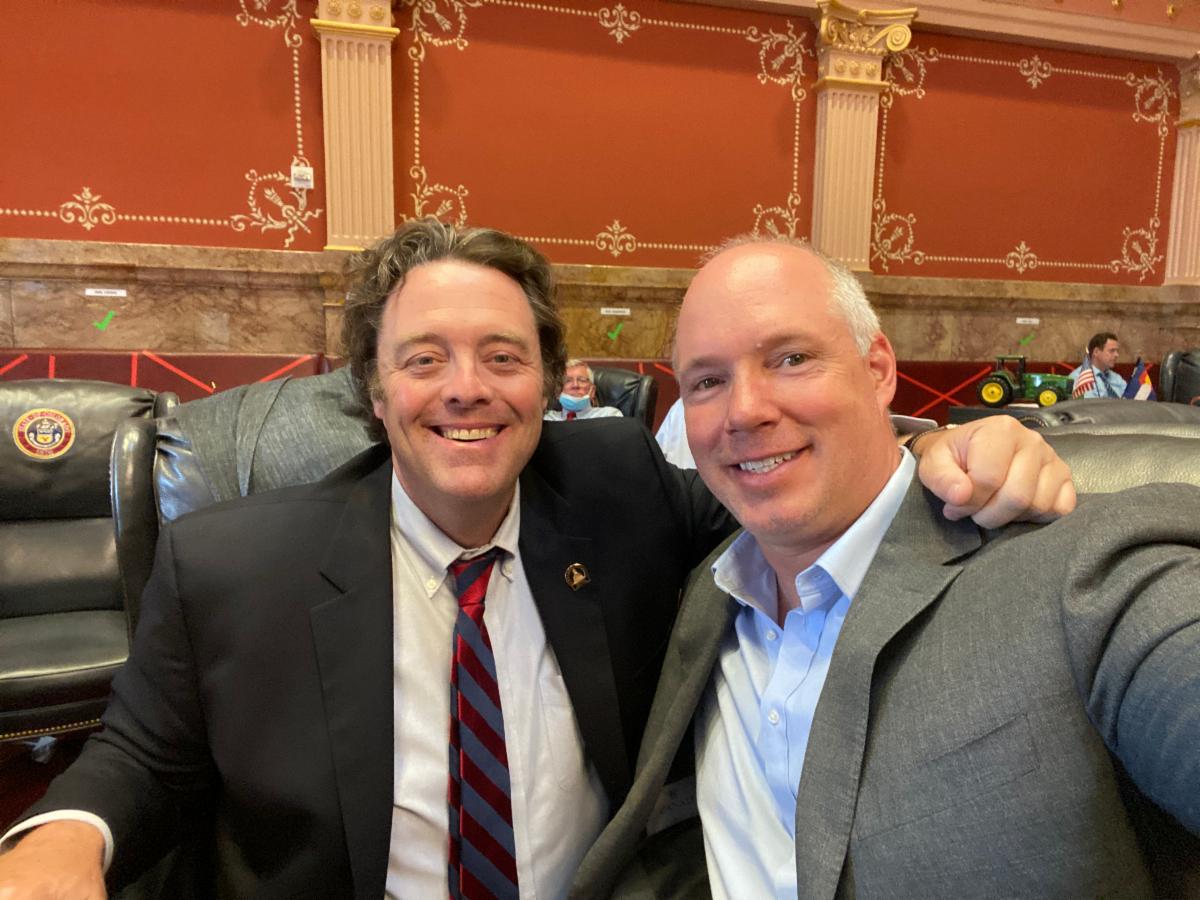
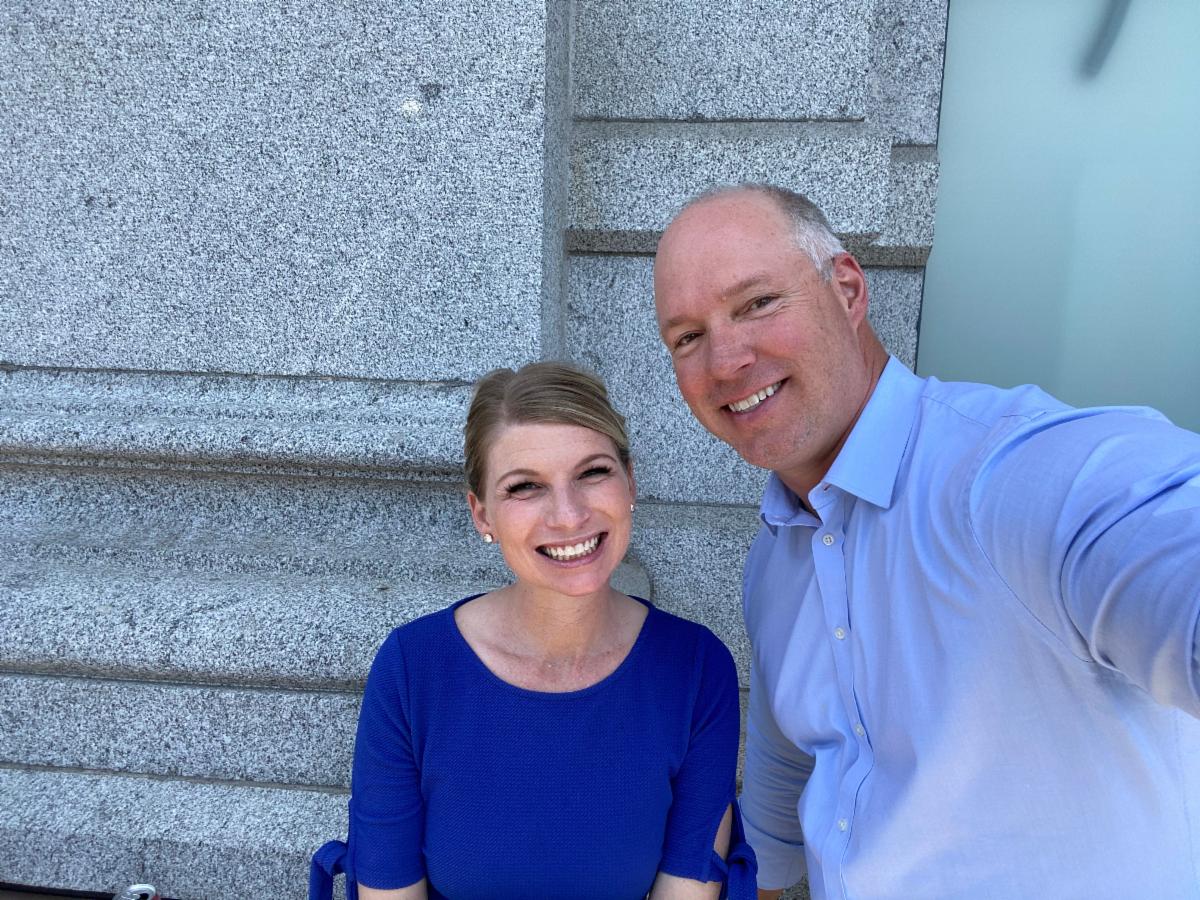
Senator Tate and I on the last day of session.
PASSED! This proposed legislation would raise the minimum age for buying and use of tobacco products from 18 years of age to 21, as well as preventing retail to open within 500 feet of a school. The goal is to reduce Colorado's teen population from dependency on nicotine products.
PASSED! This proposed legislation demands that people within our criminal justice system that have substance abuse disorders get proper care both within our prison facilities and after their release. Providing better treatment during time served as well as when they reenter the world hopes to address substance abuse disorders and prevent re-incarceration.
PASSED! This bill allows a vintner's restaurant licensee to apply to the department of revenue for permission to manufacture vinous liquors on alternating proprietors licensed premises. This will greatly benefit vintner's restaurants in the state of Colorado and allow them to grow further in businesses like their craft breweries.
PASSED! This legislation would allow pharmacists to prescribe HIV medications after completion of an education training program. It also would require all individual and group health benefit plans to provide coverage for said medication. This would make HIV medication more accessible to those in need.
PASSED! This proposed legislation requires health providers to continue substance use disorder care to a covered person among discharge from the hospital.
PASSED! This proposed legislation requires a health benefit plan to require coverage for non pharmacological treatment as an alternative to opioids.
These two pieces of legislation aim at protecting and helping the citizens of Colorado that fall under the grasps of substance use disorder.
This legislation would require state regulated health insurance to provide coverage for colorectal cancer screening. It passed in the House Health and Human Services committee but was unfortunately struck down in the Senate. I will continue to work to make these medical procedures more accessible.
PASSED! This bill moves to create a standard of education requirements for educators which increases awareness of special education issues. Teachers, special service providers, principles, and administrators are to complete ten clock hours of professional development required to learn practices relating to education of students with disabilities in the classroom.
PASSED! This legislation requires that, on top of what is already offered by home builders, to now offer one of the following: an electric motor vehicle charging station, prewiring for future use, or an electrical heating system. This aims to make electric motor vehicles more accessible for home owners.
PASSED! This legislation would require Medicaid to pay routine costs (medically necessary services) for participants in a clinical trial. This legislation has NO fiscal impact, and would make it easier for those chosen to participate in said clinical trials and receive access to that care.
This proposed legislation moves to prohibit the sale of flavored nicotine products in order to curb the sale to young adults. Unfortunately, this bill was held up in the Senate. I'll continue working to protect our youth from dangerous nicotine products and nicotine addiction.
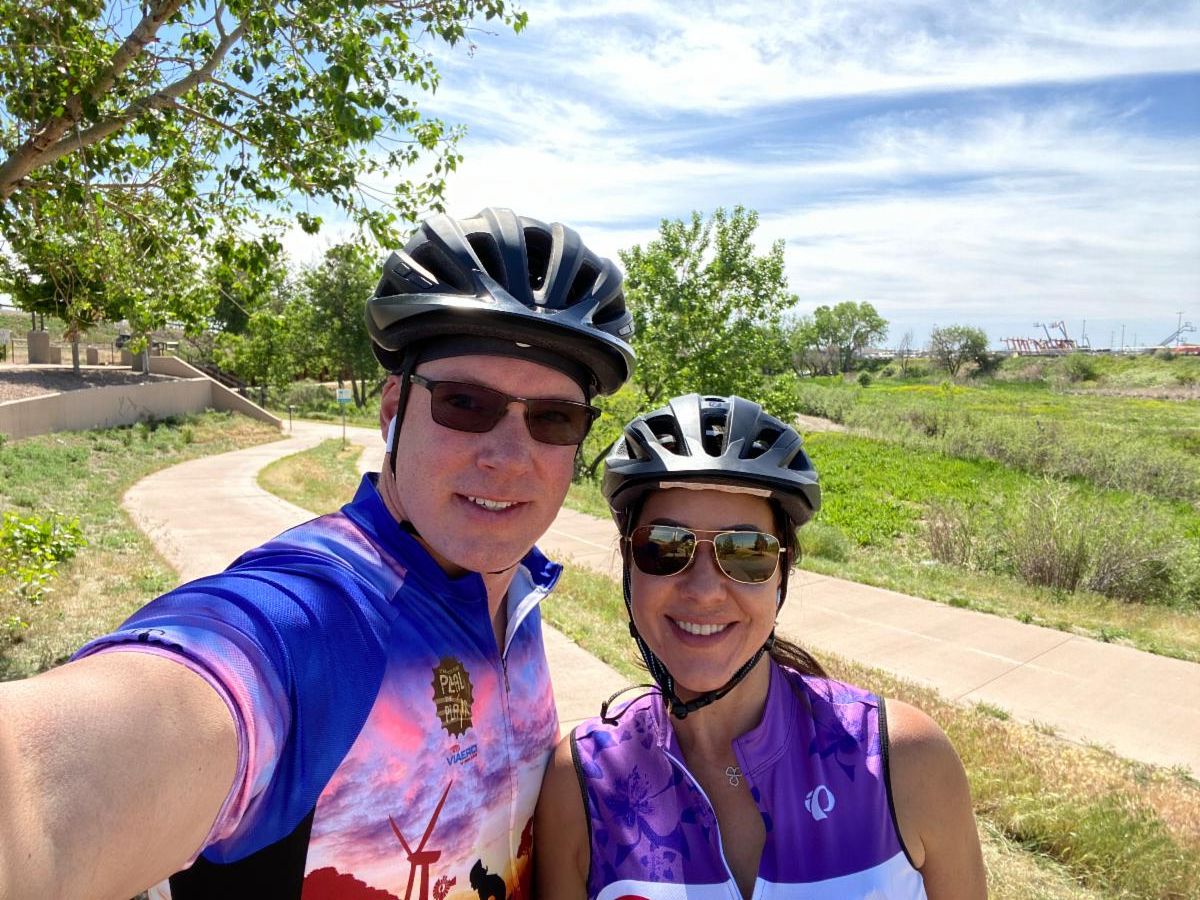
Michelle and I enjoying the outdoors.