- We Need Your Help with Our Neighborhood Reads Project
- Inspiring Inclusion Twofer: Jewish-American and Asian American Pacific Islander Heritage Months
- Spotlight on Local Nonprofits
- Highlights from CanDo's Community Calendar
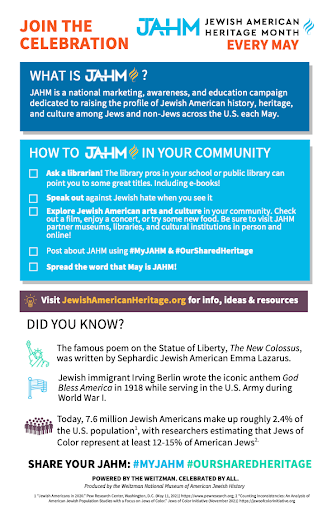
- Quick Tip: How to JAHM in Your Community
- Bits & Pieces: Meet the Levinsons, A 19th-Century Jewish Family in Napa
- Words Matter Twofer: Kanaka and Gunkholing
| | | |
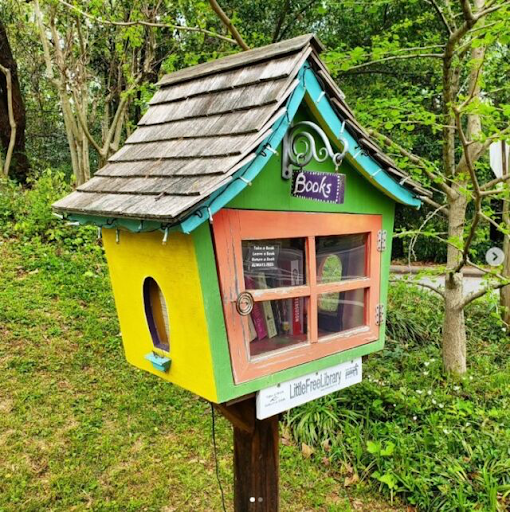
In a Few Hours a Month, From Home, Help With Our Neighborhood Reads Project
Andre, the founder and co-ordinator of CanDo’s Neighborhood Reads project, needs a hand with this dynamic project. As you may know, our NR volunteers visit Little Free Libraries around Napa once a month or so and keep them filled with donated books. Andre will continue to supply books to the volunteers. We’ll train you for your part. What might that entail? Read on.
| |
You will:
- As necessary, manage the volunteer list: keep it updated, make changes when required, send check-in messages to them every now and then
-
As necessary, update our Google Map of Little Free Libraries around town
- A few times a year, send an email to volunteers asking for updates and photos that will go in our newsletter
- With Andre, prepare a brief year-end report on the project
- Work just a few hours per month (no set schedule)
- Work from home
- If this seems like too much for you, we’re flexible… let’s negotiate!
Shoot an email to info@nvcando.org if you’d like to chat about this unique volunteer opportunity! We’d love to hear from you.
| | |
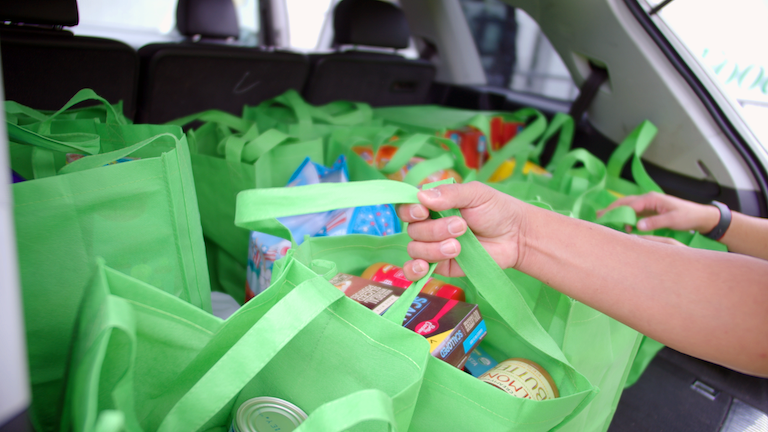
Our April 12 collection day brought in 14,182 lbs of nonperishable food for the Napa Food Bank and 367 lbs for the St. Helena pantry! In addition we received $3835 in monetary donations! We know this will help make a dent in the needs of our community, providing healthy, nutritious food to those who need it.
We humbly thank all of our Neighborhood Coordinators and Food Donors for their time and generosity!
The next collection day is June 14. Want to help? Sign up here. Questions: napafoodproject@nvcando.org.
| | |
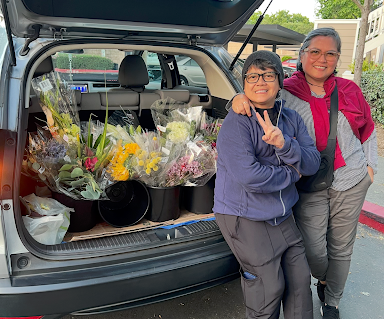
Update: Flower Power
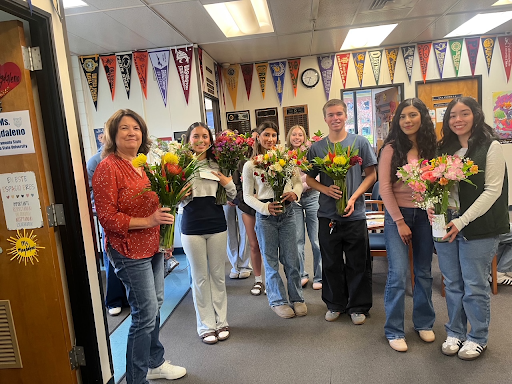
A couple of weeks ago we introduced you to Susan, who has begun a project called “Flower Power.” While not an official CanDo project, it evolved from Susan volunteering with our Food Rescue Team. So, as a “mini-project” (step-project?) it is being supported by CanDo as it grows. Since she began, Susan estimates that she has cleaned, revived and arranged about 7,200 stems! She then delivers them to various people and locations around town, including schools, care centers, hospitals, and more. She has even found homes for loose petals and buds that fall off the flowers!
Part of her passion for this project stems from the fact that it is zero-waste. We love that! And we are very proud that this wonderful new venture is bringing joy to people all over Napa.
We appreciate you and your creative work, Susan. And many thanks to those generous local retail stores that, with their donations of slightly-over-the-hill blooms, are allowing them a new life.
Want to learn more or help out? Contact Susan at grapeheartknits@gmail.com
| | | | | You can volunteer for one of our dynamic projects, even for just an hour or two, or help one of the many local organizations we support. Each individual action connects to others. Together, we‘re making our Valley and world better. | | |
Inspiring Inclusion for May is a “Twofer” (we didn’t realize that “Twofer Tuesday” is a thing, but here we are!)
This month we’re acknowledging both Jewish-American and Asian American Pacific Islander Heritage Months.
| | |
Hawaiian Kanaka Boats in Napa, Then and Now
Drew Dickson, founder of Napa Valley Paddle, kindly wrote the following piece for us, shedding light on a fascinating chapter of California (and Napa) history that many may not be aware of.
| | | | |
Riding the Timeless Tide: Forgotten Hawaiian Watermen Who Helped Settle the West
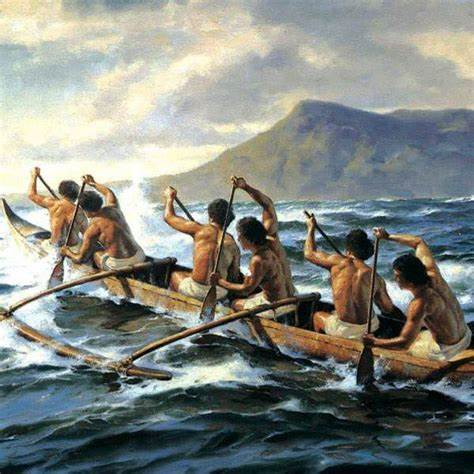
Long before highways and wine trains shaped Napa Valley, the tide ruled. And no one knew how to ride it better than the Hawaiian watermen — Kanakas — whose skill and strength helped carve out the first connections between California’s coast and its interior rivers.
Throughout the 1800s, Native Hawaiians were a quiet but essential force in the settlement of the West. They didn’t arrive with muskets or land deeds. They arrived with paddles. And they came to work the sea.
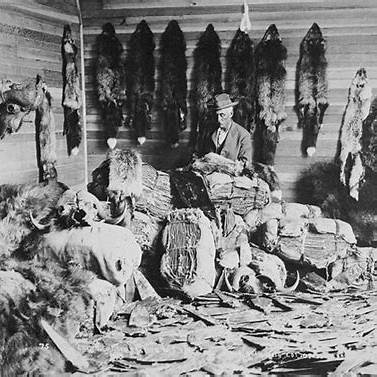
| | | Otter pelts and other supplies awaiting shipment | | |
From Island Shores to the Wild West
Brought to California as crew on whaling ships or fur-trading expeditions, many Islanders stayed, often preferring life ashore to continued service at sea. They formed communities, built boats, and—crucially—became the trusted hands for navigating California’s wild coastlines and interior rivers.
They didn’t use oars. They used paddles. What's the difference?
George Yount, Napa Valley’s earliest American settler, hired Kanaka Boats to hunt sea otters off Santa Barbara. Despite having never seen the ocean before his arrival in 1831, Yount quickly understood that without Hawaiian paddlers, he wouldn’t succeed. He and famed trapper George Nidever relied on these expert swimmers to retrieve otter carcasses through heavy surf—a dangerous, high-stakes task that often cost others their lives or boats.
| | The pelts fetched up to $30 each—over seven times the price of a beaver pelt—and were shipped from California to Boston and beyond. Without the skill of Kanaka boatmen, much of that wealth would have been dashed against the rocks. | | |
A Vital Role, Nearly Forgotten
Richard Henry Dana, in Two Years Before the Mast, paints a vivid portrait of the Kanakas’ ability and spirit. He described their swimming prowess with awe:
“One of the Kanakas… seeing a vessel getting under way… took a note, wrapped it in a cloth, and placing it in a hat, swam off to the vessel, which was already some distance from shore. He reached her, delivered the note, and returned, receiving a dram of whiskey for his trouble.”
But Dana didn’t just admire their athleticism—he admired their humanity:
“They were the most interesting, intelligent, and kindhearted people that I ever fell in with... I felt a positive attachment for almost all of them… which will always make me feel a strong interest in the mere name of a Sandwich Islander.”
Indeed, across the Pacific coast, the name “Kanaka” became shorthand for Hawaiian laborers whose maritime skill made them indispensable. One historian wrote, “The Kanakas were as important to the settlement of the Bay Area as the rifle and disease.” A stark but powerful truth.
| | |
Honoring the Legacy: Paddling Forward
Three winters ago, we set out to honor a forgotten chapter of California history—the legacy of the Hawaiian watermen who helped settle the West, one paddle stroke at a time.
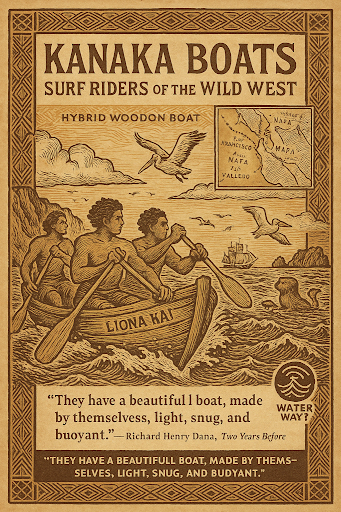
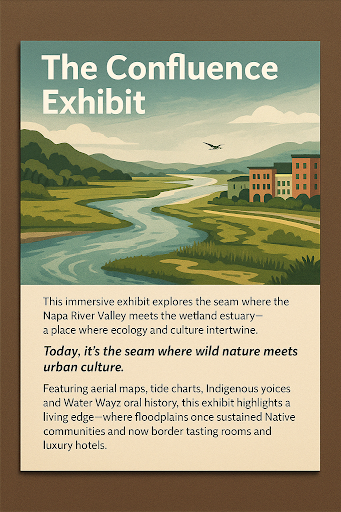
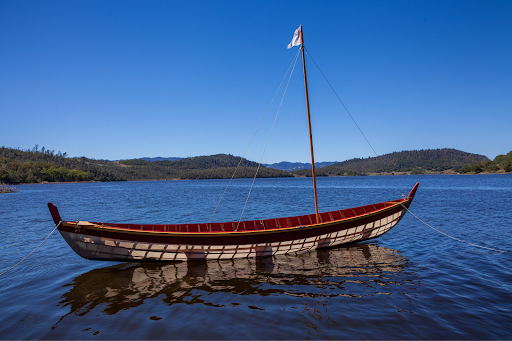
Partnering with Yountville boatbuilders, we built Liona Kai—a modern, skin-on-frame interpretation of a traditional St. Ayles whale boat. Its design blends Scottish coastal curves with Polynesian paddling wisdom, shaped for “gunkholing” [see “Words Matter” below] through the Napa-Sonoma Marsh: the same kind of shallow tidal estuary once traversed by Kanaka Boats carrying passengers, pelts, and provisions from San Francisco to Napa.
| | Liona Kai on her maiden voyage | | |
Liona Kai isn’t just a boat—it’s a tribute. To the Hawaiians who knew these waters by feel. To the river they opened. To the tide they rode with confidence. Since its launch, she’s ferried dozens of paddlers through Fagan Marsh in the Carneros Estuary, often under escort from American White Pelicans who fly 90 miles a day while we paddle four. But the spirit is the same.
It’s the best boat we’ve ever built. And we’re not done.
| |
|
Thanks to Drew Dickson
Founder, Napa Valley Paddle
A bold new vision: handcrafted wooden boats, an amphibious riverfront museum and dock, and immersive audio tours that bring the Napa River’s ecology, culture, and history to life—in choose-your-own-adventure fashion.
Help us build the boats and tell the stories.
707.200.5511 | Drew@napavalleypaddle.com
Resources:
Kanaka Boats by Drew Dickson
Generation X: The Seam by Drew Dickson
| | | | Jewish-American Heritage Month (JAHM) | | |
A Brief History of Napa Valley’s Jewish Population
Many thanks to Hannah Wallenbrock of CanDo’s PIN (Pro-Inclusion Napa) for this month’s Inspiring Inclusion article about Jewish-American Heritage Month, with a focus on the Napa Valley.
Jewish-American Heritage Month kicks off in May, in recognition of the enduring contributions American Jews have made – and continue to make – to our nation’s history, culture, and society. It began as an effort by South Florida Jewish community leaders and the Jewish Museum of Florida, and was formally established in 2006 by President George W. Bush. It’s been continued every year since then by Presidential Proclamation.
Many Jews settled in the Napa Valley starting at the beginning of California’s Gold Rush. Rather than search for gold, however, they recognized a more stable economic opportunity: selling goods to miners and the fledgling mining communities springing up alongside them. Those with connections in major American cities set about importing goods, and others became important 1800s-era tradespeople and community leaders, such as pharmacists, tanners, postal workers, and firefighters.
| | |
And of course, many became winemakers, continuing a long Jewish tradition as commanded by Scripture. Due to Napa Valley’s climate and soil, the area is perfectly suited to growing wine grapes – something local Jewish families recognized at the time as they began planting vineyards of their own. One of the very first Jewish vintners was Frederick “Fritz” Rosenbaum, a wealthy glass manufacturer and importer. He and his wife planted 16 acres of grape vines in 1878, on the site of what was formerly St. Clement Winery (which closed in late 2016 after selling to Huneeus Vintners).
| | | |
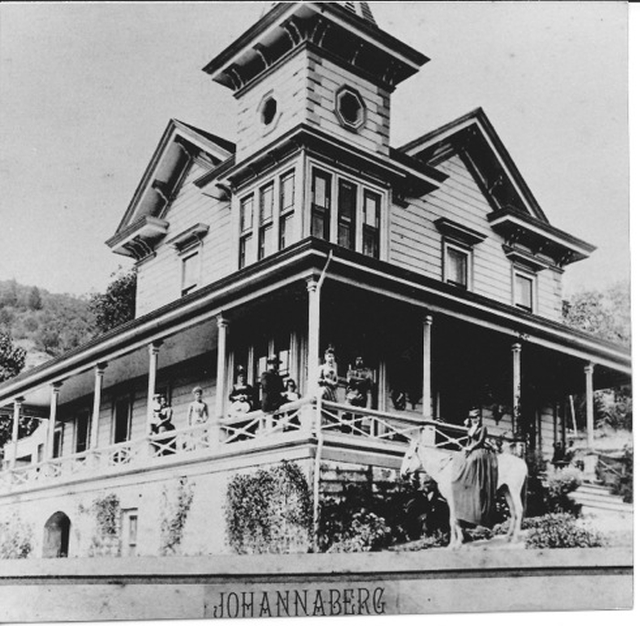
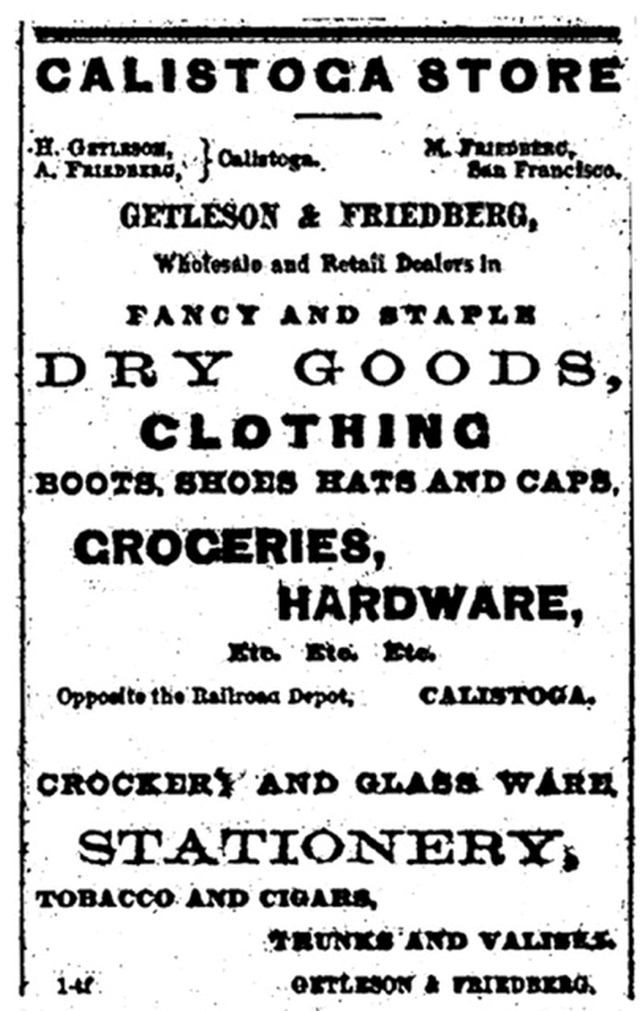
In these early days, life for Napa Valley’s Jewish population was relatively smooth and anti-Semitism virtually nonexistent — after all, most everyone was focused on gold. While they still practiced their faith in private, they were relatively integrated into Napa Valley community life. For example, a German-born Jew named Henry Getleson became one of the founding members of the Calistoga Masonic Lodge in 1874, and around the same time several other Jews joined the Napa Valley chapter of the Odd Fellows, a longstanding fraternity.
However, World War II quickly changed all that, unleashing a rash of xenophobia, spurred on by an emboldened Ku Klux Klan preaching their hatred of Jews, African Americans, and other minorities. At around the same time, Prohibition, which began in 1920, dealt Jews in the burgeoning Napa Valley wine industry an economic setback. Many Jewish families made the decision to move away to protect themselves both from bigotry and financial ruin.
| | |
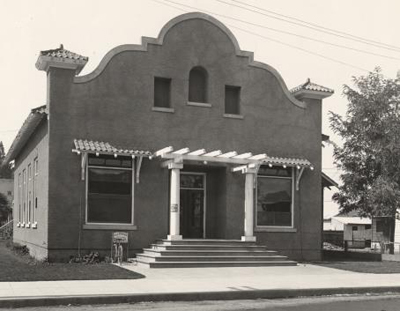
Fortunately, Prohibition did not last long, officially ending in 1933. However, it wasn’t until the 1950s that Jews – many of whom were Holocaust survivors - returned to Napa Valley and reestablished their presence there. In 1953, Napa Valley Jews built the area’s first — and to this day only – synagogue, Congregation Beth Shalom. In the 60s and 70s, the long-inactive wine industry also made a comeback, and Jewish families returned to found some of the region’s best-known wineries, such as Shadybrooke Estate, Hagafen Cellars, and Maycamas Vineyards.
In 1989, anti-Semitism resurfaced in the Valley. Tom Metzger, founder of the White Aryan Resistance movement, organized a concert for skinheads and neo-Nazis, whom he hoped to recruit. Both Jews and non-Jews protested the event, backed by the majority of the community. Protestors included several local Methodist and Presbyterian churches.
Our community continues to stand strong against anti-Semitism and support the lasting impact the Jewish community has had on our community, and our wine culture in particular. Happy Jewish-American Heritage Month!
To learn more about Napa Valley Jewish history, check out Napa Valley’s Jewish Heritage by local authors Henry Michalski, Donna Mendelsohn, and the Jewish Historical Society of Napa Valley.
| | The old Napa Chamber of Commerce building was moved in 1953 and became Congregation Beth Shalom | Congregation Beth Shalom today | | More Opportunities to Support Our Community | | |
Volunteer Opportunities & Events to Support Local Nonprofit Groups
Tell 'em you heard about it through CanDo!
| | |
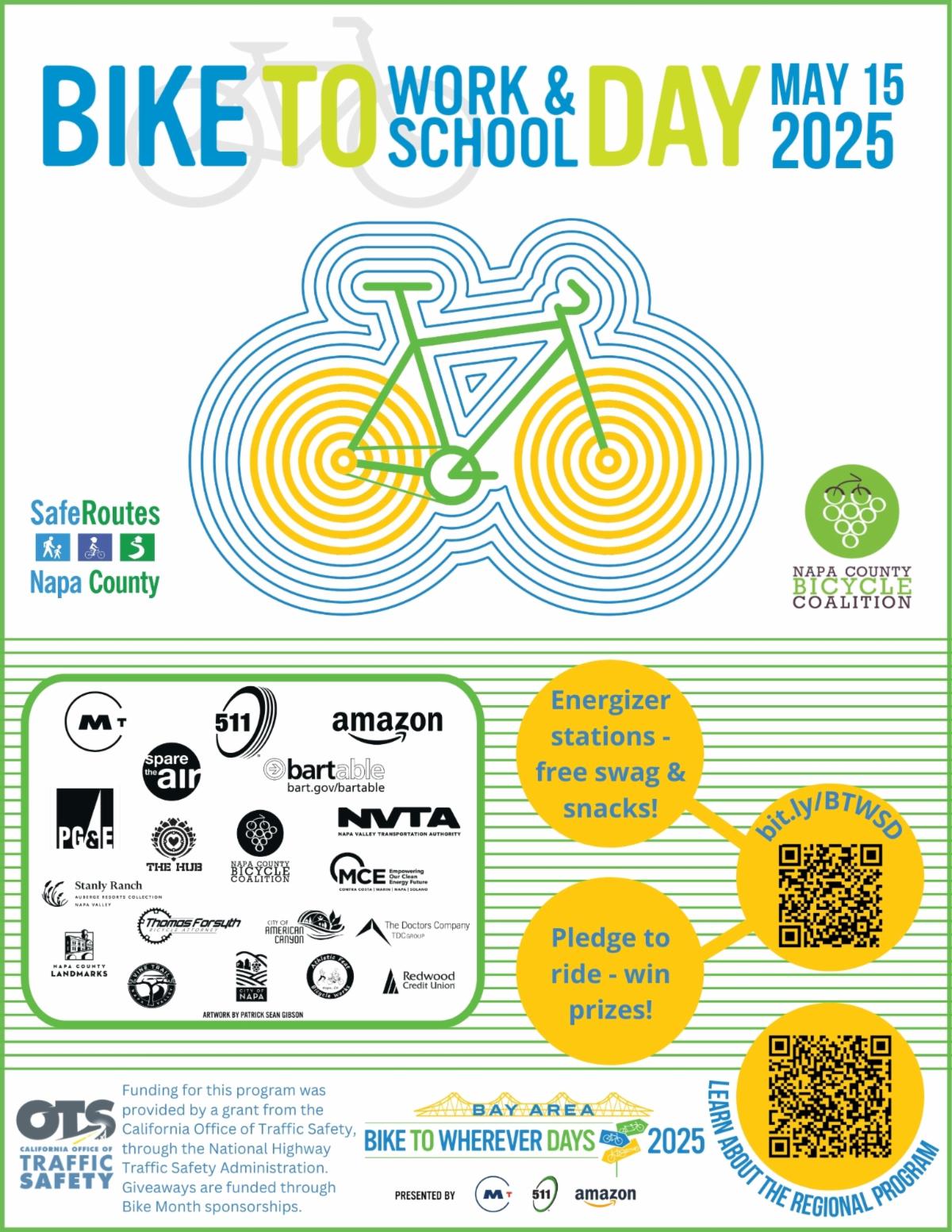
NAPA COUNTY BIKE TO WORK AND SCHOOL DAY
Sponsor: Napa County Bicycle Coalition
| | | |
DAY/DATE/TIME:
Thursday, May 15, 7-9 AM
LOCATION: Countywide
FFI:
Email csainato@napabike.org, call 707.258.6317 or visit their website
| | | |
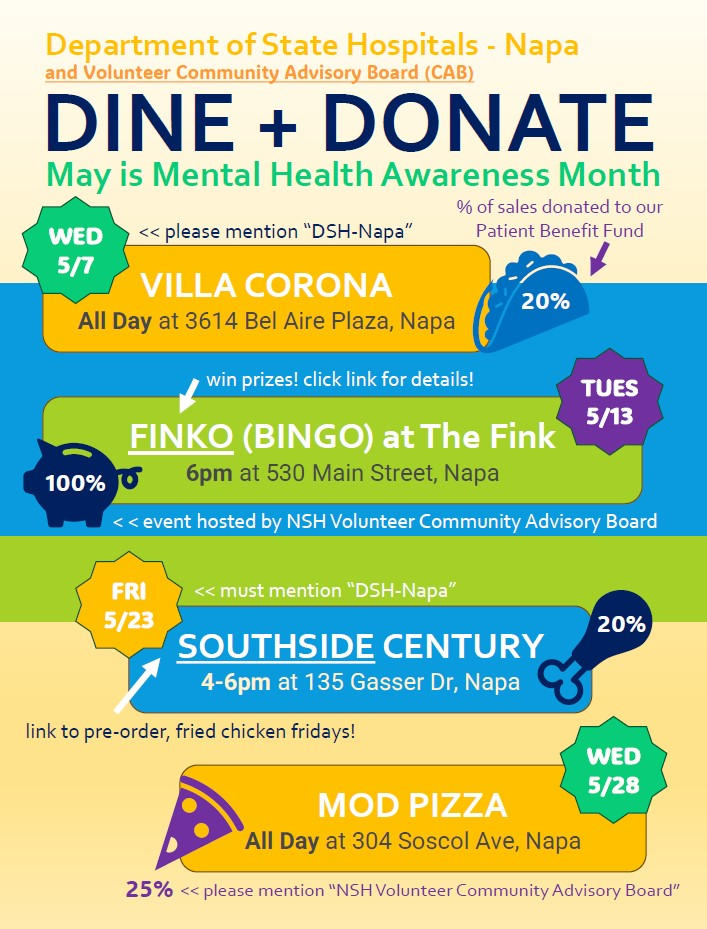
MENTAL HEALTH AWARENESS
DINE & DONATE
Sponsor: Napa State Hospital Volunteer Community Advisory Board
| | | |
DAY/DATE/TIME:
Tuesday, Wednesday, Friday
May 7-28, 10 AM - 10 PM
LOCATION: Various Napa locations
FFI:
Email nshcommadvisoryboard@gmail.com, call 707.308.2960 or visit their website
| | | |
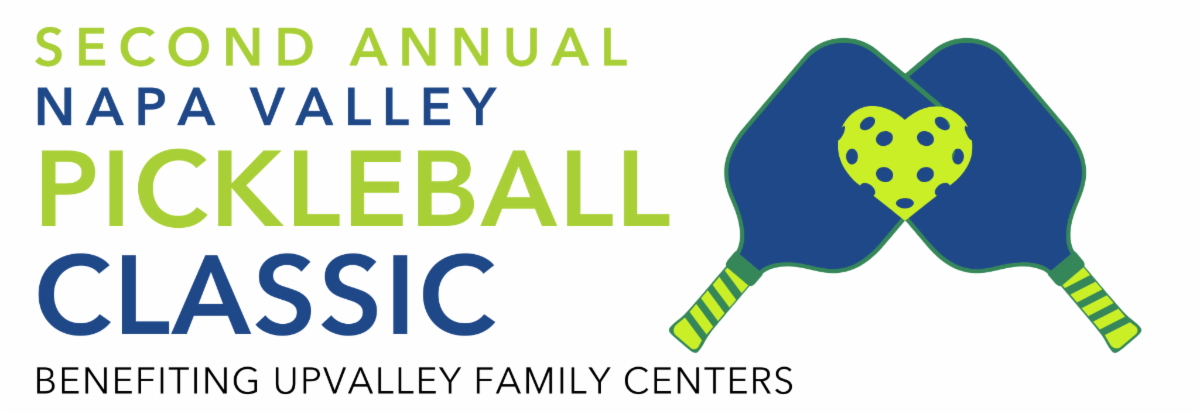
SECOND ANNUAL NAPA VALLEY PICKLEBALL CLASSIC
Sponsor: UpValley Family Centers and City of Saint Helena Parks and Recreation
| | | |
DAY/DATE/TIME:
Saturday and Sunday, May 17 and 18, various times
LOCATION: Crane Park Pickleball Courts, 360 Crane Avenue, St Helena
FFI:
Email nvpickleballclassic@gmail.com or visit their website
| | | |
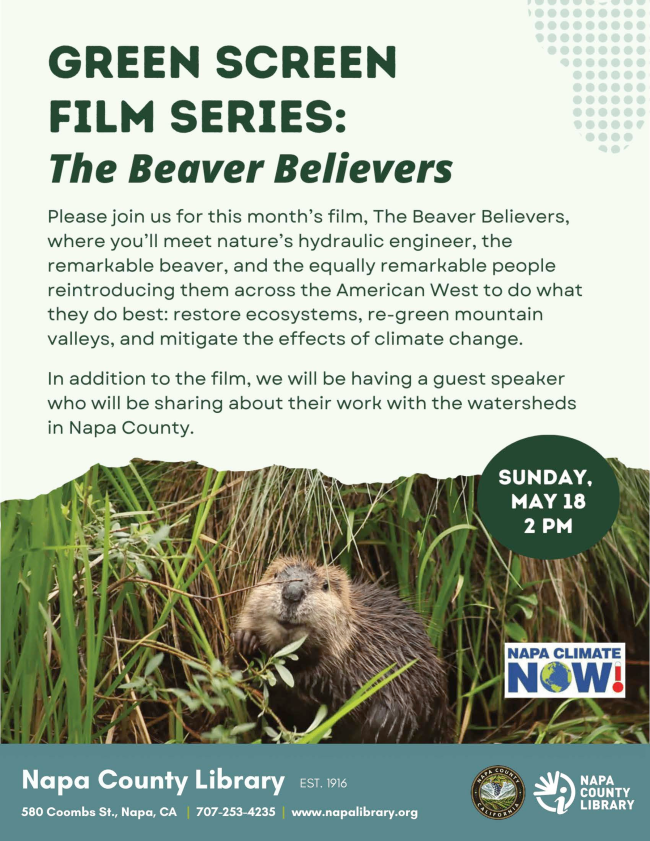
2025 GREEN SCREEN FILM SERIES: THE BEAVER BELIEVERS
Sponsor: Napa County Library and Climate NOW
| | | |
DAY/DATE/TIME:
Sunday, May 18, 2-4PM
LOCATION: Napa County Library, 580 Coombs Street
FFI:
Email lindadietikeryolo@icloud.com or visit their website
| | | |
LIFE AND DEATH EXPLORATIONS WITH JONI DITTRICH, PH.D
Sponsor: OmaiGrace/NVUU Death Positive Event Series
| | | |
DAY/DATE/TIME:
Thursday, June 5, 6-7:30PM
LOCATION: Napa Valley Unitarian Universalists, 1625 Salvador Avenue, Napa
FFI:
Email anne.jungerman@gmail.com, call 707.738.6271or visit their website
| | | If you represent a local nonprofit, you may submit a SPOTLIGHT EVENT or VOLUNTEER OPPORTUNITY by completing our online form. | | Space permitting, posts run up to three weeks prior to your event. Flyer or image is required and must be sent as a jpg. | |
SUBMISSION DEADLINE: Sunday, 6PM for the following Tuesday's edition.
FFI: Learn more and submit your event here.
| | |
Looking for Local Volunteer Opportunities?
VolunteerNow.org, maintained by the Center for Volunteer & Nonprofit Leadership (CVNL) connects local community members with the causes they are passionate about.
| |  |
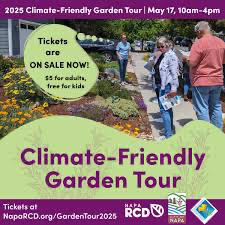
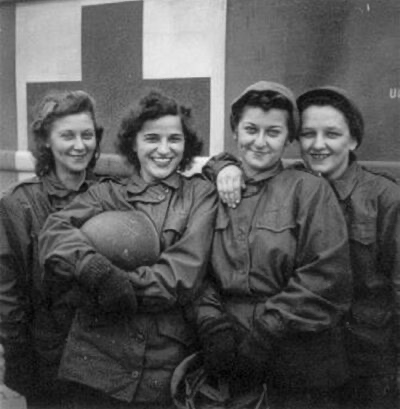
Upcoming Events, Volunteer Opportunities, and Other Ways to Support Our Local Nonprofits | | | How to JAHM in Your Community: Toolkit and resources for JAHM | The Unsung Jewish Women Soldiers of World War II | | | |
Bits & Pieces
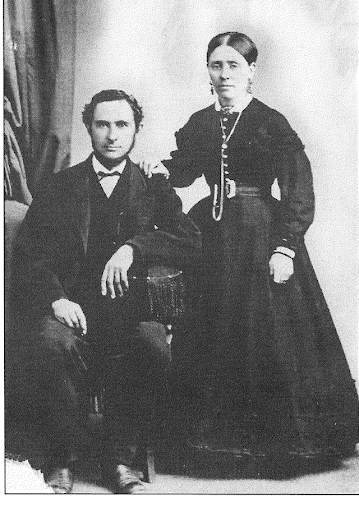
Meet the Levinsons: A 19th-Century Jewish Family in Napa
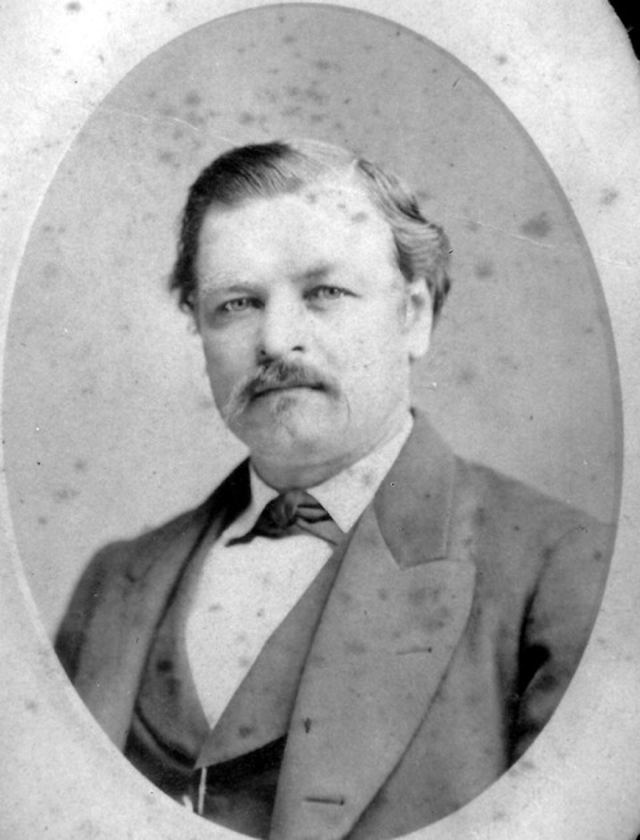
Freedman and Dora Levinson: Merchants in Downtown Napa
Did their supplies come to Napa by Kanaka Boat? Probably!
The Levinsons were Prussian Jews in their twenties when they were drawn to California after the discovery of gold in 1848. Arriving first in New York City, they traveled to California via the Isthmus, up to San Francisco and then on to Napa.
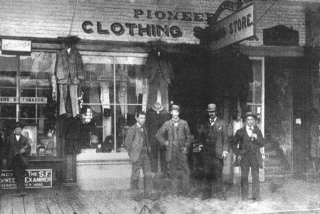
In Napa, Freedman Levinson opened the Pioneer Clothing Store on Main Street. He accepted gold dust as payment for goods. He kept a canary in a cage outside of the store to entice shoppers.
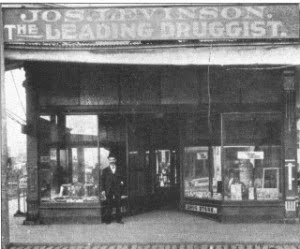
One of their sons, Joseph Levinson, would later open Levinson’s Pharmacy on the corner of Main and First Streets, where it remained for decades. Later, it had the only x-ray in the entire area. Another son, Charlie, was an active member of the Unity Volunteer Hose Company, and the Jews of Napa finally had a place to meet for Shabbat services and the High Holy Days: a room on the firehouse’s top floor.
—Jewish Museum of the American West
| | Freedman & Dora Levinson of Napa | | Levinson’s Pioneer Clothing Store | | | |
Words Matter
What is the meaning of the word Kanaka?
As so often happens, its original definition in the Hawaiian language has morphed into a word with layers of subtle meaning.
It simply means "human being" in the Hawaiian language. When borrowed into English, however, it was naturally used in referring not to people in general but rather to Hawaiians of Polynesian ancestry, or more broadly, to any Polynesian person.
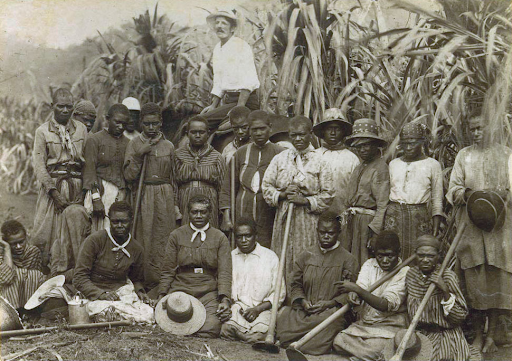
| | Kanaka workers on a sugar cane plantation in Queensland, late 19th century | | |
Kanaka [came to refer to] workers, both voluntary and involuntary, from various Pacific Islands employed in British colonies, California and Chile in the 19th and early 20th centuries.
Kanaka is best avoided by outsiders as it is often perceived or intended as derogatory. Among Native Hawaiians, however, it is often used today as a term of ethnic pride, especially in the form Kanaka Maoli, a traditional Hawaiian ethnonym which can be translated as "true human being" or "real person."
— Source: Wikipedia and The American Heritage Dictionary of the English Language
| | |
What is the meaning of “gunkholing”?
Gunkholing is a boating term referring to a type of cruising in shallow or shoal water, meandering from place to place, spending the nights in coves. The term refers to the gunk, or mud, typical of the creeks, coves, marshes, sloughs, and rivers that are referred to as gunkholes.
—Source: Wikipedia
| |
PO Box 855
Napa, CA 94559
Email: info@nvcando.org
Phone: (707) 225-8942
Tax ID: 46-2670379
| | | | New to CanDo? Want to receive this nifty eNewsletter? It comes out bright and early the 1st and 3rd Tuesdays of the month, full of ways you can volunteer and connect with community. | | |
You Want to Help. We Make it Easy is a registered trademark of the Neighborhood Food Project. Used by permission.
| | | | |