March 2025 Newsletter

In This Issue

  • Get Engaged
  • Light Pollution - Is this a problem
  • Learn about Dark Skies at our Climate Talk
  • Bills to Watch from our local legislators
  • Attend the Next Meeting of Sustainable Stow
  • Missed our last Climate Talk?

Get Engaged!

Achieving our sustainability goals is up to each of us. Consider participating through these local groups and activities.


If you have questions or comments, send them to GreenAdvisory@stow-ma.gov.

Light Pollution - Is this a problem?

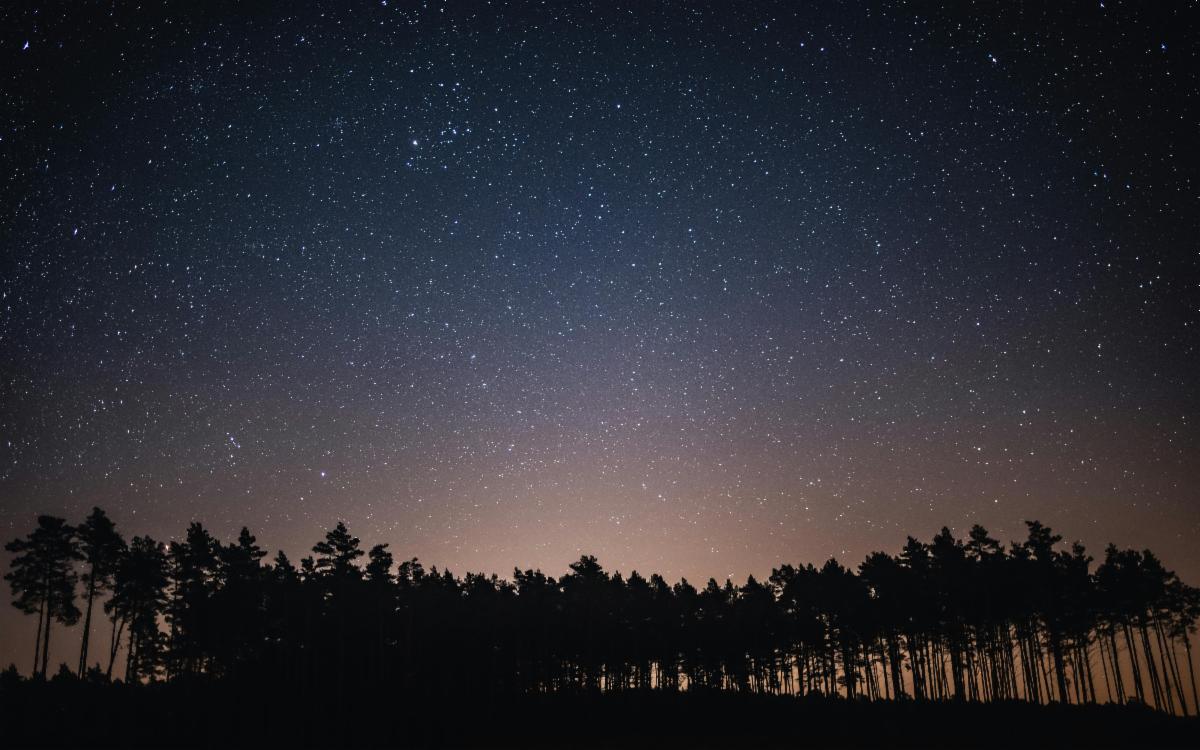
Light pollution is how we alter the natural occurring light. We do this for very good reasons. Lights make it easier to come and go and make us feel safe. But there are downsides. When we over light our homes and areas around us by not using timers or the wrong color of light, we hurt the insects, bats and other animals that depend on the dark to live their lives. Plants and animals depend on Earth’s daily cycle of light and dark to govern life-sustaining behaviors such as reproduction, nourishment, sleep, and protection from predators. Scientific evidence suggests that artificial light at night has negative effects on many creatures, including amphibians, birds, mammals, insects, and plants.


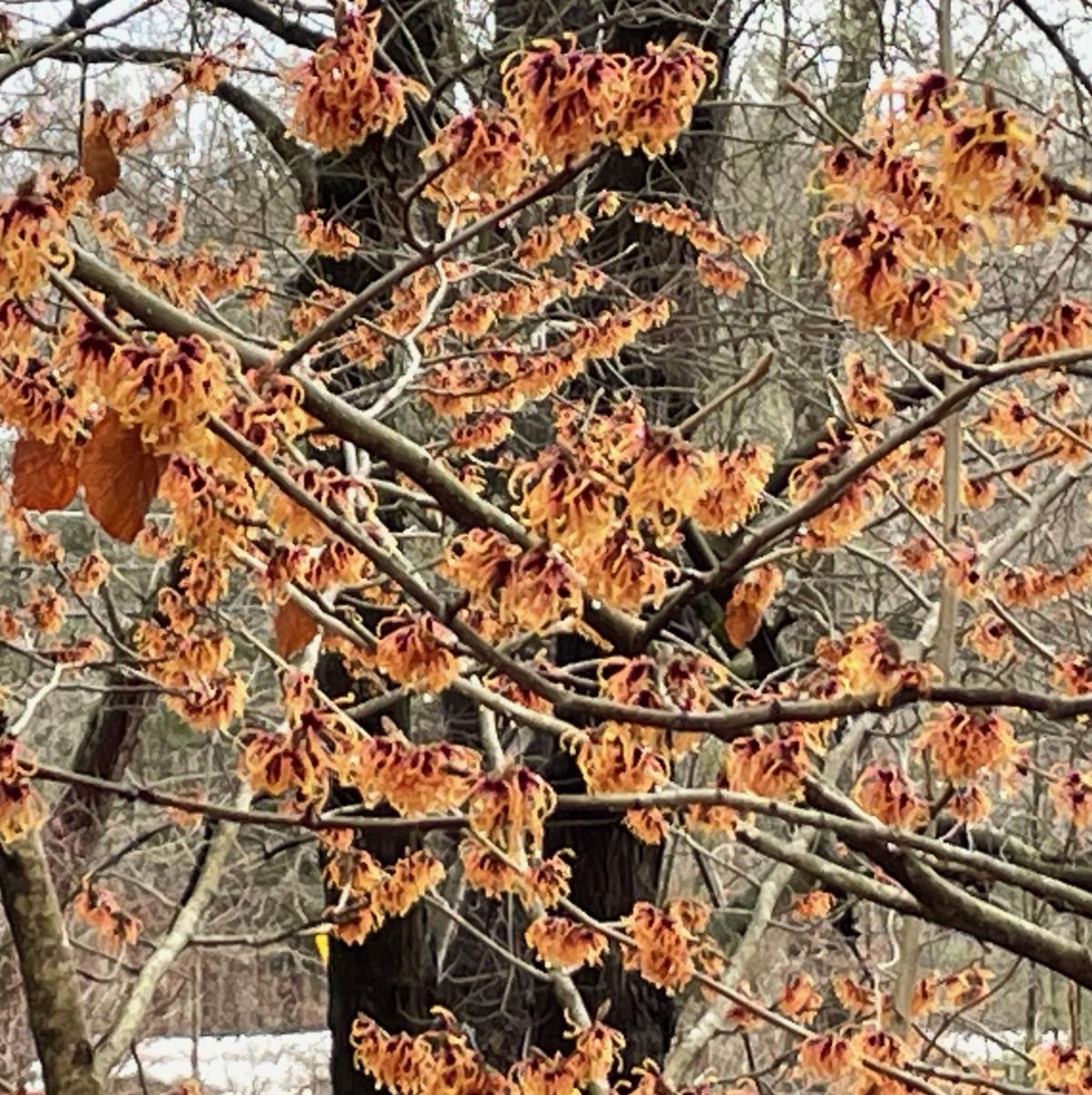
You can see one of the flowers in bloom right now in Stow. Will this native fothergilla get a pollinator tonight?

Other impacts include human health. Research suggests that artificial light at night can increase risks for depression, sleep disorders, diabetes, and more. 


So, what can we do? Organizations like DarkSky and the Illuminating Engineering Society have jointly published Five Principles for Responsible Outdoor Lighting. Well-designed outdoor lighting can be beautiful and functional while also protecting the wildlife around us. 


The five principles are as follows:


  1. Useful. Use lighting only where and when needed. Will it impact more of an area than you really need it to?
  2. Targeted. Direct lighting so that it only illuminates what you need it to. You can shield or carefully aim a light so that it points downward and does not “spill over” to other areas. 
  3. Low level. Make sure your lighting is no brighter than necessary. And consider whether the surfaces that light falls on could reflect the light into the night sky.
  4. Controlled. Use timers or motion detectors so lighting is only on when needed. 
  5. Warm-colored. Limit the use of any lighting that is bright white or blue-ish. Such lighting can be dangerously alluring to nighttime visitors.


By focusing lighting only where needed you eliminate wasted light and use less energy and reduce utility bills. Dimmable LEDs or light with a color temperature less than 3000K have a warm glow and are better for nature. You can also enjoy stargazing.


Learn about Dark Skies at our Climate Talk

This month’s climate talk from Sustainable Stow and Randall Library is about the impact of nighttime lighting. Dr. James Lowenthal of Smith College will lead us on a multi-faceted virtual tour of the night-time environment and how important natural darkness at night is for all species, including pollinators, birds, and humans. He will also address the concerns and misinformation surrounding the use of low lighting and other forms of light. Prof. Lowenthal leads the Massachusetts chapter of the International Dark-Sky Association.


Join us on Wednesday. March 19 at 7PM. To register for this virtual meeting, click on the button below.

Register for the Climate Talk

Bills to Watch from Our Local Legislators

Beacon Hill is back working on a new round of legislation. This is a two-year term, so some of these bills will continue to be debated (and voted on/or not) until the end of the session in 2026.


Here are bills with that have been introduced by our local legislators, Representative Kate Hogan and Senator Jamie Eldridge, with importance to Stow residents.


HD.4087 An Act to protect Massachusetts public health from PFAS (Rep. Hogan) We all know now that PFAS, the “forever chemical ”persists in the environment, and in us wherever it shows up. We need to control or stop the use of PFAS wherever it might show up, from our kitchens to the fire station, to parks and playing fields. This bill will establish a remediation trusts fund to deal with the impacts of PFAS.


SD.1672 An Act To Protect Pollinators and Public Health (Sen. Eldridge) This bill sets a date for a prohibition on the distribution or sale of any agricultural seeds for corn, wheat, or soybean that are treated with a neonicotinoid pesticide. “Neonics” persist in the treated plants including in their flowers…killing the pollinators who visit. (You should always try to buy plants that have not been treated with neonics by the grower.)


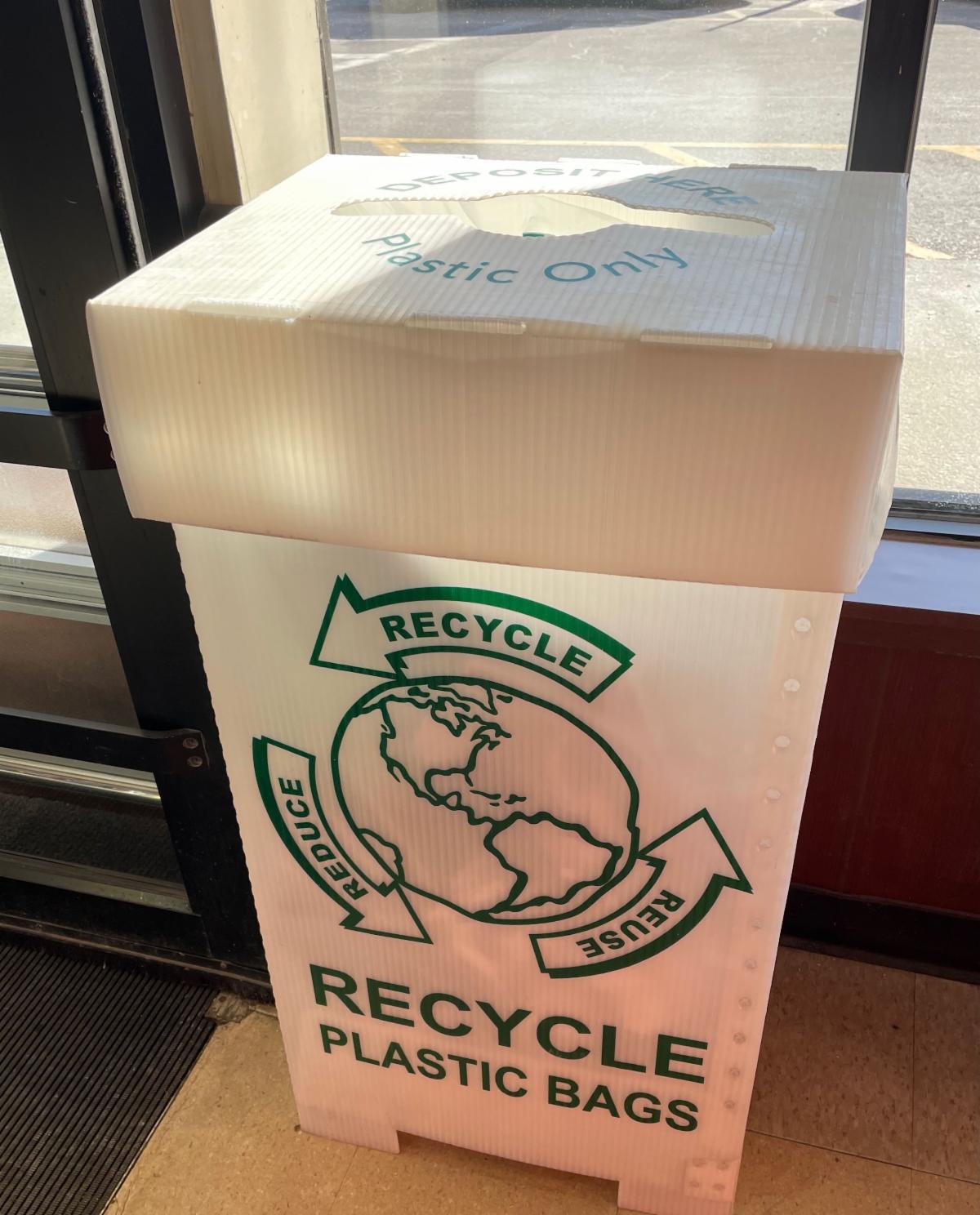
SD.2377 An Act relative to plastic bag reduction (Sen. Eldridge) We will be voting in town meeting on a measure to address the problem of plastic bags locally. This bill would limit their use state-wide.

Attend the Next Meeting of Sustainable Stow

Are You Concerned about Our Local Climate? Want to Lower Your Heating and Air Conditioning Costs? Do something for Nature?


Sustainable Stow has been working to improve Stow’s climate for future generations for almost a decade. We have run several successful campaigns in the past, specifically to encourage the adoption of residential solar systems and heat pumps. We will be starting new campaigns this year and we need your help.


One of these campaigns is a new push for adoption of heat pumps we are calling "Heat Smart/Cool Smart. This will be designed to educate homeowners about the technology and help them understand costs and financing. This is a great way for homeowners to do something for global warming and make their homes more comfortable in winter or summer at the same time. We will be working with Greem Hudson on this effort.


We need your ideas and help. If these and other projects are to be successful. 

Please join us. Monday March 24 at 7:30. Zoom link: https://us02web.zoom.us/j/81652380826?pwd=igWQMJ7aKGtx0SBbe4bhNgusbLEZJw.1

Missed Our Last Climate Talk?

Did you miss last month’s talk on plastic? We were joined by Dr. Alex Vai for a talk on addressing the problem of plastic in our environment. You can see our talk on Stow TV here.