February 2026 Newsletter

In This Issue

  • Get Engaged
  • We Want to Hear from You!
  • Multi-town Sustainability Forum - February 24th at 7pm
  • Electric vehicles on the move in Stow
  • Legislative Update - Energy affordability and what you can do to lower energy costs
  • Importance of Climate Work Now in Your Community

Get Engaged!

Achieving our sustainability goals is up to each of us. Consider participating through these local groups and activities.


We Want to Hear from You!

The Energize Stow newsletter strives to provide you with practical information you can use to make Stow a more sustainable community. We would love to hear from you about what you would be interested in reading or learning about. Please email us at GreenAdvisory@stow-ma.gov with your ideas. Thank you!

You are invited to the Multi-Town Sustainability Forum - February 24th at 7pm

Please join us for this in-person conversation. Members of Acton, Hudson, Maynard and Stow will share actions taken to address the threat of climate change in their communities and ask you how to continue to make progress. We will be joined by Sen Jamie Eldridge who will give us the perspective from Beacon Hill. Preserving a livable environment is now our responsibility. 


Tuesday, Feb 24 at 7PM at First Parish of Stow and Acton, 353 Great Rd in Stow.

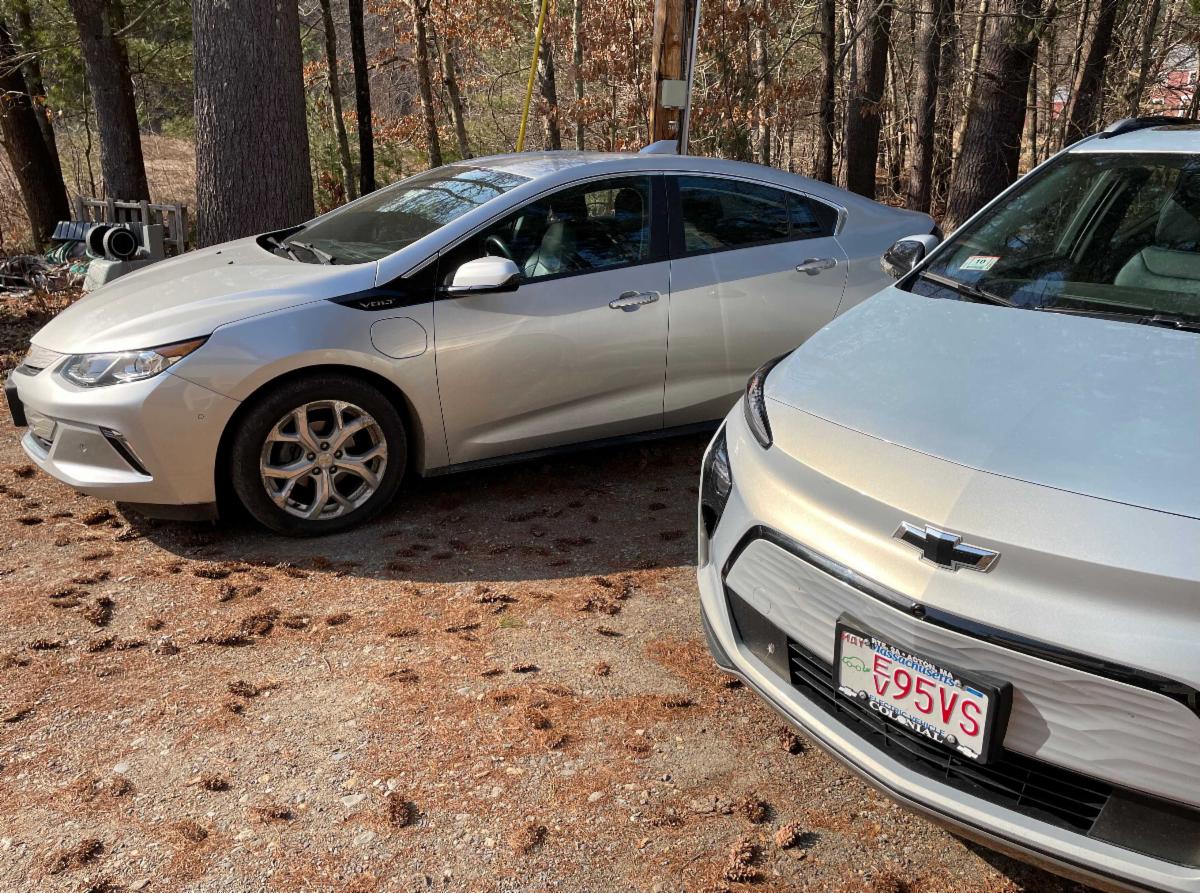
Electric vehicles on the move in Stow

Stow residents and town government have been rapidly switching to electric vehicles. Today there are 449 electric vehicles in town - nearly four times the number five years ago. Town government has been active with five all-electric vehicles in service with the police and building departments.


Electric cars continue to become more attractive with lower prices, more models, and longer range. All-electric vehicles also cost less to maintain and deliver performance gas cars simply can’t match.


With Stow’s low electric rates, driving an all-electric car will save over $1,000 a year compared to a typical gas vehicle when driven an average of 12,000 miles per year. And with our clean electricity, an electric car generates 9,000 pounds less CO2 per year - a dramatic advantage for the environment. Most Stow residents can charge their car at home making it the most convenient way to keep their vehicle ready to go.  


There are two kinds of electric vehicles: all-electric (EVs) which run entirely on batteries and plug-in hybrids (PHEVs) which have a limited battery range and can switch over to a gas engine if needed. In Stow about two thirds of electric vehicles are EVs. With the increasing number of public “fast chargers” available, EVs can conveniently be used for longer trips. PHEVs typically have an all-electric range of 30 to 40 miles - enough for most daily commutes without using gasoline - and then can be recharged overnight. For longer trips, PHEVs can fill up at gas stations.


Though federal incentives for electric vehicles have been discontinued, the state MOR-EV program offers incentives of $3,500 or more for the purchase of an EV. When you are in the market for a car, check out the advantages of an electric vehicle!

Legislative Update - Energy Affordability Bill and what you can do to lower energy costs

Energy affordability is a core issue for the current legislative session. Last year Governor Healy submitted a bill (H.4144 - An act relative to energy affordability, independence and innovation) while Representative Cusack, chair of the House Telecommunications, Utilities, and Energy committee introduced his own bill (H.4744 - An Act relative to energy affordability, clean power and economic competitiveness). The House Ways and Means committee is expected to issue an affordability bill that will be voted on by the House in the next few weeks. The Senate has yet to submit an affordability bill and it may be that final legislation isn’t passed until well into the summer.


Energy prices have increased all over the country. But in Massachusetts, energy costs have been higher than the national average for many years and have increased more than the average over the last few years. There are several reasons for the increase; higher demand, new energy infrastructure, and public policy costs have all contributed. Higher energy costs combined with colder heating seasons have strained the budget of many state residents and action is needed.


While households in Stow are subject to the higher prices for fuel oil, natural gas, and propane, our cost for electricity from Hudson Light & Power is far lower than the state average. With the high efficiency of electric heat pumps, the cost of heating is lower than any other fuel. Consider both weatherizing your home with added insulation and air sealing to improve energy efficiency as well as installing a heat pump to heat and cool your home. While it is possible to entirely replace an existing fossil fuel heating system with heat pumps, you can also benefit by using heat pumps to partially displace your existing heating system. In Stow, winter temperatures are usually above 25 degrees so you will displace most of the fuel use of the existing heating system even if it is needed at low temperatures. If you currently heat with fuel oil, propane, or electric resistance heating, Hudson Light & Power offers rebates for both heat pumps and weatherization. If you use natural gas, you are eligible for Mass Save rebates.


The environmental benefits of switching from fossil fuels for home heating to electricity are dramatic. A typical home will reduce greenhouse gas emissions from CO2 by over 10,000 pounds annually by switching from fossil fuel heating to an electric heat pump.


Importance of Climate Work Now in Your Community

For the past ten years, countries and communities of all sizes have set goals to limit the threat of climate change. In many ways this began with the International Panel on Climate Change’s agreement to limit global warming to 1.5C with specific goals for 2030 and 2050 to help us reach net zero carbon emissions. This is a big and varied effort affecting actions at the national and international level, as well as at the town and individual levels. At the local town level, we have installed solar, added EV cars, and charging stations, insulated our homes, and added heat pumps to homes and town buildings. We have learned to value native plants and begun to protect critical pollinators. 

It’s hard to remember our initial reactions to new technologies like solar panels on house roofs. Few of us understood heat pumps. Remember the first time you saw or drove an EV or hybrid car? Since then, we have also learned more about the electrical grid that makes much of this possible. We have made progress but still have a long way to go to achieve the 1.5-degree goal if we even can.

This is not to ignore the challenges we face, but we need to learn what progress we and our neighboring towns have made as a base for future plans so we can support one another. We are in this together and our efforts must continue if we are to be successful. Join representatives of four towns to learn about progress and plans to protect our climate. What would you like to know more about?


  • · What actions have others taken?
  • · What should be done to get more residents engaged?
  • · How important is energy affordability?
  • · What encourages or discourages people from acting?


To begin the learning and sharing process, there will be a discussion on

February 24 at 7:00 pm at First Parish Church in Stow (353 Great Road). Senator Jamie Eldridge will be present to offer the view from Beacon Hill. We will leave plenty of time for questions so we can learn from each other.