|
In Stow we are fortunate to have both low electric rates and clean electricity. In large part, this is due to our utility, Hudson Light & Power, which has long-term contracts and fractional ownership of sources of non-greenhouse gas emitting electricity - nuclear, hydropower, and solar - which provide 90% of our electricity.
However, most of the state is not as fortunate as Stow both for the cost of electricity and the amount of greenhouse gas emissions from the generation of electricity. For the state as a whole, half the electricity is generated by natural gas, a fossil fuel which emits CO2 (carbon dioxide) a greenhouse gas when burned to generate electricity. Over the next five years, the state had planned to reduce its dependence on natural gas both to stabilize the price of electricity and reduce greenhouse gas emissions. The state’s plans include additional clean electricity from a number of sources.
● Hydropower: Primarily from Quebec delivered through a new transmission line called the New England Clean Energy Connect.
● Solar: A combination of large, utility scale, solar fields, and smaller residential and community solar installations.
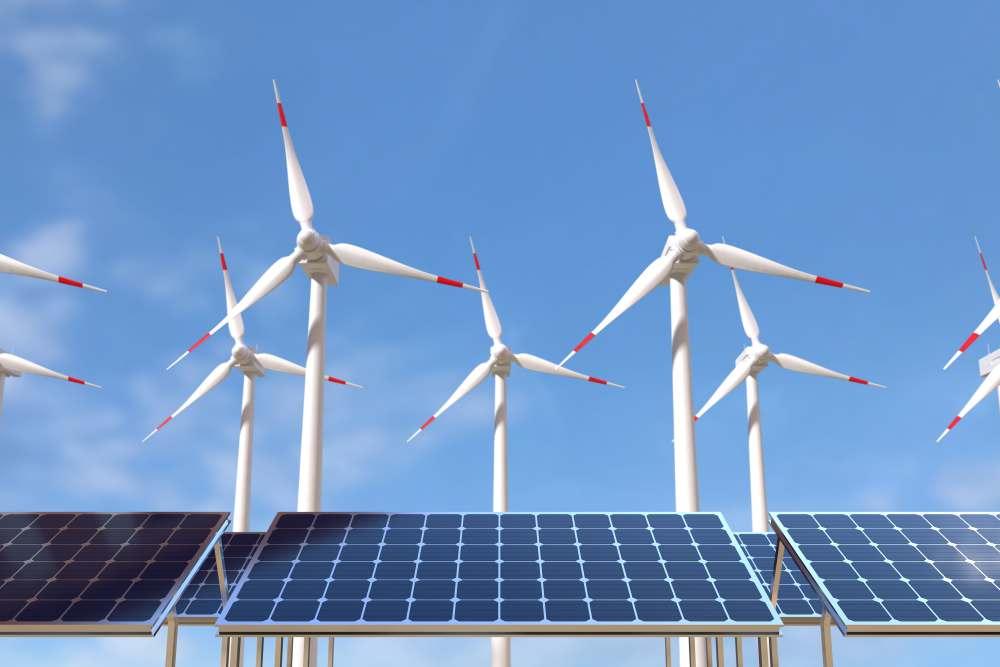
● Wind: Offshore wind projects starting with Vineyard Wind, an 800 MW wind farm and growing, with additional projects, to four times this capacity by 2030.
While these initiatives are aggressive and inevitably experienced delays, all were progressing until the new federal administration took office. An important example is offshore wind. Offshore wind is a proven technology in many countries and projects were underway along the east coast, particularly in Massachusetts. One of the first acts of the new federal administration was to stop the permitting of new offshore wind projects and revoke those that had already been permitted. The administration is also attempting to halt offshore wind projects already under construction. Not only does this jeopardize the state’s ability to provide clean and affordable electricity, it also will result in the loss of billions of dollars and thousands of jobs.
At the federal level it has become clear the strategy is to increase reliance on fossil fuels such as coal and, where possible, to stop renewable energy projects. This is a terrible mistake both for our state and the country as a whole. Federal policies disregard the rapid strides which have made renewable energy more affordable than fossil fuels and deny the scientific consensus on the impact of fossil fuels to our environment and the climate. Worldwide, it is clear the future lies with clean energy. As a result of federal policies, we are rapidly falling behind to the detriment of our economy and the environment. While progress continues in our own community, we should all be alarmed by the harm resulting from a backwards-looking federal administration.
|