June 2026 Newsletter

In This Issue

  • Get Engaged
  • We Want to Hear from You!
  • What's Next for Nuclear Power?
  • Green Practices at Small Farm in Stow
  • A Better, Safer Way to Control Mosquitos
  • Energize Stow July Vacation

Get Engaged!

Achieving our sustainability goals is up to each of us. Consider participating through these local groups and activities.


We Want to Hear from You!

The Energize Stow newsletter strives to provide you with practical information you can use to make Stow a more sustainable community. We would love to hear from you about what you would be interested in reading or learning about. Please email us at GreenAdvisory@stow-ma.gov with your ideas. Thank you!

What’s Next for Nuclear Power?

You may know Stow residents have one of the lowest electric rates in the state from our utility - Hudson Light & Power (HLP). But you may not be aware that we also have one of the cleanest sources of electricity. This is because 75% of the power from HLP is from nuclear plants which generate no greenhouse gas.


Nuclear energy has several benefits.  


  • Generation of electricity from a nuclear plant emits no greenhouse gas.
  • Nuclear plants generate “firm” baseload power. Unlike solar and wind power which generate electricity only when the sun is shining or the wind is blowing.
  • Compared to wind or solar, a nuclear plant has a small “footprint”. The land area needed for a nuclear plant is a small fraction of the area required by solar or wind.


However, nuclear power has significant issues.


  • Disposal of nuclear waste.
  • Risk of accidents
  • High cost and long construction times.


As a result, construction of nuclear plants in the US has nearly stopped and no nuclear plants have been built in New England for over 35 years. In 1982 a citizen’s petition in Massachusetts required voter approval for new nuclear plants in the state.


But the mood may be shifting. Governor Healy has endorsed an “all of the above” approach to energy which includes new nuclear power and the state’s House passed a bill earlier this year which would allow new nuclear plants to be built. In part, this is a result of advances in nuclear technology. In particular, a new type of nuclear plant called an SMR (Small Modular Reactor) promises to be both safer and less expensive than traditional nuclear plants. None of this is to suggest that nuclear would replace solar and wind as the primary source of clean electricity going forward. But nuclear power could play a role in the overall energy mix to provide the most reliable and affordable source of clean electricity.


The state Senate has yet to release a bill with their position on nuclear power. Let the Senate know your view by contacting our Senator, Jamie Eldridge (James.Eldridge@masenate.gov) and Senator Michael Barrett (Mike.Barrett@masenate.gov) the Senate Chair of the Joint Committee on Telecommunications, Utilities and Energy.


Green Practices at Small Farm in Stow

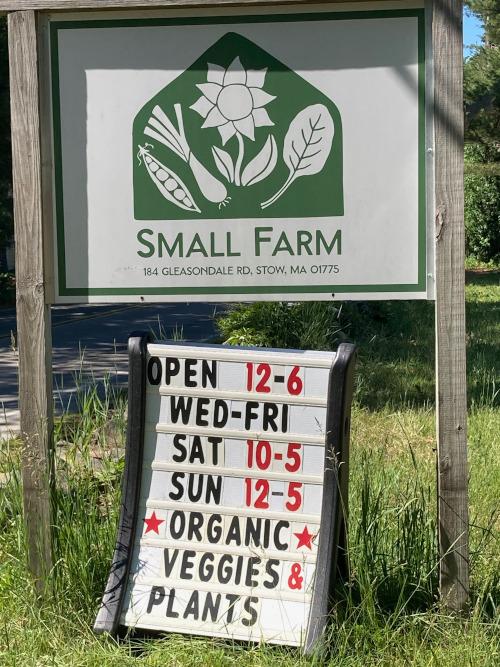
This article is my observation of practices at Small Farm. This is a local family-owned business located on Gleasondale Road. One of the owners, Elena Coleman, provided information on farm practices.


Having a successful local agricultural business is a challenge given the cost of labor/energy/materials, risks associated with weather variability, and competition from large supermarkets. Is there still room for environmental good practices?

Of interest to me was some natural approaches for weed control and moisture retention. Examples I noted on two visits:


  • Hay employed between rows of green vegetables. (This is coastline salt marsh hay – used since it carries no weed seeds).
  • Pine needles and leaves used between rows of tomato plants.
  • Wood chips used in areas to keep down weeds and retain moisture.
  • A custom mix of materials including farm manure used as compost to augment soils. Mix includes on site vegetable plant culling.

The pine needles and leaves come both from a landscaper and the Town of Stow. They come from fall cleanups. This cooperation is a win-win and creative way to efficiently use these materials. This is not a new practice: it has been done for 6 years.


Why not use it everywhere? Speaking with the farm owners, some crops are planted and tended with equipment including cases of seeding and plant transplanting: the compost would impede the work.


The farm does not use plastic sheeting for weed control.


Water usage is minimized with the cover of soil. Where appropriate, water is applied with drip lines, bringing the moisture directly to the line of plants. Electricity bills are reduced with rooftop solar panels.

Lower energy usage – Use of ‘high-tunnels’ for winter growing


Something else to note about Small Farm is the use of ‘high-tunnel’ greenhouse structures. I have seen activity during the winter in the greenhouses. It may seem impossible, but plastic covered hoops over the plants allow crops to be grown year-round. It is amazing to me that bags of greens can be purchased during the winter without a heat source.


How this works: the ground itself retains some heat and the plastic tunnels take advantage of sunlight. This type of farming requires detailed hands-on work to set up a low plastic ‘tunnel’ over the plants and a larger structure greenhouse that needs to survive snow and wind. Fans are needed on times when it gets too warm.


Value of farms


Farms that we have in Stow are a business; owners always need to be concerned with being profitable. Farmers may be the true environmentalists – an ongoing need is to protect their soils. In return, residents can have local produce and both food and flowers that are unique. Farms provide local employment. Longer term, keeping the land productive both for farms like Applefield Farm and our multiple orchard farms is a viewscape benefit giving us a rural feel.


John Sangermano

Appointed member of the Stow ‘Green Advisory Committee’ writing as a resident.

A Better, Safter Way to Control Mosquitos

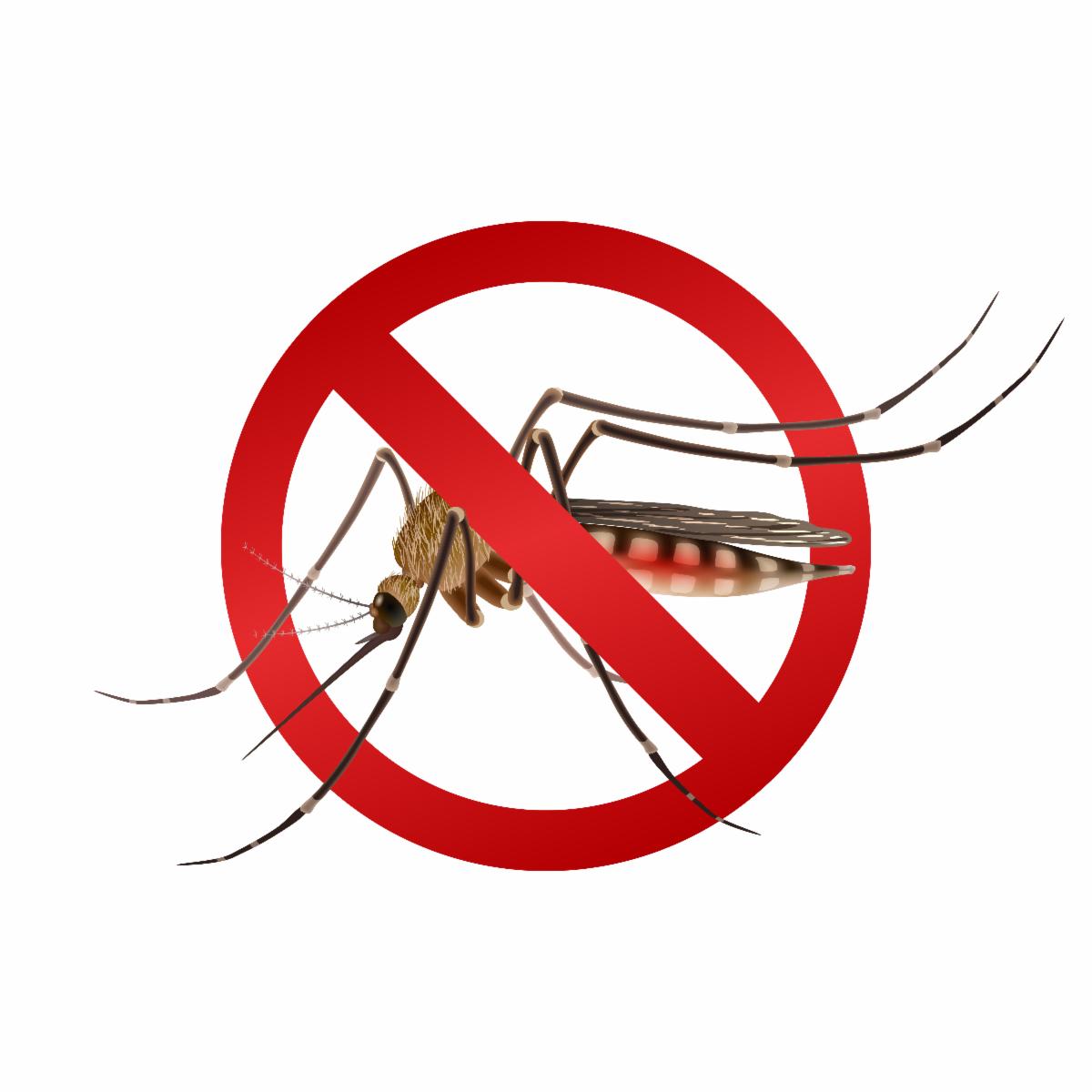
So far, the mosquito season hasn’t been too bad. It has simply been too dry. But this could change, and meanwhile yard spraying is underway. Unfortunately, mosquito spraying doesn’t control them all that well, but it can harm other beneficial insects. The pyrethroid-based insecticides used by mosquito foggers (whether

organic or synthetic) are indiscriminate in what they kill. And many insects, (e.g., dragonflies, bees, moths and butterflies) are critical to the health of your yard and local environment.


There is a safe way to control mosquitos without harming the local environment and save yourself some money. First, standing water on your property. I go out and empty my wheelbarrow and other objects that hold rainwater after a storm. Mosquitoes lay their eggs in standing water. And they only need a very small amount of water for their eggs. 


First step: Eliminate standing water 

Mosquitos only need a very small amount of standing water to lay their eggs. So search out and eliminate any standing water around your home. This is the most effective thing you can do. Empty anything lying around your yard that could hold a bit of water. Check any bird baths and flush them out every couple days to get rid of any larvae.


Empty dishes under outdoor plants. Check any plastic

covers, tarps, and toys where even small amounts of water can accumulate.


Second step: Make “mosquito buckets” to trap and kill the larvae 

This is a very effective way to control mosquitos around your home without harming the larger ecosystem.


1) Fill a container with water. It doesn’t have to be a deep container. Dark colored buckets may be better at attracting mosquitoes.


2) Add a few pieces of straw, dried grass, or leaves. Female mosquitoes are very

attracted to these buckets and will lay their eggs there.


3) Add a “mosquito dunk.”. You only need to use a small piece of the dunk. Mosquito dunk tablets can be purchased at most hardware stores, and

contain Bacillus-thuringiensis (Bt), a natural larvicide.  Bt is harmful

to mosquitoes and fungus gnat larvae and will not harm anything else.


Using mosquito buckets you control only the mosquitos, without using pesticides. This is an inexpensive and effective way to rid your yard of mosquitoes. I have three of these buckets, including a bird bath, positioned around my home.

Energize Stow July Vacation

The Energize Stow newsletter will be on vacation next month.  We look forward to connecting with you again in August!