|
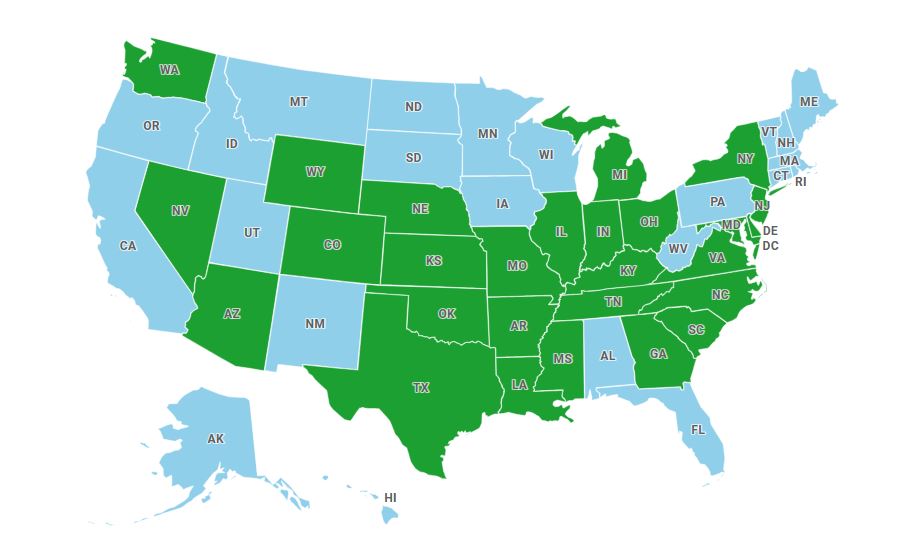
---In deregulated states like Texas, electricity prices aren’t set by a single utility, they’re driven by wholesale markets and can change quickly. For housing authorities, property managers and owners of Multifamily LIHTC assets, this makes timing your utility allowance calculations a strategic decision. How can this be done you might ask. One way is by interpreting energy futures. What Are Energy Futures? They are contracts that indicate where wholesale electricity and natural gas prices are expected to be in the months ahead. By monitoring these trends, you can forecast whether rates are likely to rise or fall and plan your utility allowances accordingly.
Why This Matters for Utility Allowances
- Avoid Surprises: If futures point to rising rates, adjusting earlier can protect owners from sudden bill spikes that could skew utility rates and adversely affect utility allowances and consequently net rental income.
- Optimize Timing: In markets like Texas, reviewing allowances after peak-price months can better reflect average costs.
- Support Compliance: HUD and other regulatory agencies require allowances that reflect current market conditions. Futures can help you stay ahead of the curve.
Example — Texas in Summer
---Texas electricity futures often spike in late spring as traders anticipate high summer demand. Reviewing allowances in early fall may give a more balanced view of annual rates, compared to adjusting mid-summer when prices are inflated.
---At Hedgerow, we track real-time energy futures and translate them into practical timelines for utility allowance reviews. We’ll model your usage across your buildings and show you how much you might save by timing plan switches throughout the year. Let’s connect to discuss how we can help your portfolio perform at its best.
|