|
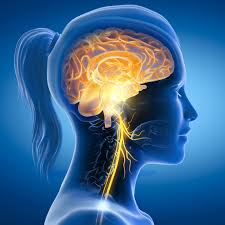
The Power of the Vagus Nerve
High vagal tone, is a measure of the strength and optimal activity of the vagus nerve. It's correlated with our body's resilience and is associated with the following:
Cardiovascular health:
High vagal tone is associated with a lower resting heart rate and lower blood pressure. It's also related to higher heart rate variability (HRV), which is a measure of the resilience of our nervous system.
Digestion:
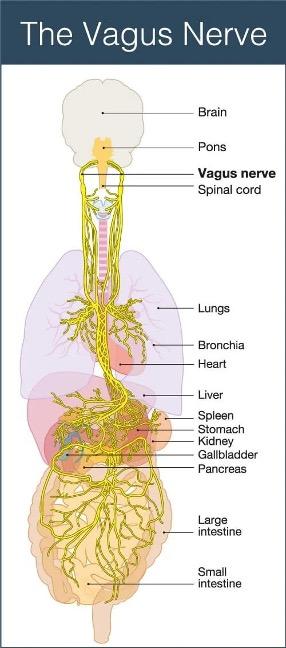
The vagus nerve plays a crucial role in digestion controlling many functions of the stomach and intestines. Impaired vagal function can lead to gastrointestinal issues such as IBS, Gerd, acid reflux, constipation and leaky gut.
Inflammation:
The vagus nerve prevents inflammation by sending signals to the body to release anti-inflammatory chemicals. It supports the body’s ability to fight infections and heal from injuries.
Emotional Regulation
When we have strong vagal tone, we are more resilient and can easily shift from stress to relaxation mode. Low vagal tone is often associated with emotional reactivity and a reduced ability to handle stress.
Nervous System Regulation
Our sympathetic nervous system responds to perceived threats by stimulating the fight / flight reaction. This is a vital function to keep us safe; however, our body must be able to shift from a state of stress to relaxation once a dangerous situation has passed. Our vagus nerve plays an essential role in promoting parasympathetic activity, thereby creating a healthy internal environment for digestion, respiration, and hormonal regulation.
Vagus Nerve Stimulators
Before moving on to how we can naturally increase vagal tone, I should mention that some medical doctors are prescribing vagus nerve stimulators (VNS) in severe cases. These devices electrically stimulate the vagus nerve. Although they are FDA approved, their effectiveness seems to vary depending on the condition being treated and they can be relatively invasive.
The Most Effective Ways to Increase Vagal Tone
Most medical professionals have found the best modalities for strengthening vagal tone are the following; these methods are non-invasive, self-empowering, and proven highly effective in increasing vagal tone in most cases:
1. Movement:
Moderate physical activity with appropriate progressions has been demonstrated to have a strong positive effect on increasing vagal tone. Exercise simultaneously improves cardiovascular health, energy production, nervous system resilience, and regulates stress hormones.
2. Breath-work:
Breath-work is strongly associated with vagus nerve function. Slow nasal breathing reduces emotional stress and strengthens vagal tone. Practices that encourage efficient diaphragmatic breathing have been demonstrated to strengthen vagal function. Breath-work practices such as the cyclic sigh, box breathing, and the 4-7-8 breath increase vagal tone and heart rate variability (HRV), while shifting the nervous system from stress to relaxation mode.
3. Meditation
Mindfulness practices that encourage the ability to stay present, focused, and calm have been found to stimulate vagal tone and bring the body from fight/flight to the parasympathetic state of rest/digest. Mindful meditation practices stimulate vagal activity, reduce stress, and enhance cognitive function
4. Social connection
Loneliness and social isolation have a negative impact on the nervous system, whereas social connection and community have been demonstrated to have far reaching effects in increasing vagal tone and parasympathetic activity.
5. Massage:
Techniques that stimulate specific points on the ear, head, and neck have been found effective in regulating the vagus nerve. The power of touch and the stimulation of various energy points on the body is significantly correlated with increasing vagal tone.
6. Sound therapy:
Cymatics and sound therapy, in particular chanting, has been demonstrated to activate the vagus nerve and the parasympathetic nervous system, thereby reducing stress and promoting relaxation. Humming and chanting also increase nitric oxide (NOS), which dilates the blood vessels, reduces heart rate, and stimulates a feeling of calm.
Qigong and the Vagus Nerve
In a nutshell, what medical professionals have found to be the most effective ways to regain optimal function of the vagus nerve incorporates literally every aspect of Qigong! Our Qigong practice combines movement, breath-work, meditation, mindfulness, self-massage, and sound healing, all within a community setting. These are the primary factors that have been proven to be the most successful ways to improve vagal function. I honestly can’t think of a better practice to regulate this vital component of our nervous system.
Join me for Qigong to strengthen vagal tone, while cultivating your body’s best internal state for health and healing!
I'm also increasing registration for the Breath-Work seminar this Sunday March 1st, which will incorporate many of these practices:
|