|
Dogwood Lane
The Quarterly Journal of the Mary May Binney Wakefield Arboretum ___________________________________
Volume Eight Issue 1 - Fall 2025
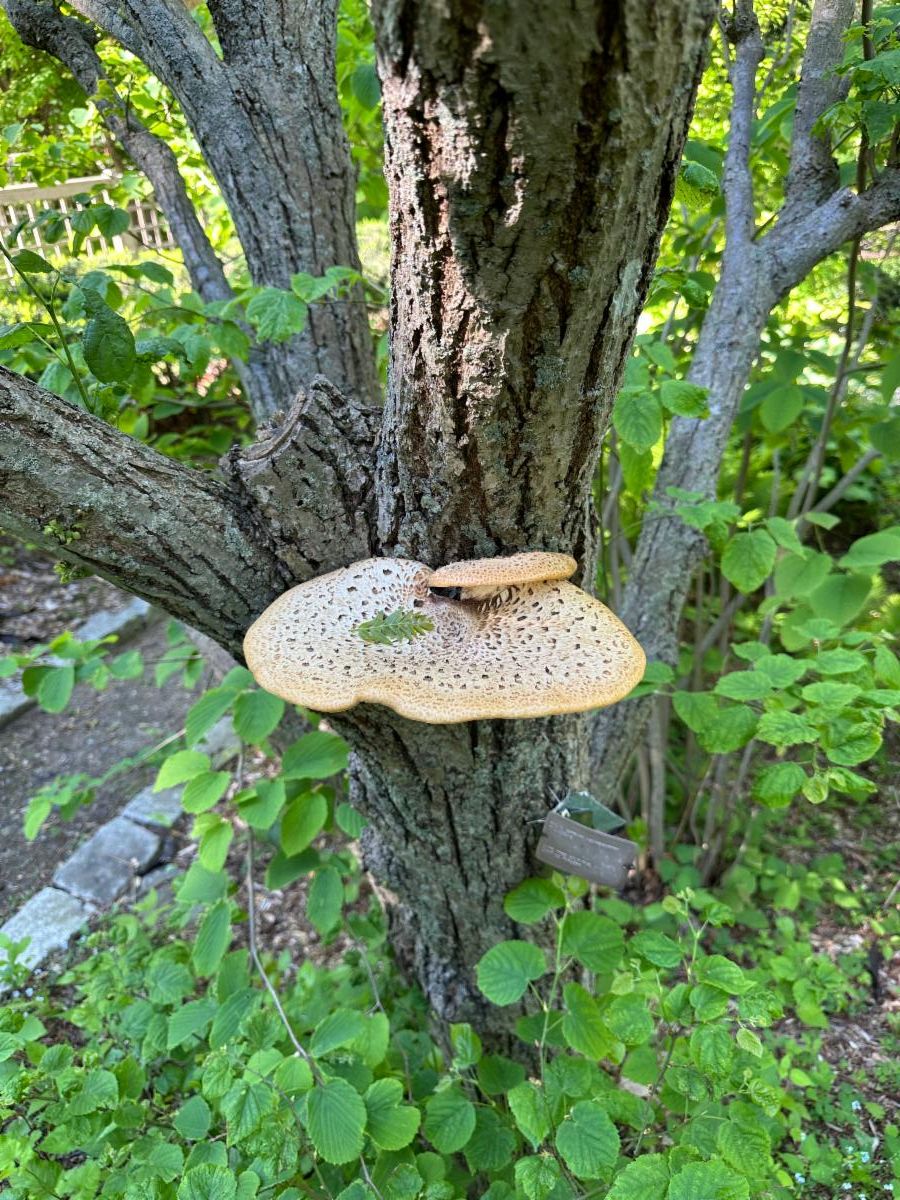
| | The Role of Fungi at the Mary May Binney Wakefield Arboretum | | This past year the staff noticed prolific amounts of fungi in the garden in the form of mushrooms and on some plants in the form of harmful anthracnose and cedar apple rust. The Kingdom Fungi includes many of the most important organisms both in terms of economic and ecological roles. They break down dead organic material and continue the cycle of nutrients through ecosystems. Most vascular plants could not grow without symbiotic fungi that inhabit their roots and supply essential nutrients. There are also fungi that are essential for numerous drugs and allow humans to make bread and beer and enjoy morels. There are also many fungal pathogens that can impact the plant collection negatively. This edition of Dogwood Lane explores the fascinating world of fungi at the arboretum. | | Dryad's Saddle (Cerioporus squamosus) on linden at the arboretum | | |
What are Fungi?
Fungi can be single-celled or very complex multicellular organisms. They are found in just about any habitat, but most live on the land, mainly in soil or on plant material. While we may think of mushrooms in the forest as plants, fungi are more closely related to animals, as they do not photosynthesize (converting sunlight, water and carbon dioxide to oxygen and sugar). Fungi live inside their food and secrete enzymes to break down nutrients they then absorb. Fungi are important parts of many processes. They break down decaying matter and as yeasts they play an important role in the production of bread and brewing. Many plants rely on fungi to survive and herbivores such as cows rely on fungi in their gut to break down the grass they eat. (1)
Most fungi are saprophytes, feeding on dead or decaying material. This helps to remove leaf litter and other debris that would otherwise accumulate on the ground. Nutrients absorbed by the fungus then become available for other organisms, which may eat fungi. Very few fungi actively capture prey, such as Arthrobotrys, which snares nematodes on which it feeds. Many fungi are parasitic, feeding on living organisms without killing them. Ergot, corn smut, Dutch elm disease, and ringworm are all diseases caused by parasitic fungi.(2)
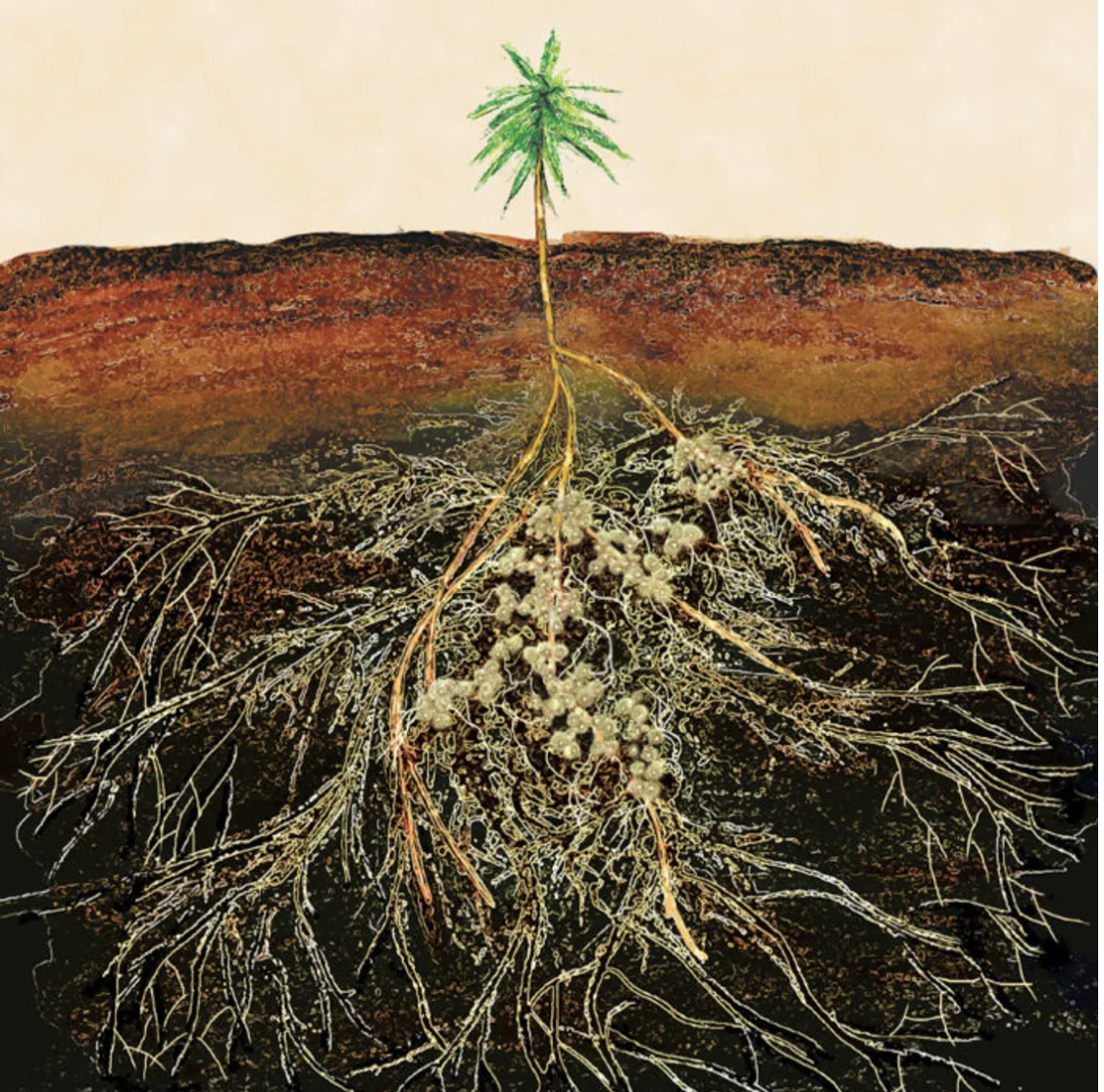
| Mycorrhizal fungi on roots (image courtesy of Gardeners World Magazine) | |
How do Mycorrhizal Fungi Benefit Trees?
Mycorrhizal fungi are a type of fungus that form a symbiotic relationship with plant roots, extending the plant's reach in the soil to absorb water and nutrients like phosphorus and nitrogen. Fungal mycelium is the vegetative part of a fungus, consisting of a network of fine, branching, thread-like structures called hyphae, which have the capacity to expand the total reach of a tree’s root system. Estimates range from five times the normal spread of a root system and up. This results in increased water and nutrients available to the tree for growth, defense, or storage of carbohydrates. Mycorrhizae have a certain property that acts like a glue and can increase the amount of water retention and absorption.
Some mycorrhizal fungi can outcompete other harmful fungi and act as armor around fragile roots, protecting them from infection. Others produce antibiotic compounds to protect roots from soil pathogens.
Fungi can also help trees tolerate difficult sites with high or low pH, high salt, low fertility or soils that contain heavy metals. One easy way to add this fungus to your trees is to mulch. Mulching with wood chips, sawdust, and leaves is the most organic way to increase fungus production in your yard.(3)
| | |
Growing Edible Mushrooms at the Arboretum
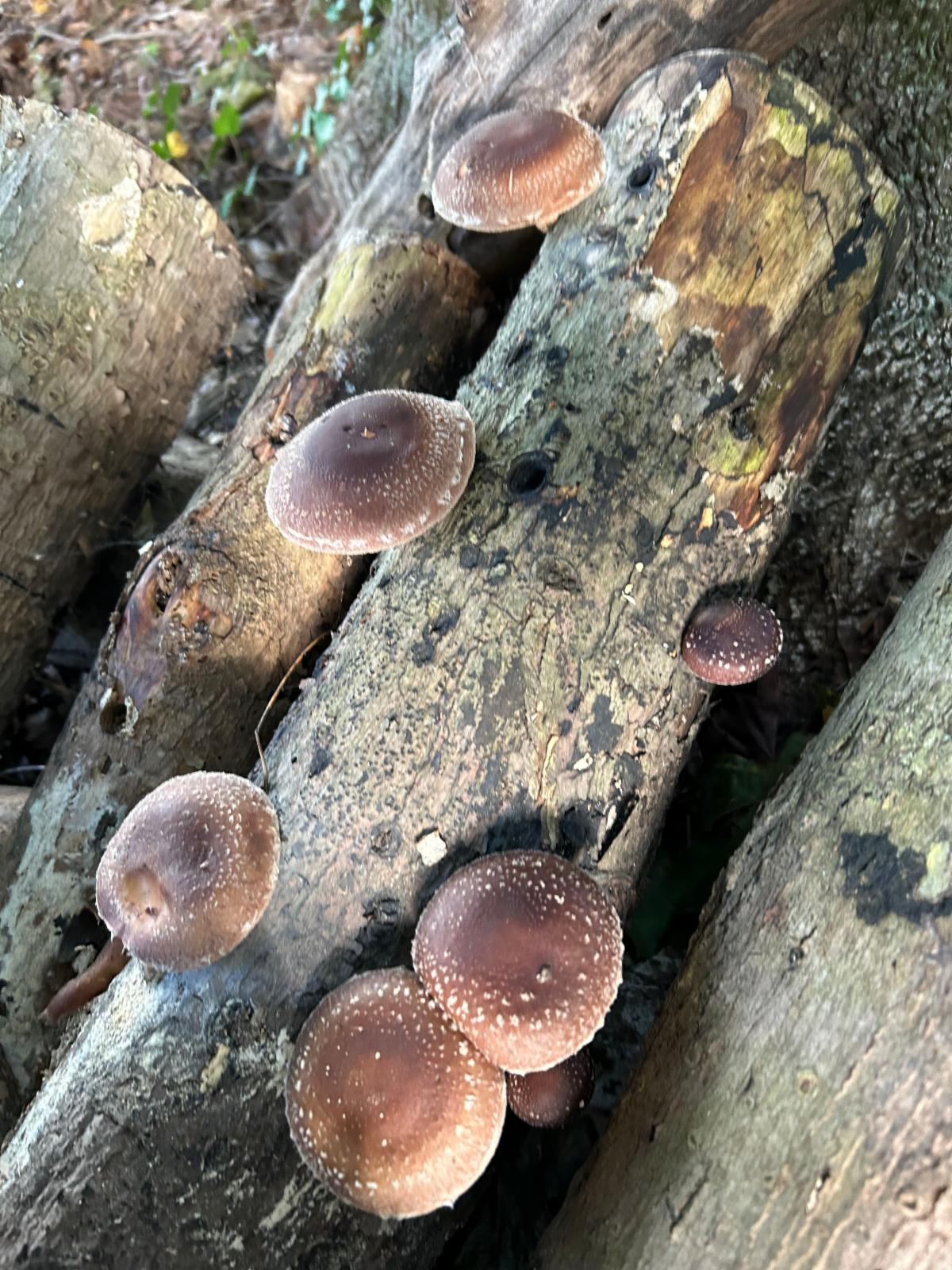
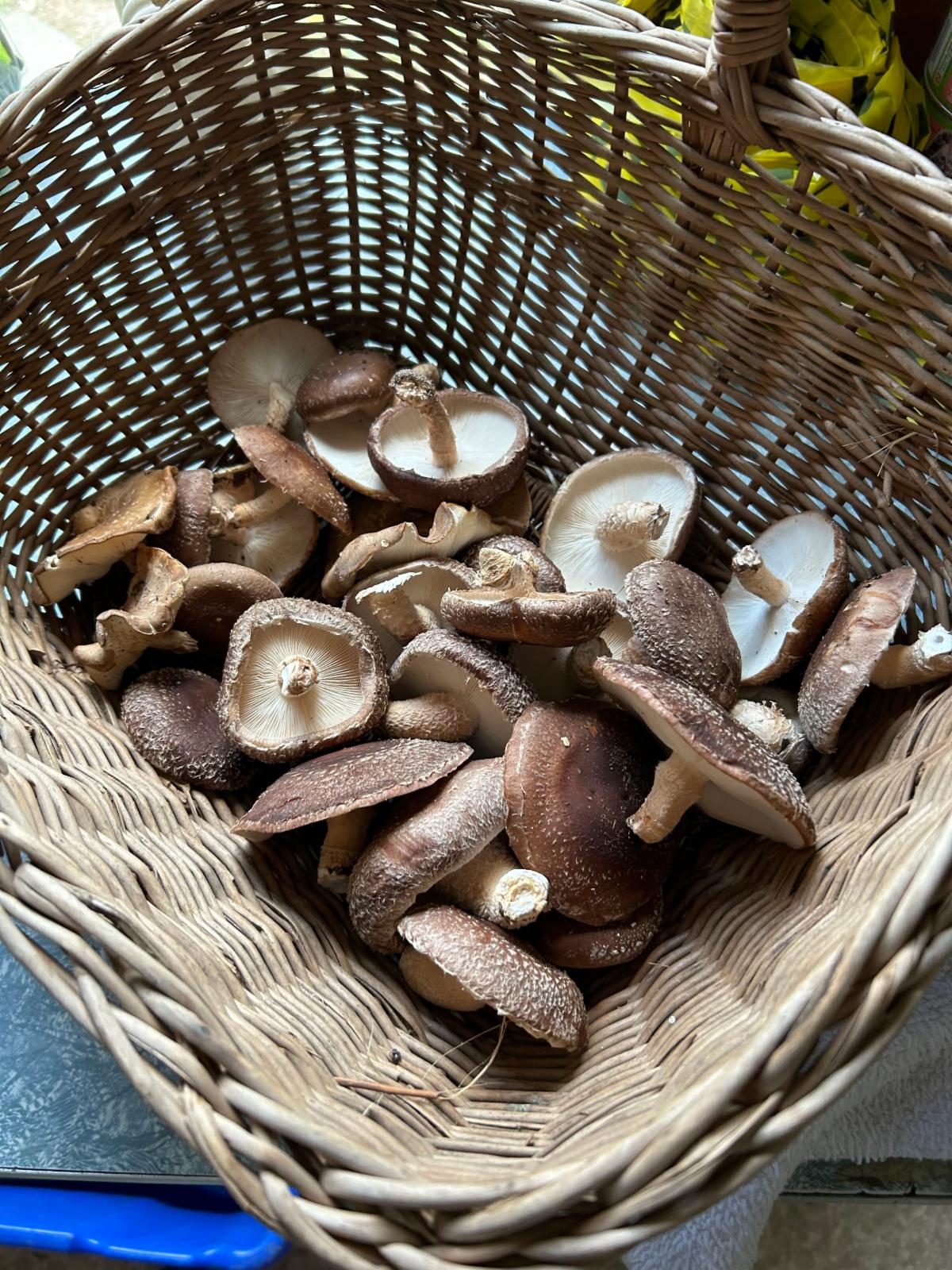
Every year since 2016 the Mary May Binney Wakefield Arboretum has offered a workshop on growing mushrooms for human consumption. It has always been a popular workshop for adults and children alike. Shitake mushrooms are chosen due to the high success rate for production. Over the years the arboretum has accumulated 25 to 30 fruiting logs. 2025 has been a banner year for production, most likely due to a rainy spring and fall. We have harvested approximately 15 pounds of mushrooms this fall. The process for growing mushrooms on logs is relatively simple. The first step is to harvest live wood from our woodland. Oak and Maple species are the best trees for mushroom production. We are always looking to thin our woodland, so we select maple species that are 5 to 7 inches wide, relatively straight without too many branches. The trees are then cut down and cut into 3 to 4-foot lengths. Then each log is drilled out in a pattern pictured below. Shiitake cultivation can be thought of as controlled decomposition of wood. "Shiitake is a saprotrophic fungus, which means it feeds by breaking down and absorbing nutrients from dead organic matter substrates like wood, causing decay. Cultivation methods take advantage of the fungus’s natural life cycle and decomposition abilities to propagate shiitake colonies on freshly cut substrate (i.e., logs) and simulate the conditions for fruiting. Instead of relying on spores, shiitake can be established in a log via inoculation with a sawdust medium containing fungal mycelium, also known as spawn."(4)
The sawdust medium is purchased through Field and Forest in Pennsylvania, an excellent source of everything 'mushroom'. The inoculant is then added to the log and waxed over to prevent other mushroom spores from interfering with the process. Six months to one year later, mushrooms begin to appear on the logs, ready for harvest after a few days. Each log can continue to produce mushrooms for 3 to 5 years.
| | Cultivated Shitake mushrooms | | Process for log inoculation (Drawing by Carl Whittakler) | | Cultivated Oyster mushroom growing on sugar maple log | | Turkey Tale Mushrooms found on a log in the woodland at the arboretum | | |
Wild mushrooms
The arboretum is home to a large array of wild mushroom and fungi. There are very few mushrooms at the arboretum that we are willing to eat and we strongly recommend that our readers do not eat any wild mushrooms without consulting an expert. There are three types that are prolific at the arboretum that are quite tasty or can be used as medicinals. A mushroom’s role is to share its genetic information to create the next generation. The reason we see mushrooms while most of the fungus is underneath the soil, is because a mushroom rises up to where it can spread its spores on the wind or with the help of passersby.
Turkey Tail Mushrooms, Coriolus Versicolo
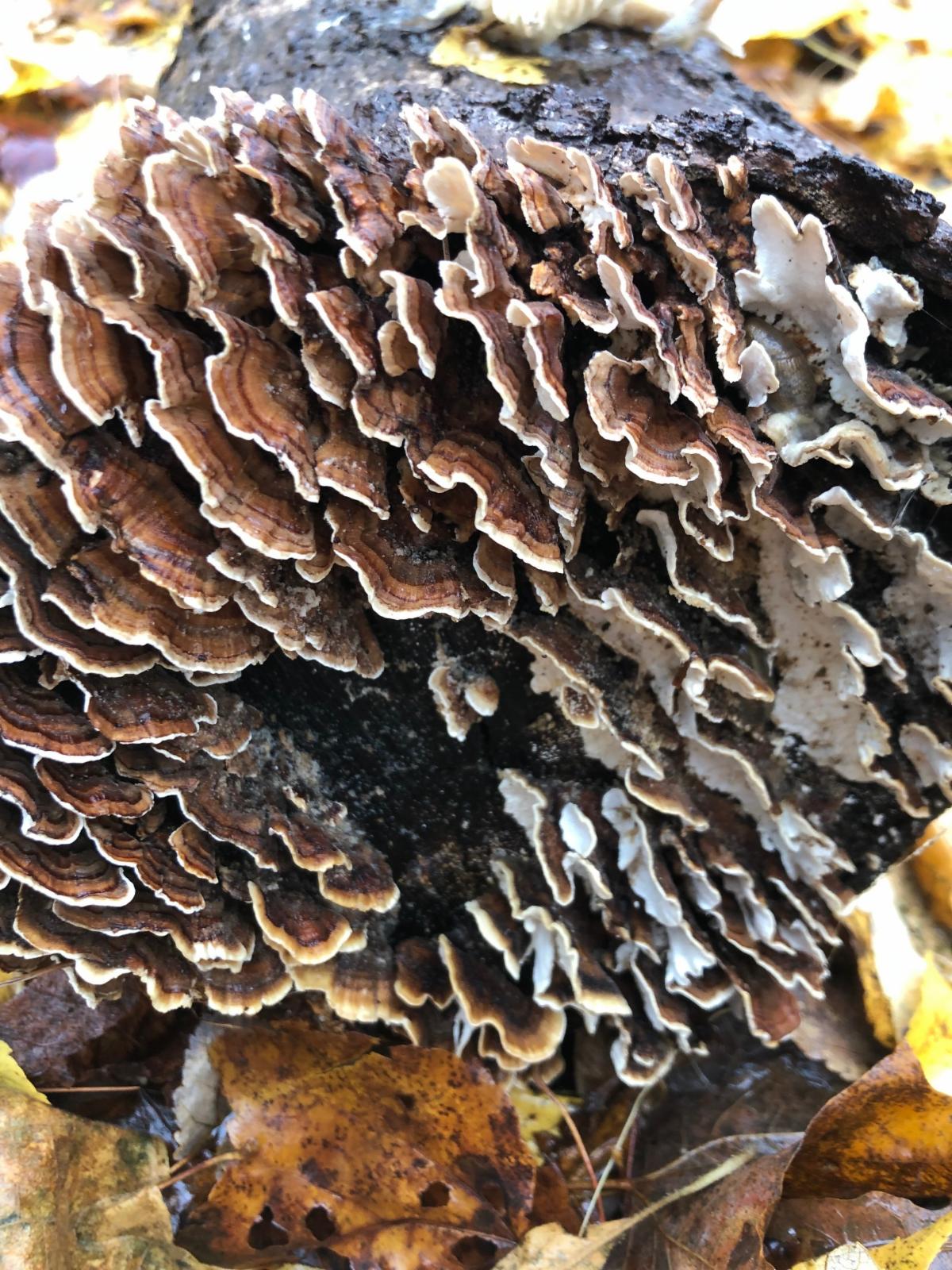
Turkey Tail mushrooms are a polypore fungus, meaning they have pores on their undersides instead of gills. They are typically found growing on dead or dying hardwood trees throughout the world. Traditionally used in Eastern medicine for centuries, turkey tail has gained traction in recent years due to growing scientific exploration of its potential benefits.
| | Puff Ball mushroom at the arboretum | |
Puff Ball Mushrooms, Calvatia gigantea
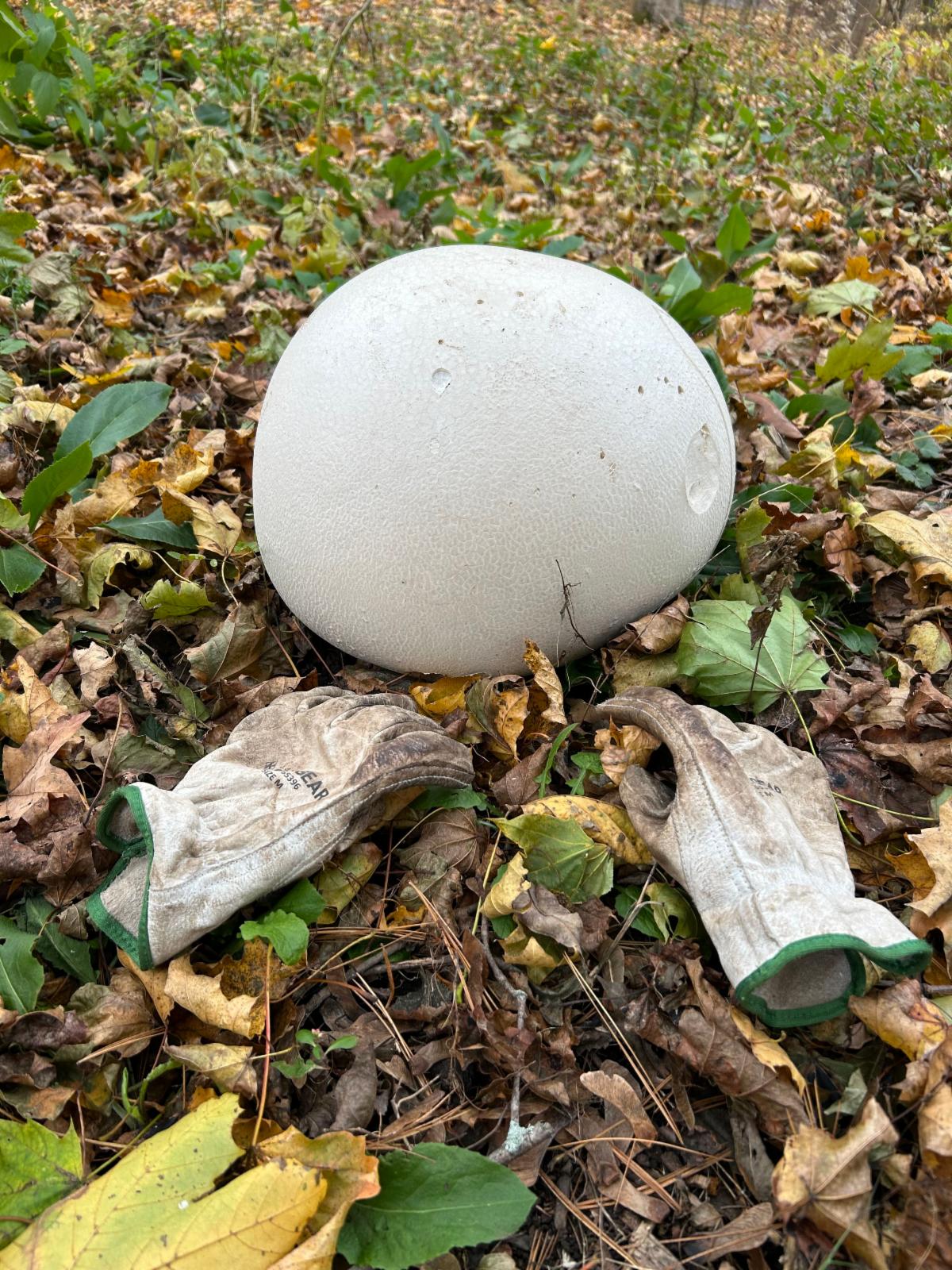
This mushroom grows in open pastures, woods, and lawns. The fruiting body is round; outside white; inside pure white when fresh and young, yellowish green with age; outside texture smooth, soft, cracking irregularly; inside texture marshmallow-like; there is a rootlike attachment at the base. Spores magnified are round. A giant puffball can be very large — as big as a soccer ball or even much larger. (4)
Lookalikes: Some other types of white mushrooms, including the deadly destroying angel (Amanita bisporigera), have stages in which they could be mistaken for a puffball. Make sure you cut through any puffball from top to bottom to confirm that it is pure white inside, like a marshmallow, with no sign of a cap or stem.
Hen of the Woods, Maitake, Grifola frondosa
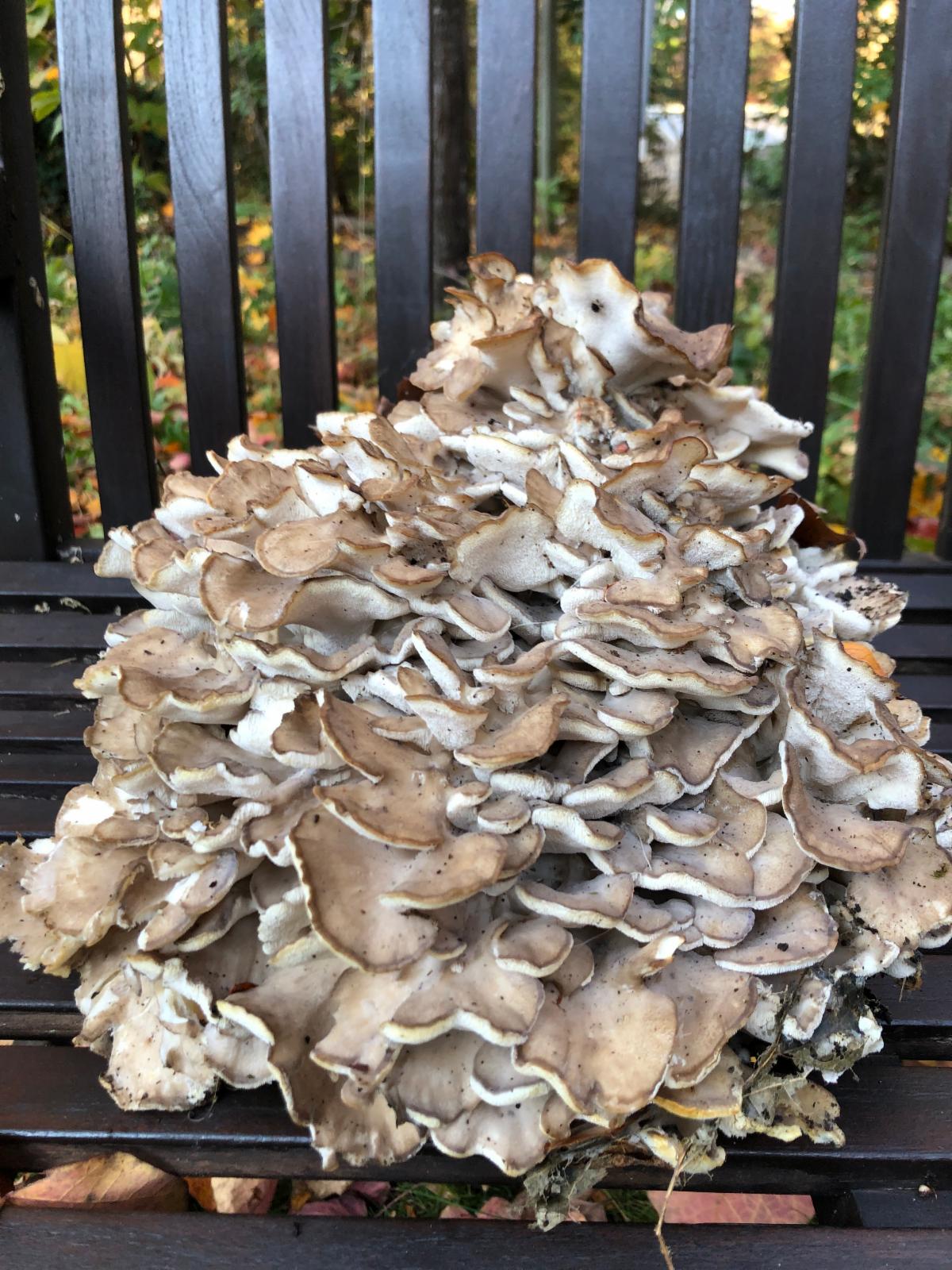
Maitake mushrooms have a delicate, rippling fan shape that almost resembles feathers. The distinctive looking maitake mushroom is known as “Hen of the Woods” thanks to its unique appearance that resembles the tail feathers of a hen. The large circular cluster of spoon-shaped caps, grows on the ground at the base of oak trees in September to November. These mushroom appear every year on the huge old oak tree in front of the mansion. The large mushroom pictured below was harvested and consumed by staff members. (5)
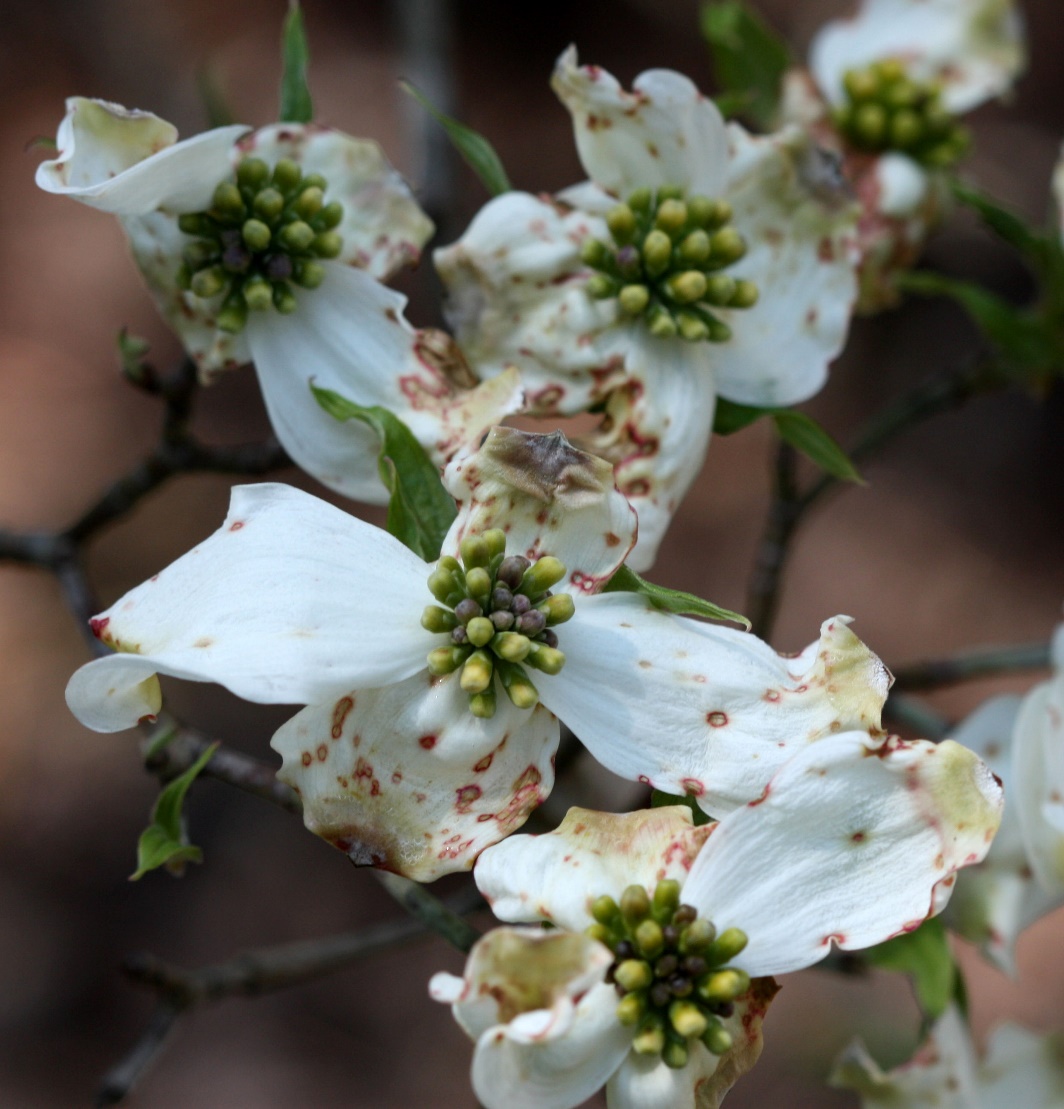
| Hen of the Woods harvested at the arboretum from the base of a black oak | Dogwood anthracnose on flowers of Conrus florida. Photo courtesy of Clemson Cooperative Extension. | |
Unwanted fungi in the garden
Many different fungal diseases impact the collection at the arboretum. The effects of the different diseases vary from premature leaf drop to killing the infected specimens. In the past year, some of the more noticeable and problematic diseases have been Dogwood anthracnose (Discula destructive), Lilac leaf blight (Septoria), powdery mildew, and Cedar Apple Rust (Gymnosporangium juniperi-virginianae).
Dogwood anthracnose (Discula destructive) infects the native flowering dogwood (Cornus florida) and Pacific dogwood (Cornus nutallii) native to the western United States. Fortunately, it does not infect the shrubbier native dogwood species like Silky dogwood (Cornus amomum) and red osier dogwood (Cornus sericea). In the 1970’s dogwood anthracnose was first identified in the United States. Originally from Asia, this fungus most likely was brought to the United States in the ornamental horticulture trade. Cool wet springs exacerbate the spread of this disease.
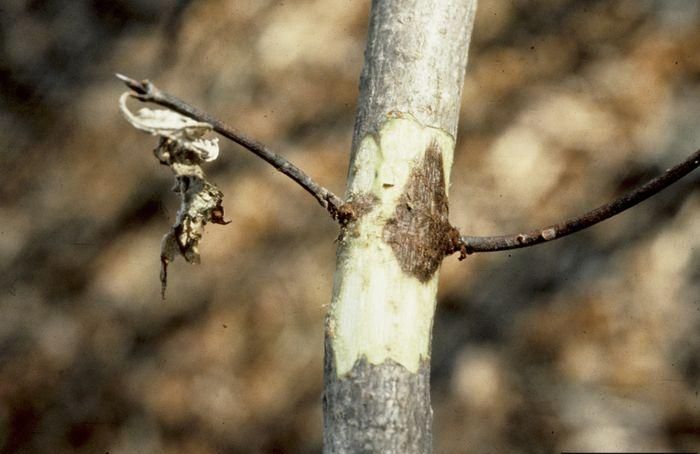
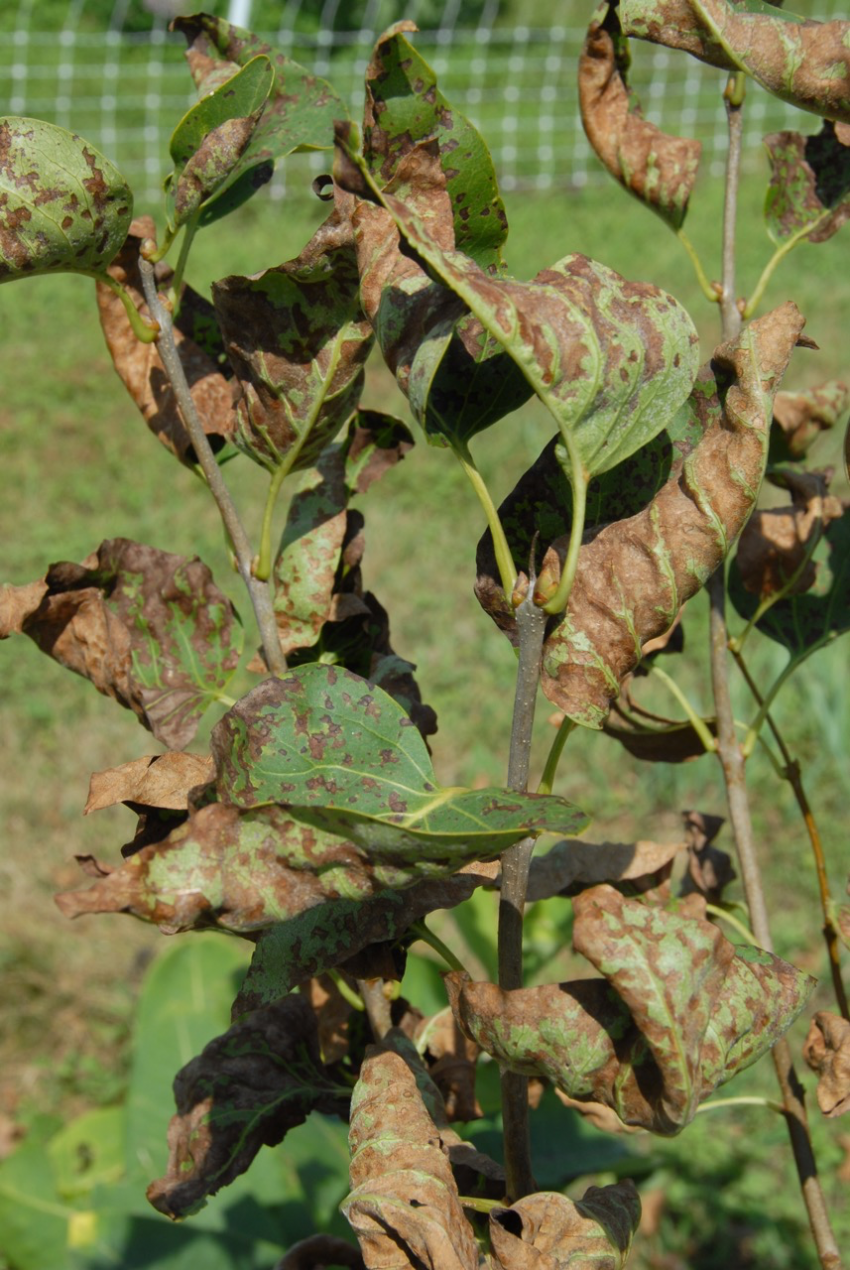
| | Photograph of dogwood anthracnose spreading from twigs to a stem. Photo courtesy of U.S. Forest Service. | | In 2024, the flowering dogwoods at the arboretum presented brown spots on the flower bracts and leaves. The fungus also caused malformed leaves and bracts. As the season progressed, the trees defoliated early or had thin, sickly canopies. Upon further investigation, it was discovered that the trees had Dogwood anthracnose. As the disease takes over the specimen, more and more of the canopy is affected and it moves into the new shoots, causing discolored bark. The tree will begin to send up epicormic sprouts as a stress response. If left untreated, the anthracnose can kill the infected specimens. At the arboretum, the flowering dogwood specimens are an important addition to the collection, so the decline of the largest specimens was concerning. In the early spring of 2025, before the specimens began flowering and leafing out, they were treated with a fungicide. There was a significant improvement in the health of the trees in 2025. These specimens will continue to be monitored in 2026. The fungicide treatment is only a band-aid to the systemic issue. The best way to manage this disease is to cull the infected specimens and plant specimens that are resistant to the fungus. These cultivars include Cornus florida ‘Cherokee Brave’ and ‘Appalachian Spring’. Both these cultivars have been added to the collection in the past few years and have not shown any symptoms of anthracnose yet. Flowering dogwood and Kousa dogwood hybrids have shown excellent resistance as well. | | Lilac leaf spot infecting a young lilac shoot. | | |
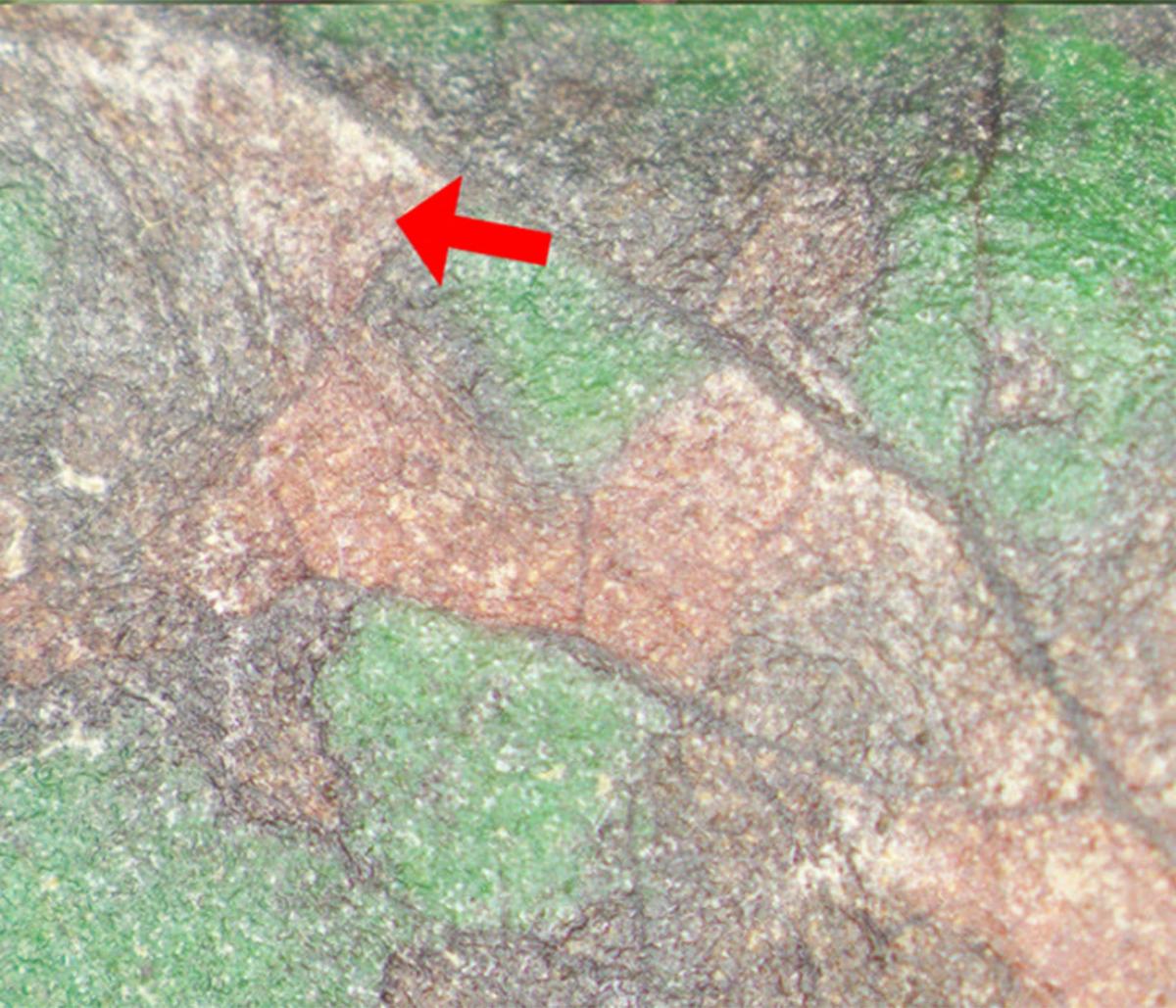
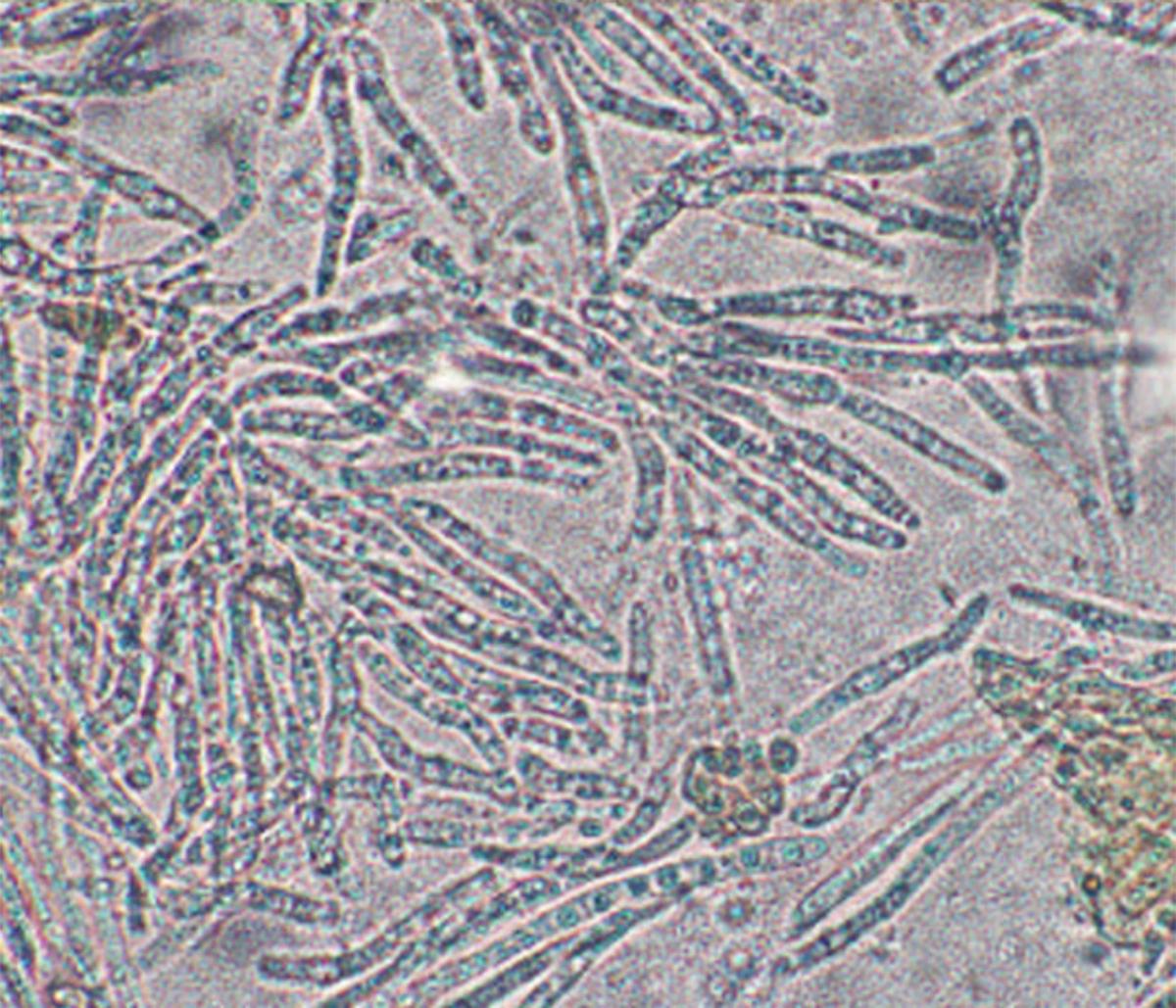
Lilac Septoria leaf spot was a more unusual fungus that surfaced this past summer. The spring was cool and wet, and then Boston reported having the most humid summer on record, with the average dew point being 64.4°F (5). The historical average dew point is closer to 60°F. This created the perfect environment for fungi to grow. The lilacs began to develop brown spots on the leaves, which continued to spread. By late August, the infected lilacs were completely brown and began defoliating. From the looks of the lilacs, one would have guessed they were dead, but the branches and leaves still showed signs of life. The staff noted that the common lilac (Syringa vulgaris) seemed most susceptible to this fungus. The lilac cultivar, Syringa pubescens ‘Miss Kim’, showed no signs of infection.
Septoria spreads by infecting the lower branches of the plant through splashback from rain and overhead watering. If the conditions are right, like the summer of 2025, the fungus will continue to spread upwards. Septoria is the same fungus that causes tomato blight, which can be devastating to commercial and home vegetable gardens.
| | Close up of lilac leaf spot on an infected leaf. Image: Lina Rodriguiz Salamanca, Iowa State University | | Microscope view of the fungus on the above image. Image: Lina Rodriguiz Salamanca, Iowa State University | | Unfortunately, the only way to guarantee the irradiation of the fungus is to destroy the plant material that is infected. With some sources stating that the material needs to be burned at 130-140 degrees to kill the present fungus. This solution is unrealistic for most gardeners, including here at the arboretum. The collection of lilacs that were in the worst condition was an older stand that had minimal renovations done in the past few years. The staff first went in and began poking holes in these shrubs to try to increase circulation within. The fungi continued to wreak havoc, and by the end of the season, the staff decided to completely renovate this lilac garden and cut everything to the ground. This will not eradicate the fungus, but will give time for proper management to prevent an infection at this level. Other practices that help to keep lilacs healthy and prevent the fungus from taking over are leaf clean-up in the fall, which reduces the amount of fungus present that will reinfect the shrubs. Pruning in favor of air flow and letting sunlight in, and watering and fertilizing plants to help boost their health. | | Powdery mildew on Flowering Dogwood. Photo courtesy of UGA Cooperative Extension. | | |
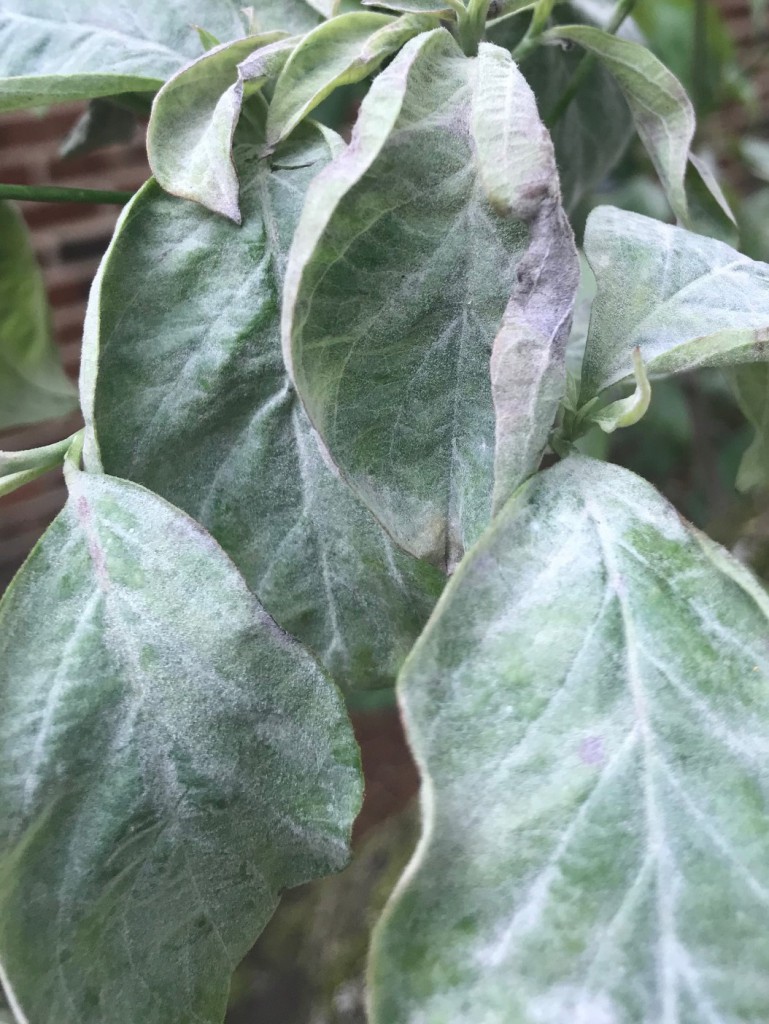
Powdery mildew is a common fungus that is typically observed at the arboretum every year. Some species are more susceptible than others. Some of the specimens that we see commonly have it are the Flowering Dogwood (Cornus florida), including some cultivars, Lilac (Syringa sp.), peonies (Paeonia sp.), and Bee Balm (Monarda sp.). Powdery mildew presents on a plant as cloudy spots, or the whole leaf will have a powdery sheen. Once the plant is infected, the leaves may turn yellow and drop prematurely. Similar to the lilac leaf spot fungus, powdery mildew thrives in dark, moist, crowded environments. The spores can be carried by water or air. Powdery mildew does best in high-humidity nights and low-humidity days. New growth is most susceptible to the mildew because it is high in nitrogen. It can begin to infect specimens at any time of the growing season. Powdery mildew has specialized parts that are able to penetrate the plant tissue and absorb nutrients. The fungus can come back year after year on perennials and woody specimens because it easily overwinters. The disease can infect buds, create specialized overwintering structures called chasmothecia, or survive on evergreen specimens. (6) Powdery mildew can be unsightly on woody specimens, but it is unlikely to kill the woody host. Herbaceous plants are much more susceptible and not only look bad, but can also die because of the damage. There are fungicides available for the average homeowner to use, but many state extension services suggest finding species and cultivars that are resistant to the fungus. At the arboretum, plants are chosen for their hardiness and disease resistance. When bringing in new species, the staff spends the next year or two monitoring the latest additions and noting any abnormalities or changes.
You will find that there are some specimens susceptible to multiple types of fungus; this is called secondary infection. The plant is already compromised from the original infection, so other diseases have an easier time infecting the host. For example, the Flowering Dogwoods that have been infected by the Dogwood Anthracnose also suffer from powdery mildew.
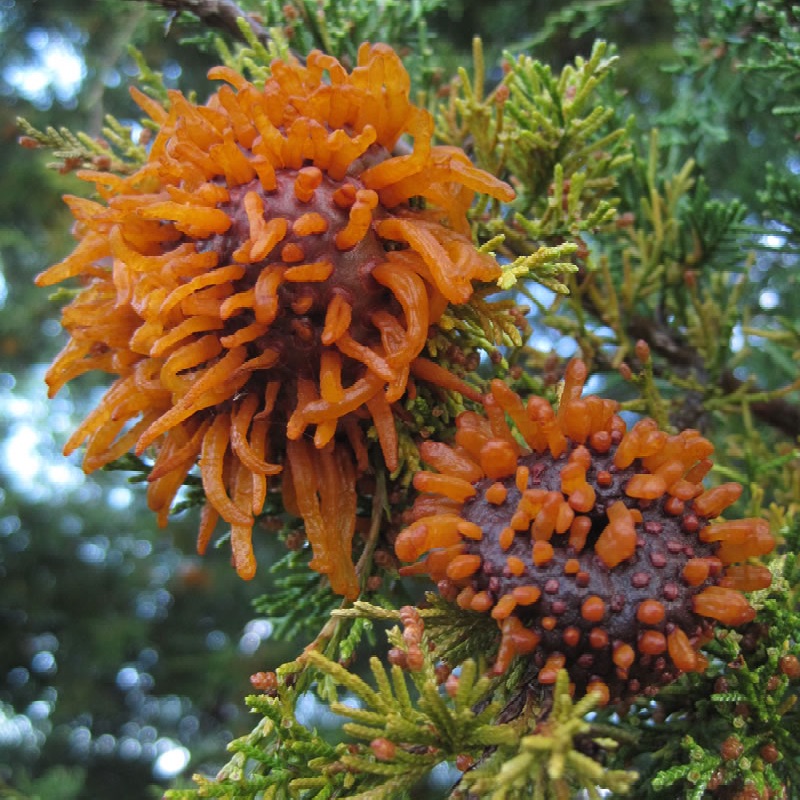
| | Spongey fungus spores post rain. Photo courtesy of U.S. Forest Service | | Cedar apple rust is another concerning fungus that has infected many specimens at the arboretum. Cedar apple rust (Gymnosporangium juniperi-virginianae) is a fungus that requires two hosts to complete the life cycle. The two host species are plants in the Rose family and the Juniper family. At the arboretum, cedar apple rust has mostly been observed on the native Juniperus virginiana. The summer quarterly went into detail about cedar apple rust and the impacts on the new heritage apple orchard, and how it is being managed. Check it out here. | | Articles written by Debbie Merriam and Ellen Scheid | | For a printable copy of this or any prior issue of Dogwood Lane, click here or visit the news tab on our website.
| | |
Mary May Binney Wakefield Arboretum | 617-333-0924
1465 Brush Hill Road, Milton, MA 02186 | www.wakefieldtrust.org
| | | | |