Dogwood Lane
The Quarterly Journal of the Mary May Binney Wakefield Arboretum ___________________________________
Volume Five Issue 2 - Winter 2023
|
|
Preserving the Mary May Binney Wakefield Arboretum Plant Collection in a Changing Climate |
|
As stewards of a designed and historically significant landscape we are always thinking about weather - how hot or cold it will get, quantities of rain we will receive and how the collection will withstand storm events because of the direct and large impacts on the plant collection. The local weather, set in the larger context of climate change, is changing rapidly and becoming more unpredictable. This changes how stewards of the land approach the management of these vital resources. It is no surprise that weather and climate have been slowly changing for millennia. In this scenario, most plants have proven highly adaptable; however, the current speed and unpredictability of these changes are testing the limits of how much plants are able to adapt. Humans are the main drivers of climate change, and ironically humans have the capacity to help plants adapt or survive at least some of these changes. This edition of Dogwood Lane focuses on the impacts of the severe drought the collection experienced last year, what was learned during this time, and how we can work proactively to address the changing climate.
|
|
Developing Adaptive Management Strategies at the Wakefield |
|
The Impact of the drought on rhododendrons. |
|
Understanding Historical Changes in the Landscape
As humans navigate the changing climate it is important to study the historical changes in the landscape, whether they are natural or made by humans. For more than fifty years Polly Wakefield designed and implemented a landscape that ultimately was home to hundreds of trees and shrubs. She manipulated the land by adding culverts and holding ponds to control the flow of water through the landscape, thus ensuring the health of her collection. In her documents Polly refers to two years of drought in 1987 and 1988 that impacted some of her young dogwoods. These droughts sparked her to install an irrigation system that utilized two newly-dug wells.
|
|
Polly Wakefield created holding ponds to protect her plant collections from water flow. These wetland areas were completely dry last summer, and the unique plants including red twig dogwood and bald cypress suffered. Fortunately they have recharged this winter. |
|
Irrigation consisted of an extensive overhead watering system that covered the dogwood nurseries and formal gardens. Much to her dismay she soon learned that woody plant material does not respond well to this type of system. Overhead watering systems waste water and can create issues with leaf mold especially when watering at night. The system proved helpful to her young dogwoods but she soon learned that most of these trees were quite resistant to drought and did not need supplemental watering once they reached the age of four or five. |
|
Since Polly’s death the overhead irrigation system has been dismantled, although the water lines that run throughout the formal area are still used for supplemental watering. This watering system has proved sufficient for the past twenty years. The drought of 2022, however, proved too much for the system and many of the plants in the collection. |
|
The first significant rainfall in many months warranted many photographs and celebrations. The soil was so dry that most rain was not absorbed. |
|
Both wells went dry in early July, a first by all accounts. Fortunately, staff members were able to utilize city water to keep the collection watered through the extreme conditions. Looking toward a potentially drier and hotter future, the Wakefield trustees have approved a plan to completely revamp the irrigation system over the next two years to help ensure the health of the collection going forward. |
|
The lawns quickly turned brown and some hydrangeas and viburnums had early leaf drop. |
|
Sharing Information and Ideas
The Mary May Binney Wakefield Arboretum is certainly not alone in protecting a cultural landscape in a changing climate. Arboreta, botanical gardens, and important cultural and ecological resources are all being impacted. Sharing information between organizations is critical to the success of a management strategy. Scientists around the world have been studying the impact of climate for centuries and as these impacts become more and more dire this information is being shared through a multitude of channels. Cooperative learning becomes an imperative: consulting with other similar organizations is an integral part of the land management program here at the arboretum. Consultations with specialists at the Arnold Arboretum, the American Conifer Society and the Yale School of Environmental Management have been invaluable sources in the efforts to promote a more resilient plant collection. There are forums and conferences focusing on the impact of climate that provide useful information to help land managers collectively work to educate themselves and the public at large. The National Park Service has done an excellent job releasing vital information about protecting natural resources in the backyard, in the National Parks and other public lands. In 2010, NPS released a comprehensive Climate Change Response strategy, providing the public with clear and concise information about how to protect natural resources.
|
|
The Arboretum as a Learning Laboratory
Polly Wakefield was an avid plant experimenter for more than 50 years. As stewards of her land, we continue to experiment with plants to understand their limits and their ability to adapt. As the drought progressed through the summer of 2022, we decided to designate a section of the landscape as an “experimental zone” to see the impact of drought on a part of the collection if no supplemental watering was provided. This small section of “volunteers” and a few planted species contains a diverse group of both native and non-native plants including paperbark maple, common lilac, river birch, Eastern redbud, American beech, Korean fir, Persian ironwood, white pine and Leyland cypress. No soil amendments were added but weeding and aeration were done on a consistent basis. Observations in September revealed that the birch and beech species suffered greatly while lilac, paperbark maple, redbud and fir all seemed relatively healthy. However, the impacts of the drought on woody plant material may not be seen for one to three years later, and so we will continue to monitor this area over several years to see the long-term impacts. Additionally, this spring we will install an experimental plant section to our plant nursery where we will plant a variety of species that will receive varied amounts of supplemental watering, and observations of the impact will be monitored. Our hope is to partner with other arboreta so that the data set will be expanded and more accurate information can be collected.
|
|
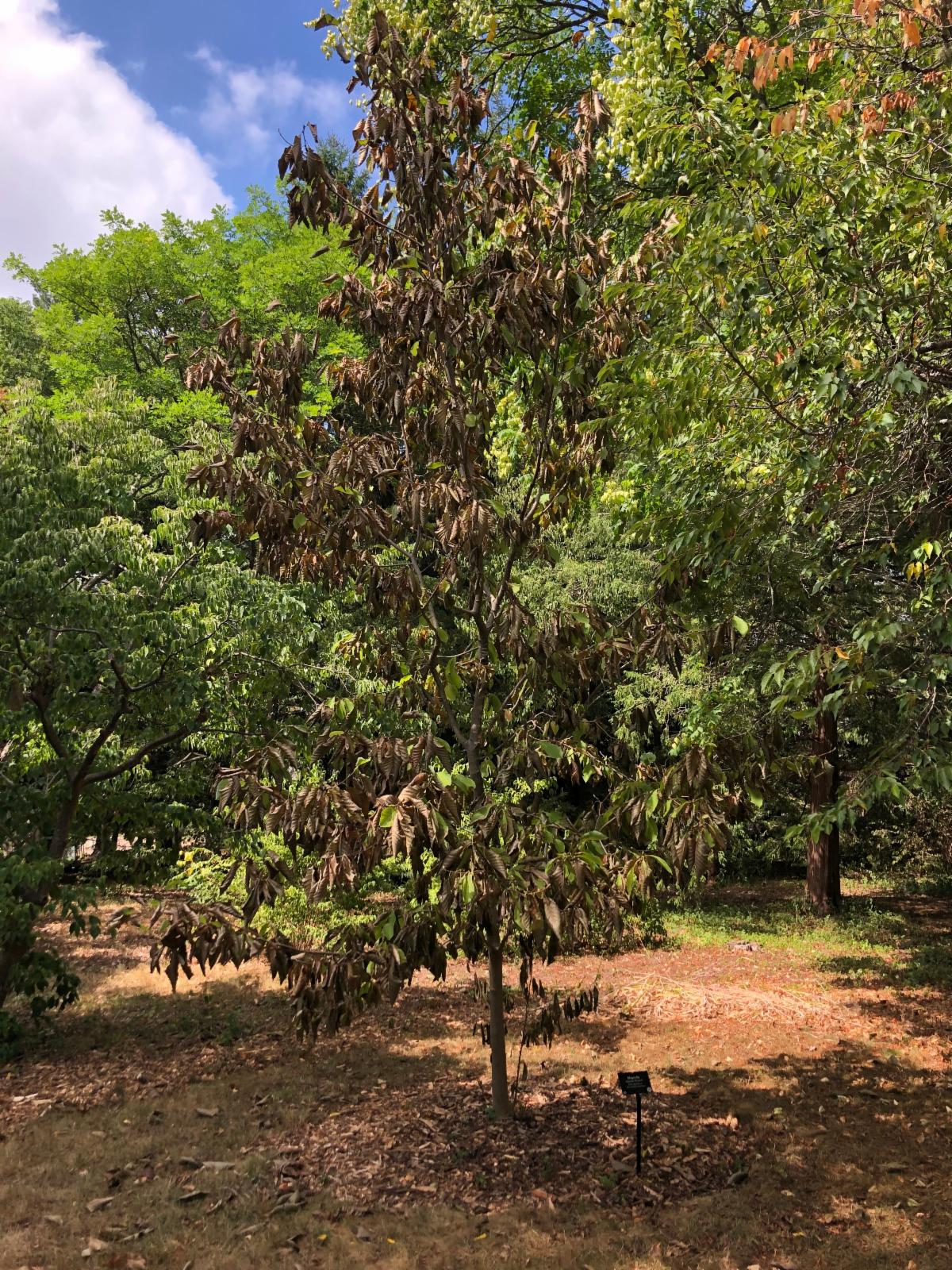
The Elizabeth magnolia had early leaf drop in July. |
|
Looking Toward the Future
The mission of the Mary May Binney Wakefield Arboretum is to “promote life-long participatory learning using the land and resources of the Davenport Estate Historic District (as listed on National Register) on Brush Hill Road in Milton. Through fostering the connections between people, land and history, our aim is to create a living and accessible landscape that carries on the legacy of Polly Wakefield and her vision for an engaged and knowledgeable citizenry.” This statement helps inform how the landscape is managed and maintained and provides the basis for the landscape management plan written by Arboretum’s director Debbie Merriam in 2012. For the past ten years this cultural landscape has been managed using this document as a guide. Much has changed at the arboretum during this time. Dead and damaged plant material has been removed, and new plant material added. Invasive species, rampant after Polly’s death, are now kept at a manageable level allowing native plants to flourish. In addition to these improvements to the landscape, climate change has accelerated significantly in this short span of time. According to the World Meteorological Organization’s Provisional State of the Global Climate in 2022 report, the past eight years are on track to be the eight warmest on record, fueled by ever-rising greenhouse gas concentrations and accumulated heat. Extreme heatwaves, drought and devastating flooding have affected millions and cost billions this year. https://public.wmo.int/en/our-mandate/climate/wmo-statement-state-of-global-climate.
|
|
Therefore, it is necessary to rethink the management strategy going forward and be more proactive in addressing the changing climate and its local impacts. Land managers are rethinking how to maintain resources, keeping in mind that some plants may be lost to a changing climate and new plants that are more resilient will need to be utilized. As Wakefield staff members rethink the management strategy, additional chapters of the management plan will focus on a more comprehensive watering regiment. The plan will also include more information and projects to improve soil quality and absorption through composting, aerating, and mulching. Soil testing along with disease and pest monitoring will play a more significant role in the future of the arboretum. New plant material will be more carefully considered to include drought-tolerant native and non-native plants to expand the collection. |
|
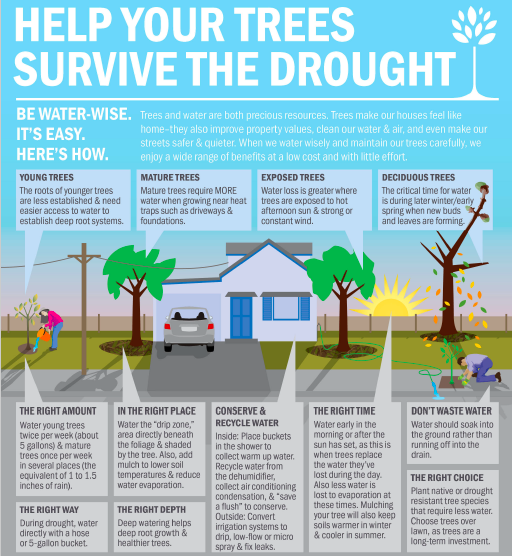
Brochure distributed by California Urban Forest Council
|
|
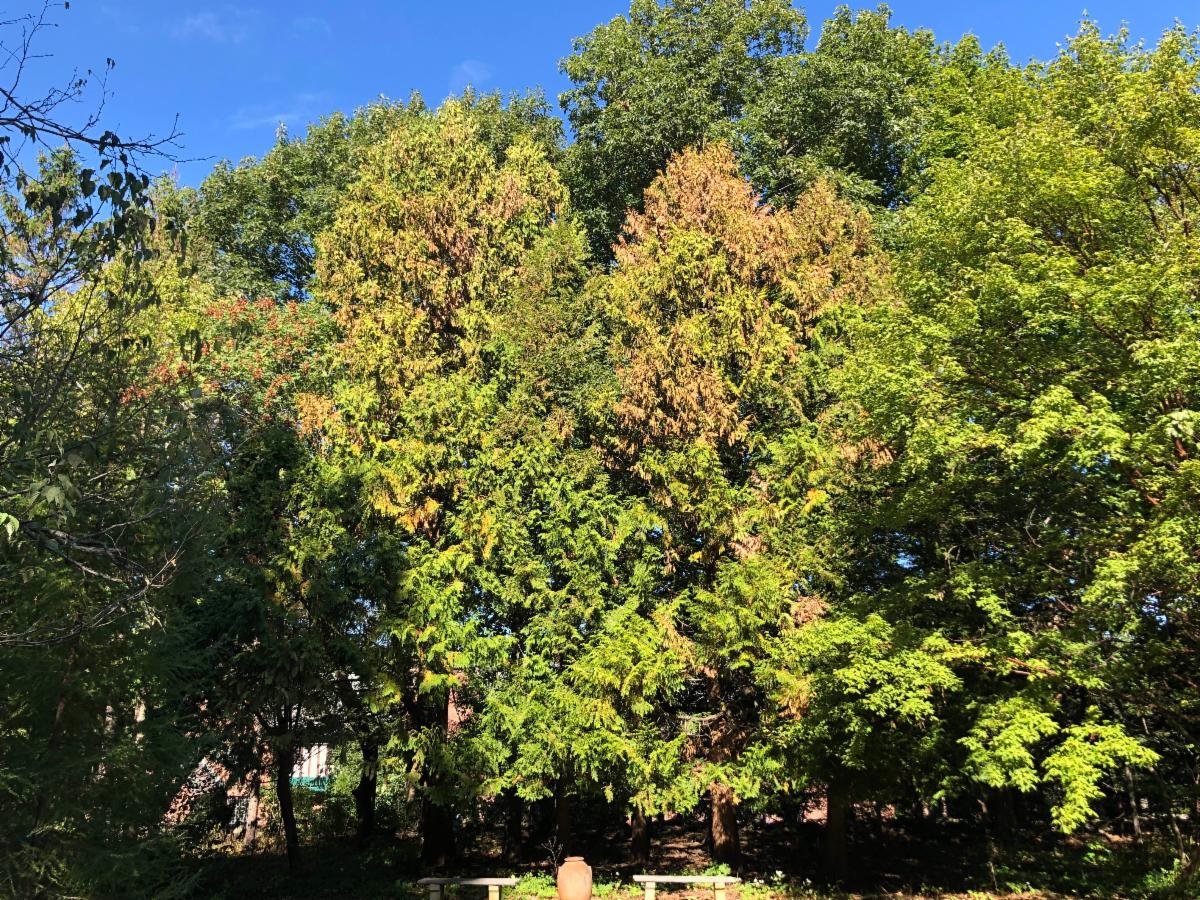
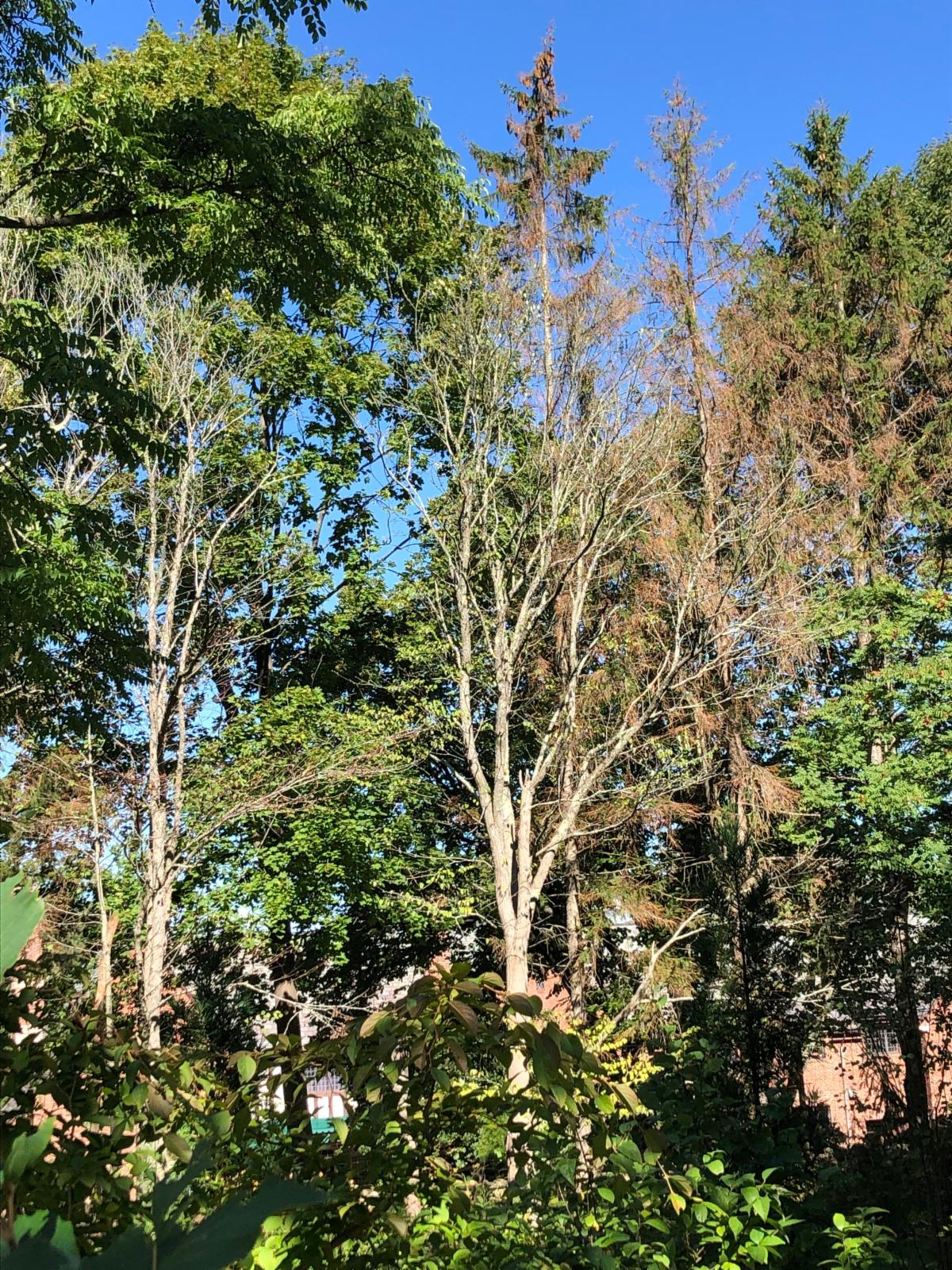
Very old arborvitaes and spruce trees showed signs of burning in August, by September most were dead. |
|
Survivors versus Sufferers
The severe drought of the summer of 2022 in Massachusetts had major consequences for woody plant material. Shallow ponds dried up completely, brooks and streams showed exposed rocks and no flow. The nearby Neponset and Charles rivers were at extreme lows. Many deep wells including two here at the arboretum, went dry. We monitored our collection throughout the drought and carefully observed the trees and shrub to record which sustained very little negative impacts and which plants suffered severe impacts. According to Dr. Sharon Douglas of Connecticut State Extension: “Drought causes primary and secondary physical damage as well as physiological changes in trees. The primary physical effect of drought or dry soil conditions is direct damage to the roots and root death. Non-woody feeder roots, usually located in the top 15 inches of soil, are particularly sensitive and are the first ones affected. When these roots dry, shrivel, and become nonfunctional, a water deficit develops since the roots cannot provide water to the top of the plant.” Although the drought was unwanted it did provide us with an opportunity to study the impact on our diverse collection. Certain species and whole families of plants proved more or less drought tolerant. Here are some of the most glaring survivors and sufferers.
|
|
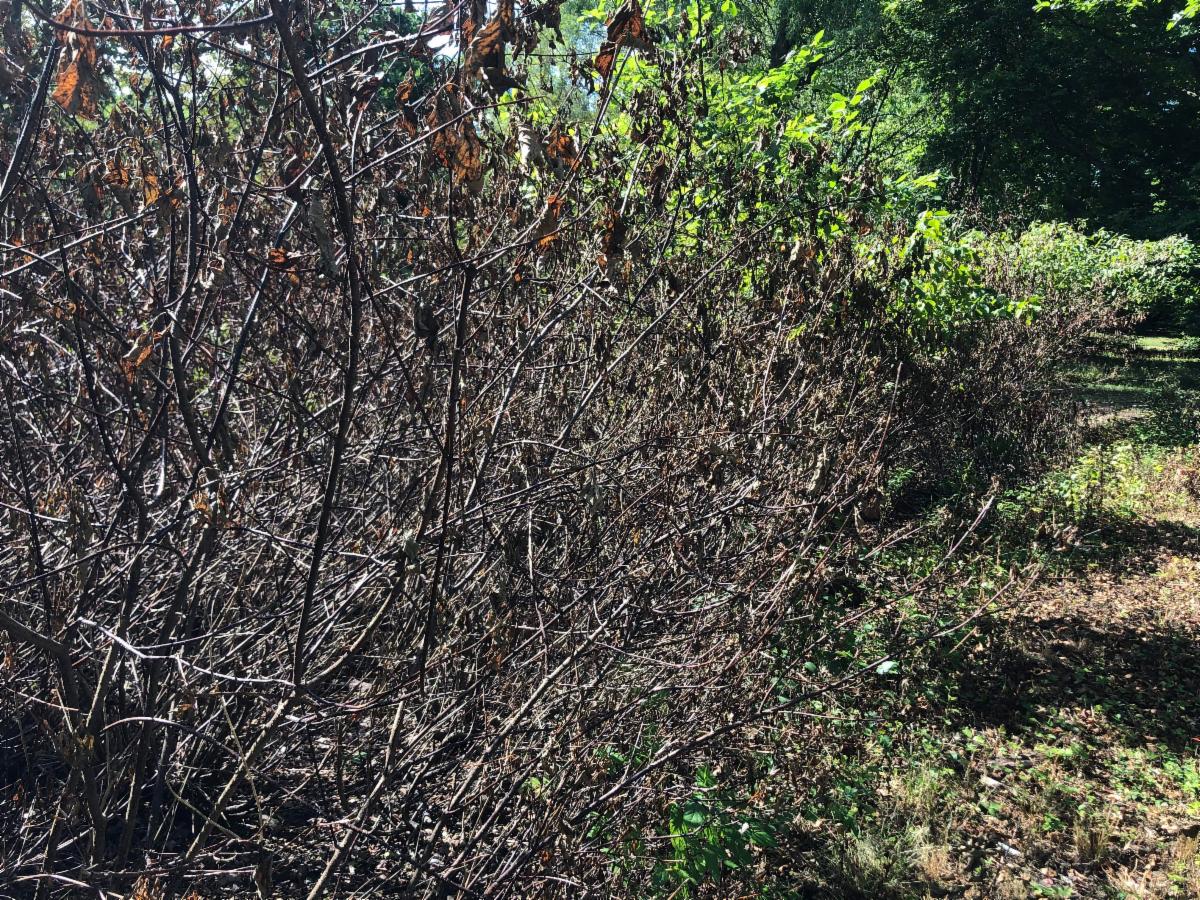
Red twig dogwood in wetlands had leaf drop in July. |
|
Sufferers
Most moisture- loving shrubs suffered from the drought, but yellow twig and red twig dogwood showed severe dieback in July. We quickly began supplemental watering when possible; however, our large collection of red twig living in a very dry wetland died back rapidly. Dead twigs were removed in hopes that some new growth may sprout from the deeper-rooted plants in the spring. Other prolific moisture loving shrubs included viburnums and hydrangeas. Both families began showing severe stress in early July. The soil was already becoming hydrophobic making it difficult to reach the roots (see soil article below). Wakefield staff focused on concentrated drip irrigation, adding supplemental compost and mulch to help with water retention. This practice ultimately saved the plant material.
Several broadleaf trees, most significantly the magnolia collection, showed severe decline in mid-July. Large leaf magnolia, Elizabeth magnolia and Kobus magnolia, all plants that prefer partial shade, had complete leaf drop by late July then re-leafed and budded when September rains provided some relief. It will be very interesting to see what happens in the spring.
In the conifer category, mature Norway spruce, whose shallow roots and large needle surface area cause greater evaporation, showed extensive needle loss and death. Norway spruces naturally grow in stands which benefit their survival and their interwoven roots systems may curtail runoff. Wakefield's Norways may have been weakened over the past few years because of hot summers and minimal snow cover in winter.
|
|
Spruce and katsura trees dropped leaves and needles. Spruces were removed in December. Hopefully katsuras will rebound in the spring. |
|
Survivors
Oaks in general tolerated the dry hot conditions with little perceptible difference in the growth and leaf health throughout summer and fall. Most North American oaks are adapted to drought-prone sites by an ability either to avoid, or to tolerate, water stress, or both. Generally, they have deep-penetrating root systems, allowing them to draw water from lower soil levels. Oaks have thick leaves and some have relatively small stomata, both characteristics that favor efficient water use. These factors proved very important during the Sponge moth outbreak between 2016- 2018 which weakened oaks by complete defoliation. Those that survived proved to be even more resilient after withstanding the 2022 drought. The acorn production was significant and those that fell came to maturation.
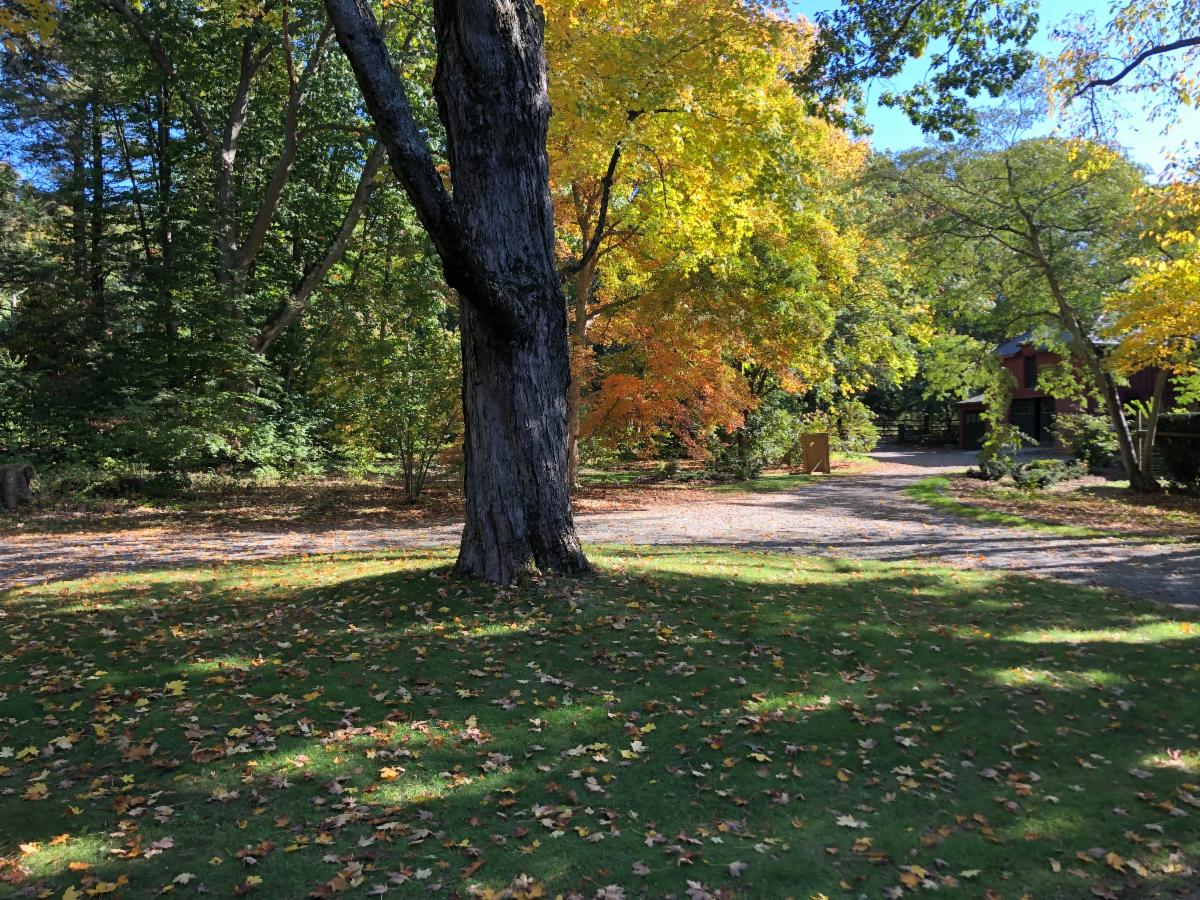
Maples species including Acer triflorum (three flower maple), Acer griseum (paperbark maple) and the Acer saccharum (sugar maple) showed little signs of stress. Japanese maples were impacted most specifically in sunny versus shaded locations.
|
|
Most maples did well without supplemental watering. |
|
Surprisingly, Korean fir which are an Alpine species and prefer a cool climate, proved resilient and showed little signs of stress. Korean fir have waxy needles that help them retain moisture.
Finally, our large and diverse collection of Cornus kousa and Cornus Florida dogwoods showed varying degrees of stress. Kousa dogwoods growing in full sun began wilting in July, closing their stomata to slow the process of photosynthesis. Most of the kousa collection is relatively shaded and were not affected by the drought.
|
|
Soil Health
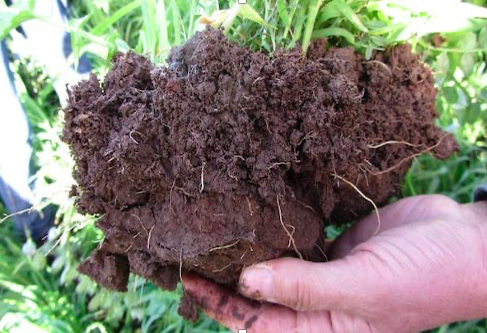
A healthy land-based ecosystem starts with healthy soil capable of sustaining the flora and fauna of the system. If we think about the arboretum as a living system, the foundation on which all else depends is the soil. In all ecosystems, soil has a number of important functions, including providing a medium and structure to support plant growth, transferring nutrients, filtering contaminants, reservoir for genetic biodiversity and storing water.
Soils are made of four basic ingredients: 45% minerals, 5% organic matter, 20-30% water and 20-30% air. It is also home to billions of microorganisms that play an important role in everything from breaking down organic matter for plants to carbon sequestration. Microorganisms living in the spaces between soil particles use water and nutrients just as plants do. These bacteria, fungi, and very small insects also feed on decaying plant material to release nutrients in the soil. There are more individual microorganisms in a spoonful of healthy soil than there are people on this earth.
The largest piece of the soil “pie” - minerals - is made up of clay, silt and sand. Soils that have more clay tend to retain and store water longer whereas sandy soils lose water at a faster rate. The water stored in soils sustain the trees and plants and allow them to grow; it also acts as a conveyor belt for plants to uptake the nutrients they need to survive.
|
|
At the early stages of last summer’s drought, we became alarmed when staff observed extremely dry soil in the top 6-18 inches of the ground. In a normal growing seasons with adequate rain fall, soils
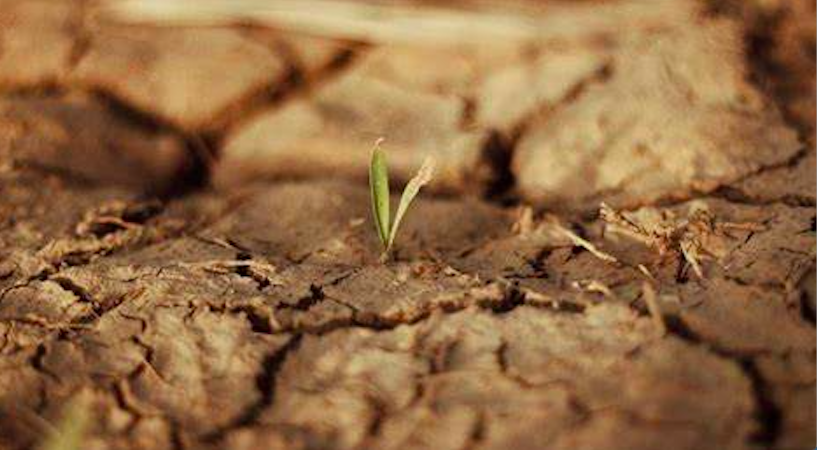
Hydrophobic soil repels water
will absorb any precipitation and remain moist allowing plants to “suck up” the water they need through tiny pours in their roots, a process known as capillary action.
One of the first things the arboretum staff discovered was that even when watering the plants manually, water was not penetrating more than the top half- inch of soil. The surface of the soil was so baked dry from the drought and heat that it was no longer capable of absorbing moisture. What we observed here at the arboretum is consistent with research from around the world that demonstrates that due to more periods of prolonged drought, soils in a growing number of areas have become hydrophobic (water-repellent). Even in a contained, diverse and cared-for ecosystem as the Wakefield Arboretum, it was extremely difficult to keep up with the water demands of the plant collection. Getting water to where the plants roots could absorb has become the focus of our work, both in the short-term and long-term.
When, in early July, the wells went dry for the first time ever, we knew we had to do something beyond irrigation (short-term) to protect the plant collection from the excessive drought, which was only exacerbated by extreme heat later in the summer. We needed to think long-term to be able to adapt to a warmer and possibly drier future.
|
|
MANAGEMENT STRATEGIES FOR HEALTHY SOIL:
While there is no cure for this problem, the effects of drought can be minimized by following some preventative measures:
1. Water in periods of low soil moisture—
Trees and shrubs require approximately one inch of water per week. Special attention to young trees is important. Water is best applied at one time as a slow, deep soaking of the entire root zone to a depth of approximately 12-18 inches. Frequent, light, surface watering will not help the tree and can actually cause harm by promoting growth of surface roots.
2. Select the appropriate site and follow good planting practices—
Drought stress can magnify even the most subtle improper planting practices (e.g., planting too deep or too shallow, or failure to remove or cut the burlap and/or the wire basket). When planting a tree, try to anticipate the water needs of that tree at maturity.
3. Select native plants or match plant species to site conditions—
Drought-sensitive (dogwood, some oaks, ash, birch) vs. drought-tolerant (most pines, many Prunus, Larch).
4. Mulch to maintain soil moisture—
Properly applied mulches can be very helpful. Mulches are usually applied 1-3 inches thick and spread evenly out to the drip line of the tree. It is also important to keep the mulch 6-12 inches away from the trunk. Mulches that are applied too thickly or too close to the base of the tree ("volcano" or "pyramid" mulches) can be harmful!
5. Prune any dead or weakened tissues to avoid secondary problems
6. Maintain plant vigor by following good cultural practices—
It is generally accepted that trees under stress should not be fertilized. However, applications of biostimulants, mycorrhizae, or similar compounds can be beneficial and can help to stimulate root growth and regeneration.
Excerpt from and article written by Dr. Sharon M. Douglas:
|
|
The Importance of Soil Moisture
The immediate effect of drought is loss of water in the soil. Low moisture reduces soil health and productivity, and increases the loss of fertile topsoil through wind and water erosion. The impact of dry soil conditions results in root damage and death. In addition to direct root damage, weakened trees are subject to many secondary problems including root rots, cankers, wood rots, and increased sensitivity to pesticides and de-icing salt. Soil moisture is dictated by three factors: the ability of the soil to absorb water; its capacity to store that water; and the speed at which the water is lost through evaporation and runoff, or used by growing plants. Soil with good structure retains moisture and protects soil health and productivity.
|
|
Organic Matter
One of the key observations made at the height of the last summer’s drought was the condition of the soil where we had applied several inches of leaf compost and wood chips. When we scraped away the mulch, the soil beneath was cool and moist, with lots of worms and other insects. Learning this prompted us to take advantage of the relatively mild fall and winter months to add mulch across the landscape, adding as much organic matter as possible, especially in areas where we have new plantings or where plants have shallower root and more susceptible to severe drought and heat. We are taking advantage of this "off season" to prepare the landscape for another possible hot and dry summer - during which we believe the plants will have a better outcome.
Improving soil health - and increasing its capacity to retain moisture during warm and dry periods - is the key to protecting a plant collection, and it will take time. How we manage our soils will help determine the outcome and health of the landscape.
|
|
We want to hear from you! We appreciate your feedback about our quarterly. Please let us know what research and articles you have found most interesting. |
|
Articles written and edited by Debbie Merriam, Mathew Noiseux, Mark Smith and Susan Hein.
Layout by Debbie Merriam.
|
|
For a printable copy of this or any prior issue of Dogwood Lane, click here or visit the news tab on our website.
|
|
Mary May Binney Wakefield Arboretum | 617-333-0924
|
|
|
|
|
|
|