ENVIROCOLLECTIVE
NEWSLETTER
| |
|
ECN sends out surveys to 59 mayor and council candidates.
Keep reading to see who responded and what they had to say!
| |
HIGHLIGHTS FROM THE LAST MONTH | |
|
2024 Expo and Repair Cafe
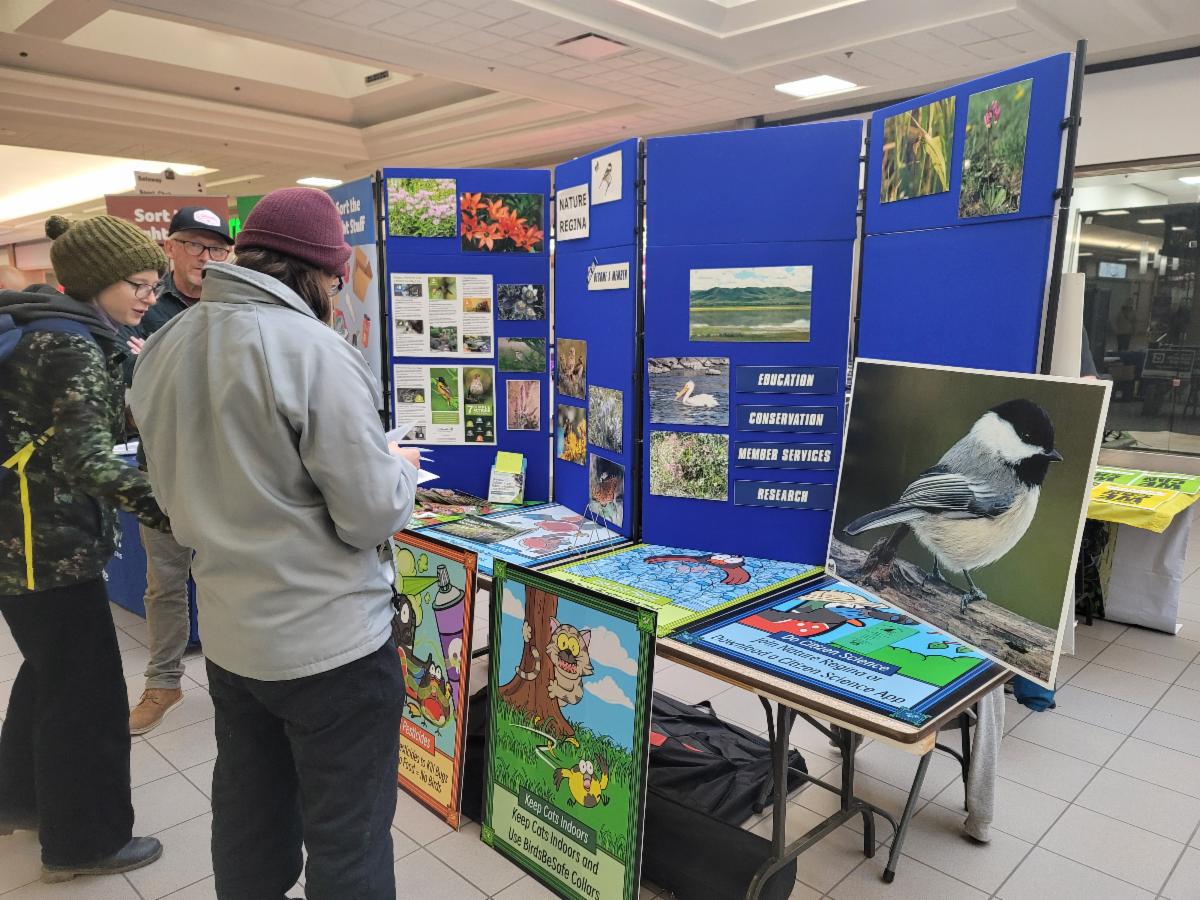
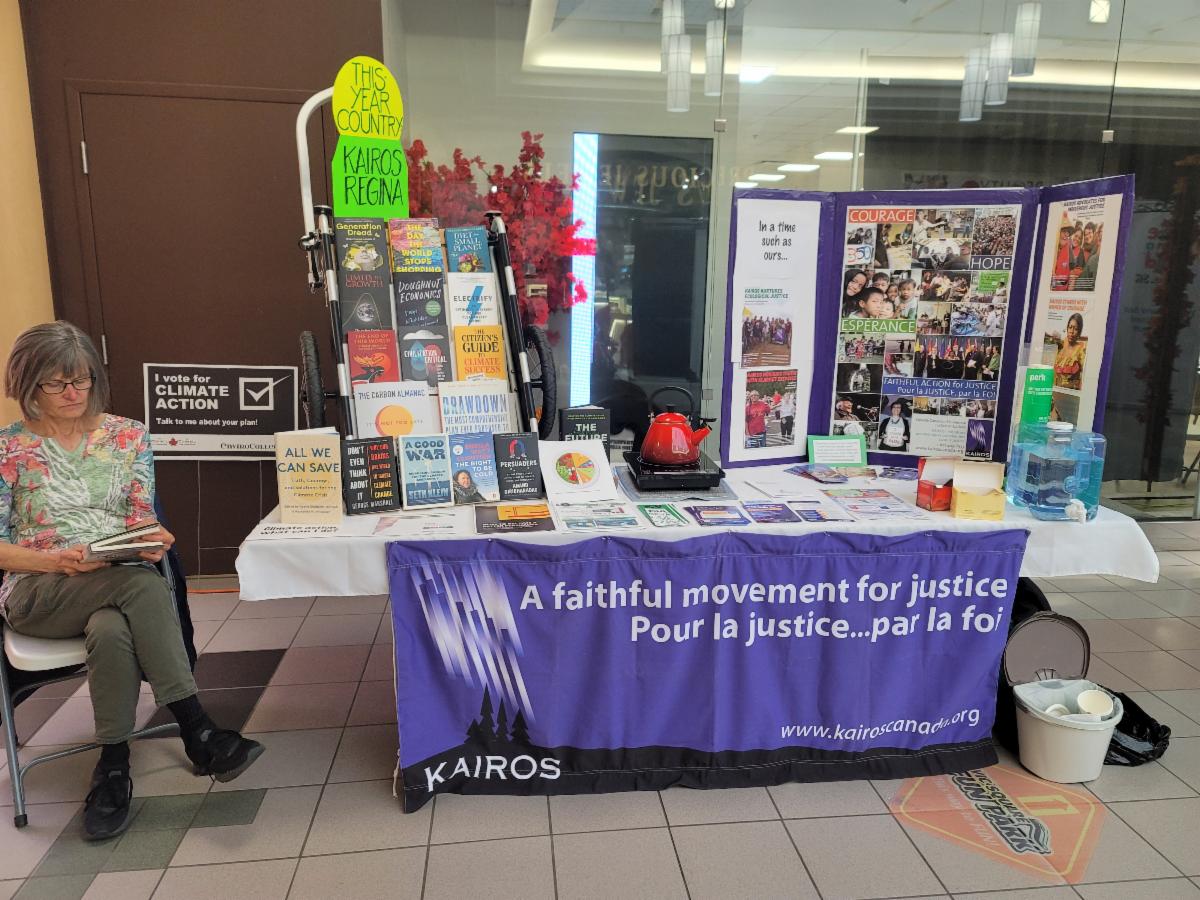
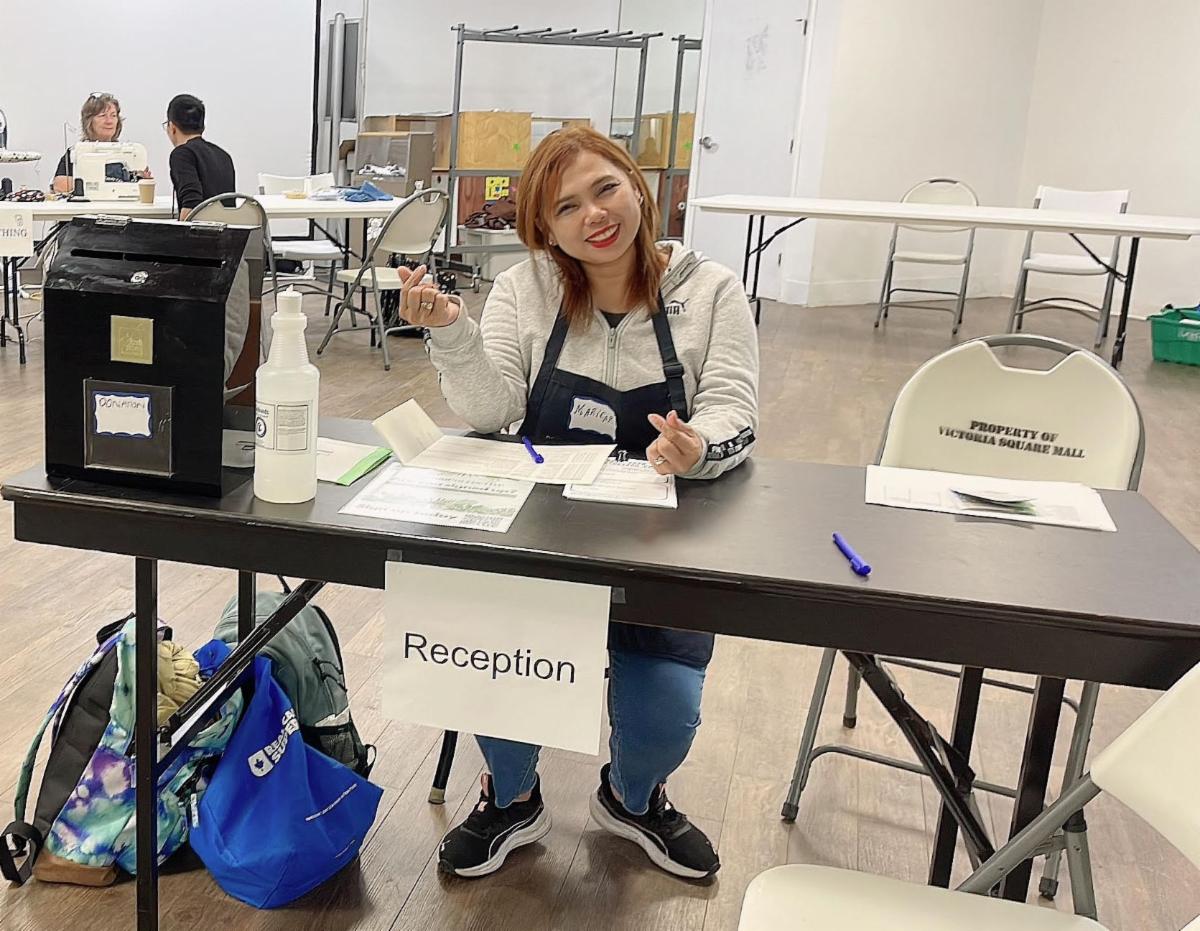
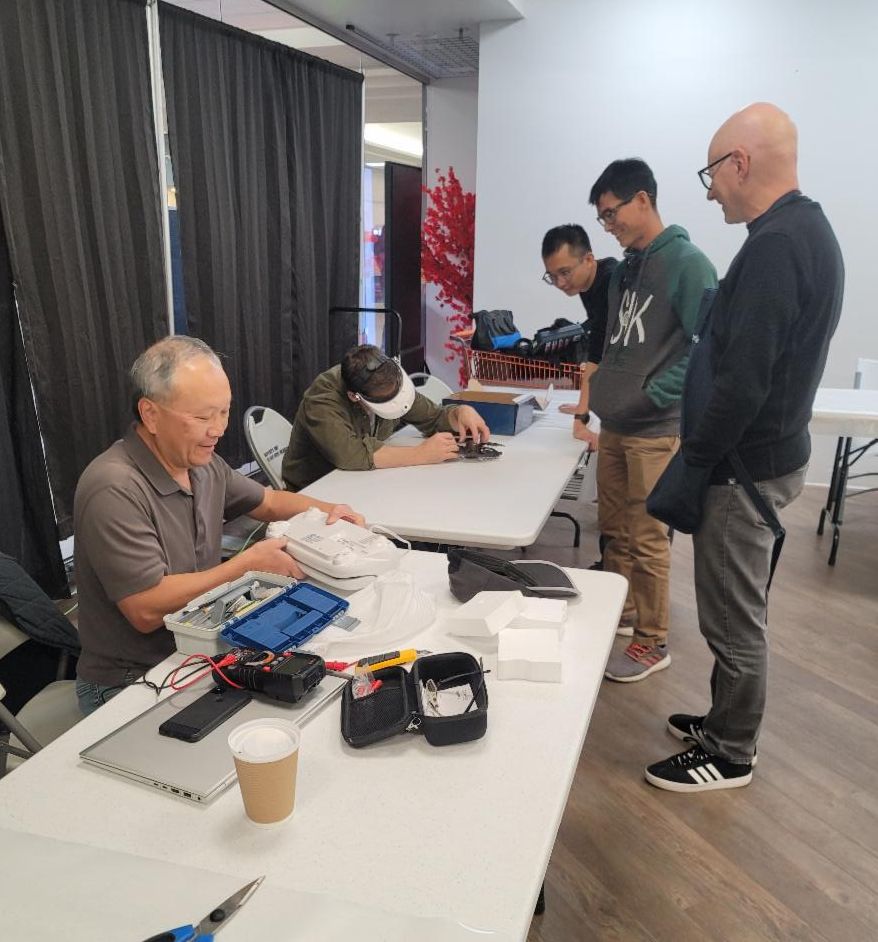
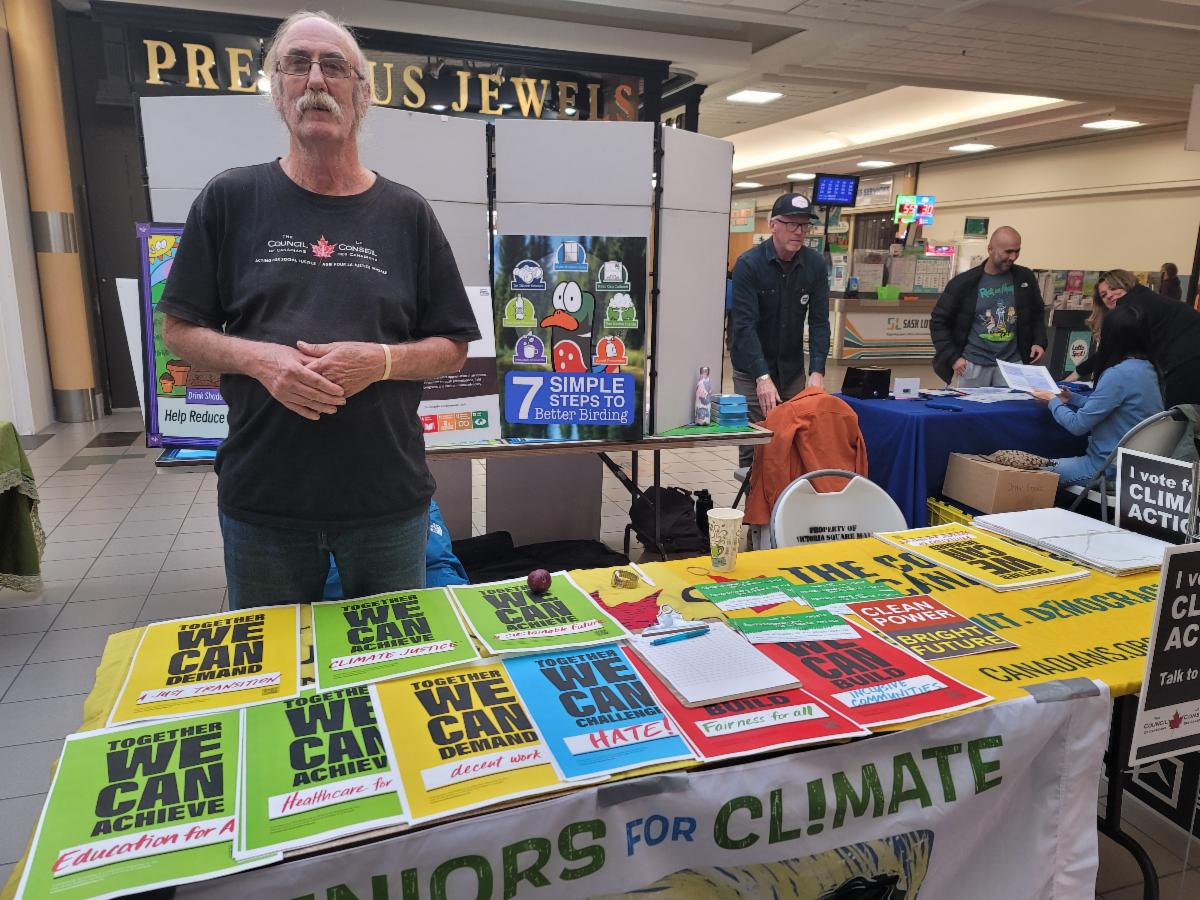
On October 5th, ECN hosted the 3rd annual Sustainability Expo at Victoria Square Mall. Thanks to Regina Energy Transition for all their help, and to Saskatchewan Council on International Cooperation for being our marketing sponsor. Once again, we hosted a Repair Café with the help of the Saskatchewan Waste Reduction Council and their sponsor, Affinity Credit Union. See who was there
| |
Special thanks to all our volunteers, from registration to repair people. Check out our team | |
|
|
SWRC Summit
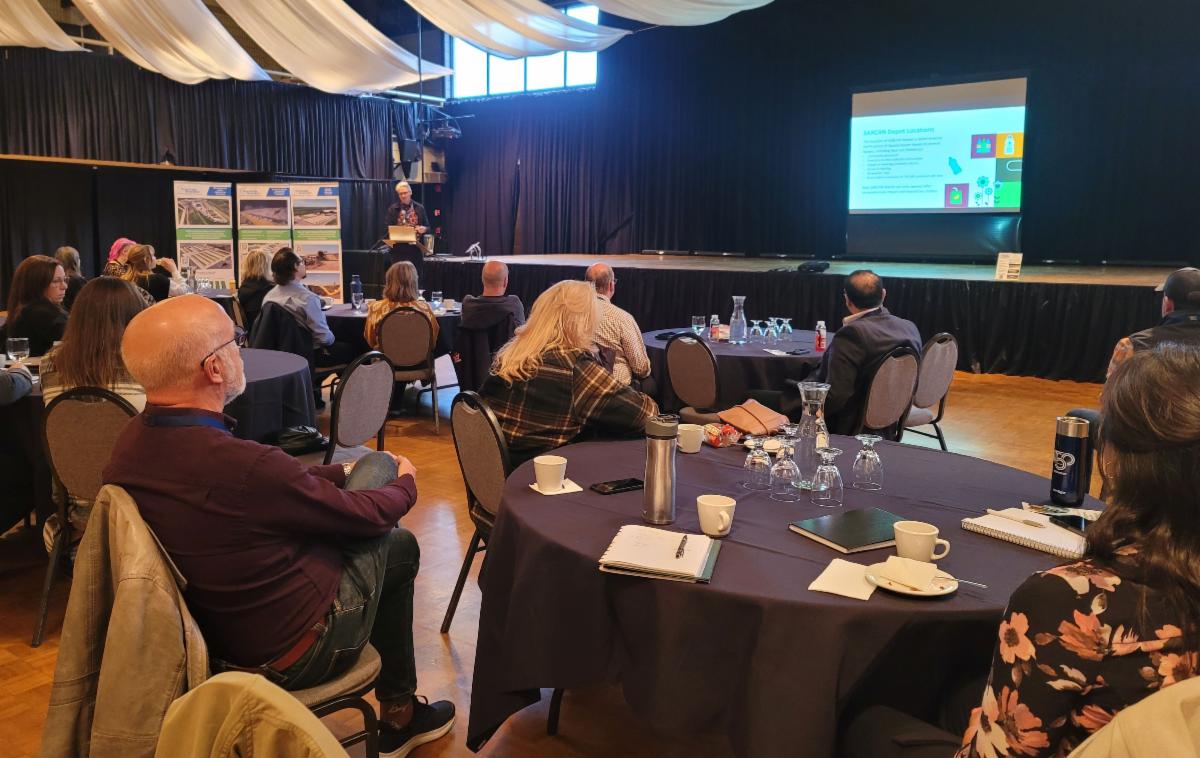
ECN board members attended the Sask Waste Reduction Summit in Regina on October 22nd. Speakers presented on SARCAN's Community Refund Centres, progress on the Packaging and Paper Recycling Program, the Municipal Waste Diversion Resources Workshop, "Building the Future from the Past: Deconstructing Mass Timber Buildings," and reducing cart contamination
| |
|
|
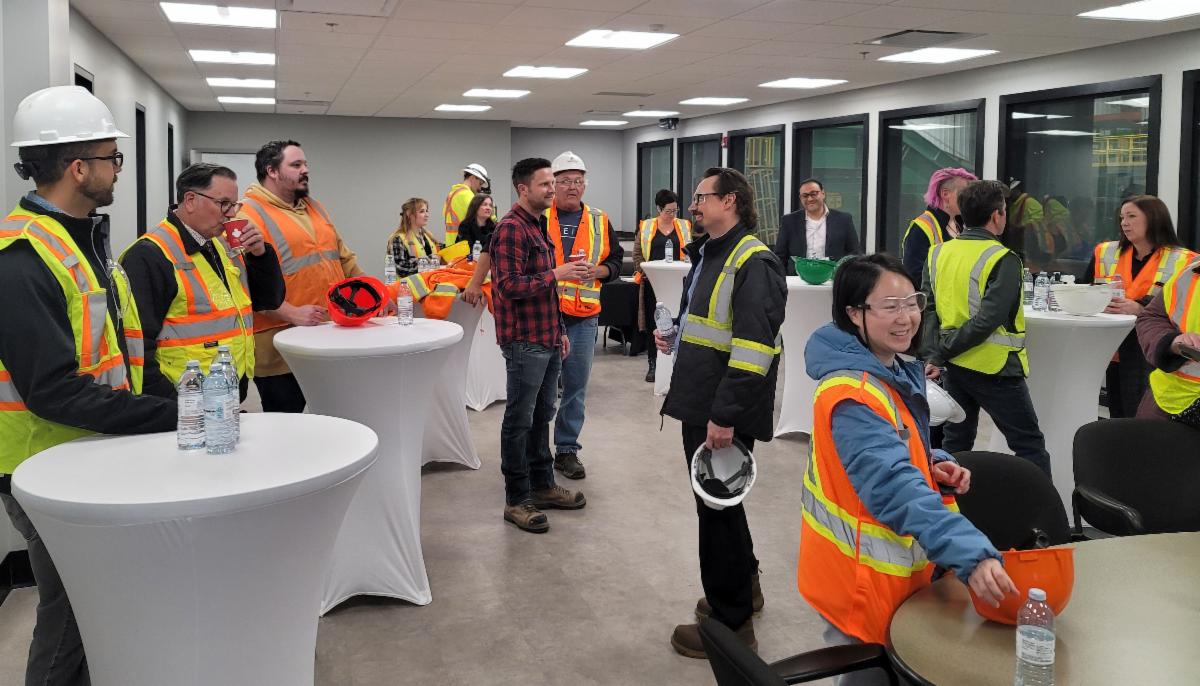
Sarcan Tour
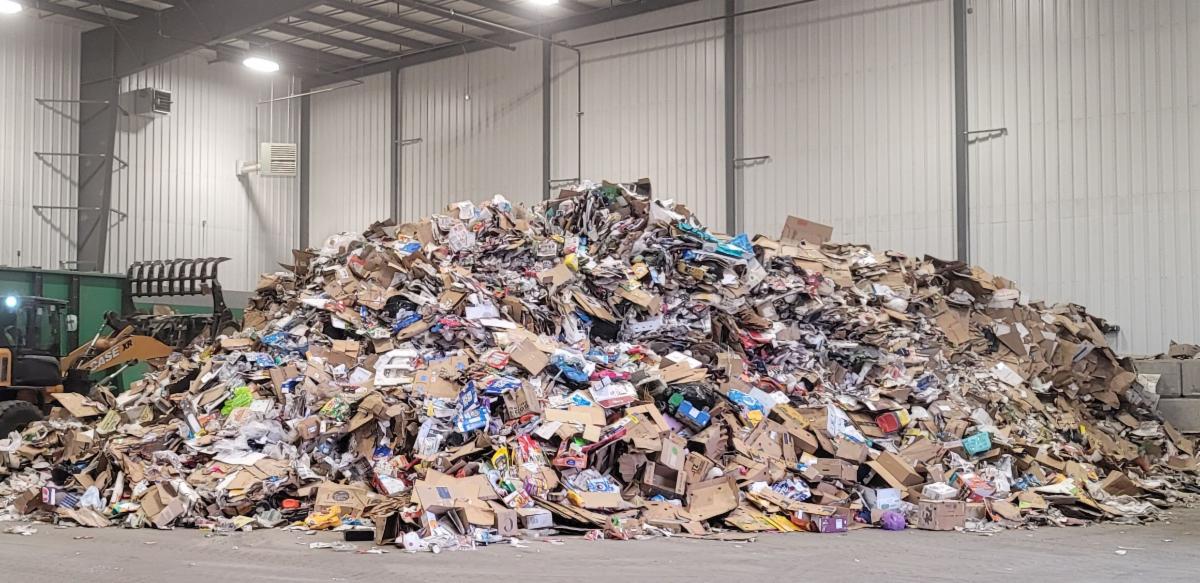
As part of the SWRC summit, participants were able to tour SARCAN's new processing plant north of the city. It is an amazing piece of technology and manpower. The more we sort on our end, the easier it is on their end.
| | |
|
|
SCIC Book Club
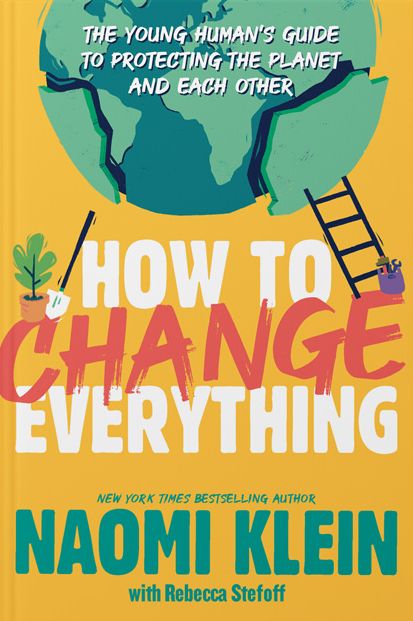
SCIC (Saskatchewan Council on International Cooperation) invited EnviroCollective to present to a group of educators during their virtual Reading Circle on October 23rd, discussing Naomi Klein's book How to Change Everything. This book empowers young readers with stories and information on climate change and activism. Co-authored with Rebecca Steffof, it adapts Klein’s extensive reporting, emphasizing the role of young leaders in fighting for climate justice. The book showcases the opportunity to transform current challenges into positive change. The educators used this topic to discuss how to engage youth in climate education. ECN's goal is to eventually bring on a youth coordinator to support educators on environmental topics and local solutions.
| |
|
UofR and Luther College Service Learning
Student Spotlight:
Analyzing Regina’s Energy and Sustainability Framework
Every month, we will highlight the work of students who have recently completed assignments on The City of Regina’s Energy and Sustainability Framework. Their research offers valuable insights into the city’s sustainability initiatives and challenges. This initiative not only spotlights their efforts but also aims to enhance our community’s understanding of sustainability practices.
| |
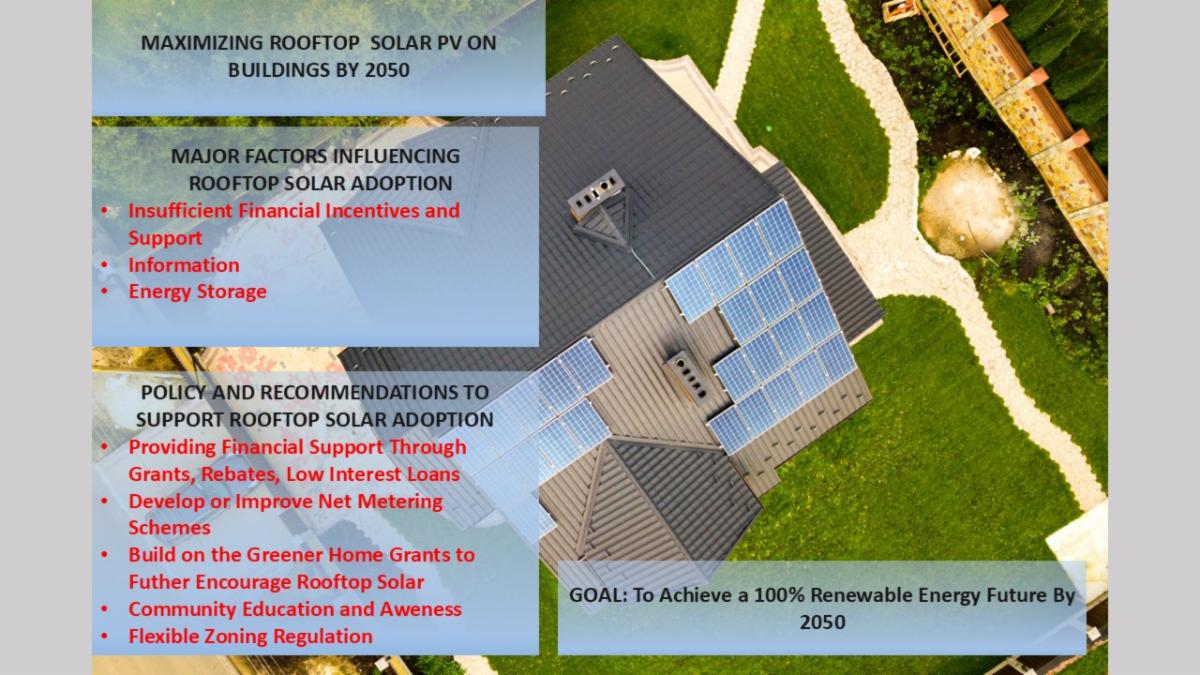
Maximising Rooftop Solar PV on Buildings - by Theresa | |
- Rooftop solar PV systems significantly reduce greenhouse gas emissions. By harnessing renewable energy from the sun, residential buildings can decrease their reliance on fossil fuels, leading to lower carbon footprints. This supports the broader goal of sustainability and aligns with global efforts to combat climate change and promote environmental stewardship.
- Government incentives and financial support are pivotal. These measures make rooftop solar PV systems more accessible, stimulate broader adoption, and foster environmentally conscious practices among homeowners.
- Rooftop solar PV promotes energy independence and resilience. Installing solar panels on residential buildings allows homeowners to generate their own electricity, reducing dependency on the grid and enhancing energy security.
-
Peer effect can influence the adoption of solar PV systems. As more people embrace solar energy solutions, others are encouraged to follow suit, leading to increased adoption rates.
| |
|
Expand Cycling Network to Encourage Active Transport - by Mohammad
- Existing cycling infrastructure is dangerous and prioritizes motorists over cyclists. By investing in protected bike lanes and other cycling infrastructure, we can expect a drastic reduction in injuries and increases in cycling for short trips.
- Although many cities are designed around vehicles, there are many changes that can be made to existing road networks to accommodate more active forms of transportation
- Possible infrastructure solutions could include bike sharing programs, dedicated and mixed use bike lanes, bike parking, and consideration for more dense urban development in the future
| |
BUSINESS HIGHLIGHT:
Wecycle Recycling:
Making Sustainability Easy and Rewarding
| | |
|
|
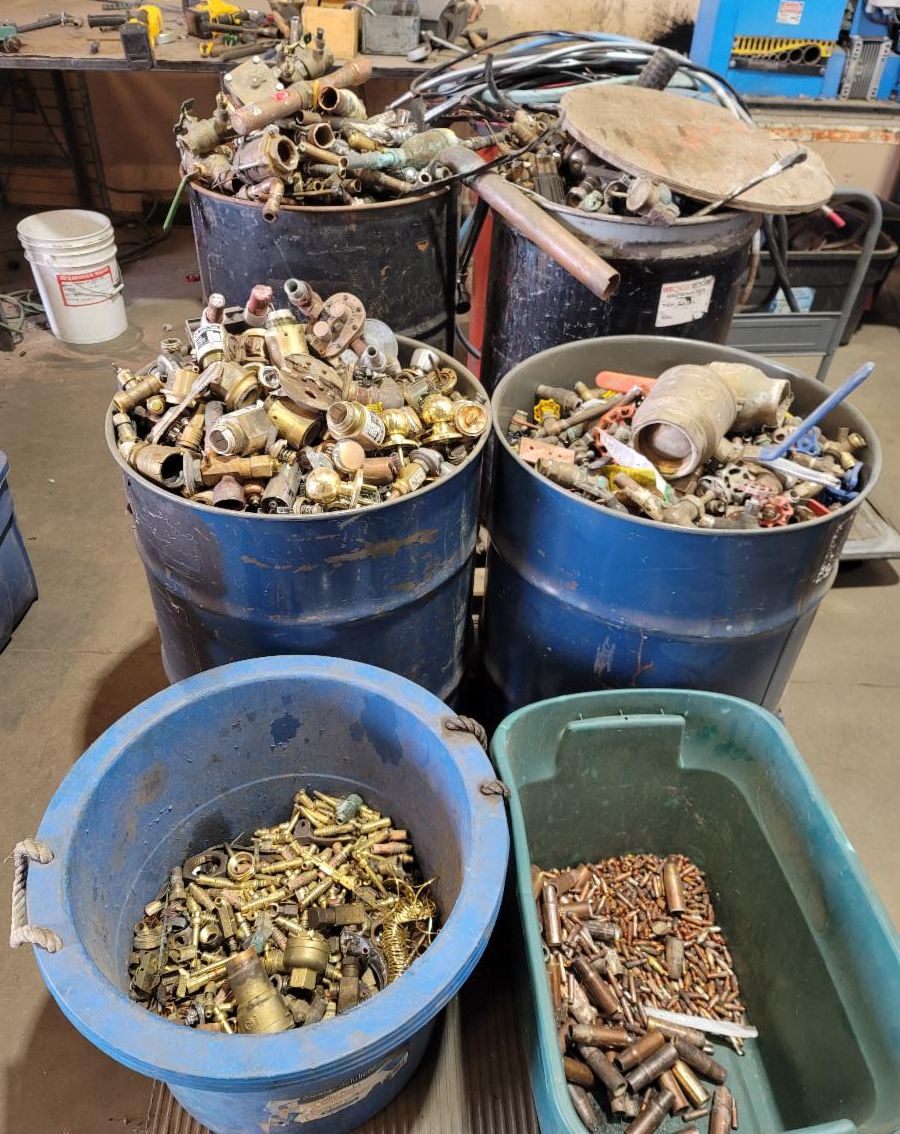
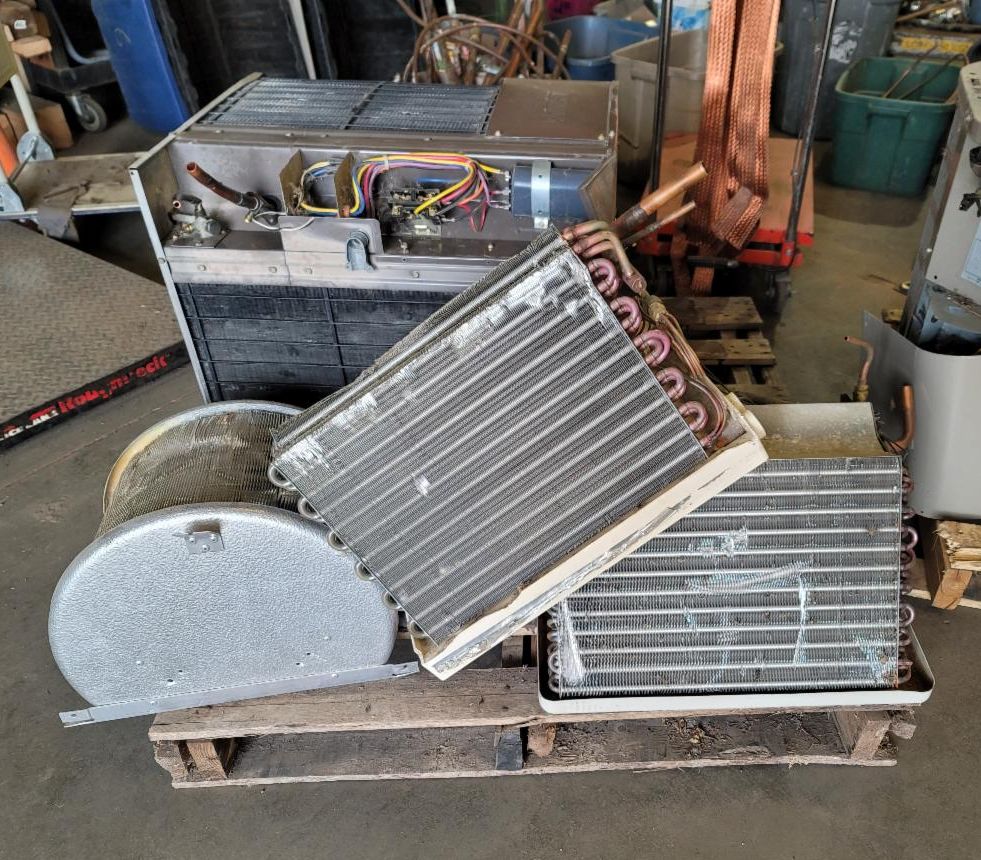
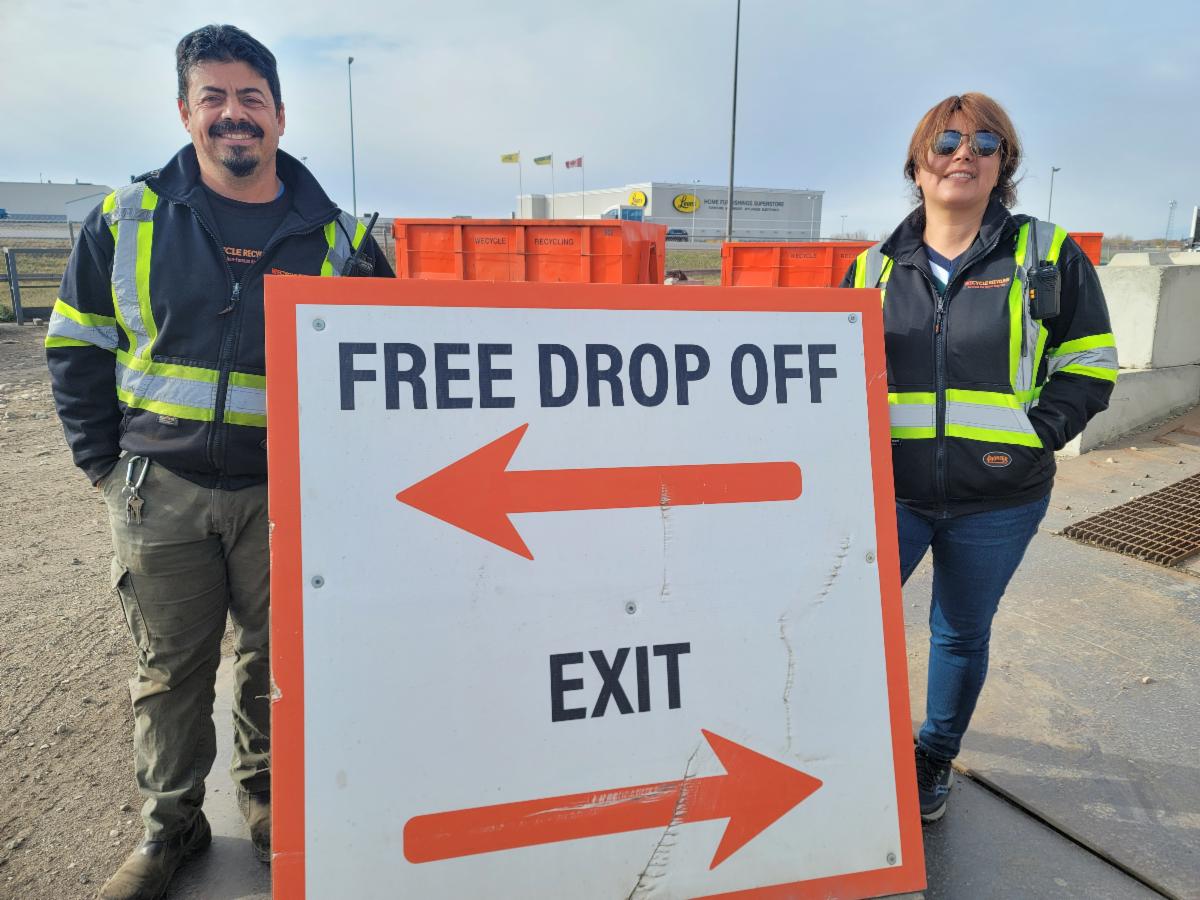
When Fred and Mandana arrived in Regina in 2018 through an Entrepreneur Immigration program, little did they know they would establish a thriving business. Wecycle Recycling has swiftly become Regina’s top choice for metal recycling. Located at 288 Hodsman Rd, they encourage residents to recycle rather than discard household items, supporting sustainability. By making recycling more accessible and rewarding, Wecycle promotes environmental stewardship and community engagement.
Collecting and dropping off metal is a breeze for residential customers. Just gather your unwanted scrap metal, drop it off at Wecycle Recycling, and earn some cash while saving the planet. You'd be surprised how much treasure is hidden in those old door knobs, aluminum doors, or ladders. There's gold in Dad's junk pile, so start digging and join the sustainability movement with Wecycle Recycling!
| |
We’ll share one sustainable development goal in each upcoming newsletter | | |
|  |
|
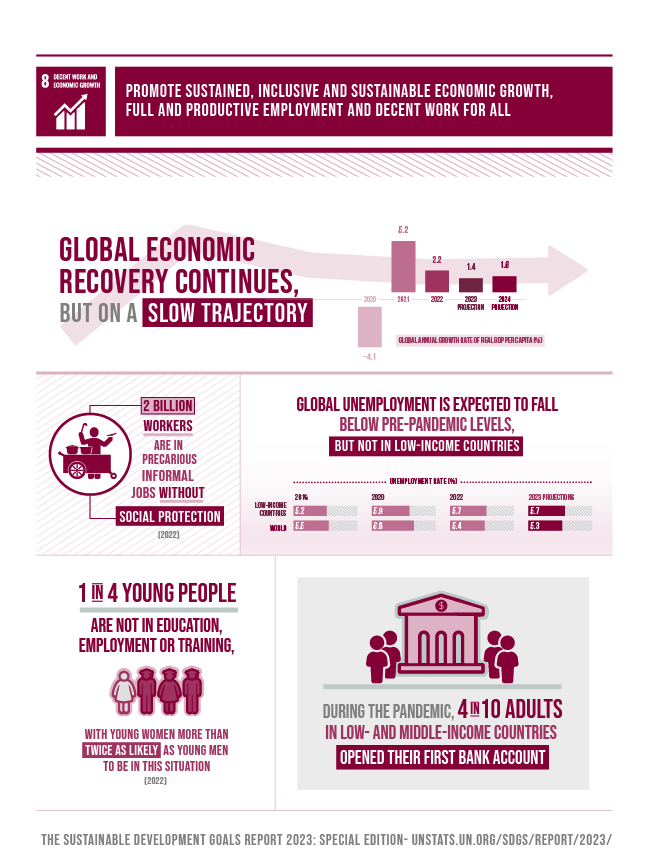
Sustainable Development Goal 8:
Goal 8 promotes inclusive and sustainable economic growth, employment, and decent work for all. Multiple crises threaten the global economy, slowing GDP growth and pushing workers towards informal employment. While global labour productivity has increased and unemployment has decreased, more progress is needed to boost employment, particularly for young people, reduce informal employment, address labor market inequality (like the gender pay gap), and improve access to financial services. The global unemployment rate fell to 5.4% in 2022, down from 6.6% in 2020, even lower than the 5.5% pre-pandemic level in 2019.
| |
|
ORGANIZATION HIGHLIGHT:
Council of Canadians
| | |
| |
The Council of Canadians, established in 1985, advocates for a fairer and more just Canada through grassroots action, research, and policy reform. Uniting thousands across the country, they push for strengthened public services, climate justice, and equitable access to clean water. Their vision prioritizes democracy, justice, and collective care, working against corporate control and systemic oppression. Through local and national campaigns, they engage members and activists to challenge injustices and fight for a more sustainable future. By fostering community power and informed action, the Council seeks to build a Canada that values dignity, inclusivity, and environmental responsibility. We want to thank the local chapter for participating in this years Sustainability Expo | |
Community Activist Profile:
Shannon Zachidniak
EnviroCollective Network Founder
| |
|
While pursuing her Master’s in Environmental Studies in 2011, Shannon was already active as a community garden coordinator, establishing you-pick gardens in the North Central neighbourhood. As a dedicated volunteer, she served on the boards of various non-profits and held management roles with several community organizations, including the Wascana Solar Co-operative, REACH, and the Regina Farmers’ Market. Shannon also co-created Walk the Walk, an annual fundraiser supporting 2SLGBTQIA+ youth and Regina’s Lulu’s Lodge.
Expanding her community work, Shannon was elected as a City Councillor in 2020. She continued her commitment by co-chairing the Community Advisory Group for the city’s Energy & Sustainability Framework. Shannon represents Regina as Vice Chair of the national Green Municipal Fund Council and Chair of the Canadian Urban Transit Association’s transit board committee. She successfully championed fare-free transit for those 13 and under to promote inclusivity, environmental sustainability, and safety.
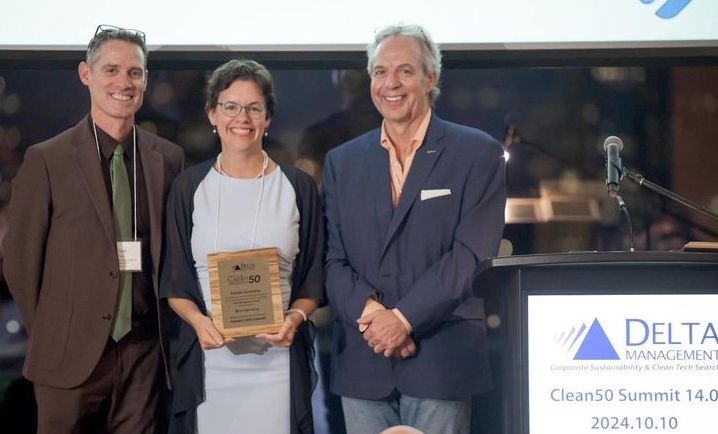
Recently, Shannon Zachidniak was awarded a @clean50 award for her outstanding leadership in aiding our transition to a low-carbon economy. (picture above)
| |
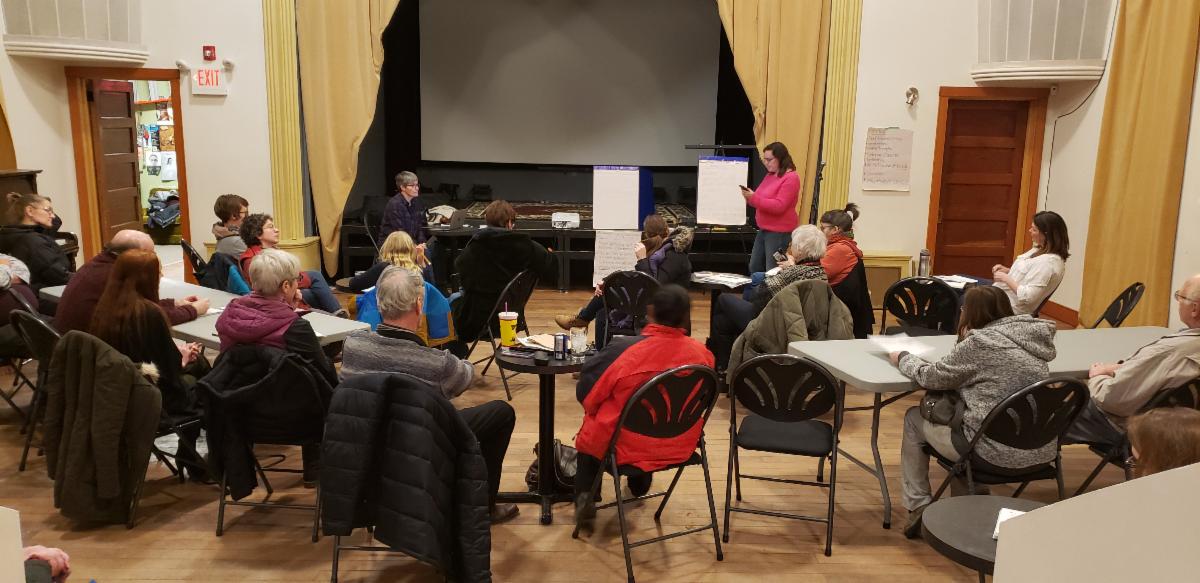
Shanon leading community conversations as Chair of EnviroCollective Network | |
Filming for documentary pilot on Climate Action | |
Resource Feature:
WaterBear Network
| |
The WaterBear Network is a free streaming platform dedicated to showcasing short films, stories, and documentaries that highlight positive solution to global challenges. Their aim is to connect non-profit organizations and storytellers acting around the world with people who want to explore and learn. It gives access to inspiring and real-world stories. You will discover collective missions that provide opportunities to get involved and take real-world action. It is a powerful tool designed to explore, learn, and act. The WaterBear Network is helpful for those ready to get involved but unsure how to start. Water Bear is available on all devices for free. If you are concerned about climate change, biodiversity loss, or justice, Water Bear will be the tool to keep you on track | | | |
Something to think about:
So What about Roundabouts?
Roundabouts have been built since the early 1700s in Britain, France and the USA and currently can be found around the world. Design and operating regulations have evolved over time with Britain adopting national standards in the 1960s. Other countries followed subsequently.
| |
Traditional Right Angle Intersections | |
Roundabout or circular intersections | |
|
Advantages
Safety
Studies in the USA have shown that roundabouts provide:
- 37% reduction in overall collisions
- 75% reduction in injury collisions
- 90% reduction in fatal collisions
- 40% reduction in pedestrian collisions
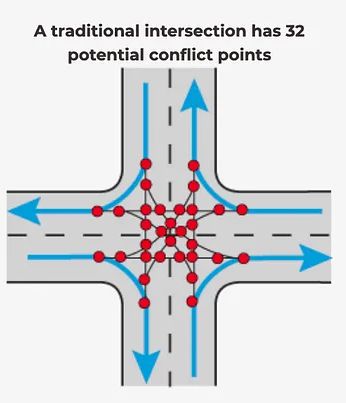
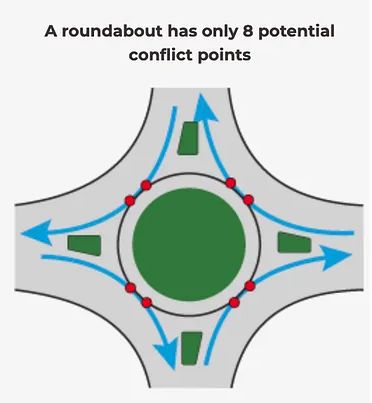
Roundabouts are designed to promote a continuous, circular flow of traffic, so there is no need to race to "beat the lights." Roundabouts have only eight potential conflict points, compared to 32 at a conventional four-way intersection and 24 vehicle-to-pedestrian conflict points. Some states in the USA have adopted a “roundabout first” or default policy. Pedestrians cross one direction of traffic at a time.
Time Savings
Roundabouts offer a 0-50% increase in traffic capacity at intersections, with less delay waiting at stops and signals. They actually move traffic through intersections more quickly, with less congestion on approaching roads. Studies in the USA found that roundabouts contributed to an 89% reduction in delays and a 56% reduction in vehicle stops.
Environmentally Friendly
Roundabouts reduce noise, fuel consumption, and pollution, as cars do not wait at traffic signals. The center islands of roundabouts can be landscaped with native plants and trees, in contrast to a fully paved intersection. Additionally, roundabouts generally require less land than traditional intersections, as they do not need turning lanes.
Saves Money
Roundabouts eliminate the cost of traffic signals and yearly maintenance. They continue to operate during power outages, so police are not needed to direct traffic. Roundabouts can help improve sales at nearby businesses as they make it easier for people to walk or drive to locations. They usually require fewer lanes approaching the intersection to accommodate waiting traffic, and they reduce the need for bridges and interchanges. Studies indicate that the service life of a roundabout is significantly longer—approximately 25 years compared to 10 years for a typical traffic signal.
| |
Nationally Determined Contributions
Nationally Determined Contributions (NDCs) are the formal but voluntary commitments that countries make on climate action under the Paris Agreement.
They’re meant to be strengthened every five years, but some of the world’s biggest carbon polluters are aiming for higher emissions now than they were five years ago—and others are failing to keep their promises.
Net-Zero
Net-Zero refers to a state in which the greenhouse gases (GHGs) going into the atmosphere are balanced by GHG removal out of the atmosphere. Different terms (Carbon Neutral, Net Zero, Climate Neutral) point to different ways in which emissions sources and sinks are accounted for. Net Zero is the internationally agreed goal for mitigating global temperature rise. The IPCC and many other agencies stress the need to bring CO2 to net-zero by 2050 to remain consistent with the 1.5°C target.
| | | |
The 6th National Climate League report is now available! | |
|
The 6th National Climate League report is now available!
The 6th edition of the National Climate League report is now available! Explore data collected from over 50 municipalities, featuring detailed policy scans, data visualizations and in-depth analysis.
This report offers valuable insights into local climate policies across Canada. Use it to understand your city or town’s climate plans, identify areas for improvement, and celebrate achievements. It is also a great tool to engage with your city council on local climate action!
| | | |
2024 Candidate Survey
EnviroCollective Network, in collaboration with Regina Energy Transition, Regina Citizens Public Transit Coalition, and Better Bus Youth, gathered questions from each group, complied and distributed a brief survey to candidates. The survey focuses on the City of Regina’s commitments to sustainability and environmental stewardship as outlined in the Energy and Sustainability Framework. Here are the questions
- Prioritizing Net-Zero Goals in Council Commitments: Where does achieving the Energy & Sustainability Framework goals stand among other council priorities?
- Accelerating Regina’s Net-Zero Target: With 2050 set as the target, would you support initiatives to expedite the transition to renewable energy?
- Geothermal Technology in City Projects: How can sustainable tech, like geothermal heating, play a larger role in city infrastructure and community benefit?
- Expanding Fare-Free Transit for Vulnerable Groups: Will you support broader fare-free transit access for high-school students, low-income individuals, and seniors?
- Improving Transit Frequency and Usability:What steps will you take to enhance ride frequency and overall usability of Regina's transit system?
- Empowering Local Sustainability Experts: How would you use your role to amplify local expertise in sustainability and renewable energy initiatives?
Thanks to the Candidates who responded to our survey, the community appreciates your responses.
Mayoralty: Kevin Kardash, Bevan Fox, Bill Pratt
Ward 1 Joanne Crofford, Jessica Morris, Dan Rashovich
Ward 2 Andre Magnan, Bob Hawkins
Ward 3 David Froh,
Ward 4 Deb Nyczai,
Ward 5 Sarah Turnbull,
Ward 6 Victoria Flores, Corey Leibrecht
Ward 7 Shobna Rodons,
Ward 8 Alex Tkach, Cory Terry, Shanon Zachidniak
Ward 9 Jason Mancinelli, Jeff Soroka
Ward 10 Chris Simmie, Anita Adefuye,
| |
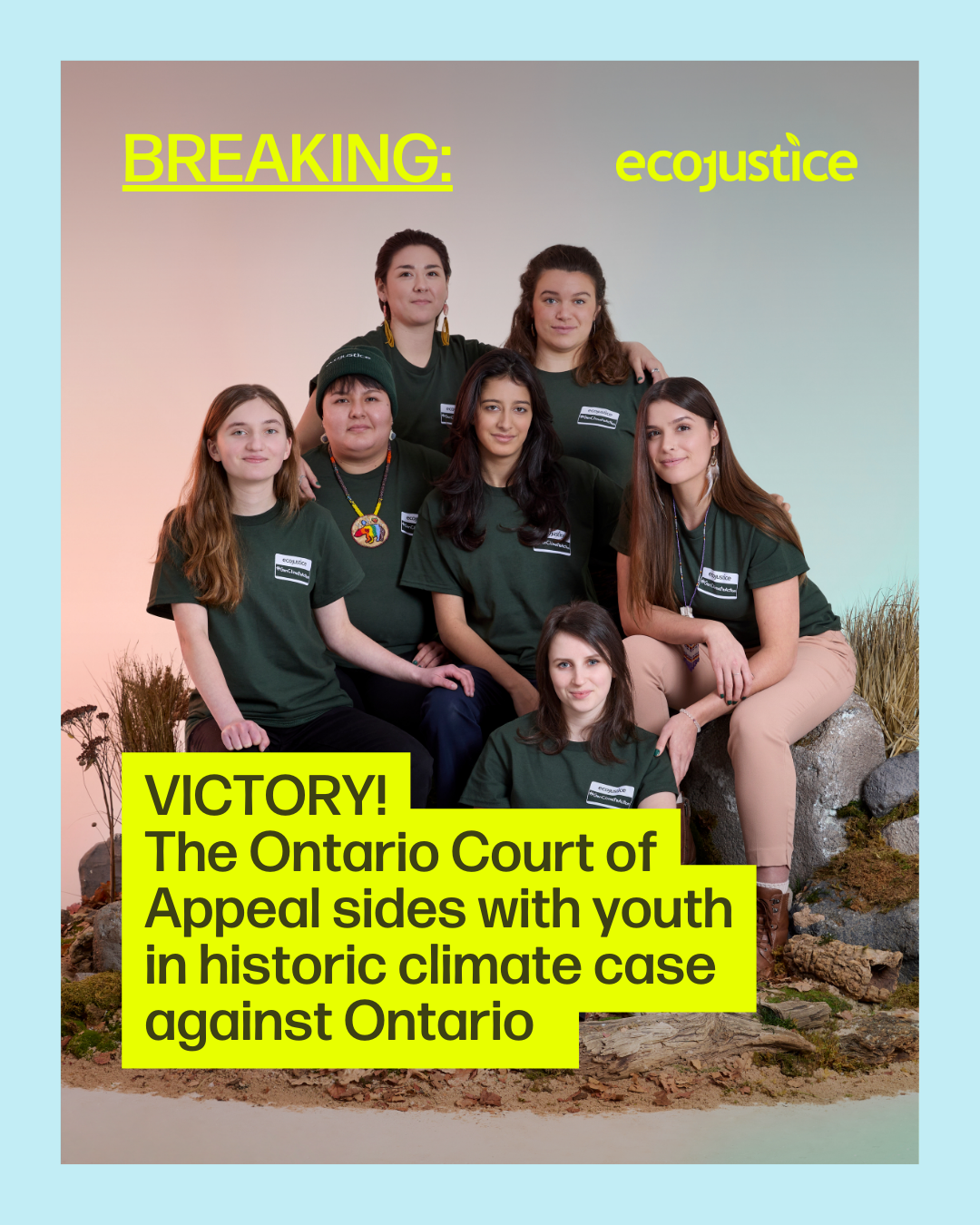
Ontario Superior Court Decision
In November 2019, seven young climate leaders, backed by lawyers from Ecojustice and Stockwoods LLP, launched a legal challenge of the government’s new target on the grounds that the government’s actions will harm young Ontarians and future generations and has violated their Charter rights to life, equality, and security of person.
| |
|
Tips, Tricks, Hacks & Accolades: | |
|
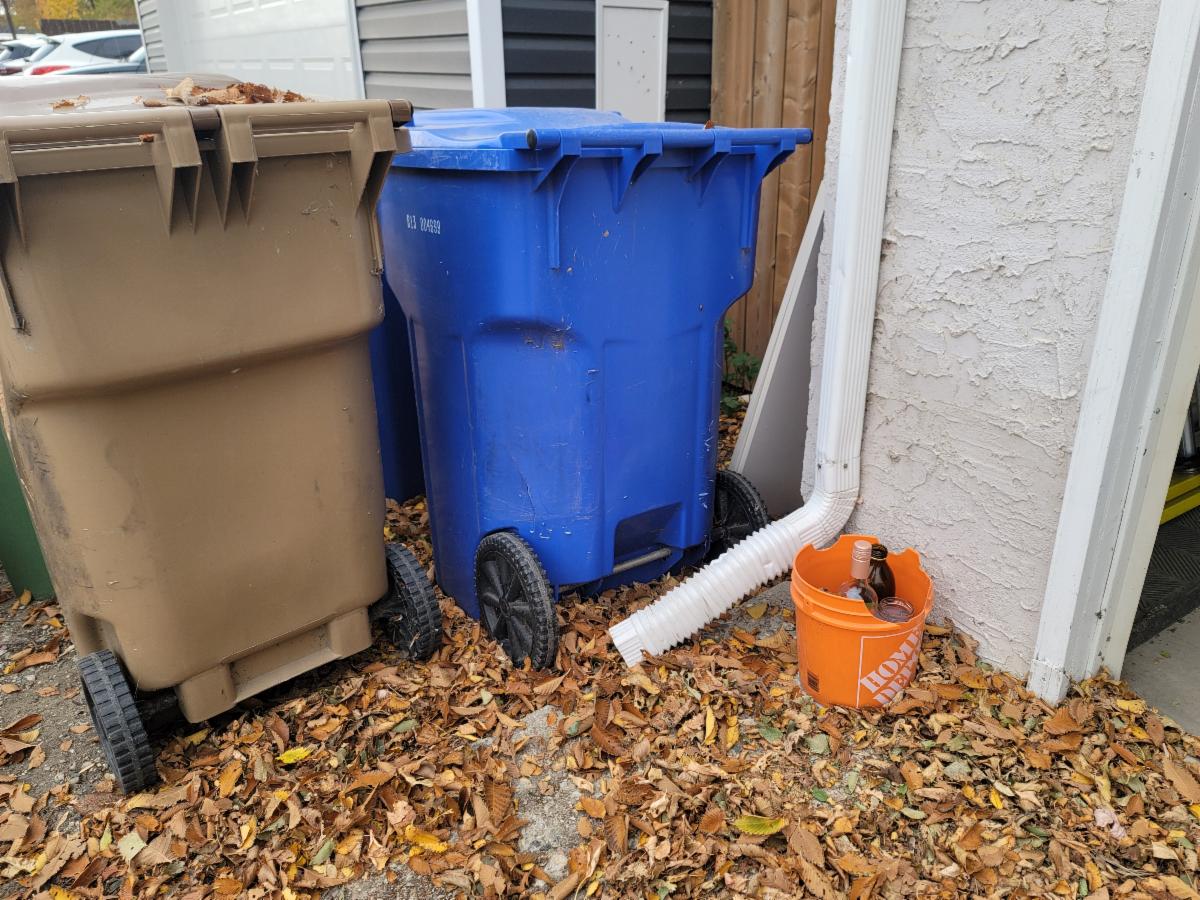
A Simple Fix: A resident in Heritage Neighbourhood puts her recyclables in a bucket for alley pickers. Since she has done that her garbage hasn't been ransacked.
"Live and let live" is a great philosophy. It's all about accepting others as they are and allowing everyone the freedom to live their own lives without unnecessary interference. It can lead to a more harmonious and peaceful world when we all practice tolerance and understanding
| |
|
Taking Ownership: A huge shout out in to this North West resident who decided to plant wildflowers along her back fence and alley. Many times we forget about our alleys but this resident not only made her community better, simple things like this have far reaching effects.
Butterfly pathways and pollinator gardens are vital for supporting local ecosystems, as they provide essential food and habitat for pollinators like butterflies, bees, and other beneficial insects. This simple gesture not only enhances biodiversity but also helps sustain pollination for crops and native plants, which is crucial for a healthy environment. By creating and maintaining these spaces, we can promote a thriving urban ecosystem and contribute to conserving pollinator populations.
| |
You have a story? Let us know, we need to pass on the good news! | |
GET INVOLVED WITH ENVIROCOLLECTIVE | |
Email us at info@envirocollective.ca to learn how you can contribute today! | | |
|
|
EnviroCollective is a non-partisan, judgement free group that is open to everyone.
Email us at info@envirocollective.ca or DM us through our socials Facebook/Instagram @envirocollectiveyqr or Twitter @envirocollect1.
| | | | |