SUMMER 2024 • View email as a webpage. | |
Photo by: Judy Callicoatt | |
|
Michele Campbell, Editor | Todd Williams, Rockwall County Extension Agent
NEWSLETTER CONTRIBUTORS: Lisa Behne, Laura Chaney, Randy Culpepper, Linda Gates, Sarah Lawson, Shelly Spearman, Kim Townsend, Debora Zerneri
| |
Welcome to the Summer EnviroSmart! We’d like to invite you to check out a new feature premiering in this issue: “A Peek in the Garden.” This article is designed to be read to your pre-readers and to be enjoyed by the whole family as you “sneak peeks” into the garden and learn about the magic occurring there every day. Thank you for reading EnviroSmart and have a wonderful summer! | | |
|
HAVE A GARDENING QUESTION? | |
We love to talk plants! Visit our Extension Master Gardeners at the Rockwall County Library the 1st and 3rd Wednesdays of the month from 10am - noon.
Also, find us at the Extension Office every Wednesday from 10am - noon. Call (972) 204-7660 or email us anytime at: rockwallmg@ag.tamu.edu
| |
ASK A MASTER GARDENER
My squash blooms profusely but seldom produces any fruit. What's wrong?
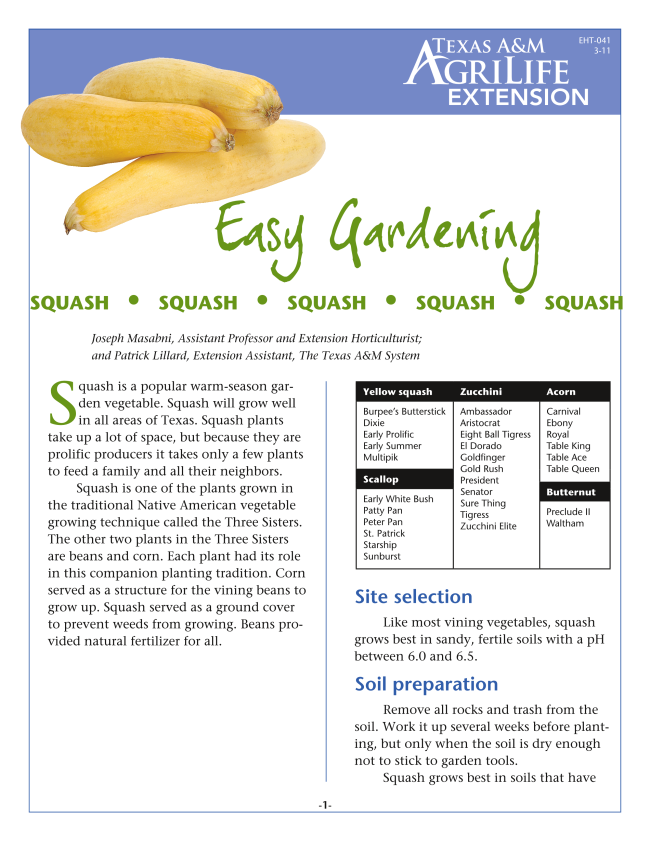
Squash plants produce male and female blooms. For fruit to set, pollen must be transferred from the male to the female bloom. These two types of blossoms are only open and fertile during the early morning hours of each day. Plants rely heavily on pollinators to transfer the pollen. If you don't have enough pollinators in your garden to complete the job you will have to hand pollinate. Either take a paint brush and transfer pollen from the male flower to the female flower or remove a male flower, peel back the petals and transfer pollen to the female flower. Other plants that may benefit from hand pollination include cucumbers, pumpkins, gourds, melons, and zucchini. Read more on how to tell the difference between male and female flowers and tips for hand pollination.
| |
|
We Love Bugs!
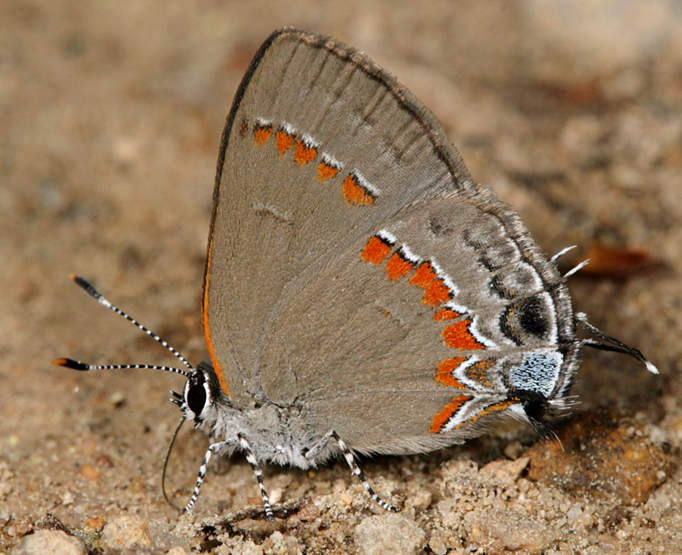
Red-banded Hairstreak Butterfly (Calycopis cecrops)
The Red-banded Hairstreak is found in overgrown fields and woodland edges. They are also easy to find right in our backyards! Adults forage for nectar on a wide variety of flowers. Take a closer look and you will notice the tails on their hind wings with their eyespot resemble a head. This "false head" confuses predators. Adults lay their eggs on the underside of dead leaves on the ground beneath the host plants. Larva feed on the dead and decaying leaf litter and eventually pupate (form a chrysalis) among the leaf litter. Host plants include the fallen leaves/leaf mulch of wax myrtles, oaks, and sumacs. Another reason to leave the leaves in the spring!
| |
|
Kids Activity!
Go on a bug hunt with our Insect Scavenger Hunt worksheet.
| | | |
|
Summer lawn maintenance: Don't let summer melt your lawn.
Seasonal Garden Care
| | |
|
Summertime means a lot of things to a lot of people. Baseball. Going to the lake. Backyard BBQ. There is certainly one thing that everyone can agree upon; and it is that Texas summers get HOT!
To gain the upper hand in your yard, following some basic lawn maintenance tips will arm your yard for the hot weeks and months ahead.
Mowing:
- A sharpened blade will cut a clean edge into the grass blade so that the top of the grass looks green and level.
- Remove no more than 1/3 of the grass blade height with each mowing to avoid scalping the lawn.
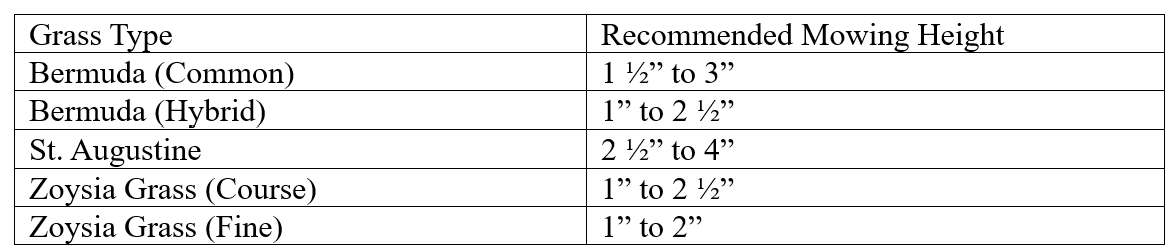
- Mow at the optimal height for your turf type. Lean toward the higher of the recommended mowing heights in the table below to encourage vigorous growth. This will result in a deeper root penetration to combat heat and drought.
| |
|
Fertilizer:
-
In Rockwall County, soils are high in Phosphorus and very low in Nitrogen. Because of this nitrogen deficiency, a high nitrogen fertilizer is usually all that is necessary to supplement your turf throughout the growing season. Have a soil test conducted to confirm your soil composition. For example, 29-0-0 as shown on a fertilizer label.
-
Fertilize every two months to encourage turf growth. HOWEVER, with the abundance of rain throughout this Spring, it is advised to avoid fertilizing St. Augustine or Zoysia grass until early September. With the high moisture content in the soil and air right now, conditions are ripe for grey leaf spot fungus which would be encouraged by adding more Nitrogen into the soil.
Weed Control:
As we move into June, whatever weed seeds are destined to germinate have already taken hold in your soil. Removing weeds at this time of year leaves us with one of two choices, 1) manual extraction, or 2) chemical control.
If you choose the chemical route, use the type of chemical appropriate for your type of weeds.
-
Broadleaf weeds: These are the easiest to kill. A simple broadleaf weed spray (containing 2,4-D) will do. Formulas also exist to spray on crab grass. Take note: if you have a St. Augustine lawn, use the weed control designed for St. Augustine turf.
- Grassy perennial weeds (dallisgrass, Johnson Grass): This type of weed can only be chemically removed by spot-treating a glyphosate-ONLY herbicide (Round Up) directly to the crown of the plant.
Watering:
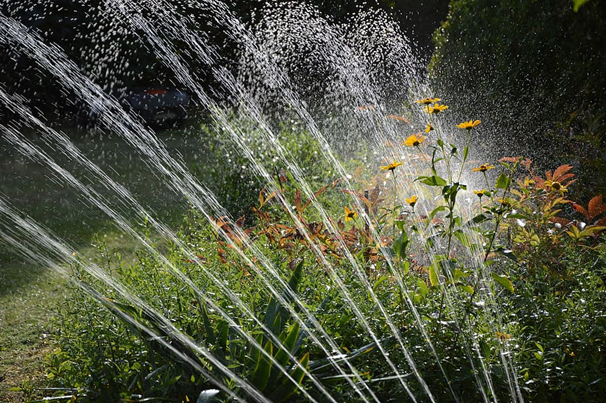
- Watering your lawn too frequently does more harm to the long-term health of the grass. A DEEP watering two days a week will encourage the root system of turf grass to reach deeper and deeper into the soil.
-
The amount of water needed to sustain a healthy lawn is no more than one inch of water per week. This equates to two, ½ inch watering cycles spaced every three or four days (less if it rains).
-
To measure the output of your sprinkler or irrigation system so that you can properly determine HOW LONG to water at each interval, conduct a “catch can test.”
-
Early morning is the best time to water. Wind and temperatures are usually the lowest of the day, and water pressure is generally good. Many municipalities do not allow watering between 10am and 6pm in the summer months. Most of the water cast during the heat of the day is lost to evaporation. Additionally, watering late in the evening or at night causes leaves to remain wet for an extended period of time, which increases the chance for disease.
Following a good lawn maintenance program will encourage a rich, healthy lawn that will shade and choke out the weeds, while reducing the use of water and herbicides. To read more details and tips on maintaining a well-executed lawn management program, go to this article in the Rockwall County Master Gardeners website.
| |
Get ready for a seed swap! | | |
|
Many of our ancestors brought their favorite seeds from across the globe to North America, while Native Americans traded seeds each year to plant in their gardens. Seed saving is a practice that is an important part of agricultural and horticultural heritage worldwide. We are excited to announce that we will be hosting our first community seed swap in 2025 and hope that the following information will give you the tips you need for successful seed saving.
It is best to save seeds from common open pollinated varieties. Open pollinated varieties are fertilized by bees, moths, birds, bats, and even the wind or rain. Seeds from open pollinated varieties will produce offspring with the same characteristics as the parent plant. Avoid saving seeds from hybrid varieties as their seeds will not produce offspring with the same characteristics as the parent plant. Hybrids plants are identified as such on seed packets and on plant labels.
Vegetables recommended for beginner seed savers are open pollinated beans, peas, tomatoes, and lettuce. Flowers recommended for seed saving are typically annuals, as perennials are usually most easily propagated by cuttings or division. Some of the flowers that are popular for seed saving include black-eyed Susan, calendula, foxglove, globe amaranth, marigolds, morning glories, nasturtiums, zinnias, and sunflowers. Popular herbs for seed saving are sage and basil.
Harvest your seeds after seed pods or flower heads have dried on the plant. This ensures that your seeds will reach full maturity. Plants such as lettuce, basil, and sage must be allowed to bolt or “go to seed” before seeds may be collected. Bolting is the production of a flowering stem. If you are unsure where the seeds are located on your plant, a Google or YouTube search will be helpful.
Once you have harvested your seeds, allow them to dry completely then store them in an airtight container. Label your seeds with the name of the plant and date of harvest. For additional information, see Collecting and Storing Seeds from your Garden.
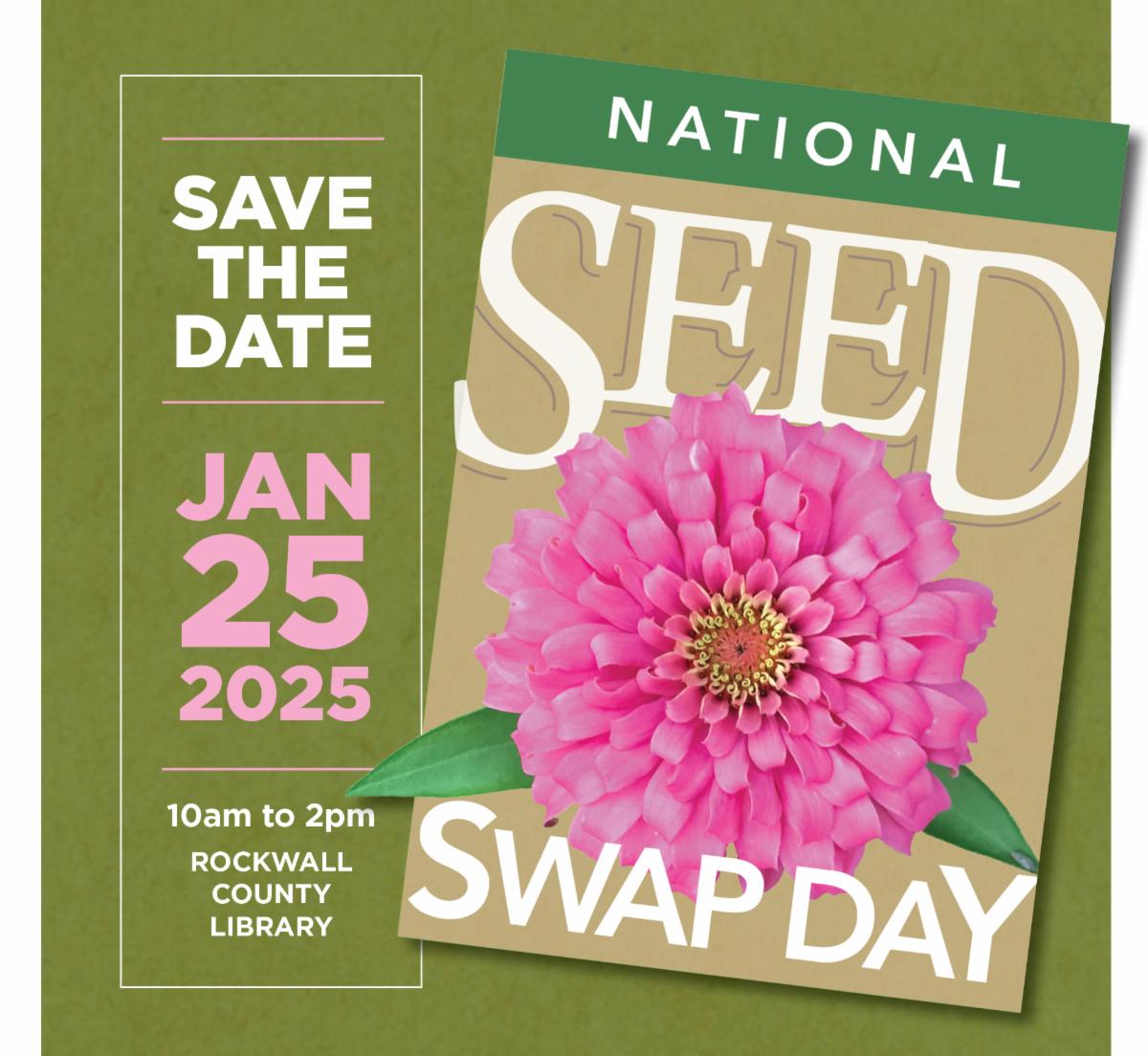
Pick a few of your garden favorites during this growing season and make plans to join in on the fun at our first annual community seed swap on National Seed Swap Day on Saturday, January 25, 2025, in the large meeting room at the Rockwall County Library. You never know what amazing seeds you might go home with!
| |
Is there a fungus among us? | | |
|
If you’re thinking that your turf just doesn’t look healthy after spring green up, now is the time to investigate the cause. It could be cultural practices such as improper fertilizer application, incorrect mowing height, or too much water - which is something we cannot control with all this rain! It could also be a plant pathogen. All this rain creates prime conditions for fungal growth. As we dry out, assess your turf regularly to gauge its health.
Are you seeing a lot of brown spots?
- If you have Bermuda grass it could be Spring Dead Spot, a crown, root, and stolon rot of dormant grass. Although healthy turf will fill in affected areas throughout the summer, disease can develop again the following year in the same areas. For those of you that noticed issues last year this could be a concern that requires replacement. (NOTE: this only occurs on Bermuda grass).
- Do you see distinct patches of brown or tan turf? Most turfgrass varieties are susceptible to common fungal diseases including Pythium blight, Brown patch, and Take-all patch.
- If instead of distinct patches in your turf, you see spots on the individual grass blades, it could be foliar disease caused by fungi including rust, gray leaf spot, and powdery mildew.
Fungicides are available to treat current outbreaks of these diseases or at least prevent further spreading. Fungicides become less effective as the temperature rises. Treat affected areas, as a preventative, in the fall when temperatures are less than 70°F.
If you would like to confirm you have a fungus before applying treatment, there is a test for this! Visit: plantclinic.tamu.edu
Does your turf look off-color or stressed?
- It could be a nutrient imbalance. If it has been more than 3 years since your last soil test, it is time to get this done. For more info visit: soiltesting.tamu.edu.
- If there is not enough nitrogen, your leaf blades will look chlorotic (yellow).
- If there is too much nitrogen, your leaf blades will still be green but may appear to be thinning. Your grass will grow rapidly after mowing but the roots will be shallow.
Be sure to follow the Summer Lawn Maintenance guide provided in this newsletter. Proper watering, mowing height, fertilizer applications, and weed treatments will increase your success of growing and maintaining a healthy lawn. For more information on soil tests or help diagnosing turf issues, contact the Rockwall County Master Gardeners at 972-204-7660 or email pictures and info to rockwallmg@ag.tamu.edu.
| |
|
Summer Vegetable Gardening
with Laura!
| | |
|
We’ve had a great spring, with bountiful rainfall and while we always hope for a mild summer with consistent rain – well I don’t want to jinx it, so let’s expect the hot, dry summers we’ve grown accustomed to! This time of year, early mornings are your friend. In the early mornings harvest veggies and herbs for the best flavor and water plants for best water conservation practices.
June
Seed – Cantaloupe, Cucumber, Eggplant, Okra, Watermelon
Transplant – Cucumber, Eggplant, Peppers, Tomatoes
July
Seed – Beans (pole, bush), Black-eyed Peas, Cantaloupe, Corn, Cucumber, Eggplant, Okra, Potatoes, Pumpkins, Southern Peas, Summer Squash, Watermelon, Winter Squash, Zucchini
Transplant – Cucumber, Eggplant, Okra, Peppers, Pumpkins, Tomatoes, Winter Squash
Indoors* – Broccoli, Brussels Sprouts, Cabbage, Cauliflower, Greens (Collard, Mustard), Peppers, Spinach, Tomatoes
August
Seed – Beans (pole, bush), Black-eyed Peas, Corn, Cucumber, Potatoes, Pumpkins, Southern Peas, Summer Squash, Winter Squash, Zucchini
Transplant – Cucumber, Okra, Pumpkins, Tomatoes, Winter Squash
Indoors* – Broccoli, Brussels Sprouts, Cabbage, Cauliflower, Greens (Collard, Mustard), Peppers, Spinach, Tomatoes
*Start vegetables by seed indoors and you’ll be ready with transplants in the fall!
Herbs
I’d like to highlight three herbs that have a few things in common – They are all grown primarily to harvest their roots/rhizomes, they aren’t found in a typical herb garden, and (most importantly for this season) they love HEAT! Out of guesses?
Let’s talk about Horseradish, Turmeric and Ginger! All three of these plants are easily propagated with a section of root or rhizome. You can even propagate with those available in grocery stores! However, with Ginger and Turmeric, if the eye buds are present, wash them well or soak them to remove possible growth retardant applied by the grower.
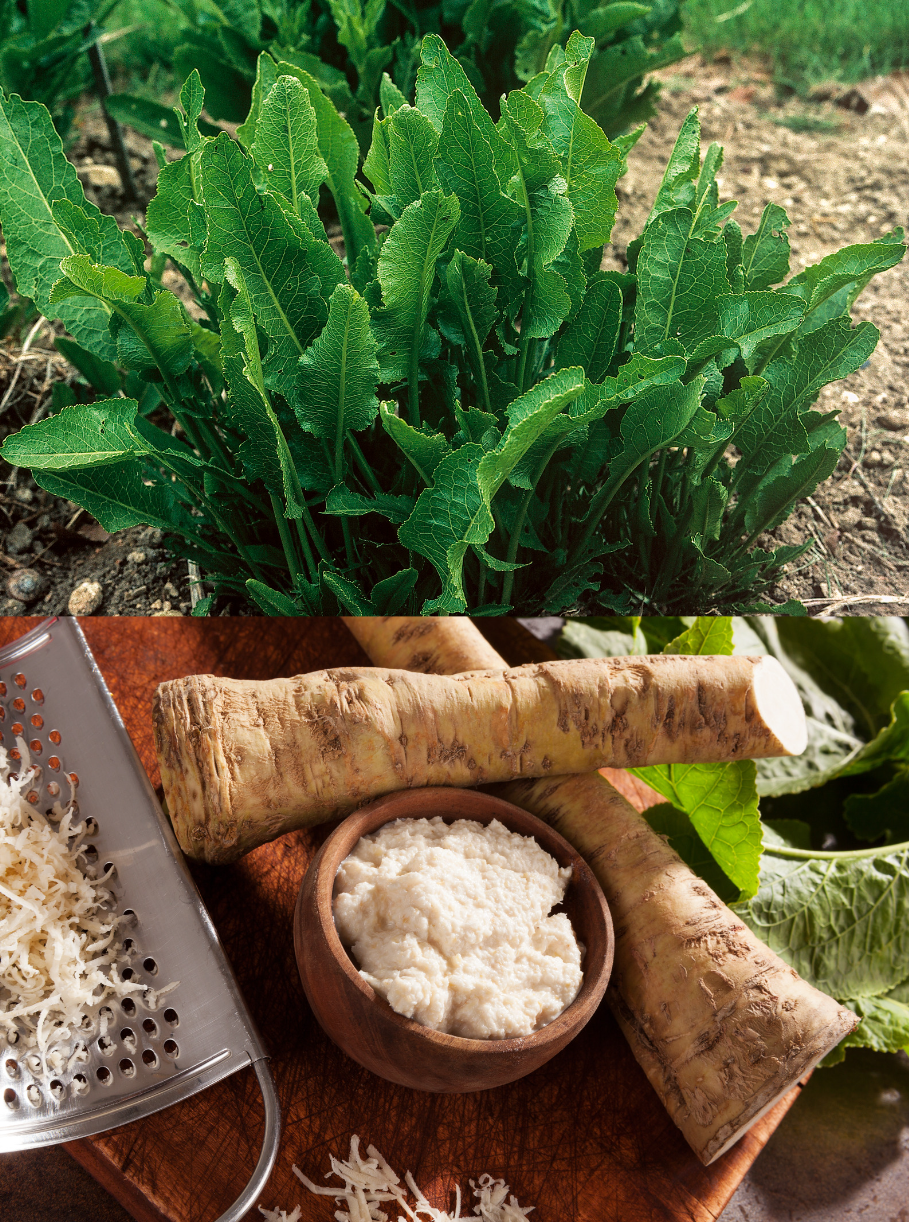
Horseradish root is planted vertically, with the top of the root 2 inches below the soil surface. You can fit about 3 small root sections in a 12 in pot. While horseradish is a perennial and will go dormant after the first frost – be warned it can overtake an area and be hard to get rid of. Growing in large pots will keep it under control. For the most kick in flavor, harvest after the first frost when the leaves have died back. Peel the root and finely grate into mayo or mustard of choice. Store roots in a cool, dark place.
Turmeric and Ginger rhizomes are planted horizontally, with buds facing upwards about 2 to 4 inches deep and 6 to 8 inches apart. The roots don’t extend very deep, so a container that is wider for the rhizome to spread is ideal. I use squat quarter wine barrel containers or wood boxes. Until new growth appears, water when soil is dry to prevent rot. After new growth appears, keep soil moist but not wet. Turmeric and Ginger are tropical plants and will not survive our winters. They can also take up to 10 months to get a good harvest, so luckily, they make beautiful houseplants in a sunny location! When temperatures remain above 60°F, the pots can be outside.
To learn more about culinary herbs, attend my FREE class on June 27th at the Rockwall County Library.
| |
|
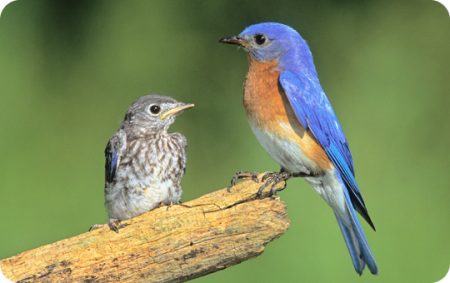
The garden was in a hubbub! Bees buzzed busily about the blooms of colorful, happy flowers while butterflies joined them in celebration of Baby Blue, the last baby bluebird to make his fledgling flight, following his four brothers and sisters. Now, he could explore the mysterious garden-world he had gazed at and wondered about from his high perch in the cozy family bluebird box.
Baby Blue hopped happily around curiously nudging and pecking all that he encountered. He received welcomes from the busy bees who were dipping down into brightly colored flower blooms. When they buzzed out, they were coated with a golden powder. But Why are they doing that? Baby Blue wondered. And the butterflies! They were like beautiful floating blossoms circling about as they looked down at the brightly colored nectar flowers. And once again, the fledgling wondered Why?
So, Baby Blue asked one of the busy bees, “What are you doing?” And the bee buzzingly responded, “I’m dining on the sweet nectar and taking some back to my hive to make honey!” “But what is that powder covering your legs?” the very curious Baby Blue asked. “It’s pollen from the flower,” said the bee, “we use it to make a food called royal jelly.” Baby Blue, being new to this garden-world, still had questions! He asked the colorful butterfly hovering over the flowers what he was looking for. “I’m looking for my favorite blossoms,” he said. “I sip nectar from them. It is very tasty!”
About this time, Baby Blue was thinking that flowers in the garden have a lot of jobs. They look bright, happy, and colorful, they smell good, and they provide food for bees and butterflies. That is a lot of work! And speaking of food, Baby Blue suddenly realized he was hungry. So, since it would take him a few weeks to learn to hunt and find his own food, he did what all young, fledgling bluebirds do. He called for mama bluebird to feed him. And swoop! There she was. (Parent bluebirds keep a close eye on their fledglings.) Mama bluebird had a beak full of tiny, tasty mealworms. Baby Blue gobbled them up and with a full birdy belly, he felt quite content. So, he hopped into the cozy, low branches of a sun-dappled butterfly bush, and fell asleep to the soft drone of the busy bees.
| |
Learning Questions
What is a fledgling?
What did Baby Blue learn about the importance of flowers?
What is Baby Blue’s favorite food?
Try these Crafty Ideas!
| |
| |
|
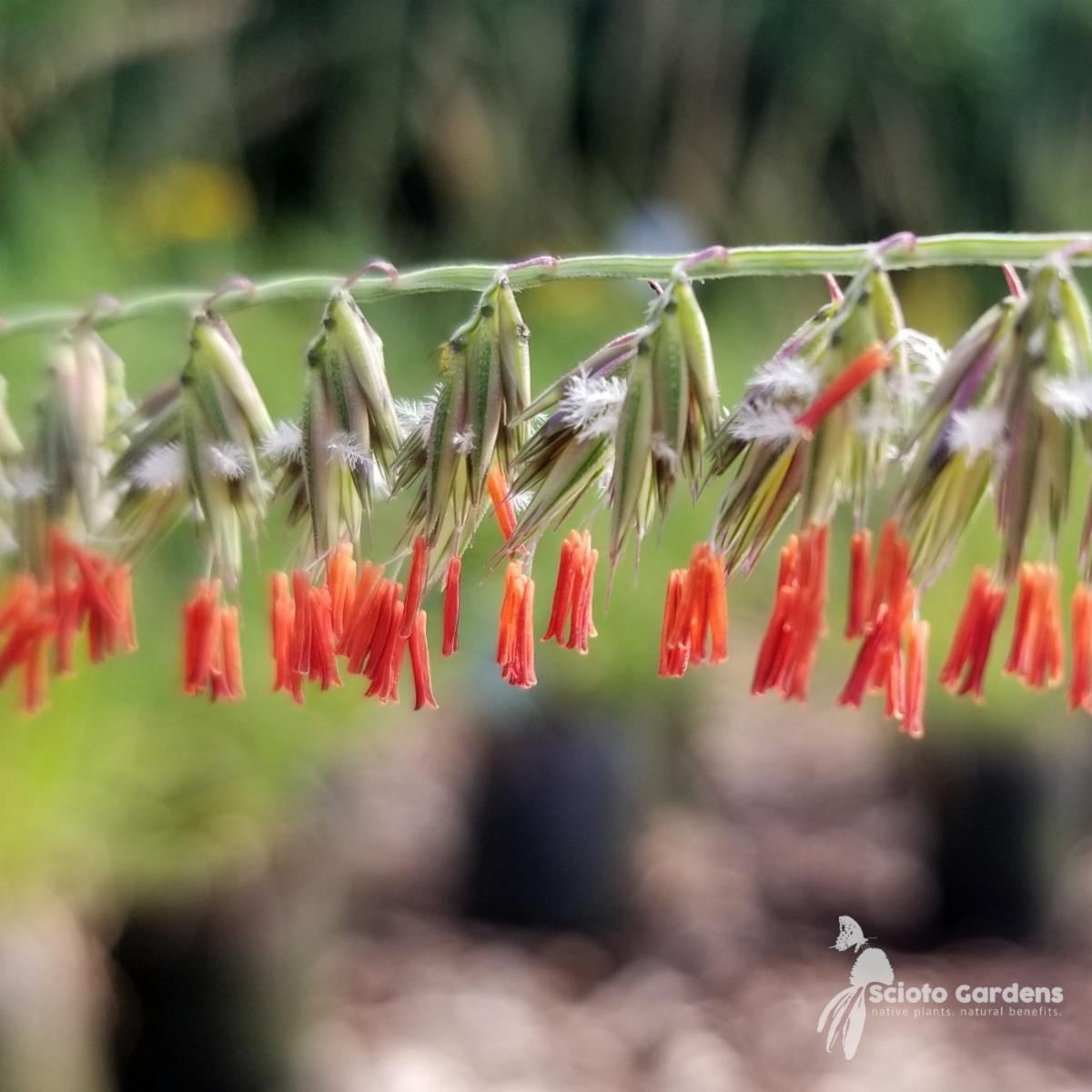
In 1971 Sideoats Grama (Bouteloua curtipendula) was named the State Grass of Texas. It is a warm season grass growing from July to September. Sideoats grama, is a medium-size perennial bunchgrass, growing 15 to 30 inches tall. It is a rarity among native grasses in the way that it sports its tiny attractive flowers from June to November. Sideoats grama features small showy red, purple or orange flowers that bloom in a large cluster. The fruit resembles oat seed and hangs on one side of the stem. Since this grass reseeds itself, it has been used to replenish depleted rangelands. It is cited as a food source or larval host for at least five types of skipper butterflies. The ball sized clumps also make excellent nesting cover for quail. | |
In Memory of RCMG Glenn Stinson | | |
Glenn Stinson achieved the status of Texas Master Gardener in 2002. His deep love for gardening and commitment to education were evident in all he did for the Rockwall County Master Gardener program. He often discussed vegetable gardening and the art of composting. We are all very fond of his clever trick for remembering how to compost and have shared one of his past articles below: | |
|
It's easy to set up a composting procedure if you use the BGPAW ("Big Paw") method. Look at the five fingers of your left hand. Starting with the thumb, label each of your fingers with the letters "B", "G", "P", "A" and "W".
B = Brown (carbon-based material) dead leaves, straw, shredded paper, etc.
G = Green (nitrogen-based material) fresh grass clippings, nitrogen fertilizer, etc.
P = Pulverize; mulch it up with a bagger mower.
A = Aerate; turn the pile or tumbler at least twice a week.
W = Water; keep the pile moist but not too wet.
Now, look at the five fingers of your right hand. What is the color of a Gardener's thumb? Green. So the ratio
of brown to green is 4:1. Using the BGPAW procedure, you can be successful with your composting.
| |
Left to right: Sharon N., Glenn Stinson, Carole F., Michele C., Geri A., and Gerald H. photographed at the Rockwall County Discovery Garden. | | |
|
|
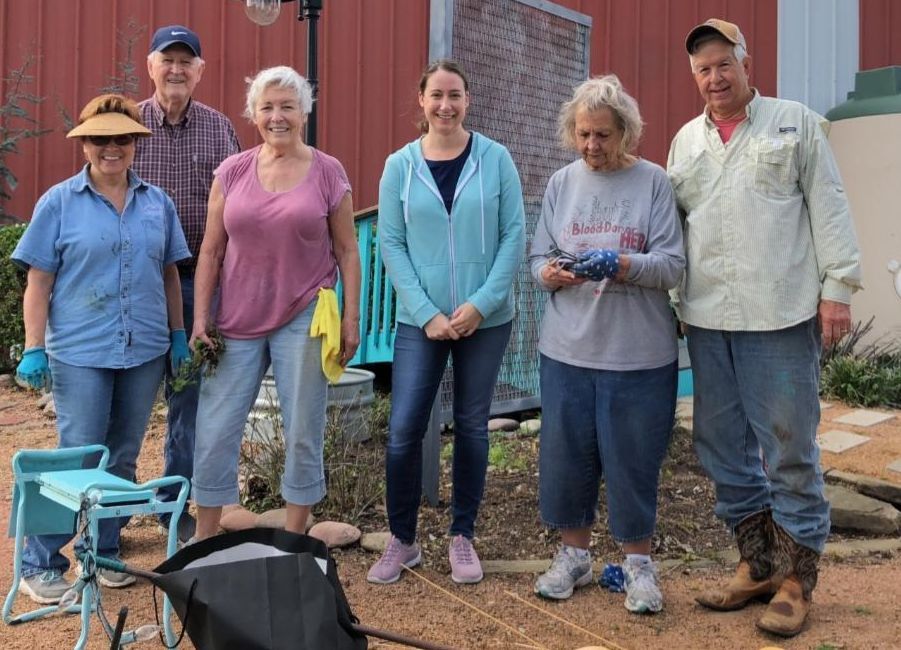
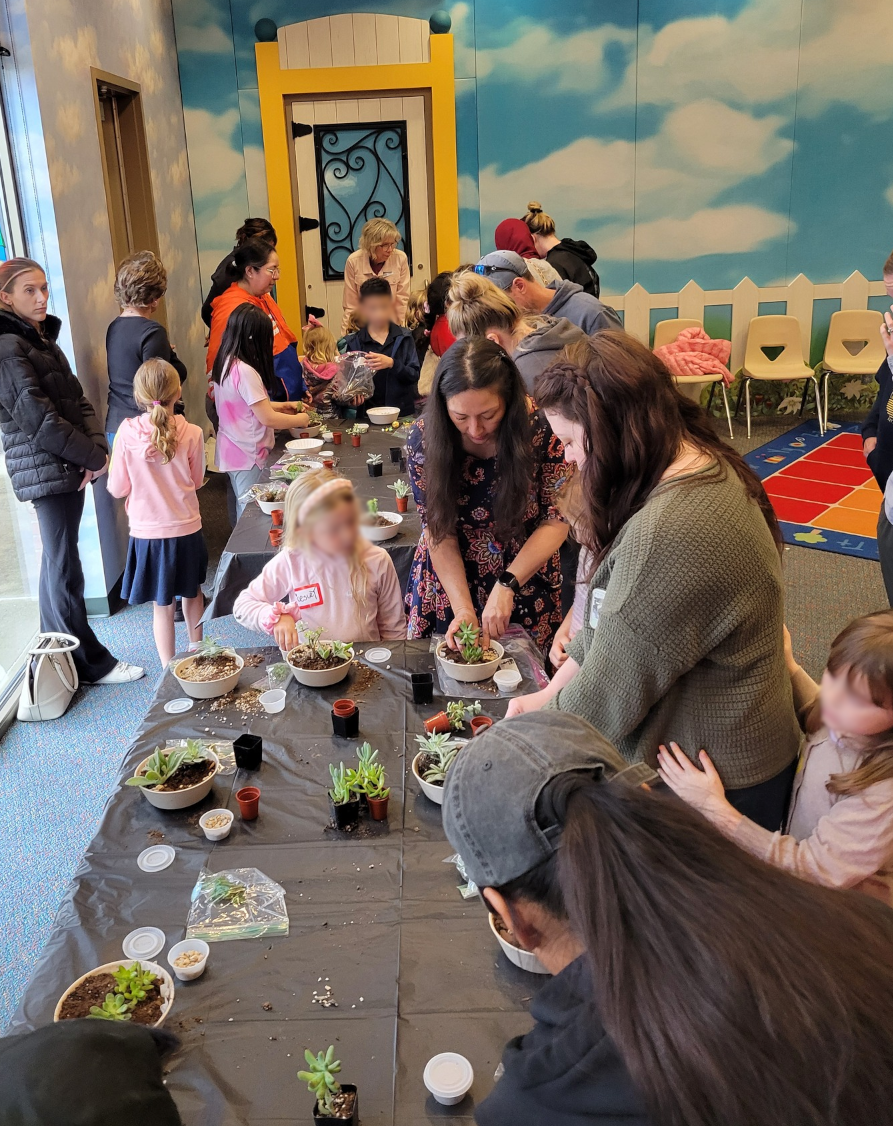
The Extension Master Gardener program is focused on educating and providing research-based horticultural information to the community. This spring we enjoyed visiting with Rockwall's youth, adult and senior populations:
Ask a Master Gardener Hotline & Library
Texas Native Plants Class
Rock Ridge Assisted Living & RC Medical Lodge
Youth Fairy Garden and Worm Compost Class
Container Gardening @ Ladera Community
Rockwall Library Community Spring Festival
Heart of Heath 5K and Fun Run
Cut Flower Garden Class
Rockwall Newcomers
Spring Plant Sale
Gardening with Herbs Class
Ark Preschool 'Jungle Bugs'
Farmer's Market
Royse City ISD Ag Days
Dobbs Elementary GOLD
| |
| During the summer months, North Texas lawns need how much water per week to remain healthy? | | | |
In our last issue we asked how far out from a tree trunk do tree roots grow? 35% of respondents answered correctly - Roots grow one to two times the height of a tree out from the trunk in all directions! Use the mature height of a tree to determine the best planting locations. Irrigate trees at the drip line (the outer edge of the tree canopy) and not around the trunk. | |
|
Master SNAPS!
Photos from Rockwall County Extension Master Gardeners
| |
|
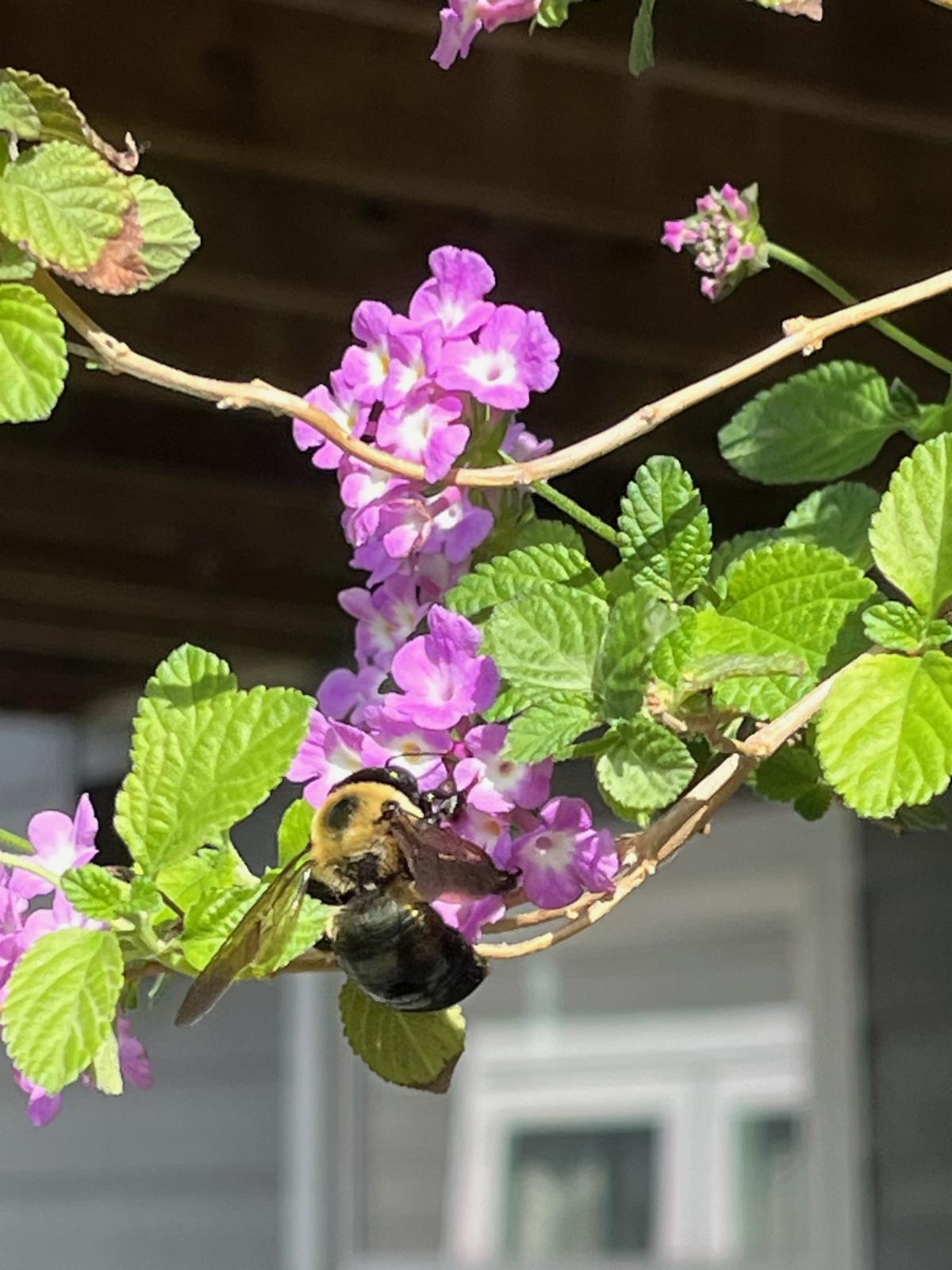
Carpenter bee
-Victoria Parillo
| |
|
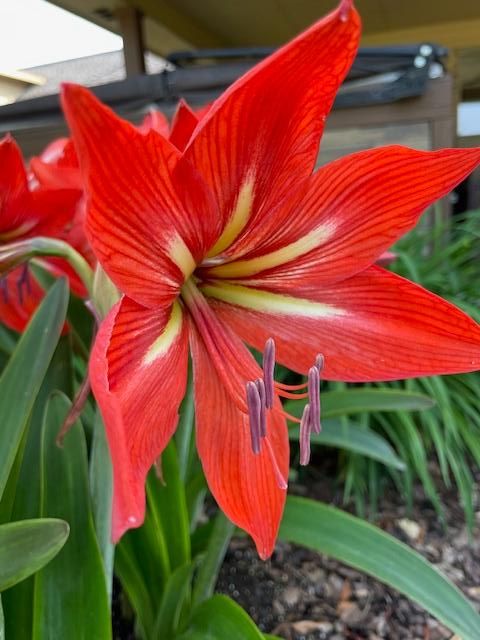
Amaryllis flower
-Elenor Mason
| |
|
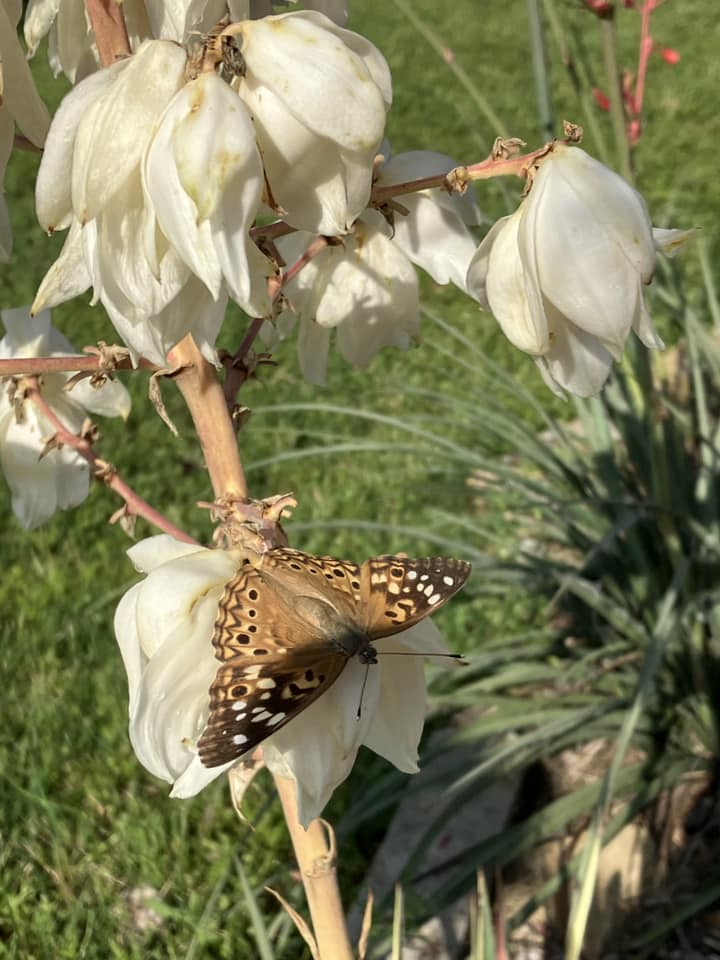
Hackberry Emperor butterfly
-Debora Zerneri
| |
Please take our short survey to help improve our educational outreach. | |
EnviroSmart is published by: Rockwall County Master Gardener Association part of Texas A&M AgriLife Extension Service, the Texas A&M University System. The information given herein is for education purposes only. Reference to commercial products or trade names is made with the understanding that no discrimination is intended and no endorsement by Texas A&M AgriLife Extension is implied. | |  |
|
Todd Williams - County Extension Agent
Ag/ Natural Resources
972-204-7660
tk-williams@tamu.edu
Texas A&M AgriLife Extension provides equal opportunities in its programs and employment to all persons, regardless of race, color, sex, religion, national origin, disability, age, genetic information, veteran status, sexual orientation or gender identity. The Texas A&M University System, U.S. Department of Agriculture, and the County of Commissioners Courts of Texas Cooperating.
| | | | |