|
WINTER 2023 DECEMBER | JANUARY | FEBRUARY
| | |
|
Featured Texas Superstar®
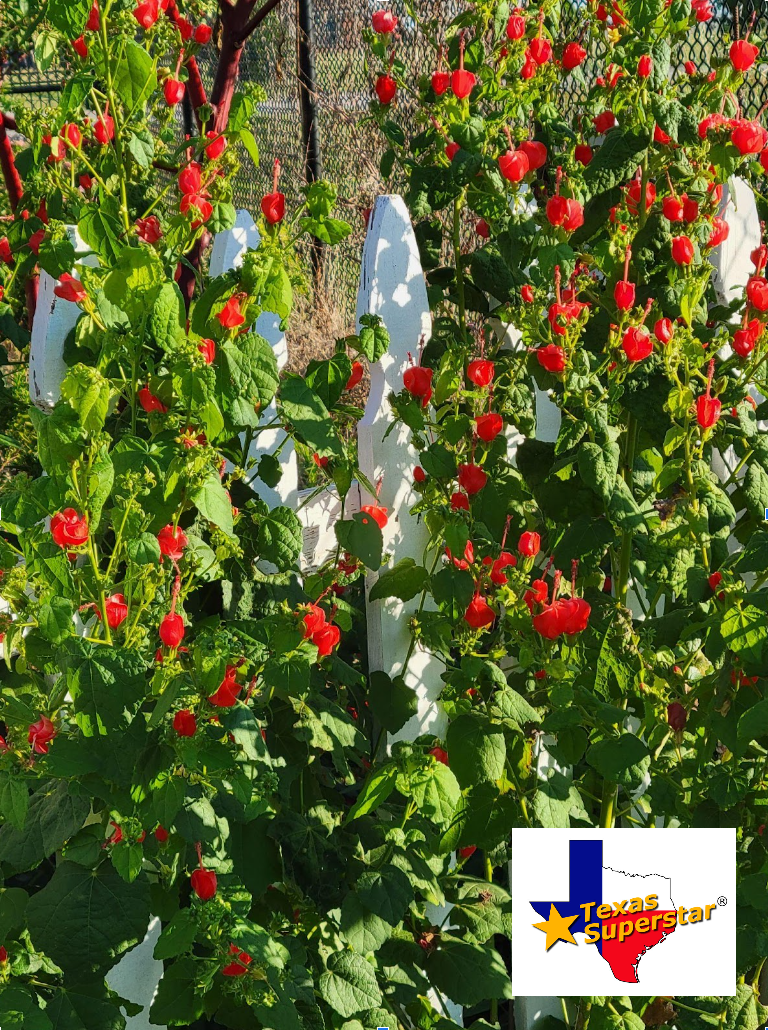
Turk's Cap
Malvaviscus arboreus var. drummondii
The Texas Superstar program began in 1989 with the purpose of promoting plants to Texas gardeners that would assist them with gardening successfully. Turk's Cap was added to the Texas Superstar list in 2011 and is a perennial that grows well in shade and sun. The Turk's Cap (pictured) in our Discovery Garden thrives and blooms profusely with very little attention.
| |
Composting: Using the results of your labor | | |
|
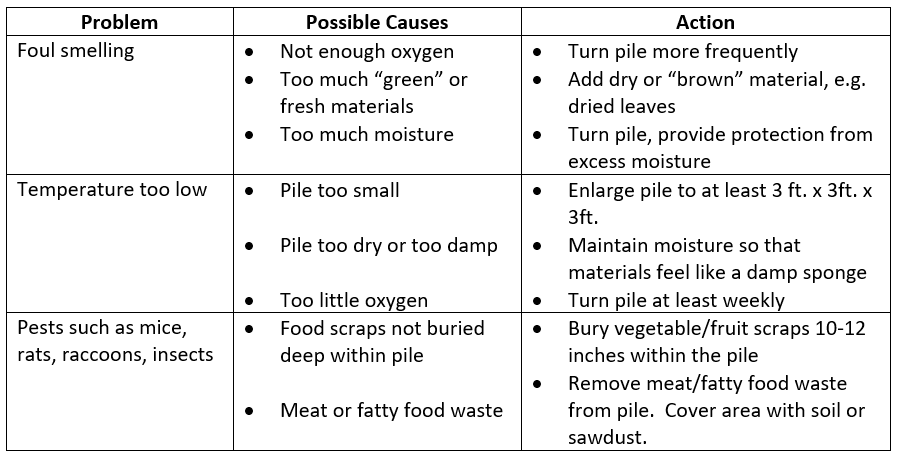
In the last of this series, questions about determining compost readiness, how to use the compost, and common problems and solutions will be answered.
When is the compost “ready”?
Key characteristics of the compost and compost pile will indicate readiness for use.
The compost pile will:
- Have shrunk in size by one-half
- Return to normal temperature after turning
- Be moist, but not wet
The compost will:
- Be a uniform, dark brown color, and crumbly
- Not look like original composting materials
- Have a pleasant, earthy smell
Once the compost and compost pile display the above characteristics let the compost cure for 2-4 weeks. Do not add materials to the curing pile. Using compost before it is fully cured can harm plants, as the roots and compost vie for nitrogen/other nutrients. Verify that the compost is adequately “cured” by sowing radish seeds in a flowerpot filled with compost. If 75% of radish seeds sprout, the compost is ready for use.
What are the best ways to use compost?
Cured compost, or humus, is good for use in flower beds, vegetable gardens, on lawns and with potted plants. Compost will serve as a slow-release fertilizer when worked into the soil. In addition, it will improve sandy soil by helping hold water and nutrients and help clay soil drain better. Compost also attracts earthworms, further improving soil conditions.
In flower beds and gardens, mix 1-2 inches of compost into the top 6-8 inches of soil of the entire planting area. Do NOT put humus directly into planting holes. Humus, if not mixed into the soil, acts like a sponge, soaking up the water, robbing new plants of the water needed to become established.
In turf or lawn areas, work compost into the soil prior to planting a new lawn or as top-dressing on established lawns. With potted plants mix 1 inch of compost into the pot’s soil twice a year. When making potting mix, use one-third humus with the other parts such as sand and milled pine bark.
Enjoy using the compost, the fruit of your labor!
How to manage common compost pile problems?
|  |
|
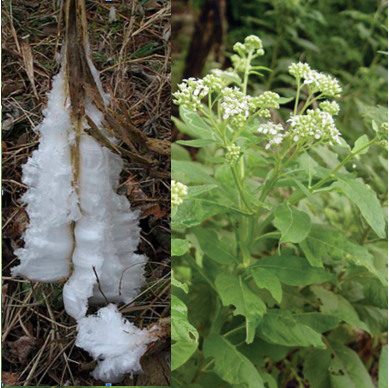 |  | One reason to look forward to that first frost is a chance to see “frost flowers” or crystallofolia (delicate ice formations that form from water emitted along a stem). Looking like spun glass or cotton candy, these are not really flowers at all. Frost flowers form only when the ground temperature is warm enough for the plant's root system to be active and the air temperature is cold enough to freeze the upward-flowing plant juices. The freezing juices may split open a whole section of stem and push out in a side-curling sheet, or it may emerge from small slits and form long, ribbonlike strands or flowerlike clusters. Only a few species of plants are capable of producing these icy creations. Verbesina virginica (frostweed or crownbeard) is a species of flowering plant in the family Asteraceae. It commonly occurs in the moist, shaded soil of river and creek bottoms and forms heavy undergrowths in the shade of large trees. If you want to enjoy the frost flowers in person this year, locate some of the frostweed plants before cold weather arrives. Then, on that first morning when the temperatures dip below freezing, go back to see if frost flowers are “blooming.” Take along your camera!
| |
|
Want to “Save the Bees” but don’t want to maintain a beehive in your backyard…try a few basic gardening practices to save the native bees!
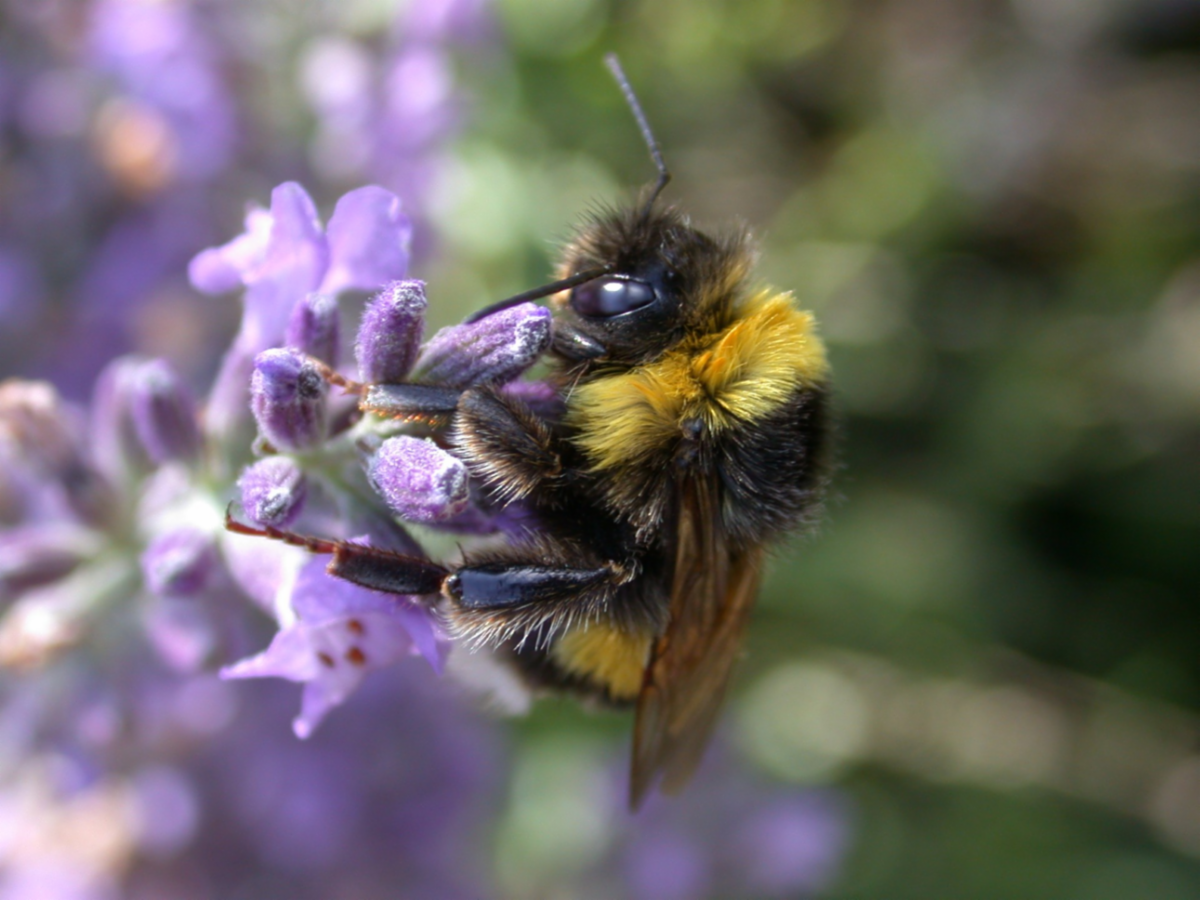
Texas is home to over 800 species of native bees! This includes bumble bees, carpenter bees, mason bees, sweat bees, leaf cutter bees and mining bees. They are the primary pollinators of native plants and have proven to be more efficient and effective pollinators than honeybees for such agricultural crops as blueberries, pumpkins, squash, watermelons and tomatoes.
You can easily support native bee populations in your landscape by planting a variety of native wildflowers and perennials. In addition, provide mulch free areas in your yard for ground nesting bees, and leave dormant plants (resist the urge to prune in the winter) for dead wood nesting bees. Leaf litter, twigs and tall grassy areas also provide homes for nesting bees and other pollinators.
The bumble bee population each spring/summer is dependent on the ability of an independent queen bee to survive winter. She hibernates by herself, burrowing several inches down into the ground. If she survives predators, pests, and inclement weather she will emerge in the spring and collect pollen and nectar to transport back to her nest. Bumble bees are ground-nesters among tall grass and will occupy previously excavated cavities. They will not excavate their own nest site. Some preferred bumble bee nest sites are rodent burrows and overturned pots. After finding a nesting site she will lay her first eggs of the season. Bumble bees only collect enough nectar to last a few days at a time. They do not convert the nectar into honey and therefore rely heavily on early blooming spring flowers and the succession of blooms in the surrounding area from spring to fall. Bumble bees will continue to forage at temperatures as low as 45°F. Making them one of the first bees you will see on chilly spring mornings.
Mason bees are major pollinators of orchards and commercial crops. They nest beneath rock and bark crevices, in the hollow stems of pithy twigs or in tunnels formed by wood-boring insects.
The leafcutter bee is an important pollinator of alfalfa, blueberries, cranberries, and native plants. They nest in tunnels made by wood-boring insects and use circular sections cut from the edges of leaves to line their brood cells.
Sweat bees are major pollinators of wildflowers and commercial crops, such as stone fruits and sunflowers. They are ground nesters, but some will nest in rotting wood.
Habitat conservation is at the center of native bee population growth and survival. Keep your landscape as natural as you can and in the winter offer nesting sites in mulch free soil, leaf litter, rocks, unmown grass, and the hollow stems of dormant perennials. Plant native plants, as these will flower in time with the emergence of native bees in the early spring. You may get lucky one spring morning and witness a queen bumble bee stumble out of the ground after hibernating all winter. She will quickly set off to gather nectar and pollen from native plants nearby. Read more: Native Bees of Texas
| |
Gift Guide for the Gardener | | |
|
This time of year, there’s so many gift buying occasions from December holidays through Valentines Day. What do you get for the gardener in your life? Or as a gardener – what do you say when you’re asked what you need? We have compiled a list of unique gifts that any gardener would LOVE. You can find them at your favorite hardware store or garden retailer:
- Gorilla Poly Dump Cart – easy to pull and maneuver even when loaded full. The amount of weight these can carry is impressive! Also has a lever action dumping feature to dump soil or landscape materials.
- Soil knife, also known as a Hori Hori Garden knife – These garden knives are marked on the blade to measure depth and are a strong, multi-purpose tool to have around. You can use them to dig up root vegetables, get tough weeds out and plant transplants quickly.
- Ratchet Lopper – prune and cut through limbs like butter! Clean cuts help preserve the health of the plant and limit stress at pruning.
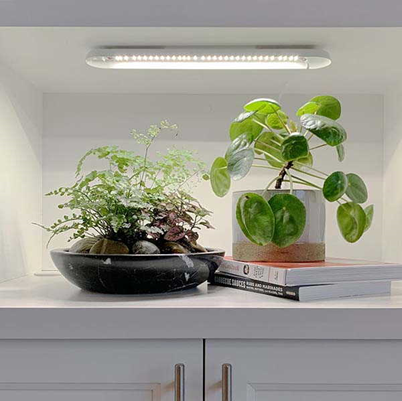
- Grow lights – there are some amazing LED grow lights available that are very affordable. They don’t draw as much electricity, nor add too much heat in your house or garage compared to HPS grow lights.
- Auger Drill Bit – attached to your household drill, these augers dig holes for transplants or bulbs in a snap with very little effort. Perfect for the gardener who wants to plant quickly without too much strain on the body.
- Grampa’s Weeder Weed Puller – speaking of working without too much strain on your body, this weed puller is magic! Invented a hundred years ago, it has steel gripping prongs and foot lever to effortlessly pull weeds, roots and all! You don’t have to bend over or even touch the prickly weeds. I was skeptical when it was given to me, so the first time I tested it on a spiny thistle with an 8-inch root out of hard clay soil. This weed had been stubbornly regrowing in the path for years! It’s now my favorite tool.
| |
|
Winter Vegetable Gardening
with Laura!
| | |
|
While there are veggies that will tolerate frost, there’s also PLENTY of garden projects you can accomplish in this “off season”:
-
Get a soil test and start improving your soil. A soil test is recommended to be done every few years and reveals exactly what your soil needs so you aren’t harming your soil with unnecessary treatments. Information on getting a soil test can be found here.
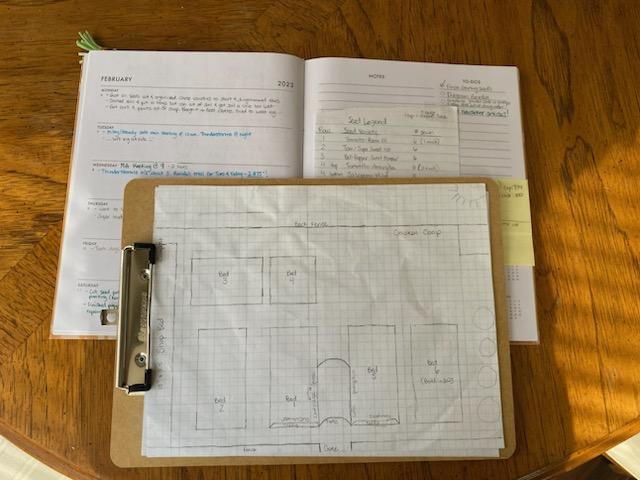
- Start a garden planner! Map out your year of not only when to plant, but also routine maintenance or pruning that needs to be done. Refer to it throughout the year and add to it as a journal of your successes, failures and even weather conditions!
- Diagram your garden – measure each planting area and draw a planting map. Graph paper comes in handy to get the scale right. This helps you plan where you’ll plant and how much room you have to work with.
- After planning, start ordering your seeds! Spring fever hits early and many heirloom seeds have a limited supply!
- Tackle those building projects! We all need more sunshine in the winter, and I prefer working on a mild winter day as opposed to the heat of summer. Fence out the bunnies, build new raised beds or a compost area. I plan on building hanging boxes for a vertical herb garden with cedar planks.
- Set up an indoor seed starting station to grow your own transplants. I have a small wire utility shelf that I have hung grow lights on the underside of each shelf for separate seed trays.
December
Transplant – Broccoli, Brussels Sprouts, Cauliflower, Collard, Mustard, Kale, Lettuce, Spinach, Swiss Chard
January
Seed Outdoors – Spinach, Swiss Chard
Seed Indoors – Broccoli, Brussels Sprouts, Cabbage, Cauliflower, Collard, Mustard, Eggplant*, Kale, Leeks, Lettuce, Peppers*, Spinach, Swiss Chard, Tomatoes*
Transplant – Onions
February
Seed Outdoors – Carrots, Cauliflower, Collard, Mustard, Leeks, Lettuce, Spinach, Swiss Chard
Seed Indoors – Eggplant*, Peppers*, Tomatoes*
Transplant – Asparagus Crowns, Broccoli, Brussels Sprouts, Cabbage, Cauliflower, Collard, Mustard, Kale, Lettuce, Potatoes, Spinach, Swiss Chard
* transplant after all danger of frost has passed.
Herbs
If you want fresh pesto, you’ll have to wait till spring or grow your basil indoors – there’s plenty of herbs to feed your soul through winter. A few of my favorites are: Thyme, Chives, Rosemary, Mint, Oregano, Lemon Balm, Sorrel, Chervil and Sage. There’s nothing like a few fresh peppermint leaves in a cup of hot cocoa! Add leaves when the cocoa is too hot to drink and stir them around a minute and remove. Most of these herbs are hardy in our normal mild winters, however if we get a harsh winter storm, the more tender plants like thyme, sage, oregano, mint, etc. may need some protection. Either cover them or if in pots bring inside. The plants themselves may survive and regrow from the roots, but to use them all winter they may need more protection above ground.
| |
|
PLANT
- Seeds and bulbs for spring flowers.
- Cool season annuals like pansies, snapdragons, and pinks.
- Roses, both bare rooted and container grown.
- Trees and shrubs. Also, relocate established trees and shrubs.
FERTILIZE
- Vegetables with fish emulsion or water-soluble fertilizer every two weeks.
- Winter color annuals.
PRUNE
- Rose bushes after February 14th
- Perennials to 2-4 inches above ground and ornamental grasses 6-10 inches above ground - in February.
-
Trees and shrubs. Prune oak trees before February to reduce the spread of oak wilt.
- Do not "top" crape myrtles.
- Do not prune hydrangeas that bloom on old wood (last years growth).
TASKS
- Clean and oil garden tools.
- Water if needed. Check the soil moisture several inches below the surface.
- Turn off sprinklers and use on manual mode.
- Locate or purchase freeze cloths.
- Cover plants and and outdoor faucets during freeze.
- Water plants well the day before freezing.
- Replenish mulch in flower beds and containers with a 2-inch layer.
- Turn compost beds and apply thin layers to vegetable beds and new plants.
- Clean out diseased or dead plant matter.
- Soil test before spring planting.
Plan additions to your landscape. Winter is the time for dreaming!
| |
|
Master SNAPS!
Photos from Rockwall County Extension Master Gardeners
| |
|
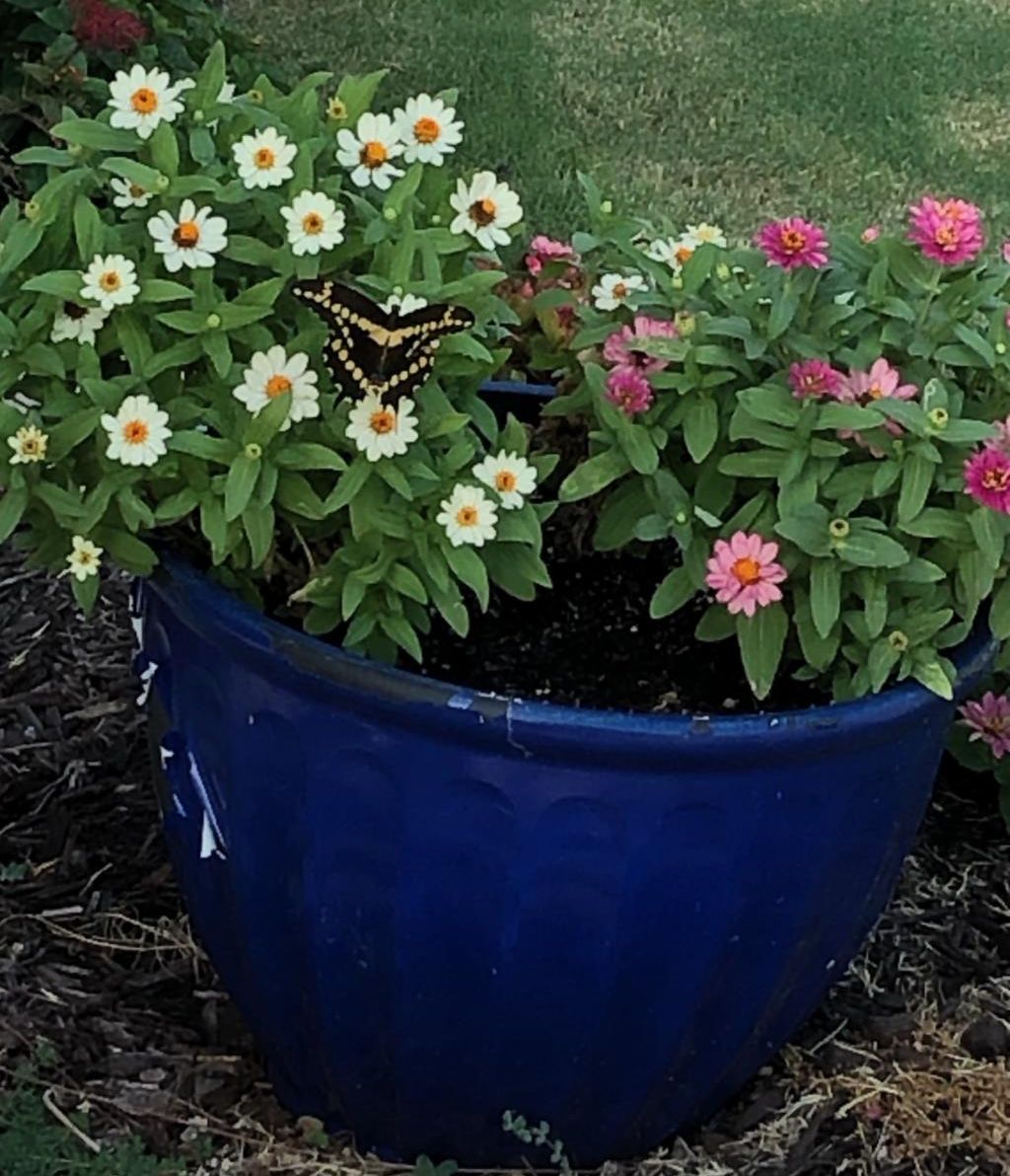
Giant Swallowtail butterflies visiting my zinnias.
-Judy C.
| |
|
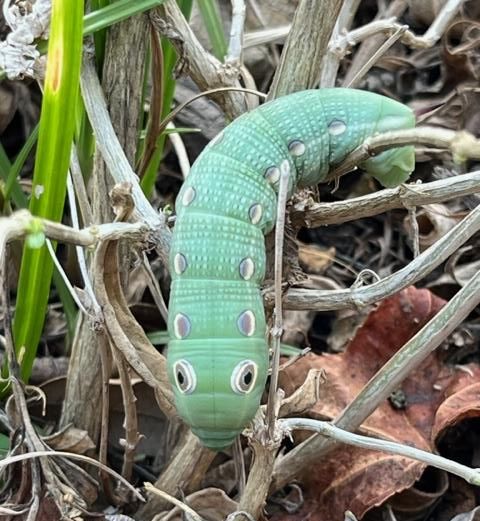
Tersa Sphinx caterpillar dining on my Pentas.
-Victoria P.
| |
|
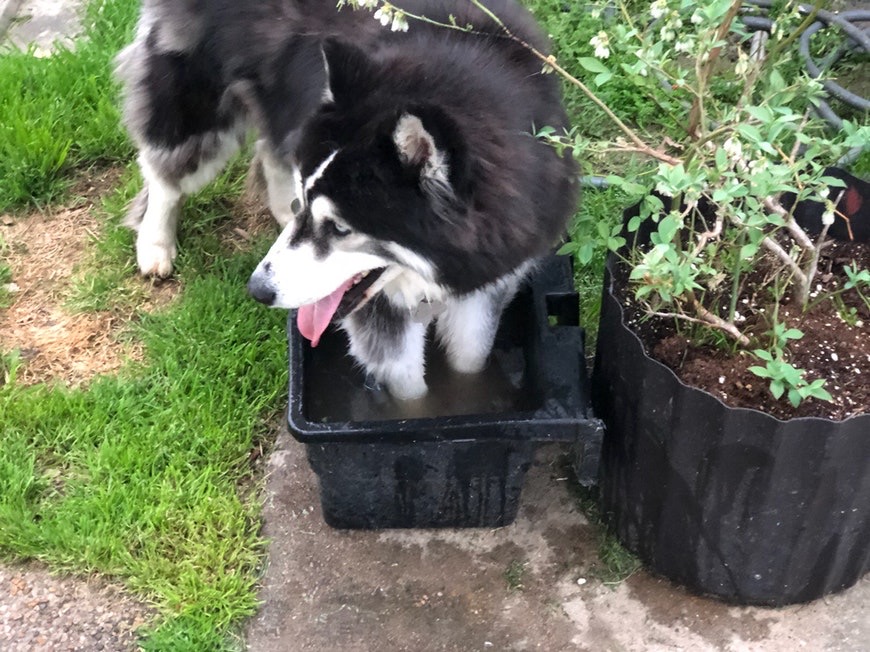
I grow plants and dogs! Gardening with Krue, my Malamute mix.
-Mary G.
| |
| Soil is alive! A single teaspoon of healthy soil can contain how many living organisms? | | | |
EnviroSmart is published by: Rockwall County Master Gardener Association part of Texas A&M AgriLife Extension Service, the Texas A&M University System. The information given herein is for education purposes only. Reference to commercial products or trade names is made with the understanding that no discrimination is intended and no endorsement by Texas A&M AgriLife Extension is implied. | |  |
|
Todd Williams - County Extension Agent
Ag/ Natural Resources
972-204-7660
tk-williams@tamu.edu
Texas A&M AgriLife Extension provides equal opportunities in its programs and employment to all persons, regardless of race, color, sex, religion, national origin, disability, age, genetic information, veteran status, sexual orientation or gender identity. The Texas A&M University System, U.S. Department of Agriculture, and the County of Commissioners Courts of Texas Cooperating.
| | | | |