|
The groups urged Indonesia to enforce the Basel Convention and for the United States to take responsibility over the illegal exports.
Since then, public information remains limited on which containers had been re-exported and where they were sent. This raises concerns about accountability as publishing container numbers is essential to prevent illicit rerouting and further environmental harm.
“Indonesia has the opportunity to uphold the sovereignty and health of its people and environment,” said Jim Puckett, founder of the Basel Action Network. “The illegally trafficked e-waste must not be allowed to be resold at auction or diverted to third countries to harm new victims. These shipments must be returned to the same ports and countries from which they came, with full transparency to the public, industry, and governments. Those that perpetrated this crime must be punished to the full extent of the law.”
The open letter presses the Indonesian government to ensure the seized shipments are handled in full compliance with the Basel Convention, which Indonesia ratified in 1993 and further championed to strengthen protection for developing countries from waste dumping. The letter also urges authorities to investigate possible misdeclaration of shipments, including the use of incorrect HS codes, and to enforce strict penalties for fraud and waste trafficking. Specifically, the groups made the following demands:
- No Auctions: Prohibit any domestic auctions of contraband containers that may contain hazardous substances.
- Return-to-Sender: Return illegal e-waste shipments to the countries of origin in line with Basel Convention requirements, with costs borne by the private actors responsible (including shipping lines and importers).
- Full Transparency: Publish container numbers of those which have been re-exported (and when/where)
- Accountability: Shut down companies involved, strengthen prevention measures to stop future waste trafficking (a criminal offense under the Basel Convention), and prosecute traffickers with strong penalties.
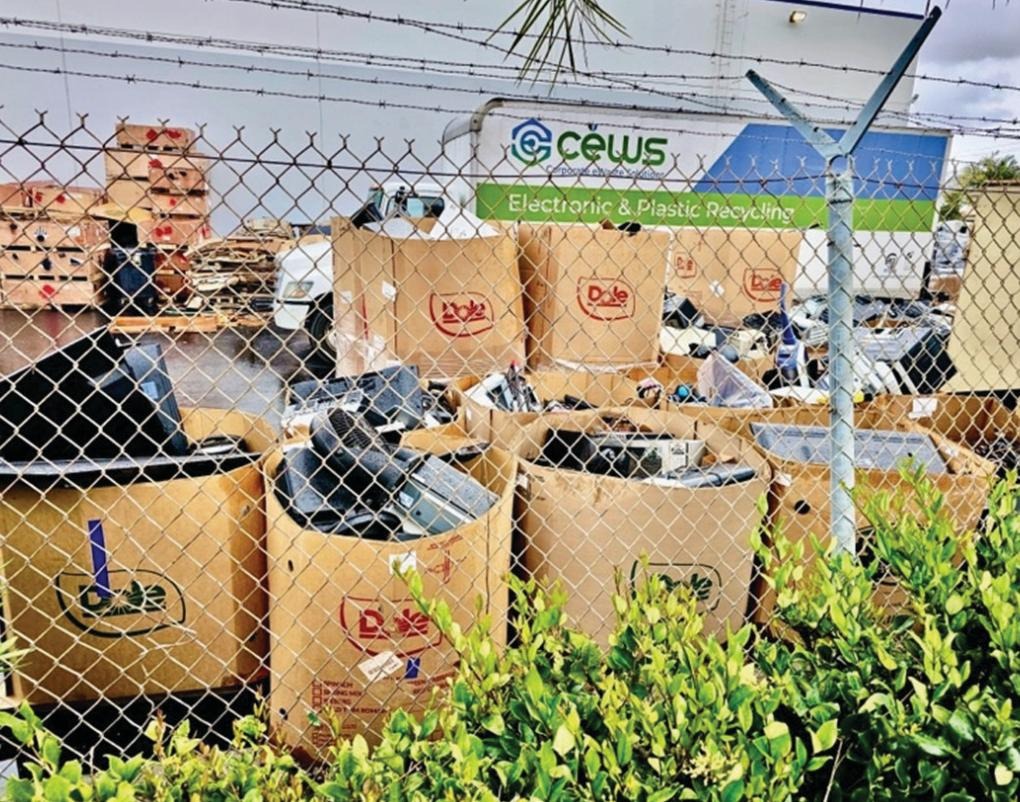
BAN added that the Batam case reflects patterns and actors documented in its 2025 Brokers of Shame report on transboundary e-waste export pipelines, urging authorities to take environmental crime seriously and to investigate the business operators and brokers involved.
Read the full open letter here: https://www.ban.org/wiki or visit BAN’s website for more information at https://www.ban.org/
|