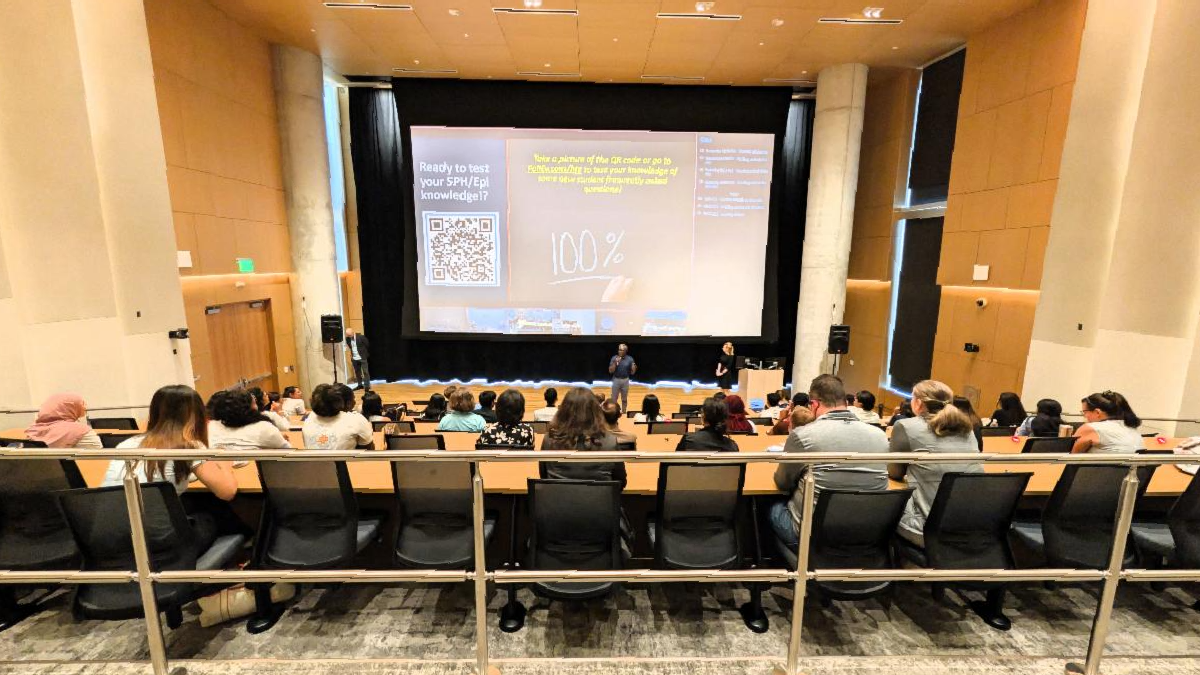
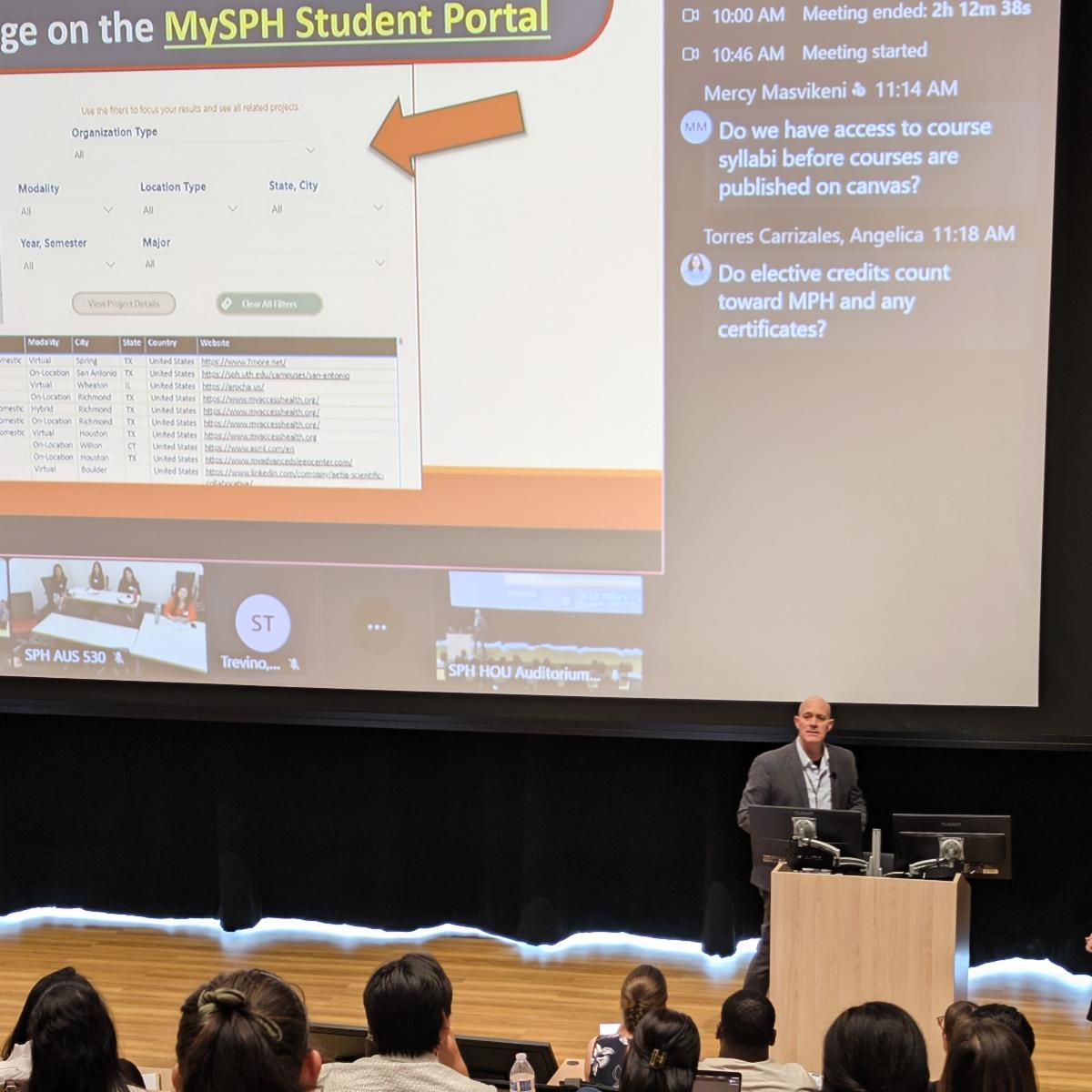
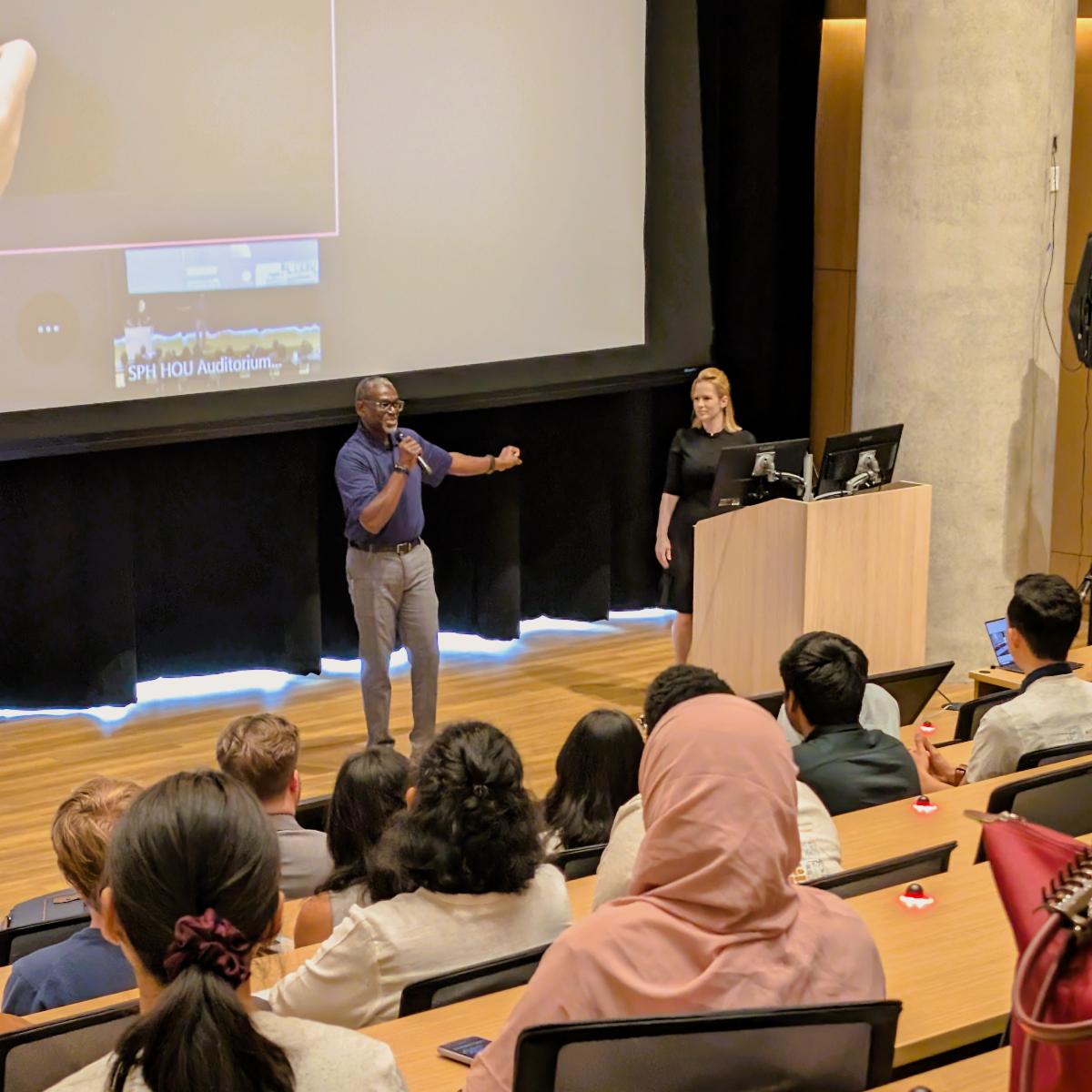
New Student Orientation Held in the New Public Health and Research Building | | |
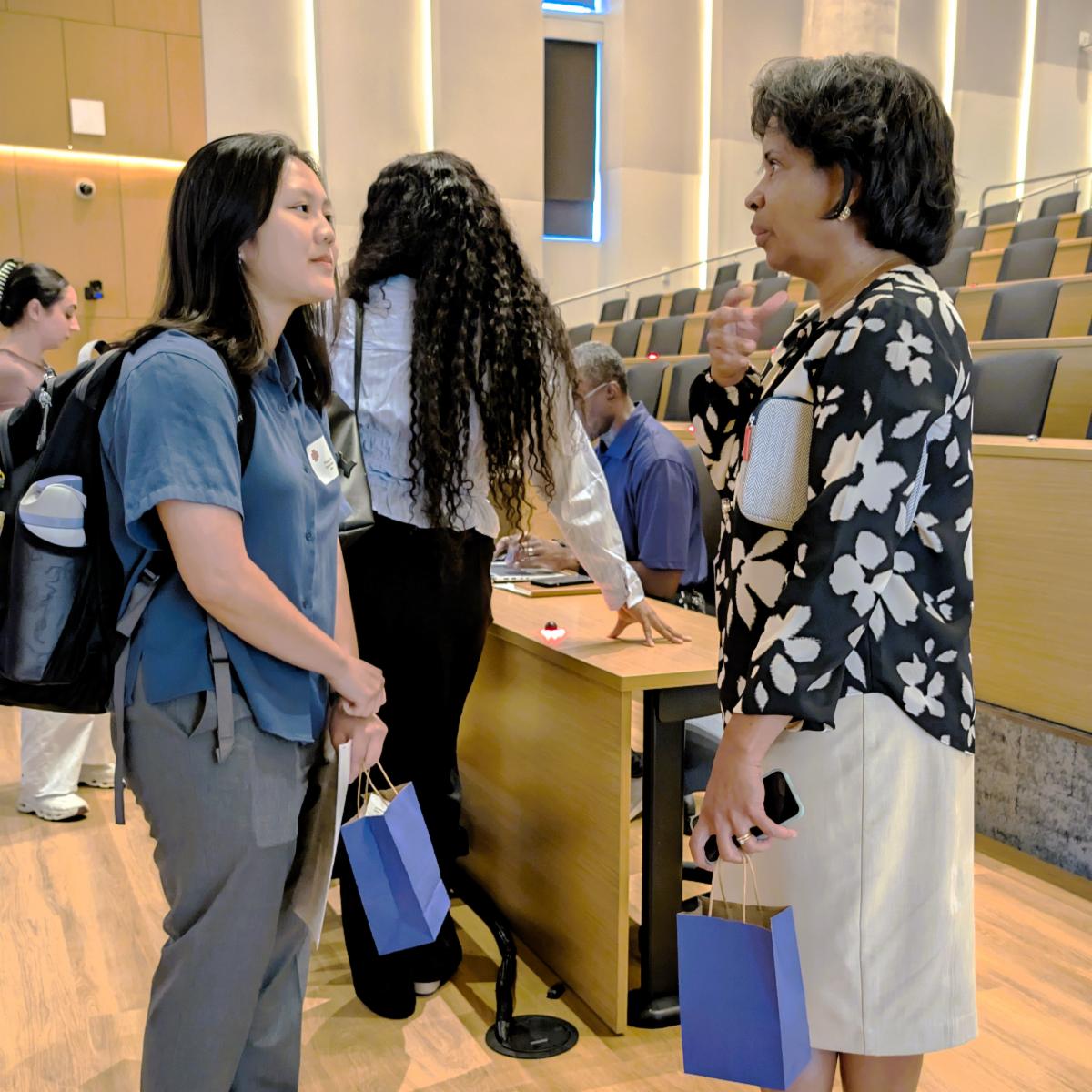
The Department of Epidemiology welcomed new and returning students as the academic year began on August 25 with the New Student Orientation. Held each year to help students prepare for a successful academic experience, the program provides an overview of departmental resources, expectations, and answers to common questions from incoming students. This year's orientation was especially notable because it was held at the new School of Public Health building in the Texas Medical Center in Houston, Texas.
For those who were unable to attend, the Epidemiology Orientation presentation is available online at go.uth.edu/EpiNewStudents.
| | EPIDEMIOLOGY FACULTY HIGHLIGHTS | | Dean Eric Boerwinkle Shares His Vision for Public Health in New Episode of Beyond the CV | |
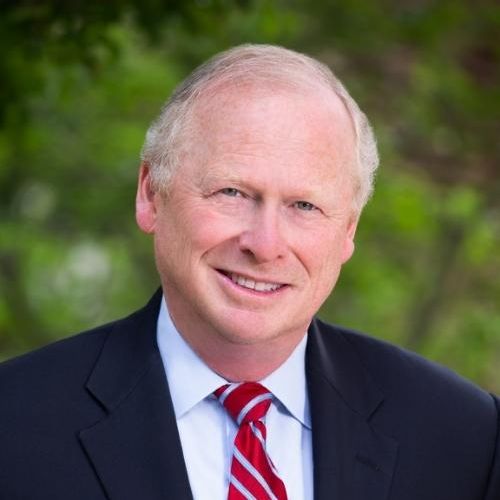
In the latest Beyond the CV feature, UTHealth Houston School of Public Health Dean Eric Boerwinkle, PhD, reflects on the experiences, opportunities, and guiding principles that have shaped his distinguished career in public health. Boerwinkle shares how his early interest in science, mathematics, and genetics led him to a field that continues to drive his passion for improving human health through research, prevention, and innovation.
Throughout the interview, Boerwinkle discusses the importance of embracing new opportunities, remaining curious, and continually learning. He highlights the value of team science, mentorship, and the creation of opportunities for students and early-career researchers to succeed. As dean, he takes pride in advancing the role of public health within UTHealth Houston, the Texas Medical Center, and communities across Texas, while emphasizing the school's commitment to improving health outcomes through prevention and service.
Watch the full video to learn more about Dean Boerwinkle's career journey, leadership philosophy, and vision for the future of public health and public health education.
| | New Publication Explores Geographic Disparities in Colorectal Cancer Risk in Texas | |
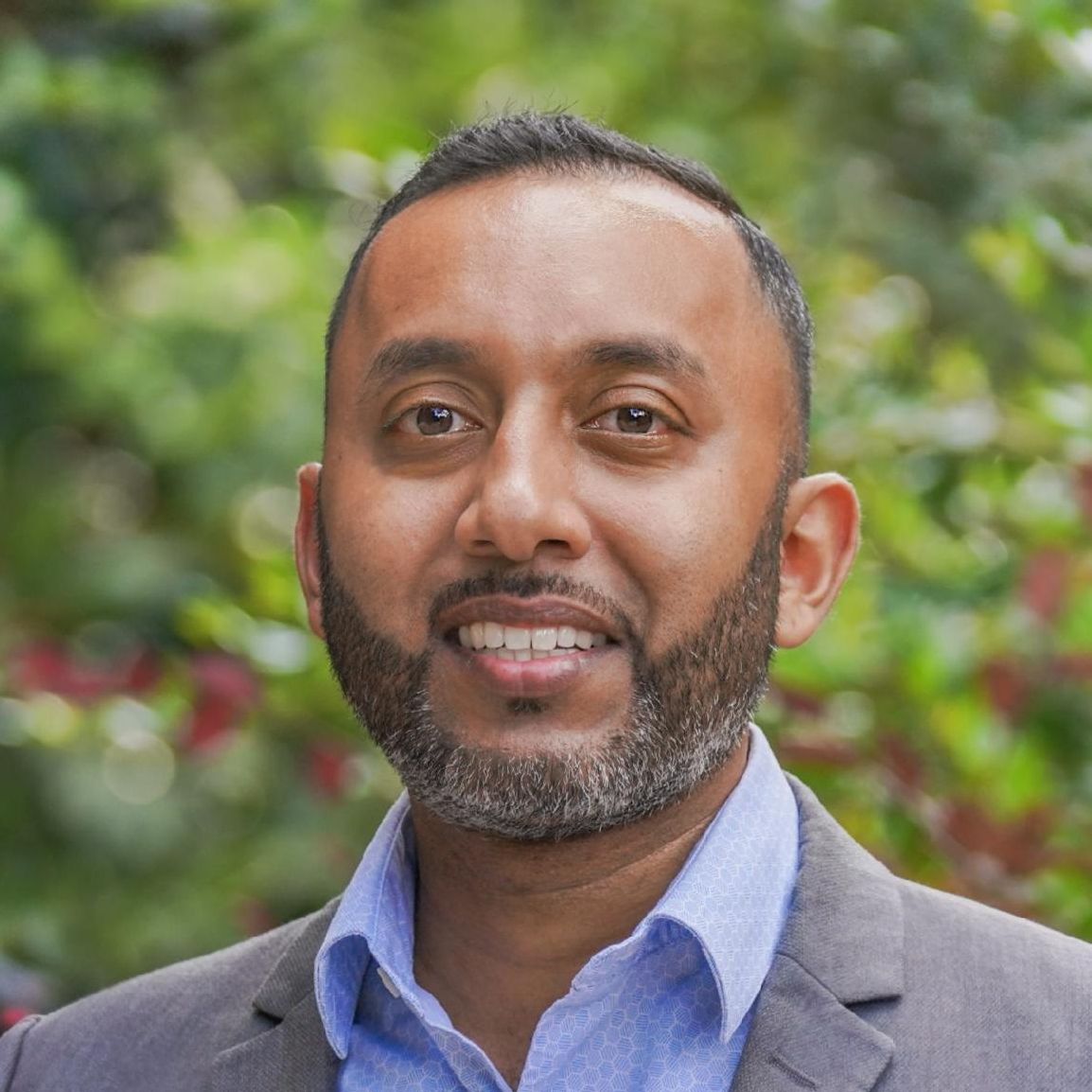
Ryan Ramphul, PhD, assistant professor in epidemiology, recently published a study in Cancer Causes & Control titled "Long-term poverty, rurality, and geographic disparities in colorectal cancer: a spatial analysis in Texas." Using Texas Cancer Registry data from 2017 to 2021, Ramphul and colleagues examined how long-term poverty and rural residence influence colorectal cancer risk across the state.
The study found that communities experiencing decades of poverty had higher colorectal cancer rates than more affluent areas, with risk increasing as the duration of poverty lengthened. Rural and micropolitan communities also experienced elevated risk compared with urban areas. In contrast, higher colorectal cancer screening rates were associated with lower cancer incidence. The findings suggest that long-term structural disadvantage and geographic location play important roles in colorectal cancer burden and highlight opportunities for targeted screening, prevention, and resource allocation in underserved Texas communities.
| | New Research at NUTRITION 2026 Highlights Plant Protein's Role in Reducing Malnutrition Risk | |
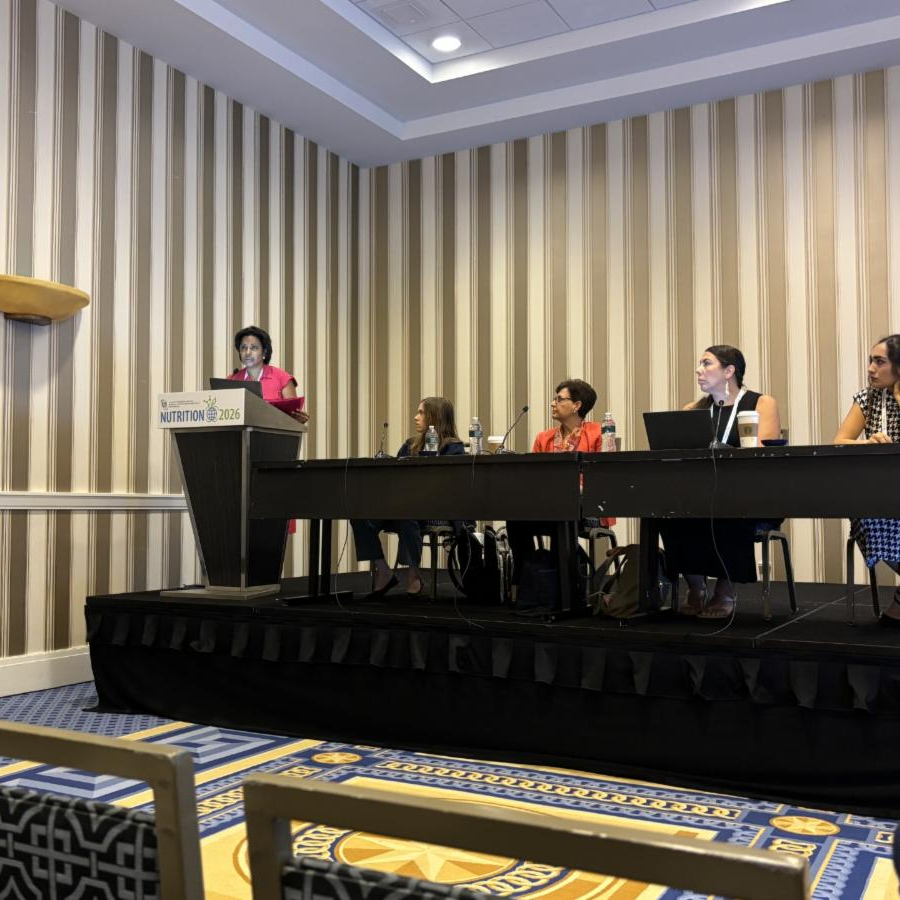
Epidemiology Associate Professor Marcia C. de Oliveira Otto, PhD, recently presented collaborative research at NUTRITION 2026, the American Society for Nutrition's flagship scientific meeting, in an oral session titled, "Food as Medicine and Medically Tailored Dietary Interventions: Clinical Efficacy and Implementation Across Care Settings." The abstract, led by postdoctoral researcher Ji Yun Tark, PhD, and senior-authored by Otto, examined the relationship between protein intake and malnutrition risk among individuals with oropharyngeal cancer.
Using data from the Department of Defense-funded U-DINE Study, researchers found that greater intake and diversity of plant-based protein—but not animal protein—were associated with a lower risk of malnutrition after a diagnosis of oropharyngeal cancer. The findings suggest that plant protein intake and diversity may be a modifiable target for Food is Medicine strategies in oropharyngeal cancer.
The research was conducted through a collaboration among UTHealth Houston School of Public Health, Baylor College of Medicine, and The University of Texas MD Anderson Cancer Center.
| | Sedani Returns to CEESP as Mentor | |
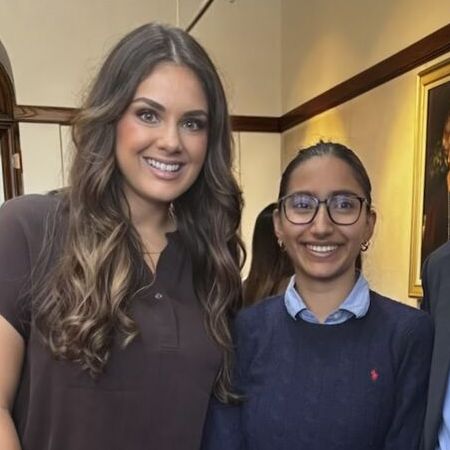
Assistant Professor Ami Sedani, PhD, recently returned to the National Cancer Institute's Cancer Epidemiology Education in Special Populations (CEESP) program, this time serving as a faculty mentor. Sedani first participated in CEESP in 2015 as an MPH student, spending the summer working on a cervical cancer screening project in Tanzania. Over the past decade, she has remained connected to the program as a trainee, doctoral student, postdoctoral fellow, and now faculty member.
At this year's program, Sedani shared insights from her career journey and mentored trainee Sohini Sarkar, BA, supporting her growth in epidemiologic research and professional development. Sedani credits CEESP with helping shape her career and values the opportunity to give back by mentoring the next generation of cancer epidemiologists and public health researchers.
| | |
|
Genetic Research Featured at ACURARE Talks
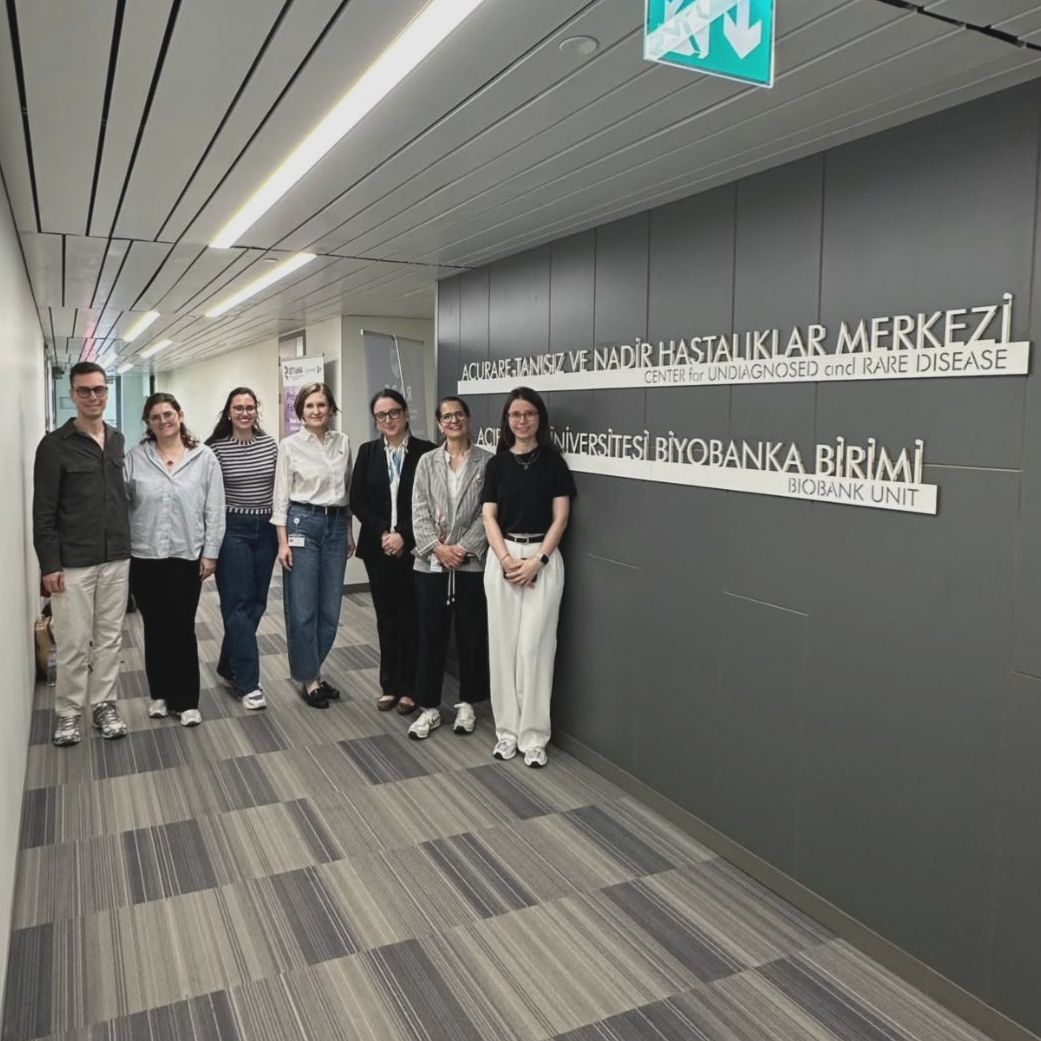
Assistant Professor Zeynep Coban-Akdemir, PhD, was invited to present at the ACURARE Talks seminar series hosted by the ACURARE Center for Rare Diseases at Acıbadem University in Istanbul, Turkey, on July 14. Her presentation, "Making Sense of Nonsense," highlighted her team's research on nonsense-mediated decay (NMD), including efforts to define the fundamental rules governing NMD and improve the interpretation of genetic variants that escape this process. The talk explored how NMD-escape variants share functional and biophysical characteristics, such as altered phase separation, providing new insights into their role in disease development.
| | | EPIDEMIOLOGY STUDENT NEWS | | Explore Open Epidemiology Courses Still Available This Semester | | |
Looking to expand your skills and explore new areas of public health? Several epidemiology courses are still open for enrollment, offering opportunities to study topics ranging from neuroepidemiology, nutrition, and physical activity to global health, experimental research methods, and dissemination and implementation science. These courses provide practical training in understanding disease risk factors, evaluating scientific evidence, designing research studies, and translating findings into real-world public health practice. Whether you're interested in chronic disease prevention, global health challenges, or advancing evidence-based interventions, these electives can help broaden your expertise and support your academic and career goals.
The drop/add deadline for Fall courses is Wednesday, September 16.
Learn more about available courses at MySPH.
| | |
| Epi at IN-TRAC Intensive Week | |
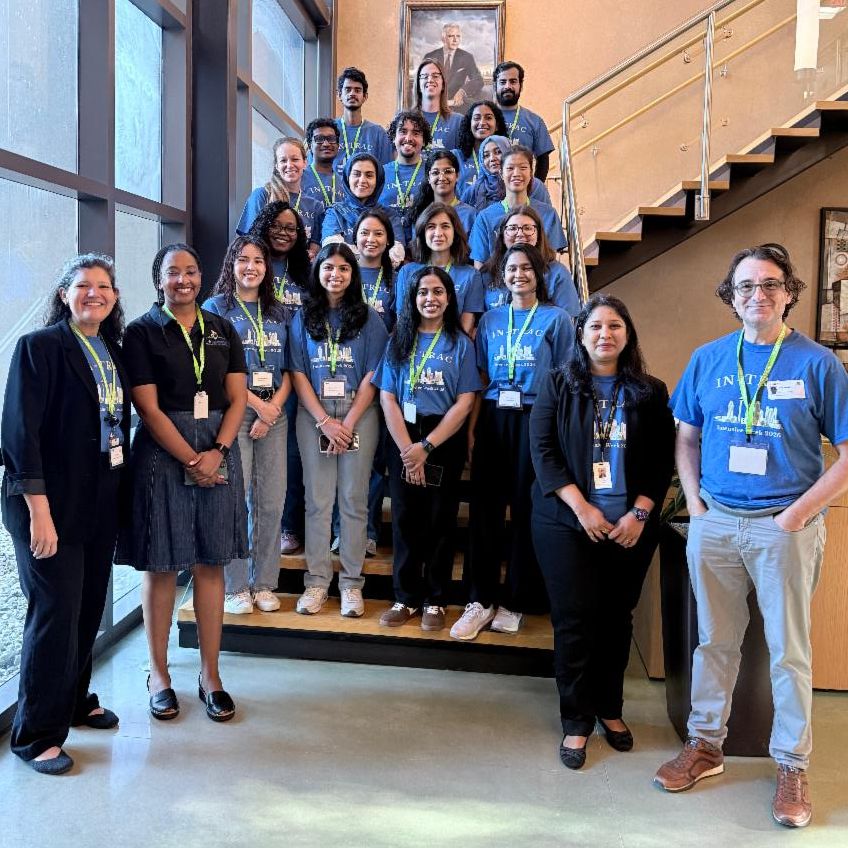
Epidemiology MPH student Camille Blecher, BS, recently participated in the IN-TRAC Intensive Week at Texas Biomedical Research Institute alongside fellow students, alums, public health professionals, and healthcare providers.
During the hands-on training, participants gained experience in laboratory and research techniques related to tuberculosis (TB), explored emerging innovations in TB research, and heard firsthand stories from TB patients at the Texas Center for Infectious Diseases. The experience provided valuable knowledge and practical skills to support future work in epidemiology and public health.
| |
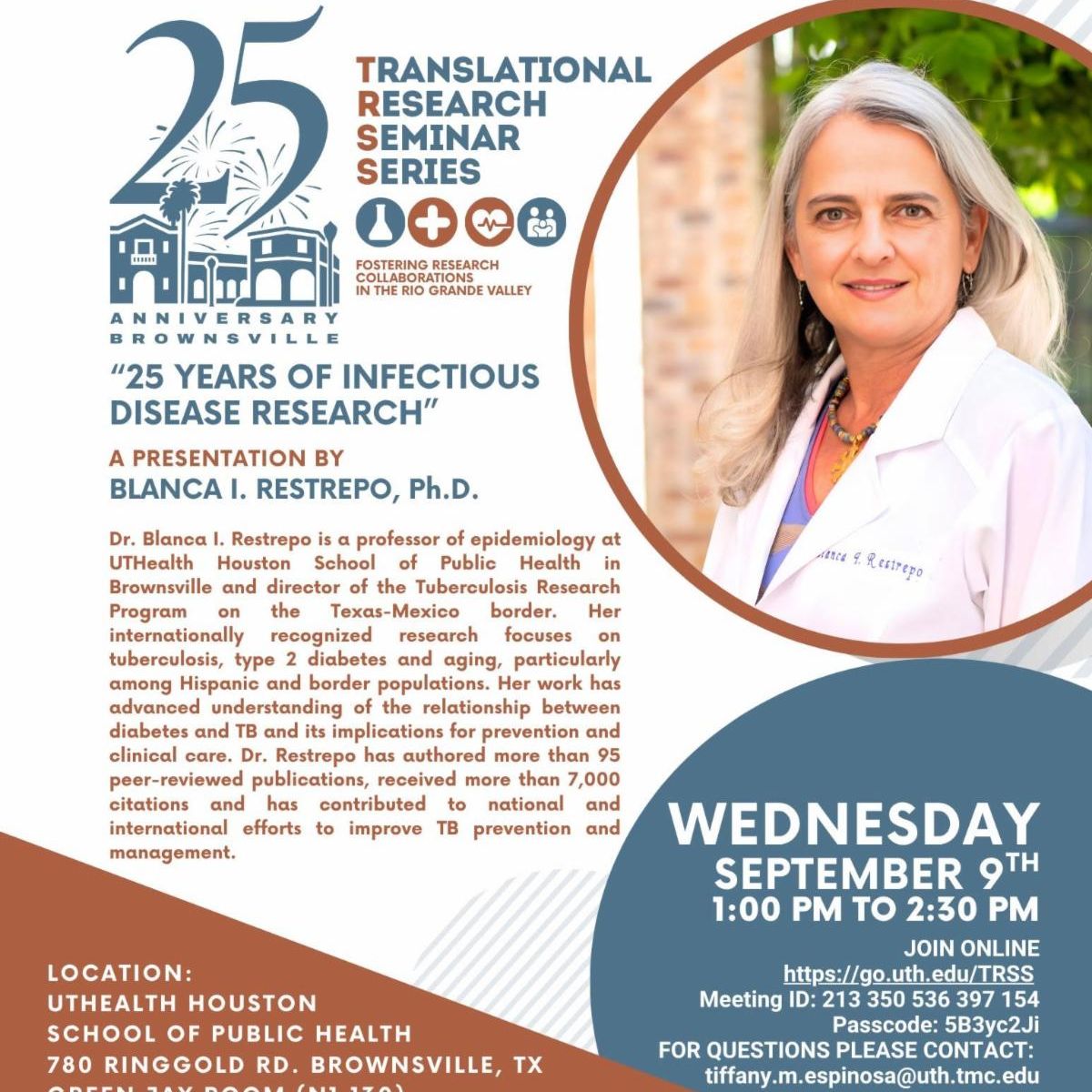
Translational Research Seminar Series
"25 Years of Infectious Disease Research"
Wednesday, September 9
1:00 PM to 2:30 PM
Virtual Event
Join Epidemiology Professor Blanca Restrepo, PhD, for the presentation "25 years of infectious disease research", in person in Brownsville and virtually. Please register for more information.
Registration information
| |
2026 Summit
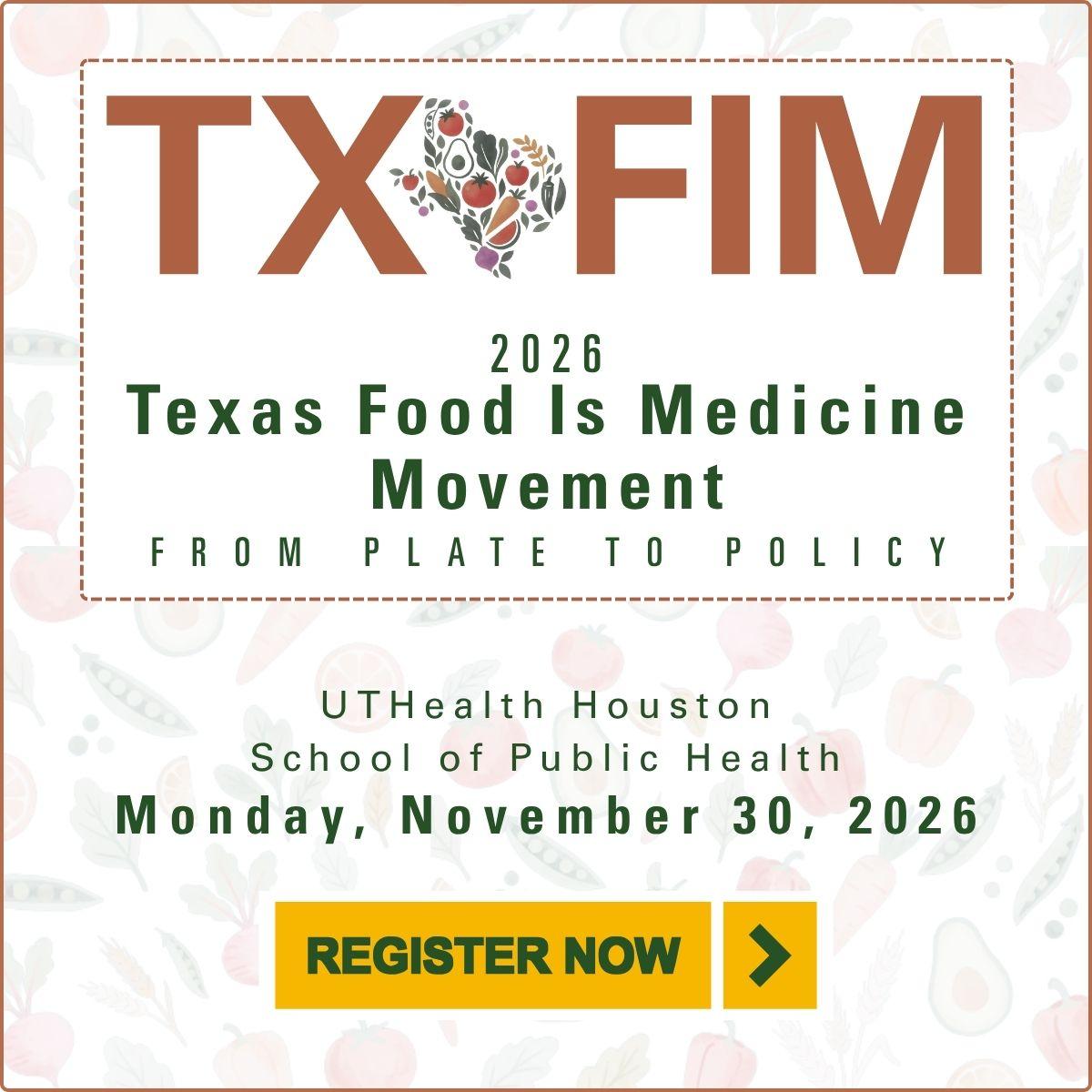
Texas Food Is Medicine Movement: From Plate to Policy
Monday, November 30
School of Public Health
New Campus in Helix Park
Registration is now open for the 2026 Texas Food Is Medicine Movement: From Plate to Policy Summit!
The Center for Healthy Communities, in partnership with the Nourish Program, invites Food Is Medicine leaders, healthcare providers, community organizations, researchers, policymakers, and program implementers from across Texas to the new UTHealth Houston School of Public Health campus.
Registration information
| | | | GCC Trainee Research Retreat | |
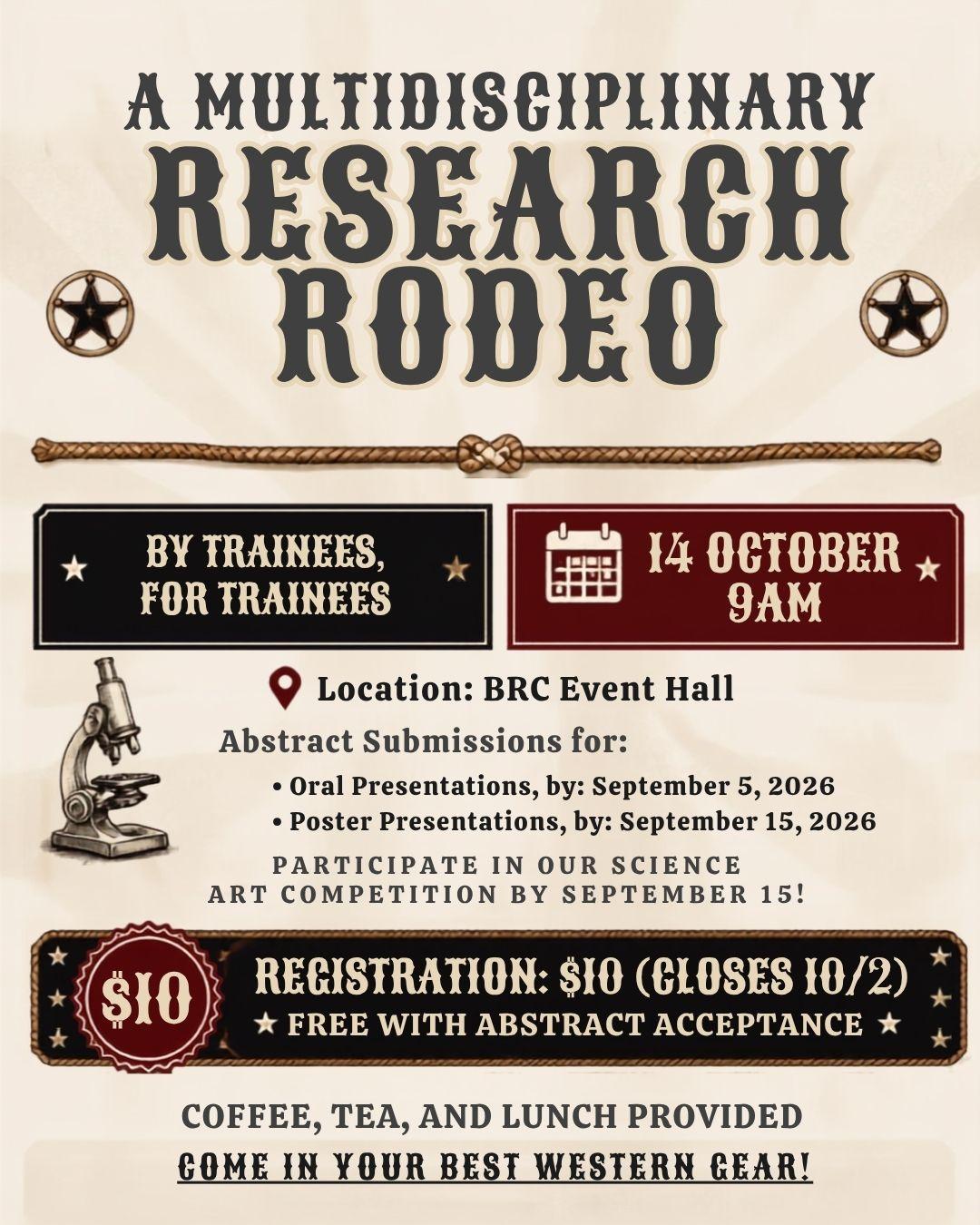
Graduate students, postdoctoral fellows, and trainees are invited to participate in the Gulf Coast Consortia (GCC) Trainee Research Retreat on October 14 from 9 a.m. to 5 p.m. in the BioScience Research Collaborative at Rice University. Organized by GCC trainees for trainees, the retreat provides an opportunity to share research with a multidisciplinary audience through 10-minute talks or poster presentations.
Participants may also enter the Science Art Competition, showcasing creative scientific images, figures, drawings, and other artistic works. Trainees selected for poster presentations will receive a code for free conference registration.
Visit the symposium website for submission details and additional information.
| |
UTHealth Houston
Half Marathon & 10K
Sunday, October 25
Sam Houston Park
1000 Bagby St
Houston, TX 77002 US
Join us for the 2026 UTHealth Houston Half Marathon & 10K, where performance meets purpose. Hosted by the Houston Striders, this event brings together runners, walkers, and the local community to support wellness, charitable initiatives, and the love of running. With a scenic, mostly flat course and an inclusive race environment, there’s a place for everyone at the start line.
Registration Information
| |
Upcoming Deadlines
Monday, September 7
University Closed for Labor Day
September 16
Census Date for enrolled students
November 4
Spring Schedule of Classes
Available for Viewing
Visit My SPH SharePoint for more information
| | SUBMISSIONS AND NEWSLETTER DEADLINE | | All campuses are encouraged to submit items for consideration for the monthly Epi newsletter. Please feel free to submit your items to sphepi@uth.tmc.edu. | | | | |