new newsletter header.png

Equitable Grading

Here’s the latest from Creative Leadership Solutions, where we believe in evidence, passion, and results. We value respect, trust, service, collaboration, and reason. One of the greatest levers to reduce the failure rate, increase electives, and expand opportunities for students at all levels is the improvement in feedback and grading practices. This month at CLS, we're studying equitable grading and the reduction of failing grades.

FEATURED CONTENT


Busting Myths About Grading


MythBusters is the longest running television series in the history of the Discovery Channel. This article explores five prevailing myths, and like the legends and fanciful claims exploded by MythBusters hosts Adam Savage and Jamie Hyneman, Dr. Douglas Reeves considers each grading myth against the evidence.


Read the article here.

newsletter photos _1_.png

Upcoming Events

Webinar | From Power Standards to Exemplars: Making Standards Work


Equity and Excellence Summit


Global Creative Leadership Network

GCLN LinkedIn Banner.png

Read More

Further reading on how equitable grading can be done right

Untitled design _1_.png

"Building Student Achievement and Faculty Morale With PLCs" is the latest article by Dr. Doug Reeves on creating equitable environments so that children and adults can thrive.

Learn More
newsletter photos.png

"The E Squared Solution: Equity and Excellence for Every School" is a list of seven characteristics of schools that successfully achieve equitable practices.

Learn More

Reducing failures starts with equitable grading.

Request support today.

IN THE SPOTLIGHT

Greg.jpg

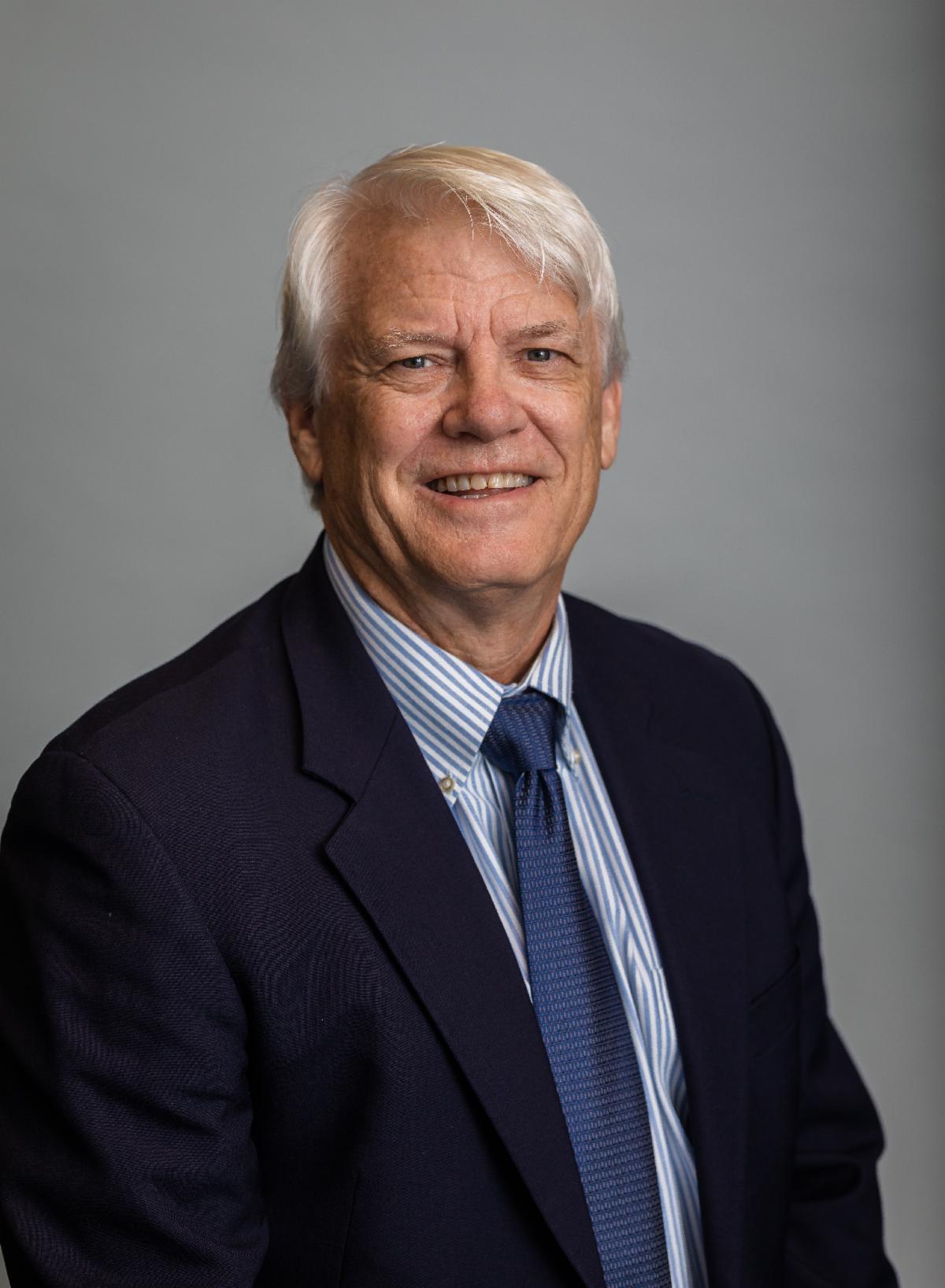
Dr. Greg VanHorn's experience and expertise lies in his knowledge and research with the power of collaborative teams and shared decision-making. Greg has a keen interest and passion in seeing increases in student learning as a result of teachers and administrators working together in using student data and collective inquiry in arriving at effective teaching strategies. Over the past 35 years, he has had teaching and administrative experience in urban and rural districts including serving as a special education teacher, director of special education, co-director of a vocational career center, and principal of a school serving at-risk students. 

How do we achieve equitable grading in our schools?

There are important components to the concept and implementation of equitable grading in our schools. The most critical components are well-defined expectations for teachers, clear and concise learning outcomes for students, and a system of fairness in grading to students. Grading fairness includes consistency from teacher to teacher, immediate and timely feedback between teachers and students, and the accuracy of awarding credit for alignment with state standards and the corresponding curriculum.


However, a true system of equitable grading cannot be achieved without a commitment from all personnel in a school district. The commitment must start at the very top with a communicated roadmap to all levels in the system. Superintendents, central office personnel, principals, assistant principals, building teams, and teacher teams must all be on the same page for equitable grading to be achieved. Mindsets must be changed if this is to work. We cannot focus the work if we cannot see the bigger picture.


Leaders must obtain a commitment from faculty for a willingness to learn the components of equitable grading and a readiness to consider grading practice changes. Willingness and readiness results from research-based professional development that grows an understanding of equitable grading practices. This includes collective understanding, a consensus around what the faculty can rally around and what they can all agree to try. Once leaders see commitment of concept, it is a team responsibility among administrative and faculty representatives to provide the foundations of equitable grading through focused professional development. Frequent benchmarking must be shared to establish a baseline of implementation and where teams are collectively headed.


A roadmap for implementation will then include training and development in consistency with terminology, agreed upon teacher expectations, and guidelines to achieve clear and concise classroom learning outcomes for student. The roadmap should also include mutual understanding of what is fair: consistency among teachers that a student sees daily, accuracy between what is being taught and then graded, and specific and timely feedback between teachers and students.

Equitable grading can be achieved among faculty in a school district. The components include commitment, collective understanding, and a roadmap to success that includes professional development to provide a foundation for effective implementation.

CLS-fearlessbanner-dec2021.png

WEBINAR


The April 26th webinar "Three Steps to Equitable Grading in 2022-2023: Reducing Failures Right Now" featured a presentation by Douglas Reeves. Access the recording of the webinar by clicking on the thumbnail to the right and register for future webinars by clicking the button below.

Register

Creative Leadership Solutions | Website

Facebook  Twitter  LinkedIn