|
OBERSTHÖNENFELD AND URSBERGER
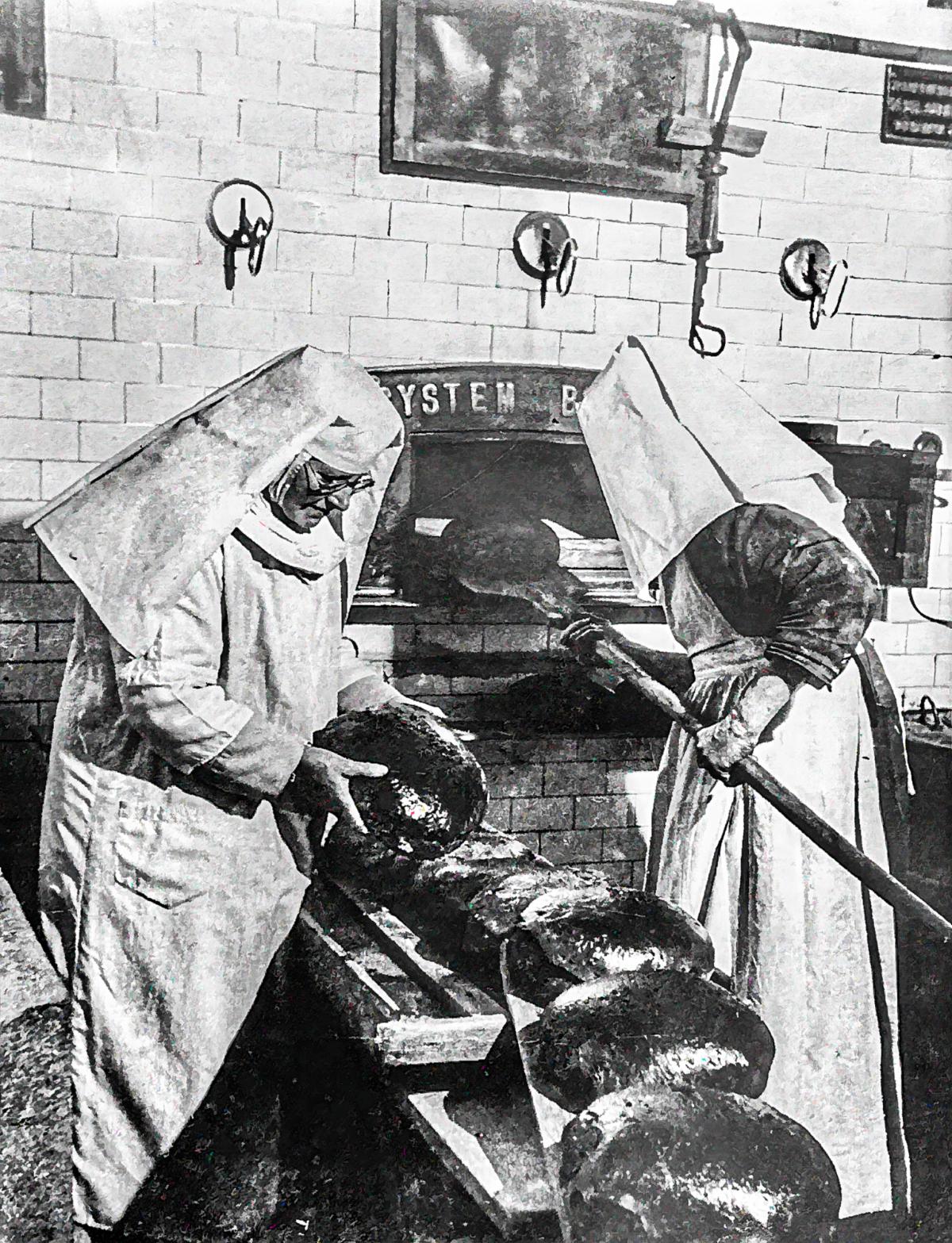
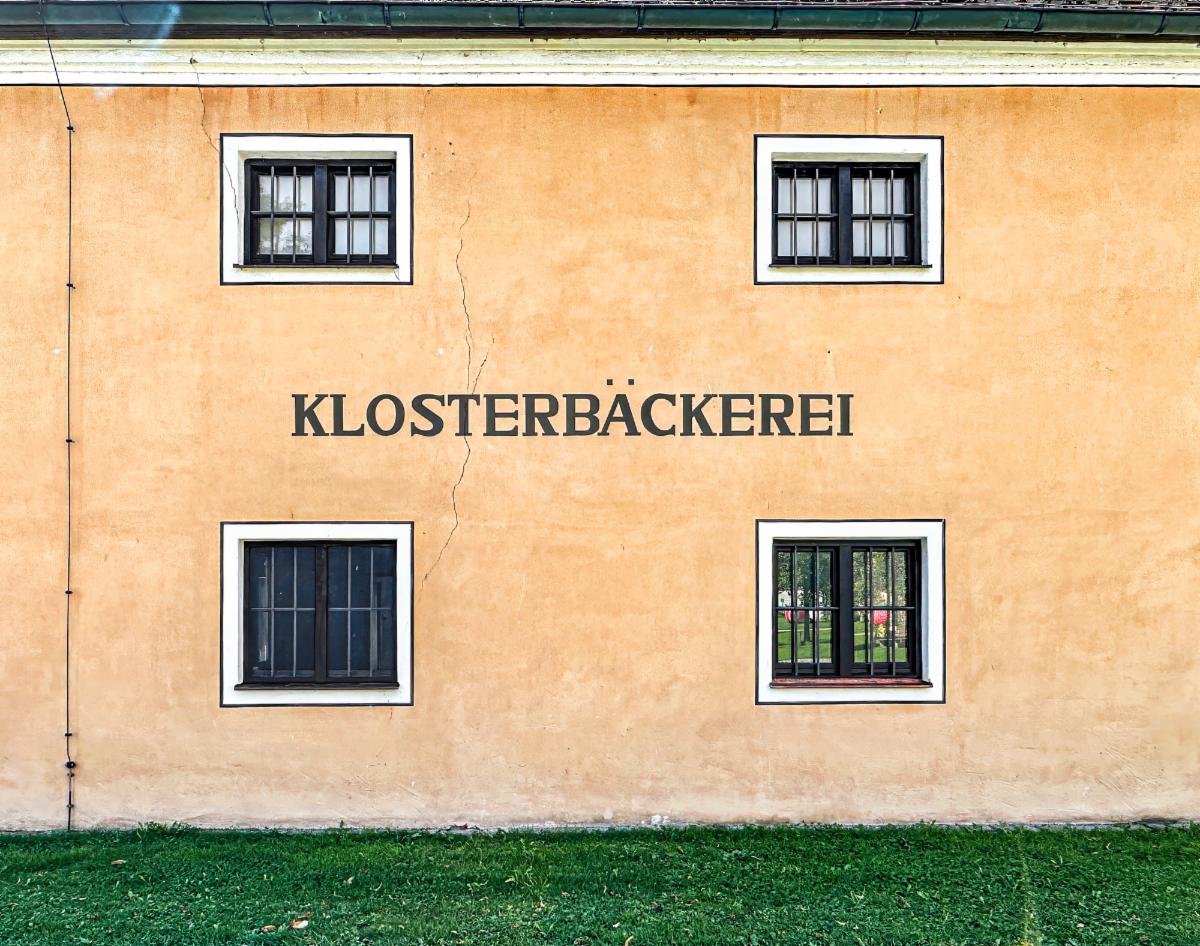
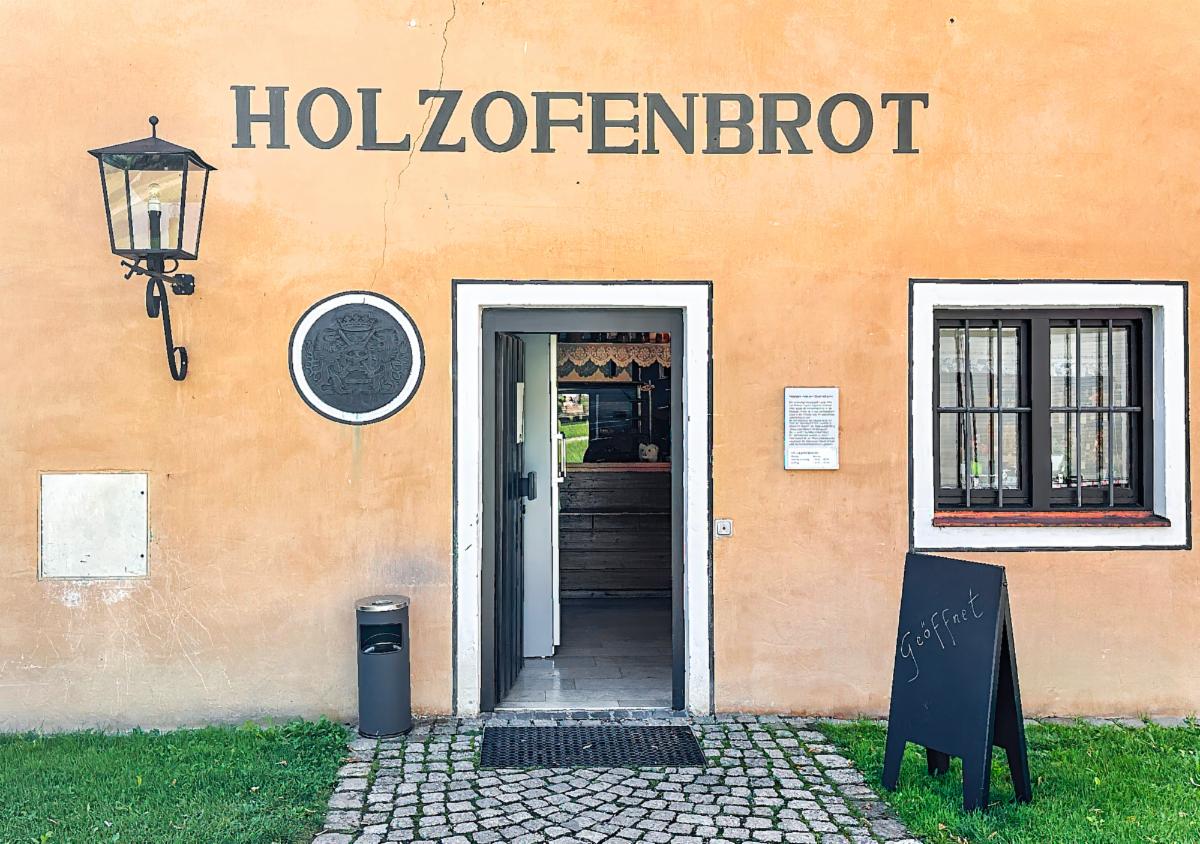
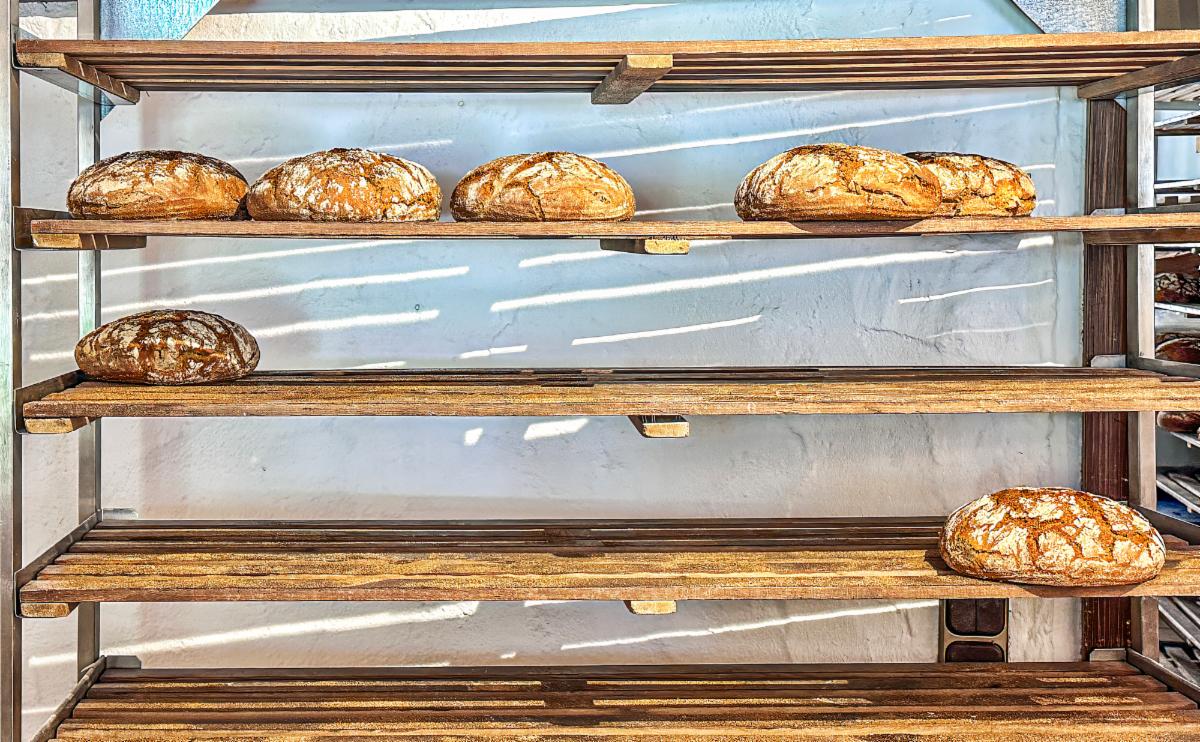
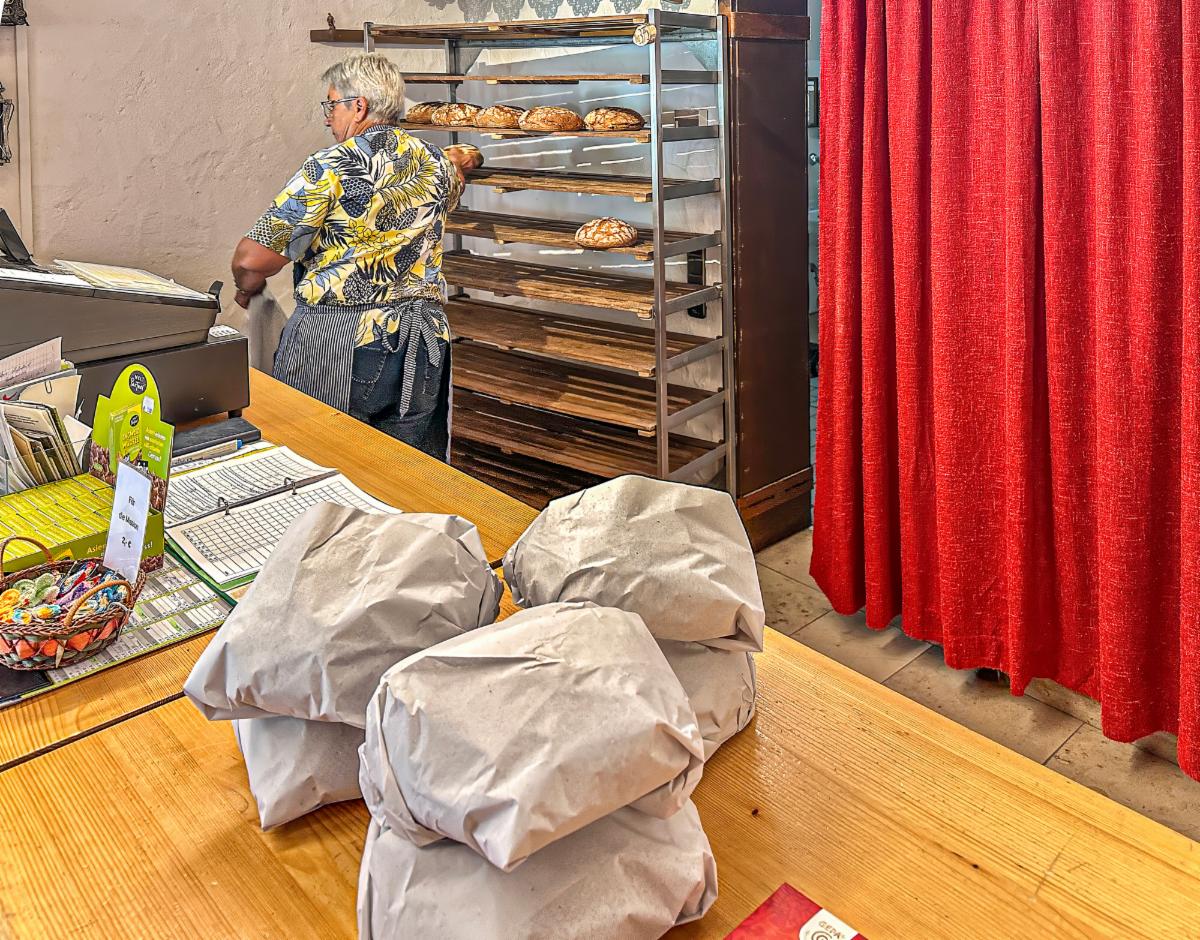
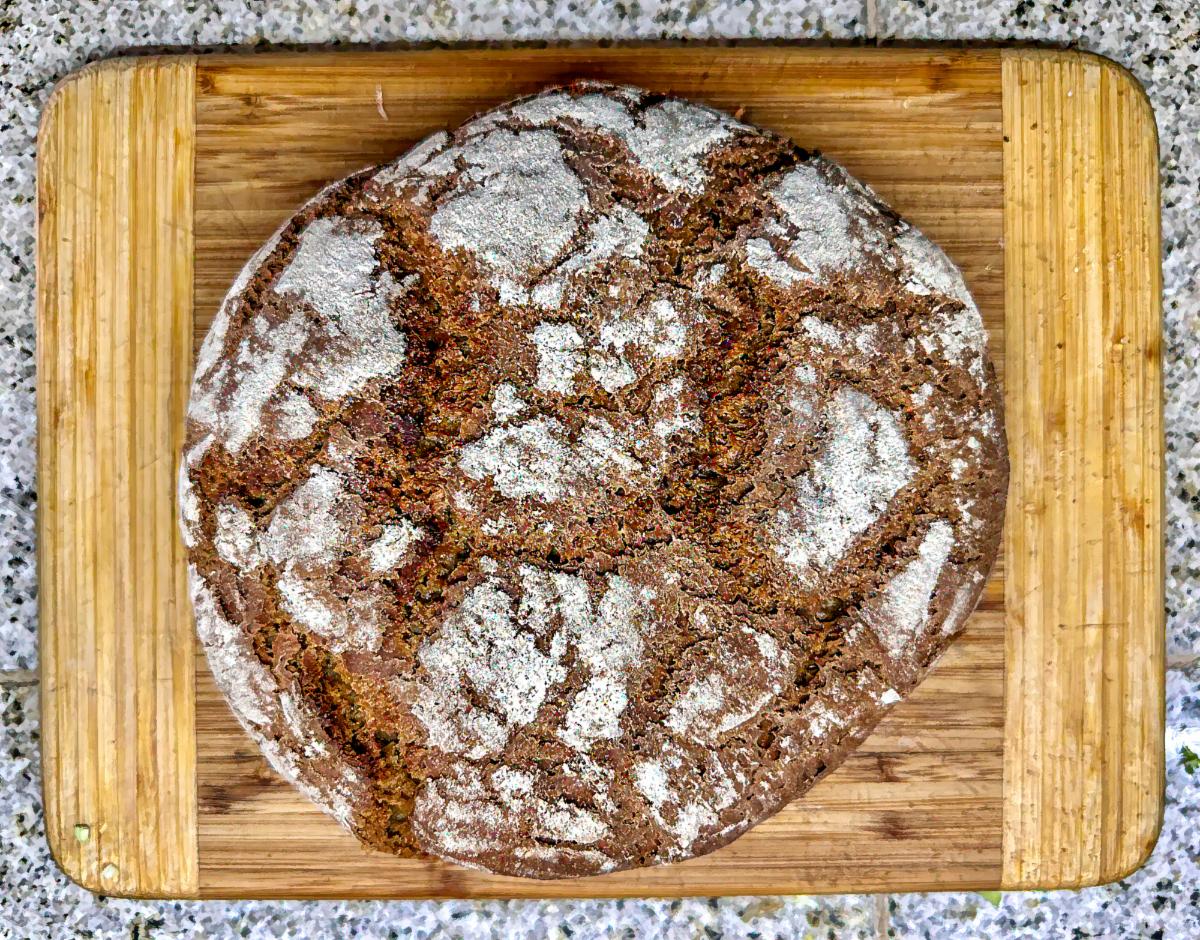
Heinrich told us about the Obersthönenfeld (o-bah-turn-nen-feld) Convent, which has been baking bread since the year 920. With all that practice, they have it down. Their big round pucks of bread are considered some of the best in Europe. That is saying a lot, as European breads are superb.
It is an hour’s drive to the convent, but with a couple of guesthouses with beer gardens in the area, it was worth the drive to pick up a loaf of the 1200-year-old bread. So, on Monday, we made the trek.
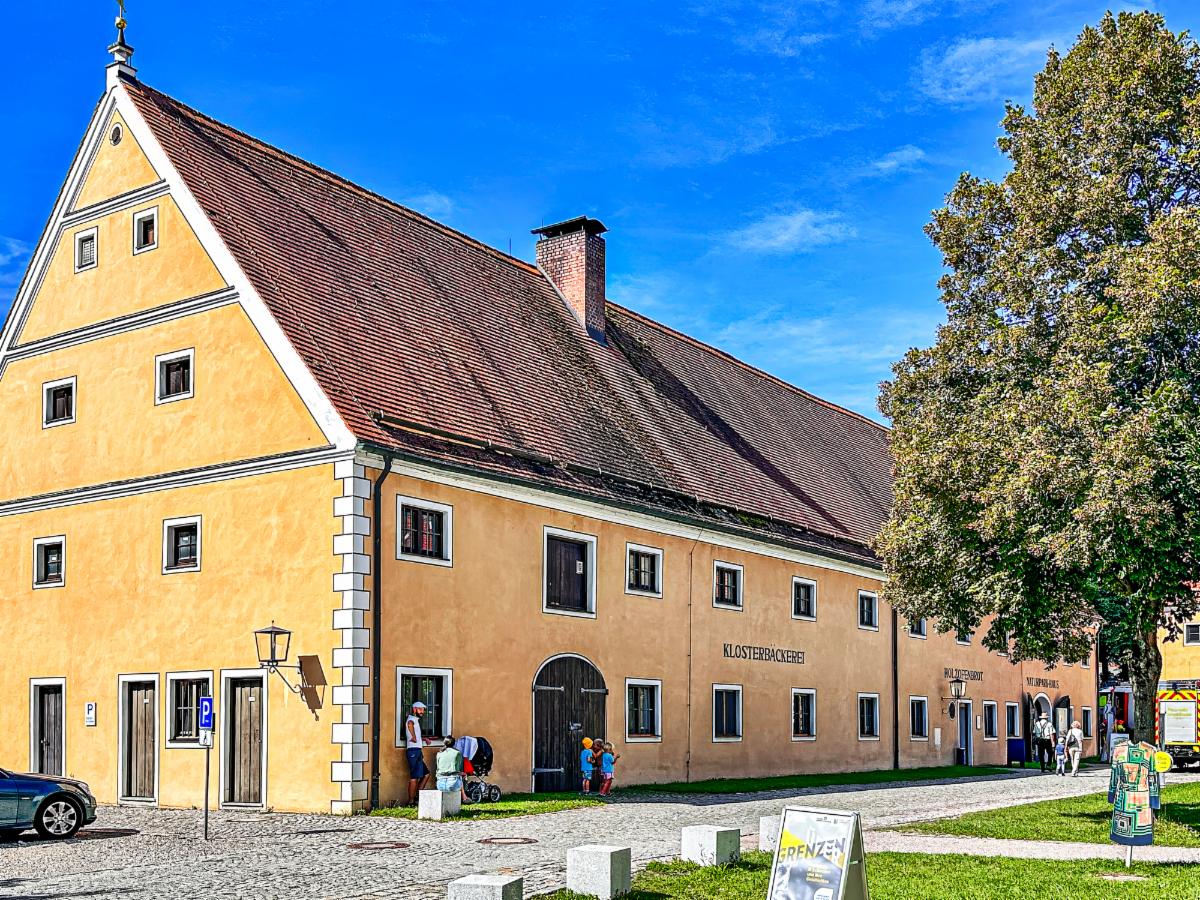
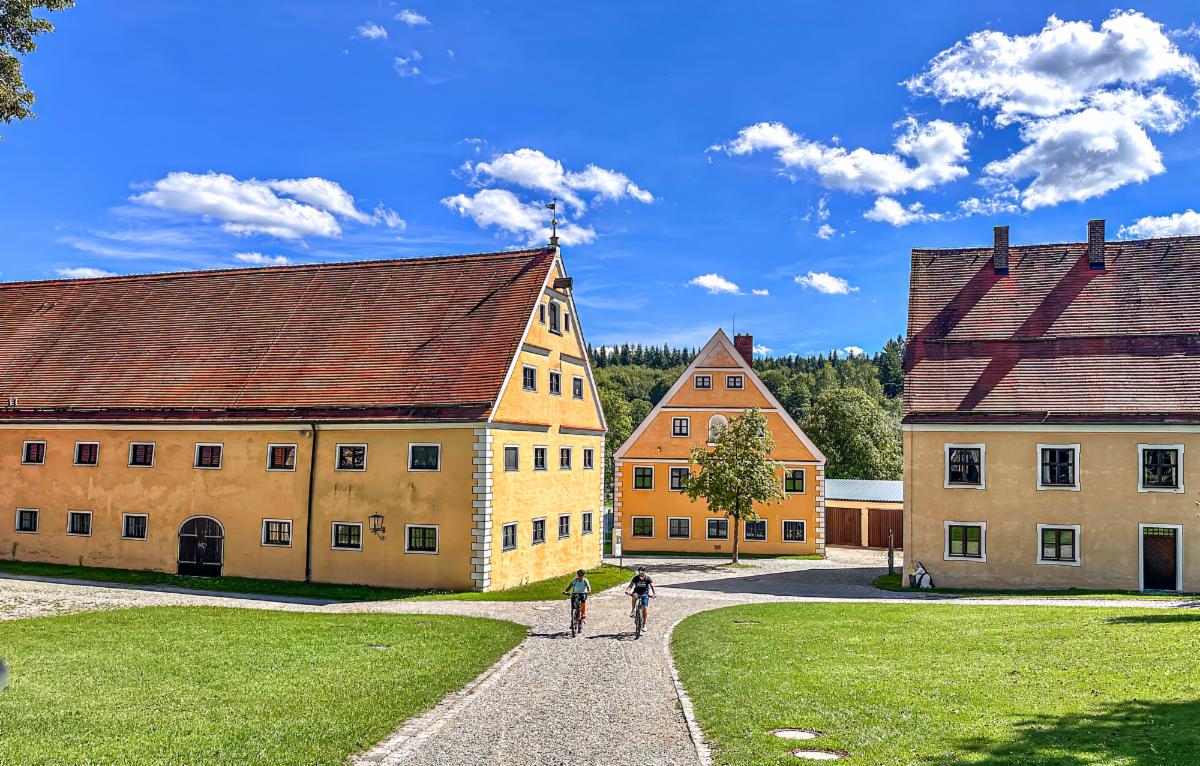
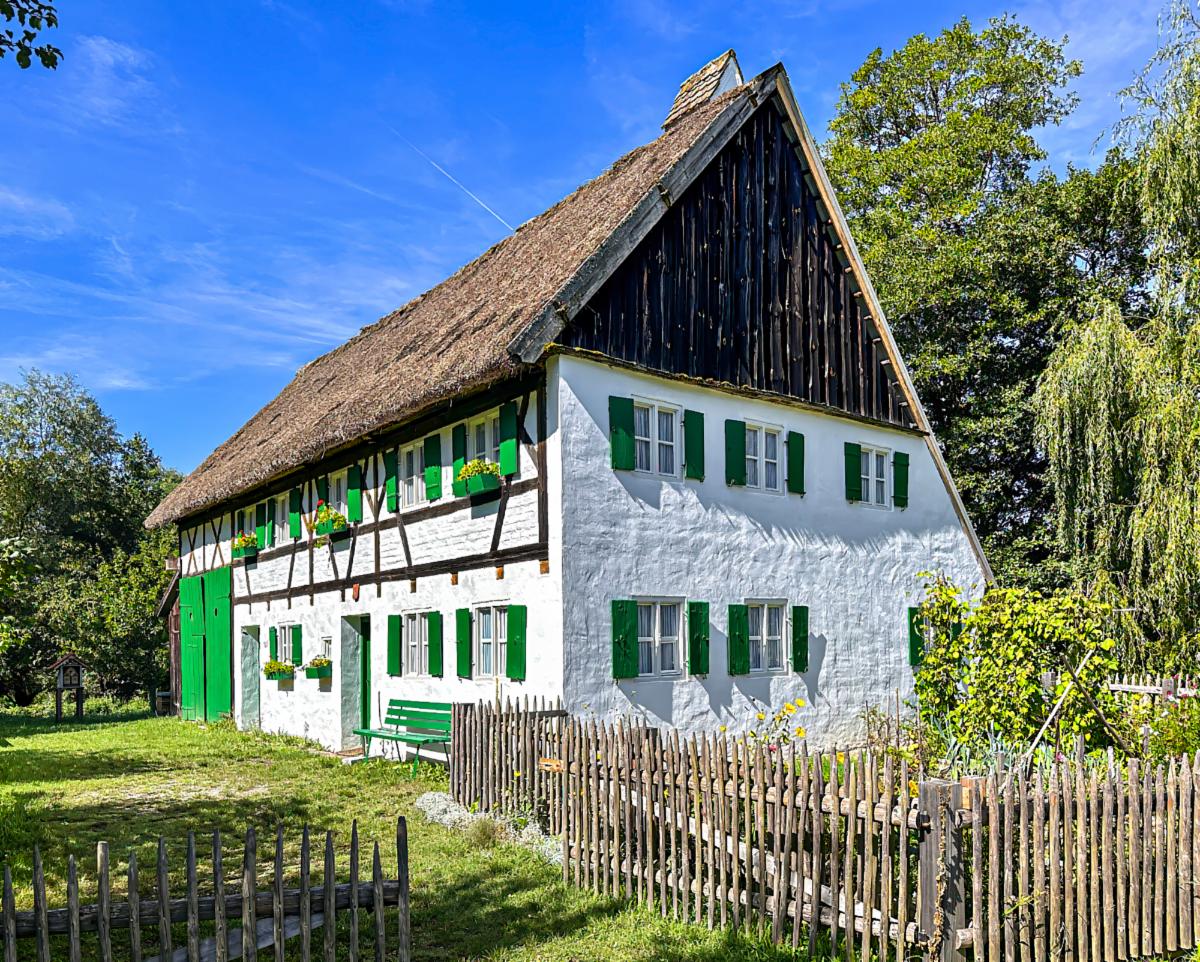
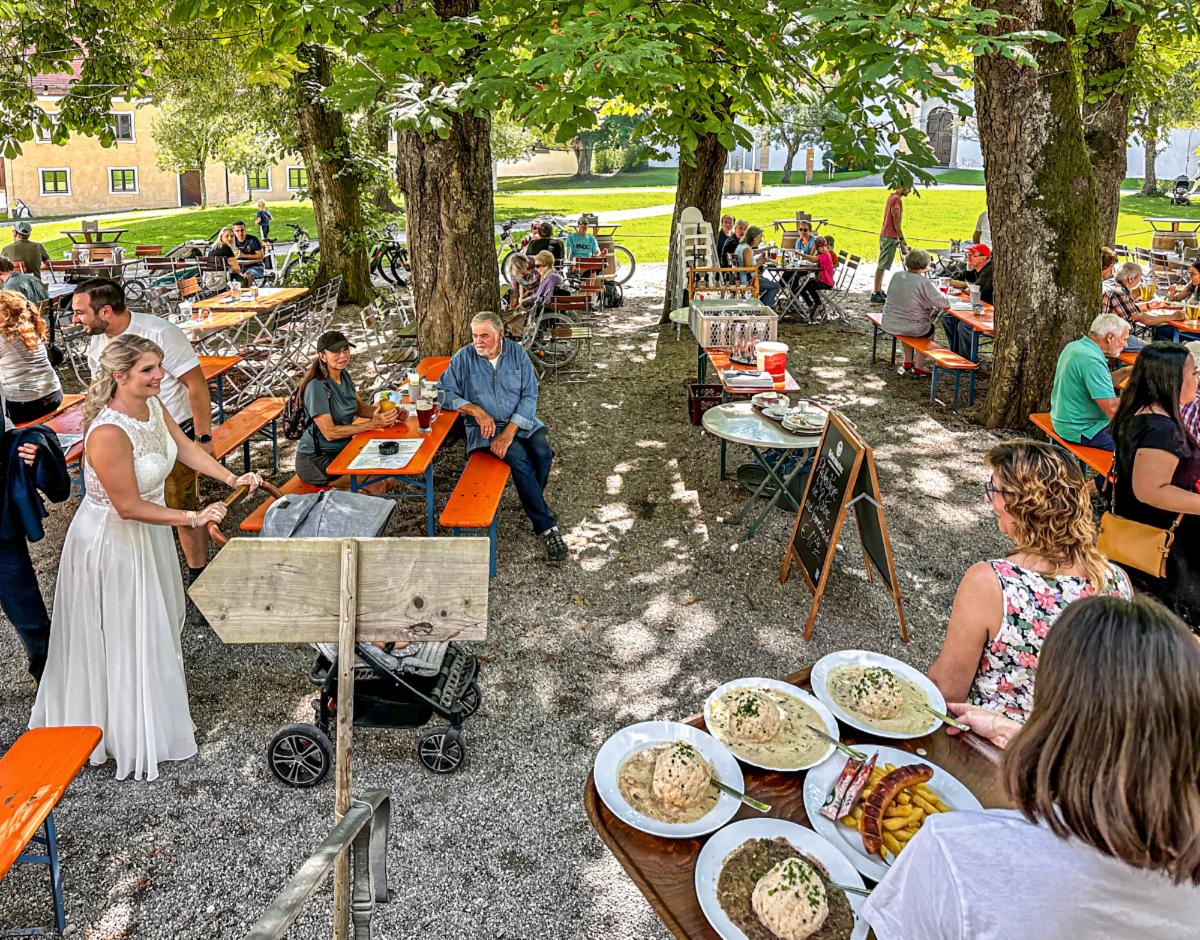
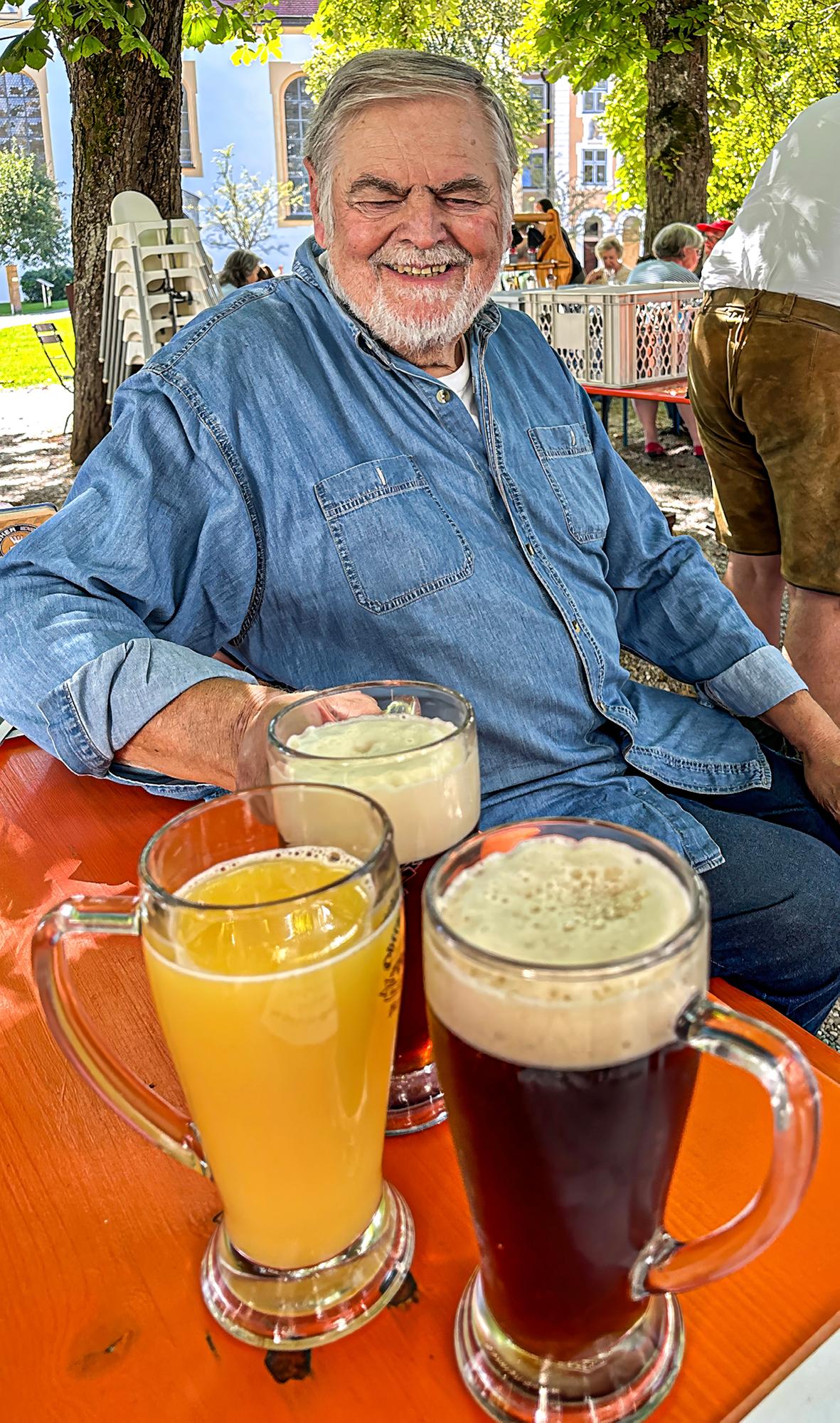
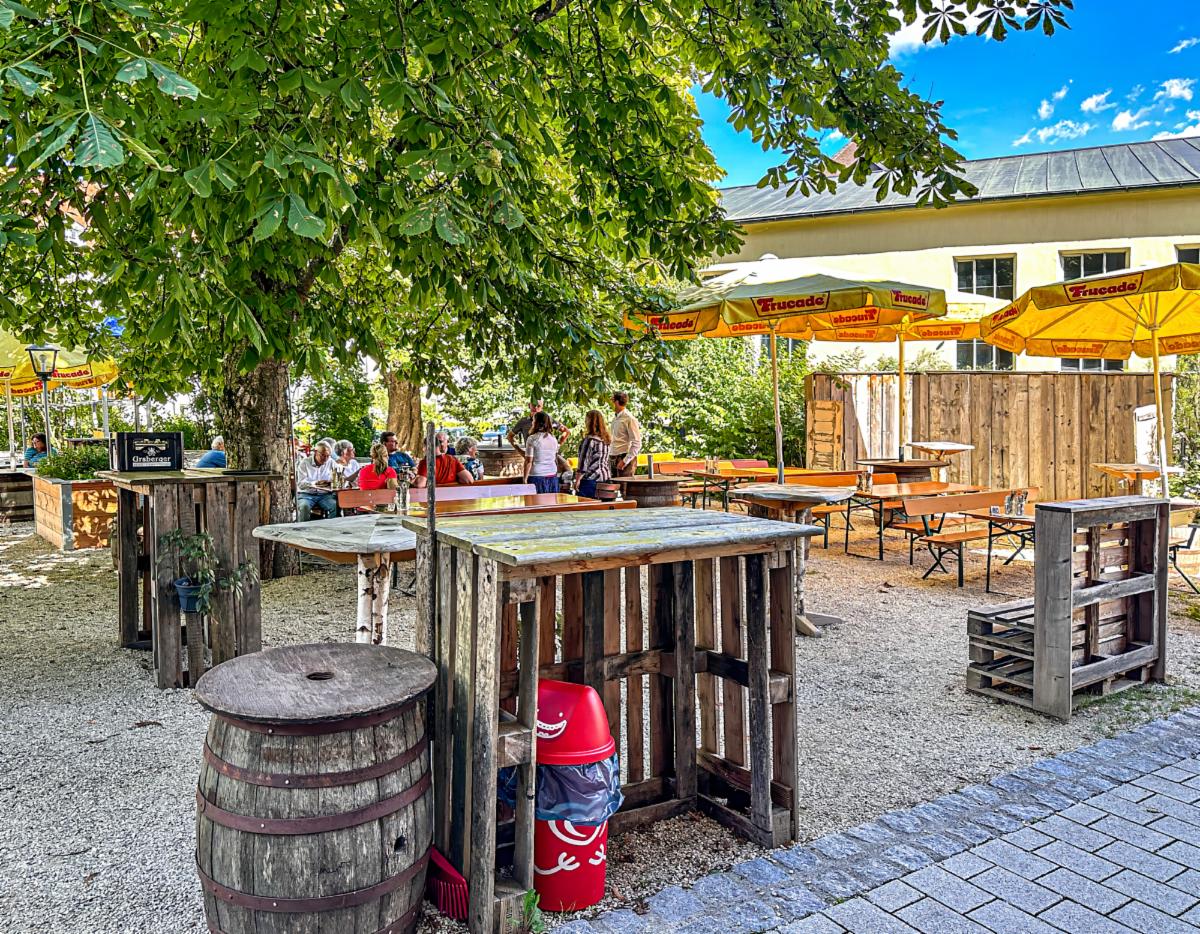
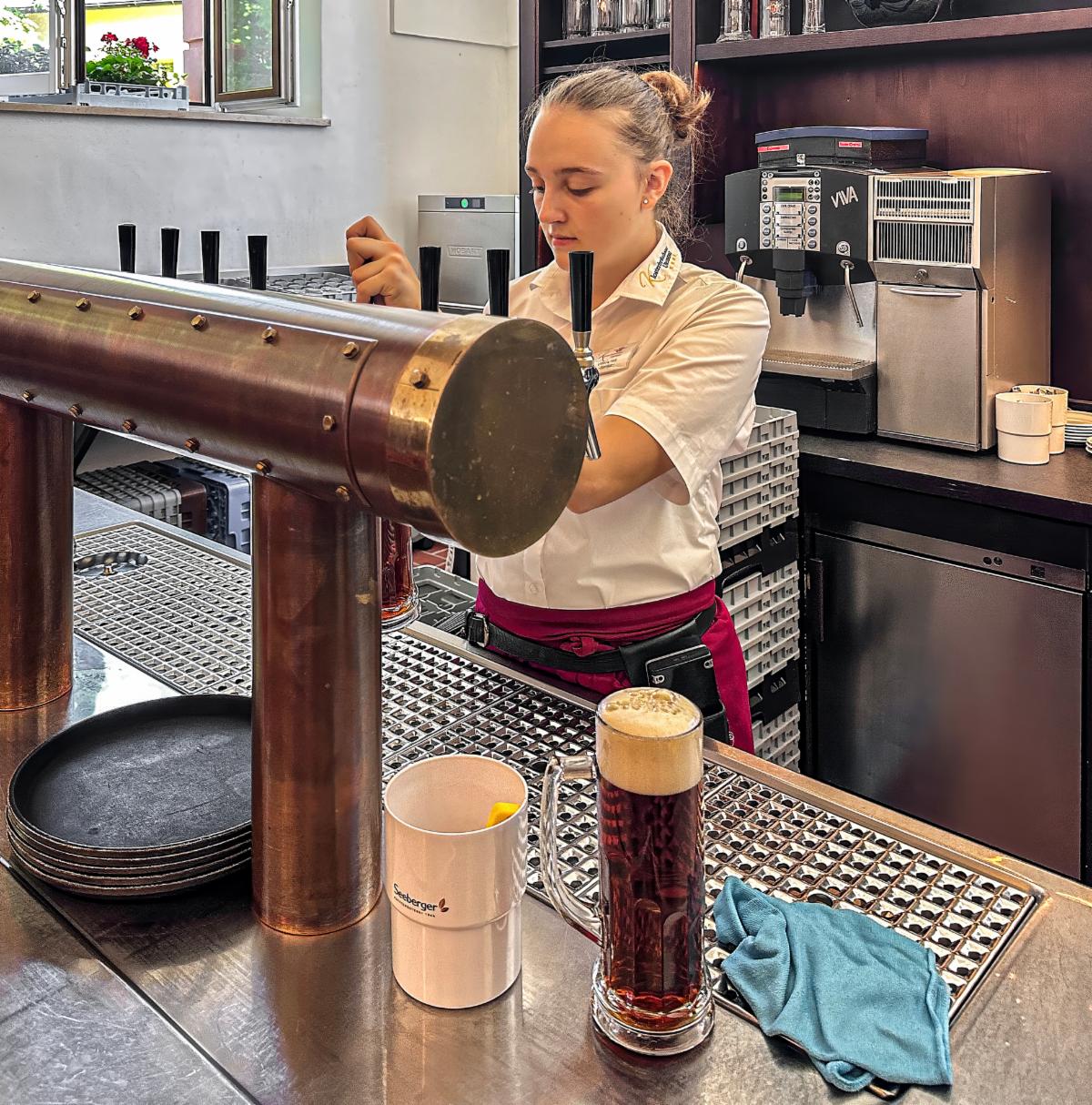
The bakery was in a large building in the middle of a handful of buildings that formed a small campus. The grounds were set up like a family park with a playground, a working farm museum, a guesthouse, and a beer garden featuring its own brew and serving mouth-watering meals at affordable prices, surrounded by miles of hiking trails through a dense forest. It was hot, and the Bock beer refreshed after our 2-mile walk through the woods.
A word about German guest houses: traditionally, every village had a guesthouse or two. A guesthouse usually consisted of rented rooms, a restaurant serving homemade meals, and lots of beer. Often, a town farmer, baker, or butcher would set up a guesthouse to add to their income. These would act as a vital communication network for local news. Births, deaths, crop conditions, local gossip, etc. were discussed. Sadly, German guesthouses are quickly disappearing in this age of electronic communications.
Monasteries and Convents also got into the guesthouse business. Monks and nuns added their own homebrews and distilled products to the guesthouse experience. In modern times, many religious-based guesthouses are leased out to private companies. That was the case at the Obersthönenfeld Convent. A private outfit operates this guest house. (The nuns still operate the bakery).
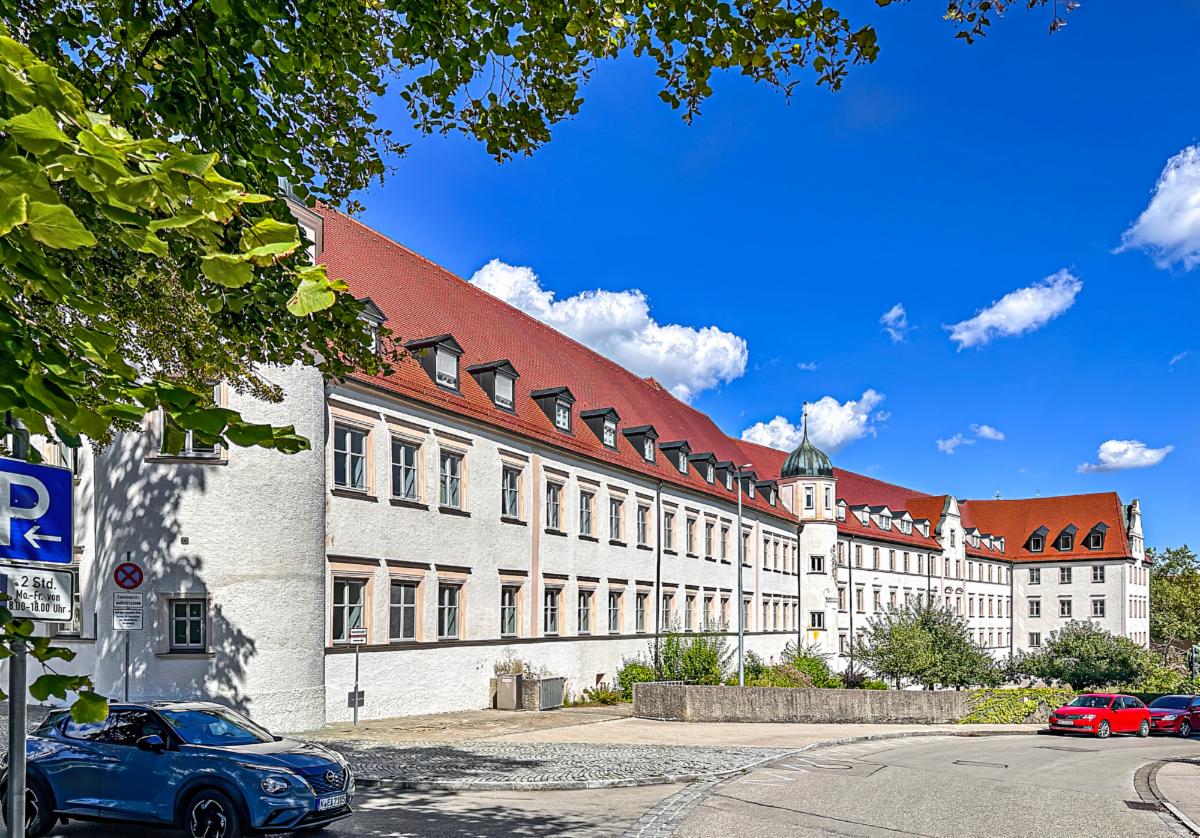
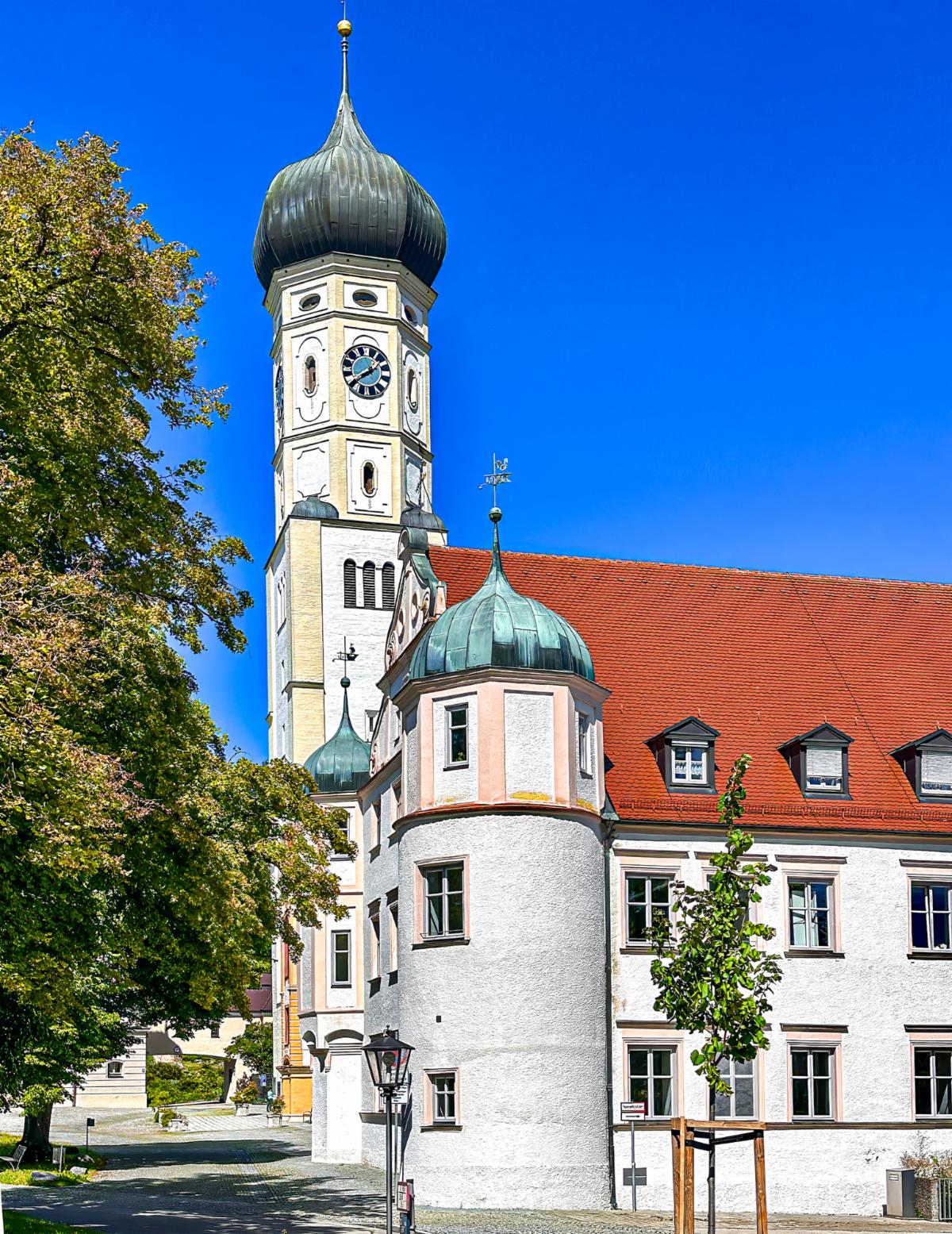
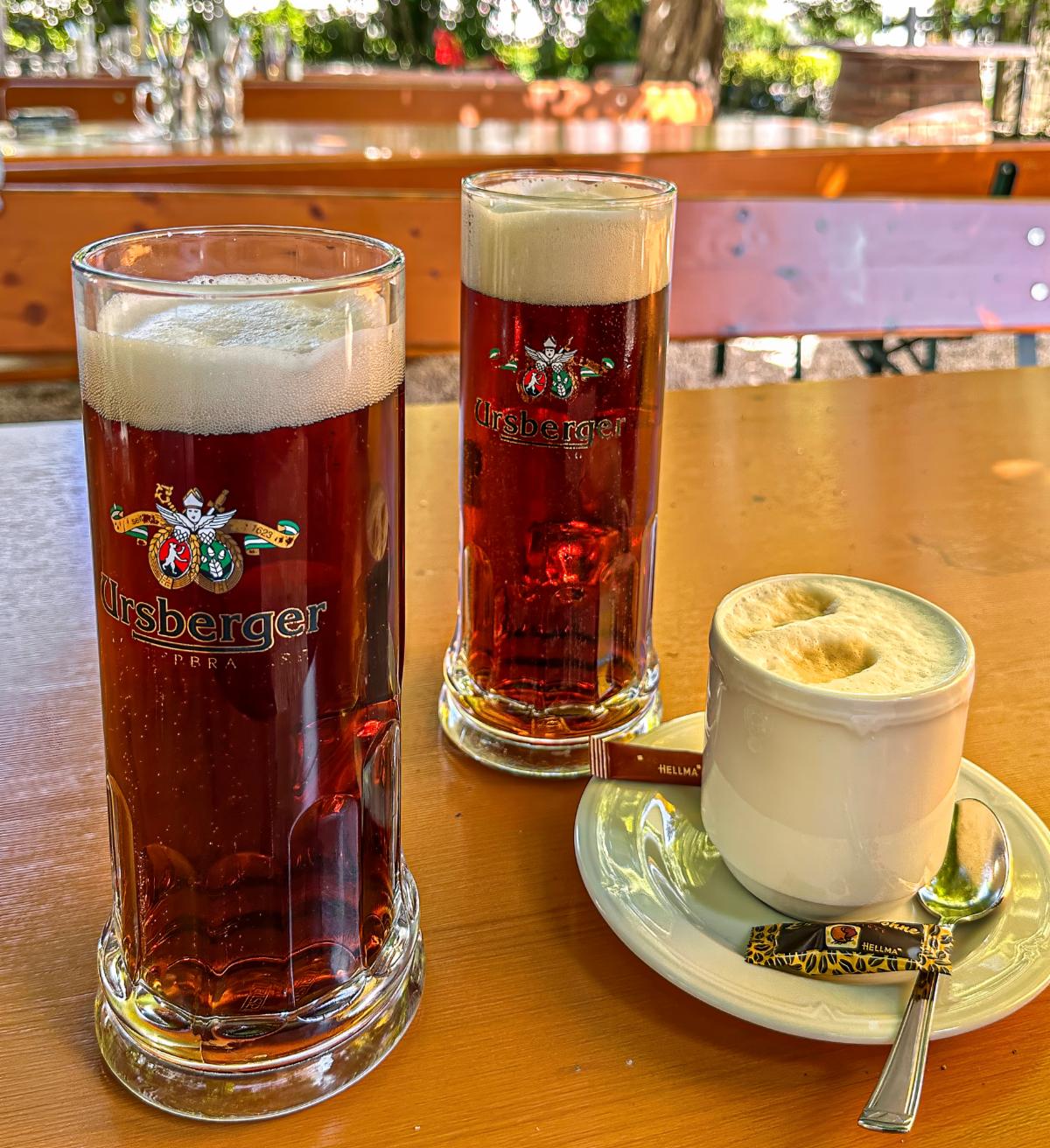
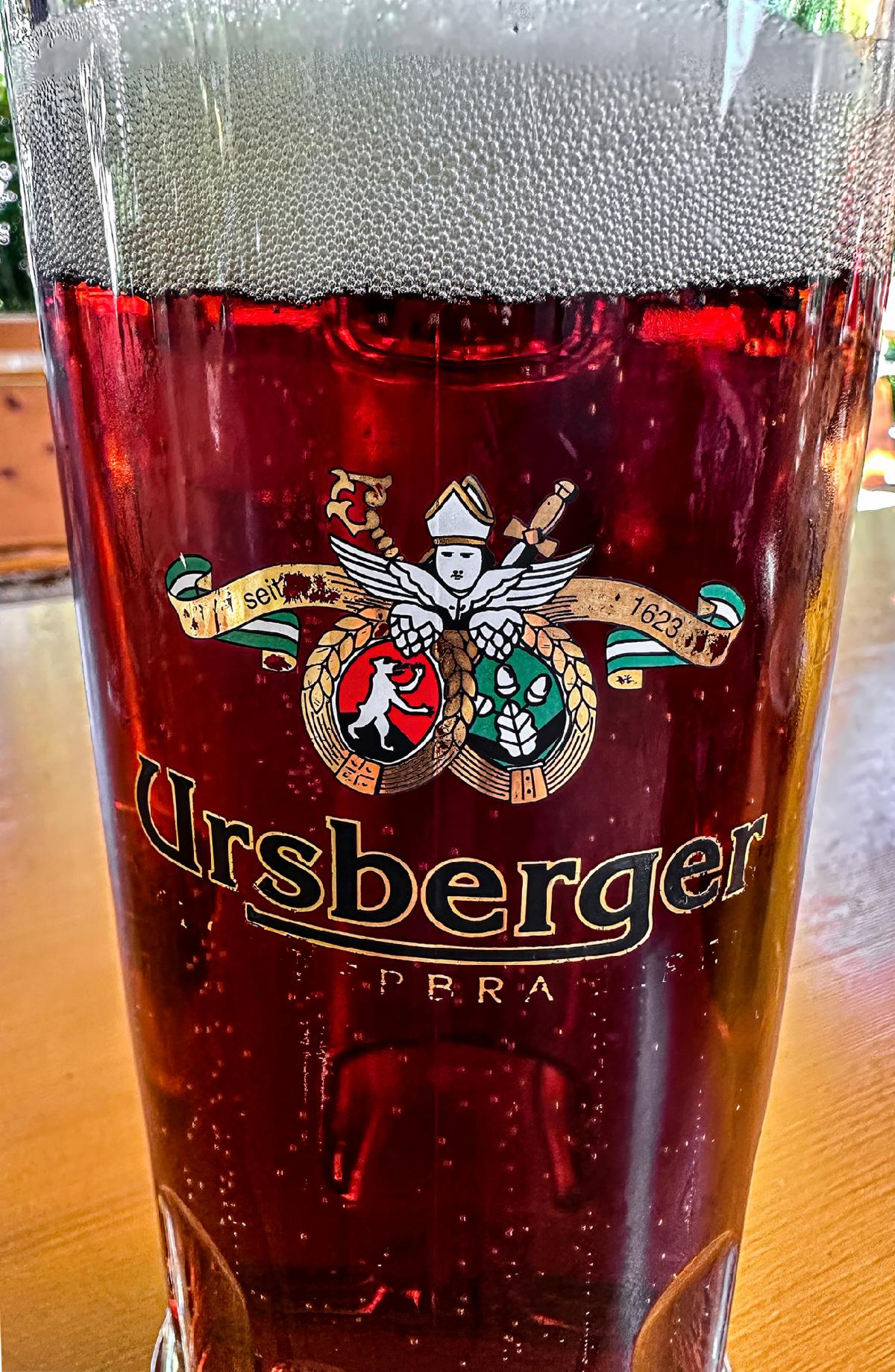
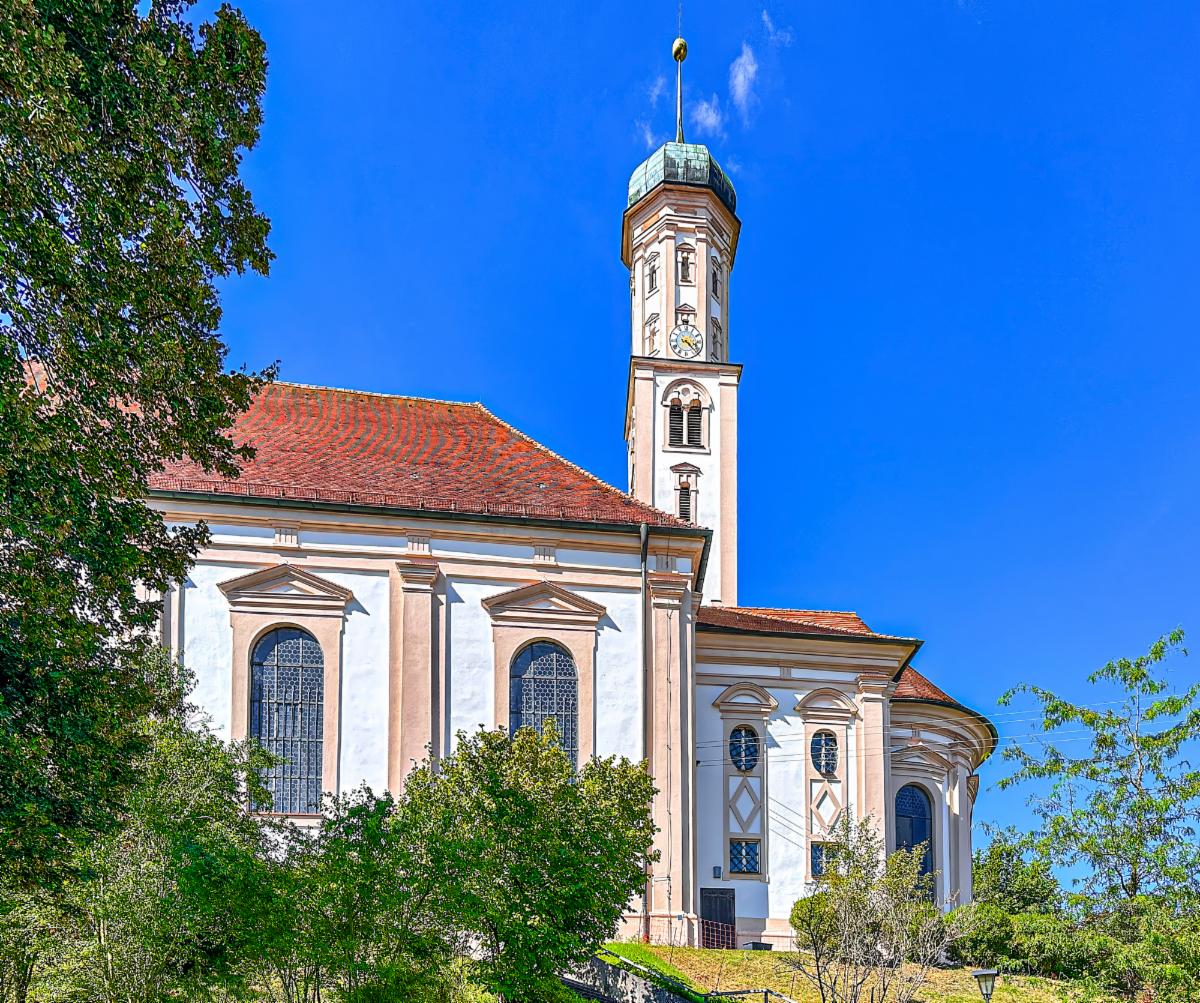
The Ursbeger (oohrs-bay-gar) Convent was a short drive from Obersthönenfeld. Instead of making bread, these nuns specialize in caring for the disabled. Starting in the year 1125, Ursbeger always included a guesthouse complete with its own brewery. Like Obershönenfeld, the guesthouse part of the convent has been leased out. We sampled a half-liter of Ursbeger Bock beer served in specially labeled Ursbereg glasses. The verdict between the two breweries? Both Bocks were terrific. It was a draw.
(Near Munich, the Weilenstephan Benedictine Monastery operates the oldest continuously operating brewery in the world. These monks began brewing in 1040. Interestingly, the Weltenburg Abbey near Welenstephan started brewing in 1050. It missed being 1st by just ten years. I hope to visit both sometime on this trip.)
|