|
SATURDAY, DECEMBER 8, 2023
LIMESTONE MUSEUM
Today was our first of four tour days. We were assigned a French/English tour group. Our guide first spoke in a delightful French lilt and then repeated everything in heavily French-accented English. I loved her lyrical accent. I was less interested in what she said than how she said it.
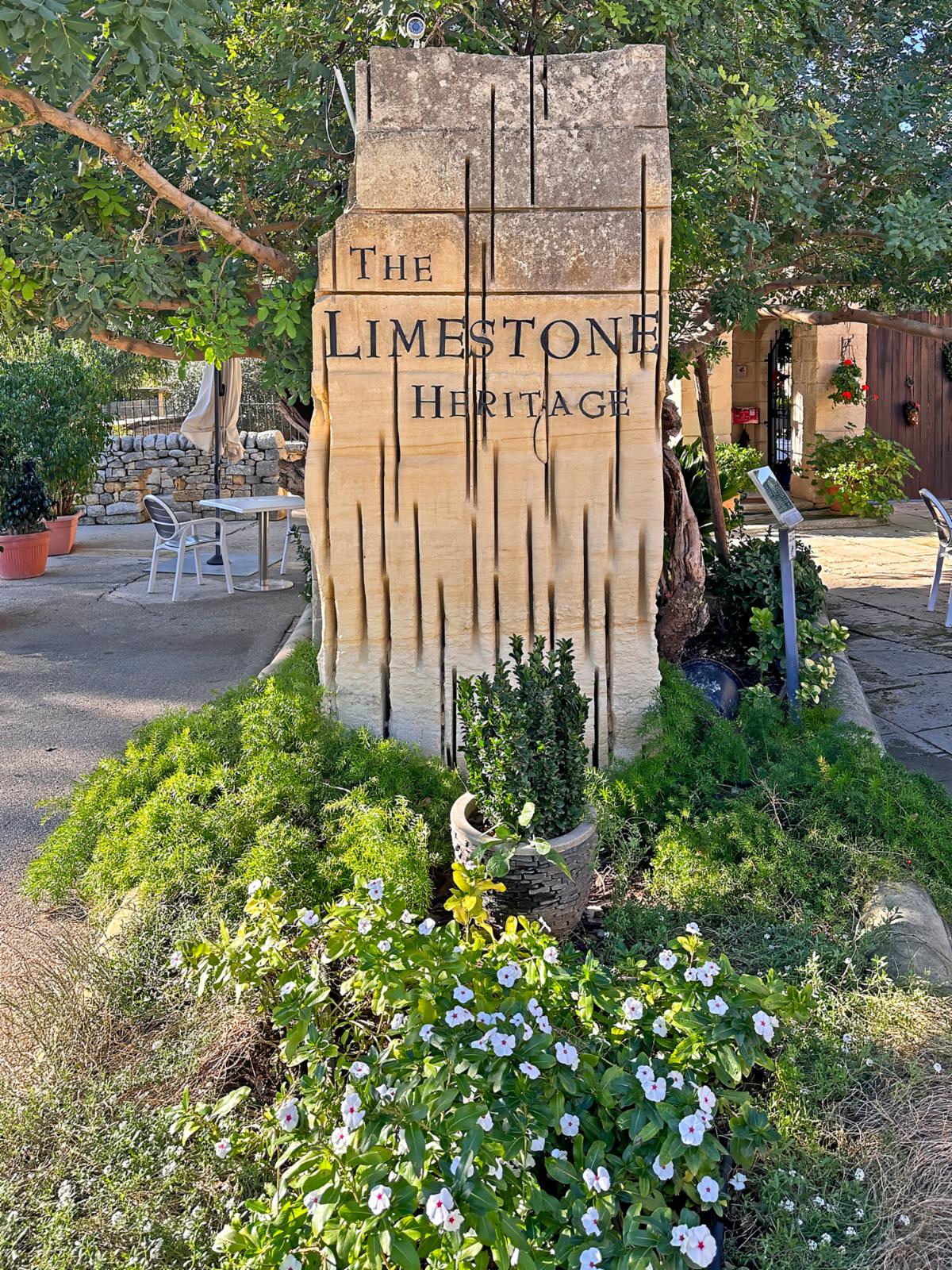
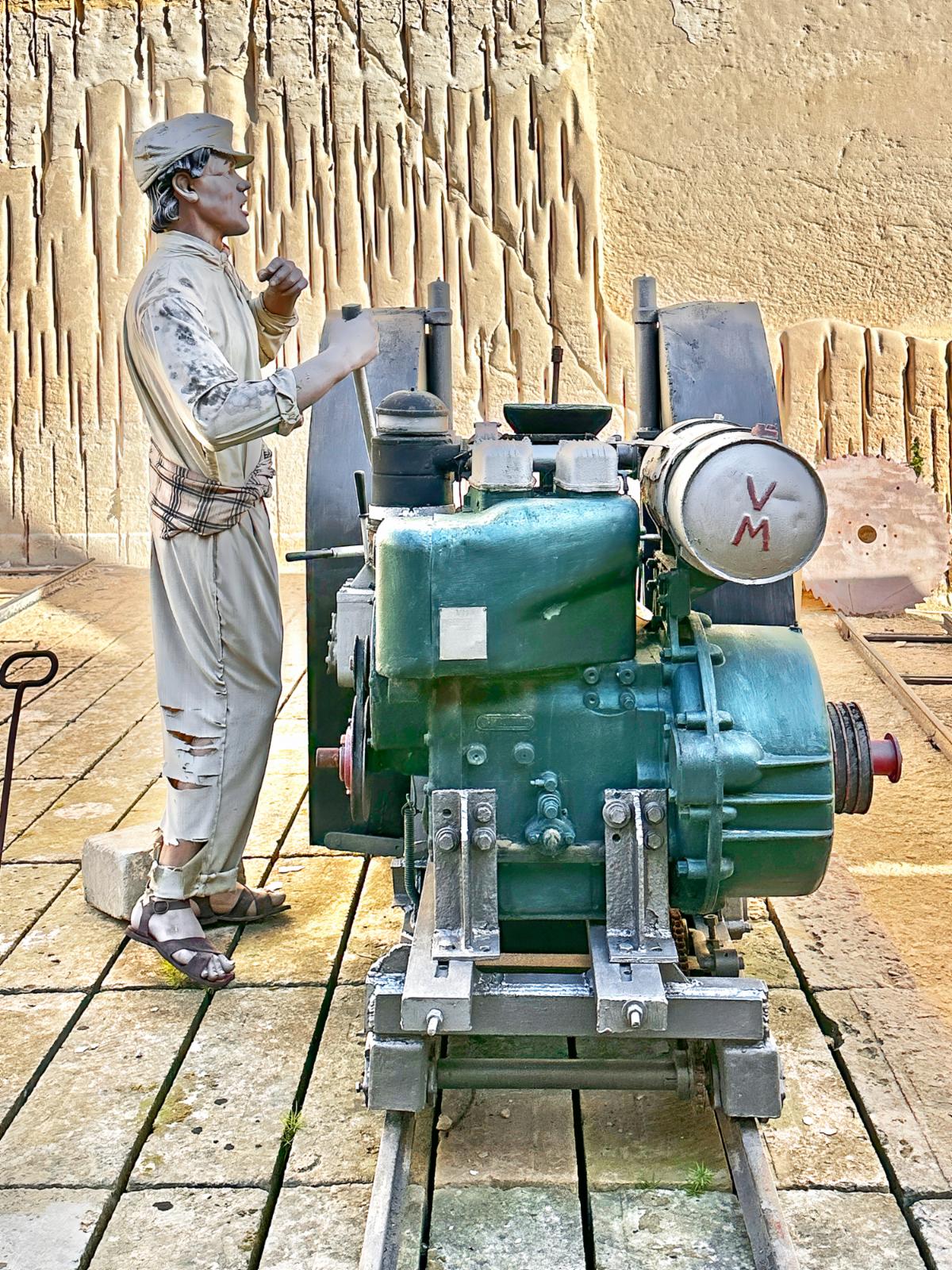
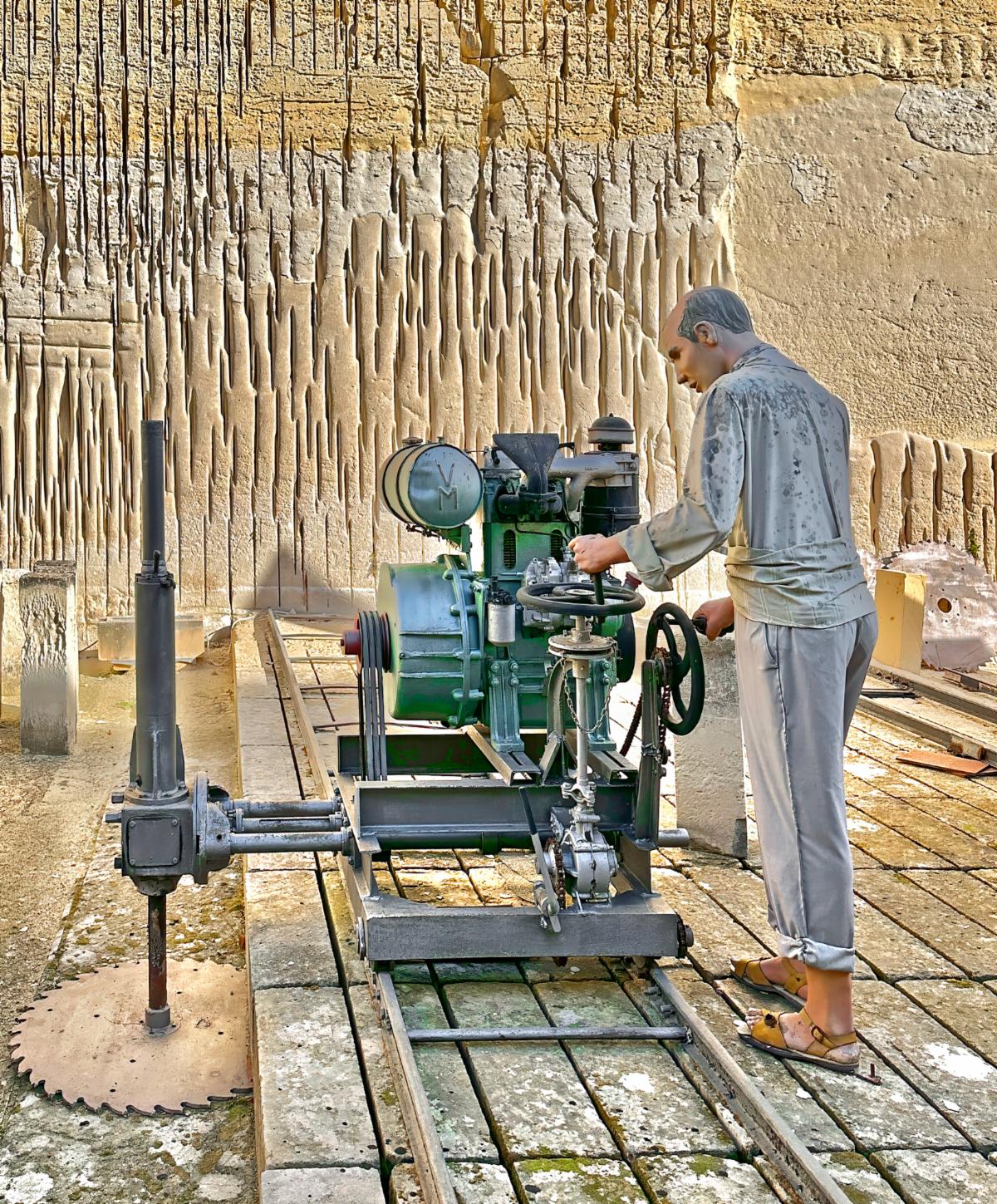
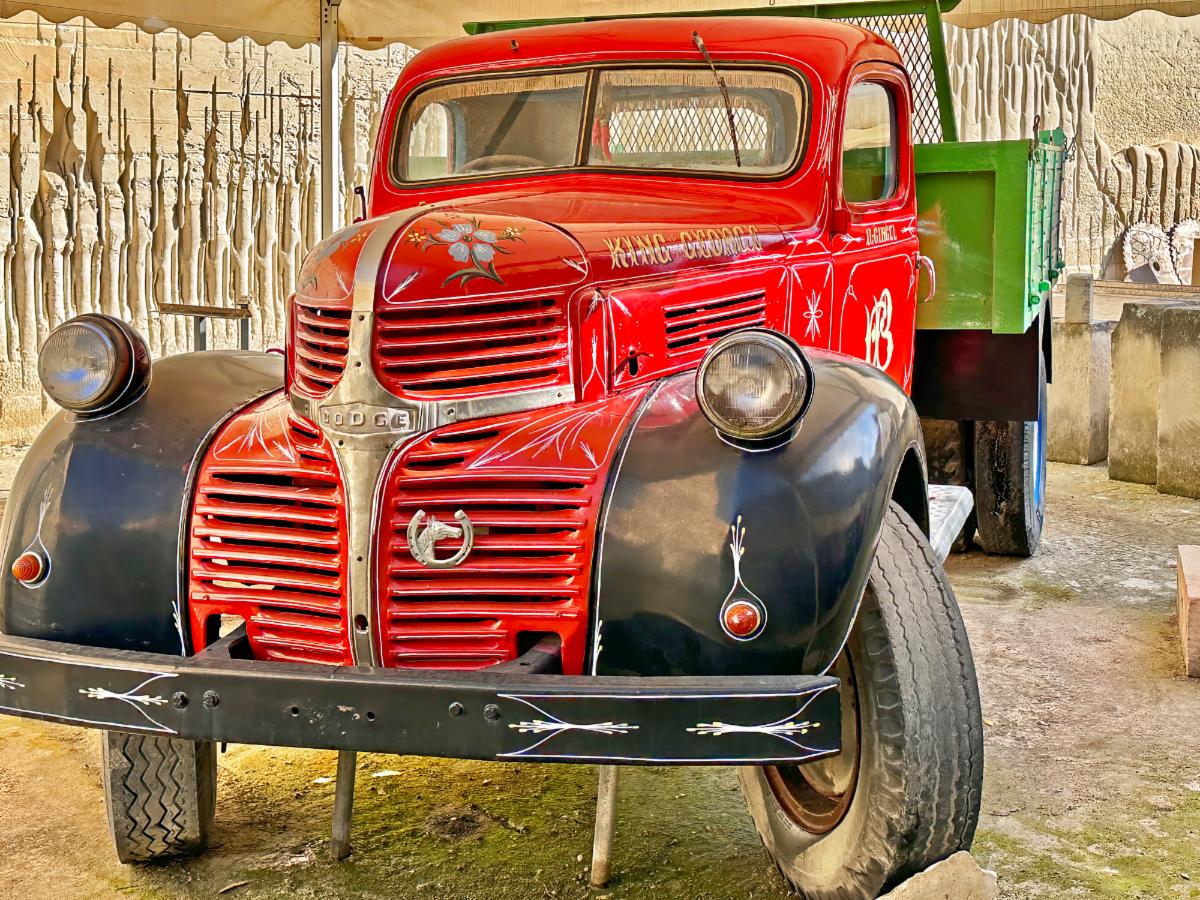
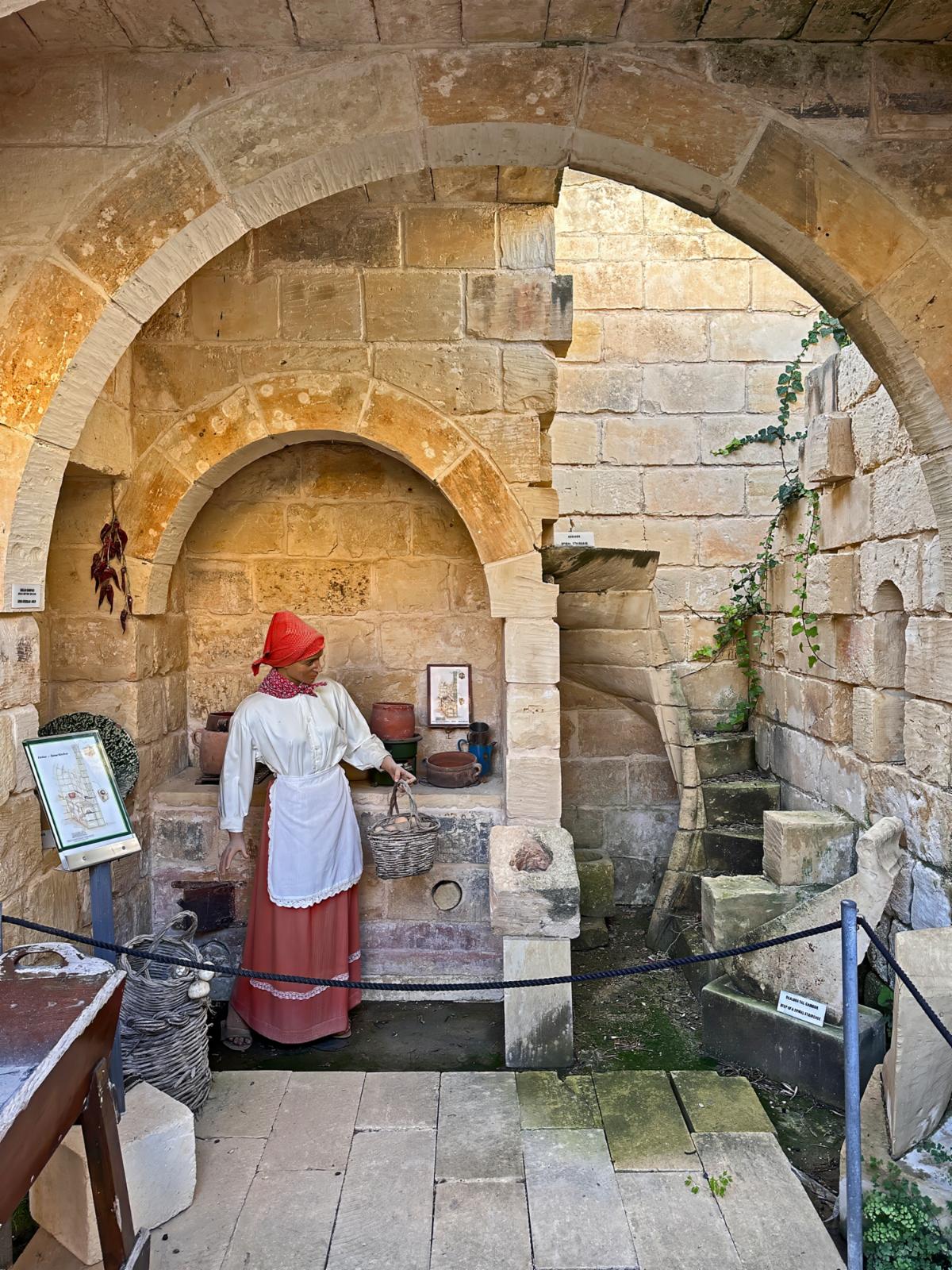
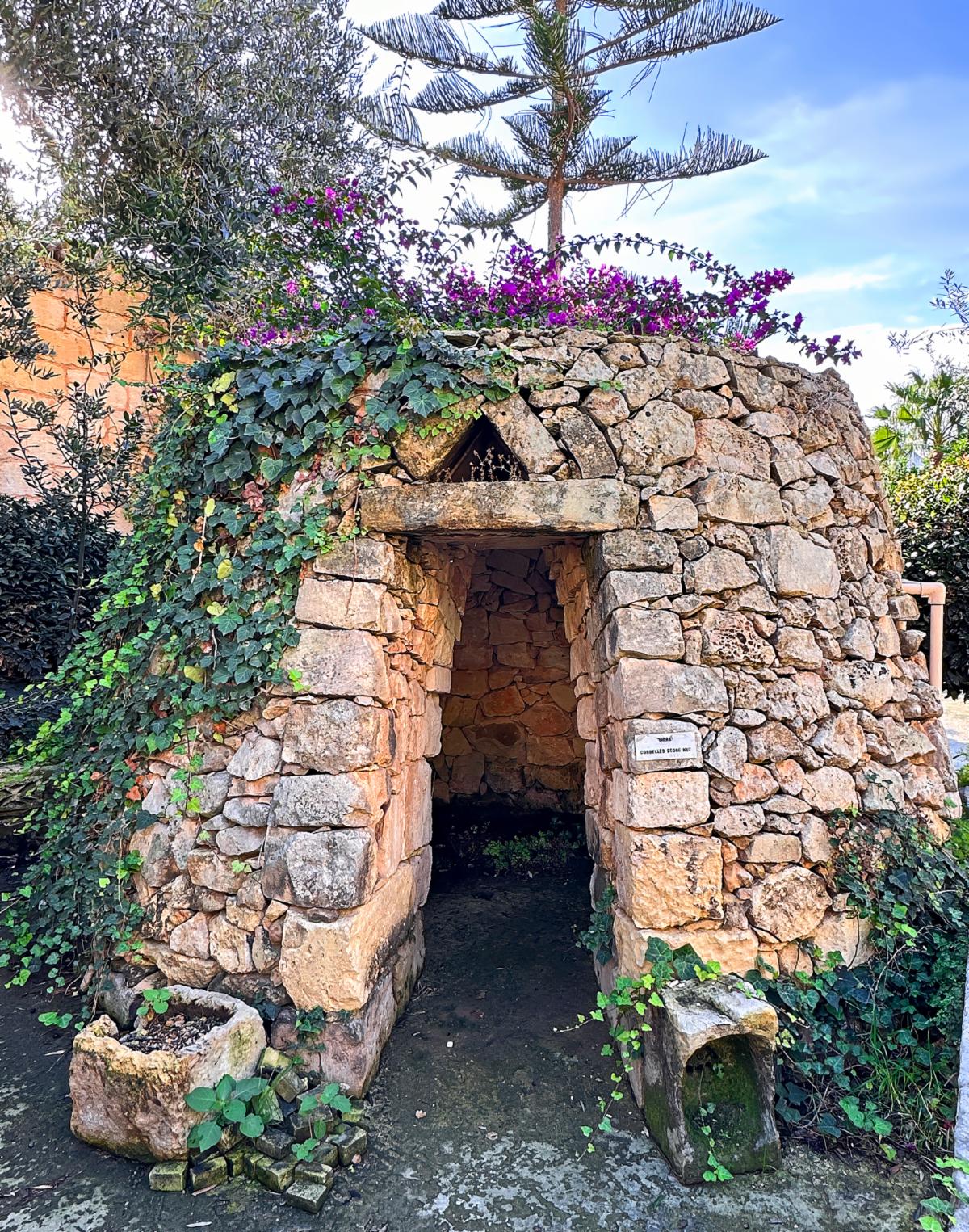
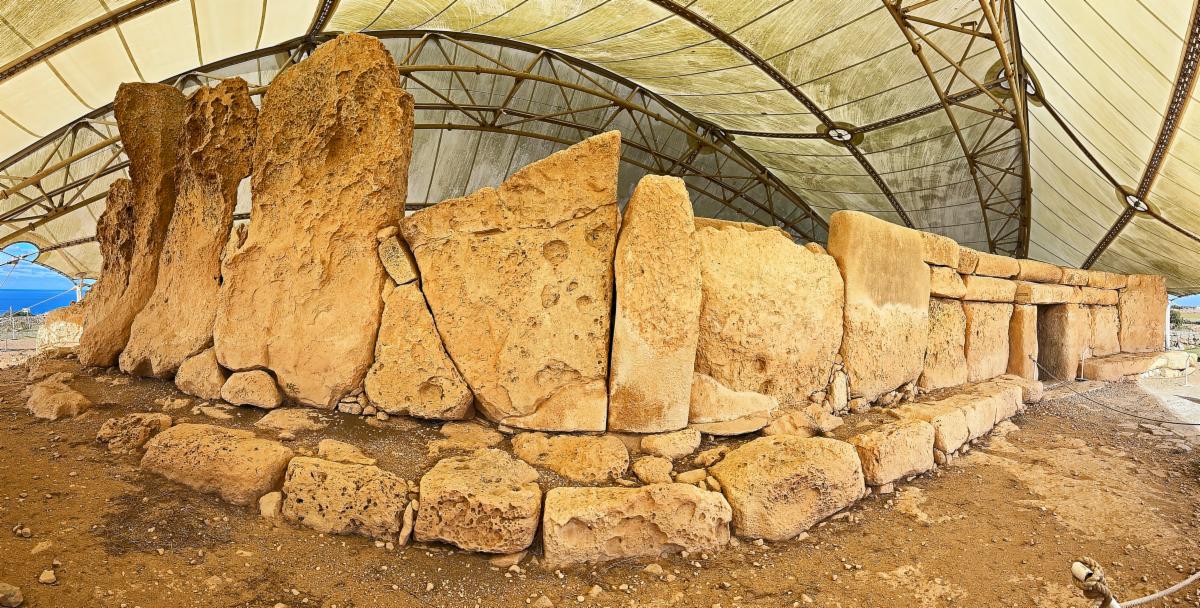
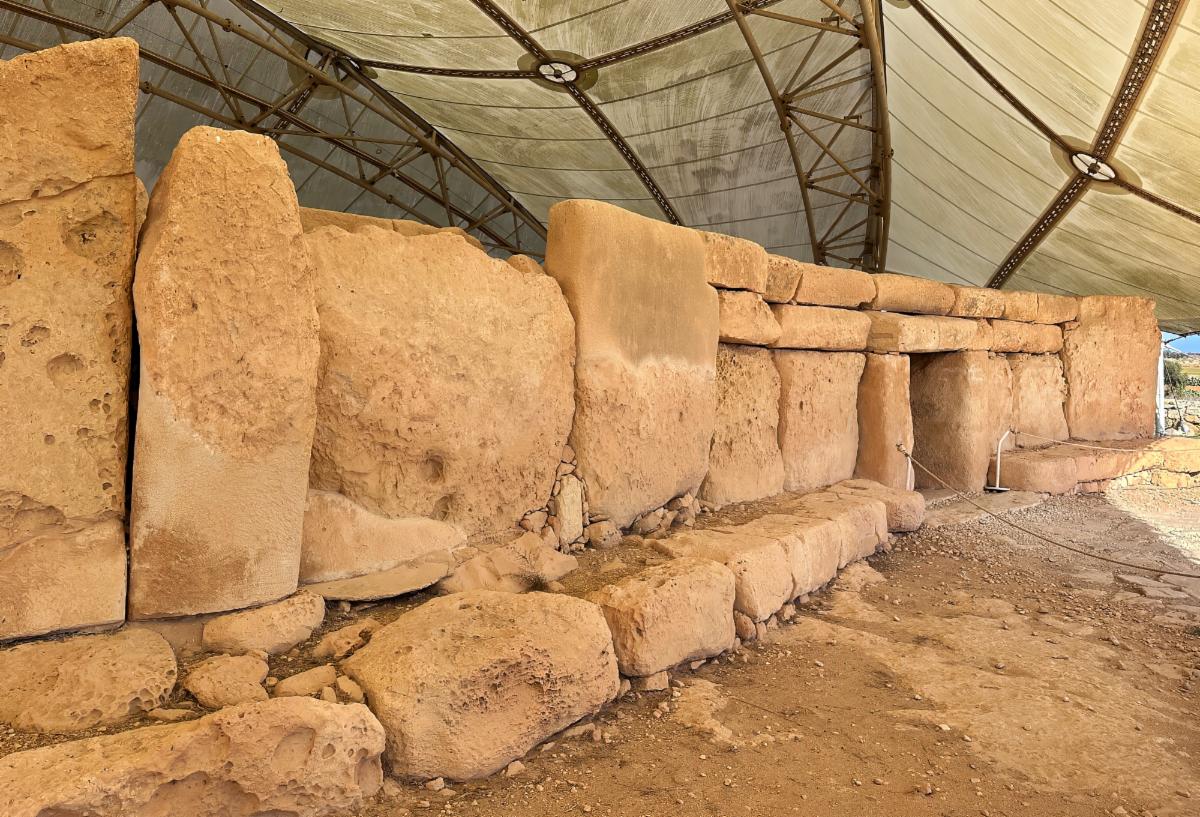
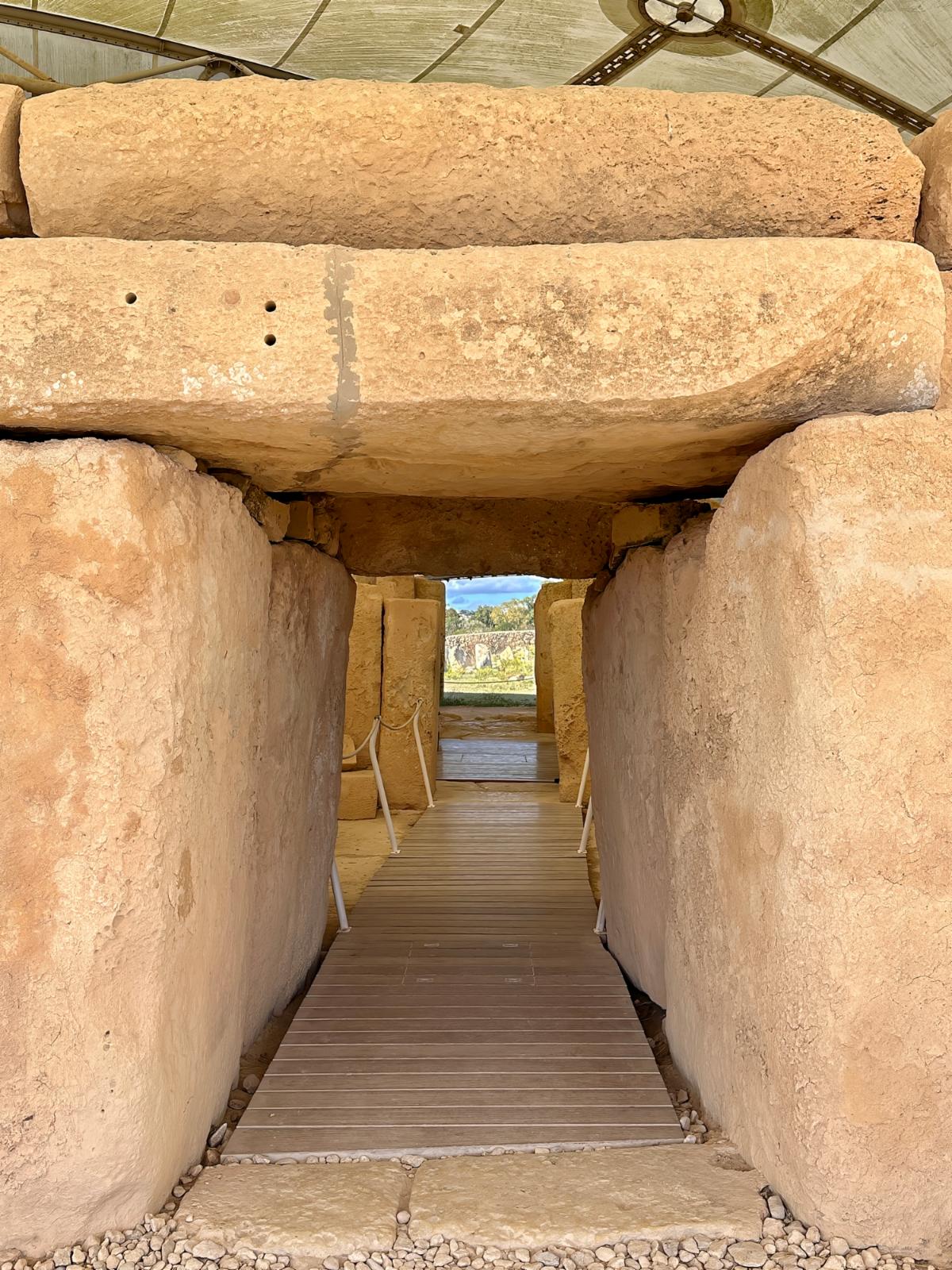
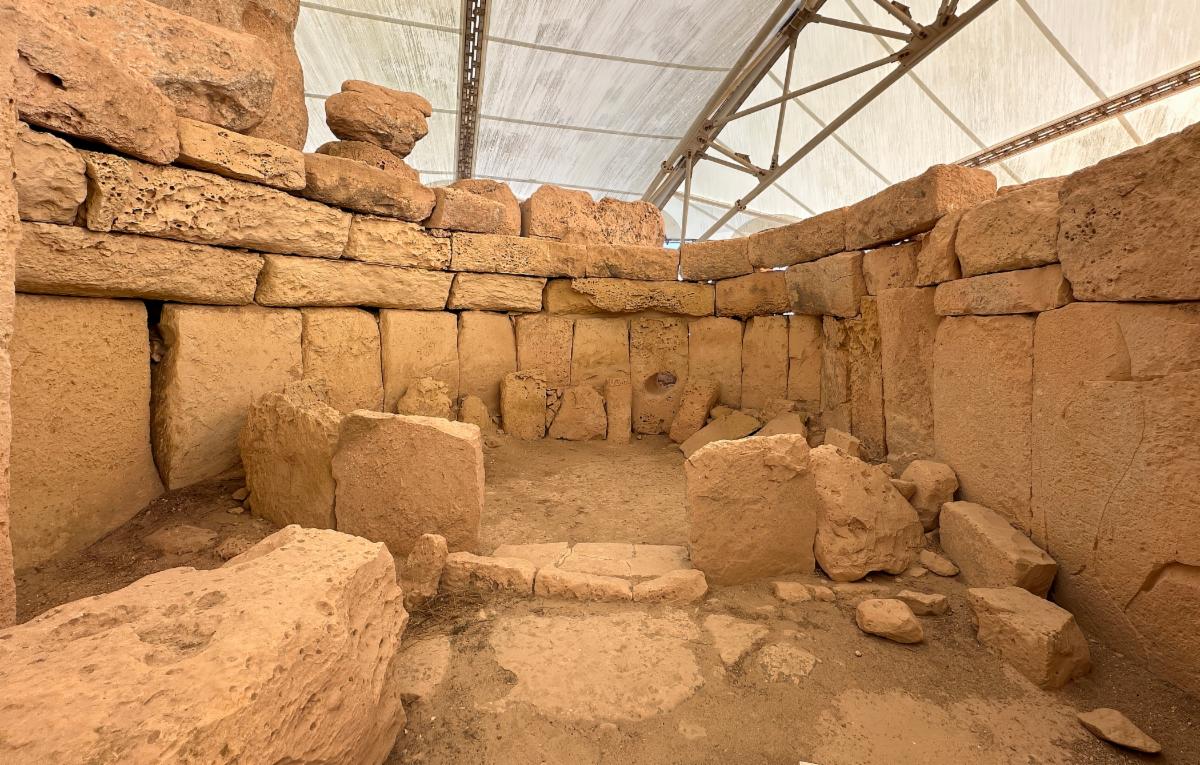
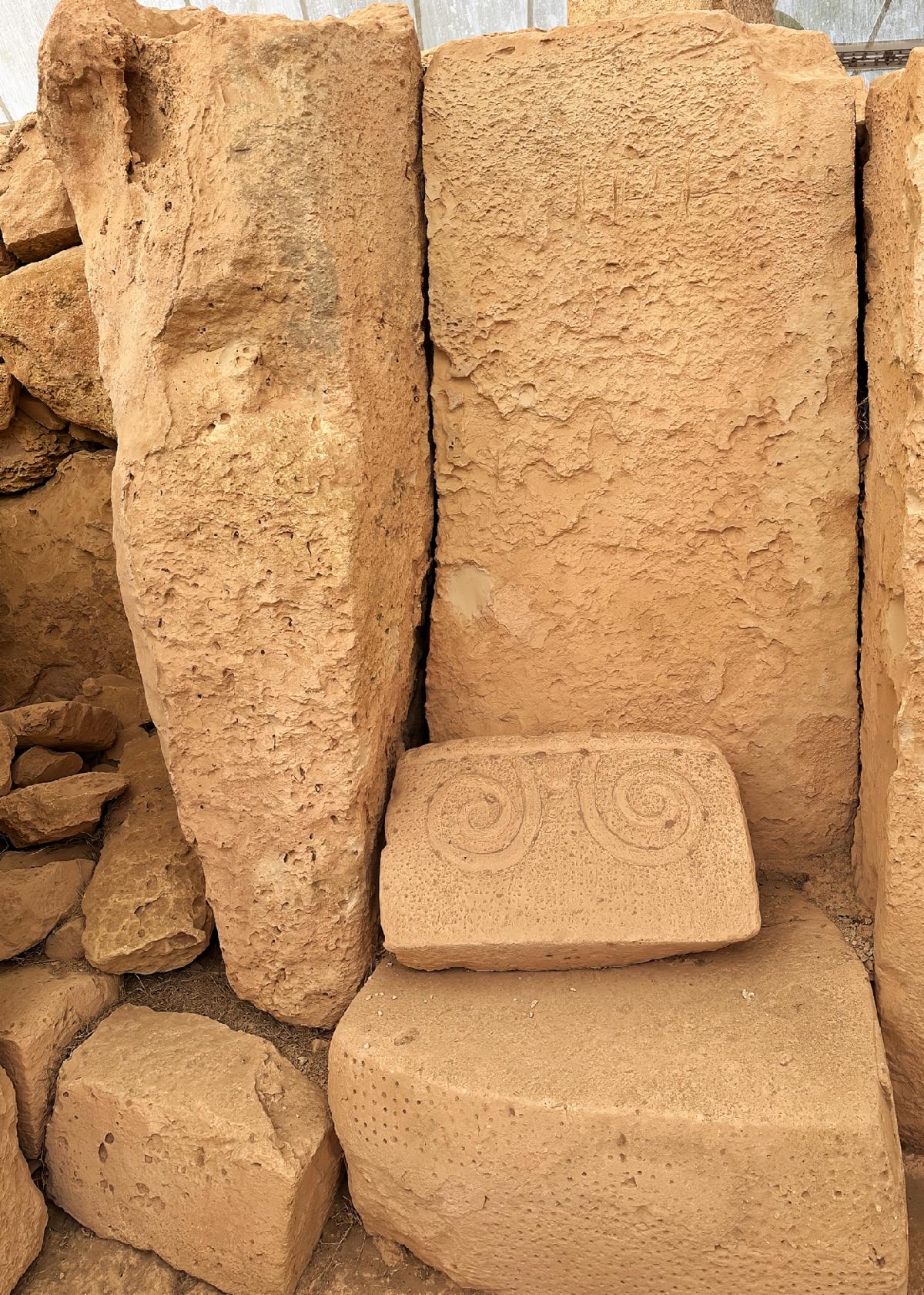
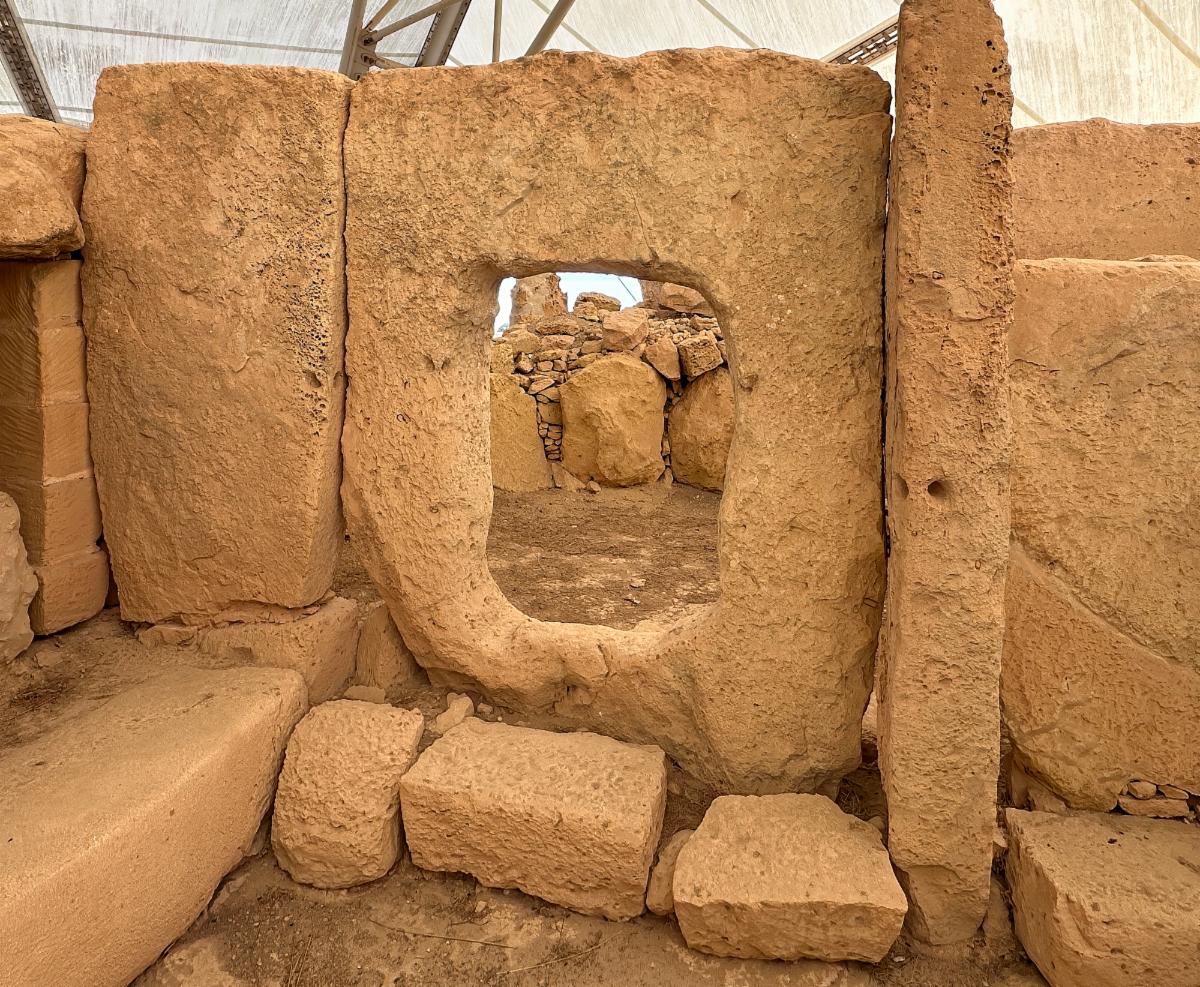
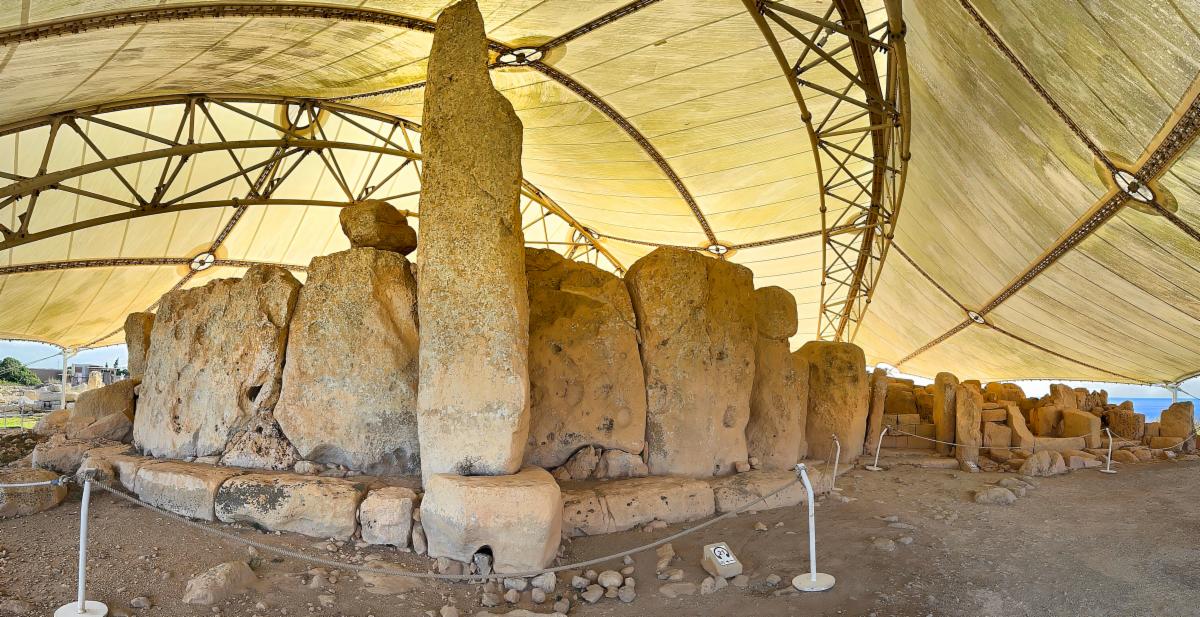
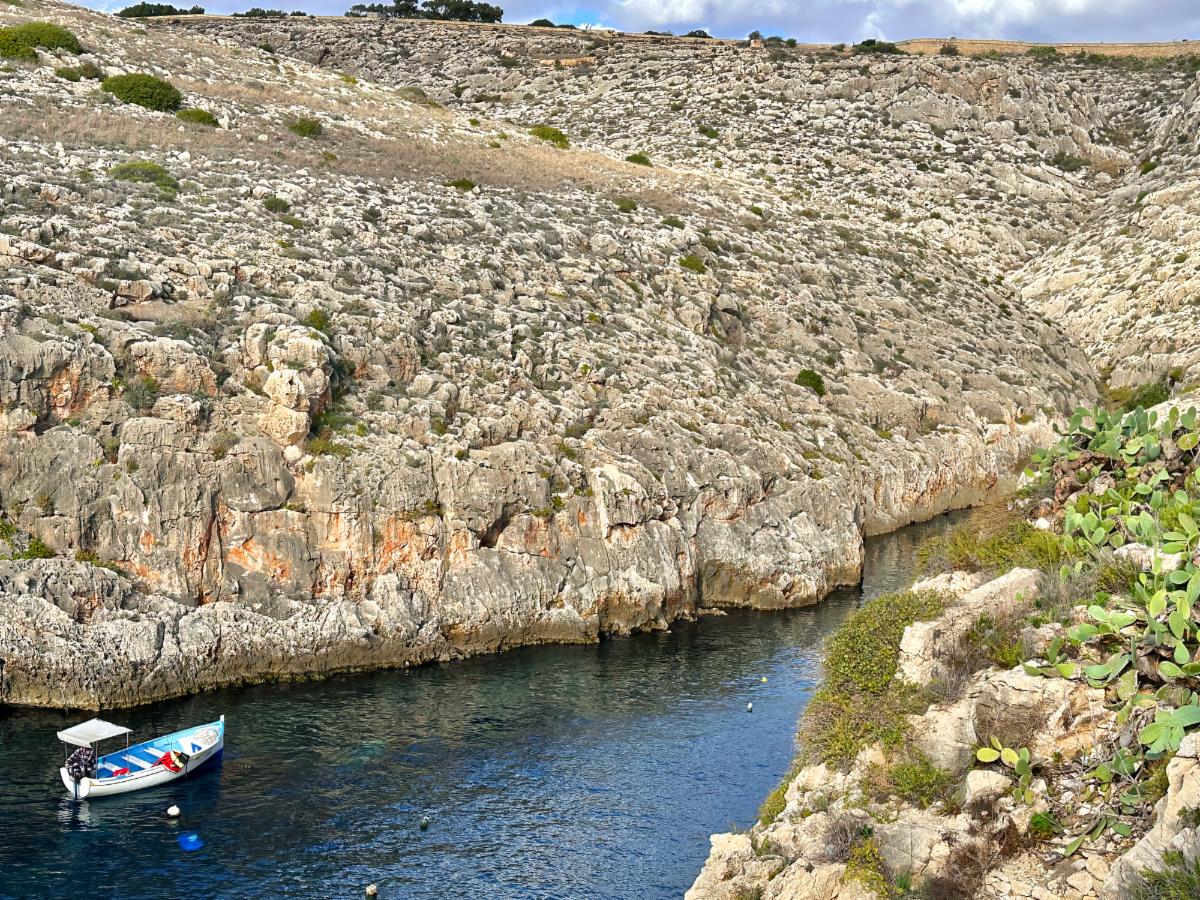
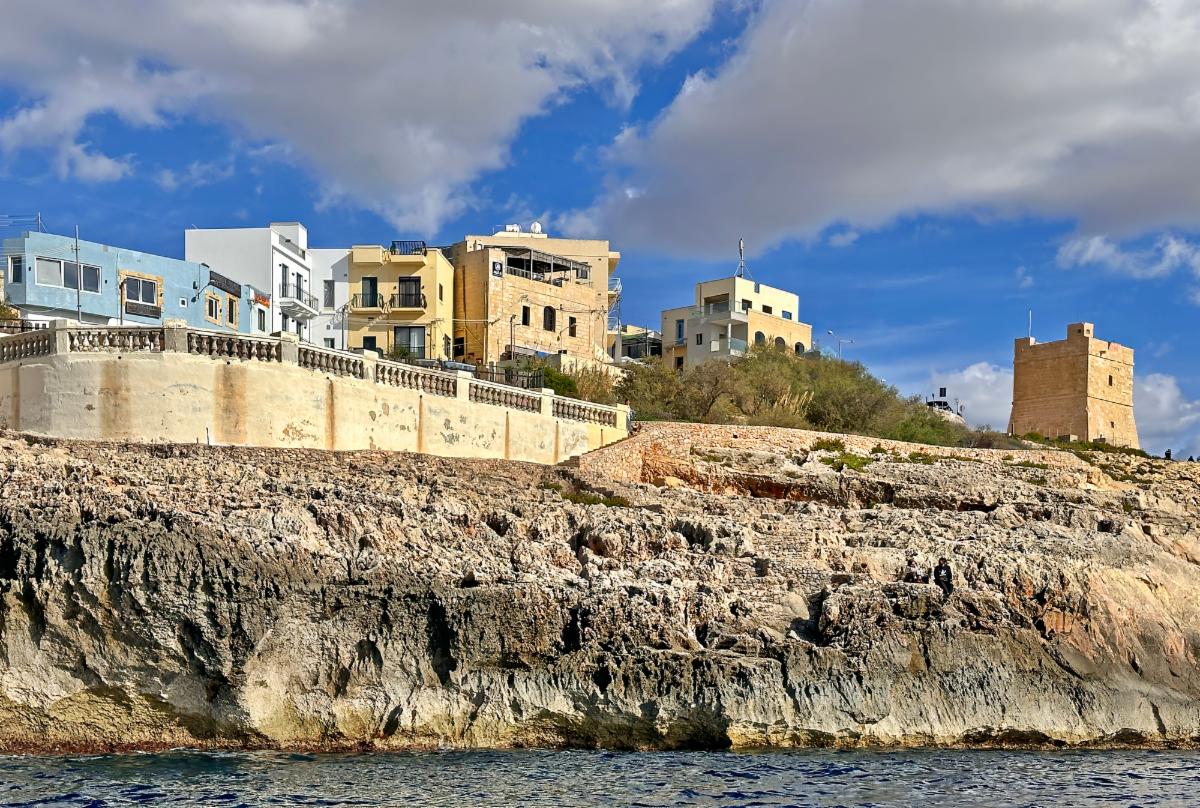
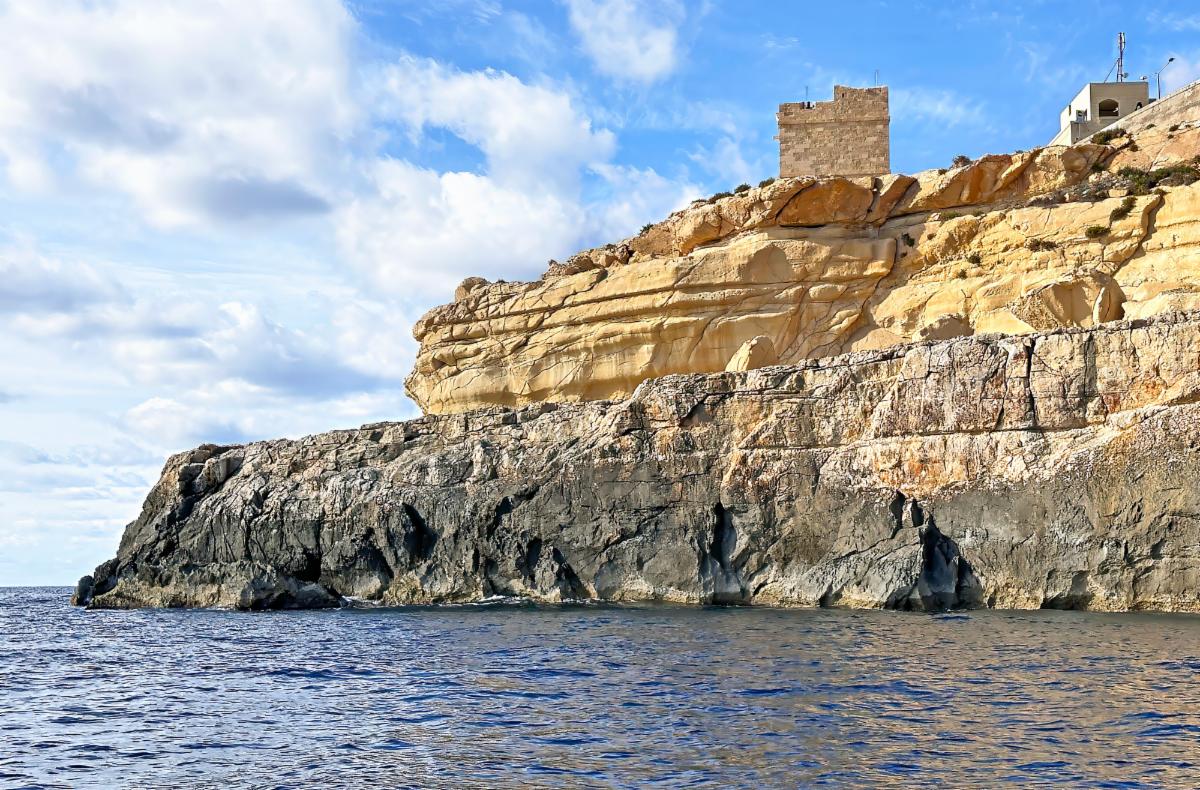
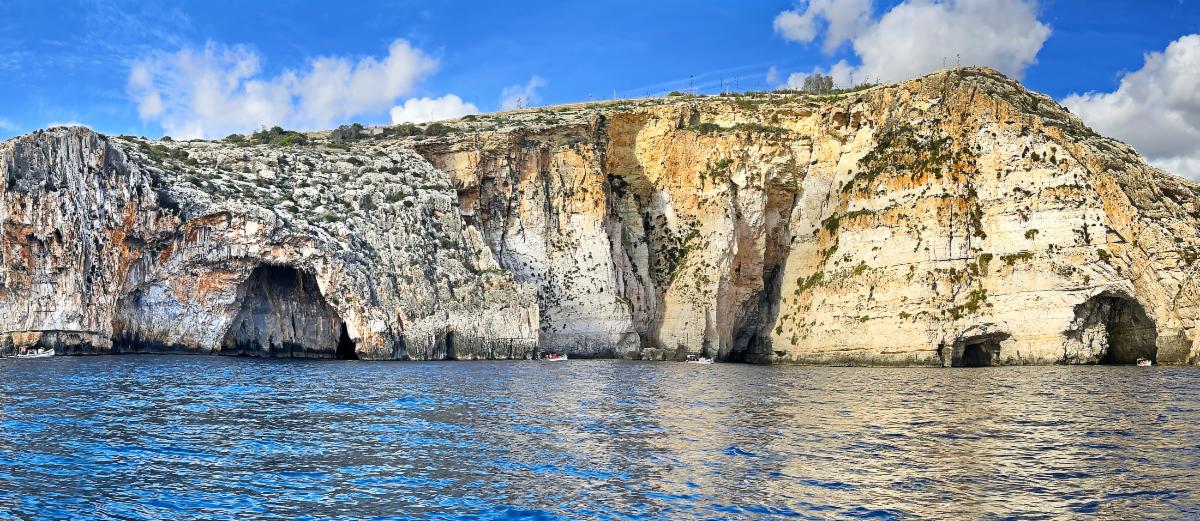
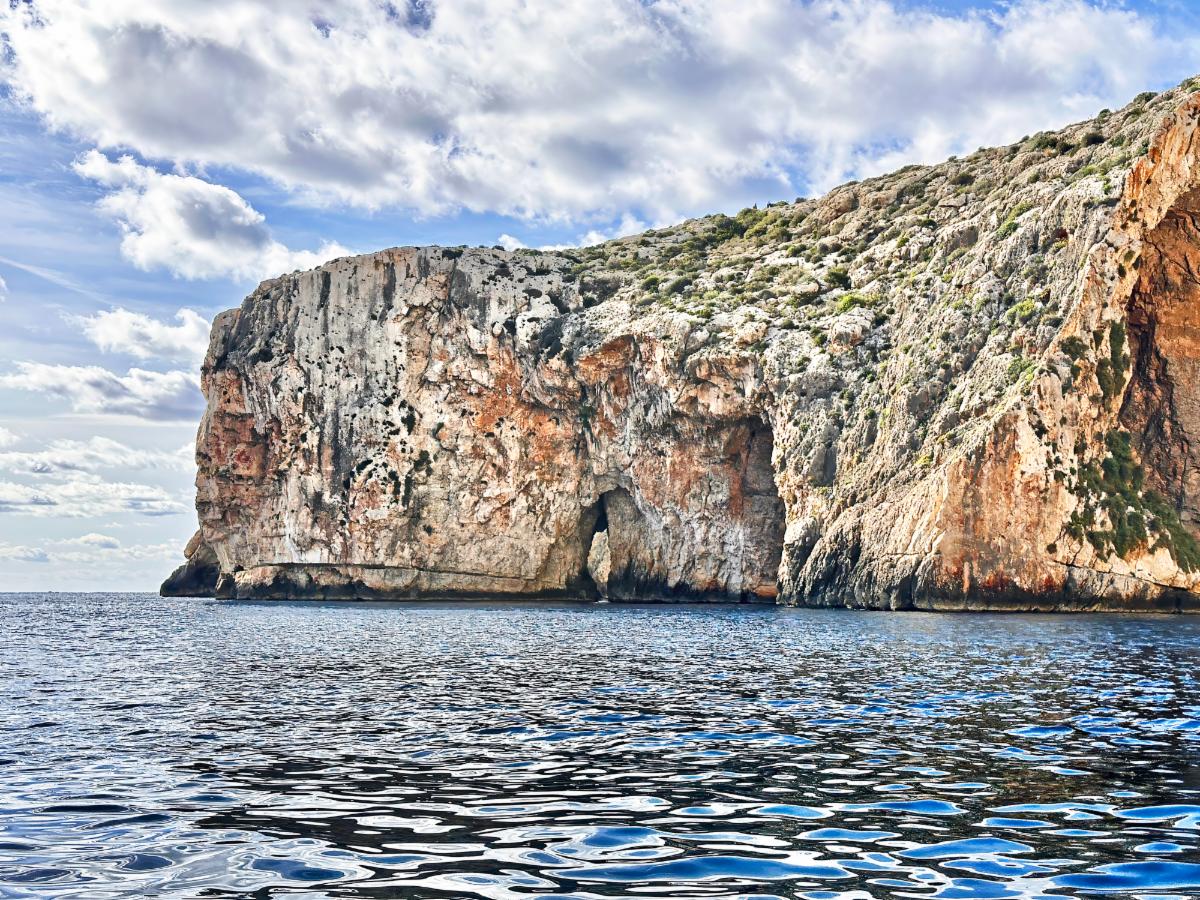
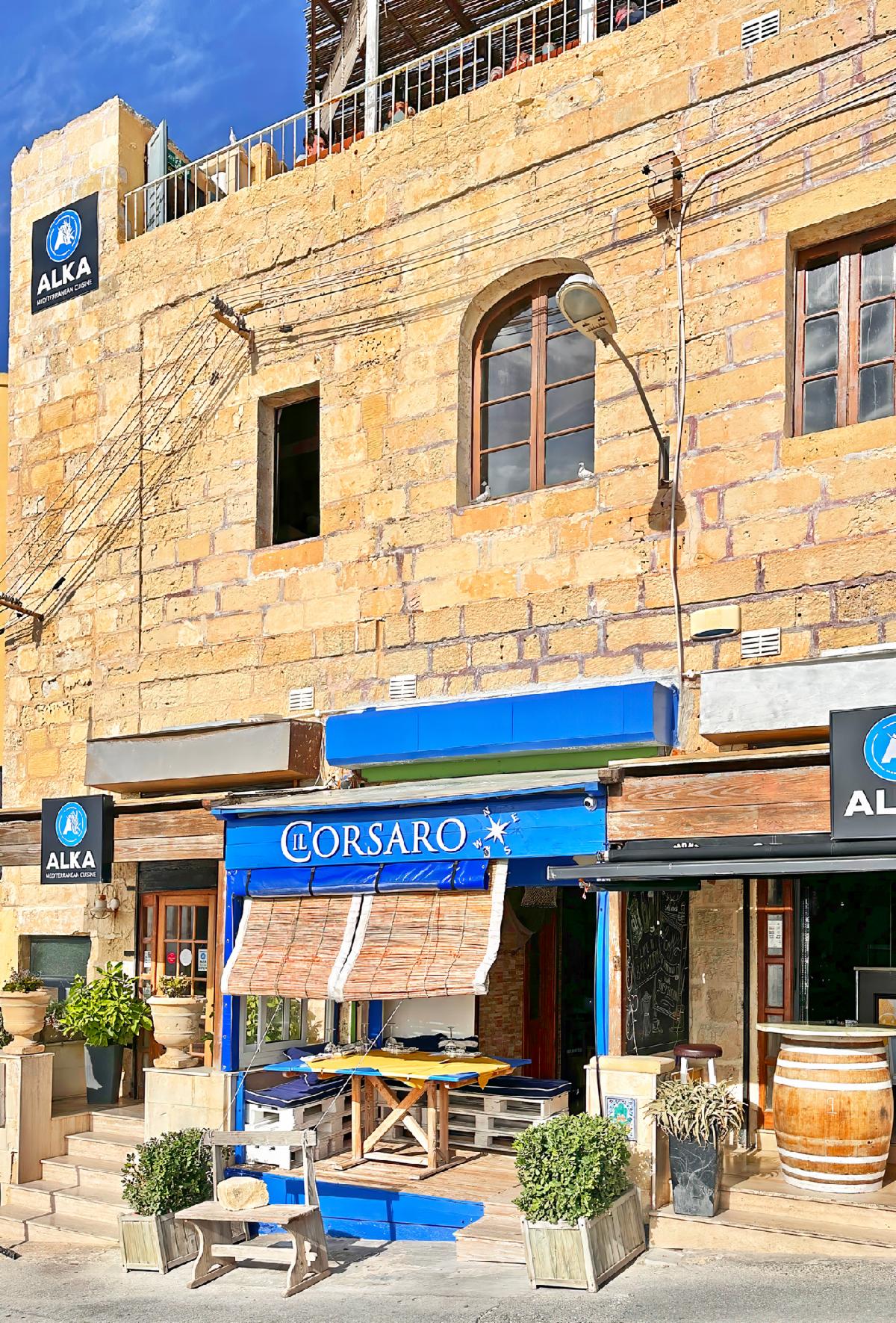
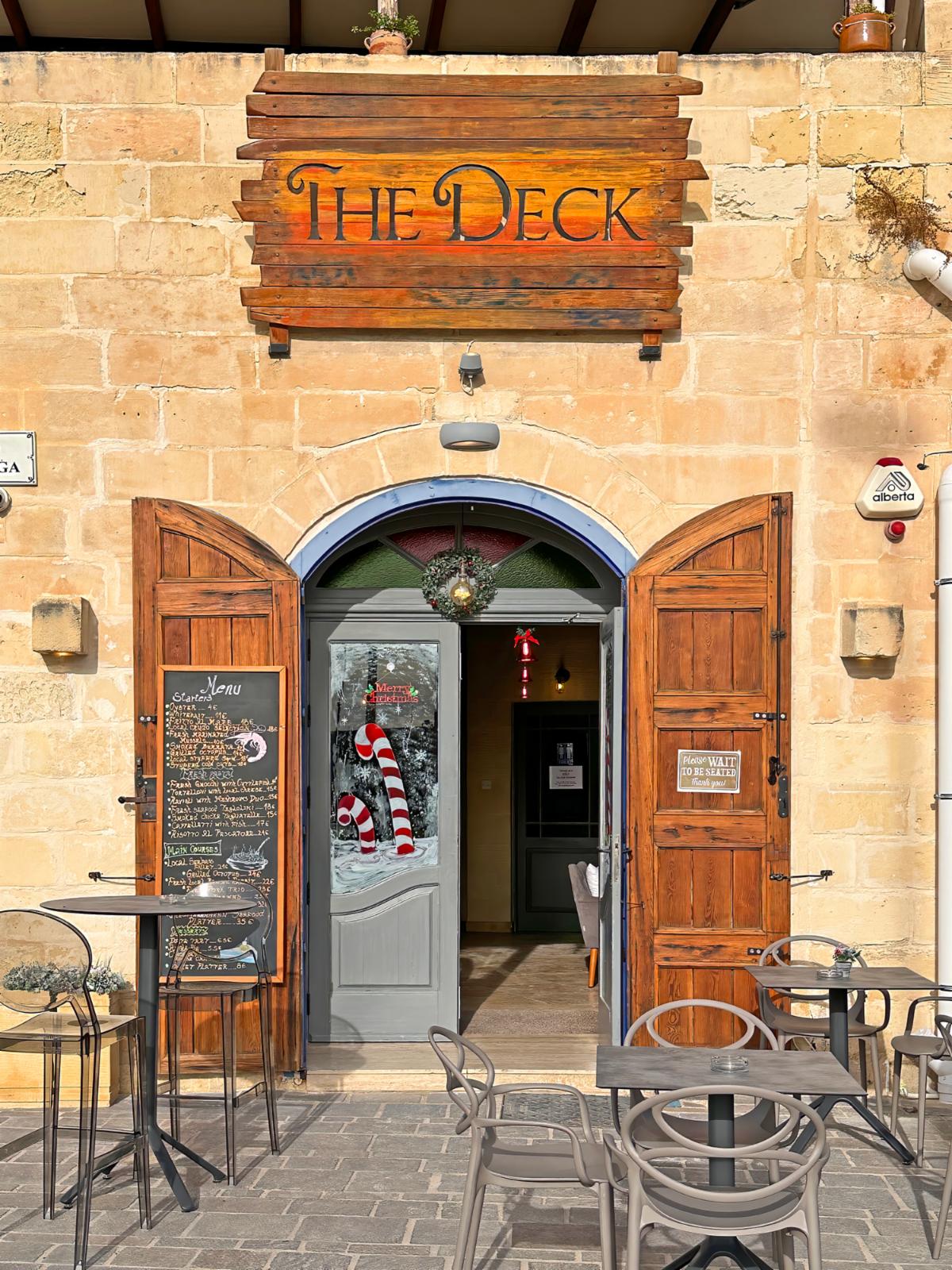
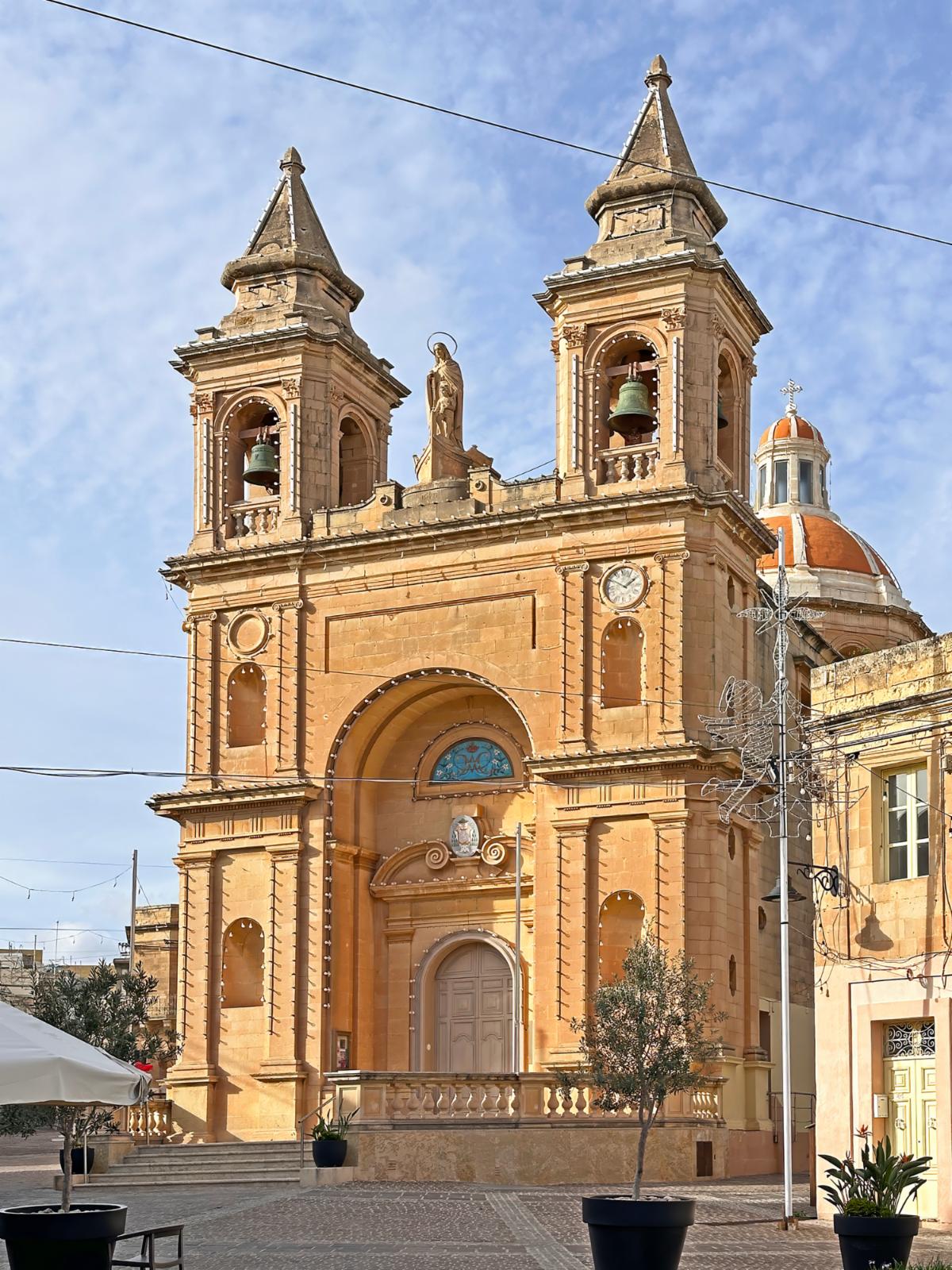
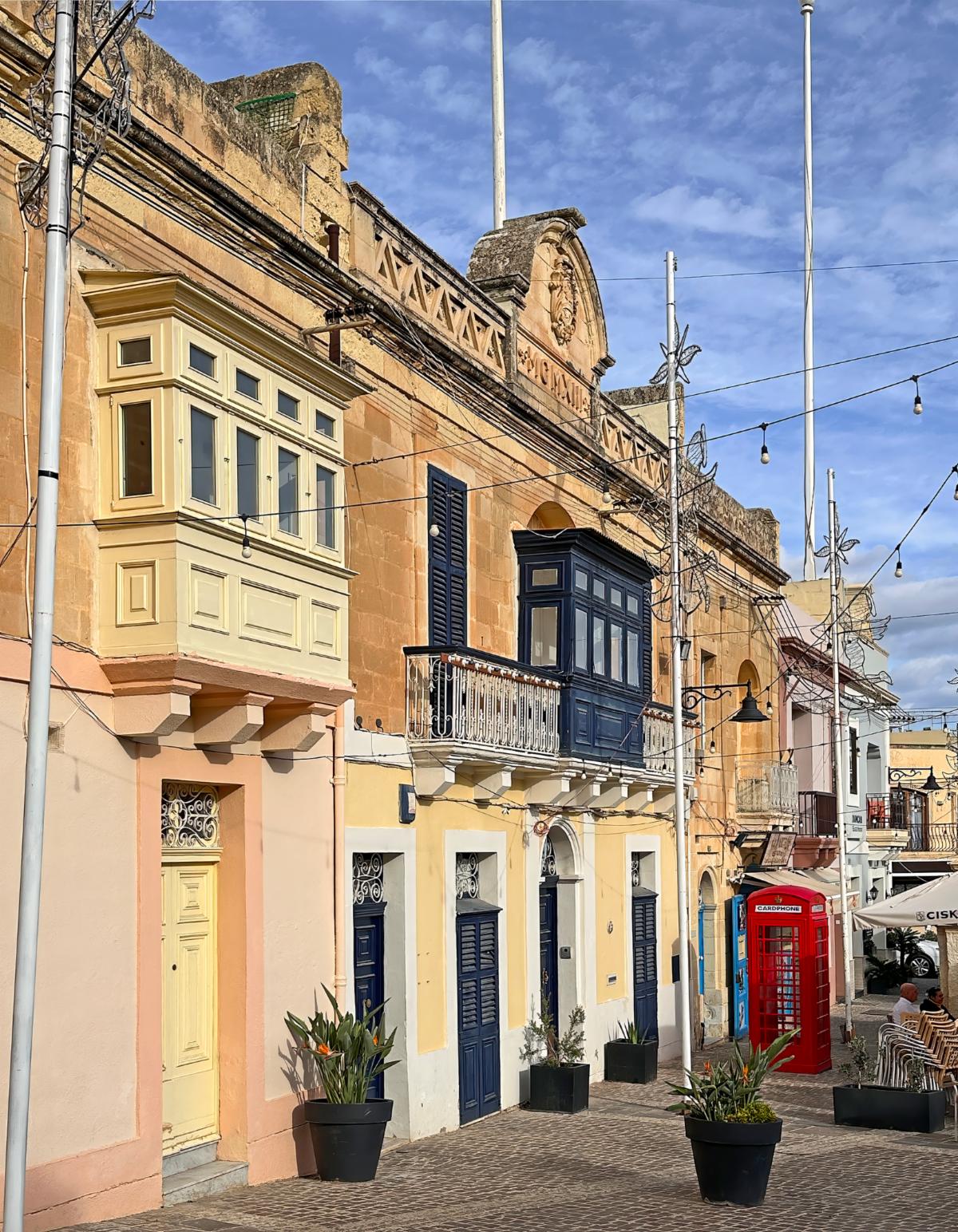
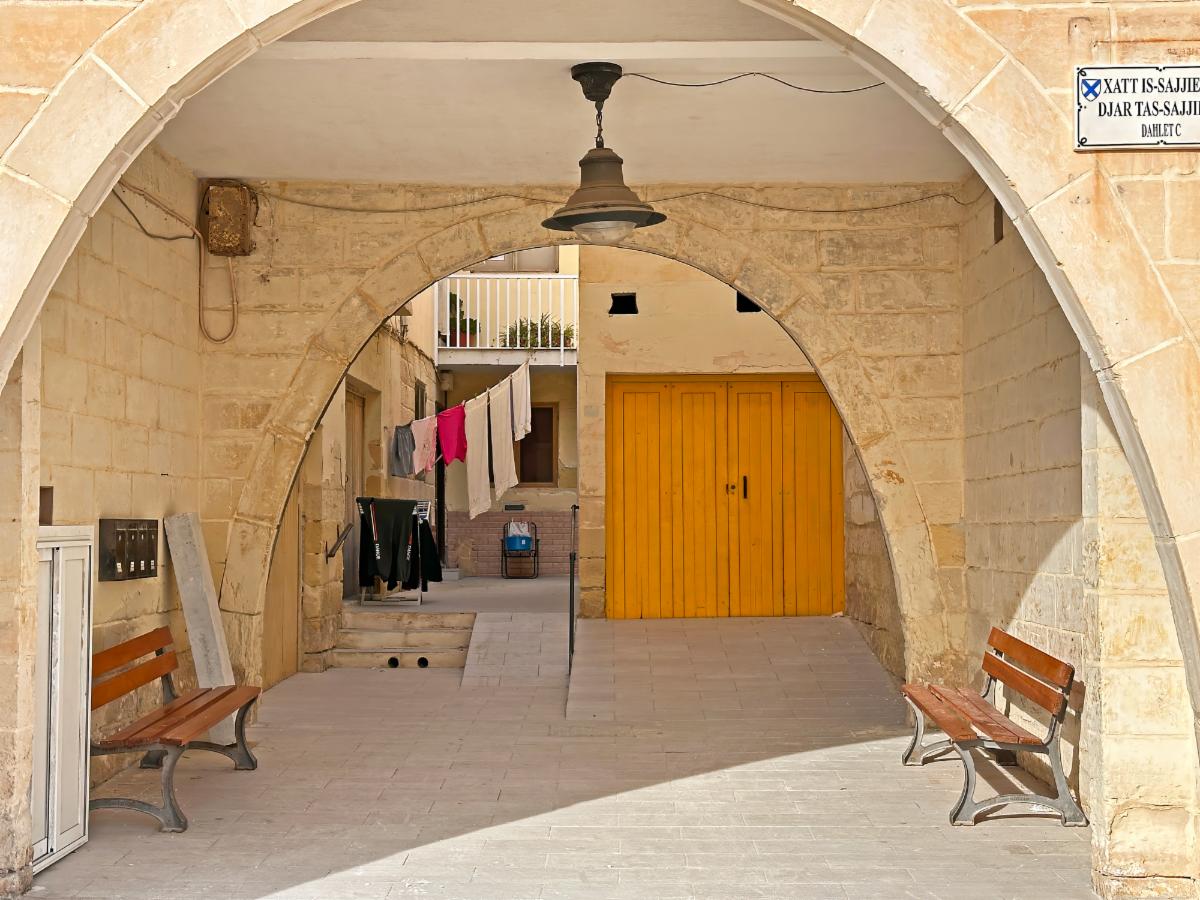
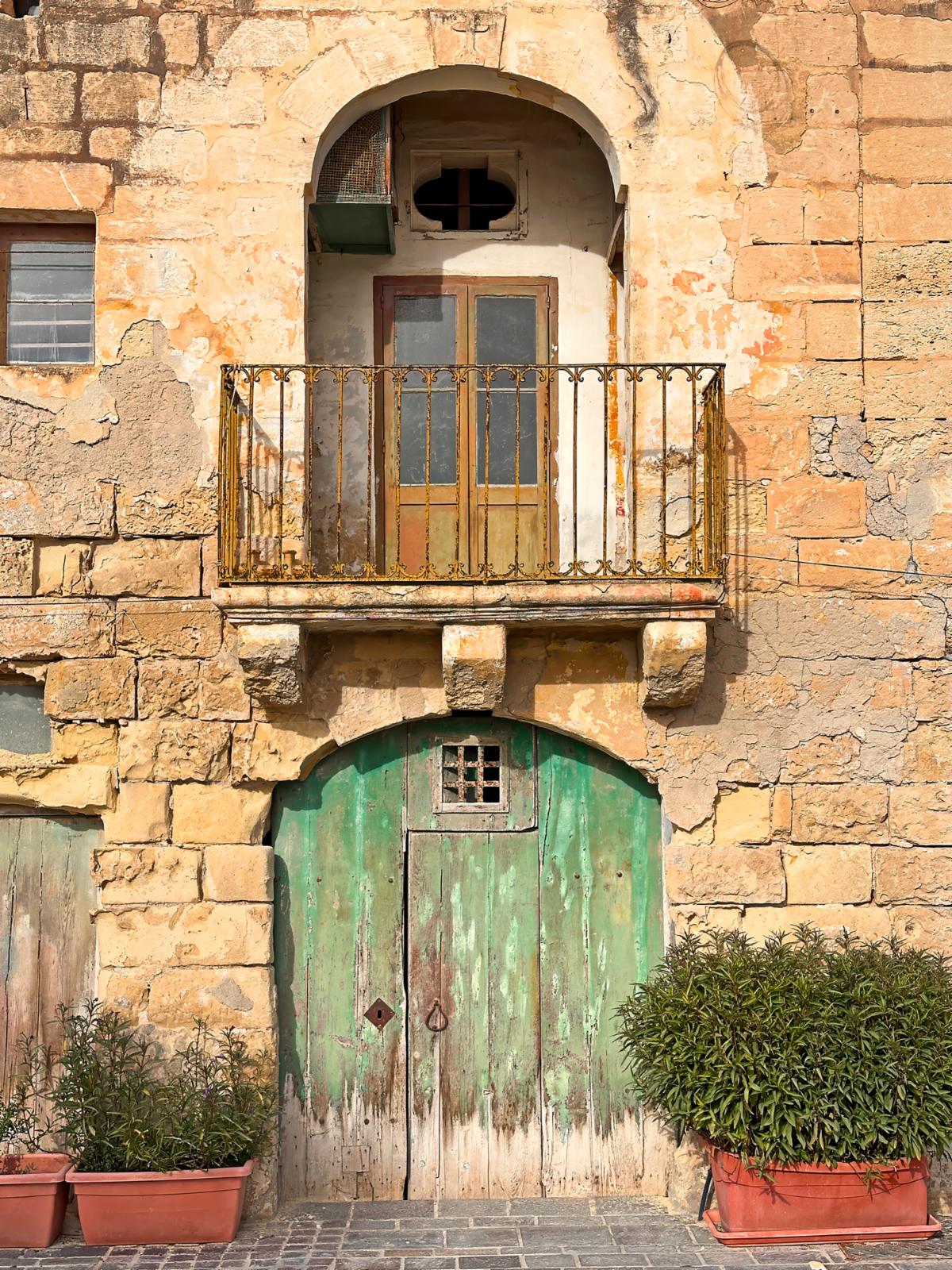
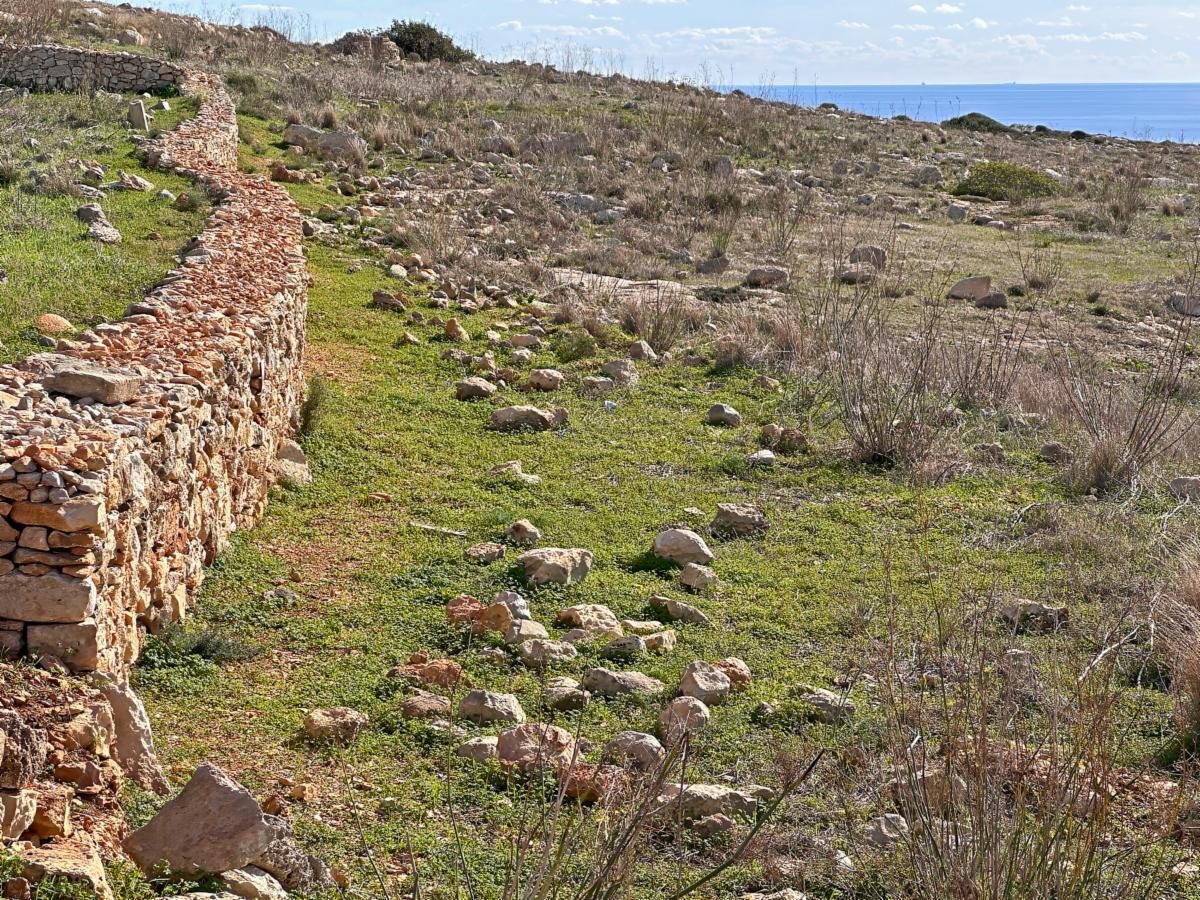
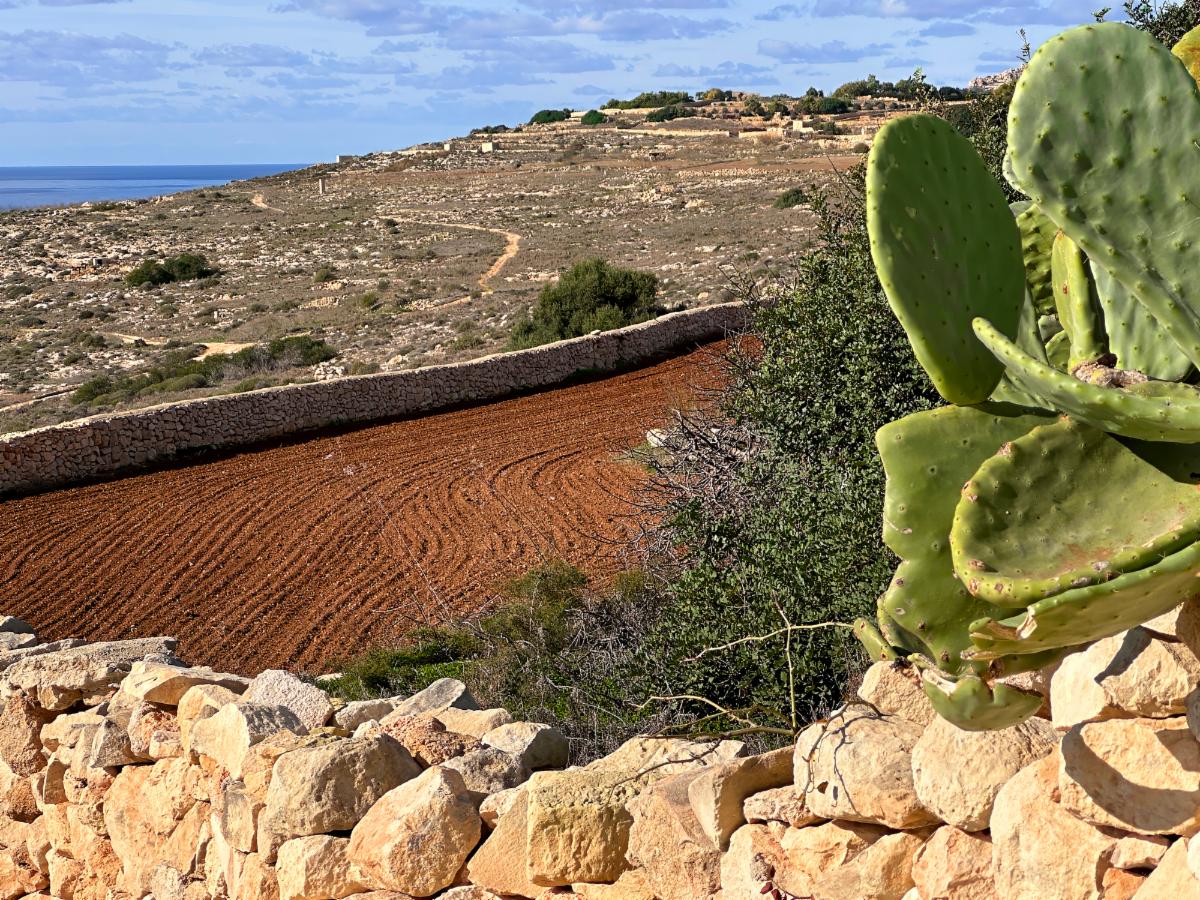
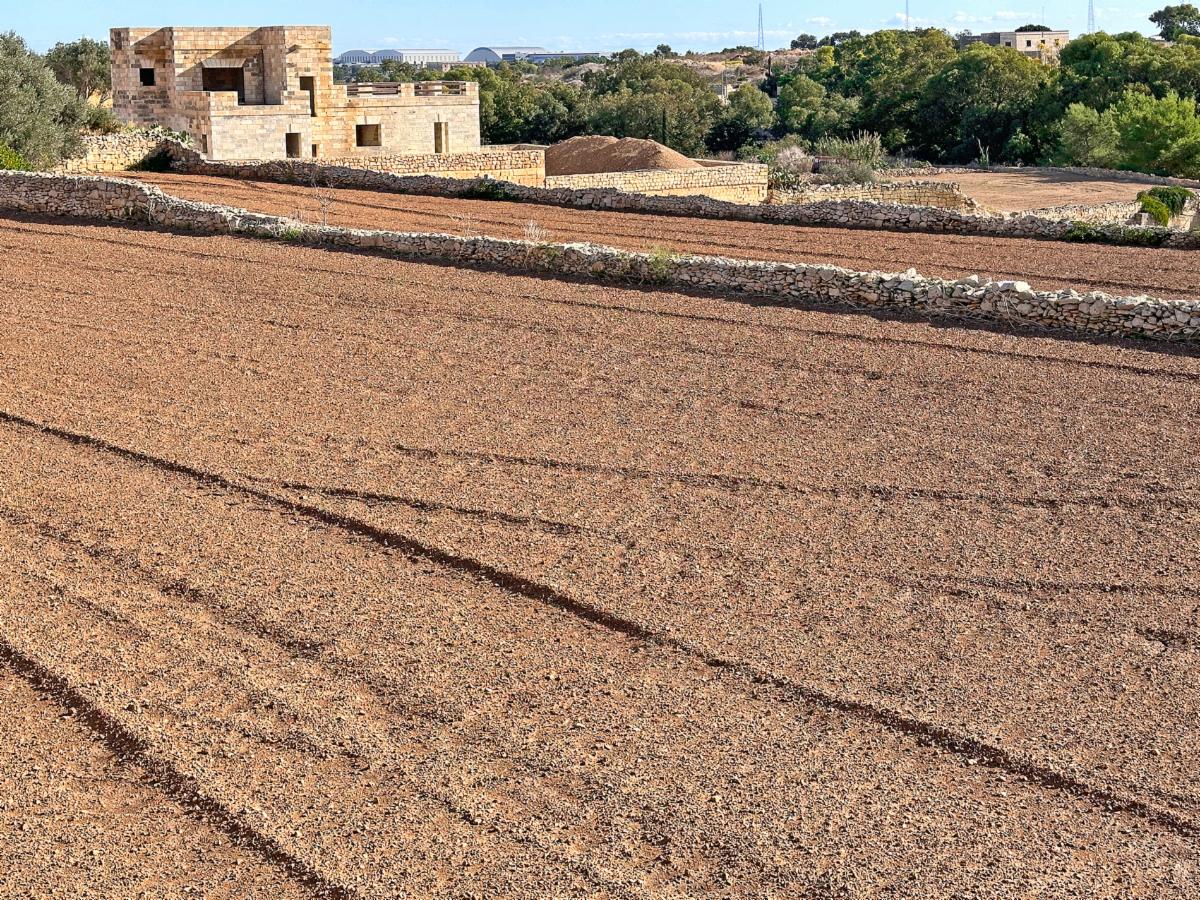
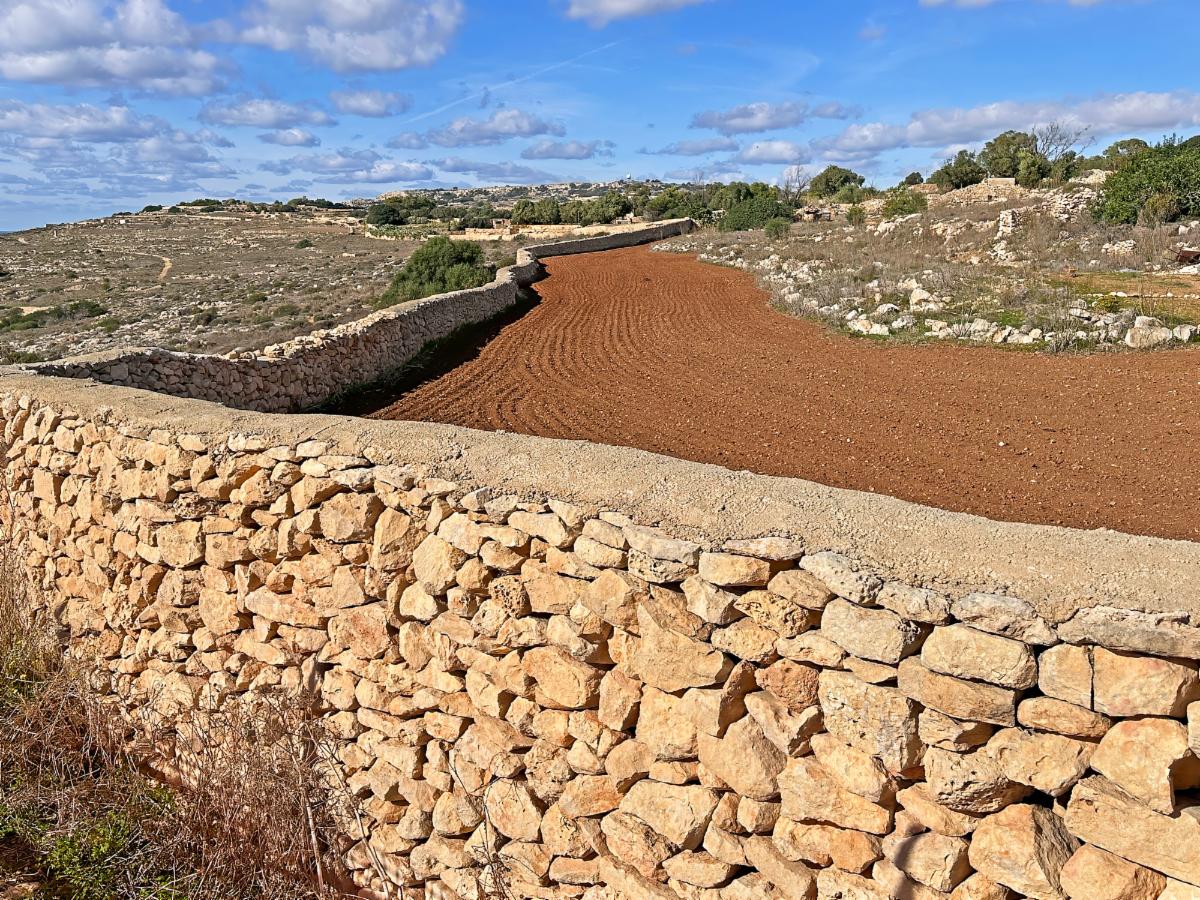
Our first stop was at the Limestone Heritage Museum. This wasn’t much of a museum. At first, I thought this stop was one of those unimportant filler stops. But then I understood. This explains why every building, fence, wall, hut, and shed is made of rock - limestone, to be exact. Limestone blocks are the only natural resource available on the island. Everything else is imported.
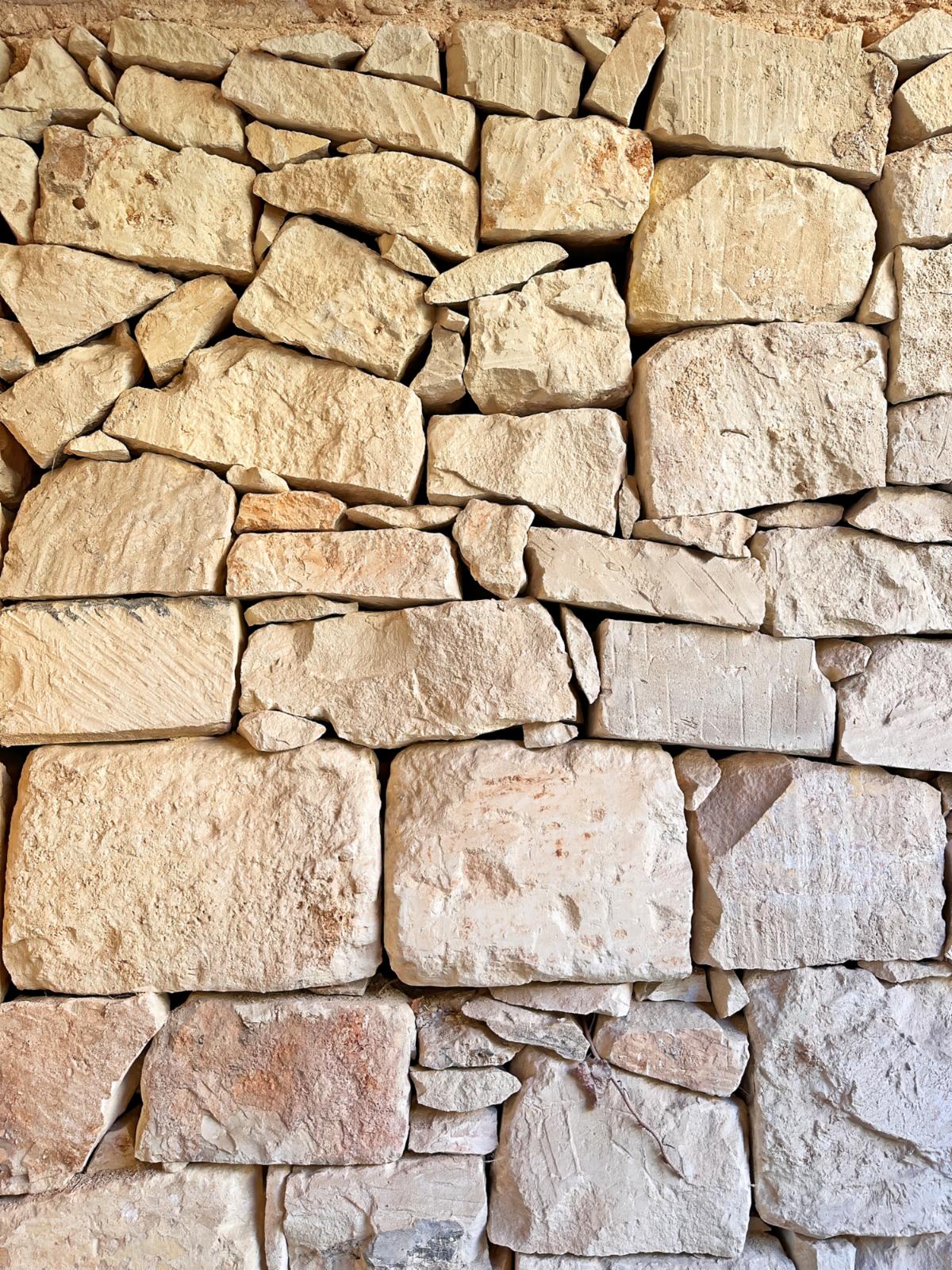
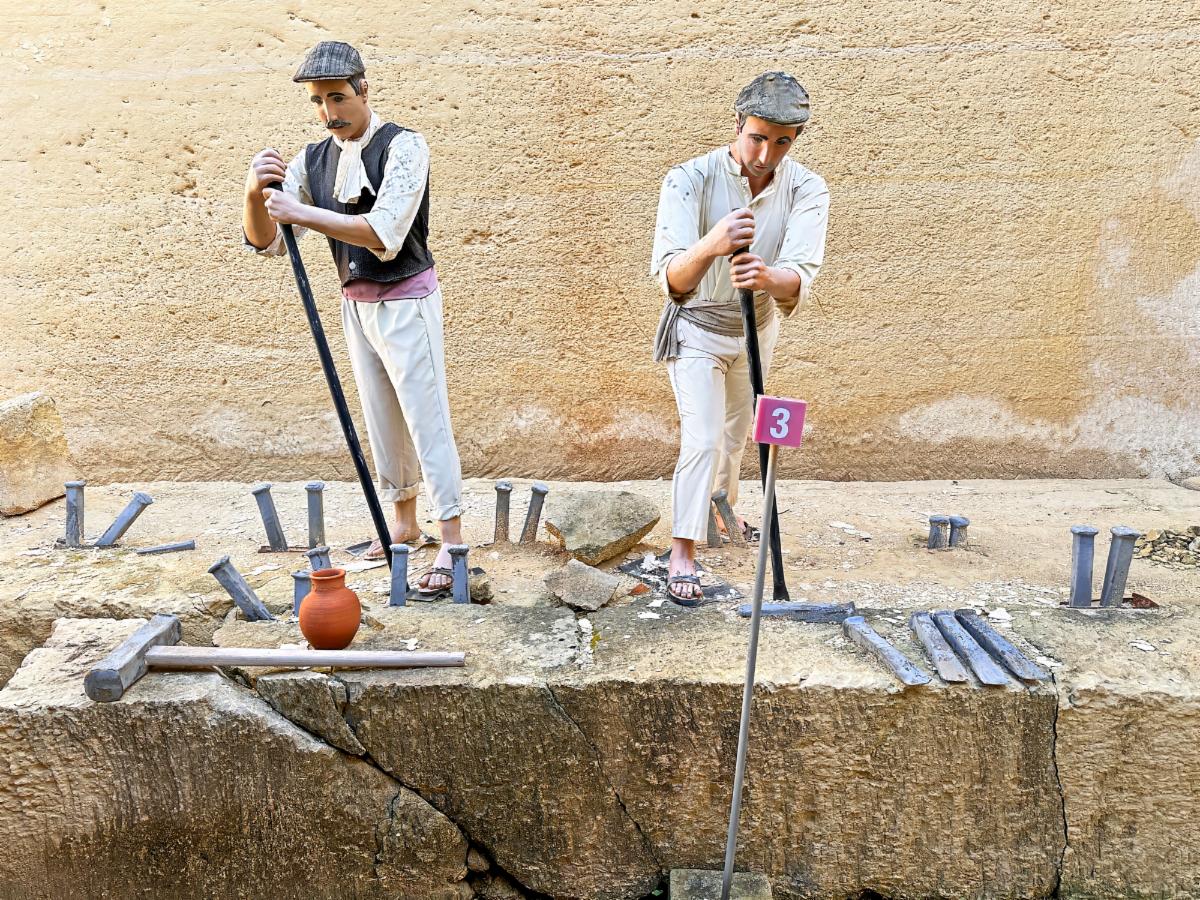
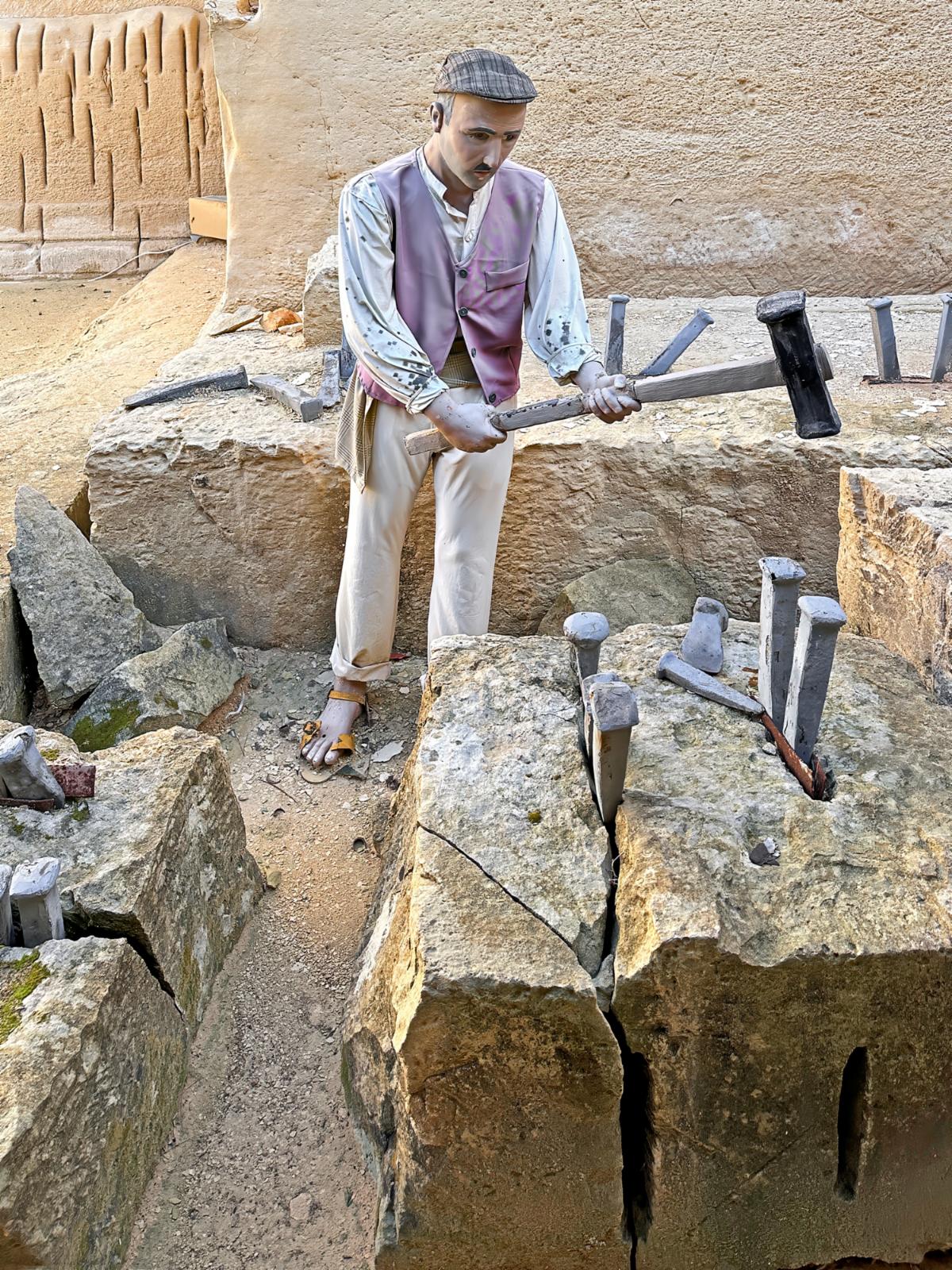
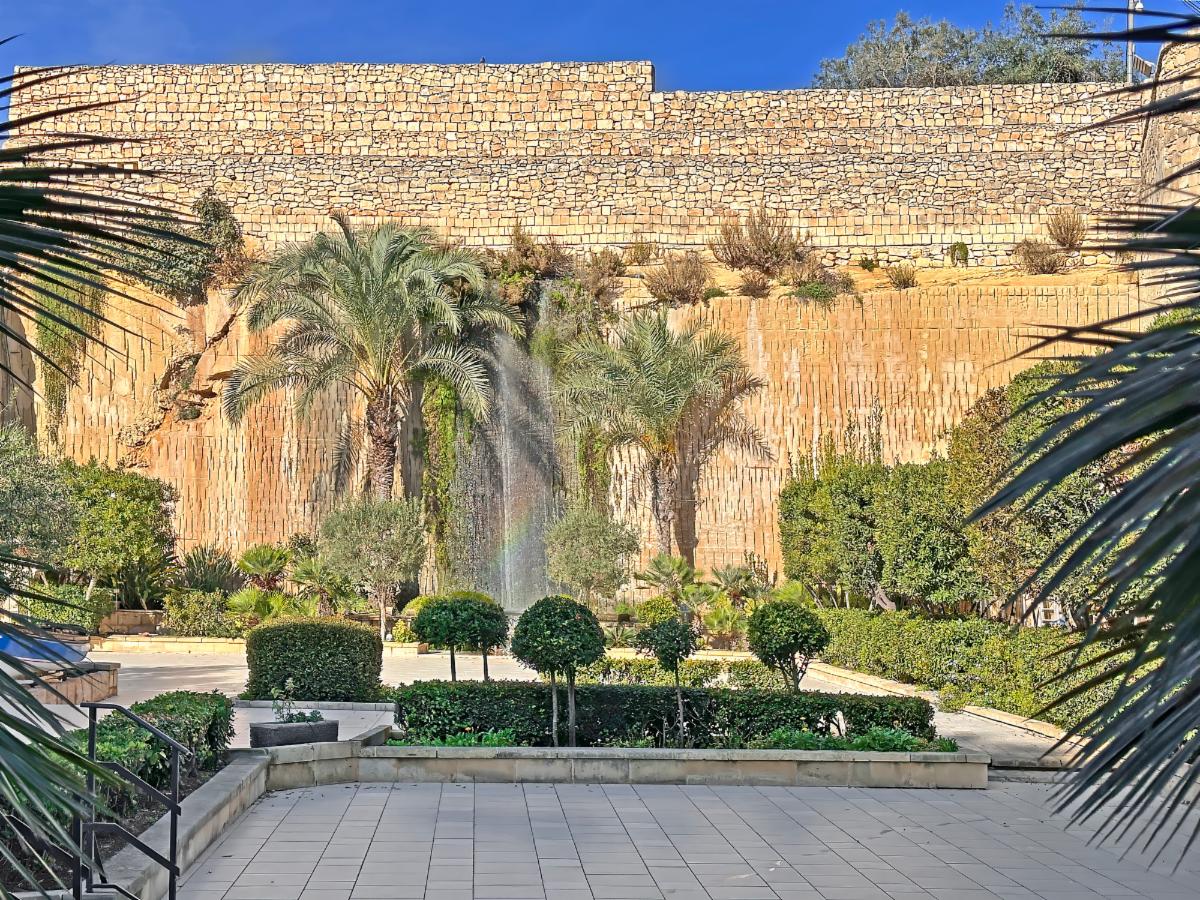
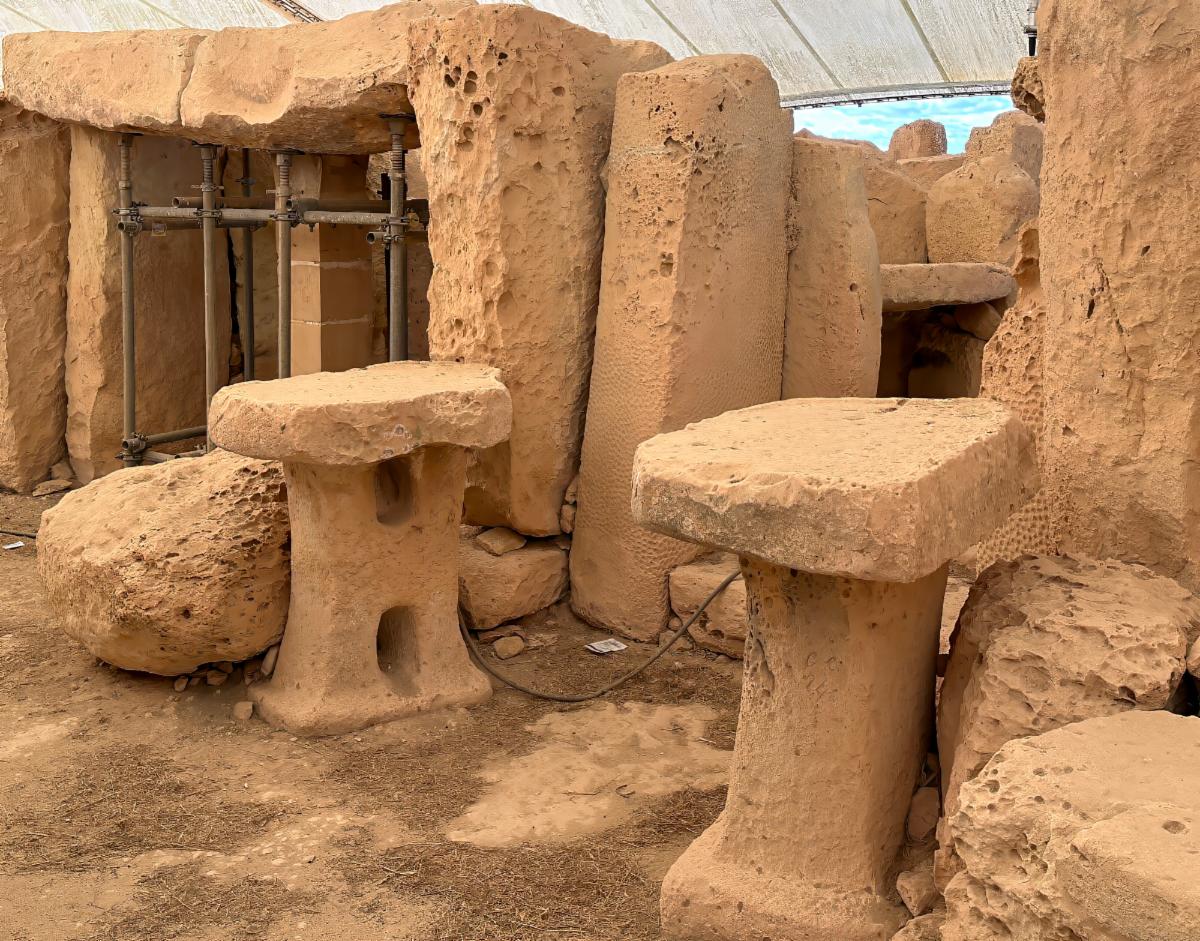
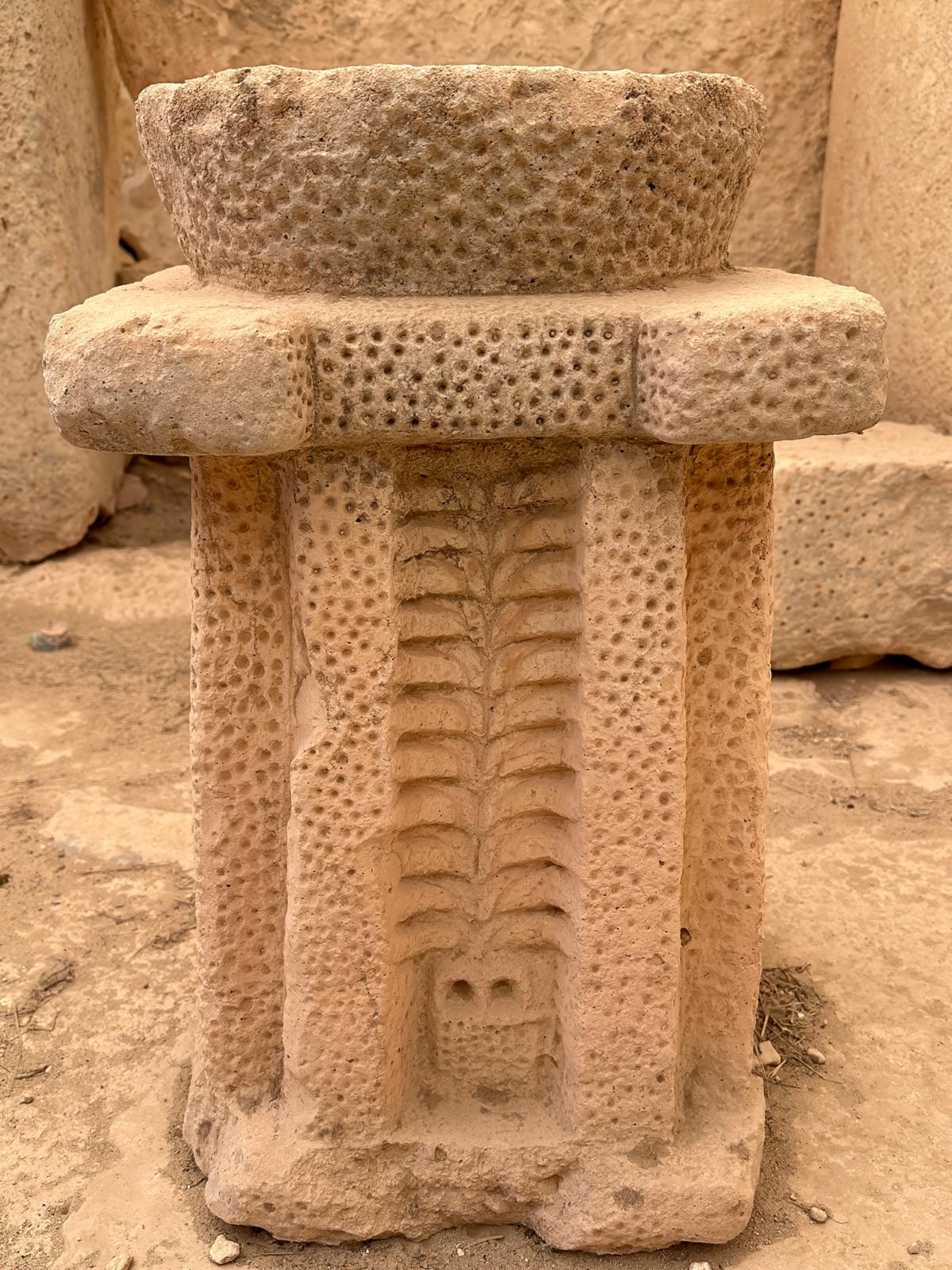
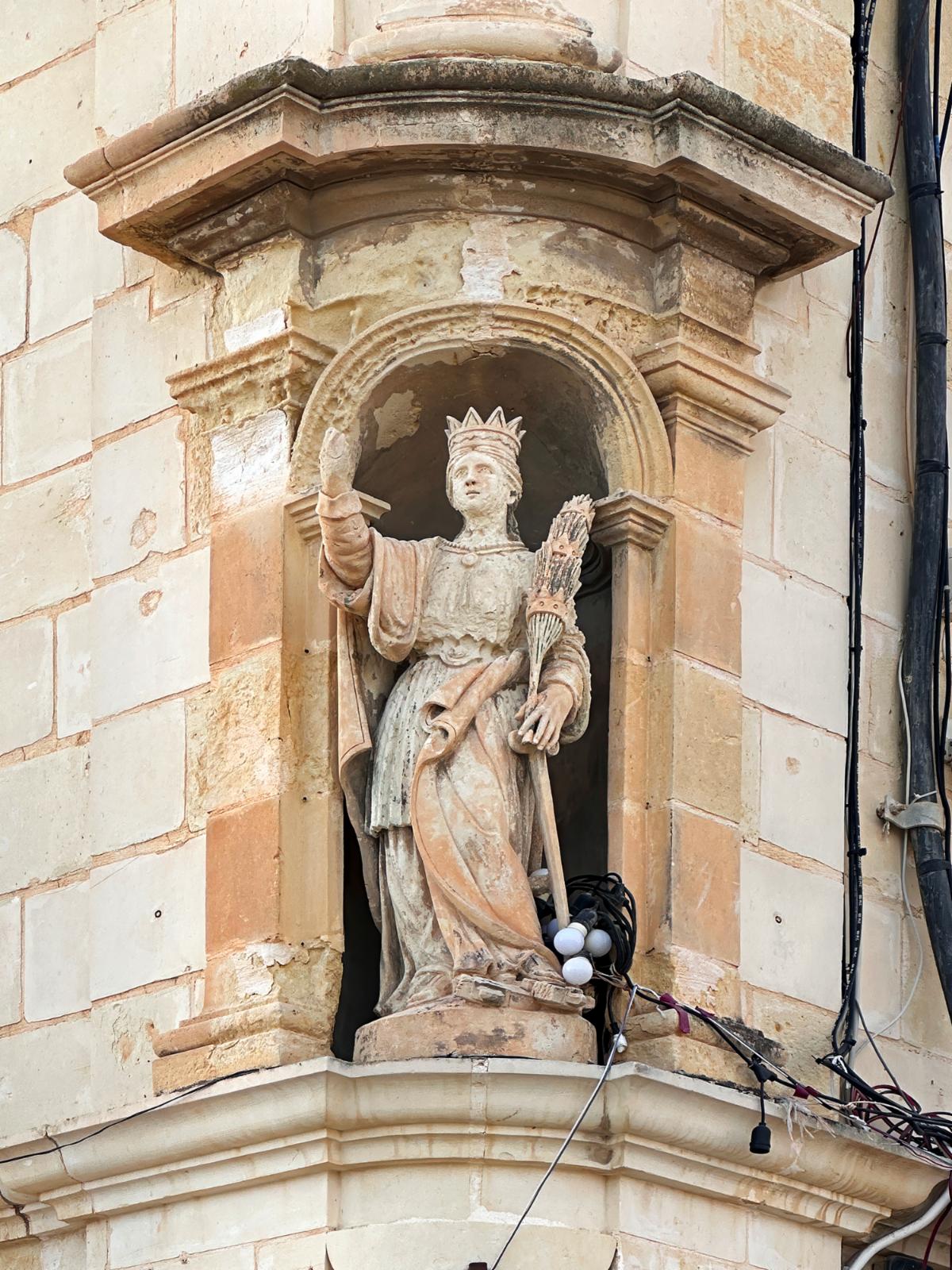
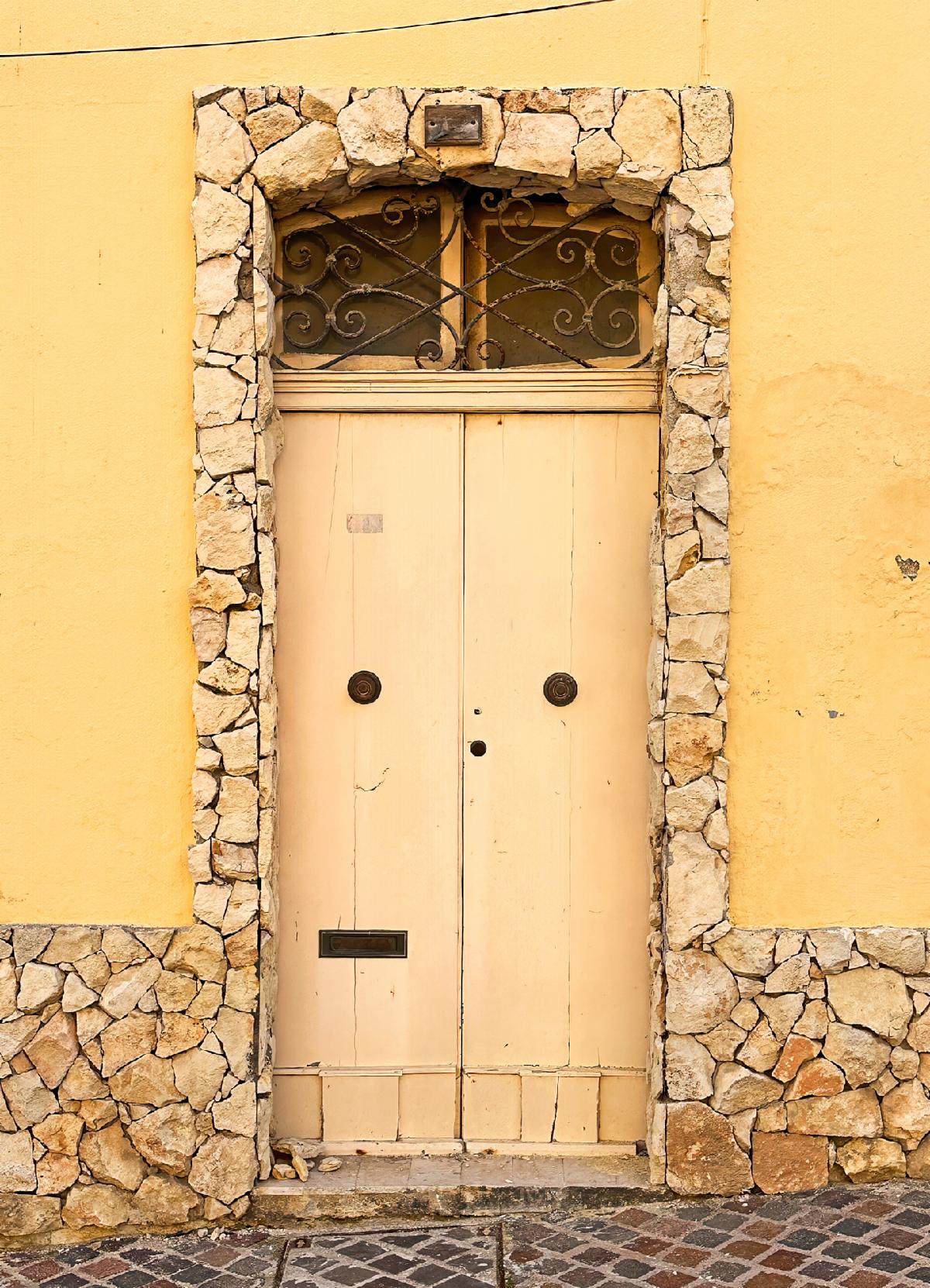
The museum showed how limestone was, and currently is quarried. Every bit of limestone rock on the island is utilized, and this shows up in the fences and walls. Some walls are assembled from perfectly formed rectangular blocks. Some walls are meticulously made from irregularly shaped rocks that are fit together like a jigsaw puzzle. Limestone is soft and erodes with weather and pollution. It is normal to see deeply pitted limestone blocks on a building. It is also normal to see where a section of eroded blocks was replaced with brand-new blocks, producing a near-artistic hodgepodge look.
During WWII, Malta was heavily bombed by the Germans. Subsequently, there was a lot of rubble where buildings used to exist. In Malta, however, that wasn’t rubble; it was building material.
|