Logo.png

Europe 2023

November 20

Ephesus, Selçuk

CURRENCY EXCHANGE INFO: The currency exchange rate is nearly equal: €1 euro = 95¢ US.

Yesterday, in the brand-new unfinished resort town of Daylan, we finally saw a handful of single-family residences with small individual yards. So far, that has been the only exception. All other housing has been multi-level apartments. This is interesting because Turkey has lots of empty land - there is room for urban sprawl. (I know, urban sprawl is not necessarily a good thing. Still, I selfishly love my 27 acres back home.)

MONDAY, NOVEMBER 20, 2023


EPHESUS


Today, we learned about Ephesus, one of antiquity's most important cities. The area now known as Turkey was settled by the Anatolians during the Neolithic Age, some 11,000 years ago.


Over 3,000 years ago, around 1050 BCE (Before the Current Era), Greek colonists crossed the Aegean Sea, separating mainland Greece from Anatolia (now southwestern Turkey). These people were called Ionians, and they founded the city of Ephesus. Ephesus became one of 12 cities that made up the Ionian League along the southwest coast of Turkey. The Ionian and Anatolian cultures mingled under Ionian rule. The city grew to become the most important Greek city and the most important trading center in the Mediterranean region.


The Greek goddess Artemis and the Anatolian goddess Cybele were identified together as Artemis of Ephesus. She was depicted as the many-breasted Lady of Ephesus and was venerated with the building of the Temple of Artemis. This was the largest building of the ancient world and was named one of the Seven Wonders of the World. Sadly, little is left of the structure except for a few pieces of columns and some squarish stone building blocks.


Of course, the city’s success and strategic location made it a tasty target for neighboring empire builders. In 650 BCE, the Cimmarians sacked the city but were eventually driven away. In 560 BCE, the Lydians took over. Soon after, the Persians conquered the city in 546 BCE. Alexander the Great got his turn in 334 BCE when he defeated the Persians. 


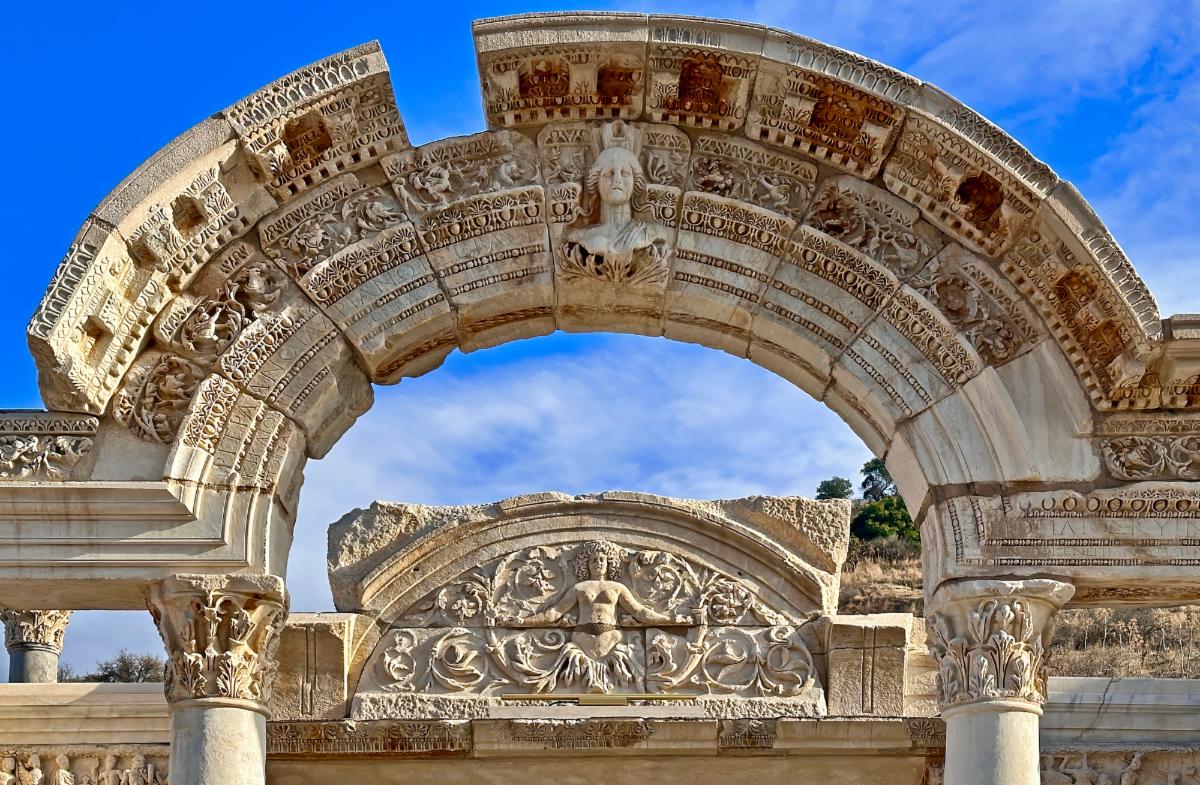
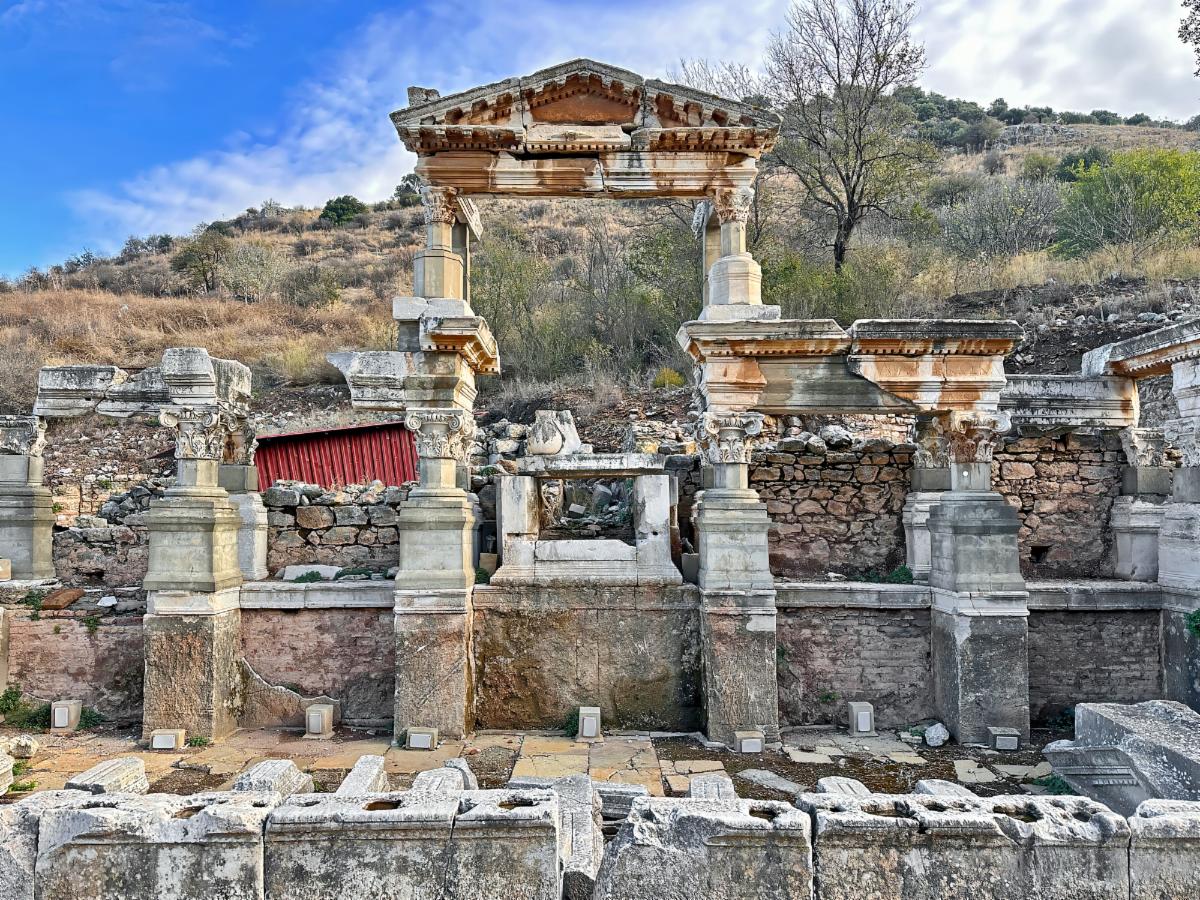
Eventually, the Romans took control of the city from 129 BCE to 395 CE. It was during the Roman era that Ephesus reached its glory in importance, becoming the Roman Empire’s fourth-largest city with a population of up to 225,000 (this figure is disputed; however, it was a large metropolis for its time). In 29 BCE, Ephesus was named the capital of Asia, an important Roman province. The city prospered. It featured white marble streets, a massive market, two giant public agoras (plazas), an important library, huge bath complexes, statues, fountains, delicate mosaics and frescos, and a massive open-air theater that could seat 20,000 spectators. 


The Roman Empire went through many changes until 330 CE when Constantine the Great took control and moved the capital from Rome to Constantinople (present-day Istanbul). This phase of the Roman Empire is referred to as the Byzantine Roman Period. In the early years of the Byzantine era, Ephesus remained the 2nd most important city after Constantinople.


Ephesus’ decline started in 614 CE when much of the city was destroyed in the Sasanian War with what is now known as Iran. Soon after, the harbor silted up, taking away its strategic trading location. The city was sacked by the Arabs in 654, 700, and 716 CE. When the Turks conquered Ephesus in 1090, it was just a small town. Finally, in the 15th century CE, Ephesus was completely abandoned, and its 2,500-year history came to an end.


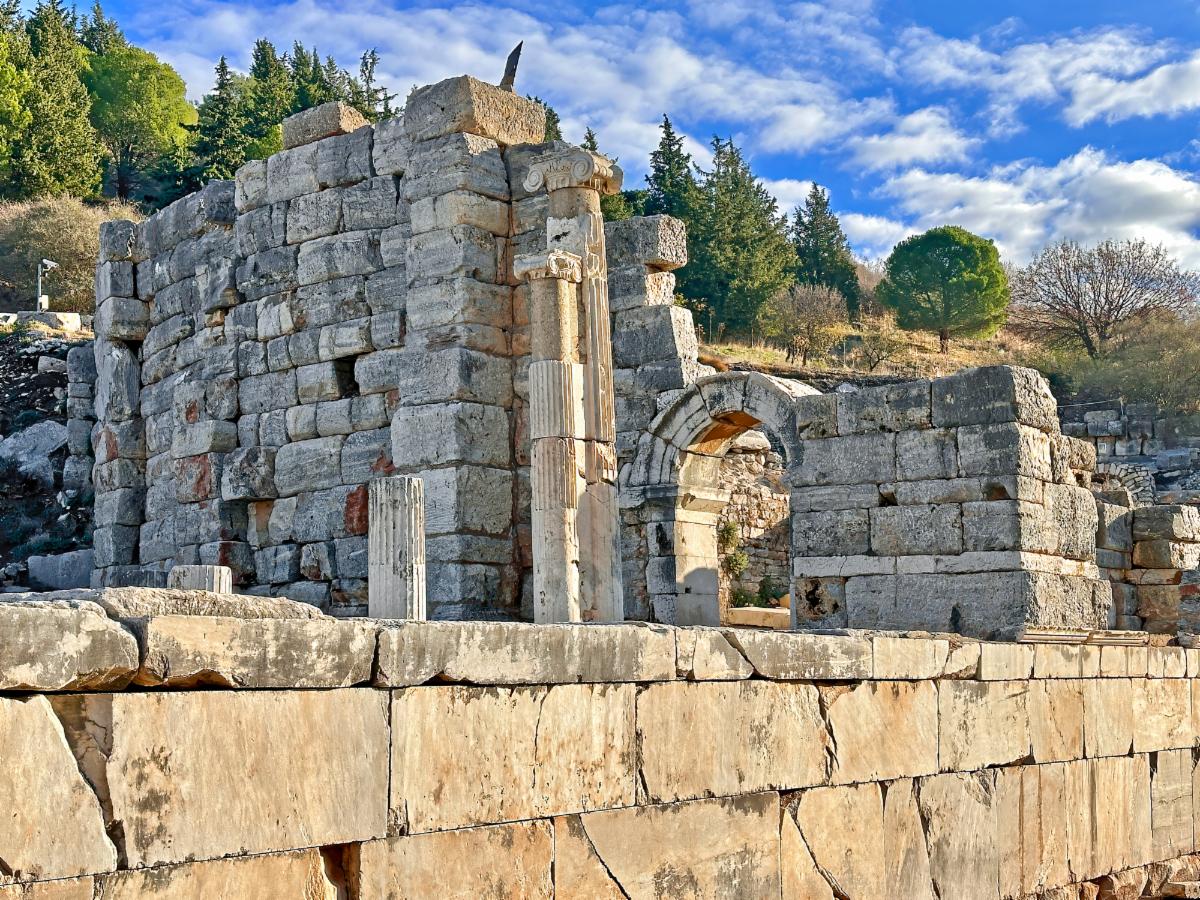
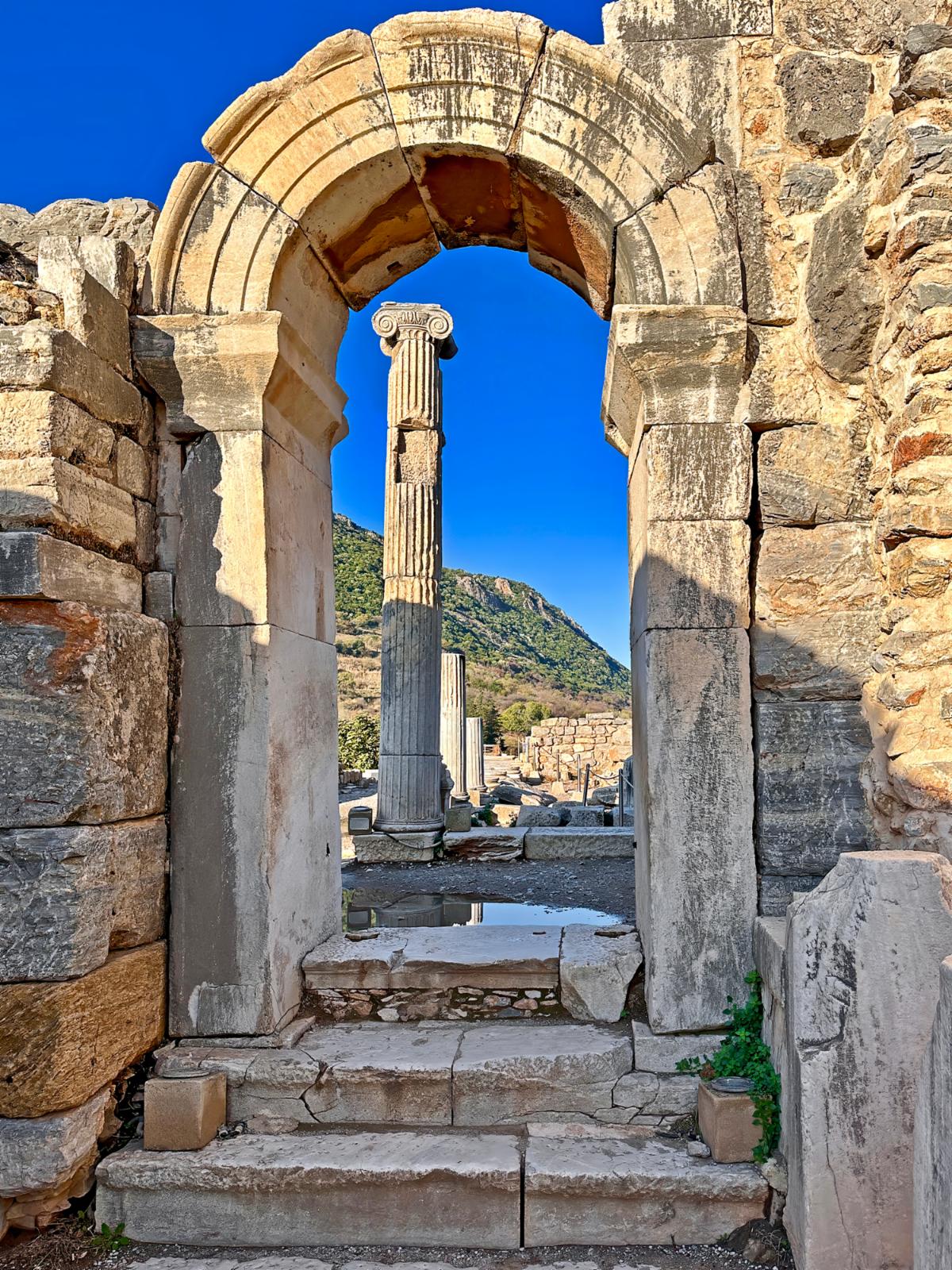
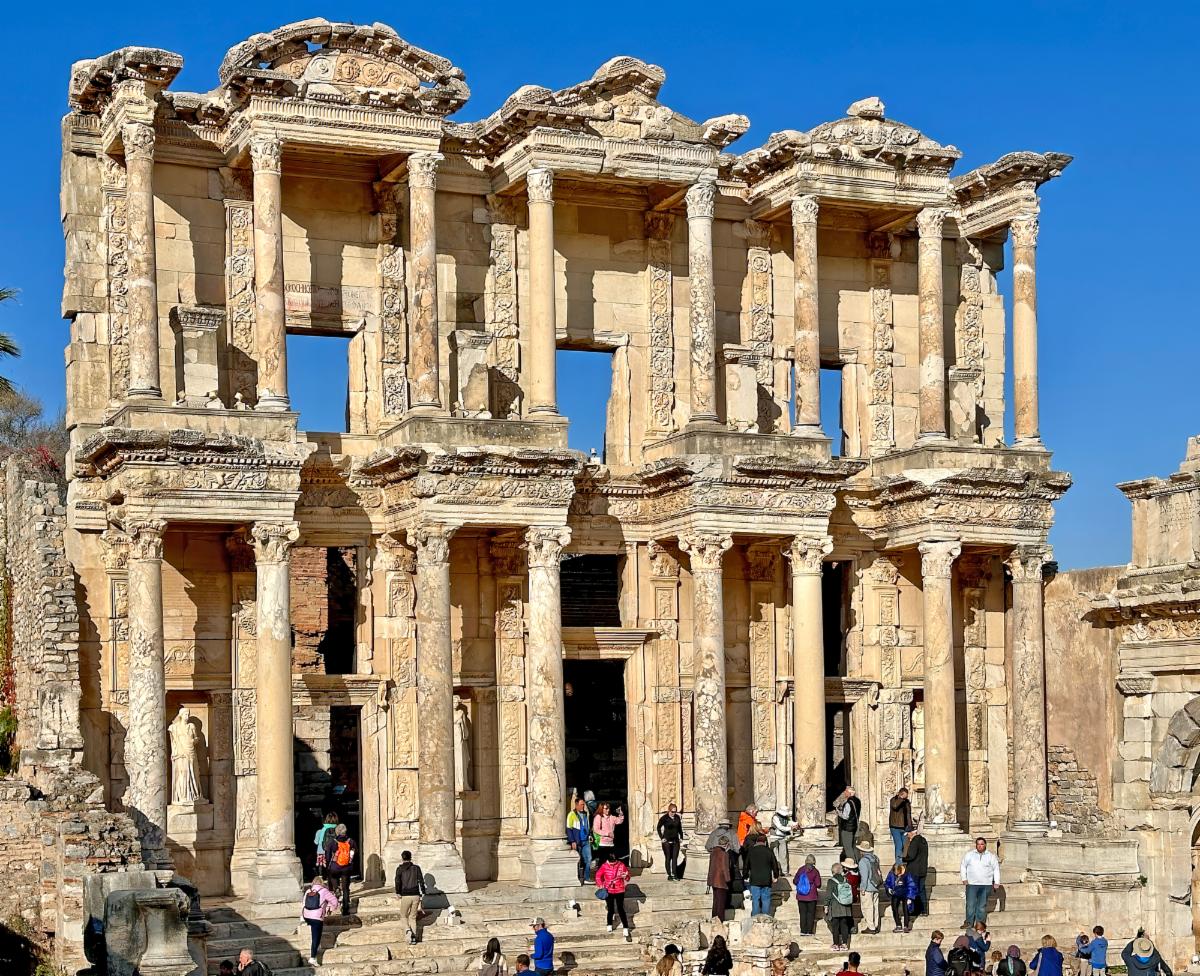
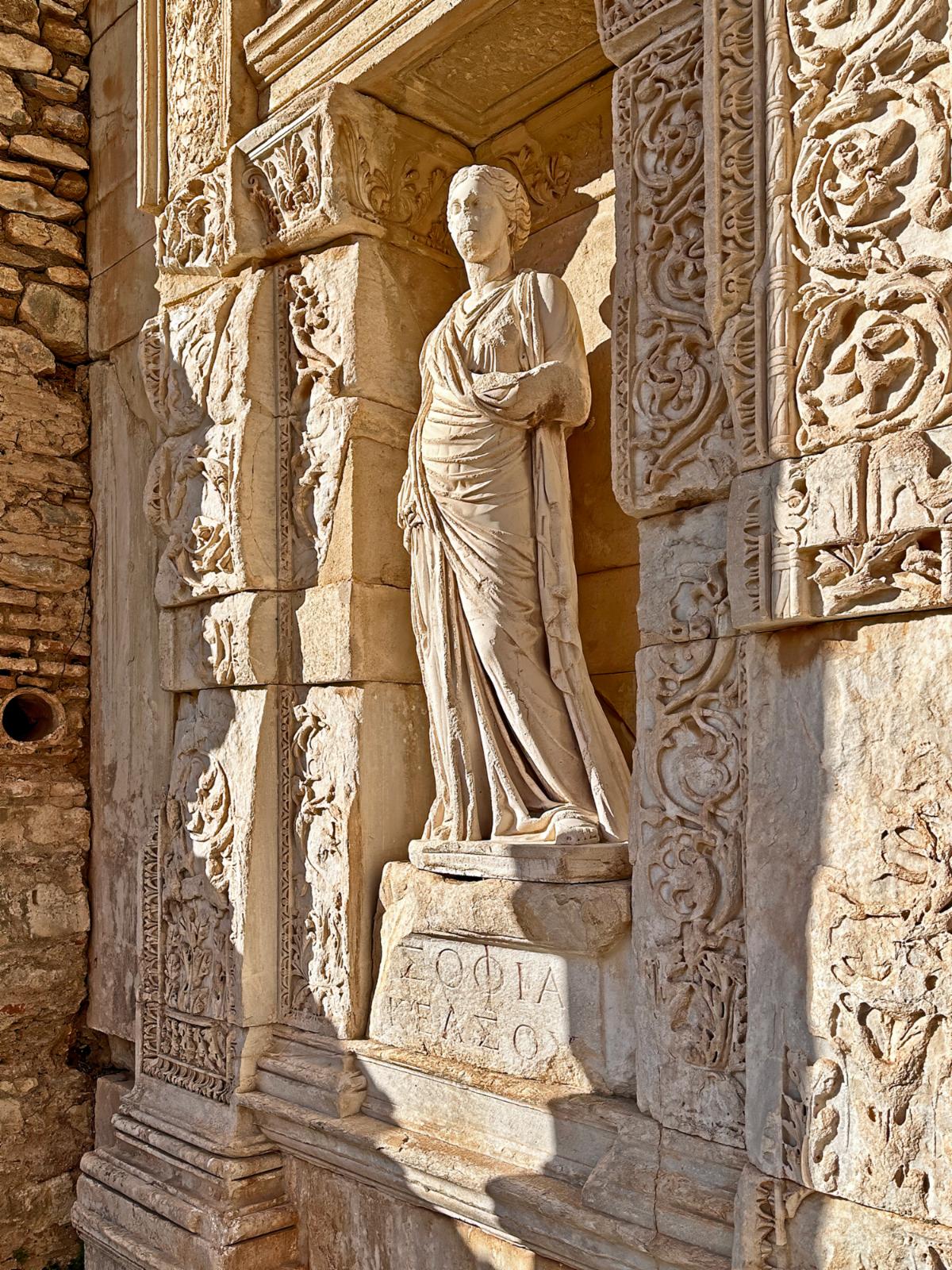
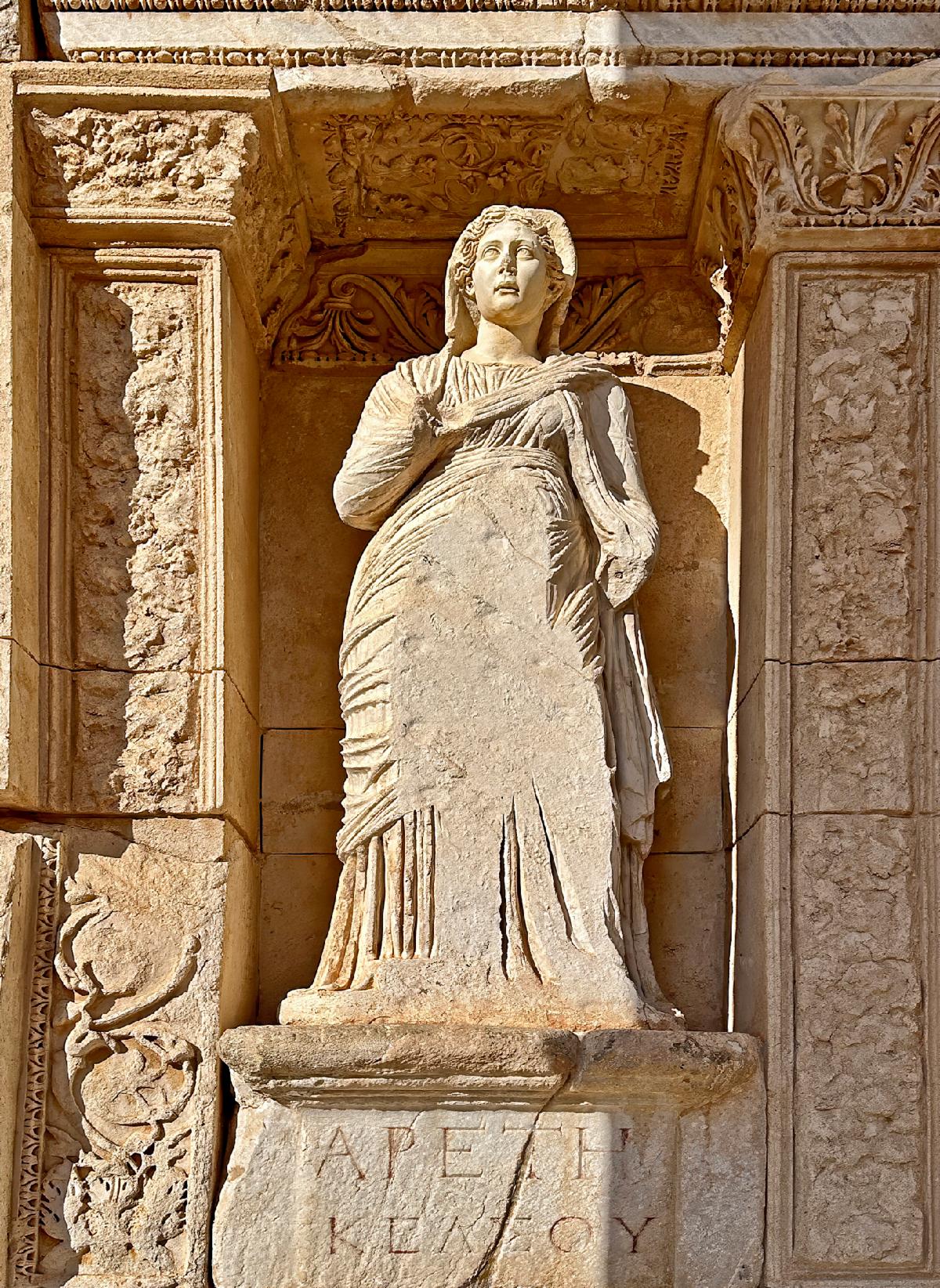
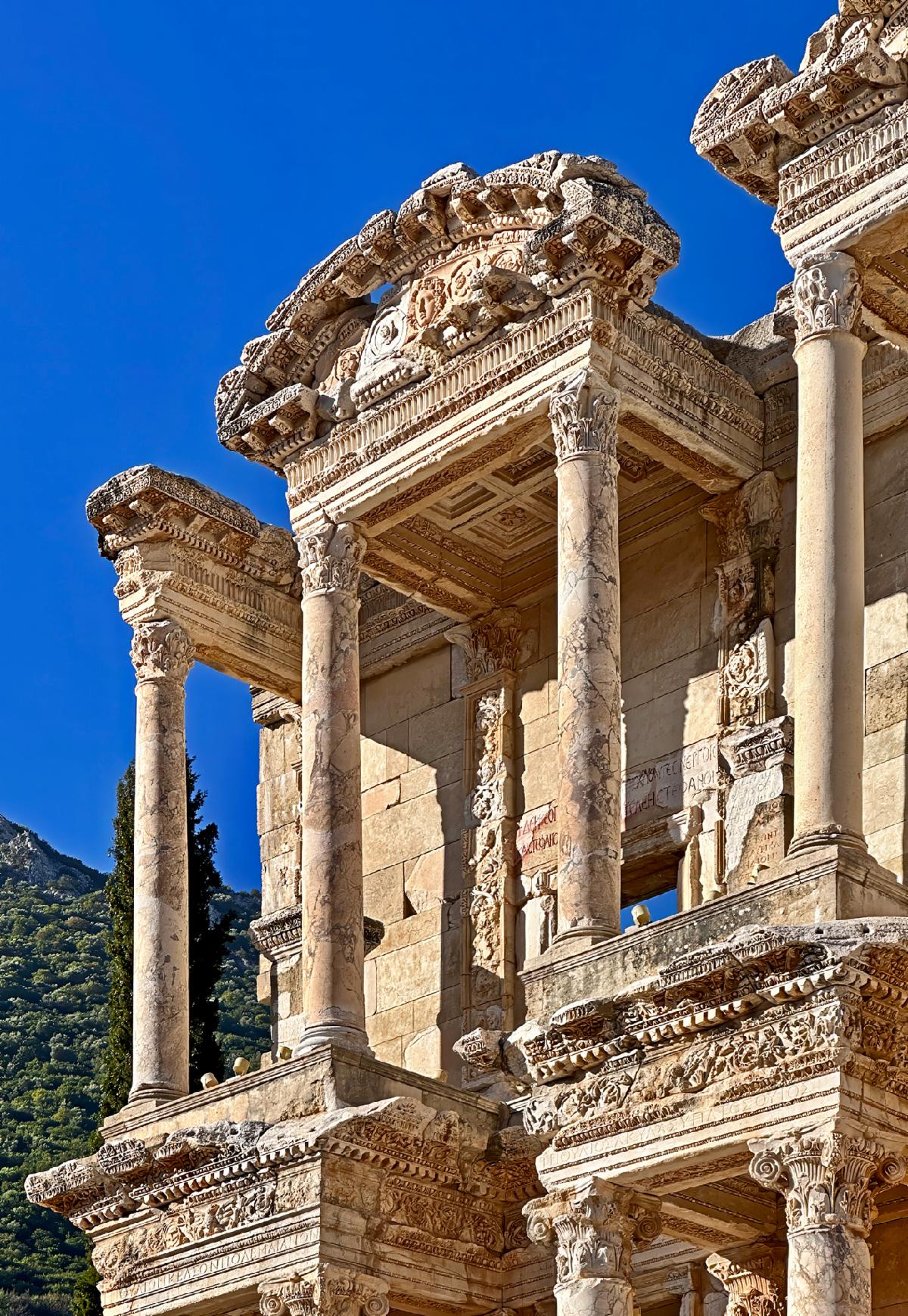
The Ephesus ruins still had many surprises. Much of the Library of Celsus was standing, and one could envision what it must have looked like. In its heyday, the library held 12,000 scrolls. The most impressive remaining structure was the open-air theater or coliseum. The theater we saw in Xanthos two days ago pales in comparison to it. I would have loved to have seen the city in its glory. 


We spent more than half of the day walking through the old giant city, reading a zillion information plaques to piece together its history, and exploring the theater. Most ruins that we have visited have been thoroughly ruined, requiring a lot of imagination to envision the place. Ephesus presented our imaginations with much more to work with. I left impressed.

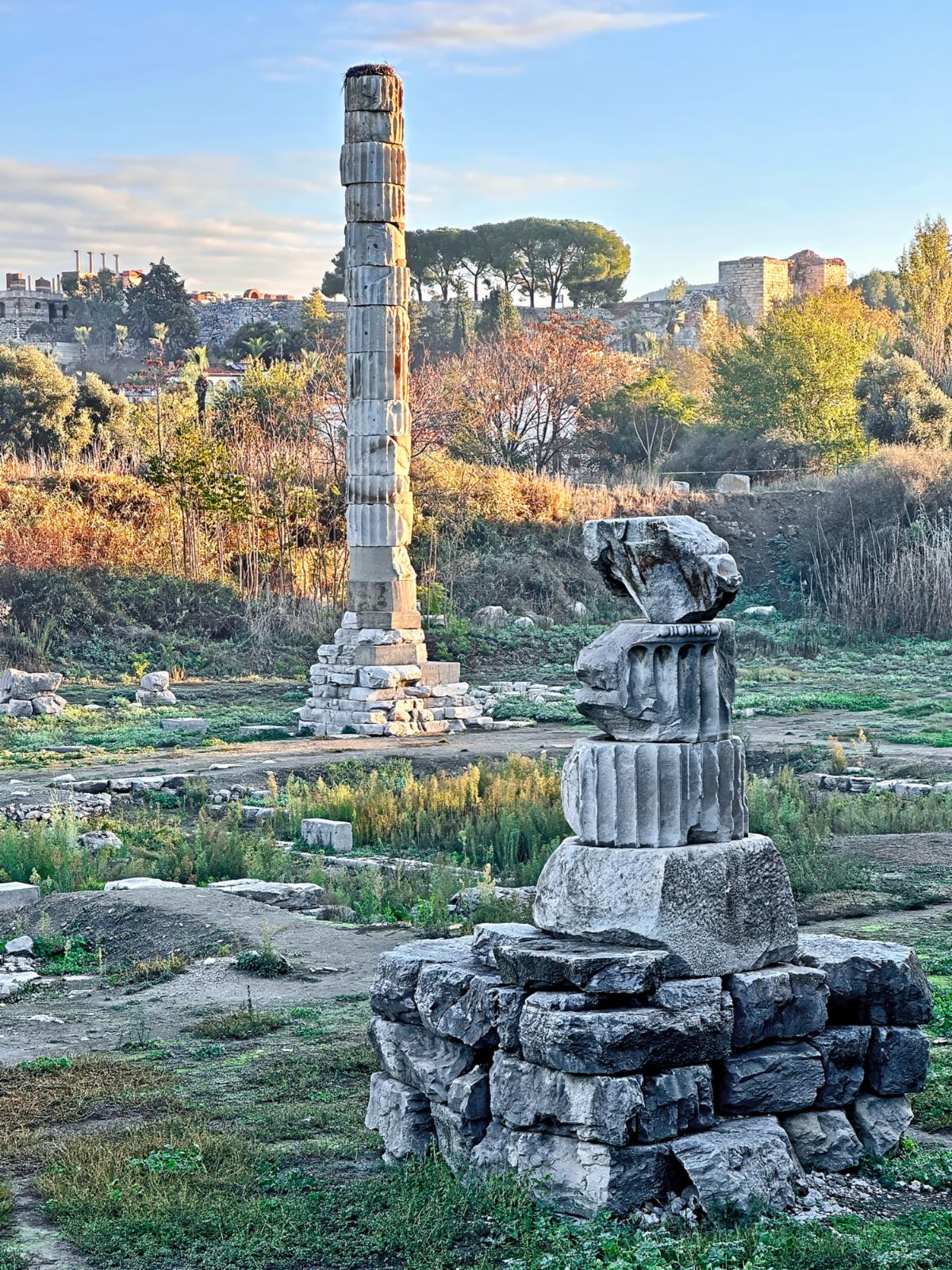
This is all that remains of the Temple of Artemis, one of the Seven Wonders of the Ancient World. (The other Wonders are: Pyramid of Giza, Hanging Gardens of Babylon, Statue of Zeus at Olympia, Mausoleum at Halicarnassus, Colossus of Rhodes, and Lighthouse of Alexandria. Only the Pyramid of Giza still stands.) The Temple ruins are located a few kilometers from Ephesus.

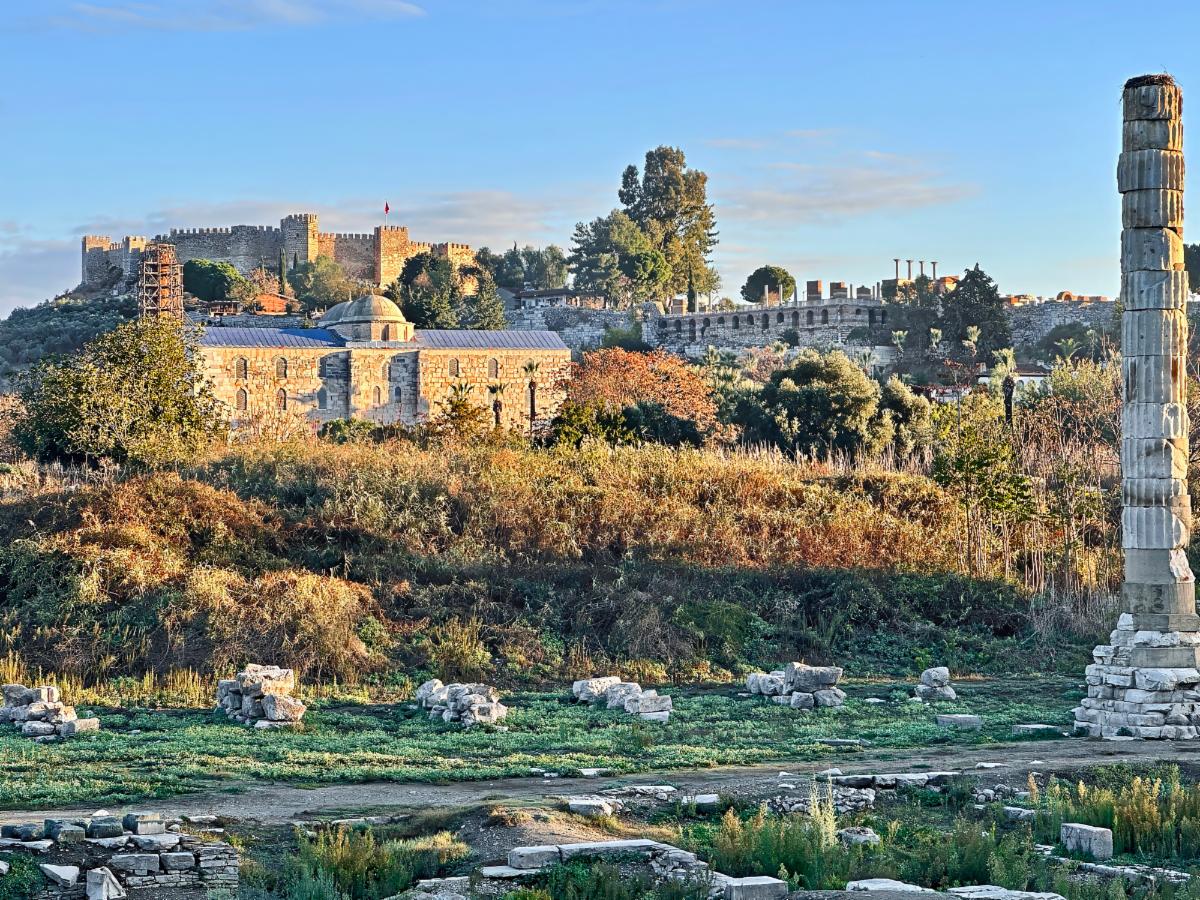
In the foreground are piles of stacked rocks where many columns once stood at the Temple of Artemis. (I am unsure what building and fort are in the background.)

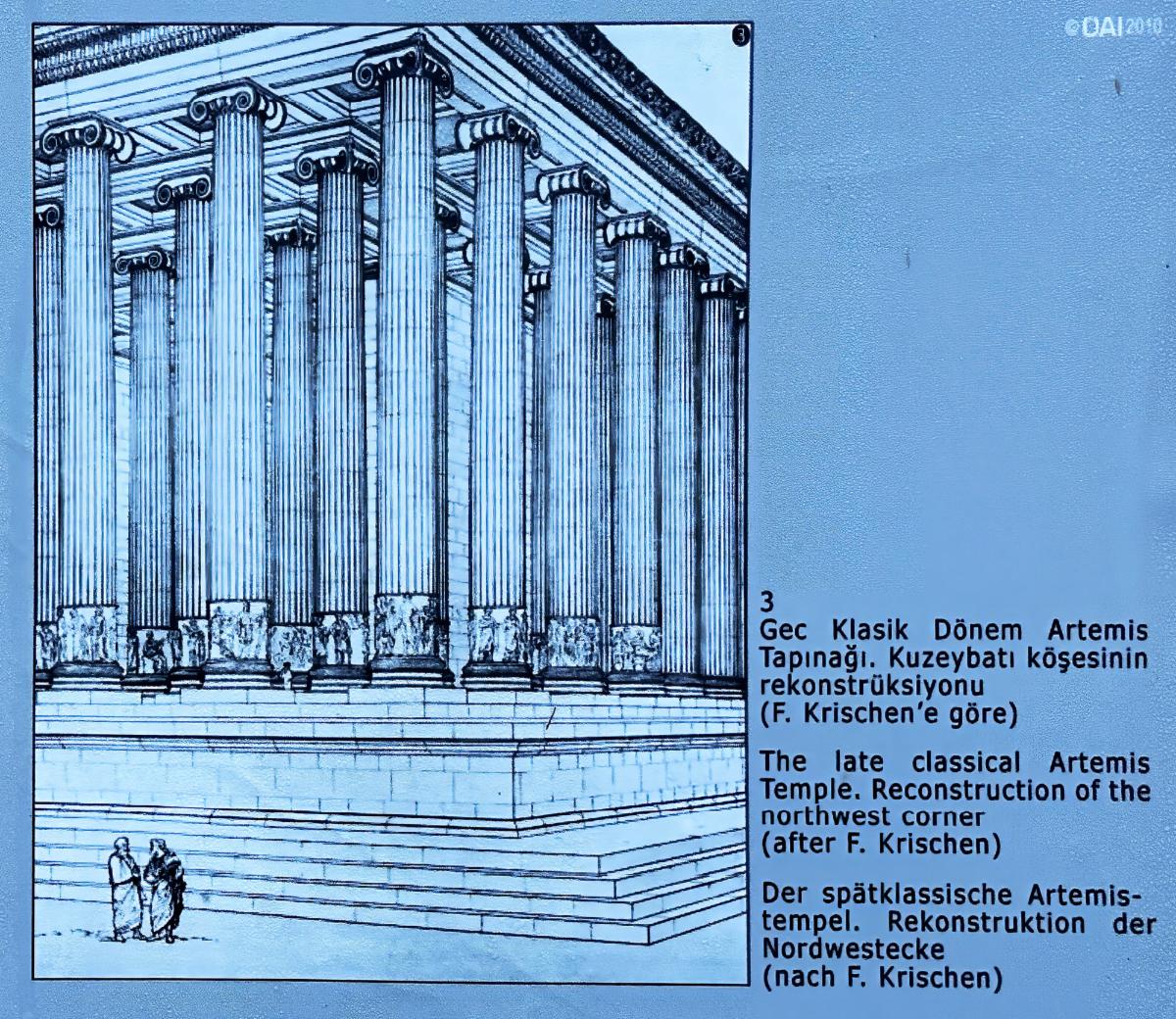
This is an artist's rendition of the Temple of Artemis.

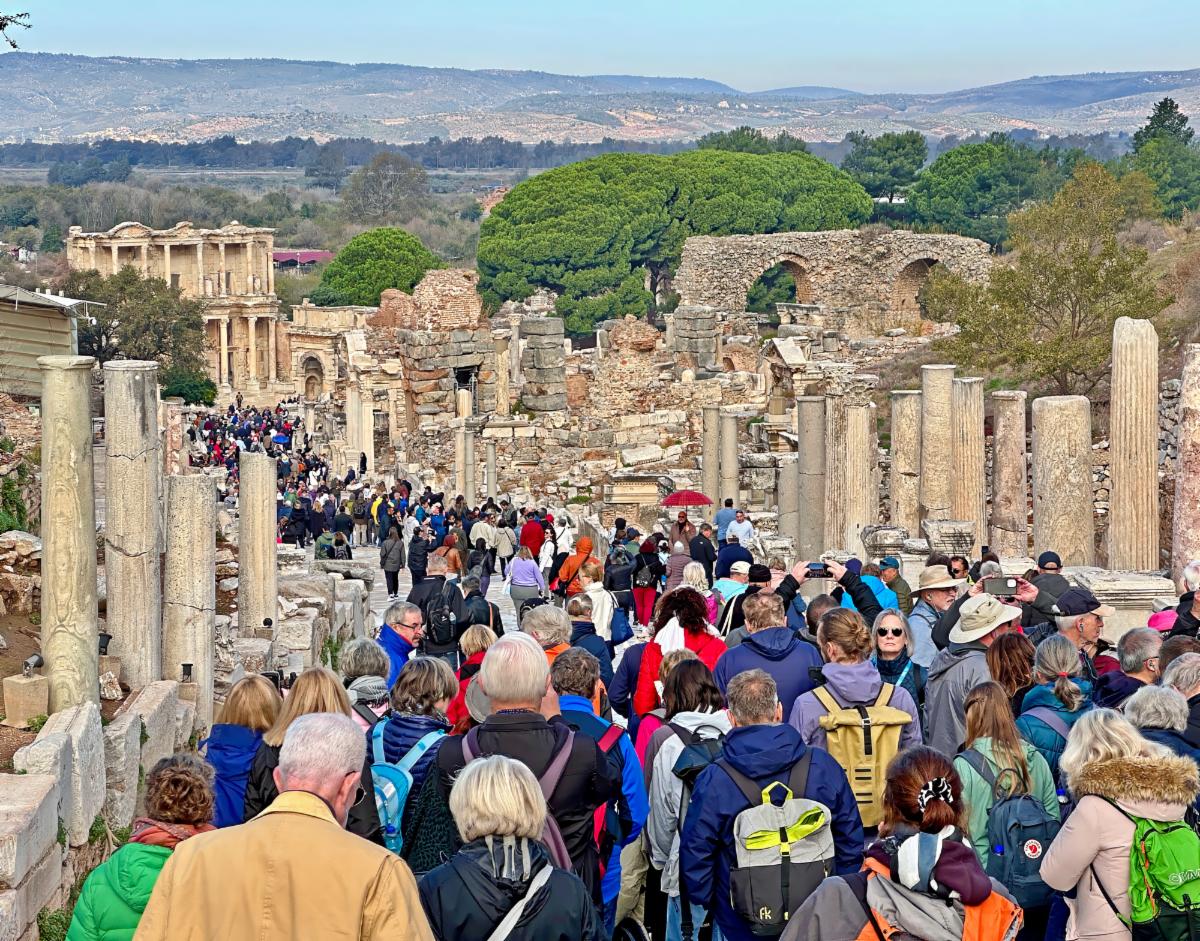
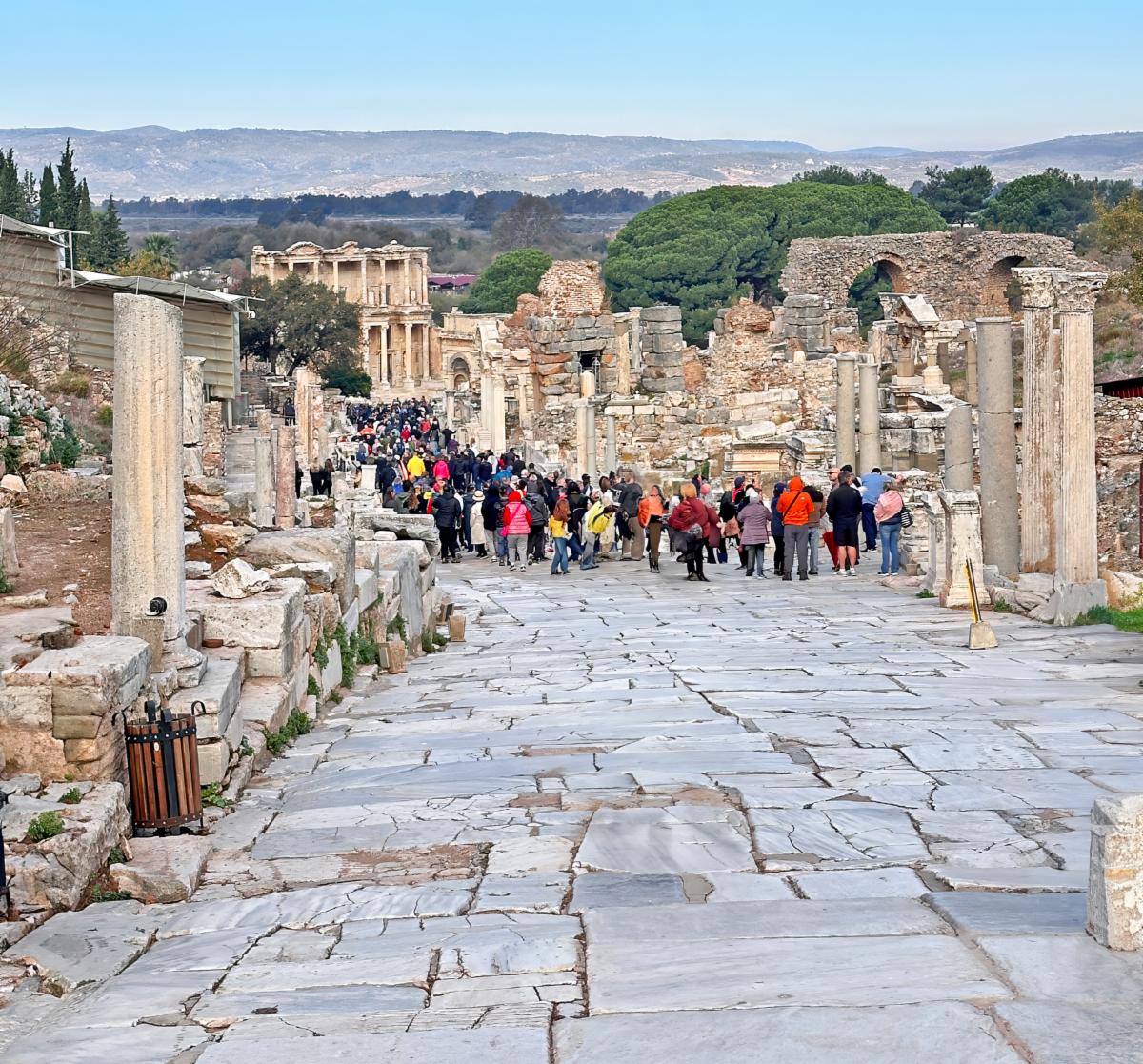
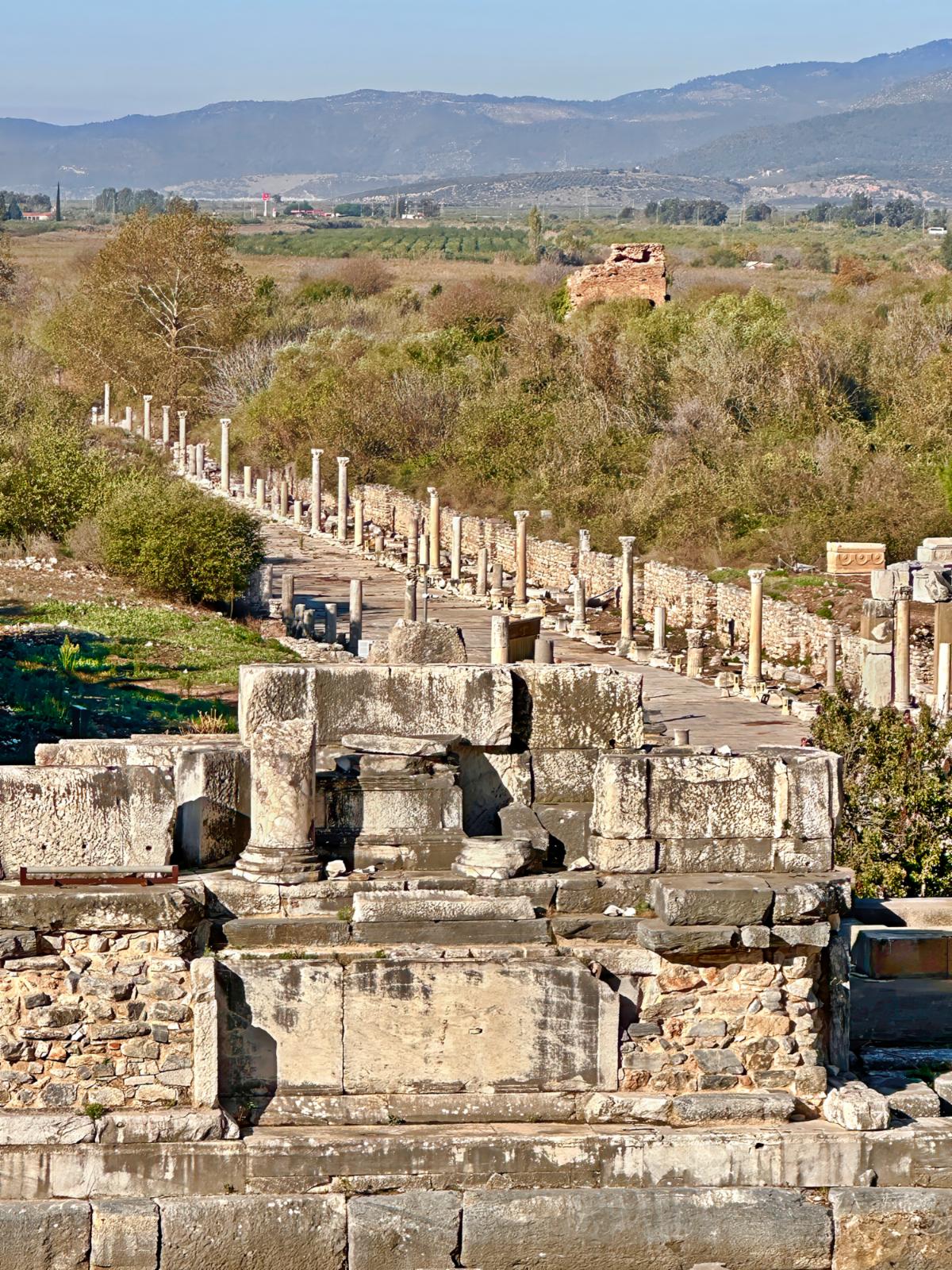
EPHESUS. This is what happens when a cruise ship docks near a tourist site. On this day, two cruise ships docked nearby. It took a while for the tours to dissipate. This is along the main street of Ephesus. During the Roman times, this street was made of marble.

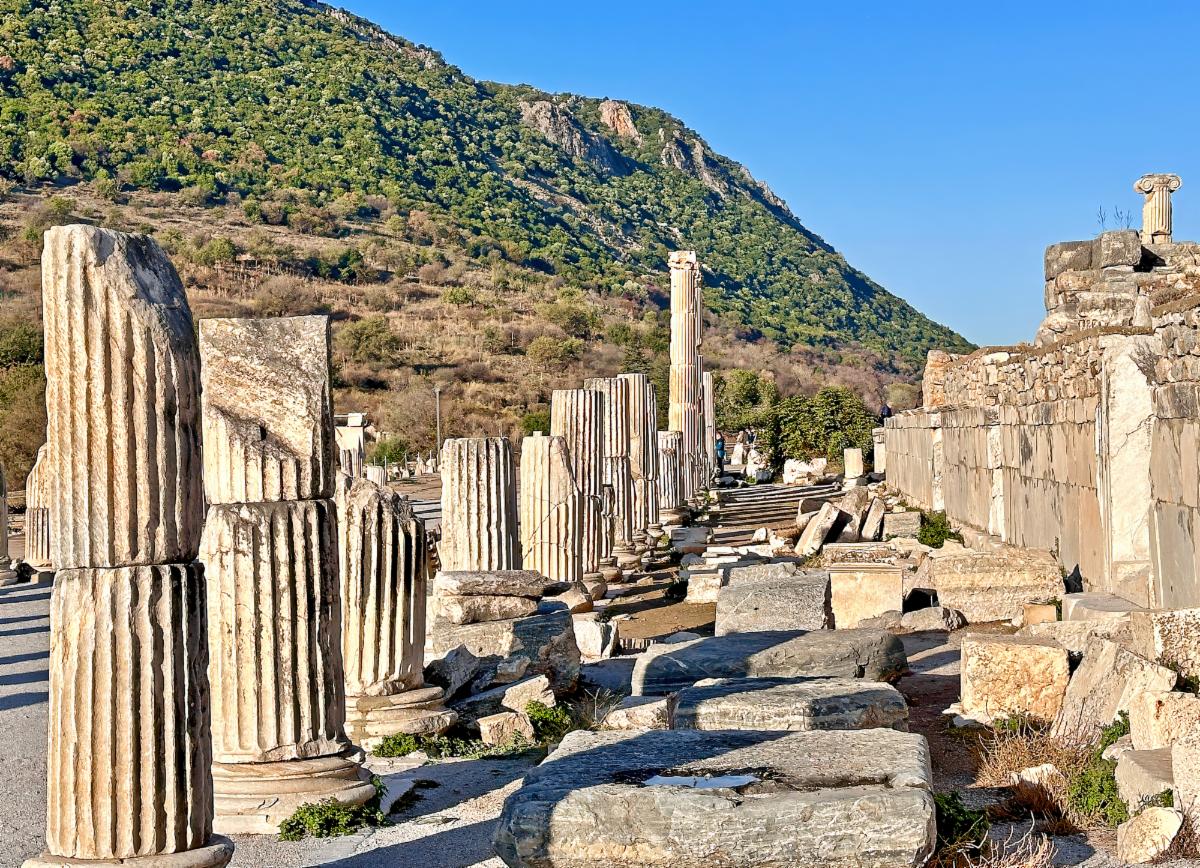
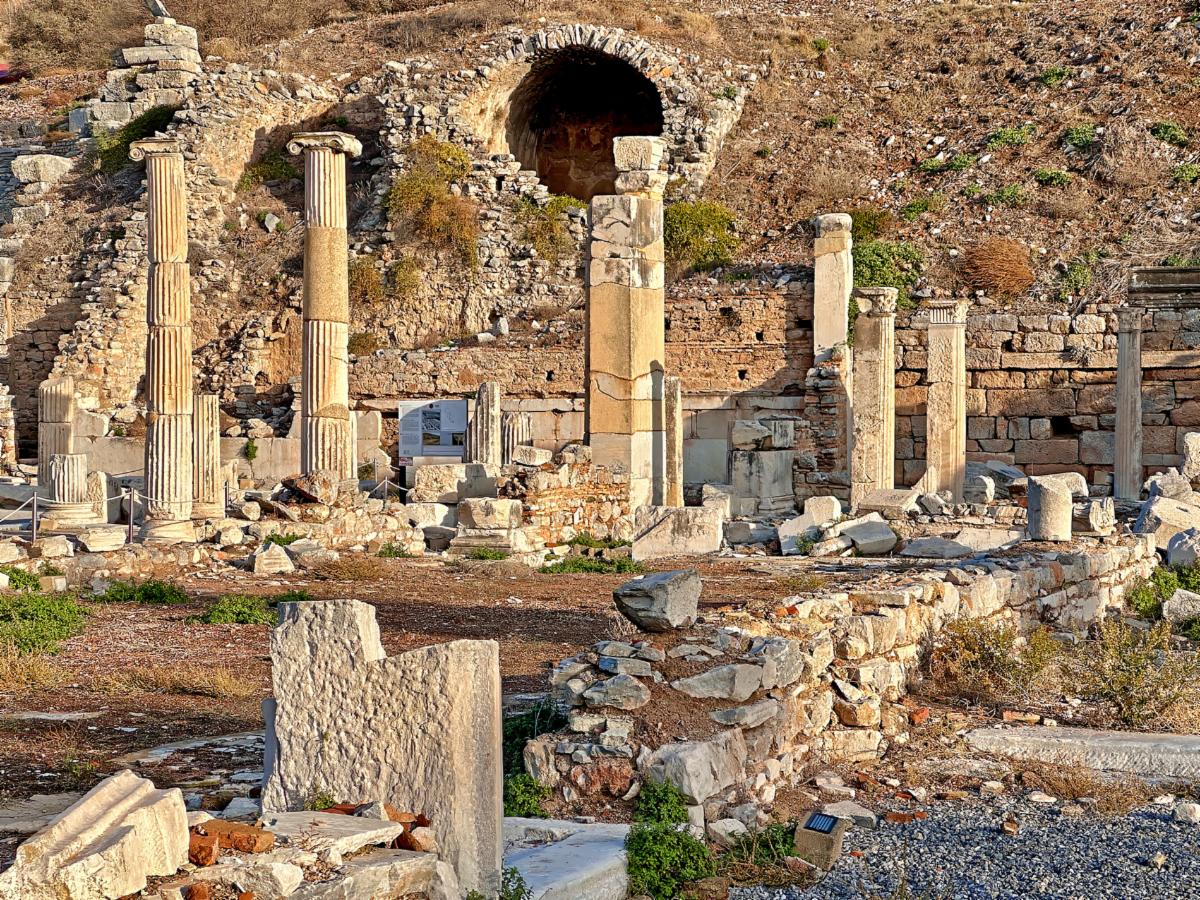
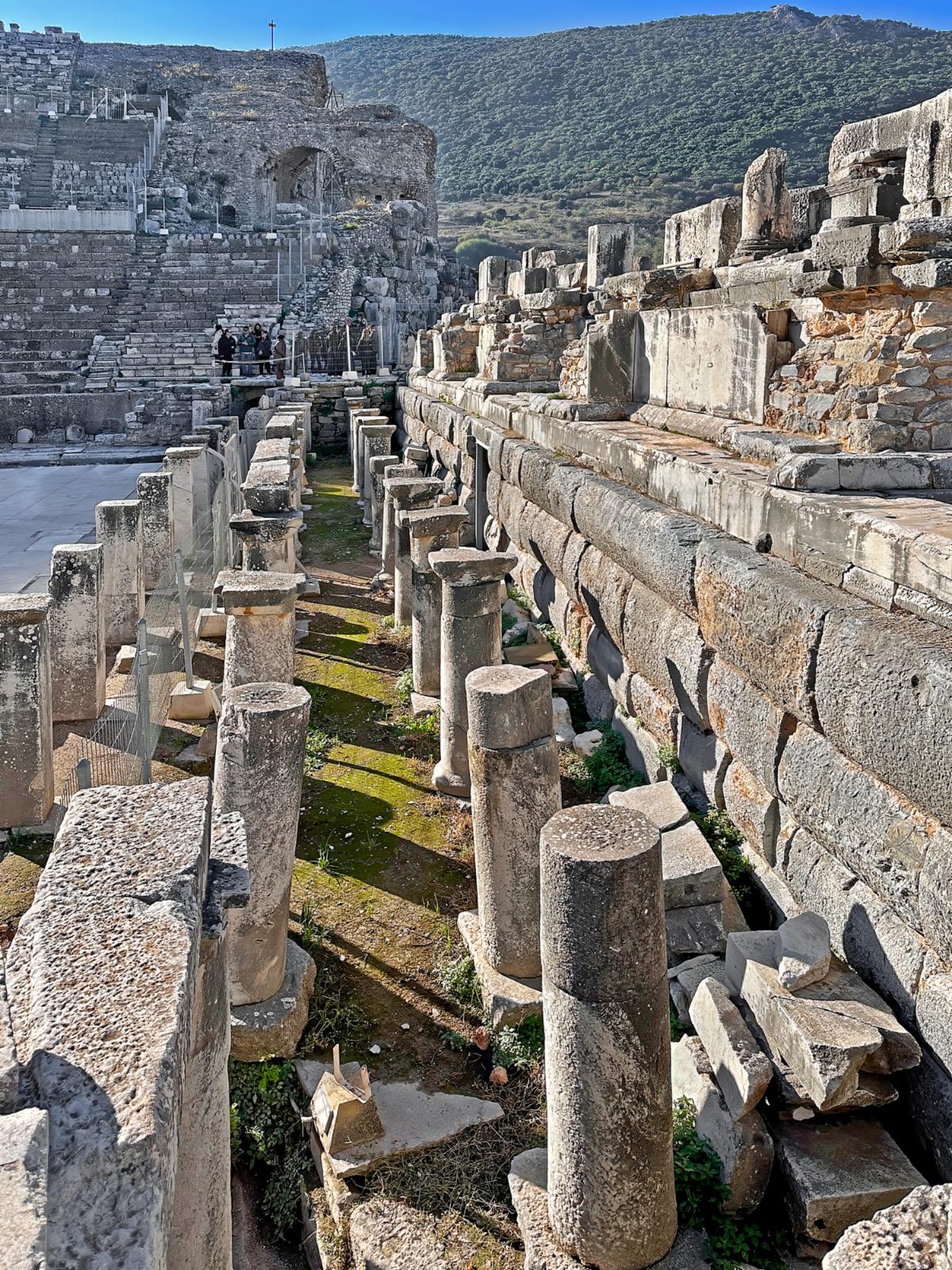
These columns mark an area along Main Street that held many shops. The residential area spread out and up the side of the hills. That was mostly closed off and is currently being excavated.

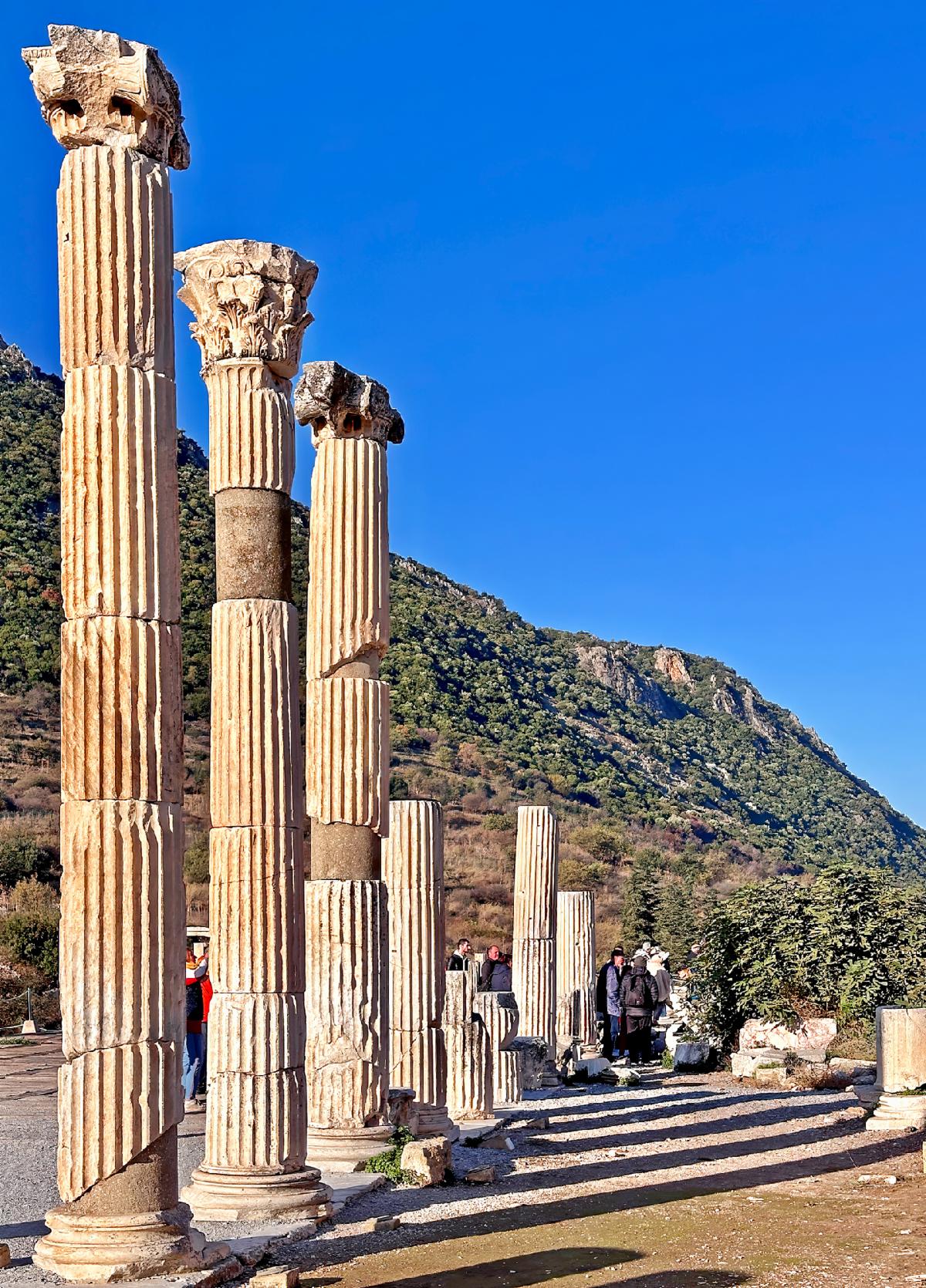
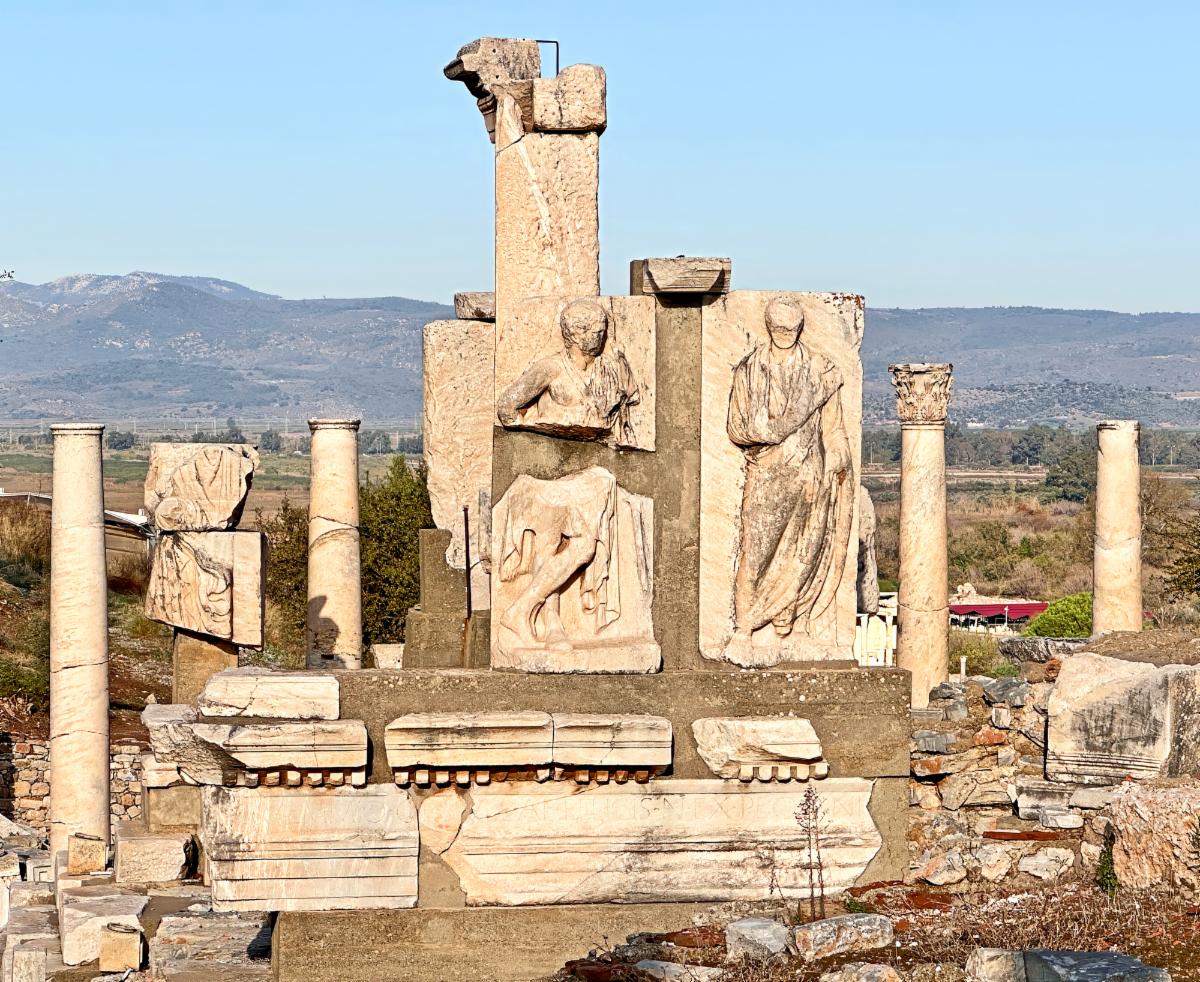
Above and below: A smaller temple devoted to Artemis located along Main Street in Ephesus.

The cruise ship tours slowly receded, revealing the marvelously paved Main Street.

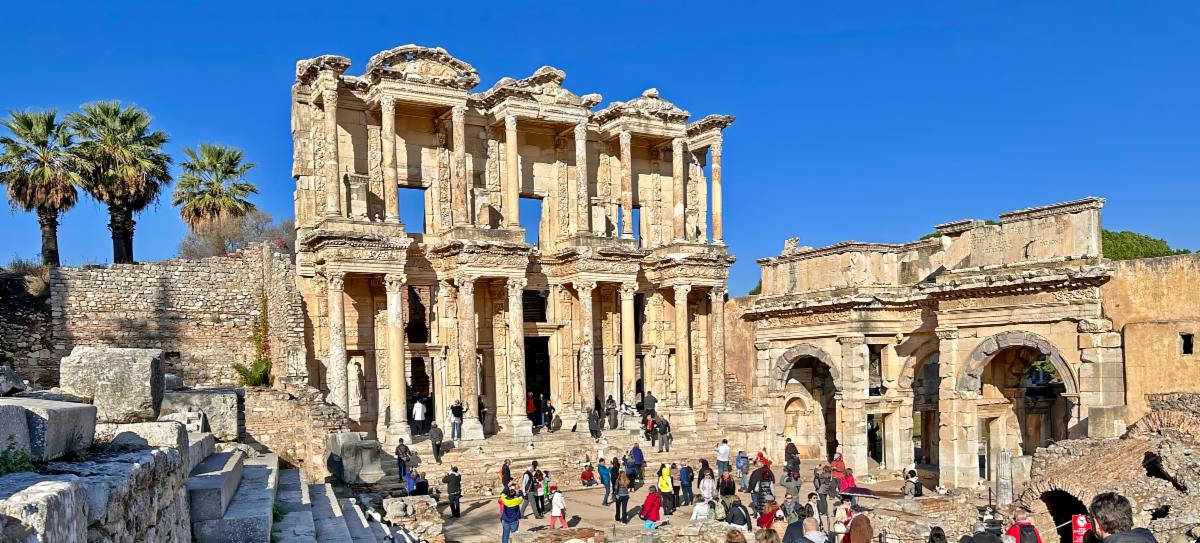
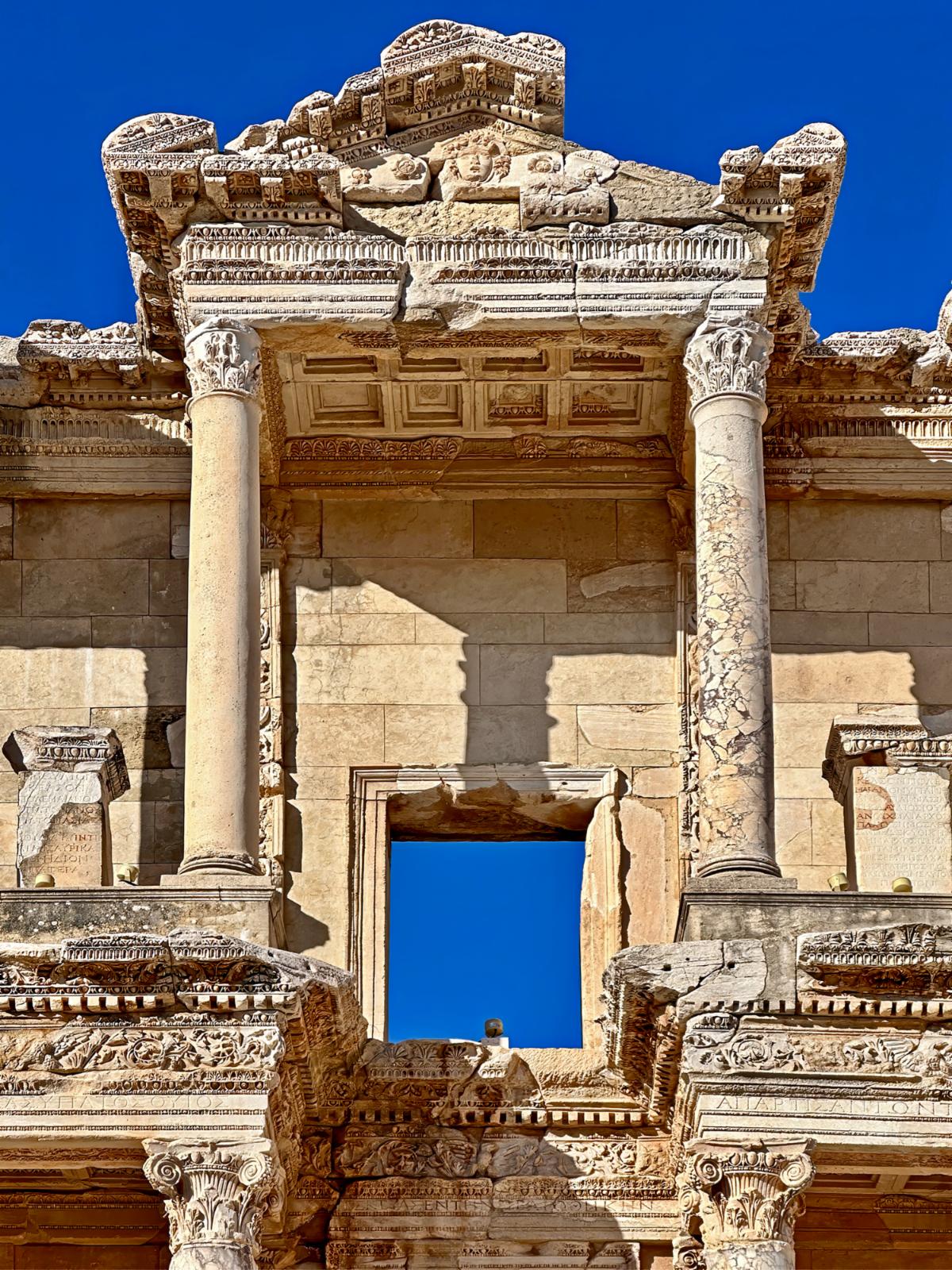
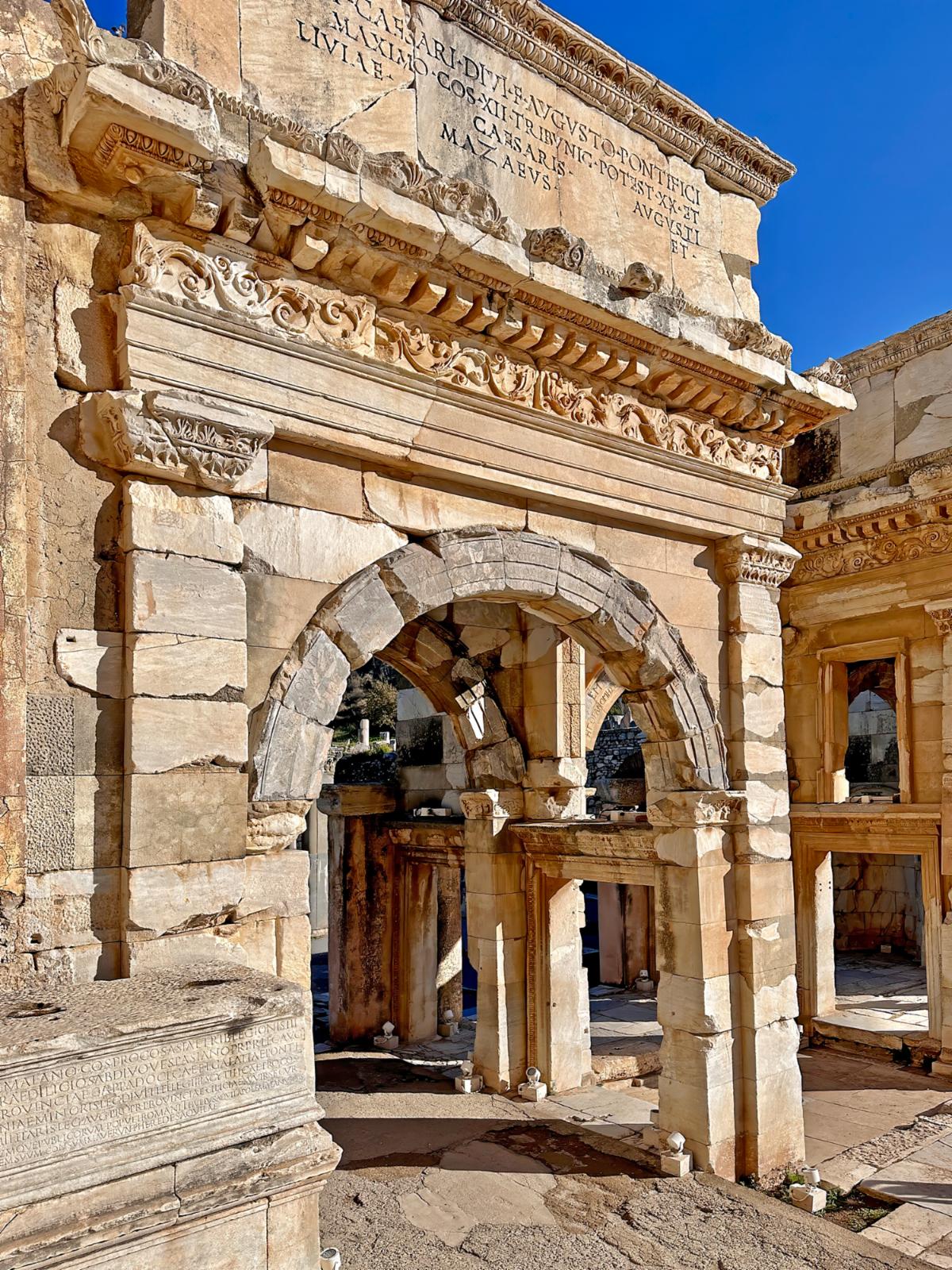
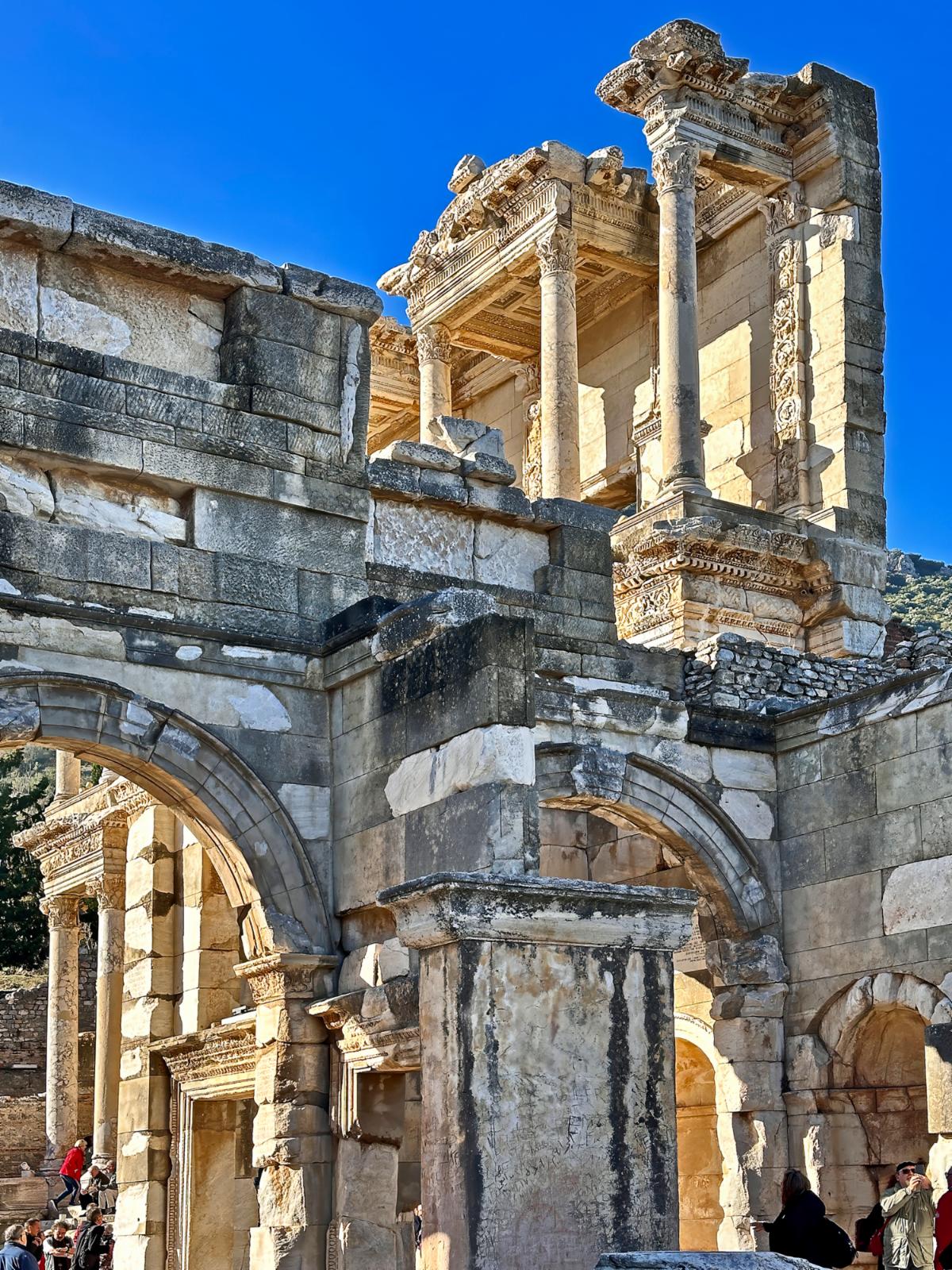
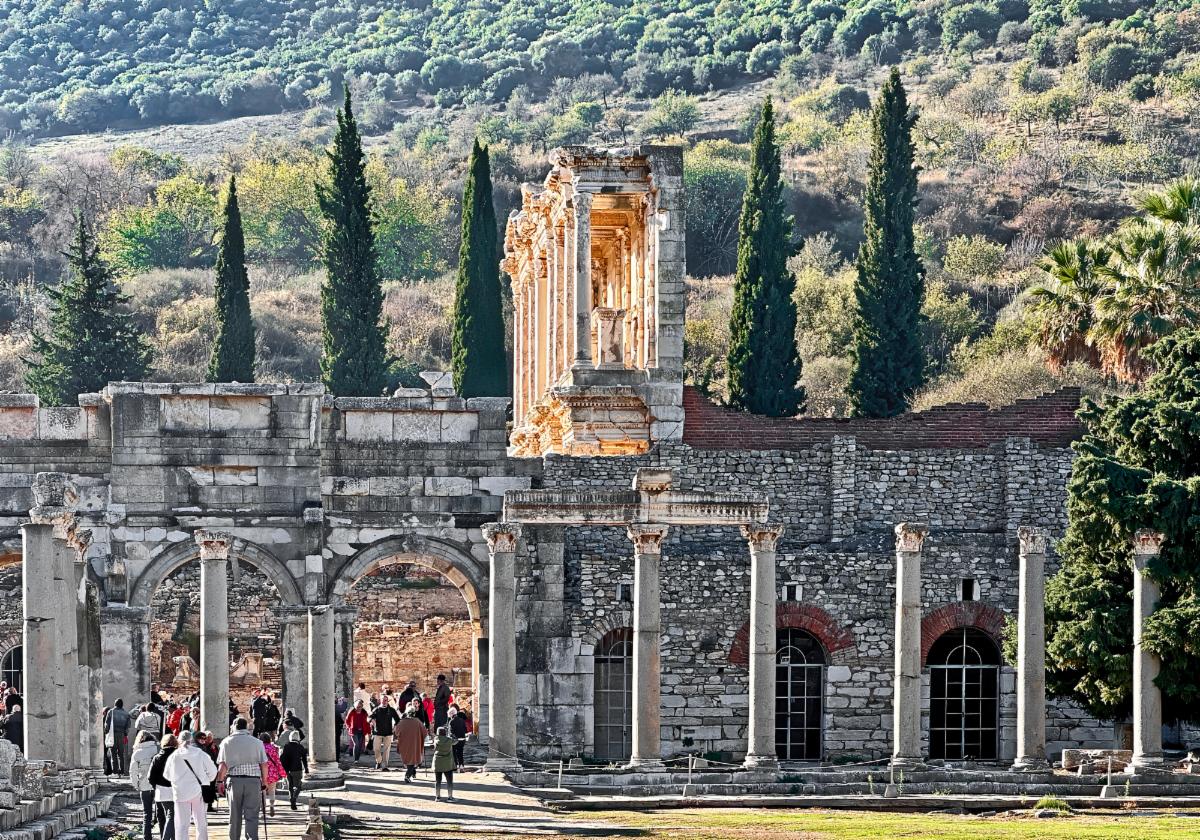
One of two showstoppers at Ephesus - the combination two-story entrance to the Library of Celsus (left side) and the double-arched Gate (right side). (The other showstopper was the Coliseum.)

Above and below: Looking at the Library/Gate from the side.

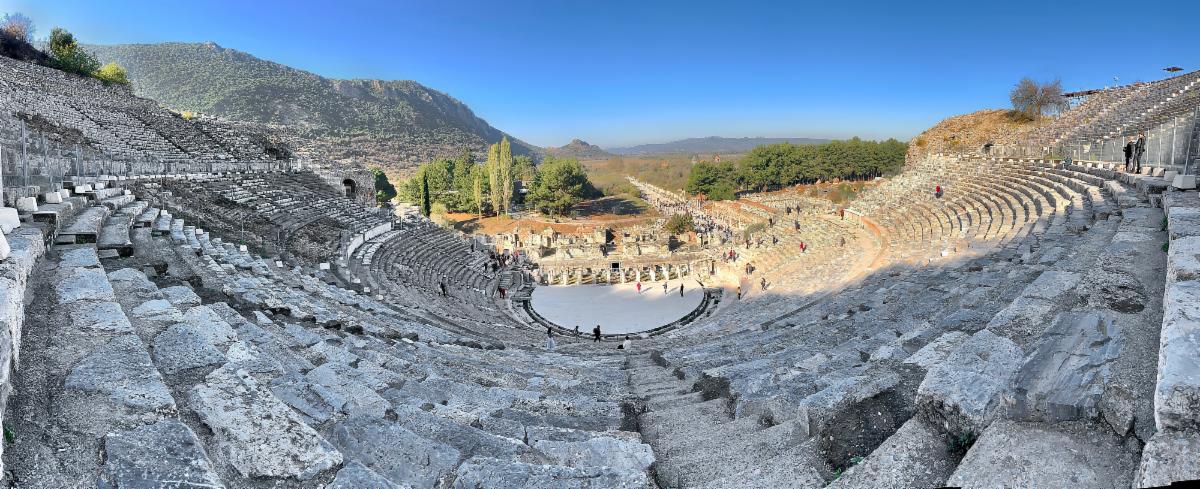
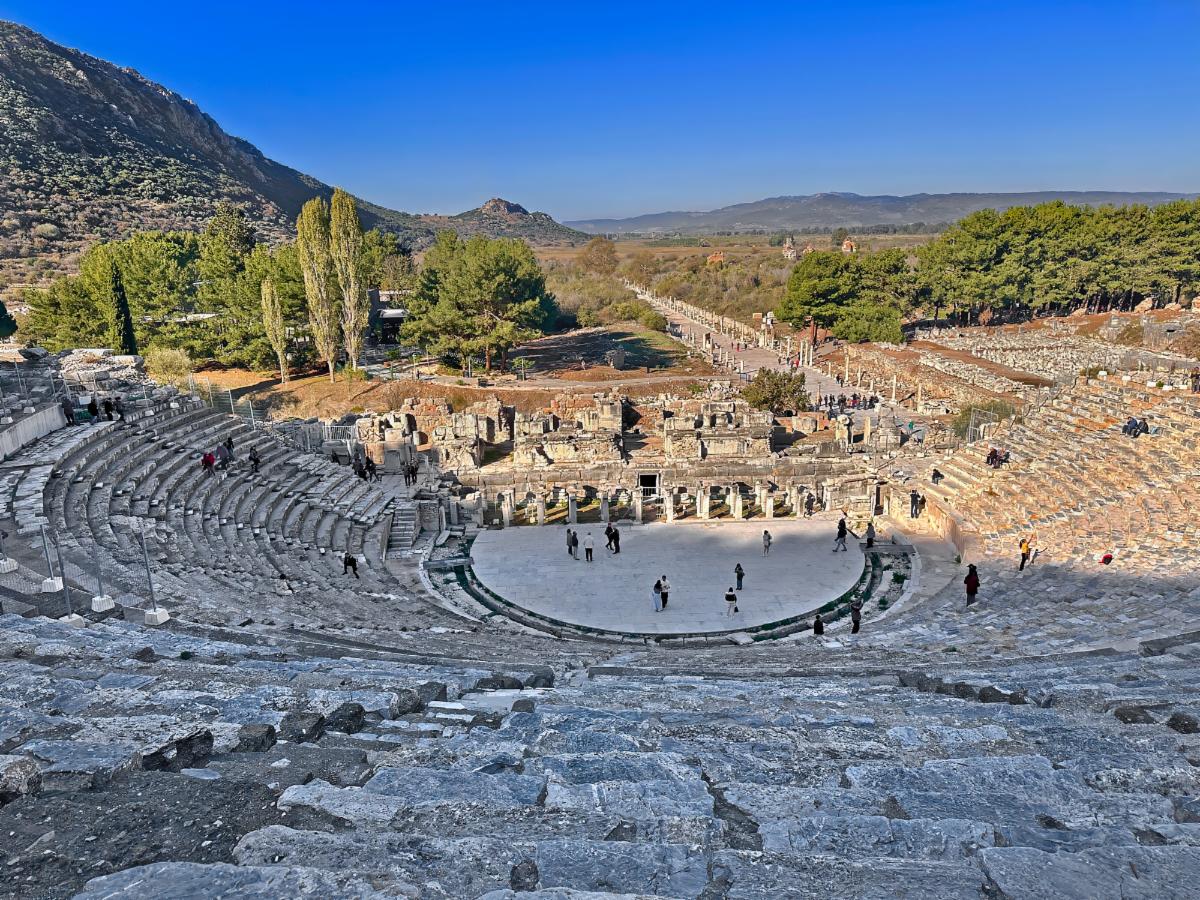
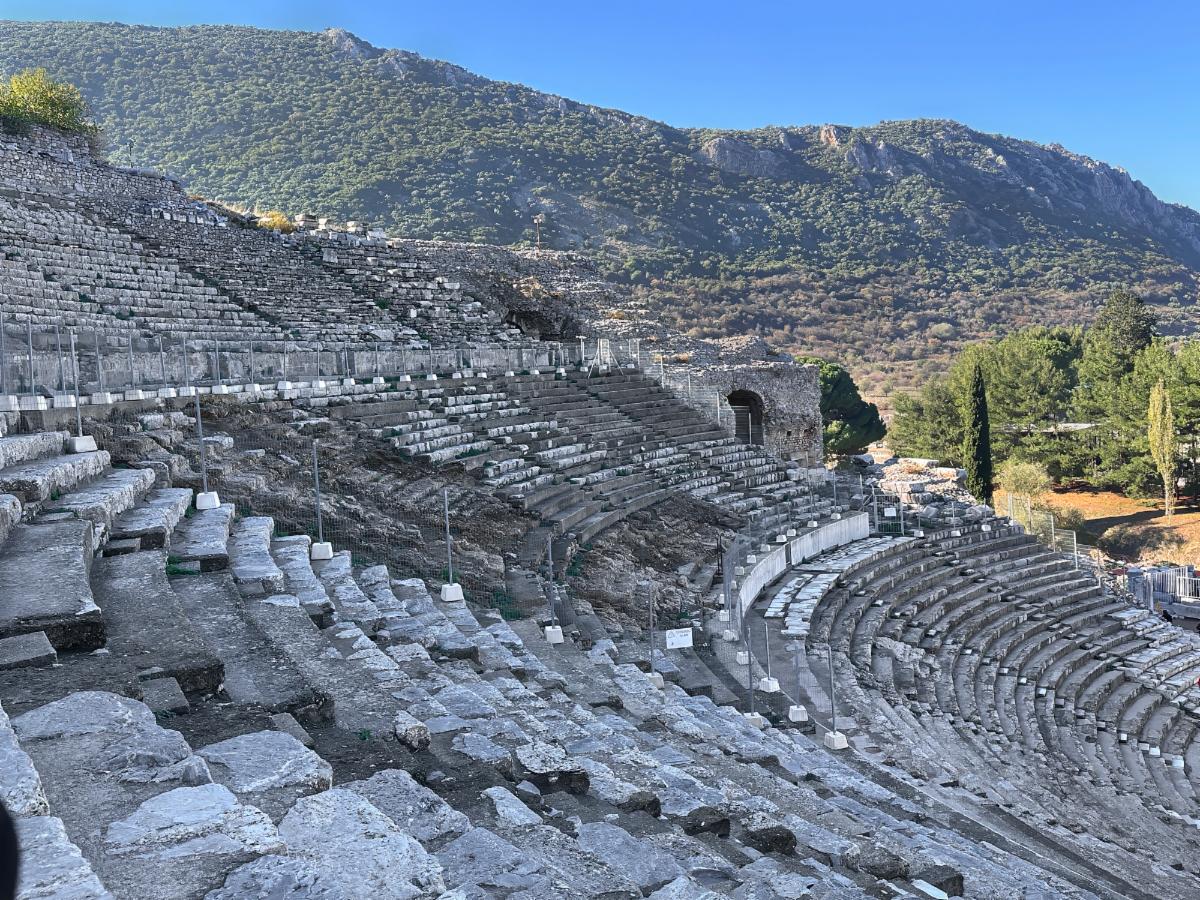
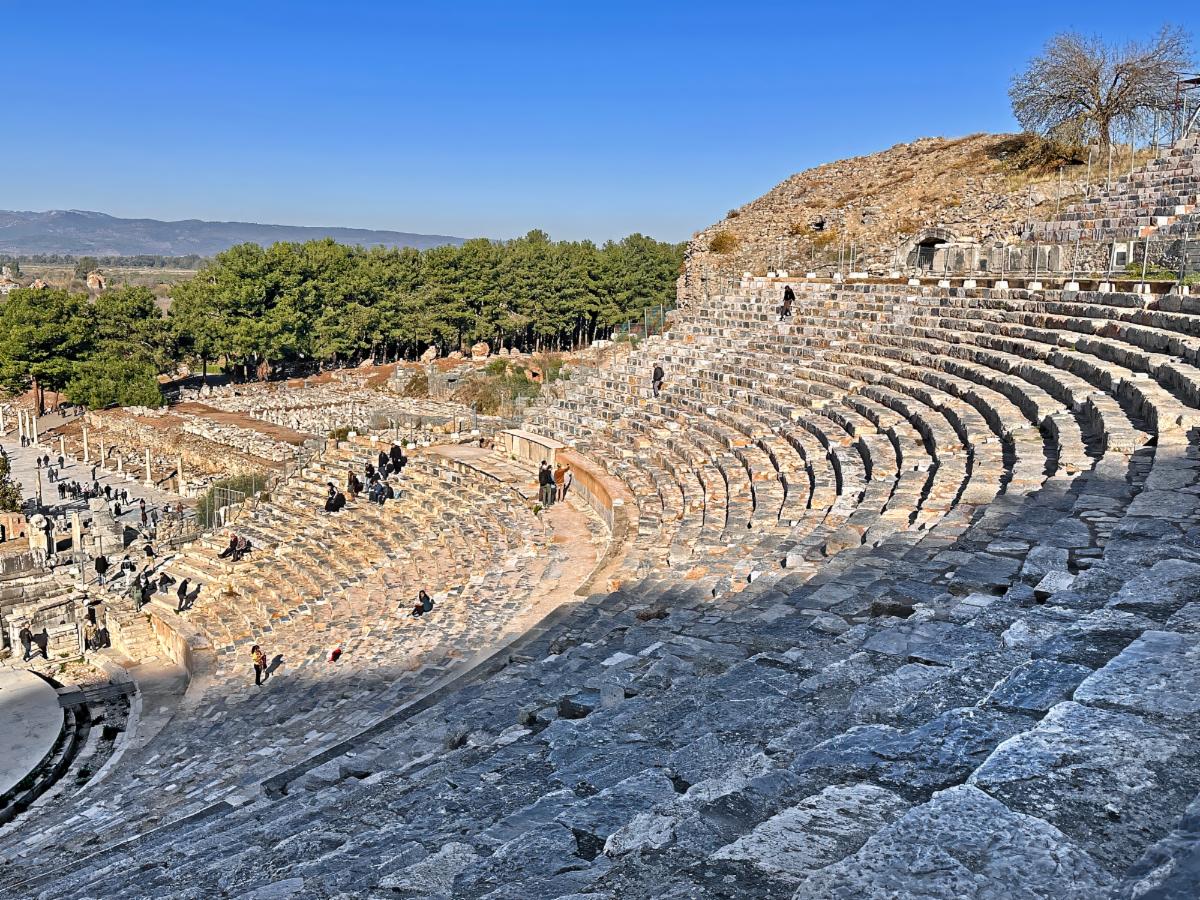
A pan photo of the 20,000-seat, over 2,000-year-old Coliseum at Ephesus. What a cool structure.

Ephesus stretches out along another street, as seen from the Coliseum.

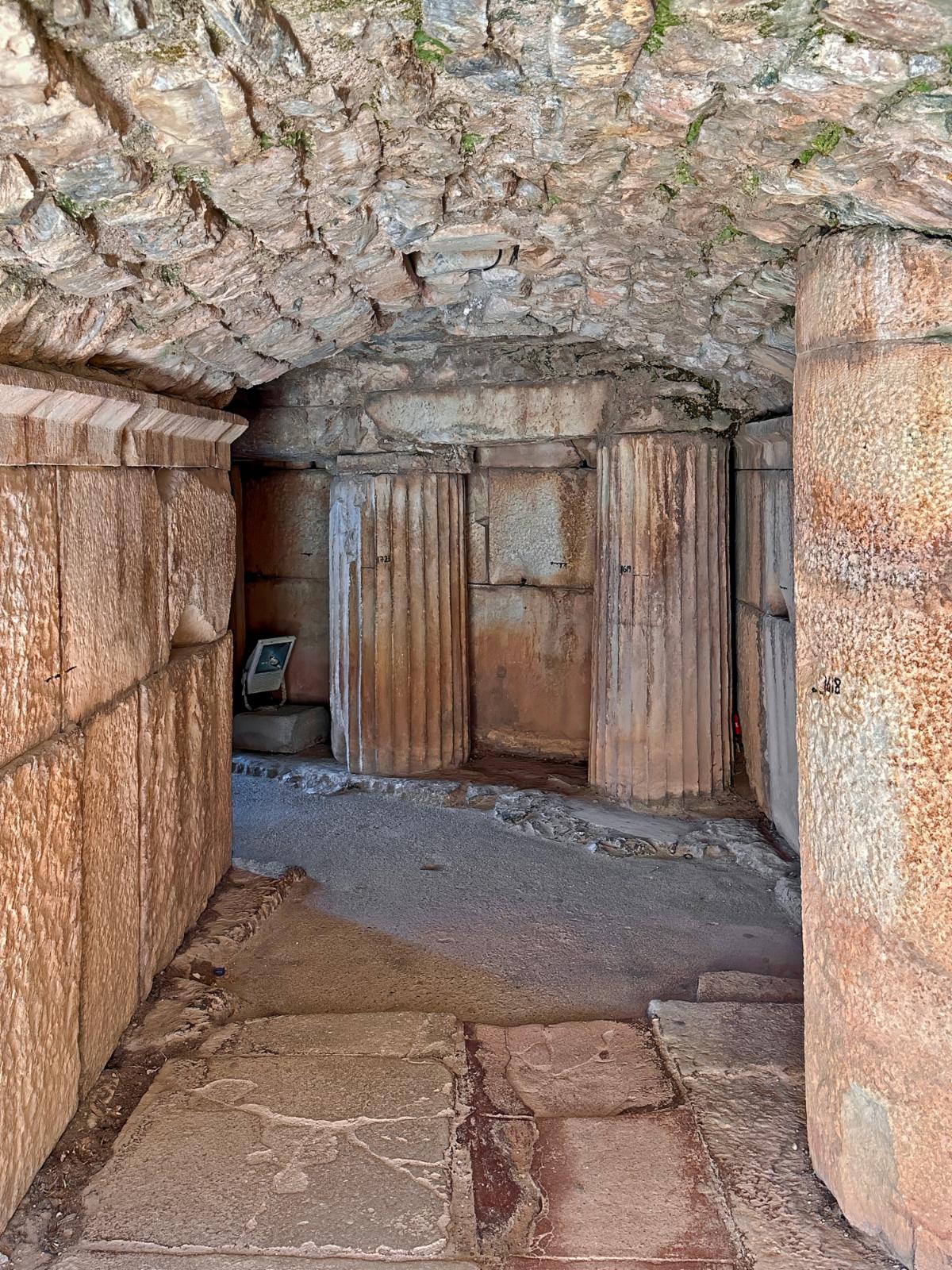
Tunnel access to the Coliseum's stage.

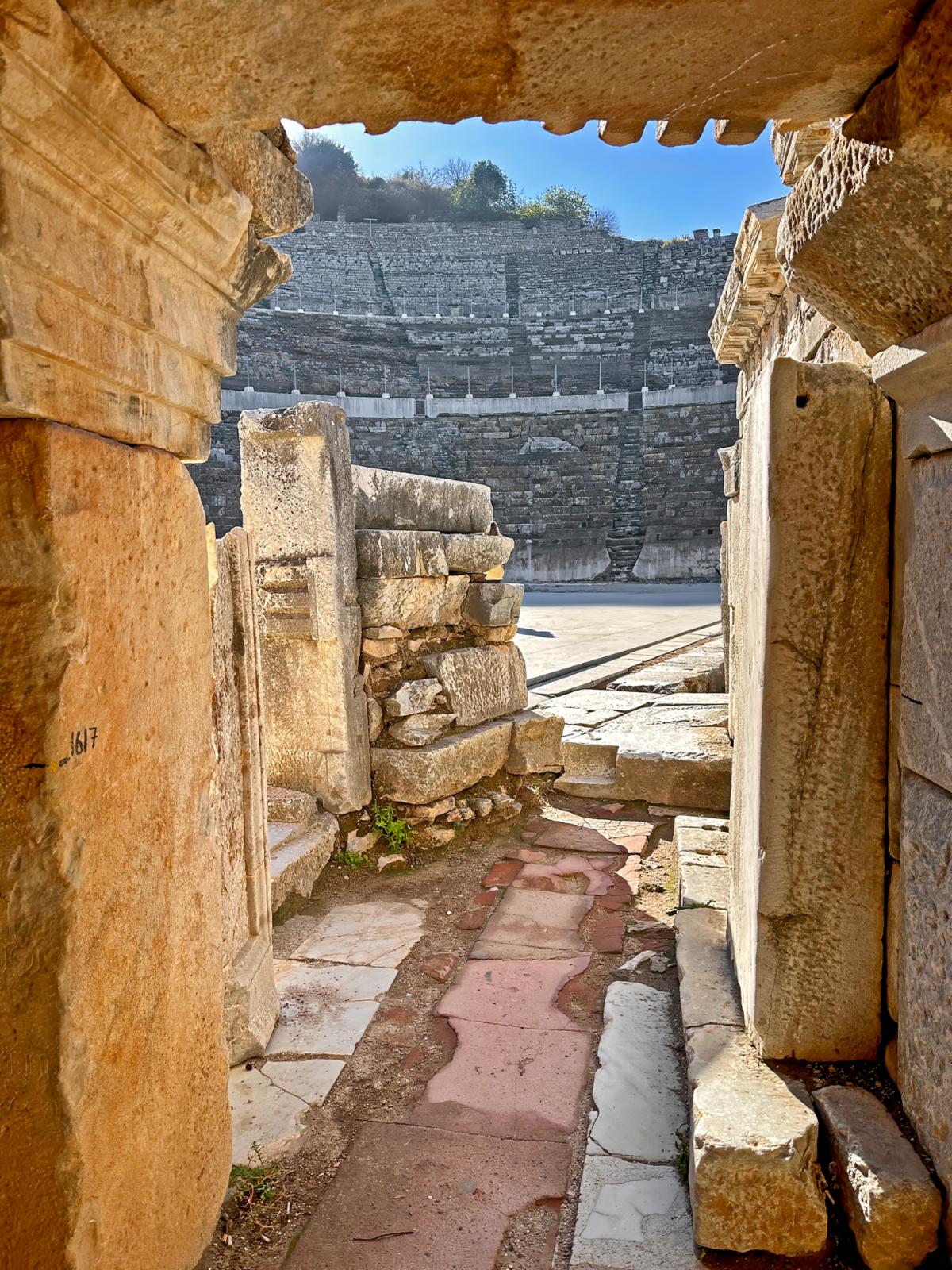
Entrance from the tunnel to the stage.

The area behind the stage. This was roofed. Actors and/or gladiators would assemble in here. (From what I could gather, ceremonies, plays, and blood sports were performed here).

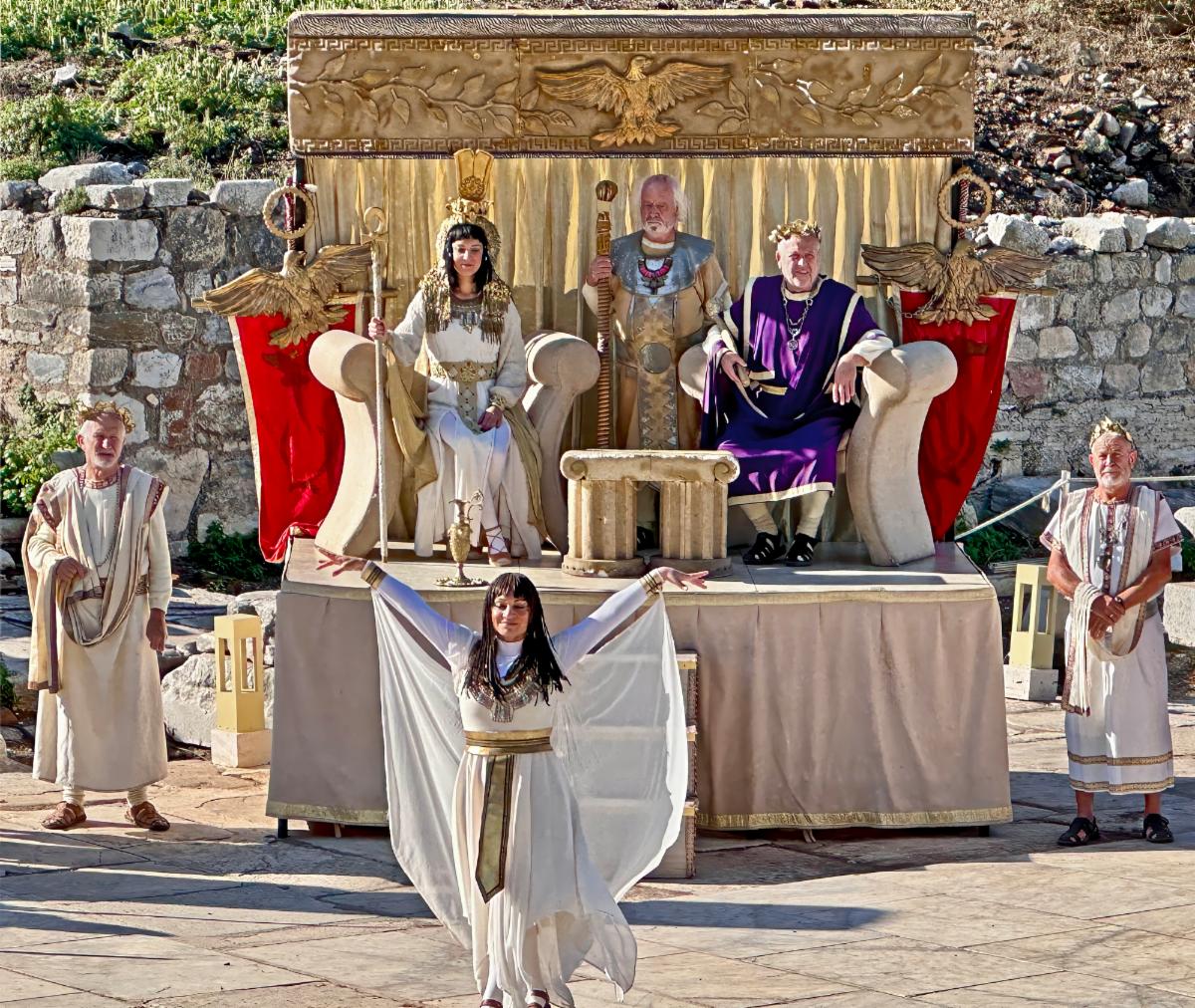
An actor group performed dances and sword fights at Ephesus.

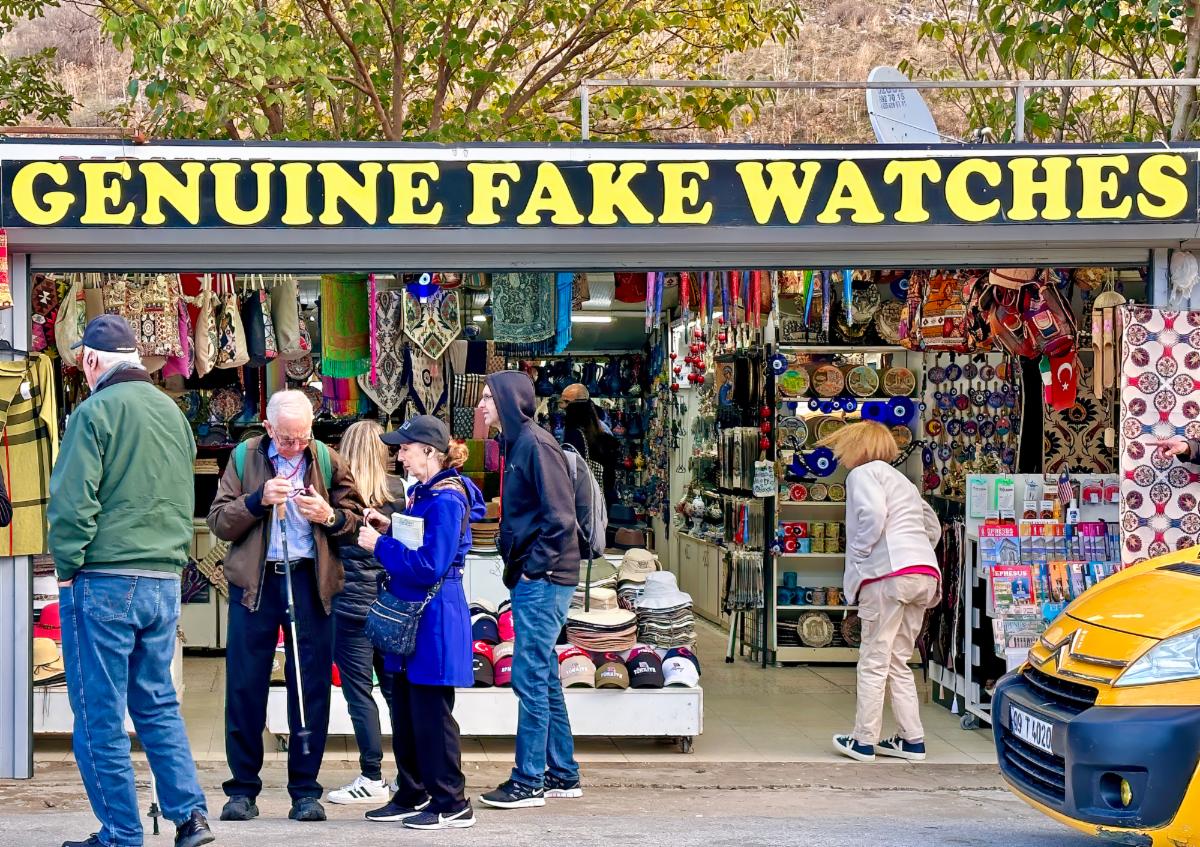
There were plenty of vendors at the two entrance/exit gates to the Ephesus site. I loved the honesty of this vendor.

SELÇUK


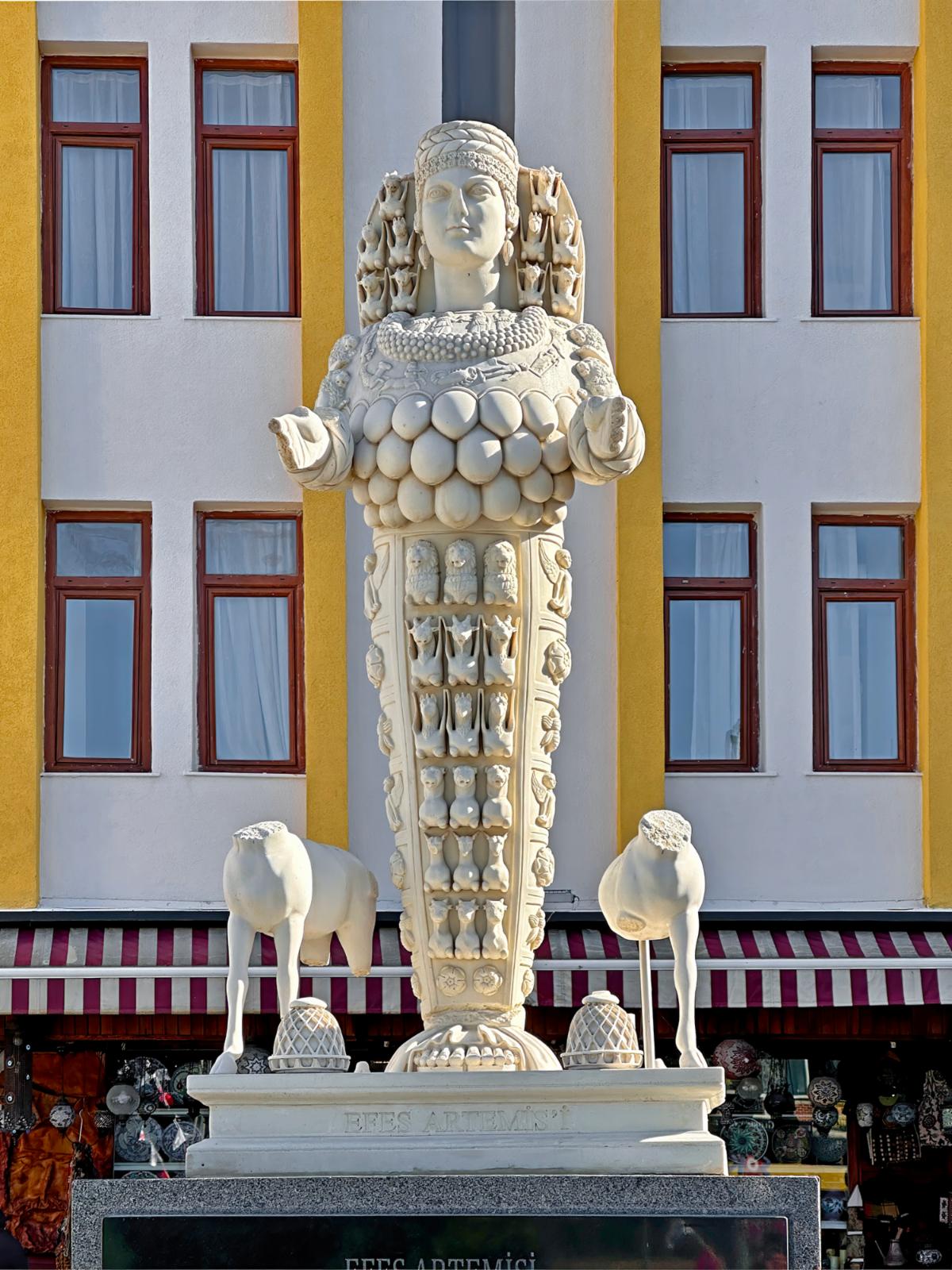
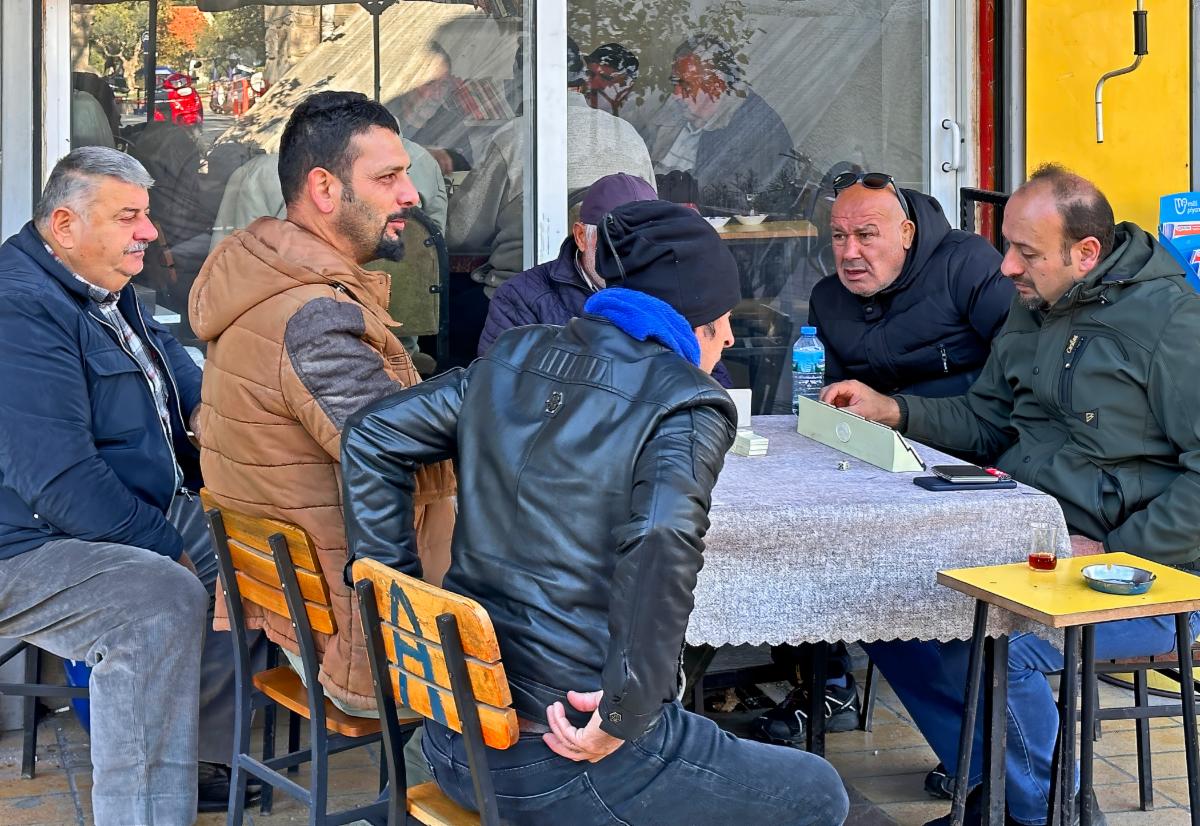
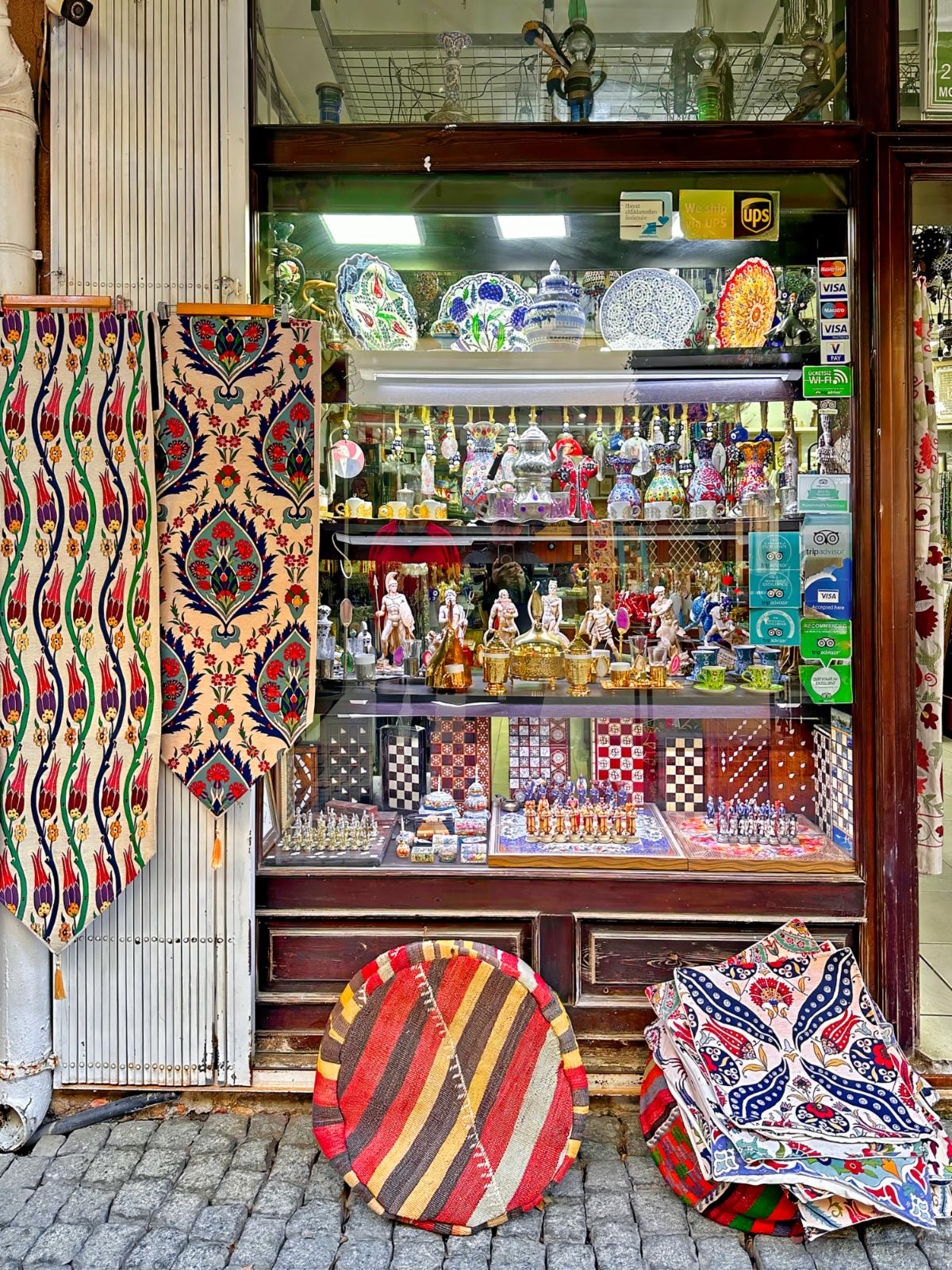
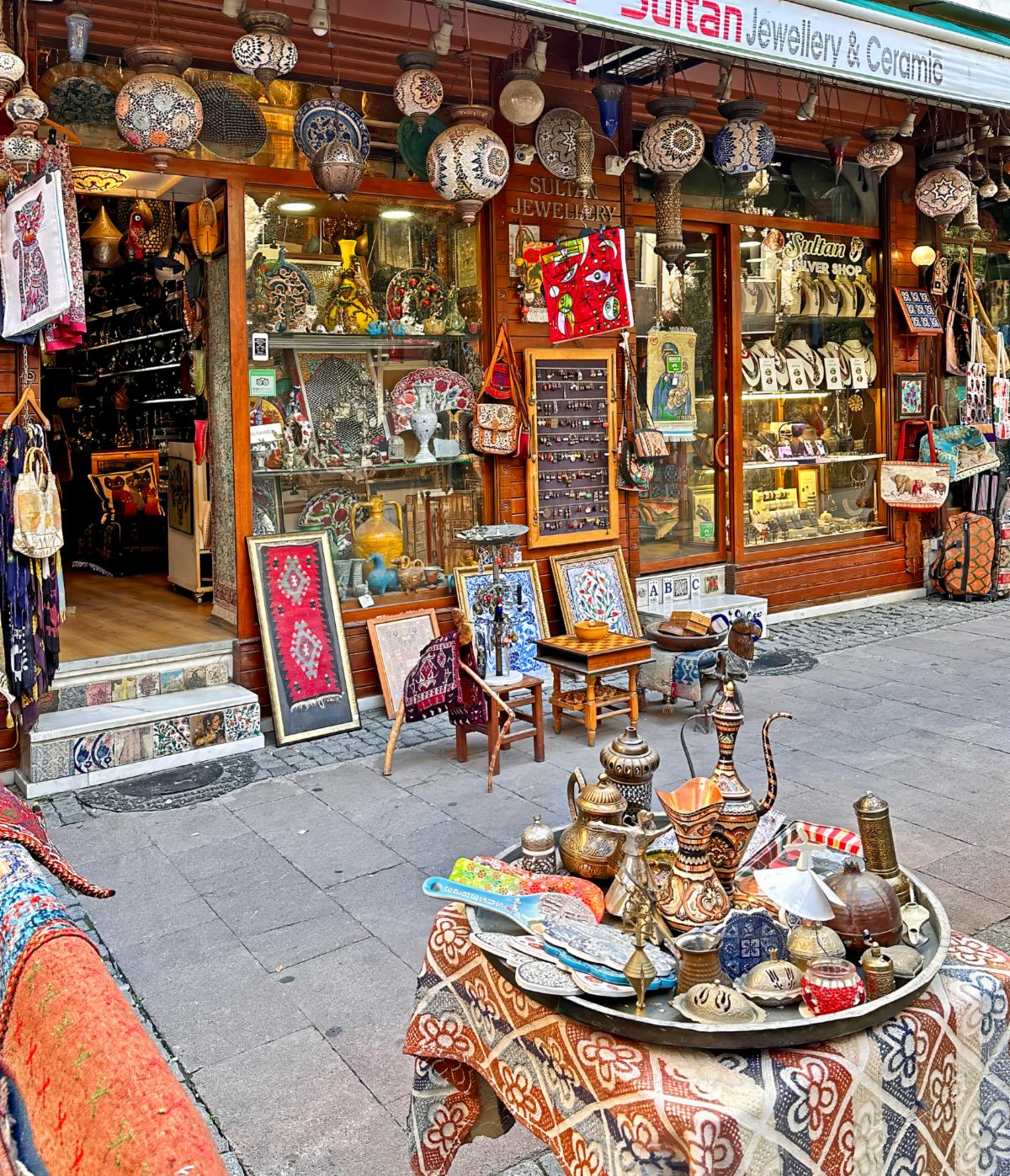
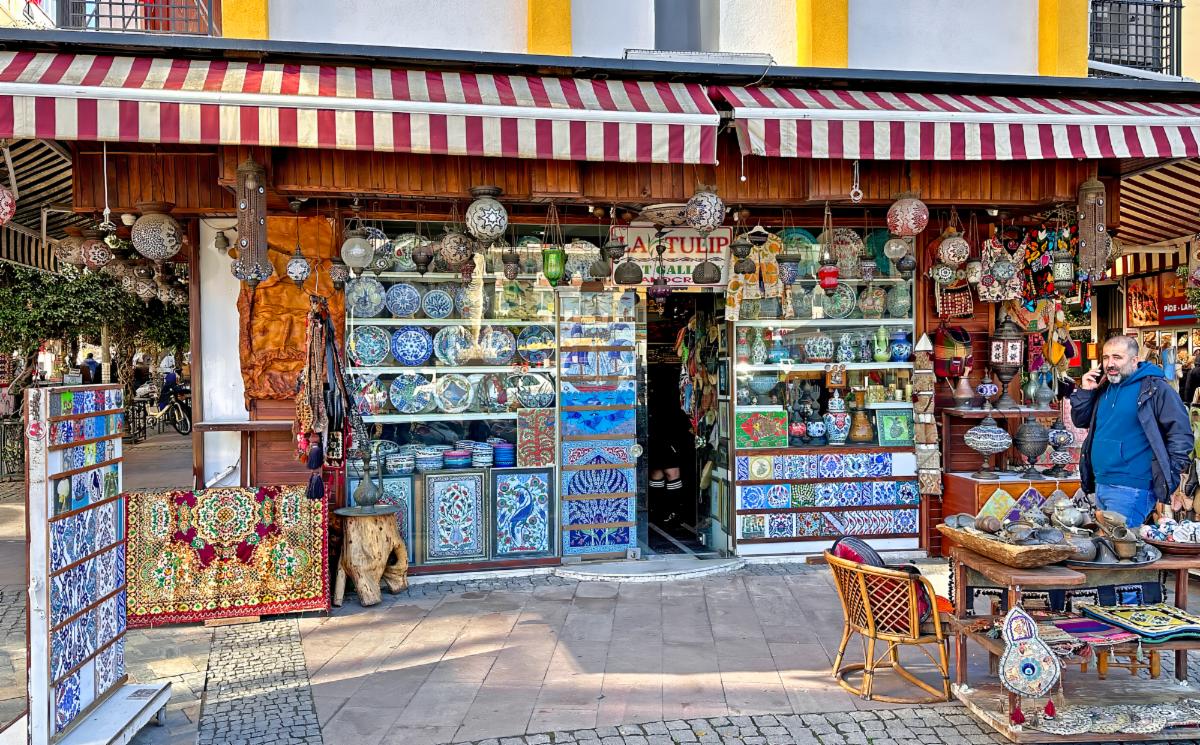
Afterward, the bus drove a short distance to the modern city of Selçuk. We were given an hour to roam the town. We concentrated on the downtown markets and shops. There were plenty of dönor restaurants, and they all looked inviting. We saw rugs, fancy glassware, hookas, old guys hanging out playing the tile game of Okey, and a statue of Artemis, the many-breasted Lady of Ephesus. Here, I have to say, “Too much of a good thing isn’t always a good thing.” I prefer two breasts rather than twenty or so.

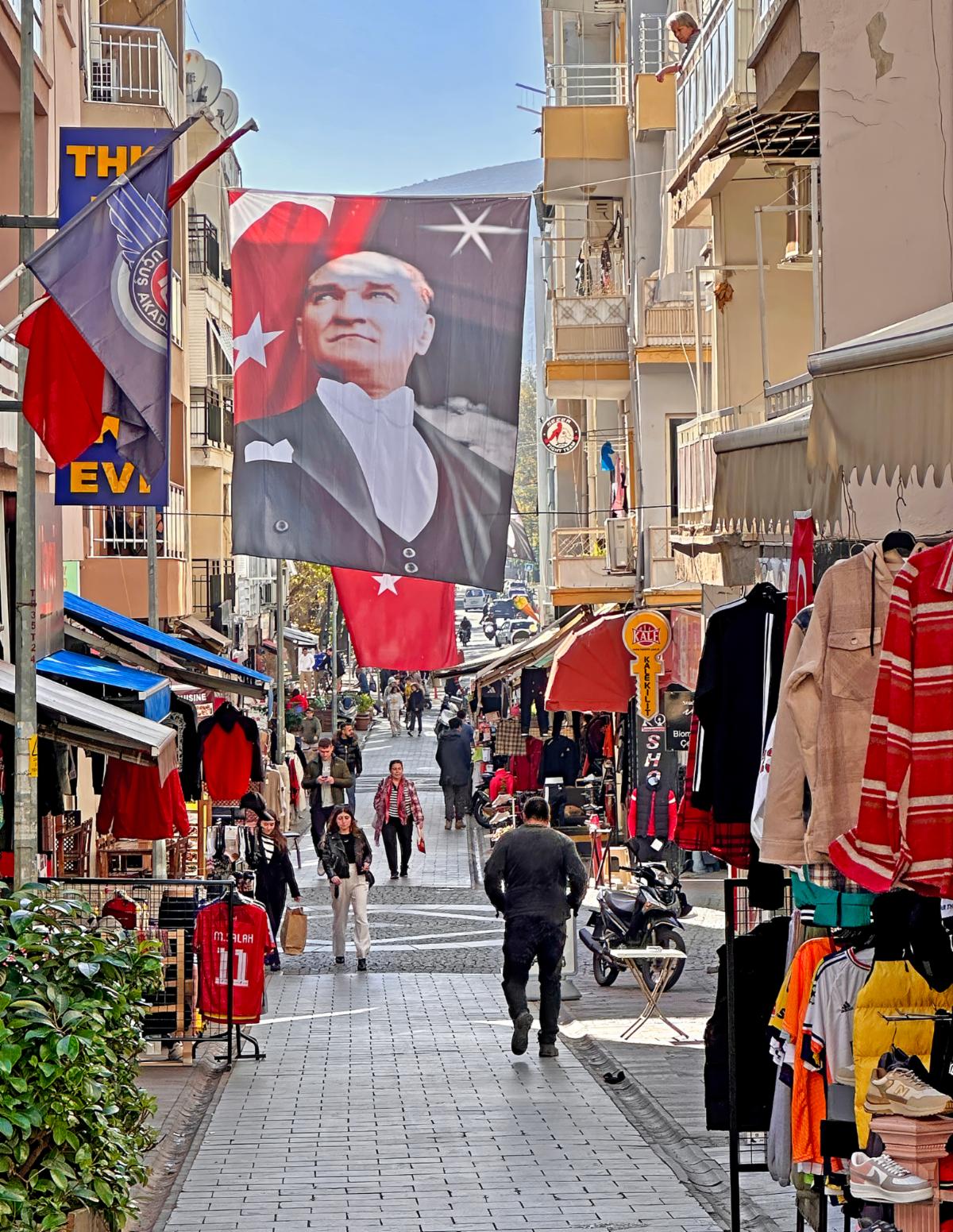
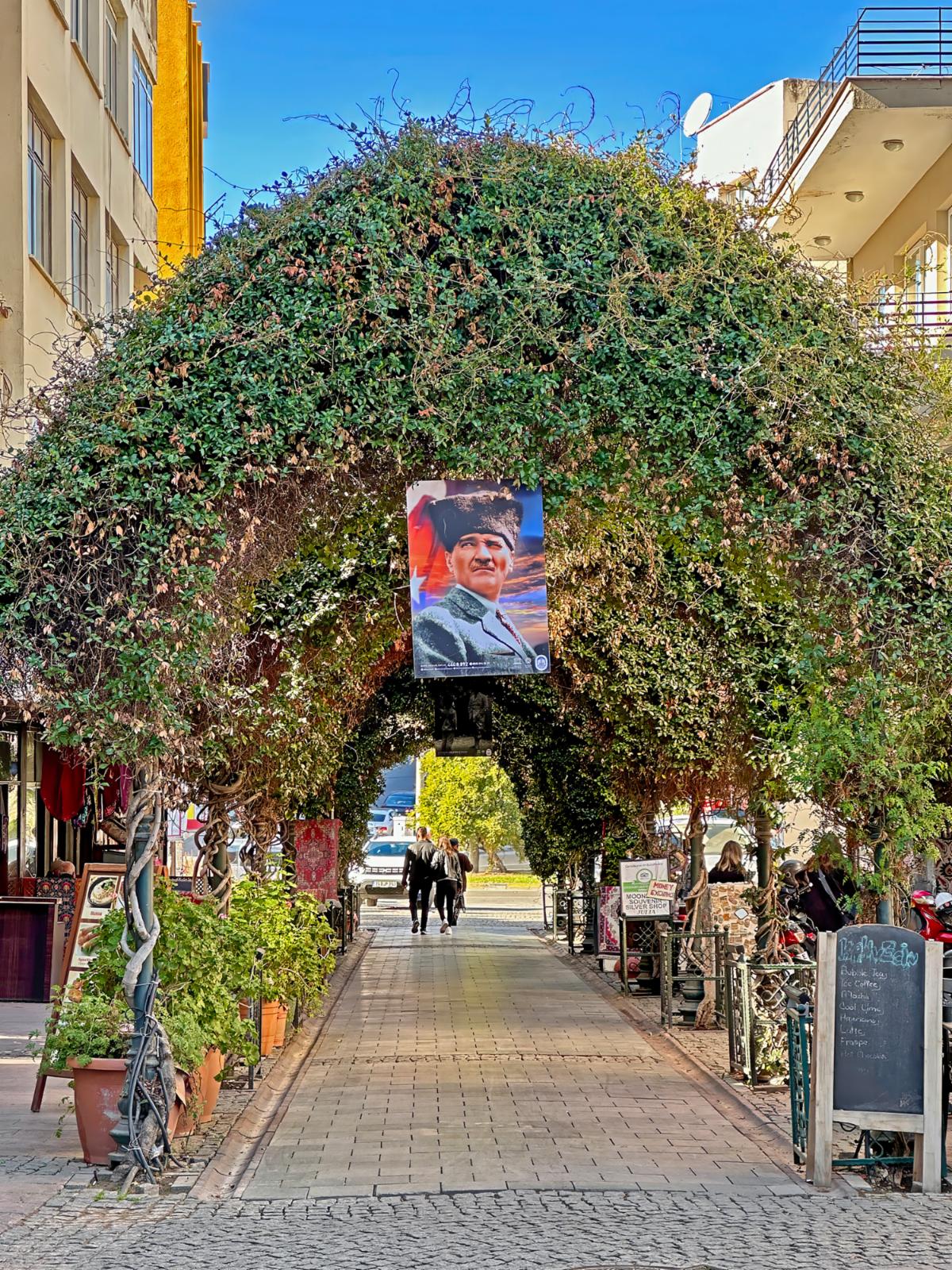
The picture on the banner is of Mustafa Kemal Ataturk (1881 - 1938), considered to be the father of modern-day Turkey and is revered. As the Ottoman Empire died, he guided the Turkish area of the former Empire into becoming a modern secular industrial nation. He resisted Europe's attempt to divide Turkey after WWI. His government introduced progressive measures like voting rights for women. He standardized the written and spoken language. In 1934, he was granted the sir name of Ataruk - 'Father of the Turks'. According to Heinrich, he lived life hard and fast. He liked his drink and died relatively young, at 57 years old. Still, he accomplished a lot for the fledgling nation.

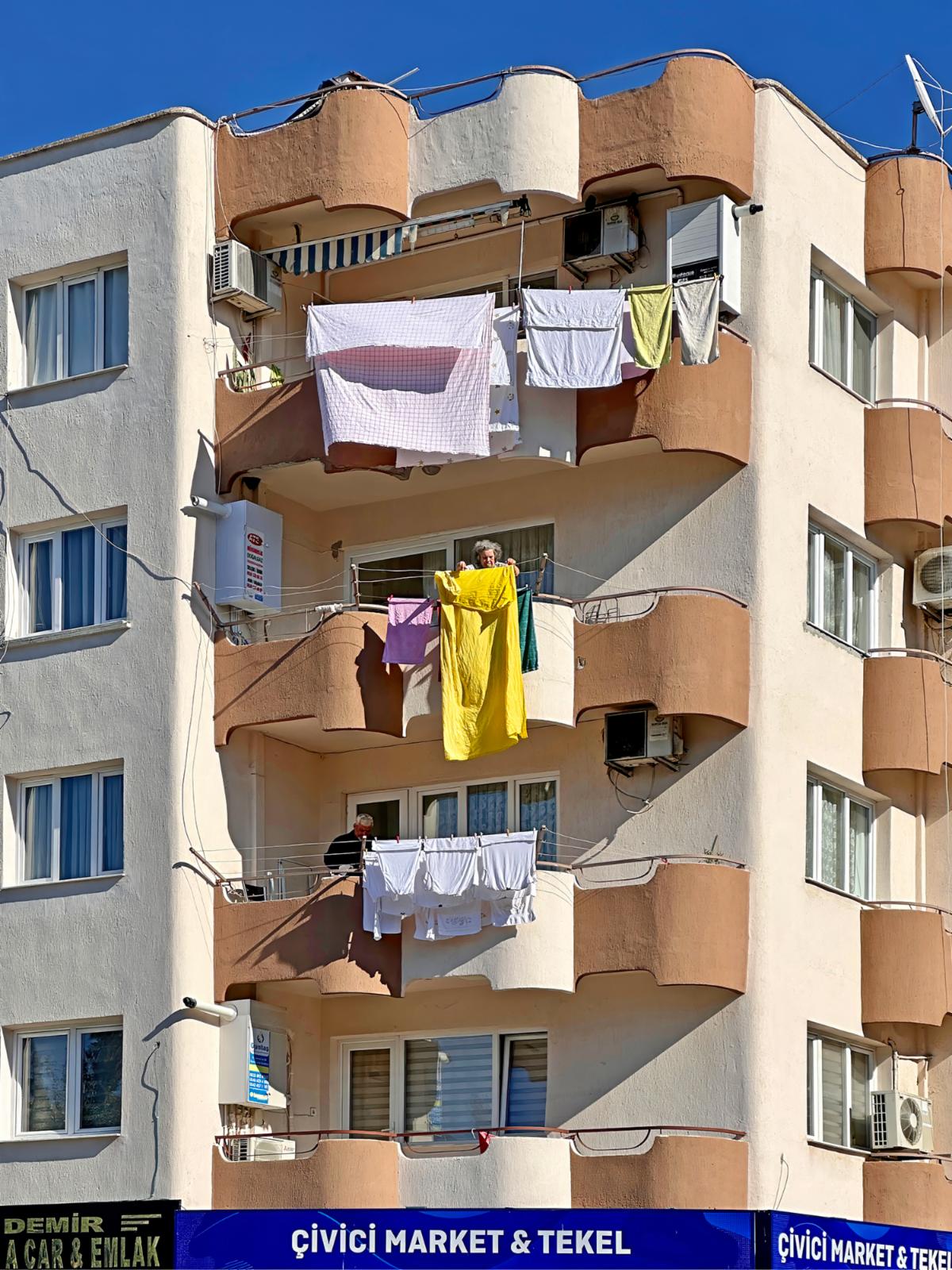
Laundry day.

This is a replica of a statue of Artemis, the many-breasted goddess worshipped by the Ionians, found at Ephesus.

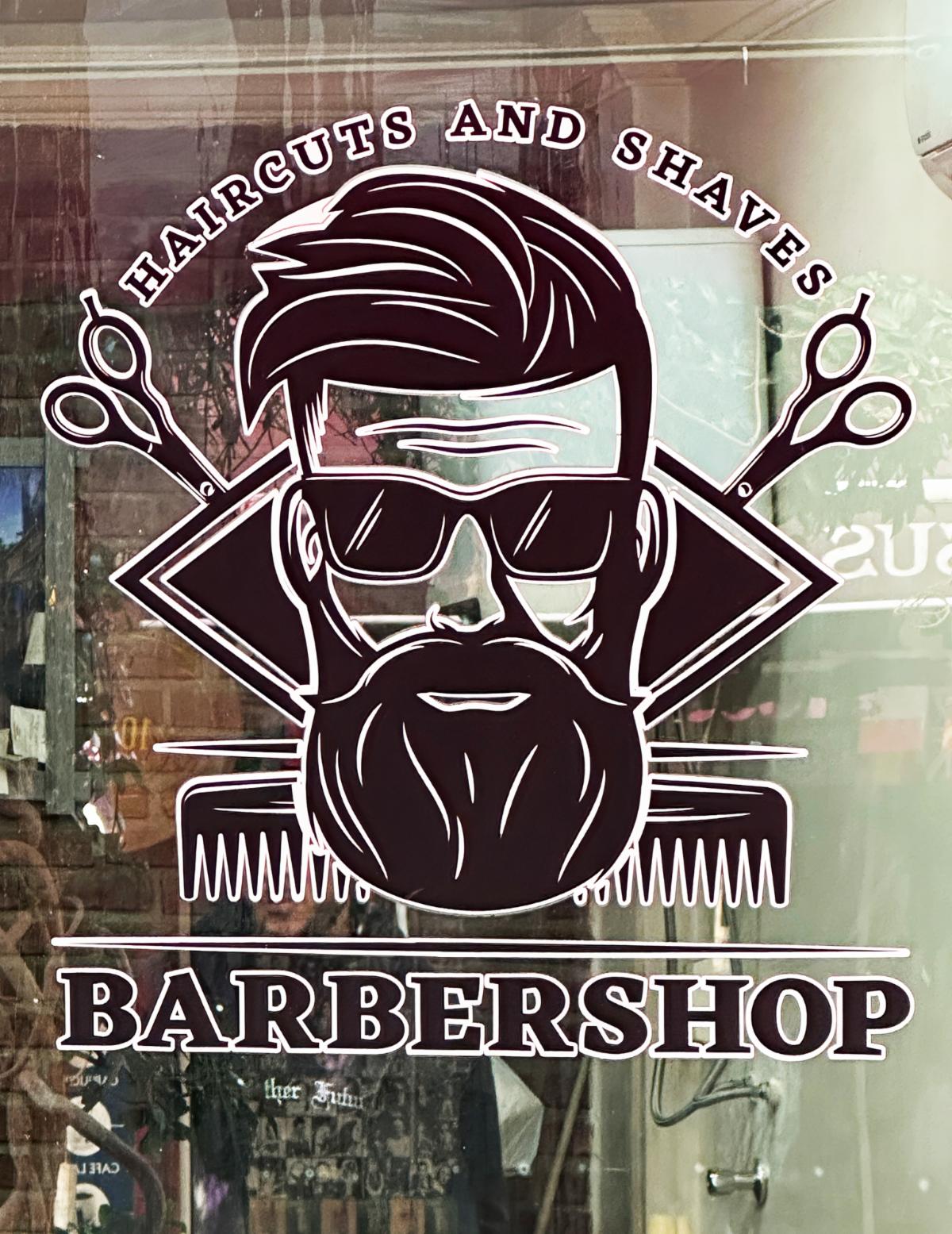
This looks like a 'manly' barbershop.

More hangin' out with the guys, playing Okey.

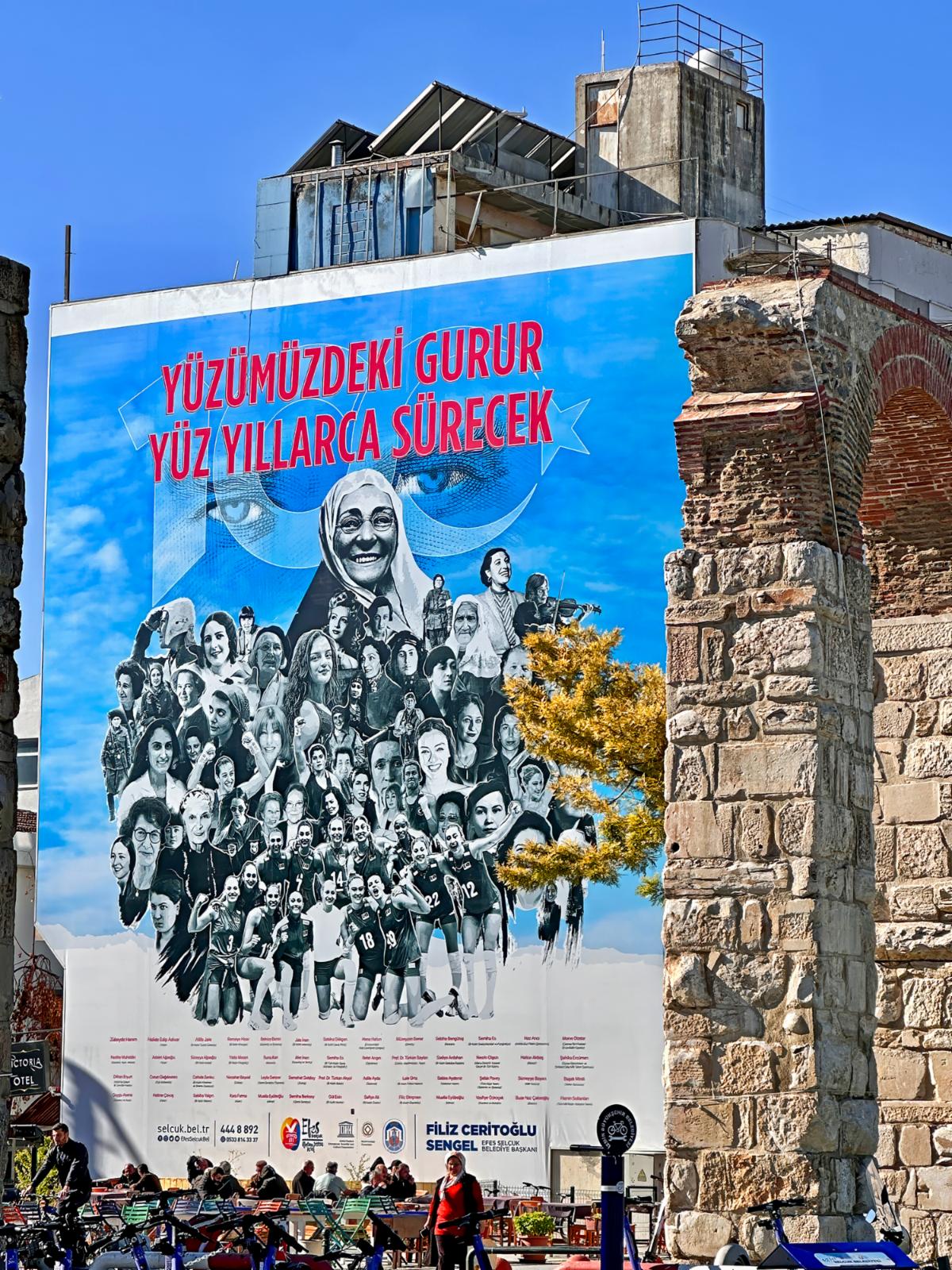
The mural states, "THE PRIDE ON OUR FACES WILL LAST FOR YEARS." I liked that sentiment.

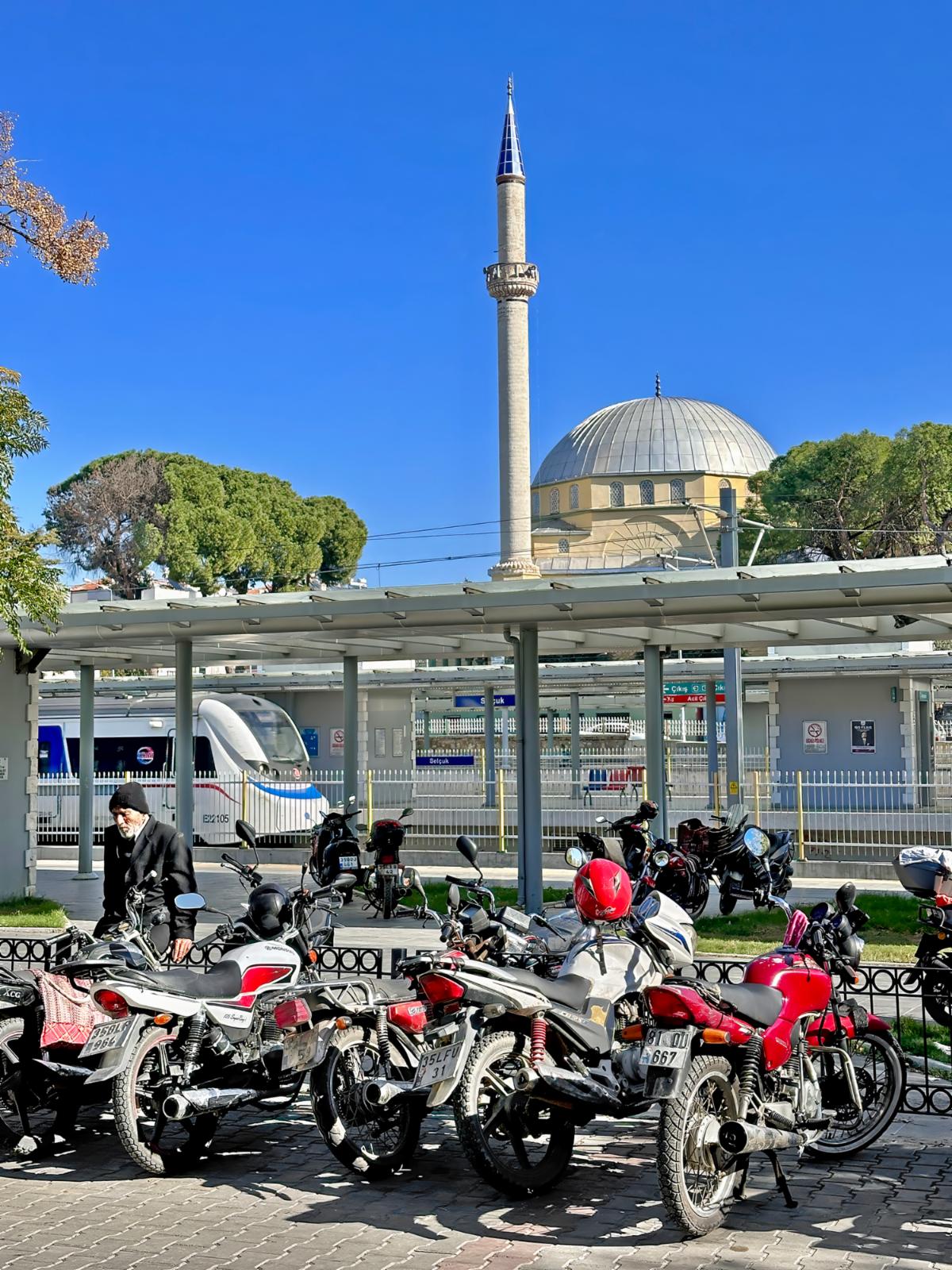
Turkey's cities have modern metro train systems. Motorbikes abound in Turkey. Mondial, manufactured in Turkey, is the brand we see the most. There were also a fair number of electric motorbikes. The dome in the background is a mosque.

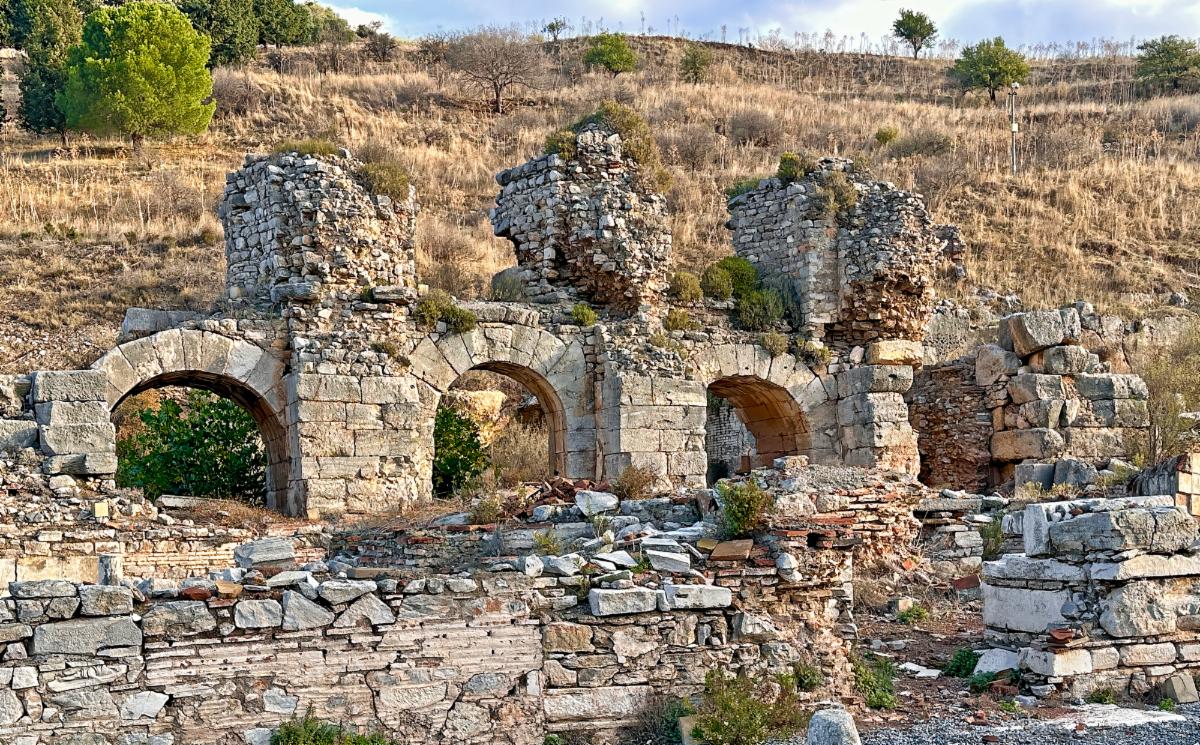
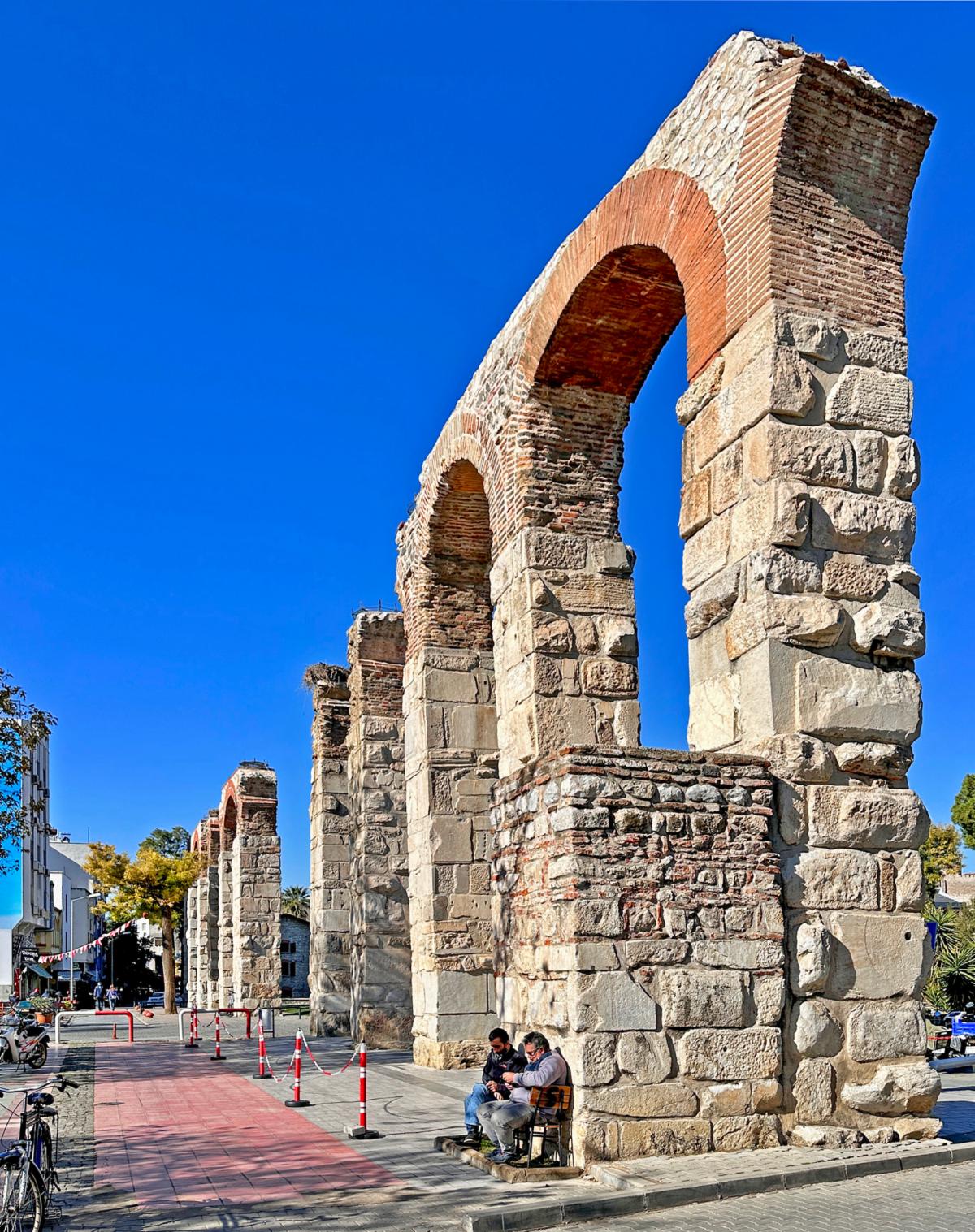
The remnants of a Roman aqueduct still stands in Selçuk.

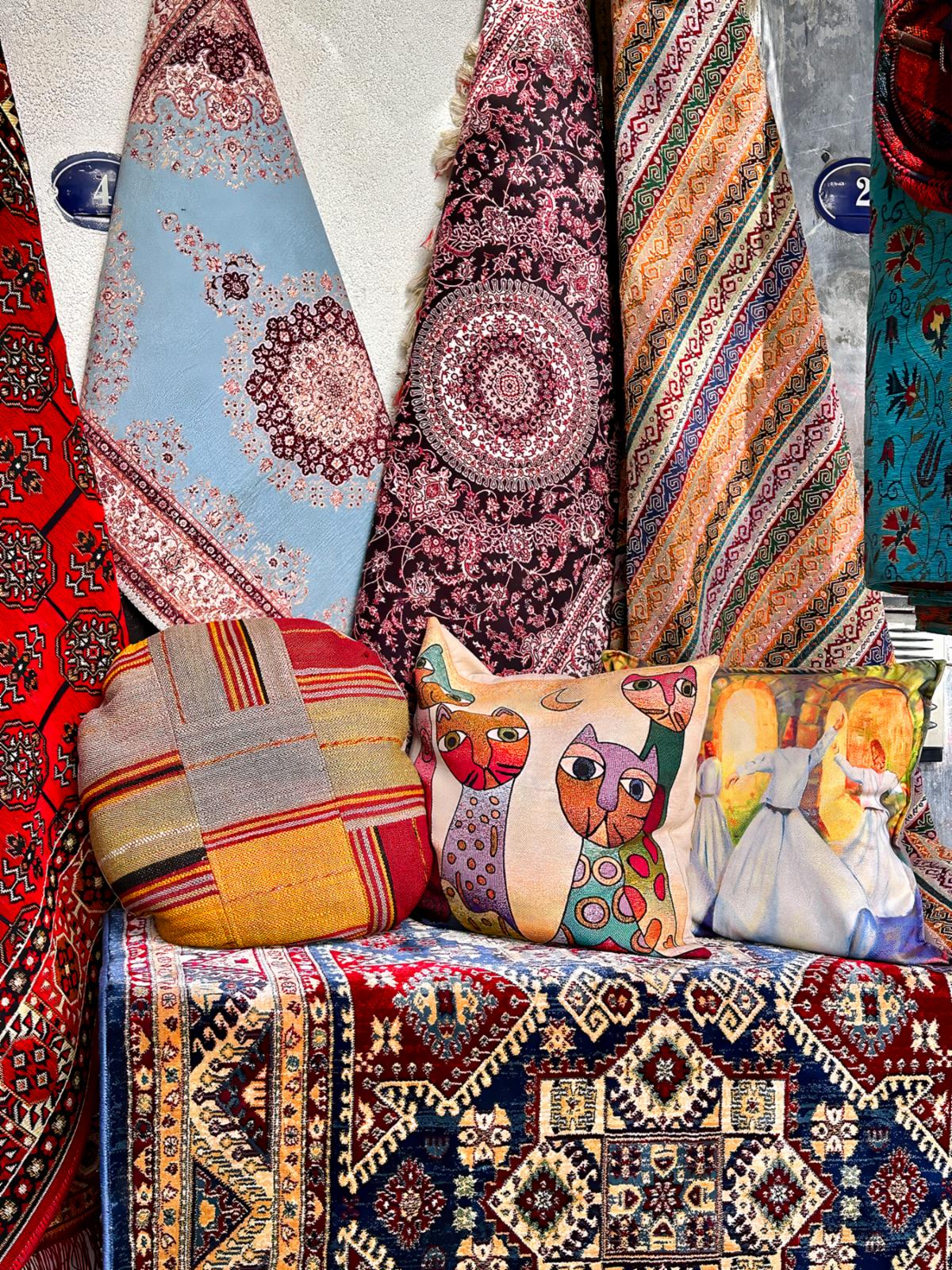
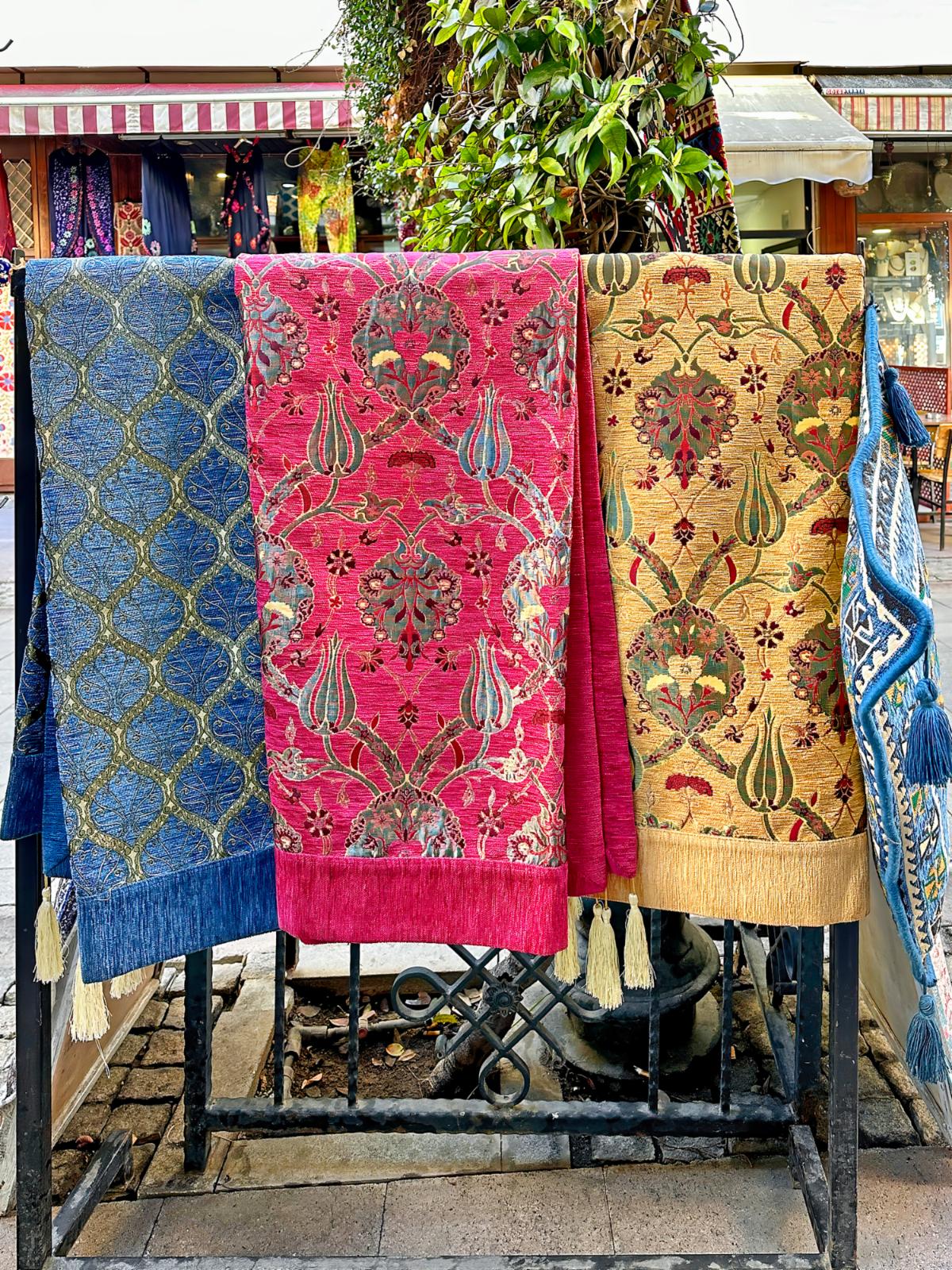
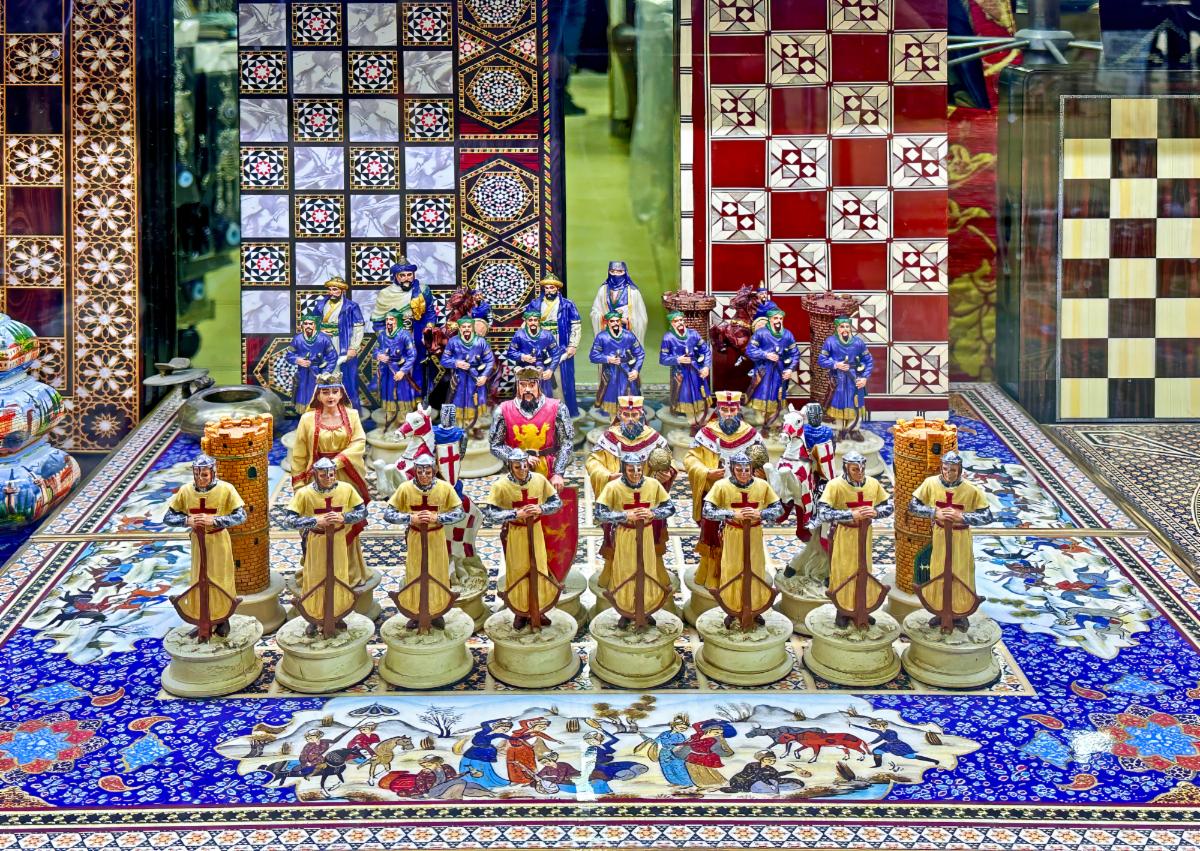
Turkey is one giant endless colorful market.

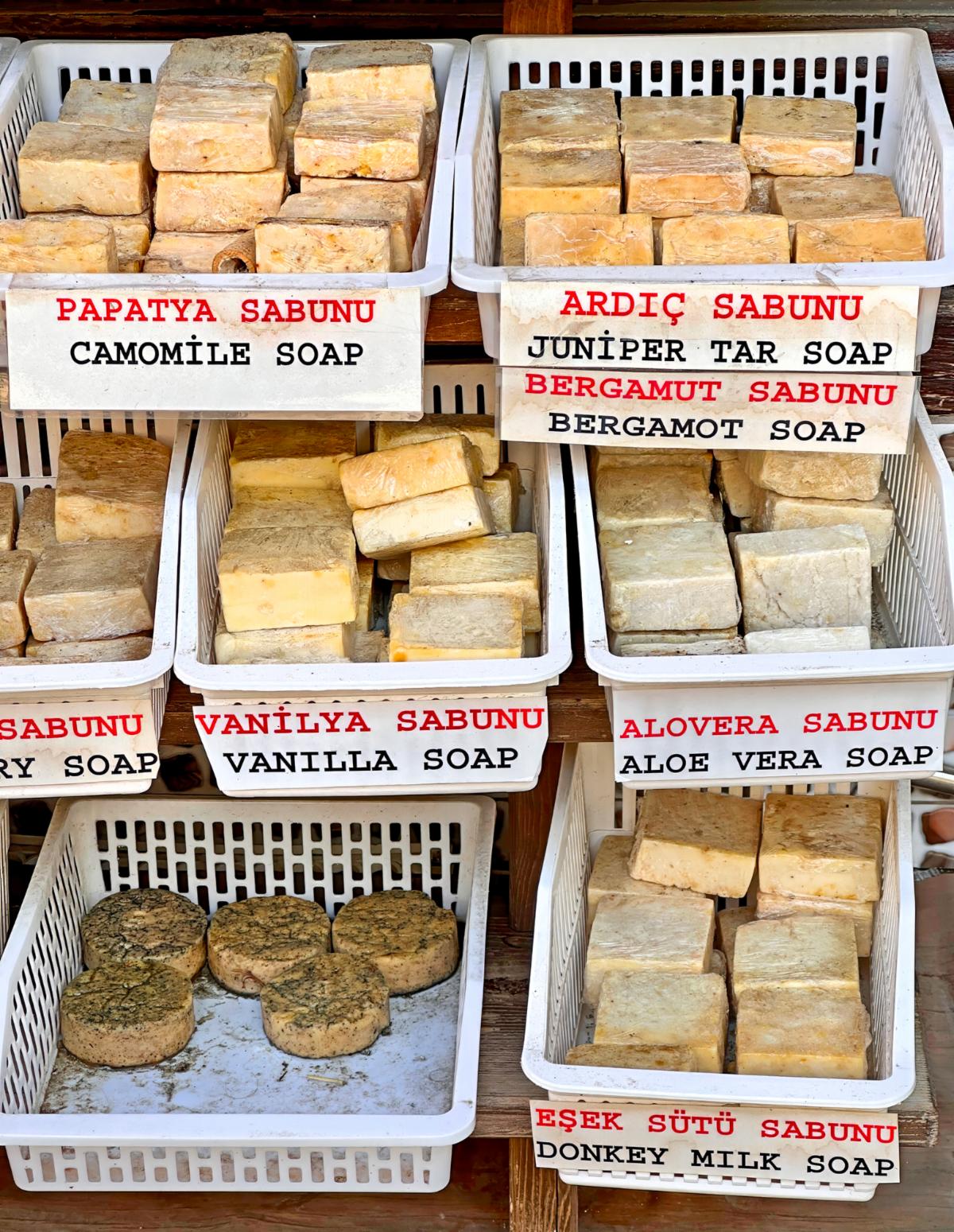
Donkey milk soap (lower right) caught my eye. Milking a donkey must be challenging. I had the same reaction when I learned that buffalo milk was the original milk used to make Mozzarella Cheese (and still is in this neck of the woods).

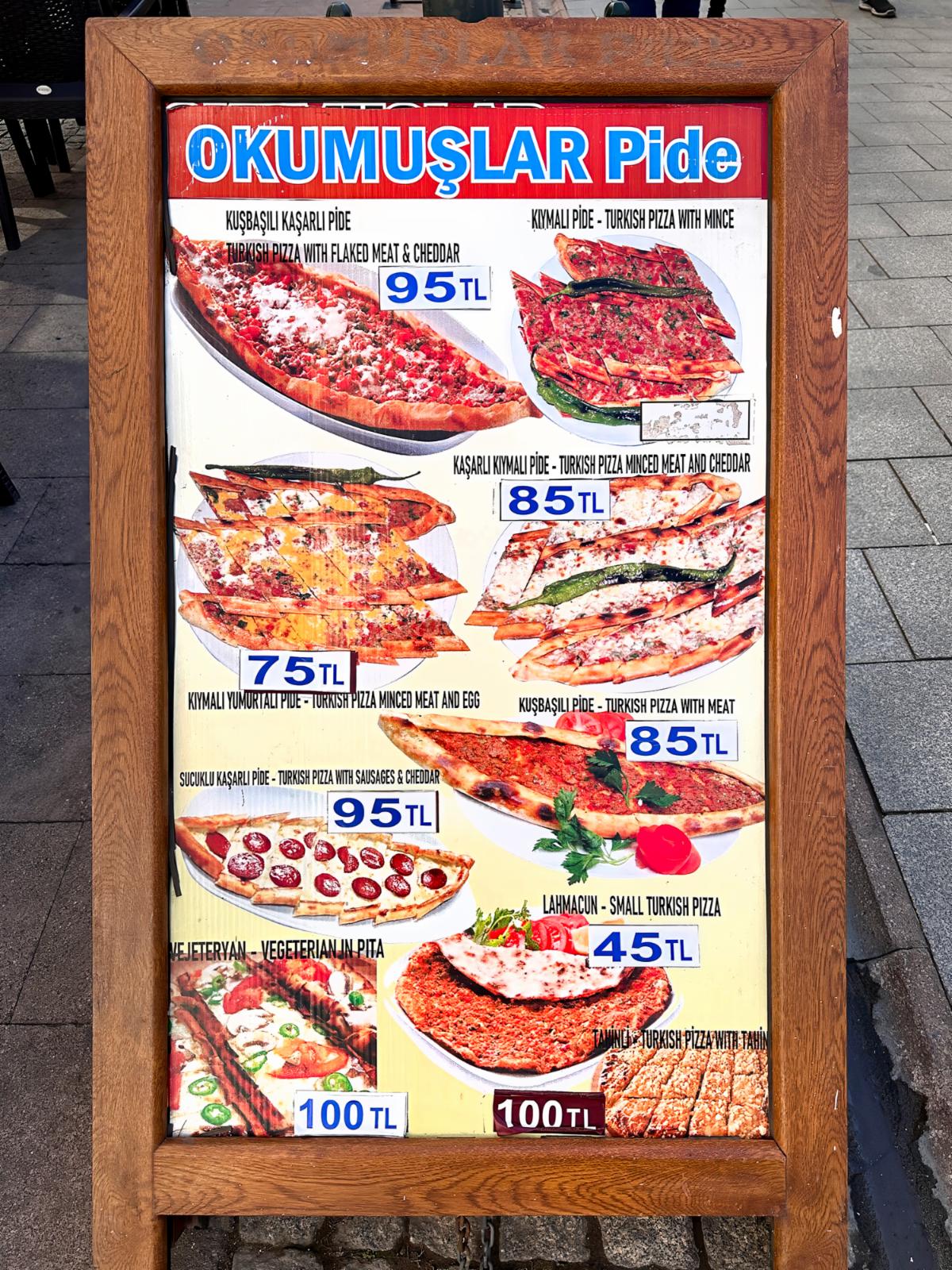
About 90% of restaurants in Turkey are Dönor restaurants. The prices are very affordable: 45 TL (Turkish lira) = $1.50. 100 TL = $3.25. Dönor pizza boats are awesome.

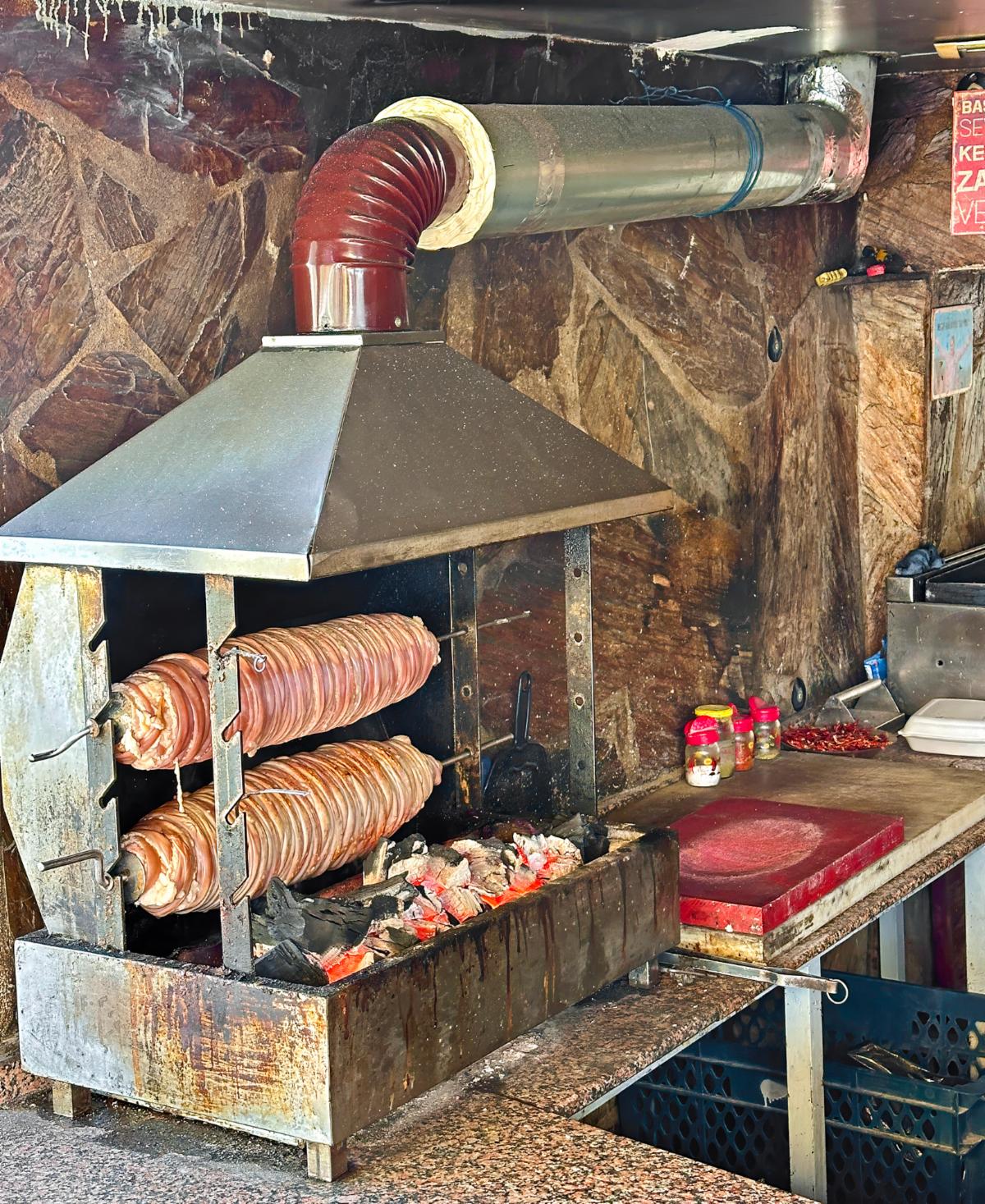
A rarity - a horizontal charcoal-fired Dônor rotisserie. Most are oriented vertically and electric.

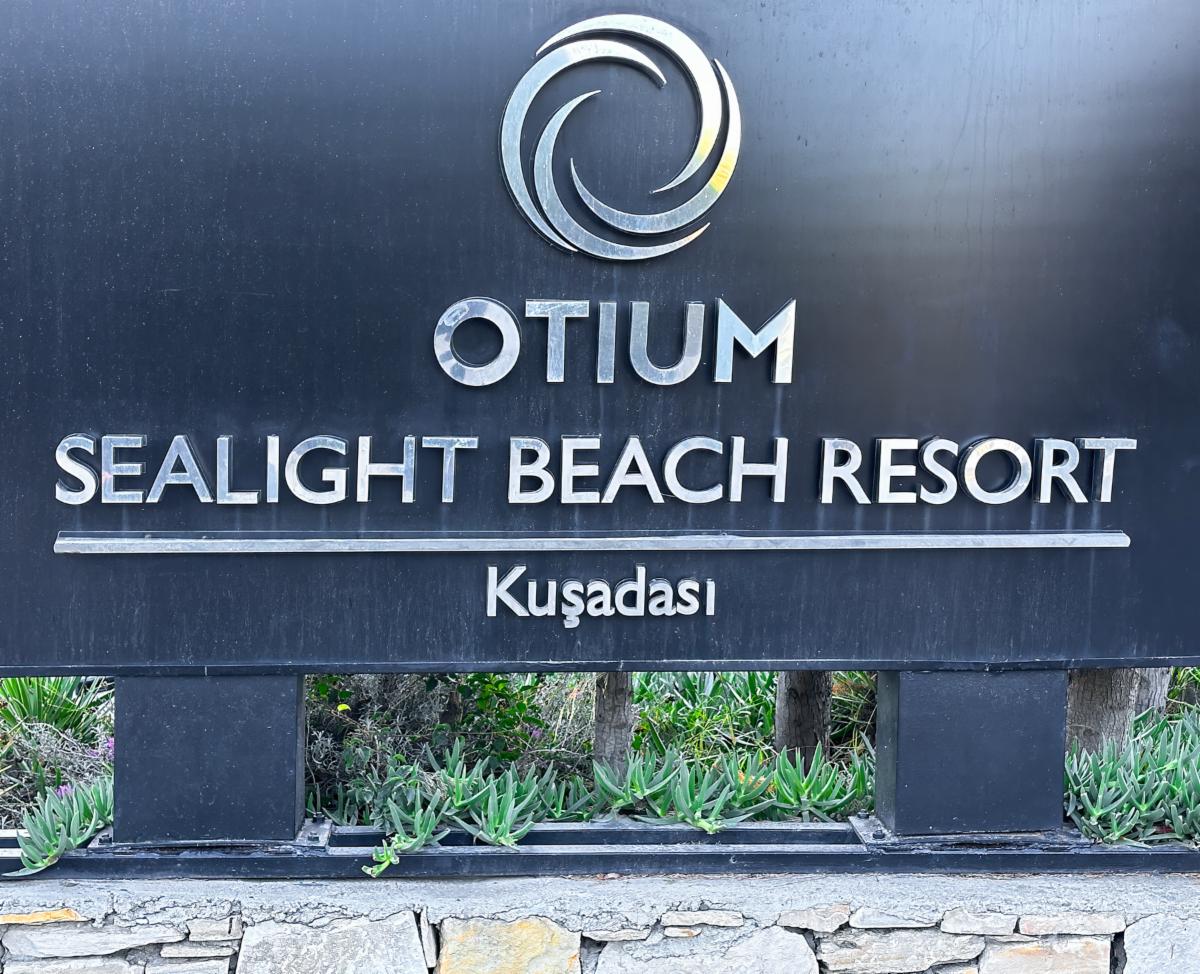
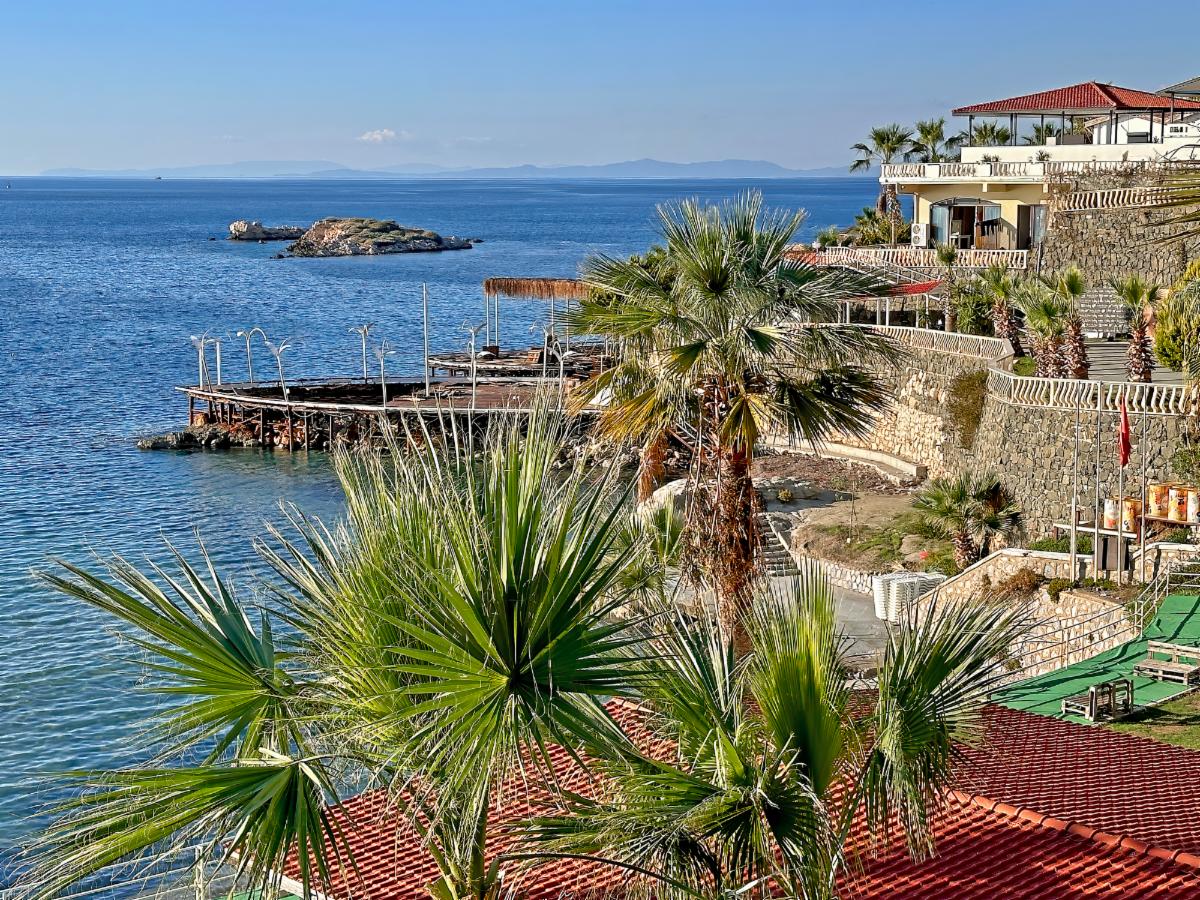
We arrived at our hotel at 3:00 p.m., unusually early, giving us time to walk around the neighborhood. The hotel, the Otium Sealight Beach Resort in Kusadasi, isn’t exactly on a beach. It has access to a beach. One way was via a steep path. Another was a longer but less steep winding road. We took the road. The coastline in this part of Turkey does not have beaches. The shoreline is either cliffs or a mess of big rocks and boulders. Between Antalya and Kusadasi, we saw only one tiny stretch of sand and Turtle Beach that can only be accessed by a 90-minute boat ride. The beach in Kusadasi is about 200 feet long and 12 feet wide.


This was our second night at the Otium. It is the nicest hotel so far. We have learned that the tourist season is over. Most hotels in this province of Antalya, including the Otium, will close next week for the winter. Still, they rolled out the red carpet for us. The evening buffet was huge and delicious.

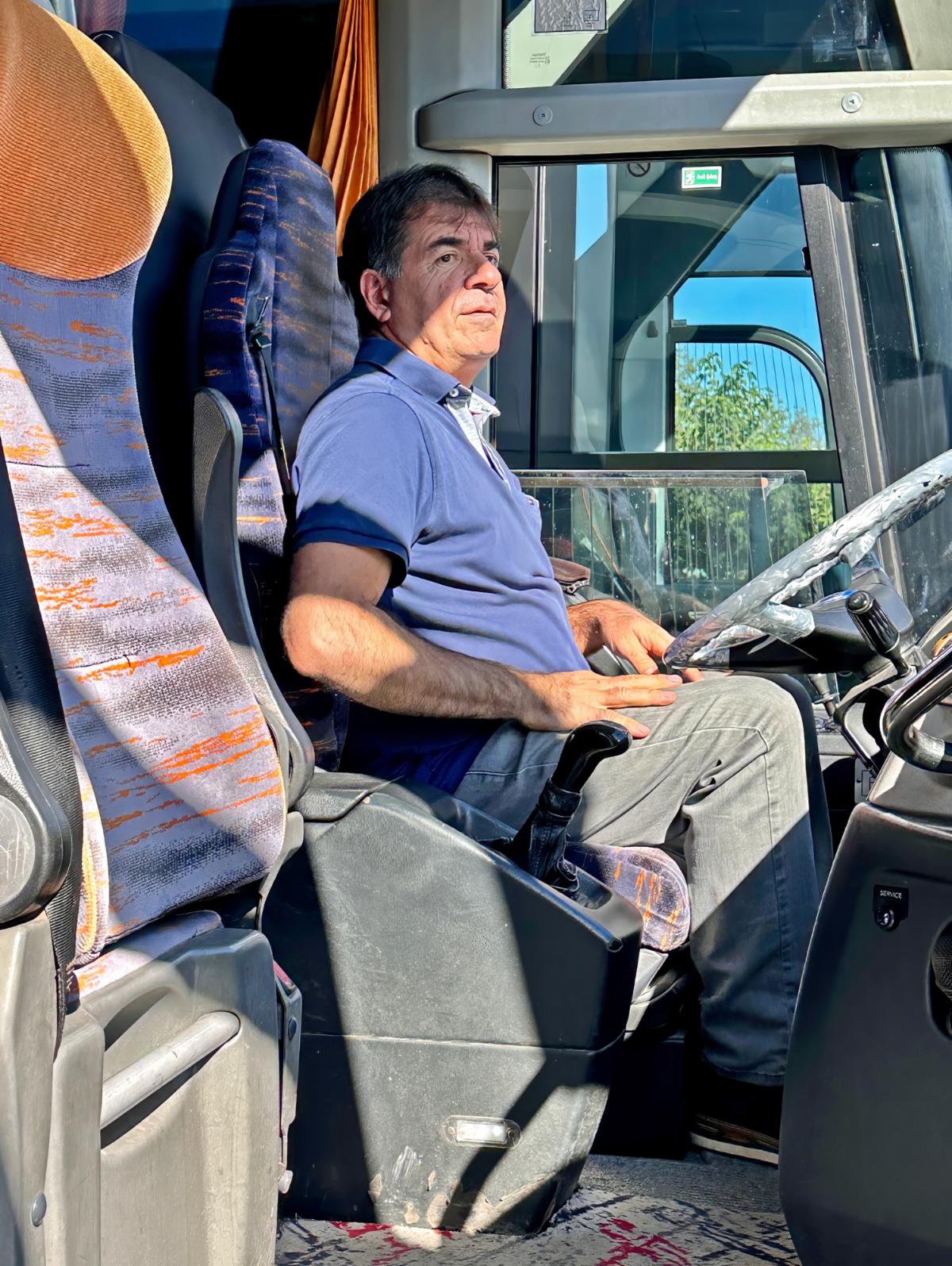
Our competent and friendly bus driver.

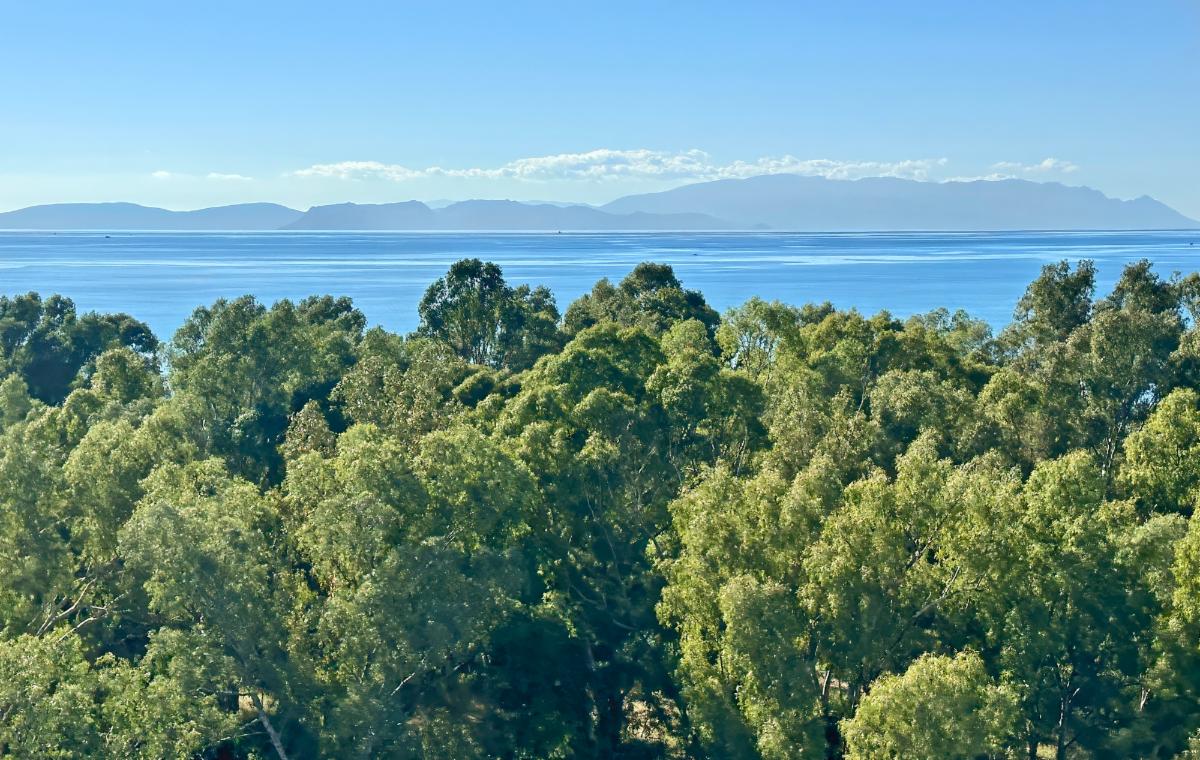
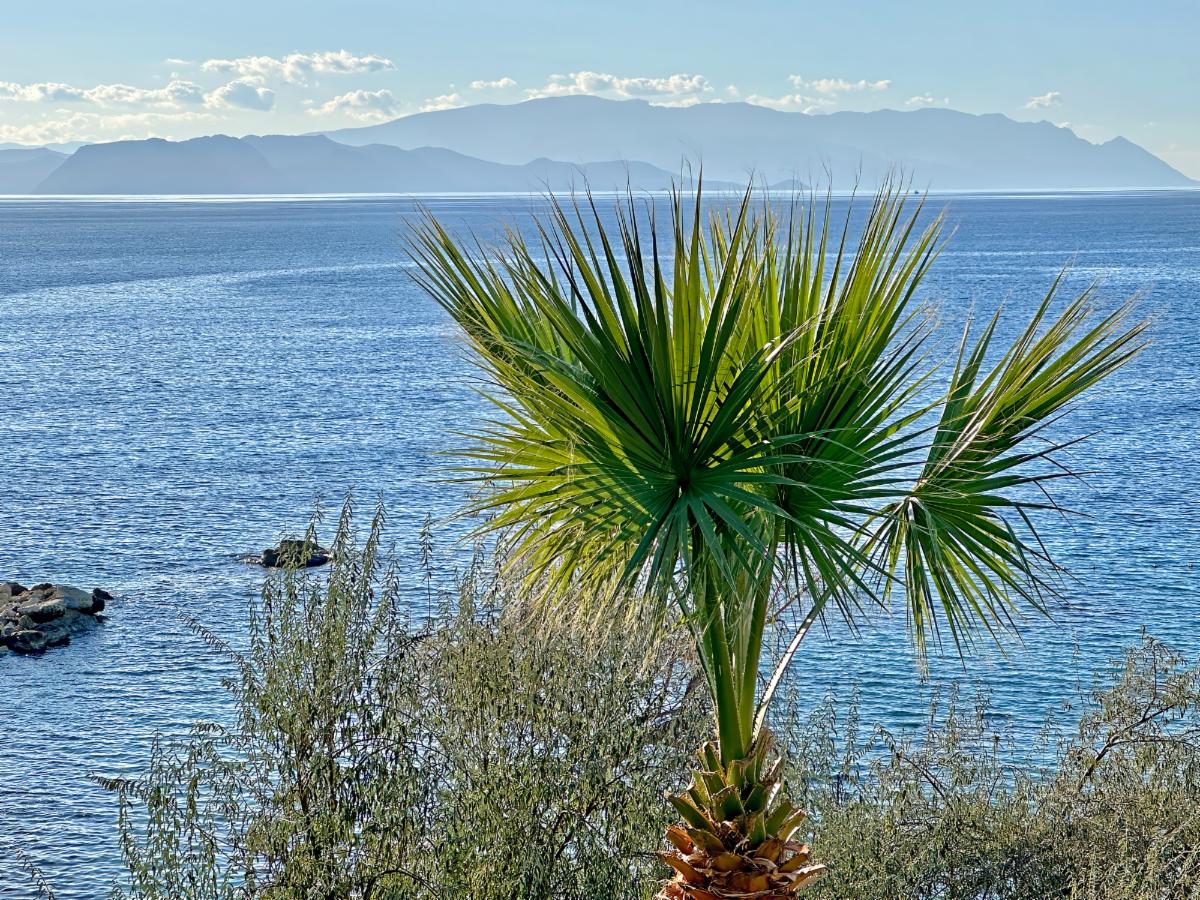
Views from the bus window - The Mediterranean Seas, forest, and mountains.

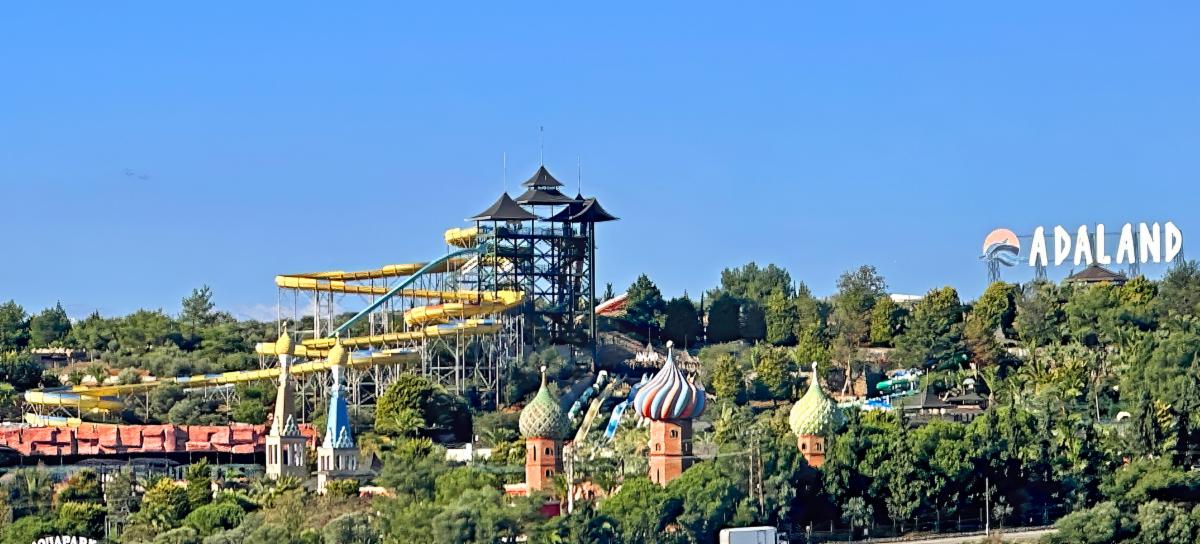
Views from the bus window - Adaland (Adventure Land).

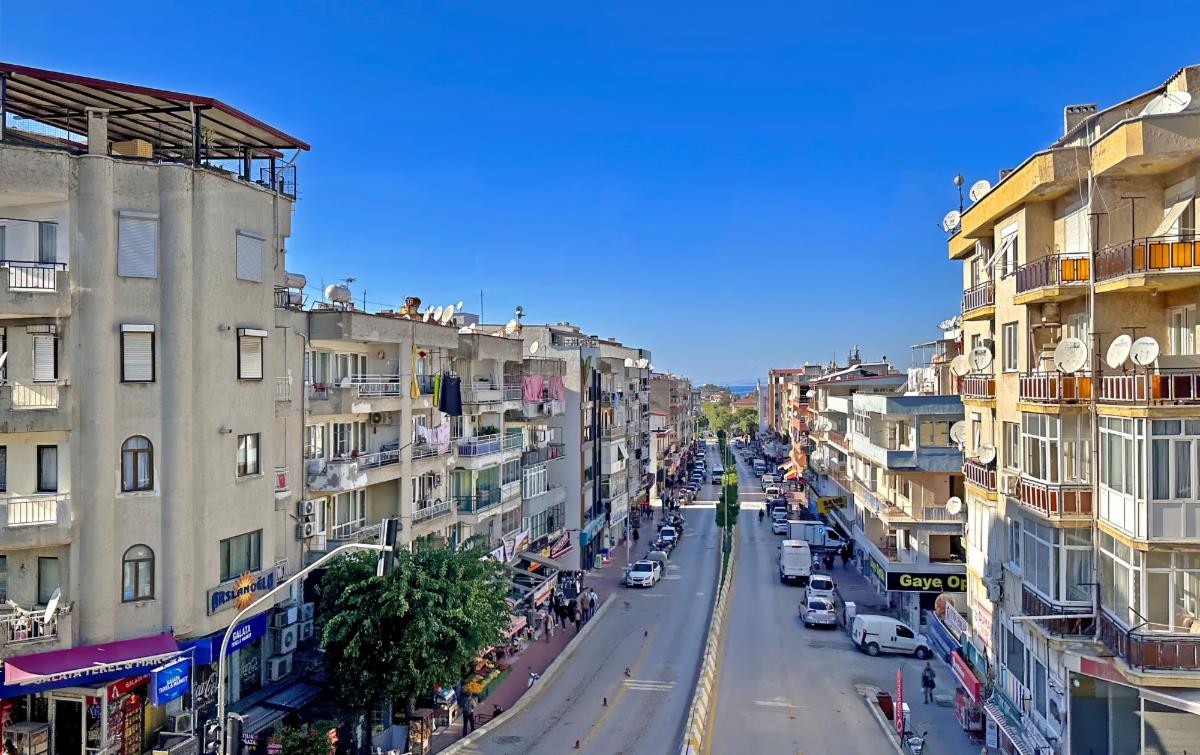
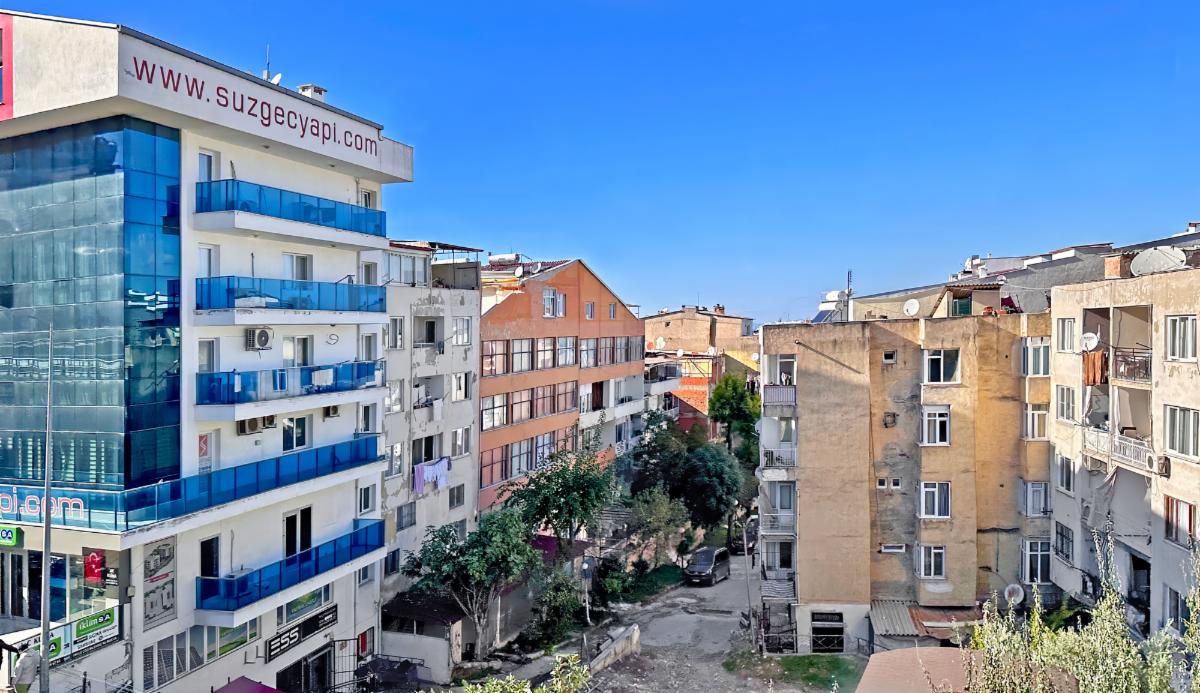
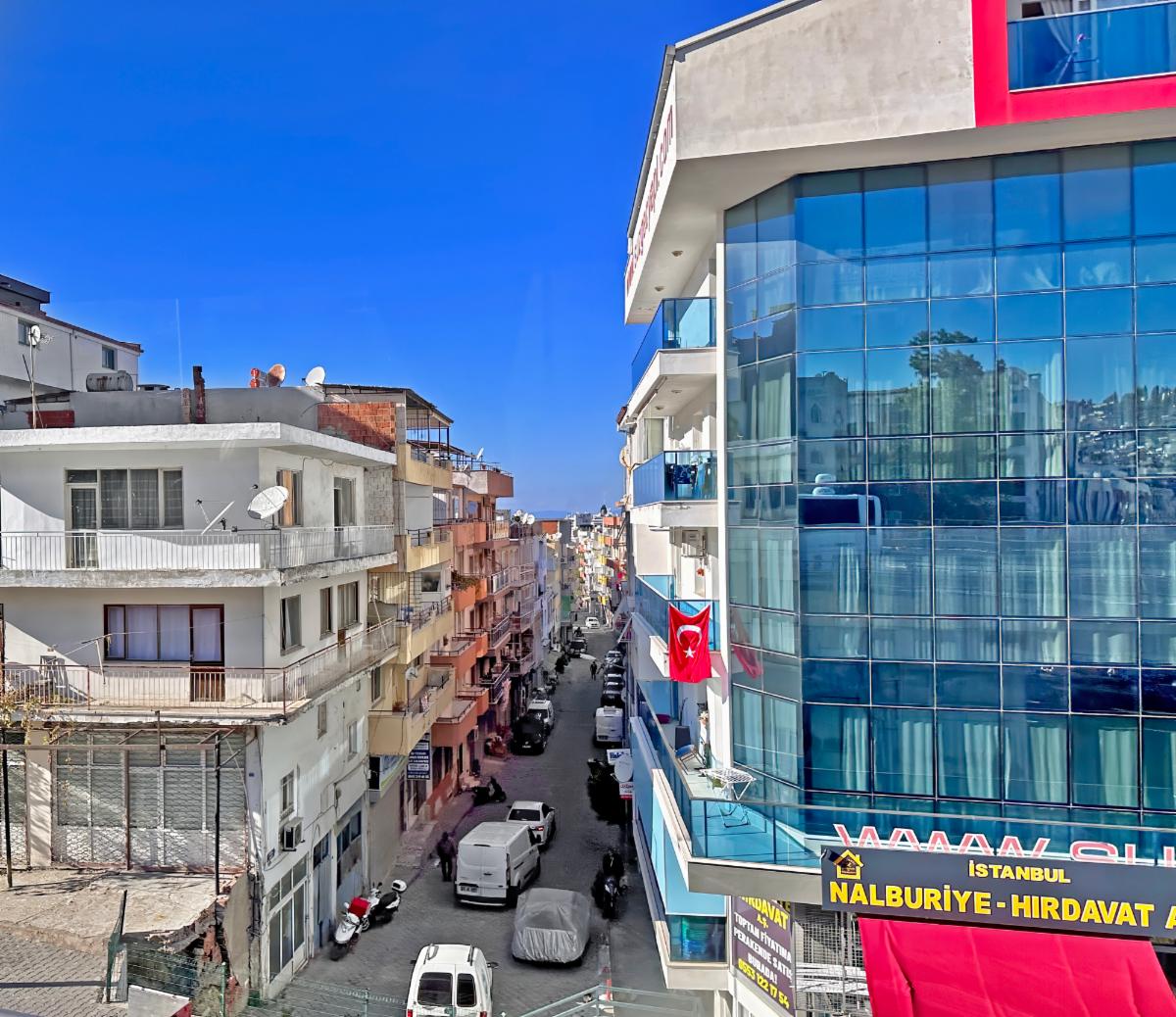
Views from the bus window - Typical neighborhoods.

Views from the bus window - Typical neighborhoods.

Views from the bus window - Typical neighborhoods.

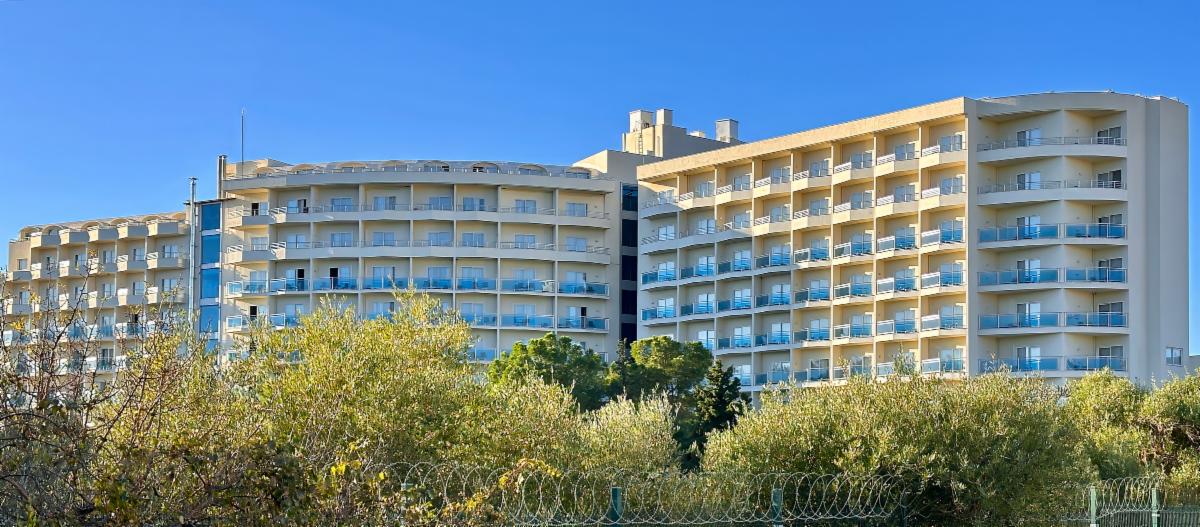
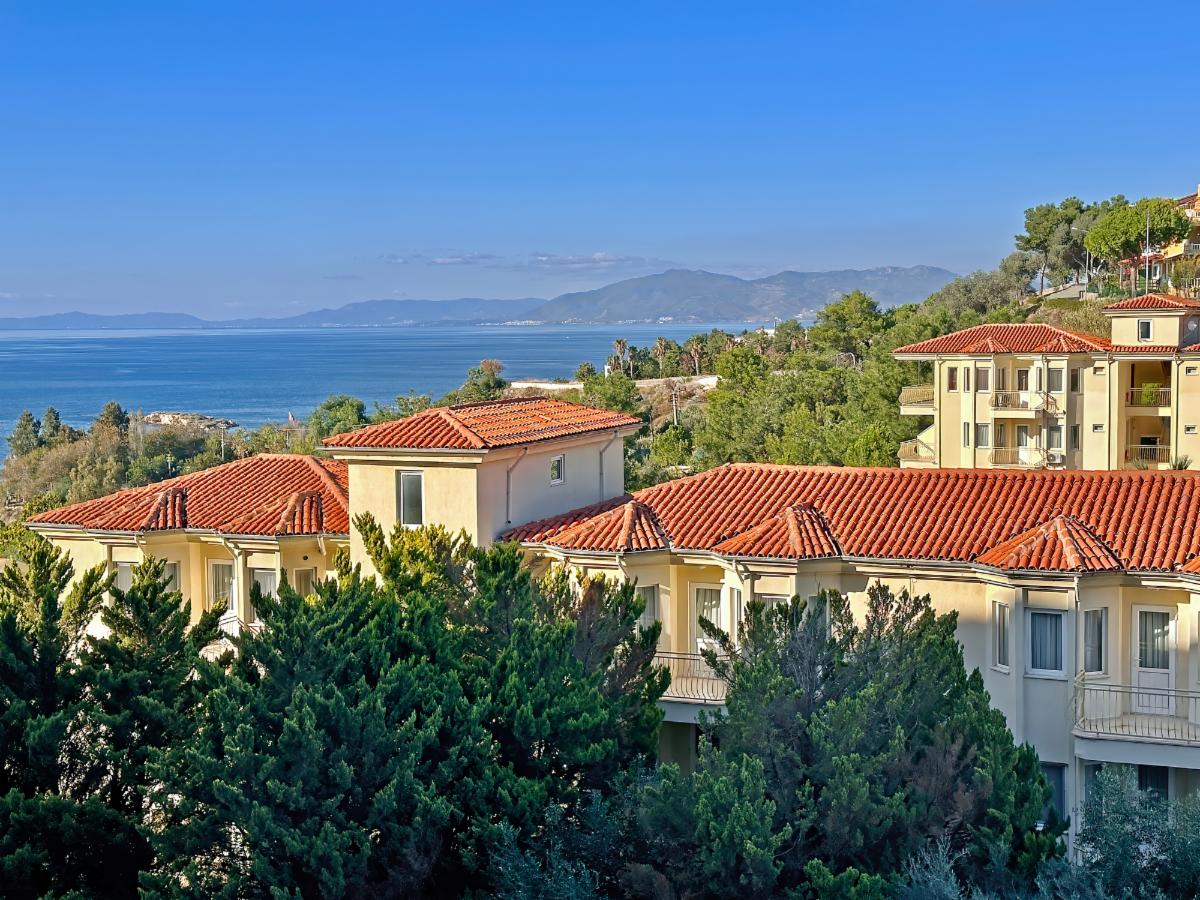
Above and below: Our hotel, the Otuim Sealight Beach Resort.

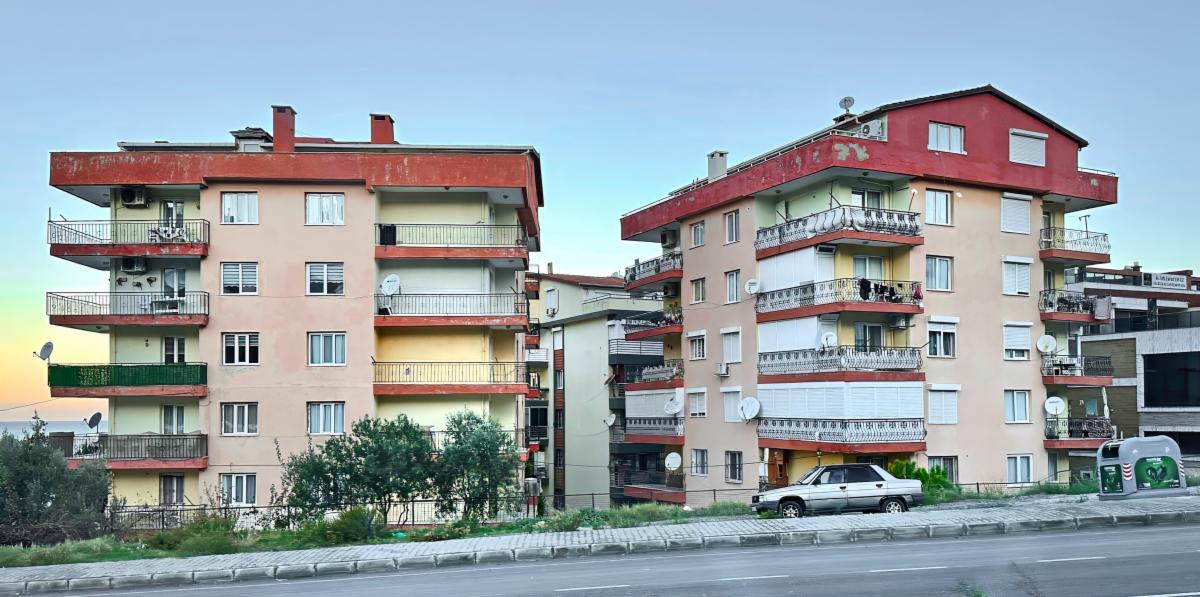
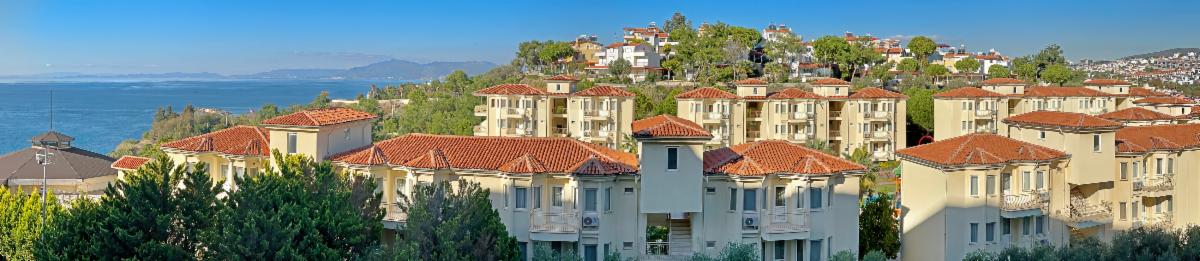
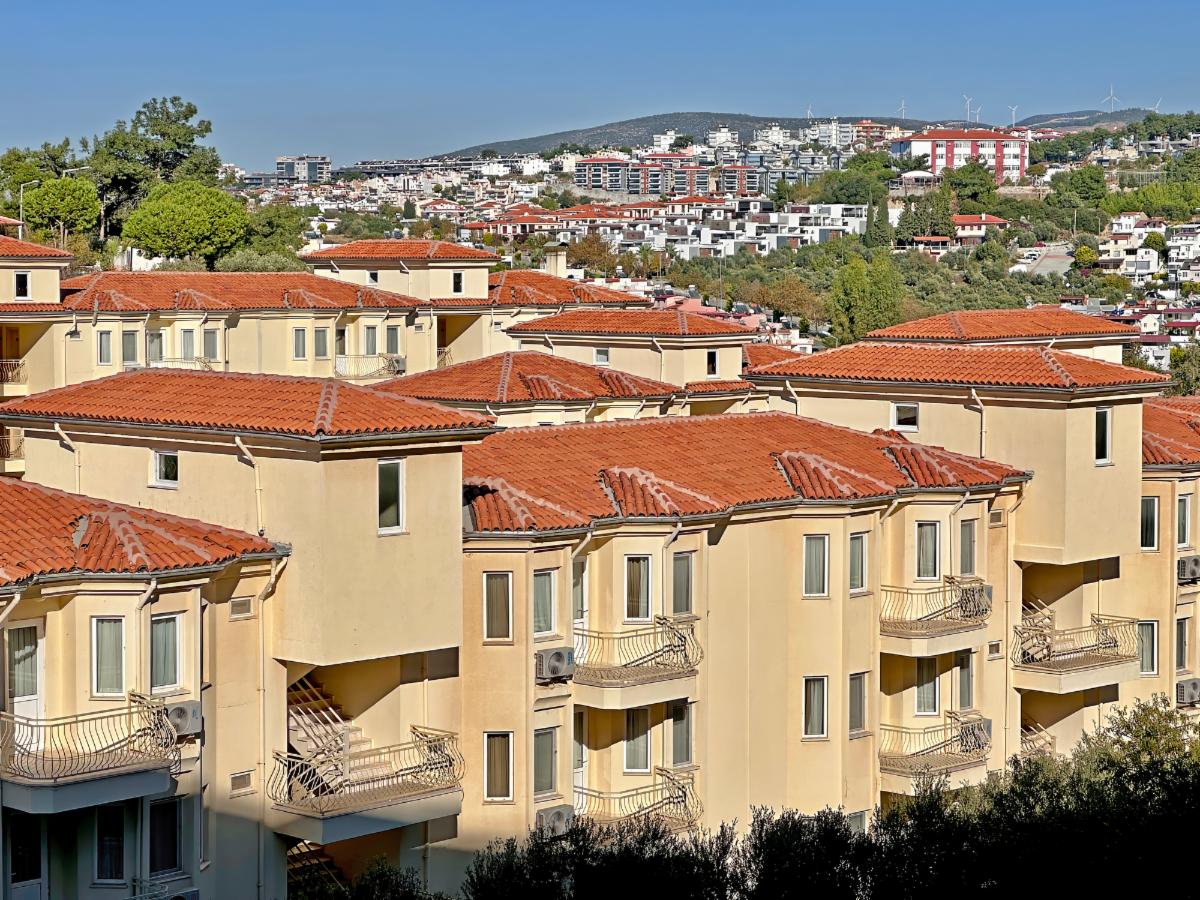
A pan photo from the upscale hotel area. These unique apartments and/or condos are in a swanky resort area of the city of Kusadasi.

Above and below: Our tour guide told us, as translated by Heinrich, that the middle class in Turkey has dramatically shrunk in the past decade. These upscale neighborhoods are rare from what we could see so far.

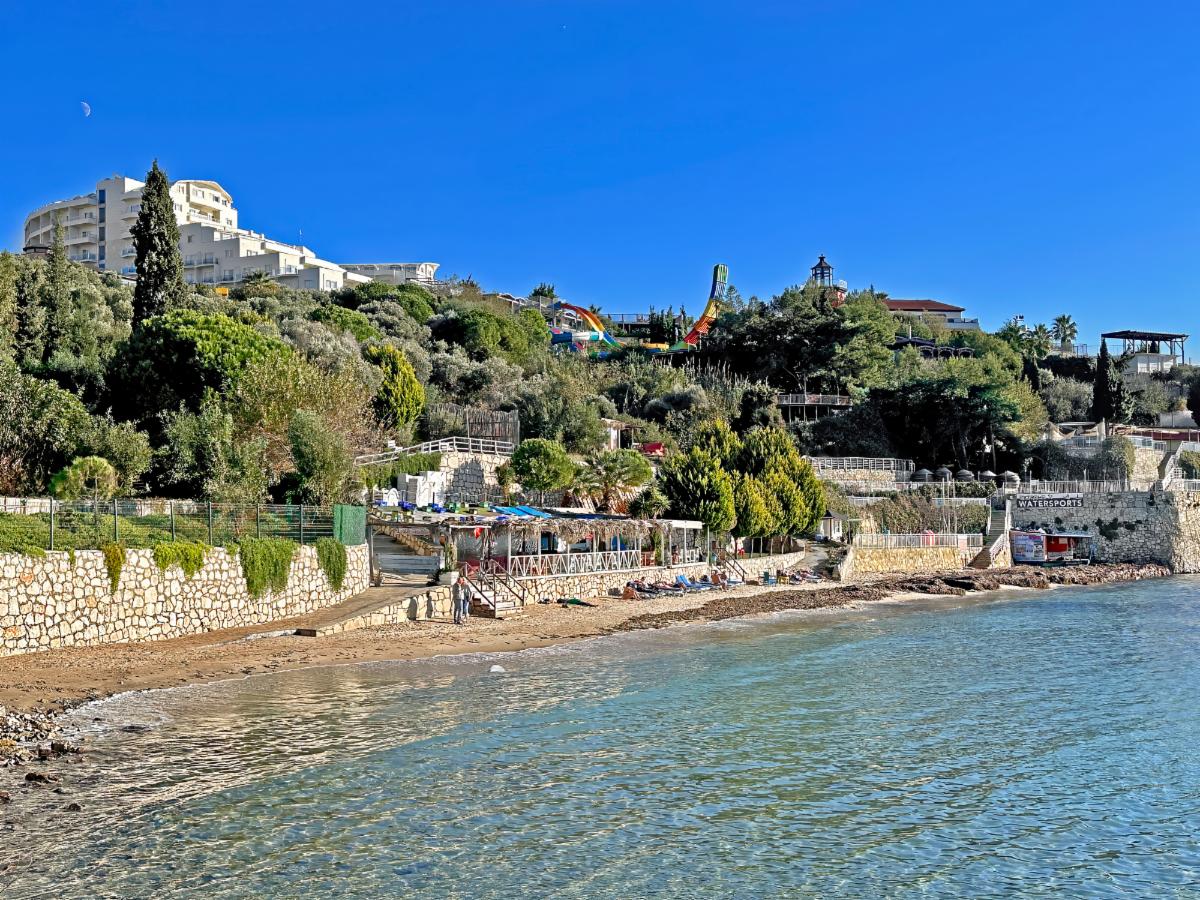
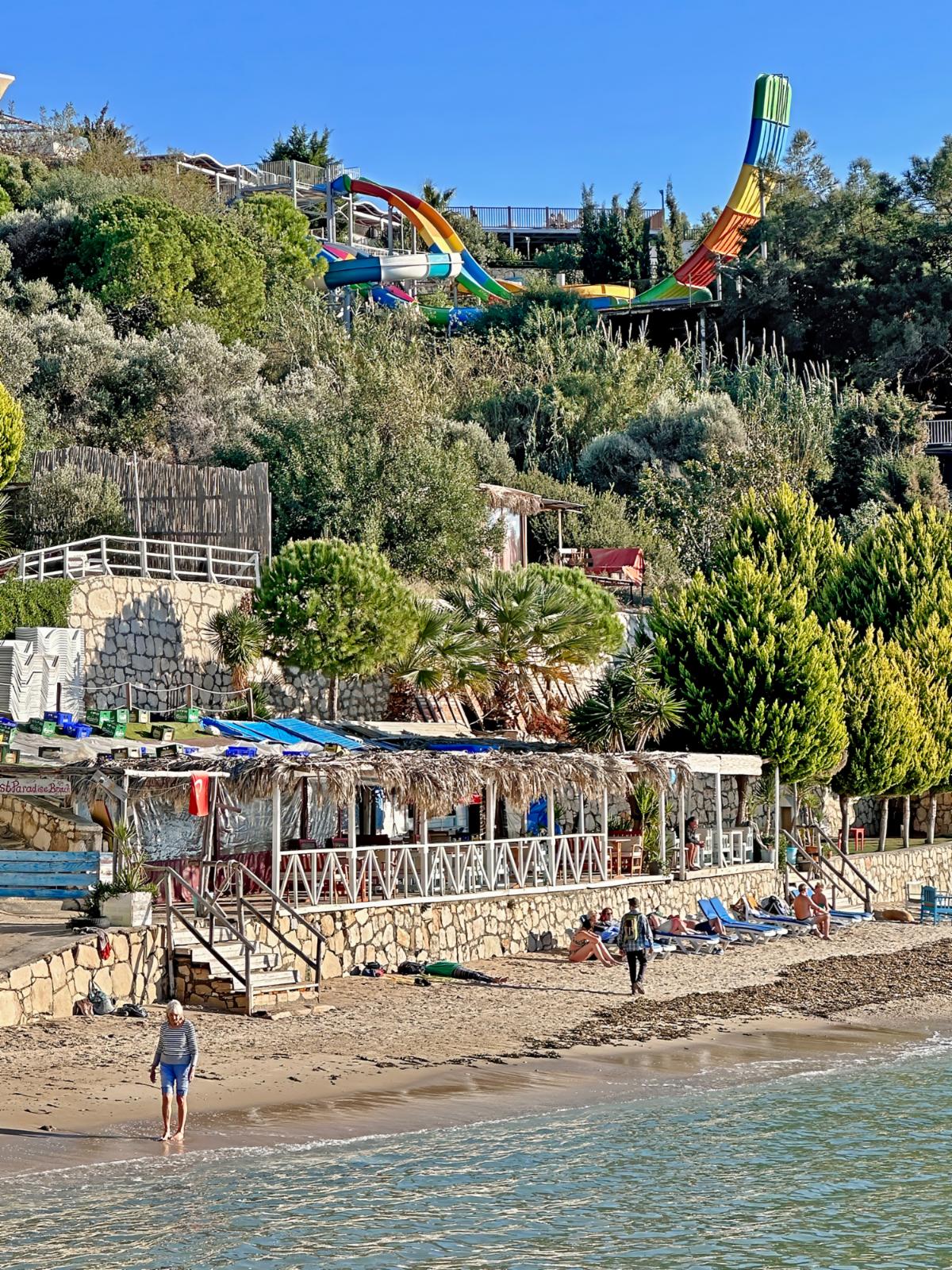
Above and below: The public beach below our hotel (upper left). This is just about the tiniest beach we've seen anywhere. Also, there is a fair amount of seaweed washed up on the beach.

Dave and Wanda

Vaccines: Your ticket to safe world travels.


Virtual Business Card

North America. Europe. Mexico. Asia. Product Reviews. Books & Maps.


We are on an RVing adventure through Europe that could last as long as six months. Traveling with family, we will start in Germany and explore several countries. We are excited to explore all that Europe offers and share our travels with you through this blog.


Share if you know someone who would enjoy tagging along. Please join our email list if you haven't already done so. On the slightest whim, tap 'reply' to this email and drop us a line. We'll get back to you whether you need travel help, have ideas, or just want to say hello.


Please send us your thoughts and any errors we may have missed. We're on the road, and cellular service is intermittent in the remote areas. We are eager to read your messages as soon as we get online.


Message us: 715-252-6664 | 715-252-3326
Email: alloverthemaptravelventures@gmail.com

Visit our Website