|
Europe 2023
November 8
Weihenstephan & Neues Schloss
| |
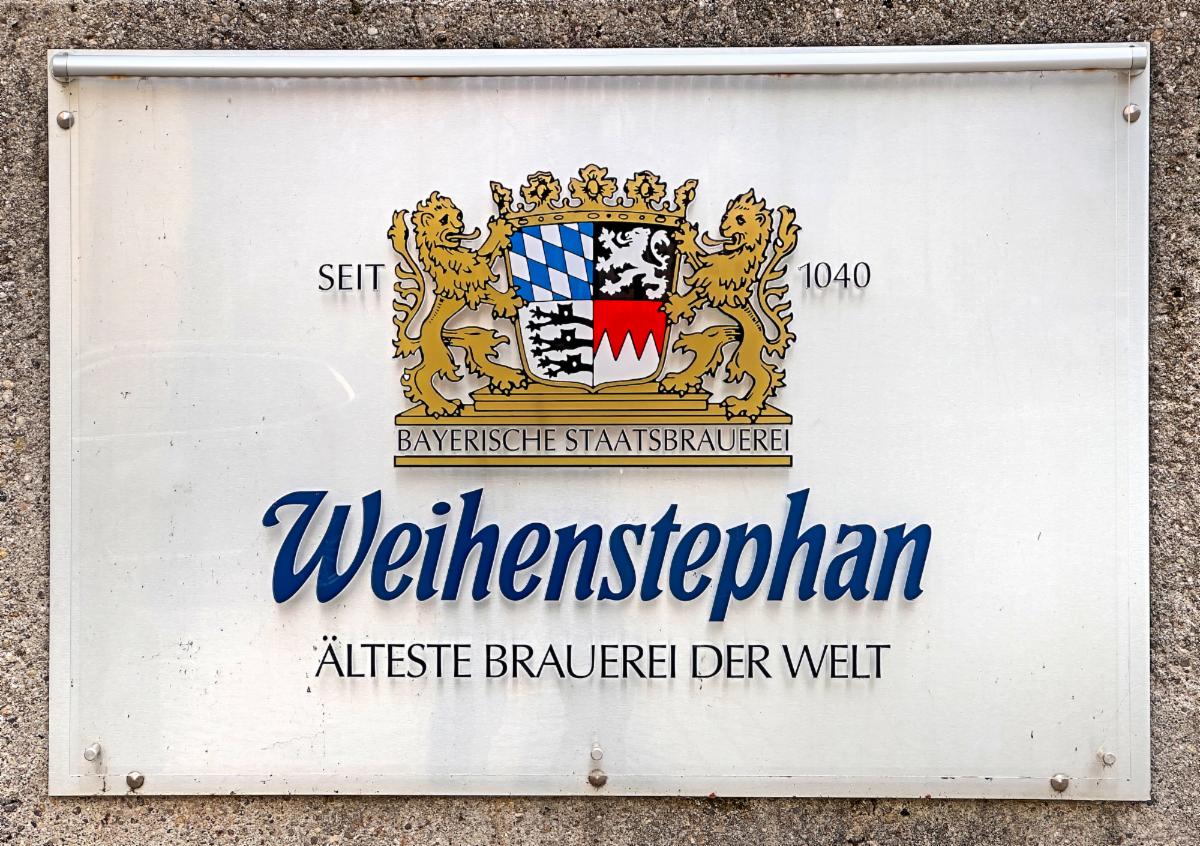
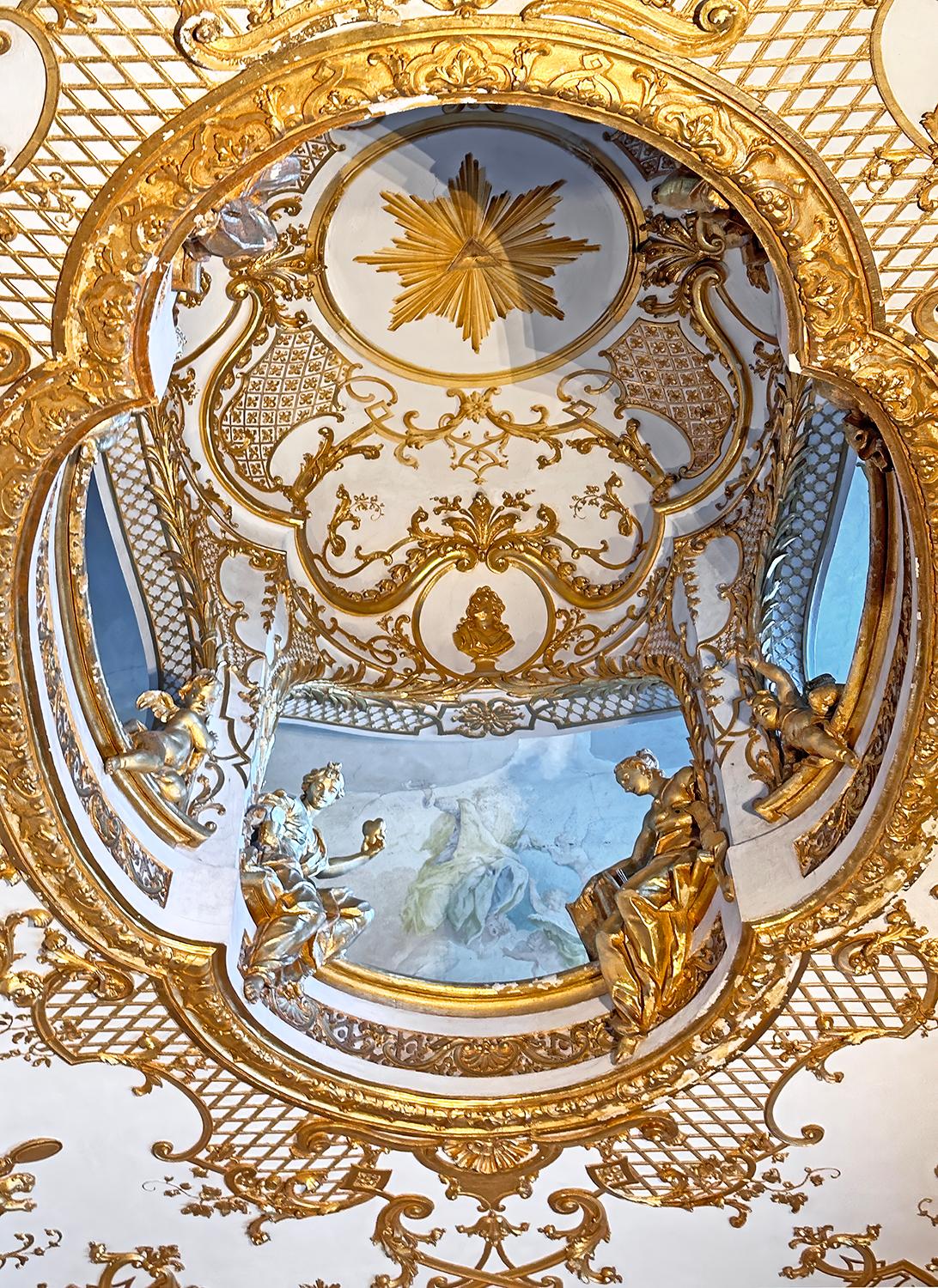
Weinhenstephan is the oldest brewery in the world. It started selling beer in 1040 and has never stopped. | |
|
WEDNESDAY, NOVEMBER 8, 2023
WEIHENSTEPHANER - FRIESING
After visiting the 15th oldest brewery in the world (Kuchlbauer) and the 2nd oldest brewery (Weltenburgerer Kolster), what was next? You guessed it - visit the 1st oldest brewery in the world. Today’s day trip was to the Bavarian State Brewery Weihenstephan in the town of Freising, a quaint community close to Munich.
Yesterday, we called the brewery to make reservations for a tour, and we were pleasantly surprised to find out that the 10:00 a.m. tour is in English. The brewery is 60 kilometers away and near Munich. The autobahn will be tied up between 7 a.m. and 9 a.m., so we decided to take the back roads through dozens of picturesque villages. Even with the winding roads and towns, it was faster than sitting in traffic jams on the autobahn. We left at 7:45 and arrived in Friesing at 9, totally stress-free. The rolling hills were still green and beautiful.
Finding the brewery was trickier than we expected. Google Maps led us to a parking lot at the bottom of a hill. Several buildings sat on top of the hill. Nothing looked like a commercial building. I walked up the hill and peered into a couple of windows in one building. I saw a bunch of beer-making equipment. That was a good sign, except we couldn’t find a front door. I looked into another building’s window - more beer-making equipment but no front door.
Finally, Heinrich entered a side door and wandered in the hallway until he found an office. There, he asked a lady where the tour was. She pointed toward a building about 200 meters away. We hiked further up the hill to that building. Still, we didn't see signage or an apparent front door. A couple of young ladies passing by didn’t have any idea. Heinrich saw an office window open, and after scaring the bejesus out of the lady sitting at her desk, she pointed to a side door in the building next door. That was the entrance, and we bought our reserved tickets at €16 apiece.
| 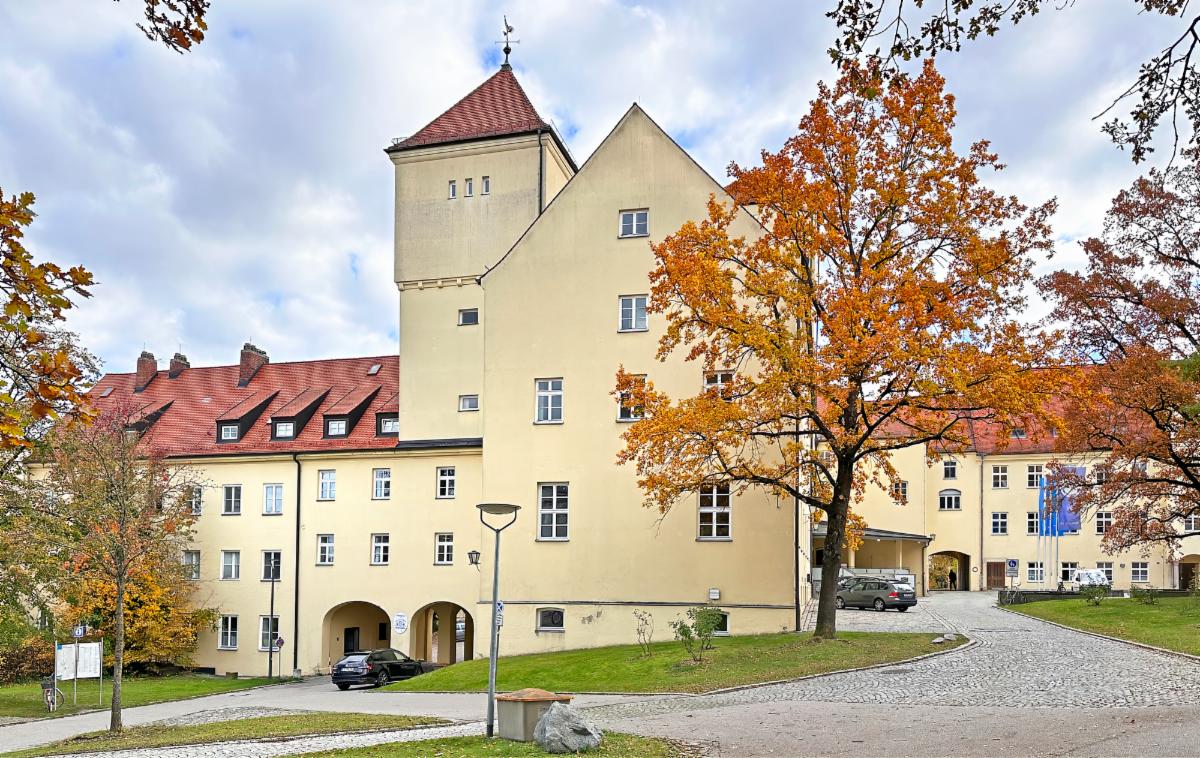 | |
Above: This is the Weihenstephan Brewery. There were a dozen similar buildings clustered around this building. None of the buildings had signage. We learned that the similar-looking buildings formed a campus that included two Universities and the Brewery. All three institutions maintain a close working relationship with each other.
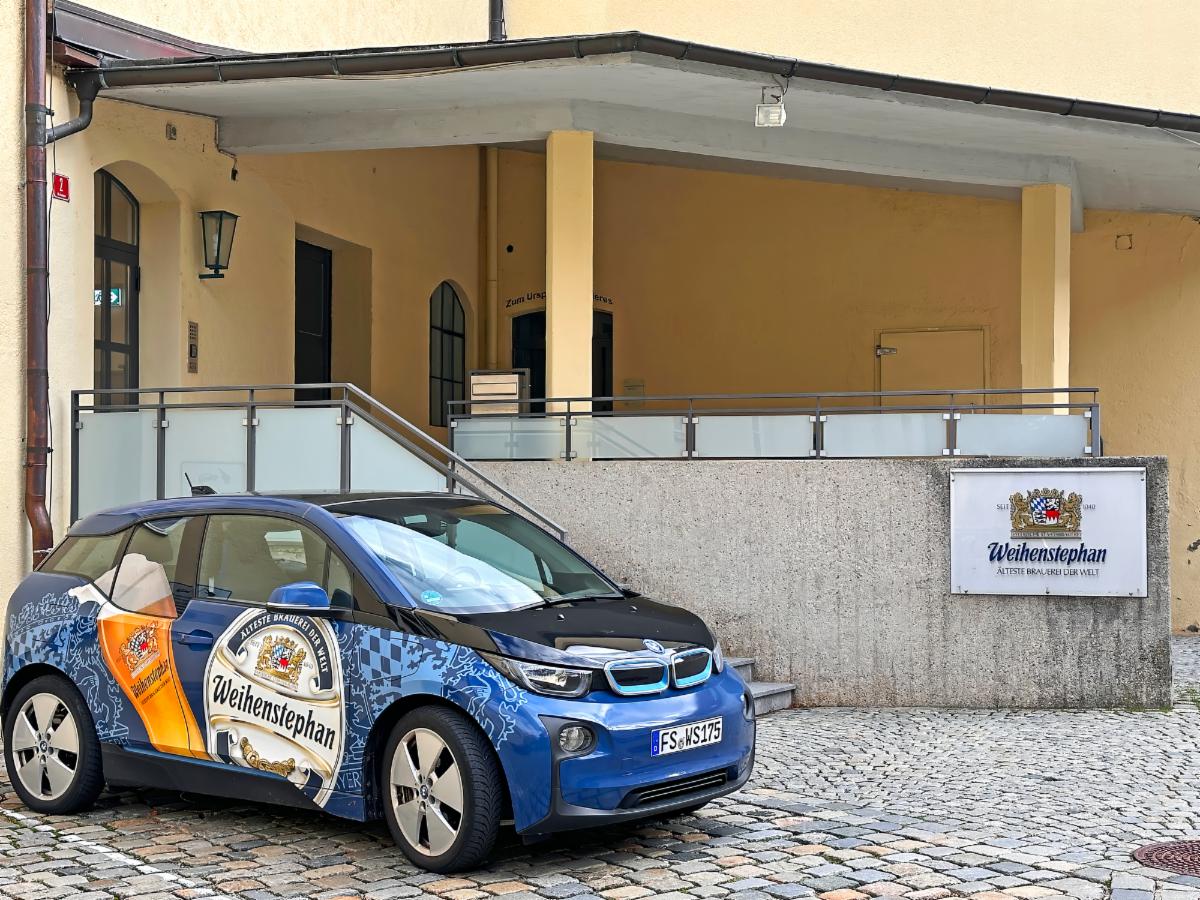
Below: This is the main entrance of the Weihenstephan Brewery. I guess the car and the small white sign served as the brewery's signage.
|  | |
We had fifteen minutes to kill. We found the brew pub where the tour was to start and read a bunch of information plaques. In 725 AD, Saint Koribian founded a Benedictine monastery on the Nahrberg Hill. It was named ‘Holy Stephanus’. Benedictine monks were required to be involved in agricultural and domestic endeavors. Beer-making fits the bill. Like the Benedictine monks at the Weltenberger Kolster, these monks brewed beer for themselves long before they were licensed to sell their products. In 1040, they received their license.
The brewery endured many catastrophes, including four devasting fires, three plagues, various famines, a severe earthquake, and plunderings from many wars. Like the Phoenix rising from the ashes (I stole that imagery from the website), the plucky brewery quickly rebuilt every time. However, It didn't survive a stroke of the pen. Unlike the Weltenberger Kolster, the Weihenstephan monastery was dissolved in 1803 when many monasteries were ‘secularized’ by the Bavarian government. (I didn’t find out why so many monasteries were dissolved and why Weltenberger was spared that fate). The state of Bavaria took over the brewery. The church was knocked down, but the brewing operations continued. The brewery's official name became the Bavarian State Brewery Weihenstephan.
Eventually, two universities set up residences on the hill next to the brewery. The schools specialized in engineering and agriculture. Although independent of the brewery, they have a close working relationship. Adding to the educational nature of the hill, the brewery developed its own brewery school, which has become world-renowned. Brewmasters schooled at Wiehenstephan are considered the best in the world. Wiehenstephan has melded old-world tradition with the most modern research to brew fantastic beer, but more on that later.
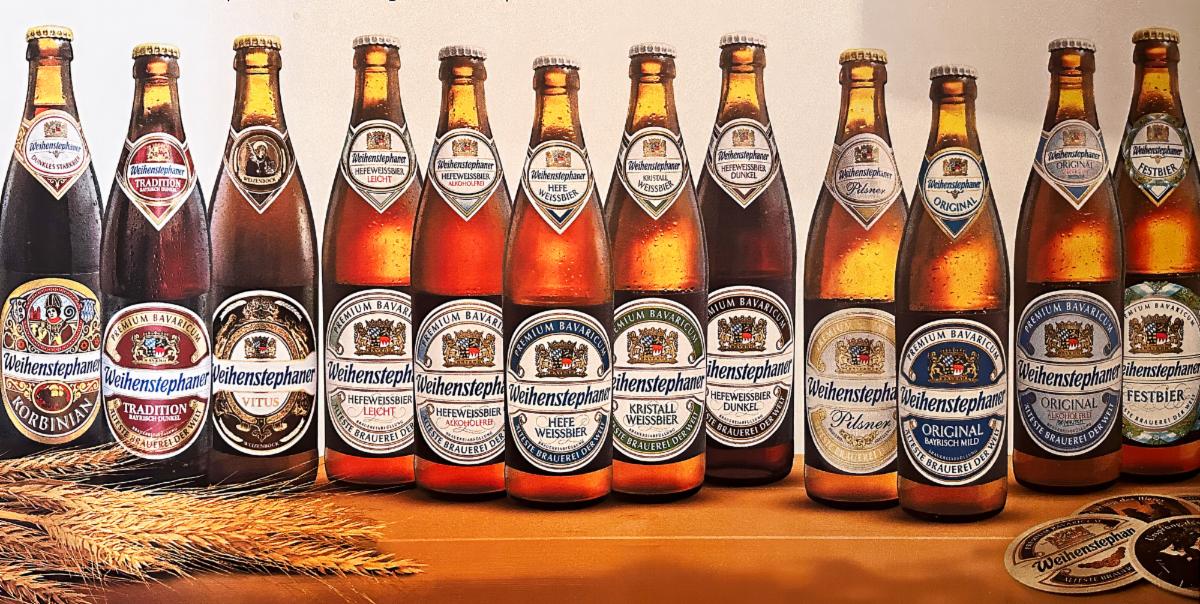
| 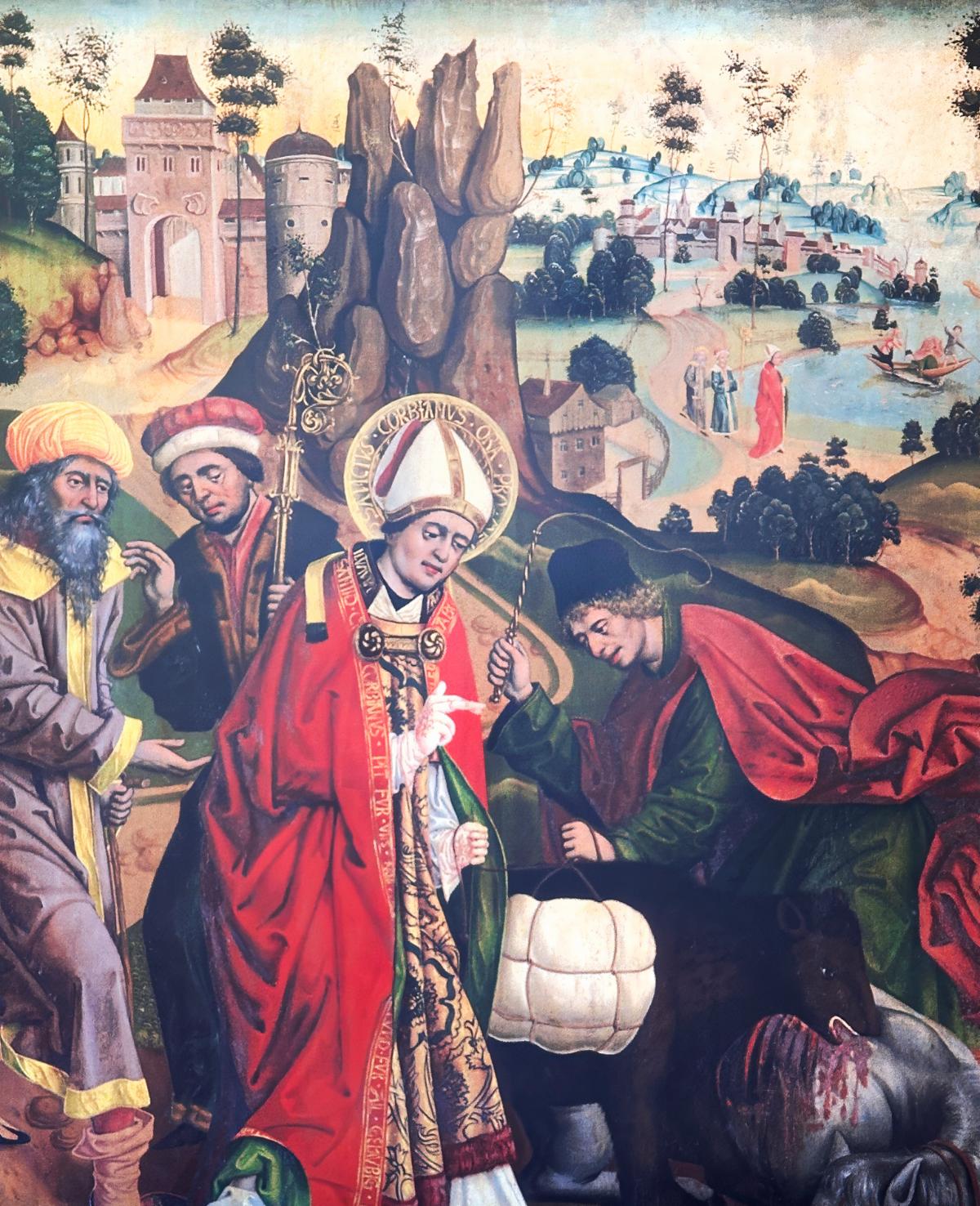 | A depiction of St. Koribian, the founder of Holy Stephanus, the monastery that evolved into the Bavarian State Brewery Weihenstephan. This poster was hanging in the brewery's tavern room. | A poster of all the current beers brewed at Weihenstephan. Vitus is my favorite. | |
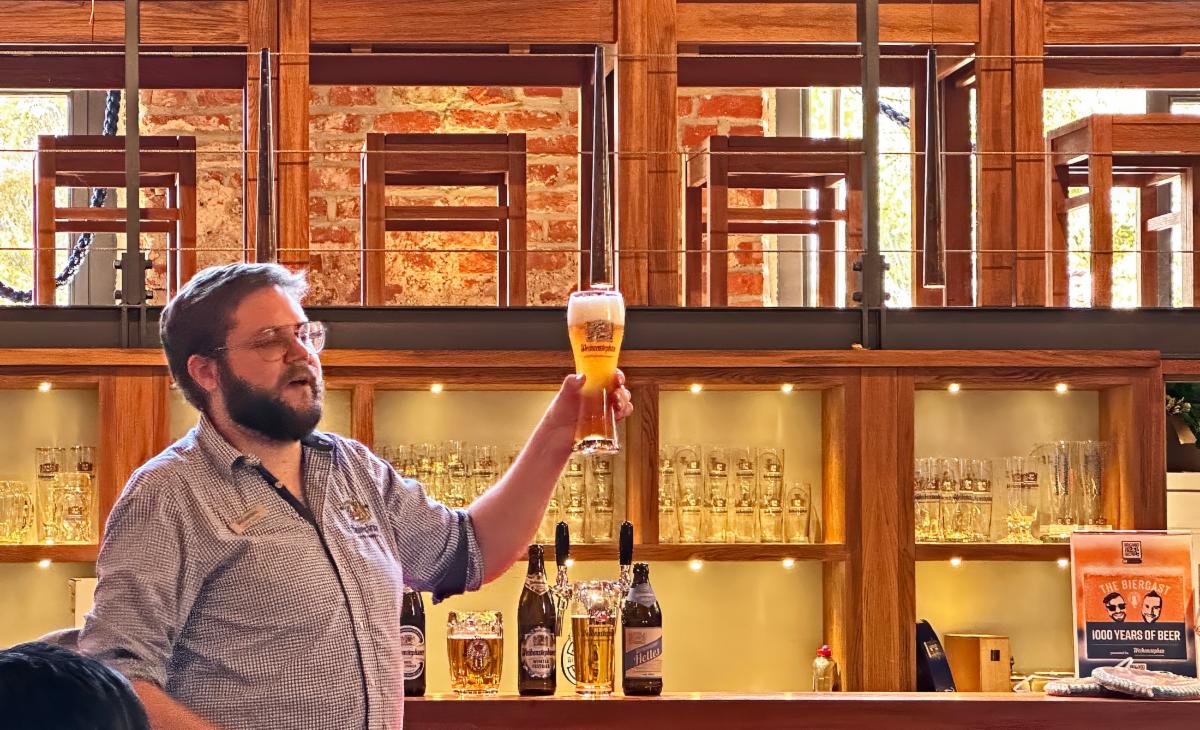
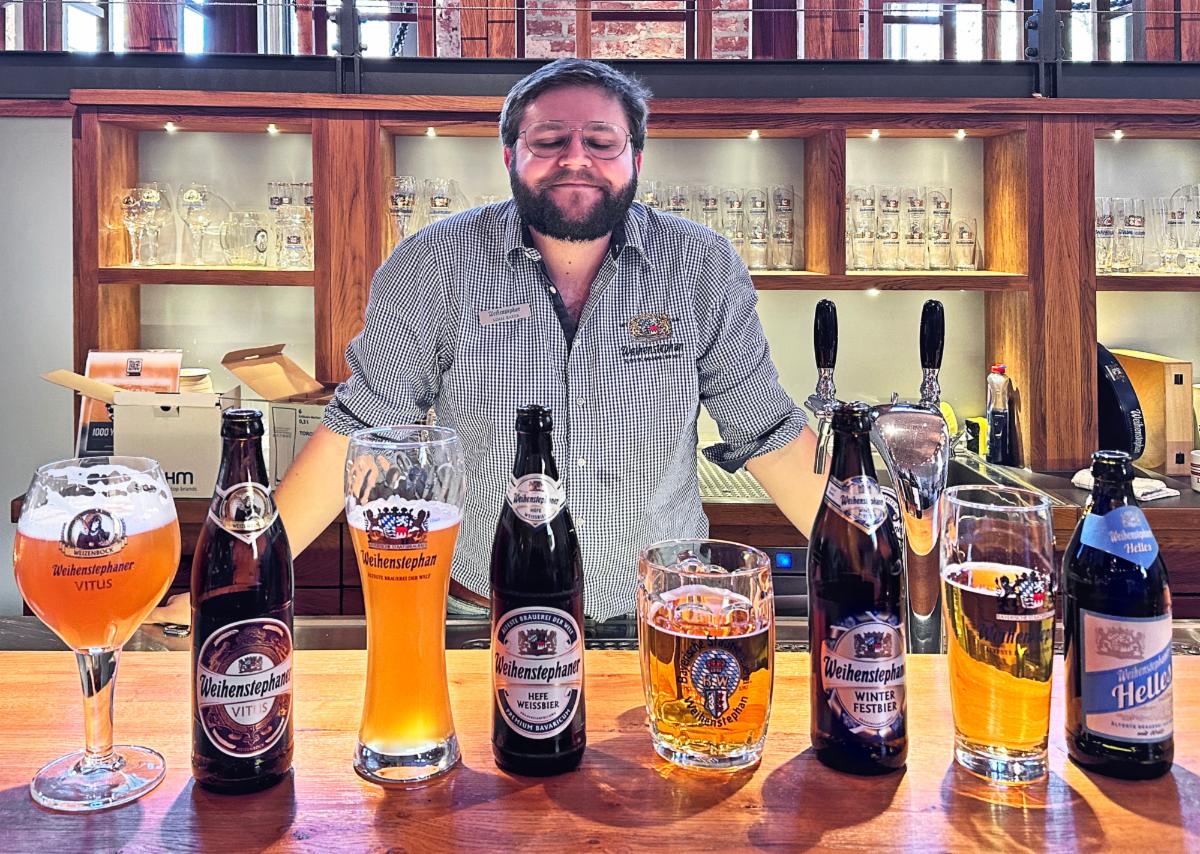
Our tour guide was a 2nd-year student enrolled at the brewery's school from Pennsylvania. He was initially enrolled in the engineering university. He fell in love with the town of Friesing, transferred to the brew-master school, and dropped his plans to return to Pennsylvania to open his own brewpub. He hopes to stay in Germany.
I am glad that he spoke in English because he was a wealth of great information as well as fun trivia. We have been on many brewery tours, and there isn’t much to see - a couple of cooking vats, some aging vats, and a bottling operation. But this guy got into the weeds of brewing.
Of course, I knew that water in the Medieval times was foul. Beer was healthier than water, so it was a health-drink. However, brewers began experimenting with various additives like spices and herbs. Some plant additives were not suitable for humans. Some were even deadly in too large of a dose. To combat this, Bavaria passed the Purity Law in 1516. Only four ingredients were allowed in beer making: water, barley, hops, and yeast (wheat could be used as a substitute for barley).
Our tour guide added to this knowledge by pointing out the infinite ways these four ingredients could be manipulated to brew an endless variety of beer flavors. Different roasting methods, heating temperatures, different kinds of hops, and whether the yeast sat on the top of the liquid wort or the bottom, all made huge differences in color, clarity, and taste. And these were just a tiny sampling of the factors he discussed with a boyish enthusiasm that charmed us all.
| 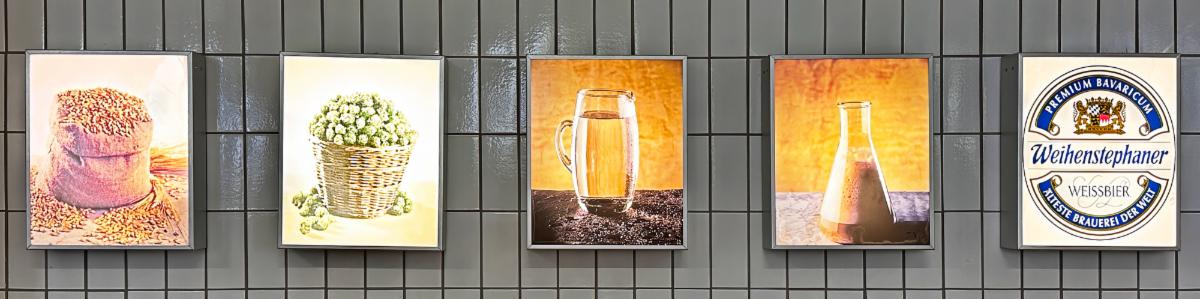 | The four holy ingredients of Bavarian beer: grain (barley or wheat), hops, water, and yeast. No other ingredient is allowed. | |
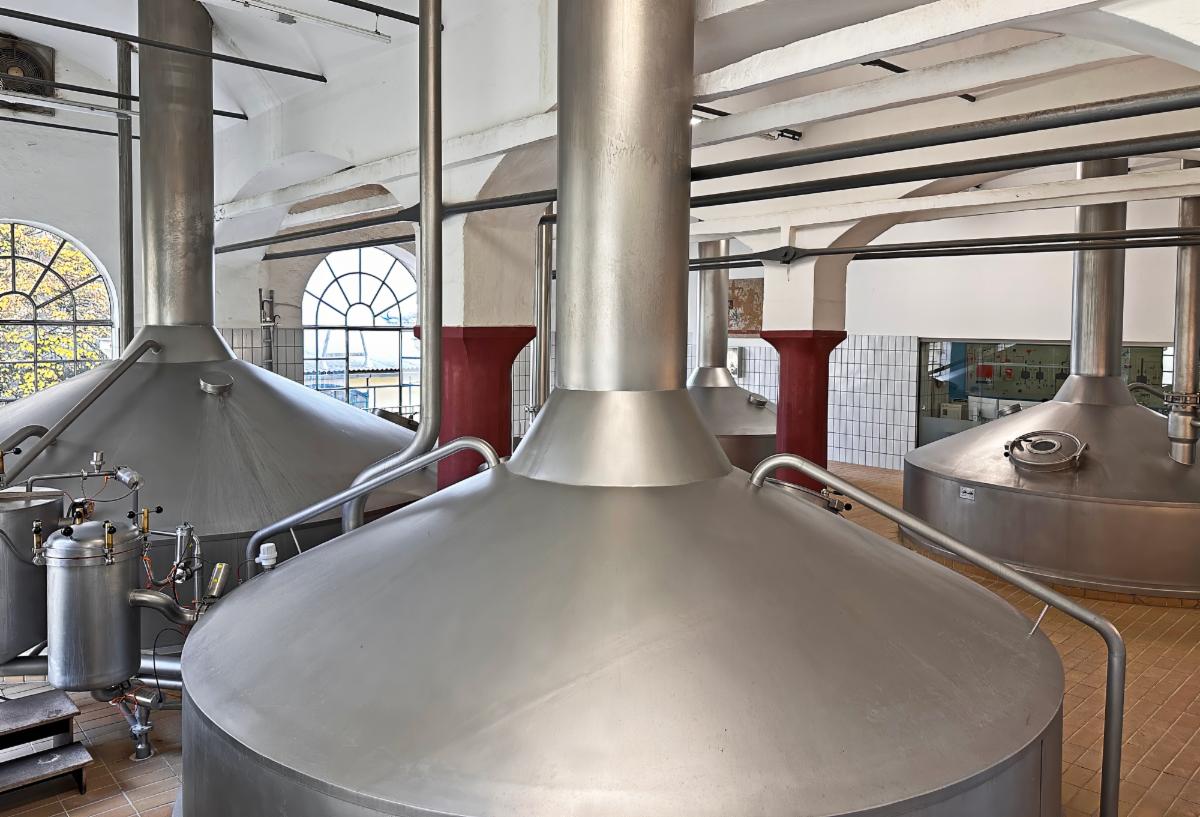
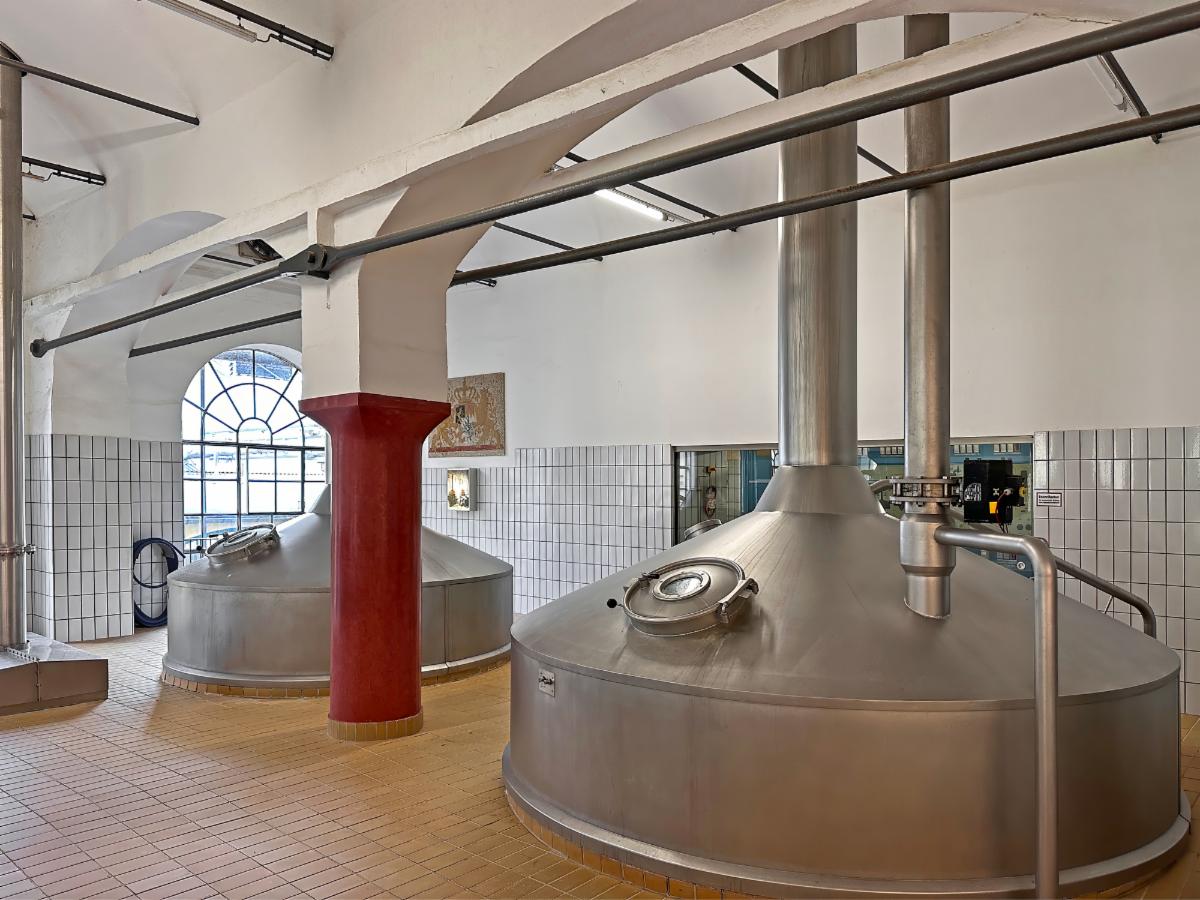
Above and below: The cooking kettles. Weihenstephan uses stainless steel kettles instead of copper because they require much less polishing than copper.
The process of brewing is relatively simple:
1) MALTING. a) Soak the grain in water. b) Spread out the grain and allow it to germinate. c) Dry the sprouting grain.
2) MILLING. Crack the grain open.
3) MASHING - converts starch into sugars. Add hot water to the milled malt to make a sugar-rich cereal mash called wort.
4) LAUTERING. Strain the wort.
5) HOPPING. Add hops to the wort. Hops add flavor, aroma, and bitterness to the brew.
6) FERMENTATION. Yeast is added. It feeds on the sugars and turns them into alcohol.
7) AGING.
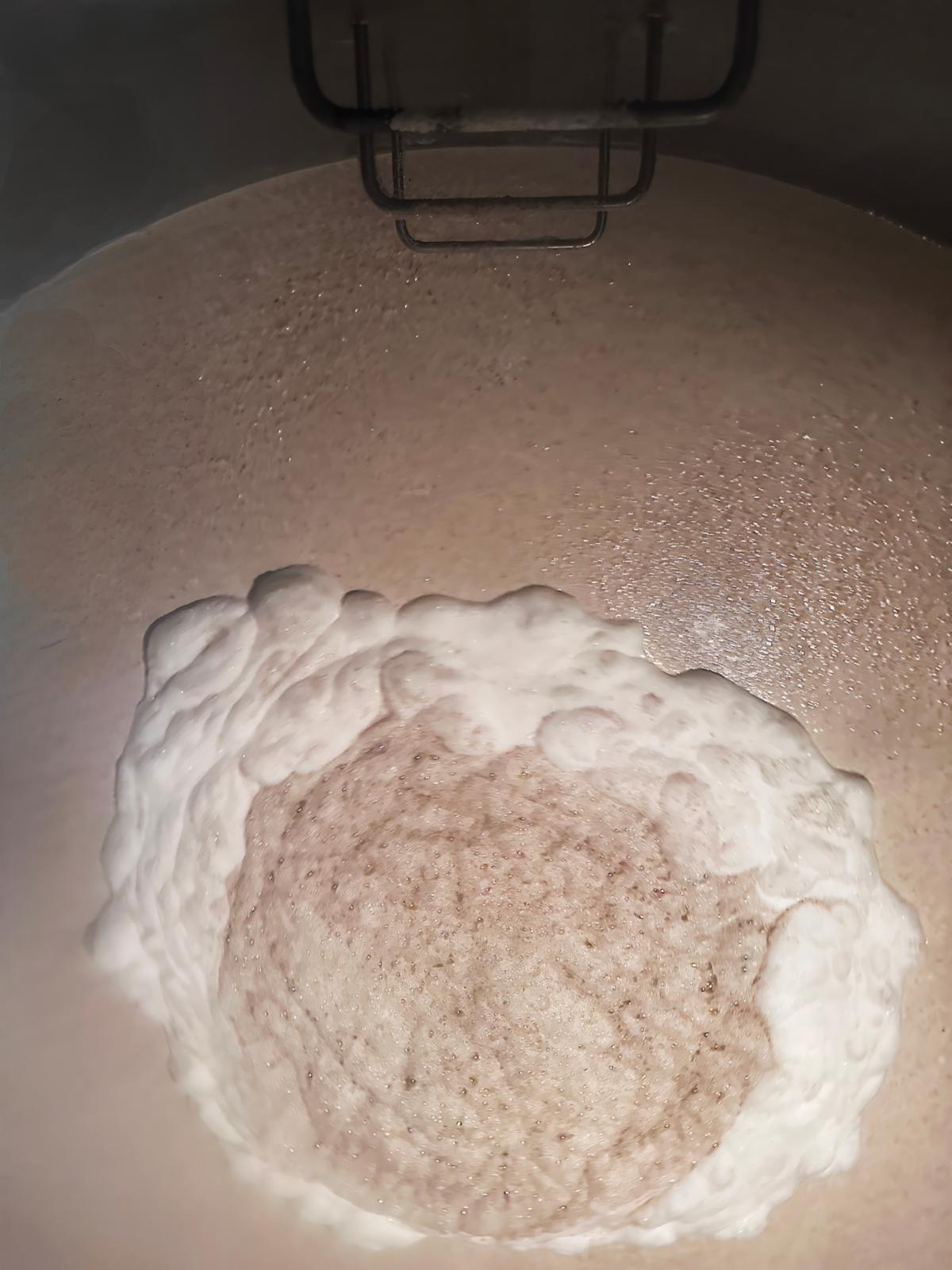
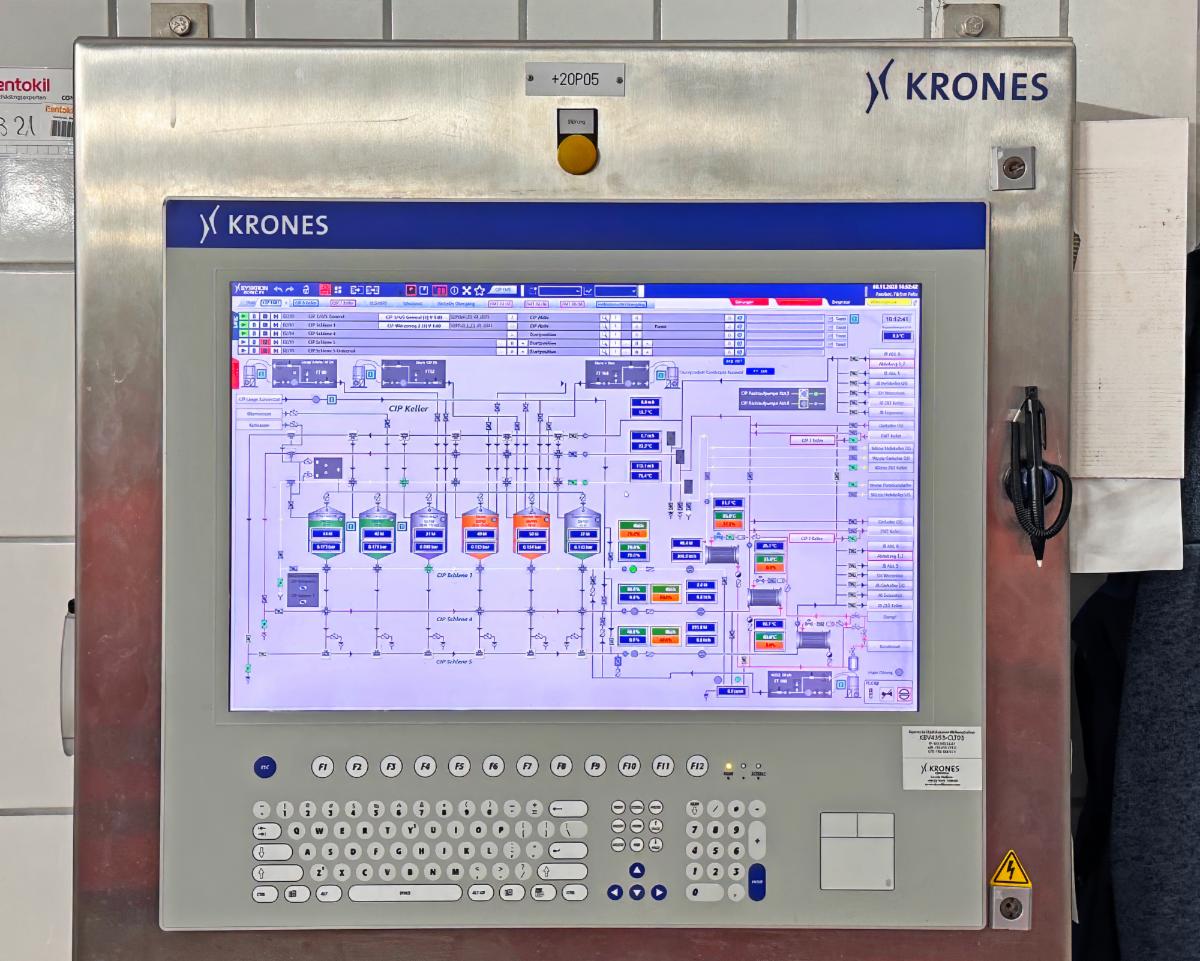
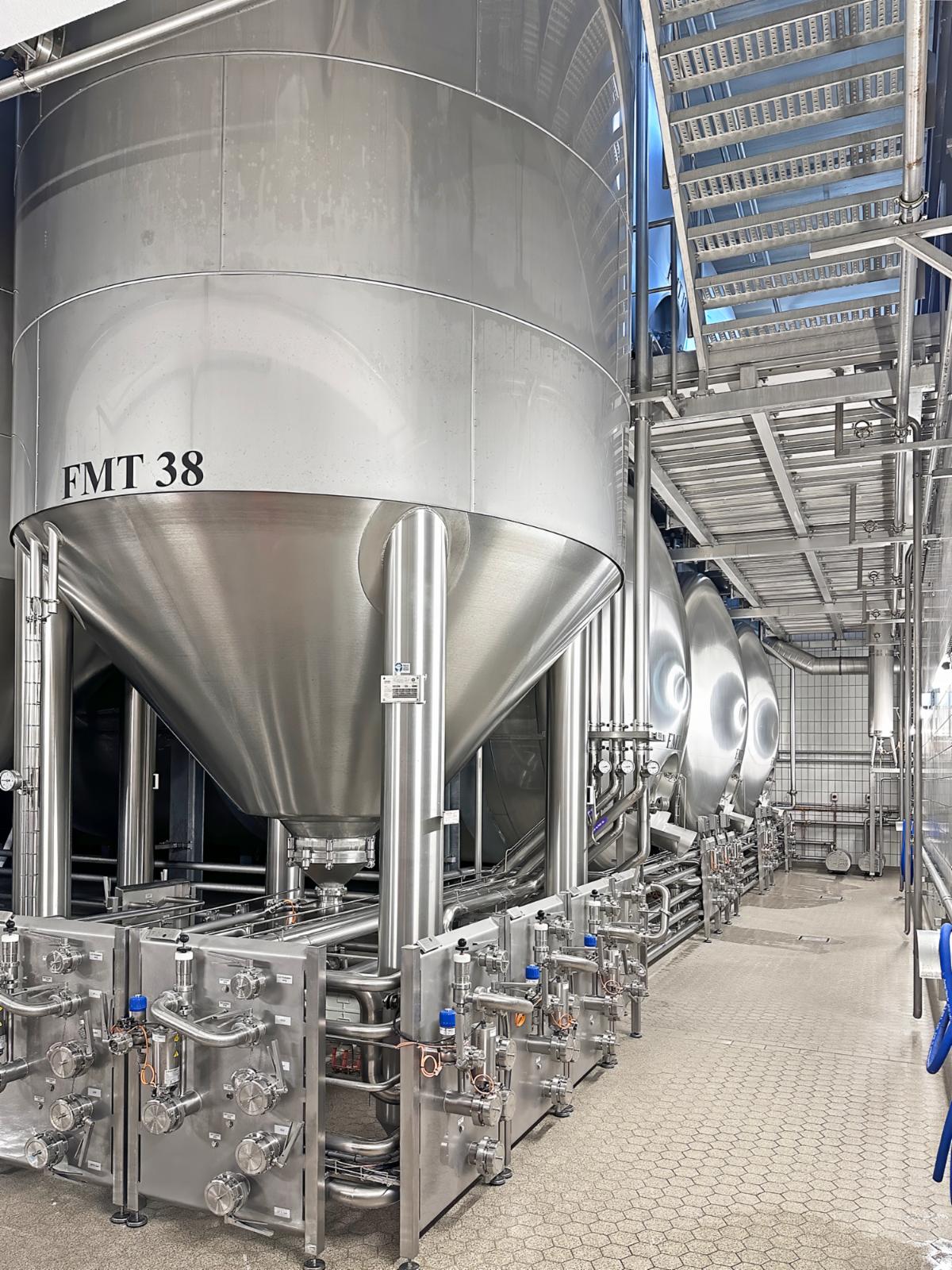
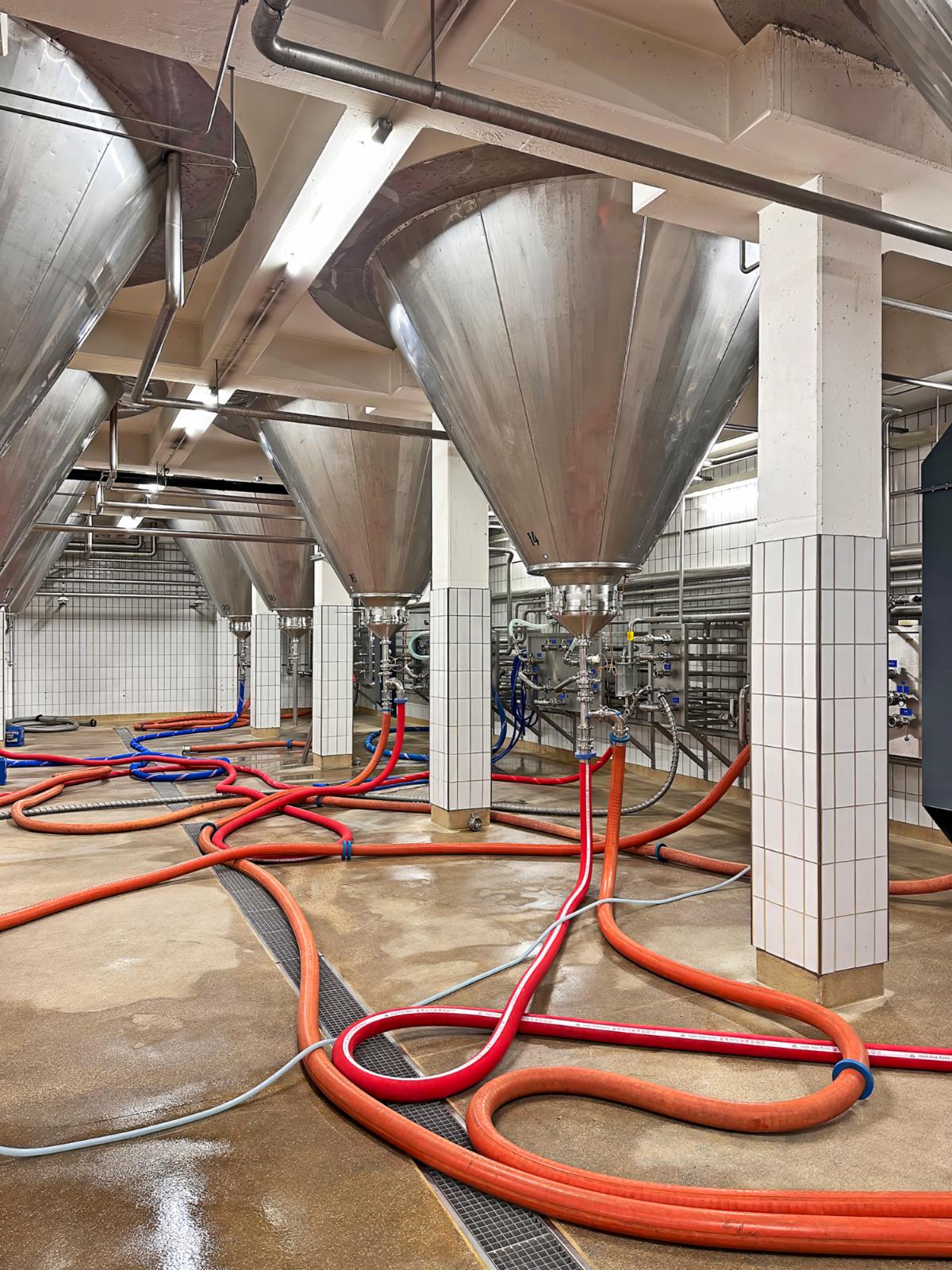
| I spied into one of the kettles. The cereal wort's appearance shouldn't have surprised me as much as it did. It looks a little like Cream of Wheat. | For being such an old brewery, Weihenstephan embraces cutting-edge technology. | Yeast is added for fermentation. Notice that some vats stand straight up, and some lie on their sides. How the vats are orientated depends on whether the yeast sits on the top or bottom. | These are the aging vats. | |
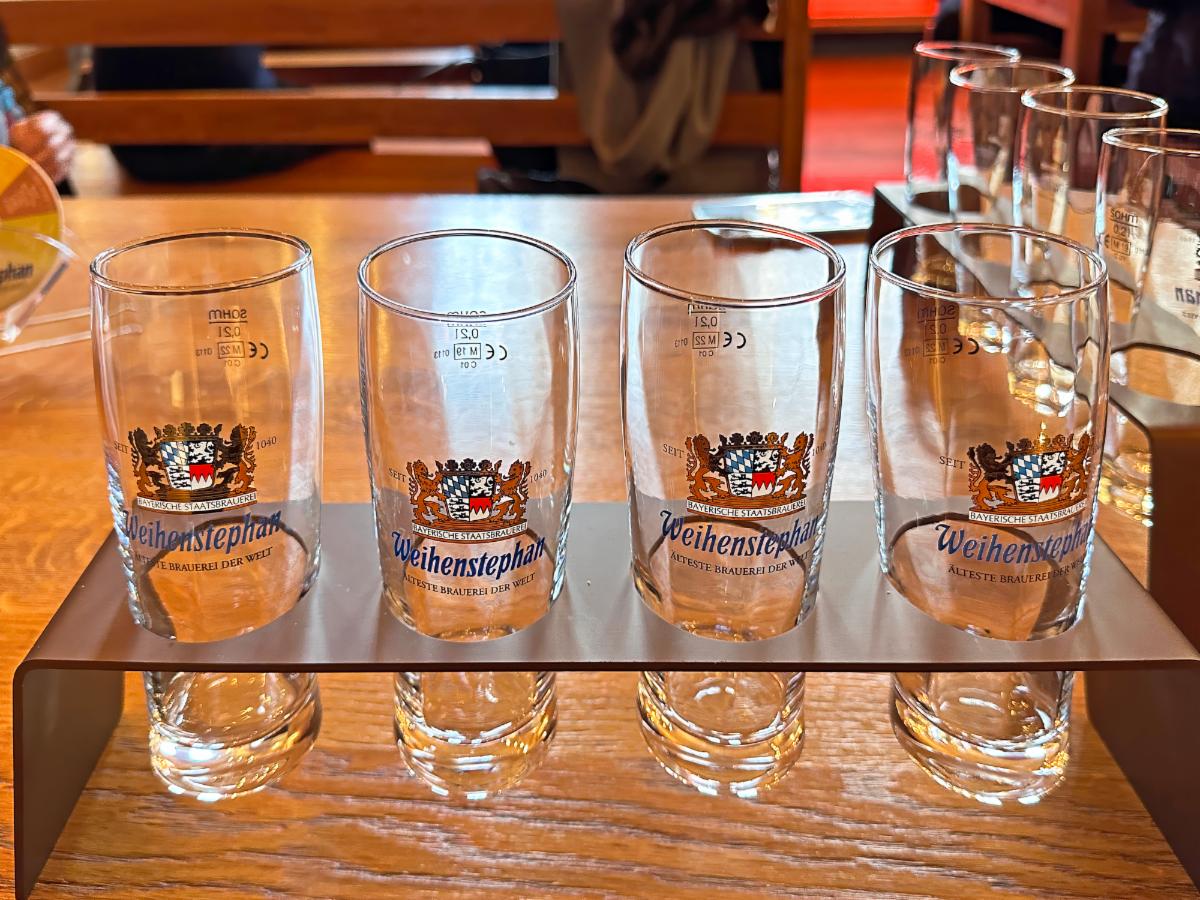
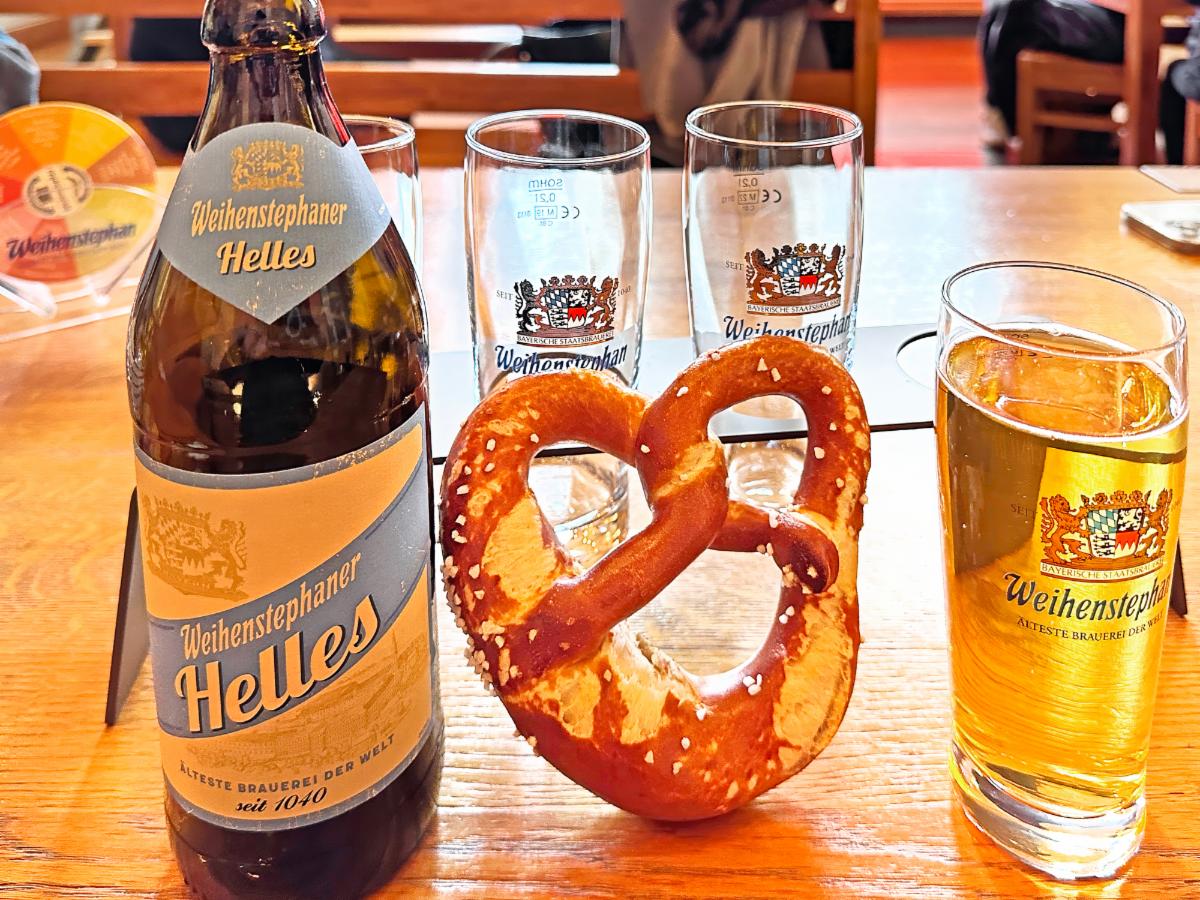
The best part of the tour was back in the beer-tasting pub. We were each given four half-liter glasses and a bowl of Bavarian pretzels. The brewery makes 12 beers, and we got to sample four. And when I say sample, I mean full half-liter bottles.
The first one was a super-clear Helles. This was a light beer in color. At 4.8% alcohol, it was also the lightest beer in alcohol content. Still, it had a full-bodied flavor with no bitter aftertaste. The hops were most likely strained out quickly. It was great as far as a lighter beer goes. Remember, I like darker ‘road tar’ beers.
Next was Winter Festbier, another clear barley beer. It registered at 5.8% alcohol and was a bit darker than the Helles. The most significant difference was its aftertaste, bordering on a bitter pale ale aftertaste. It was good, but I am not a fan of pale ales or anything close to a pale ale.
The following two beers were wheat beers - my favorite. It is difficult to find cloudy wheat beers in America. Too bad, because I love wheat beer. As much as I enjoyed the first wheat beer, Hefe Weissbier, it was the second one, called Vitus, that I fell in love with. The tour guide called it Angel Tears. At 7.7% alcohol and my fourth beer, I was indeed flying around like an angel. I needed more pretzels. Wanda isn't a beer drinker, so I had to finish her beers - can't let all that wonderful flavor go to waste. I left the tour a happy man.
Our tour tickets gave each of us a €2 discount at the brewery gift shop. The gift shop cut to the chase; it mostly stocked beer. We bought two six-packs of Vitus. With our discount, the two Sixers came to €9.98 - less than €1 per bottle for the best beer that ever passed my lips.
I'm glad we bought some of the beer to take home because Wiehenstephan Beer isn’t sold in Germany. Being a state-owned enterprise, Bavaria didn’t want to compete with all the local breweries. Except for a handful of pubs within a small radius of Friesing, all the beer is exported. I believe that some Weihenstephan flavors are exported to the US. I will be on the lookout for Vitus the next time I am in a specialty liquor store at home.
Oh yeah, at world beer tasting competitions, Weihenstephan beers dominate, with Vitus holding the ‘Best Beer In The World’ title - no doubt!
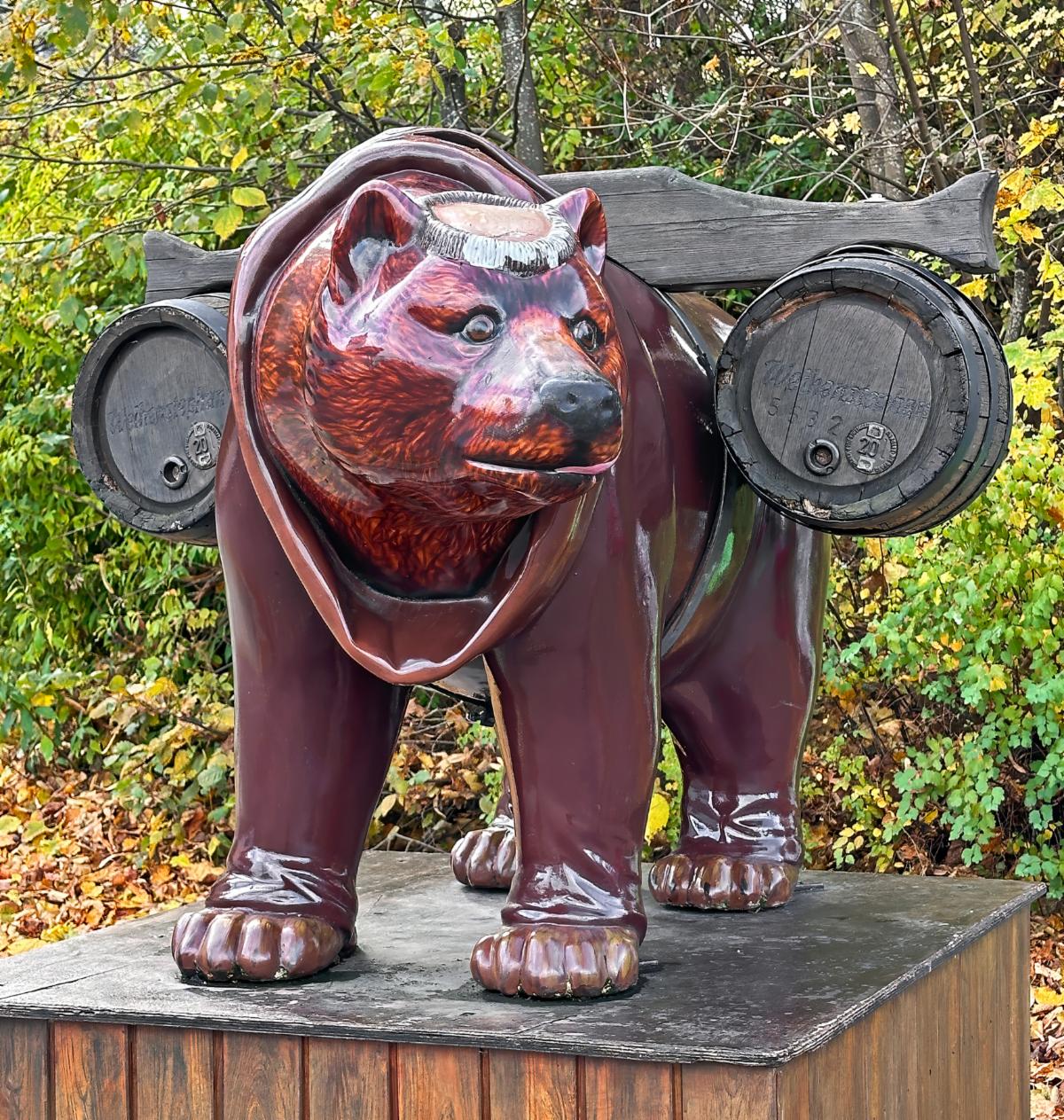
| 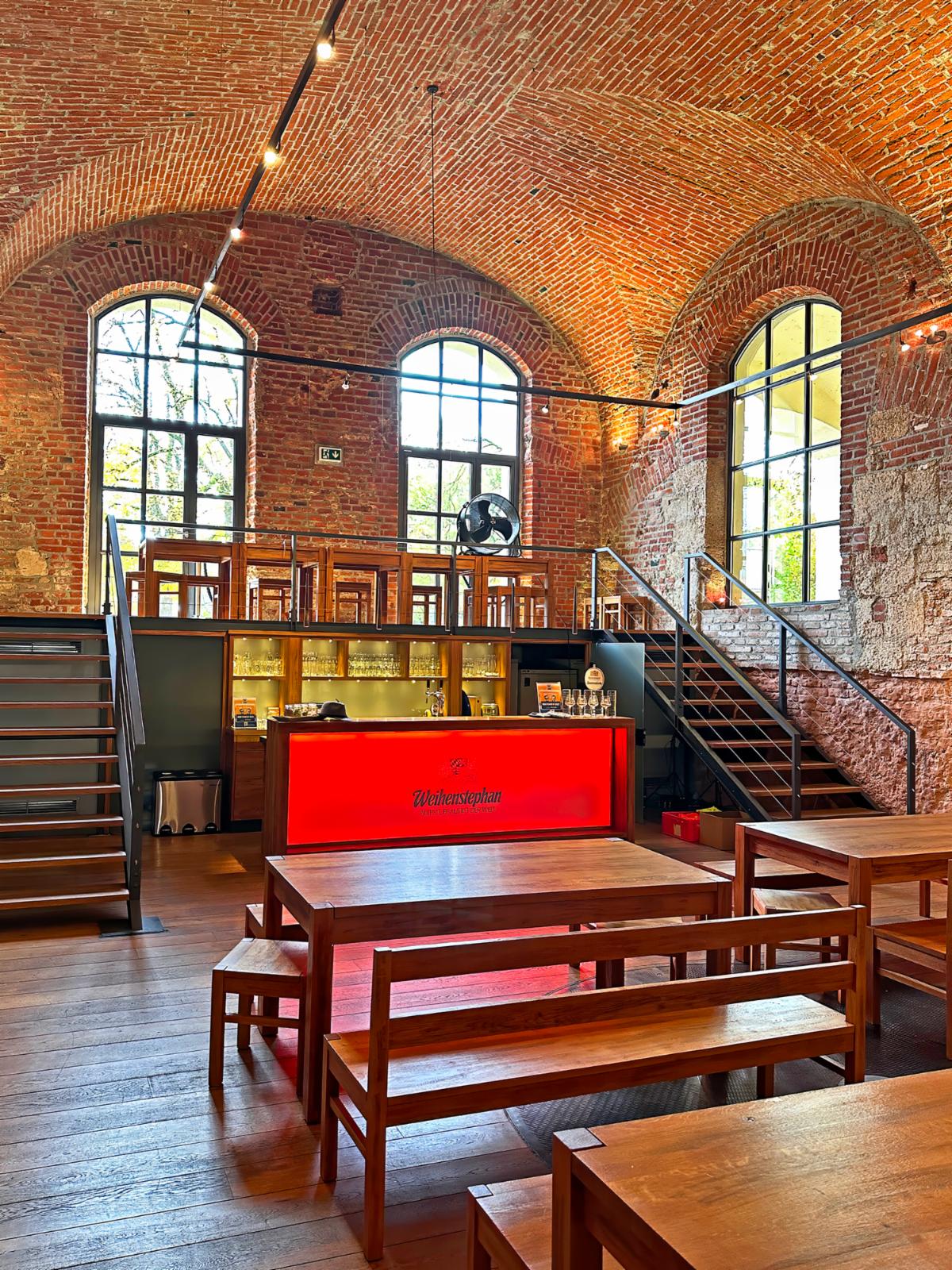 | The Weihenstephan Tavern. | Before drinking a beer, our guide taught us to look at its clarity, give it a sniff, and then chug away. | This is St. Koribian's bear. So, the story goes that during a journey, a bear killed Koribian's pack horse. In retribution, Koribian gave the bear the task of carrying kegs of beer, much like St. Bernards carry a brandy flask. | |
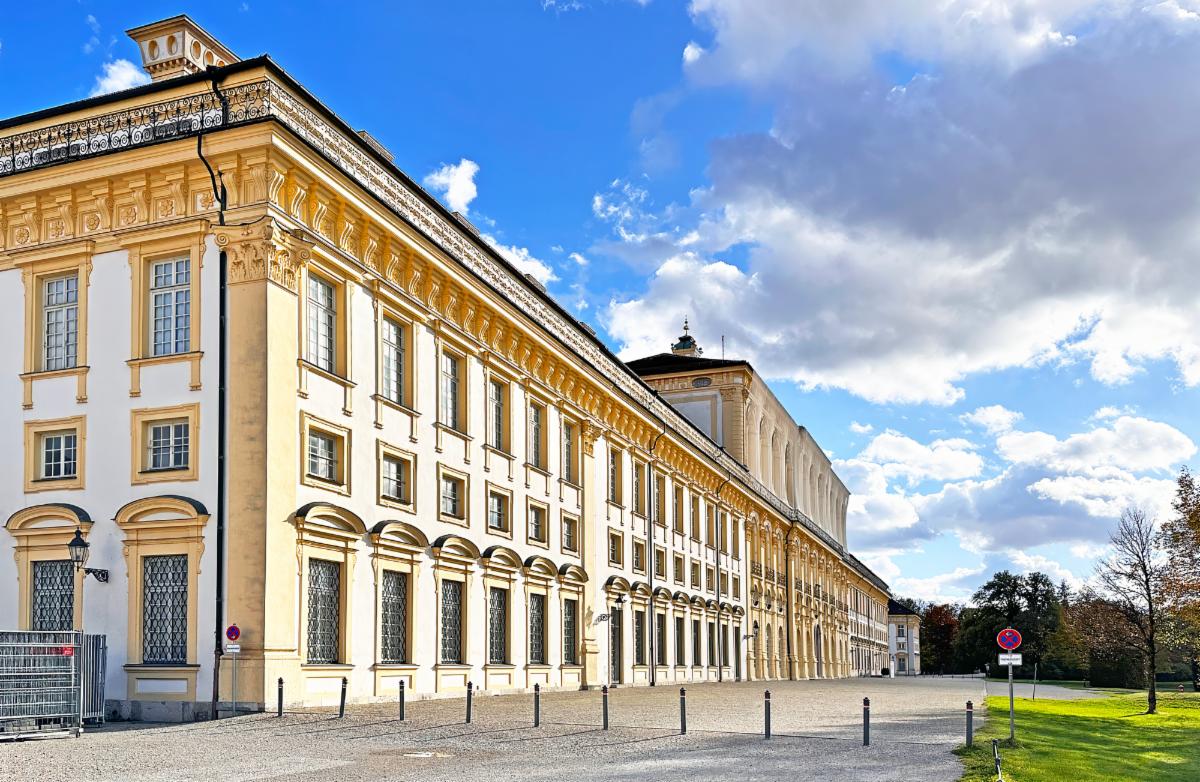
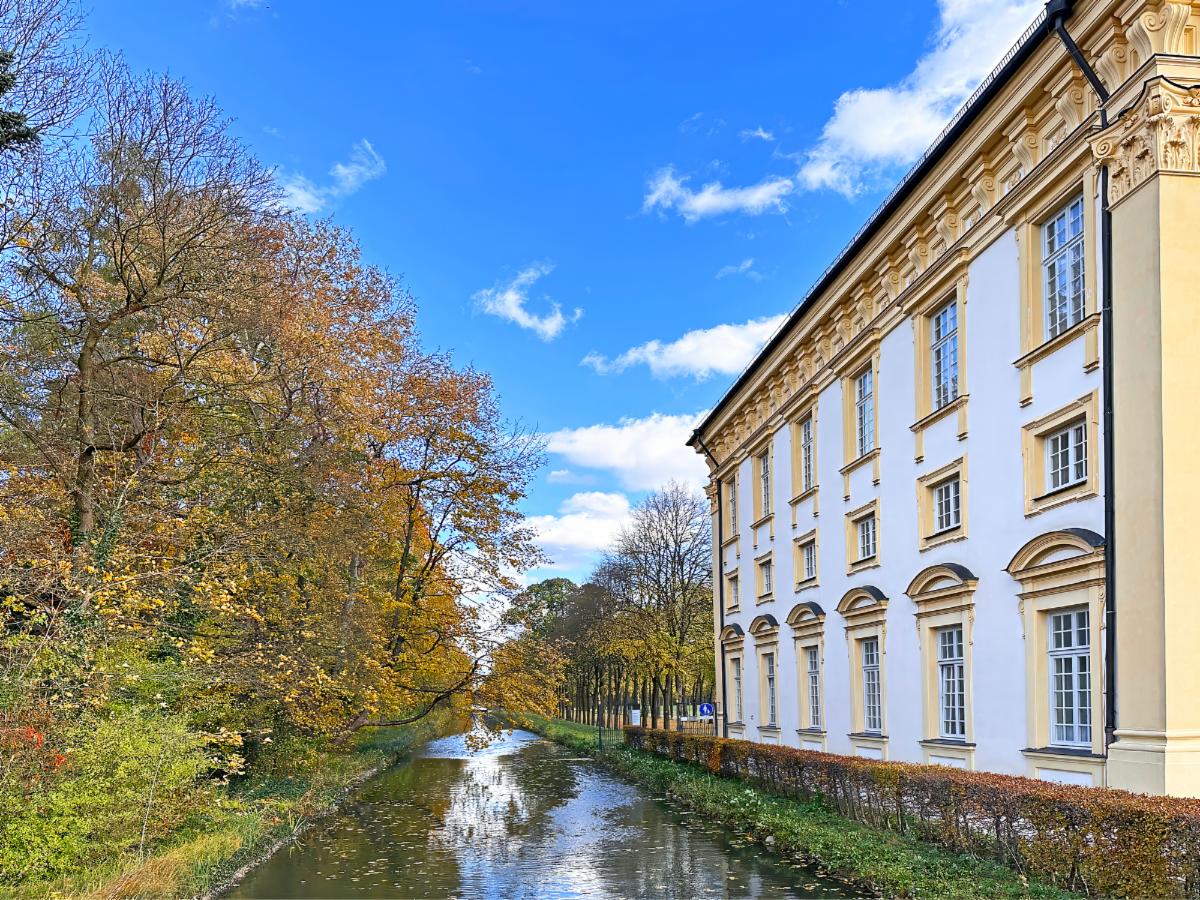
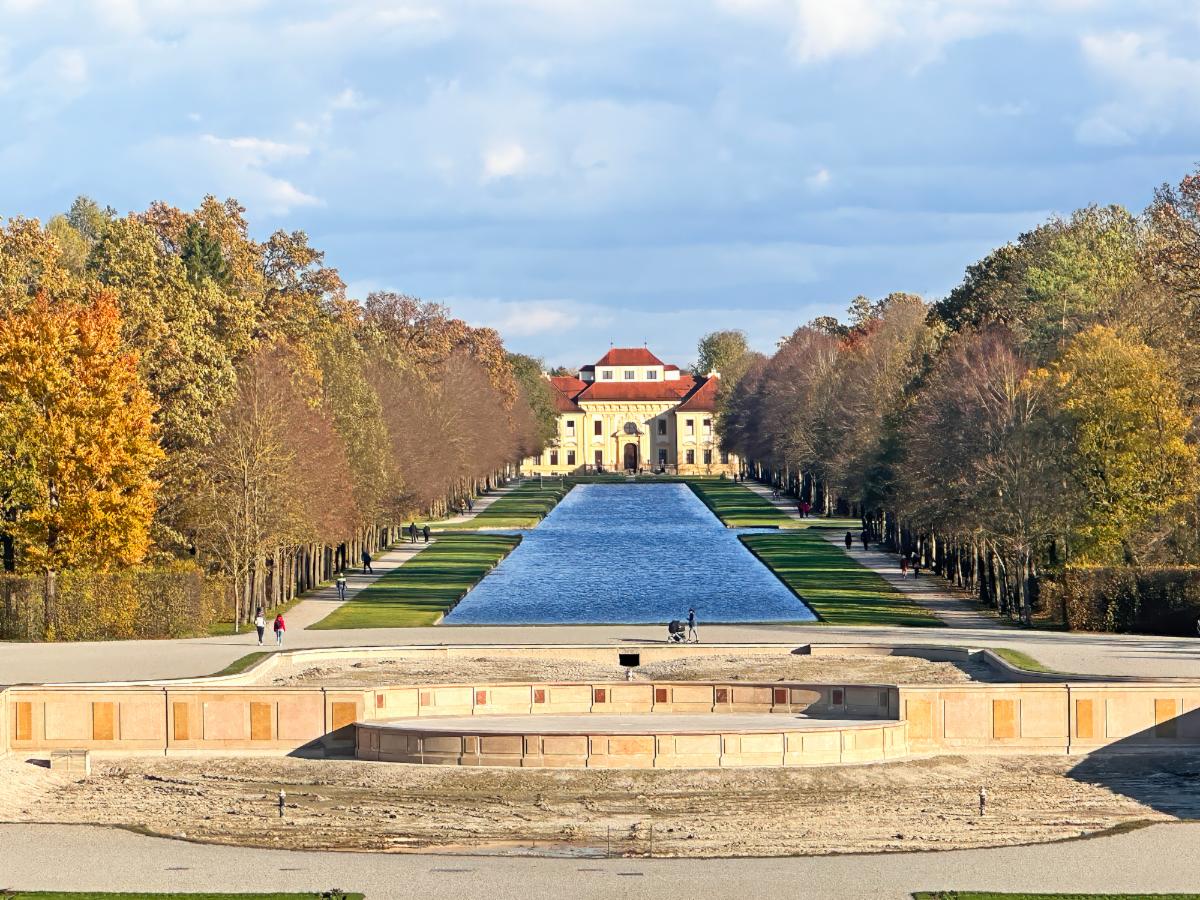
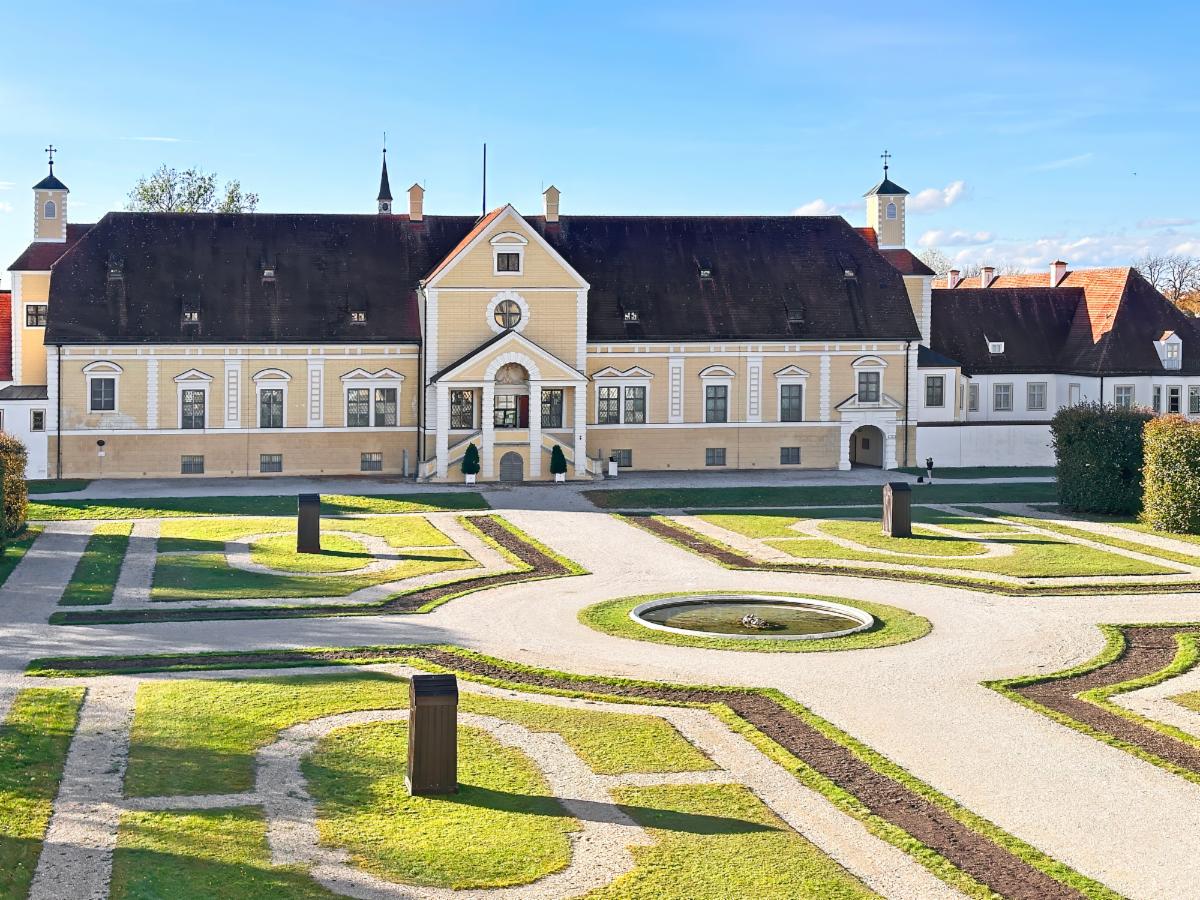
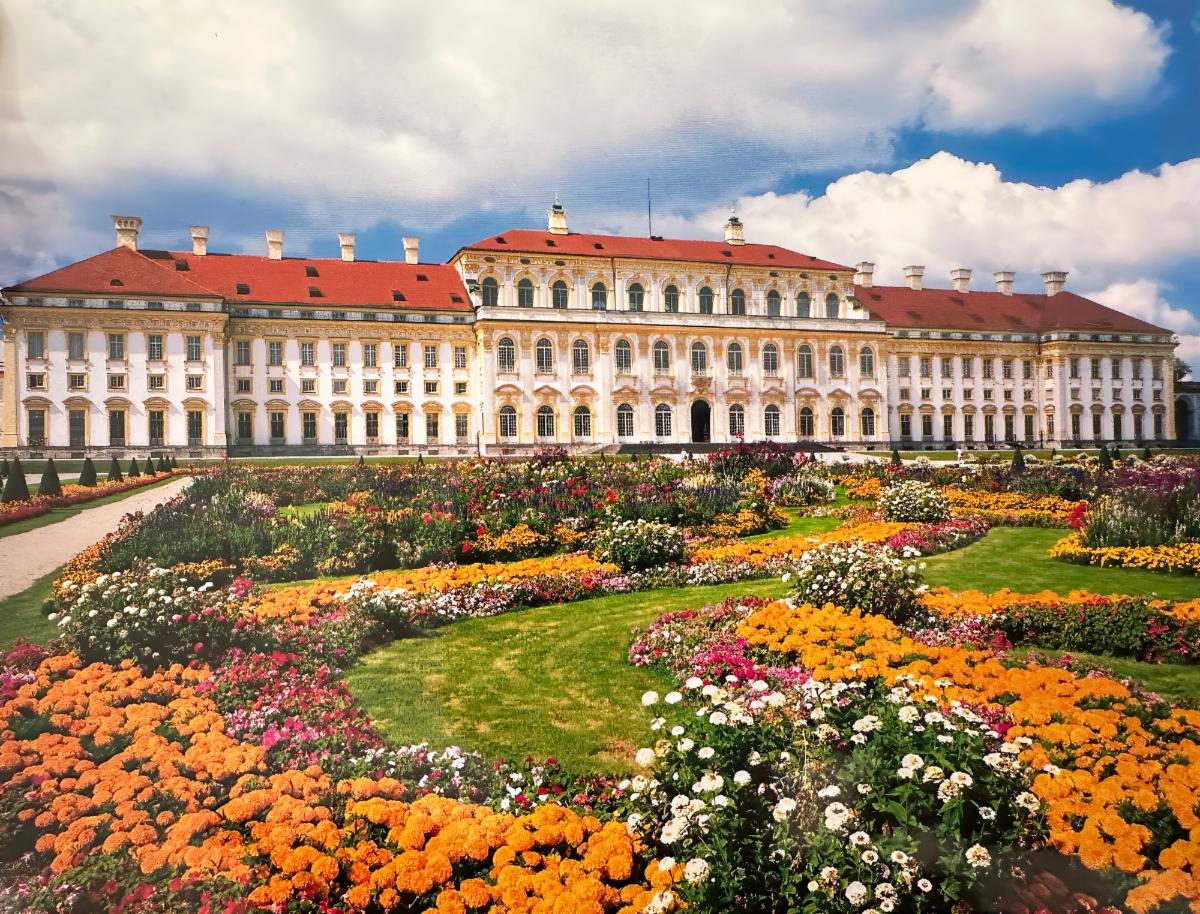
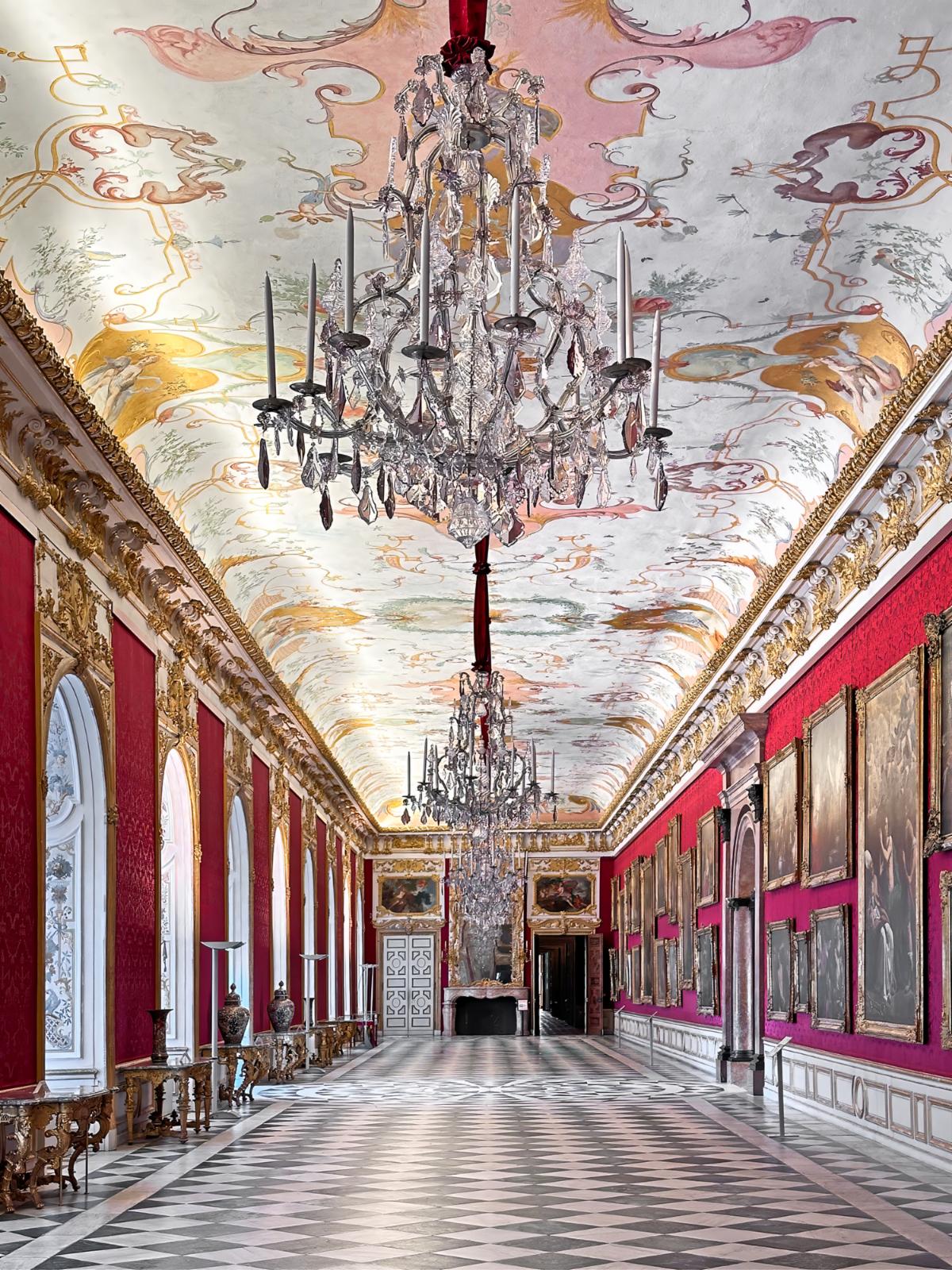
After the tour, we had the rest of the afternoon, so we found a palace to check out. The Neues Schloss Schleißheim is located in Oberscheißeim, a small village north of Munich. Duke Wilhelm V of Bavaria established the estate as a country manor in 1597. Elector Max Emanuel acquired the property in the late 1600s. Under his ownership, the estate grew from a comfortable country manor to a pompous residence consisting of the New Palace, Old Palace, Lustheim Palace, and a vast garden. When I say vast, I mean at least 40 acres. I would have loved to have seen the gardens in the summer when the flowers bloomed.
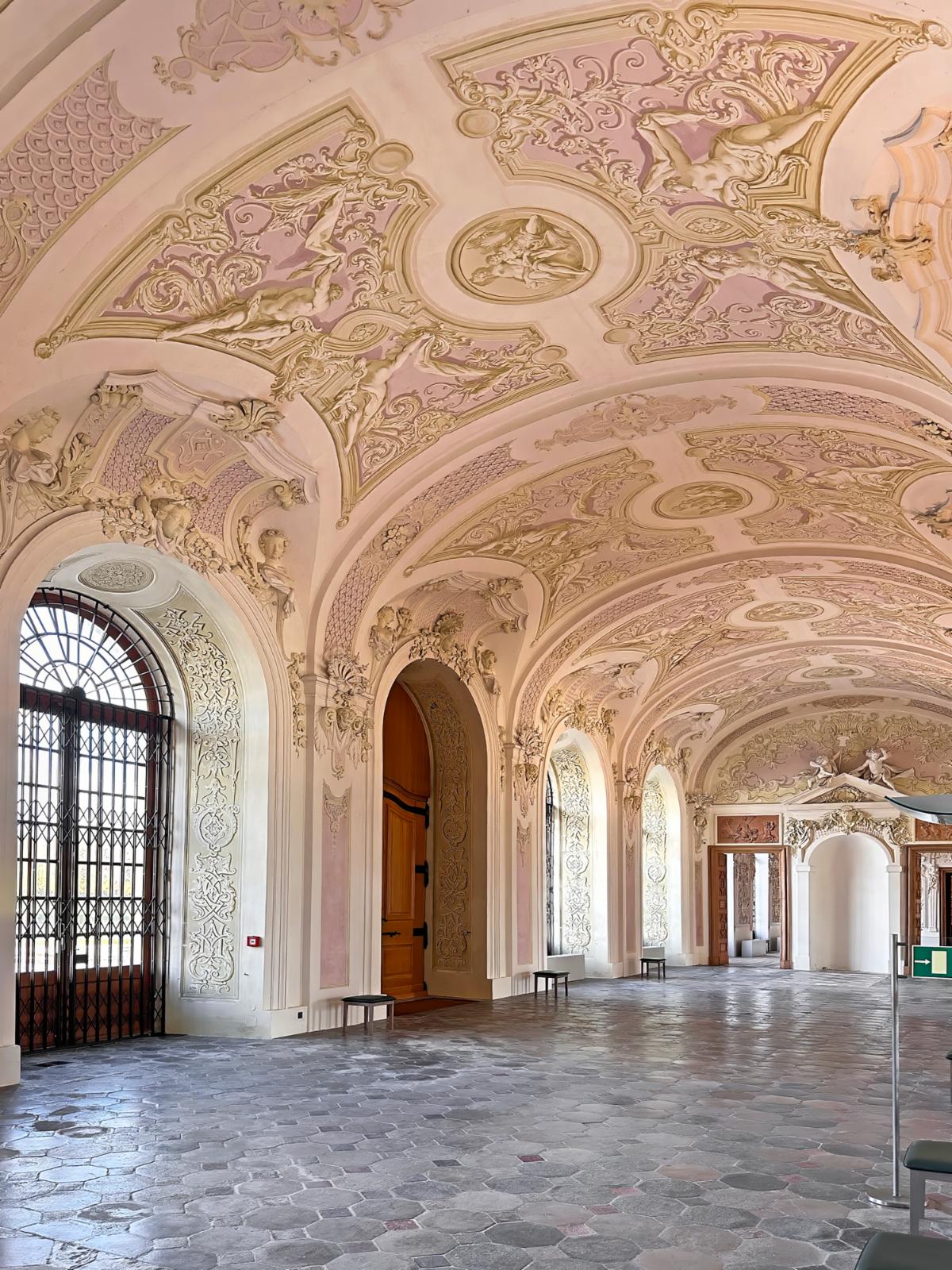
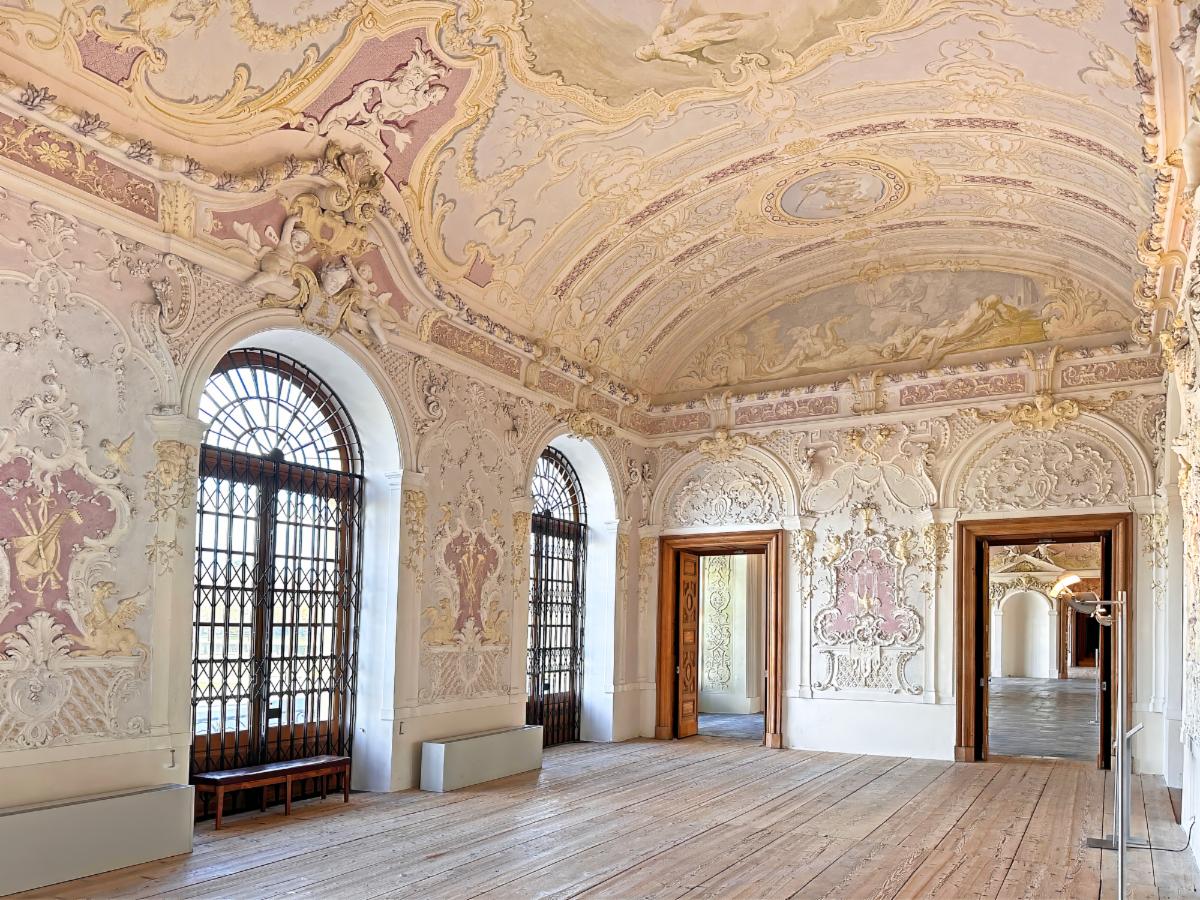
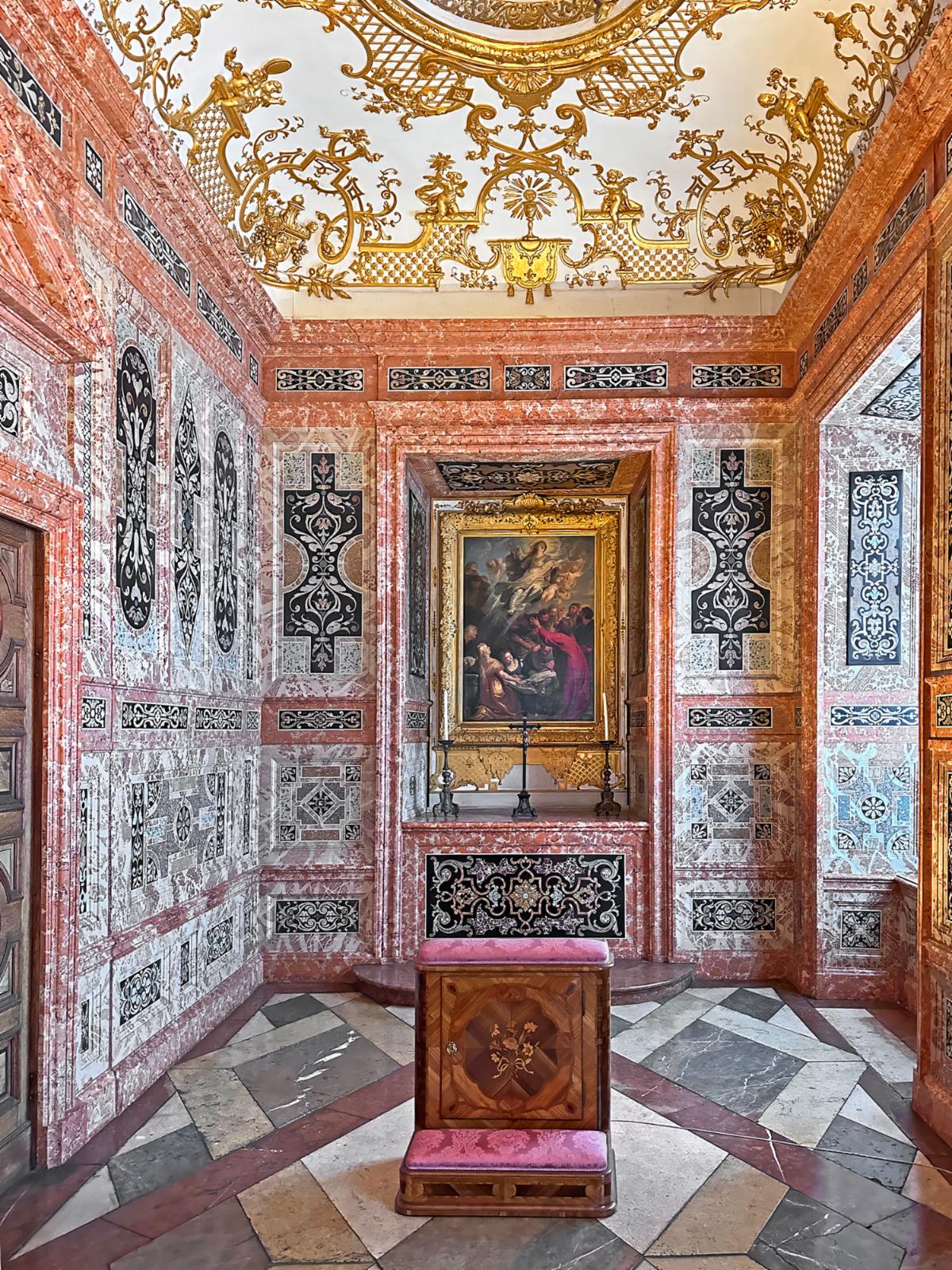
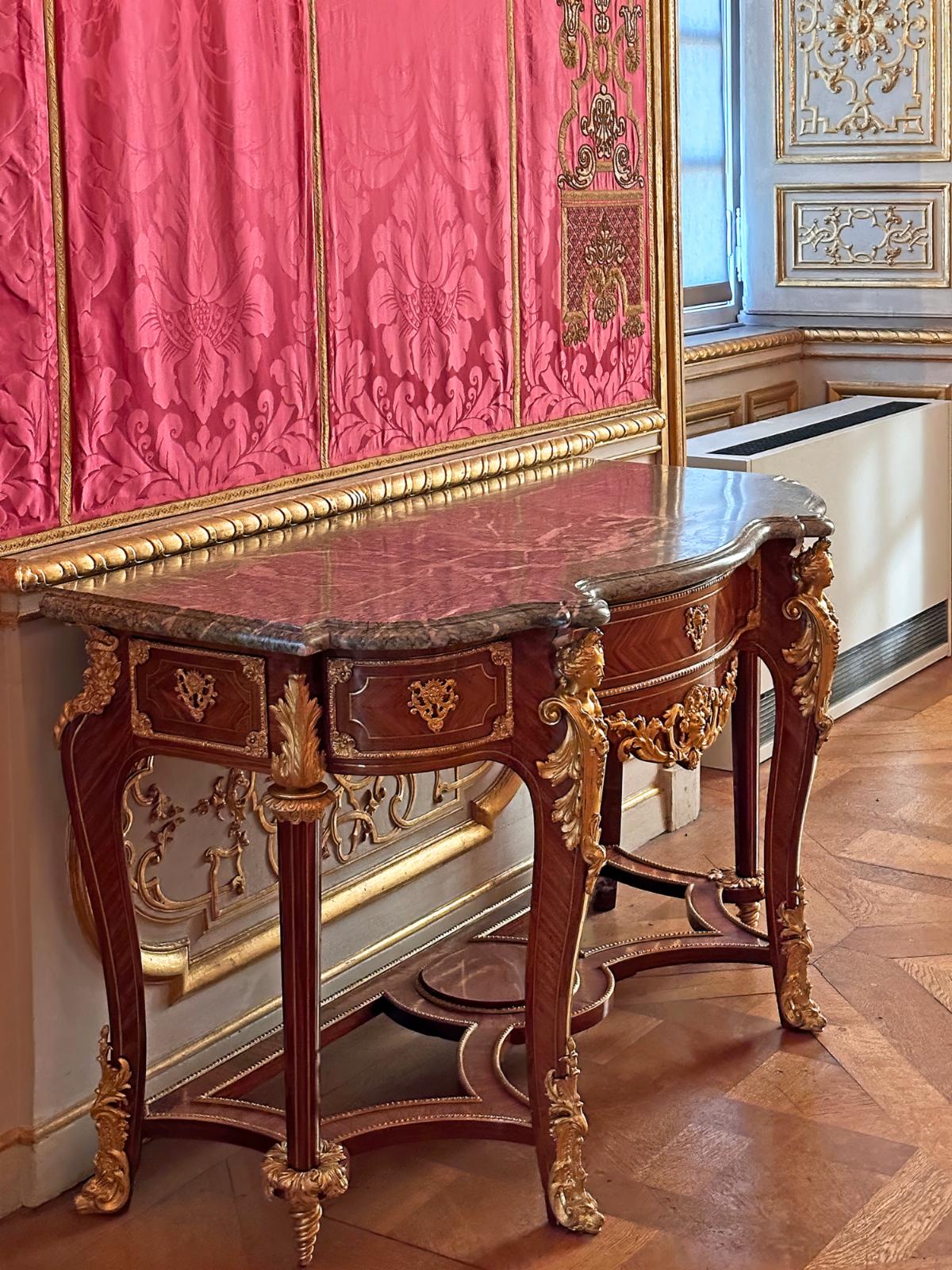
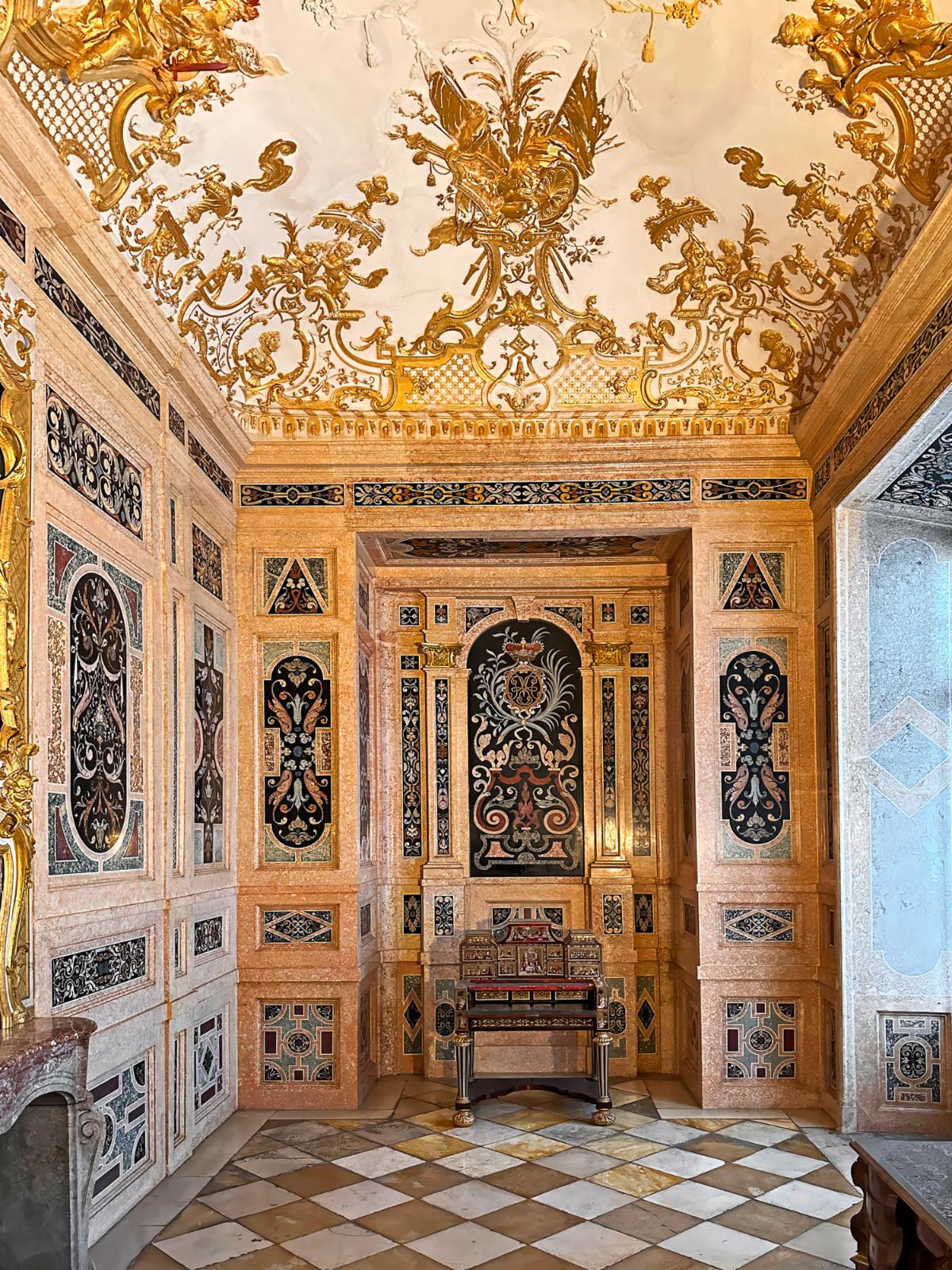
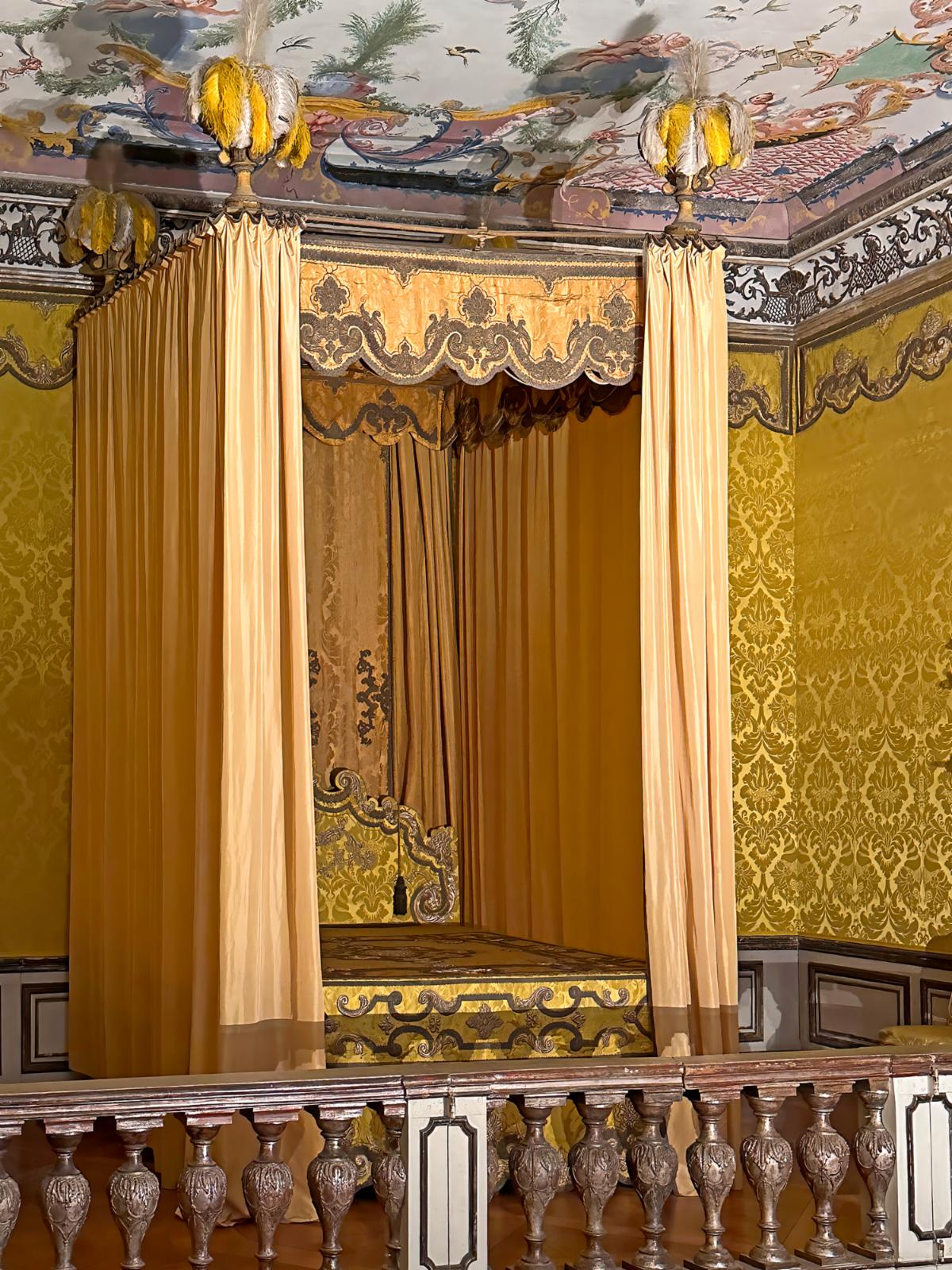
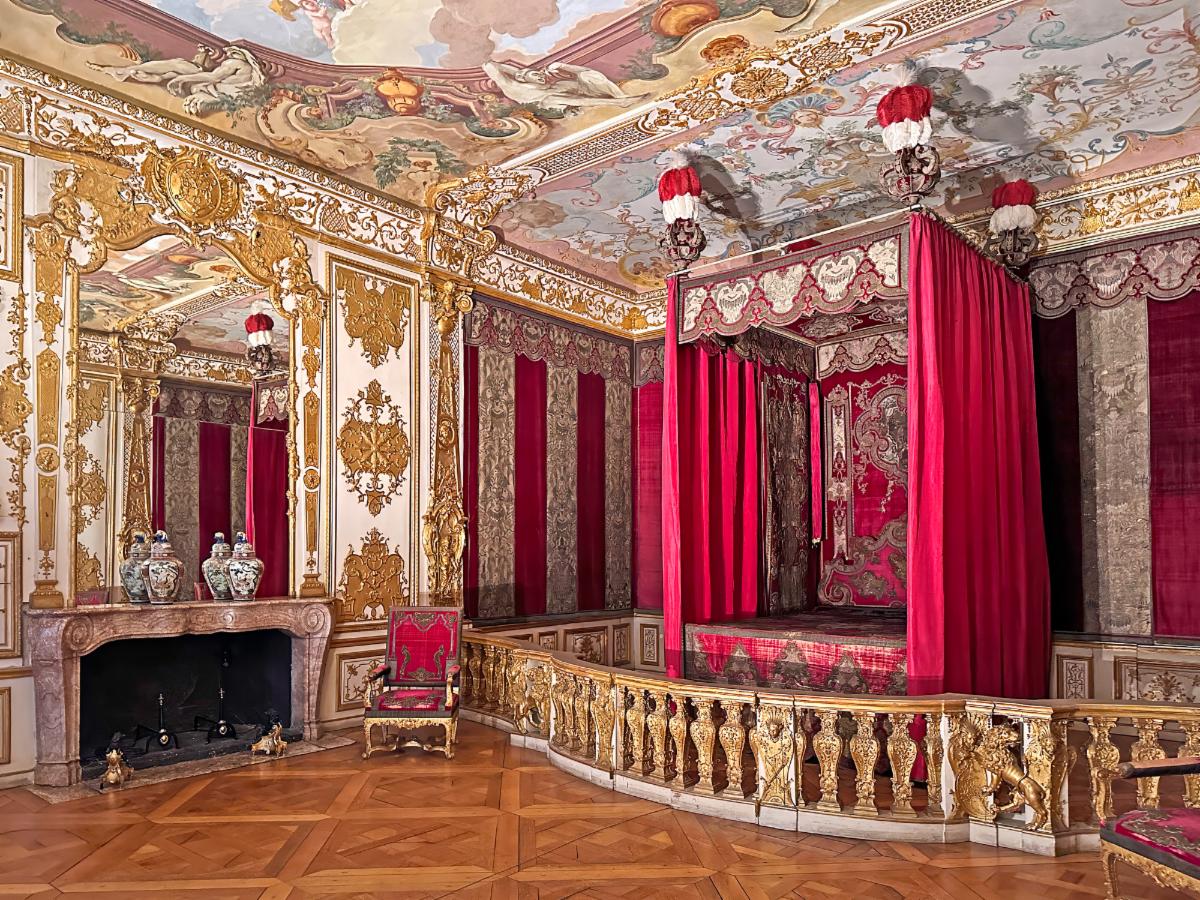
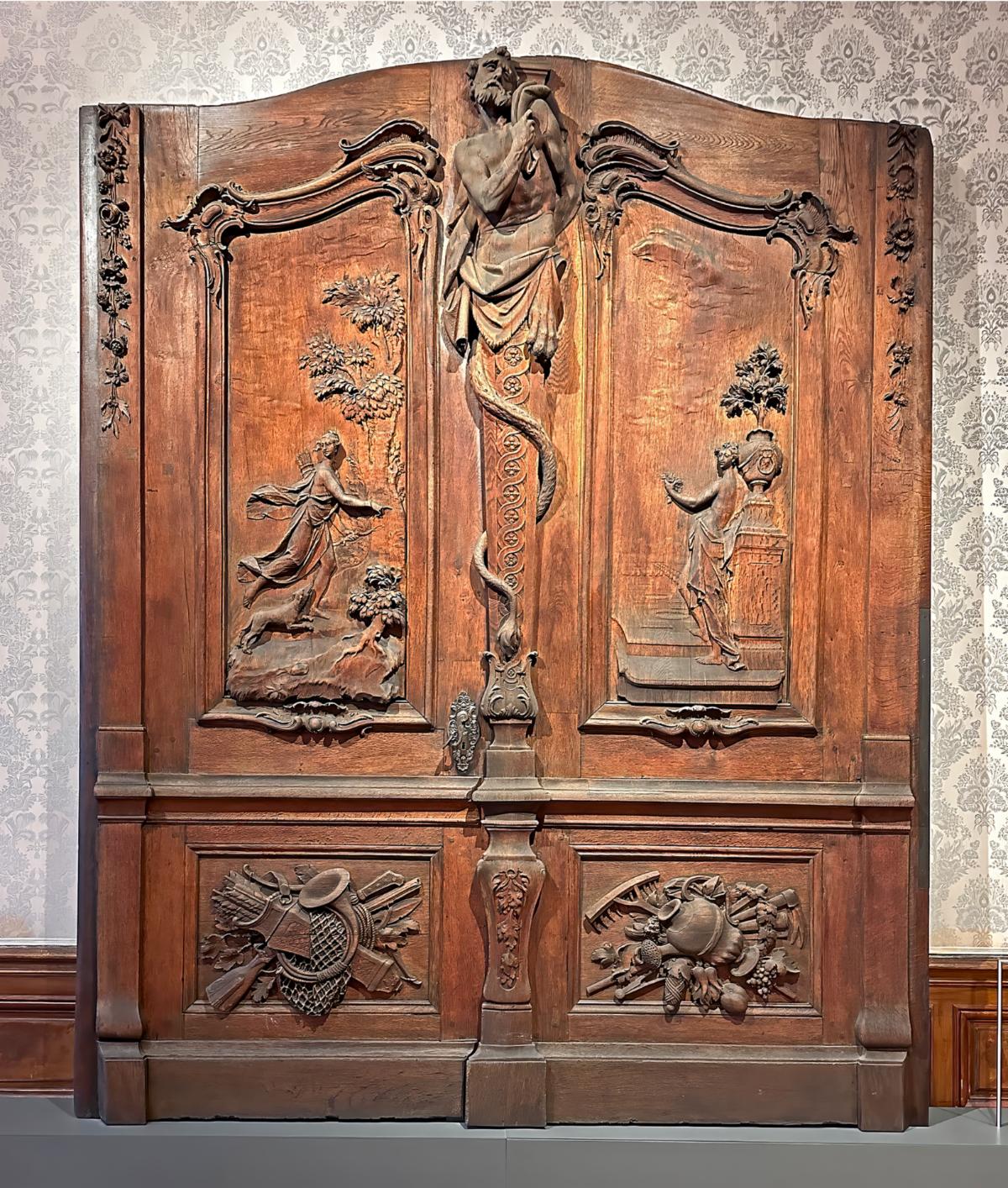
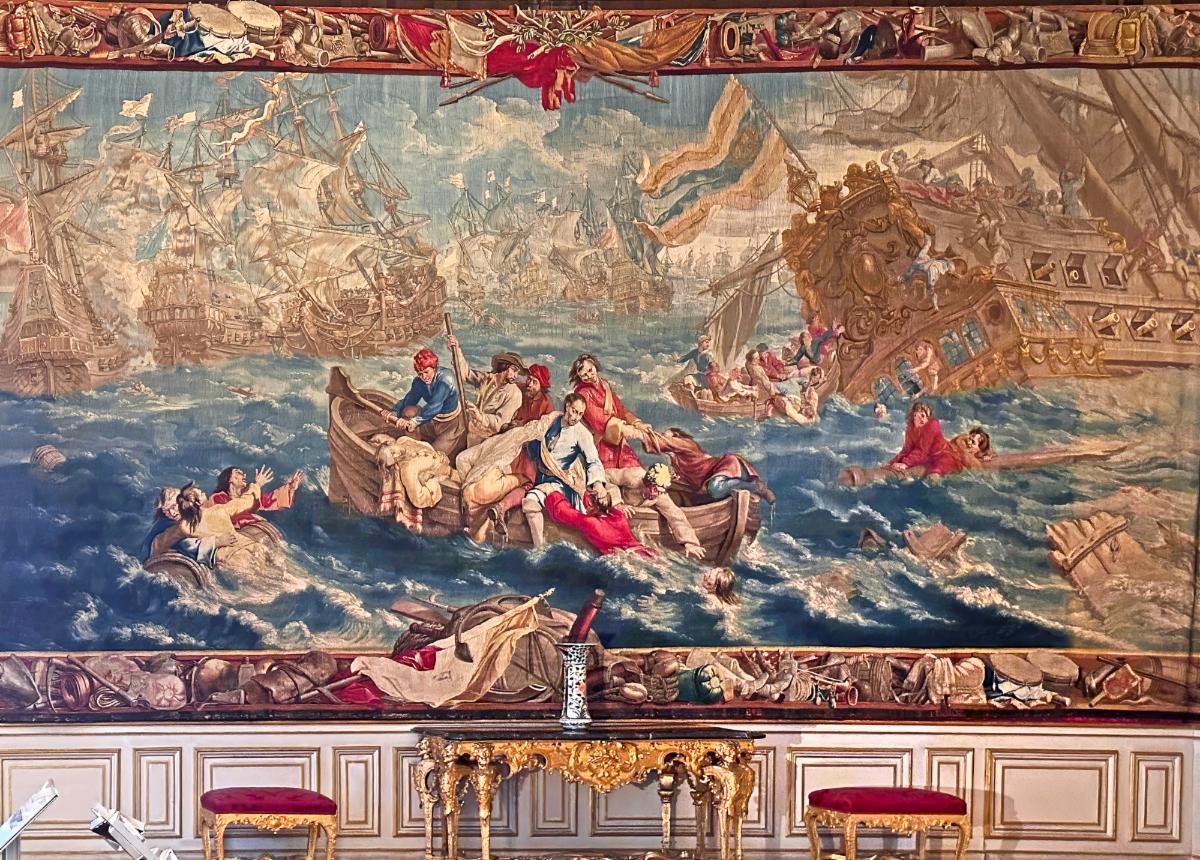
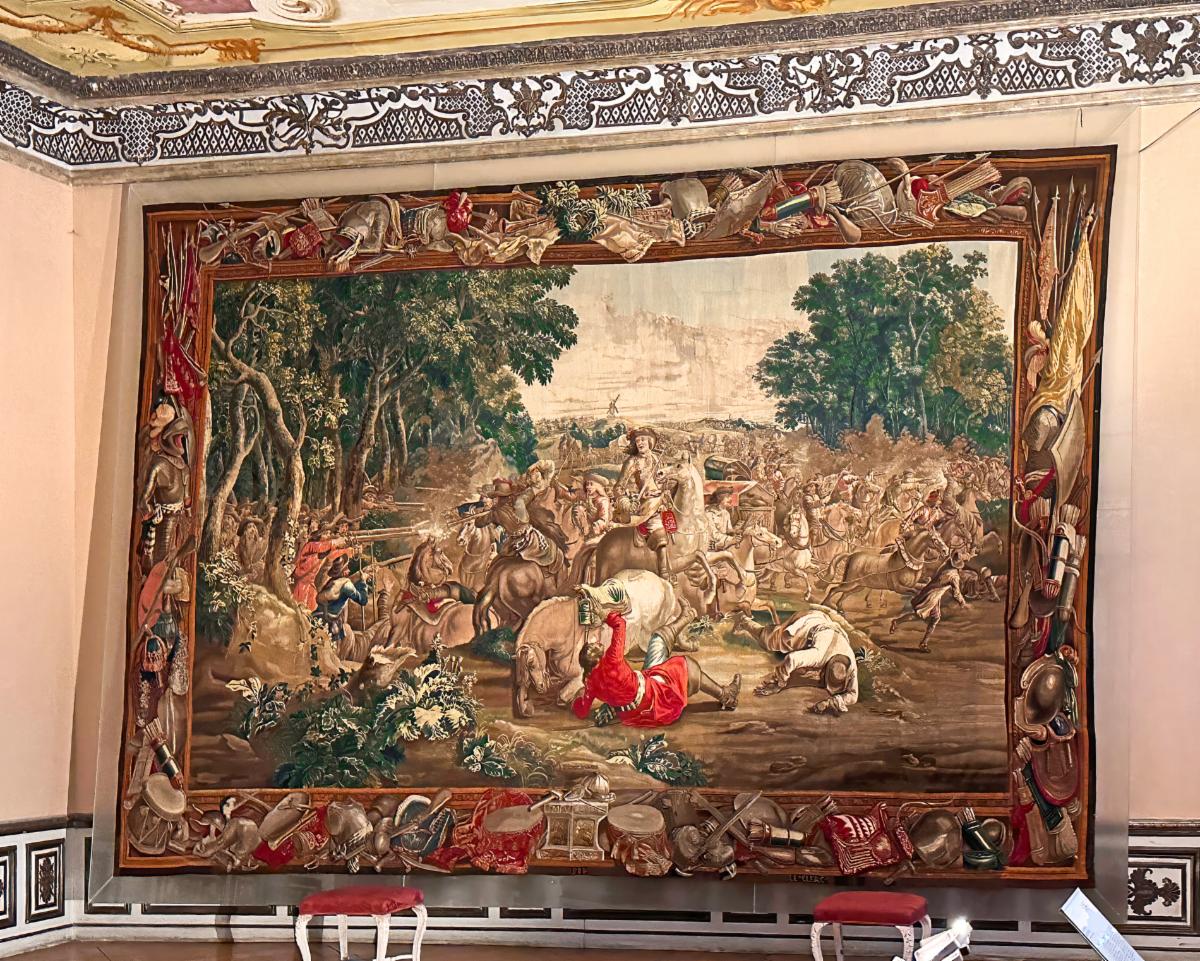
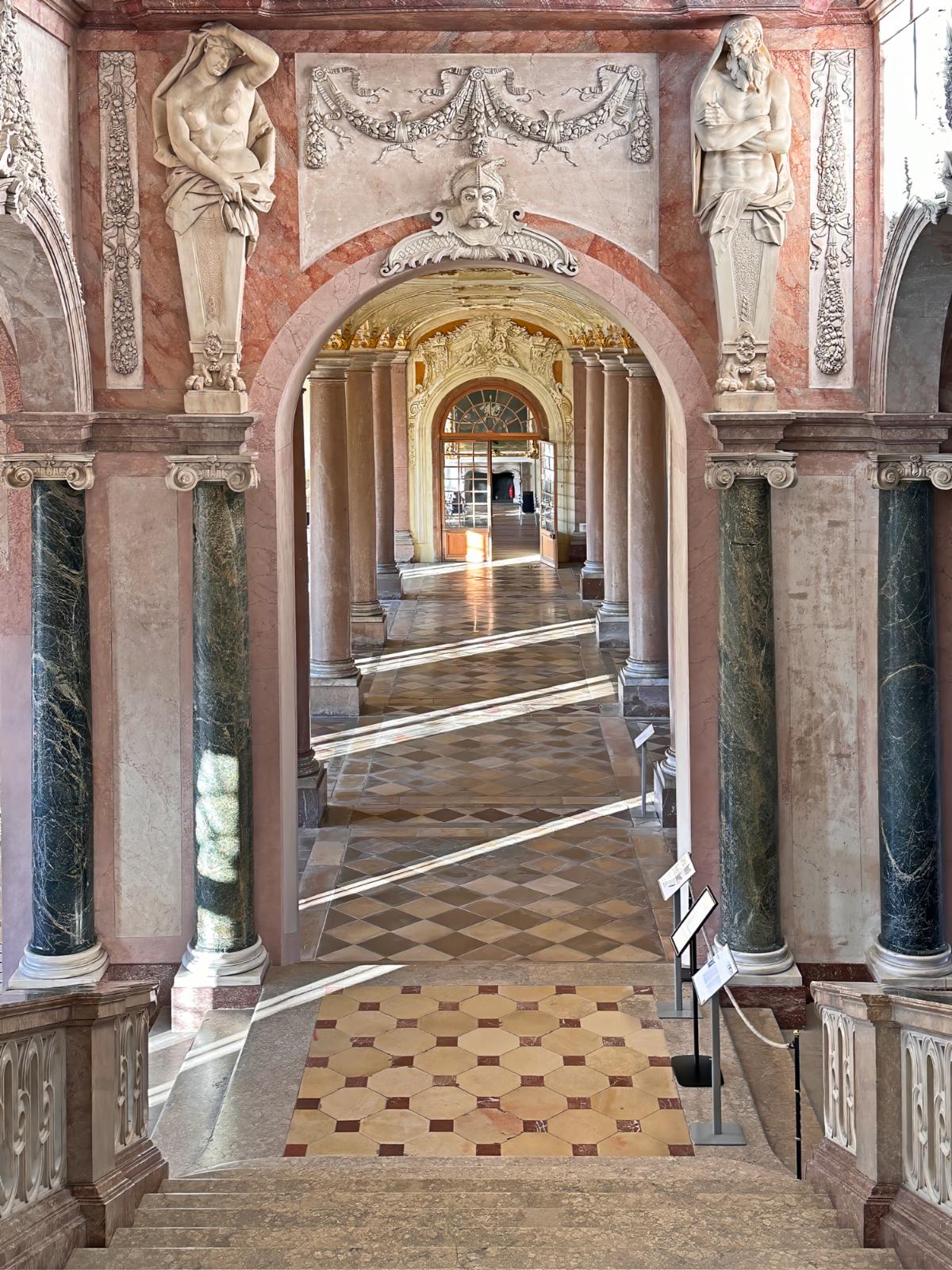
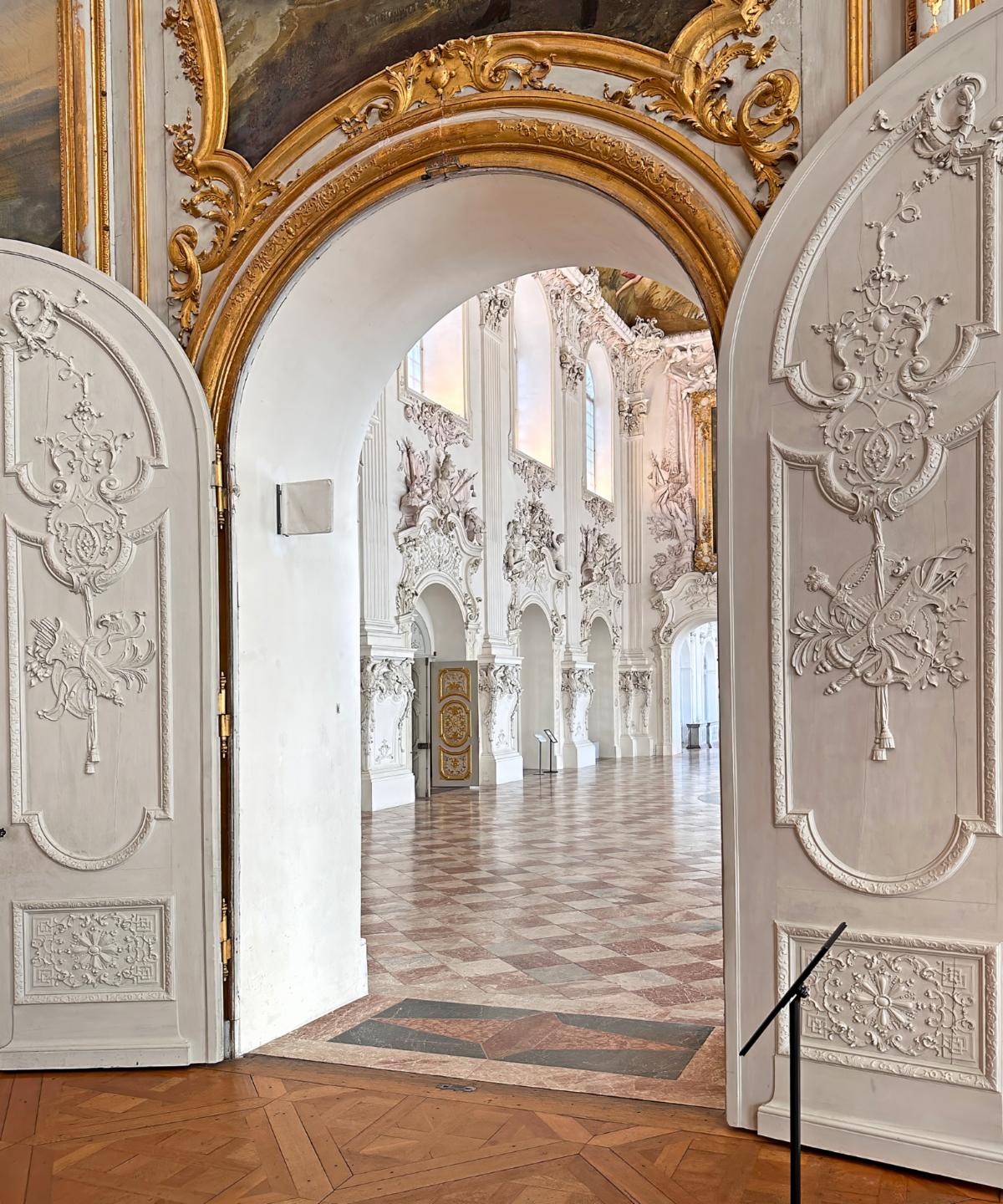
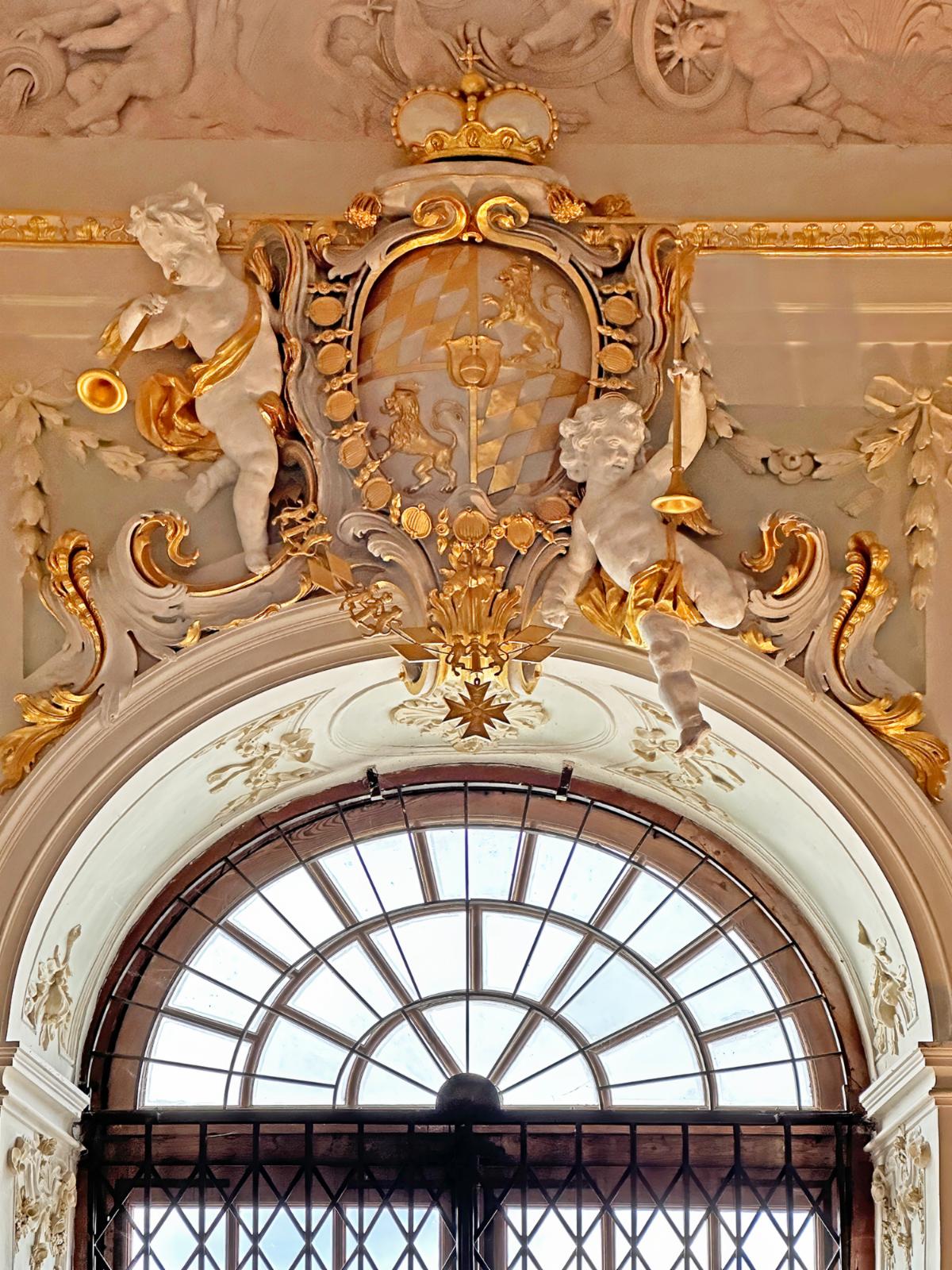
We paid €5 and got the complete run of the gigantic, sprawling, lavish, Baroque-style New Palace. We were allowed to wander through scores of rooms on all floors. The rooms were sparsely furnished, but many had 200-year-old paintings hanging on the wall. Only the occasional security person kept an eye on things.
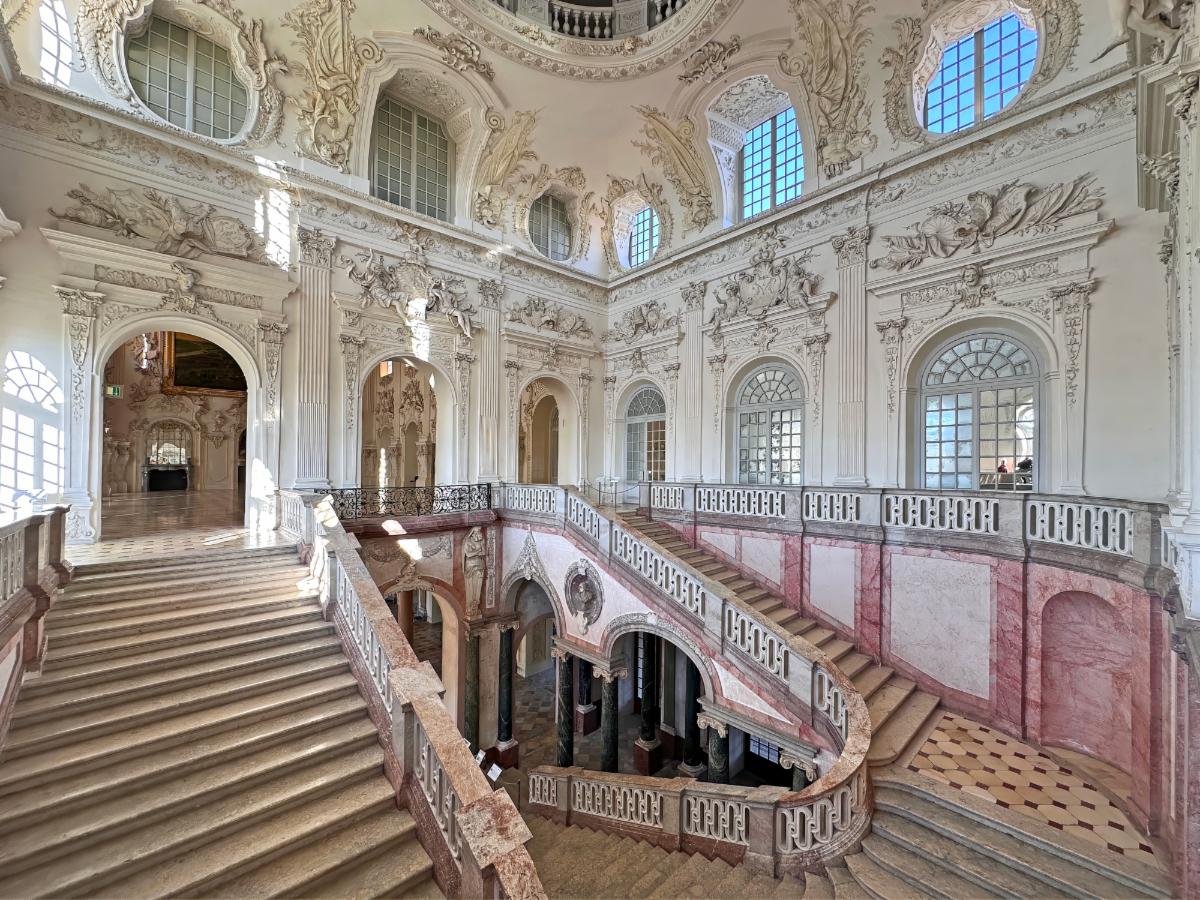
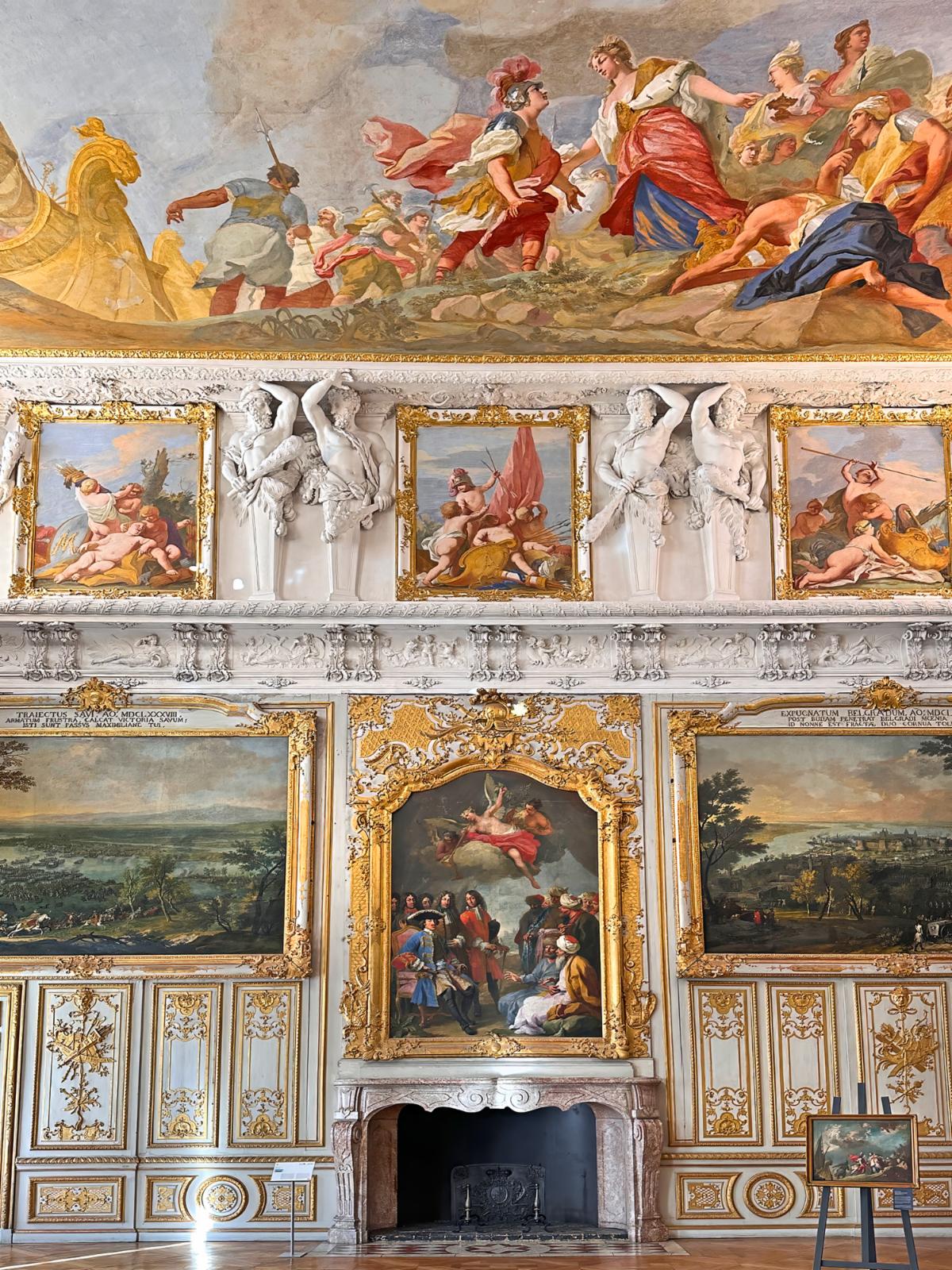
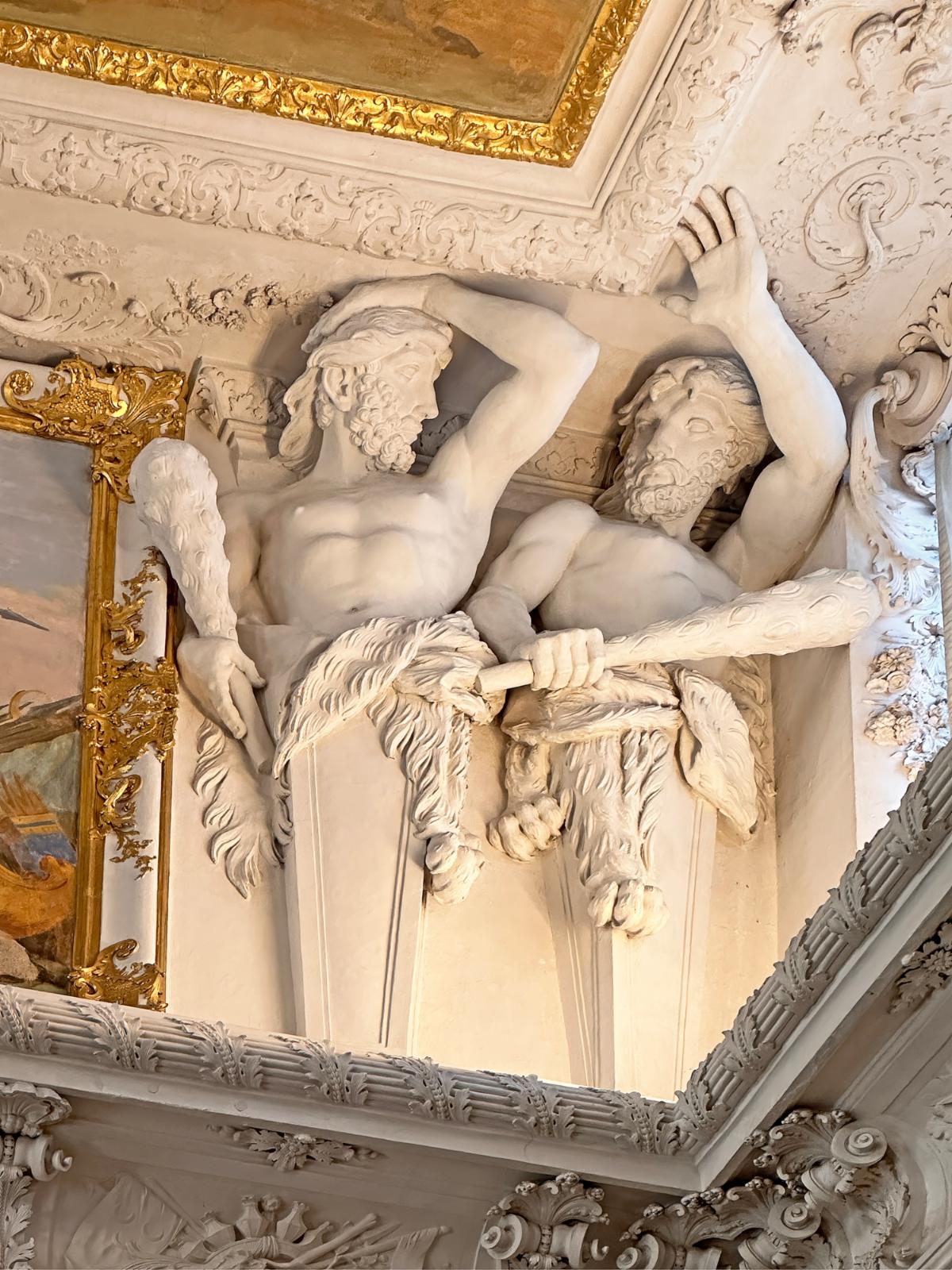
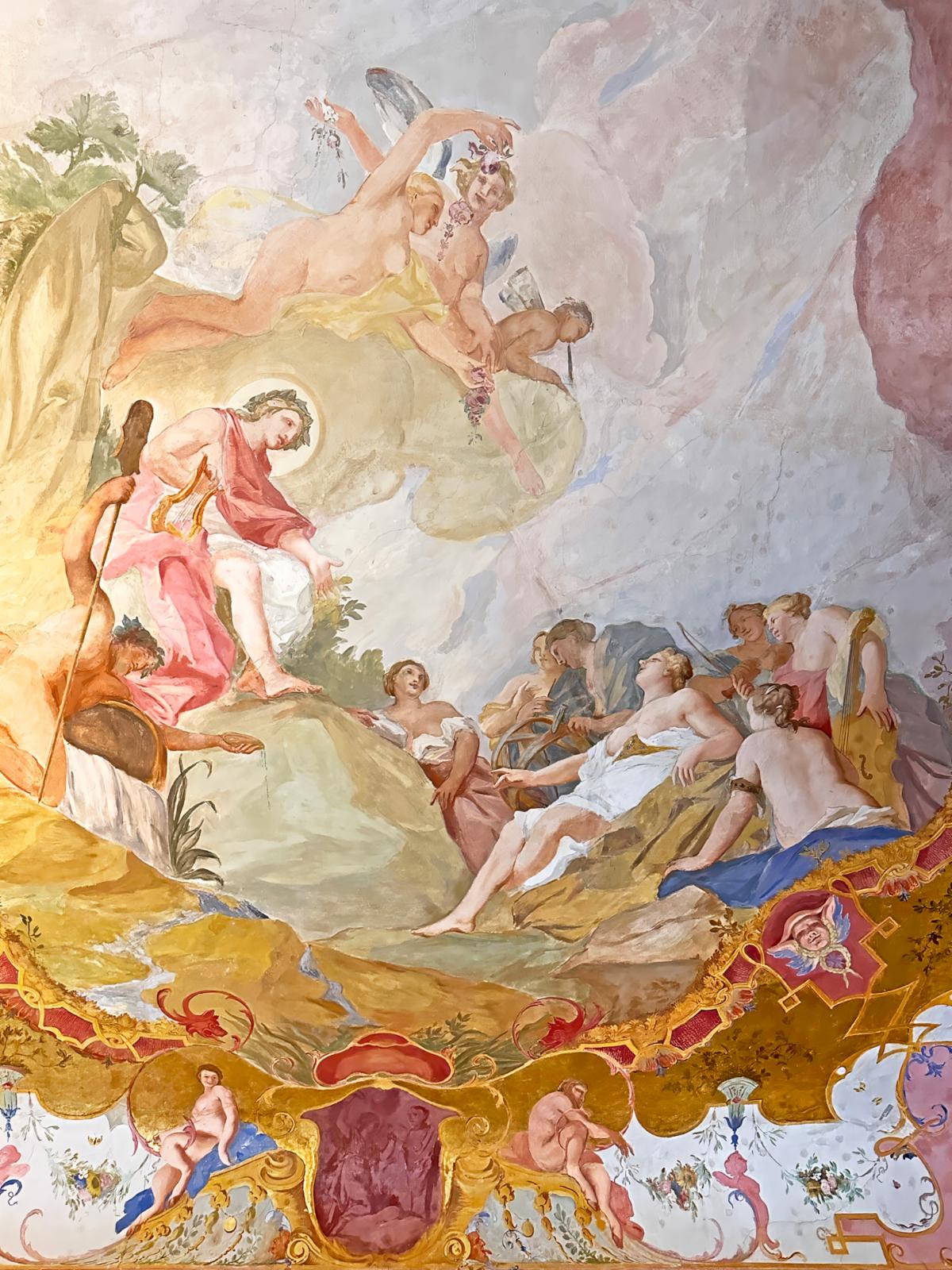
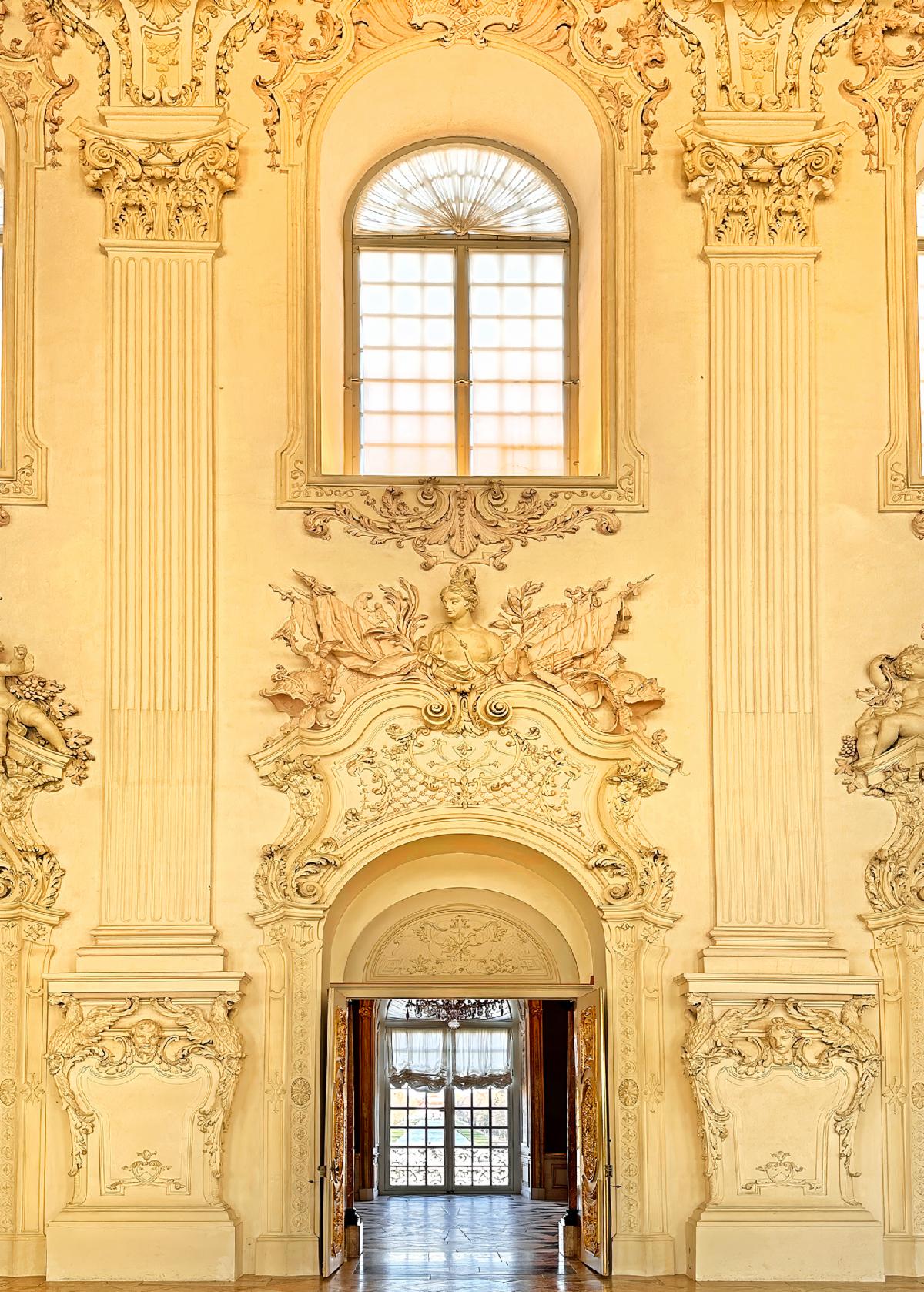
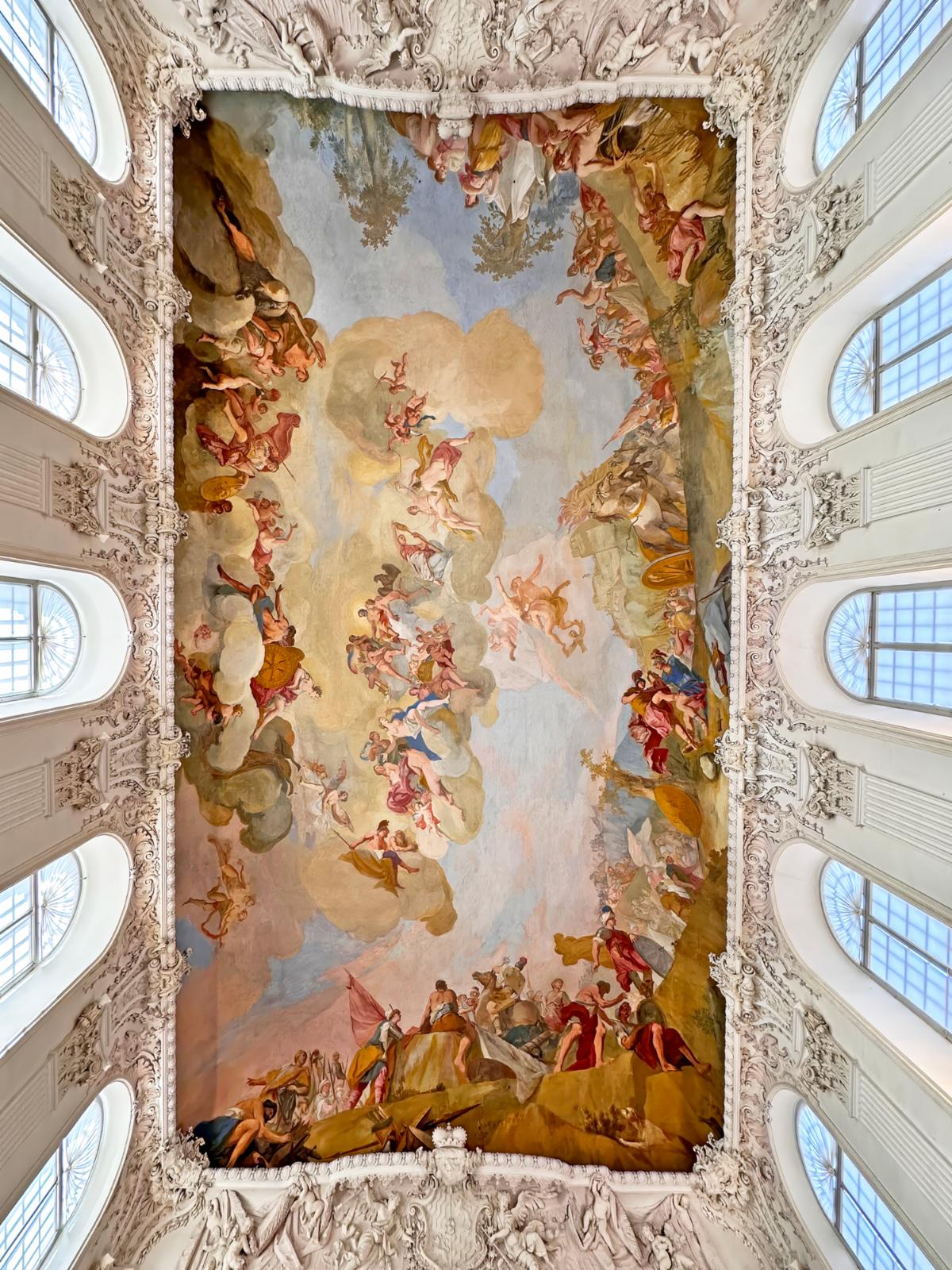
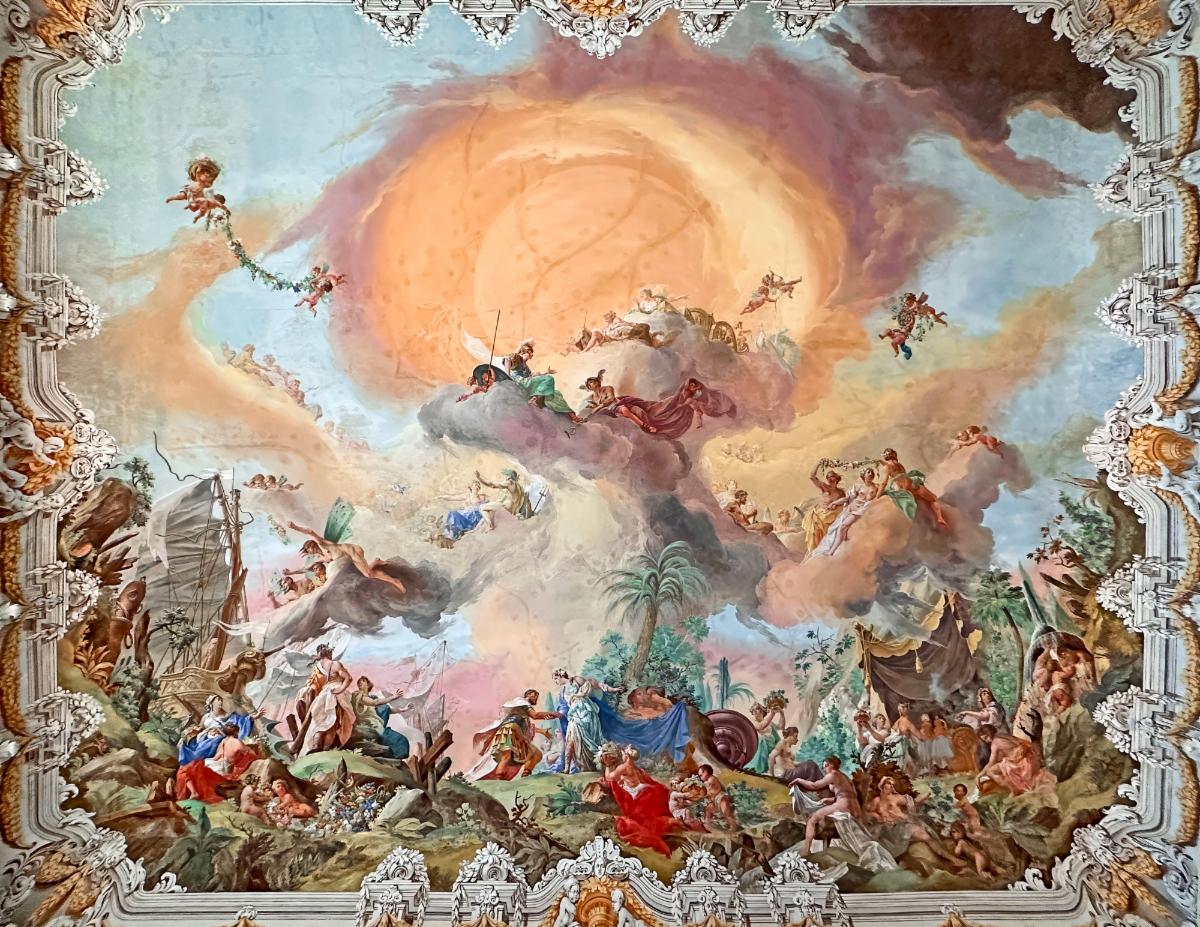
This was the first non-church building in Europe to feature elaborate ceiling frescos. The wood and marble trim was magnificent. Floors, stairs, and railings were gorgeous. Ah, just another joint for the aristocracy. We’ve seen so many of these fine palaces. I wonder how they amassed such wealth and why I didn’t get a piece of it. Next time around, I will choose my parents more carefully. Lol.
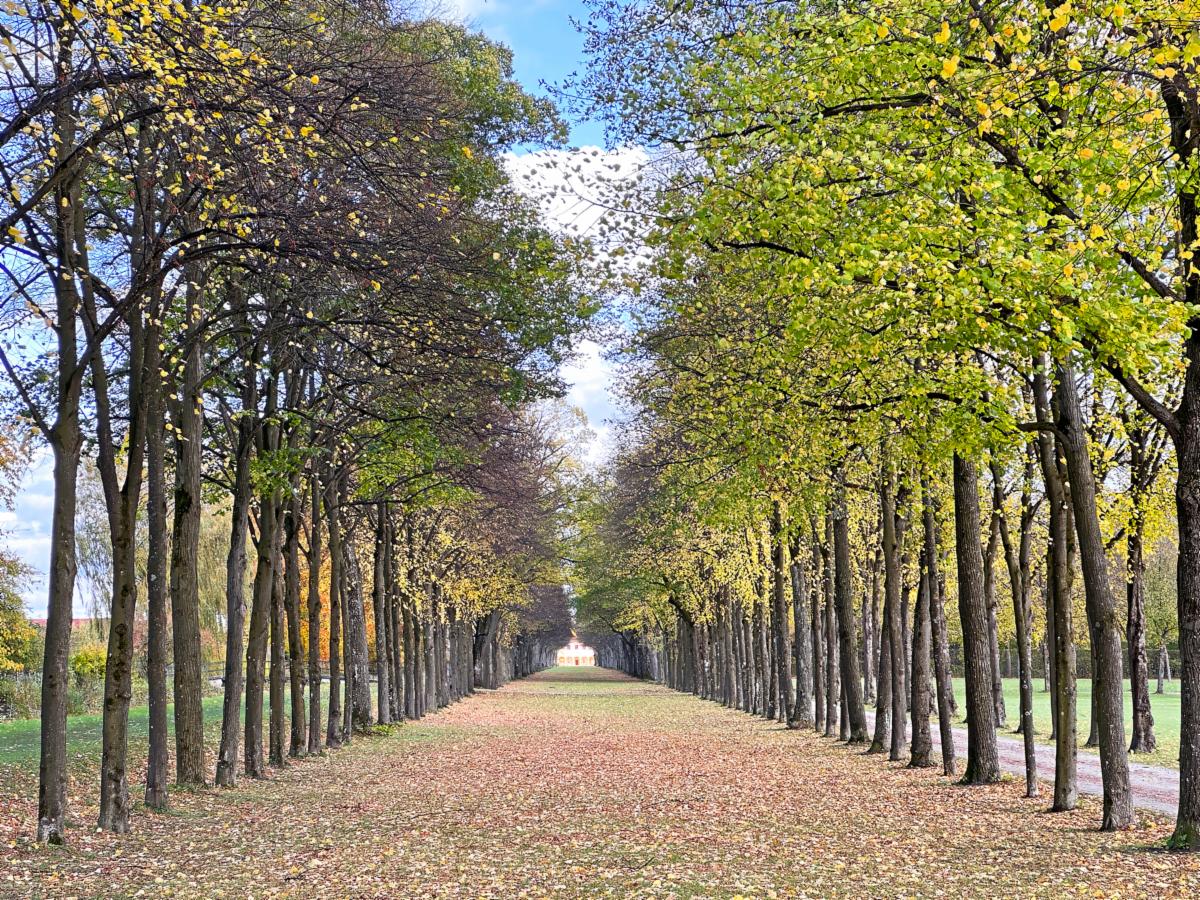
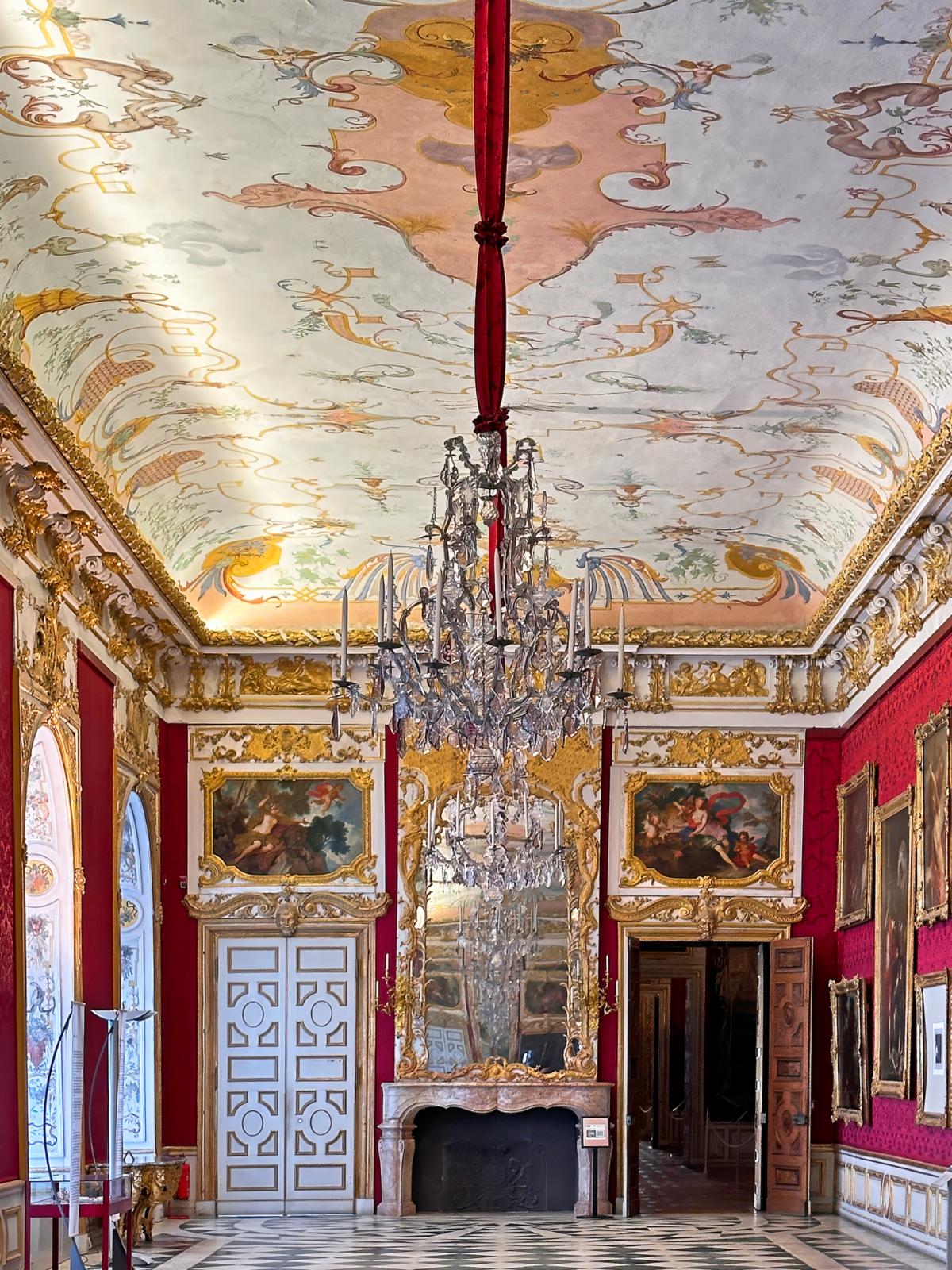
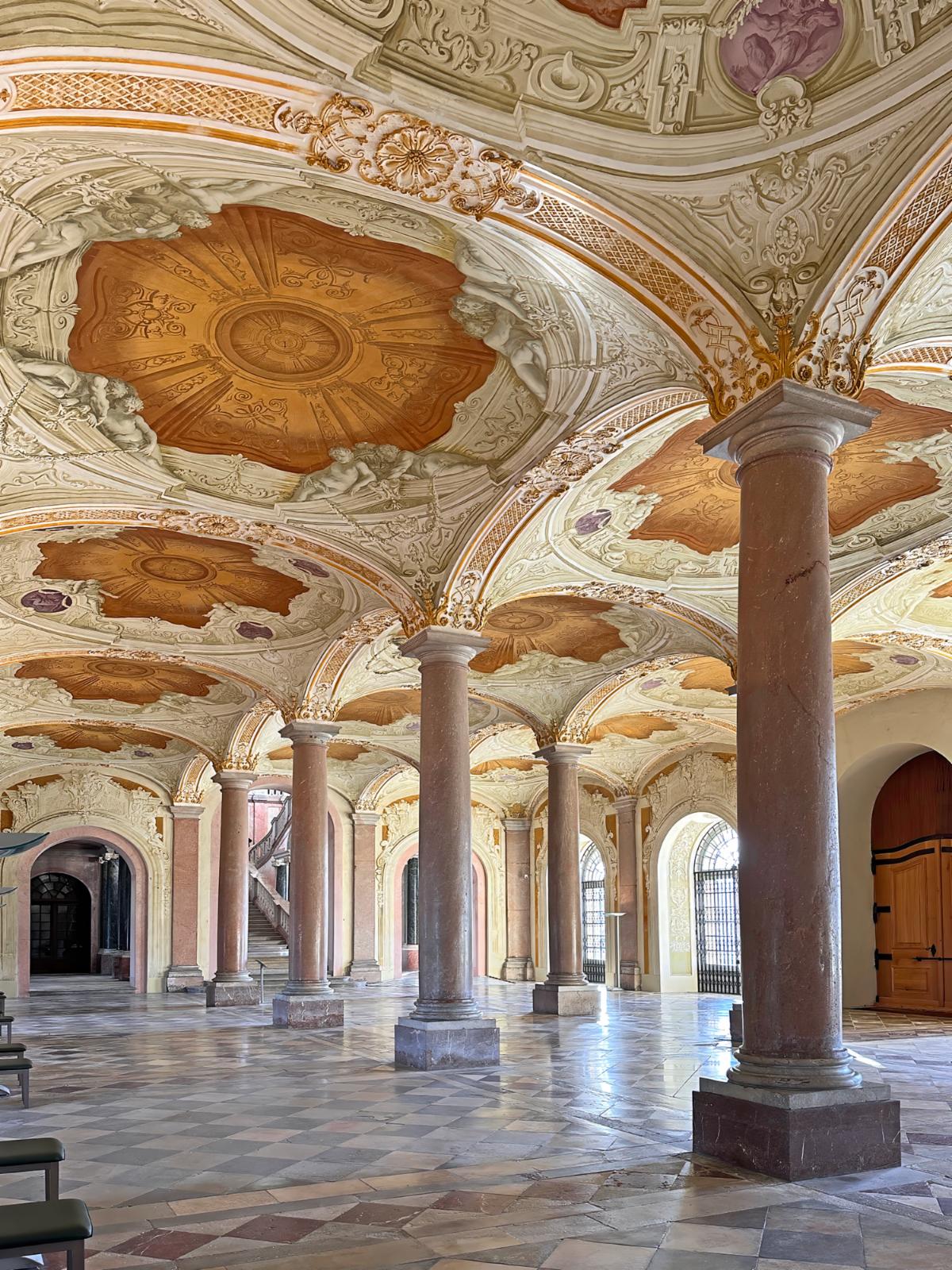
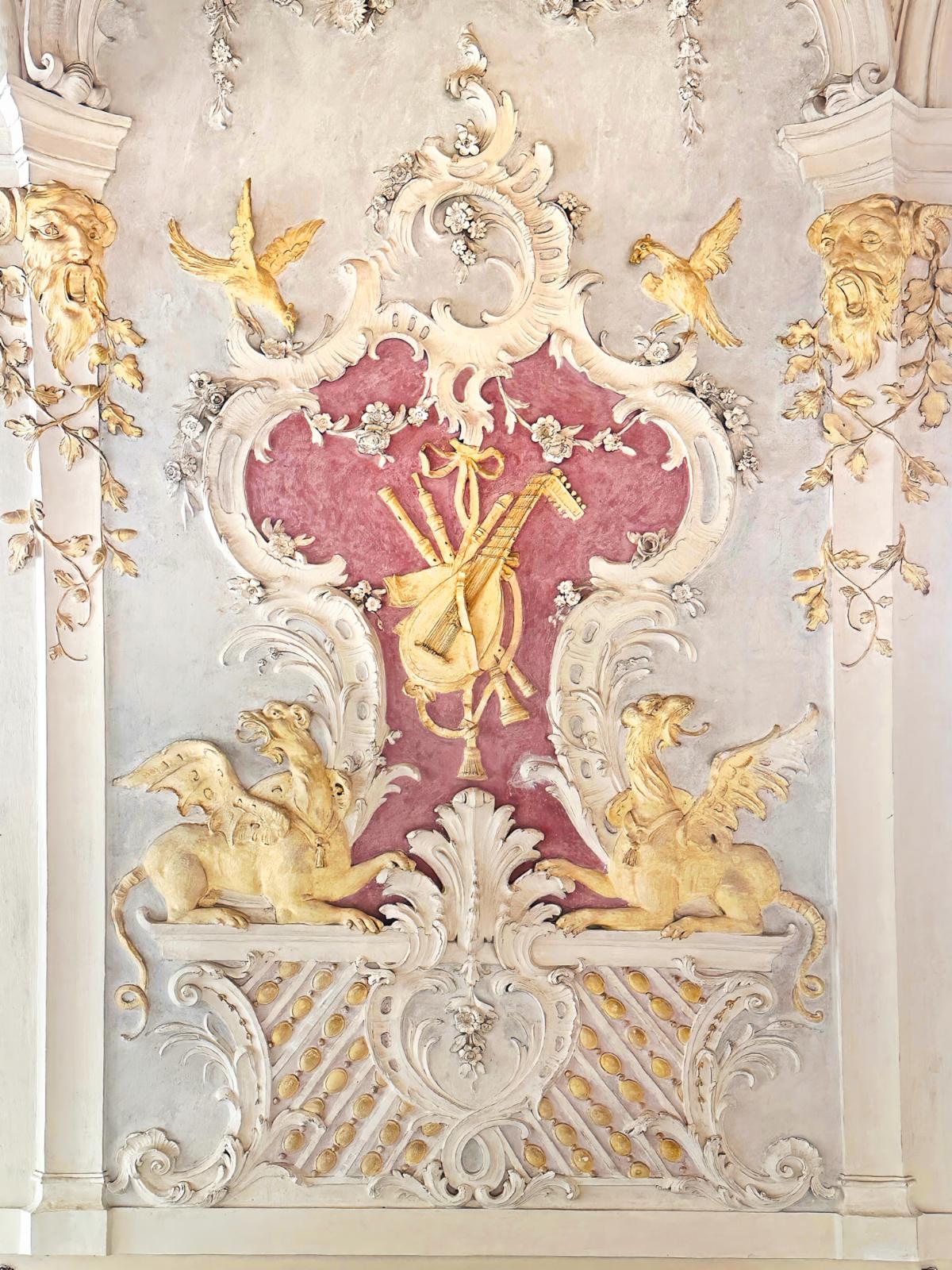
| 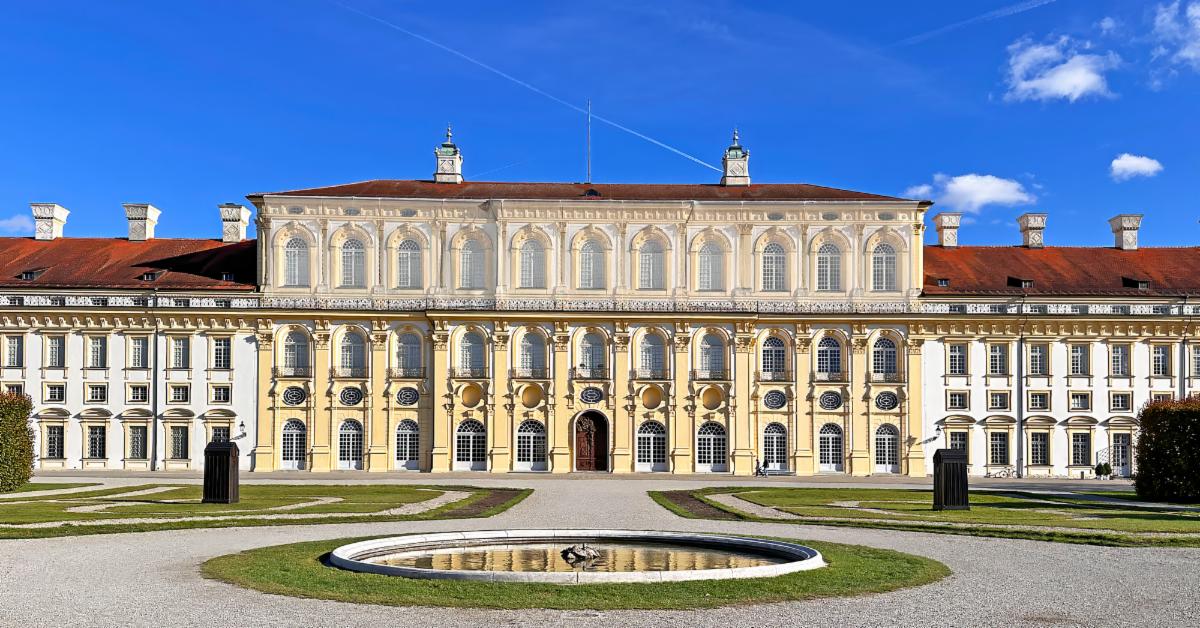 | above and below: The huge New Palace. | The grounds surrounding the estate were nicely trimmed; however, with fall well underway, we missed all the flowers. | The Lustheim Palace is in the back. | The Old Palace was meant to be a modest country manor (Well, I don't know 'bout dat). | When I saw this summer picture of the New Palace, I had to take a photo of the picture. | As soon as I entered the New Palace, I was blown away. Remember, this estate was meant to be just a summer residence. | Room after room, the lavish, ornate, impressive work from floor to ceiling was nearly overwhelming. | |
|
Dave and Wanda
Vaccines: Your ticket to safe world travels.
Virtual Business Card
North America. Europe. Mexico. Asia. Product Reviews. Books & Maps.
We are on an RVing adventure through Europe that could last as long as six months. Traveling with family, we will start in Germany and explore several countries. We are excited to explore all that Europe offers and share our travels with you through this blog.
Share if you know someone who would enjoy tagging along. Please join our email list if you haven't already done so. On the slightest whim, tap 'reply' to this email and drop us a line. We'll get back to you whether you need travel help, have ideas, or just want to say hello.
Please send us your thoughts and any errors we may have missed. We're on the road, and cellular service is intermittent in the remote areas. We are eager to read your messages as soon as we get online.
Message us: 715-252-6664 | 715-252-3326
Email: alloverthemaptravelventures@gmail.com
| | | | |