|
SUNDAY, OCTOBER 29, 2023
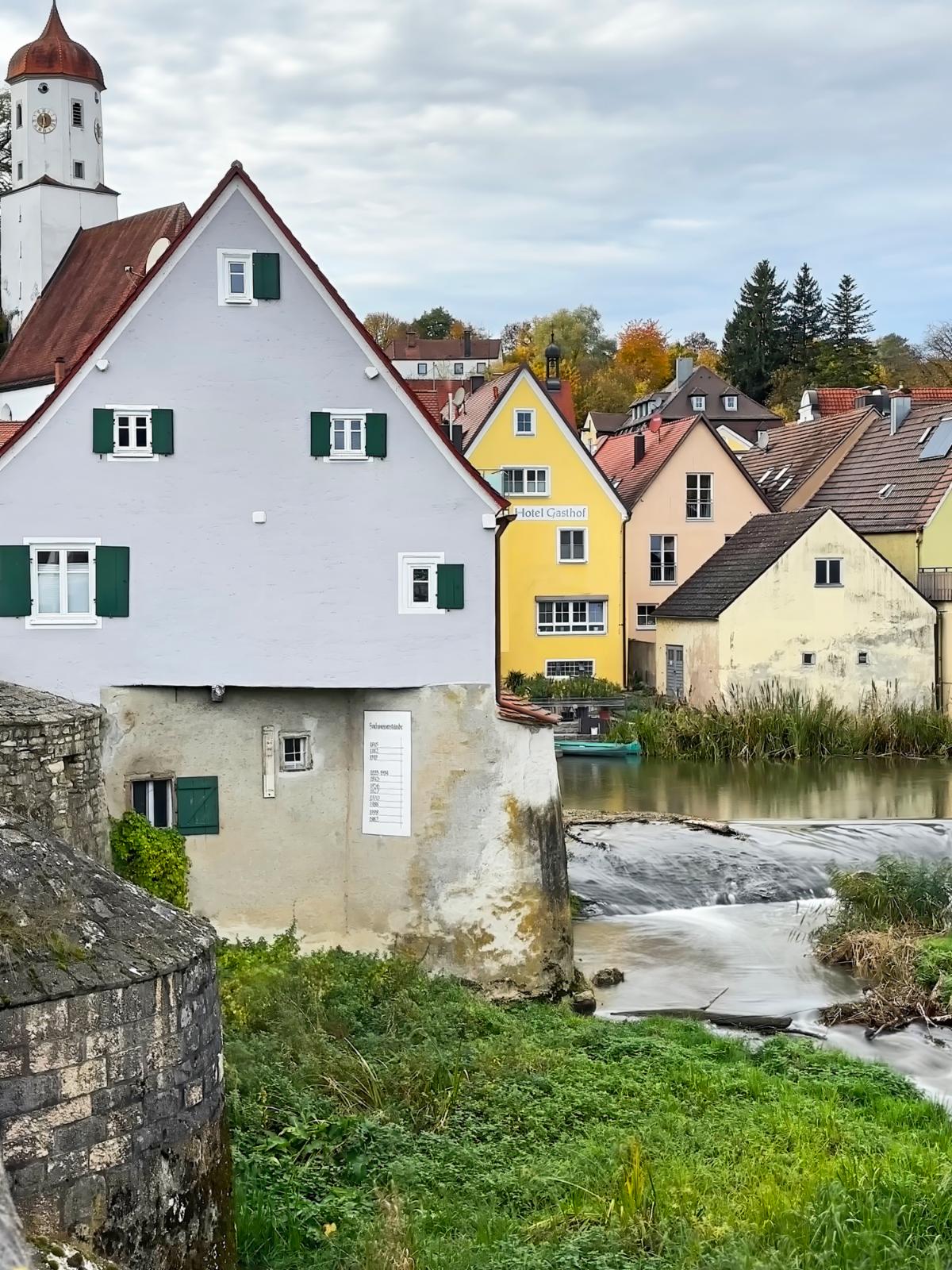
HARBURG
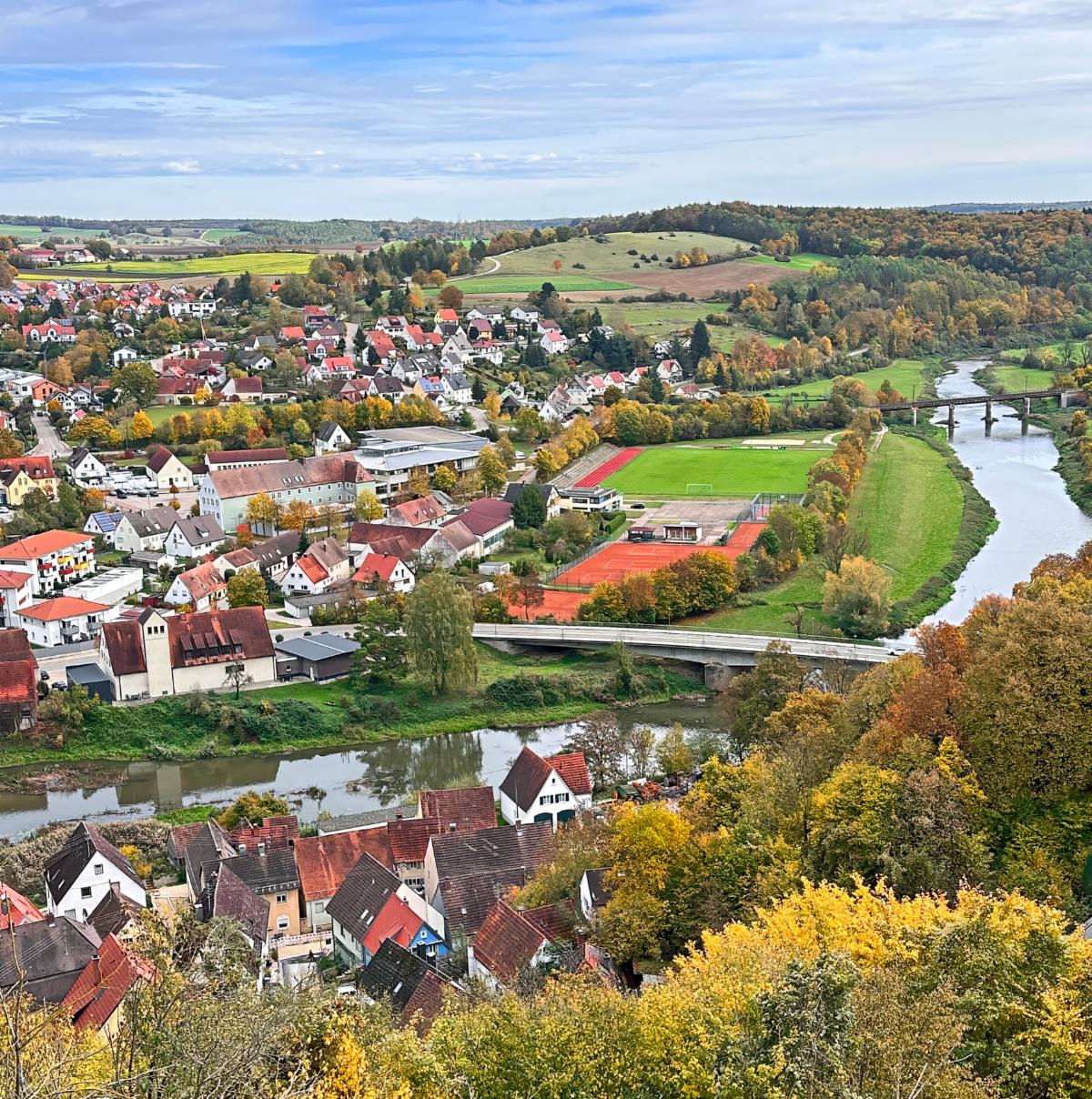
We are homebound until we leave for Turkey on November 17. However, several great towns are within one or two hours of driving from Langenreichen - perfect for day trips. There is a route called the Romanesque Route that runs 500 kilometers through Bavaria from Füssen in the south to Würzbuerg in the north. This route was first laid out by the Romans a couple of thousand years ago. Along the way, the Romans established outposts and towns that are now rich in history. Diane has researched several of these towns, and we hope to check them out.
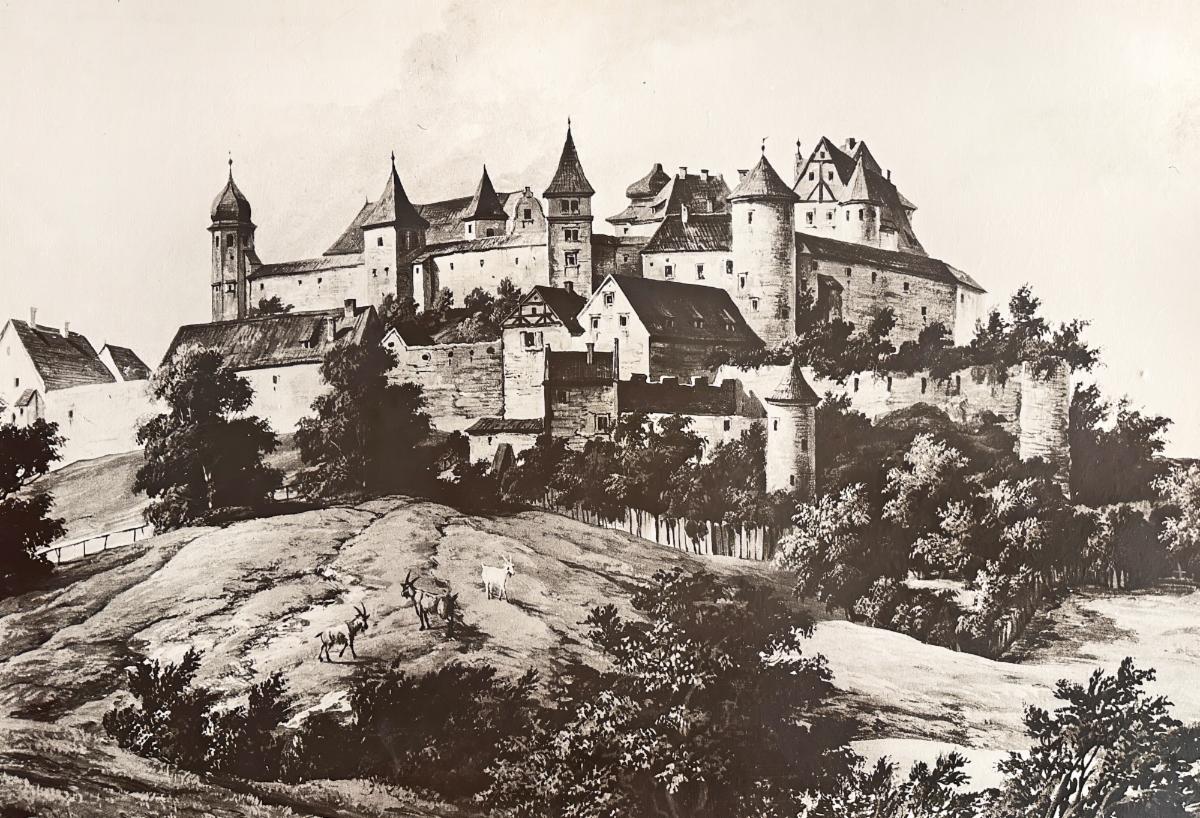
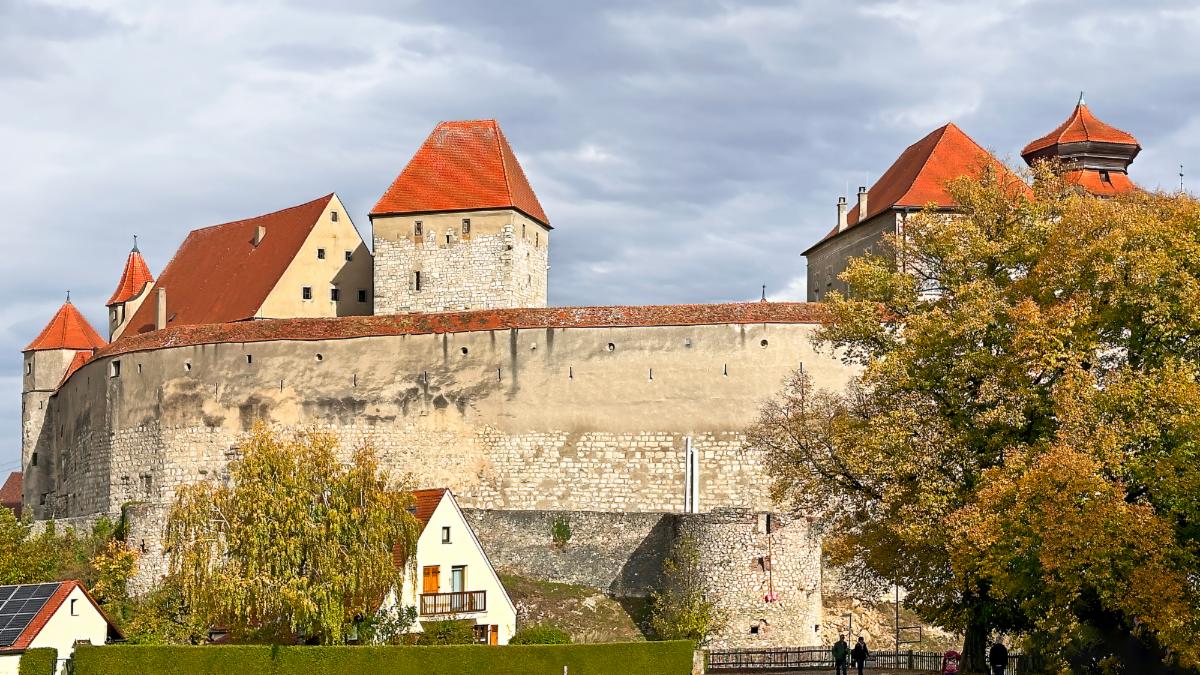
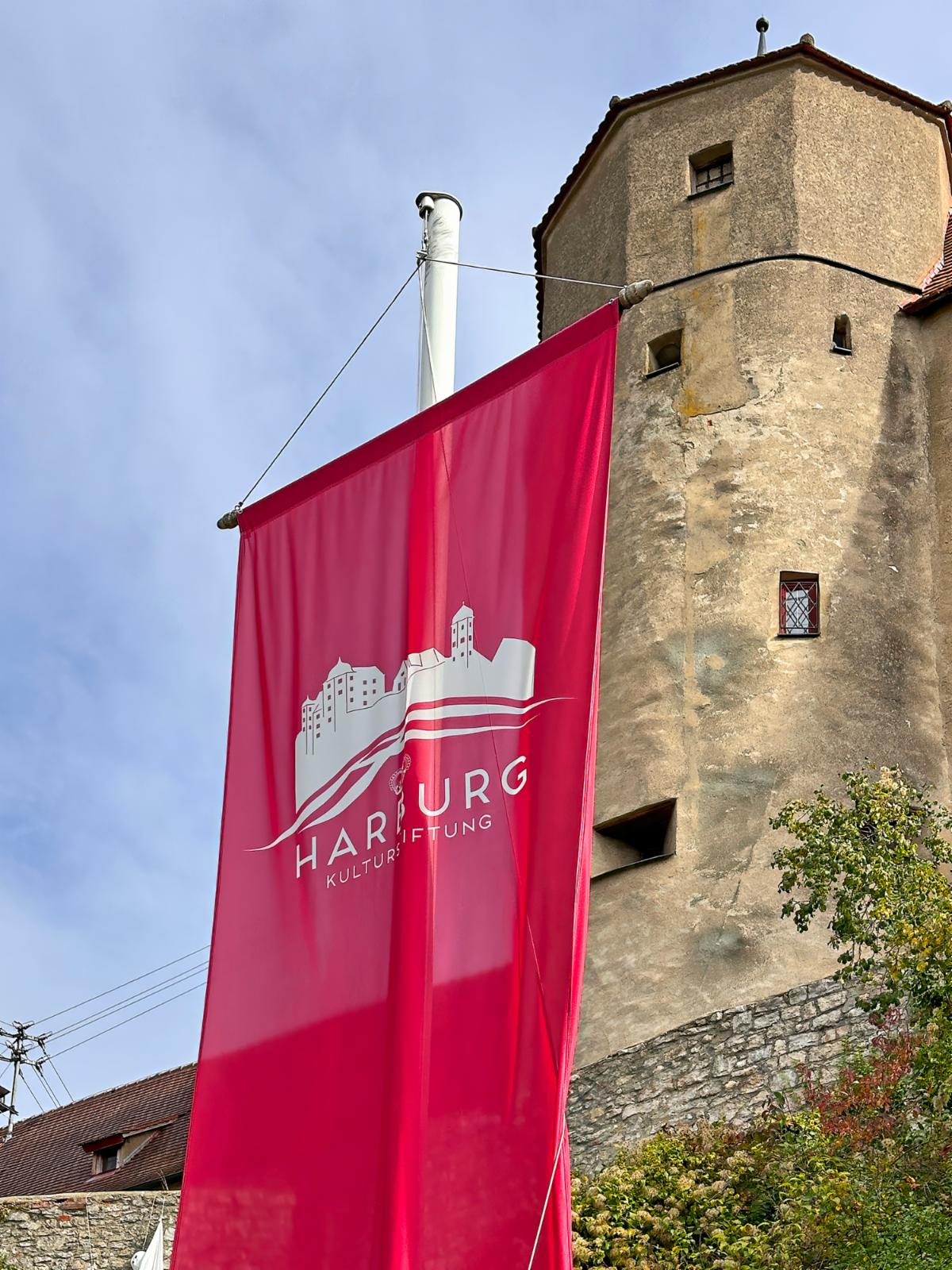
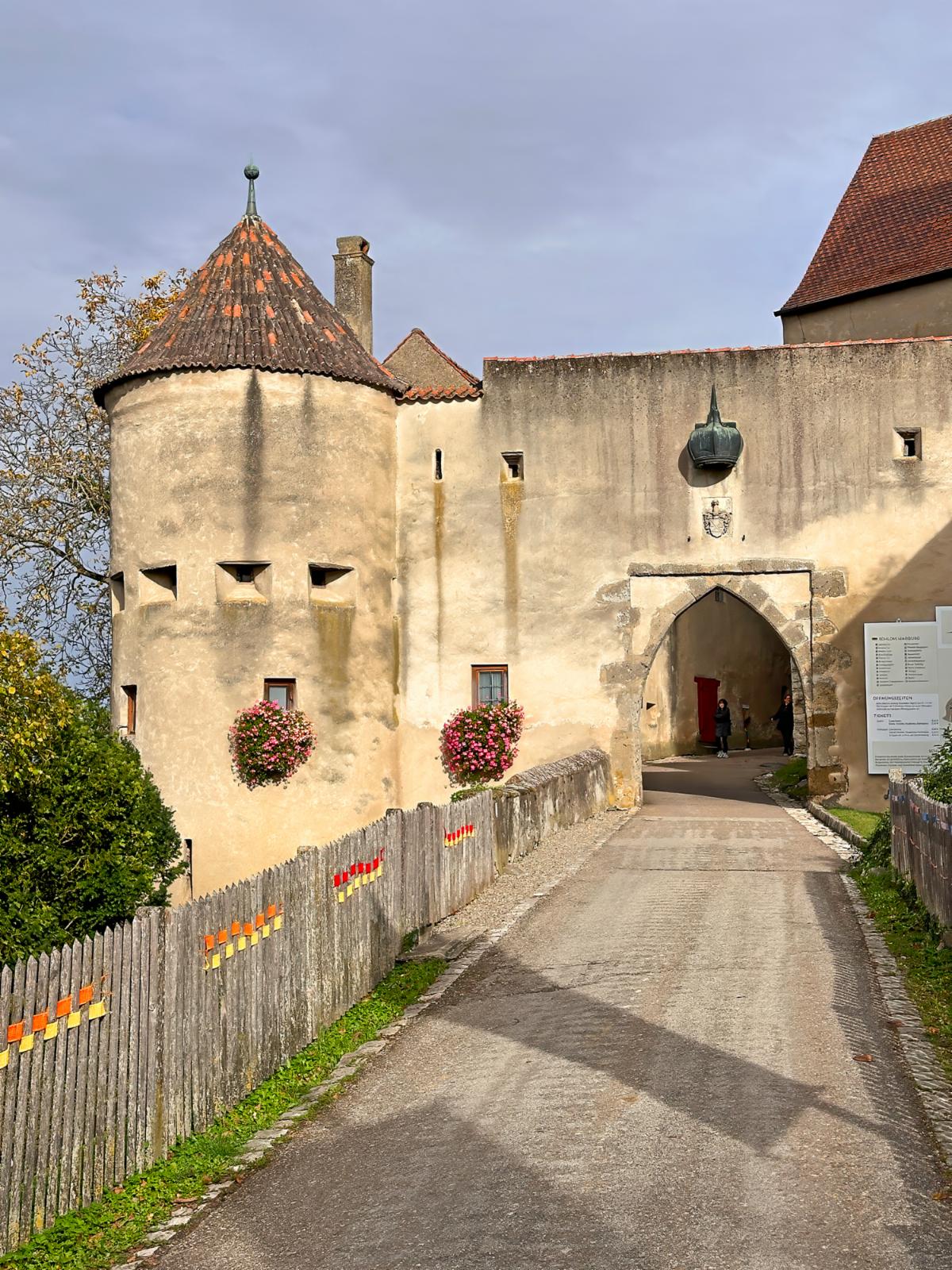
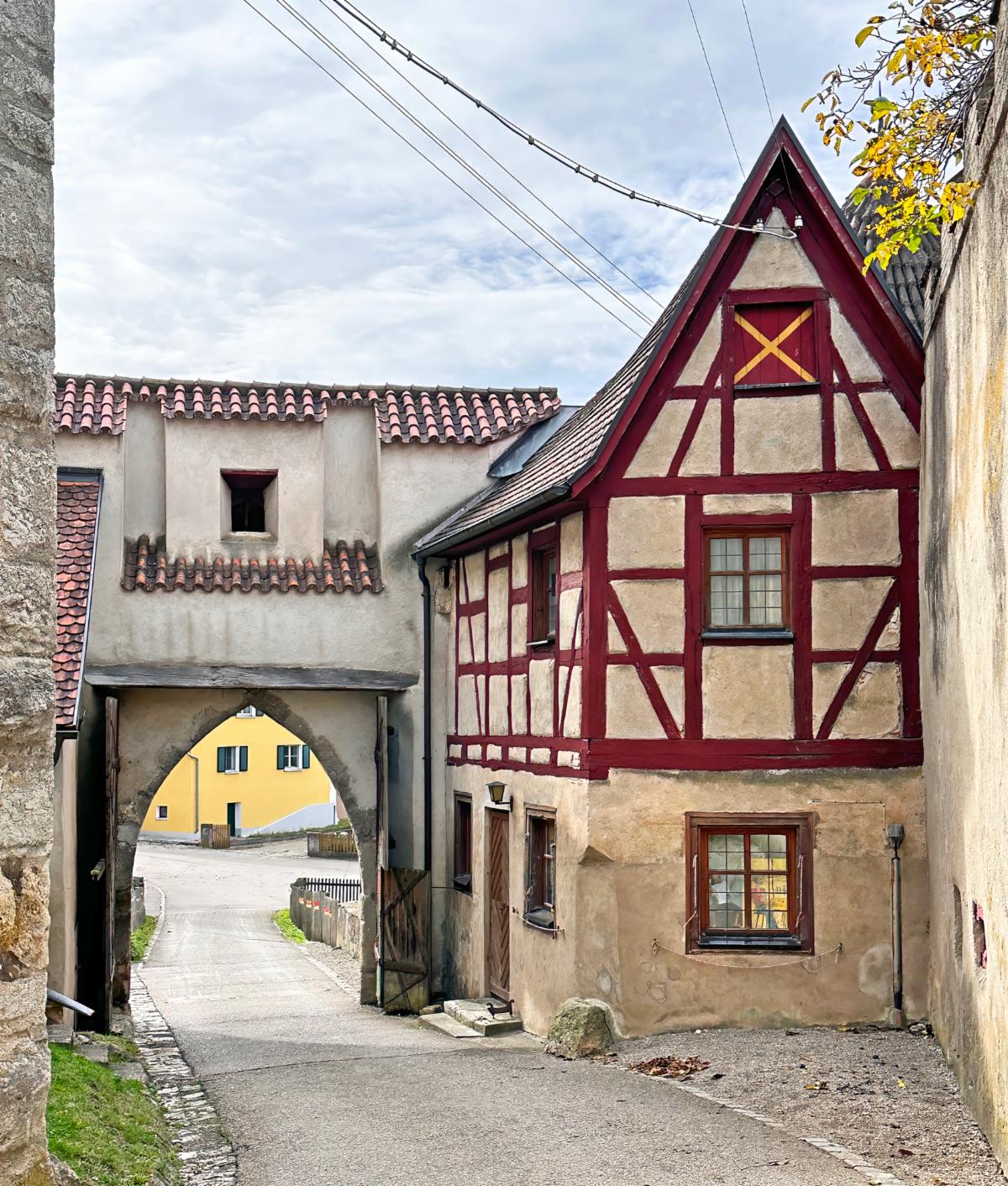
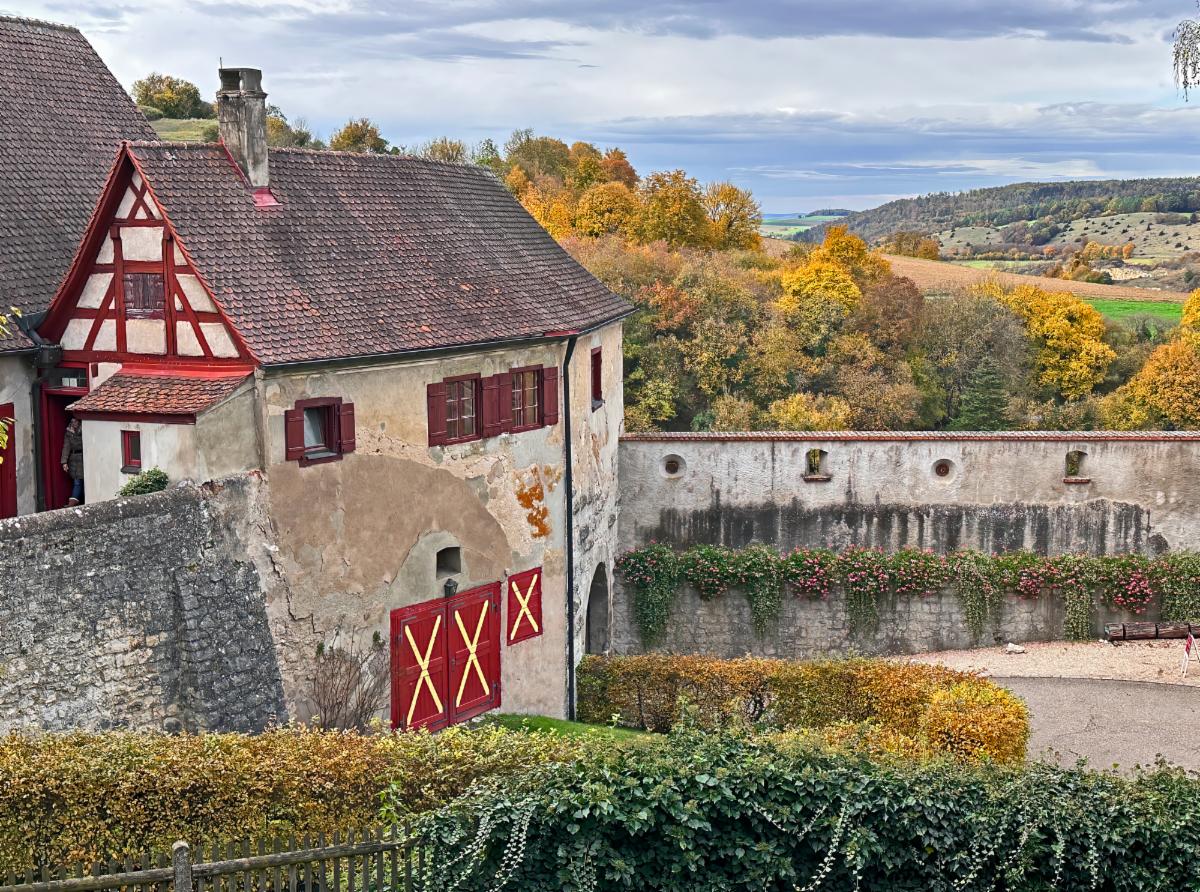
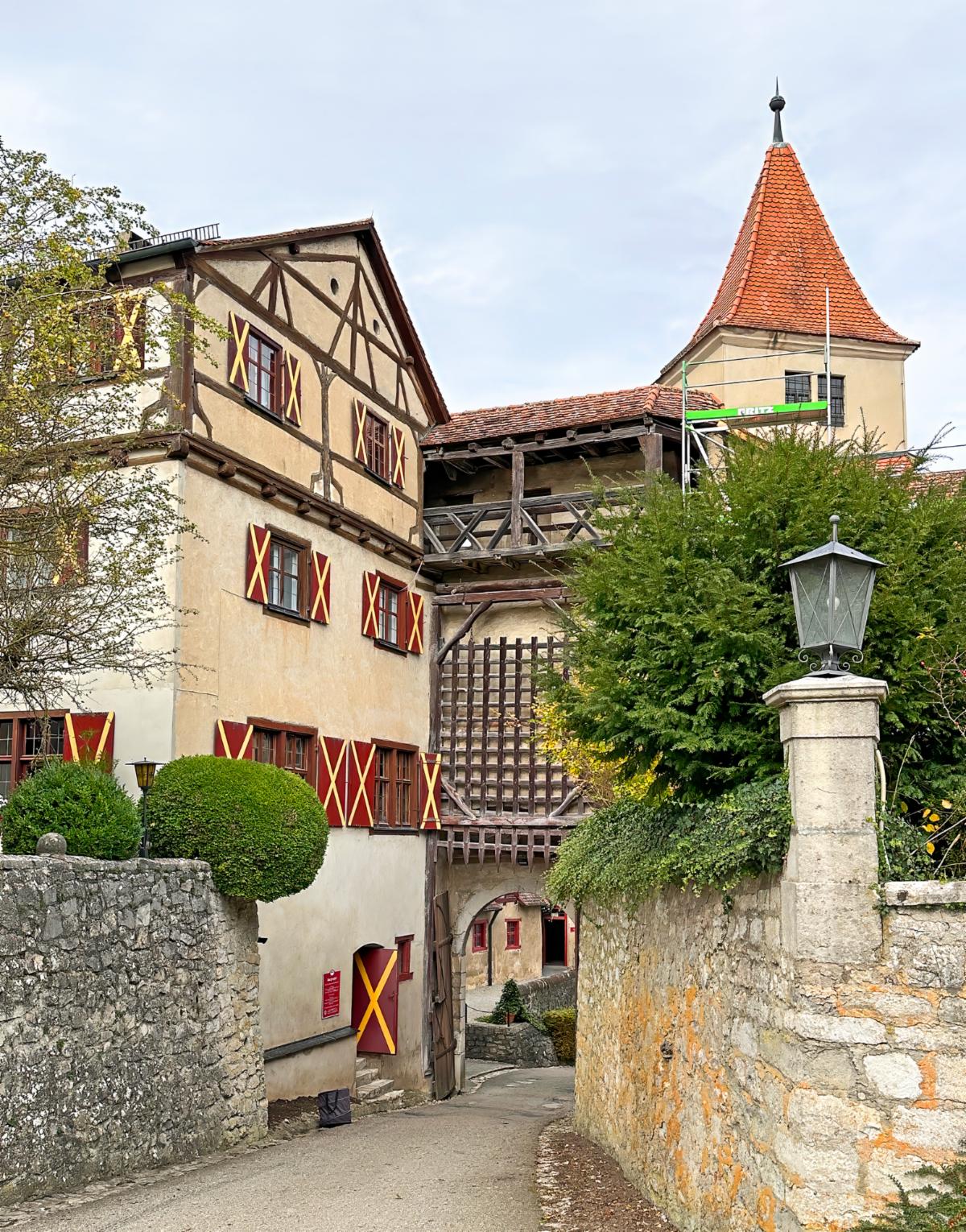
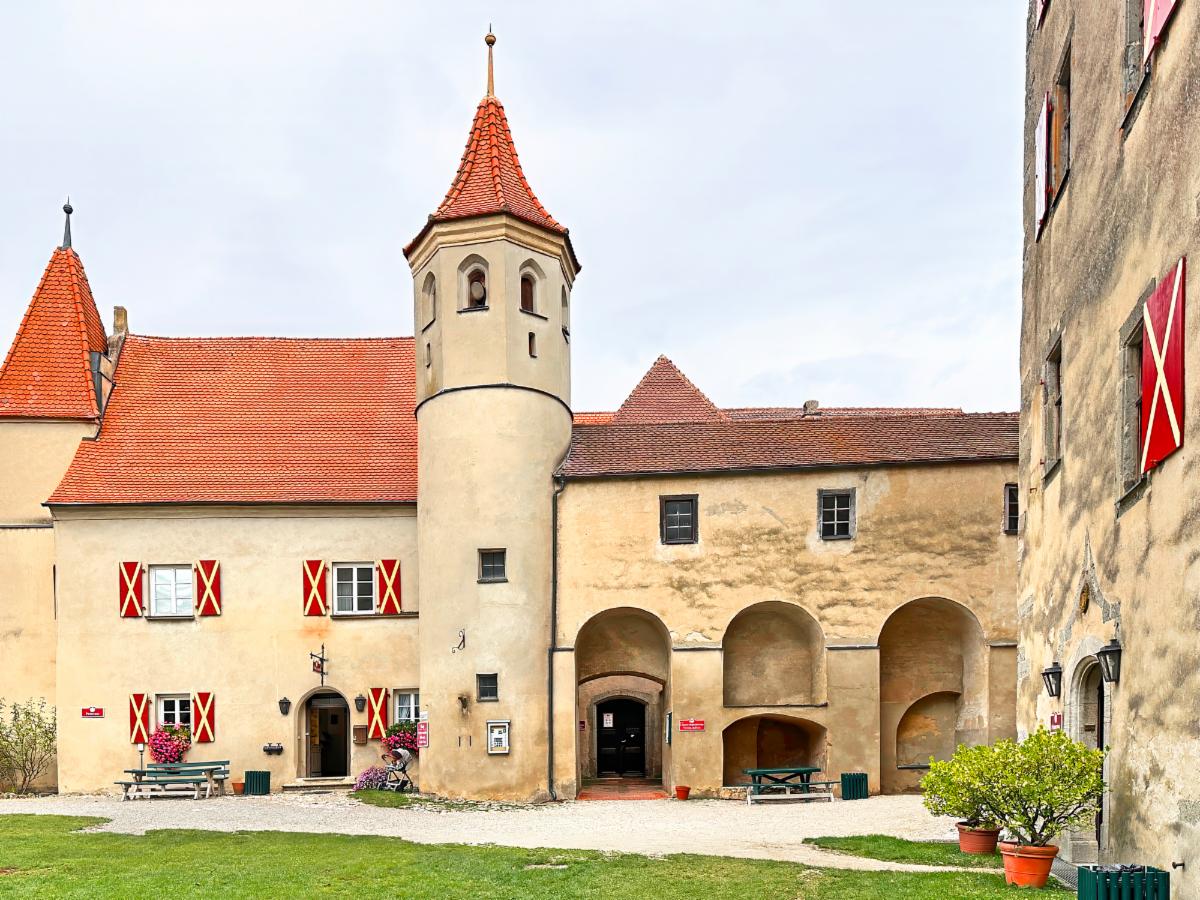
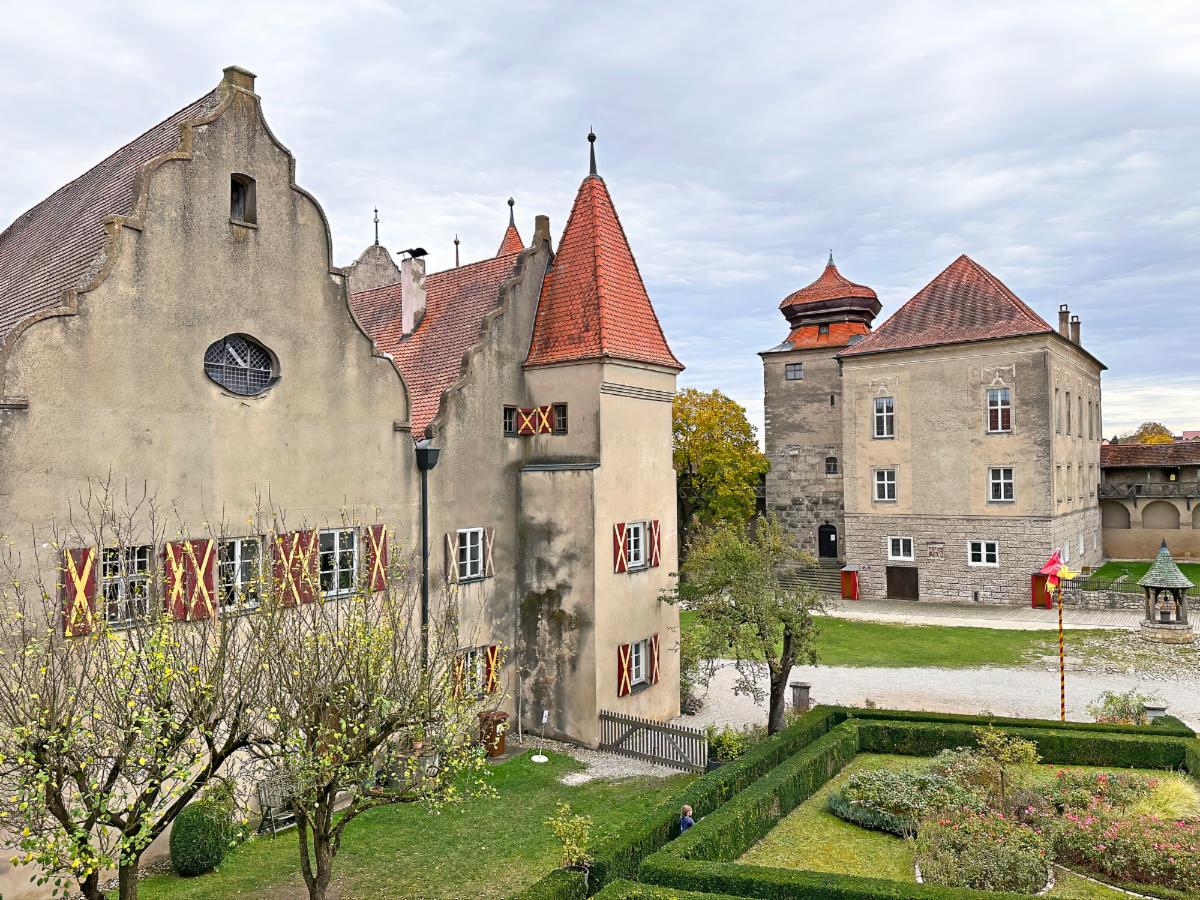
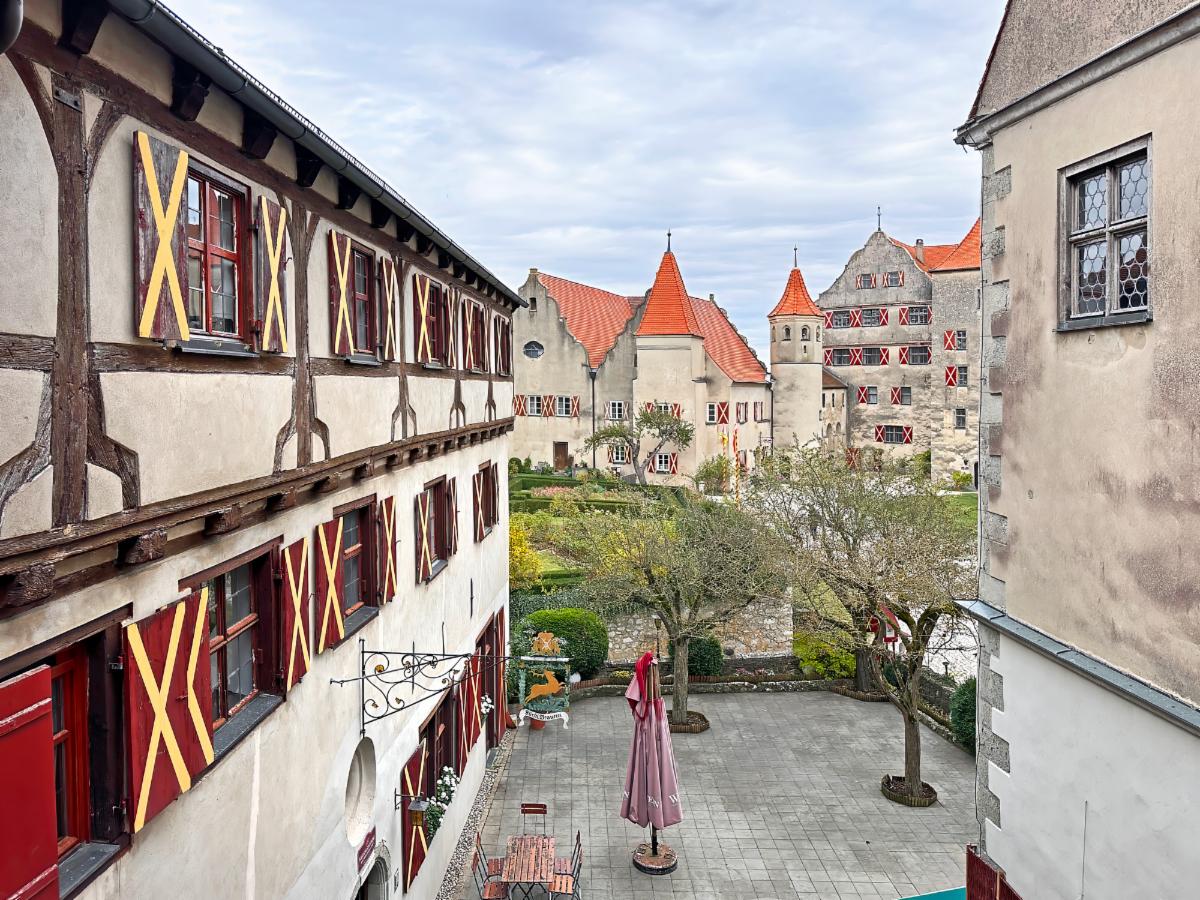
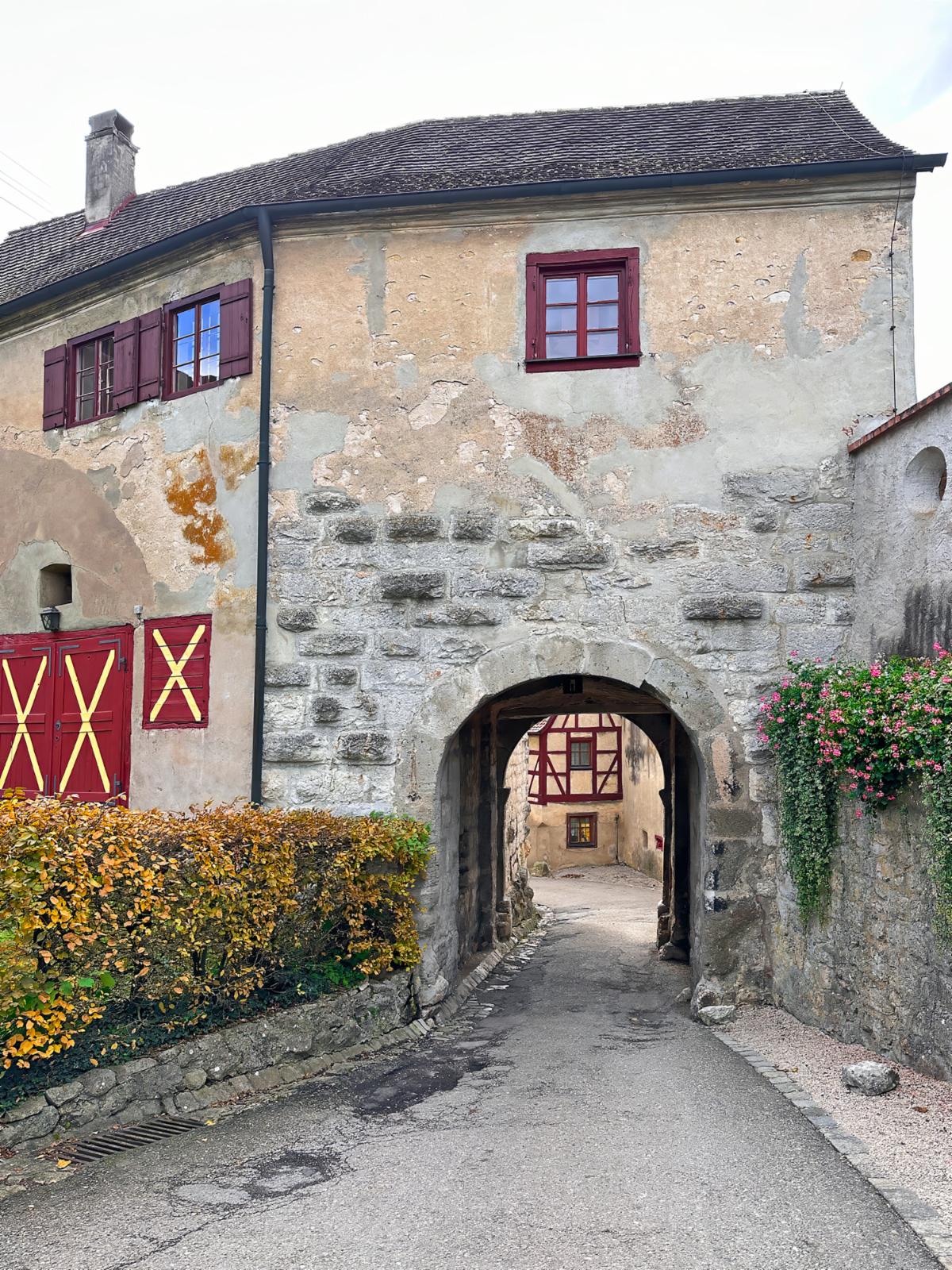
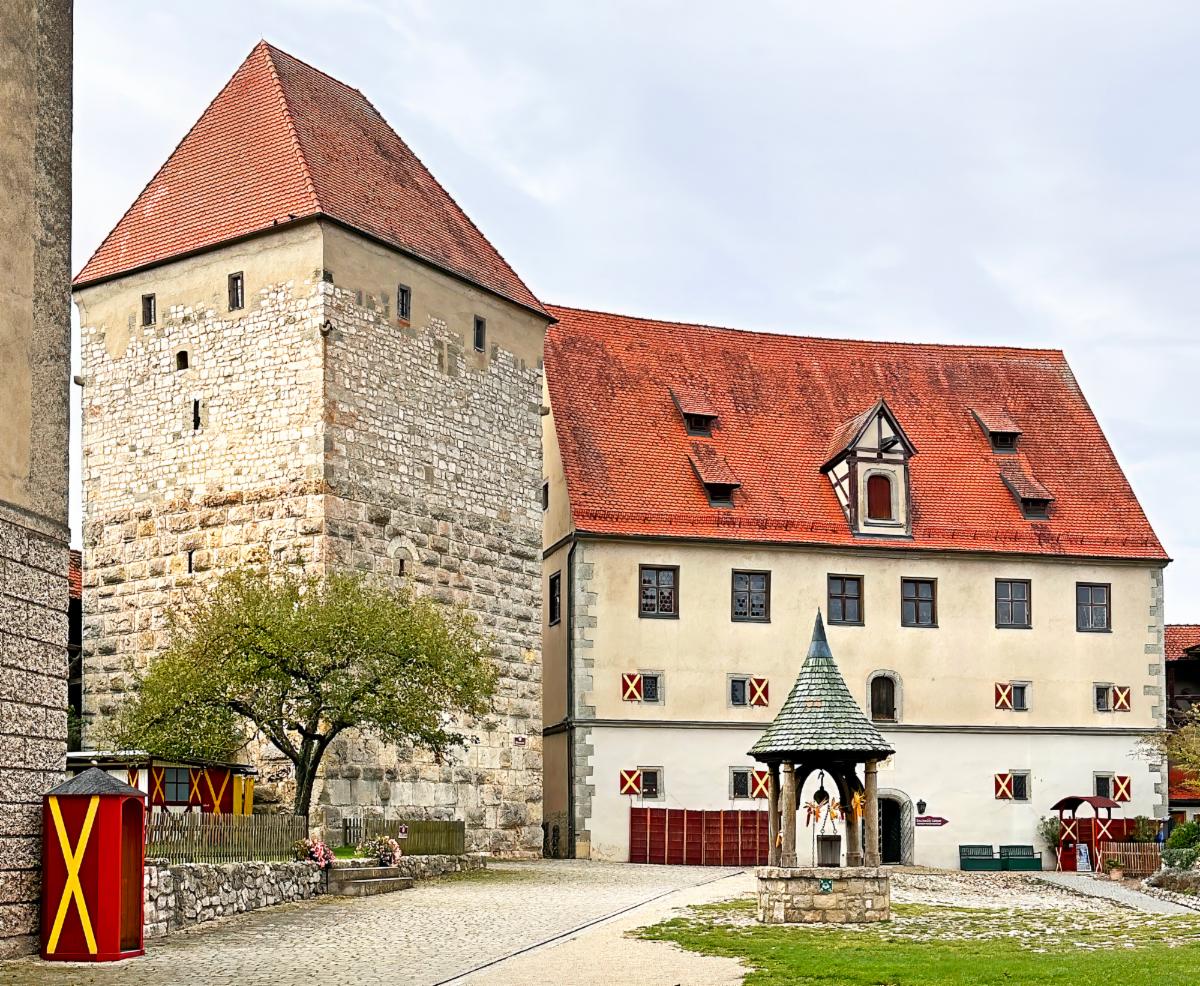
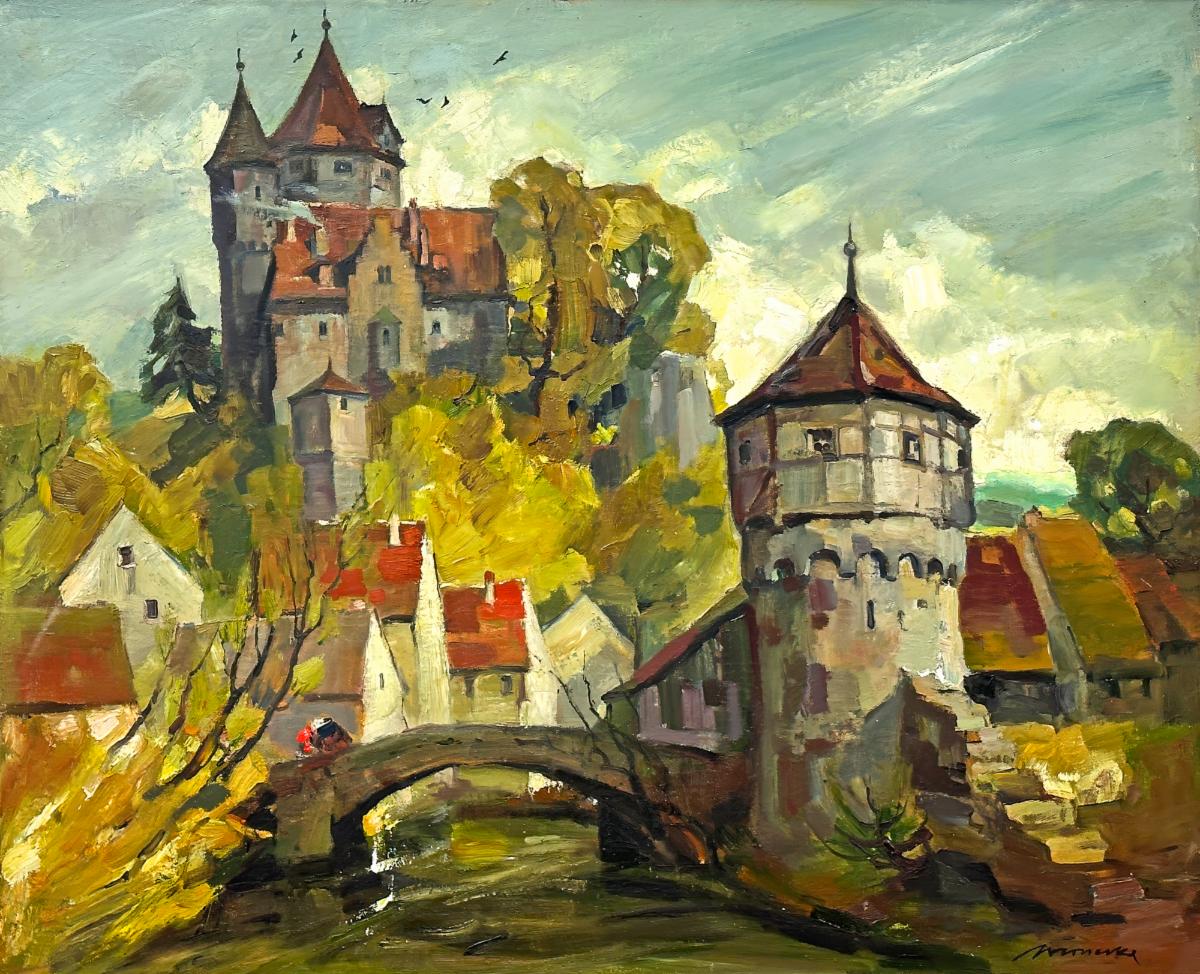
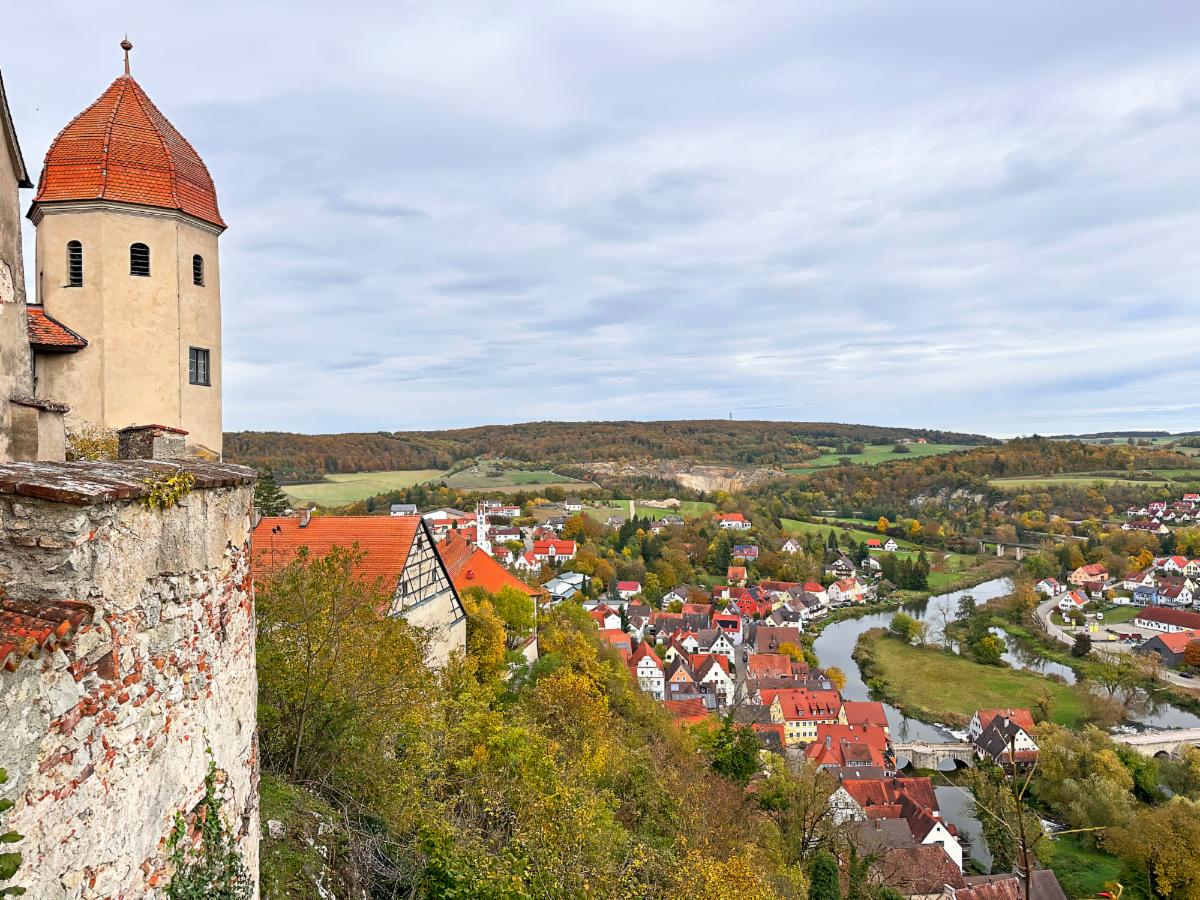
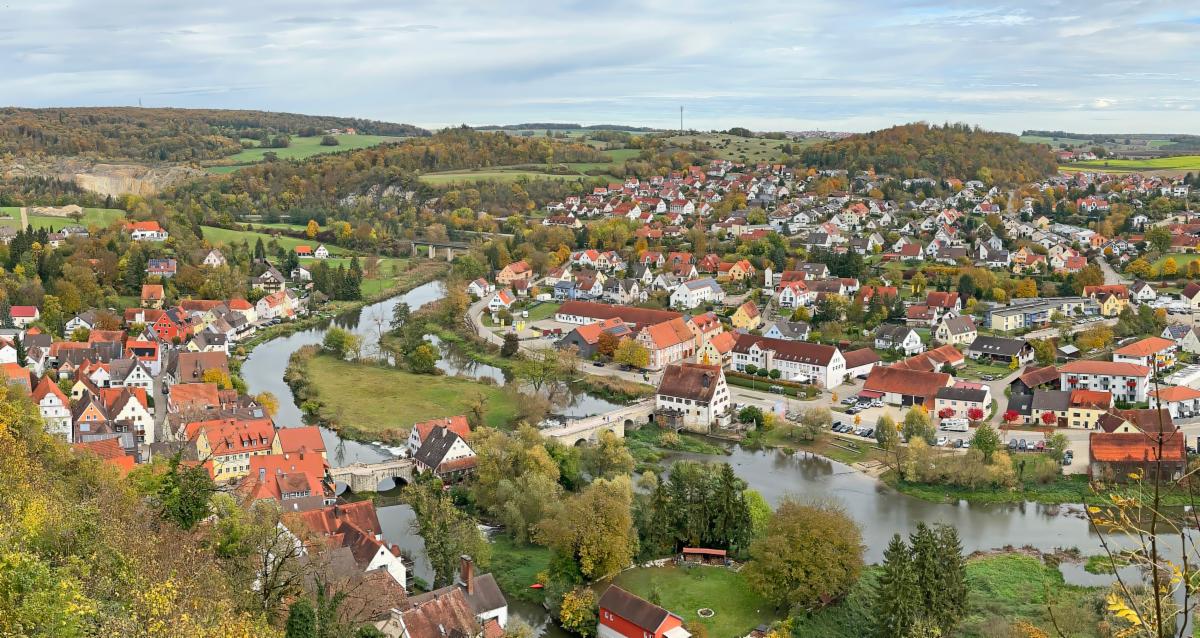
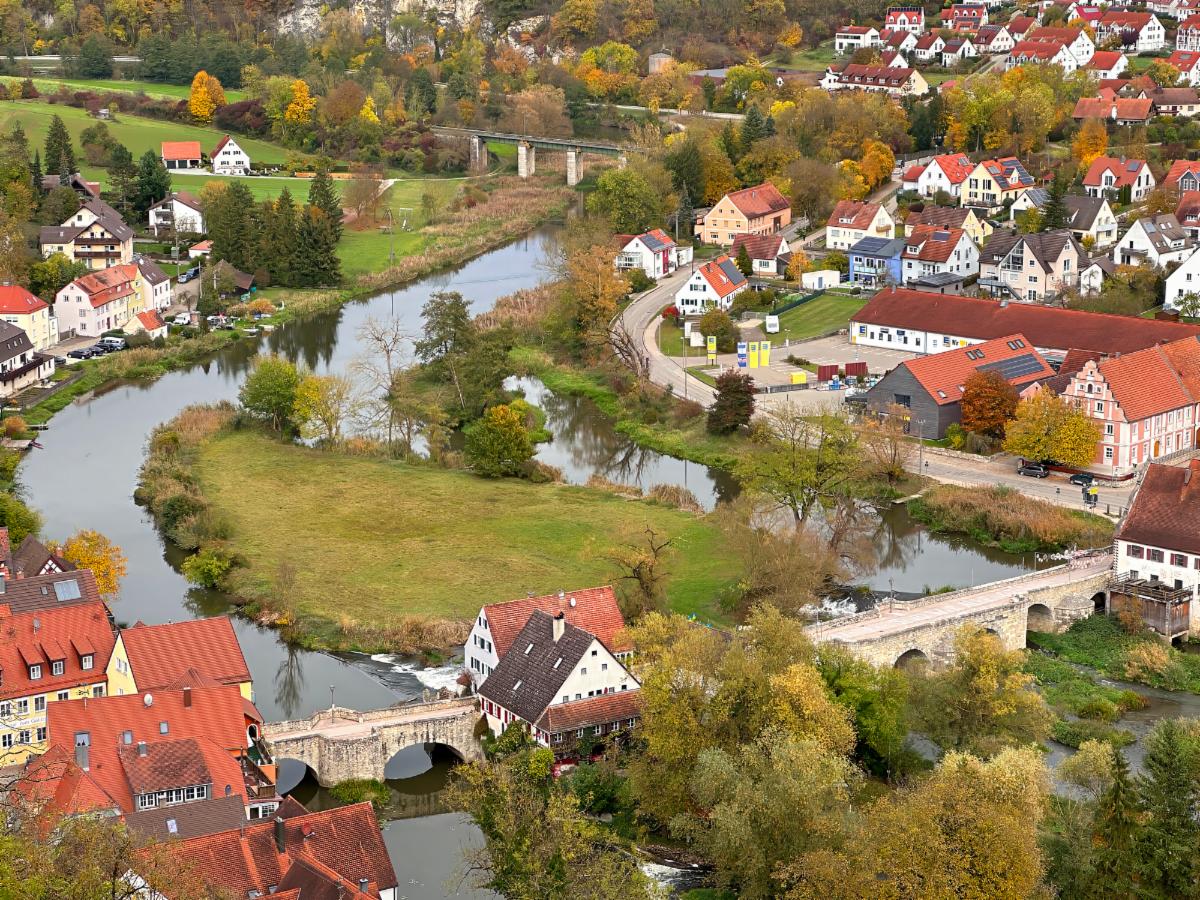
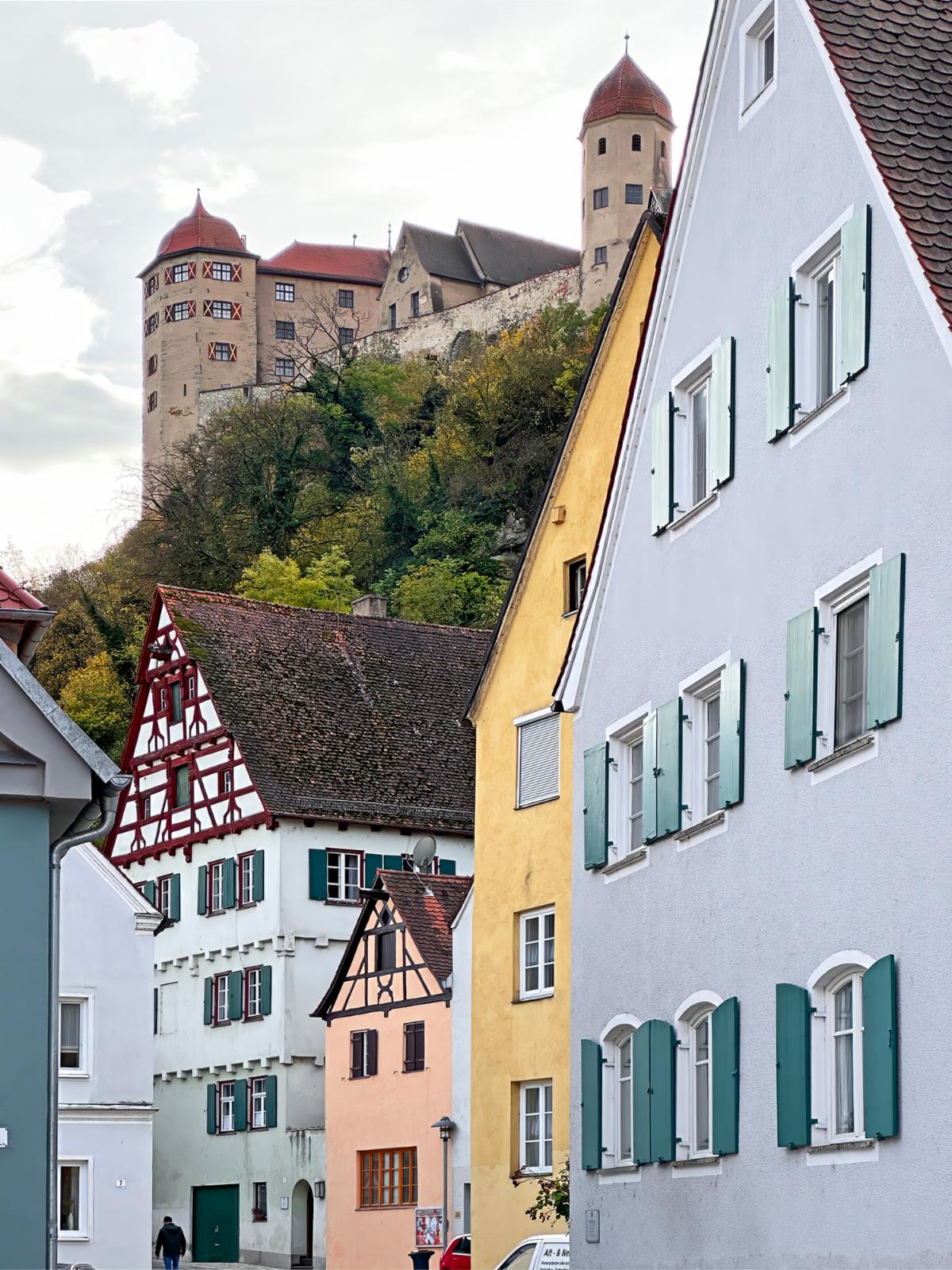
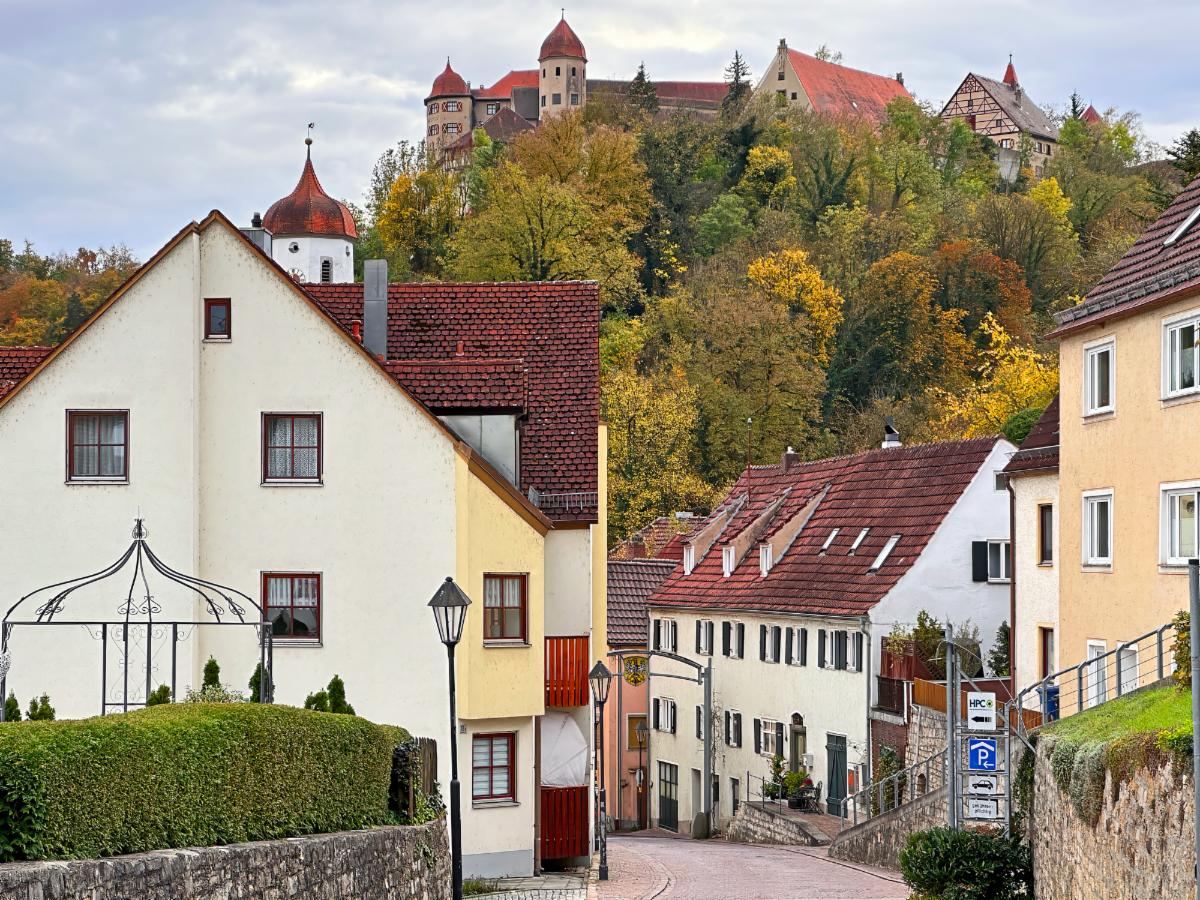
The first town, Harburg, is only a half hour away. It features one of the largest, oldest, best-preserved Castles in southern Germany. It dates back to the mid-1100s and belonged to wealthy families throughout the eons. It is currently owned by the Oettingen-Wallerstein family. In 2000, the family set up a foundation to oversee renovations and allow the public to view the Castle. The family still uses the Castle for various meetings and functions. In fact, a part of the main Hall Building was cordoned off from our tour due to a meeting being held on the 1st floor.
Entrance to the Castle cost €3.50. For that, we could walk around the grounds. To gain entry to the entire complex, we had to fork over another €7 for the guided tour. Except for the one floor in the Hall Building, we got to explore every nook and cranny of the Castle. Of course, our tour guide spoke in German, but her enthusiasm made it fun to watch even though we didn’t understand a word. Fortunately, we had a brochure in English that summarized each stop. Diane filled us in on anything else of interest. Unfortunately, there was a ‘no photo’ rule for all the fancy buildings and rooms. I am getting a bit discouraged by this rule.
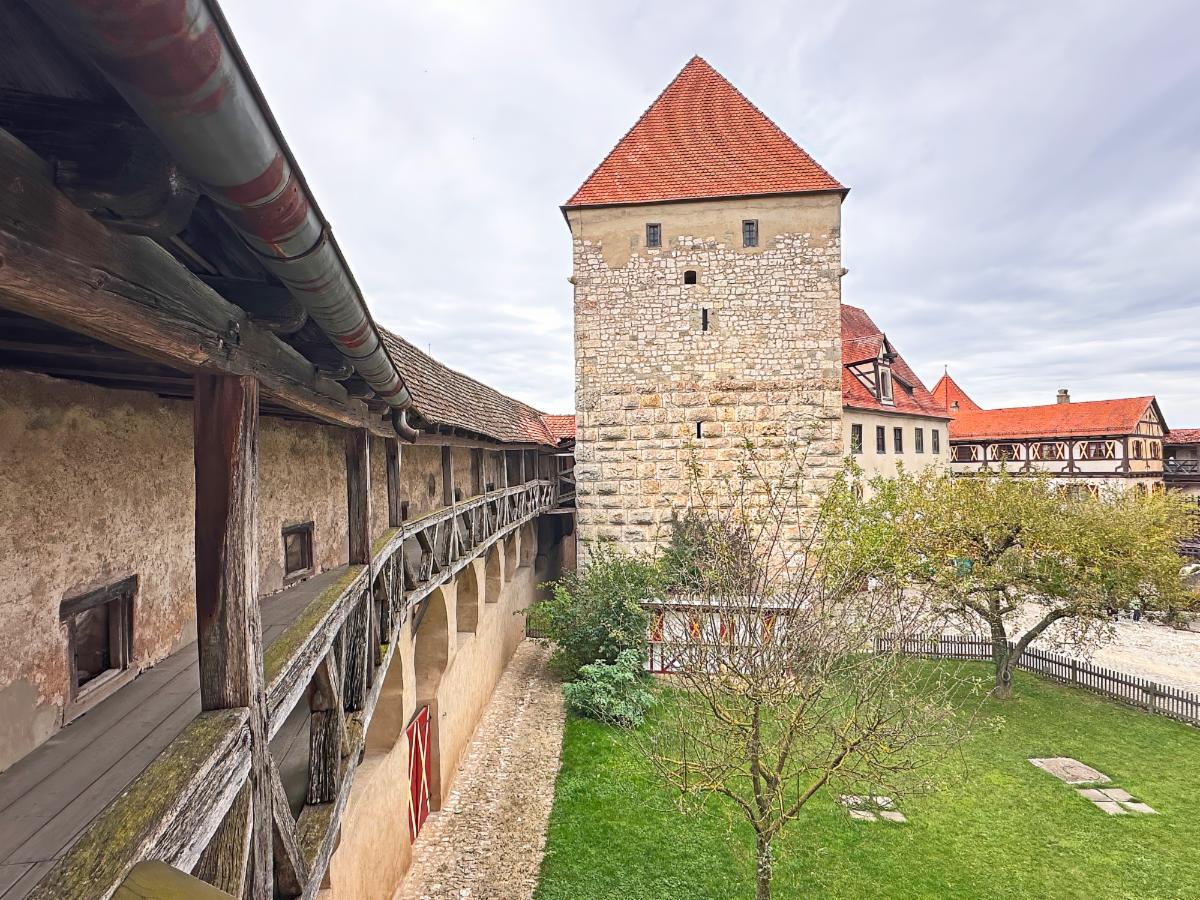
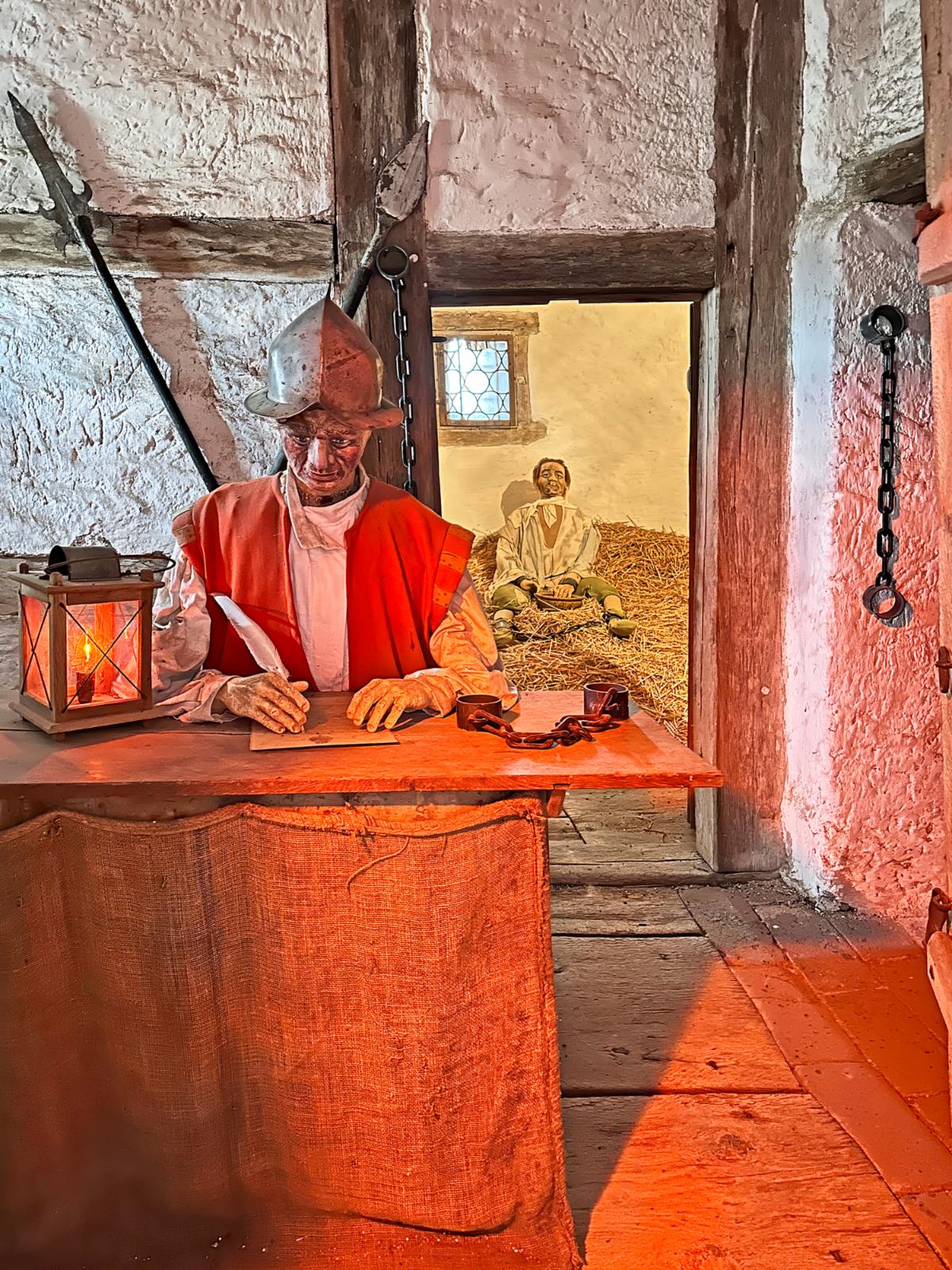
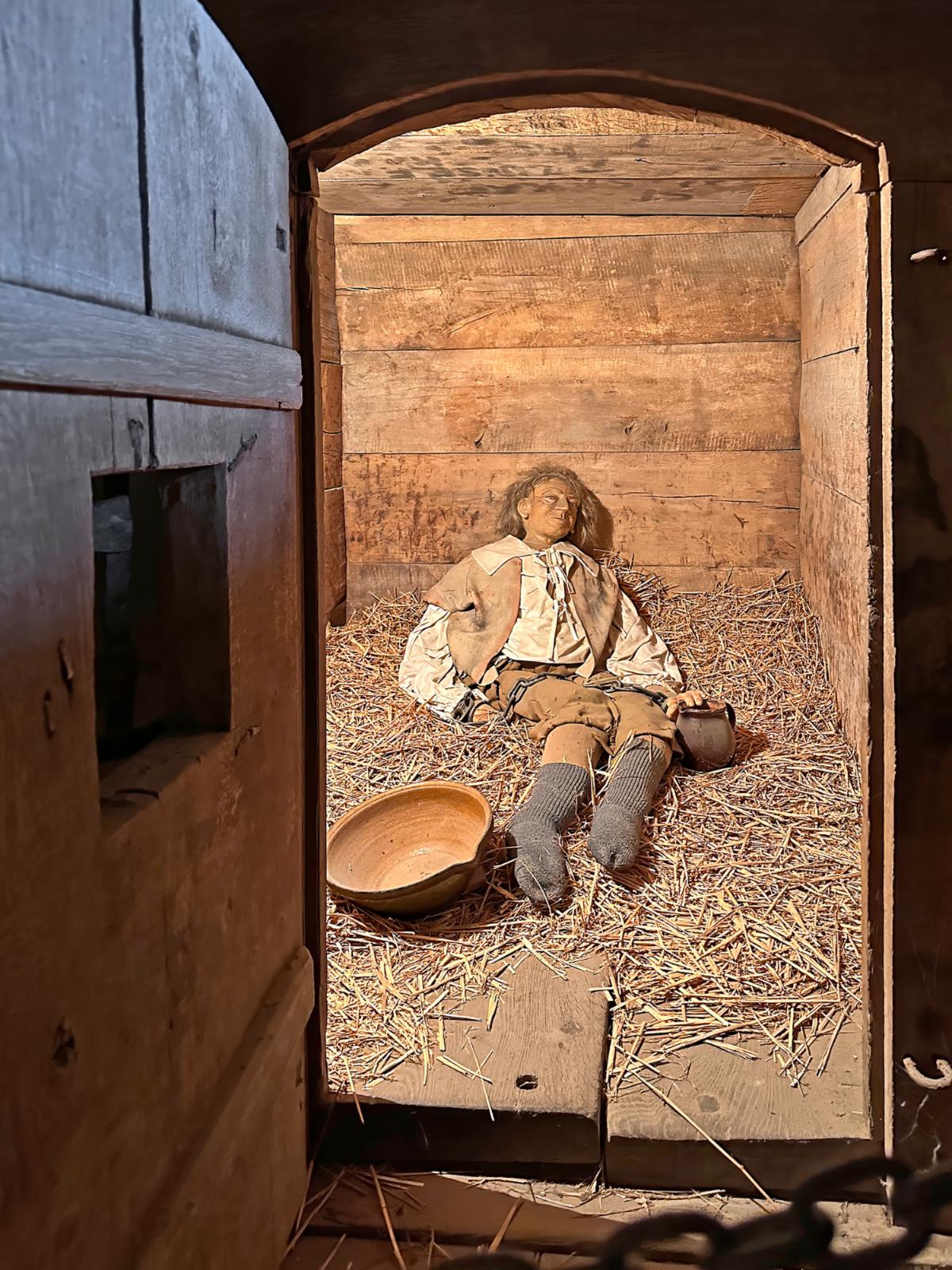
The Prisoner Tower and the Keep were the most gruesome. They were complete with mannequins locked up in cells. Obviously, the Prison Tower housed prison cells. The two Keeps doubled as super-max prisons and, in the event of the castle being breached by an enemy, a place to make a last stand. Its primary feature was an escape-proof dungeon. First of all, the Keeps were square and tall. If it had been round, it would have resembled a silo. The walls were three meters thick (9’ 10”). There was no breaching that wall. A single dungeon cell occupied the bottom floor. A hatch in the ceiling, which was 10 meters high (32’), was the only access to the cell. The prisoner had to be winched up and down.
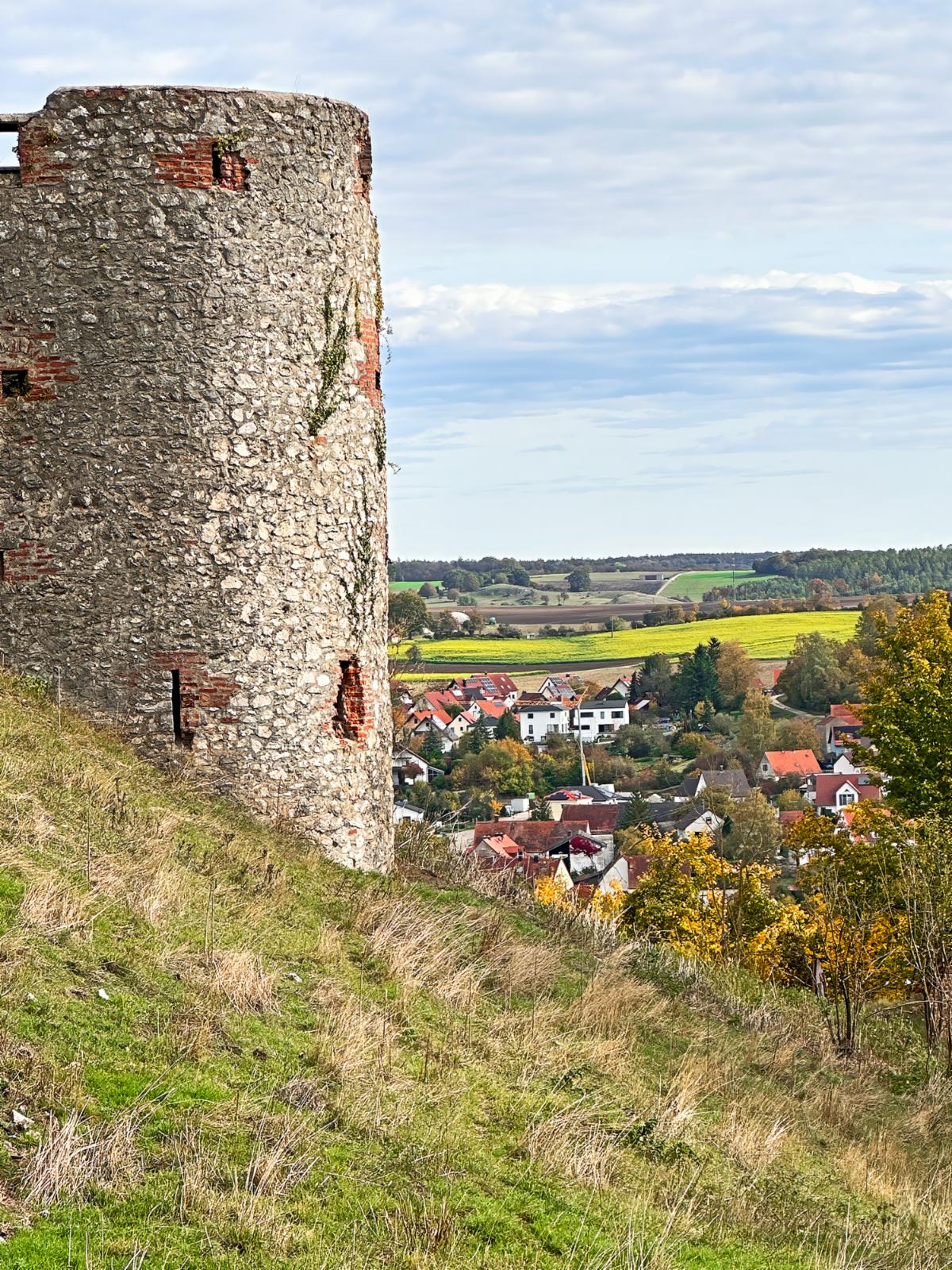
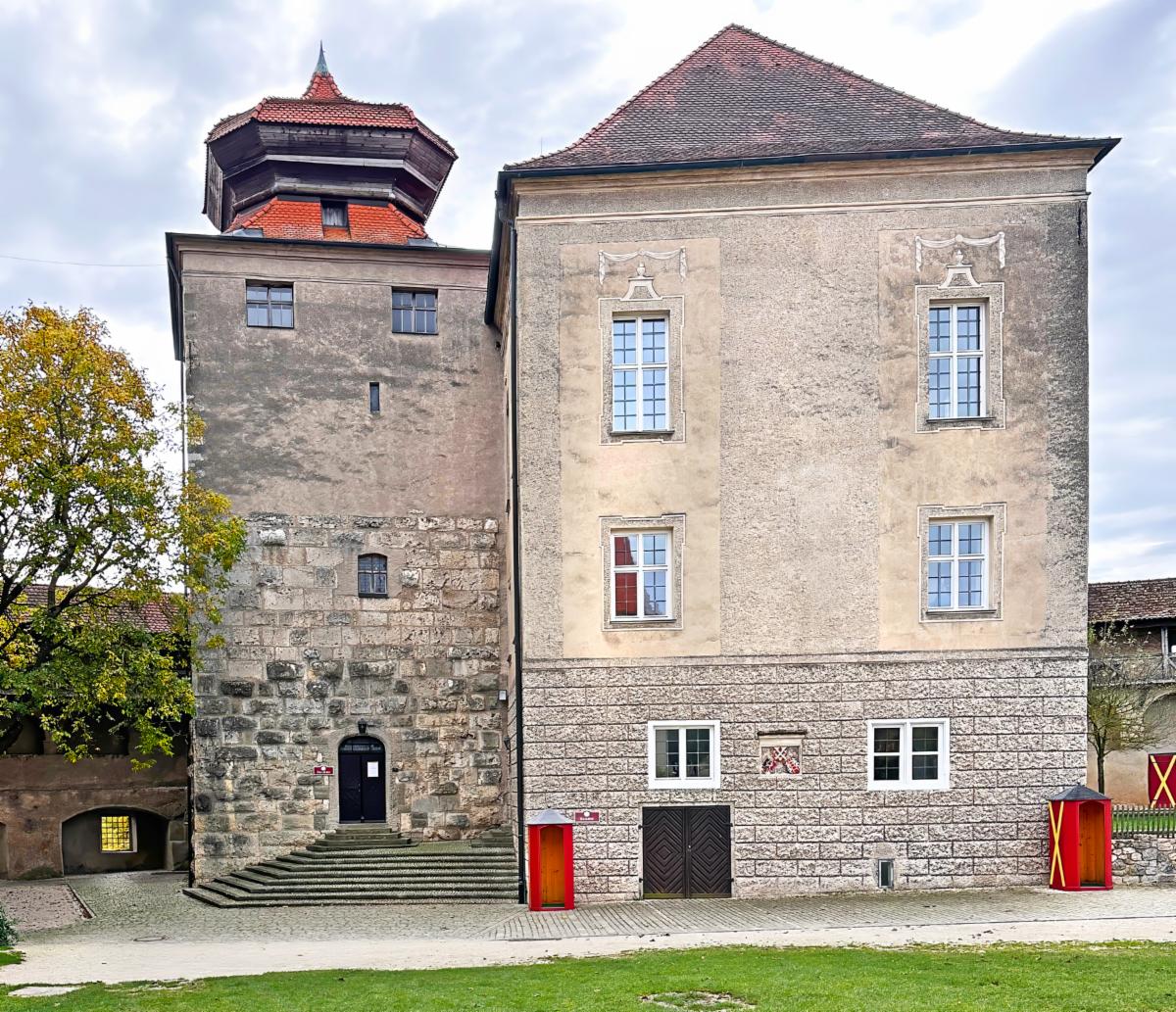
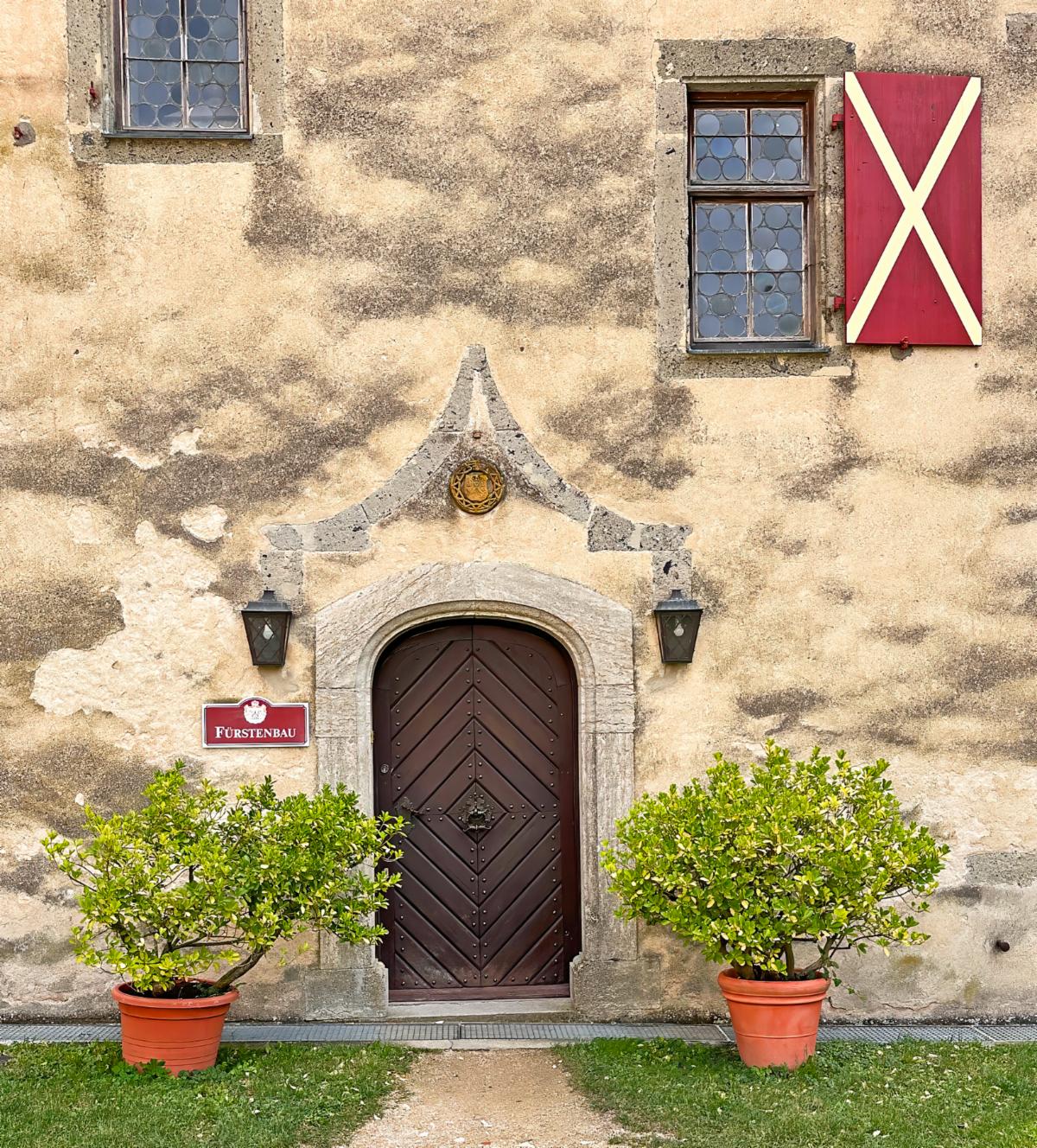
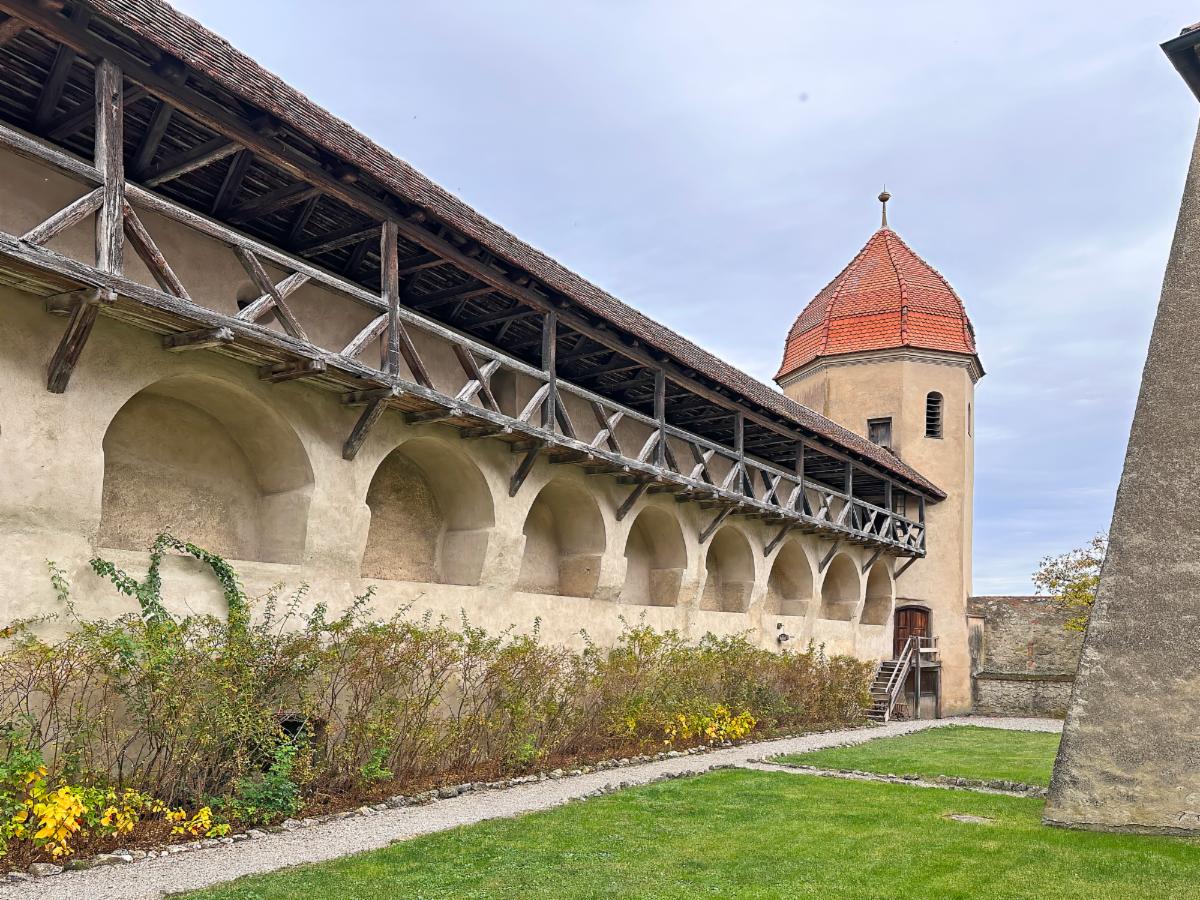
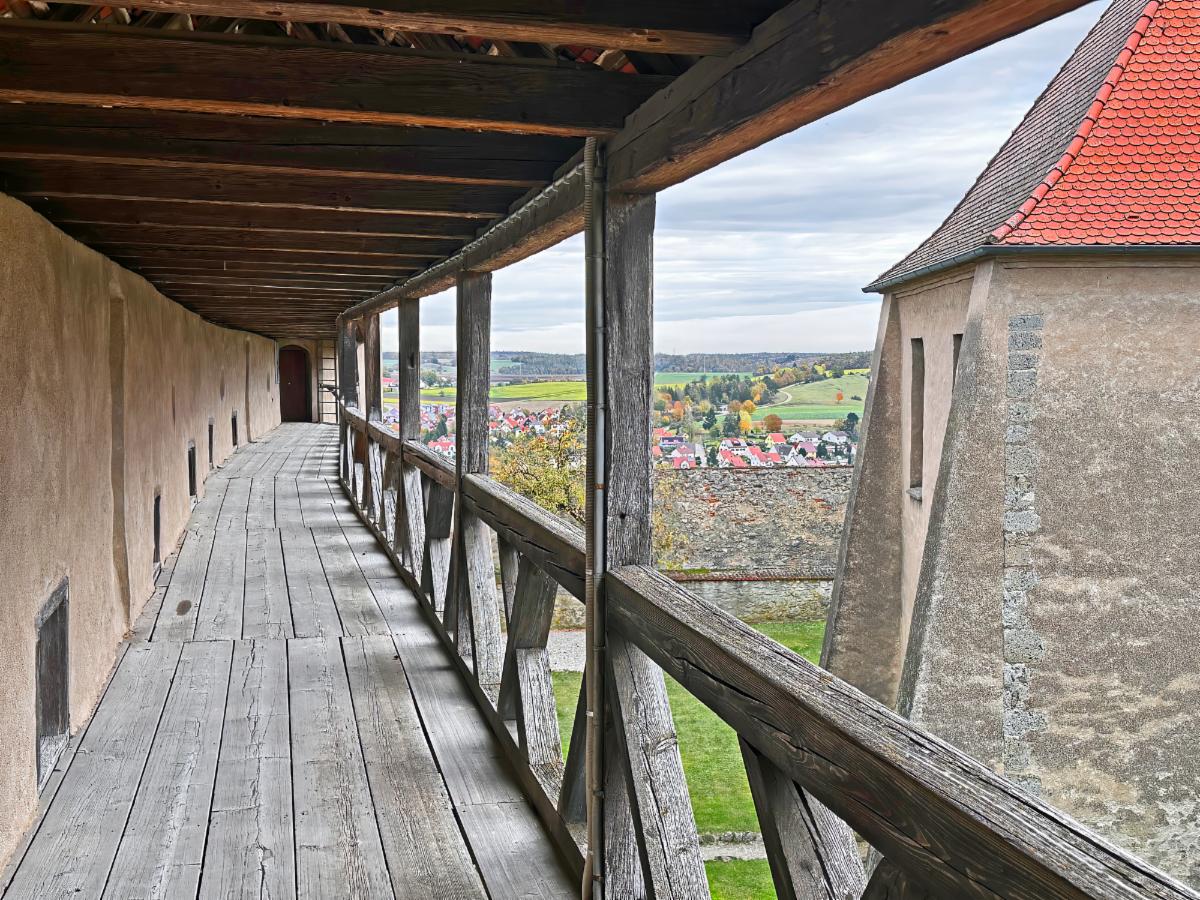
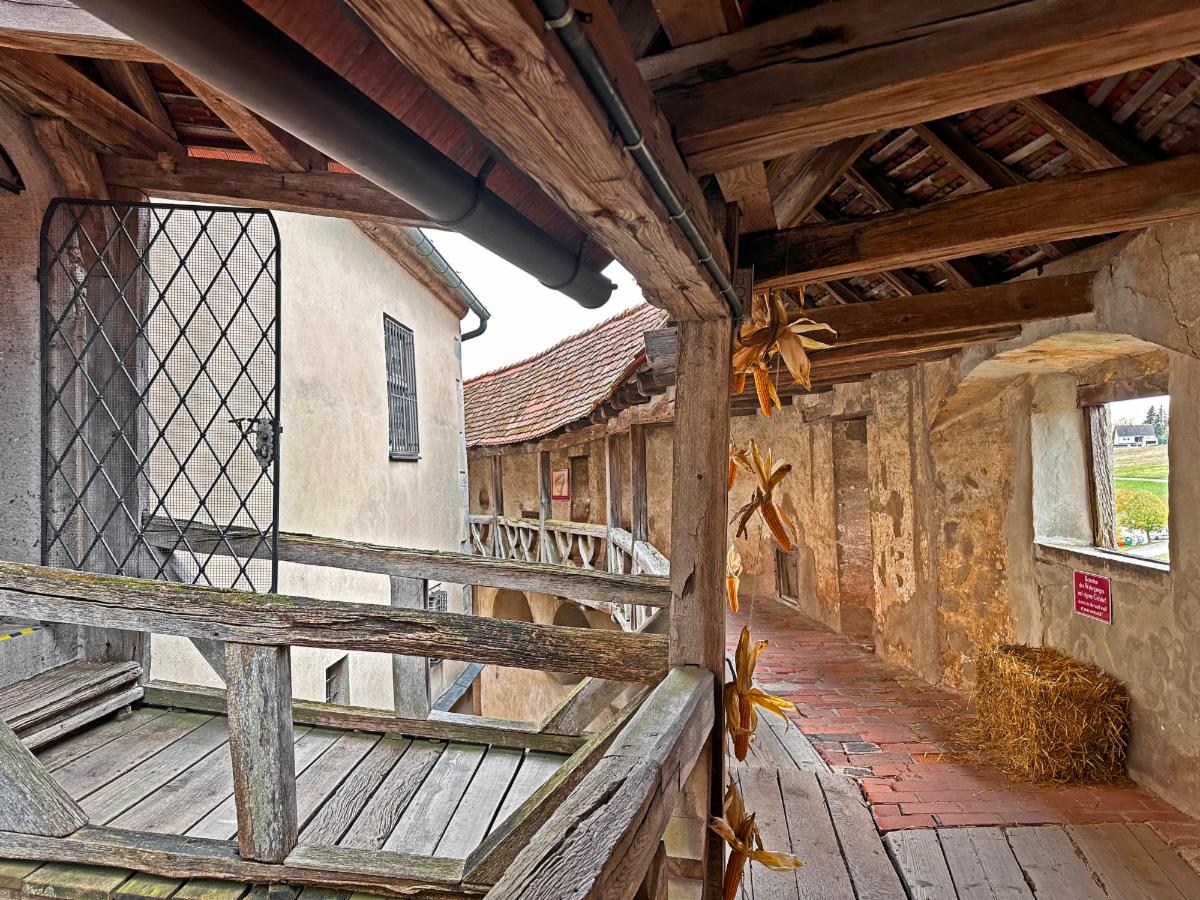
A thick stone protective wall surrounded and protected a Church; the Box Building (a combination stable, armory, granary, and court rooms); the Great Hall Building; two Keeps; a Prison Tower; the Castellan’s (governor’s) Administration Building; the Residential Mansion, White Observation Tower; Water Tower; and the walkway around the wall.
Many rooms were decked out with antiques and artifacts. I hated not being able to shoot photos. The Box Building was my favorite. The armory was well stocked in period arms, including knight armor, fancy swords, and early guns. Hunting was a big sport for the wealthy, and a couple of rooms were dedicated to hunting. Of course, there were a couple of rooms set up for drinking and celebrating a successful hunt - what we’d call ‘man-caves’. For the most part, the Castle was mostly used as a hunting retreat. Few owners ever lived there full-time.
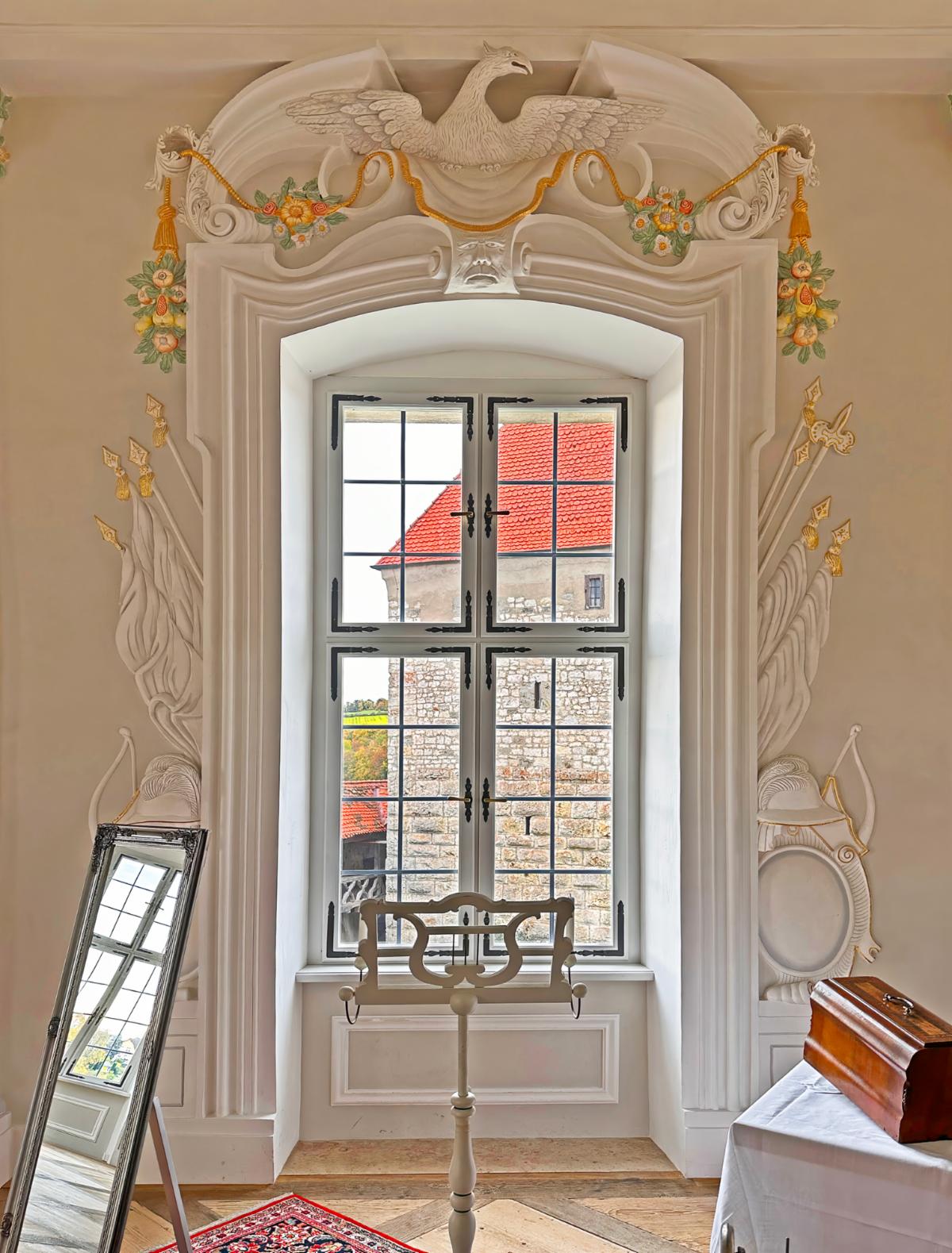
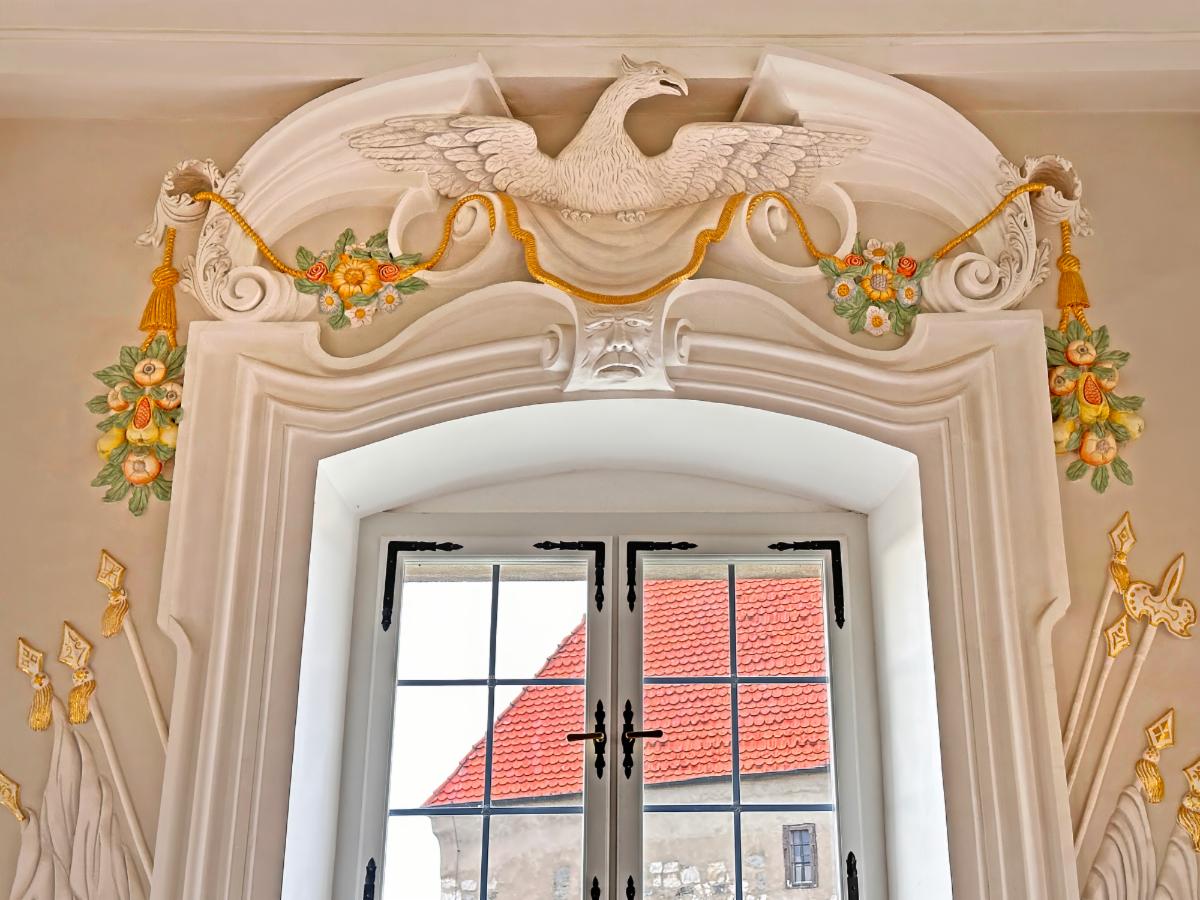
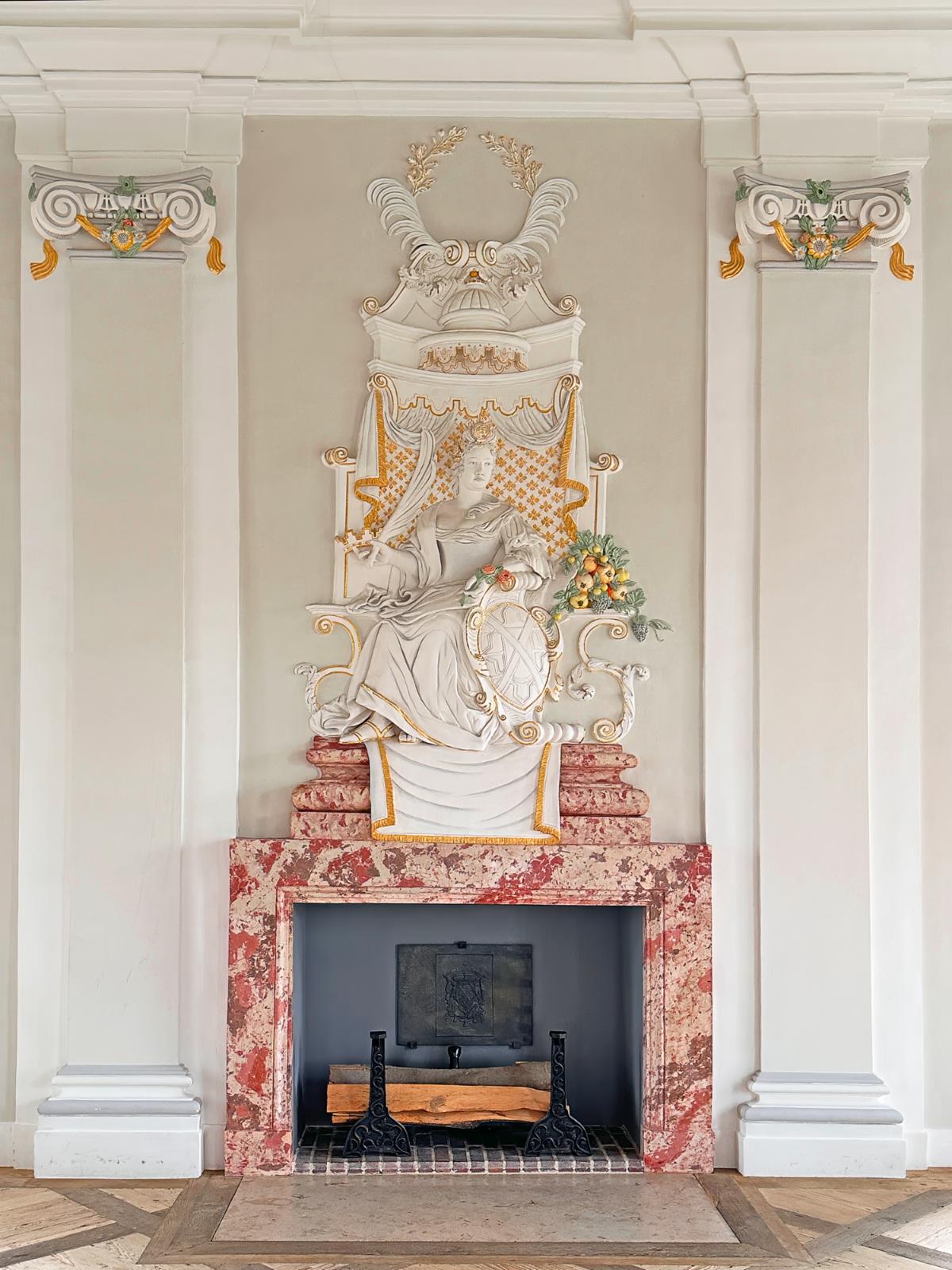
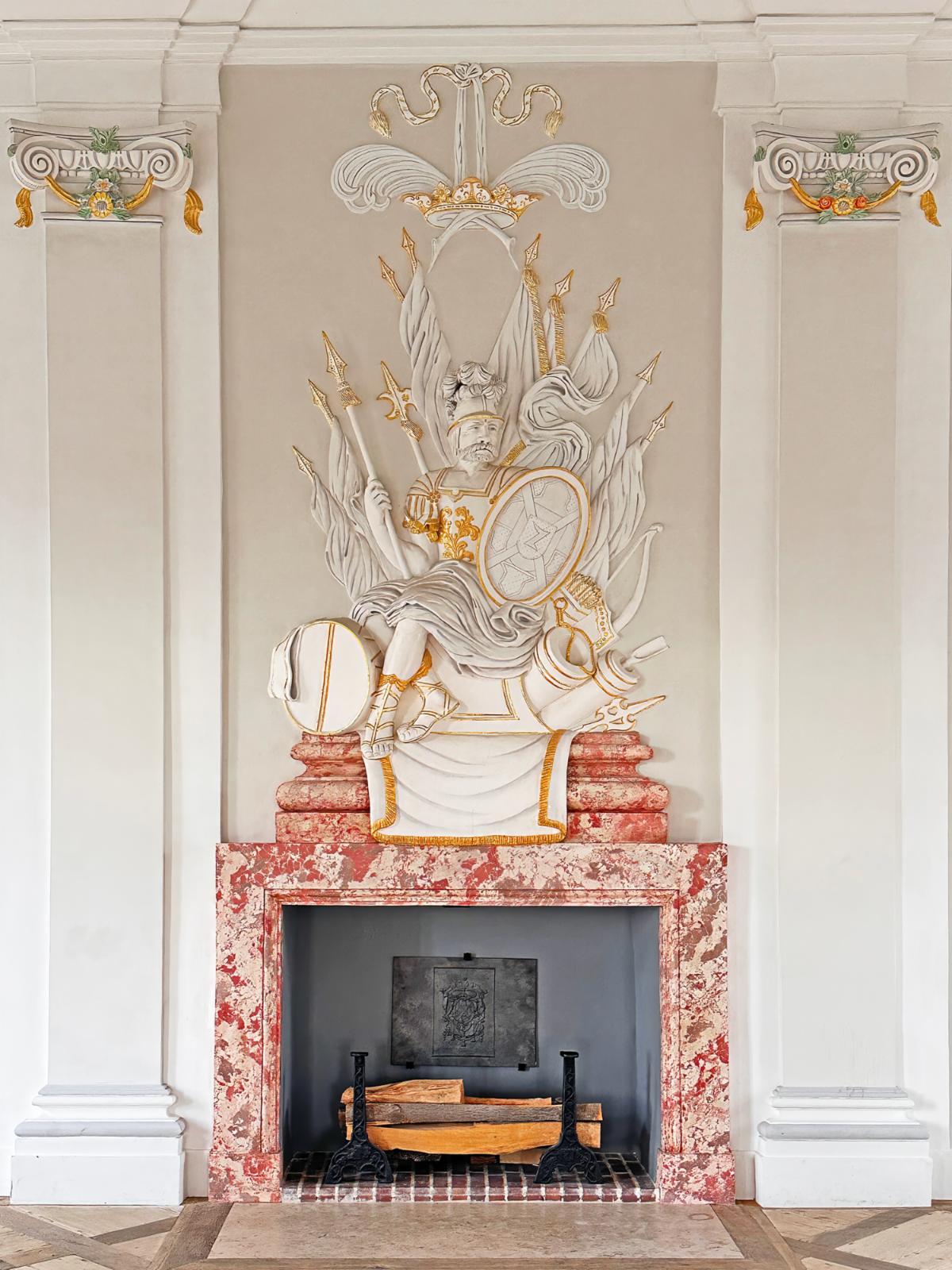
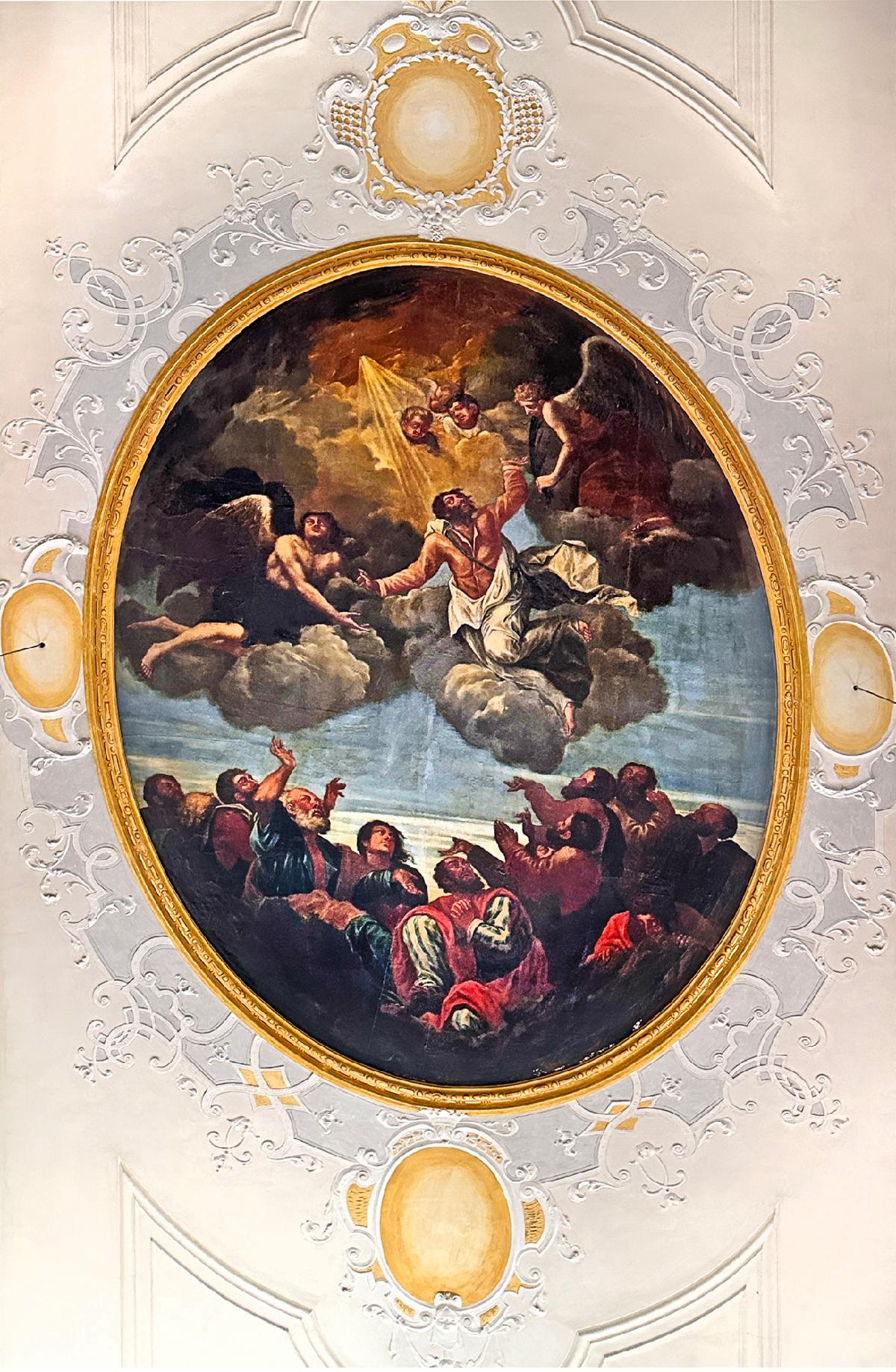
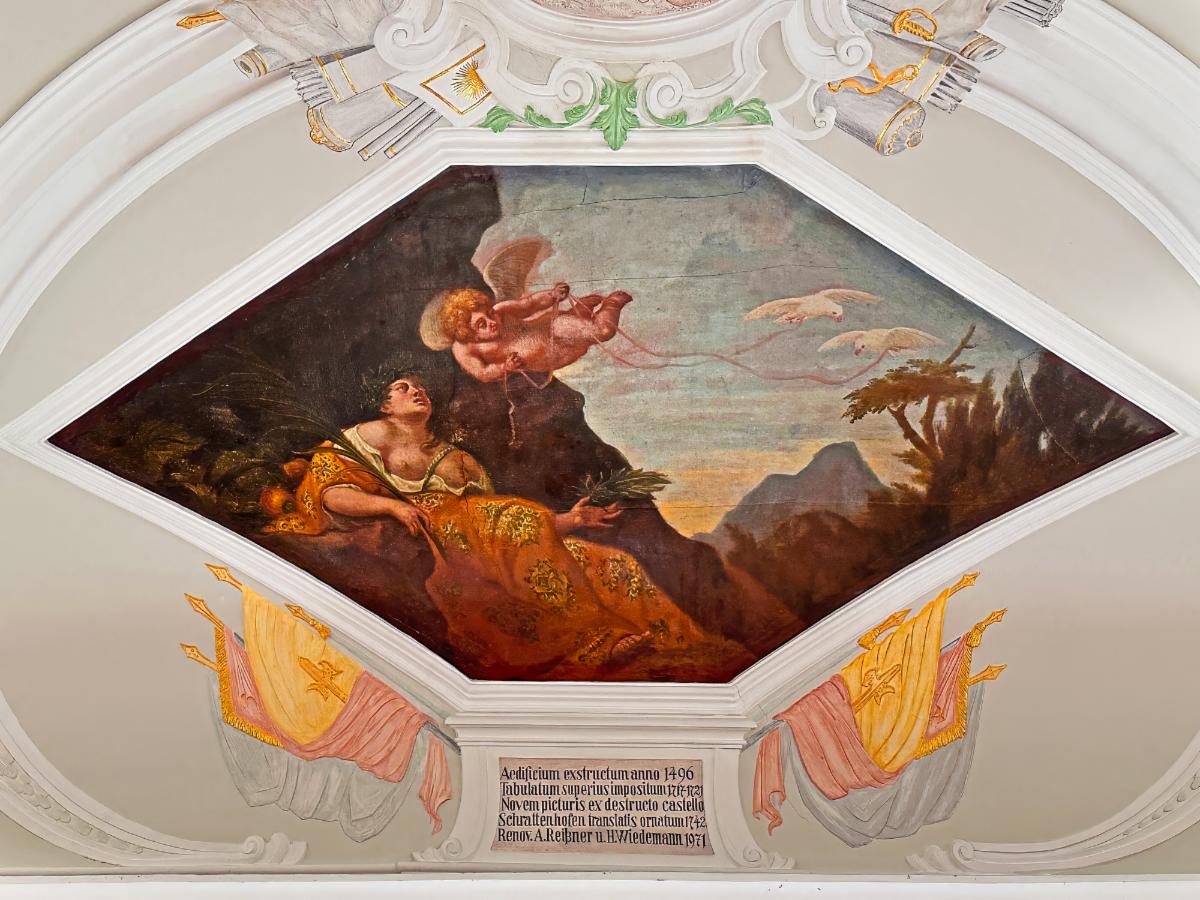
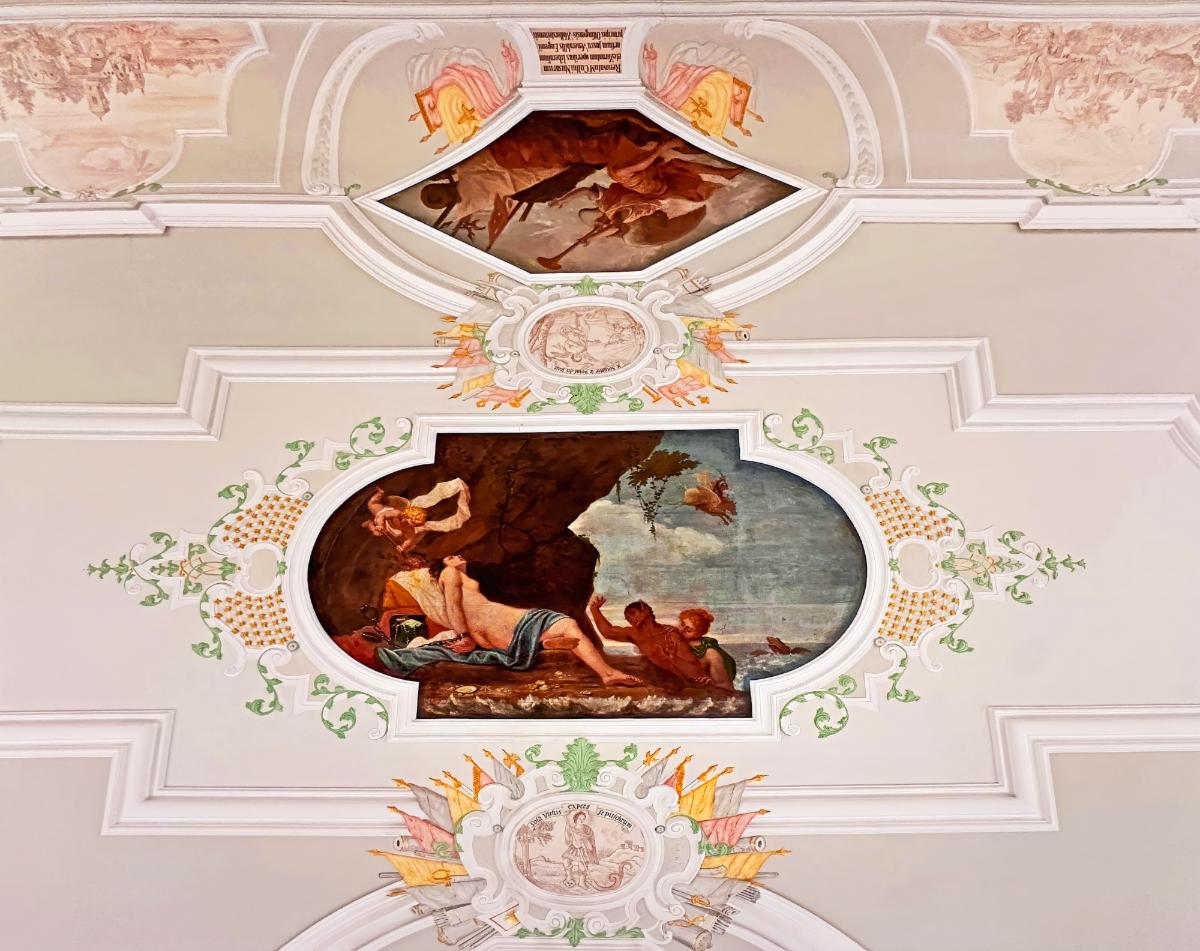
We were allowed to take photos in one large ornate room - the Great Hall. Why that room and not the others? Who knows.
|