|
ChicoryLane Fall Open Day
Saturday, September 12, 2026
8:00 AM - 3:00 PM
| |
You are invited to design your own day; come for part or stay for all.
Free event, no registration required, held rain or shine unless a deluge
Restroom and parking onsite
| | |
Bird Walk
with Joe Gyekis
8:00 – 10:00 AM
| | |
Start the day off with the Bird Walk led by Joe Gyekis. This is a great opportunity to see the fall migrating species. We'll explore lowland grass paths, listening and watching for birds and other wildlife. In this season we have a chance to see a variety of warbler species. Over the years, 22 different species of warblers have been found at ChicoryLane, and 20 of those were seen in the fall (compared to 9 species in spring).
Many other birds that might be a little easier to lock eyes with include cedar waxwings, our largest sparrow the towhee, and our second largest woodpecker the flicker. We will be especially looking to see which food sources they use while here on a migratory stopover. (And post walk we will continue to explore these foodstuffs.) Our walks sometimes pause at grasslands to watch kestrels hunt before venturing up to a high field, where we’ve spotted raptors including falcons, bald eagles, and Cooper's, Broad-winged, and Red-tailed hawks. Here is the full list of birds spotted at last fall's walk. If your slope climbing legs could use a little help, catch a ride with John in the Gator.
Image: At Fall Bird Walk 2025, visitors trained eyes, binoculars and cameras on the raptor that guide Joe Gyekis had identified. Photo credit: Deb Rittelmann
| | |
Guided Walk: Berries and Birds
with John Smith and James Lesher
10:00 AM – Noon
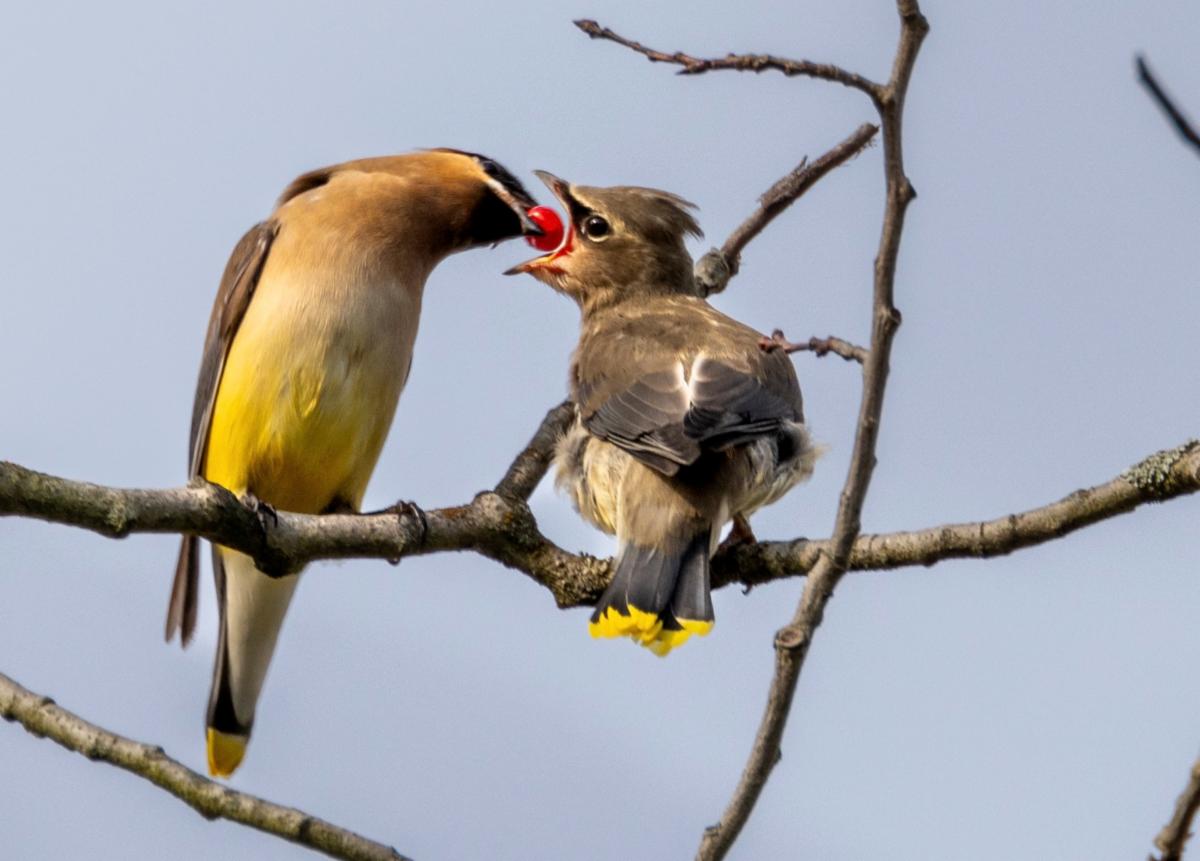
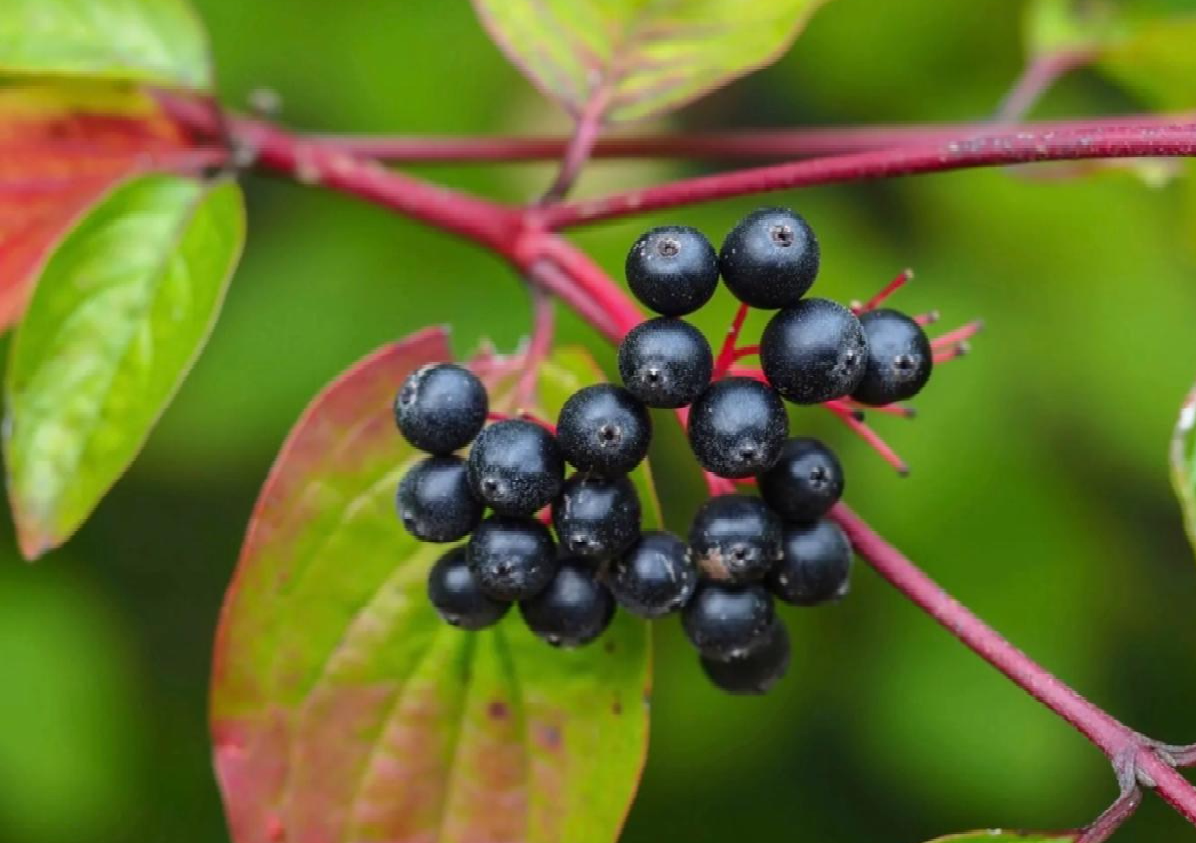
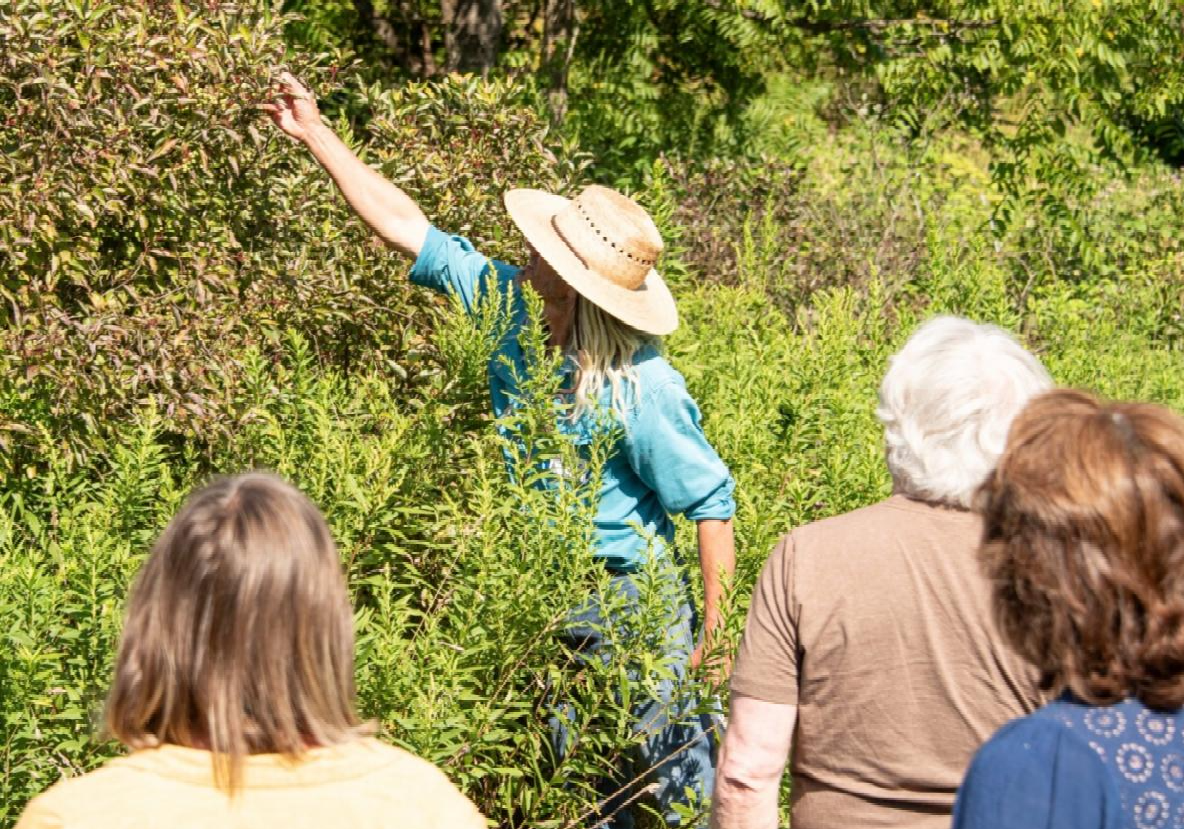
| | What do birds need for energy during migration? High-fat high-calorie food, antioxidants, protein, and fresh water. Native berries are excellent sources of fat, calories, and antioxidants. But some berries are better than others. John Smith and James Lesher will lead a short shrub walk-and-talk to identify ‘good’ and ‘less good’ berries for migrating birds. You will learn why silky dogwood, grey dogwood, cranberry, arrowwood, and black haw viburnum berries are ‘good’ for migrating birds while elderberries and autumn olive berries are ‘less good.’ | | Photo credits, L to R: Jim Cassidy, ChicoryLane Collection, Bill Rathfon | | |
Free Range: Ramble On Your Own
Noon – 3:00 PM
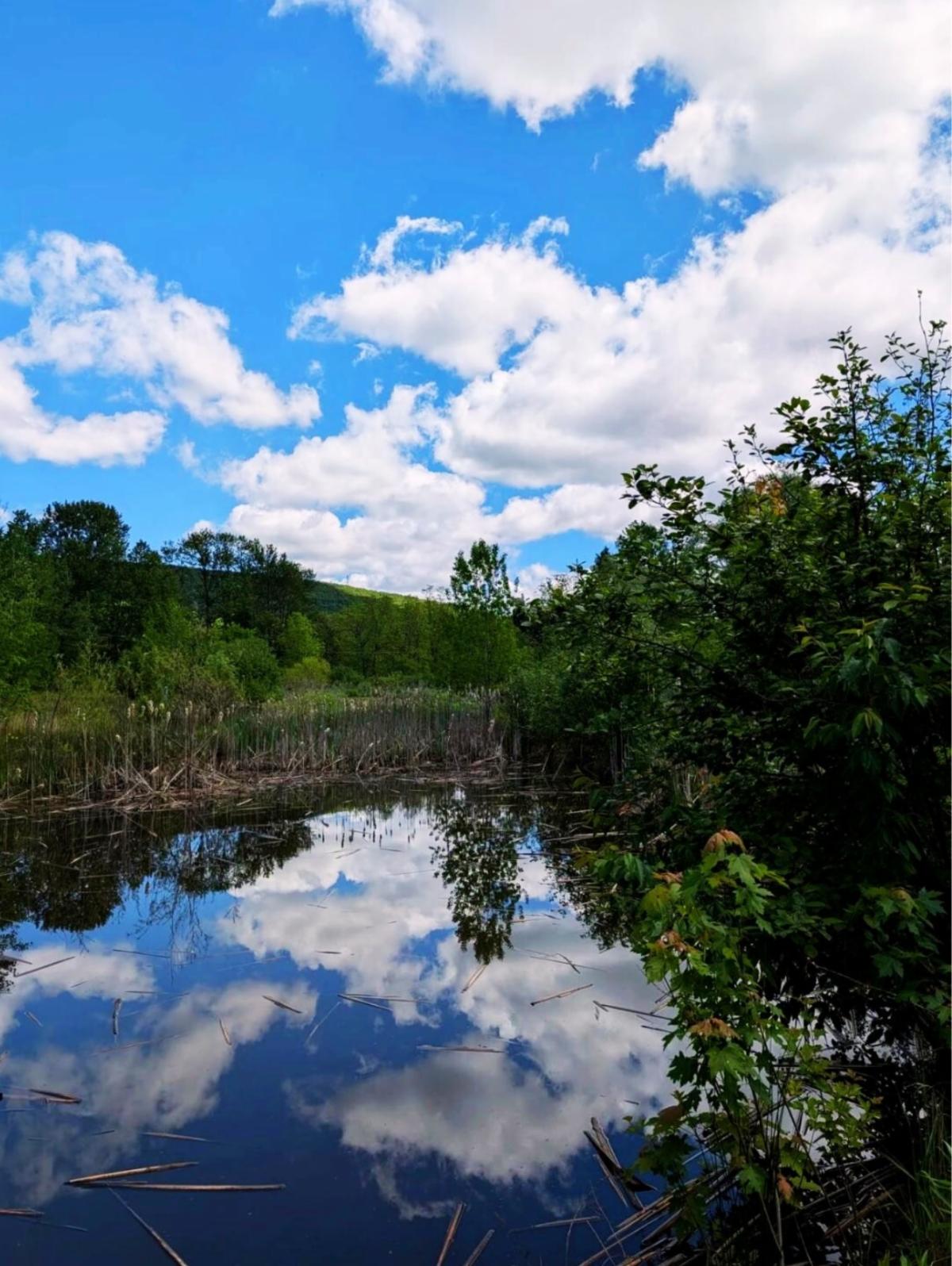
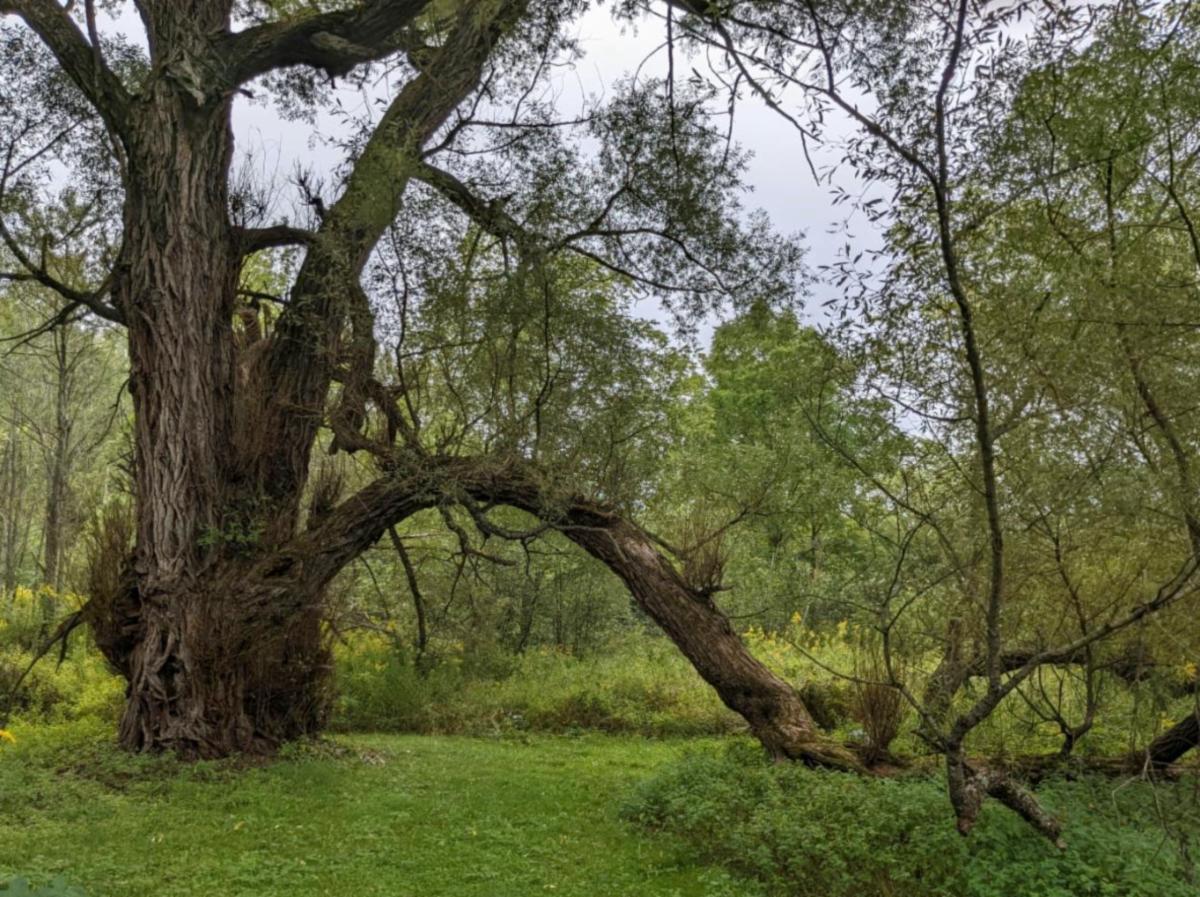
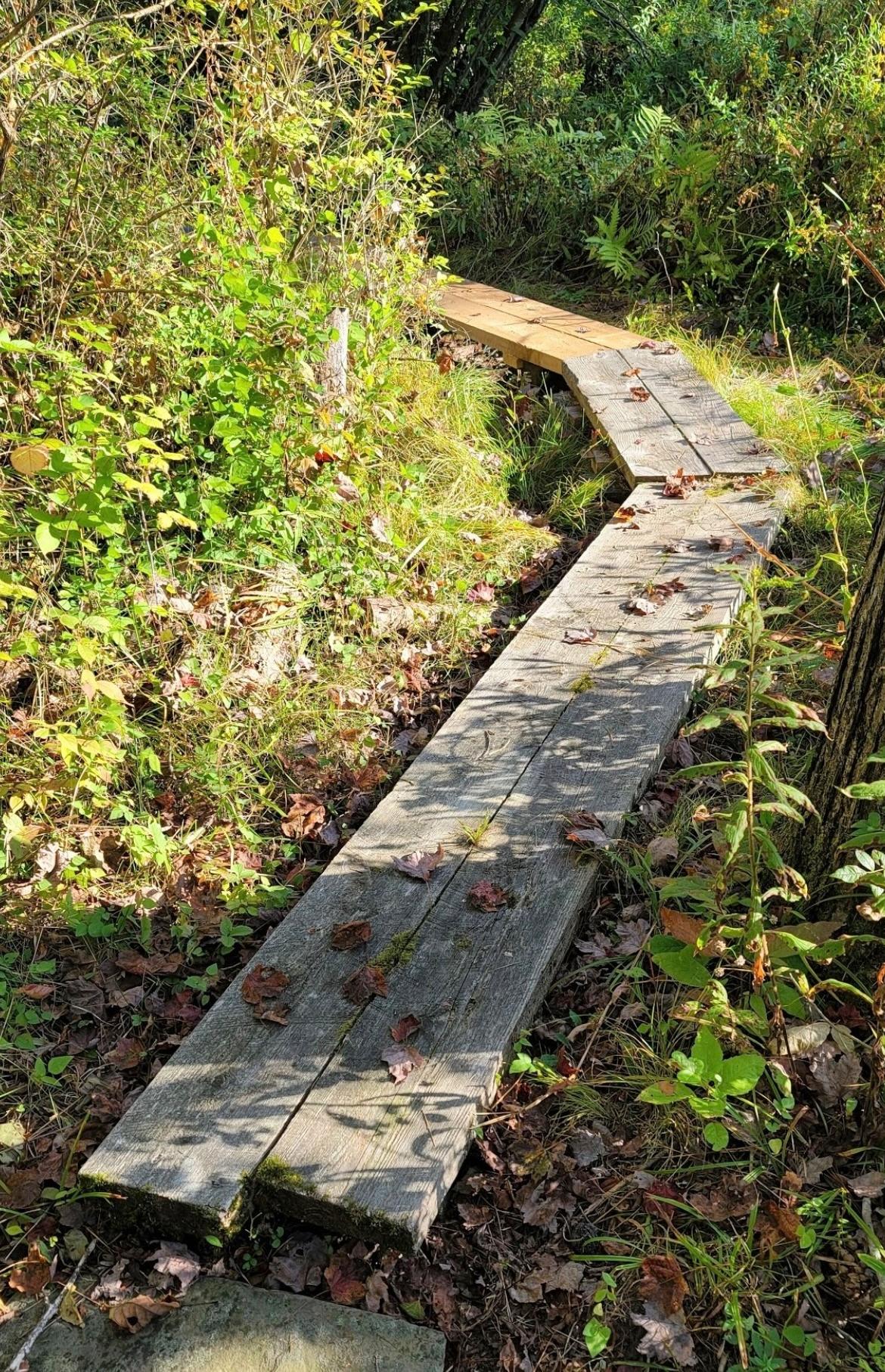
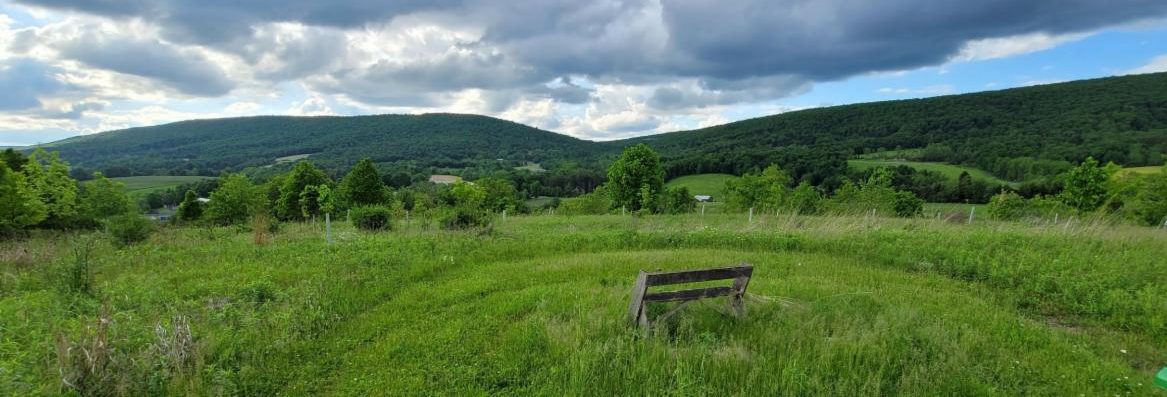
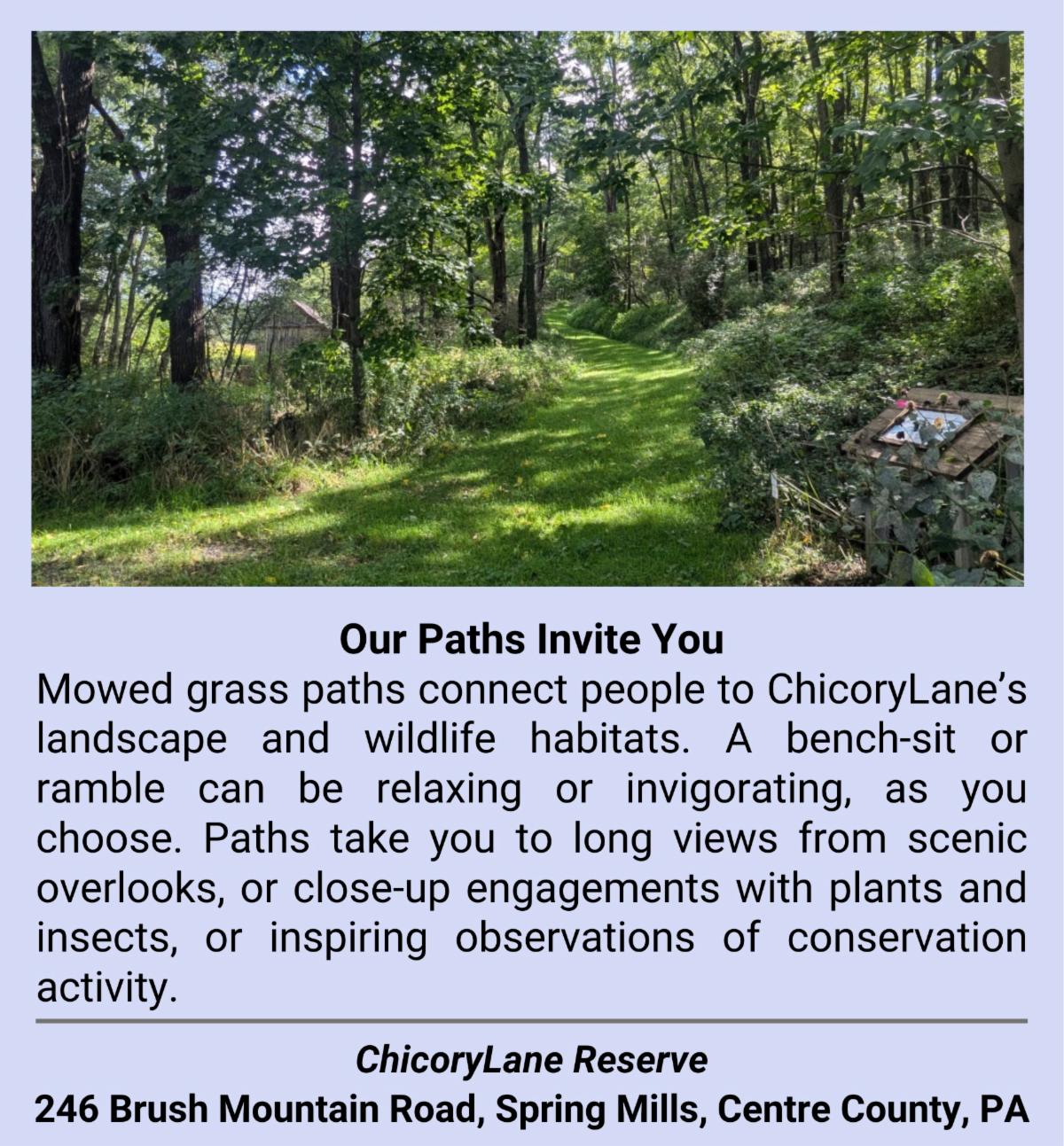
ChicoryLane’s meadows, streams, vernal pools, farm pond, lowland woods, and upland new forest are open to visitors today. Experience the sights, sounds, scents, and textures of plant and animal life in this 225-year-old farm that is now an ecological reserve. Practice plant, bird, and insect identification skills at your own pace. Sit, rest, take in the scene of the moment, reflect on benches placed along many trails. Bring camera, binoculars, hand lens, phone apps, journals, sketch pads, or simply your senses. And a lunch if you want. Water is available on site.
| | Photo credit: ChicoryLane Collection | | |
NOTE: PROPERTY ENTRANCE & PARKING
Use the Green Grove Road entrance to ChicoryLane
From Route 45: Turn north onto Brush Mountain Road. Pass the ChicoryLane wooden lane sign at 246 Brush Mountain Road. Turn right (east) at Green Grove Road. Travel 0.2 miles past a farmhouse with outbuildings and turn right at the entrance beside the red barn, marked with orange highway cones and ChicoryLane EVENT sign.
From Route 192: Turn south onto Brush Mountain Road. Travel 2.4 miles and turn left (east) on Green Grove Road. Travel 0.2 miles past a farmhouse with outbuildings and turn right at the entrance beside the red barn, marked with orange highway cones and ChicoryLane EVENT sign.
| | | | |
ChicoryLane is a reserve near Spring Mills protected by a conservation easement. Its 68 acres are actively managed for ecological enhancement.
The landscape is natural and scenic. It includes wetlands and meadows, streams, remnant and successional forests, and a grassland. This diversity of habitats is especially inviting to birds and insects.
| | | | |