|
Hello Pamela,
May is mental health awareness month, so this means three things:
- As psychologists, it's our favorite month.
- Summer is right around the corner!
- We have a bunch of awesome resources to share with you...
I encourage you to take this month to focus on your own mental health, and build your personal toolbox of coping skills and supports! If you need us, we are currently accepting new patients both in person and via telehealth services.
All my best,
Dr. Pam McCaskill
office@mccaskillfamilyservices.com
734-416-9098
| |
|
McCaskill Family Services Newsletter
Term: Spring| Issue 53| May 29th, 2024
| |
The Power Of Journaling
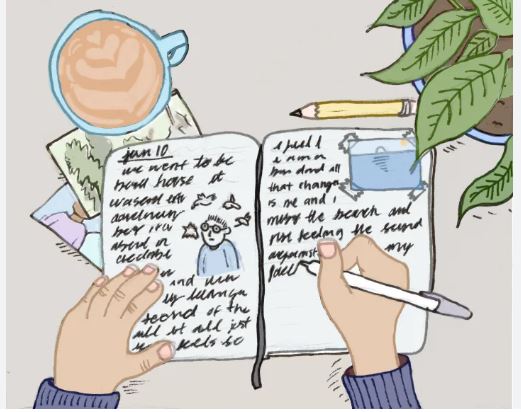
Have you ever thought about writing down your feelings to help yourself process them? It may sound cheesy, but journaling has been found to be a powerful therapeutic tool. Journaling allows us to access our feelings in a safe and judgement free space, giving our brain a way to organize our thoughts and process our emotions effectively.
Need more convincing? Unsure where to start? Check out this month's article from MFS therapist, Jaclyn Rink, MS, LLP for some tips on the power of journaling!
| |
At McCaskill Family Services, we specialize in working with children and adults who are struggling with all kinds of presenting mental health issues. If your family or someone you know could benefit from our services, please contact us. Our clinicians are trained and experienced in empirically-based techniques, and would be happy to promptly schedule an appointment in person or via tele-health. We can be reached by phone at 734-416-9098 or by email at office@mccaskillfamilyservices.com.
| |
May Is Mental Health Awareness Month | |
In honor of our favorite month, we would like to share with you some of our favorite therapeutic tools and resources to support mental health. | |
|
Headspace
Practice mindfulness through fun videos, guided meditations, and useful articles. Partake in mood-boosting mindful workouts, improve your sleep hygiene, and regain your concentration.
| |
|
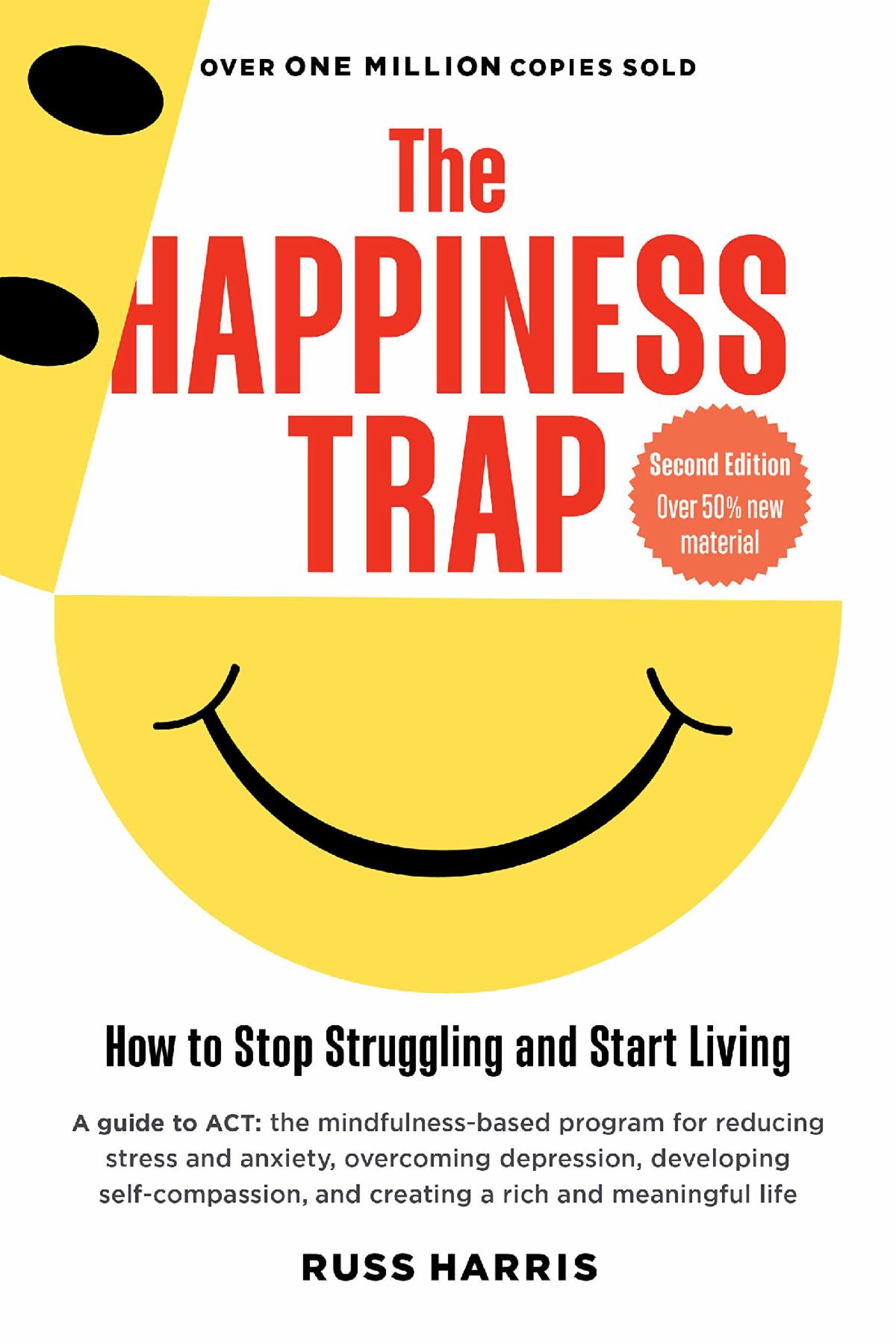
The Happiness Trap
This book utilizes Acceptance and Commitment therapy techniques to target harmful ideals and expectations of happiness.
| |
|
Kids DBT Skills
Youtube videos created by a school social worker to teach kids empirically supported DBT strategies such as radical acceptance and distress tolerance.
| |
|
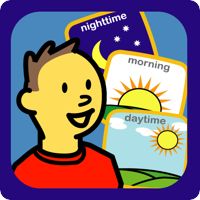
Choiceworks
This app provides a visual schedule inclusive of a timer and choices to help children manage routines and communicate thoughts and feelings appropriately. It sets times for designated time completion, and strategies for helping the child cope with unfavorable tasks.
| |
|
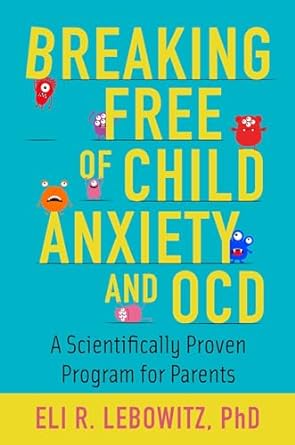
Breaking Free of Child Anxiety and OCD
A helpful book for parents of anxious children, based on empirically supported SPACE treatment strategies. Learn skills to replace accommodating behaviors with supportive ones.
| |
|
Sanity & Self
Self-care app geared towards women that offers podcasts from licensed therapists and tools for a variety of stressors. Topics include support for relationships, sleep hygiene, stress management, self-esteem, & organization.
| |
A new monthly newsletter addition from our Dietitian and Eating Disorder Recovery Team.
“Well, I heard that eating disorders are…”
The typical myths around eating disorders have become so common they are often passed off as facts. We’re going to use this month to shoot down three of the most frequent ones we tend to hear. So, let’s play “Fact or Myth!” (Spoiler alert, they’re all myths!)
Eating disorders are a teenage problem. MYTH!
Eating disorders affect all ages. In fact, recent research shows that 41% of women over 50 have current or previous core eating disorder symptoms with 13.3% currently experiencing symptoms.
Males do not experience eating disorders. MYTH!
Actually, men represent up to 25% of eating disorders. The stereotype of eating disorders affecting only women can sometimes lead to a higher severity due to men being diagnosed, and therefore treated, later in their illness.
I can tell if someone has one just by looking at them. MYTH!
Fewer than 6% of people with eating disorders are medically diagnosed as “underweight.” Eating disorders not only affect all ages and all genders, they also affect all body types and don't have a certain "look" contrary to popular belief.
If you or someone you love is struggling with eating difficulties, our team at MFS is here to support you! Click below to learn more about our comprehensive care.
| |
|
Jaclyn Rink is a master’s level clinician who has been a part of the MFS family for 8 years! Jaclyn works with children, teens and adults struggling with various types of anxiety, OCD, depression, eating disorders, trauma, and self-harm.
She obtained her clinical psychology degree from Madonna University and previously worked in the University of Michigan's (Dearborn) Counseling and Disability center. Additionally, she holds two bachelors degrees in the areas of sociology and journalism from Oakland University.
Jaclyn is a certified SPACE (Supportive Parenting for Anxious Childhood Experiences) provider and co-runs the McCaskill Family Services Dialectical Behavioral Therapy (DBT) group for teens. She is the MFS social media director, newsletter editor, and writes many of our MFS mental health blogs. She is currently working on her art therapy certification!
In her spare time, Jaclyn enjoys hiking adventures and traveling. She loves to write poetry, bake, and is continually improving her golf game!
|  | |
|
Mental Health Abbreviations | |
|
Navigating the mental health field can be difficult, especially with all of the acronyms and abbreviations therapists use to describe treatment modalities and interventions.
This month, we clarify some of the most common treatment abbreviations you'll come across in the mental health world and what they help to treat.
Tx = Treatment
CBT: Cognitive Behavioral Therapy: Tx for a variety of mental health problems.
Method: Identifies unhelpful automatic thought patterns that lead to emotional dysregulation and strategies for changing these thoughts.
DBT: Dialectical Behavioral Therapy: Tx for anxiety, depression, bipolar & personality disorders.
Method: Targets the learning of emotional regulation and distress tolerance skills via mindfulness-based exercises and interpersonal effectiveness.
ERP: Exposure and Response Prevention Therapy: Tx for OCD, anxiety & phobias. Method: Engagement in feared activities to reprogram neural brain networks and decrease compulsive behaviors.
ACT: Acceptance and Commitment Therapy: Tx for a variety of mental health problems, including chronic pain, & substance abuse
Method: Utilizes acceptance-based strategies and personal commitment to one's internal values in order to guide behavior and decrease mental struggle.
|  | |
|
SPACE: Supportive Parenting for Anxious Childhood Experiences: Tx for children who struggle with anxiety disorders.
Method: A parent-based intervention to address and remove protective/accommodating behaviors at home that contribute to the child's anxiety symptoms.
ABA: Applied Behavioral Analysis: Tx for autism spectrum disorders.
Method: Enhances social skills, understanding of behavior, and increases learning/compliance of daily living tasks.
IPT: Interpersonal Therapy: Tx for many mental health disorders, including eating disorders & struggling relationships.
Method: Focuses on how the difficulty of interacting with others contributes to symptoms, and aids in conflict resolution and communication skills.
EMDR: Eye Movement Desensitization and Reprocessing: Tx for PTSD, trauma, anxiety, substance abuse & depression.
Method: Specific/patterned eye movements to aide in the uncovering and re-processing of traumatic events.
| |
We snagged two great resources from "Tools 2 Thrive," a workbook for mental health from Mental Health America. Find more useful tools at mhanational.org | |
|
|
Need Support now?
Check out our newest addition to our MFS website:
Virtual Learning Lab
Instantly learn empirically supported strategies and therapists' top tips for a wide variety of mental health issues from the comfort of your own home, presented by our MFS clinicians.
| | |
|
|
Current Learning Labs:
- Fueling for athletes
- It's not you, it's the diet
- Secrets of parenting the strong-willed child
- Stress management strategies
- The ABC's of ADHD
- Recognize depression in teens
| |
409 Plymouth Road, Suite 250, Plymouth, MI 48170 • 734.416.9098
| |
| | | |