|
Late July is one of the most exciting times of the year for astronomy enthusiasts. During July 30–31, two annual meteor showers reach their peak at nearly the same time:
While the Southern Delta Aquariids typically produce the greatest number of meteors, the Alpha Capricornids are famous for their bright, slow-moving fireballs that can create spectacular displays across the night sky. Then, beginning around July 17 and continuing through August 24, the famous Perseid Meteor Shower becomes active. The Perseids are among the most anticipated celestial events each year, producing fast-moving meteors that often leave glowing trails across the sky.
The best viewing usually occurs during the hours before dawn, when the meteor shower's radiant rises highest above the horizon, making shooting stars easier to spot. Under ideal dark-sky conditions around the rural Twentynine Palms and Joshua Tree National Park, visitors may see 30 to 50 meteors per hour, making it one of Southern California's premier summer stargazing destinations.
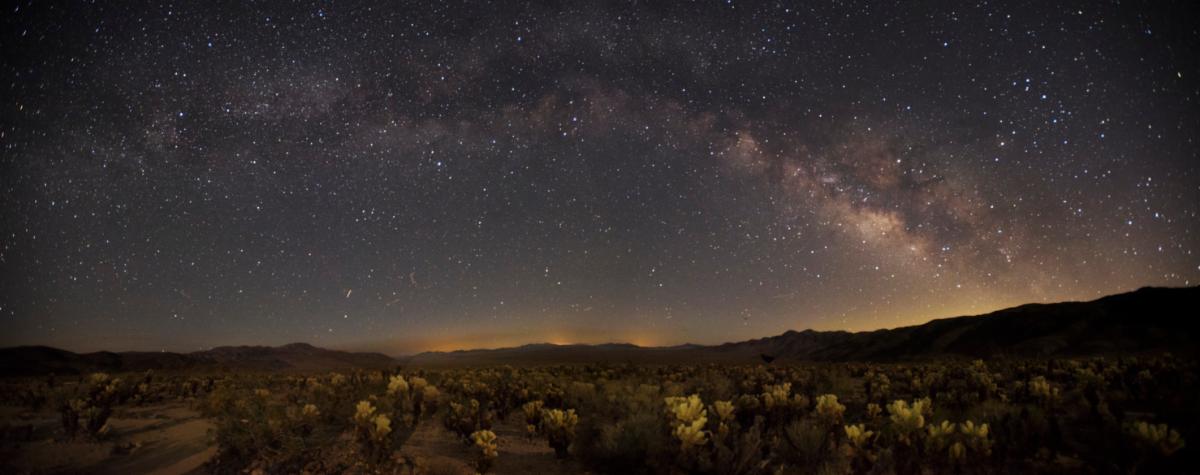
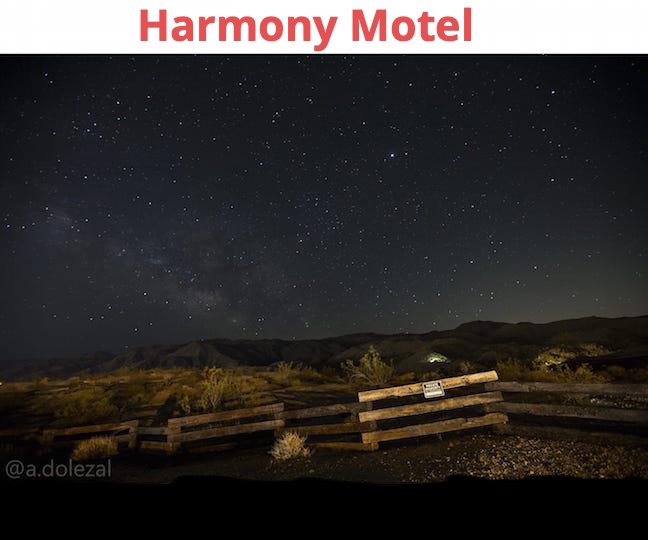
Joshua Tree National Park's remote desert location provides exceptionally dark skies with very little light pollution. Unlike urban areas where streetlights and buildings obscure the stars, the Mojave Desert allows your eyes to adjust naturally to darkness, hence it allows you to view:
- The Milky Way
- Thousands of visible stars
- Satellites crossing the sky
- Constellations
- Meteor showers
- Occasionally planets visible without a telescope
Whether you're an experienced astrophotographer or simply enjoying your first night beneath a truly dark sky, Joshua Tree offers an unforgettable experience.
Before heading into Joshua Tree National Park, a little preparation can make your evening much more enjoyable.
Use Red Lights Only
Avoid white flashlights, headlamps, or bright phone screens. Red lights preserve your night vision and make it much easier to see meteors.
Bring Plenty of Water and Snacks
Most areas of Joshua Tree National Park do not have drinking water available, so plan ahead.
Bring Comfortable Seating
A reclining chair or blanket allows you to comfortably watch the sky for extended periods without straining your neck.
Watch Your Step
The desert is home to cacti, uneven terrain, rocks, and nocturnal wildlife. Use a red flashlight when walking around your viewing area.
Dress for Desert Weather
Summer evenings can remain warm, but temperatures often cool before sunrise. Bring light layers, insect repellent, and a blanket for extra comfort.
The National Park Service recommends several designated stargazing locations, including:
- Quail Springs
- Hidden Valley
- Cap Rock
- Ryan Mountain
These parking areas provide safe locations to enjoy the night sky while remaining close to your vehicle.
|