|
|
THE SOLAR SYSTEM
Experience Totality
| | |
The Sun and Moon are coming together to put on a show for Earth, and NASA will be sharing it with you.
On Wednesday, Aug. 12, a total solar eclipse will be visible in parts of Greenland, Iceland, northern Russia, the Atlantic Ocean, Spain, and a small corner of Portugal.
During the eclipse, NASA will conduct several experiments along the path of totality. To study the Sun’s corona, a NASA-funded science team will chase the Moon’s shadow with a WB‑57 high‑altitude research aircraft. At the same time, students participating in the NASA-supported Nationwide Eclipse Ballooning Project will launch scientific balloons in Iceland and Spain before, during, and after the eclipse to explore how temporary darkness affects Earth’s atmosphere.
NASA's live coverage, featuring views from across the path and interviews with subject matter experts, begins at 1:15 p.m. EDT.
WAYS TO WATCH
| | | |
THE SOLAR SYSTEM
Field of Honeycomb Textures
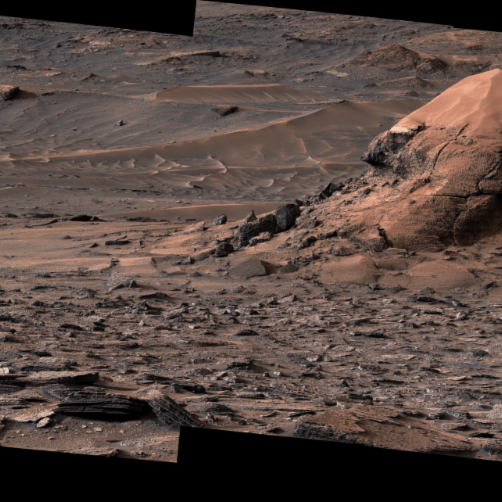
As NASA’s Curiosity rover recently began climbing up a Martian valley nicknamed “Valle Grande,” it sent back images that were a familiar sight to mission scientists: honeycomb-like textures called polygonal fractures. The mission has spotted small patches of these geometric shapes before, but nothing at this scale.
MARS EXPLORATION
| | |
HUMANS IN SPACE
Upcoming US Spacewalks
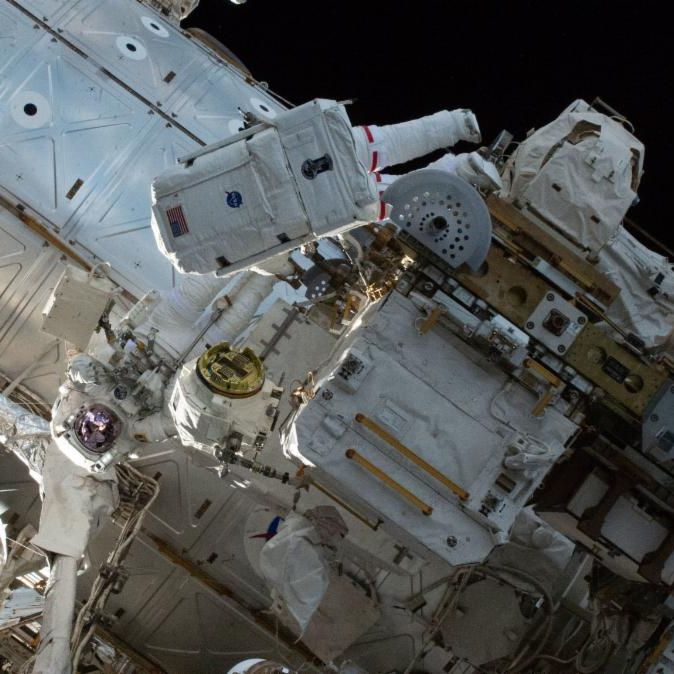
NASA will provide coverage as astronauts venture outside the International Space Station during three spacewalks in August to continue upgrading solar arrays, replace a communications antenna, and connect power and data cables in support of space station operations.
WAYS TO WATCH
| | | |
THE UNIVERSE
Mega Black Hole Shreds Star
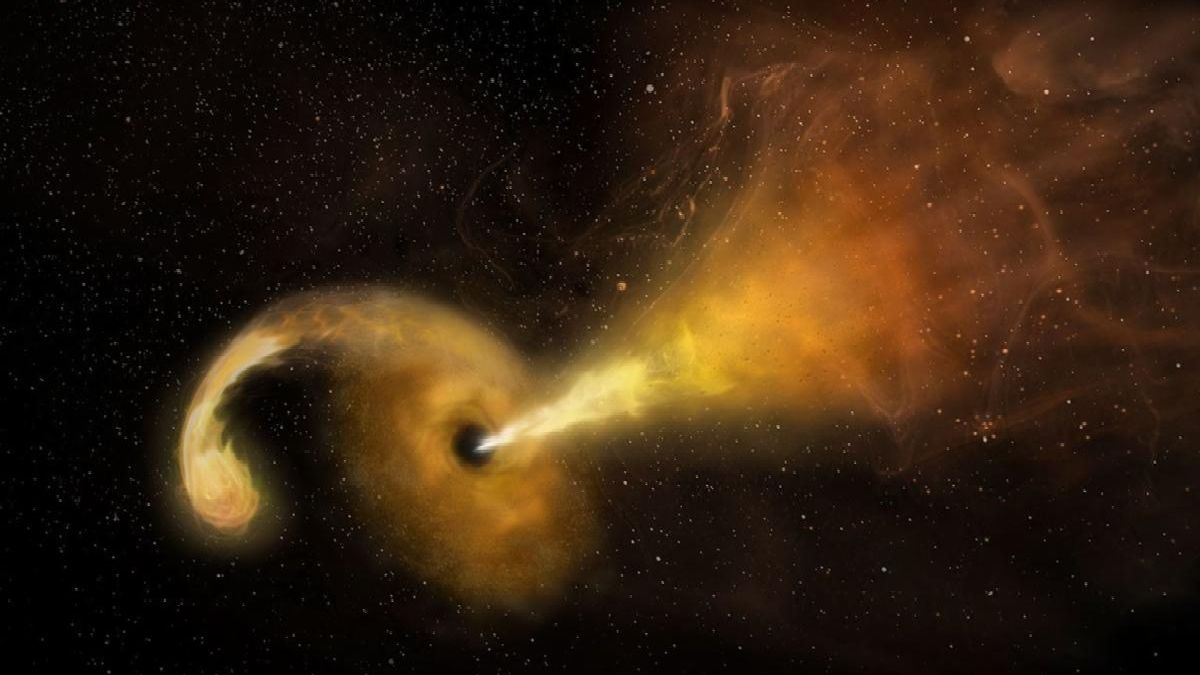
NASA’s Neil Gehrels Swift Observatory has captured a star being torn apart by intense gravitational forces after it ventured too close to a supermassive black hole, a phenomenon known as a tidal disruption event. These events are already extremely rare, and this marks the first time one has been observed so far from a galaxy’s core.
LEARN MORE
| |
THE UNIVERSE
Winding Down
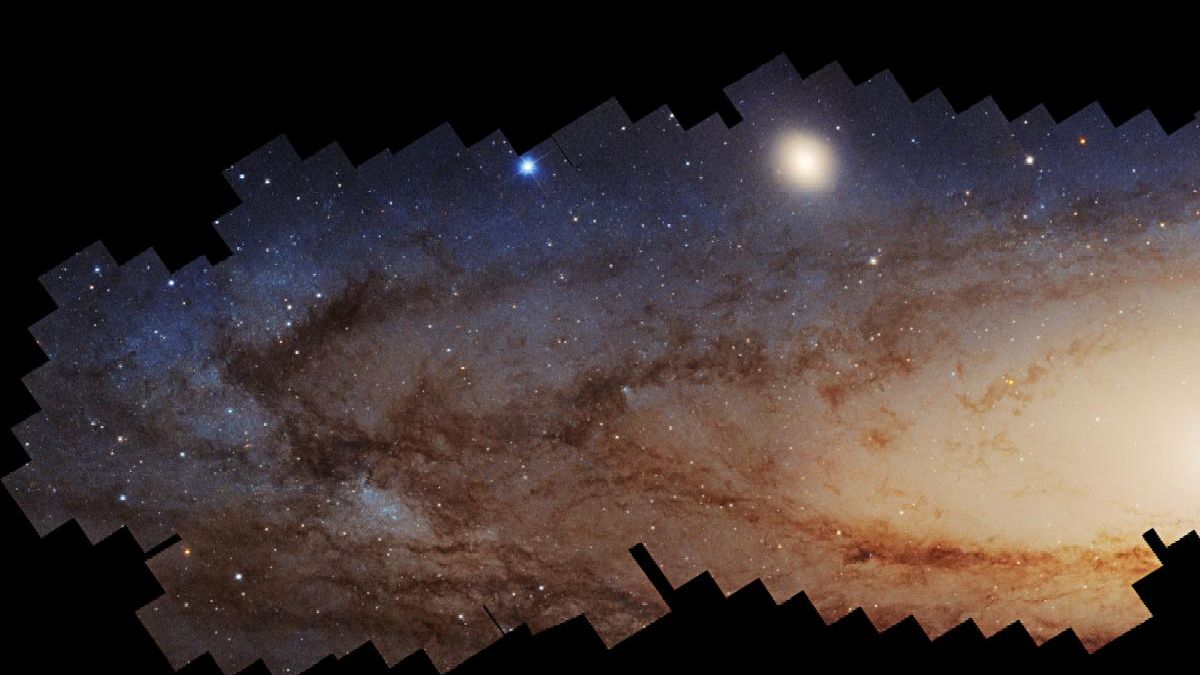
A new study using data from NASA’s Hubble Space Telescope finds that star formation in the nearby Andromeda galaxy has undergone a 500-million-year decline, with an even steeper drop in the last 40 million years. Located about 2.5 million light-years from Earth, Andromeda offers an opportunity for astronomers to examine its stellar populations in detail, leading to a better understanding of the history of galaxies like our own.
LEARN MORE
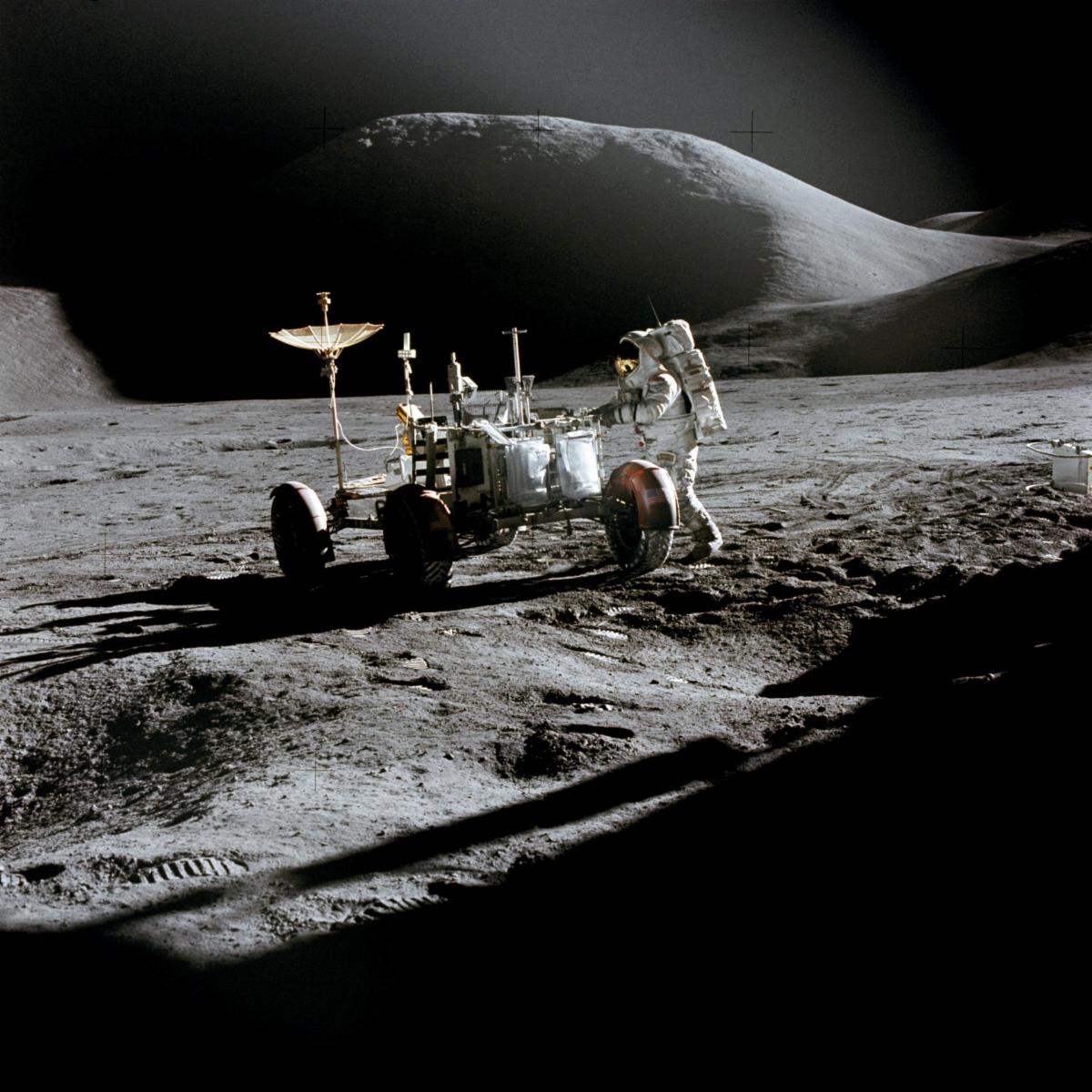
| | Apollo 15 astronauts David R. Scott and James B. Irwin drove NASA’s Lunar Roving Vehicle on the surface of the Moon for the first time 55 years ago this week. This first “moon buggy” provided a boost for lunar science by allowing the astronauts to travel farther from their landing site, explore more types of lunar deposits, and collect more samples. | |
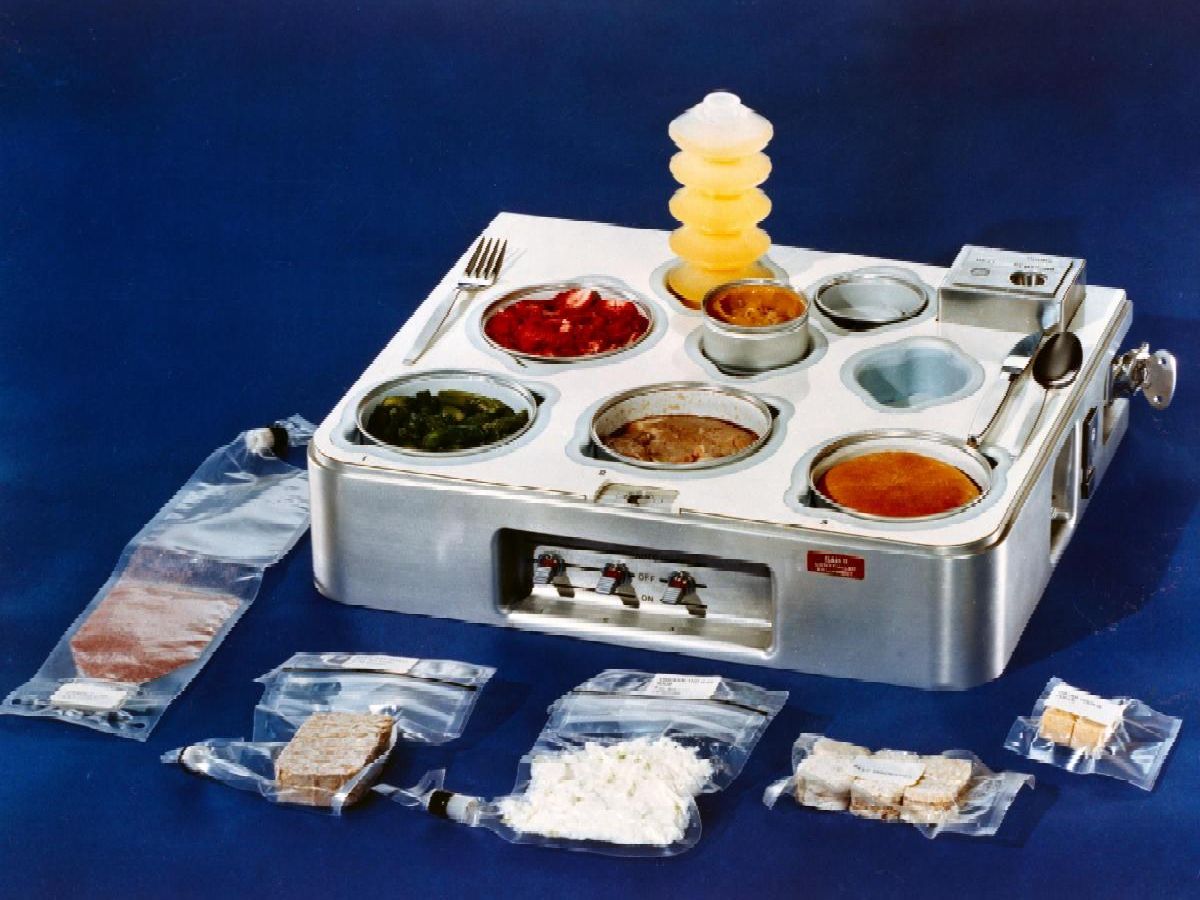
| What was the Lunar Roving Vehicle’s power source? | | | | Find out the answer in next week's NASA newsletter! 🤓 | | | | Last week, we asked which food astronauts did not eat aboard Skylab. The answer? Hard-boiled eggs. Skylab’s freezer, the first ever flown, allowed astronauts to enjoy ice cream, frozen meats, and even lobster Newburg as part of their meals. On the Skylab 3 and 4 missions, condiments like tabasco sauce and horseradish were also included for the first time as part of a NASA space mission. | | |
In the citizen‑science project, Redshift Wrangler, volunteers will examine data from the W. M. Keck Observatory and NASA's Hubble Space Telescope, looking for "bumps" and "wiggles." Using the tools of spectroscopy — the study of light across different wavelengths — the bumps and wiggles will be used to measure how big the universe was back when the light was released. That information, called the “redshift” of a galaxy, reveals in turn how galaxies evolve across oceans of time.
Through NASA's citizen science projects, volunteers help with cutting-edge research in Earth science, planetary science, astrophysics, biological and physical sciences, and heliophysics. With just your phone or computer, you can help NASA expand our understanding of the universe — including life here on Earth. Projects are available in 18+ languages beyond English and open to anyone, regardless of country of origin or citizenship status, and need no special gear, just curiosity and a willingness to learn.
JOIN THE PROJECT
| | |
National Aeronautics and Space Administration
NASA explores the unknown in air and space, innovates for the benefit of humanity, and inspires the world through discovery.
Visit nasa.gov
| | | | | |