Lea nuestro boletín en español

Ask the Expert --

How Will My Child Wear Glasses?

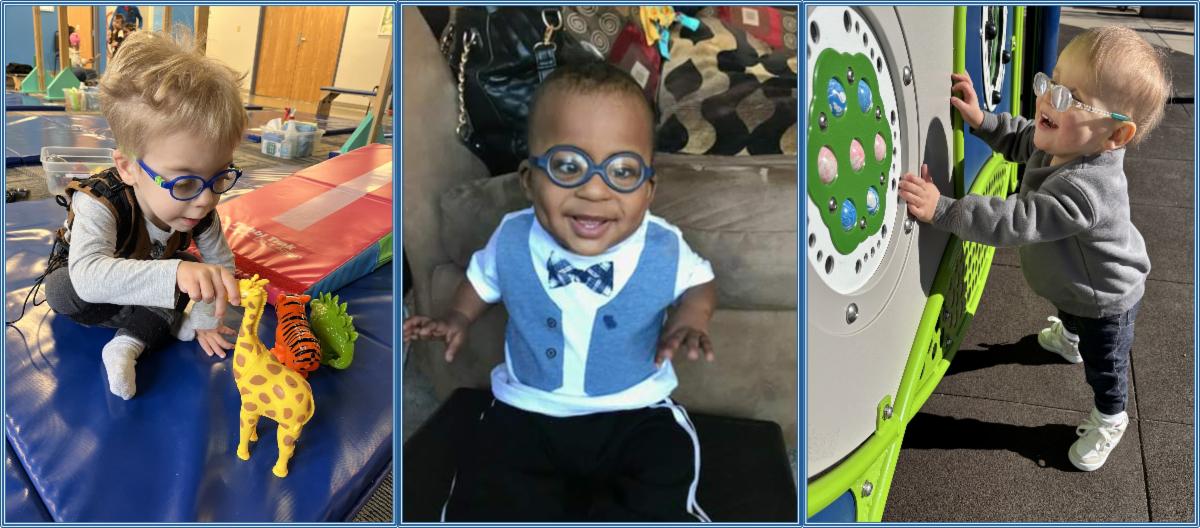
If your child has low vision, chances are they’ll have a prescription for glasses. You may be wondering, “How on earth am I ever going to convince my child to keep glasses on their face?” The teachers from A Shared Vision get this question all the time. They support families who have very young children, from birth to age three, who are blind or have low vision. They provide parents with all kinds of strategies, including tips on wearing glasses or a patch.


Like getting dressed or brushing teeth, wearing glasses can be incorporated into your child’s everyday routine if parents are consistent about the times their child wears them.


“Don’t give up” is what our teachers advise parents. “Expect that your child WILL wear the glasses. It is like feeding, where your child must taste carrots 25 times before you can guarantee they don’t like carrots.”


Sometimes if the whole family wears glasses (even fake ones), it’s easier for your child to wear them because it’s perceived as a team effort. Another strategy is to distract your child with one of their favorite activities while you put on their glasses.


One teacher shared, “I had a child that refused to wear their glasses, so I took a picture of us without our glasses on and we had ‘frowny faces.’ I took another picture of us with our glasses on and we were smiling. The parent would show the ‘frowny face’ picture to the child when she wasn’t wearing her glasses.”


Your EI-TVI is there to help. Talk to your EI-TVI about what worked and what didn’t. What should you do differently? Are there other suggestions you could try? Talk about your feelings – it’s OK to feel frustration, anger, or disappointment – and definitely celebrate milestones!


For more tips on getting your child to wear glasses, check out our digital resources HERE.


Make a Lucky Shamrock

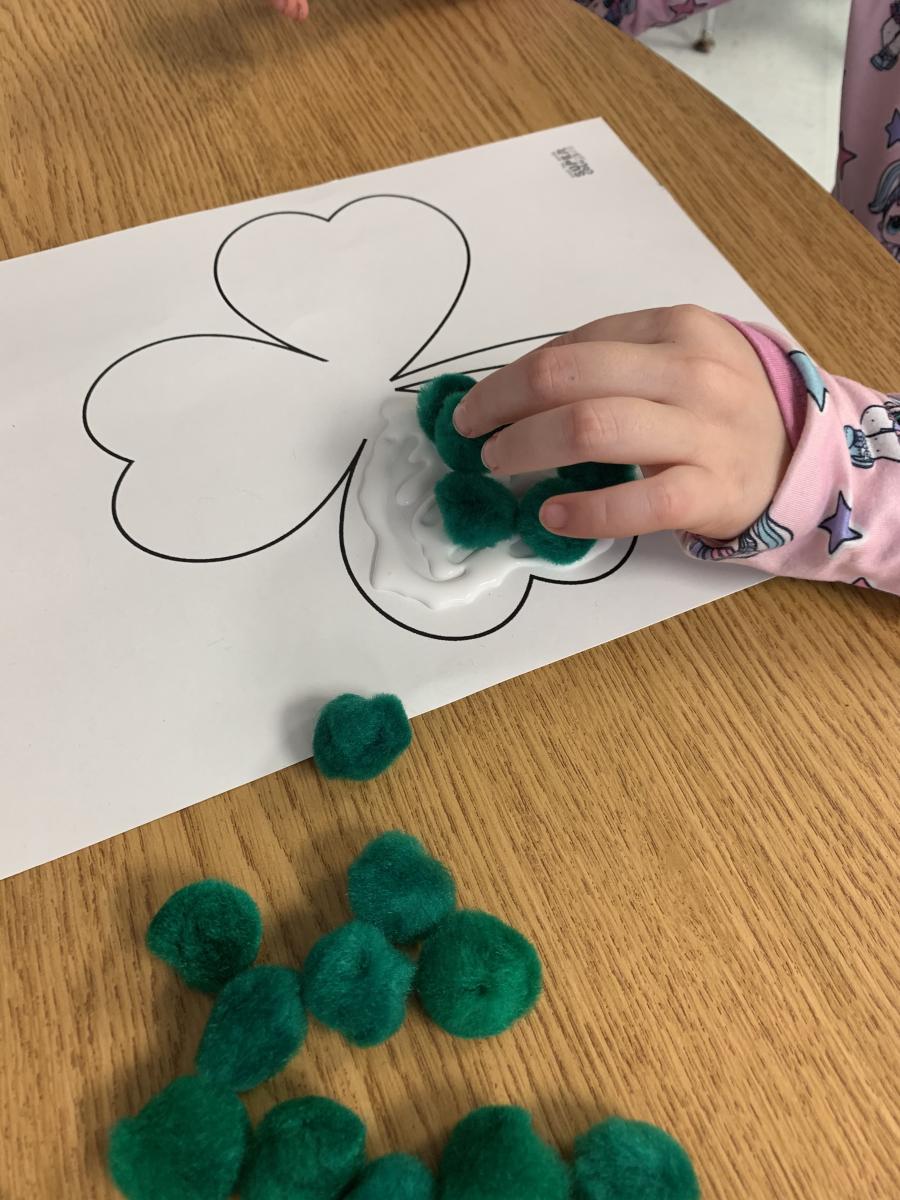
Celebrate St. Patrick’s Day with this easy tactile craft idea from Paths to Literacy. All you need is green pom poms (you can use different sizes), glue, and an 8 ½ x 11- inch sheet of paper or cardstock.


First, draw the outline of a shamrock on a sheet of paper or cardstock in black marker. You can find a template for shamrocks HERE.


Then, squeeze some glue on the shamrock. Let your child pick up each pom pom and place it on the shamrock. Use hand under hand if your child is reluctant to get started.


As you work on filling the outline with the pom poms, use action verbs to talk about how you’re squeezing the glue bottle, picking up each pom pom, and placing it on the template. Talk about the pom poms’ color and soft texture. What else is green in your home or outside your window? You can even count the number of pom poms you glue on your shamrock and note which leaf has the most.


What We Love Now

Typical children learn to count between the ages of two and four. Even children with blindness or low vision learn to count when they can engage all their senses.


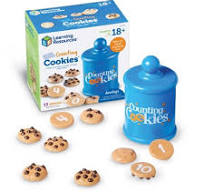
We love this “Smart Counting Cookies” jar because you can feel the bumpy chocolate chips as you pick up each cookie.  The number of chips on the cookie corresponds to the number printed on the back of the cookie. You can introduce directional concepts as you talk to your child about how they are putting the cookies in the jar or taking them out. The cookies even make a sound when they clatter on the floor or a tray. It’s just too bad you can’t eat them!

Let's Build a Snowman

When it’s too cold and snowy to go outside, you can bring the snow inside and build a snowman with your child who is blind or has low vision.


Your child can experience snow through their senses while learning important concepts like “cold” and “wet,” sequencing skills while you build a snowman, and predicting what happens when the snow melts. Put a towel on the floor just in case your floor gets wet!


Build a snowman with this learning experience HERE.

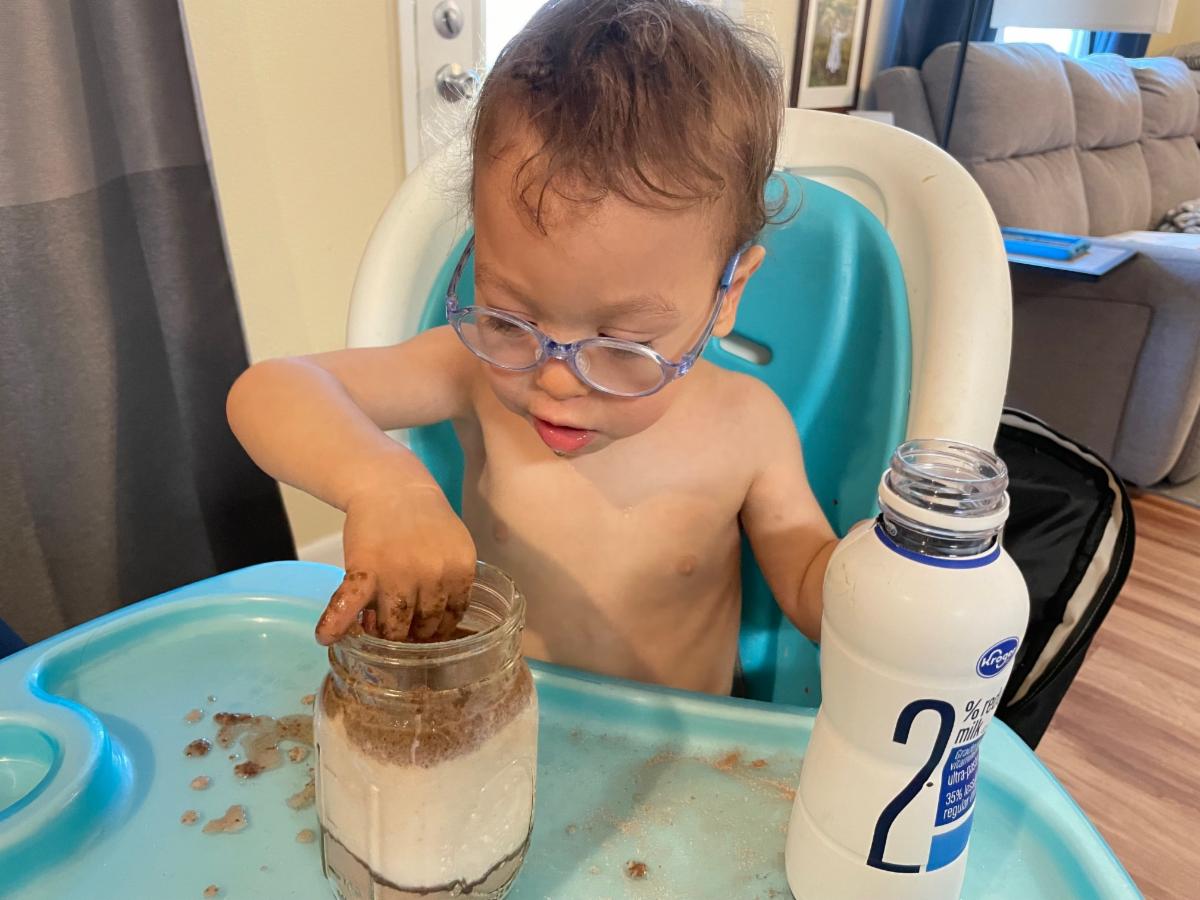
Shake Up Pudding in a Jar

Children like pudding because of its smooth, comforting texture and sweet taste.


For this recipe activity you combine milk and instant pudding mix in a jar with a closeable lid and shake them together while saying a popular rhyme -- “Pudding in the jar/Pudding in the jar/Shake them up/Shake them up/Pudding in the jar.”


Combining words with movement grows connections in your child’s brain. Try this fun sensory recipe HERE.

A Shared Vision is a 501(c)(3) nonprofit and the leading provider of in-home and community early intervention vision services in Colorado. We inspire and empower families to nurture the development of their very young children who are blind or visually impaired so that all children may discover their brightest future.
Share this email:
Facebook  Twitter  Instagram