|
No one at NASA set out to kill astronauts.
On 28th January 1986, 73 seconds after launch, the Space Shuttle Challenger broke apart, killing all seven crew members.
The catastrophe did not begin that morning.
Its origins lay years earlier.
The immediate cause was the failure of a rubber O-ring seal, in one of the solid rocket boosters.
Engineers had worried about the problem before. The warning signs were known. The evidence existed. The concerns had been raised…
… nothing happened. Or rather… lots of things happened. Meetings. Discussions. Reviews. Reports, but…
… nothing changed. Over time, people became accustomed to the warning signs.
Sociologist Diane Vaughan later coined the phrase the ‘normalisation of deviance’ in her book; The Challenger Launch Decision.
She described how NASA gradually came to accept abnormal events as normal. Small departures from standards became routine. Risks became familiar.
Familiarity bred, acceptance.
Standards slipped, not in one dramatic moment, but a fraction at a time, until nobody noticed how far they had moved.
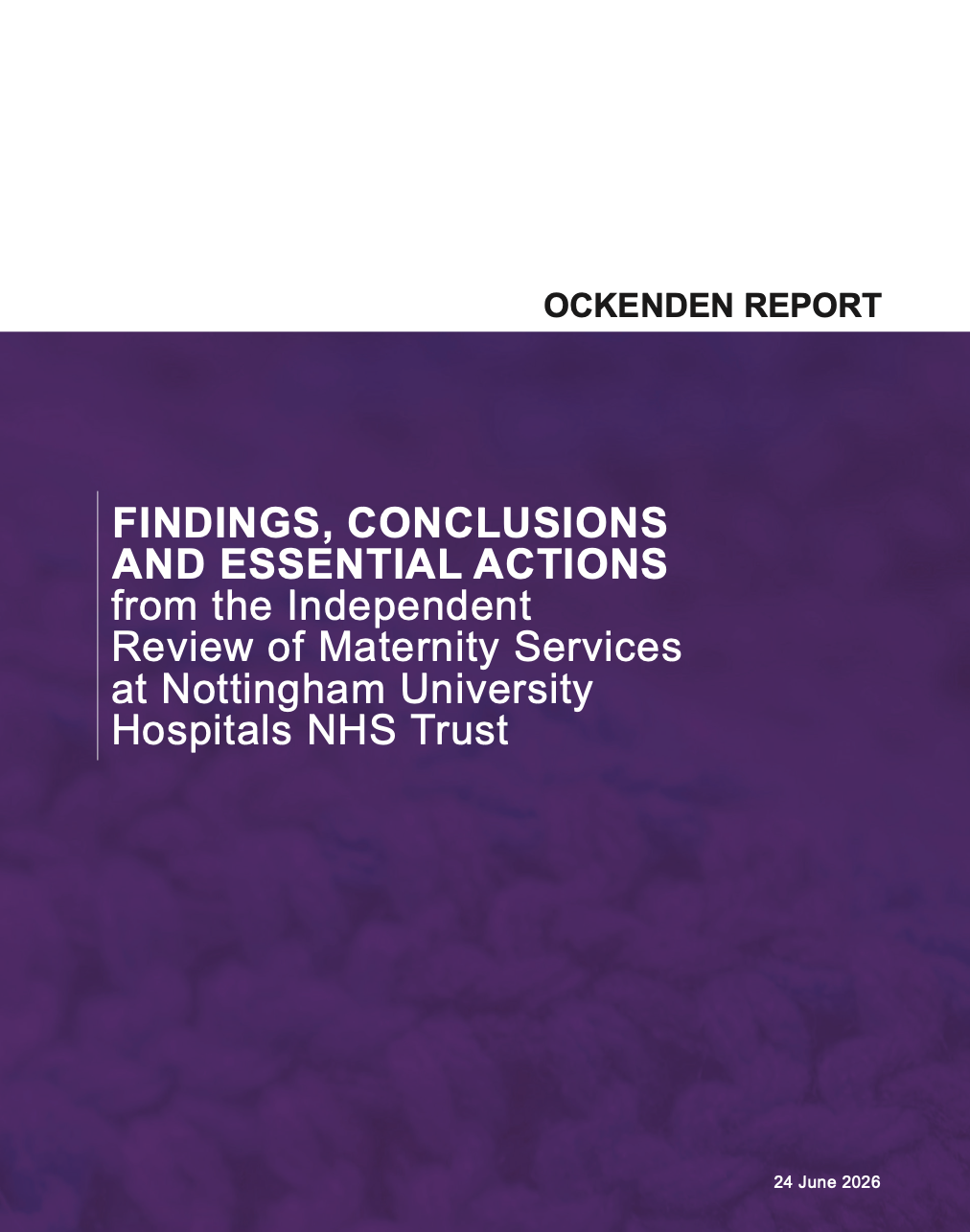
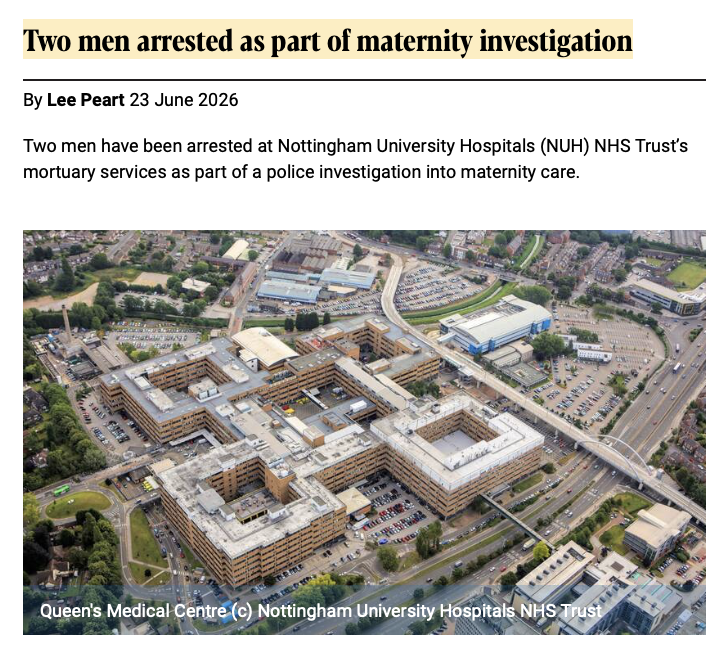
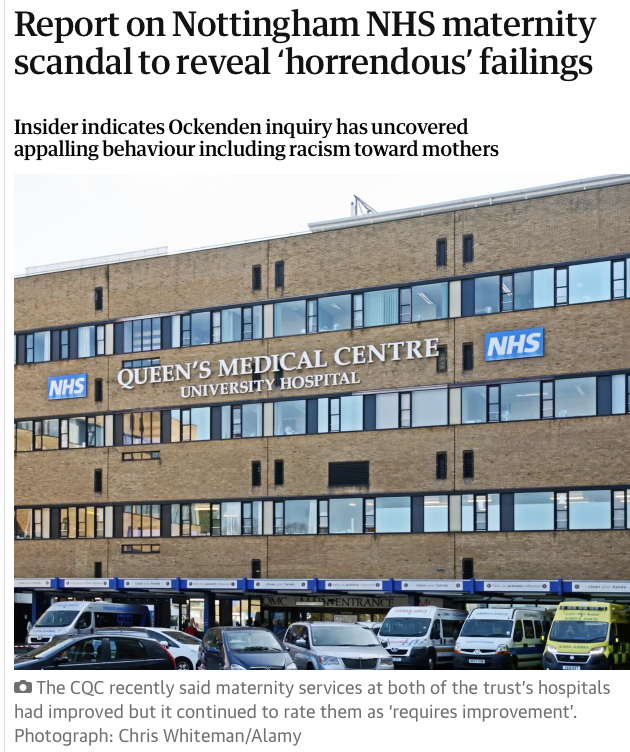
Reading Donna Ockenden’s report into maternity services at Nottingham University Hospitals, I was struck by the same phenomenon…
… the report deals with the horrors of baby deaths, avoidable harm, devastated families. Opportunities missed. It’s right that we should pay attention to every page of its findings, but…
…there’s a much wider lesson.
Cross out the word maternity and replace it with almost any NHS specialty, service or department and many of the themes remain familiar.
-
Failure to listen.
-
Failure to learn.
-
Failure to join the dots.
One complaint. One incident. One stillbirth. One staffing concern. One inspection finding…
… no single event is enough to trigger a crisis. The system struggles to connect them into a coherent story.
The problem wasn't that Nottingham didn't know.
The problem was that Nottingham got used to knowing.
It's an organisational phenomenon we see everywhere in the NHS…
- Corridor care.
- Waiting lists.
- Delayed discharges.
- Broken estates.
- Workforce shortages.
Each started as an exception. Each became signal of pressure. Each became normal. Eventually they became, ‘just the way things are.’
Why?
Because the NHS has become extraordinarily good at accommodating pressures that would once have been regarded as intolerable, and…
… that raises a question for every leader, board member, regulator and minister.
What have we become comfortable with that should still make us uncomfortable?
The answer lies in curiosity. Curiosity is the immune system of organisations.
Curious organisations ask:
-
Why is this happening?
-
Why are we accepting this?
-
What has changed?
-
What worries us?
-
What would surprise the public if they knew?
When curiosity fades, organisations become vulnerable. Risks become familiar. Problems become routine. Warning signs become background noise.
Reading Ockenden, I found myself thinking about the five factors that shape organisational performance.
Nottingham was not simply a maternity failure.
It was a failure of ...
- Culture
- Trust
- Engagement
- Ignorance
- Status
Culture allowed unsafe practices to become normal. Accepting deviance.
Trust broke down between families, staff and leaders.
Engagement diminished as concerns were raised but insufficiently acted upon.
Ignorance, not through lack of information but through failure to see the whole picture, prevented the organisation from understanding what was happening.
Status determined who was heard and who was not.
The report's recommendations are important, but they are not just maternity recommendations. They are organisational recommendations.
Listen to people. Act on concerns. Learn from mistakes. Challenge assumptions. Notice patterns, and..
Don't mistake activity for improvement.
Don't ignore warning signs because they have become familiar.
The Ockenden report is not asking the NHS to learn new lessons. It is asking the NHS to stop forgetting the lessons it already knows.
The tragedy at Nottingham was not that the warning signs were hidden. The tragedy was that they became familiar.
The most dangerous words in any organisation are not: ‘We didn't know.’
The most dangerous words are: ‘It's always been like that.’
Corridor care. Delayed discharges. Never-events. Workforce shortages. Babies struggling for life…
… these are the NHS’ O-rings.
The question is not whether we know about them. We do.
The question is whether we are still curious enough to do something before they explode.
|