|
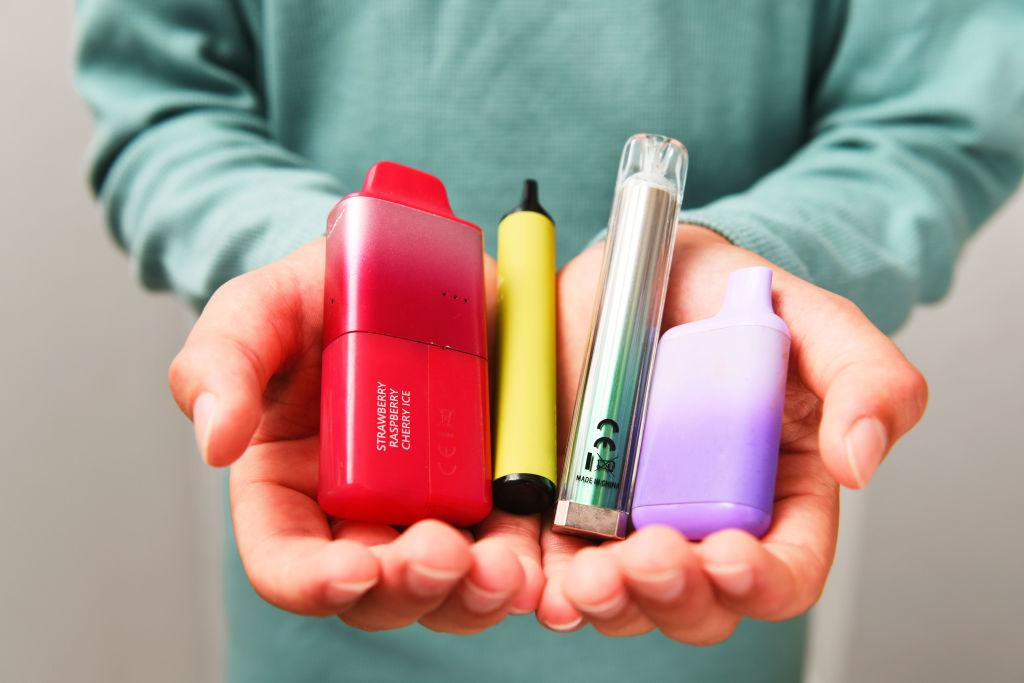
Middle school and high school teachers continue to be concerned about their students vaping (using e-cigarettes). Teacher discussions, emails, and social media posts describe an ongoing problem with students vaping in schools. Many schools have installed vape sensors in bathrooms and do random locker and backpack checks, but schools still remain one step behind students who are determined to thwart these vaping prevention methods.
Many teens (and adults) believe that vaping is safe. However, e-cigarettes have not been shown to be safe and that there are concerns about the short and long-term health effects of vaping. E-cigarette liquids and aerosols contain a variety of potentially harmful substances such as flavorings and other chemicals.
Below are summaries of four Science Take-Out kits that explore the health effects of vaping and nicotine. These hands-on kits encourage students' discussions and questions. Students also explore how vape advertising, packaging, and flavorings particularly target teens.
The kits were developed in collaboration with our partners from the University of Rochester, with grant funding from the National Institutes of Health (NIH), and are based on real research on vaping and nicotine.
-
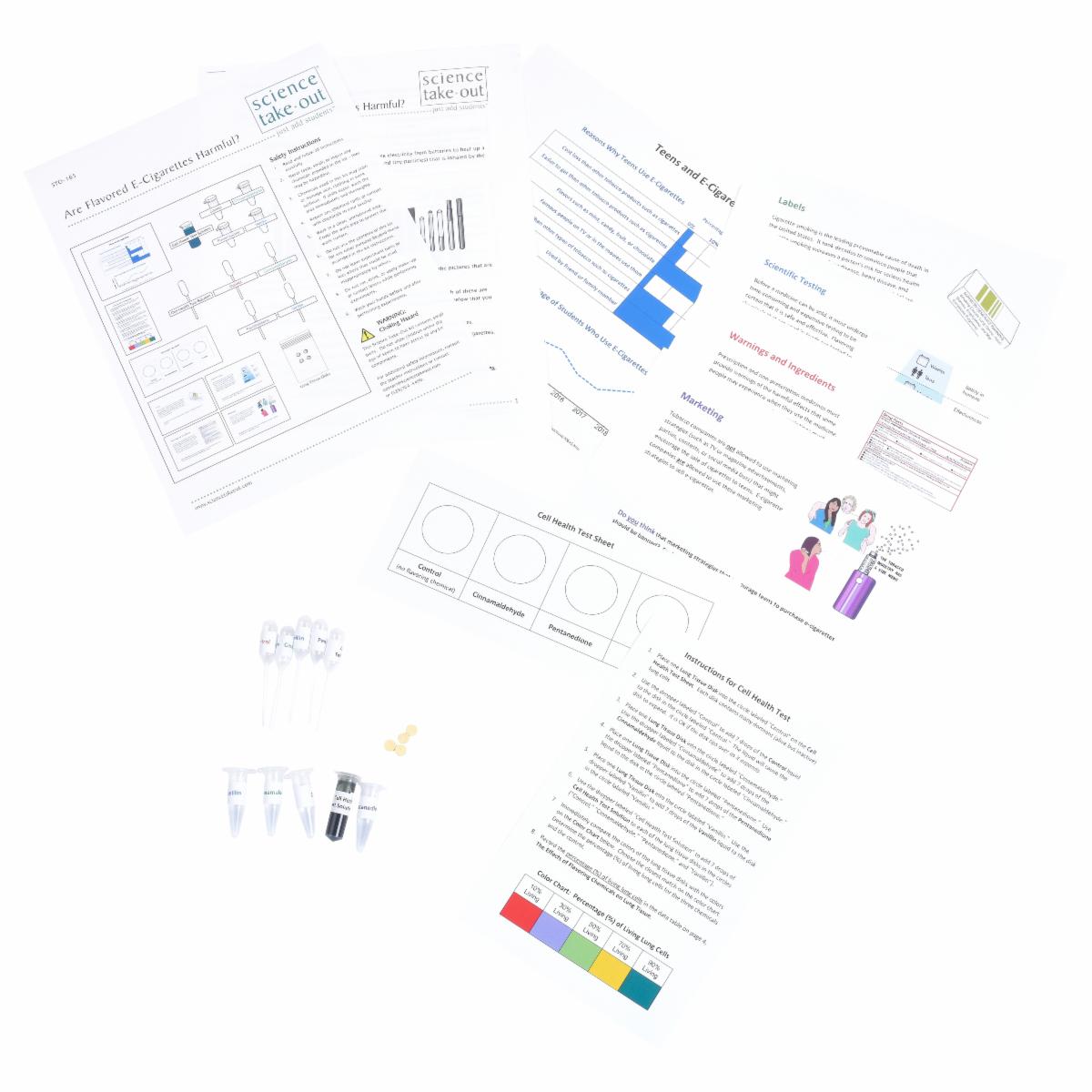
Are flavored e-cigarettes harmful? is based on research done at the University of Rochester which determined that chemicals in flavored e-liquids cause widespread damage to lung tissue.
-
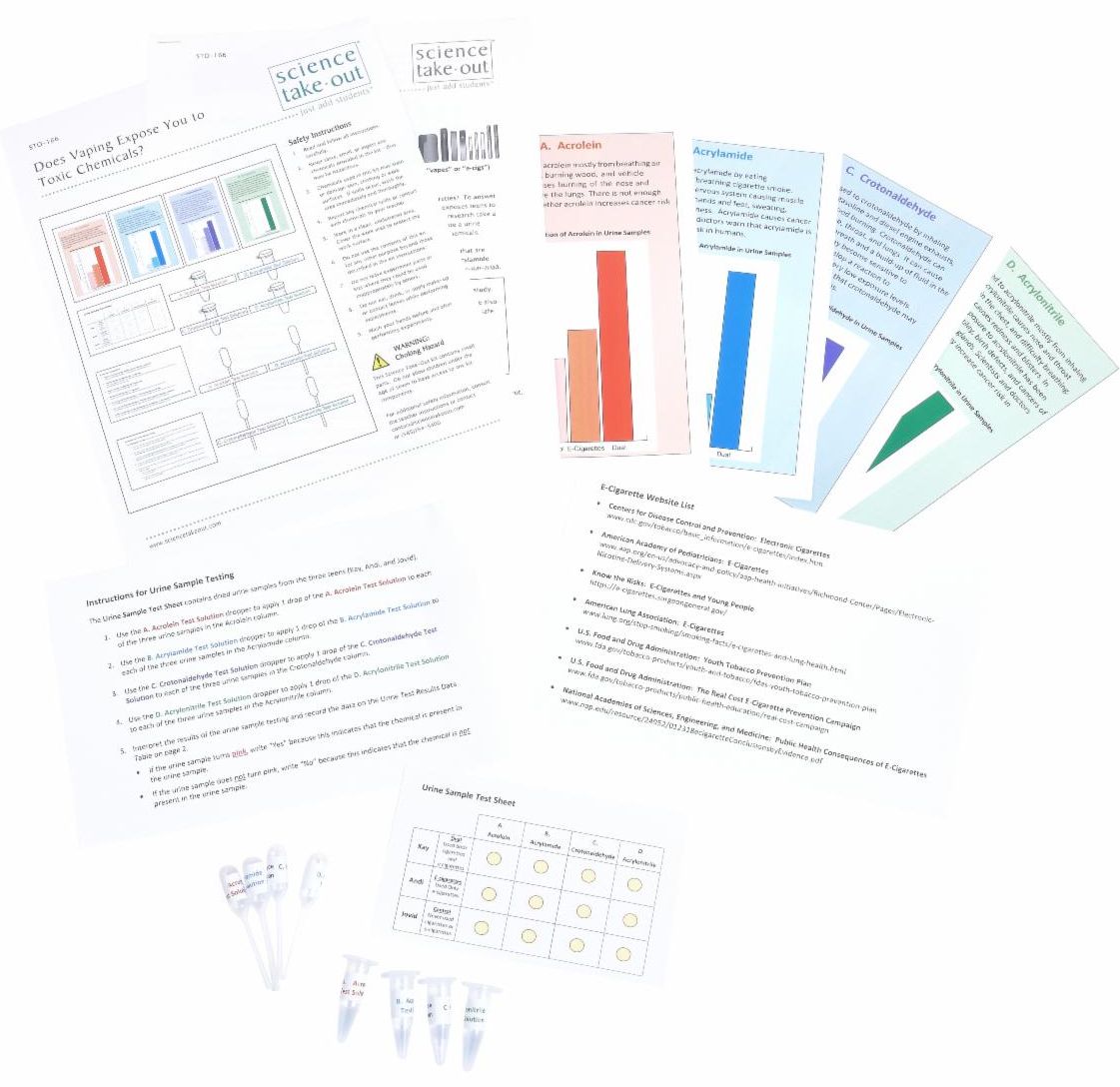
Does vaping expose you to toxic chemicals? is based on research done at University of California, San Francisco which determined that adolescents are exposed to toxic volatile organic chemicals from e-cigarettes.
-
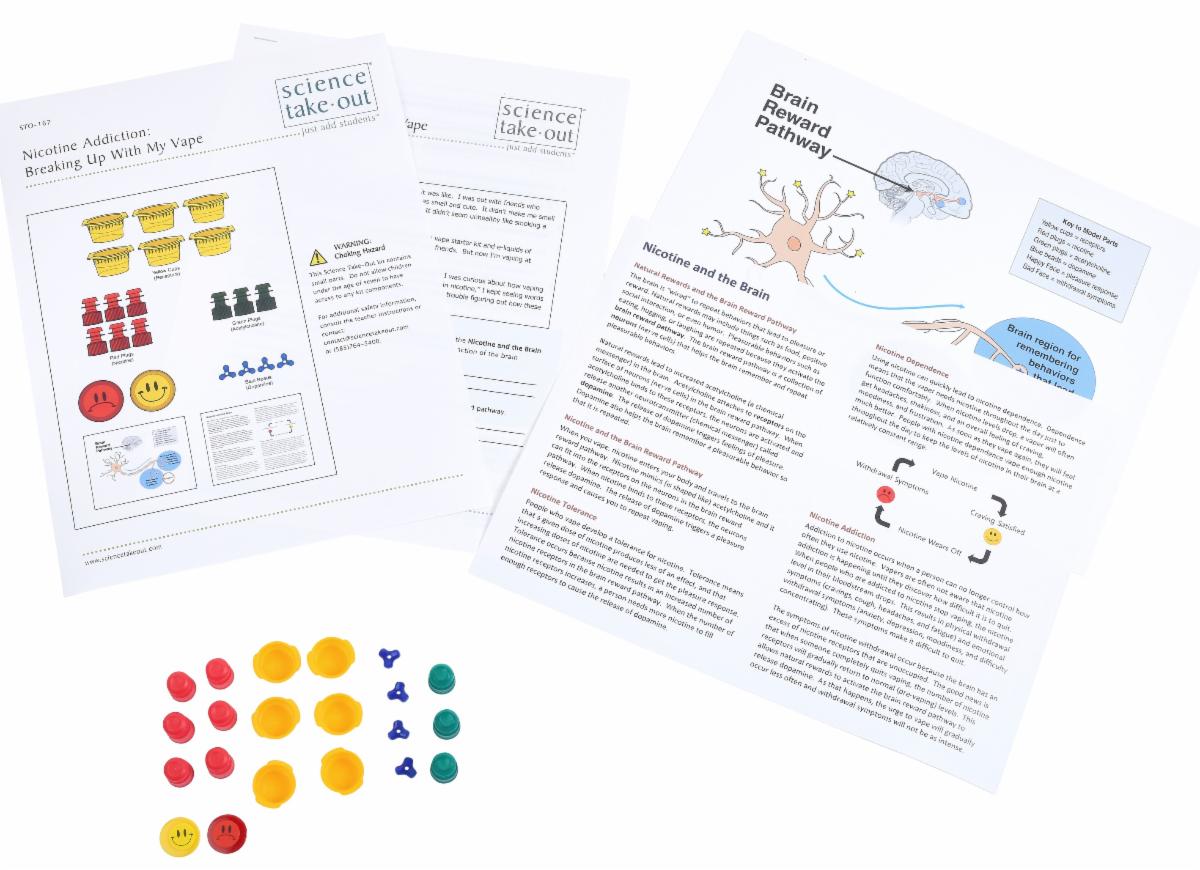
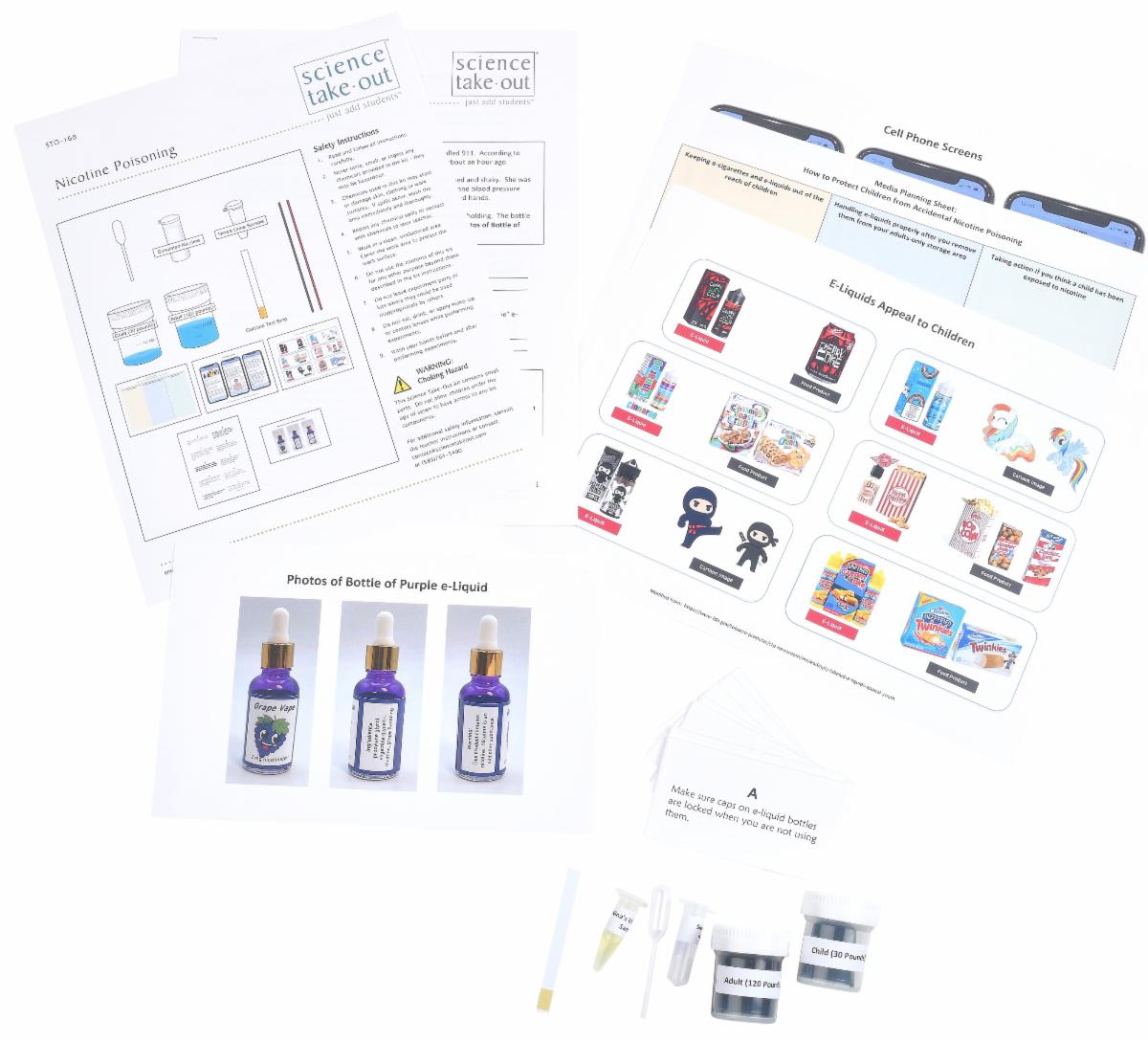
Nicotine Poisoning is based on an actual case of nicotine poisoning in a young child who ingested e-cigarette liquid.
|