|
Fall Schedule:
CLOSED FRIDAYS,
with reduced hours on the remaining open days:
FALL PYO & Farmstand Hours:
Tuesday & Thursday: 2 - 5:30 PM
Saturday: 9 am - 12:30 pm
Last Farmstand Day: Nov. 25
Online ordering begins: Nov. 29
******
FARM NEWS ~ September 30, 2025
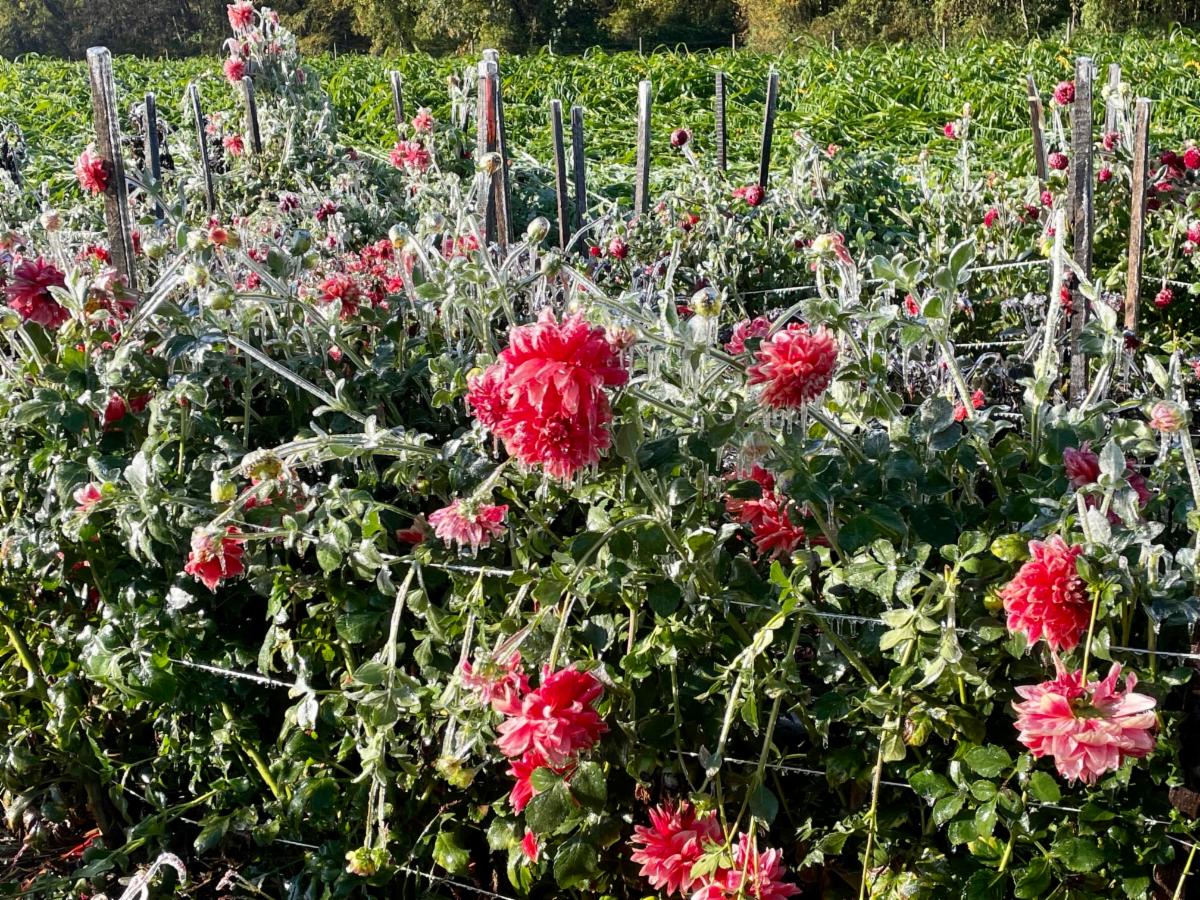
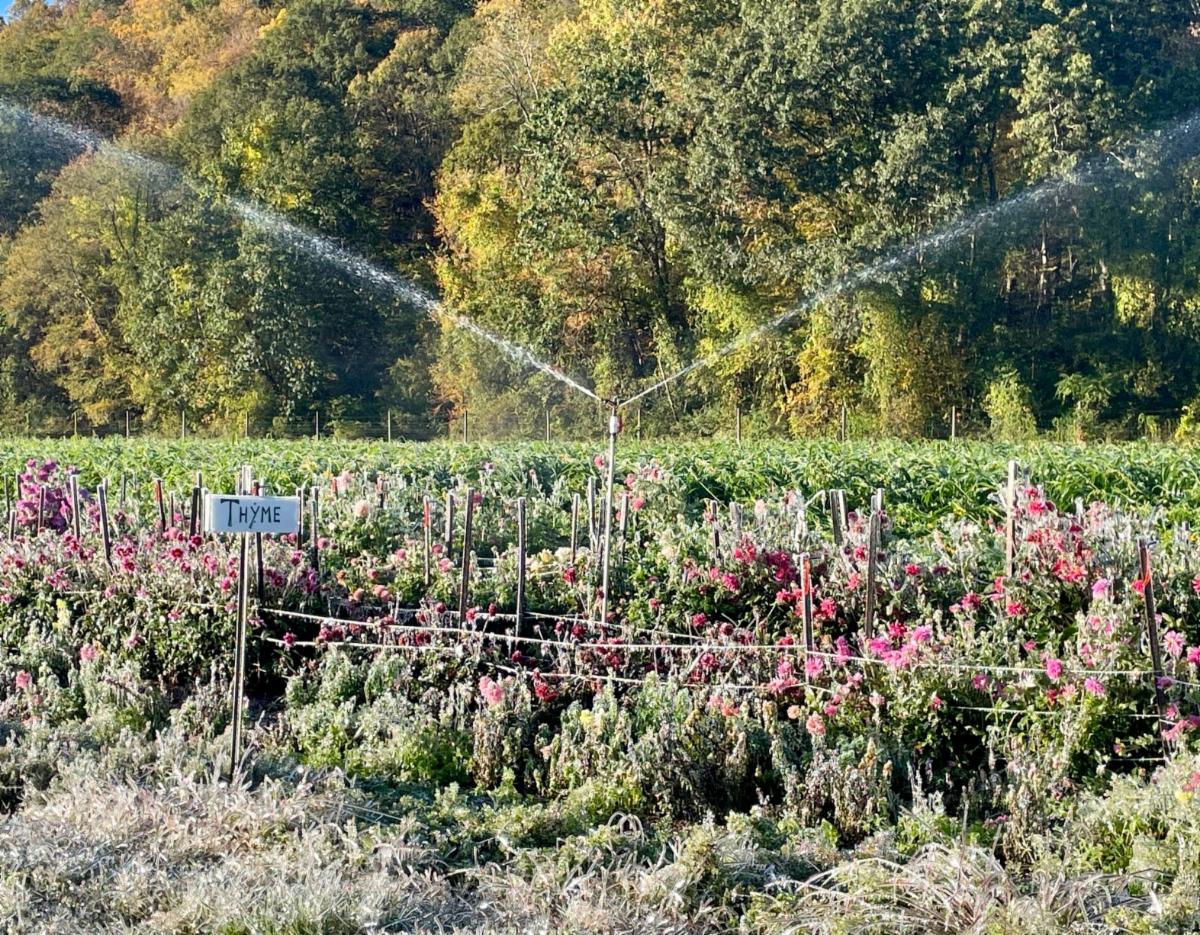
Last week we had our first frost. Forty years ago, this pretty much meant the end of the growing season for Northeast vegetable growers. But since then, a bunch of new tools have been developed to keep us growing nearly year-round. On Monday we could tell we were in for a frost because the forecast called for clear skies, low winds, and temps around freezing. We stepped up our efforts to bring in sensitive crops, gathering the last of the pumpkins and doing an extra hard pick on the eggplants and peppers. Next, the crew put double row covers on all the sensitive greens and a 4-fold layer on the ginger. We set up irrigation lines on the flowers and peppers and then waited for the cold to set in. Often the first frost of the season is just a brush with cold, but Wednesday’s event was a full-on freeze. Temperatures in our field dropped to 28F, just at the limit where we can protect crops. Luckily there is still a lot of heat in the ground from the warm fall, and once the frost melted on Thursday morning, we were able to get out into the field and harvest in the bright fall sunshine. Thanks to the crew for all of this extra effort!
| The morning of heavy frost. Fingers crossed .... | The other big change over the years is that growers are moving a lot of fall spinach, lettuce, and kale production into greenhouses and “high tunnels,” which are just simple greenhouses without heaters or fans. When combined with storage crops like carrots, sweet potatoes, beets, potatoes, winter squash, and celeriac, fall and early winter turn into a riot of diversity at our tables. If you are heading to the farm stand, our partner orchards are at peak harvest, and we’ve got a lot of your favorites like Macoun, Empire, and Golden Delicious apples and Bosc pears from Averill and Maple Bank, along with some unusual varieties like Crimson Crisp, Firecracker, Ashmeade’s Kernel, and Esopus Spitzenburg from Hidden Gem. | After the hard frost and the ice melt. Dahlias are as tough as they are beautiful. | |
And yes, we were able to save the dahlias! They looked like “flower popsicles” on the Thursday morning after a night of frost irrigation but have recovered well. They are the proverbial late bloomers, and we are hoping to be able to keep them going until the nighttime temps drop below 28F.
We hope you enjoy the farm,
Paul, Rebecca, and the Fort Hill Farm crew
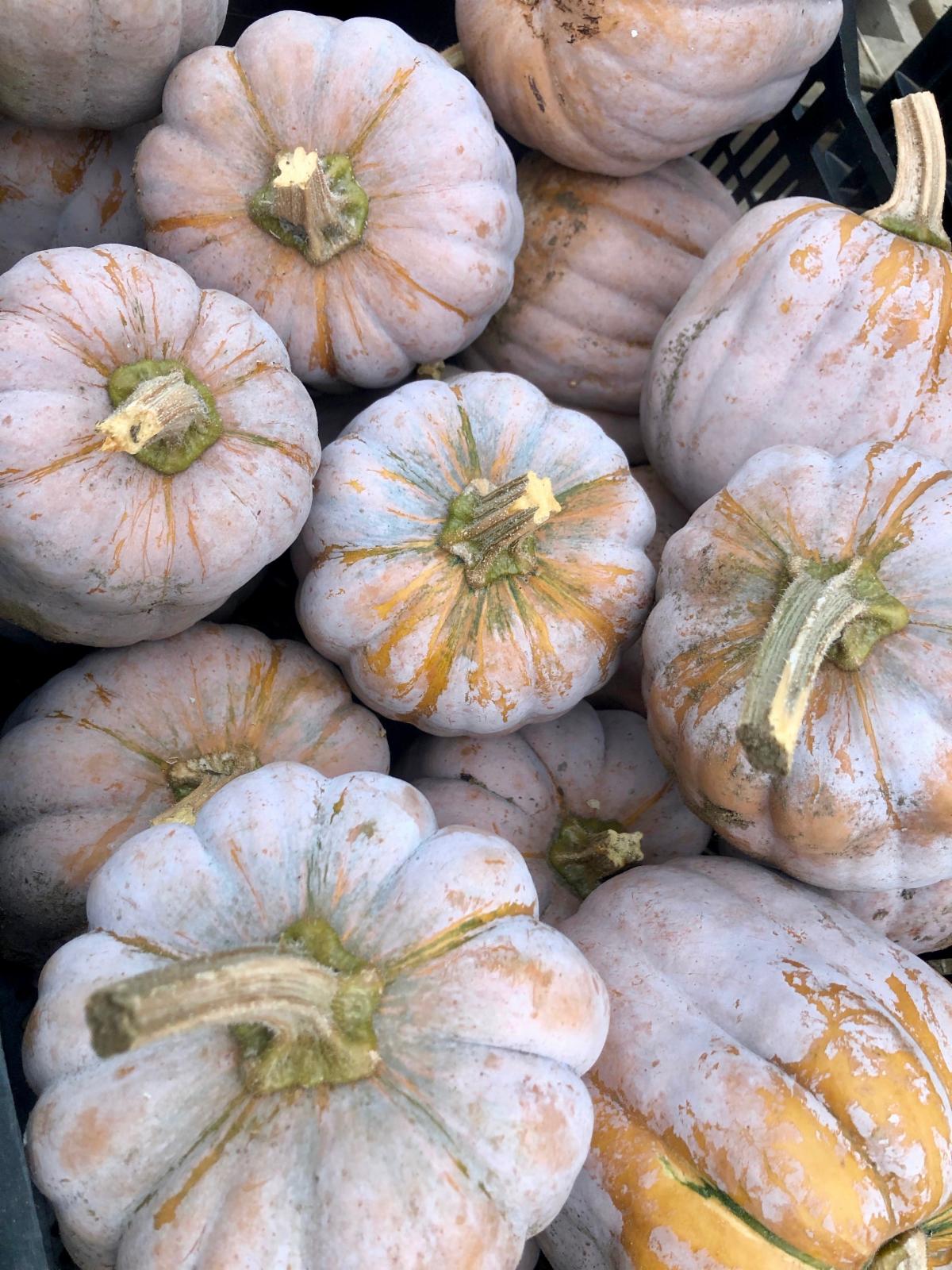
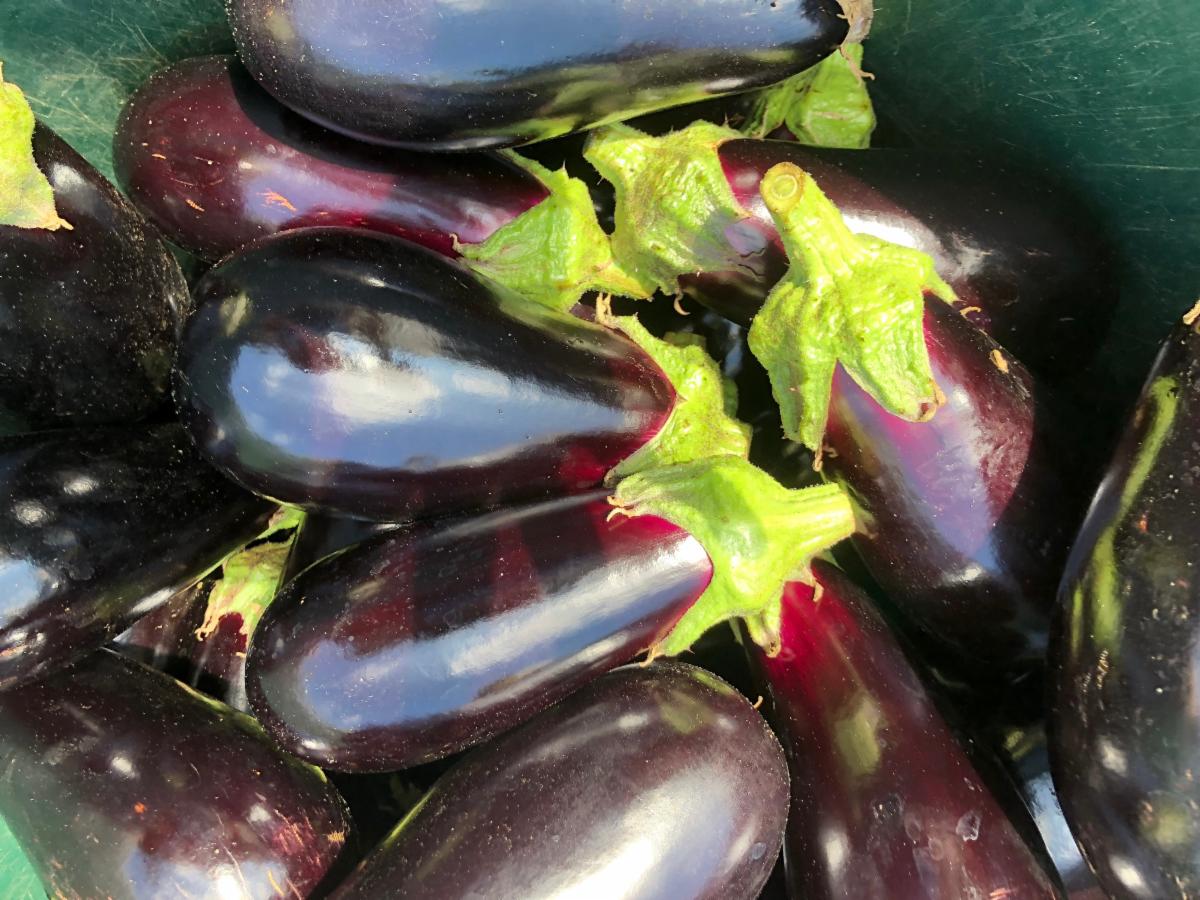
| Koginut Winter Squash: This squash was bred by chefs from a Kabocha and a Butternut, and its culinary prowess shows in the flavor and texture. We are in love! The flesh is sweet, creamy and notably rich. It’s moist without being soggy - a good, meaty squash. You won’t be disappointed. Like all winter squash, prepare by cutting in half, scooping out the seeds, oiling the cut edges, and putting face down in a baking pan with a quarter inch of water in it. Bake at 375F until a fork slides in easily. Don't forget to salt and roast the seeds! | Eggplant-mania: We grow 5 types of eggplant. Rosa Bianca is a globe shaped Italian heirloom with white suffused lavender color and notably tender flesh. Nadia is the classic, dark, Italian eggplant most commonly recognized. Graffiti has striated, “stone-washed” purple and white skin with the classic eggplant shape; And we have 2 types of Asian eggplant: a dark, blunt shaped variety called ‘Orient Express’ and long, thin purple ‘Machiaw.’ ALL can be grilled or used interchangeably in many recipes and all are ON SALE THIS WEEK! Nadia, Graffiti, and Rosa Bianca are great for Eggplant Parmesan, and the Asian varieties are great roasted or for stir fry. The Rosa Bianca and Machiaw varieties have shorter cooking times than the ‘traditional’ eggplant. Be sure to check out the heavenly recipe below. |
Also available:
Head lettuce; spinach; salad mix; arugula; pea shoots; curly and lacinato kale; rainbow chard; red, purple, and French Breakfast radish; basil; cilantro, parsley, oregano, thyme, sage; red beets; chioggia beets; gold beets; baby bok choy; carrots; scallions; leeks; celeriac; radicchio; dandelion greens; escarole; fennel; sprouting broccoli; romanesco (limited); Beefsteak and heirloom slicing tomatoes; Chinese cabbage; Savoy and red cabbage; German Extra Hardy garlic; jalapeño, shishito, cayenne, poblano, and cherry hot peppers (limited); green bell peppers, sweet red and yellow (ON SALE!) Italian peppers, sweet orange snacking (ON SALE!) peppers; eggplant: classic Italian Graffiti, Rosa Bianca, and a bit of two Asian types (ALL ON SALE!),; red and yellow storage onions; Satina Gold, Dark Red Norland, LaRatte and Pinto Gold fingerling and Kennebec potatoes; zucchini; spaghetti squash; acorn squash; Jester delicata squash; Honeynut squash; Butternut squash; Sugar pie pumpkins, Jack 'o lantern pumpkins; collard greens; sweet potatoes; fresh ginger; plus choice apple varieties from Hidden Gem Orchard, Maple Bank Farm, and Averill Farm!
| |
Coming soon:
Blackberry potatoes
| |
Pick Your Own:
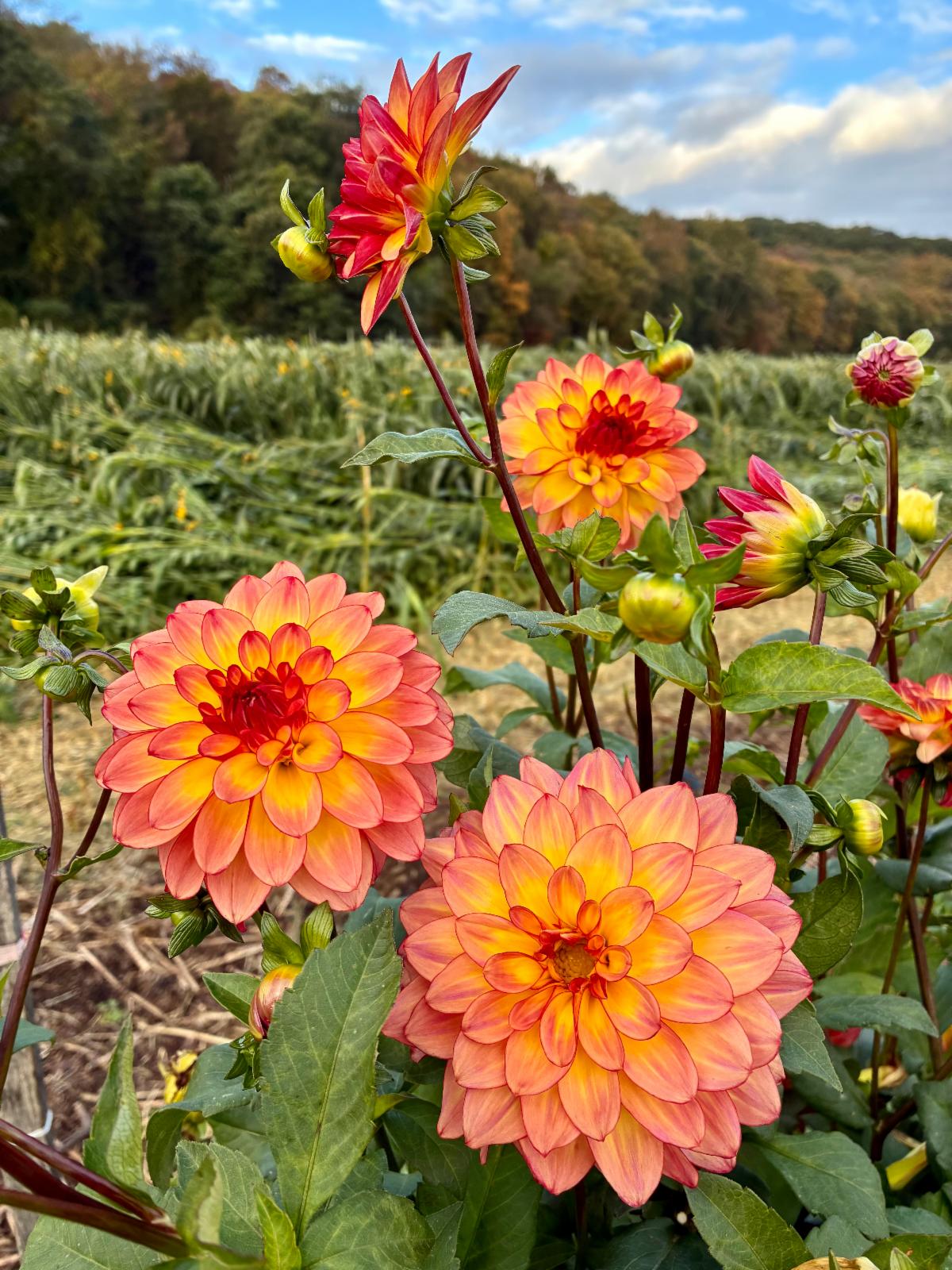
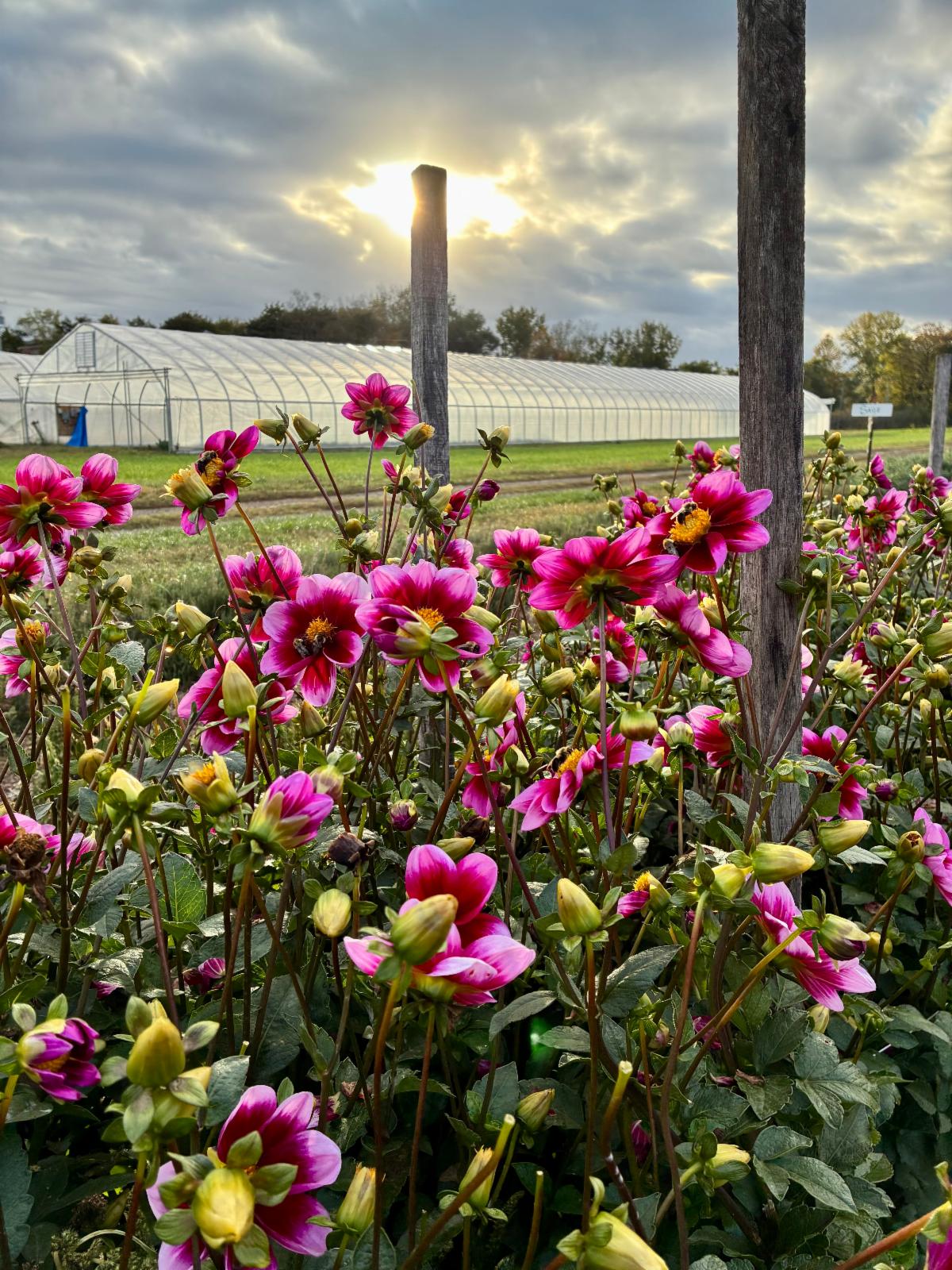
Flowers- Yes, the dahlias prevailed through the hard frost last week, thanks to the overnight irrigation protection. – Don't miss out on the experience!
Please pick up a flower ring at the barn to get the right size bouquet.
Perennial Herbs: oregano, sage, thyme
Please pick up an herb ring at the barn to get the right size bunch.
|
Recipes:
Suggested by Rebecca Batchie
– Not into this particular recipe? For more recipes arranged by crop, check out the Fort Hill Farm Recipe Database.
Epic Baba Ganoush
Author: Cookie and Kate
Prep Time: 20 minutes
Cook Time: 35 minutes
Total Time: 55 minutes
Yield: 6 servings (1.75 cup)
It's Baba time! This is my go-to recipe for Baba Ganoush, because it's just that delicious. You can cut back the oil a bit if you are feeling more reasonable, but I don't bother. I do recommend doubling the recipe at a minimum, because you'll be sad if you don't!
Ingredients:
- 2 pounds Italian eggplants (about 2 small-to-medium eggplants*)
- 2 medium cloves of garlic, pressed or minced
- 2 tablespoons lemon juice, more if necessary
- ¼ cup tahini
- ⅓ cup extra-virgin olive oil, plus more for brushing the eggplant and garnish
- 2 tablespoons chopped fresh flat-leaf parsley, plus extra for garnish
- ¾ teaspoon salt, to taste
- ¼ teaspoon ground cumin
- Pinch of smoked paprika, for garnish
- Serving suggestions: warmed or toasted pita wedges, carrot sticks, bell pepper strips, cucumber slices, etc.
Instructions:
- Preheat the oven to 450 degrees Fahrenheit with a rack in the upper third of the oven. Line a large, rimmed baking sheet with parchment paper to prevent the eggplant from sticking to the pan. Halve the eggplants lengthwise and brush the cut sides lightly with olive oil. Place them in the prepared pan with the halved sides down.
- Roast the eggplant until the interior is very tender throughout and the skin is collapsing, about 35 to 40 minutes (this might take longer if you are using 1 large eggplant). Set the eggplant aside to cool for a few minutes. Flip the eggplants over and scoop out the flesh with a large spoon, leaving the skin behind.
- Place a mesh strainer over a mixing bowl, then transfer the flesh to the strainer and discard the skins. Pick out any stray bits of eggplant skin and discard. You want to remove as much moisture from the eggplant here as possible, so let the eggplant rest for a few minutes and shake/stir the eggplant to release some more moisture.
- Discard all of the eggplant drippings, drain and wipe out the bowl, and dump the eggplant into the bowl. Add the garlic and lemon juice to the eggplant and stir vigorously with a fork until eggplant breaks down. Add the tahini to the bowl and stir until it’s incorporated. While stirring, slowly drizzle in the olive oil. Continue stirring until the mixture is pale and creamy, and use your fork to break up any particularly long strings of eggplant.
- Stir in the parsley, salt and cumin. Season to taste with more salt (I usually add another ¼ teaspoon) and more lemon juice, if you’d like a more tart flavor.
- Transfer the baba ganoush to a serving bowl and lightly drizzle olive oil on top. Lastly, sprinkle parsley and smoked paprika on top. Serve with accompaniments of your choice. It’s also great on sandwiches!
Notes
Recipe roughly adapted from Serious Eats and Tori Avey.
*Eggplant selection: Large eggplants tend to contain more seeds, which can produce a bothersome texture. So, it’s better to use 2 small eggplants that weigh about 2 pounds total, rather than 1 large. Choose eggplants that are shiny and smooth (no mushy parts), and feel heavy for their size. Turn your eggplant into baba ganoush promptly, since overripe eggplant tastes more bitter.
Storage suggestions: Leftover baba ganoush can be stored in an airtight container in the refrigerator for about 4 days (I think it’s best served fresh, but some say it tastes better after a day or two). I like to let my leftover baba ganoush warm to room temperature before serving, but others prefer it chilled, so I’ll leave this up to you.
For a lighter dip: You can reduce the olive oil to as little as 2 to 3 tablespoons. Your dip won’t be as rich and creamy, but it will still be very good!
|
FARMSTAND & PYO FALL SCHEDULE:
Tuesday & Thursday: 2 - 5:30 PM
Saturday: 9am - 12:30 pm
Last Farmstand Day: Nov. 25
Online ordering begins: Nov. 29
| |
FARMERS' MARKETS
Come see us on Thursdays from 10-2 at the Westport Farmers' Market
50 Imperial Ave, Westport
~Goes inside at Gilbertie' Greenhouses
November 20
and on the Green at the
New Milford Market,
Saturdays from 9 - Noon
~Last market November 22
| |