Fort Hill Farm Logo


Fort Hill Farm


fresh * local * organic


Facebook  Instagram


Fall Schedule:

CLOSED FRIDAYS,

with reduced hours on the remaining open days:


FALL PYO & Farmstand Hours:

Tuesday & Thursday: 2 - 5:30 PM

Saturday: 9 am - 12:30 pm

Last Farmstand Day: Nov. 25

Online ordering begins: Nov. 29

******


FARM NEWS ~ November 4, 2025

With peak fall foliage now in the rearview mirror, it’s time for the “greens” to take center stage on the farm.  I really love the way cover crops look this time of year.  Most of our worst weeds are frost sensitive, so they got zapped a few weeks back, and now many of our vegetable crop fields are sea of dark green oats, peas, clovers, alfalfa, and orchard grass.  We plant these crops to replenish the soil organic matter and microbial life after our vegetable cash crops are harvested, and this is their time to shine.  They do well in this shoulder season before the hard freezes of December set in to put them to sleep for the winter.  So, while they are not as flashy as the tree leaves, they are a nice consolation prize before the winter “browns” set in.

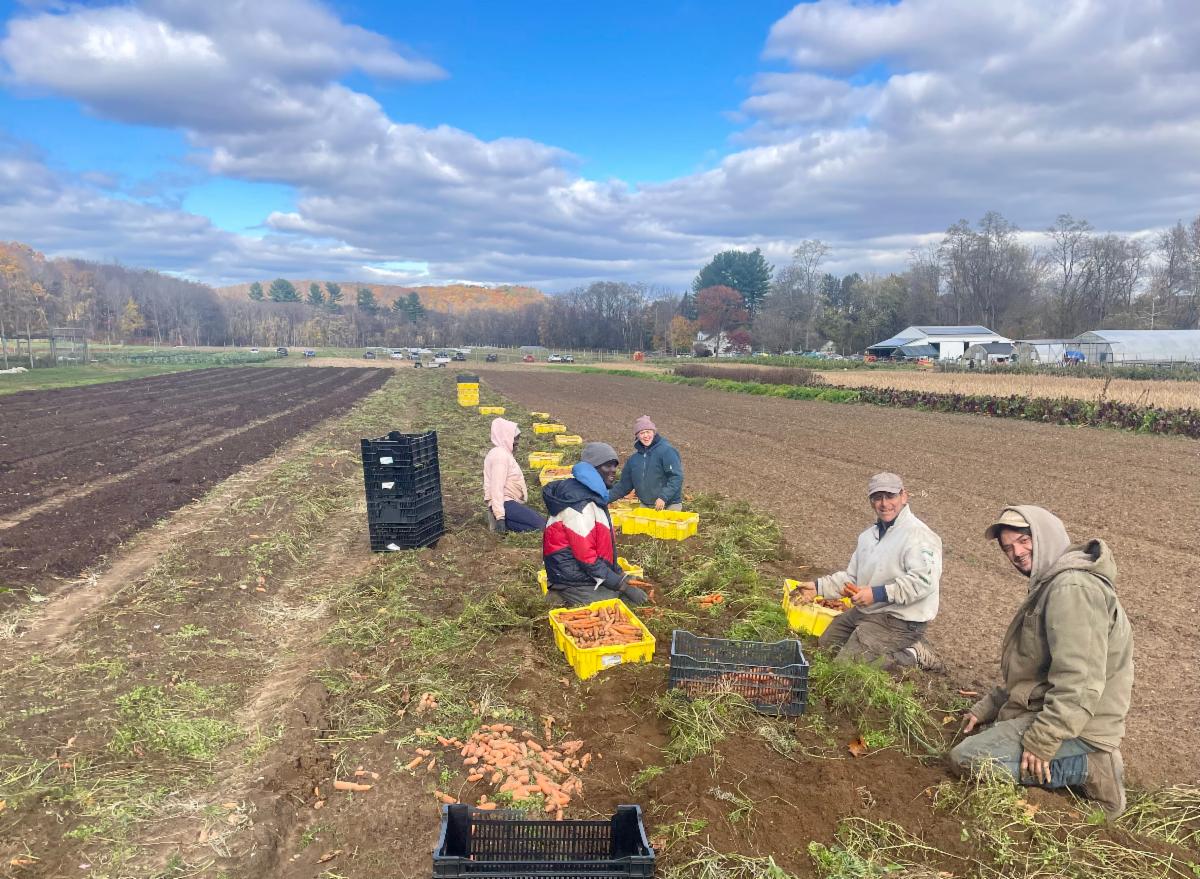
Carrots are in! Dana captures the last carrot harvest under a dramatic October sky with Abi, Kolade, Faye, Paul, and Matt.


We are finally geared up to plant our garlic, and the first of 27,000 cloves of garlic are finally going into the beds we have prepared.  This is the beginning of the garlic cycle, but after a season of weeding, watering, pulling, bunching, hanging, curing, trimming, and bulb breaking, actually putting garlic cloves into freshly tilled beds can in some ways feel like the end as well.  Garlic is one of our favorite crops to grow, but the one drawback of those juicy, fat cloves that folks love so much is we must put a whole lot of it in the ground. Something like 20% of what we harvest each year goes straight back into the earth.

Brandon and Stacy of the Westport crew celebrate the first Sprouts of the season.

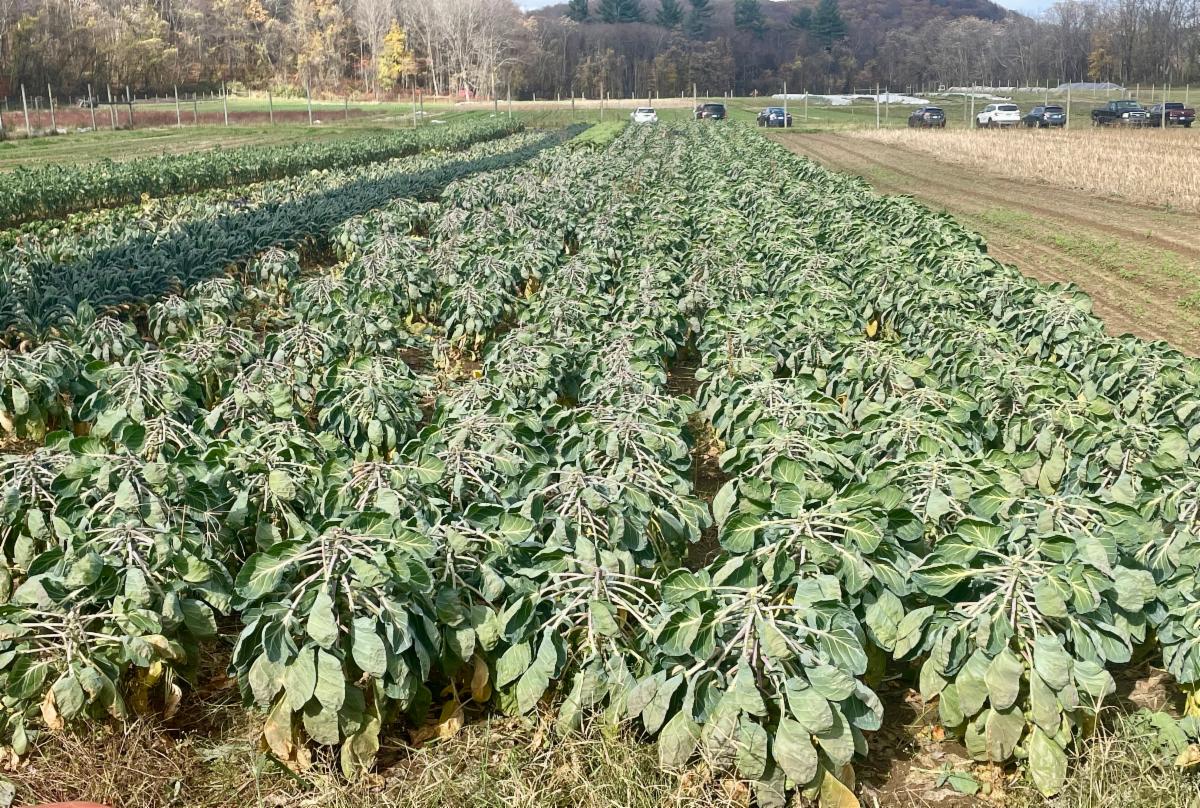
Brussels sprouts are living their best life here in section South 1.


The crops in the greenhouses are looking good, with impressive growth from the greens we’ve planted and some of the best arugula of the season.  In the field, we’ve got the beets and carrots all harvested, and we’re looking to dig the last of potatoes as soon as garlic planting is completed.  This weekend’s frost took out the pepper and flower patches, but nearly all the pretty blooms and good fruit were already picked.  Soon as the spuds are in, it will be time to lift the dahlias and start their annual cycle all over again as well.  


We hope you enjoy the farm,

Rebecca, Paul, and the Fort Hill Farm crew


Featured this week:


We have a boatload of our own produce, and yet I thought we would feature two vegetables that we have decided to stop growing (maybe they decided to stop growing themselves?). We can only offer these to you at the farmstand because we attend grower-only produced markets. Paul drove to NH to get them from a Bruce and Jenny at Picadilly Farm. The roots are certified organic and in tune with the flavors of late fall.


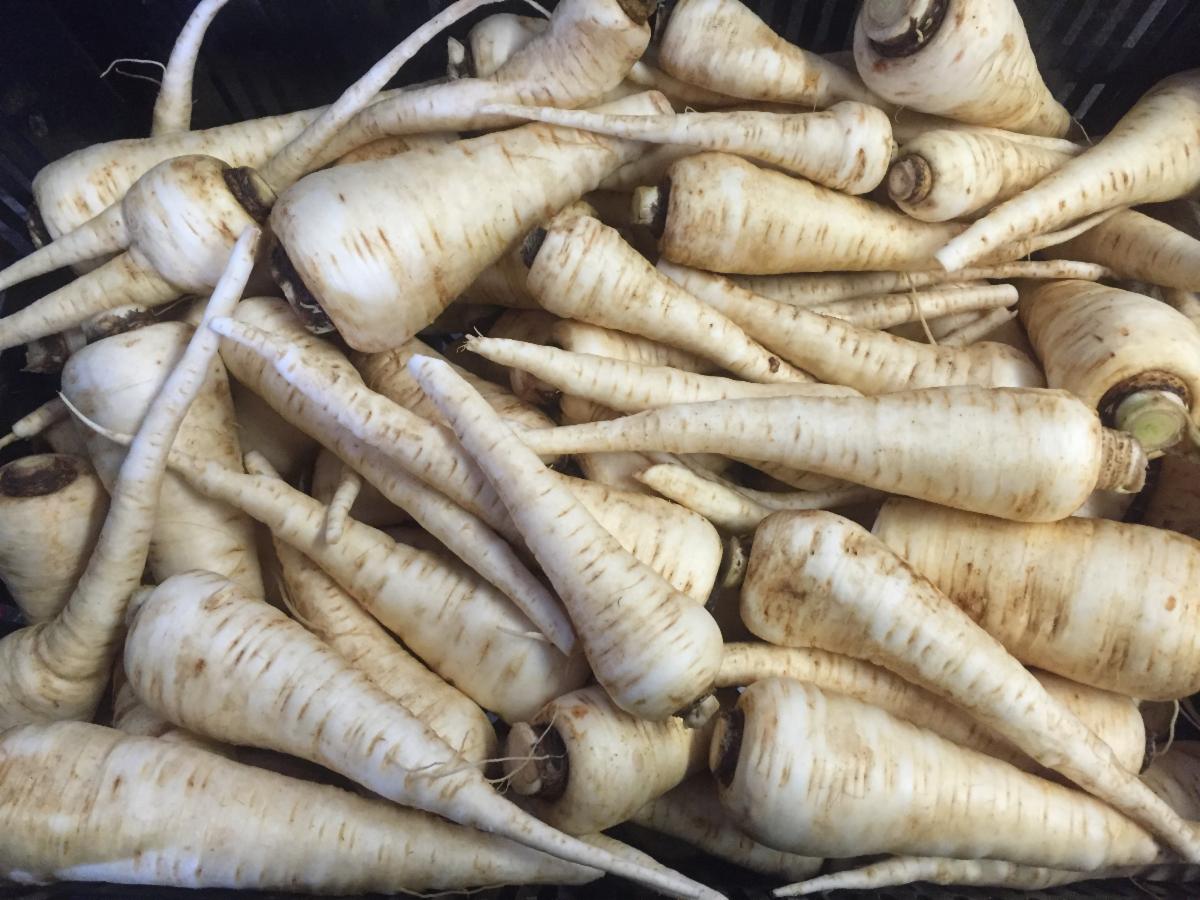
Parsnips: This crop and white member of the carrot family has a candy-like sweetness when roasted. Also yummy shredded raw into slaws or cubed into soups. It’s not widely grown because it is a tough one: it takes nearly a month to germinate, giving the weeds a big head start, needs exacting thinning to produce a nice root (crawling on hands and knees), and also has phototoxic leaves! This means a full body suit is required for harvest, notably on cloudy day. Stores for over a month in fridge crisper drawer. 


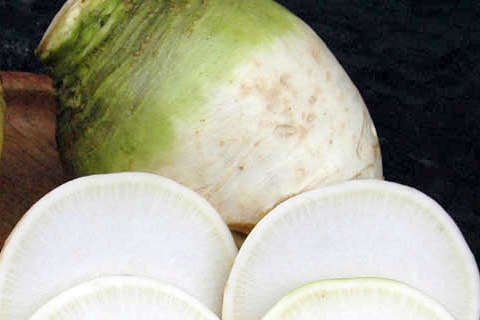
Gilfeather turnip:  if you eat only one more turnip in your life, make sure it’s a Gilfeather.  These are actually rutabagas, with a sweet, mild flavor.  Great mashed alone or with potatoes, or try them roasted, or cubed into soups and stews.  Will hold for months in your fridge crisper.


Also available:

Head lettuce; spinach; salad mix; arugula (limited); pea shoots; curly and lacinato kale; rainbow chard; red, purple, and French Breakfast radish; cilantro, parsley, oregano, thyme, sage; red beets; chioggia beets; gold beets; baby bok choy; carrots; leeks; celeriac; radicchio; dandelion greens; escarole; fennel; sprouting broccoli (limited); Beefsteak and heirloom slicing tomatoes (limited); green and red cabbage; German Extra Hardy garlic; jalapeño, shishito, cayenne, and poblano hot peppers; green bell peppers, sweet red and yellow Italian peppers, sweet orange snacking peppers; eggplant: classic Italian Graffiti, Rosa Bianca, and a bit of two Asian types; red and yellow storage onions; Satina Gold, Dark Red Norland, LaRatte and Pinto Gold fingerling, Blackberry and Kennebec potatoes; zucchini; Jester delicata squash; Honeynut squash; Butternut squash; Koginut squash; Sugar pie pumpkins; collard greens; traditional and Murasaki Japanese sweet potatoes; fresh ginger; Brussels sprout greens (limited); Brussels sprouts; plus choice apple varieties from Hidden Gem Orchard, Maple Bank Farm, and Averill Farm!


Pick Your Own: It was a great year ~ PYO is done for the season.


Recipes:

Suggested by Rebecca Batchie

– Not into this particular recipe? For more recipes arranged by crop, check out the Fort Hill Farm Recipe Database.


Brown Butter Parsnip Loaf Cake

From Olives and Thyme 


INGREDIENTS


parsnip cake

1 c (120g) cake flour sub with all purpose or see notes

¾ c (90g) all-purpose flour

⅓ c (30g) almond flour sub with ¼ c all purpose

1 ½ tsp (2.5g) ground ginger

1 ½ tsp (4g) ground cinnamon

¼ tsp ground all spice

¼ tsp ground cardamom

1 tsp (6g) baking soda

½ tsp (2g) baking powder

¼ tsp salt

12 tbsp (170g) unsalted butter, browned and reduced to ½ c (113g), softened to room temperature (sub ½ c (113g) unsalted butter, room temperature)

½ c (100g) light brown sugar

½ c (100g) granulated sugar

zest from one medium orange

2 (114g) large eggs, room temperature

2 tsp (10ml) vanilla extract

½ tsp (2.5ml) almond extract

⅓ c (79ml) whole milk Greek yogurt, room temperature

1 ½ c (354ml) shredded parsnips (about 2-3 medium parsnips)


brown butter honey cream cheese buttercream

6 tbsp (85 g) unsalted butter, browned, reduced to 4 tablespoon (56g) and cooled to room temperature/softened sub with 4 tablespoon unsalted butter, softened to room temperature

4 oz. (112g) full fat cream cheese, room temperature

2-3 tsp (10-15ml) honey

1 teaspoon (10ml) vanilla extract

½ tsp salt

1 ½ c (180g) powdered sugar, sifted

1-2 tbsp (15-30ml) milk or heavy cream as needed

additional honey for topping


INSTRUCTIONS

parsnip cake

Make brown butter the day before or about an hour before you plan to bake the loaf.

It will need 45-60 minutes to cool enough to become the texture of softened butter. To make the brown butter, melt butter in a clear heavy bottom saucepan. Once the butter starts to foam, whisk continuously until brown bits start to form. Remove from heat, pour into clean bowl and cool 30 minutes to room temperature and transfer to the fridge for an additional 30 minutes.

Line 9×5 loaf pan with parchment paper, leaving 1-2 in. overhang on the sides. Preheat oven to 350F. Convection ovens should reduce temperature to 325F. Regular oven baking is recommended for cakes.

Whisk together all flours, baking powder, baking soda, salt and spices in a separate bowl. Set aside.

Clean, peel and grate the parsnips. Make sure to measure the final amount in a measuring cup.

In a stand mixer with whisk attachment (or by hand with a whisk), whisk sugars and zest together until a wet sand like texture forms. Add in the softened brown butter and beat until well combined, about 2-3 minutes on low-medium speed.

Add eggs, beating well after each one until well combined. Add vanilla and almond extracts, beating until well combined.

In this order (dry ingredients, yogurt, dry, yogurt, dry), add dry ingredients to the wet alternating with the yogurt. Slowly beat each time until JUST combined. A few flour streaks is okay! Fold in the shredded parsnips.

Evenly scoop ½ the batter into the prepared loaf pan. Evenly smooth into the corners and along the sides. Scoop the remaining ½ batter into the pan and repeat.

Bake at 350F for 45 minutes. Return to the oven for 10-20 minutes, checking for doneness every 5 minutes (55-65 minutes total). When a toothpick inserted into the center comes out clean or with a few moist crumbs, its done.

Cool in pan for 20 minutes. Carefully remove from pan, using the excess parchment. Continue cooling on cooling rack for an additional 20-30 minutes. Loaf needs to be completely cooled before frosting. Once frosted, drizzle honey on top if you like.


brown butter honey cream cheese buttercream


It will need 45-60 minutes to cool enough to become the texture of softened butter. To make the brown butter, melt butter in a clear heavy bottom saucepan. Once the butter starts to foam, whisk continuously until brown bits start to form. Remove from heat, pour into clean bowl and cool 30 minutes to room temperature and transfer to the fridge for an additional 30 minutes.

Cream together cooled and softened brown butter, room temperature cream cheese, honey, vanilla and salt until creamy and well combined, about 4-5 minutes.

Stop and scrape down sides of bowl as needed. Add sifted powdered sugar ½ c at a time, beating each addition of powdered sugar until incorporated. Scrape down sides of mixing bowl as needed. Beat on high until the buttercream is fully incorporated and desired consistency. If the buttercream is too thick, add 1-2 tablespoon milk or heavy cream, beating until well incorporated. Using an offset spatula or frosting knife to spread on top of completely cooled parsnip loaf cake. Top with drizzle of honey.


NOTES

diy cake flour: measure out 120g all-purpose flour. scoop out 2 tablespoon (30g) flour. replace this 2 tablespoon flour with 2 tablespoon cornstarch. sift this new flour blend 4-5 times. you now have an approximate cup of cake flour. follow the recipe as written for the remaining ingredients. 

brown butter: I prefer to make this the day before I plan to make the cake. to do this, simply brown the butter, cool to room temperature in a heat proof bowl. once the brown butter has cooled, pour the butter into an airtight container and store in the fridge. bring to room temperature the same way you would regular unsalted butter. if using a food scale, you can make a big batch of brown butter and slice off/measure the amount chilled and reformed butter you need for the recipe.


FARMSTAND & PYO FALL SCHEDULE:


Tuesday & Thursday: 2 - 5:30 PM

Saturday: 9am - 12:30 pm

Last Farmstand Day: Nov. 25

Online ordering begins: Nov. 29


FARMERS' MARKETS


Come see us on Thursdays from 10-2 at the Westport Farmers' Market

50 Imperial Ave, Westport

~Goes inside at Gilbertie' Greenhouses

November 20


and on the Green at the

New Milford Market,

Saturdays from 9 - Noon

~Last market November 22


Facebook  Instagram