|
Armed with AI, Study Identifies Prey from Predator Crunching Sounds
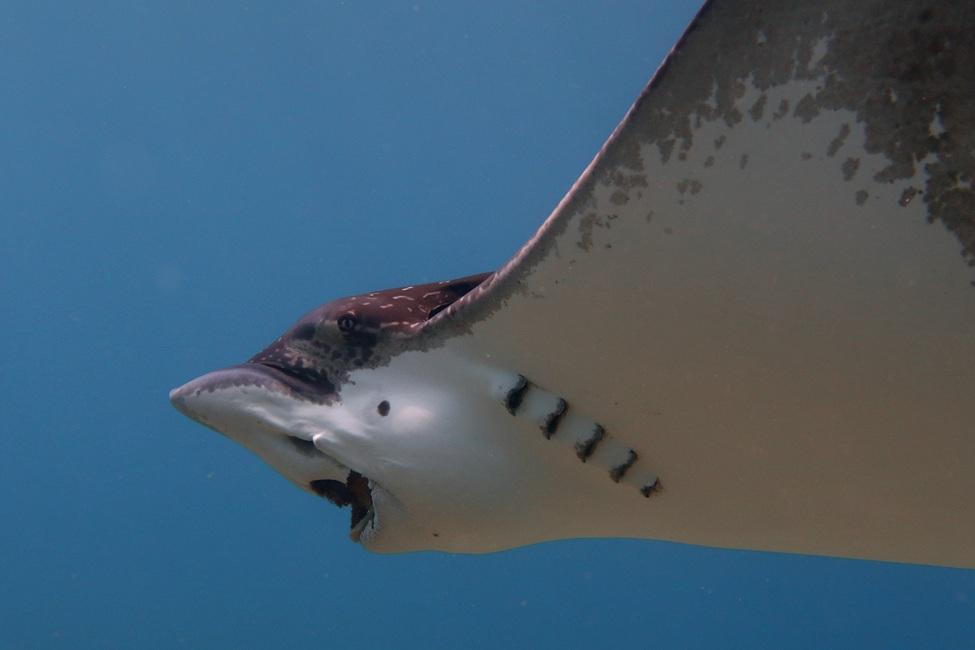
Predator-prey interactions between shell-crushing marine predators and hard-shelled mollusks such as clams, oysters and snails play an important role in shaping coastal ecosystems, yet they have remained difficult to study in the wild. Florida Atlantic University researchers have developed a machine learning-based acoustic monitoring system capable of detecting and classifying shell-crushing events from underwater feeding recordings of whitespotted eagle rays.
| | "Shell-crushing sounds contain a surprising amount of ecological information about predator-prey interactions and feeding behavior,” said Laurent Chérubin, Ph.D., corresponding author and a research professor at FAU’s Harbor Branch Oceanographic Institute. “This work shows how passive acoustic monitoring can be used not only to detect these events, but also to better understand how marine predators interact with their environment in places that are otherwise difficult to observe." | | | | |
Pixels Preserve World’s Most Endangered Marine Mammal, the Vaquita
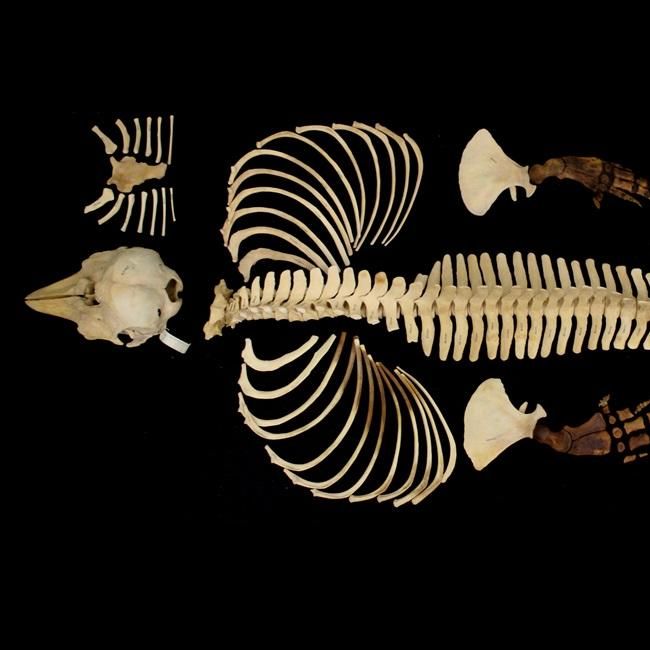
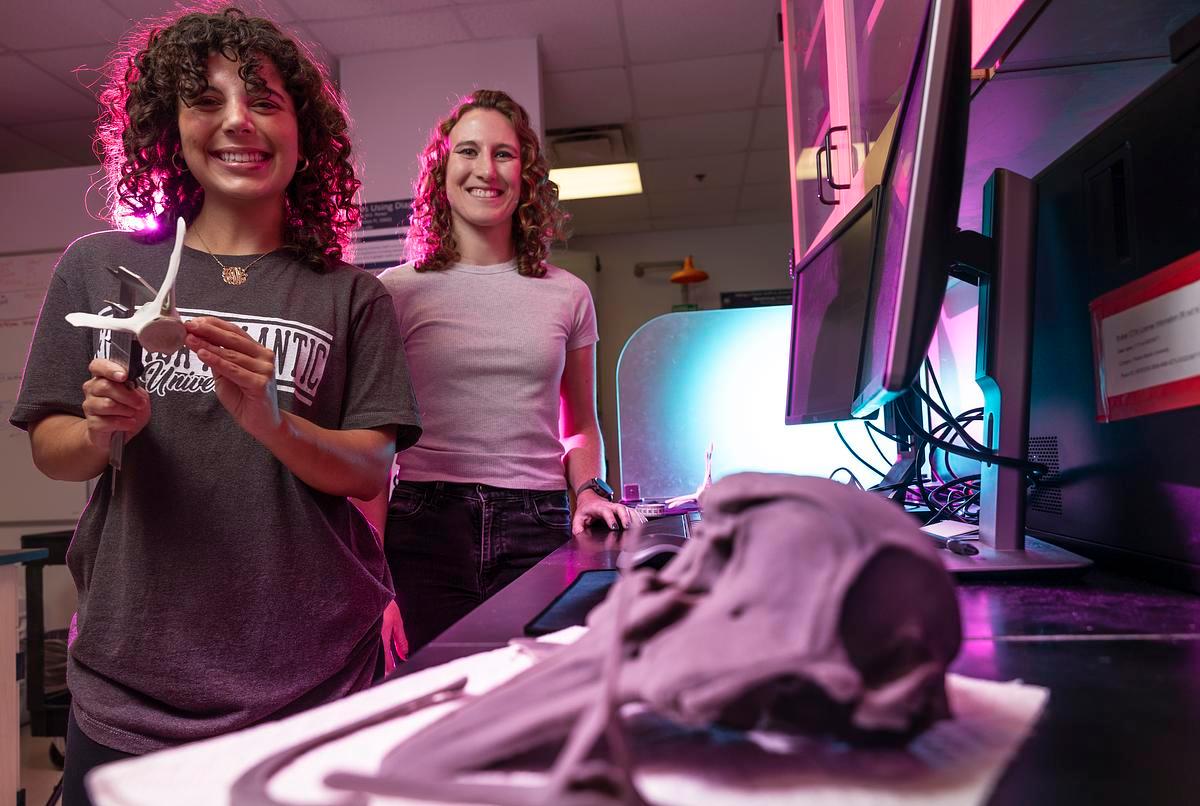
How do you preserve one of the world's rarest animals when so few remain? FAU researchers have created an unprecedented 3D digital archive of the world's smallest porpoise and most endangered marine mammal. Read more.
| | | | |
Acoustic Environment May Shape Which Bird Songs Last
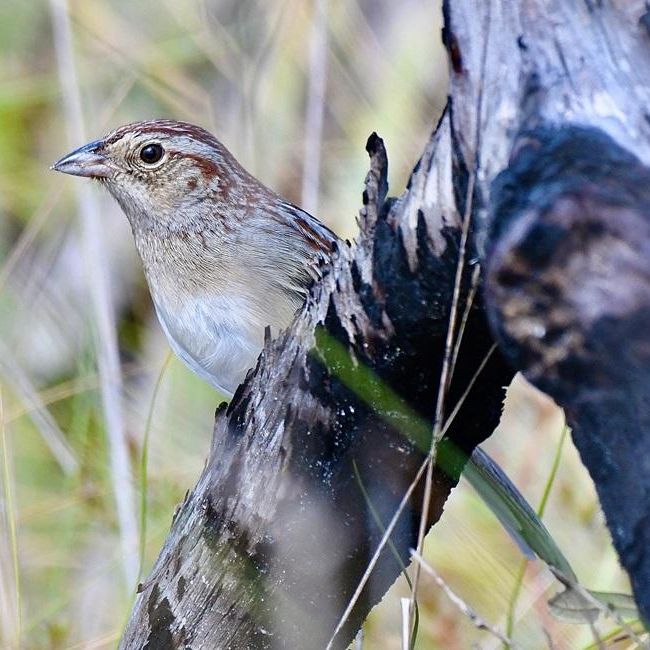
An FAU study suggests the environment may help determine which bird songs survive across generations. Songs that travel more clearly through habitats were more likely to be common within populations. Read more.
| | | | |
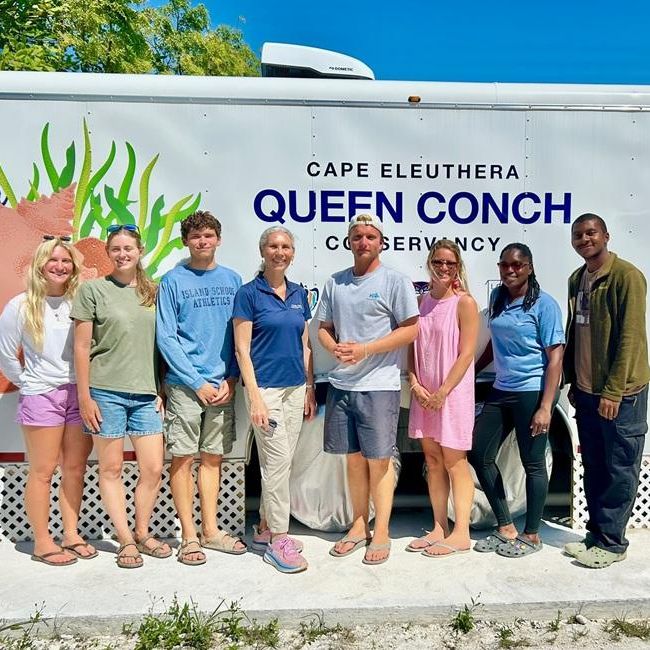
FAU Queen Conch Mobile Lab Debuts in The Bahamas with First Hatch
FAU Harbor Branch's Queen Conch Mobile Lab in The Bahamas has achieved its first hatch, marking a major step toward restoring this iconic species and producing up to 2,000 juveniles annually. Read more.
| | | | |
More Jobs, More Local Living: Study Redefines the 15-Minute City
By analyzing travel patterns, FAU researchers found that job density is the strongest driver of local travel in "15-minute city" neighborhoods, with more than 86% of internal trips made on foot. Read more.
| | | | |
FAU Experts Available for Comment on 2026 Hurricane Season
FAU faculty are leading experts on a wide range of hurricane-related issues and are available to discuss topics such as forecasting, flooding, storm impacts, climate resilience and disaster recovery. Read more.
| | | |
Students: WLW-ECOS Student Success Scholarships
This donor-funded, need-based scholarship provides up to $15,000 annually to Schmidt College of Science undergraduates pursuing solution-oriented environmental research. The award bridges financial gaps to ensure students can fully focus on their academic and scientific goals. Award amounts reach up to $7,500 per semester. Deadline to apply: Aug. 1, 2026 for fall scholarships. Learn more.
| | |
Students: WLW-ECOS Paid Internship Opportunities
FAU's WLW-ECOS paid internships provide student stipends while they complete degree-related career experiences at local, well-established nonprofit environment-linked organizations. Students are paid through FAU’s WLW-ECOS Student Success Fund. Learn more.
| | |
Students: WLW-ECOS Undergraduate Research Fellowships
The Spring 2026 WLW-ECOS Undergraduate Research Fellowship Program offers Schmidt College of Science undergraduates the opportunity to gain hands-on research experience by working directly with ECOS-affiliated faculty on solution-driven environmental research projects. Fellows receive paid research positions ($22/hour) while building valuable skills, exploring environmental science careers and contributing to projects that make a real impact. Learn more.
| |
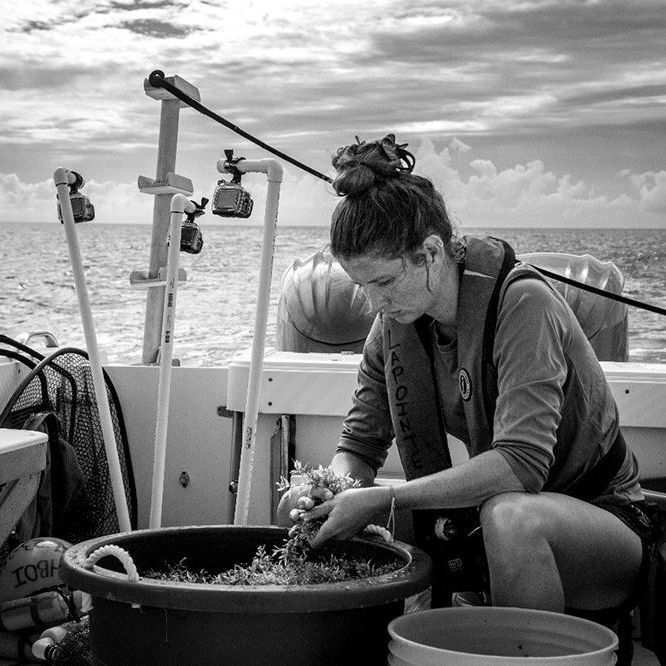
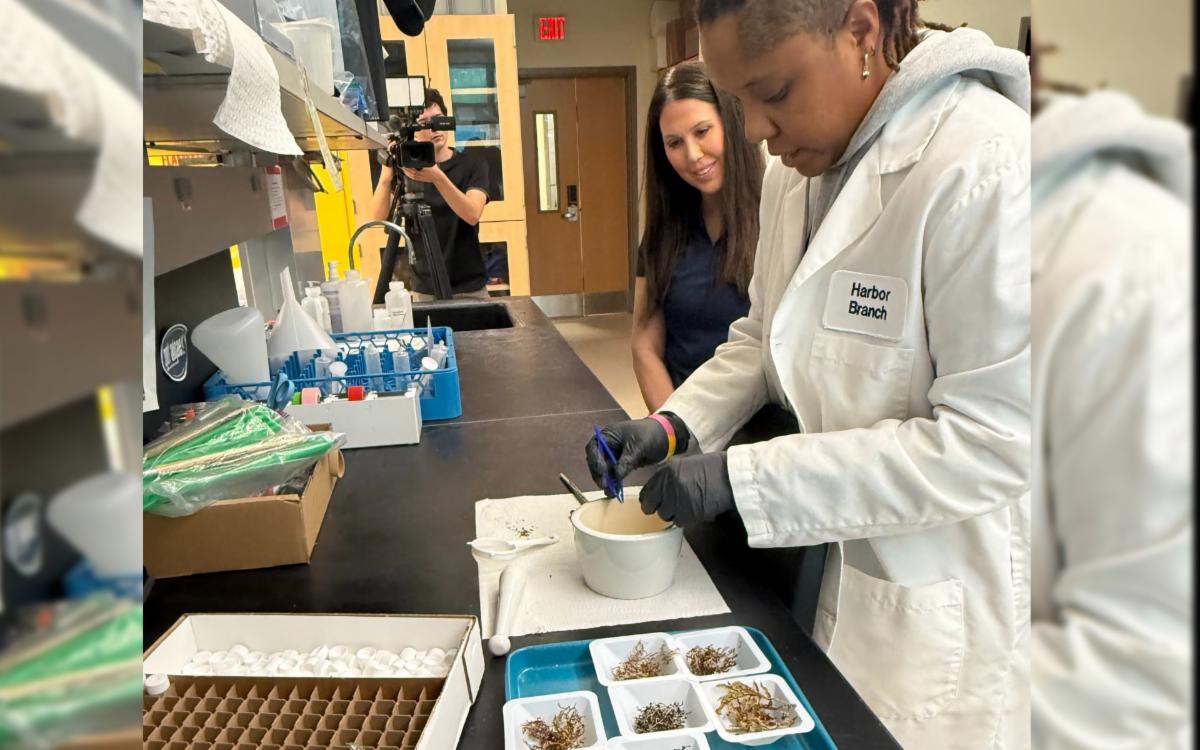
Seaweed Sleuth: Ph.D. Student Ellyn Willse Dives Into Sargassum’s Secrets and Its Impact on Florida’s Coast
Geosciences Ph.D. student Ellyn Willse is working to deepen our understanding of these offshore ecosystems, which serve as essential fish habitats, refuges for endangered sea turtles and support many commercially important fish species. Read more.
| | |
From the Lab to Local Dunes: Top Science Grad Champions Coastal Conservation
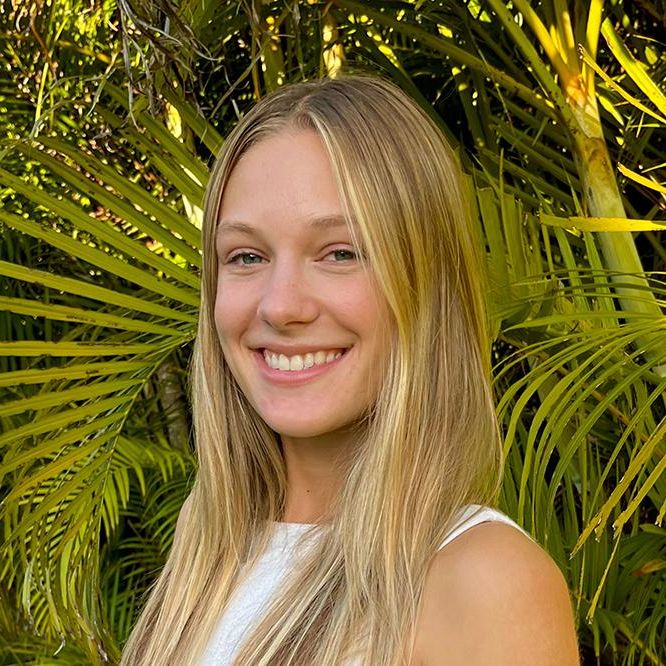
Kayla Mosteller, a top FAU geoscience graduate and WLW-ECOS Research Fellow and Student Success Scholar, was named the college's Undergraduate Researcher of the Year for her outstanding contributions to coastal conservation. Read more.
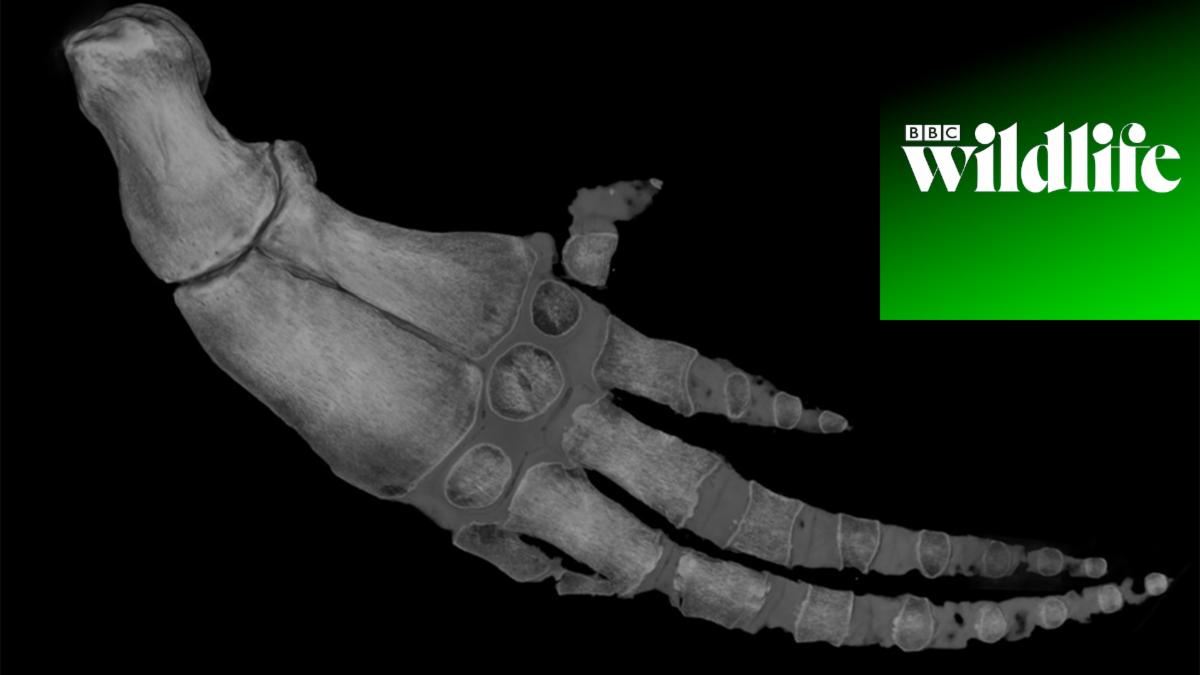
| | | BBC Wildlife Magazine: Experts Racing to Preserve a Rare Species | BBC's Discover Wildlife highlighted an innovative FAU study that created the first interactive 3D digital archive of a rare vaquita skeleton. Schmidt College of Science Ph.D. candidate Jamie Knaub and Marianne E. Porter, Ph.D., associate professor, used advanced multi-scale CT scanning to preserve a microscopic anatomical record of the world’s rarest marine mammal—providing global researchers and educators with open-access, 3D-printable models to study the critically endangered species. Read more. |
SFL PBS: Getting Sharked: Search for Solutions
South Florida PBS’s Changing Seas interviewed FAU Schmidt College of Science Professor Stephen Kajiura, Ph.D., and FAU Harbor Branch Oceanographic Institute Associate Research Professor Matt Ajemian, Ph.D., for “Getting Sharked: Search for Solutions.” The documentary takes viewers onto the water with the researchers as they test innovative shark-repellent devices designed to prevent sharks from taking fish off anglers' lines—tackling a growing challenge for southeastern U.S. fisheries. Read more.
| |
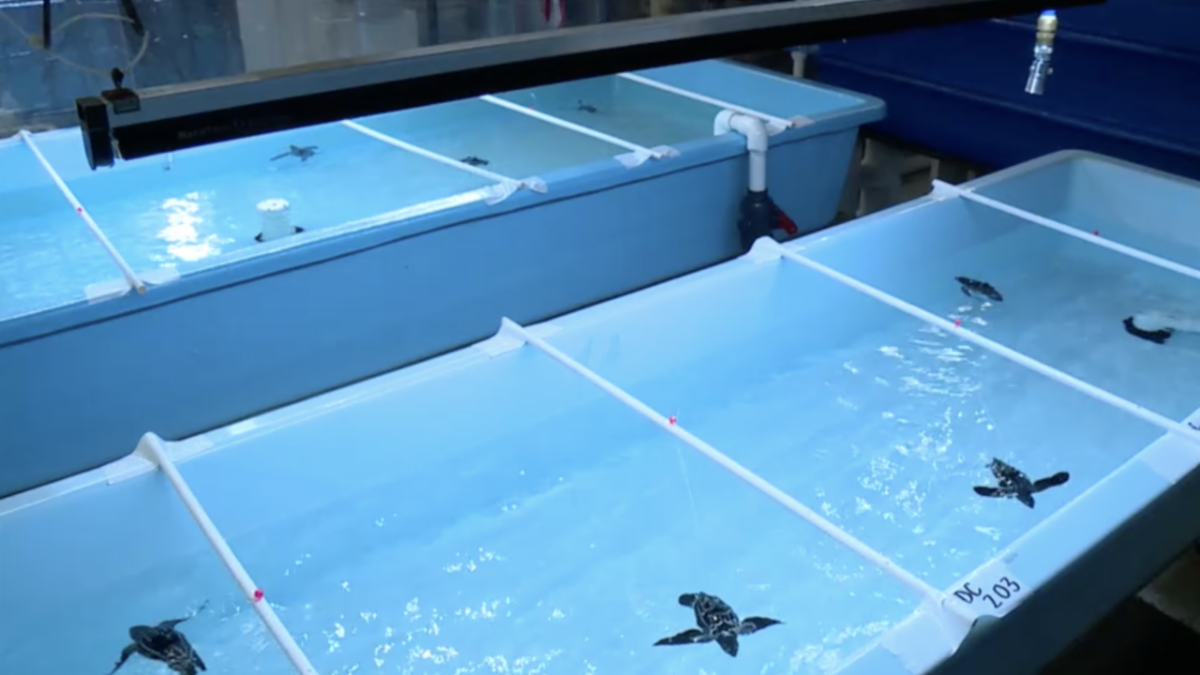
WPTV: Leatherback Sea Turtle Nesting Reaches Record Numbers Along Florida's Coast
WPTV West Palm Beach interviewed FAU Marine Science Laboratory researchers Jeanette Wyneken, Ph.D., and integrative biology Ph.D. student Emily Turla, about this year’s record-breaking season for endangered leatherback sea turtles. Gumbo Limbo Nature Center documented 42 nests along Boca Raton beaches – nearly triple the usual annual average. Read more.
| |
WPTV: How Sargassum Helps and Hurts Florida's Sea Turtles
WPTV West Palm Beach interviewed FAU Harbor Branch Research Professor Brian Lapointe, Ph.D., and Schmidt College of Science Ph.D. student Emily Turla about the double-edged sword of massive sargassum blooms. While Lapointe notes that offshore seaweed provides "critical habitat" for young sea turtles, heavy piles washing ashore create deadly traps. Turla shared that hatchlings frequently get "stuck in it" on the sand, dangerously slowing their crawl to the ocean and leaving them highly vulnerable to predators. Read more.
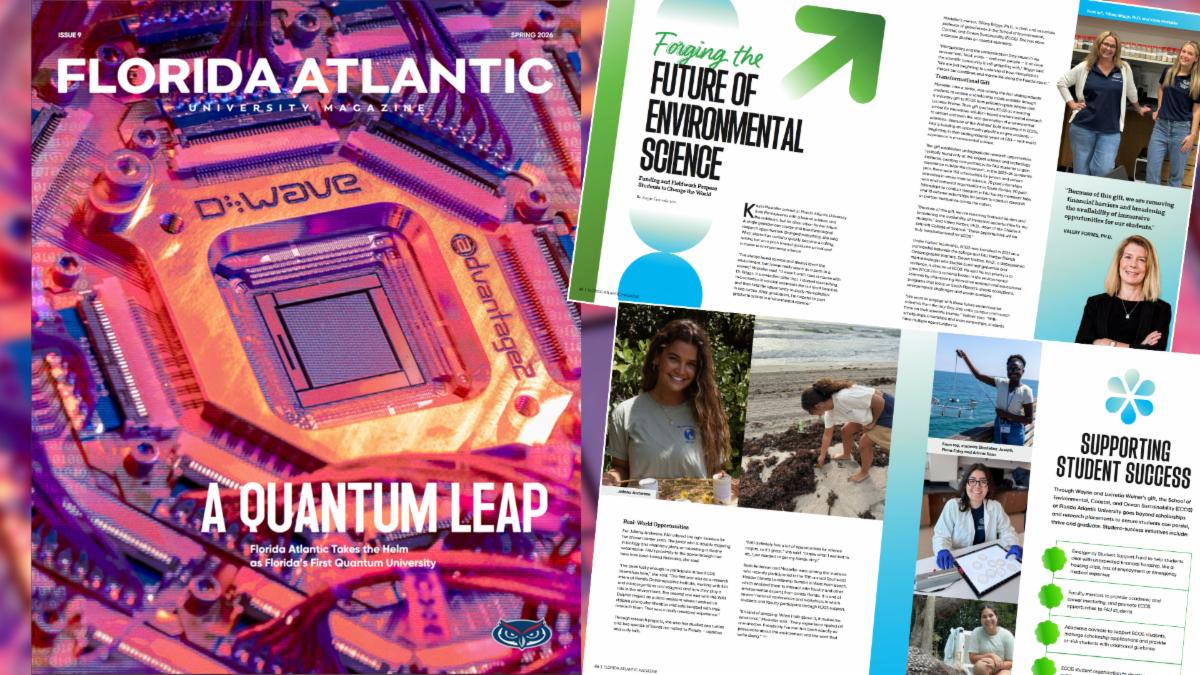
| | Florida Atlantic Magazine: Forging the Future of Environmental Science | | | |
How do we train the next generation of world-changing environmental scientists? By removing financial barriers and getting them out of the classroom and into the field. The Spring 2026 issue of Florida Atlantic Magazine features a deep dive into how a transformational gift is powering an opportunity pipeline for ECOS students. From paid local internships to hands-on research fellowships, see how our undergraduates are already driving solution-based research for South Florida’s unique ecosystems. Read more.
| | | |
Uncovering the Mysteries of Leatherback Sea Turtle Migration | Science In Seconds
Explore the captivating world of leatherback turtles and their conservation efforts alongside Annie Page, Ph.D., a marine scientist at Florida Atlantic University, and doctoral student Derek Aoki. Watch here.
| | |
Become a Member
We invite all FAU faculty, postdocs and graduate students to become members of the school. Engage in transformational interdisciplinary research, teaching and community engagement initiatives that bring forth the collective environmental capabilities of the university.
| | |
Partner With the Resilience Engine
Whether you represent local government, private industry, or a community non-profit, your partnership is essential to South Florida’s future. Collaborate with our world-class researchers, invest in the next generation of scientists, or join one of our premier environmental degree programs. Let’s build a more resilient Florida together.
| | Florida Atlantic University’s School of Environmental, Coastal, and Ocean Sustainability (ECOS) serves as FAU’s hub for solution-based environmental research, training, and community engagement. Established in 2023 as a partnership between the Charles E. Schmidt College of Science and Harbor Branch Oceanographic Institute (HBOI), ECOS unites hundreds of researchers across the university to address the environmental challenges facing South Florida and beyond and to serve as an international model for innovative environmental solutions. | | | | |