|
Taking Care of Our Hearts
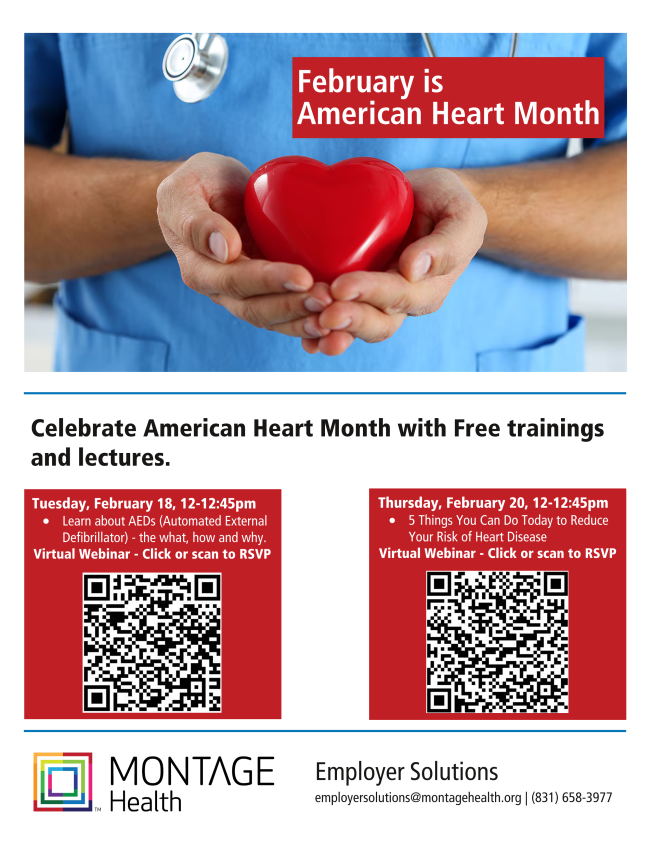
Your heart works hard for you daily! Did you know your heart pumps about 2,000 gallons of blood daily? That’s enough to fill an 8-by-10-foot swimming pool. And it beats around 100,000 times daily. To put it into perspective, in an average life span of almost 79 years, your heart beats nearly 2.9 billion times you.
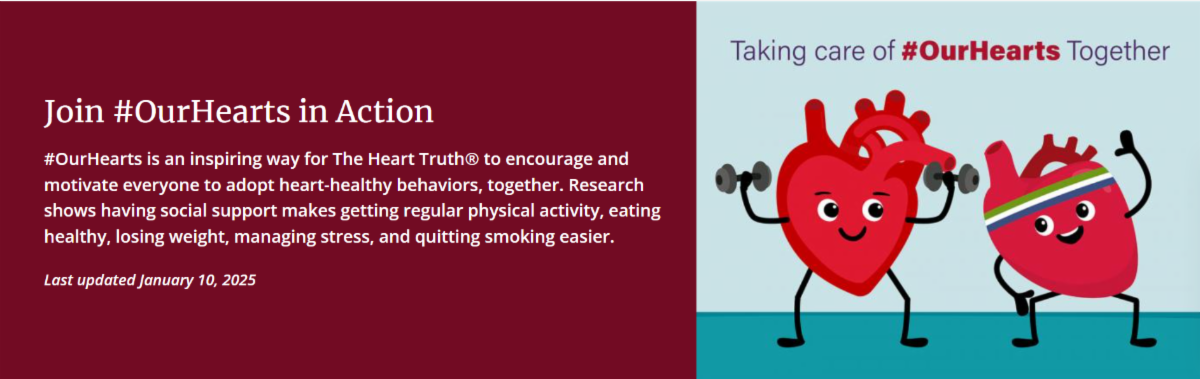
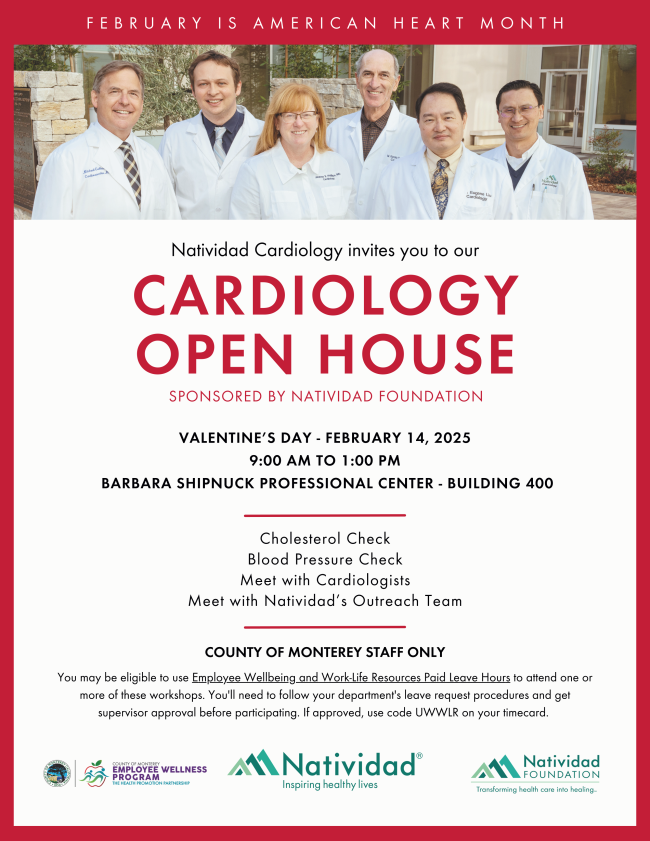
So, this February, American Heart Health Month, let’s return the favor! Whether you seek to maintain your health, prevent cardiac disease and other chronic conditions, or have different health needs or goals, February is a great time to consider simple actions to prevent heart disease.
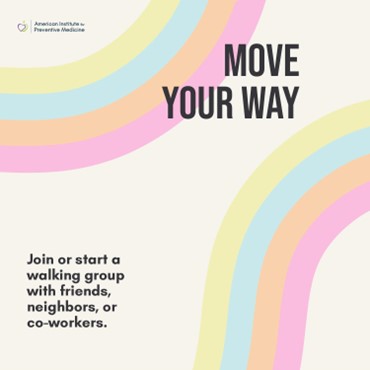
Here are some simple ways to keep your heart strong:
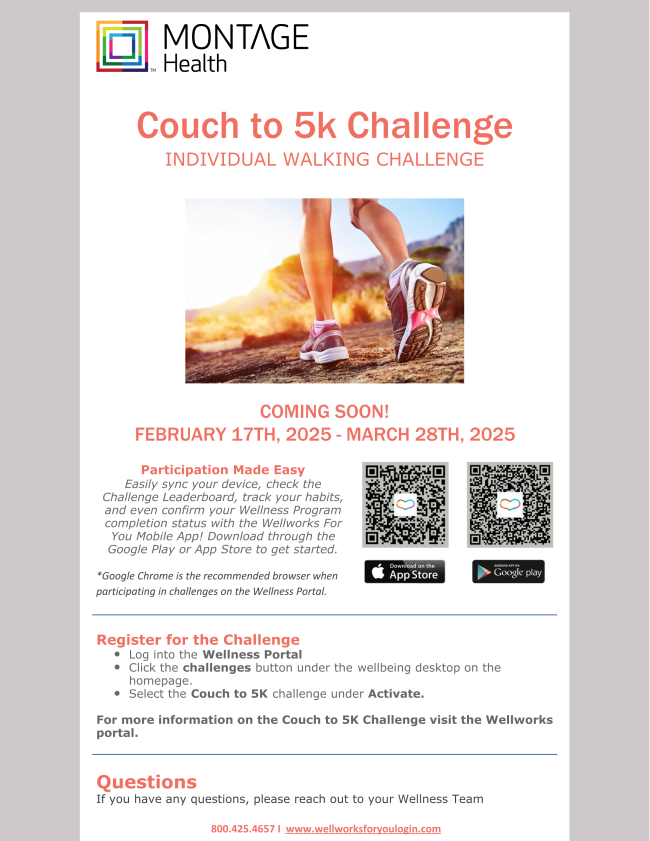
Remember, integrating small steps into your daily routine can yield significant results! Account for unexpected obstacles such as less time, transportation, or an illness that can deter you from achieving your goals to prevent heart disease. To achieve your goals, find ways to overcome those obstacles and modify your steps accordingly. Explore integrating techniques called habit stacking to help you tap out a more nutritious daily regimen by the American Heart Association. Habit stacking involves anchoring tiny, new, positive steps to other parts of your current routine. It’s like flossing before you brush your teeth or stretching before you exercise. Read more here.
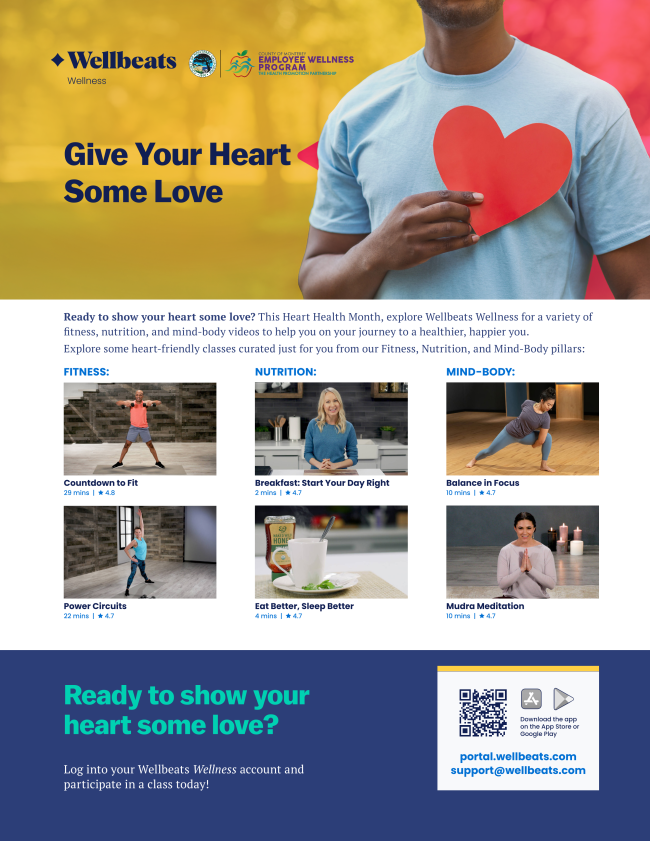
Consider involving friends, family, and colleagues in your personal and professional life to provide extra support and motivation. Use digital and traditional communication methods to access support, such as a wellness platform (e.g., Wellbeats Wellness Stay Healthy Together), one-on-one activities, and text and group support groups.
Heart Connections
Did you know social connections are vital in promoting health and preventing heart disease and stroke? Social connections and strong relationships are essential in promoting health and preventing heart disease and stroke. On the other hand, social isolation may increase inflammation, raise blood pressure, increase stress, and make it harder to sleep well and stay physically active, all of which may contribute to cardiovascular disease. As cited in an article by the American Heart Association, research shows having poor social relationships is associated with a 29% increase in risk for coronary heart disease and a 32% increase in risk of stroke.
Lacking social connections may be equivalent to other well-known cardiovascular risk factors like smoking cigarettes and drinking too much alcohol; plus, it might exceed the risk of having high blood pressure, obesity, and not being physically active.
With this strong science, it is beneficial to apply, as listed below, a few additional strategies to build strong social connections and meaningful relationships.
- Begin each day by contacting a friend or family member.
- Seek ways to help and support others.
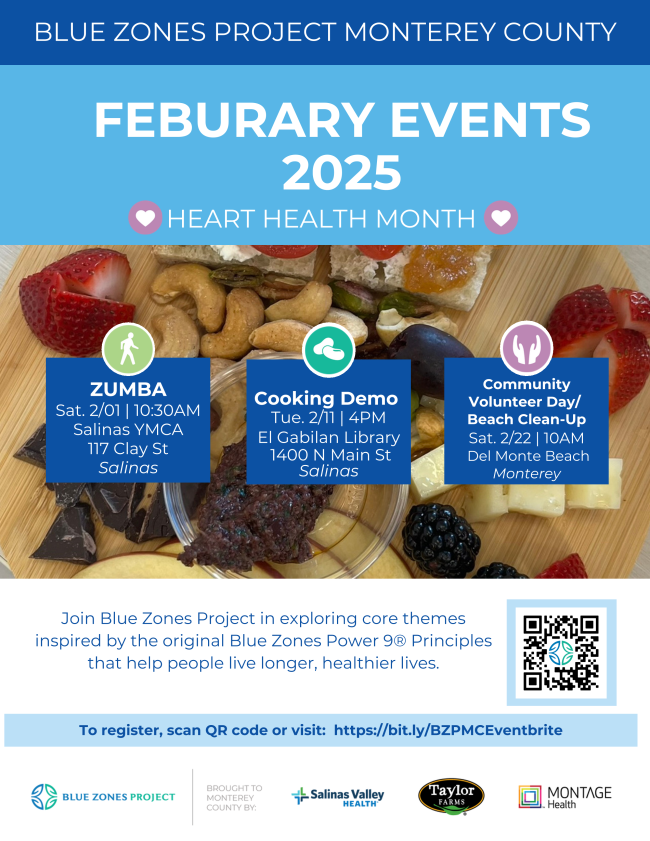
- Actively engage in your community.
- Get involved in social groups, such as fitness, hobby, professional, and community service organizations
- Practice gratitude for others in your life.
Don't take chances
Get immediate medical attention if you suspect a heart attack. Call 911.
Learn about the warning signs here.
|