Coast Posts
- A Newsletter From FEC

April 2026

Monthly News Updates

News from Future Earth Coasts International Project Office
Shanghai | East China Normal University

Highlights:


  • From Space to Shore: FEC’s Blue Carbon Webinar Recap
  • Advancing Justice in Coastal Adaptation: Join Session 2 on Coastal Protection
  • FEC at the C‑BLUES Annual Meeting in Crete (April 13–19)
  • FEC Building Future Leadership Dialogues: Voices of Experience
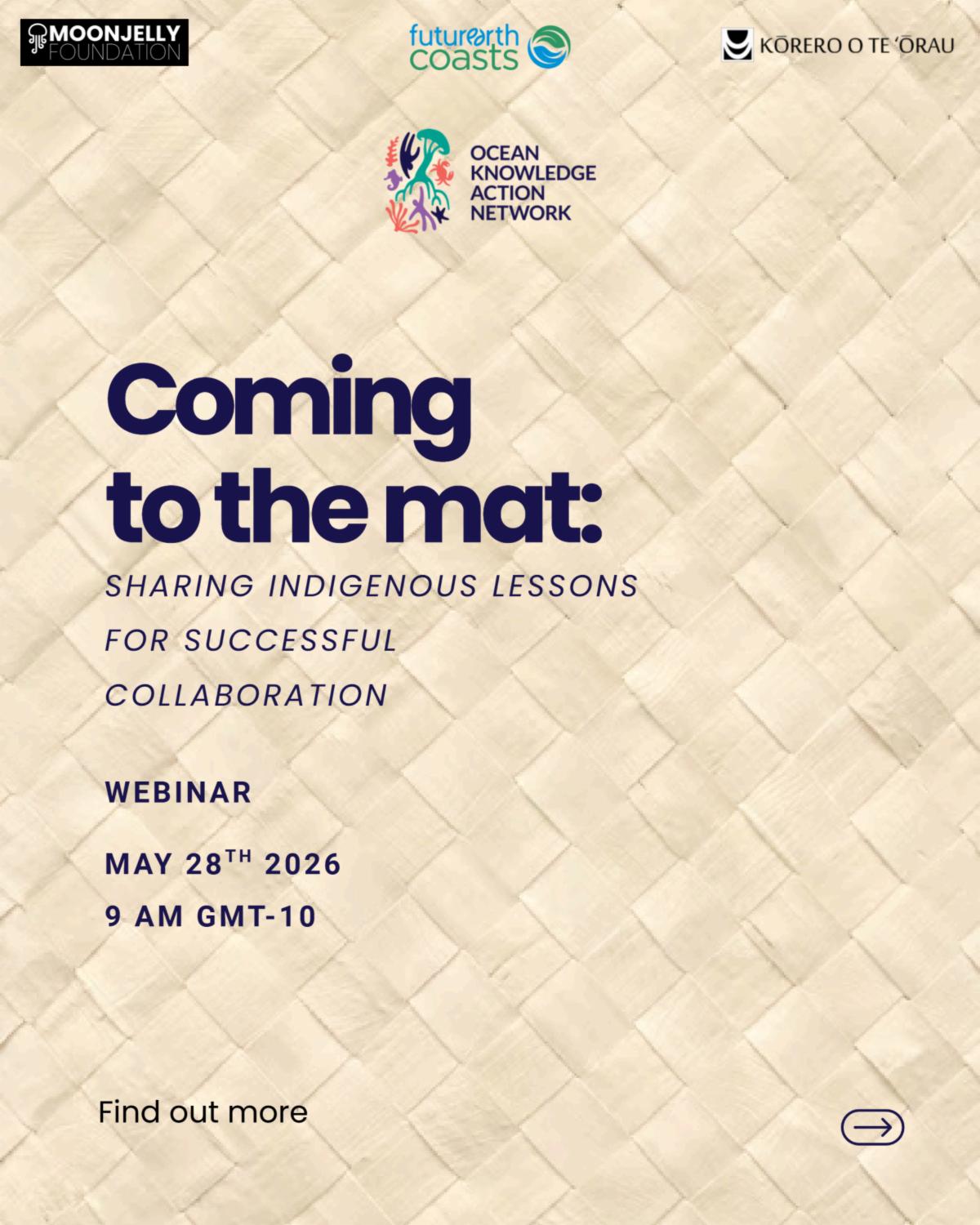
  • Upcoming Webinar: Coming to the Mat – Sharing Indigenous Lessons for Successful Collaboration
  • Seventh National Symposium on Environmental Microplastic Pollution and Control Held in Tianjin, China
  • Anthropocene Coasts: Call for Papers – Tour de Coasts
  • FEC New Publication | Sustainable Management of Coastal Freshwater Forested Wetlands in the Mississippi River Delta
  • FEC New Publication | Copepods of a creek and an inter-tidal beach: perspectives from Sagar Island of Ganges estuary, India
  • FEC New Publication | Adaptation in Coastal Areas of Ghana
  • Updates from the Host Institution of the FEC IPO China | Global Recruitment of Outstanding Young Scientists
  • Summer Course | Marine Litter Management, Policy, and Integrated Coastal Governance in the East Asian Seas Region
  • Call for Abstracts | Blue Wave Doctoral Forum


What have we been up to

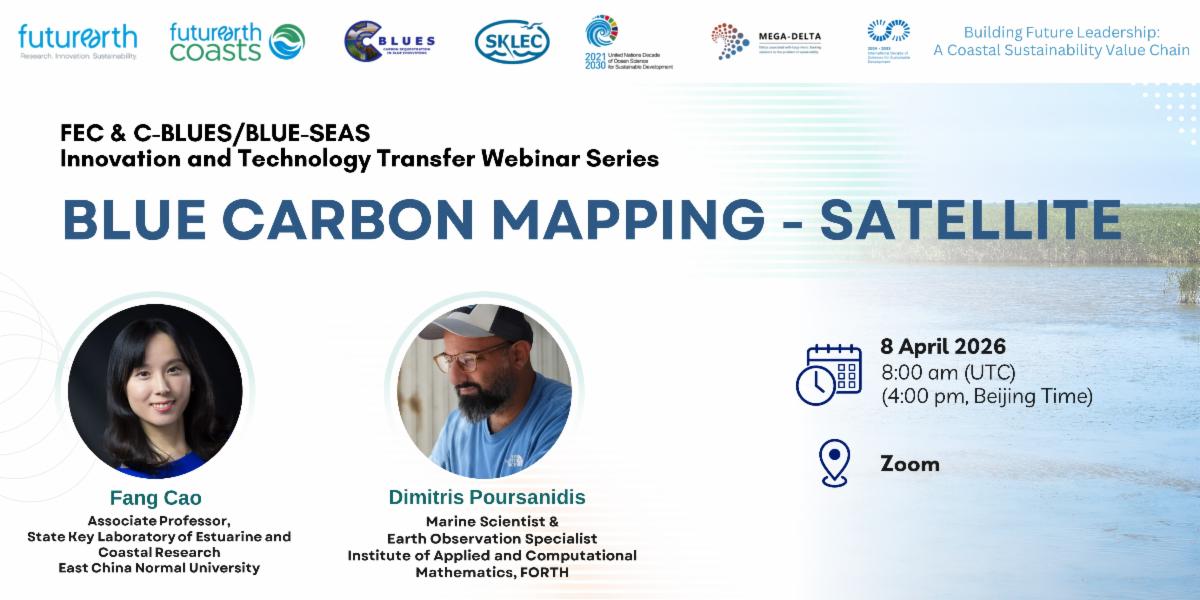
From Space to Shore: FEC’s Blue Carbon Webinar Recap

Future Earth Coasts (FEC), in collaboration with the C‑Blues and Blue‑Seas initiatives, successfully hosted the second session of the Innovation & Technology Transfer Webinar Series on 8 April 2026. The session brought together researchers, practitioners, and early‑career ocean professionals to explore how satellite‑based Earth observation is transforming blue carbon mapping and coastal ecosystem monitoring. Moderated by Nick Lee, the one‑hour webinar featured two expert presentations followed by an interactive Q&A session, with participants joining from multiple regions.

The first presentation, delivered by Dr. Fang Cao of East China Normal University, examined biogeochemical exchanges in highly vulnerable coastal wetlands. Dr. Cao highlighted the importance of lateral carbon fluxes at the land–sea interface—an often under‑quantified component of blue carbon budgets. Using a combination of field observations, laboratory analyses, and high‑resolution satellite imagery, she demonstrated how ocean‑color remote sensing can track dissolved organic carbon dynamics across tidal cycles. Case studies from the Blackwater National Wildlife Refuge in the United States and the Yangtze River Estuary in China illustrated seasonal patterns, storm‑driven carbon pulses, and long‑term ecosystem responses captured through multi‑year satellite records. Her work underscored the value of integrating satellite data with in‑situ monitoring to better quantify coastal carbon processes.


The second presentation, led by marine scientist and Earth observation specialist Dr. Dimitris Poursanidis, explored how satellite missions such as Landsat, Copernicus Sentinel‑2, and commercial high‑resolution constellations support large‑scale mapping and monitoring of blue carbon ecosystems. Dr. Poursanidis discussed advances in habitat mapping, change detection, satellite‑derived bathymetry, and machine‑learning‑based ecosystem classification. Drawing on case studies from the Mediterranean, Mozambique’s Quirimbas National Park, and the Arabian Sea, he highlighted both the potential and the limitations of remote sensing—particularly for submerged vegetation such as seagrasses, where water depth, turbidity, and sensor characteristics pose challenges. He emphasized the need for field calibration, open‑access tools, and harmonized methods to ensure reliable and policy‑relevant blue carbon assessments.


Click here to read more.


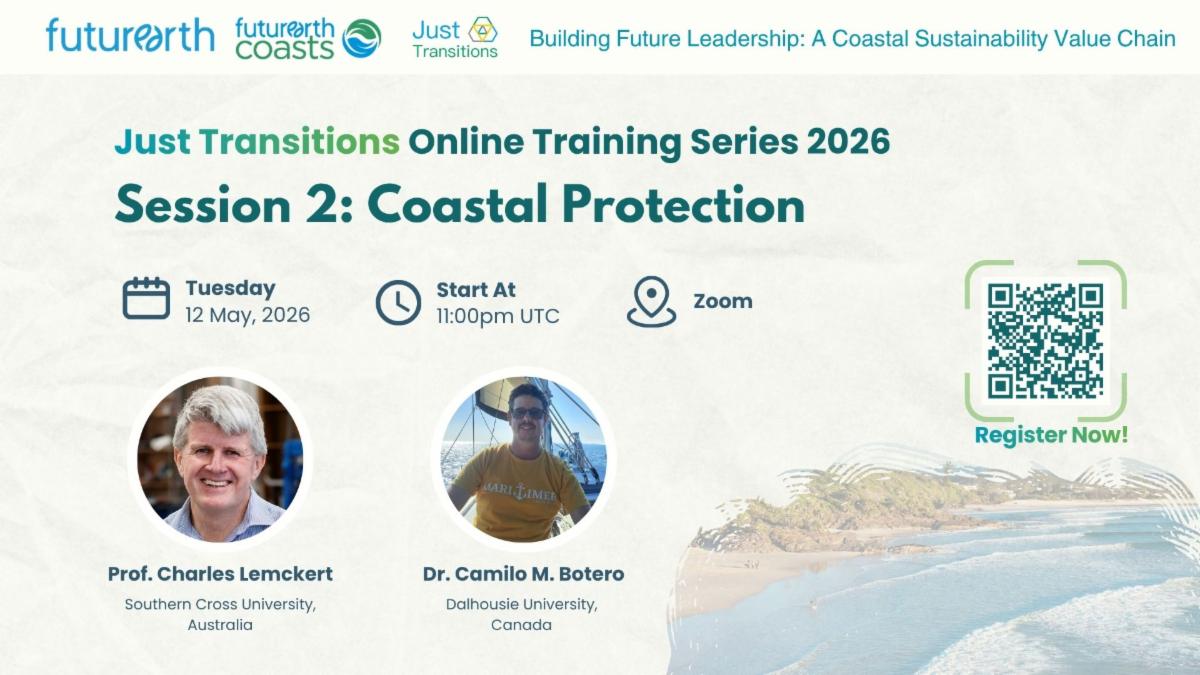
Advancing Justice in Coastal Adaptation: Join Session 2 on Coastal Protection

Future Earth Coasts (FEC) invites coastal practitioners, researchers, policymakers, ECOPs, and community leaders to join Session 2 of the FEC Just Transitions Online Training Series, focusing on one of the most urgent and contested areas of coastal governance: coastal protection. Building on the foundations established in Session 1, this session examines how adaptation measures—whether hard engineering or nature‑based—can either advance or undermine justice in coastal regions. Participants will explore real-world cases, engage directly with experts, and reflect on how equitable coastal protection can be designed and implemented in their own contexts.


OVERVIEW


This session takes coastal protection as a focal point for exploring how just transition thinking in the coastal zone is applicable to climate change adaptation actions. There is growing awareness that coastal protection actions may disproportionately benefit wealthier communities, or places hosting more profitable industries, to the detriment of those who are already less well-off and more vulnerable. Moreover, there is also emerging recognition that coastal protection strategies may negatively impact on some forms of livelihood, for example by disrupting fisheries. These issues are relevant to both ‘hard’ coastal protection, such as seawalls, and ‘soft’ nature-based approaches involving features such as mangroves. The intention of this session is therefore to explore how claims to injustice may arise in coastal protection, and identify strategies from the planning stage that can support just and equitable coastal protection.

Click here to register.


Click here to read more.


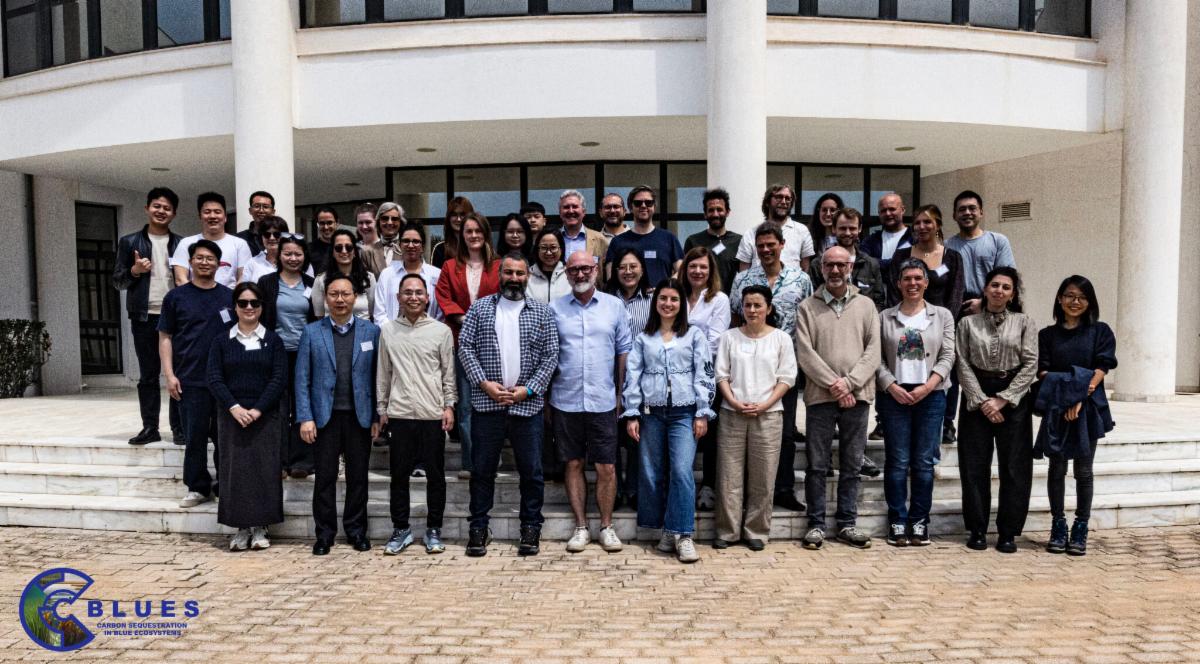
FEC at the C‑BLUES Annual Meeting in Crete (April 13–19)

Future Earth Coasts was pleased to take part in the recent C‑BLUES Annual Meeting in Crete, where Dr Xiaoyu Fang, Co‑Executive Director of FEC, joined on behalf of BLUE‑SEAS and FEC. The gathering brought together partners committed to advancing blue carbon science and strengthening EU–China collaboration.

Key Highlights

  • Turning science into action. Discussions underscored the importance of translating coastal carbon data into policy‑ready narratives that can meaningfully inform climate decision‑making.
  • A strong foundation for collaboration. Earlier this year, the FEC & C-BLUES/BLUE-SEAS Innovation & Technology Transfer Webinar Series helped harmonize terminology and build trust across the EU–China blue carbon community.
  • Looking ahead: EGU 2027 & the UN Ocean Decade. FEC and C‑BLUES will jointly showcase blue carbon best practices emerging from EU–China cooperation.


We congratulate the C‑BLUES team on a productive and inspiring meeting. FEC looks forward to deepening collaboration, particularly in capacity building and empowering early‑career coastal and blue carbon researchers worldwide.


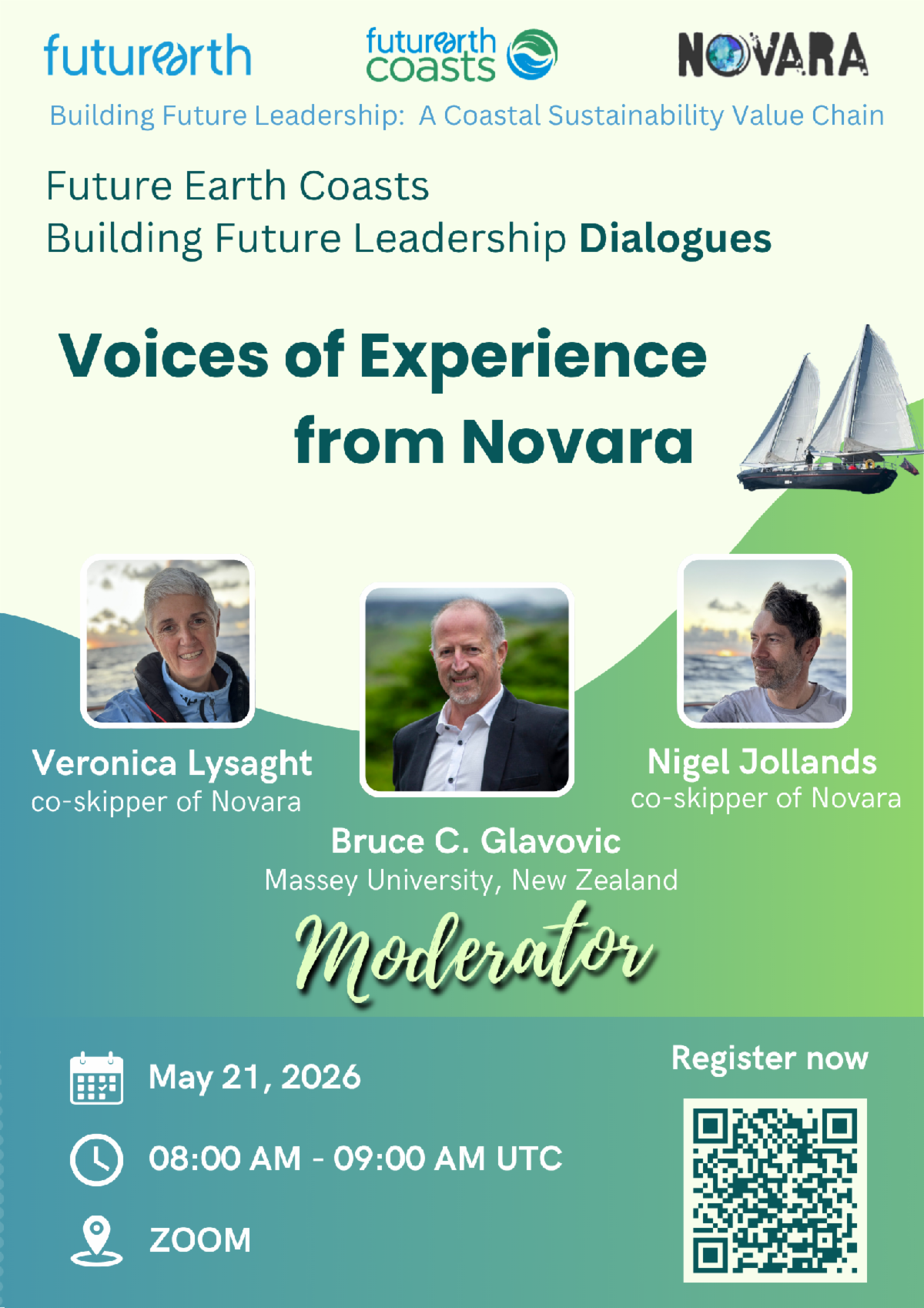
FEC Building Future Leadership Dialogues: Voices of Experience


Live Conversation — Seeing Coastal Change From the Deck of Novara

As part of the Building Future Leadership Dialogues: Voices of Experience series, Future Earth Coasts is featuring an exceptional field‑based leadership story from one of our affiliated projects, Novara One Planet. This live interview on 21 May at 8:00 AM UTC invites emerging coastal professionals to learn directly from those working in some of the world’s most remote and rapidly changing regions.


Co‑skippers Nigel Jollands and Veronica Lysaght will join Dialogue host Bruce Glavovic to share insights from their sailing expedition, which documents climate change impacts across communities living on the frontline of coastal risk. Their journey has taken them from the UK to Africa, across the Atlantic to the Caribbean, then north to Greenland, and the Northwest Passage, engaging with people whose lived experiences reveal both vulnerability and resilience.

Why this Dialogue matters for future coastal leaders


The Voices of Experience series highlights leadership shaped by lived experience, humility, and responsibility. Nigel and Veronica’s story offers a compelling example of leading in uncertain and demanding environments—listening deeply to local knowledge, navigating harsh conditions, and documenting change in real time. Their reflections provide emerging leaders with practical wisdom on how experience can guide more just and sustainable coastal futures.


Event Format


40‑minute conversation with Nigel Jollands and Veronica Lysaght

20‑minute live Q&A with participants


Join us for this special event


Whether you are interested in coastal resilience, community‑driven climate action, or simply want to hear extraordinary stories from one of the world’s most ambitious sailing expeditions, this is a rare chance to connect directly with the people behind Novara One Planet. We warmly invite the FEC community, partners, and friends to join us for this special event.


Click here to register.


Upcoming Webinar: Coming to the Mat – Sharing Indigenous Lessons for Successful Collaboration

Future Earth Coasts (FEC) is pleased to invite our global community to the upcoming webinar Coming to the Mat: Sharing Indigenous Lessons for Successful Collaboration, taking place on 28 May 2026 at 9:00 AM GMT‑10. This event is part of the Future Earth–funded cross‑cutting initiative Building Future Leadership: A Coastal Sustainability Value Chain, led by FEC.

This session brings together Indigenous knowledge holders and scholars from across the Pacific region to explore what non‑Indigenous researchers need to understand before engaging in meaningful, collaborative work.


Facilitated by Kalani Reyes and Linwood Pendleton, the webinar will feature voices representing diverse Indigenous communities, offering insights into cultural protocols, respectful partnership, and the foundations of successful collaboration in coastal and ocean research.


Click here to register.


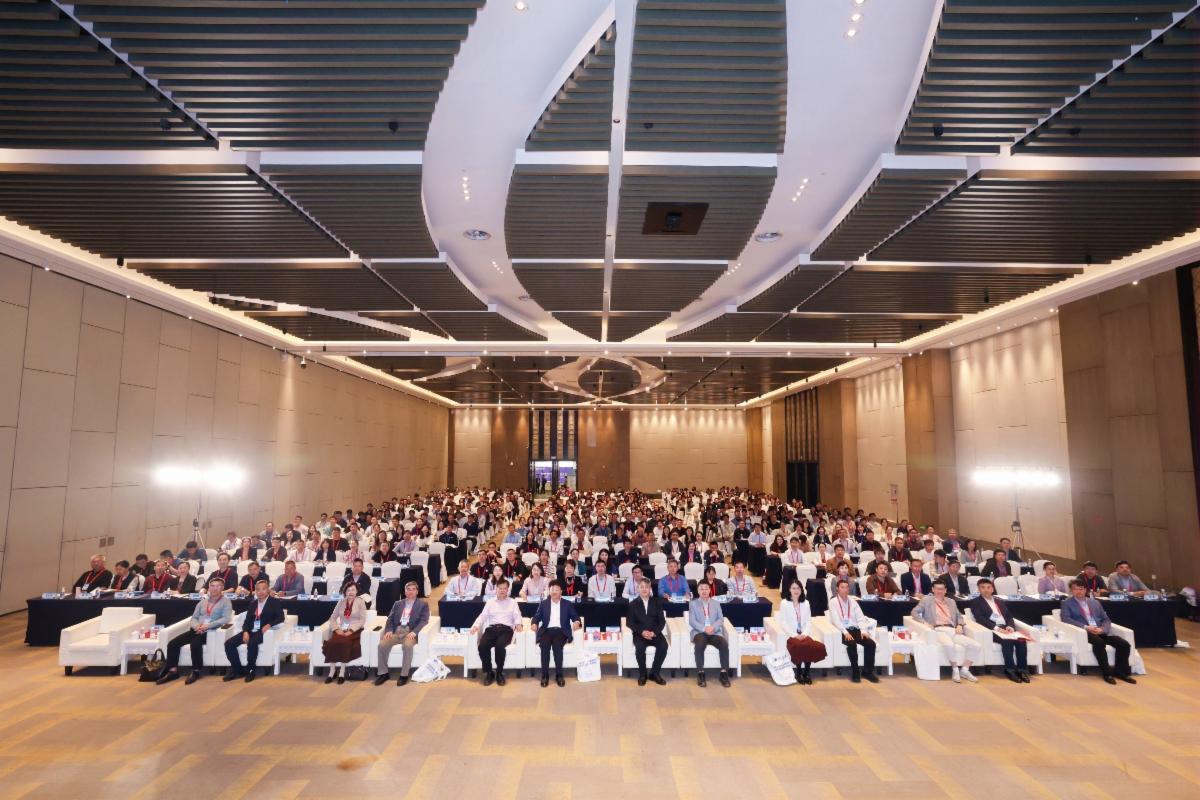
Seventh National Symposium on Environmental Microplastic Pollution and Control Held in Tianjin, China 

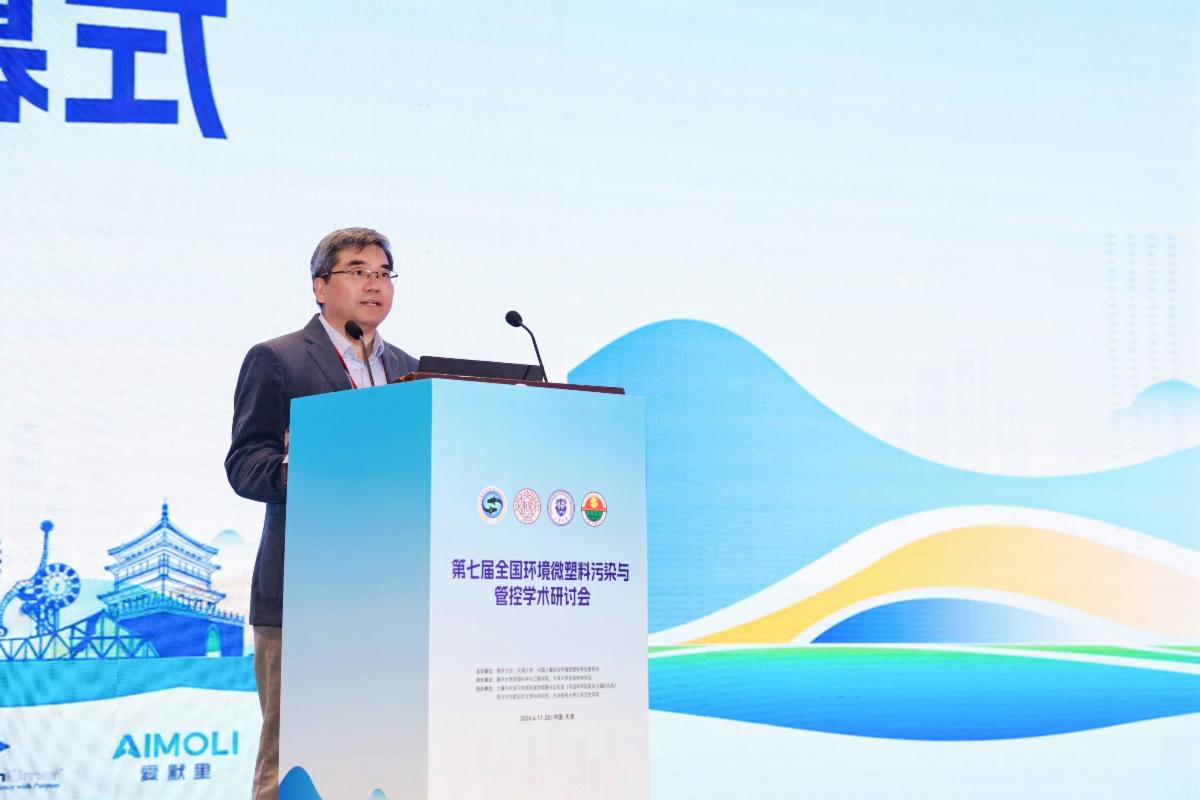
From April 17 to 20, 2026, the Seventh National Symposium on Environmental Microplastic Pollution and Control was successfully held in Tianjin, China. The symposium was jointly organized by Nankai University, Tianjin University, and the Environmental Microplastics Committee of the Soil Science Society of China, with the Future Earth Coasts (FEC) international initiative serving as a co-organizer.

Professor Luo Yongming of the Institute of Soil Science, Chinese Academy of Sciences, who chaired the symposium, delivered an opening address. Professor Luo is a member of the Executive Committee of Future Earth Coasts and Chair of the Environmental Microplastics Committee of the Soil Science Society of China. The event brought together more than 800 participants from over 200 universities, research institutions, and enterprises in China and abroad.


Click here to read more.


Anthropocene Coasts:

Call for Papers – Tour de Coasts

Anthropocene Coasts is launching a new special collection titled Tour de Coasts.  

This special collection is supported by FEC and provides a forum for knowledge exchange about priority coastal sustainability concerns and aims to create a comprehensive understanding of coastal sustainability challenges and opportunities from a global perspective.


For this Special Collection, Anthropocene Coasts invites manuscripts of all aspects of coastal sustainability challenges and opportunities globally including but not limited to: governance; individual, cultural, community, and ecological health; effective and inclusive communication; human behavioral change; food, water, and housing security; ecological analyses; economics and financial incentives; potential for managed coastal retreat; technology and increased connectivity; coastal disease threats and health benefits; use crises to inform; and modeling. 

The submission deadline for this collection has been extended to June 30, 2026. You can access the topical collection via this link. 


Guest Editors 


Dr. Katya Altman, Bureau of Ocean Energy Management, USA 


Dr. Dwayne Porter, University of South Carolina, USA  

Dr. Heath Kelsey, University of Maryland, USA

Dr. Anja Scheffers, Southern Cross University, Australia 

Dr. Xiaoyu Fang, East China Normal University, China  

New Article Published in This Special Collection


Dutta, S., Al Balushi, M., Al Harbi, F., & Paul, S. (2025). Fisheries management of the Arabian Peninsula region with special emphasis to the Sultanate of Oman: perspectives of climate change adaptations. Anthropocene Coasts, 8(1), 1-14.

https://doi.org/10.1007/s44218-025-00088-8

FEC New Publications

Sustainable Management of Coastal Freshwater Forested Wetlands in the Mississippi River Delta


William H. Conner, John W. Day, Richard F. Keim, G. Paul Kemp, Richard H. Day, Jamie A. Duberstein, Ken W.Krauss, Robert R. Lane, Rachael G. Hunter, Gary P. Shaffer, Nicholas J. Stevens, Scott D. Wallace, Brett T. Wolfe

Prof. John W. Day

Abstract


The once-extensive coastal forested wetlands (CFWs) of the Mississippi River Delta (MRD) are declining under the combined pressures of pervasive hydrologic change, unregulated harvesting, relative water level rise (due to the combination of geological subsidence and sea-level rise—SLR), and climate change. We synthesize here over 50 years of research conducted in the MRD to examine the history of the CFWs and their management, their ecosystem functions and services, and the nature, extent, and severity of ongoing changes. Seedling recruitment failure and increasing salinity levels are the most immediate threats to forest persistence, necessitating management that restores hydrologic function and sediment and nutrient supply to allow seedling survival and minimizes saltwater intrusion. Collectively, the evidence indicates that managed inflows can bolster accretion and sustain forest function, and long-term resilience requires hydrologic restoration at landscape scales coupled with site-level actions that secure recruitment and address local degradation trajectories. These include freshwater and sediment introduction, protection from herbivory, and, in some cases, planting. Our research findings have important implications for worldwide CFWs, and tidal freshwater ecosystems in general, which occur mainly in tropical deltas.


Keywords: coastal freshwater forested wetlands; Mississippi River Delta; bald cypress–water tupelo; swamps; climate change


Click here to read more.


Copepods of a creek and an inter-tidal beach: perspectives from Sagar Island of Ganges estuary, India


Sourav Paul

Dr. Sourav Paul

Abstract


Copepods of an inter-tidal beach (ITB) and a creek of a single estuary are less compared. Copepods of the Chemaguri Creek (CC) and an ITB of Sagar Island, Ganges estuary (GE) were sampled seasonally from February 2021 to October 2022. It was hypothesized that the community structures (i.e., diversity, abundance and dominance) were different between habitats, and the CC hosted higher diversity and abundance of copepods than the ITB. Seasonal variabilities of the salinity (range CC: 7.0 to 20.40; ITB: 9.50 to 22.90) and water temperature (range CC: 21.40 to 32.60 °C; ITB: 19.70 to 31.90 °C) were significant for both the habitats. Total Nitrogen levels (range: 71.86 to 87.26 µmol.L− 1) varied significant among seasons only in the ITB. Calanoid copepods of the Paracalanidae and Acartiidae families dominated both the habitats. Species richness and cumulative abundances of the copepods were higher in the CC than ITB possibly because the latter is exposed to wave dashing whereas the CC provides a sheltered environment. Dissimilarity of the copepod community of the CC and ITB was 30.54%, majorly contributed by the Cyclopoids and Harpacticoids. The ITB had more Harpacticoids than the CC which had more Cyclopoids than the previous. Acartiella tortaniformis and Acartia spinicauda dominated the CC and the ITB, respectively. Small to medium size copepods were more frequent in both the habitats than large copepods. Micro-habitats within a habitat did limit the ecology of the copepods in the Sagar Island, GE; therefore, seasonality and habitat specificity shall be considered if copepods are used for water quality monitoring of a river-estuary.


Click here to read more.


Adaptation in Coastal Areas of Ghana

Opportunities and Challenges for a Just Transition


Blessing Charuka, Donatus B. Angnureng, Rael Teresa Adhiambo, Godwin O. Tutu, Nanabanyin O. Ekumah, Ayeta E. Grace, Richmond Korang, Denis W. Aheto

Dr. Blessing Charuka

Abstract


Just transitions in coastal areas of developing countries face unique social, economic and environmental challenges. Typically, coastal communities are often excluded from decision-making processes on climate actions, leading to injustices that undermine governance, community resilience and the overall goals of sustainable development. This chapter investigates coastal adaptation in Ghana through the lens of just transition. Through this, it advances the development and integration of just transition thinking in coastal adaptation in Ghana. It argues for key transformations that speak to environmental sustainability and restorative justice for loss and damage. It recommends prioritising sustainable coastal governance and, while doing so, adherence to just transition principles of justice, equity, diversity and inclusion in coastal adaptation initiatives in Ghana.


Click here to read more.


Coastal Radar

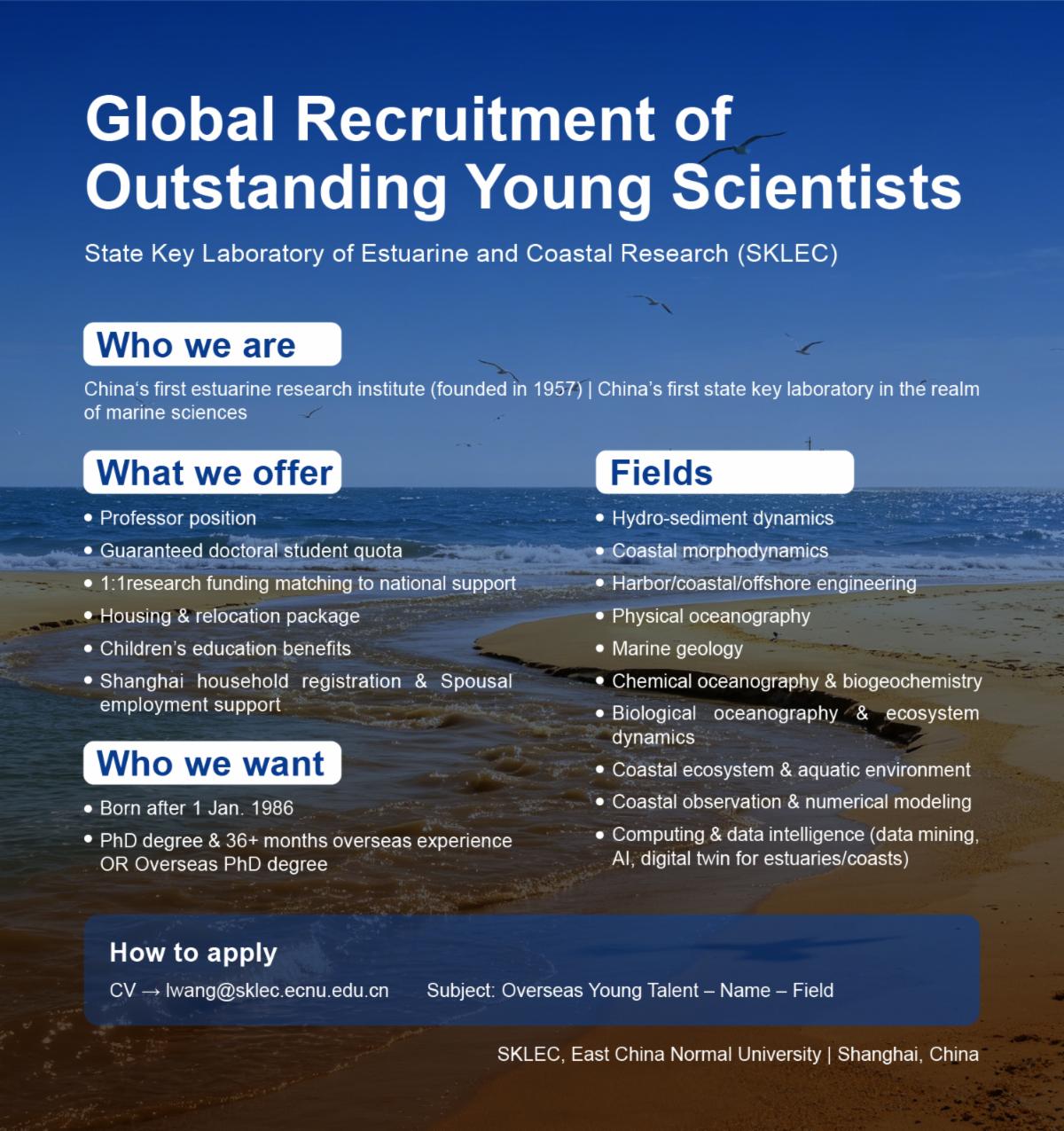
Updates from the Host Institution of the FEC IPO China | Global Recruitment of Outstanding Young Scientists

Global Recruitment Opportunity

The State Key Laboratory of Estuarine and Coastal Research (SKLEC)—established in 1957 as China’s first national laboratory dedicated to estuarine and coastal studies and based in Shanghai—is recruiting outstanding early‑career scientists (born after 1 January 1986) with an overseas PhD or international research experience.


SKLEC offers a competitive package that includes a professorship appointment, PhD student quota, research funding, housing support, education assistance, and spousal employment support.


How to Apply

Please send your CV to lwang@sklec.ecnu.edu.cn with the subject line:

Overseas Young Talent – [Name] – [Field]


Application Deadline: 31 May 2026


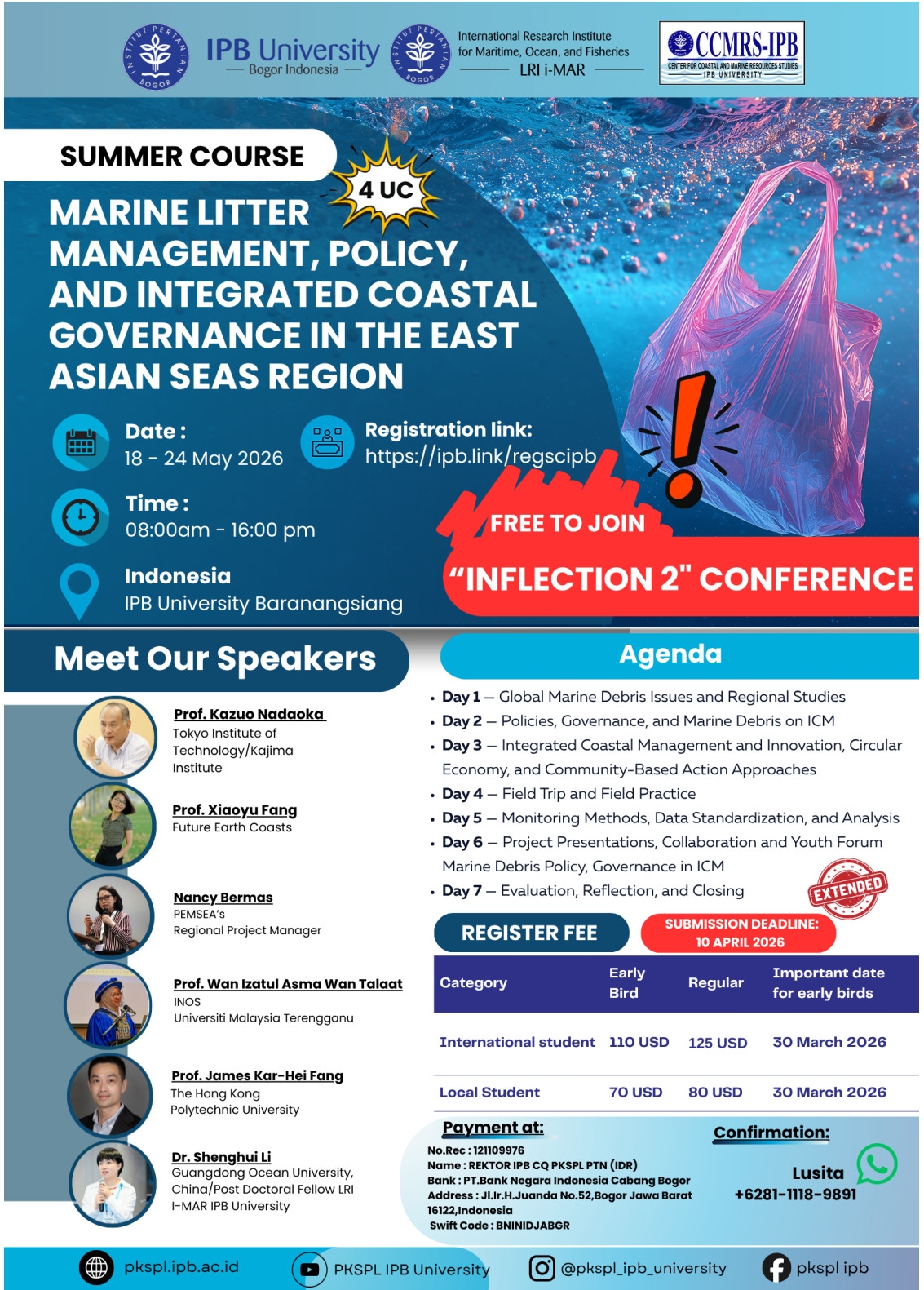
Summer Course | Marine Litter Management, Policy, and Integrated Coastal Governance in the East Asian Seas Region

IPB University is launching its 2026 International Summer Course on Marine Litter Management, Policy, and Integrated Coastal Governance in the East Asian Seas Region, taking place 18–24 May 2026 in Bogor, Indonesia. Designed for students and early‑career researchers across East and Southeast Asia, this program offers a comprehensive blend of pre‑training, lectures, field practice, and hands‑on data analysis, reflecting the course’s integrated learning approach.

Participants will learn from leading regional experts, engage in real‑world fieldwork in the Kepulauan Seribu area, and explore innovative solutions such as circular economy models and community‑based action. With its hybrid format enabling broader international participation, the course strengthens regional collaboration and supports global agendas including SDG 14 and the UN Ocean Decade. This is a unique opportunity to build technical capacity, expand professional networks, and contribute to meaningful action on marine litter in one of the world’s most dynamic coastal regions.


Click here to read more.


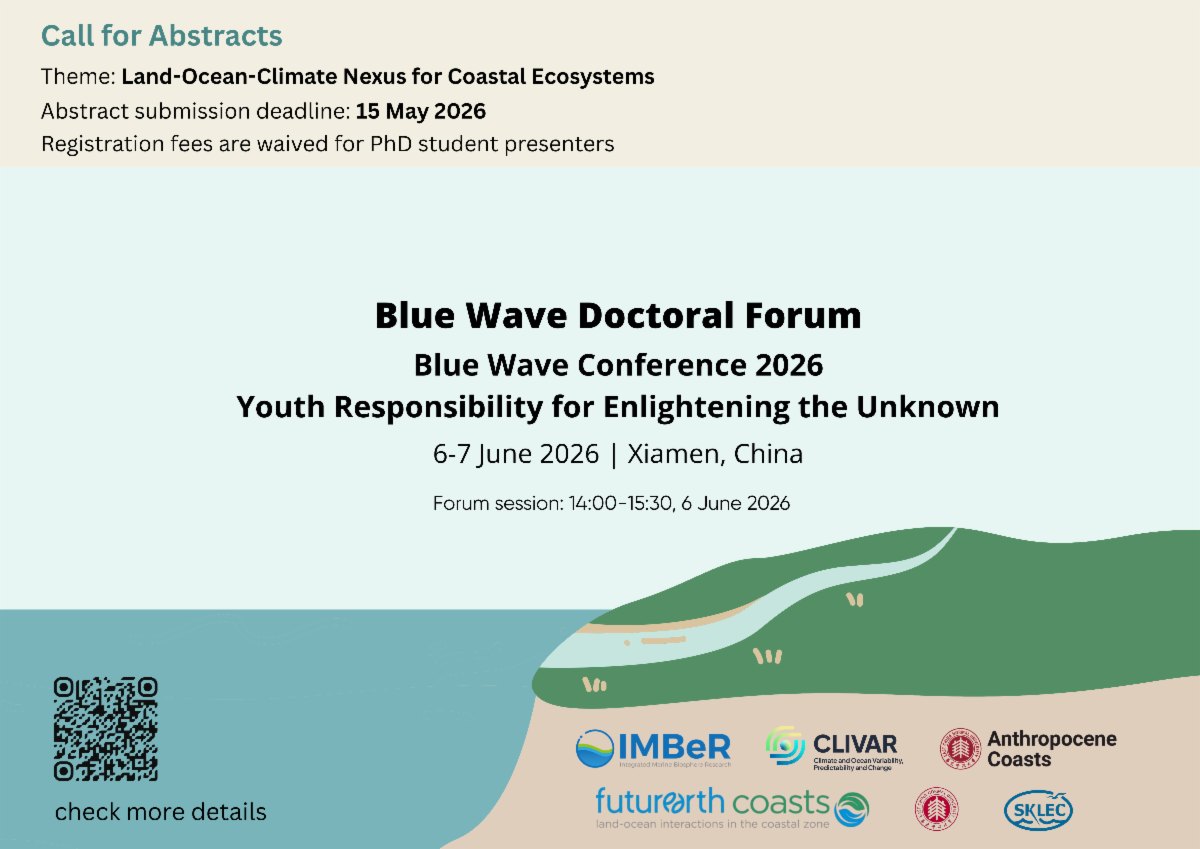
Call for Abstracts | Blue Wave Doctoral Forum

Theme: Land-Ocean-Climate Nexus for Coastal Ecosystems


Coastal ecosystems are highly productive and dynamic systems that play a critical role in global biogeochemical cycles and support human livelihoods. However, they are increasingly exposed to intensifying and interacting pressures, including land-based pollution, global warming, sea-level rise, ocean acidification, and extreme weather and climate events, compounded by rapid coastal development. These multiple stressors often act simultaneously, leading to cumulative impacts, nonlinear responses, and potential tipping points, thereby increasing uncertainty in ecosystem functioning and resilience. As a result, coastal regions are among the most vulnerable socio-ecological systems on Earth. The forum aims to highlight emerging topics related to the land-ocean-climate nexus in coastal ecosystems and to encourage interdisciplinary exchange.


Expected Outputs

All accepted presentations will be archived on the Forum website.

An event report will be jointly published by collaborating international organisations.

Accepted authors will be invited to submit full manuscripts or short communications to Anthropocene Coasts.


Click here to read more.

New FEC Publications (Since April 2026)

○ Charuka, B., Angnureng, D. B., Adhiambo, R. T., Tutu, G. O., Ekumah, N. O., Grace, A. E., ... & Aheto, D. W. Adaptation in Coastal Areas of Ghana: Opportunities and Challenges for a Just Transition. Just Transition and Climate Justice in Sub-Saharan Africa, 133-153.

https://doi.org/10.4324/9781003669593-12

○ Conner, W. H., Day, J. W., Day, R. H., Duberstein, J. A., Hunter, R. G., Keim, R. F., ... & Wolfe, B. T. (2026). Sustainable Management of Coastal Freshwater Forested Wetlands in the Mississippi River Delta. Forests, 17(4), 514.

https://doi.org/10.3390/f17040514

○ Paul, S. (2026). Copepods of a creek and an inter-tidal beach: perspectives from Sagar Island of Ganges estuary, India. Community Ecology, 1-11.

https://doi.org/10.1007/s42974-026-00303-7


FEC Publications (April, 2025 - March, 2026)

○ Adhiambo, R., Mensah, P. K., Koomson, A., & Acheampong, E. (2025). Navigating stress: Impacts of temperature, polycyclic aromatic hydrocarbons, and heavy metals on the diatom Thalassiosira weissflogii adapted to tropical waters of the Gulf of Guinea. Aquatic Toxicology, 107388.

https://doi.org/10.1016/j.aquatox.2025.107388

○ Celliers, L., Ferse, S., Bruns, A., Eisenack, K., Hornidge, A. K., Klepp, S., ... & Rölfer, L. New rationalities, inner logic, and hope for sustainable future coasts. Global Sustainability, 1-21.

https://doi.org/10.1017/sus.2025.10041

○ Cumming, G. S., Rogers, A. A., Collins, T. G., Cuttler, M. V., Elrick-Barr, C. E., Gliottone, I., ... & Wilson, S. K. (2025). Social-ecological contributions of protected areas to their surroundings. One Earth, 8(12).

https://www.cell.com/one-earth/abstract/S2590-3322(25)00288-X

○ Cunha, J., Elliott, M., Villasante, S., Balbi, S., Cabecinha, E., & Ramos, S. (2025). Assessing cumulative risks to coastal and marine habitats under management and climate change scenarios: The case of northern Portugal. Ocean & Coastal Management, 268, 107756.

https://doi.org/10.1016/j.ocecoaman.2025.107756

○ Davies-Vollum, K. S., Puttick, S., Agyekhumene, A., Amolegbe, T., Aneyo, I., Boateng, I., ... & Sohou, Z. (2025). A stakeholder-informed framework for the sustainable management of coastal lagoons in West Africa. Anthropocene Coasts, 8(1), 1-11.

https://link.springer.com/article/10.1007/s44218-025-00093-x

○ Day, J. W., Conner, W. H., Ewel, K. C., Hunter, R., Kemp, G. P., Lane, R., ... & Rybczyk, J. (2025). Integrating human and natural systems from a global systems perspective. Ecological Modelling, 510, 111351.

https://doi.org/10.1016/j.ecolmodel.2025.111351

○ Defeo, O., Corte, G., Barboza, C. A., Debiasi, P., Costa, L. L., Elliott, M., ... & McLachlan, A. (2025). Sandy beaches within meta-social-ecological systems: An integrated framework for ecology, management, and conservation. Estuarine, Coastal and Shelf Science, 109350.

https://doi.org/10.1016/j.ecss.2025.109350

○ Duan, Y., Sanchez-Azofeifa, A., Chen, C., Tian, B., Li, X., Sengupta, D., & Zhou, Y. (2026). S2Coast-2023: The first global 10-meter resolution coastline dataset derived from enhanced Sentinel-2 composite imagery using Google Earth Engine. Remote Sensing of Environment, 334, 115186.

https://doi.org/10.1016/j.rse.2025.115186

○ Dutta, S., Al Balushi, M., Al Harbi, F., & Paul, S. (2025). Fisheries management of the Arabian Peninsula region with special emphasis to the Sultanate of Oman: perspectives of climate change adaptations. Anthropocene Coasts, 8(1), 1-14.

https://doi.org/10.1007/s44218-025-00088-8

○ Elliott, M., Borja, Á., & Cormier, R. (2025). Managing marine resources sustainably–But how do we know when marine management has been successful?. Ocean & Coastal Management, 265, 107623.

https://doi.org/10.1016/j.ocecoaman.2025.107623

○ Elliott, M., Cormier, R., & Borja, Á. (2025). Making sense of marine management–The ten-tenets revisited. Marine Pollution Bulletin, 221, 118580.

https://doi.org/10.1016/j.marpolbul.2025.118580

○ Elrick-Barr, C. E., Smith, T. F., & Thomsen, D. C. (2025). Practitioner perspectives of wellbeing in rapidly changing Australian coastal communities. Ocean & Coastal Management, 266, 107668.

https://doi.org/10.1016/j.ocecoaman.2025.107668

○ Galparsoro, I., Montero, N., Mandiola, G., Menchaca, I., Borja, Á., Flannery, W., ... & Stelzenmüller, V. (2025). Assessment tool addresses implementation challenges of ecosystem-based management principles in marine spatial planning processes. Communications Earth & Environment, 6(1), 55.

https://doi.org/10.1038/s43247-024-01975-7

○ Genchi, S. A., Vitale, A. J., & Perillo, G. M. (2025). Coastal cliff erosion: a bibliometric analysis and literature review. Anthropocene Coasts, 8(1), 1-18.

https://doi.org/10.1007/s44218-025-00072-2

○ Gutierrez, D., Calado, H., Toor, F. v., Moreira, M., Paramio, M. L., Martins, F., Santos, N., Melo, N., & Newton, A. (2025). Empowering Maritime Spatial Planning and Marine Conservation Efforts Through Digital Engagement: The Role of Online Platforms. Sustainability, 17(14), 6371.

https://doi.org/10.3390/su17146371

○ Herrera-Silveira, J. A., Pech-Cárdenas, M., Cinco-Castro, S. G., Pech-Poot, E., Árcega-Cabrera, F., Iturria-Dawn, R., ... & Teutli-Hernández, C. (2025). Mangrove blue carbon in Laguna de Términos, México, a protected area: spatial variability, sources and factors related. Regional Studies in Marine Science, 104390.

https://doi.org/10.1016/j.rsma.2025.104390

○ Jiang, W., Huang, Z., Dai, Z., Luo, J., Zeng, W., & Liang, X. (2025). Attenuation of hydro‐sediment dynamics progradation over mangrove wetland. Journal of Geophysical Research: Oceans, 130(2), e2024JC021531.

https://doi.org/10.1029/2024JC021531

○ Li, Y., Donnelly, J. P., Gao, S., Gao, J., Bramante, J. F., & Kotra, K. K. (2026). Reconstructing 3100 years of extreme coastal flooding events from Emau Island, Vanuatu. Quaternary Science Reviews, 373, 109733.

https://doi.org/10.1016/j.quascirev.2025.109733

○ Li, Y., Robinson, S. V., Nguyen, L. H., & Liu, J. (2023). Satellite prediction of coastal hypoxia in the northern Gulf of Mexico. Remote Sensing of Environment, 284, 113346.

https://doi.org/10.1016/j.rse.2022.113346

○ Li, Y., Xia, Z., Nguyen, L., Wan, H. Y., Wan, L., Wang, M., ... & Liu, J. (2025). Spatiotemporal dynamics of coastal dead zones in the Gulf of Mexico over 20 years using remote sensing. Science of The Total Environment, 979, 179461.

https://doi.org/10.1016/j.scitotenv.2025.179461

○ Liang, X., Dai, Z., Mei, X., Wang, R., Zeng, W., & Fagherazzi, S. (2025). Hurricanes induced irreversible large‐scale loss of mangrove forests. Geophysical Research Letters, 52(9), e2025GL115692.

https://doi.org/10.1029/2025GL115692

○ Matovu, B., Bleischwitz, R., Lukambagire, I., Alkoyak-Yildiz, M., Tarek, R., Etta, L., ... & Hsieh, Y. L. (2025). Examining the perceptions and attitudes toward Women's employment and leadership in the blue economy: A case study of India. Social Sciences & Humanities Open, 11, 101537.

https://doi.org/10.1016/j.ssaho.2025.101537

○ Matovu, B., Mim, T. A., & Lutalo, B. (2025). Where and how can Africa and India leverage the blue economy opportunities of the Indian Ocean region as a driver for sustainable development and partnerships?. Sustainable Futures, 10, 101218.

https://doi.org/10.1016/j.sftr.2025.101218

○ Niu, D., Tan, Y., Ma, C., Qi, Y., Li, Y., Li, Y., & Tang, J. (2025). Reservoir artificial flood discharge is a critical driver for the compositional and functional shifts of dissolved organic matter in river mouth. Communications Earth & Environment, 6(1), 996.

https://doi.org/10.1038/s43247-025-02920-y

○ Niu, D., Li, Y., Tan, Y., Ma, C., Qi, Y., Li, Y., & Tang, J. (2025). The impact of water-sediment regulation scheme (WSRS) on the chemistry of dissolved organic matter in the Yellow River estuary and adjacent waters. Water Research, 123669.

○ Nogueira, S. F., Vitale, A. J., Genchi, S. A., Roth, A., Vargas, S. M., Siben, A., ... & Perillo, G. M. (2025). Design and development of a cost-effective buoy using 3D printing for coastal monitoring. HardwareX, e00657.

https://doi.org/10.1016/j.ohx.2025.e00657

○ Ogier, E. M., Pecl, G. T., Hughes, T., Lawless, S., Layton, C., Nash, K. L., & Morrison, T. H. (2025). Novel marine-climate interventions hampered by low consensus and governance preparedness. Nature Climate Change, 1-10.

https://doi.org/10.1038/s41558-025-02291-4

○ Ogier, E. M., Pecl, G. T., Hughes, T., Lawless, S., Layton, C., Nash, K. L., & Morrison, T. H. (2025). Enhance responsible governance to match the scale and pace of marine–climate interventions. Nature Climate Change, 1-2.

https://doi.org/10.1038/s41558-025-02292-3

○ Onwubiko, C. C., & Aheto, D. W. (2025). Assessing the Role of Coastal Habitats in Flood Reduction in Selected Communities of Rivers State. Coasts, 5(2), 17.

https://doi.org/10.3390/coasts5020017

○ Paul, S., Karan, S., & Bhattacharya, B. D. (2026). Short-term impact of cyclone Yass on the copepod community of Muriganga estuary of India. Discover Ecology, 2(1), 7.

https://doi.org/10.1007/s44396-026-00024-1

○ Salazar, Y. C. A., Genchi, S. A., Nuciari, L., Perillo, V. L., Piccolo, M. C., & Perillo, G. M. (2025). MiSMoS (MicroScale Morphology System): an inexpensive new method to survey 3D surface micromorphology. Latin American Journal of Sedimentology and Basin Analysis.

https://lajsba.sedimentologia.org.ar/lajsba/article/view/264

○ Valiela, I., Chenoweth, K., & Day, J. (2025). Meta-analysis of vegetation responses to experimental nitrogen enrichments done in salt marshes under different sea level rise regimes reveal interaction of N supply and sea level rise. Science of The Total Environment, 975, 179198.

https://doi.org/10.1016/j.scitotenv.2025.179198

○ Vivian, C., Boettcher, M., Elliot, M., Mengis, N., Merk, C., Oschlies, A., ... & Gupta, A. (2025). The State of the Science for Marine Carbon Dioxide Removal (mCDR)–A Scientific Summary for Policy-Makers.

https://doi.org/10.5281/zenodo.15490407

○ Wu, S., Hu, Y., Zhao, W., Gong, L., Song, Y., Li, C., ... & He, Q. (2025). Human flood adaptation characteristics: A comparative study of three global river deltas. Journal of Hydrology, 133531.

https://doi.org/10.1016/j.jhydrol.2025.133531

○ Yang, J., Dai, Z., Mei, X., Lou, Y., & Fagherazzi, S. (2025). Wetland gain and loss in the Mississippi River bird‐foot delta. Earth's Future, 13(6), e2024EF005003.

https://doi.org/10.1029/2024EF005003

○ Zhao, X., Kaniewski, D., Wang, Y., Marriner, N., Salem, A., Alassal, S. E., ... & Chen, Z. (2025). On the long and winding road: unravelling the late emergence of Neolithic agriculture in the Nile Delta. Quaternary Science Reviews, 359, 109368.

https://doi.org/10.1016/j.quascirev.2025.109368

○ Zhao, X., Kaniewski, D., Wang, Y., Marriner, N., Salem, A., Liu, Y., ... & Chen, Z. (2025). Holocene trends in Nile Delta fire regimes driven by cropland expansion and reduced precipitation. Quaternary Science Reviews, 361, 109412.

https://doi.org/10.1016/j.quascirev.2025.109412


FEC Official Journal

Anthropocene Coasts

special column

Anthropocene Coasts, the official journal supported by Future Earth Coasts, is archived by 17 databases, such as Emerging Sources Citation Index (ESCI), SCOPUS, Google Scholar, Catalogue of Chinese High-Quality Sci-Tech Journals (Geosciences), CLOCKSS, CNKI, Wanfang, CNPIEC, Dimensions, EBSCO Discovery Service, Naver, EBSCO Discovery Service, OCLC WorldCat Discovery Service, Portico, ProQuest-ExLibris Primo, ProQuest-ExLibris Summon, TD Net Discovery Service.


Official Website:

https://www.springer.com/journal/44218

Submission system:

https://www.editorialmanager.com/anth/default1.aspx

Anthropocene Coasts Seeks Associate Editors

Anthropocene Coasts, Future Earth Coasts' first official journal, is a Green Open Access journal hosted by East China Normal University. The journal publishes multidisciplinary research addressing the interaction of human activities with our estuaries and coasts.


To help build on the success of Anthropocene Coasts and to explore more exciting international opportunities representing the journal, we’re seeking more international Associate Editors who will recruit high-quality papers and increase the journal’s impact. Candidates will also be expected to coordinate with the Editors-in-Chief, Prof. Shu Gao and Prof. Ian Townend, to oversee manuscript review and make recommendations for manuscript reviewing.


Main responsibilities:


  • Secure high-quality journal content. Actively support the journal during your term of office by soliciting submissions to the journal, leading or encouraging others to lead special collections and promoting the journal to peers, colleagues, and the wider coastal research community.
  • Raise the journal’s profile in your country and internationally.
  • Safeguard the integrity of the peer review process. Ensure it is rigorous, timely, unbiased, and confidential.
  • Attend our editorial board webinars and work with the Editors-in-Chief to help journal develop.


Click here to read more.

Call for Papers:

Understanding Coastal Processes and Human-Environmental Interactions in the Anthropocene: Multidisciplinary Perspectives


GUEST EDITORS:


Dr. Qiang Yao

Prof. Kai Tan

Prof. Haibo Zou

Prof. Cheryl Harrison

Dr. Érika Ferreira Rodrigues 


This special collection is designed to explore the complex human-environmental interactions within coastal settings, emphasizing the wide spectrum of processes shaping coastal landscapes and human responses to these changes. We invite contributions from traditional geoscience studies, field investigations, ecological assessments, and remote sensing analyses, along with innovative DL and ML methodologies. By accommodating diverse scientific perspectives and methods, this issue seeks to foster a deeper understanding of the complexities surrounding coastal hazard dynamics and resilience strategies, ultimately contributing valuable insights toward more informed and sustainable coastal restoration efforts.


In alignment with the United Nations Sustainable Development Goals (SDGs), this collection particularly supports: • SDG 11 – Sustainable Cities and Communities • SDG 13 – Climate Action • SDG 14 – Life Below Water • SDG 15 – Life on Land • SDG 17 – Partnerships for the Goals


Submission deadline

31 May 2026


Click here to read more.

Online Resources

"World Large River and Delta Systems Source-to-Sink Online Talk Series" continue to update!

Links:

(1) Bilibili: https://space.bilibili.com/441864512

(2) YouTube:https://tinyurl.com/s2stalks


For more resources in 2022: https://meas.ncsu.edu/sealevel/s2s/talks.html

Most of our subscribers are coasts-related researchers. If you would like to put some recruitment information or share some latest news about coastal research in FEC monthly newsletter, please feel free to contact us through fecchina@ecnu.edu.cn.

FEC IPO is supported by:
 
Follow us on Wechat !
「FEC微信公众号」


FEC IPO-China

联系方式:

FEC 国际项目办公室(中国)| 河口海岸学国家重点实验室
华东师范大学
东川路500号 上海 | 200241

邮箱 | fecchina@ecnu.edu.cn
Contact details:

FEC IPO (China)
State Key Laboratory of Estuarine and Coastal Research
East China Normal University
No.500, Dong Chuan Rd. Shanghai | 200241

Email | fecchina@ecnu.edu.cn
 
 
Facebook  Twitter  Linkedin