Coast Posts
- A Newsletter From FEC
| |
News from Future Earth Coasts International Project Office
Shanghai | East China Normal University
| | |
Highlights:
- Season’s Greetings
- Meta-Network Survey on Collaboration, Gaps, and Opportunities in Oceans, Marginal Seas, and Coasts
- Webinar Recap|AI Bootcamp for Transdisciplinary Collaboration by Dr. Alex Hendry
- Join Us to Drive the Next Wave of Blue Carbon Innovation
- Shaping a Just Future for Our Coasts: A Call for Participants & Contributors to a New Global Training Series on Just Transitions
- Registration Opens | Webinar on Indigenous Ways of Sharing Knowledge: Lessons for Scientists
- Anthropocene Coasts: Call for Papers – Tour de Coasts
- FEC New Publication | S2Coast-2023: The first global 10-meter resolution coastline dataset derived from enhanced Sentinel-2 composite imagery using Google Earth Engine
- FEC New Publication | The impact of water-sediment regulation scheme (WSRS) on the chemistry of dissolved organic matter in the Yellow River estuary and adjacent waters
- FEC New Publication | The State of the Science for Marine Carbon Dioxide Removal (mCDR) – A Scientific Summary for Policy-Makers
- Updates from FEC Academy Members: Prof. Gerardo Perillo
- Updates from FEC Affiliated Projects: DKN Working Group – Anticipating and Transforming Coastal Futures
- The Delta Top 2025 – Highlights from Dr. Liviu Giosan
| | Meta-Network Survey on Collaboration, Gaps, and Opportunities in Oceans, Marginal Seas, and Coasts | | |
Initial Results and Analysis (as of October 2025)
Introduction
The Meta-Network Survey on Collaboration, Gaps, and Opportunities in Oceans, Marginal Seas, and Coasts was launched in October 2025 under the Future Earth Meta-Network Project, jointly implemented by the Sustainability Initiative in the Marginal Seas of East and South Asia (SIMSEA) and Future Earth Coasts (FEC), with support from PEMSEA.
The survey aims to map existing initiatives and programs addressing sustainability in oceans, marginal seas, and coasts—identifying where coordination, integration, and collaboration are lacking, and where opportunities for synergy can be strengthened. It also contributes to the Asia Science Mission for Sustainability (ASM) by exploring shared knowledge infrastructure, assessing accessibility of information, identifying potential applications, and informing future funding mechanisms.
Initial findings were presented during the SIMSEA Meta-Network Meeting in Zhuhai, China, on 17 October 2025, providing a first evidence base to guide the design of an inclusive, multi-scale Meta-Network that connects science, policy, and practice across the region.
| |
Who Participated
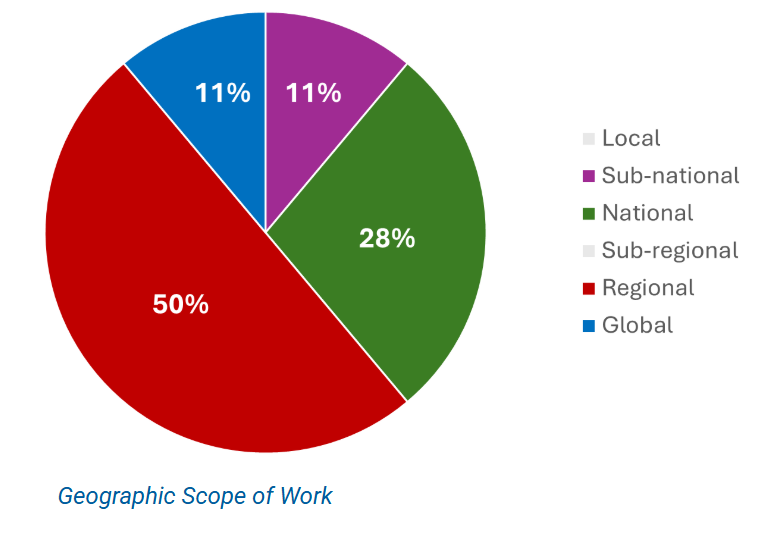
Eighteen organizations participated in the initial round, representing universities, research institutions, government agencies, and regional/global programs across East and Southeast Asia.
Most respondents operate at regional and national scales, while several also engage in sub-regional or local initiatives.
Thematic coverage spans coastal and marine sustainability, ecosystem and resource management, capacity development, knowledge sharing, and science–policy collaboration.
| | | Webinar Recap|AI Bootcamp for Transdisciplinary Collaboration by Dr. Alex Hendry | | |
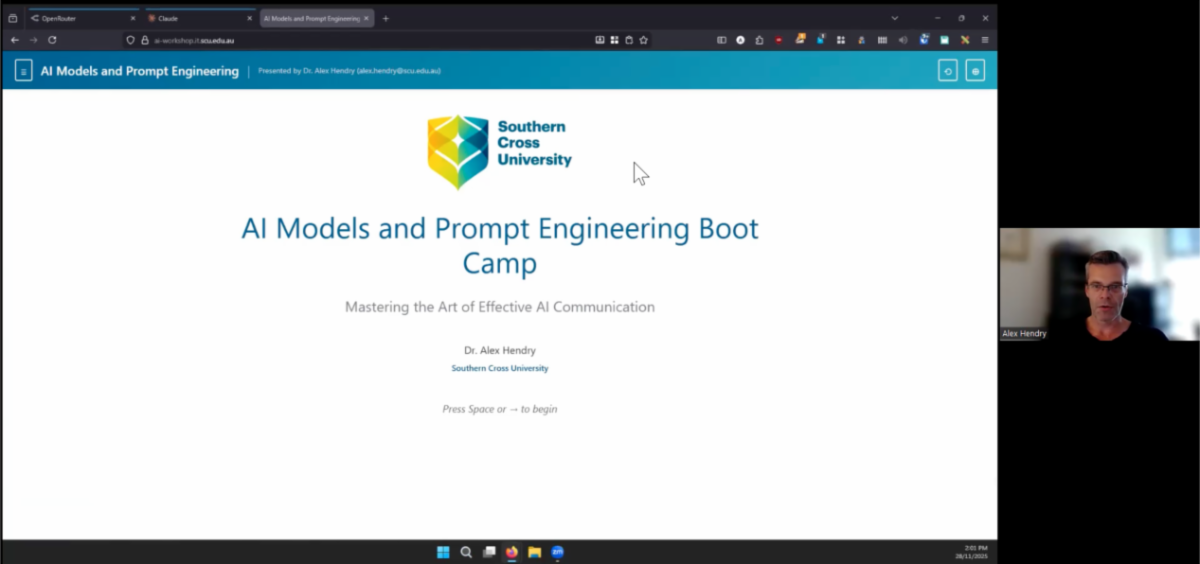
On November 28, 2025, the online workshop “AI Bootcamp for Transdisciplinary Collaboration — From Prompting to Prompt Engineering” led by Dr. Alex Hendry from Southern Cross University, was successfully concluded. Hosted by Professor Anja Scheffers of Southern Cross University, the event brought together researchers and professionals from diverse disciplinary backgrounds to explore how AI tools can enhance cross-disciplinary communication and collaborative efficiency.
During the workshop, Dr. Alex Hendry began with the fundamental principles of large language models, providing a structured explanation of their training mechanisms, generation processes, and the trade-offs among model size, speed, cost, and energy consumption. He advised participants to choose models based on actual needs and to prioritize those that are more efficient and environmentally responsible. Such choices are not only technical decisions but also reflect a commitment to sustainable practice ethics.
| |
Dr. Hendry then focused on the core concepts of prompt engineering and further introduced meta-prompting as an advanced technique. He explained how clear and well-designed instructions can guide AI toward accurate responses, and demonstrated how AI can act as a collaborative partner by using iterative conversation to refine the prompts themselves. These approaches significantly lower the technical barriers to effective use, enabling researchers across disciplines to rapidly develop efficient, task-specific prompt templates.
Click here to read more.
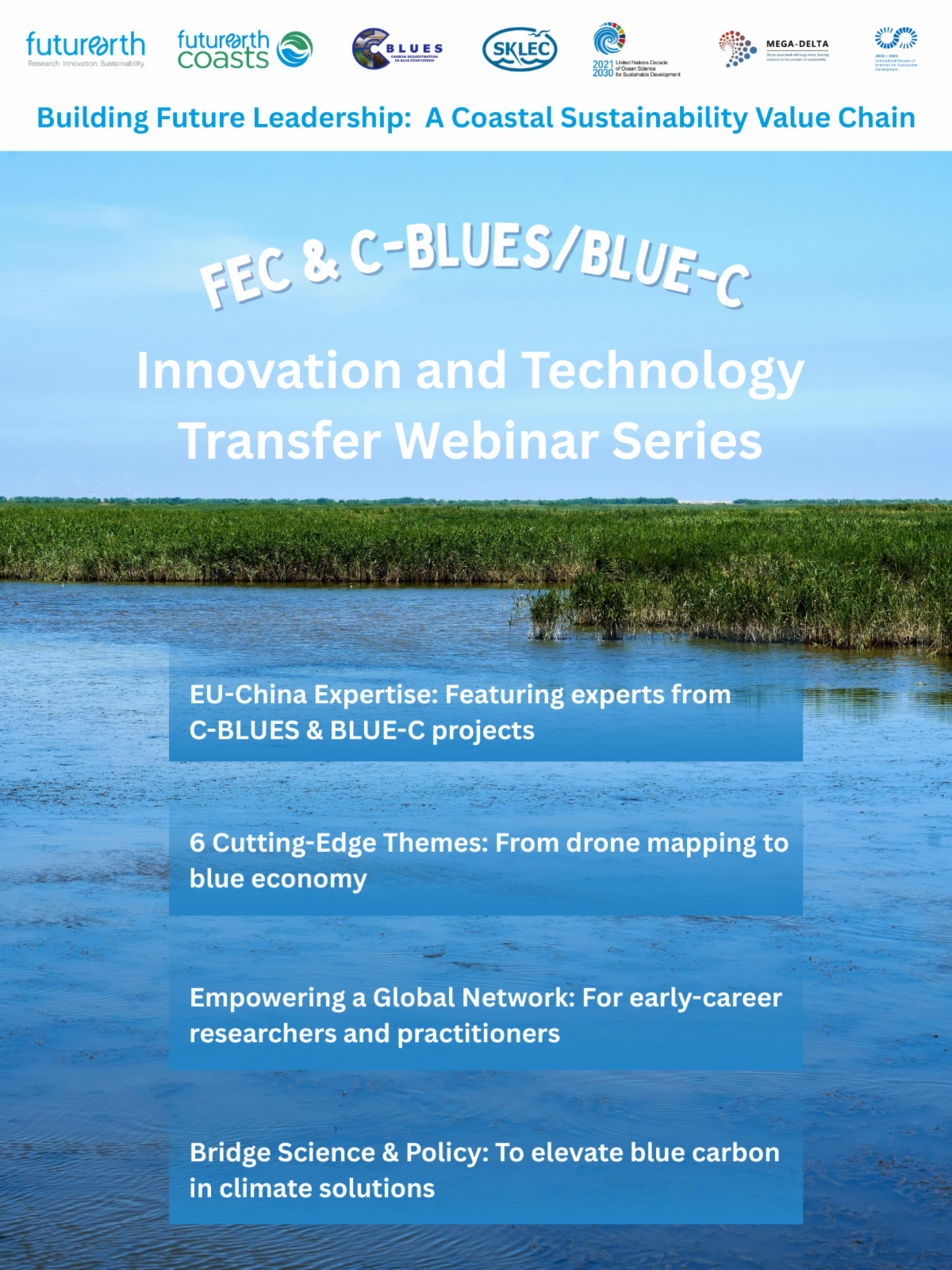
| | Join Us to Drive the Next Wave of Blue Carbon Innovation | | We are delighted to launch the Innovation and Technology Transfer Webinar Series under the Building Future Leadership Initiative in Future Earth Coasts (FEC). | | |
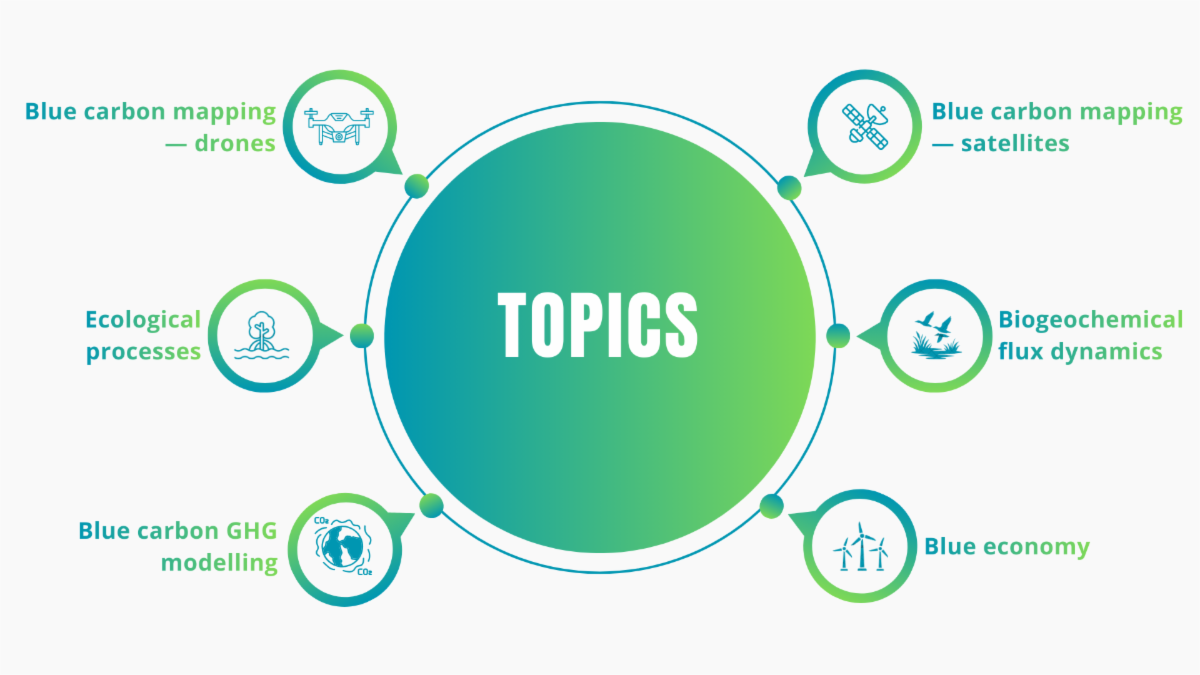
Supported by the C-BLUES and BLUE-C, the webinar series aims to accelerate knowledge exchange on blue carbon ecosystems and co-promotion of their multi-functionalities via presenting state-of-the-art technology and innovative methodologies.
The series consists of 6 webinars on Blue carbon mapping — drones, Blue carbon mapping — satellites, Ecological processes, Biogeochemical flux dynamics, Blue carbon GHG modelling, and Blue economy, with experts from EU and China jointly deliver. This is expected to enable early career researchers, practitioners, and stakeholders around the world to conduct evidence-based reporting of blue carbon inventories and greenhouse gas fluxes in coastal wetland systems beyond EU and China.
| |
The first session is scheduled for January 21, 2026. Stay tuned for more updates.
Click here to read more.
| | Shaping a Just Future for Our Coasts: A Call for Participants & Contributors to a New Global Training Series on Just Transitions | | Participants and contributors are sought for a new online training series on just transitions in coastal regions, to be launched by the Just Transitions Working Group of Future Earth Coasts in early 2026. The series forms part of the “ Building Future Leadership: A Coastal Sustainability Value Chain” cross-cutting project supported by Future Earth. | | |
The idea of a ‘just transition’ has broadened out beyond its initial focus on workers in high-emitting sectors, to ensuring that people and places involved in all kinds of resource-dependent activity are not left behind in the transition to a zero-carbon and sustainable society. Striving towards a just transition is especially challenging for coastal societies, which both rely on natural resources for livelihoods, yet may also find themselves as the site of ‘solutions’ such as offshore renewables and coastal defences.
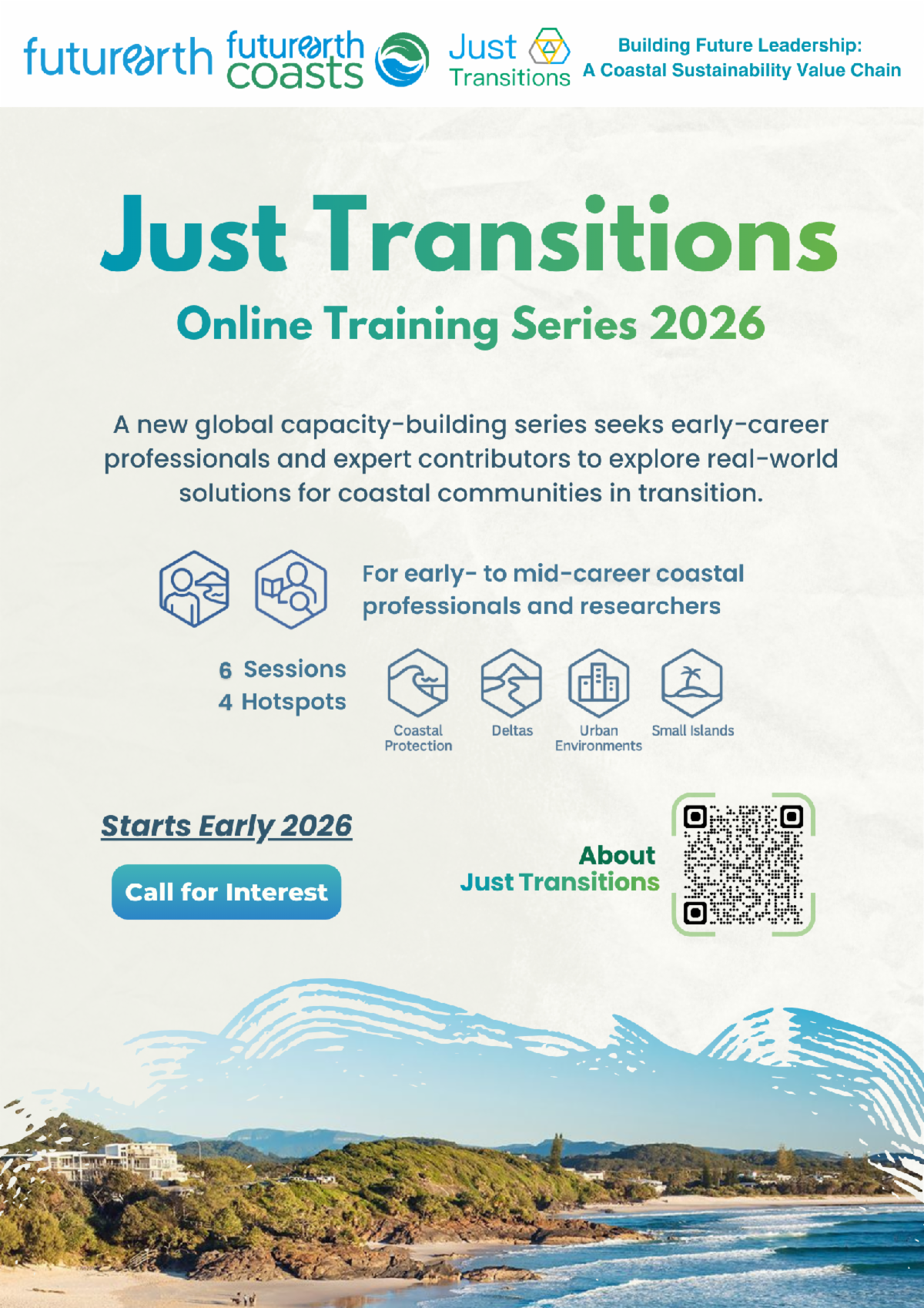
The aim of the training series is therefore to explore multiple aspects of just transitions in the coastal zone, across six two-hour sessions: an introduction to just transitions; coastal protection; deltas; urban environments; small islands; and synthesis. The sessions will feature a series of short expert contributions, followed by guided discussion and interactive group tasks. By the end of the series, participants will have gained an understanding of the breadth of ways just transition challenges are being tackled in coastal zones globally, and of how to apply these to the places they themselves live and work in. Although there is no formal assessment, participants will be asked to share a short presentation to the group on opportunities and challenges for a coastal just transition in their own locality in the final week of the module.
To register your interest in participating, please sign up here for updates in the first instance.
To register an interest in contributing to one or more of the sessions as an expert, please sign up here.
Click here to read more.
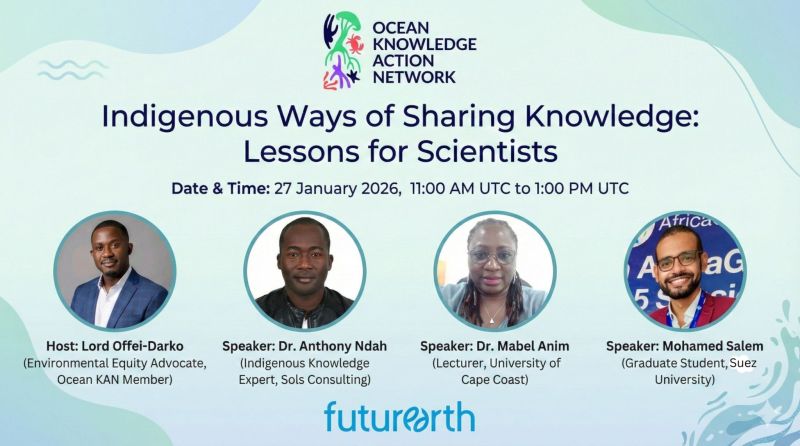
| | Registration Opens | Webinar on Indigenous Ways of Sharing Knowledge: Lessons for Scientists | | This webinar, “Indigenous Ways of Sharing Knowledge: Lessons for Scientists,” delivered under the Future Earth–funded, FEC‑led cross‑cutting initiative Building Future Leadership: A Coastal Sustainability Value Chain, examines how Indigenous knowledge systems can meaningfully inform scientific research, sustainability practice, and inclusive knowledge co‑production. The session will present diverse perspectives on how knowledge is shared, governed, and sustained within Indigenous communities, and will outline key lessons for scientists and practitioners seeking to engage more ethically and effectively with these approaches. | Registration is now open. To join the webinar, please register via the link here. |
| |
Anthropocene Coasts:
Call for Papers – Tour de Coasts
| | Anthropocene Coasts is launching a new special collection titled Tour de Coasts. | | |
This special collection is supported by FEC and provides a forum for knowledge exchange about priority coastal sustainability concerns and aims to create a comprehensive understanding of coastal sustainability challenges and opportunities from a global perspective.
For this Special Collection, Anthropocene Coasts invites manuscripts of all aspects of coastal sustainability challenges and opportunities globally including but not limited to: governance; individual, cultural, community, and ecological health; effective and inclusive communication; human behavioral change; food, water, and housing security; ecological analyses; economics and financial incentives; potential for managed coastal retreat; technology and increased connectivity; coastal disease threats and health benefits; use crises to inform; and modeling.
| The submission deadline for this collection has been extended to March 31, 2026. You can access the topical collection via this link. | | Dr. Katya Altman, Bureau of Ocean Energy Management, USA | Dr. Dwayne Porter, University of South Carolina, USA | | Dr. Heath Kelsey, University of Maryland, USA | Dr. Anja Scheffers, Southern Cross University, Australia | Dr. Xiaoyu Fang, East China Normal University, China | | |
New Article Published in This Special Collection
Dutta, S., Al Balushi, M., Al Harbi, F., & Paul, S. (2025). Fisheries management of the Arabian Peninsula region with special emphasis to the Sultanate of Oman: perspectives of climate change adaptations. Anthropocene Coasts, 8(1), 1-14.
https://doi.org/10.1007/s44218-025-00088-8
| | S2Coast-2023: The first global 10-meter resolution coastline dataset derived from enhanced Sentinel-2 composite imagery using Google Earth Engine | Yuanqiang Duan, Arturo Sanchez-Azofeifa, Chunpeng Chen, Bo Tian, Xing Li, Dhritiraj Sengupta, Yunxuan Zhou | | | |
Abstract
Coastlines serve as dynamic interfaces between terrestrial and marine ecosystems. While advances in satellite remote sensing have promoted coastline monitoring, no comprehensive global coastline dataset derived from Sentinel-2 imagery has been produced, despite its 10-m resolution and frequent revisit capabilities. To address this, we propose S2Coast, a knowledge-based framework based on the Google Earth Engine (GEE) platform, designed to automatically detect the unified High Water Line (HWL) from annually composited Sentinel-2 imagery, termed HWLSentinel-2. This method integrates multi-temporal observational information, spectral characteristics, and spatial features to delineate the stable extent of high seawater submergence captured in cloud-free satellite images over a year. The boundaries in the resultant “Land-Water” binarization image represent HWLSentinel-2, derived through integrated threshold segmentation for three decision layers. Subsequently, raster-to-vector conversion and optimization steps were performed. Following the sequential execution of 12,275 sub-tasks, the resultant S2Coast-2023 dataset includes approximately 2.17 million kilometers of coastline for 2023, covering all continents and most islands larger than 100 m2, excluding Antarctica and remote polar islands. Global validation based on 1146 samples demonstrates that the developed tool, S2Coast, exhibits robust stability and universality, with average 88 % of sampled coastline segments falling within a 10-m buffer when comparing repeatedly generated coastlines from consecutive years (2021 to 2023). For positional accuracy, using 532 coastline samples with very high resolution image-based OpenStreetMap coastlines as reference data reveal an average positional deviation of −1.10 m (95 % CI: −2.06 to −0.15 m) and an average root mean square error (RMSE) of 17.40 m (95 % CI: 16.23 to 18.65 m). As the first global coastline dataset with 10-m resolution and a unified coastline indicator, it will serve as a crucial foundational resource for future coastal research.
Click here to read more.
|
| The impact of water-sediment regulation scheme (WSRS) on the chemistry of dissolved organic matter in the Yellow River estuary and adjacent waters | Donglei Niu, Yanfang Li, Yang Tan, Chao Ma, Yulin Qi, Yanan Li, Jianhui Tang | | | |
Abstract
Dissolved organic matter (DOM) plays important roles in the global carbon cycle and aquatic ecosystem health. Estuaries are critical zones connecting land and ocean in which DOM experiences dispersion, transformation, degradation, deposition, etc. The Water-sediment regulation scheme (WSRS) was implemented in Yellow River (YR) and approximately half of annually sediment and a quarter of annually water were poured into estuary in around 20 days. Meanwhile, huge amounts of DOM were discharged into Yellow River estuary (YRE) rapidly, but their processes and fates in YRE and adjacent seas are unclear. This study aims to investigate the molecular and spectrum compositions of DOM and its associated transformation mechanisms around the YRE and its adjacent sea before (from June 8 to 12, 2022) and after (from July 18 to 22, 2022) the WSRS. A relatively greater amount of highly unsaturated compounds and terrestrial-derived DOM was found with higher aromaticity and humification degree after WSRS, by bulk geochemical techniques, optical spectroscopy and Fourier transform ion cyclotron resonance mass spectrometry (FT-ICR MS) techniques. High levels of less photodegraded DOM were found in the estuarine region after WSRS, due to the rapidly pouring huge amount of fresh water and sediment into YRE. The high suspended sediment concentration facilitates the sorption of dissolved organic carbon (DOC), especially those sulphur-containing compounds in DOM which decreased both in the relative intensity and number. However, in the long term, WSRS may lead to an increase of DOC in the water column. Along with the YR plume and coastal current, DOM was transported from the YRE to Laizhou Bay to the south and arrived at Bohai Strait to the east. Overall, this research provides valuable insights into estuary DOM variations induced by the intensive dam-orientated regulation in a short term.
Click here to read more.
|
| The State of the Science for Marine Carbon Dioxide Removal (mCDR) – A Scientific Summary for Policy-Makers | Vivian, Chris, Boettcher, Miranda, Elliot, Mike, Mengis, Nadine , Merk, Christine, Oschlies, Andreas , Boyd, Phillip, Lancaster, Alana, Corry, Olaf, Sugiyama, Masahiro and Gupta, Aarti | | | |
Abstract
Since net zero greenhouse gas emissions targets have become a keystone of climate policy, there has been increasing debate about the need to complement urgently needed emission reductions with active removal of carbon dioxide from the atmosphere (termed ‘carbon dioxide removal’, CDR)
This document provides a concise summary of the state of marine CDR (mCDR) science, with a focus on those methods that are currently being most actively researched. These include mCDR options that aim to enhance the biological carbon pump: microalgal ocean fertilization, biomass (macroalgae and crop-waste) sinking, artificial upwelling and mCDR options that aim at increasing the chemical carbon sink: ocean alkalinity enhancement and direct ocean removal (also termed ‘direct ocean capture’ and ‘direct water removal’).
Click here to read more.
| |
Updates from FEC Academy Members
| | FEC Academy Member Prof. Gerardo Perillo Appointed Member of the National Academy of Sciences of Argentina | | | | | |
Prof. Gerardo Miguel Eduardo Perillo, former Director of the FEC International Project Office in Argentina and current FEC Academy Member, has been recently designated Member of the National Academy of Sciences of Argentina.
This prestigious recognition is one of the highest scientific honours in Argentina. Fewer than 40 researchers nationwide hold the title of Member of the National Academy of Sciences of Argentina, awarded by unanimous vote of the Academy’s Executive Committee. The distinction is reserved for scientists who have made significant and lasting contributions to national and international research, and whose work strengthens the scientific excellence represented within the Academy.
| | | FEC warmly congratulates Prof. Perillo on this significant achievement, which highlights his scientific excellence and the high esteem in which he is held nationally and internationally. We celebrate this milestone with him and look forward to his continued engagement with Future Earth Coasts. | | |
Updates from FEC Affiliated Projects
| | DKN Working Group – Anticipating and Transforming Coastal Futures | | | |
New rationalities, inner logic, and hope for sustainable future coasts
Celliers, L., Ferse, S., Bruns, A., Eisenack, K., Hornidge, A.-K., Klepp, S., Lahl, R., Neumann, B., Riechers, M., Bogusz, T., Fuchs, N., Gee, K., Hampton, S., Hinkel, J., Kny, J., Kriegl, M., Krönert, T., Mañez Costa, M., Otto, L., Pfaff, M., & Rölfer, L.
| | | |
Abstract
In the coastal zone, the triple planetary crisis manifests as accelerating losses and changes and increasing challenges and risks for people and livelihoods. Acceptance of a future existential crisis compels the urgency of corrective action to cause an inverse positive societal response to bend the negative trajectories of loss and damage. The rate and extent of corrective societal action (policies, laws, practices, knowledge, etc.) should at least keep pace with the projected rate of loss and environmental degradation. This urgency and acceleration of action are major societal challenges, especially considering the overwhelming evidence of impacts. In this paper, we offer three propositions for accelerating urgent actions and fostering innovation in coastal research and management, focusing on emerging trends and foundational changes. Scientists need to 1) reflect on the performativity of their research and perceptions of neutrality in anticipating the future of coasts; 2) think and act equitably in local and global partnerships; and 3) improve their engagement and willingness to innovate with society. This is not a call for linear or incremental change, but a call for the radical. The relationship between society and science drives progress and shapes our collective future.
Click here to read more.
| | | The Delta Top 2025 – Highlights from Dr. Liviu Giosan | | |
River deltas are at the heart of global coastal change, climate adaptation, and sediment dynamics—core themes for the FEC community. Liviu Giosan’s annual “Delta Top” offers a curated, expert view of the most influential delta science published in 2025.
Part I highlights new findings on how mud contributes to delta building, exceptional carbon burial in the Yellow River delta, rapid environmental change in the Yukon–Kuskokwim delta, and global patterns of delta relief. Part II showcases the top five delta papers of 2025, featuring advances in sediment routing, delta evolution, high‑resolution reconstructions, and innovative approaches to assessing vulnerability, along with a bonus highlight selected by Giosan. Together, the two installments offer a clear snapshot of this year’s most influential delta science.
Click here to read the full text.
| | | New FEC Publications (Since April 2025) | | |
○ Adhiambo, R., Mensah, P. K., Koomson, A., & Acheampong, E. (2025). Navigating stress: Impacts of temperature, polycyclic aromatic hydrocarbons, and heavy metals on the diatom Thalassiosira weissflogii adapted to tropical waters of the Gulf of Guinea. Aquatic Toxicology, 107388.
https://doi.org/10.1016/j.aquatox.2025.107388
○ Celliers, L., Ferse, S., Bruns, A., Eisenack, K., Hornidge, A. K., Klepp, S., ... & Rölfer, L. New rationalities, inner logic, and hope for sustainable future coasts. Global Sustainability, 1-21.
https://doi.org/10.1017/sus.2025.10041
○ Cunha, J., Elliott, M., Villasante, S., Balbi, S., Cabecinha, E., & Ramos, S. (2025). Assessing cumulative risks to coastal and marine habitats under management and climate change scenarios: The case of northern Portugal. Ocean & Coastal Management, 268, 107756.
https://doi.org/10.1016/j.ocecoaman.2025.107756
○ Davies-Vollum, K. S., Puttick, S., Agyekhumene, A., Amolegbe, T., Aneyo, I., Boateng, I., ... & Sohou, Z. (2025). A stakeholder-informed framework for the sustainable management of coastal lagoons in West Africa. Anthropocene Coasts, 8(1), 1-11.
https://link.springer.com/article/10.1007/s44218-025-00093-x
○ Defeo, O., Corte, G., Barboza, C. A., Debiasi, P., Costa, L. L., Elliott, M., ... & McLachlan, A. (2025). Sandy beaches within meta-social-ecological systems: An integrated framework for ecology, management, and conservation. Estuarine, Coastal and Shelf Science, 109350.
https://doi.org/10.1016/j.ecss.2025.109350
○ Duan, Y., Sanchez-Azofeifa, A., Chen, C., Tian, B., Li, X., Sengupta, D., & Zhou, Y. (2026). S2Coast-2023: The first global 10-meter resolution coastline dataset derived from enhanced Sentinel-2 composite imagery using Google Earth Engine. Remote Sensing of Environment, 334, 115186.
https://doi.org/10.1016/j.rse.2025.115186
○ Dutta, S., Al Balushi, M., Al Harbi, F., & Paul, S. (2025). Fisheries management of the Arabian Peninsula region with special emphasis to the Sultanate of Oman: perspectives of climate change adaptations. Anthropocene Coasts, 8(1), 1-14.
https://doi.org/10.1007/s44218-025-00088-8
○ Elliott, M., Borja, Á., & Cormier, R. (2025). Managing marine resources sustainably–But how do we know when marine management has been successful?. Ocean & Coastal Management, 265, 107623.
https://doi.org/10.1016/j.ocecoaman.2025.107623
○ Elliott, M., Cormier, R., & Borja, Á. (2025). Making sense of marine management–The ten-tenets revisited. Marine Pollution Bulletin, 221, 118580.
https://doi.org/10.1016/j.marpolbul.2025.118580
○ Elrick-Barr, C. E., Smith, T. F., & Thomsen, D. C. (2025). Practitioner perspectives of wellbeing in rapidly changing Australian coastal communities. Ocean & Coastal Management, 266, 107668.
https://doi.org/10.1016/j.ocecoaman.2025.107668
○ Galparsoro, I., Montero, N., Mandiola, G., Menchaca, I., Borja, Á., Flannery, W., ... & Stelzenmüller, V. (2025). Assessment tool addresses implementation challenges of ecosystem-based management principles in marine spatial planning processes. Communications Earth & Environment, 6(1), 55.
https://doi.org/10.1038/s43247-024-01975-7
○ Genchi, S. A., Vitale, A. J., & Perillo, G. M. (2025). Coastal cliff erosion: a bibliometric analysis and literature review. Anthropocene Coasts, 8(1), 1-18.
https://doi.org/10.1007/s44218-025-00072-2
○ Gutierrez, D., Calado, H., Toor, F. v., Moreira, M., Paramio, M. L., Martins, F., Santos, N., Melo, N., & Newton, A. (2025). Empowering Maritime Spatial Planning and Marine Conservation Efforts Through Digital Engagement: The Role of Online Platforms. Sustainability, 17(14), 6371.
https://doi.org/10.3390/su17146371
○ Jiang, W., Huang, Z., Dai, Z., Luo, J., Zeng, W., & Liang, X. (2025). Attenuation of hydro‐sediment dynamics progradation over mangrove wetland. Journal of Geophysical Research: Oceans, 130(2), e2024JC021531.
https://doi.org/10.1029/2024JC021531
○ Li, Y., Robinson, S. V., Nguyen, L. H., & Liu, J. (2023). Satellite prediction of coastal hypoxia in the northern Gulf of Mexico. Remote Sensing of Environment, 284, 113346.
https://doi.org/10.1016/j.rse.2022.113346
○ Li, Y., Xia, Z., Nguyen, L., Wan, H. Y., Wan, L., Wang, M., ... & Liu, J. (2025). Spatiotemporal dynamics of coastal dead zones in the Gulf of Mexico over 20 years using remote sensing. Science of The Total Environment, 979, 179461.
https://doi.org/10.1016/j.scitotenv.2025.179461
○ Liang, X., Dai, Z., Mei, X., Wang, R., Zeng, W., & Fagherazzi, S. (2025). Hurricanes induced irreversible large‐scale loss of mangrove forests. Geophysical Research Letters, 52(9), e2025GL115692.
https://doi.org/10.1029/2025GL115692
○ Matovu, B., Bleischwitz, R., Lukambagire, I., Alkoyak-Yildiz, M., Tarek, R., Etta, L., ... & Hsieh, Y. L. (2025). Examining the perceptions and attitudes toward Women's employment and leadership in the blue economy: A case study of India. Social Sciences & Humanities Open, 11, 101537.
https://doi.org/10.1016/j.ssaho.2025.101537
○ Matovu, B., Mim, T. A., & Lutalo, B. (2025). Where and how can Africa and India leverage the blue economy opportunities of the Indian Ocean region as a driver for sustainable development and partnerships?. Sustainable Futures, 10, 101218.
https://doi.org/10.1016/j.sftr.2025.101218
○ Niu, D., Li, Y., Tan, Y., Ma, C., Qi, Y., Li, Y., & Tang, J. (2025). The impact of water-sediment regulation scheme (WSRS) on the chemistry of dissolved organic matter in the Yellow River estuary and adjacent waters. Water Research, 123669.
○ Nogueira, S. F., Vitale, A. J., Genchi, S. A., Roth, A., Vargas, S. M., Siben, A., ... & Perillo, G. M. (2025). Design and development of a cost-effective buoy using 3D printing for coastal monitoring. HardwareX, e00657.
https://doi.org/10.1016/j.ohx.2025.e00657
○ Ogier, E. M., Pecl, G. T., Hughes, T., Lawless, S., Layton, C., Nash, K. L., & Morrison, T. H. (2025). Novel marine-climate interventions hampered by low consensus and governance preparedness. Nature Climate Change, 1-10.
https://doi.org/10.1038/s41558-025-02291-4
○ Ogier, E. M., Pecl, G. T., Hughes, T., Lawless, S., Layton, C., Nash, K. L., & Morrison, T. H. (2025). Enhance responsible governance to match the scale and pace of marine–climate interventions. Nature Climate Change, 1-2.
https://doi.org/10.1038/s41558-025-02292-3
○ Onwubiko, C. C., & Aheto, D. W. (2025). Assessing the Role of Coastal Habitats in Flood Reduction in Selected Communities of Rivers State. Coasts, 5(2), 17.
https://doi.org/10.3390/coasts5020017
○ Salazar, Y. C. A., Genchi, S. A., Nuciari, L., Perillo, V. L., Piccolo, M. C., & Perillo, G. M. (2025). MiSMoS (MicroScale Morphology System): an inexpensive new method to survey 3D surface micromorphology. Latin American Journal of Sedimentology and Basin Analysis.
https://lajsba.sedimentologia.org.ar/lajsba/article/view/264
○ Valiela, I., Chenoweth, K., & Day, J. (2025). Meta-analysis of vegetation responses to experimental nitrogen enrichments done in salt marshes under different sea level rise regimes reveal interaction of N supply and sea level rise. Science of The Total Environment, 975, 179198.
https://doi.org/10.1016/j.scitotenv.2025.179198
○ Vivian, C., Boettcher, M., Elliot, M., Mengis, N., Merk, C., Oschlies, A., ... & Gupta, A. (2025). The State of the Science for Marine Carbon Dioxide Removal (mCDR)–A Scientific Summary for Policy-Makers.
https://doi.org/10.5281/zenodo.15490407
○ Wu, S., Hu, Y., Zhao, W., Gong, L., Song, Y., Li, C., ... & He, Q. (2025). Human flood adaptation characteristics: A comparative study of three global river deltas. Journal of Hydrology, 133531.
https://doi.org/10.1016/j.jhydrol.2025.133531
○ Yang, J., Dai, Z., Mei, X., Lou, Y., & Fagherazzi, S. (2025). Wetland gain and loss in the Mississippi River bird‐foot delta. Earth's Future, 13(6), e2024EF005003.
https://doi.org/10.1029/2024EF005003
○ Zhao, X., Kaniewski, D., Wang, Y., Marriner, N., Salem, A., Alassal, S. E., ... & Chen, Z. (2025). On the long and winding road: unravelling the late emergence of Neolithic agriculture in the Nile Delta. Quaternary Science Reviews, 359, 109368.
https://doi.org/10.1016/j.quascirev.2025.109368
○ Zhao, X., Kaniewski, D., Wang, Y., Marriner, N., Salem, A., Liu, Y., ... & Chen, Z. (2025). Holocene trends in Nile Delta fire regimes driven by cropland expansion and reduced precipitation. Quaternary Science Reviews, 361, 109412.
https://doi.org/10.1016/j.quascirev.2025.109412
| | FEC Publications (April, 2024 - March, 2025) | | |
○ Anthony, E., Syvitski, J., Zăinescu, F., Nicholls, R. J., Cohen, K. M., Marriner, N., ... & Maselli, V. (2024). Delta sustainability from the Holocene to the Anthropocene and envisioning the future. Nature Sustainability, 1-12.
https://doi.org/10.1038/s41893-024-01426-3
○ Backler, S., Davies-Vollum, K. S., & Raha, D. (2025). An evaluation of coastal resilience policies in Anglophone West Africa through a regional comparative analysis. Marine Policy, 176, 106648.
https://doi.org/10.1016/j.marpol.2025.106648
○ Baker, M., Bleischwitz, R., Lukambagire, I., Etta, L. A., & Lutalo, B. (2025). Decomposing sand mining complexities to chart ocean sustainability narratives and pathways in the coastal zones of Africa. The Extractive Industries and Society, 23, 101646.
https://doi.org/10.1016/j.exis.2025.101646
○ Banerjee, S., Lahiri, R., Choudhury, A. K., Mondal, A., Kim, J. W., MubarakAli, D., & Satpati, G. G. (2024). Unraveling the potential of cyanobacteria as food and investigating their production and nutritional properties. Biocatalysis and Agricultural Biotechnology, 103421.
https://doi.org/10.1016/j.bcab.2024.103421
○ Day, J., Anthony, E., Costanza, R., Edmonds, D., Gunn, J., Hopkinson, C., ... & White, J. R. (2024). Coastal Wetlands in the Anthropocene. Annual Review of Environment and Resources, 49.
https://doi.org/10.1146/annurev-environ-121922- 041109
○ Day, J. W., Xu, Y. J., Keim, B. D., Brown, V. M., Giosan, L., Mann, M. E., & Stephens, J. R. (2024). Emerging climate threats to the Mississippi River Delta: Moving from restoration to adaptation. One Earth.
https://doi.org/10.1016/j.oneear.2024.03.001
○ Elegbede, I. O., Al Jufaili, S. M., Jolaosho, T. L., Tesleem, B., Adekunle, A. F., Modupe, O. O., ... & Halimat, A. A. (2025). Health-related dimensions of fishers for sustainable commercial fisheries in the Atlantic Gulf of Guinea: Ecological and social assessments. One Health, 20, 100972.
https://doi.org/10.1016/j.onehlt.2025.100972
○ Eriksen, S. H., Simpson, N. P., Glavovic, B., Ley, D., Carr, E. R., Fernández-Carril, L., ... & Degvold, F. (2024). Pathways for urgent action towards climate resilient development. Nature Climate Change, 1-4.
https://doi.org/10.1038/s41558-024-02190-0
○ Fivash, G. S., Stoorvogel, M. M., de Smit, J. C., van Rees, F., van Dalen, J., Grandjean, T. J., ... & van Belzen, J. (2024). Abiotic origins of self‐organized ridge‐runnel patterns on tidal flats. Limnology and Oceanography, 69(6), 1378-1389.
https://doi.org/10.1002/lno.12581
○ Harvey, N and Thom, B (2024) Coastal Governance in Federated Countries. In: Baird, Daniel and Elliott, Michael (eds.) Treatise on Estuarine and Coastal Science, 2nd Edition, vol. 7, pp. 307–326. Oxford: Elsevier.
https://doi.org/10.1016/B978-0-323-90798-9.00098-6
○ Issifu, I., Dahmouni, I., & Sumaila, U. R. (2025). Assessing the ecological and economic transformation pathways of plastic production system. Journal of Environmental Management, 374, 124104.
https://doi.org/10.1016/j.jenvman.2025.124104
○ Khalifa, A., Meselhe, E., Hu, K., Day, J., & Allison, M. (2025). The Great Mississippi River Flood of 1927: Morphodynamic Analysis of The Caernarvon Crevasse Event. Estuarine, Coastal and Shelf Science, 109234.
https://doi.org/10.1016/j.ecss.2025.109234
○ Leyva Ollivier, M. E., Newton, A., & Kelsey, H. (2024). Assessment of the Chesapeake Bay watershed socio-ecological system through the Circles of Coastal Sustainability framework. Frontiers in Water, 6, 1269717.
https://doi.org/10.3389/frwa.2024.1269717
○ Liu, P., Zhang, J., Liu, Y., Sun, Q., Zhang, D., Li, Y., ... & Chen, J. (2024). Sediment source-to-sink patterns along the Southeast China coast during the late quaternary: New insights from sediment geochemistry and OSL ages in the Ningde Bay. Palaeogeography, Palaeoclimatology, Palaeoecology, 112577.
https://doi.org/10.1016/j.palaeo.2024.112577
○ Liu, S., Hu, Z., Grandjean, T. J., Wang, Z. B., van Zelst, V. T., Qi, L., ... & Bouma, T. J. (2025). Dynamics and drivers of tidal flat morphology in China. Nature Communications, 16(1), 2153.
https://doi.org/10.1038/s41467-025-57525-y
○ Maire, E., Robinson, J. P., McLean, M., Arif, S., Zamborain-Mason, J., Cinner, J. E., ... & Hicks, C. C. (2024). Managing nutrition-biodiversity trade-offs on coral reefs. Current Biology.
https://doi.org/10.1016/j.cub.2024.08.031
○ Matovu, B., Bleischwitz, R., Lukambagire, I., Etta, L. A., Alkoyak-Yildiz, M., Tarek, R., ... & Suresh, A. S. (2025). Linking the blue economy to Women's empowerment to create avenues for the realization of ocean sustainability targets in the global south. Ocean & Coastal Management, 262, 107582.
https://doi.org/10.1016/j.ocecoaman.2025.107582
○ Matovu, B., Lee, M. A., Mammel, M., Lukambagire, I., Lutalo, B., Mwangu, A. R., ... & Muhoozi, Y. (2024). Mobilizing Evidence-based Knowledge for Sustainable Wetlands Co-management and Co-governance amidst increasing Anthropogenic and Environmental Stressors: Key Lessons from Mityana District, Uganda. Environmental Challenges, 17, 101014.
https://doi.org/10.1016/j.envc.2024.101014
○ Perillo, G.M.E., Piccolo, M.C., 2024. Global variability in estuaries and coastal settings. En: Whitfield, A.K., Elliott, M. (eds.) Treatise on Estuarine and Coastal Science, 2nd Ed. Vol.1 18-24 Elsevier.
DOI 10.1016/B978-0-323-90798-9.00038-X
○ Perillo, G.M.E., Gao, S., Cuadrado, D.G., 2024. Tidal flats: geomorphology and dynamics. En: Uncles, R.J., Mitchell, S., French, J. (eds.) Treatise on Estuarine and Coastal Science, 2nd Ed. Vol.2 809-842 Elsevier
DOI10.1016/B978-0-323-90798-9.00034-2
○ Politi, E., Brito, A. C., Gomes, M. R., Lebreton, C., & Falcini, F. (2024). Listening to stakeholders: Development of water quality indicators for transitional environments using satellite data. Ocean & Coastal Management, 253, 107140. https://doi.org/10.1016/j.ocecoaman.2024.107140
○ Raha, D., Davies-Vollum, K. S., Hemstock, S. L., Boateng, I., Islam, M. T., & Pierce, C. A. (2024). We need collaboration and co-creation to address challenges facing coastal communities. Nature Human Behaviour, 1-9.
https://doi.org/10.1038/s41562-024-01875-y
○ Scordo, F., Seitz, C., Abasto, B., Spetter, C. V., Cintia Piccolo, M., Buria, L., & Perillo, G. M. (2024). Nutrients limiting the growth of planktonic and benthic-littoral primary producers in Patagonian Andean Lakes. Inland Waters,1-31.
https://doi.org/10.1080/20442041.2024.2418681
○ Scordo, F., Seitz, C., Buria, L., Piccolo, M. C., & Perillo, G. M. (2025). Climatic and human impacts on Patagonian terminal lakes. Science of The Total Environment, 966, 178714.
https://doi.org/10.1016/j.scitotenv.2025.178714
○ Stoorvogel, M. M., de Smit, J. C., Wiesebron, L. E., van Belzen, J., van de Koppel, J., Temmerman, S., & Bouma, T. J. (2025). Plant species, inundation, and sediment grain size control the development of sediment stability in tidal marshes. Ecological Applications, 35(1), e3078.
https://doi.org/10.1002/eap.3078
○ Stoorvogel, M. M., van Belzen, J., Temmerman, S., Wiesebron, L. E., Fivash, G. S., van IJzerloo, L., ... & Bouma, T. J. (2024). Salt marshes for nature-based flood defense: Sediment type, drainage, and vegetation drive the development of strong sediment beds. Ecological Engineering, 207, 107335.
https://doi.org/10.1016/j.ecoleng.2024.107335
○ Stoorvogel, M. M., Willemsen, P. W., van Belzen, J., Temmerman, S., de Jonge, J. M., van de Koppel, J., & Bouma, T. J. (2025). Nature-based mitigation of shoreline erosion risks in tidal marshes created by managed realignment vs. sediment nourishment. Ecological Engineering, 210, 107439.
https://doi.org/10.1016/j.ecoleng.2024.107439
○ Valderrama-Landeros, L., Flores-de-Santiago, F., Ávila-Flores, G., Flores-Verdugo, F., Alcántara-Maya, J. A., Troche-Souza, C., ... & Suarez, E. (2024). IUCN Red List of Ecosystems, Mangroves of the Warm Temperate Northeast Pacific.
https://doi.org/10.32942/X2B03V
○ van Belzen, J. (2024). Ragworms Anecdotes. Journal of Trial and Error.
https://doi.org/10.36850/d17f-489b
○ Velilla, E., Snethlage, J., Poelman, M., van der Meer, I. M., van der Werf, A., Deolu‐Ajayi, A. O., & van Belzen, J. (2025). Too salty to farm: rethinking coastal land use in response to soil salinization. Restoration Ecology, e70006.
https://doi.org/10.1111/rec.70006
○ Venevsky, S., Berdnikov, S., Day, J. W., Sorokina, V., Gong, P., Kleshchenkov, A., ... & Giosan, L. Don River Delta Hydrological and Geomorphological Transformation Under Anthropogenic and Natural Factors: Century and Decadal Perspectives. Available at SSRN 4474057.
https://doi.org/10.1016/j.ocecoaman.2024.107364
○ Wolanski, E., & Kingsford, M. J. (Eds.). (2024). Oceanographic processes of coral reefs: Physical and biological links in the Great Barrier Reef (2nd ed.). CRC Press.
https://www.routledge.com/Oceanographic-Processes-of-Coral-Reefs-Physical-and-Biological-Links-i/Kingsford-Wolanski/p/book/9781032340746
○ Xue, L., Li, T., Li, X., Bi, Y., Su, L., Song, Y., ... & Shi, B. (2024). Short-term evolution pattern in salt marsh landscapes: the importance of physical constraints. Landscape Ecology, 39(5), 1-16.
https://doi.org/10.1007/s10980-024-01898-w
○ Zhang, W., & de Vriend, H. (Eds.). (2024). Delta sustainability: A report to the Mega-Delta Programme of the UN Ocean Decade. Springer Singapore.
https://doi.org/10.1007/978-981-97-7259-9
○ Zhao, Y., Peng, Z., Chen, X., Fang, D., Liu, S., Wang, X., & He, Q. (2024). Parameterisation and evolution of non-breaking wave nonlinearity over flexible vegetation. Coastal Engineering, 192, 104543.
https://doi.org/10.1016/j.coastaleng.2024.104543
○ Zhou, Z., Grandjean, T. J., de Smit, J., van Belzen, J., Fivash, G. S., Walles, B., ... & Bouma, T. J. (2024). Sediment dynamics shape macrofauna mobility traits and abundance on tidal flats. Limnology and Oceanography, 69(10), 2278-2293.
https://doi.org/10.1002/lno.12669
○ Zhu, Q., Xing, F., Wang, Y. P., Syvitski, J., Overeem, I., Guo, J., ... & Gao, S. (2024). Hidden delta degradation due to fluvial sediment decline and intensified marine storms. Science Advances, 10(18), eadk1698.
https://doi.org/10.1126/sciadv.adk1698
|
| |
Anthropocene Coasts
special column
| | | | |  | |
Anthropocene Coasts, the official journal supported by Future Earth Coasts, is archived by 17 databases, such as Emerging Sources Citation Index (ESCI), SCOPUS, Google Scholar, Catalogue of Chinese High-Quality Sci-Tech Journals (Geosciences), CLOCKSS, CNKI, Wanfang, CNPIEC, Dimensions, EBSCO Discovery Service, Naver, EBSCO Discovery Service, OCLC WorldCat Discovery Service, Portico, ProQuest-ExLibris Primo, ProQuest-ExLibris Summon, TD Net Discovery Service.
Official Website:
https://www.springer.com/journal/44218
Submission system:
https://www.editorialmanager.com/anth/default1.aspx
| | |
Anthropocene Coasts Seeks Associate Editors
| | |
Anthropocene Coasts, Future Earth Coasts' first official journal, is a Green Open Access journal hosted by East China Normal University. The journal publishes multidisciplinary research addressing the interaction of human activities with our estuaries and coasts.
To help build on the success of Anthropocene Coasts and to explore more exciting international opportunities representing the journal, we’re seeking more international Associate Editors who will recruit high-quality papers and increase the journal’s impact. Candidates will also be expected to coordinate with the Editors-in-Chief, Prof. Shu Gao and Prof. Ian Townend, to oversee manuscript review and make recommendations for manuscript reviewing.
Main responsibilities:
- Secure high-quality journal content. Actively support the journal during your term of office by soliciting submissions to the journal, leading or encouraging others to lead special collections and promoting the journal to peers, colleagues, and the wider coastal research community.
- Raise the journal’s profile in your country and internationally.
- Safeguard the integrity of the peer review process. Ensure it is rigorous, timely, unbiased, and confidential.
- Attend our editorial board webinars and work with the Editors-in-Chief to help journal develop.
Click here to read more.
| |
Special Collection: Coastal governance in the Global South
GUEST EDITORS:
Professor Sian Davies-Vollum
Dr Debadayita Raha
Dr Steve Puttick
For this Special Collection, Anthropocene Coasts invites manuscripts of all aspects of coastal governance and management in the Global South including but not limited to: coastal policy, governance for sustainable development, resource management, managing climate change (adaptation and mitigation), human-centred and community led governance, strategies for sustainable coastal livelihoods, health and wellbeing, and studies generating primary data that can inform coastal management.
Anthropocene Coasts is especially interested in studies that bridge basic theoretical research and management sciences. We encourage submissions from the Global South.
Update Milestones:
- August 30, 2024: Open call for abstracts closes; submit MS for 2x independent review
- December 1st, 2025: Manuscript submission deadline
Click here to read more.
| | "World Large River and Delta Systems Source-to-Sink Online Talk Series" continue to update! | | Most of our subscribers are coasts-related researchers. If you would like to put some recruitment information or share some latest news about coastal research in FEC monthly newsletter, please feel free to contact us through fecchina@ecnu.edu.cn. | | | | |