Coast Posts
- A Newsletter From FEC
| |
News from Future Earth Coasts International Project Office
Shanghai | East China Normal University
| | |
Highlights:
- FEC Welcomes New Co-Chairs and Vice Chair to Advance Global Coastal Action
- Mangrove Restoration Across Continents: Innovation, Collaboration, and Hope
- The 4th Mega-Delta Meeting: International Conference on Dialogue between Land and Sea
- Join Us! FEC-SIMSEA Youth Joint Seminar on Phytoplankton & Climate Change | Aug 18
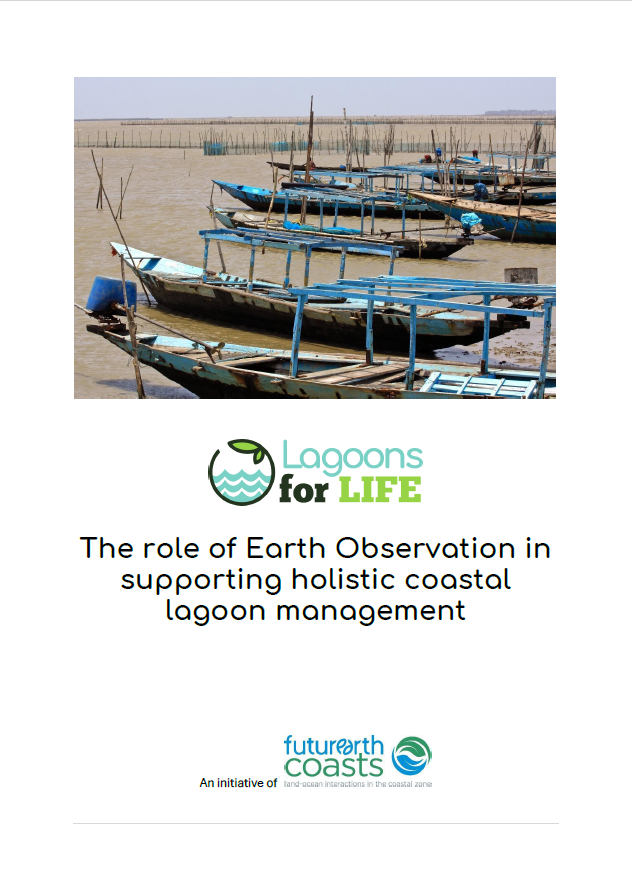
- The Lagoons for Life Community Publishes White Paper on the Role of Earth Observation in Supporting Holistic Coastal Lagoon Management
- New FEC Affiliated Activity – the 1st Transdisciplinary Summer Course
- Anthropocene Coasts: Call for Papers – Tour de Coasts
- FEC New Publication | Empowering Maritime Spatial Planning and Marine Conservation Efforts Through Digital Engagement: The Role of Online Platforms
- FEC New Publication | Human flood adaptation characteristics: A comparative study of three global river deltas
- FEC New Publication | Wetland Gain and Loss in the Mississippi River Bird-Foot Delta
- FEC New Publication | Navigating stress: Impacts of temperature, polycyclic aromatic hydrocarbons, and heavy metals on the diatom Thalassiosira weissflogii adapted to tropical waters of the Gulf of Guinea
- FEC New Publication | Assessing the Role of Coastal Habitats in Flood Reduction in Selected Communities of Rivers State
- Updates from FEC Academy Members: Professor Nadia Pinardi
- Updates from FEC Fellows: Miss Abbie Akinyi Allela
- Updates from FEC Affiliated Projects: Resilient Lagoon Network, Building community resilience to coastal climate hazards
- Updates from FEC Supported Networks: ECOP, DCC-CR, CoastPredict
- Call for abstracts for Ocean Sciences Meeting 2026 (CP010) on Physical-Sedimentological-Ecological Coupled Dynamics in Turbid Estuary-Marginal Sea Continuum
| | FEC Welcomes New Co-Chairs and Vice Chair to Advance Global Coastal Action | | |
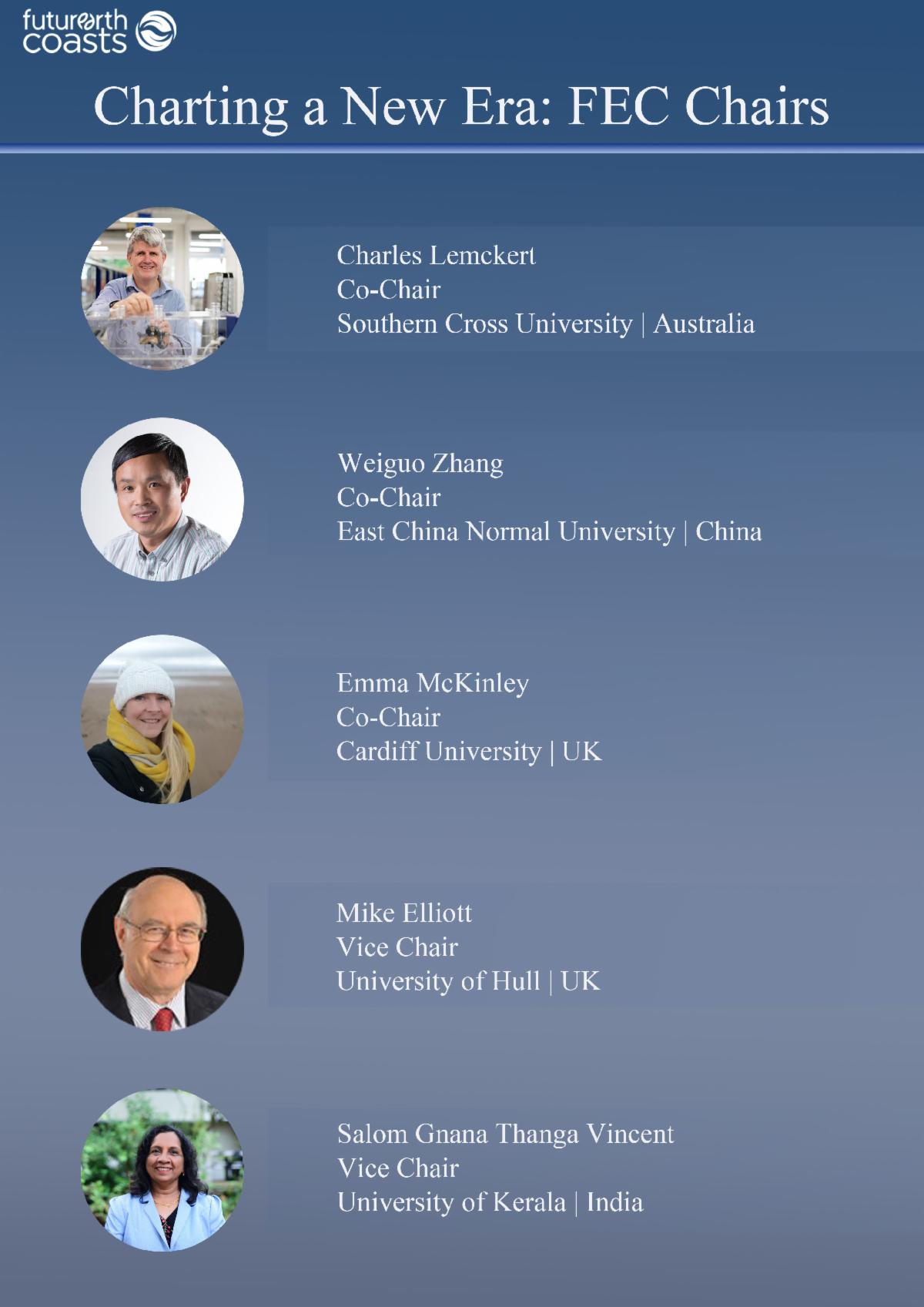
FEC is thrilled to announce the appointment of three distinguished Co-Chairs: Charles Lemckert, Weiguo Zhang, and Emma McKinley, as well as Salom Gnana Thanga Vincent as the new Vice Chair. Together with the incumbent Vice Chair, Mike Elliott, they will help shape the network’s strategic direction, support scientific collaboration, and strengthen global partnerships.
We also extend our sincere thanks to outgoing Co-Chairs, Tim Smith and Purvaja Ramachandran, who have served since 2020. Over the years, they have dedicated their time, expertise, and unwavering commitment to advancing FEC’s mission and goals. We are deeply grateful for their wisdom, vision, and leadership, and we wish them all the best in their future endeavors.
A Shared Commitment to Coastal Futures
The incoming Co-Chairs and Vice Chairs will work closely with the Co-Executive Directors and International Project Offices to advance FEC’s mission, strengthen its collaborative work, and amplify the network’s impact worldwide.
Marking a New Phase for FEC
With this new team in place, FEC is poised to deepen its impact on coastal resilience, interdisciplinary research, and actionable science that supports communities around the globe. These appointments reaffirm FEC’s commitment to inclusive, science-driven approaches to today’s most pressing coastal challenges.
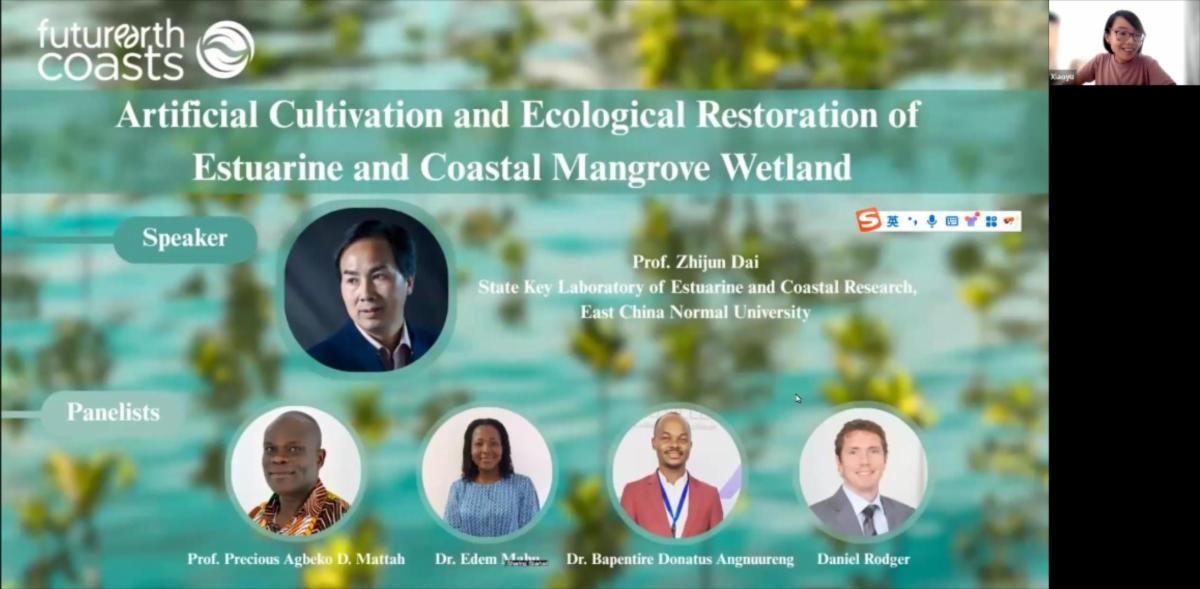
| | Mangrove Restoration Across Continents: Innovation, Collaboration, and Hope | | Future Earth Coasts (FEC) hosted an international webinar on July 5 focused on the artificial cultivation and ecological restoration of estuarine and coastal mangrove wetlands. Moderated by FEC Co-Executive Director Xiaoyu, the event brought together leading scientists and practitioners from China, Ghana, and Australia for a timely discussion on advancing coastal resilience through mangrove restoration. More than 60 participants joined the webinar to share region-specific challenges and innovations, identify transferable practices in science and engineering, and explore collaborative opportunities in research, technology exchange, and capacity building to protect and restore vital mangrove ecosystems. | | |
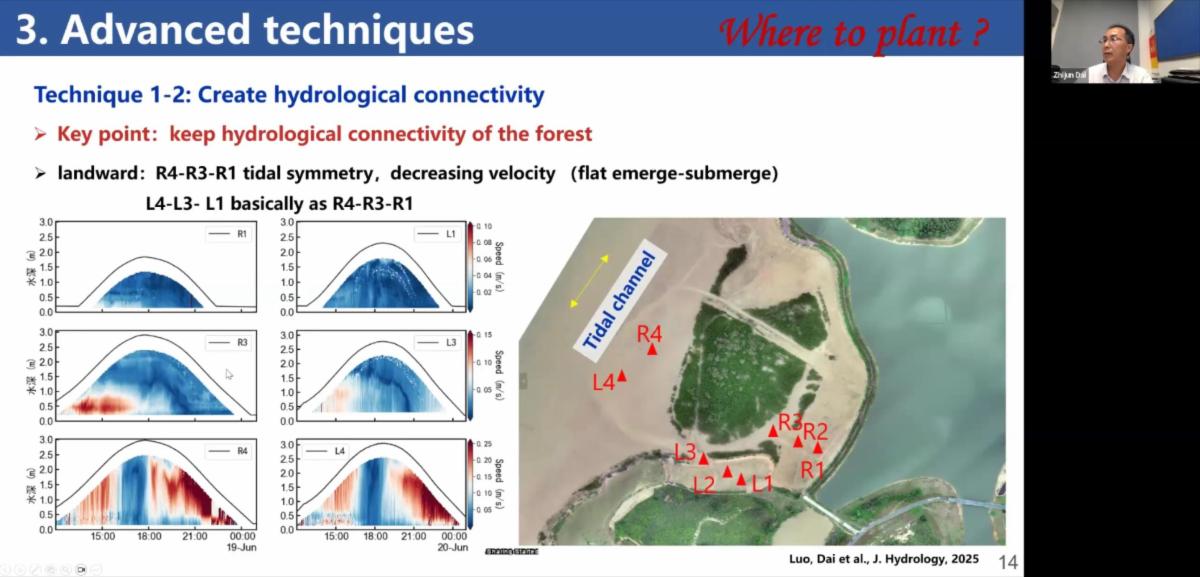
Professor Zhijun Dai of East China Normal University shared innovative approaches to mangrove restoration developed by his team at the State Key Laboratory of Estuarine and Coastal Research. Emphasizing mangroves’ vital role in coastal protection and carbon storage, he outlined key threats such as sea-level rise, pollution, and human activity. His team’s cost-effective techniques – like bamboo fencing for sedimentation, tidal creek simulation, and cluster planting – have achieved survival rates up to 95% in trial zones. Backed by two decades of research and over 20 patents, their work offers a model for mangrove rehabilitation worldwide.
At the panel’s start, Ghanaian experts highlighted severe mangrove loss – one-third gone in a decade – due to fuelwood harvesting, agriculture, urban growth, and land conflicts. Professors Edem Mahu and Precious Mattah pointed to challenges like low public awareness, dam-related hydrological changes, limited technology, and funding gaps. Dr. Donatus Angnuureng emphasized erosion and pollution threats, urging stronger community involvement and education. The panel showcased grassroots solutions linking restoration with livelihoods such as shellfish farming, citizen science, women-led efforts, and indigenous knowledge transfer. Success stories like the REDO Project and youth programs illustrated effective co-management, while community-driven initiatives in western Ghana are reversing degradation through restoration nurseries, drama, and sustainable harvesting.
Click here to read more.
| | The 4th Mega-Delta Meeting: International Conference on Dialogue between Land and Sea | | |
Rivers are crucial links between river basins and the sea, yet large river basins are often faced with flooding/draught, pollution, and sediment issues caused by climate change and human activities. Balancing economic development in these basins while mitigating negative impacts on the sea requires effective communication among scientists, policy makers, and practitioners from various sectors. This conference aims to bridge the gap between science and policy by facilitating such a dialogue.
Moreover, this year's conference will continue its collaboration with the Shanghai People's Association for Friendship with Foreign Countries to host the "Dialogue on Great River Basins." This year, the dialogue will focus on major rivers in Asia.
Dates and location: October 19-22, 2025, Shanghai,China
Themes:
- Influence of climate change and human activities on river deltas
- Cope with challenges for different deltas
- Initiation promotion: UN convention on Conserving River Deltas (UNCCRD)
Key Dates:
2025/09/12 Abstract submissions close
2025/09/20 Abstract acceptance notifications
2025/09/21 Registration opens
2025/10/1 Early bird registration closes
2025/10/19 Conference onsite registration
2025/10/20-21 Conference
2025/10/22 Excursion
Click here to read more.
| | Join Us! FEC-SIMSEA Youth Joint Seminar on Phytoplankton & Climate Change | Aug 18 | | |
TALK
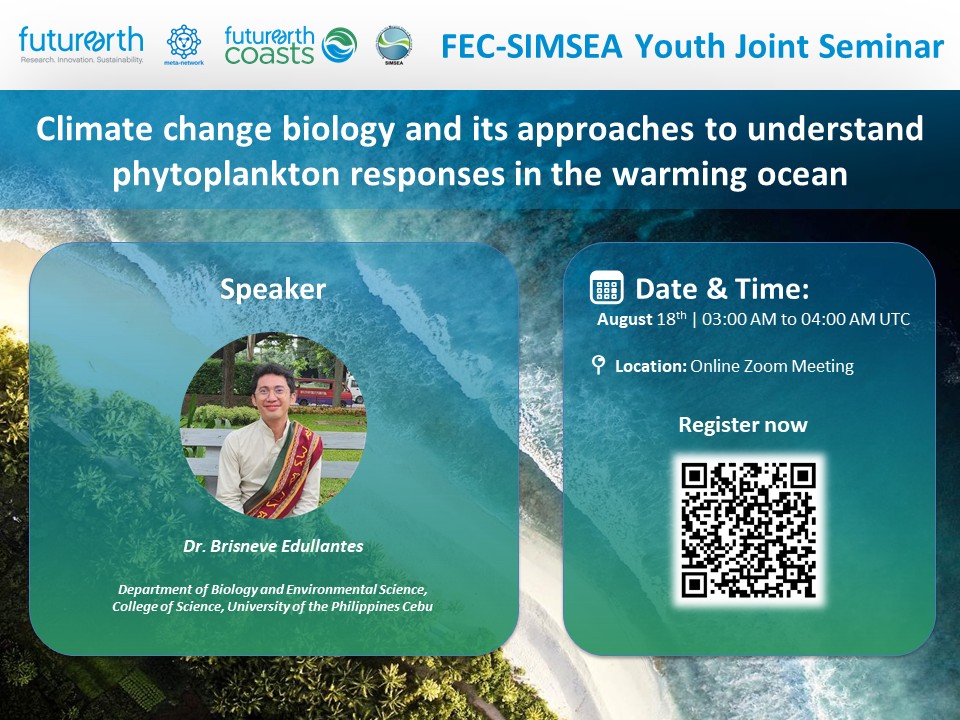
- Climate change biology and its approaches to understand phytoplankton responses in the warming ocean
- Brisneve Edullantes, PhD, Department of Biology and Environmental Science, College of Science, University of the Philippines Cebu
Phytoplankton are microscopic photosynthetic organisms that form the base of marine ecosystems, drive global primary production and affect biogeochemical cycles. Ocean warming as a result of climate change creates major threats to phytoplankton diversity together with their distribution patterns and ecological roles. The presentation examines how Climate Change Biology as an interdisciplinary field enables us to understand phytoplankton responses to these changes. The biological responses to climate change include range shifts, phenotypic plasticity, community restructuring, and local extirpation or extinction in some cases. Ocean acidification together with marine heatwaves create additional changes in phytoplankton dynamics which sometimes produce harmful algal blooms that lead to severe ecological and socio-economic consequences. Multiple methods including long-term observations and controlled laboratory and mesocosm experiments together with satellite remote sensing and ecological modeling and meta-analyses are used to evaluate these responses. The presentation demonstrates why integrated adaptive research methods are essential for predicting phytoplankton responses to future climate conditions because this knowledge enables effective management of marine ecosystems and preservation of ocean ecosystem services.
Registration
The event is free to attend and open to all. It will take place at 03:00 AM to 04:00 AM UTC on August 18th.
Click here to register.
For more information, please visit: https://www.futureearthcoasts.org/join-us-fec-simsea-youth-seminar-on-phytoplankton-climate-change-aug-18/.
| | The Lagoons for Life Community Publishes White Paper on the Role of Earth Observation in Supporting Holistic Coastal Lagoon Management | | |
Lagoons for Life (L4L), a working group of Future Earth Coasts, was established in 2017 to bridge natural and social sciences in the co-development of holistic sustainable management strategies for coastal lagoons around the world. The initiative focuses on the potential and challenges for satellite Earth Observation (EO) and looks at how EO, in combination with other data sources, supports and adds value to coastal lagoon management.
On 25 July 2025, the L4L community published a White Paper, to position coastal lagoons and the role of EO in supporting coastal lagoon management into the global sustainability agenda.
This White Paper emphasises the urgent need to address the data, knowledge, and management gaps surrounding coastal lagoons. It highlights the applicability of EO as a transformative tool for advancing holistic and sustainable lagoon management. EO can provide critical insights into the physical, ecological, and social dimensions of coastal lagoons, addressing limitations in current approaches and complementing other data sources. The White Paper also identifies the challenges associated with EO technologies, including the need for algorithm validation, data standardisation, and enabling data accessibility to under-resourced regions, and provides a set of bullet points with further recommendations.
| | | New FEC Affiliated Activity – the 1st Transdisciplinary Summer Course | | The 1st Transdisciplinary Summer Course (TSC) – Generating Impact Through Transdisciplinary Research: Co-Designing Solutions for Complex Marine and Coastal Challenges – has been officially endorsed as an FEC affiliated activity. | | |
This Summer School targets early-career researchers and practitioners and is conducted in a hybrid format (online lectures, on-site group work, and field visits) at IPB University, Bogor, Indonesia. It follows two previous iterations conducted by ZMT Bremen in collaboration with FEC and other partners, which were delivered in a fully online format.
FORMAT OF THE ACTIVITIES
The program will combine lectures, hands-on workshops, field visits, group projects, and presentations to encourage active engagement and knowledge application. The program consists of a hybrid format, with central lectures streamed online and group work as well as field visits for on-site participants.
Click here to read more.
| | |
Anthropocene Coasts:
Call for Papers – Tour de Coasts
| | Anthropocene Coasts is launching a new special collection titled Tour de Coasts. | | |
This special collection is supported by FEC and provides a forum for knowledge exchange about priority coastal sustainability concerns and aims to create a comprehensive understanding of coastal sustainability challenges and opportunities from a global perspective.
For this Special Collection, Anthropocene Coasts invites manuscripts of all aspects of coastal sustainability challenges and opportunities globally including but not limited to: governance; individual, cultural, community, and ecological health; effective and inclusive communication; human behavioral change; food, water, and housing security; ecological analyses; economics and financial incentives; potential for managed coastal retreat; technology and increased connectivity; coastal disease threats and health benefits; use crises to inform; and modeling.
| The submission deadline for this collection is December 31, 2025. You can access the topical collection via this link. | | Dr. Katya Altman, Bureau of Ocean Energy Management, USA | Dr. Dwayne Porter, University of South Carolina, USA | | Dr. Heath Kelsey, University of Maryland, USA | Dr. Anja Scheffers, Southern Cross University, Australia | Dr. Xiaoyu Fang, East China Normal University, China | | |
New Article Published in This Special Collection
Dutta, S., Al Balushi, M., Al Harbi, F., & Paul, S. (2025). Fisheries management of the Arabian Peninsula region with special emphasis to the Sultanate of Oman: perspectives of climate change adaptations. Anthropocene Coasts, 8(1), 1-14.
https://doi.org/10.1007/s44218-025-00088-8
| |
Empowering Maritime Spatial Planning and Marine Conservation Efforts Through Digital Engagement: The Role of Online Platforms
Débora Gutierrez, Helena Calado, Femke van Toor, Mariana Moreira, Maria Luz Paramio, Francisco Martins, Natali Santos, Neuza Melo and Alice Newton
| | | |
Abstract
This study addresses the performance of digital platforms in enhancing ocean governance by improving communication and collaboration among stakeholders. It analyses several platforms based on their collaborative initiatives, digital tools, and ability to function as networks of knowledge. The findings show that these platforms bridge gaps between regional, national, and non-governmental organisations, promoting informed decision making. Their online presence enhances transparency and engagement, especially post-COVID-19. This study highlights the need for hybrid platforms combining informative and interactive elements to better serve both experts and the public. From this analysis, some recommendations are drawn to provide rules and design for the cooperation and co-design of a platform to foster better communication, collaboration, and sustainable ocean management practices.
Click here to read more.
| |
Human flood adaptation characteristics: A comparative study of three global river deltas
Shupu Wu, Yang Hu, Wenzhen Zhao, Lv Gong, Yuanhao Song, Chenghong Li, Xiuzhen Li, Md.Jaker Hossain, Xinmeng Shan, Jiayi Fang, Jie Yin, Weiguo Zhang, Qing He
| | | |
Abstract
River deltas are critical socio-economic and ecological regions but face heightened flood risks due to climate change and urbanization. Taking the Ganges-Brahmaputra-Meghna (GBM) River Delta, the Mississippi River Delta, and the Yangtze River Delta as case studies, this research aims to reveal the characteristics and formation mechanisms of human adaptation to flood risks across different deltaic regions. Through integrating hydrodynamic modeling, spatiotemporal analysis, and multi-source datasets, this study systematically investigates flood adaptation characteristics across three major deltas based on a newly developed comprehensive framework of Human-Flood Distance (HFD) and resilience. The results show that: spatially, while these three deltas exhibit varying degrees of inundation extent, each faces unique flood vulnerability challenges; temporally, the GBM River Delta exhibits stabilized population growth and HFD recovery after initial contraction, the Mississippi River Delta shows significant fluctuations in both population and HFD, while the Yangtze River Delta demonstrates continuous population growth with steady HFD increase; in terms of adaptation mechanisms, resilience assessment indicates that the Mississippi River Delta demonstrates the highest resilience, primarily driven by recovery capacity, the Yangtze River Delta shows limited but structurally supported resilience, while the GBM River Delta exhibits negative indices due to multiple constraints. These findings emphasize the importance of developing context-specific flood risk management strategies and provide feasible flood prevention solutions for policymakers, particularly in formulating adaptation strategies that comprehensively consider both flood safety and sustainable development.
Click here to read more.
| | Wetland Gain and Loss in the Mississippi River Bird-Foot Delta | |
Jiangjie Yang, Zhijun Dai, Xuefei Mei, Yaying Lou, Sergio Fagherazzi
| | | |
Abstract
The Mississippi River Bird-foot Delta (MRBD) has long been at risk of deterioration due to Relative Sea Level Rise (RSLR), yet information on historical spatial distribution in wetland gain and loss remains limited. Using a Random Forest algorithm in Google Earth Engine, we extract wetland area from multiple Landsat images spanning 1990–2022. Data are integrated with sediment load, wave dynamics, sea level, and surface elevation to analyze drivers of wetland gain and loss. Results indicate a minor net change of only 1.21 km2, with a total gain of 160.83 km2 and a total loss of 159.62 km2. Overall stability of wetland area masks significant regional variability, with notable wetland expansion in the interior and substantial losses along eastern and southeastern margins. Sediment diversion toward the interior of the delta lead to distributaries narrowing (Main Pass and Pass a Loutre) that further hindered sediment-laden water transport into deltaic margins. Wetland dynamics along the edges were closely linked to wave action, with large-scale retreat in northern (4.0 ± 9.9 m/yr), eastern (58.0 ± 48.2 m/yr), and southeastern (38.6 ± 15.8 m/yr) regions, while progradation in the southern (13.6 ± 10.1 m/yr) and western areas (7.4 ± 19.4 m/yr). Fluvial sediments significantly impact wetland growth with 1-year lag. Vertical accretion of wetlands exceeds RSLR, indicating equilibrium along vertical dimension but are affected by lateral dynamics driven by wave and fluvial sediment inputs. In conclusion, the MRBD is abandoning the distal parts to wave erosion, while focusing on building wetlands in the interior to create a more compact delta.
Click here to read more.
| | Navigating stress: Impacts of temperature, polycyclic aromatic hydrocarbons, and heavy metals on the diatom Thalassiosira weissflogii adapted to tropical waters of the Gulf of Guinea | Rael Adhiambo, Paul Kojo Mensah, Albert Koomson, Emmanuel Acheampong | | | |
Abstract
This study evaluated the individual and combined impacts of temperature, pyrene, and cadmium on the coastal diatom Thalassiosira weissflogii under conditions representative of the Gulf of Guinea. In the individual stressor experiments, time, rather than temperature or individual pollutants, was the primary factor influencing growth parameters. Specifically, temperature modulated diatom growth with optimal performance at 28 °C, while 24 °C and 32 °C conditions reduced cell density, chlorophyll-a content, and dry biomass. On the other hand, pyrene significantly affected cell density and dry biomass, while cadmium elicited minimal effects on all measured parameters. In combined stressor experiments, the negative impacts of pyrene and cadmium combinations were more exacerbated at 24 °C and 32 °C, whereas optimal thermal conditions (28 °C) provided partial mitigation from exposure to stressors. These findings highlight the crucial role of temperature in modulating the effects of pollutants on Thalassiosira weissflogii, with combined stress having the greatest impact under non-optimal temperature conditions. Additionally, the study underscores the temperature sensitivity of Thalassiosira weissflogii in tropical ecosystems and offers insights into how the simultaneous stressors of rising ocean temperatures and increasing pollution may affect tropical phytoplankton dynamics and primary productivity. Lastly, the study emphasizes the importance of incorporating thermal thresholds into marine ecosystem models to more accurately predict shifts in coastal and oceanic food webs under climate change scenarios.
Click here to read more.
|
| Assessing the Role of Coastal Habitats in Flood Reduction in Selected Communities of Rivers State | |
Chinomnso C. Onwubiko, Denis Worlanyo Aheto
| | | |
Abstract
Coastal habitats are crucial in mitigating the impact of coastal hazards on society. However, the shortage of information about the role of these habitats in reducing floods in Rivers State, Nigeria, is limited. This study aims to assess the contribution of mangrove habitats in protecting coastal communities from flooding using the InVEST coastal vulnerability model (version 3.10.2). The model analyzes various data inputs and assigns relative numbers, ranging from 1 to 5, indicating different levels of exposure. Data on population, bathymetry, shoreline type, land use land cover, and continental shelf were obtained from relevant websites and the InVEST model package. The findings indicate that the mangrove habitats in Rivers State offer minimal protection against coastal flooding due to their degraded state caused by oil spills and over-exploitation. Additionally, sandy beaches provide little to no protection, and the socio-economic conditions in the communities contribute to increased vulnerability to flooding. The study recommends awareness programs to educate the public about the importance of mangroves for coastal protection in addition to their conservation and restoration.
Click here to read more.
|
|
Updates from FEC Academy Members
| | | |
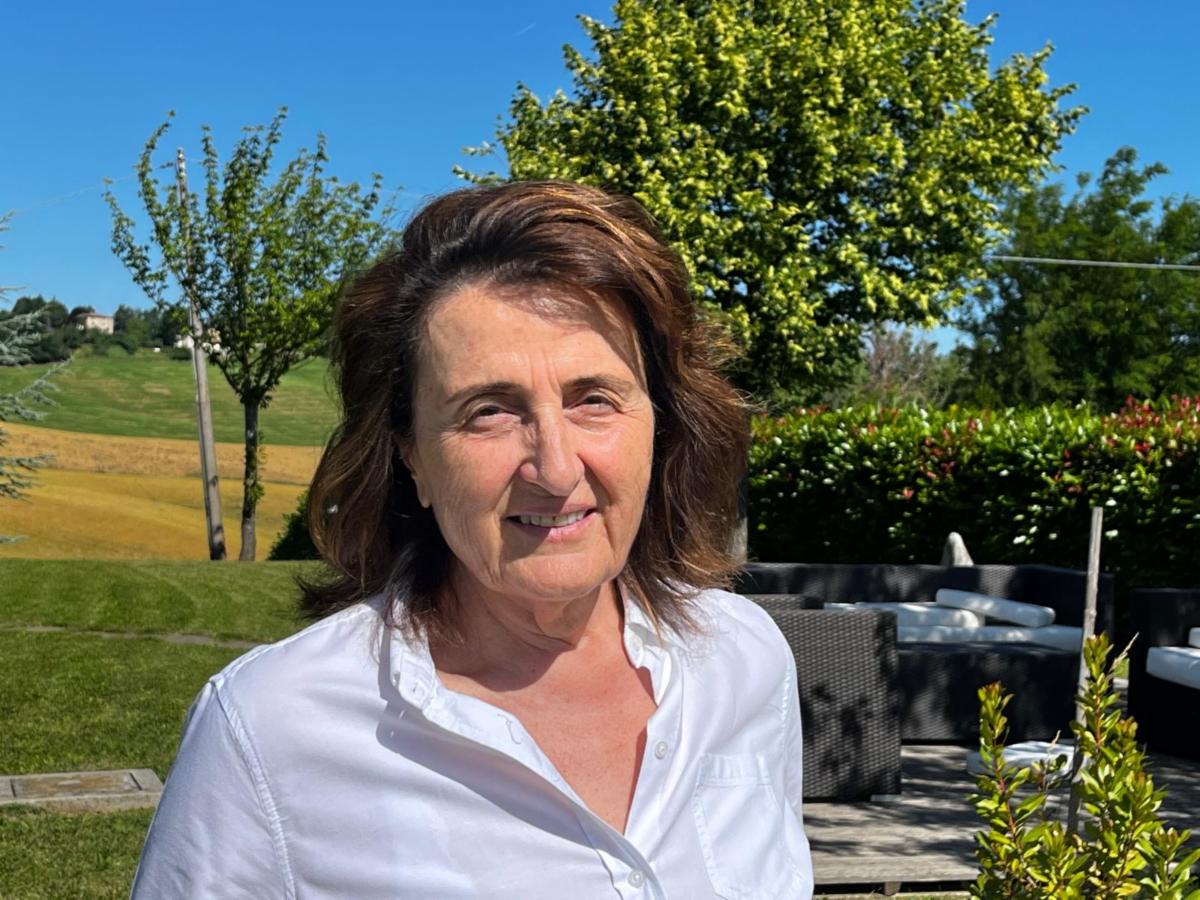
Professor Nadia Pinardi Awarded the 2025 Prince Albert I Medal
Professor Nadia Pinardi, FEC Academy Member, DCC-CR Director and full professor at the University of Bologna, has been awarded the 2025 Prince Albert I Medal by the International Association for the Physical Sciences of the Oceans (IAPSO). This prestigious accolade recognizes her significant contributions to the field of physical oceanography.
| | | |
The Prince Albert I Medal, established in 2001 by Prince Rainier III of Monaco in collaboration with IAPSO, is conferred biennially to individuals who have made outstanding contributions to the physical sciences of the oceans. Professor Pinardi's recognition underscores her pioneering work in operational oceanography, particularly her efforts in developing ocean forecasting systems in the Mediterranean Sea.
Click here to read more.
| | | |
FEC Fellow Miss Abbie Akinyi Allela has successfully obtained a fellowship from the Centre for Science and Technology of the Non-Aligned and Other Developing Countries (NAM S&T Centre) for a three-month research stay at ZMT in Bremen, Germany. Since its inception in 2008, this fellowship has supported scientists from around the world—including Indonesia, Tanzania, Mauritius, Nigeria, and many more—helping to foster international research collaborations.
With a strong background in marine science, Abbie is dedicated to advancing sustainable approaches to natural resource management. Her research interests include ocean governance, marine spatial planning, and ecosystem ecology, with a particular focus on integrated and forward-thinking strategies for conserving coastal and marine environments.
| | | |
Updates from FEC Affiliated Projects
| | Resilient Lagoon Network (RLN) | | | | | |
Blue Resources Research and Policy Institute (BlueRRPI)
Celebration of World Mangrove Day 2025
| |
Background
As part of global efforts to mark World Mangrove Day, the Blue Resources Research and Policy Institute (BlueRRPI) is convening a national-level webinar that brings together a cross-section of critical actors, activists, benefactors, and regulators working to protect and restore Ghana’s mangrove ecosystems. The maiden yet timely event provides an inclusive platform for dialogue, learning, and collaboration among local communities, NGOs, policy actors, practitioners, and researchers.
| | | |
Date: Wednesday, 20 th August, 2025
Time: 10:00 AM – 11:30 AM GMT
The 90-minute virtual session will feature:
a) Presentation
b) Panel discussion
c) Q&A Session
| | |
Objectives
a) Facilitate multi-stakeholder knowledge exchange on the current state and future of mangrove conservation in Ghana.
b) Highlight ongoing grassroots and institutional efforts, including innovations from Indigenous and Local Knowledge (ILK) systems.
c) Foster a culture of sustainable use and stewardship for mangrove ecosystems across different demographics, from rural and coastal dwellers to urban stakeholders.
d) Identify key barriers and co-develop practical recommendations for accelerating conservation action
| | | Building community resilience to coastal climate hazards | | |
Updates from FEC Supported Networks
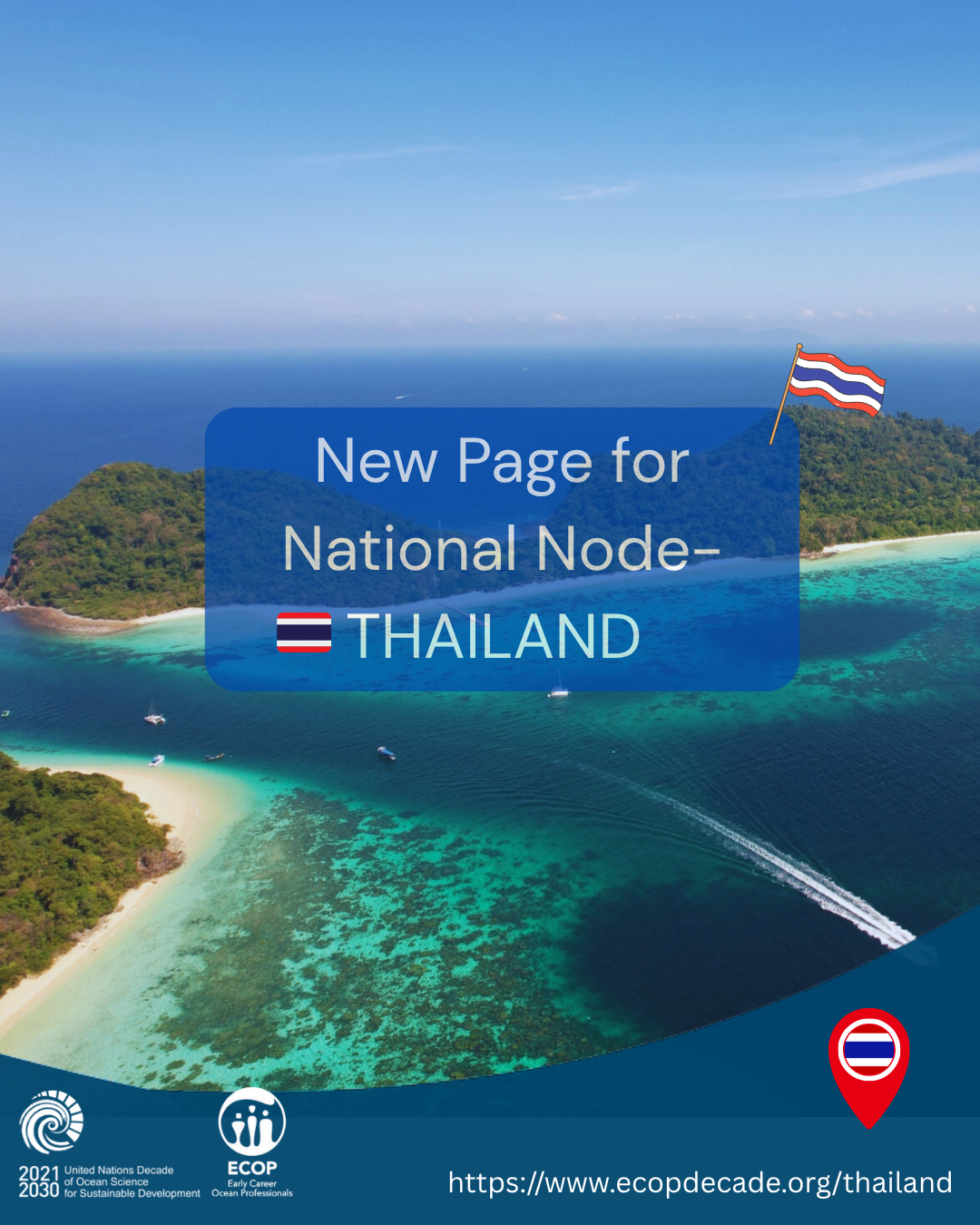
| | ECOP (Early Career Ocean Professionals) | | | | | The Launch of a New National ECOP Node in Thailand | ECOP is proud to unveil the brand-new ECOP Thailand page on the official ECOP website! This new hub highlights the mission, vision, and leadership of Early Career Ocean Professionals in Thailand, contributing to the UN Ocean Decade. From marine science and innovation to youth engagement, conservation, and policy influence, ECOP Thailand is fostering inclusive, locally-driven action with global impact. | | | |
What you'll find:
- Learn about ECOP Thailand’s mission & vision
- Explore the Seminar Series (in Thai)
- Discover local initiatives and priorities
- Find out how to connect, collaborate, or join
All ocean professionals, partners, and institutions are invited to engage with ECOP Thailand and support the next generation of ocean stewards across Southeast Asia.
Click here to visit now.
| | | | DCC-CR (Decade Collaborative Centre for Coastal Resilience) | | | | | |
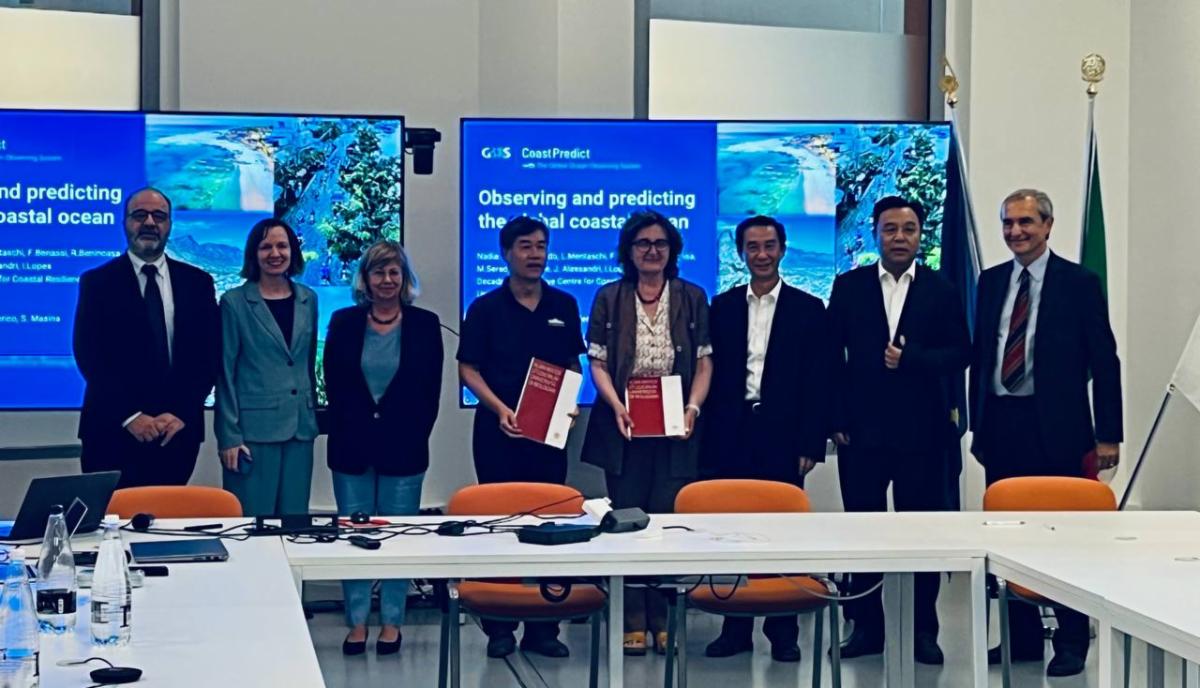
Strengthening Scientific Cooperation for Coastal Resilience: A New Agreement Between the University of Bologna and Sun Yat-sen University
A new MoA between the University of Bologna and Sun Yat-sen University marks a milestone in international cooperation for coastal resilience and Ocean Decade science.
| | | |
On 20 June 2025, the Decade Collaborative Centre for Coastal Resilience (DCC-CR) proudly celebrated a significant milestone in international scientific cooperation: the signing of a Memorandum of Agreement (MoA) between the University of Bologna’s Department of Physics and Astronomy (DIFA) and Sun Yat-sen University (SYSU) in China. The agreement was signed during the official visit of a high-level delegation from Guangdong Province, led by Vice Governor Mr. Zhang Shaokang.
Click here to read more.
| | | |
Join CoastPredict at AGU 2025 and OSM 2026!
CoastPredict and its partners are convening several sessions at two major upcoming conferences: the AGU 25 Annual Meeting (15 - 19 December 2025, New Orleans) and the Ocean Sciences Meeting 26 (22 - 27 February 2026, Glasgow). These sessions will explore advances in coastal resilience, ocean observing systems, climate projections, and co-designed science. CoastPredict invites the ocean and coastal science community to submit abstracts and participate in these events.
More details about AGU 25 Annual Meeting on CoastPredict website
Abstract deadline for AGU: 30 July 2025
Submit abstract
More details about OSM 26 sessions and links to submit abstracts on CoastPredict website
Abstract deadline for OSM: 20 August 2025
| | | |
New FLAME Publication on Future Coastal Climate Projections
CoastPredict’s FLAME (Future Coastal Ocean Climates) project partners have published a paper ‘Future climate projections in the global coastal ocean’. Led by Jason Holt and Anna Katavouta from National Oceanographic Centre, UK, this paper represents an important step towards advancing coordinated global efforts on coastal climate modelling.
Published in Progress in Oceanography, the paper explores the challenges, solutions, and benefits of a globally coordinated approach to modeling climate impacts on the coastal ocean. It proposes the establishment of a Global Coastal Ocean Climate Model Intercomparison Project (GCO-MIP), an initiative discussed during the FLAME workshop held during CoastPredict’s annual events in Lecce, Italy in February 2025. The paper contributes to laying the foundation for GCO-MIP, which aims to harmonise coastal modelling frameworks, enable intercomparison, and improve user-relevant climate projections for coastal regions worldwide.
Click here to read the paper.
| | | Call for abstracts for Ocean Sciences Meeting 2026 (CP010) on Physical-Sedimentological-Ecological Coupled Dynamics in Turbid Estuary-Marginal Sea Continuum | |
Estuaries and marginal seas are critical interfaces between continents and open oceans globally. They play essential roles in global ocean circulation, biogeochemical cycles, and marine ecosystems. They are typically characterized by turbid waters due to the tremendous amount of fine sediment supplied by large rivers and strong resuspension in nearshore waters. There are also strong flux-fate interplays and exchanges in water, energy, and materials (e.g., sediments, nutrients, organisms, and pollutants) in the estuary-marginal sea continuum. Knowledge of the coupled physical-sedimentological-ecological dynamics in turbid estuaries and marginal seas is crucial for managing environmental and ecosystem challenges under the pressure of climate change and anthropogenic activities, such as sea-level rise, warming, eutrophication, and overexploitation. This session invites contributions that explore the multidisciplinary interactions shaping estuaries and marginal seas, including but not limited to circulations and exchange processes, sediment transport, nutrient fluxes and cycling, hypoxia and eutrophication, primary productivity, and multi-scale interactions driven by anthropogenic and climatic factors.
Click to learn more about this session.
| | | New FEC Publications (Since April 2024) | | |
○ Adhiambo, R., Mensah, P. K., Koomson, A., & Acheampong, E. (2025). Navigating stress: Impacts of temperature, polycyclic aromatic hydrocarbons, and heavy metals on the diatom Thalassiosira weissflogii adapted to tropical waters of the Gulf of Guinea. Aquatic Toxicology, 107388.
https://doi.org/10.1016/j.aquatox.2025.107388
○ Davies-Vollum, K. S., Puttick, S., Agyekhumene, A., Amolegbe, T., Aneyo, I., Boateng, I., ... & Sohou, Z. (2025). A stakeholder-informed framework for the sustainable management of coastal lagoons in West Africa. Anthropocene Coasts, 8(1), 1-11.
https://link.springer.com/article/10.1007/s44218-025-00093-x
○ Dutta, S., Al Balushi, M., Al Harbi, F., & Paul, S. (2025). Fisheries management of the Arabian Peninsula region with special emphasis to the Sultanate of Oman: perspectives of climate change adaptations. Anthropocene Coasts, 8(1), 1-14.
https://doi.org/10.1007/s44218-025-00088-8
○ Elrick-Barr, C. E., Smith, T. F., & Thomsen, D. C. (2025). Practitioner perspectives of wellbeing in rapidly changing Australian coastal communities. Ocean & Coastal Management, 266, 107668.
https://doi.org/10.1016/j.ocecoaman.2025.107668
○ Genchi, S. A., Vitale, A. J., & Perillo, G. M. (2025). Coastal cliff erosion: a bibliometric analysis and literature review. Anthropocene Coasts, 8(1), 1-18.
https://doi.org/10.1007/s44218-025-00072-2
○ Gutierrez, D., Calado, H., Toor, F. v., Moreira, M., Paramio, M. L., Martins, F., Santos, N., Melo, N., & Newton, A. (2025). Empowering Maritime Spatial Planning and Marine Conservation Efforts Through Digital Engagement: The Role of Online Platforms. Sustainability, 17(14), 6371.
https://doi.org/10.3390/su17146371
○ Jiang, W., Huang, Z., Dai, Z., Luo, J., Zeng, W., & Liang, X. (2025). Attenuation of hydro‐sediment dynamics progradation over mangrove wetland. Journal of Geophysical Research: Oceans, 130(2), e2024JC021531.
https://doi.org/10.1029/2024JC021531
○ Li, Y., Robinson, S. V., Nguyen, L. H., & Liu, J. (2023). Satellite prediction of coastal hypoxia in the northern Gulf of Mexico. Remote Sensing of Environment, 284, 113346.
https://doi.org/10.1016/j.rse.2022.113346
○ Li, Y., Xia, Z., Nguyen, L., Wan, H. Y., Wan, L., Wang, M., ... & Liu, J. (2025). Spatiotemporal dynamics of coastal dead zones in the Gulf of Mexico over 20 years using remote sensing. Science of The Total Environment, 979, 179461.
https://doi.org/10.1016/j.scitotenv.2025.179461
○ Matovu, B., Bleischwitz, R., Lukambagire, I., Alkoyak-Yildiz, M., Tarek, R., Etta, L., ... & Hsieh, Y. L. (2025). Examining the perceptions and attitudes toward Women's employment and leadership in the blue economy: A case study of India. Social Sciences & Humanities Open, 11, 101537.
https://doi.org/10.1016/j.ssaho.2025.101537
○ Ogier, E. M., Pecl, G. T., Hughes, T., Lawless, S., Layton, C., Nash, K. L., & Morrison, T. H. (2025). Novel marine-climate interventions hampered by low consensus and governance preparedness. Nature Climate Change, 1-10.
https://doi.org/10.1038/s41558-025-02291-4
○ Ogier, E. M., Pecl, G. T., Hughes, T., Lawless, S., Layton, C., Nash, K. L., & Morrison, T. H. (2025). Enhance responsible governance to match the scale and pace of marine–climate interventions. Nature Climate Change, 1-2.
https://doi.org/10.1038/s41558-025-02292-3
○ Onwubiko, C. C., & Aheto, D. W. (2025). Assessing the Role of Coastal Habitats in Flood Reduction in Selected Communities of Rivers State. Coasts, 5(2), 17.
https://doi.org/10.3390/coasts5020017
○ Salazar, Y. C. A., Genchi, S. A., Nuciari, L., Perillo, V. L., Piccolo, M. C., & Perillo, G. M. (2025). MiSMoS (MicroScale Morphology System): an inexpensive new method to survey 3D surface micromorphology. Latin American Journal of Sedimentology and Basin Analysis.
https://lajsba.sedimentologia.org.ar/lajsba/article/view/264
○ Valiela, I., Chenoweth, K., & Day, J. (2025). Meta-analysis of vegetation responses to experimental nitrogen enrichments done in salt marshes under different sea level rise regimes reveal interaction of N supply and sea level rise. Science of The Total Environment, 975, 179198.
https://doi.org/10.1016/j.scitotenv.2025.179198
○ Wu, S., Hu, Y., Zhao, W., Gong, L., Song, Y., Li, C., ... & He, Q. (2025). Human flood adaptation characteristics: A comparative study of three global river deltas. Journal of Hydrology, 133531.
https://doi.org/10.1016/j.jhydrol.2025.133531
○ Yang, J., Dai, Z., Mei, X., Lou, Y., & Fagherazzi, S. (2025). Wetland gain and loss in the Mississippi River bird‐foot delta. Earth's Future, 13(6), e2024EF005003.
https://doi.org/10.1029/2024EF005003
○ Zhao, X., Kaniewski, D., Wang, Y., Marriner, N., Salem, A., Alassal, S. E., ... & Chen, Z. (2025). On the long and winding road: unravelling the late emergence of Neolithic agriculture in the Nile Delta. Quaternary Science Reviews, 359, 109368.
https://doi.org/10.1016/j.quascirev.2025.109368
| | FEC Publications (April, 2024 - March, 2025) | | |
○ Anthony, E., Syvitski, J., Zăinescu, F., Nicholls, R. J., Cohen, K. M., Marriner, N., ... & Maselli, V. (2024). Delta sustainability from the Holocene to the Anthropocene and envisioning the future. Nature Sustainability, 1-12.
https://doi.org/10.1038/s41893-024-01426-3
○ Backler, S., Davies-Vollum, K. S., & Raha, D. (2025). An evaluation of coastal resilience policies in Anglophone West Africa through a regional comparative analysis. Marine Policy, 176, 106648.
https://doi.org/10.1016/j.marpol.2025.106648
○ Baker, M., Bleischwitz, R., Lukambagire, I., Etta, L. A., & Lutalo, B. (2025). Decomposing sand mining complexities to chart ocean sustainability narratives and pathways in the coastal zones of Africa. The Extractive Industries and Society, 23, 101646.
https://doi.org/10.1016/j.exis.2025.101646
○ Banerjee, S., Lahiri, R., Choudhury, A. K., Mondal, A., Kim, J. W., MubarakAli, D., & Satpati, G. G. (2024). Unraveling the potential of cyanobacteria as food and investigating their production and nutritional properties. Biocatalysis and Agricultural Biotechnology, 103421.
https://doi.org/10.1016/j.bcab.2024.103421
○ Day, J., Anthony, E., Costanza, R., Edmonds, D., Gunn, J., Hopkinson, C., ... & White, J. R. (2024). Coastal Wetlands in the Anthropocene. Annual Review of Environment and Resources, 49.
https://doi.org/10.1146/annurev-environ-121922- 041109
○ Day, J. W., Xu, Y. J., Keim, B. D., Brown, V. M., Giosan, L., Mann, M. E., & Stephens, J. R. (2024). Emerging climate threats to the Mississippi River Delta: Moving from restoration to adaptation. One Earth.
https://doi.org/10.1016/j.oneear.2024.03.001
○ Elegbede, I. O., Al Jufaili, S. M., Jolaosho, T. L., Tesleem, B., Adekunle, A. F., Modupe, O. O., ... & Halimat, A. A. (2025). Health-related dimensions of fishers for sustainable commercial fisheries in the Atlantic Gulf of Guinea: Ecological and social assessments. One Health, 20, 100972.
https://doi.org/10.1016/j.onehlt.2025.100972
○ Eriksen, S. H., Simpson, N. P., Glavovic, B., Ley, D., Carr, E. R., Fernández-Carril, L., ... & Degvold, F. (2024). Pathways for urgent action towards climate resilient development. Nature Climate Change, 1-4.
https://doi.org/10.1038/s41558-024-02190-0
○ Fivash, G. S., Stoorvogel, M. M., de Smit, J. C., van Rees, F., van Dalen, J., Grandjean, T. J., ... & van Belzen, J. (2024). Abiotic origins of self‐organized ridge‐runnel patterns on tidal flats. Limnology and Oceanography, 69(6), 1378-1389.
https://doi.org/10.1002/lno.12581
○ Harvey, N and Thom, B (2024) Coastal Governance in Federated Countries. In: Baird, Daniel and Elliott, Michael (eds.) Treatise on Estuarine and Coastal Science, 2nd Edition, vol. 7, pp. 307–326. Oxford: Elsevier.
https://doi.org/10.1016/B978-0-323-90798-9.00098-6
○ Issifu, I., Dahmouni, I., & Sumaila, U. R. (2025). Assessing the ecological and economic transformation pathways of plastic production system. Journal of Environmental Management, 374, 124104.
https://doi.org/10.1016/j.jenvman.2025.124104
○ Khalifa, A., Meselhe, E., Hu, K., Day, J., & Allison, M. (2025). The Great Mississippi River Flood of 1927: Morphodynamic Analysis of The Caernarvon Crevasse Event. Estuarine, Coastal and Shelf Science, 109234.
https://doi.org/10.1016/j.ecss.2025.109234
○ Leyva Ollivier, M. E., Newton, A., & Kelsey, H. (2024). Assessment of the Chesapeake Bay watershed socio-ecological system through the Circles of Coastal Sustainability framework. Frontiers in Water, 6, 1269717.
https://doi.org/10.3389/frwa.2024.1269717
○ Liu, P., Zhang, J., Liu, Y., Sun, Q., Zhang, D., Li, Y., ... & Chen, J. (2024). Sediment source-to-sink patterns along the Southeast China coast during the late quaternary: New insights from sediment geochemistry and OSL ages in the Ningde Bay. Palaeogeography, Palaeoclimatology, Palaeoecology, 112577.
https://doi.org/10.1016/j.palaeo.2024.112577
○ Liu, S., Hu, Z., Grandjean, T. J., Wang, Z. B., van Zelst, V. T., Qi, L., ... & Bouma, T. J. (2025). Dynamics and drivers of tidal flat morphology in China. Nature Communications, 16(1), 2153.
https://doi.org/10.1038/s41467-025-57525-y
○ Maire, E., Robinson, J. P., McLean, M., Arif, S., Zamborain-Mason, J., Cinner, J. E., ... & Hicks, C. C. (2024). Managing nutrition-biodiversity trade-offs on coral reefs. Current Biology.
https://doi.org/10.1016/j.cub.2024.08.031
○ Matovu, B., Bleischwitz, R., Lukambagire, I., Etta, L. A., Alkoyak-Yildiz, M., Tarek, R., ... & Suresh, A. S. (2025). Linking the blue economy to Women's empowerment to create avenues for the realization of ocean sustainability targets in the global south. Ocean & Coastal Management, 262, 107582.
https://doi.org/10.1016/j.ocecoaman.2025.107582
○ Matovu, B., Lee, M. A., Mammel, M., Lukambagire, I., Lutalo, B., Mwangu, A. R., ... & Muhoozi, Y. (2024). Mobilizing Evidence-based Knowledge for Sustainable Wetlands Co-management and Co-governance amidst increasing Anthropogenic and Environmental Stressors: Key Lessons from Mityana District, Uganda. Environmental Challenges, 17, 101014.
https://doi.org/10.1016/j.envc.2024.101014
○ Perillo, G.M.E., Piccolo, M.C., 2024. Global variability in estuaries and coastal settings. En: Whitfield, A.K., Elliott, M. (eds.) Treatise on Estuarine and Coastal Science, 2nd Ed. Vol.1 18-24 Elsevier.
DOI 10.1016/B978-0-323-90798-9.00038-X
○ Perillo, G.M.E., Gao, S., Cuadrado, D.G., 2024. Tidal flats: geomorphology and dynamics. En: Uncles, R.J., Mitchell, S., French, J. (eds.) Treatise on Estuarine and Coastal Science, 2nd Ed. Vol.2 809-842 Elsevier
DOI10.1016/B978-0-323-90798-9.00034-2
○ Politi, E., Brito, A. C., Gomes, M. R., Lebreton, C., & Falcini, F. (2024). Listening to stakeholders: Development of water quality indicators for transitional environments using satellite data. Ocean & Coastal Management, 253, 107140. https://doi.org/10.1016/j.ocecoaman.2024.107140
○ Raha, D., Davies-Vollum, K. S., Hemstock, S. L., Boateng, I., Islam, M. T., & Pierce, C. A. (2024). We need collaboration and co-creation to address challenges facing coastal communities. Nature Human Behaviour, 1-9.
https://doi.org/10.1038/s41562-024-01875-y
○ Scordo, F., Seitz, C., Abasto, B., Spetter, C. V., Cintia Piccolo, M., Buria, L., & Perillo, G. M. (2024). Nutrients limiting the growth of planktonic and benthic-littoral primary producers in Patagonian Andean Lakes. Inland Waters,1-31.
https://doi.org/10.1080/20442041.2024.2418681
○ Scordo, F., Seitz, C., Buria, L., Piccolo, M. C., & Perillo, G. M. (2025). Climatic and human impacts on Patagonian terminal lakes. Science of The Total Environment, 966, 178714.
https://doi.org/10.1016/j.scitotenv.2025.178714
○ Stoorvogel, M. M., de Smit, J. C., Wiesebron, L. E., van Belzen, J., van de Koppel, J., Temmerman, S., & Bouma, T. J. (2025). Plant species, inundation, and sediment grain size control the development of sediment stability in tidal marshes. Ecological Applications, 35(1), e3078.
https://doi.org/10.1002/eap.3078
○ Stoorvogel, M. M., van Belzen, J., Temmerman, S., Wiesebron, L. E., Fivash, G. S., van IJzerloo, L., ... & Bouma, T. J. (2024). Salt marshes for nature-based flood defense: Sediment type, drainage, and vegetation drive the development of strong sediment beds. Ecological Engineering, 207, 107335.
https://doi.org/10.1016/j.ecoleng.2024.107335
○ Stoorvogel, M. M., Willemsen, P. W., van Belzen, J., Temmerman, S., de Jonge, J. M., van de Koppel, J., & Bouma, T. J. (2025). Nature-based mitigation of shoreline erosion risks in tidal marshes created by managed realignment vs. sediment nourishment. Ecological Engineering, 210, 107439.
https://doi.org/10.1016/j.ecoleng.2024.107439
○ Valderrama-Landeros, L., Flores-de-Santiago, F., Ávila-Flores, G., Flores-Verdugo, F., Alcántara-Maya, J. A., Troche-Souza, C., ... & Suarez, E. (2024). IUCN Red List of Ecosystems, Mangroves of the Warm Temperate Northeast Pacific.
https://doi.org/10.32942/X2B03V
○ van Belzen, J. (2024). Ragworms Anecdotes. Journal of Trial and Error.
https://doi.org/10.36850/d17f-489b
○ Velilla, E., Snethlage, J., Poelman, M., van der Meer, I. M., van der Werf, A., Deolu‐Ajayi, A. O., & van Belzen, J. (2025). Too salty to farm: rethinking coastal land use in response to soil salinization. Restoration Ecology, e70006.
https://doi.org/10.1111/rec.70006
○ Venevsky, S., Berdnikov, S., Day, J. W., Sorokina, V., Gong, P., Kleshchenkov, A., ... & Giosan, L. Don River Delta Hydrological and Geomorphological Transformation Under Anthropogenic and Natural Factors: Century and Decadal Perspectives. Available at SSRN 4474057.
https://doi.org/10.1016/j.ocecoaman.2024.107364
○ Wolanski, E., & Kingsford, M. J. (Eds.). (2024). Oceanographic processes of coral reefs: Physical and biological links in the Great Barrier Reef (2nd ed.). CRC Press.
https://www.routledge.com/Oceanographic-Processes-of-Coral-Reefs-Physical-and-Biological-Links-i/Kingsford-Wolanski/p/book/9781032340746
○ Xue, L., Li, T., Li, X., Bi, Y., Su, L., Song, Y., ... & Shi, B. (2024). Short-term evolution pattern in salt marsh landscapes: the importance of physical constraints. Landscape Ecology, 39(5), 1-16.
https://doi.org/10.1007/s10980-024-01898-w
○ Zhang, W., & de Vriend, H. (Eds.). (2024). Delta sustainability: A report to the Mega-Delta Programme of the UN Ocean Decade. Springer Singapore.
https://doi.org/10.1007/978-981-97-7259-9
○ Zhao, Y., Peng, Z., Chen, X., Fang, D., Liu, S., Wang, X., & He, Q. (2024). Parameterisation and evolution of non-breaking wave nonlinearity over flexible vegetation. Coastal Engineering, 192, 104543.
https://doi.org/10.1016/j.coastaleng.2024.104543
○ Zhou, Z., Grandjean, T. J., de Smit, J., van Belzen, J., Fivash, G. S., Walles, B., ... & Bouma, T. J. (2024). Sediment dynamics shape macrofauna mobility traits and abundance on tidal flats. Limnology and Oceanography, 69(10), 2278-2293.
https://doi.org/10.1002/lno.12669
○ Zhu, Q., Xing, F., Wang, Y. P., Syvitski, J., Overeem, I., Guo, J., ... & Gao, S. (2024). Hidden delta degradation due to fluvial sediment decline and intensified marine storms. Science Advances, 10(18), eadk1698.
https://doi.org/10.1126/sciadv.adk1698
|
| |
Anthropocene Coasts
special column
| | | | |  | |
Anthropocene Coasts, the official journal supported by Future Earth Coasts, is archived by 17 databases, such as Emerging Sources Citation Index (ESCI), SCOPUS, Google Scholar, Catalogue of Chinese High-Quality Sci-Tech Journals (Geosciences), CLOCKSS, CNKI, Wanfang, CNPIEC, Dimensions, EBSCO Discovery Service, Naver, EBSCO Discovery Service, OCLC WorldCat Discovery Service, Portico, ProQuest-ExLibris Primo, ProQuest-ExLibris Summon, TD Net Discovery Service.
Official Website:
https://www.springer.com/journal/44218
Submission system:
https://www.editorialmanager.com/anth/default1.aspx
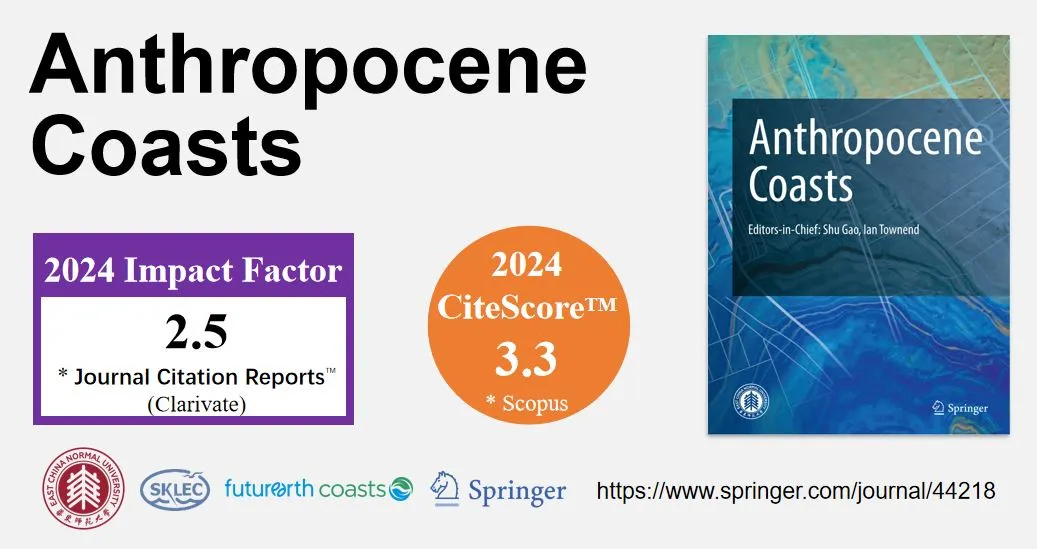
| | | Anthropocene Coasts Achieves 2024 Impact Factor of 2.5 in JCR™ Rankings | June 18, 2025 – London, UK – Clarivate has released the 2025 Journal Citation Reports™ (JCR™). Anthropocene Coasts, the official open-access journal of Future Earth Coasts, has achieved a 2024 Impact Factor of 2.5, placing it in the Q2 quartile (22/65) in the Oceanography category. | |
Anthropocene Coasts Seeks Associate Editors
| | |
Anthropocene Coasts, Future Earth Coasts' first official journal, is a Green Open Access journal hosted by East China Normal University. The journal publishes multidisciplinary research addressing the interaction of human activities with our estuaries and coasts.
To help build on the success of Anthropocene Coasts and to explore more exciting international opportunities representing the journal, we’re seeking more international Associate Editors who will recruit high-quality papers and increase the journal’s impact. Candidates will also be expected to coordinate with the Editors-in-Chief, Prof. Shu Gao and Prof. Ian Townend, to oversee manuscript review and make recommendations for manuscript reviewing.
Main responsibilities:
- Secure high-quality journal content. Actively support the journal during your term of office by soliciting submissions to the journal, leading or encouraging others to lead special collections and promoting the journal to peers, colleagues, and the wider coastal research community.
- Raise the journal’s profile in your country and internationally.
- Safeguard the integrity of the peer review process. Ensure it is rigorous, timely, unbiased, and confidential.
- Attend our editorial board webinars and work with the Editors-in-Chief to help journal develop.
Click here to read more.
| |
Special Collection: Coastal governance in the Global South
GUEST EDITORS:
Professor Sian Davies-Vollum
Dr Debadayita Raha
Dr Steve Puttick
For this Special Collection, Anthropocene Coasts invites manuscripts of all aspects of coastal governance and management in the Global South including but not limited to: coastal policy, governance for sustainable development, resource management, managing climate change (adaptation and mitigation), human-centred and community led governance, strategies for sustainable coastal livelihoods, health and wellbeing, and studies generating primary data that can inform coastal management.
Anthropocene Coasts is especially interested in studies that bridge basic theoretical research and management sciences. We encourage submissions from the Global South.
Update Milestones:
- August 30, 2024: Open call for abstracts closes; submit MS for 2x independent review
- September 1st, 2025: Manuscript submission deadline
Click here to read more.
| |
Topical Collection: Contaminants and sediment transport in estuaries and deltas
GUEST EDITORS:
Prof. Sergey Chalov
Dr. Evgeniya Panchenko
Prof. Michal Habel
Estuaries and deltas are vulnerable to environmental changes caused by economic activities and climate change. Sediments and a significant portion of contaminants transported as particulates are delivered to the deltas throughout the catchment. Some of the contaminants from rivers pass through estuaries into coastal waters and affect the highly productive marine ecosystem. Many deltas serve as secondary sources of sediment and pollutants. The study of sediment and contaminant transport is therefore essential for understanding the impacts on estuarine biodiversity. Research and monitoring of contaminant transport is crucial for the development of effective management strategies to maintain ecosystem sustainability.
For this Special Collection, Anthropocene Coasts invites manuscripts that focus on the protection and restoration of estuarine ecosystems and biodiversity, modern methods of pollution monitoring and sustainable management, physical and chemical mechanisms of sediment and contaminant transport, impacts of human activities and climate change on water quality and dynamics of sedimentation in estuaries and deltas.
Submission deadline: 17 October 2025
Click here to read more.
| | "World Large River and Delta Systems Source-to-Sink Online Talk Series" continue to update! | | Most of our subscribers are coasts-related researchers. If you would like to put some recruitment information or share some latest news about coastal research in FEC monthly newsletter, please feel free to contact us through fecchina@ecnu.edu.cn. | | | | |