Coast Posts
- A Newsletter From FEC

March 2024

Monthly News Updates

News from Future Earth Coasts International Project Office
Shanghai | East China Normal University
Subscribe to Our Newsletter!

Highlights:


  • Future Earth Coasts - Tour de Coasts
  • Announcement: FEC Fellows Session 2024
  • Calling for Applications - FEC Small Grant Program
  • IDSVA for the International Webinar Conference Series: The Blazing World, Or the Climatological Imperative
  • Online Seminar Series on Mangroves in the Anthropocene: Climate Change and Conservation Challenge
  • Coastal lagoons of West Africa: a scoping study of environmental status and management challenges
  • The Anthropocene Obscene: Poetic inquiry and evocative evidence of inequality
  • Updates from FEC Academy Members: Prof. Dr. Bruce Glavovic
  • Updates from FEC Affiliated Projects: Primary-productivity in Upwelling Systems, Novara One Planet
  • Updates from FEC Supported Networks: The Early Career Ocean Professionals Programme


Future Earth Coasts Playlist


Future Earth has created a new playlist for FEC on its Youtube channel.

Watch videos on FEC Playlist 

What have we been up to

Future Earth Coasts - Tour de Coasts

Join us in shaping the future of our coasts by sharing your thoughts through the Tour des Coasts survey:


bit.ly/tour-de-coasts


Future Earth Coasts and University of South Carolina researchers are launching a survey to engage the FEC network and beyond in creating a comprehensive understanding of coastal sustainability issues on a global scale.


It has long been the goal to begin a meaningful knowledge exchange among the global network of FEC affiliated researchers and practitioners, as well as communities engaged with them.


These partners have unique understandings of coastal sustainability issues reflective of a variety of coastal system types, geographies, and socio-economic realities. Yet, this wealth of knowledge remains underutilized, presenting an opportunity for us to amplify our impact.


We designed a brief survey based on the research questions identified by Friedman et al. (2020) and Sandifer and Scott (2021) and feedback from FEC’s Executive Committee. The survey will engage our colleagues within the FEC network as well as broader coastal communities.


In addition to the survey there will be a series of interactions with the goal of creating a forum for knowledge exchange about priority coastal sustainability concerns and foster a comprehensive understanding of coastal sustainability challenges and opportunities from a global perspective.


Following the analysis, stay tuned for more engagements, such as virtual meetings, to reflect on survey results and create a product that reflects a synthesis of findings.


Join now to amplify our impact on coastal sustainability!


Click here to read more


Announcement: FEC Fellows Session 2024

Join Us for the FEC Fellows Session 2024!

We are thrilled to announce the return of the FEC Fellows Session – an empowering initiative tailored for early- to mid-career researchers within the FEC community and beyond. Building on the success of FEC Fellows Sessions from the past few years, we are excited to extend this opportunity for strategic career development, professional guidance, and vibrant networking.


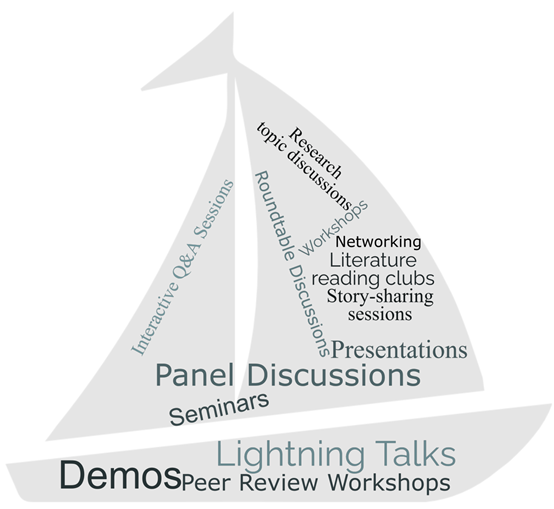
The FEC Fellows Session 2024 is more than just a gathering – it’s a dynamic platform designed for FEC Fellows to exchange insights, share research experiences, and ignite innovative ideas. We warmly invite all FEC Fellows to contribute to the FEC Fellows Session 2024. We aim to cultivate an inclusive environment where diverse perspectives flourish, enabling fellows to engage deeply with each other and with the broader FEC community. Whether through seminars, presentations, demos, story-sharing sessions, literature reading clubs, or research topic discussions, your involvement is pivotal in shaping the dialogue and enhancing our collective journey.


Get involved and showcase your expertise! Please reach out to xyfang@sklec.ecnu.edu.cn to express your interest in contributing to the Fellows Session 2024.


Click here to read more


Calling for Applications - FEC Small Grant Program

Future Earth Coasts (FEC) is a global sustainability, research and innovation network that promotes knowledge sharing and action towards implementing our vision for healthy oceans and coasts for a just and environmentally sustainable future. It is first and foremost a platform to integrate communities of science and society to co-design methodologies and approaches for the co-production of knowledge that will lead to more sustainable practices of use and development of the world’s coastal zones.


The FEC Small Grant program targets both individuals and teams of 3 to 5 Early Career Professionals that present a proposal aiming to increase their ability to understand, predict and/or manage the effects of human activities, including climate change, on estuarine and coastal regions. The program welcomes applications from both individual and group applicants.


Annually, the FEC Small Grant program will award one or more grants, totaling €1500. The number of awards will depend on the funds available in the FEC Budget for the year of the award.


As researchers in less developed countries are at a disadvantage because of the lack of sufficient funds, equipment, or opportunities, the FEC Small Grant Program is designed to help individuals and small teams that need to improve further their capability to reach their goals.


Click here to read more


IDSVA for the International Webinar Conference Series: The Blazing World, Or the Climatological Imperative

What is the reason for all-encompassing inaction, found in our attitude of abandonment towards the planet, as if our lives do not depend on it? What underlying symptoms do we carry that allow such recklessness? How is it that we know the findings and projections of climate change science and still cannot act, even in the face of pending extinction? In this second installment of a three-year long IDSVA Climate Change Symposium, these questions from various angles coming from natural science, indigenous knowledge, speculative ontology, and the arts will be addressed.

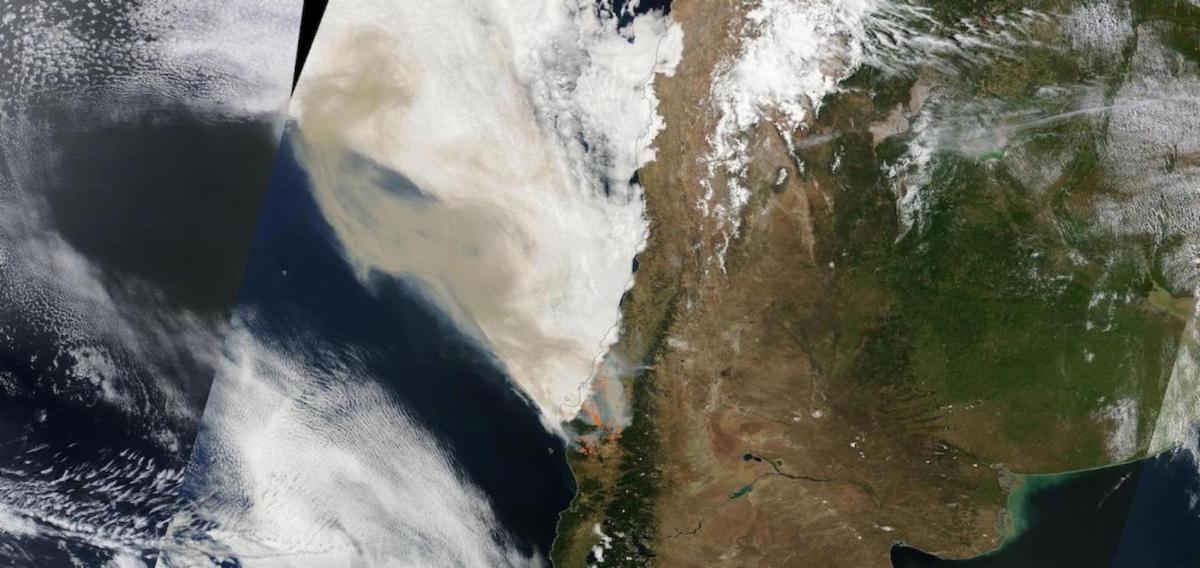
Smoke from fires in Chile. Image captured on Feb 4, 2023, by the MODIS instrument aboard NASA's Terra satellite.

These diverse approaches are continuing, in part, the philosophical disposition of the philosopher Margaret Cavendish, who in 1666 wrote a feminist-scientific utopia titled The Blazing-World, which carried a premonition of our planetary inactivity and misguidance. For our world is indeed blazing with suffocating plumes of smoke from wildfires and planetary overheating, which demands a new climatological imperative, imagined through radically different systems of knowledge.


A series of webinar presentations and discussions is scheduled. Join IDSVA for the International Webinar Conference Series: The Blazing World, Or the Climatological Imperative.


Click here to read more


Online Seminar Series Focusing on Mangroves in the Anthropocene: Climate Change and Conservation Challenge

Mangroves are one of the most efficient and effective natural tools for mitigating and adapting to global change in tropical and subtropical coasts. This seminar series thus focuses on the environmental impacts on, and mangrove response to, global change and on the outcomes of restoration and improved capacities of mangroves to mitigate pressures from global change.


Contributing Institutions and Organizations: Trent University (Canada), Federal University of Ceará (Brazil), Queen Mary, University of London (UK), Université de Toulon (France), Fairfield University (USA), Helmholtz Institute for Functional Marine Biodiversity (Germany), Alfred Wegener Institute (Germany), University of Oldenburg (Germany).


The IIES is pleased to offer a FREE online seminar series focusing on Mangroves in the Anthropocene: Climate Change and Conservation Challenges. The series runs every Wednesday* from March 27 to May 29, 2024. Each week join a speaker from one of the contributing universities or organizations who will share their research and expertise. Lectures run approximately 45 mins with a short Q&A to follow. The talks are FREE and available to anyone interested.


Click here to read more


FEC New Publications

Coastal lagoons of West Africa: a scoping study of environmental status and management challenges


K. Sian Davies-Vollum, Daniel Koomson & Debadayita Raha

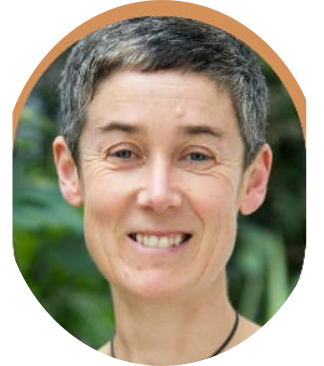
Prof. Sian Davies-Vollum

Abstract


Lagoons are a major coastal environment in West Africa. They provide a plethora of resources, ecosystem services and economic benefits yet a diverse set of inter-connected stressors are a challenge to their sustainability. A scoping study of the published literature pertaining to lagoons within the region was undertaken to reveal the nature of these stressors and identify gaps in knowledge, providing a resource to inform coastal management practices and reveal areas for future study. Thirty-one lagoons were identified from the scoping exercise covering Nigeria, Benin, Togo, Ghana, Cote D’Ivoire, Liberia and Senegal. The DAPSI(W)R(M) framework was used to structure analysis of the literature and surface key environmental themes. Key drivers and activities established are the use of lagoon resources and expansion of lagoon settlements. The resultant identified pressures are waste, overuse of resources, and urban growth as well as climate change. Resultant stage changes are the degradation of water quality and ecosystems with impacts for the health of lagoon organisms and humans. Responses to changes were identified as a combination of punitive legislation, participatory management approaches and solutions focused on ecosystem restoration and engineering of the physical environment. Gaps identified include research on waste and aspects of climate change mitigation and adaptation. Also notable is a lack of multi- and interdisciplinary studies that address the inter-connecting stressors experienced at lagoons and studies of multiple lagoons. Studies also tend to be problem-focused with solutions rarely presented, limiting their applicability to inform management practices.


Click here to read more


The Anthropocene Obscene: Poetic inquiry and evocative evidence of inequality


Dana C. Thomsen, Timothy F. Smith, Carmen E. Elrick-Barr

Abstract


Poetic inquiry is used to highlight contrasting lived experiences of vulnerability and worsening socio-ecological outcomes among Australia's fastest growing coastal communities. Our approach interweaves multiple participant voices across local and national scales to juxtapose the contrasts of inequality, enmesh social and ecological experiences, and ask reflexive questions of audiences. We offer an evocative portrayal of inequality to the growing body of work demonstrating that unequal and intensifying vulnerabilities are created and sustained through complicated, non-adaptive and hierarchical social systems. We demonstrate that poetic inquiry can interrogate complex system phenomena and broad concepts, such as the Anthropocene, to distil critical and systemic issues while retaining undeniable connections with the deeply personal implications of socio-ecological change. Hence, poetic inquiry can serve analytical and descriptive purposes towards an emotional and political aesthetic providing a compelling reorientation from more conventional modes of inquiry and representation. In this study, the misuse of power and privilege in the Anthropocene is reduced and revealed as the Obscene.


Click here to read more

Prof. Dr. Tim Smith

Dr. Carmen Elrick-Barr


Coastal Radar

Updates from FEC Academy Members

FEC Academy Member, Prof. Dr. Bruce Glavovic gave an opening plenary webinar titled “On the Horns of the Climate Change Dilemma: Re-imagining the Knowledge-Action Nexus” 


This talk explores three dimensions of the climate change dilemma: On the one hand, science-, business-, and politics-as-usual have set the planet ablaze with runaway global warming that imperils people and the planet. On the other hand, arresting global warming and adapting to a changed climate necessitate transformational societal change. How might we re-imagine the knowledge-action nexus in the face of this dilemma? To get us started, Glavovic provides a synopsis of key findings of the IPCC’s (Intergovernmental Panel on Climate Change) 6th assessment – the most recent comprehensive scientific account of climate change and its impacts -- further explaining why this laudable multi-decadal undertaking exemplifies the Tragedy of Science. He then highlights the manifold ways in which local and Indigenous Knowledges shed different light on climate change and the associated dilemma. How might knowledges about climate change be re-imagined? How should the IPCC’s 7th assessment, about to get underway, be reconfigured? Further, how might government inaction on climate change be transmogrified?

Prof. Dr. Bruce Glavovic 


He proposes a “Climate Change Truth and Reconciliation Commission” as a core institution to hold both scientists and governments to account for the science-society contract. Local communities are the crux of the climate change dilemma. Community-based climate action needs to be re-imagined: false dichotomies need to be reconsidered, including science vs mysticism; facts vs values; knowledge vs action; people vs nature; and community vs society. Finally, Glavovic suggests a course to open-up opportunities for emancipatory community-based climate action.


Click here to watch the recorded video


Updates from FEC Affiliated Projects

Primary-productivity in Upwelling Systems (PRIMUS)

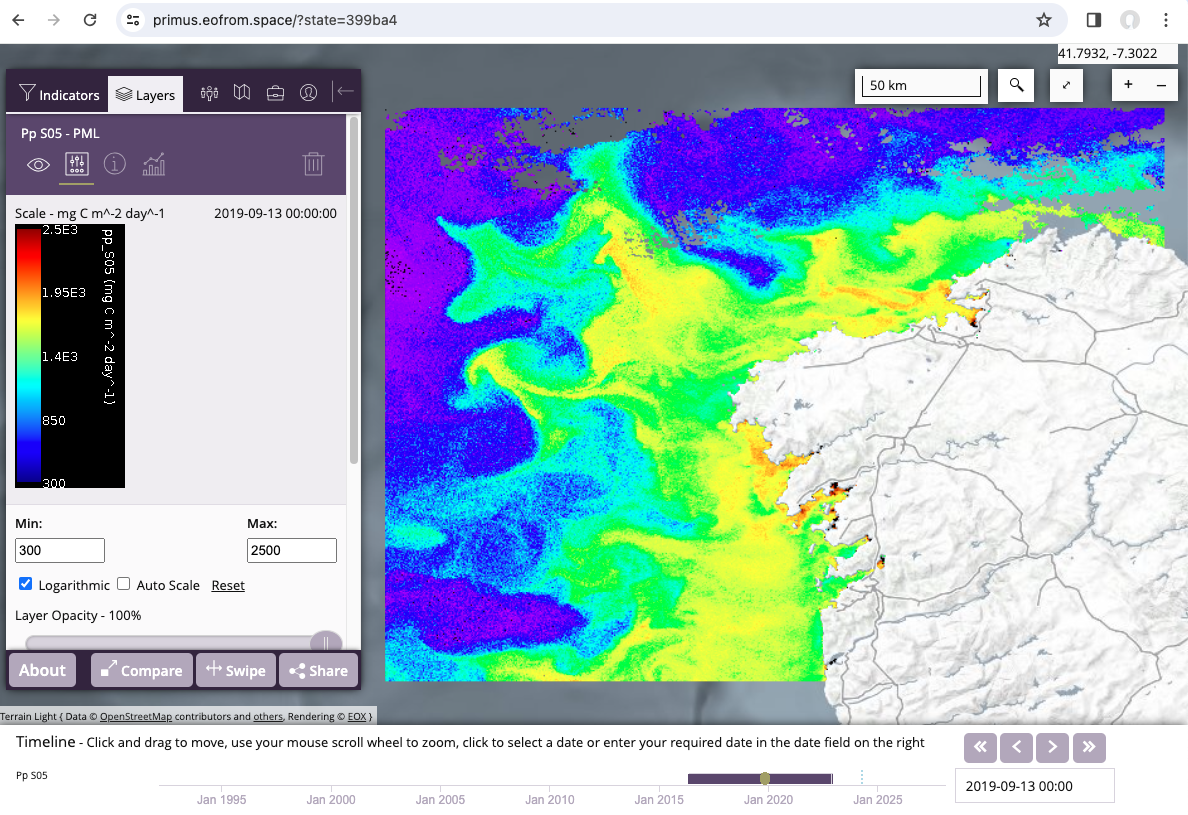
PRIMUS Primary Productivity image of the Galician Rias from ESA Sentinel 3 OLCI 300m 13 September 2019

The ESA-supported Primary-productivity in Upwelling Systems (PRIMUS) project is investigating net primary productivity (NPP) and its relationship to upwelling in Atlantic Eastern Boundary Upwelling Systems (EBUS - see FEC Coasts Post August 2023).


The project has now completed its data production phase with creation of two time series available freely via a web-based display system. The 25-year time series of 1 km satellite-derived NPP over all Atlantic EBUS can be accessed (for example, showing the Benguela upwelling system in southern Africa: https://primus.eofrom.space/?state=b395d5) while a higher-resolution (300m) data set covering the Galician Sea, Spain, for 2016-2022 using the Sentinel 3 OLCI satellite sensors is also available (https://primus.eofrom.space/?state=e9012c)


The project has almost completed its science cases that have focussed on a variety of topics (see FEC Coast Post August 2023) and has started the user engagement and societal impact phase. This will include a number of initiatives including presentation of results on NPP and mussel aquaculture in the Galician Rias to the mussel farmers and regulatory bodies. The science focussed on comparison of NPP is the four rias as well as the carrying capacity and the impact of mussel feeding on NPP. This will be reported in future posts.


PRIMUS is also investigating how the results can be continued in operational environments in Europe and Africa, as well as wider outreach including through the FEC, and exploitation of the data by the ocean modelling communities.

Novara One Planet

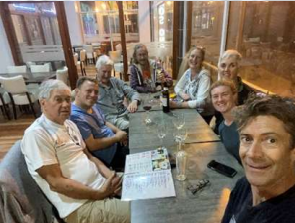
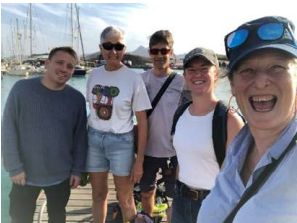
Hi Novara friends!  We’ve made it to the ‘other’ side of the Atlantic! After a sail of 3,300 nautical miles, from the coast of Africa to Antigua and Barbuda, we’ve got adventures galore to report. And we’ve also had some excellent climate-change related community interaction along the way. Read on!

Novara on the high seas


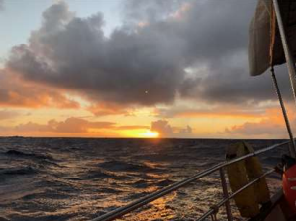
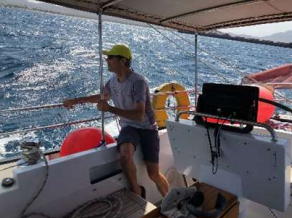
Looking back on our Atlantic crossing, two major things stand out; the vastness of the ocean, and the resilience and dedication of our brilliant crew. We left Agadir on 5 January with Steve, Bob and Blair and sailed out into a strong breeze. The wind lasted four days then died, and we had to motor four days to Cape Verde islands. We took advantage of the lack of wind to swim in the Atlantic in 4000m of water on Nigel’s birthday. Amazing! In Mindelo we reprovisioned and changed crew with Maddy, Andy and Catherine joining us. The weather looked good for a departure on 17 Jan. We had a couple of days of rough weather to begin with, and then perfect tradewinds all the way to Antigua to arrive on 31 Jan at midday (incidentally within five minutes of the time Veronica predicted in Mindelo). We had our share of adventures along the way: things broke, but we had a great team spirit, made contact with a team of Atlantic rowers and we got to know which critical systems on Novara needed attention. All in all, a life-changing experience. 

Novara One Planet project


Since our last update in November, we’ve tried to keep our climate adaptation engagement work rolling. We had a webinar connecting climate action leaders in communities from Scotland and the Caribbean. They have many common challenges, despite diverse geographies. We have also worked with the City of Agadir, Morocco to review their community action plan and provided a climate impacts checklist. This is an ongoing activity that our team is continuing to follow up on. After arriving in the Caribbean, we met with colleagues in Antigua and Barbuda. Climate change is very real for them with the increasing intensity of hurricanes, as well as warming oceans, increasing land temperatures and loss of bio-diversity. They shared many stories with us – of courage, of frustration, determination and resilience. We’re aiming to head to Dominica as our next stop.  

Where next for Novara?


Our plans change depending on which communities put their hands up to engage with us. Our current plan is to head to Dominica for a couple of weeks, and then move south along the windward islands to get to Grenada by late May/June. If you have any questions, or you’d like to get involved, let us know. And if you feel like following us on Instagram or FB, we’re @novaraoneplanet. Veronica, Nigel and the Novara team @ www.novara.world


Updates from FEC Supported Networks 

The Early Career Ocean Professionals Programme (ECOP)

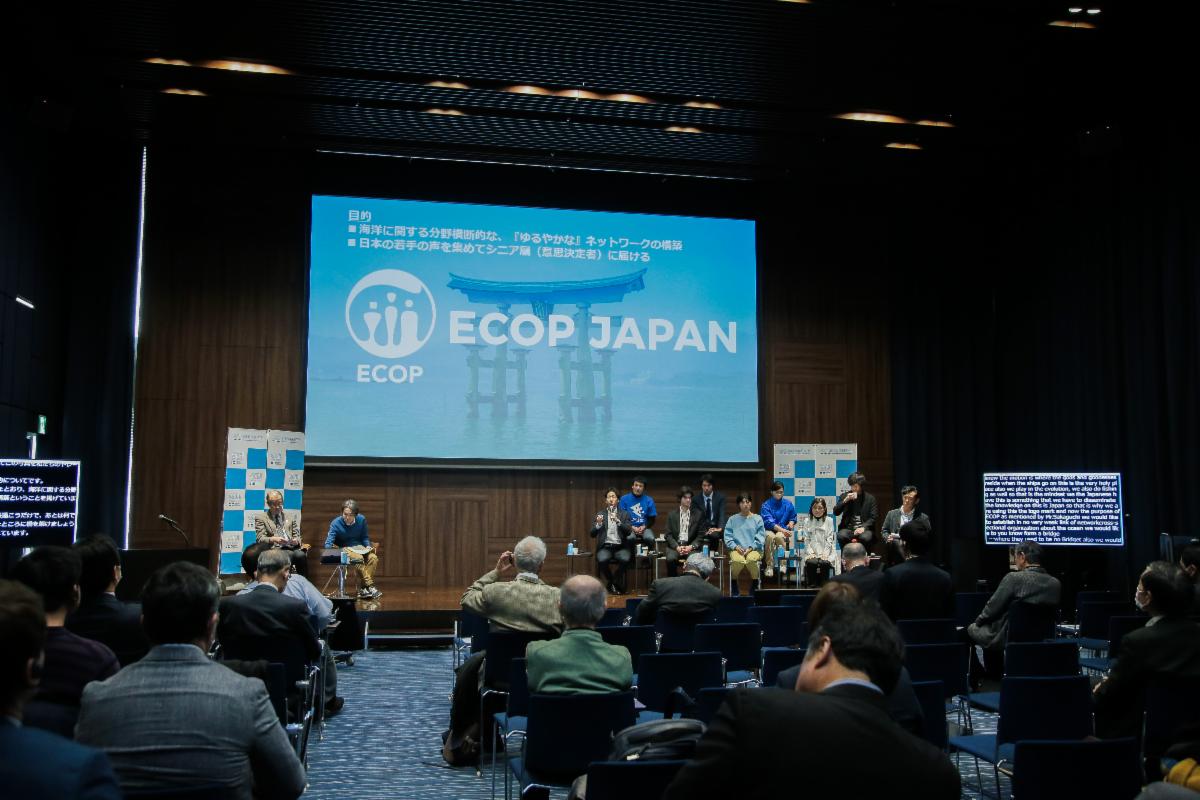
ECOP Japan Symposium

Photo by The Sasakawa Peace Foundation

On March 7th, 2024, the second ECOP Japan Symposium was organized by the Ocean Policy Research Institute (OPRI) of the Sasakawa Peace Foundation in Tokyo, Japan. This event aimed to expand the network of ECOPs across diverse fields, sectors, and areas within Japan. Ten ECOPs, ranging from scientists to lifesavers and fishers, shared their activities, discussed future directions, and elaborated the ECOP Japan poster, portraying their vision for the ocean in alignment with the 7 Outcomes of the Ocean Decade. The symposium took place in a hybrid format with simultaneous interpretation, attracting around 300 participants from both within and outside of Japan. 


Click here to watch a recording of the event


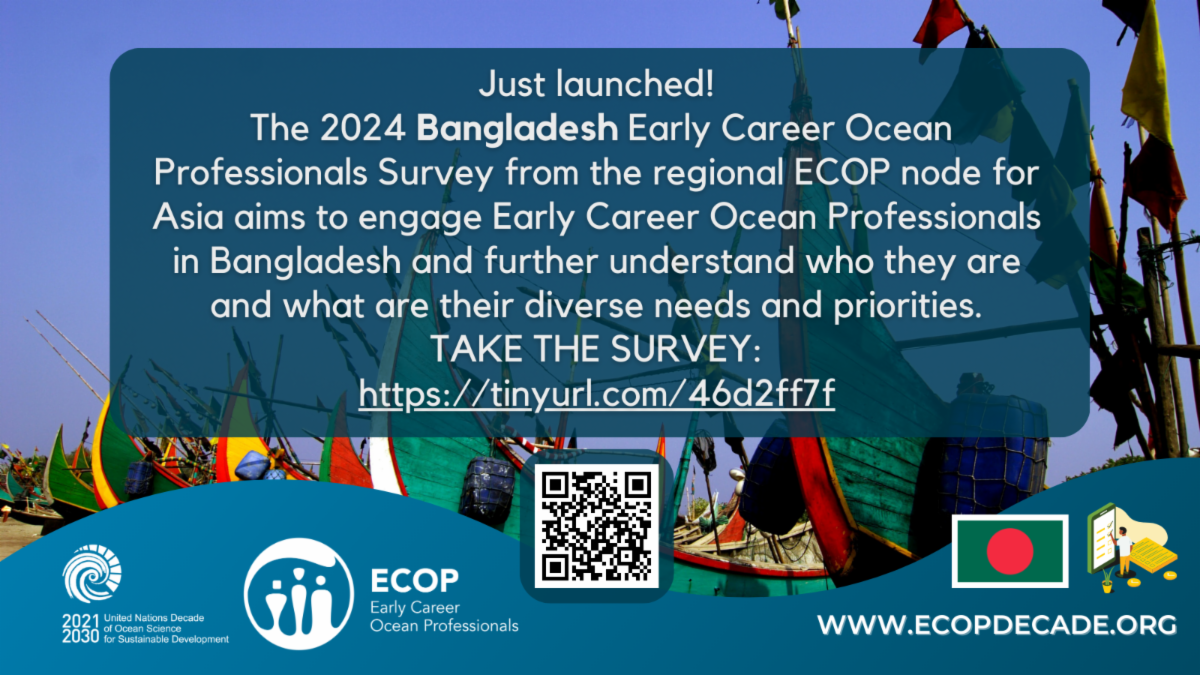
ECOP Bangladesh Survey

With this new national survey, the regional ECOP node for Asia aims to engage Early Career Ocean Professionals in Bangladesh and further understand who they are and what are their diverse needs and priorities. This understanding is crucial for co-designing effective capacity-building approaches, delivering professional development opportunities, fostering community belonging, and establishing a future national ECOP node for Bangladesh. We plan to involve interested ECOPs from Bangladesh in leadership positions, connecting them with high-level officials to influence future UN Ocean Decade activities and events in Bangladesh and across Asia.


Click here to read more

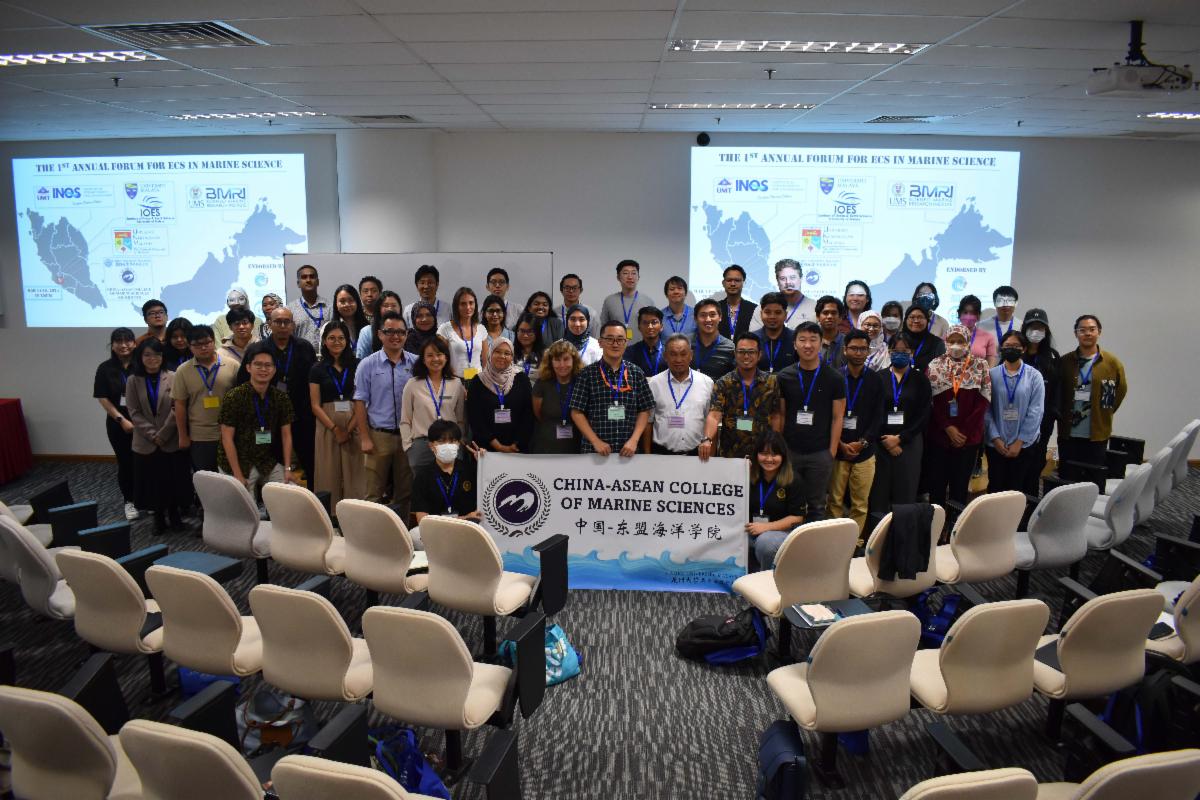
The 1st Forum for Early Career Scientists in Marine Science in Malaysia

Endorsed by the UN Ocean Decade, the inaugural Forum for Early Career Scientists in Marine Science took place at Xiamen University Malaysia (XMUM) from 14 to 15 March 2024. Co-organized by XMUM, Universiti Malaya (UM), Universiti Kebangsaan Malaysia (UKM), Universiti Malaysia Terengganu (UMT), and Universiti Malaysia Sabah (UMS), the forum marks a significant milestone in collaborative efforts within the marine science community in Malaysia. Featuring 19 presentations, the forum attracted 86 participants from 11 institutions. A noteworthy testament to the forum’s impact as remarked by one of the presenters was “I really appreciate the comments that I received today. I felt like having many supervisors at the same time”. Encouraged by the success of the inaugural forum and aiming to empower the next generation of marine scientists, future forums will be spearheaded by a graduate student-led organizing committee.


New FEC Publications

○ Alarcón Borges, R. Y., Pérez Montero, O., Tejera, R. G., Silveira, M. T. D., Montoya, J. C., Hernández Mestre, D., ... & Milanes, C. B. (2023). Legal Risk in the Management of Forest Cover in a River Basin San Juan, Cuba. Land, 12(4), 842. https://doi.org/10.3390/land12040842

○  Alice Newton, Michele Mistri, Angel Pérez-Ruzafa and Sofia Reizopoulou. (2023). Editorial: Ecosystem services, biodiversity, and water quality in transitional ecosystems, Front. Ecol. Evol., Volume 11. https://doi.org/10.3389/fevo.2023.1136750

○  Baumann, L., Riechers, M., Celliers, L., & Ferse, S. C. (2023). Anticipating and transforming futures: a literature review on transdisciplinary coastal research in the Global South. Ecosystems and People, 19(1), 2288957. https://doi.org/10.1080/26395916.2023.2288957

○  Bezerra, Moisés & Goyanna, Felipe & Lacerda, Luiz. (2023). Risk assessment of human Hg exposure through consumption of fishery products in Ceará state, northeastern Brazil. Marine Pollution Bulletin. 189. 114713. 10.1016/j.marpolbul.2023.114713

○  Botero, C. M., Palacios, M. A., Souza Filho, J. R., & Milanes, C. B. (2023). Beach litter in three South American countries: A baseline for restarting monitoring and cleaning after COVID-19 closure. Marine Pollution Bulletin, 191, 114915. https://doi.org/10.1016/j.marpolbul.2023.114915

○  Brempong, E. K., Almar, R., Angnuureng, D. B., Mattah, P. A. D., Jayson-Quashigah, P.-N., Antwi-Agyakwa, K. T., & Charuka, B. (2023). Coastal Flooding Caused by Extreme Coastal Water Level at the World Heritage Historic Keta City (Ghana, West Africa). Journal of Marine Science and Engineering, 11(6), 1144. MDPI AG. http://dx.doi.org/10.3390/jmse11061144.

○ Brendel, Andrea & Ferrelli, Federico & Echeverria, María & Piccolo, Maria & Perillo, Gerardo. (2022). PROCESAMIENTO DE DATOS SATELITALES ÓPTICOS Y DE RADAR PARA LA DETECCIÓN DE CAMBIOS MORFOMÉTRICOS: EL CASO DE LA DESEMBOCADURA DEL RÍO SAUCE GRANDE (ARGENTINA). Caminhos de Geografia. 23. 85-94. https://doi.org/10.14393/RCG238658189 

○ Carmen E. Elrick-Barr, Julian Clifton, Michael Cuttler, Craig Perry, Abbie A. Rogers, Understanding coastal social values through citizen science: The example of Coastsnap in Western Australia, Ocean & Coastal Management, Volume 238, 2023, 106563, ISSN 0964-5691, https://doi.org/10.1016/j.ocecoaman.2023.106563

○  Castiglioni, Eduardo & Gaucher, Claudio & Perillo, Gerardo & Sial, Alcides. (2022). Marine deposits of the Chuy Formation (Late Pleistocene) and isostatic readjustments in the area of Laguna de Rocha (Uruguay). Agrociencia Uruguay. 26. https://doi.org/10.31285/AGRO.26.799

○  Celliers, Louis & Manez Costa, Maria & Rölfer, Lena & Aswani Canela, Shankar & Ferse, Sebastian. (2023). Social innovation that connects people to coasts in the Anthropocene. Cambridge Prisms: Coastal Futures. 1. 1-22. 10.1017/cft.2023.12. https://doi.org/10.1017/cft.2023.12

○  Charuka, B., Angnuureng, D. B., Brempong, E. K., Agblorti, S. K., & Agyakwa, K. T. A. (2023). Assessment of the integrated coastal vulnerability index of Ghana toward future coastal infrastructure investment plans. Ocean & Coastal Management, 244, 106804. https://doi.org/10.1016/j.ocecoaman.2023.106804

○  Chen, Y., Deng, B., Zhang, G., Zhang, W., & Gao, S. (2023). Response of Shallow Gas‐Charged Holocene Deposits in the Yangtze Delta to Meter‐Scale Erosion Induced by Diminished Sediment Supply: Increasing Greenhouse Gas Emissions. Journal of Geophysical Research: Earth Surface, 128(1), e2022JF006631. https://doi.org/10.1029/2022JF006631

○  Cunha, J., Cabecinha, E., Villasante, S., Balbi, S., Elliott, M., Ramos, S., (2023) Defining hotspots and coldspots of regulating and maintenance ecosystem services is key to effective marine management – an assessment of a coastal-open sea gradient, Portugal. Ocean & Coastal Management, 245: 106876; https://doi.org/10.1016/j.ocecoaman.2023.106876

○  Datta, Satabdi & Roy, Joyashree. (2022). Exploring adaptive capacity: Observations from the vulnerable human-coastal environmental system of the Bay of Bengal in India. Frontiers in Climate. 4. 1007780. https://doi.org/10.3389/fclim.2022.1007780 

○  Davies-Vollum, K. S., Koomson, D., & Raha, D. (2024). Coastal lagoons of West Africa: a scoping study of environmental status and management challenges. Anthropocene Coasts, 7(1), 7. https://doi.org/10.1007/s44218-024-00039-9

○  Davranche, A., Arzel, C., Pouzet, P., Carrasco, A. R., Lefebvre, G., Lague, D., ... & Poulin, B. (2023). A multi-sensor approach to monitor the ongoing restoration of edaphic conditions for salt marsh species facing sea level rise: An adaptive management case study in Camargue, France. Science of the Total Environment, 168289. https://doi.org/10.1016/j.scitotenv.2023.168289

○  Day, J. W., Hall, C. A., Klitgaard, K., Gunn, J. D., Ko, J. Y., & Burger, J. R. (2023). The coming perfect storm: Diminishing sustainability of coastal human-natural systems in the Anthropocene. Cambridge Prisms: Coastal Futures, 1, e35. https://doi.org/10.1017/cft.2023.23

○  de Oliveira, E.B., Newton, A. & Botero, C.M. Development of a management-based ranking of beaches. Anthropocene Coasts 7, 6 (2024). https://doi.org/10.1007/s44218-024-00040-2

○  Elegbede, I. O., Lawal-Are, A., Oloyede, R., Sanni, R. O., Jolaosho, T. L., Goussanou, A., & Ngo-Massou, V. M. (2023). Proximate, minerals, carotenoid and trypsin inhibitor composition in the exoskeletons of seafood gastropods and their potentials for sustainable circular utilisation. Scientific Reports, 13(1), 13064. https://doi.org/10.1038/s41598-023-38345-w

○  Elegbede, I., Lawal-Are, A., Favour, O. et al. Chemical compositions of bivalves shells: Anadara senilis, Crassostrea gasar, and Mytilus edulis and their potential for a sustainable circular economy. SN Appl. Sci. 5, 44 (2023). https://doi.org/10.1007/s42452-022-05267-7

○  Elegbede, I., Zurba, M., Hameed, A., & Campbell, C. (2023). Gaps and Challenges in Harnessing the Benefits and Opportunities of Indigenous Certification for a Sustainable Communal Commercial Lobster Fishery. Environmental Management, 1-20. https://doi.org/10.1007/s00267-023-01852-7

○  Elliott M. (2023). Marine Ecosystem Services and Integrated Management: "There's a crack, a crack in everything, that's how the light gets in"!. Marine pollution bulletin, 193, 115177. Advance online publication. https://doi.org/10.1016/j.marpolbul.2023.115177

○  Elliott, M., Borja, Á., & Cormier, R. (2023). Managing marine resources sustainably–Ecological, societal and governance connectivity, coherence and equivalence in complex marine transboundary regions. Ocean & Coastal Management, 245, 106875. https://doi.org/10.1016/j.ocecoaman.2023.106875

○  Elliott, M., Wither, A., (Eds.) (2024). Environmental Consequences and Management of Coastal Industries: Terms and Concepts. Elsevier, Amsterdam, Paperback ISBN: 9780443137525, eBook ISBN: 9780443137532, pp 371. https://doi.org/10.1016/C2022-0-00268-3

○  Elrick-Barr CE, Clifton J, Cuttler M, Perry C & Rogers AA (2023). Understanding coastal social values through citizen science: The example of Coastsnap in Western Australia. Ocean & Coastal Management, 238, 106563. https://doi.org/10.1016/j.ocecoaman.2023.106563

○  Elrick-Barr, C. E., Smith, T. F., & Thomsen, D. C. (2024). Is ‘hope’helpful or a hinderance? Implications for coastal governance. Ocean & Coastal Management, 248, 106953. https://doi.org/10.1016/j.ocecoaman.2023.106953

○  Feng, Y., Tu, C., Li, R., Wu, D., Yang, J., Xia, Y., ... & Luo, Y. (2023). A systematic review of the impacts of exposure to micro-and nano-plastics on human tissue accumulation and health. Eco-Environment & Health. https://doi.org/10.1016/j.eehl.2023.08.002

○  Ferreira, A.C.; LACERDA LD, Rodrigues, J.V.; Bezerra, L.E.A. 2023. New contributions to mangrove restoration/rehabilitation protocols and practices. Forest Ecology & Management Journal 31, 89-114. https://doi.org/10.1007/s11273-022-09903-2

○  Foley, Aideen & Moncada, Stefano & Mycoo, Michelle & Nunn, Patrick & Tandrayen-Ragoobur, Verena & Evans, Christopher. (2022). Small Island Developing States in a post‐pandemic world: Challenges and opportunities for climate action. Wiley Interdisciplinary Reviews: Climate Change. 13. https://doi.org/10.1002/wcc.769 

○  Forero-López, A. D., Toniolo, M. A., Colombo, C. V., Rimondino, G. N., Cuadrado, D., Perillo, G. M. E., & Malanca, F. E. (2023). Marine microdebris pollution in sediments from three environmental coastal areas in the southwestern Argentine Atlantic. Science of The Total Environment, 169677. https://doi.org/10.1016/j.scitotenv.2023.169677

○  Fragoso, C.; Gatts, P.V.; Di Benedittoa, A.P.; Martinelli, L.A.; LACERDA, L.D. & Rezende, C.E. 2023. Stable isotopes and Mercury as tools to depict aquatic food webs. Quimica Nova 46 (11) http://dx.doi.org/10.21577/0100-4042.20230125

○  Fu, C., Li, Y., Tu, C., Hu, J., Zeng, L., Qian, L., ... & Luo, Y. (2023). Dynamics of trace element enrichment in blue carbon ecosystems in relation to anthropogenic activities. Environment International, 180, 108232. https://doi.org/10.1016/j.envint.2023.108232

○  Fu, C., Li, Y., Zeng, L., Tu, C., Wang, X., Ma, H., ... & Luo, Y. (2024). Climate and mineral accretion as drivers of mineral‐associated and particulate organic matter accumulation in tidal wetland soils. Global Change Biology, 30(1), e17070. https://doi.org/10.1111/gcb.17070

○  Gallo Velez, David & Restrepo, Juan & Newton, Alice. (2023). Assessment of the Magdalena River delta socio-ecological system through the Circles of Coastal Sustainability framework. Frontiers in Earth Science. 11. 10.3389/feart.2023.1058122. https://doi.org/10.3389/feart.2023.1058122

○  Goyanna, F., Silva, G., Bezerra, M.F., LACERDA, L.D. 2023. Mercury in oceanic upper trophic level sharks and bony fishes - A systematic review. Environmental Pollution 318, 120821 https://doi.org/10.1016/j.envpol.2022.120821

○  Guzmán, D. H., Mier, R. L., Vergara, A., & Milanes, C. B. (2023). Marine protected areas in Colombia: A historical review of legal marine protection since the late 1960 s to 2023. Marine Policy, 155, 105726. https://doi.org/10.1016/j.marpol.2023.105726

○  Harvey N & Smith TF, 2023, 'Key lessons from new perspectives on Australian coastal management', Ocean & Coastal Management, Volume 239, 15 May 2023, 106581 https://doi.org/10.1016/j.ocecoaman.2023.106581

○  Hawkins, S. J., Todd, P. A., Russell, B. D., Lemasson, A. J., Allcock, A. L., Byrne, M., ... & Swearer, S. E. (2023). Review of the Central and South Atlantic Shelf and Deep-Sea Benthos: Science, Policy, and Management. Oceanography and Marine Biology: An annual review. Volume 61, 61, 127-218.

○  Huddleston, P., Smith, T. F., White, I., & Elrick-Barr, C. (2023). What influences the adaptive capacity of coastal critical infrastructure providers?. Urban Climate, 48, 101416. https://doi.org/10.1016/j.uclim.2023.101416

○  Inguaggiato, S., Meng, Q., Mondal, E., Chen, Y.-X., LACERDA, L. D., eds. (2024). Reviews in geochemistry: 2022. Lausanne: Frontiers Media SA. https://doi.org/10.3389/978-2-8325-4261-3

○  LACERDA LD, Godoy, JMO, Gonçalves, R.A., Rocha, M.F. & Dutra, B.F. 2023. Metais em sedimentos de talude da Bacia Potiguar em área de exploração de petróleo e gás natural offshore, NE Brasil. Química Nova 46 (6), 54-560. http://dx.doi.org/10.21577/0100-4042.20170959

○ Lange, M., Cabana, D., Ebeling, A., Ebinghaus, R., Joerss, H., Rölfer, L., & Celliers, L. (2023). Climate-smart socially innovative tools and approaches for marine pollution science in support of sustainable development. Cambridge Prisms: Coastal Futures, 1, E23. https://doi.org/10.1017/cft.2023.11

○  Laubenstein T, Smith TF, Hobday AJ, Pecl GT, Evans K, Fulton EA & O'Donnell T, 2023, 'Threats to Australia's oceans and coasts: a systematic review', Ocean & Coastal Management, 231 (published online 29 Oct 2022). https://doi.org/10.1016/j.ocecoaman.2022.106331

○  Lehuen, A., & Orvain, F. (2024). A cockle-induced bioturbation model and its impact on sediment erodibility: A meta-analysis. Science of the Total Environment, 912, 168936. https://doi.org/10.1016/j.scitotenv.2023.168936

○  Li, Y., Fu, C., Hu, J., Zeng, L., Tu, C., & Luo, Y. (2023). Soil Carbon, Nitrogen, and Phosphorus Stoichiometry and Fractions in Blue Carbon Ecosystems: Implications for Carbon Accumulation in Allochthonous-Dominated Habitats. Environmental Science & Technology, 57(14), 5913-5923. https://doi.org/10.1021/acs.est.3c00012

○  Li, Y., Fu, C., Wang, W., Zeng, L., Tu, C., & Luo, Y. (2023). An overlooked soil carbon pool in vegetated coastal ecosystems: National-scale assessment of soil organic carbon stocks in coastal shelter forests of China. Science of The Total Environment, 876, 162823. https://doi.org/10.1016/j.scitotenv.2023.162823

○  Li, Yingjie & Robinson, Samuel & Nguyen, Lan & Liu, Jianguo. (2023). Satellite prediction of coastal hypoxia in the northern Gulf of Mexico. Remote Sensing of Environment. 284. 113346. https://doi.org/10.1016/j.rse.2022.113346 

○  International Science Council, 2023. Global Sea-level Rise: ISC Policy Brief. Coordination: Seag, M., Contributors: Lebbe, T.B., Church, J., Colleoni, F., Elliott, M., Hinkel, J., Jacot des Combes, H., Mycoo, M., Naish, T., Post, J., Scobie, A., Stevance, A.S., Thomas, A., van de Wal, R., Webster, D.G. ISC Liaison to the UN System, International Science Council, 5 rue Auguste Vacquerie, 75116, Paris, France. 

○  Mabon L and Kawabe M (2022) 'Bring Voices from the Coast into the Fukushima Treated Water Debate' PNAS 119 (45) e2205431119. https://doi.org/10.1073/pnas.2205431119

○  Madhanagopal, D. (2023). Local Adaptation to Climate Change in South India: Challenges and the Future in the Tsunami-hit Coastal Regions. Taylor & Francis.

https://doi.org/10.4324/9781003187691

○  Mestanza-Ramón, C., Monar-Nuñez, J., Guala-Alulema, P., Montenegro-Zambrano, Y., Herrera-Chávez, R., Milanes, C. B., ... & Toledo-Villacís, M. (2023). A Review to Update the Protected Areas in Ecuador and an Analysis of Their Main Impacts and Conservation Strategies. Environments, 10(5), 79. https://doi.org/10.3390/environments10050079

○  Moura, V.L. & LACERDA, L.D. 2022. Mercury sources, emissions, distribution and bioavailability along an estuarine gradient under semiarid conditions in NE Brazil. International Journal of Pollution Research and Public Health 19, 17092 https://doi.org/10.3390/ijprph192417092

○  Mycoo, M. A., & Roopnarine, R. R. (2024). Water resource sustainability: Challenges, opportunities and research gaps in the English-speaking Caribbean Small Island Developing States. PLOS Water, 3(1), e0000222.https://doi.org/10.1371/journal.pwat.0000222

○  Newton A, Mistri M, Pérez-Ruzafa A and Reizopoulou S (2023) Editorial: Ecosystem services, biodiversity, and water quality in transitional ecosystems. Front. Ecol. Evol. 11:1136750. https://doi.org/10.3389/fevo.2023.1136750

○  Ollivier, M. E. L., Newton, A., & Kelsey, H. (2023). Social-Ecological analysis of the eutrophication in Chesapeake Bay, United States of America. Frontiers in Marine Science.

○  Pauli, Natasha & Clifton, Julian & Elrick-Barr, Carmen. (2023). Evaluating marine areas in Fiji. Nature Sustainability. 10.1038/s41893-023-01136-2. https://doi.org/10.1038/s41893-023-01136-2

○  Peng, Ya & Sengupta, Dhritiraj & Yuanqiang, Duan & Chunpeng, Chen & Tian, Bo. (2022). Accurate mapping of Chinese coastal aquaculture ponds using biophysical parameters based on Sentinel-2 time series images. Marine Pollution Bulletin. 181. 113901. https://doi.org/10.1016/j.marpolbul.2022.113901 

○  Pereira CI, Botero CM, Ricaurte-Villota C, Coca O, Morales D, Cuker B, Milanes CB. Grounding the SHIELD Model for Tropical Coastal Environments. Sustainability. 2022; 14(19):12317. https://doi.org/10.3390/su141912317

○  Perillo, G. M., Zilio, M. I., Tohme, F., & Piccolo, M. C. (2024). The free energy of an ecosystem: towards a measure of its inner value. Anthropocene Coasts, 7(1), 4. https://doi.org/10.1007/s44218-024-00036-y

○  Pickering K, Pearce T, Manuel L, Doran B & Smith T, 2023, 'Socio-ecological challenges and food security in the 'salad bowl' of Fiji, Sigatoka Valley'. Regional Environmental Change, 23, 61. https://doi.org/10.1007/s10113-023-02059-6

○  Rodriguez CAB, LACERDA LD, Bezerra, MF. 2023. Pilot study of mercury distribution in the carapace of four species of sea turtles from Northeastern Brazil. Bulletin of Environmental Contamination & Toxicology 110, 99 (2023). https://doi.org/10.1007/s00128-023-03745-1

○  Rölfer, L., Abson, D. J., Costa, M. M., Rosendo, S., Smith, T. F., & Celliers, L. (2022). Leveraging governance performance to enhance climate resilience. Earth's Future, 10. https://doi.org/10.1029/2022EF003012

○  Rölfer, Lena & Celliers, Louis & Abson, David. (2022). Resilience and coastal governance: knowledge and navigation between stability and transformation. ECOLOGY AND SOCIETY. 27. https://doi.org/10.5751/ES-13244-270240 

○  Sengupta, D., Choi, Y. R., Tian, B., Brown, S., Meadows, M., Hackney, C. R., ... & Zhou, Y. (2023). Mapping 21st century global coastal land reclamation. Earth's Future, 11(2), e2022EF002927. https://doi.org/10.1029/2022EF002927

○  Smith, T., Elrick-Barr, C., Thomsen, D., Celliers, L., & Le Tissier, M. (2023). Impacts of tourism on coastal areas. Cambridge Prisms: Coastal Futures, 1, E5. https://doi.org/10.1017/cft.2022.5

○  Taryn Laubenstein, Timothy F. Smith, Alistair J. Hobday, Gretta T. Pecl, Karen Evans, Elizabeth A. Fulton, Tayanah O'Donnell, Threats to Australia's oceans and coasts: A systematic review, Ocean & Coastal Management, Volume 231, 2023, 106331, ISSN 0964-5691. https://doi.org/10.1016/j.ocecoaman.2022.106331

○  Thomsen, D. C., Smith, T. F., & Elrick‐Barr, C. E. (2023). The Anthropocene Obscene: Poetic inquiry and evocative evidence of inequality. The Geographical Journal. https://doi.org/10.1111/geoj.12559

○  Valenzuela, V. P. B., Esteban, M., & Onuki, M. (2023). Middle-class risk perception of disasters and land reclamation in Metro Manila, Philippines. Anthropocene Coasts, 6(1), 13.

○  van Onselen, V., Bayrak, M. M., & Lin, T. Y. (2023). Assessment of Ecosystem-Based Disaster Risk Reduction Strategies in Coastal Environments of Taiwan. Journal of Disaster Research, 18(7), 700-707. https://doi: 10.20965/jdr.2023.p0700

○  Vargas, S. M., Vitale, A. J., Genchi, S. A., Nogueira, S. F., Arias, A. H., Perillo, G. M., ... & Delrieux, C. A. (2023). Monitoring multiple parameters in complex water scenarios using a low-cost open-source data acquisition platform. HardwareX, 16, e00492. https://doi.org/10.1016/j.ohx.2023.e00492

○  Verzele, P., Rodriguez, C.A.B., Bezerra, M.F. & LACERDA, L.D. 2023. Regional differences in Hg contents in liver and muscle of Chelonia mydas from three foraging grounds in Northeast Brazil. Environmental Science & Pollution Research https://doi.org/10.1007/s11356-023-31407-6

○  Ward, R.D., LACERDA, L.D., Cerqueira, A.C., Hugo, V., Hernandez, O.C. 2023, Impacts of sea level rise on mangroves in northeast Brazil. Estuarine Coastal and Shelf Science, 108382. https://doi.org/10.1016/j.ecss.2023.108382

○  Wolff M, Ferse SCA, Govan H (eds) (2023) Challenges in Tropical Coastal Zone Management - Experiences and Lessons Learned. Springer International Publishing, Cham, Switzerland. https://doi.org/10.1007/978-3-031-17879-5

○  Yang, H., Li, X., Elliott, M. (2023). An Integrated Quantitative Evaluation Framework of Sustainable Development – the complex case of the Yangtze River Delta. Ocean & Coastal Management, 232: 106426, https://doi.org/10.1016/j.ocecoaman.2022.106426

○  Yingjie Li, Samuel V.J. Robinson, Lan H. Nguyen, Jianguo Liu, Satellite prediction of coastal hypoxia in the northern Gulf of Mexico, Remote Sensing of Environment, Volume 284, 2023, 113346, ISSN 0034-4257. https://doi.org/10.1007/s44218-023-00028-4

FEC Official Journal

Anthropocene Coasts

special column

Anthropocene Coasts, the official journal supported by Future Earth Coasts, is archived by 17 databases, such as Emerging Sources Citation Index (ESCI), SCOPUS, Google Scholar, Catalogue of Chinese High-Quality Sci-Tech Journals (Geosciences), CLOCKSS, CNKI, Wanfang, CNPIEC, Dimensions, EBSCO Discovery Service, Naver, EBSCO Discovery Service, OCLC WorldCat Discovery Service, Portico, ProQuest-ExLibris Primo, ProQuest-ExLibris Summon, TD Net Discovery Service.


Official Website:

https://www.springer.com/journal/44218

Submission system:

https://www.editorialmanager.com/anth/default1.aspx

FEC Official Journal

Call for Papers:

Special Collection on Coastal Blue Carbon - Tang Jianwu Memorial Special Collection

MILESTONES

  • Jan. 1st 2024: Call for Paper Opens; submit manuscripts for 2x independent review
  • Jul. 1st 2024: Manuscript submission deadline


Click here to read more


Special Collection on Mega deltas - seeking solutions to the problem of sustainability

MILESTONES

  • Oct. 30th 2023: Call for Paper Opens; submit manuscripts for 2x independent review
  • May. 31st 2024: Manuscript submission deadline


Click here to read more


Material transport and eco-environmental dynamics across the river-estuary-coast shelf continuum under changing climate and human activities

MILESTONES

  • Dec 1st 2022: Open call for papers; submit Manuscripts for 2x independent review
  • Jun 30th 2024: Manuscript submission deadline


Click here to read more


Special Collection: Conservation and Sustainable Development of the Changjiang Delta

GUEST EDITORS: 


Maotian Li, East China Normal University, China


Hualong Luan, Changjiang River Scientific Research Institute, China


Ling Ding, Shanghai Investigation, Design & Research Institute, China


Lou Fei, CCCC-Shanghai Waterway Engineering Design and Consulting Co., Ltd, China


The Changjiang Delta is China's most economically active region, having extensive international links and a history of rapid innovation and development. However, this sustained high-intensity development has led to the degradation of the region's resources, environment, and ecology and now threatens the continued growth and development of the region. Understanding the interaction of human activities with the natural environment is central to being able address these problems and move forward in a more sustainable way. To support this endeavor, we are organizing a Special Collection entitled "Conservation and Sustainable Development of the Changjiang Delta". For this special collection we are interested in papers that address emerging issues behind the conservation and restoration of the Changjiang Delta, alongside the continued use and development of the region. We envisage that this collection will inform the debate on the sustainable development of the Changjiang Delta region, as well as providing insights that are relevant to the sustainable development of deltas around the world.


The submissions should address any of the following aspect of the river-estuarine-coastal system.

1. Eco-geomorphological response and disasters to multiple stresses.

2. Resource allocation to deliver a balanced approach to protection, development and utilisation.

3. Measures to support ecological protection and restoration.

4. Engineering and planning for sustainable development within the delta.

5. Observations, monitoring and early warning systems to support sustainable development.

6. Modelling (physical and numerical) and forecasting for delta regions.

7. Management, assessment and policy analysis to promote sustainable development.

8. Use of artificial intelligence / machine learning to support any of the above needs.


Keywords: estuarine coast; resource environment; ecological protection; disaster prevention and mitigation; engineering and planning; observation and early warning; simulation and prediction; assessment and management.


Manuscript Submission Option: Conservation and Sustainable Development of the Changjiang Delta


Anthropocene Coasts is especially interested in studies that bridge basic theoretical research and management sciences. We encourage submissions from all over the world. The page charges for this Special Collection are covered by East China Normal University.


Milestones

  • Oct. 7th 2023: Call for Paper Opens; submit manuscripts for 2x independent review
  • Mar. 31th 2024: Manuscript submission deadline


Click here to read more


Special Issue: Coastal hazard risk in the Anthropocene

GUEST EDITORS: 


Bruce Glavovic, Massey University, New Zealand


Robert J. Nicholls, University of East Anglia, UK


For this Special Issue, Anthropocene Coasts invites manuscripts that focus on coastal hazard risk in the Anthropocene, including ecological, cultural, social, economic, and governance (including political, administrative, policy and legal) considerations.


UPDATE MILESTONES

  • Jan. 31st 2024: Open call for abstracts closes; submit MS for 2x independent review
  • June 30th 2024: Manuscript submission deadline


Click here to read more

Online Resources

"World Large River and Delta Systems Source-to-Sink Online Talk Series" continue to update!

Links:

(1) Bilibili: https://space.bilibili.com/441864512

(2) YouTube:https://tinyurl.com/s2stalks


For more resources in 2022: https://meas.ncsu.edu/sealevel/s2s/talks.html

Most of our subscribers are coasts-related researchers. If you would like to put some recruitment information or share some latest news about coastal research in FEC monthly newsletter, please feel free to contact us through fecchina@ecnu.edu.cn.

FEC IPO is supported by:
Follow us on Wechat !
「FEC微信公众号」


FEC IPO-China

联系方式:

FEC 国际项目办公室(中国)| 河口海岸学国家重点实验室
华东师范大学
东川路500号 上海 | 200241

邮箱 | fecchina@ecnu.edu.cn
Contact details:

FEC IPO (China)
State Key Laboratory of Estuarine and Coastal Research
East China Normal University
No.500, Dong Chuan Rd. Shanghai | 200241

Email | fecchina@ecnu.edu.cn
 
 
Facebook  Twitter  Linkedin