Coast Posts
- A Newsletter From FEC
| |
News from Future Earth Coasts International Project Office
Shanghai | East China Normal University
| | |
Highlights:
- Tour de Coasts: Final Report Unveils Global Insights on Coastal Sustainability
- FEC Appoints New International Project Office in Latin America to Drive Coastal Sustainability
- The Mega-Delta Programme | Three Affiliated Projects Endorsed by UN Ocean Decade, New Publication
- Anthropocene Coasts: Call for Papers – Tour de Coasts
- FEC New Publication | The Great Mississippi River Flood of 1927: Morphodynamic analysis of the Caernarvon crevasse event
- FEC New Publication | An evaluation of coastal resilience policies in Anglophone West Africa through a regional comparative analysis
- FEC New Publication | Decomposing sand mining complexities to chart ocean sustainability narratives and pathways in the coastal zones of Africa
- FEC New Publication | Dynamics and drivers of tidal flat morphology in China
- Updates from FEC Fellows: Dr. Devendraraj Madhanagopal
- Updates from FEC Affiliated Projects: the Scubaverse, CYBER-COAST
- Updates from FEC Supported Networks: European University for Smart Urban Coastal Sustainability (EU-CONEXUS)
- ECR Funding Opportunities
-
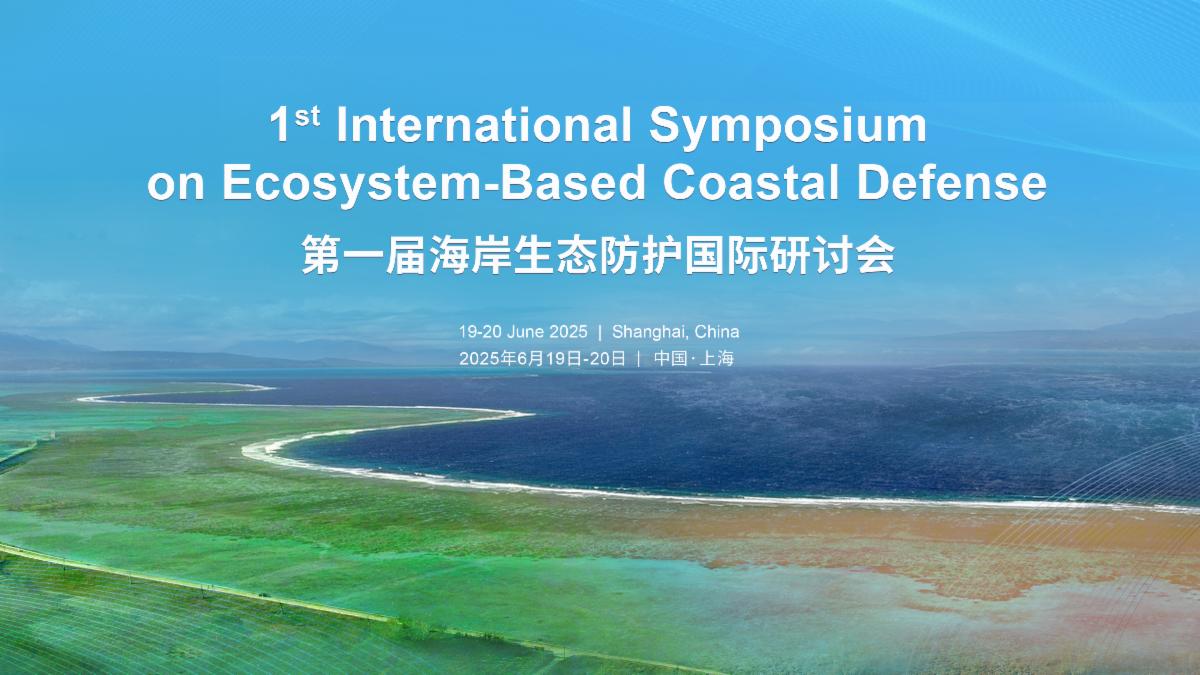
Call for Submissions | 1st International Symposium on Ecosystem-Based Coastal Defense
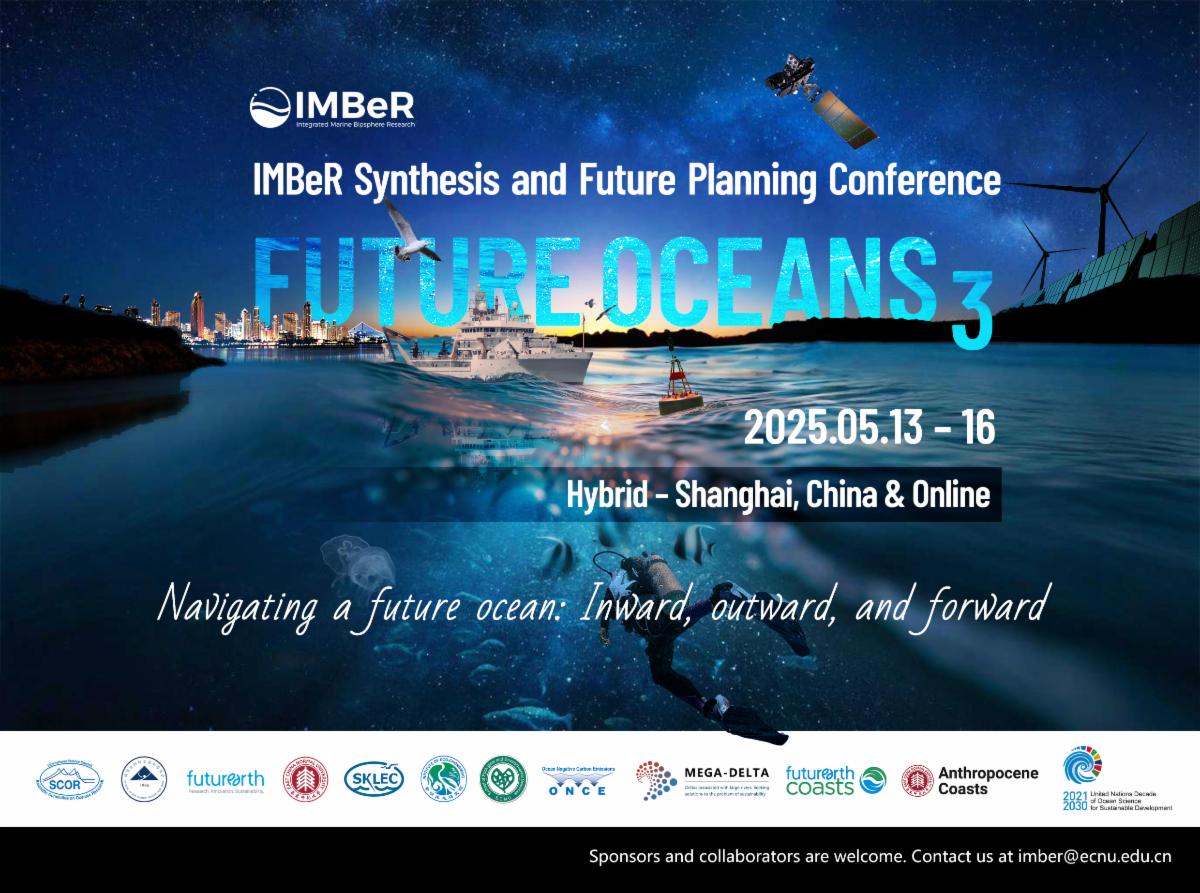
- Registration Opens | Future Oceans 3 – Navigating a future ocean: Inward, outward, and forward
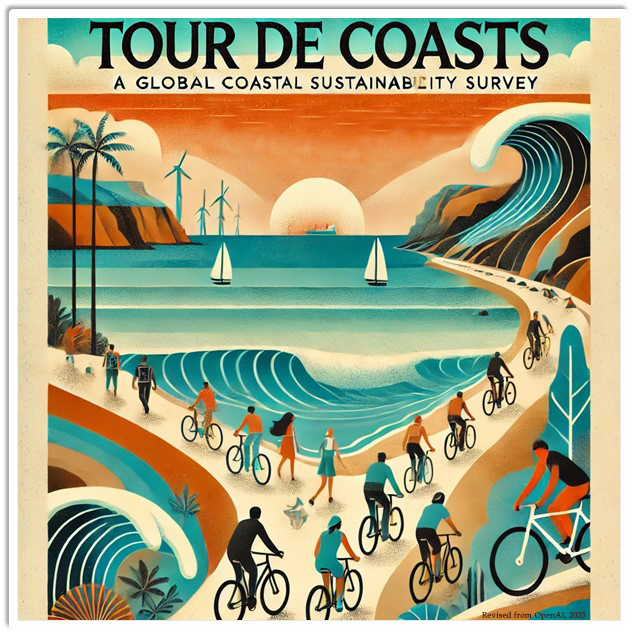
| | Tour de Coasts: Final Report Unveils Global Insights on Coastal Sustainability | | Future Earth Coasts (FEC), in collaboration with researchers from the University of South Carolina, has officially released the final report of the Tour de Coasts initiative. Launched in March, 2024, the global survey engaged a diverse and international audience, including researchers, policymakers, and community representatives to identify critical gaps, challenges, and solutions in coastal sustainability. The report offers a comprehensive overview of coastal sustainability from a global perspective, providing valuable insights to guide future research and policy action. | | |
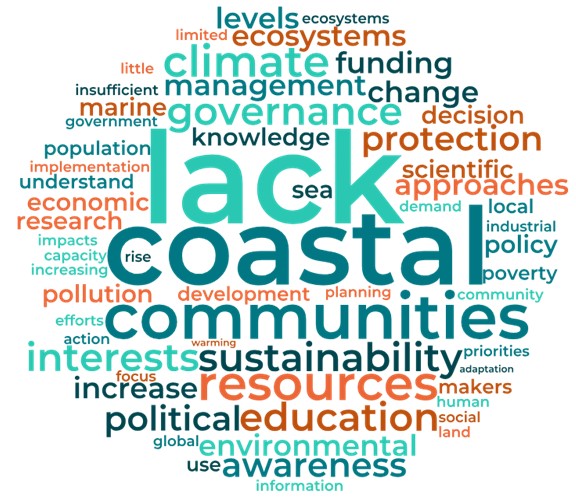
The Tour de Coasts initiative aimed to foster knowledge exchange and advance efforts to address pressing coastal sustainability issues. Participants from 79 countries and regions across six continents (excluding Antarctica) contributed their insights, with strong representation from Europe and West Africa. By examining definitions of sustainability, key barriers, contributions, and research priorities, the survey facilitated knowledge exchange and highlighted both shared challenges and region-specific concerns in coastal sustainability efforts. The findings underscore the importance of governance, financial investment, public awareness, and interdisciplinary collaboration in achieving long-term sustainability goals.
| | | | | |
The initiative also spotlighted the need for continued engagement and dialogue to ensure a truly inclusive and representative understanding of coastal sustainability. Future efforts should focus on expanding outreach to underrepresented regions and stakeholder groups, incorporating more localized case studies, and fostering ongoing discussions beyond survey responses. Additionally, the results highlight the importance of integrating scientific research with actionable policy and community-driven solutions, emphasizing the need for increased funding, stronger governance frameworks, and public education initiatives.
| | |
Access the Report
The full Tour de Coasts final report is now available for download. Click here to read the report and explore its findings in detail.
| | Future Earth Coasts Appoints New International Project Office in Latin America to Drive Coastal Sustainability | | |
Future Earth Coasts (FEC) is thrilled to announce the new appointment of its new International Project Office (IPO) in Latin America to advance coastal sustainability across the region and beyond.
FEC IPO Latin America, previously hosted by Instituto Argentino de Oceanografía (IADO) in Argentina since 1 January 2022, was led by Prof. Gerardo M. E. Perillo. Over the years, FEC IPO Latin America has been committed to advancing FEC’s mission and goals. Its work has not only strengthened FEC’s work but has also significantly enhanced FEC’s global impact. We are profoundly grateful to Prof. Gerardo for his exceptional leadership and contributions. His wisdom, vision, expertise, experience, and guidance have been invaluable to us all. We extend our deepest appreciation to Prof. Gerardo for his service and dedication.
The project office will be hosted by a distinguished consortium, including: Sudcalifornian Alliance for the Environment and Sustainable Development (ASUMYD), Representative Office in Baja California Sur of Secretariat of Environment and Natural Resources of Mexico (SEMARNAT), General Directorate of Environment and Natural Resources of the Government of the State of Baja California Sur (DGMAYRN) and Marine Botany Research Program of the Autonomous University of Baja California Sur (PIBM-UABCS). This strategic move seeks to strengthen FEC's global research network and foster collaborative initiatives addressing coastal challenges.
| | The office will be led by Dr. Cristina Gonzalez Rubio-Sanvicente as Director and Dr. Giovanni Avila-Flores as Deputy Director, bringing a wealth of expertise and regional insights to drive impactful initiatives. | | Dr. Cristina Gonzalez Rubio-Sanvicente | | Dr. Giovanni Avila-Flores | |
Three Mega-Delta Programme Affiliated Projects Endorsed by UN Ocean Decade
On March 7, the United Nations Decade of Ocean Science for Sustainable Development (2021-2030) announced its newly endorsed projects, including three affiliated projects from the Mega-Delta Programme, led by FEC’s Mega Delta Working Group: Pearl River Delta Estuary Marine Restoration, Coastal Hazards Mitigation in Asian Major Deltas and Earth Observation on Deltas and Estuaries.
Click here to read more.
| |
New Publication | Coastal Flooding in Asian Megadeltas: Recent Advances, Persistent Challenges, and Call for Actions Amidst Local and Global Changes
M. Becker, K. Seeger, A. Paszkowski, M. Marcos, F. Papa, R. Almar, P. Bates, C. France-Lanord, Md S. Hossain, Md J. U. Khan, M. A. Karegar, M. Karpytchev, N. Long, P. S. J. Minderhoud, J. Neal, R. J. Nicholls, J. Syvitski
Abstract
Asian megadeltas, specifically the Ganges-Brahmaputra-Meghna, Irrawaddy, Chao Phraya, Mekong, and Red River deltas host half of the world's deltaic population and are vital for Asian countries' ecosystems and food production. These deltas are extremely vulnerable to global change. Accelerating relative sea-level rise, combined with rapid socio-economic development intensifies these vulnerabilities and calls for a comprehensive understanding of current and future coastal flood dynamics. Here we provide a state-of-the-art on the current knowledge and recent advances in quantifying and understanding the drivers of coastal flood-related hazards in these deltas. We discuss the environmental and physical drivers, including climate influence, hydrology, oceanography, geomorphology, and geophysical processes and how they interact from short to long-term changes, including during extreme events. We also jointly examine how human disturbances, with catchment interventions, land use changes and resource exploitations, contribute to coastal flooding in the deltas. Through a systems perspective, we characterize the current state of the deltaic systems and provide essential insights for shaping their sustainable future trajectories regarding the multifaceted challenges of coastal flooding.
Click here to read more.
| | |
Anthropocene Coasts:
Call for Papers – Tour de Coasts
| | Anthropocene Coasts is launching a new special collection titled Tour de Coasts. | | |
This special collection is supported by FEC and provides a forum for knowledge exchange about priority coastal sustainability concerns and aims to create a comprehensive understanding of coastal sustainability challenges and opportunities from a global perspective.
For this Special Collection, Anthropocene Coasts invites manuscripts of all aspects of coastal sustainability challenges and opportunities globally including but not limited to: governance; individual, cultural, community, and ecological health; effective and inclusive communication; human behavioral change; food, water, and housing security; ecological analyses; economics and financial incentives; potential for managed coastal retreat; technology and increased connectivity; coastal disease threats and health benefits; use crises to inform; and modeling.
| The submission deadline for this collection is July 21, 2025. You can access the topical collection via this link. | | Dr. Katya Altman, Bureau of Ocean Energy Management, USA | Dr. Dwayne Porter, University of South Carolina, USA | | Dr. Heath Kelsey, University of Maryland, USA | Dr. Anja Scheffers, Southern Cross University, Australia | Dr. Xiaoyu Fang, East China Normal University, China | | The Great Mississippi River Flood of 1927: Morphodynamic analysis of the Caernarvon crevasse event | Ahmed Khalifa, Ehab Meselhe, Kelin Hu, John Day, Mead Allison | | | |
Abstract
Wetlands in deltas across the globe have been severely affected by climate change-induced sea level rise. One strategy to mitigate these impacts is to engineer large river sediment diversions. In this study, we use a morphodynamic model to simulate and quantify the depositional footprint of the 80-day Caernarvon crevasse event that occurred during the Great Mississippi Flood of 1927 in Breton Sound Basin, Louisiana, USA, as an analog to engineered diversions. We examine the effects of river sediment load by modeling the same crevasse splay formation under the past, current-day, and future projected sediment load decline of the Lower Mississippi River. To assess the model's performance, we compared crevasse formation to field-measured deposition thickness and mass per area. The model shows that under current sediment loads, a flood discharge comparable to the 1927 event would build 70% less land was it to occur today. Further, silt falling velocity and clay flocculation percentage are the two key factors controlling splay footprint and deposition. The model also demonstrates the effects of sediment supply decline on the land-building potential of engineered sediment diversions. These sediment diversions, designed to mimic natural crevasse splay formation, are being pursued as a coastal restoration strategy in the Mississippi Delta. The analysis presented here emphasizes key attributes of engineered diversions and their relevance to the successful implementation of these restoration strategies, including flow capacity, ability to distribute sediment in the receiving area, and the extent to which they would induce marsh inundation.
Click here to read more.
| |
An evaluation of coastal resilience policies in Anglophone West Africa through a regional comparative analysis
Scott Backler, K. Sian Davies-Vollum, Debadayita Raha
| | | |
Abstract
Unsustainable human activities and the effects of climate change are having an increasingly negative effect along West Africa’s highly urbanised and low-lying coastal zones. While West African countries have implemented various policies to support the resilience of coastal zones, there has been limited investigation on the existence and nature of these policies. This study reviewed policies from six Anglophone countries across the West African coastal zone (Gambia, Ghana, Guinea, Liberia, Nigeria and Sierra Leone) and mapped policies against key themes of coastal resilience. The themes of coastal resilience were established via a thematic analysis of relevant literature as: alternative livelihoods, acquisition of climate and coastal data, support for climate resilience, coastal zone management, conservation/ecosystem services, and indigenous knowledge. The existence and coverage of these six resilience themes within the policies of each country was mapped. Each country was then ranked according to coverage of themes in their policies using a traffic light system. The analysis revealed differences between countries in the presence and emphasis of policies supporting coastal resilience. Ghana was rated as the country with the most and broadest-ranging policy and Guinea the least. Overall policy was found to be strong on themes of data gathering and conservation and ecosystem services but weak on the themes of alternative livelihoods and inclusion of indigenous knowledge. This study can be used to understand regionally where there are gaps in policy that support coastal resilience and the existence of policy gaps related to coastal resilience for specific countries.
Click here to read more.
| |
Decomposing sand mining complexities to chart ocean sustainability narratives and pathways in the coastal zones of Africa
Matovu Baker, Raimund Bleischwitz, Isaac Lukambagire, Linda A Etta, Bernard Lutalo
| | | |
Abstract
Coastal zones/states of Africa are some of the leading sand-mining and exporting spots globally, a conduit for lucrative socioeconomic transformation. Unfortunately, in Africa, as with most emerging economies, sand mining benefits have not yielded comprehensive socioecological benefits. Rather, sand mining and trade have spiraled into negative externalities that cataclysmically scupper socioecological systems and ocean sustainability targets. The lack of coherent sand mining governance mechanisms and increasing natural resource contestations, proliferated by bumper global sand demand, have further created dire sustainability indicators/ramifications. The externalities have explosive negative effects on coastal and marine ecosystems that sustain livelihoods. These have spilled into unsustainable socioecological outcomes,cremating the avenues for realizing Agenda 2063 of Africa's Ocean Decade and sustainable actions, necessitating urgent redress. This study digs deeper into the literature on sand mining in Africa to kickstart new epochs for sustainable sand mining in Africa that are replicable. A systematic literature review of 2514 peer-reviewed articles and 15 grey literature, including policy documents and reports on sand mining, were explored and analyzed using a bibliometric analysis technique.
Click here to read more.
| |
Dynamics and drivers of tidal flat morphology in China
Shuai Liu, Zhan Hu, Tim J. Grandjean, Zheng Bing Wang, Vincent T. M. van Zelst, Lin Qi, Tianping Xu, Jun Young Seo & Tjeerd J. Bouma
| | | |
Abstract
Recent remote sensing analysis has revealed extensive loss of tidal flats, yet the mechanisms driving these large-scale changes remain unclear. Here we show the spatiotemporal variations of 2,538 tidal flat transects across China to elucidate how their morphological features vary with external factors, including suspended sediment concentration (SSC), tidal range, and wave height. We observe a correlation between flat width and SSC distribution, and between flat slope and tidal range. A nation-wide decline in flat width is observed together with SSC reduction between 2002 and 2016. Intriguingly, sediment-rich flats exhibit more rapid width losses if SSC reduces, but slower width gain if SSC increase compared to sediment-starved flats. These dynamics resemble stretched (sediment-rich) or compressed (sediment-starved) springs that tend to return to equilibrium, which can be explained by synthetic morphodynamic modeling. Similar patterns can be observed from Indonesia, the United States, and Australia, implying that the impact of sediment supply change is wide-spread and large-scale sediment allocation plan based on equilibrium concept can help preserving intertidal ecosystems.
Click here to read more.
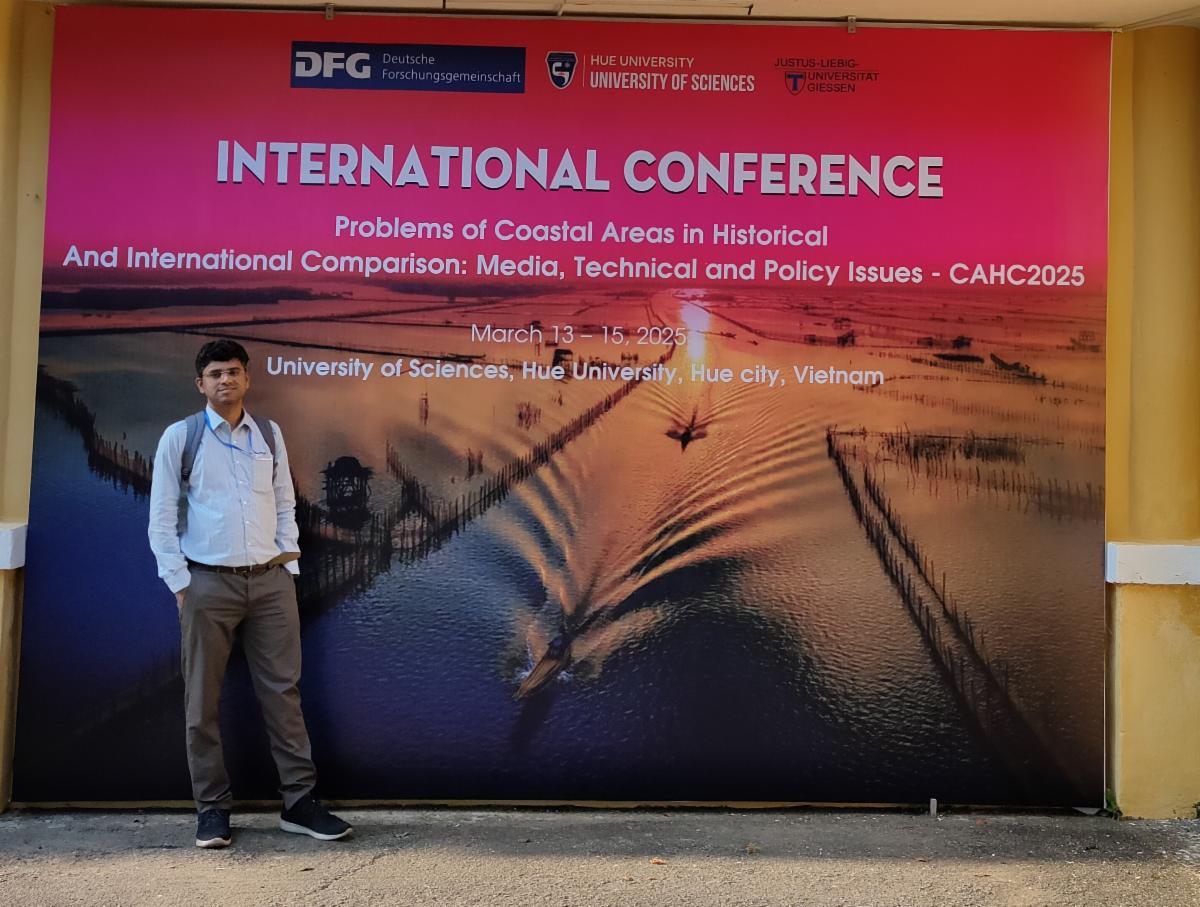
| | FEC Fellow Dr. Devendraraj Madhanagopal recently presented a paper titled "Powerplays and Dynamics of Coastal Governance in Tamil Nadu, India" at the International Conference on Problems of Coastal Areas in Historical and International Comparison: Media, Technical, and Policy Issues. The conference was organized by the University of Sciences, Hue University, Vietnam, in collaboration with Justus Liebig University Giessen and the German Research Foundation from March 13–16, 2025. | | | |
Updates from FEC Affiliated Projects
| | | | |
A few weeks ago, the Scubaverse successfully integrated a research model based on reef photogrammetry—developed by the Australian Institute of Marine Science—into a game environment within Unreal Engine.
Click here to read more.
| | | Gemma Smith from FEC’s CYBER-COAST Working Group is conducting PhD research on the challenges and priorities in marine management. | | |
She values insights from the FEC community and would like to seek participation worldwide.
Her study involves a Q-sort activity and an expert panel discussion. Respondents may choose to participate in a Q-sort activity (10-15 minutes) and/ or an expert panel session (two 2-hour online sessions). Their contribution will help to inform about the barriers to the uptake of Ecosystem-Based Management in marine social-ecological systems. Find out more and express your interest at this link.
| | |
Updates from FEC Supported Networks
| | European University for Smart Urban Coastal Sustainability (EU-CONEXUS) | | | | | |
EU-CONEXUS Cultural Festival & Blue Limassol Forum focusing on Coastal Sustainability
EU-CONEXUS (European University for Smart Urban Coastal Sustainability) Cultural Festival will take place from 13 to 15 May 2025 in Limassol, Cyprus, hosted by Frederick University. This three-day event will celebrate arts, culture, and coastal sustainability through exhibitions, workshops, concerts, sports, and performances, featuring students from the nine EU-CONEXUS partner universities.
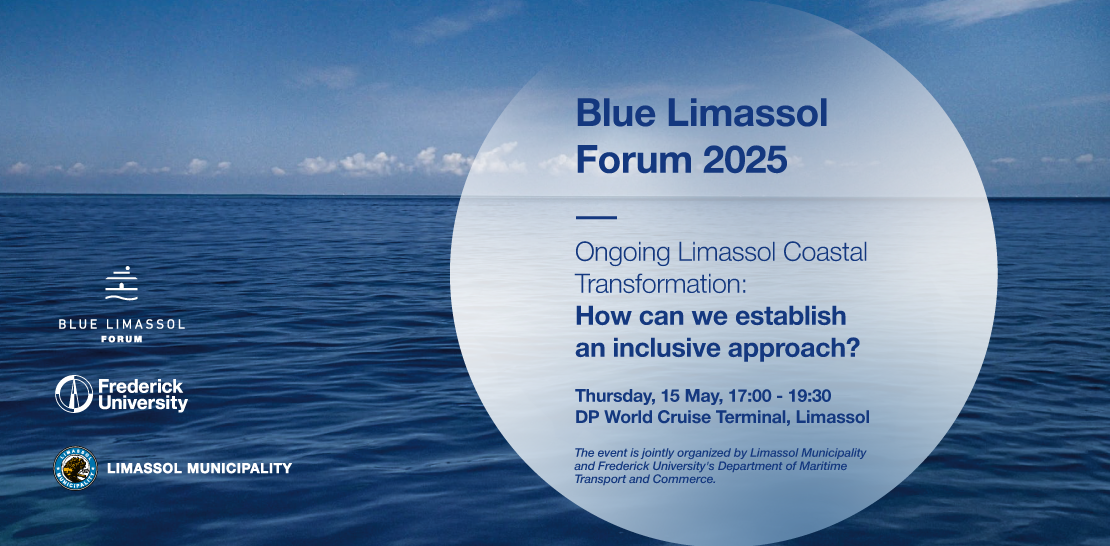
| | | On 15 May, Frederick University, in collaboration with the Municipality of Limassol, will also host the Blue Limassol Forum, bringing together state officials, academics, and experts to discuss sustainability and the blue economy. During the Forum, Dr Costas Kadis, EU Commissioner for Fisheries and Oceans, and Prof. Radu Vacareanu, Chair of the EU-CONEXUS Governing Board, will deliver key addresses. The event will be hybrid. Register here to receive the event link for online participation. | | | |
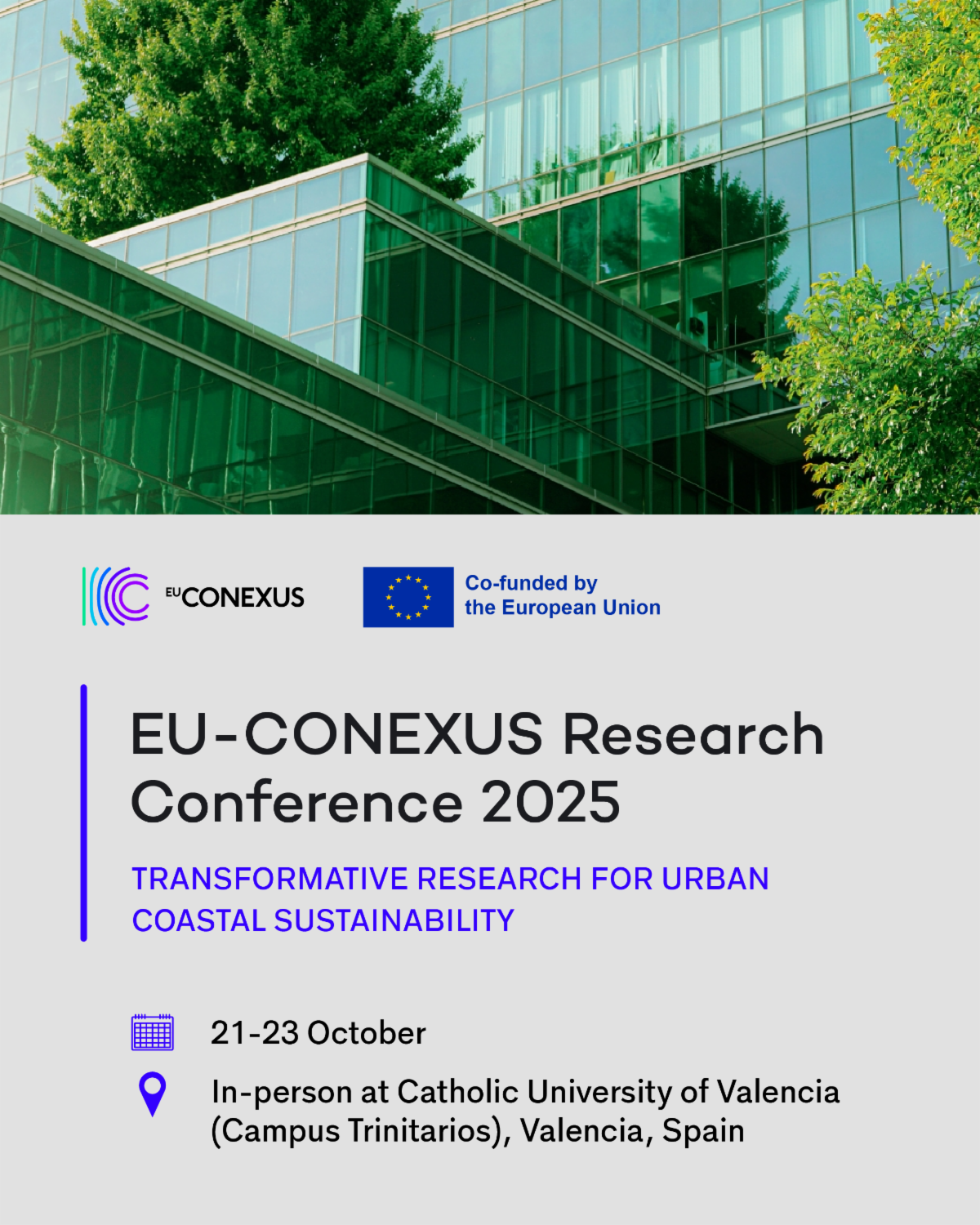
EU-CONEXUS Conference 2025: Transformative Research for Urban Coastal Sustainability
The EU-CONEXUS Research Conference will take place from 21 to 23 October 2025 in Valencia, Spain.
This interdisciplinary event will focus on reimagining how coastal cities address sustainability challenges. Topics will include Data-Driven Decision Making, Sustainable Health and Disease Management, Smart Infrastructures, Community and Stakeholder Engagement, and Sustainable Economic Models.
Click here to read more.
| | | | ECR Funding Opportunities | | Future Earth’s Inclusivity and Diversity Participation Funding | | | |
Future Earth is committed to fostering inclusivity and diversity in global sustainability science. Through its Inclusivity and Diversity Participation Funding, the organization seeks to support the meaningful involvement of early career researchers (ECRs) and researchers from low- and middle-income countries (LMICs) in relevant events and programs.
This funding opportunity provides support for travel, registration, and participation costs for Future Earth–related activities, including conferences, workshops, and collaborative initiatives.
🔹 Who is encouraged to apply?
· ECRs affiliated with Future Earth networks.
· Researchers based in LMICs.
· Individuals from historically underrepresented groups, including Indigenous communities, women, people of color, and LGBTQAI+ individuals.
🔹 Eligibility and Application
· Applicants must be affiliated with one of the Global Research Networks (GRNs) of Future Earth (e.g., Future Earth Coasts).
· Applications are accepted on a rolling basis, but must be submitted at least 90 days before the start of the event or program.
· Funding decisions prioritize diversity, geographical representation, and potential for impact.
This initiative reflects Future Earth’s vision of an equitable scientific community where all voices are heard and valued.
Click here to read more.
| | | 2025 Call for applications for an IPCC Scholarship Award | | | |
The Intergovernmental Panel on Climate Change (IPCC) is now accepting applications for its Scholarship Programme. This opportunity is open to doctoral and post-doctoral researchers from developing countries, with priority given to applicants from LDCs and SIDS studying outside of their country of origin.
Deadline: 13 April 2025.
Click here to learn about the application process.
| | | Call for Submissions | 1st International Symposium on Ecosystem-Based Coastal Defense | | | |
Introduction
The 1st International Symposium on Ecosystem-Based Coastal Defense aims to address the severe challenges faced by estuarine and coastal systems, including climate change, sea-level rise, coastal wetland biodiversity loss, coastal erosion, and intensive human activities. The symposium seeks to promote the integration of natural coastal ecosystems with traditional protective engineering through nature-based sustainable theories and methods. It aims to strengthen the link between scientific research, policy-making, and practical applications by proposing innovative and interdisciplinary solutions. The goal is to enhance coastal resilience, improve disaster prevention and mitigation capabilities, and promote sustainable coastal development.
Themes
• Ecosystems-Hydrodynamics-Morphodynamics Interactions
• Multiple Functionalities of Ecosystem-Based Coastal Defenses
• Risk Assessment of Ecosystem-Based Coastal Defense
• Sustainable Solutions of Ecosystem-Based Coastal Defense
Keynote Speakers (more to be confirmed)
- Prof. Heidi Nepf, MIT, The USA
- Prof. Stijn Temmerman, University of Antwerp, Belgium
- Prof. Jinhai Zheng, Hohai University, China
Click here to submit an abstract.
| | | Registration Opens | Future Oceans 3 – Navigating a future ocean: Inward, outward, and forward | | | |
IMBeR (Integrated Marine Biosphere Research) approaches the conclusion of its transformative journey (2016–2025) and is excited to host the IMBeR Synthesis and Future Planning Conference (Future Oceans3, FO3). This pivotal event will bring together IMBeR’s diverse science teams, representatives from international organizations, policymakers, and early career researchers to reflect on the past decade-long achievements, share rich collaborative experiences, and shape the future of marine biosphere research. Don't miss the opportunity to join us!
Important Dates:
- Abstract Submission Opens: 27 January
- IMBeR Doctoral Forum Abstract Submission Opens: 7 March
-
Abstract Submission Deadline:
20 March Extended to 27 March
-
Notification of Abstract Acceptance:
31 March Extended to 7 April
-
Early Bird Registration Deadline: 13 April
-
Late Registration for On-site Attendance Closes: 2 May
Limited travel support is available. More details will be provided soon.
Click here to read more.
| | | New FEC Publications (Since April 2024) | | |
○ Anthony, E., Syvitski, J., Zăinescu, F., Nicholls, R. J., Cohen, K. M., Marriner, N., ... & Maselli, V. (2024). Delta sustainability from the Holocene to the Anthropocene and envisioning the future. Nature Sustainability, 1-12.
https://doi.org/10.1038/s41893-024-01426-3
○ Backler, S., Davies-Vollum, K. S., & Raha, D. (2025). An evaluation of coastal resilience policies in Anglophone West Africa through a regional comparative analysis. Marine Policy, 176, 106648.
https://doi.org/10.1016/j.marpol.2025.106648
○ Baker, M., Bleischwitz, R., Lukambagire, I., Etta, L. A., & Lutalo, B. (2025). Decomposing sand mining complexities to chart ocean sustainability narratives and pathways in the coastal zones of Africa. The Extractive Industries and Society, 23, 101646.
https://doi.org/10.1016/j.exis.2025.101646
○ Banerjee, S., Lahiri, R., Choudhury, A. K., Mondal, A., Kim, J. W., MubarakAli, D., & Satpati, G. G. (2024). Unraveling the potential of cyanobacteria as food and investigating their production and nutritional properties. Biocatalysis and Agricultural Biotechnology, 103421.
https://doi.org/10.1016/j.bcab.2024.103421
○ Day, J., Anthony, E., Costanza, R., Edmonds, D., Gunn, J., Hopkinson, C., ... & White, J. R. (2024). Coastal Wetlands in the Anthropocene. Annual Review of Environment and Resources, 49.
https://doi.org/10.1146/annurev-environ-121922- 041109
○ Day, J. W., Xu, Y. J., Keim, B. D., Brown, V. M., Giosan, L., Mann, M. E., & Stephens, J. R. (2024). Emerging climate threats to the Mississippi River Delta: Moving from restoration to adaptation. One Earth.
https://doi.org/10.1016/j.oneear.2024.03.001
○ Elegbede, I. O., Al Jufaili, S. M., Jolaosho, T. L., Tesleem, B., Adekunle, A. F., Modupe, O. O., ... & Halimat, A. A. (2025). Health-related dimensions of fishers for sustainable commercial fisheries in the Atlantic Gulf of Guinea: Ecological and social assessments. One Health, 20, 100972.
https://doi.org/10.1016/j.onehlt.2025.100972
○ Eriksen, S. H., Simpson, N. P., Glavovic, B., Ley, D., Carr, E. R., Fernández-Carril, L., ... & Degvold, F. (2024). Pathways for urgent action towards climate resilient development. Nature Climate Change, 1-4.
https://doi.org/10.1038/s41558-024-02190-0
○ Fivash, G. S., Stoorvogel, M. M., de Smit, J. C., van Rees, F., van Dalen, J., Grandjean, T. J., ... & van Belzen, J. (2024). Abiotic origins of self‐organized ridge‐runnel patterns on tidal flats. Limnology and Oceanography, 69(6), 1378-1389.
https://doi.org/10.1002/lno.12581
○ Harvey, N and Thom, B (2024) Coastal Governance in Federated Countries. In: Baird, Daniel and Elliott, Michael (eds.) Treatise on Estuarine and Coastal Science, 2nd Edition, vol. 7, pp. 307–326. Oxford: Elsevier.
https://doi.org/10.1016/B978-0-323-90798-9.00098-6
○ Issifu, I., Dahmouni, I., & Sumaila, U. R. (2025). Assessing the ecological and economic transformation pathways of plastic production system. Journal of Environmental Management, 374, 124104.
https://doi.org/10.1016/j.jenvman.2025.124104
○ Khalifa, A., Meselhe, E., Hu, K., Day, J., & Allison, M. (2025). The Great Mississippi River Flood of 1927: Morphodynamic Analysis of The Caernarvon Crevasse Event. Estuarine, Coastal and Shelf Science, 109234.
https://doi.org/10.1016/j.ecss.2025.109234
○ Leyva Ollivier, M. E., Newton, A., & Kelsey, H. (2024). Assessment of the Chesapeake Bay watershed socio-ecological system through the Circles of Coastal Sustainability framework. Frontiers in Water, 6, 1269717.
https://doi.org/10.3389/frwa.2024.1269717
○ Liu, P., Zhang, J., Liu, Y., Sun, Q., Zhang, D., Li, Y., ... & Chen, J. (2024). Sediment source-to-sink patterns along the Southeast China coast during the late quaternary: New insights from sediment geochemistry and OSL ages in the Ningde Bay. Palaeogeography, Palaeoclimatology, Palaeoecology, 112577.
https://doi.org/10.1016/j.palaeo.2024.112577
○ Liu, S., Hu, Z., Grandjean, T. J., Wang, Z. B., van Zelst, V. T., Qi, L., ... & Bouma, T. J. (2025). Dynamics and drivers of tidal flat morphology in China. Nature Communications, 16(1), 2153.
https://doi.org/10.1038/s41467-025-57525-y
○ Maire, E., Robinson, J. P., McLean, M., Arif, S., Zamborain-Mason, J., Cinner, J. E., ... & Hicks, C. C. (2024). Managing nutrition-biodiversity trade-offs on coral reefs. Current Biology.
https://doi.org/10.1016/j.cub.2024.08.031
○ Matovu, B., Bleischwitz, R., Lukambagire, I., Etta, L. A., Alkoyak-Yildiz, M., Tarek, R., ... & Suresh, A. S. (2025). Linking the blue economy to Women's empowerment to create avenues for the realization of ocean sustainability targets in the global south. Ocean & Coastal Management, 262, 107582.
https://doi.org/10.1016/j.ocecoaman.2025.107582
○ Matovu, B., Lee, M. A., Mammel, M., Lukambagire, I., Lutalo, B., Mwangu, A. R., ... & Muhoozi, Y. (2024). Mobilizing Evidence-based Knowledge for Sustainable Wetlands Co-management and Co-governance amidst increasing Anthropogenic and Environmental Stressors: Key Lessons from Mityana District, Uganda. Environmental Challenges, 17, 101014.
https://doi.org/10.1016/j.envc.2024.101014
○ Perillo, G.M.E., Piccolo, M.C., 2024. Global variability in estuaries and coastal settings. En: Whitfield, A.K., Elliott, M. (eds.) Treatise on Estuarine and Coastal Science, 2nd Ed. Vol.1 18-24 Elsevier.
DOI 10.1016/B978-0-323-90798-9.00038-X
○ Perillo, G.M.E., Gao, S., Cuadrado, D.G., 2024. Tidal flats: geomorphology and dynamics. En: Uncles, R.J., Mitchell, S., French, J. (eds.) Treatise on Estuarine and Coastal Science, 2nd Ed. Vol.2 809-842 Elsevier
DOI10.1016/B978-0-323-90798-9.00034-2
○ Politi, E., Brito, A. C., Gomes, M. R., Lebreton, C., & Falcini, F. (2024). Listening to stakeholders: Development of water quality indicators for transitional environments using satellite data. Ocean & Coastal Management, 253, 107140. https://doi.org/10.1016/j.ocecoaman.2024.107140
○ Raha, D., Davies-Vollum, K. S., Hemstock, S. L., Boateng, I., Islam, M. T., & Pierce, C. A. (2024). We need collaboration and co-creation to address challenges facing coastal communities. Nature Human Behaviour, 1-9.
https://doi.org/10.1038/s41562-024-01875-y
○ Scordo, F., Seitz, C., Abasto, B., Spetter, C. V., Cintia Piccolo, M., Buria, L., & Perillo, G. M. (2024). Nutrients limiting the growth of planktonic and benthic-littoral primary producers in Patagonian Andean Lakes. Inland Waters,1-31.
https://doi.org/10.1080/20442041.2024.2418681
○ Scordo, F., Seitz, C., Buria, L., Piccolo, M. C., & Perillo, G. M. (2025). Climatic and human impacts on Patagonian terminal lakes. Science of The Total Environment, 966, 178714.
https://doi.org/10.1016/j.scitotenv.2025.178714
○ Stoorvogel, M. M., de Smit, J. C., Wiesebron, L. E., van Belzen, J., van de Koppel, J., Temmerman, S., & Bouma, T. J. (2025). Plant species, inundation, and sediment grain size control the development of sediment stability in tidal marshes. Ecological Applications, 35(1), e3078.
https://doi.org/10.1002/eap.3078
○ Stoorvogel, M. M., van Belzen, J., Temmerman, S., Wiesebron, L. E., Fivash, G. S., van IJzerloo, L., ... & Bouma, T. J. (2024). Salt marshes for nature-based flood defense: Sediment type, drainage, and vegetation drive the development of strong sediment beds. Ecological Engineering, 207, 107335.
https://doi.org/10.1016/j.ecoleng.2024.107335
○ Stoorvogel, M. M., Willemsen, P. W., van Belzen, J., Temmerman, S., de Jonge, J. M., van de Koppel, J., & Bouma, T. J. (2025). Nature-based mitigation of shoreline erosion risks in tidal marshes created by managed realignment vs. sediment nourishment. Ecological Engineering, 210, 107439.
https://doi.org/10.1016/j.ecoleng.2024.107439
○ Valderrama-Landeros, L., Flores-de-Santiago, F., Ávila-Flores, G., Flores-Verdugo, F., Alcántara-Maya, J. A., Troche-Souza, C., ... & Suarez, E. (2024). IUCN Red List of Ecosystems, Mangroves of the Warm Temperate Northeast Pacific.
https://doi.org/10.32942/X2B03V
○ van Belzen, J. (2024). Ragworms Anecdotes. Journal of Trial and Error.
https://doi.org/10.36850/d17f-489b
○ Velilla, E., Snethlage, J., Poelman, M., van der Meer, I. M., van der Werf, A., Deolu‐Ajayi, A. O., & van Belzen, J. (2025). Too salty to farm: rethinking coastal land use in response to soil salinization. Restoration Ecology, e70006.
https://doi.org/10.1111/rec.70006
○ Venevsky, S., Berdnikov, S., Day, J. W., Sorokina, V., Gong, P., Kleshchenkov, A., ... & Giosan, L. Don River Delta Hydrological and Geomorphological Transformation Under Anthropogenic and Natural Factors: Century and Decadal Perspectives. Available at SSRN 4474057.
https://doi.org/10.1016/j.ocecoaman.2024.107364
○ Wolanski, E., & Kingsford, M. J. (Eds.). (2024). Oceanographic processes of coral reefs: Physical and biological links in the Great Barrier Reef (2nd ed.). CRC Press.
https://www.routledge.com/Oceanographic-Processes-of-Coral-Reefs-Physical-and-Biological-Links-i/Kingsford-Wolanski/p/book/9781032340746
○ Xue, L., Li, T., Li, X., Bi, Y., Su, L., Song, Y., ... & Shi, B. (2024). Short-term evolution pattern in salt marsh landscapes: the importance of physical constraints. Landscape Ecology, 39(5), 1-16.
https://doi.org/10.1007/s10980-024-01898-w
○ Zhang, W., & de Vriend, H. (Eds.). (2024). Delta sustainability: A report to the Mega-Delta Programme of the UN Ocean Decade. Springer Singapore.
https://doi.org/10.1007/978-981-97-7259-9
○ Zhao, Y., Peng, Z., Chen, X., Fang, D., Liu, S., Wang, X., & He, Q. (2024). Parameterisation and evolution of non-breaking wave nonlinearity over flexible vegetation. Coastal Engineering, 192, 104543.
https://doi.org/10.1016/j.coastaleng.2024.104543
○ Zhou, Z., Grandjean, T. J., de Smit, J., van Belzen, J., Fivash, G. S., Walles, B., ... & Bouma, T. J. (2024). Sediment dynamics shape macrofauna mobility traits and abundance on tidal flats. Limnology and Oceanography, 69(10), 2278-2293.
https://doi.org/10.1002/lno.12669
○ Zhu, Q., Xing, F., Wang, Y. P., Syvitski, J., Overeem, I., Guo, J., ... & Gao, S. (2024). Hidden delta degradation due to fluvial sediment decline and intensified marine storms. Science Advances, 10(18), eadk1698.
https://doi.org/10.1126/sciadv.adk1698
|
| FEC Publications (2023-2024) | | |
○ Alarcón Borges, R. Y., Pérez Montero, O., Tejera, R. G., Silveira, M. T. D., Montoya, J. C., Hernández Mestre, D., ... & Milanes, C. B. (2023). Legal Risk in the Management of Forest Cover in a River Basin San Juan, Cuba. Land, 12(4), 842. https://doi.org/10.3390/land12040842
○ Alice Newton, Michele Mistri, Angel Pérez-Ruzafa and Sofia Reizopoulou. (2023). Editorial: Ecosystem services, biodiversity, and water quality in transitional ecosystems, Front. Ecol. Evol., Volume 11. https://doi.org/10.3389/fevo.2023.1136750
○ Baird, D., Elliott, M. (Editors-in-Chief), 2024. Treatise on Estuarine and Coastal Sciences, 2nd Edition, 7 Volumes, Elsevier, Academic Press, Hardback ISBN: 9780323907989, eBook ISBN: 9780323910422. https://www.sciencedirect.com/referencework/9780323910422/treatise-on-estuarine-and-coastal-science-second-edition
○ Baumann, L., Riechers, M., Celliers, L., & Ferse, S. C. (2023). Anticipating and transforming futures: a literature review on transdisciplinary coastal research in the Global South. Ecosystems and People, 19(1), 2288957. https://doi.org/10.1080/26395916.2023.2288957
○ Bezerra, Moisés & Goyanna, Felipe & Lacerda, Luiz. (2023). Risk assessment of human Hg exposure through consumption of fishery products in Ceará state, northeastern Brazil. Marine Pollution Bulletin. 189. 114713. https://doi.org/10.1016/j.marpolbul.2023.114713
○ Botero, C. M., Palacios, M. A., Souza Filho, J. R., & Milanes, C. B. (2023). Beach litter in three South American countries: A baseline for restarting monitoring and cleaning after COVID-19 closure. Marine Pollution Bulletin, 191, 114915. https://doi.org/10.1016/j.marpolbul.2023.114915
○ Brempong, E. K., Almar, R., Angnuureng, D. B., Mattah, P. A. D., Jayson-Quashigah, P.-N., Antwi-Agyakwa, K. T., & Charuka, B. (2023). Coastal Flooding Caused by Extreme Coastal Water Level at the World Heritage Historic Keta City (Ghana, West Africa). Journal of Marine Science and Engineering, 11(6), 1144. MDPI AG. http://dx.doi.org/10.3390/jmse11061144
○ Brendel, Andrea & Ferrelli, Federico & Echeverria, María & Piccolo, Maria & Perillo, Gerardo. (2022). PROCESAMIENTO DE DATOS SATELITALES ÓPTICOS Y DE RADAR PARA LA DETECCIÓN DE CAMBIOS MORFOMÉTRICOS: EL CASO DE LA DESEMBOCADURA DEL RÍO SAUCE GRANDE (ARGENTINA). Caminhos de Geografia. 23. 85-94. https://doi.org/10.14393/RCG238658189
○ Carmen E. Elrick-Barr, Julian Clifton, Michael Cuttler, Craig Perry, Abbie A. Rogers, Understanding coastal social values through citizen science: The example of Coastsnap in Western Australia, Ocean & Coastal Management, Volume 238, 2023, 106563, ISSN 0964-5691, https://doi.org/10.1016/j.ocecoaman.2023.106563
○ Castiglioni, Eduardo & Gaucher, Claudio & Perillo, Gerardo & Sial, Alcides. (2022). Marine deposits of the Chuy Formation (Late Pleistocene) and isostatic readjustments in the area of Laguna de Rocha (Uruguay). Agrociencia Uruguay. 26. https://doi.org/10.31285/AGRO.26.799
○ Celliers, Louis & Manez Costa, Maria & Rölfer, Lena & Aswani Canela, Shankar & Ferse, Sebastian. (2023). Social innovation that connects people to coasts in the Anthropocene. Cambridge Prisms: Coastal Futures. 1. 1-22. 10.1017/cft.2023.12. https://doi.org/10.1017/cft.2023.12
○ Charuka, B., Angnuureng, D. B., Brempong, E. K., Agblorti, S. K., & Agyakwa, K. T. A. (2023). Assessment of the integrated coastal vulnerability index of Ghana toward future coastal infrastructure investment plans. Ocean & Coastal Management, 244, 106804. https://doi.org/10.1016/j.ocecoaman.2023.106804
○ Chen, Y., Deng, B., Zhang, G., Zhang, W., & Gao, S. (2023). Response of Shallow Gas‐Charged Holocene Deposits in the Yangtze Delta to Meter‐Scale Erosion Induced by Diminished Sediment Supply: Increasing Greenhouse Gas Emissions. Journal of Geophysical Research: Earth Surface, 128(1), e2022JF006631. https://doi.org/10.1029/2022JF006631
○ Cunha, J., Cabecinha, E., Villasante, S., Balbi, S., Elliott, M., Ramos, S., (2023) Defining hotspots and coldspots of regulating and maintenance ecosystem services is key to effective marine management – an assessment of a coastal-open sea gradient, Portugal. Ocean & Coastal Management, 245: 106876; https://doi.org/10.1016/j.ocecoaman.2023.106876
○ Datta, Satabdi & Roy, Joyashree. (2022). Exploring adaptive capacity: Observations from the vulnerable human-coastal environmental system of the Bay of Bengal in India. Frontiers in Climate. 4. 1007780. https://doi.org/10.3389/fclim.2022.1007780
○ Davies-Vollum, K. S., Koomson, D., & Raha, D. (2024). Coastal lagoons of West Africa: a scoping study of environmental status and management challenges. Anthropocene Coasts, 7(1), 7. https://doi.org/10.1007/s44218-024-00039-9
○ Davranche, A., Arzel, C., Pouzet, P., Carrasco, A. R., Lefebvre, G., Lague, D., ... & Poulin, B. (2023). A multi-sensor approach to monitor the ongoing restoration of edaphic conditions for salt marsh species facing sea level rise: An adaptive management case study in Camargue, France. Science of the Total Environment, 168289. https://doi.org/10.1016/j.scitotenv.2023.168289
○ Day, J. W., Hall, C. A., Klitgaard, K., Gunn, J. D., Ko, J. Y., & Burger, J. R. (2023). The coming perfect storm: Diminishing sustainability of coastal human-natural systems in the Anthropocene. Cambridge Prisms: Coastal Futures, 1, e35. https://doi.org/10.1017/cft.2023.23
○ de Oliveira, E.B., Newton, A. & Botero, C.M. Development of a management-based ranking of beaches. Anthropocene Coasts 7, 6 (2024). https://doi.org/10.1007/s44218-024-00040-2
○ Elegbede, I. O., Lawal-Are, A., Oloyede, R., Sanni, R. O., Jolaosho, T. L., Goussanou, A., & Ngo-Massou, V. M. (2023). Proximate, minerals, carotenoid and trypsin inhibitor composition in the exoskeletons of seafood gastropods and their potentials for sustainable circular utilisation. Scientific Reports, 13(1), 13064. https://doi.org/10.1038/s41598-023-38345-w
○ Elegbede, I., Lawal-Are, A., Favour, O. et al. Chemical compositions of bivalves shells: Anadara senilis, Crassostrea gasar, and Mytilus edulis and their potential for a sustainable circular economy. SN Appl. Sci. 5, 44 (2023). https://doi.org/10.1007/s42452-022-05267-7
○ Elegbede, I., Zurba, M., Hameed, A., & Campbell, C. (2023). Gaps and Challenges in Harnessing the Benefits and Opportunities of Indigenous Certification for a Sustainable Communal Commercial Lobster Fishery. Environmental Management, 1-20. https://doi.org/10.1007/s00267-023-01852-7
○ Elliott M. (2023). Marine Ecosystem Services and Integrated Management: "There's a crack, a crack in everything, that's how the light gets in"!. Marine pollution bulletin, 193, 115177. Advance online publication. https://doi.org/10.1016/j.marpolbul.2023.115177
○ Elliott, M., Borja, Á., & Cormier, R. (2023). Managing marine resources sustainably–Ecological, societal and governance connectivity, coherence and equivalence in complex marine transboundary regions. Ocean & Coastal Management, 245, 106875. https://doi.org/10.1016/j.ocecoaman.2023.106875
○ Elliott, M., Wither, A., (Eds.) (2024). Environmental Consequences and Management of Coastal Industries: Terms and Concepts. Elsevier, Amsterdam, Paperback ISBN: 9780443137525, eBook ISBN: 9780443137532, pp 371. https://doi.org/10.1016/C2022-0-00268-3
○ Elrick-Barr CE, Clifton J, Cuttler M, Perry C & Rogers AA (2023). Understanding coastal social values through citizen science: The example of Coastsnap in Western Australia. Ocean & Coastal Management, 238, 106563. https://doi.org/10.1016/j.ocecoaman.2023.106563
○ Elrick-Barr, C. E., Smith, T. F., & Thomsen, D. C. (2024). Is ‘hope’helpful or a hinderance? Implications for coastal governance. Ocean & Coastal Management, 248, 106953. https://doi.org/10.1016/j.ocecoaman.2023.106953
○ Feng, Y., Tu, C., Li, R., Wu, D., Yang, J., Xia, Y., ... & Luo, Y. (2023). A systematic review of the impacts of exposure to micro-and nano-plastics on human tissue accumulation and health. Eco-Environment & Health. https://doi.org/10.1016/j.eehl.2023.08.002
○ Ferreira, A.C.; LACERDA LD, Rodrigues, J.V.; Bezerra, L.E.A. 2023. New contributions to mangrove restoration/rehabilitation protocols and practices. Forest Ecology & Management Journal 31, 89-114. https://doi.org/10.1007/s11273-022-09903-2
○ Foley, Aideen & Moncada, Stefano & Mycoo, Michelle & Nunn, Patrick & Tandrayen-Ragoobur, Verena & Evans, Christopher. (2022). Small Island Developing States in a post‐pandemic world: Challenges and opportunities for climate action. Wiley Interdisciplinary Reviews: Climate Change. 13. https://doi.org/10.1002/wcc.769
○ Forero-López, A. D., Toniolo, M. A., Colombo, C. V., Rimondino, G. N., Cuadrado, D., Perillo, G. M. E., & Malanca, F. E. (2023). Marine microdebris pollution in sediments from three environmental coastal areas in the southwestern Argentine Atlantic. Science of The Total Environment, 169677. https://doi.org/10.1016/j.scitotenv.2023.169677
○ Fragoso, C.; Gatts, P.V.; Di Benedittoa, A.P.; Martinelli, L.A.; LACERDA, L.D. & Rezende, C.E. 2023. Stable isotopes and Mercury as tools to depict aquatic food webs. Quimica Nova 46 (11) http://dx.doi.org/10.21577/0100-4042.20230125
○ Fu, C., Li, Y., Tu, C., Hu, J., Zeng, L., Qian, L., ... & Luo, Y. (2023). Dynamics of trace element enrichment in blue carbon ecosystems in relation to anthropogenic activities. Environment International, 180, 108232. https://doi.org/10.1016/j.envint.2023.108232
○ Fu, C., Li, Y., Zeng, L., Tu, C., Wang, X., Ma, H., ... & Luo, Y. (2024). Climate and mineral accretion as drivers of mineral‐associated and particulate organic matter accumulation in tidal wetland soils. Global Change Biology, 30(1), e17070. https://doi.org/10.1111/gcb.17070
○ Gallo Velez, David & Restrepo, Juan & Newton, Alice. (2023). Assessment of the Magdalena River delta socio-ecological system through the Circles of Coastal Sustainability framework. Frontiers in Earth Science. 11. 10.3389/feart.2023.1058122. https://doi.org/10.3389/feart.2023.1058122
○ Goyanna, F., Silva, G., Bezerra, M.F., LACERDA, L.D. 2023. Mercury in oceanic upper trophic level sharks and bony fishes - A systematic review. Environmental Pollution 318, 120821 https://doi.org/10.1016/j.envpol.2022.120821
○ Guzmán, D. H., Mier, R. L., Vergara, A., & Milanes, C. B. (2023). Marine protected areas in Colombia: A historical review of legal marine protection since the late 1960 s to 2023. Marine Policy, 155, 105726. https://doi.org/10.1016/j.marpol.2023.105726
○ Harvey N & Smith TF, 2023, 'Key lessons from new perspectives on Australian coastal management', Ocean & Coastal Management, Volume 239, 15 May 2023, 106581 https://doi.org/10.1016/j.ocecoaman.2023.106581
○ Hawkins, S. J., Todd, P. A., Russell, B. D., Lemasson, A. J., Allcock, A. L., Byrne, M., ... & Swearer, S. E. (2023). Review of the Central and South Atlantic Shelf and Deep-Sea Benthos: Science, Policy, and Management. Oceanography and Marine Biology: An annual review. Volume 61, 61, 127-218.
○ Huddleston, P., Smith, T. F., White, I., & Elrick-Barr, C. (2023). What influences the adaptive capacity of coastal critical infrastructure providers?. Urban Climate, 48, 101416. https://doi.org/10.1016/j.uclim.2023.101416
○ Inguaggiato, S., Meng, Q., Mondal, E., Chen, Y.-X., LACERDA, L. D., eds. (2024). Reviews in geochemistry: 2022. Lausanne: Frontiers Media SA. https://doi.org/10.3389/978-2-8325-4261-3
○ LACERDA LD, Godoy, JMO, Gonçalves, R.A., Rocha, M.F. & Dutra, B.F. 2023. Metais em sedimentos de talude da Bacia Potiguar em área de exploração de petróleo e gás natural offshore, NE Brasil. Química Nova 46 (6), 54-560. http://dx.doi.org/10.21577/0100-4042.20170959
○ Lange, M., Cabana, D., Ebeling, A., Ebinghaus, R., Joerss, H., Rölfer, L., & Celliers, L. (2023). Climate-smart socially innovative tools and approaches for marine pollution science in support of sustainable development. Cambridge Prisms: Coastal Futures, 1, E23. https://doi.org/10.1017/cft.2023.11
○ Laubenstein T, Smith TF, Hobday AJ, Pecl GT, Evans K, Fulton EA & O'Donnell T, 2023, 'Threats to Australia's oceans and coasts: a systematic review', Ocean & Coastal Management, 231 (published online 29 Oct 2022). https://doi.org/10.1016/j.ocecoaman.2022.106331
○ Lehuen, A., & Orvain, F. (2024). A cockle-induced bioturbation model and its impact on sediment erodibility: A meta-analysis. Science of the Total Environment, 912, 168936. https://doi.org/10.1016/j.scitotenv.2023.168936
○ Li, Y., Fu, C., Hu, J., Zeng, L., Tu, C., & Luo, Y. (2023). Soil Carbon, Nitrogen, and Phosphorus Stoichiometry and Fractions in Blue Carbon Ecosystems: Implications for Carbon Accumulation in Allochthonous-Dominated Habitats. Environmental Science & Technology, 57(14), 5913-5923. https://doi.org/10.1021/acs.est.3c00012
○ Li, Y., Fu, C., Wang, W., Zeng, L., Tu, C., & Luo, Y. (2023). An overlooked soil carbon pool in vegetated coastal ecosystems: National-scale assessment of soil organic carbon stocks in coastal shelter forests of China. Science of The Total Environment, 876, 162823. https://doi.org/10.1016/j.scitotenv.2023.162823
○ Li, Yingjie & Robinson, Samuel & Nguyen, Lan & Liu, Jianguo. (2023). Satellite prediction of coastal hypoxia in the northern Gulf of Mexico. Remote Sensing of Environment. 284. 113346. https://doi.org/10.1016/j.rse.2022.113346
○ International Science Council, 2023. Global Sea-level Rise: ISC Policy Brief. Coordination: Seag, M., Contributors: Lebbe, T.B., Church, J., Colleoni, F., Elliott, M., Hinkel, J., Jacot des Combes, H., Mycoo, M., Naish, T., Post, J., Scobie, A., Stevance, A.S., Thomas, A., van de Wal, R., Webster, D.G. ISC Liaison to the UN System, International Science Council, 5 rue Auguste Vacquerie, 75116, Paris, France.
○ Mabon L and Kawabe M (2022) 'Bring Voices from the Coast into the Fukushima Treated Water Debate' PNAS 119 (45) e2205431119. https://doi.org/10.1073/pnas.2205431119
○ Madhanagopal, D. (2023). Local Adaptation to Climate Change in South India: Challenges and the Future in the Tsunami-hit Coastal Regions. Taylor & Francis.
https://doi.org/10.4324/9781003187691
○ Mestanza-Ramón, C., Monar-Nuñez, J., Guala-Alulema, P., Montenegro-Zambrano, Y., Herrera-Chávez, R., Milanes, C. B., ... & Toledo-Villacís, M. (2023). A Review to Update the Protected Areas in Ecuador and an Analysis of Their Main Impacts and Conservation Strategies. Environments, 10(5), 79. https://doi.org/10.3390/environments10050079
○ Moura, V.L. & LACERDA, L.D. 2022. Mercury sources, emissions, distribution and bioavailability along an estuarine gradient under semiarid conditions in NE Brazil. International Journal of Pollution Research and Public Health 19, 17092 https://doi.org/10.3390/ijprph192417092
○ Mycoo, M. A., & Roopnarine, R. R. (2024). Water resource sustainability: Challenges, opportunities and research gaps in the English-speaking Caribbean Small Island Developing States. PLOS Water, 3(1), e0000222.https://doi.org/10.1371/journal.pwat.0000222
○ Newton A, Mistri M, Pérez-Ruzafa A and Reizopoulou S (2023) Editorial: Ecosystem services, biodiversity, and water quality in transitional ecosystems. Front. Ecol. Evol. 11:1136750. https://doi.org/10.3389/fevo.2023.1136750
○ Ollivier, M. E. L., Newton, A., & Kelsey, H. (2023). Social-Ecological analysis of the eutrophication in Chesapeake Bay, United States of America. Frontiers in Marine Science.
○ Pauli, Natasha & Clifton, Julian & Elrick-Barr, Carmen. (2023). Evaluating marine areas in Fiji. Nature Sustainability. 10.1038/s41893-023-01136-2. https://doi.org/10.1038/s41893-023-01136-2
○ Peng, Ya & Sengupta, Dhritiraj & Yuanqiang, Duan & Chunpeng, Chen & Tian, Bo. (2022). Accurate mapping of Chinese coastal aquaculture ponds using biophysical parameters based on Sentinel-2 time series images. Marine Pollution Bulletin. 181. 113901. https://doi.org/10.1016/j.marpolbul.2022.113901
○ Pereira CI, Botero CM, Ricaurte-Villota C, Coca O, Morales D, Cuker B, Milanes CB. Grounding the SHIELD Model for Tropical Coastal Environments. Sustainability. 2022; 14(19):12317. https://doi.org/10.3390/su141912317
○ Perillo, G. M., Zilio, M. I., Tohme, F., & Piccolo, M. C. (2024). The free energy of an ecosystem: towards a measure of its inner value. Anthropocene Coasts, 7(1), 4. https://doi.org/10.1007/s44218-024-00036-y
○ Pickering K, Pearce T, Manuel L, Doran B & Smith T, 2023, 'Socio-ecological challenges and food security in the 'salad bowl' of Fiji, Sigatoka Valley'. Regional Environmental Change, 23, 61. https://doi.org/10.1007/s10113-023-02059-6
○ Rodriguez CAB, LACERDA LD, Bezerra, MF. 2023. Pilot study of mercury distribution in the carapace of four species of sea turtles from Northeastern Brazil. Bulletin of Environmental Contamination & Toxicology 110, 99 (2023). https://doi.org/10.1007/s00128-023-03745-1
○ Rölfer, L., Abson, D. J., Costa, M. M., Rosendo, S., Smith, T. F., & Celliers, L. (2022). Leveraging governance performance to enhance climate resilience. Earth's Future, 10. https://doi.org/10.1029/2022EF003012
○ Rölfer, Lena & Celliers, Louis & Abson, David. (2022). Resilience and coastal governance: knowledge and navigation between stability and transformation. ECOLOGY AND SOCIETY. 27. https://doi.org/10.5751/ES-13244-270240
○ Sengupta, D., Choi, Y. R., Tian, B., Brown, S., Meadows, M., Hackney, C. R., ... & Zhou, Y. (2023). Mapping 21st century global coastal land reclamation. Earth's Future, 11(2), e2022EF002927. https://doi.org/10.1029/2022EF002927
○ Smith, T., Elrick-Barr, C., Thomsen, D., Celliers, L., & Le Tissier, M. (2023). Impacts of tourism on coastal areas. Cambridge Prisms: Coastal Futures, 1, E5. https://doi.org/10.1017/cft.2022.5
○ Taryn Laubenstein, Timothy F. Smith, Alistair J. Hobday, Gretta T. Pecl, Karen Evans, Elizabeth A. Fulton, Tayanah O'Donnell, Threats to Australia's oceans and coasts: A systematic review, Ocean & Coastal Management, Volume 231, 2023, 106331, ISSN 0964-5691. https://doi.org/10.1016/j.ocecoaman.2022.106331
○ Thomsen, D. C., Smith, T. F., & Elrick‐Barr, C. E. (2023). The Anthropocene Obscene: Poetic inquiry and evocative evidence of inequality. The Geographical Journal. https://doi.org/10.1111/geoj.12559
○ Valenzuela, V. P. B., Esteban, M., & Onuki, M. (2023). Middle-class risk perception of disasters and land reclamation in Metro Manila, Philippines. Anthropocene Coasts, 6(1), 13.
○ van Onselen, V., Bayrak, M. M., & Lin, T. Y. (2023). Assessment of Ecosystem-Based Disaster Risk Reduction Strategies in Coastal Environments of Taiwan. Journal of Disaster Research, 18(7), 700-707. https://doi: 10.20965/jdr.2023.p0700
○ Vargas, S. M., Vitale, A. J., Genchi, S. A., Nogueira, S. F., Arias, A. H., Perillo, G. M., ... & Delrieux, C. A. (2023). Monitoring multiple parameters in complex water scenarios using a low-cost open-source data acquisition platform. HardwareX, 16, e00492. https://doi.org/10.1016/j.ohx.2023.e00492
○ Verzele, P., Rodriguez, C.A.B., Bezerra, M.F. & LACERDA, L.D. 2023. Regional differences in Hg contents in liver and muscle of Chelonia mydas from three foraging grounds in Northeast Brazil. Environmental Science & Pollution Research https://doi.org/10.1007/s11356-023-31407-6
○ Ward, R.D., LACERDA, L.D., Cerqueira, A.C., Hugo, V., Hernandez, O.C. 2023, Impacts of sea level rise on mangroves in northeast Brazil. Estuarine Coastal and Shelf Science, 108382. https://doi.org/10.1016/j.ecss.2023.108382
○ Wolff M, Ferse SCA, Govan H (eds) (2023) Challenges in Tropical Coastal Zone Management - Experiences and Lessons Learned. Springer International Publishing, Cham, Switzerland. https://doi.org/10.1007/978-3-031-17879-5
○ Yang, H., Li, X., Elliott, M. (2023). An Integrated Quantitative Evaluation Framework of Sustainable Development – the complex case of the Yangtze River Delta. Ocean & Coastal Management, 232: 106426, https://doi.org/10.1016/j.ocecoaman.2022.106426
○ Yingjie Li, Samuel V.J. Robinson, Lan H. Nguyen, Jianguo Liu, Satellite prediction of coastal hypoxia in the northern Gulf of Mexico, Remote Sensing of Environment, Volume 284, 2023, 113346, ISSN 0034-4257. https://doi.org/10.1007/s44218-023-00028-4
| | |
Anthropocene Coasts
special column
| | | | |  | |
Anthropocene Coasts, the official journal supported by Future Earth Coasts, is archived by 17 databases, such as Emerging Sources Citation Index (ESCI), SCOPUS, Google Scholar, Catalogue of Chinese High-Quality Sci-Tech Journals (Geosciences), CLOCKSS, CNKI, Wanfang, CNPIEC, Dimensions, EBSCO Discovery Service, Naver, EBSCO Discovery Service, OCLC WorldCat Discovery Service, Portico, ProQuest-ExLibris Primo, ProQuest-ExLibris Summon, TD Net Discovery Service.
Official Website:
https://www.springer.com/journal/44218
Submission system:
https://www.editorialmanager.com/anth/default1.aspx
| | | Congratulations to Anthropocene Coasts on being selected for the High-Starting New Journal Project under the China Science and Technology Journal Excellence Initiative. The editorial team of Anthropocene Coasts extends their gratitude to the Editors-in-Chief, Associate Editors, Guest Editors, Reviewers, and especially to the Authors of Anthropocene Coasts for their unwavering support and outstanding contributions! |
|
Anthropocene Coasts Seeks Associate Editors
| | |
Anthropocene Coasts, Future Earth Coasts' first official journal, is a Green Open Access journal hosted by East China Normal University. The journal publishes multidisciplinary research addressing the interaction of human activities with our estuaries and coasts.
To help build on the success of Anthropocene Coasts and to explore more exciting international opportunities representing the journal, we’re seeking more international Associate Editors who will recruit high-quality papers and increase the journal’s impact. Candidates will also be expected to coordinate with the Editors-in-Chief, Prof. Shu Gao and Prof. Ian Townend, to oversee manuscript review and make recommendations for manuscript reviewing.
Main responsibilities:
- Secure high-quality journal content. Actively support the journal during your term of office by soliciting submissions to the journal, leading or encouraging others to lead special collections and promoting the journal to peers, colleagues, and the wider coastal research community.
- Raise the journal’s profile in your country and internationally.
- Safeguard the integrity of the peer review process. Ensure it is rigorous, timely, unbiased, and confidential.
- Attend our editorial board webinars and work with the Editors-in-Chief to help journal develop.
Click here to read more.
| |
Special Collection: Coastal governance in the Global South
GUEST EDITORS:
Professor Sian Davies-Vollum
Dr Debadayita Raha
Dr Steve Puttick
For this Special Collection, Anthropocene Coasts invites manuscripts of all aspects of coastal governance and management in the Global South including but not limited to: coastal policy, governance for sustainable development, resource management, managing climate change (adaptation and mitigation), human-centred and community led governance, strategies for sustainable coastal livelihoods, health and wellbeing, and studies generating primary data that can inform coastal management.
Anthropocene Coasts is especially interested in studies that bridge basic theoretical research and management sciences. We encourage submissions from the Global South.
Update Milestones:
- August 30, 2024: Open call for abstracts closes; submit MS for 2x independent review
- 30 June 2025: Manuscript submission deadline
Click here to read more.
| |
Topical Collection: Contaminants and sediment transport in estuaries and deltas
GUEST EDITORS:
Prof. Sergey Chalov
Dr. Evgeniya Panchenko
Prof. Michal Habel
Estuaries and deltas are vulnerable to environmental changes caused by economic activities and climate change. Sediments and a significant portion of contaminants transported as particulates are delivered to the deltas throughout the catchment. Some of the contaminants from rivers pass through estuaries into coastal waters and affect the highly productive marine ecosystem. Many deltas serve as secondary sources of sediment and pollutants. The study of sediment and contaminant transport is therefore essential for understanding the impacts on estuarine biodiversity. Research and monitoring of contaminant transport is crucial for the development of effective management strategies to maintain ecosystem sustainability.
For this Special Collection, Anthropocene Coasts invites manuscripts that focus on the protection and restoration of estuarine ecosystems and biodiversity, modern methods of pollution monitoring and sustainable management, physical and chemical mechanisms of sediment and contaminant transport, impacts of human activities and climate change on water quality and dynamics of sedimentation in estuaries and deltas.
Submission deadline: 17 October 2025
Click here to read more.
| | "World Large River and Delta Systems Source-to-Sink Online Talk Series" continue to update! | | Most of our subscribers are coasts-related researchers. If you would like to put some recruitment information or share some latest news about coastal research in FEC monthly newsletter, please feel free to contact us through fecchina@ecnu.edu.cn. | | | | |