Coast Posts
- A Newsletter From FEC
| |
News from Future Earth Coasts International Project Office
Shanghai | East China Normal University
| | |
Highlights:
- FEC and C-BLUES/BLUE-C Join Forces for Blue Carbon and Coastal Sustainability
- Shaping a Just Future for Our Coasts: A Call for Participants & Contributors to a New Global Training Series on Just Transitions
- Coastal Visions: A Preview of Award-Winning Shores
- Feature: A Gallery of Winning Images from the 2025 “Coastal Visions” Global Coastal Photography Award
- Anthropocene Coasts: Call for Papers – Tour de Coasts
- FEC New Publication | Making sense of marine management – The ten-tenets revisited
- FEC New Publication | Assessment tool addresses implementation challenges of ecosystem-based management principles in marine spatial planning processes
- Updates from FEC Affiliated Projects: Resilient Lagoon Network
- Updates from FEC Supported Networks: Decade Collaborative Centre for Coastal Resilience
-
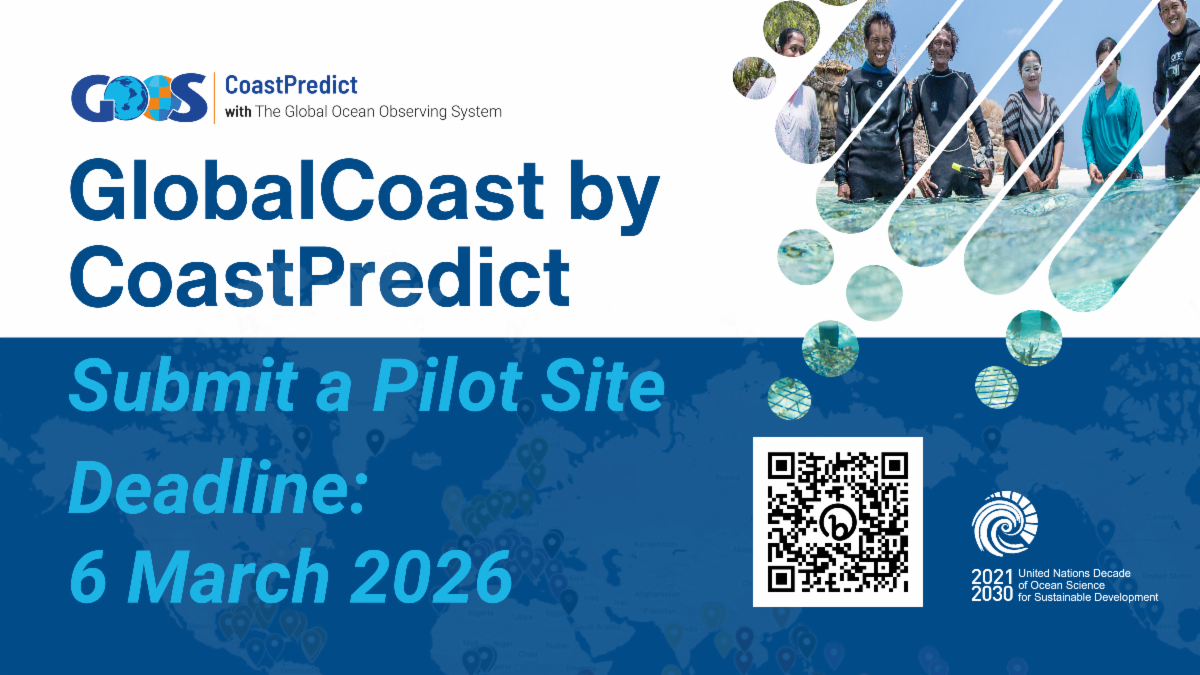
DCC-CR | Join CoastPredict’s GlobalCoast Pilot Site Network
- Upcoming Webinar | on the Future of Sustainable Coastal Tourism
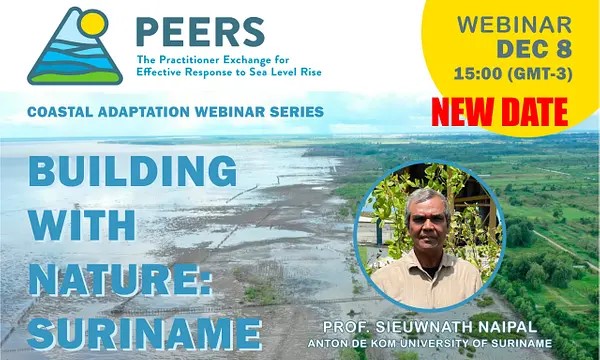
- Upcoming Webinar | Building with Nature: Suriname
- Global Environment Outlook 7
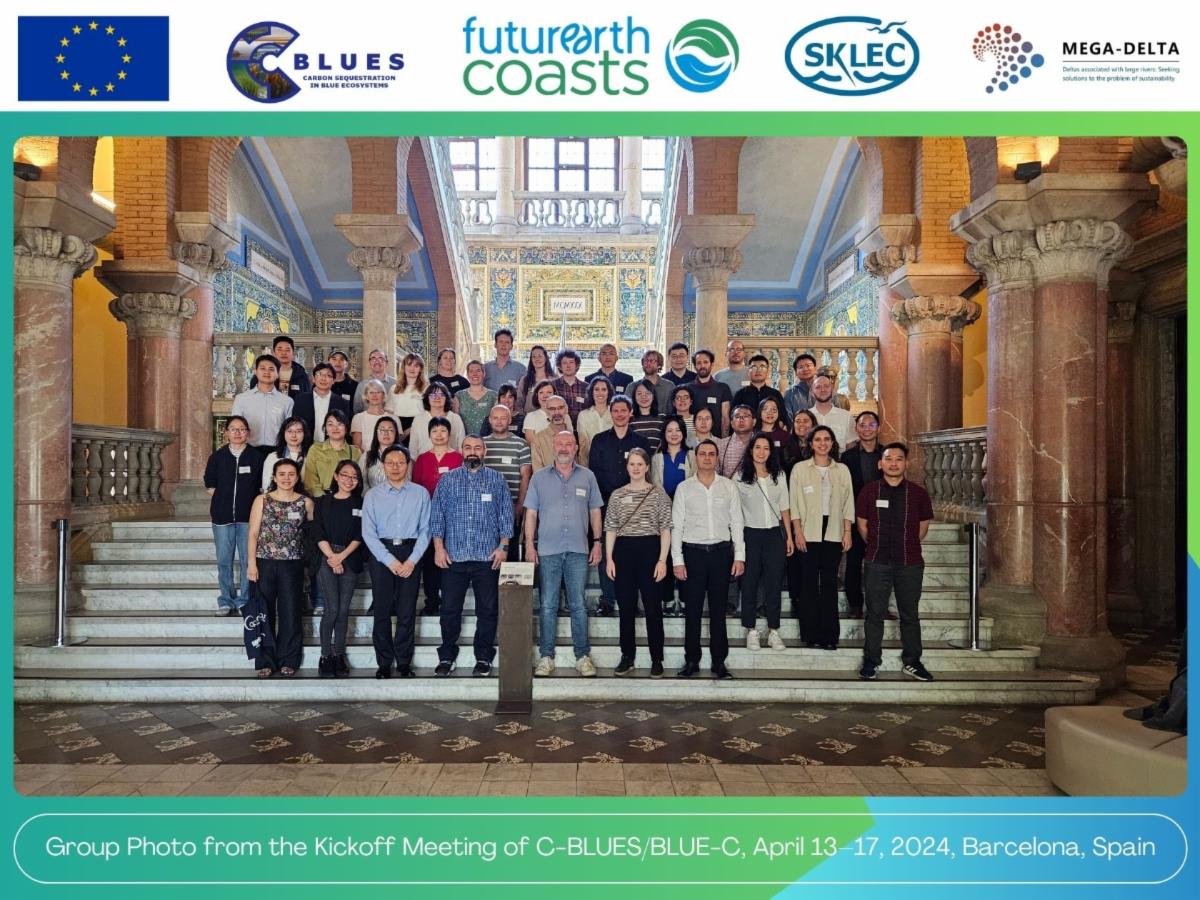
| | FEC and C-BLUES/BLUE-C Join Forces for Blue Carbon and Coastal Sustainability | | Future Earth Coasts (FEC) and C-BLUES/BLUE-C are pleased to announce the establishment of a partnership to strengthen global cooperation in advancing understanding of Blue Carbon Ecosystems (BCEs) and promoting their inclusion in climate change mitigation. | | |
C-BLUES and BLUE-C are the joint proposals under the EU-China International cooperation on blue carbon. The two projects work on advancing our knowledge and understanding of carbon stocks, sequestration, and drivers of greenhouse gas fluxes in coastal wetlands to facilitate and promote scientific reporting of inventories from managed blue carbon ecosystems under the IPCC Wetlands guidelines. The results will provide scientific support for EU and China governments to include blue carbon as natural climate solutions, obtaining international cutting-edge cognitions of the impacts of restoration projects on carbon fluxes.
Through this partnership, FEC and C-BLUES/BLUE-C will foster stronger links between science, policy, and practice to ensure that blue carbon ecosystems receive the recognition and protection they deserve, contributing to global climate resilience and sustainable coastal futures. FEC and C-BLUES/BLUE-C will soon launch a webinar series on Innovation and Technology Transfer under the Future Earth Cross-cutting Initiative “Building Future Leadership.” Stay tuned for more details.
Click here to read more.
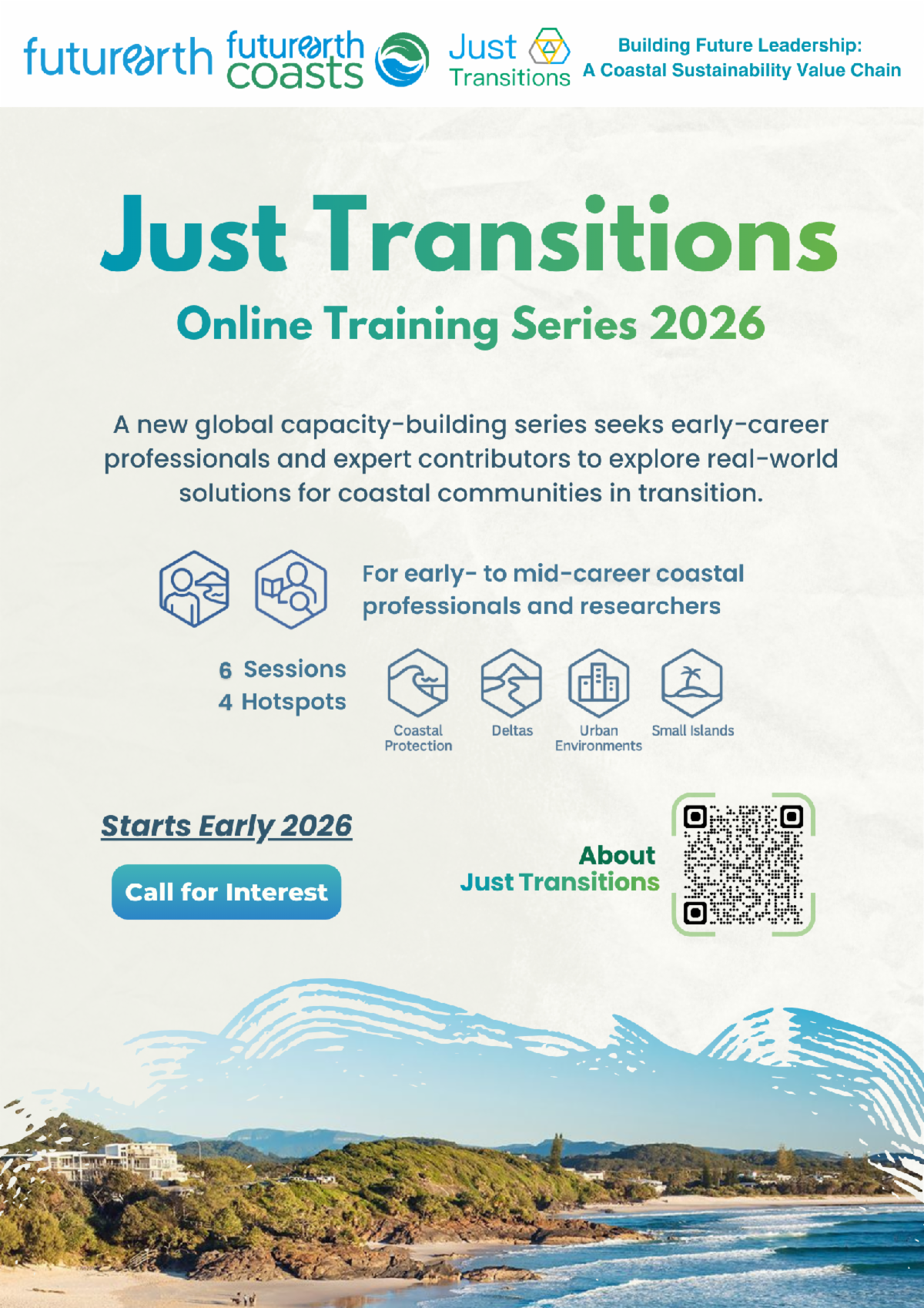
| | Shaping a Just Future for Our Coasts: A Call for Participants & Contributors to a New Global Training Series on Just Transitions | | Participants and contributors are sought for a new online training series on just transitions in coastal regions, to be launched by the Just Transitions Working Group of Future Earth Coasts in early 2026. The series forms part of the “ Building Future Leadership: A Coastal Sustainability Value Chain” cross-cutting project supported by Future Earth. | | |
The idea of a ‘just transition’ has broadened out beyond its initial focus on workers in high-emitting sectors, to ensuring that people and places involved in all kinds of resource-dependent activity are not left behind in the transition to a zero-carbon and sustainable society. Striving towards a just transition is especially challenging for coastal societies, which both rely on natural resources for livelihoods, yet may also find themselves as the site of ‘solutions’ such as offshore renewables and coastal defences.
The aim of the training series is therefore to explore multiple aspects of just transitions in the coastal zone, across six two-hour sessions: an introduction to just transitions; coastal protection; deltas; urban environments; small islands; and synthesis. The sessions will feature a series of short expert contributions, followed by guided discussion and interactive group tasks. By the end of the series, participants will have gained an understanding of the breadth of ways just transition challenges are being tackled in coastal zones globally, and of how to apply these to the places they themselves live and work in. Although there is no formal assessment, participants will be asked to share a short presentation to the group on opportunities and challenges for a coastal just transition in their own locality in the final week of the module.
To register your interest in participating, please sign up here for updates in the first instance.
To register an interest in contributing to one or more of the sessions as an expert, please sign up here.
Click here to read more.
| | Coastal Visions: A Preview of Award-Winning Shores | | Before we explore the full gallery, immerse yourself in the stunning beauty and powerful stories of our global coastlines. This preview offers a fleeting glimpse into the award-winning images from the 2025 ‘Coastal Visions’ Photography Award. Join us on this visual journey from the Netherlands to Brazil, China to Mexico, and witness the moments of resilience, tranquility, and raw power captured by this year’s winners. | | Feature: A Gallery of Winning Images from the 2025 “Coastal Visions” Global Coastal Photography Award | | |
The 2025 “Coastal Visions” Global Coastal Photography Award has concluded, revealing a powerful and diverse collection of images from around the world. This gallery presents all the award-winning works, celebrating the photographers who have masterfully captured the beauty, dynamism, and fragile future of our global coastlines.
🥇 First Place Winners
| |
| | |
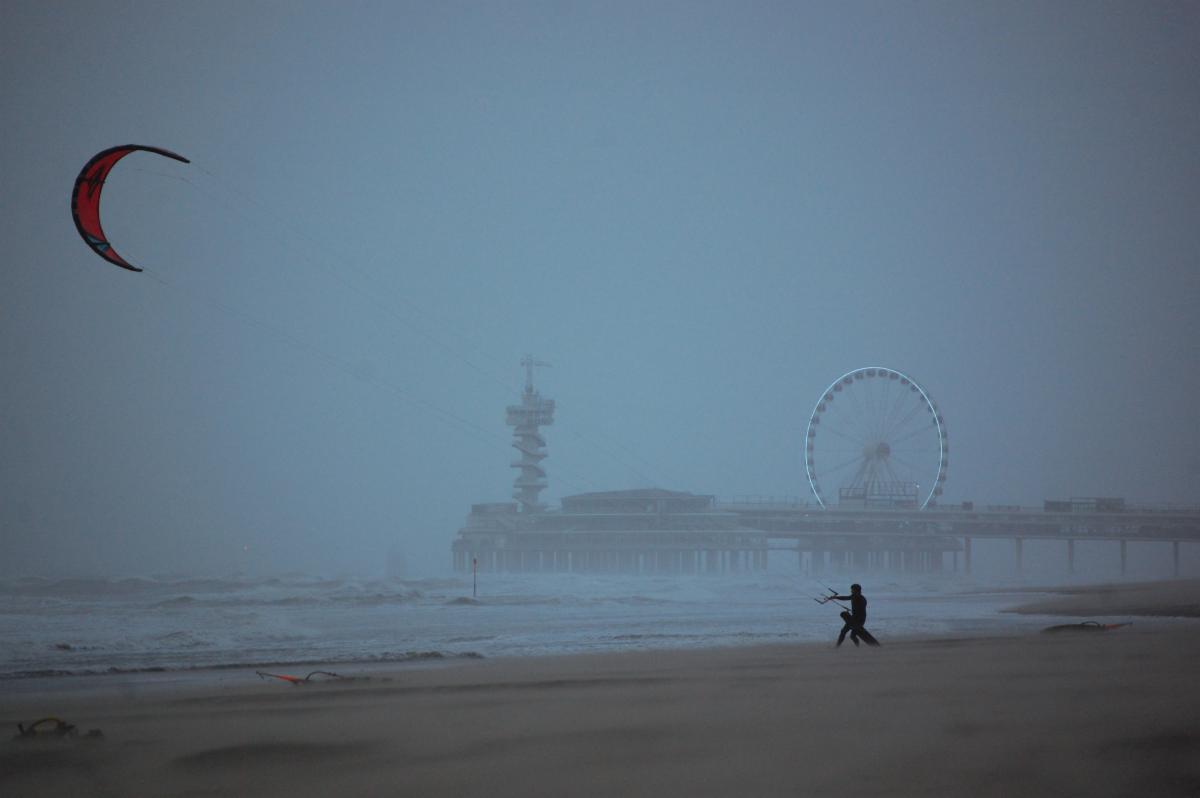
Author: Roos Daemen
Date Taken: September 15, 2025
Location: Scheveningen, The Netherlands
Description:
Scheveningen is one of the most famous beach spots in the Netherlands. A place where city dwellers can unwind or sunbathe in good weather. The weather and the sea define the atmosphere. Humans adapt and absorb the energy of the sea. On this exceptional day, the wind gusted 50 kilometers per hour, and several windsurfers and kite surfers ventured out to experience the power of nature.
| | | |
| | |
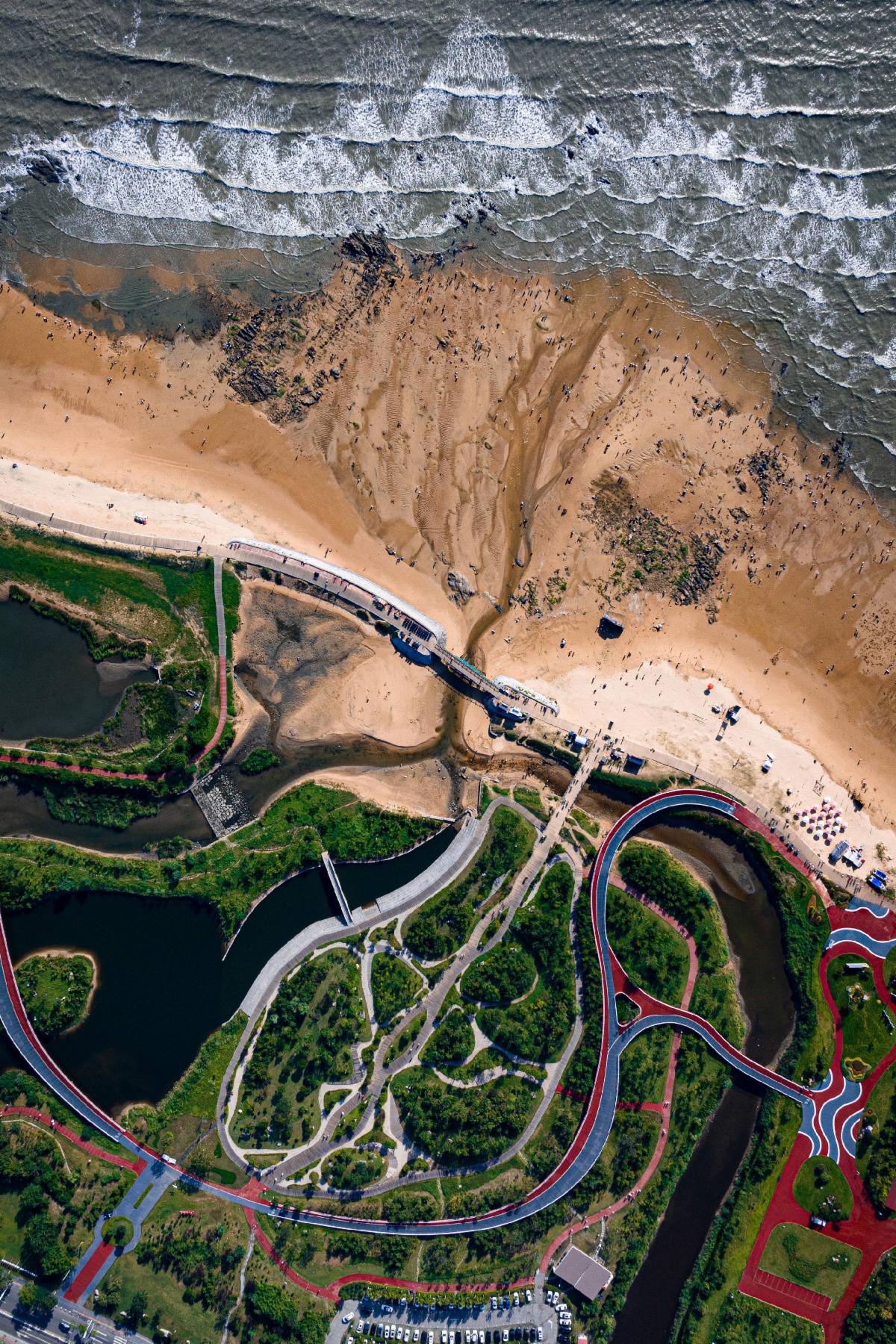
Tidal Trace
Author: Xiang Qiu
Date Taken: August 28, 2024
Location: Sunshine Coast Greenway, Rizhao, Shandong Province, China
Description:
On August 28, 2024, along the coast near the Sunshine Coast Greenway in Rizhao, Shandong Province, a unique landscape emerged under the combined influence of tides and runoff from the land. The patterns on the beach resembled a towering tree, vivid and full of life, inspiring boundless imagination. “Tide” represents the joint force of tidal movement and flowing water, while “Trace” signifies the marks they leave behind after receding. It does not refer to a specific form, but rather to a process and a memory—offering viewers endless space for interpretation and reflection.
Click here to read more.
| | | | |
Anthropocene Coasts:
Call for Papers – Tour de Coasts
| | Anthropocene Coasts is launching a new special collection titled Tour de Coasts. | | |
This special collection is supported by FEC and provides a forum for knowledge exchange about priority coastal sustainability concerns and aims to create a comprehensive understanding of coastal sustainability challenges and opportunities from a global perspective.
For this Special Collection, Anthropocene Coasts invites manuscripts of all aspects of coastal sustainability challenges and opportunities globally including but not limited to: governance; individual, cultural, community, and ecological health; effective and inclusive communication; human behavioral change; food, water, and housing security; ecological analyses; economics and financial incentives; potential for managed coastal retreat; technology and increased connectivity; coastal disease threats and health benefits; use crises to inform; and modeling.
| The submission deadline for this collection is December 31, 2025. You can access the topical collection via this link. | | Dr. Katya Altman, Bureau of Ocean Energy Management, USA | Dr. Dwayne Porter, University of South Carolina, USA | | Dr. Heath Kelsey, University of Maryland, USA | Dr. Anja Scheffers, Southern Cross University, Australia | Dr. Xiaoyu Fang, East China Normal University, China | | |
New Article Published in This Special Collection
Dutta, S., Al Balushi, M., Al Harbi, F., & Paul, S. (2025). Fisheries management of the Arabian Peninsula region with special emphasis to the Sultanate of Oman: perspectives of climate change adaptations. Anthropocene Coasts, 8(1), 1-14.
https://doi.org/10.1007/s44218-025-00088-8
| | Making sense of marine management – The ten-tenets revisited | Michael Elliott, Roland Cormier, Ángel Borja | | | |
Abstract
The so-called ten-tenets were proposed over a decade ago to indicate actions to achieve sustainable and successful marine management. These indicated that marine management actions should be Ecologically sustainable, Technologically feasible, Economically viable, Socially tolerable/desirable, Legally defensible, Administratively achievable, Politically expedient, Ethically defensible/morally correct, Culturally inclusive and Effectively communicable. These concepts are revisited here to show a continuum from an Ecosystem-Based Approach (EBA, setting the priorities and polices), to Ecosystem-Based Management (EBM, operationalising the approach by management and governance) and then using tools, including technological and economic instruments, now termed Ecosystem-Based Technical Measures (EBTM). This shows the way the tenets overlap while the underlying definitions still hold for holistic marine management and are valuable in prioritising marine management actions. We emphasise that the tenets for the overarching ecological and communication aspects should be weighted differently but that taken together all other tenets would be weighted equally although they could have a weighting depending on their user. For example, the economic tenet may be weighted highly in economically-challenging times and the cultural tenet in areas with indigenous peoples.
Click here to read more.
|
| Assessment tool addresses implementation challenges of ecosystem-based management principles in marine spatial planning processes | Ibon Galparsoro, Natalia Montero, Gotzon Mandiola, Iratxe Menchaca, Ángel Borja, Wesley Flannery, Stelios Katsanevakis, Simonetta Fraschetti, Erika Fabbrizzi, Michael Elliott, Maria Bas, Steve Barnard, GerJan Piet, Sylvaine Giakoumi, Maren Kruse, Ben McAteer, Robert Mzungu Runya, Olga Lukyanova, Telmo Morato, Annaïk Van Gerven, Steven Degraer, Stefan Neuenfeldt & Vanessa Stelzenmüller | | |
Abstract
Ecosystem-based marine spatial planning is an approach to managing maritime activities while ensuring human well-being and biodiversity conservation as key pillars for sustainable development. Here, we use a comprehensive literature review and a co-development process with experts to build an assessment framework and tool that integrates the fundamental principles of an ecosystem approach to management and translates them into specific actions to be undertaken during planning processes. We illustrate the potential of this tool through the evaluation of two national marine spatial plans (Spain and France), in consultation with the representatives involved in their development and implementation. To ensure more coherent future planning, socio-ecological system evolution in a climate change scenario and the future marine space needs of maritime sectors should be considered, as well as improving the governance structure and knowledge of ecosystem processes. This framework provides a consistent and transparent assessment method for practitioners and competent authorities.
Click here to read more.
| |
Updates from FEC Affiliated Projects
| | | | |
Physico-chemical water quality of the coastal lagoon of Benin in Crassostrea tulipa oyster farming areas
Zounon Yaovi, Adjahouinou Dogbè Clément, Godome Théophile, Dossoukpèvi Baptiste Karen Sètondé, Sohou Zacharie
| | | |
Physico-chemical water quality of the coastal lagoon of Benin in Crassostrea tulipa oyster farming areas
Zounon Yaovi, Adjahouinou Dogbè Clément, Godome Théophile, Dossoukpèvi Baptiste Karen Sètondé, Sohou Zacharie
Abstract
Objective: This study aims to assess the physico-chemical quality of the coastal lagoon waters of Benin in areas dedicated to the farming of Crassostrea tulipa oysters. Methodology and Results: Physico-chemical parameters were measured on a monthly basis over a full annual cycle from January to December 2023, both . in situ (temperature, salinity, dissolved oxygen, pH, and water transparency) and in the laboratory (nitrites, nitrates, ammonium, and orthophosphates), within the oyster farming zones. The results showed that all evaluated parameters varied significantly across months and between farming zones, except for nitrites, ammonium, and dissolved oxygen, which did not show significant spatial variation. The Organic Pollution Index (OPI) calculated for the three oyster farming sites revealed moderate organic pollution levels in all zones (3.33 at Ahouandji and Djondji, and 3.67 at Dégouè on a 5-point scale). Conclusions and Application of results: As the mangrove oyster (C. tulipa) is a highly valuable fishery resource in the Gulf of Guinea region, it is important to regularly monitor the physicochemical quality of the water in oyster production areas. Even slight variations in certain water parameters can greatly affect the reproduction and growth of these bivalve molluscs (oysters), as well as the quality of their flesh, which is consumed by coastal populations. Click here to read more.
| | | |
Unveiling seasonal variability in Crassostrea tulipa larval dispersal in Gulf of Guinea coastal waters: foundations for sustainable shellfish farming
Yaovi Zounon, Dogbè Clément Adjahouinou,Pierrick Barbier, Sènakpon Emmanuel Wanou,
The ́ophile Godome, Francina Moya-Ruiz, Manuel Vargas-Ya ́ñez, Mari Carmen Garcı ́a-Martı ́nez and Zacharie Sohou
Abstract
The coastal zone of the Gulf of Guinea holds significant natural potential for the production of the mangrove oyster Crassostrea tulipa. This study assessed the larval dispersal of C. tulipa in the Benin’s coastal lagoon. Oyster larvae were sampled monthly from January to December 2023 in three traditional oyster production areas (Ahouandji, Dégouè, and Djondji) using a 50 µm mesh plankton net. The larvae samples collected, were analyzed under a light microscope, and the different larval stages (D-, veliger, and pediveliger larvea) of C. tulipa were identified and counted. The results show a major larvae abundance period extending from November to April, with maximum density occurring in March and/or April, depending on the site. A secondary phase of larvae abundance production was observed from May to July, although it was characterized by a very low presence of advanced larval stages (pediveliger). A dominance of D- and veliger larvae was noted in the Djondji area, whereas pediveliger larvae were more prevalent in the Ahouandji production zone. The highest cumulative number of larvae (56,220.0) was recorded in the Djondji area, compared to 35,586.7 in Dégouè and 36,160.0 in Ahouandji. In terms of larval survival, the lowest rate (0.1%) was observed in Djondji, compared to 0.2% in Ahouandji and 0.4% in Dégouè. Therefore, the high larval abundance observed in the Djondji production area does not necessarily reflect favorable survival conditions for larvae. The production areas of Ahouandji and Dégouè may offer more favorable environments for larval development. These results provide valuable data that can be used to improve oyster farming and management in Benin’s coastal waters.
Click here to read more.
| | |
Updates from FEC Supported Networks
| | Decade Collaborative Centre for Coastal Resilience (DCC-CR) | | | | | Coastal resilience in focus: global collaboration at COP30 | At COP30, the DCC-CR, CoastPredict, and the CMCC Foundation brought together global voices to advance science-based pathways for resilient and adaptive coastal communities. | | | | | |
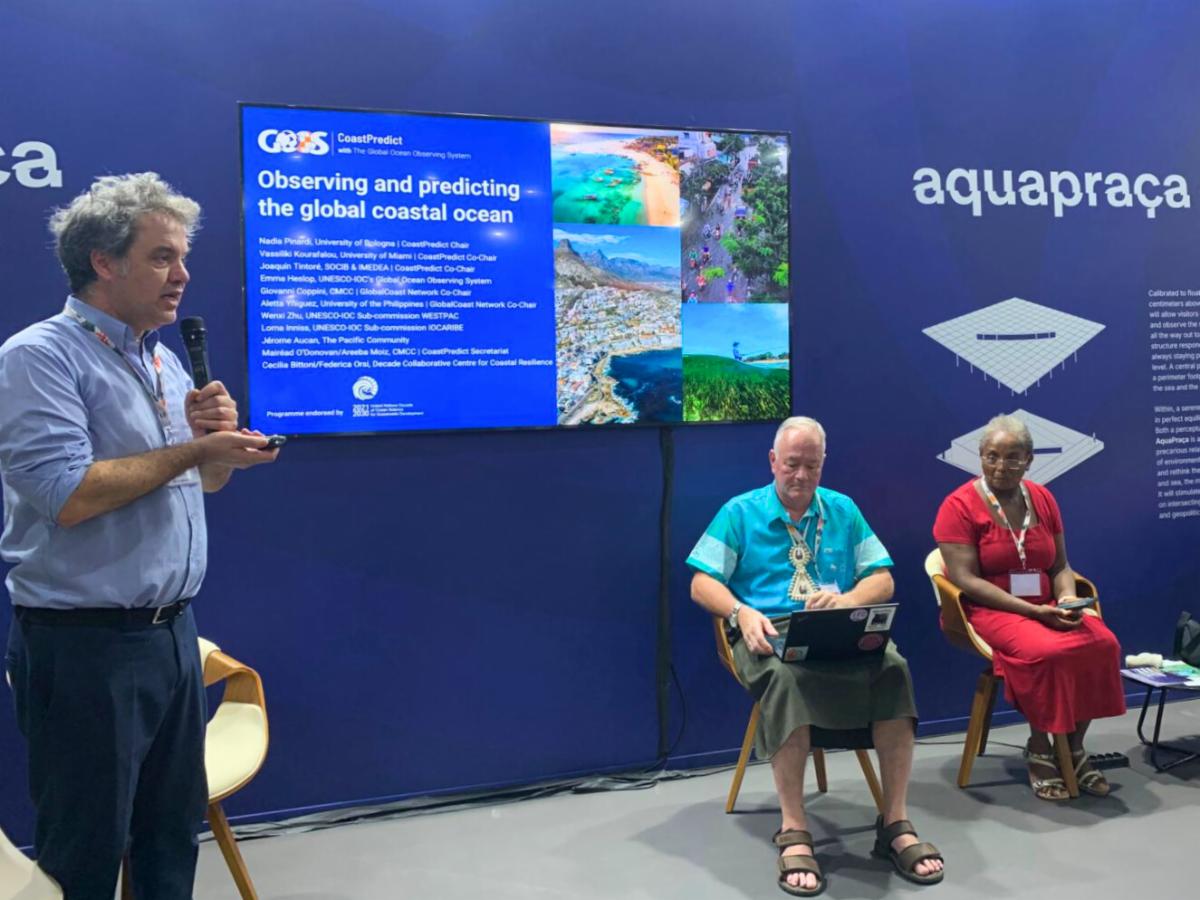
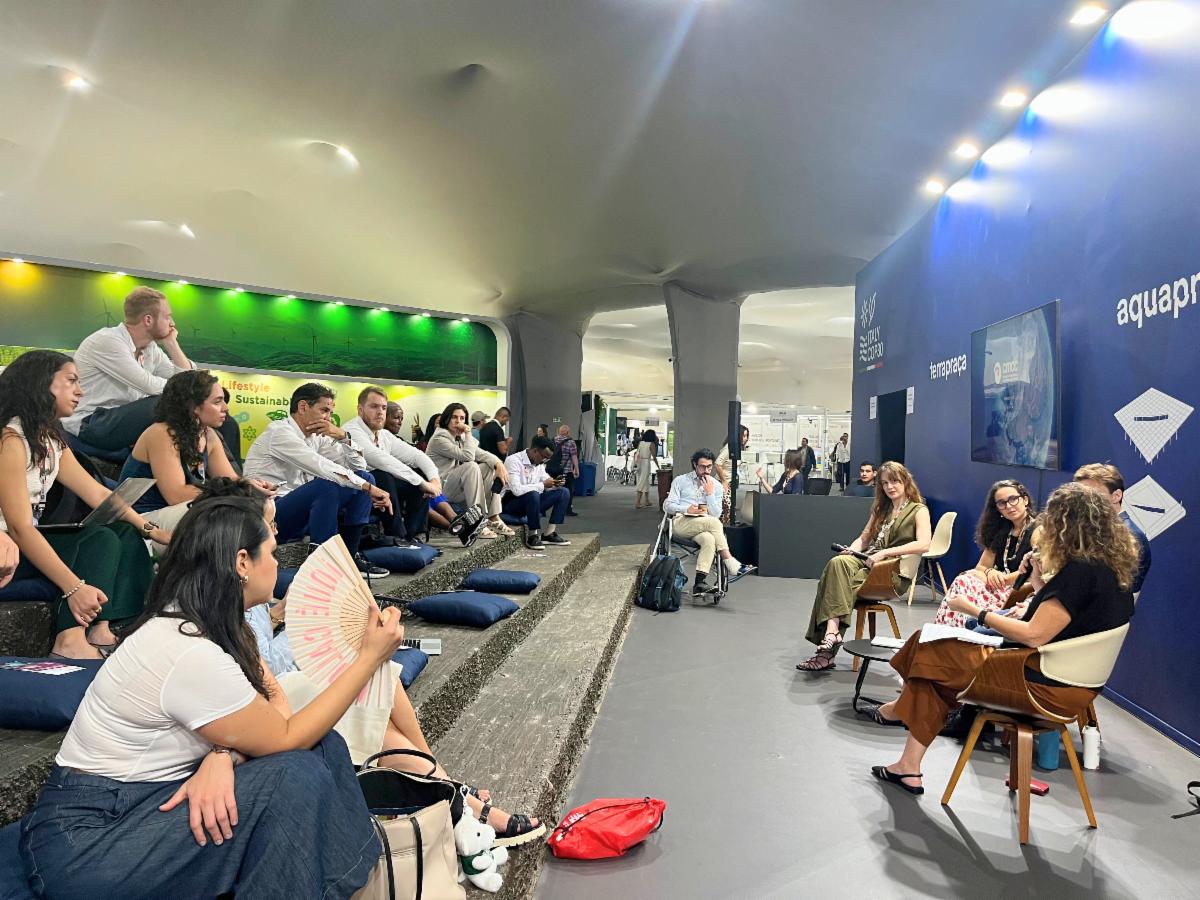
On November 11, the Decade Collaborative Centre for Coastal Resilience, CoastPredict, and the CMCC Foundation brought together at COP30 global voices to advance science-based pathways for resilient and adaptive coastal communities.
As part of one of the world’s most influential climate gatherings, the side event “Empowering Coastal Communities: Science-based Solutions for Resilience and Adaptation” offered a timely space to highlight how science and local knowledge can come together to strengthen resilience at the coast. Organized by DCC-CR and CoastPredict, with CMCC as co-organizer, the session gathered representatives from international organizations to explore new ways of connecting knowledge with action.
| | | DCC-CR concludes its participation at COP30 with CMCC event on climate justice and resilience | | | The participation of the Decade Collaborative Centre for Coastal Resilience at COP30 comes to a close with the event “Solutions for people and the planet: reimagining land governance putting people at the centre of land and natural resources”, organized by our partner and PAN - Partner Alliance Network member, the CMCC Foundation – Euro-Mediterranean Center on Climate Change – together with the International Development Law Organization (IDLO) and the Latin American Climate Lawyers Initiative for Climate Action (LACLIMA). | | | | |
The session, chaired by Giulia Galluccio (CMCC Foundation), featured contributions from Elisa Fiorini Beckhauser (CMCC Foundation), Daniel Eggleston (IDLO), and Gaia Hasse (LACLIMA). The discussion explored how rule-of-law approaches can promote more inclusive and sustainable land governance, addressing inequalities, food security, and climate resilience through rights-based frameworks.
For DCC-CR, this final engagement marked a fitting conclusion to a fruitful participation in COP30. Following the success of the joint side event with CoastPredict, our presence in Belém helped consolidate partnerships with international actors who, like us, view the coast as a frontier where resilience must be built by and for communities.
Click here to read more.
| Join CoastPredict’s GlobalCoast Pilot Site Network | | | |
Closing date: 6 March 2026
CoastPredict, a GOOS Programme of the United Nations Decade of Ocean Science for Sustainable Development, has reopened its GlobalCoast Pilot Site survey.
GlobalCoast is the central framework for the coordination and practical implementation of the CoastPredict Programme. Through its first Pilot Site survey in 2023 the programme established the GlobalCoast Network of more than 135 Pilot Sites in 75 countries. The survey now reopens to respond to requests from people wishing to enter the network, and to fill gaps in some regions where there are no or sparse Pilot Sites.
This is your opportunity to get involved! See more here and submit a Pilot Site.
| | | Watch a short video about CoastPredict here. | | | Upcoming Webinar on the Future of Sustainable Coastal Tourism | |
The session “Building a Blue Future: Key Elements for Sustainable Tourism Projects” will explore how the blue tourism industry—a central component of the global Blue Economy—can create value, enhance biodiversity conservation, and support resilient coastal livelihoods through well-designed marine and coastal initiatives.
The event will feature expert contributions from PROPLAYAS/CIFPLAYAS–Chile, UNIDO–Colombia, and WWF México, offering practical guidance for public and private actors working in coastal planning and tourism development.
It will also highlight that Camilo Botero is a Fellow of Future Earth Coasts, contributing to global efforts that connect science, policy, and community engagement for more sustainable coastal futures.
🗓 December 9, 2025
🕙 10:00 a.m. (CDMX)
🔗 Zoom link: bit.ly/3YJWvlu (http://bit.ly/3YJWvlu)
A valuable opportunity for anyone working in tourism, conservation, or coastal management to strengthen their understanding of the Blue Tourism Industry.
| | | Building with Nature: Suriname | | | |
Join PEERS for the first session of the Coastal Adaptation Webinar Series.
This webinar will explore Suriname’s pioneering “Building with Nature” approach to coastal adaptation, led by Prof. Sieuwnath Naipal. Drawing on over a decade of research and field implementation, the webinar will examine how low-cost, nature-based solutions such as permeable sediment-trapping units (STUs) are being used to stabilize shorelines, restore mangroves, and enhance resilience along one of the world’s most dynamic and erosion-prone coasts. The discussion will also highlight the challenges posed by sediment dynamics, dredging, and climate variability, offering insights for the application of similar strategies in other low-lying coastal regions.
Click here to read more.
| | | Global Environment Outlook 7 | | | |
GEO-7 is the most comprehensive scientific assessment of the global environment to this day. It brings together the voices of 287 experts from 82 countries, with contributions from over 800 reviewers worldwide. Authors met in Bangkok, Vienna, and Nairobi to prepare the groundbreaking assessment that compares the current trajectory of the global environment – one trending towards catastrophic climate change, the collapse of nature, and growing deadly pollution – with an alternative vision of the future.
For the first time, Indigenous Peoples and traditional knowledge holders from around the world have helped shape the report through a series of dialogues in Mexico, Thailand, and online. Their knowledge and experience, rooted in a deep connection with nature, complement scientific data and offer valuable insights into resilience, stewardship, and living in harmony with the environment.
The resolution on the future of the Global Environment Outlook (GEO) that kickstarted the GEO-7 process was approved by Member States in March 2022.
The GEO-7 report is now being finalized and will be launched at the United Nations Environment Assembly in December 2025. Its findings will guide future environmental policies and strategies — helping countries take informed action toward sustainability.
Click here to read more.
| | | New FEC Publications (Since April 2024) | | |
○ Adhiambo, R., Mensah, P. K., Koomson, A., & Acheampong, E. (2025). Navigating stress: Impacts of temperature, polycyclic aromatic hydrocarbons, and heavy metals on the diatom Thalassiosira weissflogii adapted to tropical waters of the Gulf of Guinea. Aquatic Toxicology, 107388.
https://doi.org/10.1016/j.aquatox.2025.107388
○ Cunha, J., Elliott, M., Villasante, S., Balbi, S., Cabecinha, E., & Ramos, S. (2025). Assessing cumulative risks to coastal and marine habitats under management and climate change scenarios: The case of northern Portugal. Ocean & Coastal Management, 268, 107756.
https://doi.org/10.1016/j.ocecoaman.2025.107756
○ Davies-Vollum, K. S., Puttick, S., Agyekhumene, A., Amolegbe, T., Aneyo, I., Boateng, I., ... & Sohou, Z. (2025). A stakeholder-informed framework for the sustainable management of coastal lagoons in West Africa. Anthropocene Coasts, 8(1), 1-11.
https://link.springer.com/article/10.1007/s44218-025-00093-x
○ Defeo, O., Corte, G., Barboza, C. A., Debiasi, P., Costa, L. L., Elliott, M., ... & McLachlan, A. (2025). Sandy beaches within meta-social-ecological systems: An integrated framework for ecology, management, and conservation. Estuarine, Coastal and Shelf Science, 109350.
https://doi.org/10.1016/j.ecss.2025.109350
○ Dutta, S., Al Balushi, M., Al Harbi, F., & Paul, S. (2025). Fisheries management of the Arabian Peninsula region with special emphasis to the Sultanate of Oman: perspectives of climate change adaptations. Anthropocene Coasts, 8(1), 1-14.
https://doi.org/10.1007/s44218-025-00088-8
○ Elliott, M., Borja, Á., & Cormier, R. (2025). Managing marine resources sustainably–But how do we know when marine management has been successful?. Ocean & Coastal Management, 265, 107623.
https://doi.org/10.1016/j.ocecoaman.2025.107623
○ Elliott, M., Cormier, R., & Borja, Á. (2025). Making sense of marine management–The ten-tenets revisited. Marine Pollution Bulletin, 221, 118580.
https://doi.org/10.1016/j.marpolbul.2025.118580
○ Elrick-Barr, C. E., Smith, T. F., & Thomsen, D. C. (2025). Practitioner perspectives of wellbeing in rapidly changing Australian coastal communities. Ocean & Coastal Management, 266, 107668.
https://doi.org/10.1016/j.ocecoaman.2025.107668
○ Galparsoro, I., Montero, N., Mandiola, G., Menchaca, I., Borja, Á., Flannery, W., ... & Stelzenmüller, V. (2025). Assessment tool addresses implementation challenges of ecosystem-based management principles in marine spatial planning processes. Communications Earth & Environment, 6(1), 55.
https://doi.org/10.1038/s43247-024-01975-7
○ Genchi, S. A., Vitale, A. J., & Perillo, G. M. (2025). Coastal cliff erosion: a bibliometric analysis and literature review. Anthropocene Coasts, 8(1), 1-18.
https://doi.org/10.1007/s44218-025-00072-2
○ Gutierrez, D., Calado, H., Toor, F. v., Moreira, M., Paramio, M. L., Martins, F., Santos, N., Melo, N., & Newton, A. (2025). Empowering Maritime Spatial Planning and Marine Conservation Efforts Through Digital Engagement: The Role of Online Platforms. Sustainability, 17(14), 6371.
https://doi.org/10.3390/su17146371
○ Jiang, W., Huang, Z., Dai, Z., Luo, J., Zeng, W., & Liang, X. (2025). Attenuation of hydro‐sediment dynamics progradation over mangrove wetland. Journal of Geophysical Research: Oceans, 130(2), e2024JC021531.
https://doi.org/10.1029/2024JC021531
○ Li, Y., Robinson, S. V., Nguyen, L. H., & Liu, J. (2023). Satellite prediction of coastal hypoxia in the northern Gulf of Mexico. Remote Sensing of Environment, 284, 113346.
https://doi.org/10.1016/j.rse.2022.113346
○ Li, Y., Xia, Z., Nguyen, L., Wan, H. Y., Wan, L., Wang, M., ... & Liu, J. (2025). Spatiotemporal dynamics of coastal dead zones in the Gulf of Mexico over 20 years using remote sensing. Science of The Total Environment, 979, 179461.
https://doi.org/10.1016/j.scitotenv.2025.179461
○ Liang, X., Dai, Z., Mei, X., Wang, R., Zeng, W., & Fagherazzi, S. (2025). Hurricanes induced irreversible large‐scale loss of mangrove forests. Geophysical Research Letters, 52(9), e2025GL115692.
https://doi.org/10.1029/2025GL115692
○ Matovu, B., Bleischwitz, R., Lukambagire, I., Alkoyak-Yildiz, M., Tarek, R., Etta, L., ... & Hsieh, Y. L. (2025). Examining the perceptions and attitudes toward Women's employment and leadership in the blue economy: A case study of India. Social Sciences & Humanities Open, 11, 101537.
https://doi.org/10.1016/j.ssaho.2025.101537
○ Matovu, B., Mim, T. A., & Lutalo, B. (2025). Where and how can Africa and India leverage the blue economy opportunities of the Indian Ocean region as a driver for sustainable development and partnerships?. Sustainable Futures, 10, 101218.
https://doi.org/10.1016/j.sftr.2025.101218
○ Nogueira, S. F., Vitale, A. J., Genchi, S. A., Roth, A., Vargas, S. M., Siben, A., ... & Perillo, G. M. (2025). Design and development of a cost-effective buoy using 3D printing for coastal monitoring. HardwareX, e00657.
https://doi.org/10.1016/j.ohx.2025.e00657
○ Ogier, E. M., Pecl, G. T., Hughes, T., Lawless, S., Layton, C., Nash, K. L., & Morrison, T. H. (2025). Novel marine-climate interventions hampered by low consensus and governance preparedness. Nature Climate Change, 1-10.
https://doi.org/10.1038/s41558-025-02291-4
○ Ogier, E. M., Pecl, G. T., Hughes, T., Lawless, S., Layton, C., Nash, K. L., & Morrison, T. H. (2025). Enhance responsible governance to match the scale and pace of marine–climate interventions. Nature Climate Change, 1-2.
https://doi.org/10.1038/s41558-025-02292-3
○ Onwubiko, C. C., & Aheto, D. W. (2025). Assessing the Role of Coastal Habitats in Flood Reduction in Selected Communities of Rivers State. Coasts, 5(2), 17.
https://doi.org/10.3390/coasts5020017
○ Salazar, Y. C. A., Genchi, S. A., Nuciari, L., Perillo, V. L., Piccolo, M. C., & Perillo, G. M. (2025). MiSMoS (MicroScale Morphology System): an inexpensive new method to survey 3D surface micromorphology. Latin American Journal of Sedimentology and Basin Analysis.
https://lajsba.sedimentologia.org.ar/lajsba/article/view/264
○ Valiela, I., Chenoweth, K., & Day, J. (2025). Meta-analysis of vegetation responses to experimental nitrogen enrichments done in salt marshes under different sea level rise regimes reveal interaction of N supply and sea level rise. Science of The Total Environment, 975, 179198.
https://doi.org/10.1016/j.scitotenv.2025.179198
○ Wu, S., Hu, Y., Zhao, W., Gong, L., Song, Y., Li, C., ... & He, Q. (2025). Human flood adaptation characteristics: A comparative study of three global river deltas. Journal of Hydrology, 133531.
https://doi.org/10.1016/j.jhydrol.2025.133531
○ Yang, J., Dai, Z., Mei, X., Lou, Y., & Fagherazzi, S. (2025). Wetland gain and loss in the Mississippi River bird‐foot delta. Earth's Future, 13(6), e2024EF005003.
https://doi.org/10.1029/2024EF005003
○ Zhao, X., Kaniewski, D., Wang, Y., Marriner, N., Salem, A., Alassal, S. E., ... & Chen, Z. (2025). On the long and winding road: unravelling the late emergence of Neolithic agriculture in the Nile Delta. Quaternary Science Reviews, 359, 109368.
https://doi.org/10.1016/j.quascirev.2025.109368
○ Zhao, X., Kaniewski, D., Wang, Y., Marriner, N., Salem, A., Liu, Y., ... & Chen, Z. (2025). Holocene trends in Nile Delta fire regimes driven by cropland expansion and reduced precipitation. Quaternary Science Reviews, 361, 109412.
https://doi.org/10.1016/j.quascirev.2025.109412
| | FEC Publications (April, 2024 - March, 2025) | | |
○ Anthony, E., Syvitski, J., Zăinescu, F., Nicholls, R. J., Cohen, K. M., Marriner, N., ... & Maselli, V. (2024). Delta sustainability from the Holocene to the Anthropocene and envisioning the future. Nature Sustainability, 1-12.
https://doi.org/10.1038/s41893-024-01426-3
○ Backler, S., Davies-Vollum, K. S., & Raha, D. (2025). An evaluation of coastal resilience policies in Anglophone West Africa through a regional comparative analysis. Marine Policy, 176, 106648.
https://doi.org/10.1016/j.marpol.2025.106648
○ Baker, M., Bleischwitz, R., Lukambagire, I., Etta, L. A., & Lutalo, B. (2025). Decomposing sand mining complexities to chart ocean sustainability narratives and pathways in the coastal zones of Africa. The Extractive Industries and Society, 23, 101646.
https://doi.org/10.1016/j.exis.2025.101646
○ Banerjee, S., Lahiri, R., Choudhury, A. K., Mondal, A., Kim, J. W., MubarakAli, D., & Satpati, G. G. (2024). Unraveling the potential of cyanobacteria as food and investigating their production and nutritional properties. Biocatalysis and Agricultural Biotechnology, 103421.
https://doi.org/10.1016/j.bcab.2024.103421
○ Day, J., Anthony, E., Costanza, R., Edmonds, D., Gunn, J., Hopkinson, C., ... & White, J. R. (2024). Coastal Wetlands in the Anthropocene. Annual Review of Environment and Resources, 49.
https://doi.org/10.1146/annurev-environ-121922- 041109
○ Day, J. W., Xu, Y. J., Keim, B. D., Brown, V. M., Giosan, L., Mann, M. E., & Stephens, J. R. (2024). Emerging climate threats to the Mississippi River Delta: Moving from restoration to adaptation. One Earth.
https://doi.org/10.1016/j.oneear.2024.03.001
○ Elegbede, I. O., Al Jufaili, S. M., Jolaosho, T. L., Tesleem, B., Adekunle, A. F., Modupe, O. O., ... & Halimat, A. A. (2025). Health-related dimensions of fishers for sustainable commercial fisheries in the Atlantic Gulf of Guinea: Ecological and social assessments. One Health, 20, 100972.
https://doi.org/10.1016/j.onehlt.2025.100972
○ Eriksen, S. H., Simpson, N. P., Glavovic, B., Ley, D., Carr, E. R., Fernández-Carril, L., ... & Degvold, F. (2024). Pathways for urgent action towards climate resilient development. Nature Climate Change, 1-4.
https://doi.org/10.1038/s41558-024-02190-0
○ Fivash, G. S., Stoorvogel, M. M., de Smit, J. C., van Rees, F., van Dalen, J., Grandjean, T. J., ... & van Belzen, J. (2024). Abiotic origins of self‐organized ridge‐runnel patterns on tidal flats. Limnology and Oceanography, 69(6), 1378-1389.
https://doi.org/10.1002/lno.12581
○ Harvey, N and Thom, B (2024) Coastal Governance in Federated Countries. In: Baird, Daniel and Elliott, Michael (eds.) Treatise on Estuarine and Coastal Science, 2nd Edition, vol. 7, pp. 307–326. Oxford: Elsevier.
https://doi.org/10.1016/B978-0-323-90798-9.00098-6
○ Issifu, I., Dahmouni, I., & Sumaila, U. R. (2025). Assessing the ecological and economic transformation pathways of plastic production system. Journal of Environmental Management, 374, 124104.
https://doi.org/10.1016/j.jenvman.2025.124104
○ Khalifa, A., Meselhe, E., Hu, K., Day, J., & Allison, M. (2025). The Great Mississippi River Flood of 1927: Morphodynamic Analysis of The Caernarvon Crevasse Event. Estuarine, Coastal and Shelf Science, 109234.
https://doi.org/10.1016/j.ecss.2025.109234
○ Leyva Ollivier, M. E., Newton, A., & Kelsey, H. (2024). Assessment of the Chesapeake Bay watershed socio-ecological system through the Circles of Coastal Sustainability framework. Frontiers in Water, 6, 1269717.
https://doi.org/10.3389/frwa.2024.1269717
○ Liu, P., Zhang, J., Liu, Y., Sun, Q., Zhang, D., Li, Y., ... & Chen, J. (2024). Sediment source-to-sink patterns along the Southeast China coast during the late quaternary: New insights from sediment geochemistry and OSL ages in the Ningde Bay. Palaeogeography, Palaeoclimatology, Palaeoecology, 112577.
https://doi.org/10.1016/j.palaeo.2024.112577
○ Liu, S., Hu, Z., Grandjean, T. J., Wang, Z. B., van Zelst, V. T., Qi, L., ... & Bouma, T. J. (2025). Dynamics and drivers of tidal flat morphology in China. Nature Communications, 16(1), 2153.
https://doi.org/10.1038/s41467-025-57525-y
○ Maire, E., Robinson, J. P., McLean, M., Arif, S., Zamborain-Mason, J., Cinner, J. E., ... & Hicks, C. C. (2024). Managing nutrition-biodiversity trade-offs on coral reefs. Current Biology.
https://doi.org/10.1016/j.cub.2024.08.031
○ Matovu, B., Bleischwitz, R., Lukambagire, I., Etta, L. A., Alkoyak-Yildiz, M., Tarek, R., ... & Suresh, A. S. (2025). Linking the blue economy to Women's empowerment to create avenues for the realization of ocean sustainability targets in the global south. Ocean & Coastal Management, 262, 107582.
https://doi.org/10.1016/j.ocecoaman.2025.107582
○ Matovu, B., Lee, M. A., Mammel, M., Lukambagire, I., Lutalo, B., Mwangu, A. R., ... & Muhoozi, Y. (2024). Mobilizing Evidence-based Knowledge for Sustainable Wetlands Co-management and Co-governance amidst increasing Anthropogenic and Environmental Stressors: Key Lessons from Mityana District, Uganda. Environmental Challenges, 17, 101014.
https://doi.org/10.1016/j.envc.2024.101014
○ Perillo, G.M.E., Piccolo, M.C., 2024. Global variability in estuaries and coastal settings. En: Whitfield, A.K., Elliott, M. (eds.) Treatise on Estuarine and Coastal Science, 2nd Ed. Vol.1 18-24 Elsevier.
DOI 10.1016/B978-0-323-90798-9.00038-X
○ Perillo, G.M.E., Gao, S., Cuadrado, D.G., 2024. Tidal flats: geomorphology and dynamics. En: Uncles, R.J., Mitchell, S., French, J. (eds.) Treatise on Estuarine and Coastal Science, 2nd Ed. Vol.2 809-842 Elsevier
DOI10.1016/B978-0-323-90798-9.00034-2
○ Politi, E., Brito, A. C., Gomes, M. R., Lebreton, C., & Falcini, F. (2024). Listening to stakeholders: Development of water quality indicators for transitional environments using satellite data. Ocean & Coastal Management, 253, 107140. https://doi.org/10.1016/j.ocecoaman.2024.107140
○ Raha, D., Davies-Vollum, K. S., Hemstock, S. L., Boateng, I., Islam, M. T., & Pierce, C. A. (2024). We need collaboration and co-creation to address challenges facing coastal communities. Nature Human Behaviour, 1-9.
https://doi.org/10.1038/s41562-024-01875-y
○ Scordo, F., Seitz, C., Abasto, B., Spetter, C. V., Cintia Piccolo, M., Buria, L., & Perillo, G. M. (2024). Nutrients limiting the growth of planktonic and benthic-littoral primary producers in Patagonian Andean Lakes. Inland Waters,1-31.
https://doi.org/10.1080/20442041.2024.2418681
○ Scordo, F., Seitz, C., Buria, L., Piccolo, M. C., & Perillo, G. M. (2025). Climatic and human impacts on Patagonian terminal lakes. Science of The Total Environment, 966, 178714.
https://doi.org/10.1016/j.scitotenv.2025.178714
○ Stoorvogel, M. M., de Smit, J. C., Wiesebron, L. E., van Belzen, J., van de Koppel, J., Temmerman, S., & Bouma, T. J. (2025). Plant species, inundation, and sediment grain size control the development of sediment stability in tidal marshes. Ecological Applications, 35(1), e3078.
https://doi.org/10.1002/eap.3078
○ Stoorvogel, M. M., van Belzen, J., Temmerman, S., Wiesebron, L. E., Fivash, G. S., van IJzerloo, L., ... & Bouma, T. J. (2024). Salt marshes for nature-based flood defense: Sediment type, drainage, and vegetation drive the development of strong sediment beds. Ecological Engineering, 207, 107335.
https://doi.org/10.1016/j.ecoleng.2024.107335
○ Stoorvogel, M. M., Willemsen, P. W., van Belzen, J., Temmerman, S., de Jonge, J. M., van de Koppel, J., & Bouma, T. J. (2025). Nature-based mitigation of shoreline erosion risks in tidal marshes created by managed realignment vs. sediment nourishment. Ecological Engineering, 210, 107439.
https://doi.org/10.1016/j.ecoleng.2024.107439
○ Valderrama-Landeros, L., Flores-de-Santiago, F., Ávila-Flores, G., Flores-Verdugo, F., Alcántara-Maya, J. A., Troche-Souza, C., ... & Suarez, E. (2024). IUCN Red List of Ecosystems, Mangroves of the Warm Temperate Northeast Pacific.
https://doi.org/10.32942/X2B03V
○ van Belzen, J. (2024). Ragworms Anecdotes. Journal of Trial and Error.
https://doi.org/10.36850/d17f-489b
○ Velilla, E., Snethlage, J., Poelman, M., van der Meer, I. M., van der Werf, A., Deolu‐Ajayi, A. O., & van Belzen, J. (2025). Too salty to farm: rethinking coastal land use in response to soil salinization. Restoration Ecology, e70006.
https://doi.org/10.1111/rec.70006
○ Venevsky, S., Berdnikov, S., Day, J. W., Sorokina, V., Gong, P., Kleshchenkov, A., ... & Giosan, L. Don River Delta Hydrological and Geomorphological Transformation Under Anthropogenic and Natural Factors: Century and Decadal Perspectives. Available at SSRN 4474057.
https://doi.org/10.1016/j.ocecoaman.2024.107364
○ Wolanski, E., & Kingsford, M. J. (Eds.). (2024). Oceanographic processes of coral reefs: Physical and biological links in the Great Barrier Reef (2nd ed.). CRC Press.
https://www.routledge.com/Oceanographic-Processes-of-Coral-Reefs-Physical-and-Biological-Links-i/Kingsford-Wolanski/p/book/9781032340746
○ Xue, L., Li, T., Li, X., Bi, Y., Su, L., Song, Y., ... & Shi, B. (2024). Short-term evolution pattern in salt marsh landscapes: the importance of physical constraints. Landscape Ecology, 39(5), 1-16.
https://doi.org/10.1007/s10980-024-01898-w
○ Zhang, W., & de Vriend, H. (Eds.). (2024). Delta sustainability: A report to the Mega-Delta Programme of the UN Ocean Decade. Springer Singapore.
https://doi.org/10.1007/978-981-97-7259-9
○ Zhao, Y., Peng, Z., Chen, X., Fang, D., Liu, S., Wang, X., & He, Q. (2024). Parameterisation and evolution of non-breaking wave nonlinearity over flexible vegetation. Coastal Engineering, 192, 104543.
https://doi.org/10.1016/j.coastaleng.2024.104543
○ Zhou, Z., Grandjean, T. J., de Smit, J., van Belzen, J., Fivash, G. S., Walles, B., ... & Bouma, T. J. (2024). Sediment dynamics shape macrofauna mobility traits and abundance on tidal flats. Limnology and Oceanography, 69(10), 2278-2293.
https://doi.org/10.1002/lno.12669
○ Zhu, Q., Xing, F., Wang, Y. P., Syvitski, J., Overeem, I., Guo, J., ... & Gao, S. (2024). Hidden delta degradation due to fluvial sediment decline and intensified marine storms. Science Advances, 10(18), eadk1698.
https://doi.org/10.1126/sciadv.adk1698
|
| |
Anthropocene Coasts
special column
| | | | |  | |
Anthropocene Coasts, the official journal supported by Future Earth Coasts, is archived by 17 databases, such as Emerging Sources Citation Index (ESCI), SCOPUS, Google Scholar, Catalogue of Chinese High-Quality Sci-Tech Journals (Geosciences), CLOCKSS, CNKI, Wanfang, CNPIEC, Dimensions, EBSCO Discovery Service, Naver, EBSCO Discovery Service, OCLC WorldCat Discovery Service, Portico, ProQuest-ExLibris Primo, ProQuest-ExLibris Summon, TD Net Discovery Service.
Official Website:
https://www.springer.com/journal/44218
Submission system:
https://www.editorialmanager.com/anth/default1.aspx
| | |
Anthropocene Coasts Seeks Associate Editors
| | |
Anthropocene Coasts, Future Earth Coasts' first official journal, is a Green Open Access journal hosted by East China Normal University. The journal publishes multidisciplinary research addressing the interaction of human activities with our estuaries and coasts.
To help build on the success of Anthropocene Coasts and to explore more exciting international opportunities representing the journal, we’re seeking more international Associate Editors who will recruit high-quality papers and increase the journal’s impact. Candidates will also be expected to coordinate with the Editors-in-Chief, Prof. Shu Gao and Prof. Ian Townend, to oversee manuscript review and make recommendations for manuscript reviewing.
Main responsibilities:
- Secure high-quality journal content. Actively support the journal during your term of office by soliciting submissions to the journal, leading or encouraging others to lead special collections and promoting the journal to peers, colleagues, and the wider coastal research community.
- Raise the journal’s profile in your country and internationally.
- Safeguard the integrity of the peer review process. Ensure it is rigorous, timely, unbiased, and confidential.
- Attend our editorial board webinars and work with the Editors-in-Chief to help journal develop.
Click here to read more.
| |
Special Collection: Coastal governance in the Global South
GUEST EDITORS:
Professor Sian Davies-Vollum
Dr Debadayita Raha
Dr Steve Puttick
For this Special Collection, Anthropocene Coasts invites manuscripts of all aspects of coastal governance and management in the Global South including but not limited to: coastal policy, governance for sustainable development, resource management, managing climate change (adaptation and mitigation), human-centred and community led governance, strategies for sustainable coastal livelihoods, health and wellbeing, and studies generating primary data that can inform coastal management.
Anthropocene Coasts is especially interested in studies that bridge basic theoretical research and management sciences. We encourage submissions from the Global South.
Update Milestones:
- August 30, 2024: Open call for abstracts closes; submit MS for 2x independent review
- December 1st, 2025: Manuscript submission deadline
Click here to read more.
| | "World Large River and Delta Systems Source-to-Sink Online Talk Series" continue to update! | | Most of our subscribers are coasts-related researchers. If you would like to put some recruitment information or share some latest news about coastal research in FEC monthly newsletter, please feel free to contact us through fecchina@ecnu.edu.cn. | | | | |