Coast Posts
- A Newsletter From FEC
| |
News from Future Earth Coasts International Project Office
Shanghai | East China Normal University
| | |
Highlights:
- Coastal Voices Unite: Shaping Global Adaptation in Pugwash
- FEC-SIMSEA Youth Joint Seminar: Understanding Coastal Resilience in a Changing Climate
- The 4th Mega-Delta Meeting: International Conference on Dialogue between Land and Sea
- FEC Vice Chair Delivers Opening Keynote at ICES ASC 2025
- Anthropocene Coasts: Call for Papers – Tour de Coasts
- FEC New Publications | Design and development of a cost-effective buoy using 3D printing for coastal monitoring
- FEC New Publications | Assessing cumulative risks to coastal and marine habitats under management and climate change scenarios: The case of northern Portugal
- FEC New Publications | Holocene trends in Nile Delta fire regimes driven by cropland expansion and reduced precipitation
- FEC New Publications | Where and how can Africa and India leverage the blue economy opportunities of the Indian Ocean region as a driver for sustainable development and partnerships?
- Updates from FEC Affiliated Projects: The ScubaVerse, Resilient Lagoon Network
- Updates from FEC Supported Networks: Ocean Acidification Africa, Decade Collaborative Centre for Coastal Resilience
- Call for Paper: Coastal Governance in the Global South
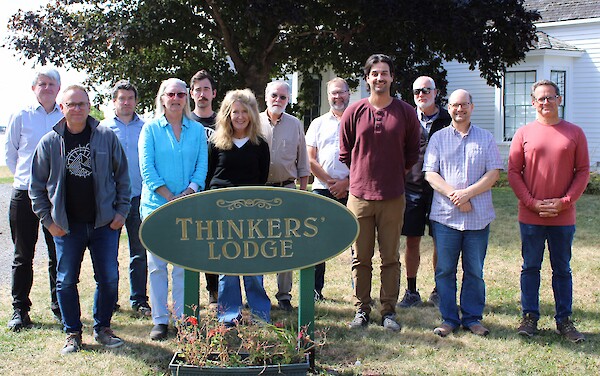
| | Coastal Voices Unite: Shaping Global Adaptation in Pugwash | | In August, 2025, FEC Academy Member Donald Forbes, FEC Co-Chair Charles Lemckert, and IPO-US Director Heath Kelsey participated in the Coastal Adaptation Meeting at the historic Thinkers’ Lodge in Pugwash, Nova Scotia, Canada. | | Coastal Adaptation Meeting participants. Pictured, from left to right: Charles Lemckert, Dominique Bérubé, Robert Briggs, Rosmarie Lohnes, Garret Mombourquette, Susan Lang-Lemckert, Donald Forbes, Heath Kelsey, Mitch Maracle, Jeff Ollerhead, Gavin Manson, and Nicholas Winkler. (Source: https://ian.umces.edu/blog/international-coastal-adaptation-perspectives/) | |
The gathering brought together colleagues from around the world to exchange perspectives and strategies for addressing global coastal challenges. Fifteen invited participants, including scientists, practitioners, managers, and Indigenous representatives from Australia, Canada, Mexico, the Mi’kmaw Nation, the United States, and the West Indies shared their insights on coastal climate adaptation.
Over three days, participants identified key issues, challenges, and pathways forward. The event also included a local meeting with the Pugwash community, where discussions and outcomes were shared, and valuable local perspectives were gathered.
Click here to read reflections from FEC IPO-US Director Heath Kelsey.
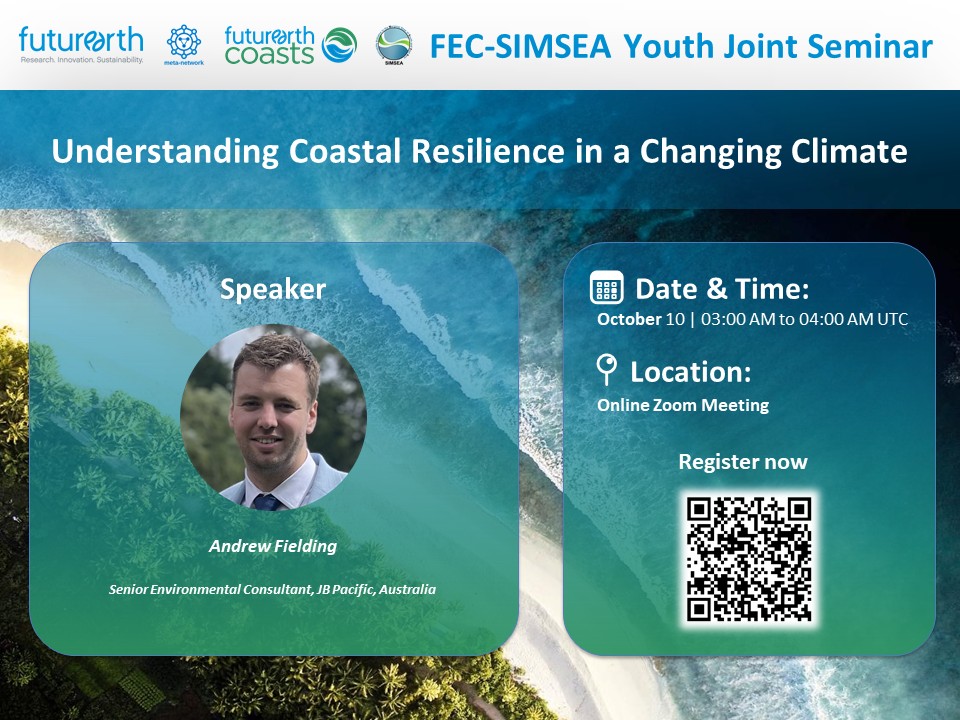
| | FEC-SIMSEA Youth Joint Seminar: Understanding Coastal Resilience in a Changing Climate | | |
TALK
- Understanding Coastal Resilience in a Changing Climate
Andrew Fielding, Senior Environmental Consultant, JB Pacific, Australia
Sea level rise is one of the most significant challenges facing coastal communities, intensifying the risks of flooding, erosion, and long-term habitat loss. This presentation will explore the use of simulation libraries to assess the impacts of sea level rise and support resilience planning.
These libraries use modelling to simulate the extent, depth, and duration of coastal inundation. They are designed to be flexible, supporting both detailed local studies that capture place-specific vulnerabilities and broader analyses that highlight large-scale exposure patterns. With further development, the libraries have strong potential to inform emergency response, guide infrastructure planning, and support community preparedness by providing timely, actionable insights into future flood risks.
By translating complex modelling outputs into accessible information, the simulations provide a practical basis for decision-making. They can help identify critical infrastructure at risk, guide adaptation planning, and support community engagement by making future scenarios more tangible.
The presentation will highlight the capabilities and applications of these tools and discuss how simulation libraries can bridge the gap between climate science and practical resilience strategies, strengthening long-term preparedness for sea level rise in a changing climate.
Registration
The event is free to attend and open to all. It will take place at 03:00 AM to 04:00 AM UTC on October 10.
Click here to register.
Click here to read more.
| | The 4th Mega-Delta Meeting: International Conference on Dialogue between Land and Sea | | |
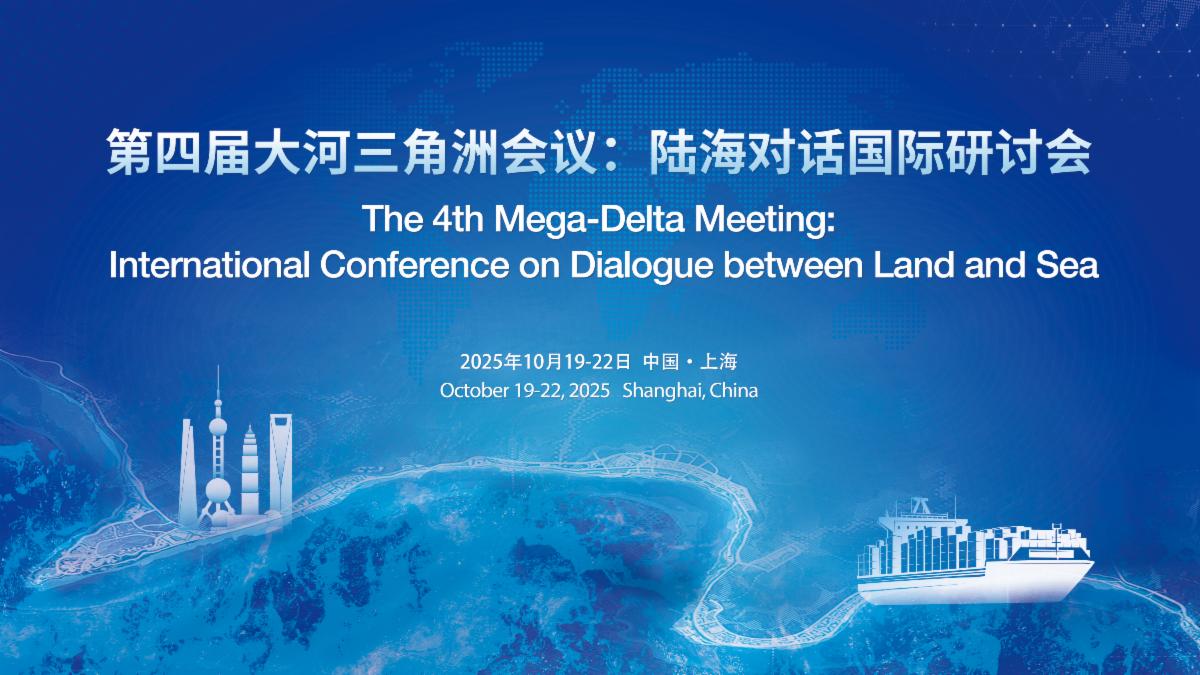
Rivers are crucial links between river basins and the sea, yet large river basins are often faced with flooding/draught, pollution, and sediment issues caused by climate change and human activities. Balancing economic development in these basins while mitigating negative impacts on the sea requires effective communication among scientists, policy makers, and practitioners from various sectors. This conference aims to bridge the gap between science and policy by facilitating such a dialogue.
Moreover, this year's conference will continue its collaboration with the Shanghai People's Association for Friendship with Foreign Countries to host the "Dialogue on Great River Basins." This year, the dialogue will focus on major rivers in Asia.
Dates and location: October 19-22, 2025, Shanghai,China
Themes:
- Influence of climate change and human activities on river deltas
- Cope with challenges for different deltas
- Initiation promotion: UN convention on Conserving River Deltas (UNCCRD)
Key Dates:
2025/09/12 Abstract submissions close
2025/09/20 Abstract acceptance notifications
2025/09/21 Registration opens
2025/10/1 Early bird registration closes
2025/10/19 Conference onsite registration
2025/10/20-21 Conference
2025/10/22 Excursion
Click here to read more.
| | FEC Vice Chair Delivers Opening Keynote at ICES ASC 2025 | | FEC Vice Chair, Prof. Mike Elliott, delivered the Primary and Opening Plenary Keynote at the International Council for the Exploration of the Sea – Annual Science Conference (ICES ASC) 2025 in Klaipėda, Lithuania. His keynote, “Emerald Growth and the Importance of Connectivity in Transitional Waters between the Catchment and Marine Areas,” emphasized the vital role of connectivity for sustainable coastal and marine management. Watch the keynote below: | | |
Anthropocene Coasts:
Call for Papers – Tour de Coasts
| | Anthropocene Coasts is launching a new special collection titled Tour de Coasts. | | |
This special collection is supported by FEC and provides a forum for knowledge exchange about priority coastal sustainability concerns and aims to create a comprehensive understanding of coastal sustainability challenges and opportunities from a global perspective.
For this Special Collection, Anthropocene Coasts invites manuscripts of all aspects of coastal sustainability challenges and opportunities globally including but not limited to: governance; individual, cultural, community, and ecological health; effective and inclusive communication; human behavioral change; food, water, and housing security; ecological analyses; economics and financial incentives; potential for managed coastal retreat; technology and increased connectivity; coastal disease threats and health benefits; use crises to inform; and modeling.
| The submission deadline for this collection is December 31, 2025. You can access the topical collection via this link. | | Dr. Katya Altman, Bureau of Ocean Energy Management, USA | Dr. Dwayne Porter, University of South Carolina, USA | | Dr. Heath Kelsey, University of Maryland, USA | Dr. Anja Scheffers, Southern Cross University, Australia | Dr. Xiaoyu Fang, East China Normal University, China | | |
New Article Published in This Special Collection
Dutta, S., Al Balushi, M., Al Harbi, F., & Paul, S. (2025). Fisheries management of the Arabian Peninsula region with special emphasis to the Sultanate of Oman: perspectives of climate change adaptations. Anthropocene Coasts, 8(1), 1-14.
https://doi.org/10.1007/s44218-025-00088-8
| | Design and development of a cost-effective buoy using 3D printing for coastal monitoring | |
Simón F. Nogueira, Alejandro J. Vitale, Sibila A. Genchi, Agustina Roth, Steven Martínez Vargas, Agustin Siben, Lucas Nuciari, Gerardo M.E. Perillo
| | Prof. Gerardo M.E. Perillo | | |
Abstract
An adequate knowledge of water (and air) environment parameters in ocean and coastal areas becomes of crucial importance for management practices. The behavior of oceans and coasts covers a large range of spatial and time scales that leads to the importance of high-frequency and widespread monitoring by using cost-effective platforms. This article proposes the design, development and deployment of a low-cost, small and compact buoy platform for coastal monitoring, which was built almost entirely on 3D printing technology in a modular way. The buoy called EMAC buoy -V3.0- (EMAC: Estación de Monitoreo Ambiental Costero) was significantly improved in the last few years based on cost-effective optimization and physical constraints inherent to coastal waters, providing the advantages of simplicity and flexibility. This study considered oceanographic and meteorological measurements of a buoy moored in the San Matías Gulf on the northern Patagonian Continental Shelf.
Click here to read more.
| | |
Assessing cumulative risks to coastal and marine habitats under management and climate change scenarios: The case of northern Portugal | Jacinto Cunha, Michael Elliott, Sebastian Villasante, Stefano Balbi, Edna Cabecinha, Sandra Ramos | | | |
Abstract
Managing the risks associated with human activities and uses in marine and coastal regions is crucial in a time of maritime activity expansion promoted by Blue Growth, especially with the increasing effects of climate change. Effective management of the cumulative risks is essential to safeguard ecosystems from potential further degradation, maintaining their resistance and resilience and ability to provide ecosystem services (ES) and societal goods and benefits (SGB). Here, we adopt a cumulative risk-based approach to assess risk to habitats and ecosystems, considering human activities and two climate-derived pressures for three management narratives, across three IPCC Shared Socioeconomic Pathways in the northern marine and coastal region of Portugal. Our findings highlight high ecosystem risk in some marine areas and coastal segments, particularly affecting beaches, aphotic soft and rock bottoms, and estuarine areas. Across the management and climate scenarios, the most important contributors to risk included rising sea surface temperatures, increased coastal exposure to relative sea-level rise (SLR) and storminess, fishing, tourism, artificial areas, and maritime transport. Overall spatial risk patterns varied more with changes in management scenarios than between climate scenarios, with climate pressures having an additive effect on habitat and ecosystem risk. The inclusion of the climate-derived exogenous pressures (i.e. those whose causes emanate from outside the management system) altered the high-risk zone spatial patterns at the land-sea interface, while in marine areas, it increased the overall risk scores without changing the observed overall risk patterns. It is recommended that policymakers and managers should adopt a precautionary approach, using cumulative assessments integrated into decision-support systems and ecosystem-based management plans to anticipate and adapt to or mitigate future changes. Thereby, ensuring the maintenance of the ecosystem resilience to change, to avoid reaching tipping points that would disrupt the resource-provisioning capacity of these ecosystems and the provision of ES and SGB.
Clic here to read more.
|
| Holocene trends in Nile Delta fire regimes driven by cropland expansion and reduced precipitation | Xiaoshuang Zhao, David Kaniewski, Yanna Wang, Nick Marriner, Alaa Salem, Yan Liu, Jing Chen, Qianli Sun, Brian Finlayson, Thierry Otto, Frédéric Luce, Zhongyuan Chen | | | |
Abstract
Fire played a pivotal role in promoting early agricultural development in ancient Egyptian societies. In the Nile Delta, since the Predynastic period, fires have predominantly been initiated by human activity. However, the long-term alterations in precipitation patterns and Nile floods might also have significantly influenced the evolution of the human-induced fire regime. Here we investigate 8000 years (10,000 to 2000 BP) of fire activity in the Nile Delta using a composite sequence based on cores taken from the Predynastic sites of Buto, Sais and Kom El-Khilgan. We compared and contrasted the long-term evolution of fire activity with precipitation data, Nile flow dynamics and the emergence/development of agriculture to disentangle the factors that modulated the occurrence and intensification of fires during the Holocene. Until 6100 ± 70 BP, sustained precipitation, in tandem with significant flooding of the Nile, was the foremost factor inhibiting human settlement and the use of fire in the delta. During the period spanning from 6100 ± 70 to 4700 ± 70 BP, weakening Nile discharge and increasing human-induced fire significantly promoted agriculture. Since 4700 ± 70 BP, cropland expansion, driven by declining intensity in Nile flow and reduced precipitation, has contributed substantially to the upward trend in fire activity over the delta. This increase in burned areas likely resulted from the need for sustained agricultural production to cope with rapid population growth in Egypt and the socio-economic changes that occurred during the Dynastic period. The Nile Delta data are consistent with those of the eastern Mediterranean, suggesting that the entire region underwent significant transformation between 5500 and 4500 BP.
Click here to read more.
|
| Where and how can Africa and India leverage the blue economy opportunities of the Indian Ocean region as a driver for sustainable development and partnerships? | Baker Matovu, Tahmina Akther Mim, Bernard Lutalo | | | |
Abstract
Through the blue economy (BE), Africa and India can attain sustainable development, transnational partnerships, and continental engagement targets, never been seen before. However, efforts on how this could be done have been pedestrian and less explored. This review and perspective paper utilizes a bibliometric analysis technique to analyze 1712 documents, systematically sourced from Scopus. Thus, this paper situates itself as one of the first scholarly pieces to comprehensively highlight strategic aspects that could advance sustainable Africa-India regional development partnership. Mixed comparative results are found in the literature. Since 2012, research on the BE in Africa and India has increased. The BE is emphasized as a critical topical issue in Africa, albeit this is mostly led by non-African scholars and institutions. In India, most BE research perspectives target regional issues, e.g., in the Indo-Pacific region. African researchers have published more in high-impact journals compared to their Indian counterparts. The annual growth rate of research on the BE in India is comparatively higher than that of Africa (8.69 to 5.49 percent, respectively). However, the average citations of research in all regions are declining. African authors have higher national and international co-authorship collaborations. Collaborations between Africa and India on the BE are few. Most country-level collaborations are with developed nations. Nevertheless, there is recognition of the increasing vulnerability of Africa's and India's coastal communities to megatrends and marine environmental threats. Most documents emphasize that the resource endowments in the Indian Ocean (IO) could mitigate maritime challenges to socioeconomic development and environmental stewardship. Five valuable findings are emphasized: (1) the BE is essential to the prospects of sustainable development, (2) inclusive and sustainable actions are needed to address coastal socioecological shifts, (3) several BE solutions are proposed but not put into practice, and (4) BE partnerships in the IO must include China and other emerging states of the Global South, and (5) the IO is paramount towards sustainable BE between Africa and India. Borrowing from the literature insights, and as a contribution to BE-led sustainable development partnerships between Africa and India, five strategic leverage points are identified and developed: socio-cultural, economic, institutional, environmental, and scientific. As the development of BE engagements and partnership is a new development arena in Africa and India, policymakers and researchers should: (a) initiate the Africa-India BE journal, b) leverage and link Africa's and India's existing BE initiatives, visions, and programs, c) reimagine Africa and India’s development connotations, d) start slowly but consistently, and e) recognize existing shared sustainability or sustainable development visions. To achieve this, the IO must be recognized as a shared natural resource that has the potential to compartmentalize and link the proposed leverage points. Thus, policymakers and researchers must work towards rejuvenating shared ties, histories, vulnerabilities, and BE visions. This can help strengthen regional partnerships, trust, and collaborations for a better and sustainable BE.
Click here to read more.
| |
Updates from FEC Affiliated Projects
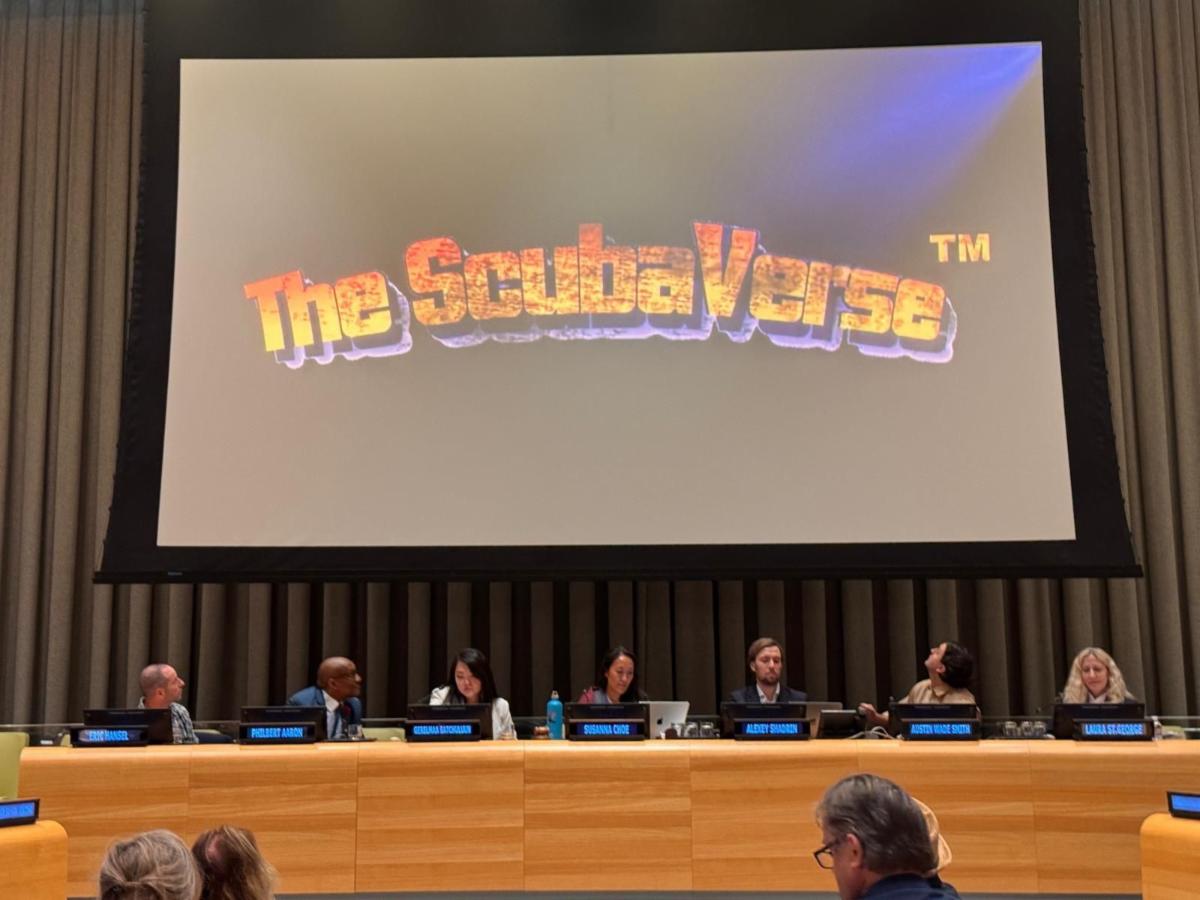
| | | | On September 18, The ScubaVerse founder Eric Hansel spoke at the GloCha Global Challenges Action Network UN HQ Conference on Local Action for Global Challenges. The event brought together leaders and innovators to engage youth, advance digital innovation, and localize the SDGs amid climate and global uncertainty. Discussions highlighted how Digital Public Infrastructure (DPI) can support collective action and sustainable futures. | | | Through its focus on emerging technologies and ocean protection, The ScubaVerse is contributing to building resilient economies and empowered communities. | | | | | Participants in the EU Cost Action "Rethinking the blue economy: socio-ecological impacts and opportunities" recently met in Italy at a workshop organised by Professors Emilio Cocco (Italy) and Sian Davies-Vollum (UK, PI of the Resilient Lagoon Network). At the workshop researchers discussed and shared ideas on the topic of "Climate Change and Coastal Communities Diversity: Challenges and Implications for the European Blue Economy". Colleagues presented case studies from such diverse locations at Thailand, Greenland, Iceland, Ghana, Spain, Albania and Bulgaria. The intention is to collate the case studies into a special issue of the journal Anthropocene Coasts. | | |
Updates from FEC Supported Networks
| | Ocean Acidification Africa | | | | | |
OA-Africa has been invited by the Global Ocean Acidification Observing Network (GOA-ON) to contribute to OA Week 2025 by hosting a regional session. Taking place from 13 to 17 October 2025, this year’s OA Week will highlight the theme “Rising to the Challenge of Ocean Acidification: Using Science and Knowledge to Drive Action.”
As part of this global event, OA-Africa will convene a Policy Session on Friday, 17 October 2025, from 11:00 a.m. to 12:30 p.m. GMT. The session, entitled “Turning Science into Policy: Advancing Ocean Acidification Action in Africa,” will bring forward regional perspectives, strengthen the science–policy interface, and foster dialogue on coordinated approaches to addressing ocean acidification across the continent.
Click here to read more.
| | | Decade Collaborative Centre for Coastal Resilience | | | | | Modelling the Future: The All-Atlantic Summer School 2025 in Rio de Janeiro | Early career ocean professionals explored modelling and coastal resilience in Rio, with support from the DCC-CR and its Partner Alliance Network, bringing tools and expertise | | | |
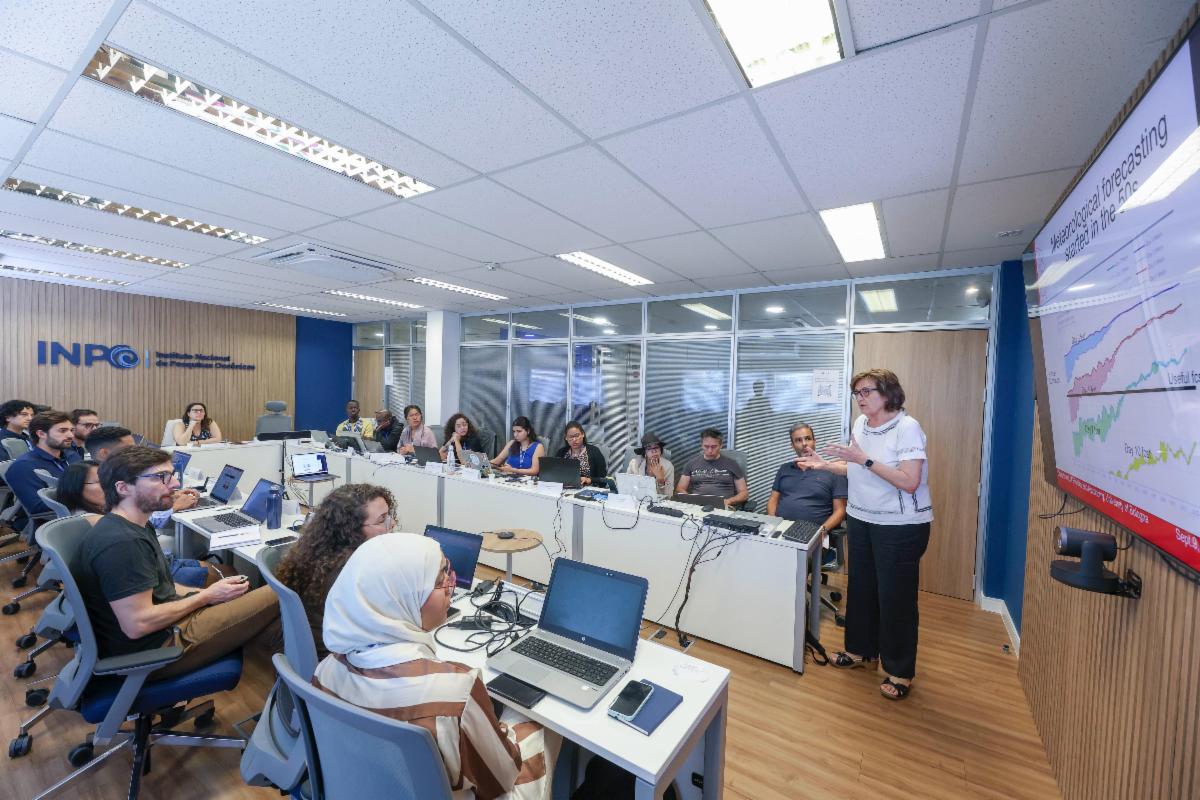
The All-Atlantic Summer School 2025, hosted at INPO’s headquarters in Rio de Janeiro from 8 to 12 September, concluded with great enthusiasm and success. The event brought together Early Career Ocean Professionals (ECOPs) from across the Atlantic to strengthen skills and collaborations on Numerical Modelling and Data Analysis Fundamentals: Applications on Coastal Resilience Studies.
Highlight of the school was the special session on operational oceanography led by Professor Nadia Pinardi, who represented the DCC-CR. She was joined by Dr. Francesco Trotta and Dr. Rodrigo Vicente from the CMCC, a member of the DCC-CR’s Partner Alliance Network. Their contribution reflected the broader effort of the PAN to bridge the gap between scientific advances and actionable solutions, by training early career professionals from around the world to apply cutting-edge modelling platforms such as the SURF system to real-world coastal resilience challenges. (source: Modelling the Future: The All-Atlantic Summer School 2025 in Rio de Janeiro — Decade Collaborative Centre for Coastal Resilience)
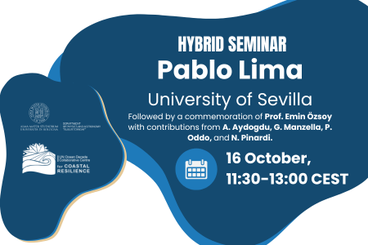
| The Mediterranean Sea as a natural model: a philosophical genealogy of the idea - Upcoming Seminar by Pablo Lima | |
On October 16, the Decade Collaborative Centre for Coastal Resilience, in collaboration with the Department of Physics and Astronomy of the University of Bologna, is pleased to host a seminar by Pablo Lima (PhD student at the University of Seville).
The event will take place from 11:30 CEST, in hybrid format: in person at the Geophysics Library, University of Bologna, and online via Zoom.
Click here to read more.
| New Coastal Resilience School Course on Sea Level Rise | |
Sea level rise is one of the most pressing challenges facing coastal communities, ecosystems, and infrastructure around the world. Understanding the risks, causes, and impacts of rising sea levels and the consequences on coastal regions is pivotal to design effective adaptation strategies and policies to enhance climate resilience.
Join this course on “Coastal Resilience to Sea Level Rise” to unlock the skills to analyze sea level rise risks, assess coastal vulnerabilities, and harness cutting-edge data and tools for decision-making. Empower yourself to design effective adaptation strategies, navigate governance challenges, and communicate solutions that drive real coastal resilience.
Click here to read more.
| DCC-CR, DCO Connecting People and Ocean & CMCC at Venice Biennale Architettura 2025 | |
The Decade Collaborative Centre for Coastal Resilience, together with the Decade Coordination Office “Connecting People and Ocean” and the CMCC Foundation, is pleased to announce a two-day event scheduled for 28–29 October 2025 in Venice, within the frame of the Biennale Architettura 2025.
The workshop, titled Resilient Shores: Coastal Futures Through Natural, Artificial, and Collective Intelligence, will address how coastlines can serve as living laboratories for adaptation in the face of rising seas and accelerating climate extremes. It will explore how nature-based solutions (natural intelligence), AI and digital technologies (artificial intelligence), and community knowledge and creativity (collective intelligence) can converge to reimagine resilient coastal habitats.
Click here to read more.
|
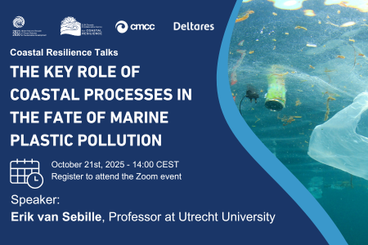
| | | | Coastal Resilience Talks: The Key Role of Coastal Processes in the Fate of Marine Plastic Pollution by Erik van Sebille | On 21 October 2025, from 14:00 to 15:00 CEST, the Coastal Resilience Talks will feature Professor Erik van Sebille, oceanographer at Utrecht University, in a webinar moderated by Professor Nadia Pinardi (DCC-CR). | | | |
Abstract
Most plastic pollution entering the ocean lingers in coastal zones for a while. Its transport and fragmentation there is controlled by processes such as beaching, resuspension and complex flow. Combining drifter data, lab experiments and numerical simulations reveals the key role of coasts in the fate of plastic pollution.
Click here to read more.
| | | New FEC Publications (Since April 2024) | | |
○ Adhiambo, R., Mensah, P. K., Koomson, A., & Acheampong, E. (2025). Navigating stress: Impacts of temperature, polycyclic aromatic hydrocarbons, and heavy metals on the diatom Thalassiosira weissflogii adapted to tropical waters of the Gulf of Guinea. Aquatic Toxicology, 107388.
https://doi.org/10.1016/j.aquatox.2025.107388
○ Cunha, J., Elliott, M., Villasante, S., Balbi, S., Cabecinha, E., & Ramos, S. (2025). Assessing cumulative risks to coastal and marine habitats under management and climate change scenarios: The case of northern Portugal. Ocean & Coastal Management, 268, 107756.
https://doi.org/10.1016/j.ocecoaman.2025.107756
○ Davies-Vollum, K. S., Puttick, S., Agyekhumene, A., Amolegbe, T., Aneyo, I., Boateng, I., ... & Sohou, Z. (2025). A stakeholder-informed framework for the sustainable management of coastal lagoons in West Africa. Anthropocene Coasts, 8(1), 1-11.
https://link.springer.com/article/10.1007/s44218-025-00093-x
○ Dutta, S., Al Balushi, M., Al Harbi, F., & Paul, S. (2025). Fisheries management of the Arabian Peninsula region with special emphasis to the Sultanate of Oman: perspectives of climate change adaptations. Anthropocene Coasts, 8(1), 1-14.
https://doi.org/10.1007/s44218-025-00088-8
○ Elrick-Barr, C. E., Smith, T. F., & Thomsen, D. C. (2025). Practitioner perspectives of wellbeing in rapidly changing Australian coastal communities. Ocean & Coastal Management, 266, 107668.
https://doi.org/10.1016/j.ocecoaman.2025.107668
○ Genchi, S. A., Vitale, A. J., & Perillo, G. M. (2025). Coastal cliff erosion: a bibliometric analysis and literature review. Anthropocene Coasts, 8(1), 1-18.
https://doi.org/10.1007/s44218-025-00072-2
○ Gutierrez, D., Calado, H., Toor, F. v., Moreira, M., Paramio, M. L., Martins, F., Santos, N., Melo, N., & Newton, A. (2025). Empowering Maritime Spatial Planning and Marine Conservation Efforts Through Digital Engagement: The Role of Online Platforms. Sustainability, 17(14), 6371.
https://doi.org/10.3390/su17146371
○ Jiang, W., Huang, Z., Dai, Z., Luo, J., Zeng, W., & Liang, X. (2025). Attenuation of hydro‐sediment dynamics progradation over mangrove wetland. Journal of Geophysical Research: Oceans, 130(2), e2024JC021531.
https://doi.org/10.1029/2024JC021531
○ Li, Y., Robinson, S. V., Nguyen, L. H., & Liu, J. (2023). Satellite prediction of coastal hypoxia in the northern Gulf of Mexico. Remote Sensing of Environment, 284, 113346.
https://doi.org/10.1016/j.rse.2022.113346
○ Li, Y., Xia, Z., Nguyen, L., Wan, H. Y., Wan, L., Wang, M., ... & Liu, J. (2025). Spatiotemporal dynamics of coastal dead zones in the Gulf of Mexico over 20 years using remote sensing. Science of The Total Environment, 979, 179461.
https://doi.org/10.1016/j.scitotenv.2025.179461
○ Liang, X., Dai, Z., Mei, X., Wang, R., Zeng, W., & Fagherazzi, S. (2025). Hurricanes induced irreversible large‐scale loss of mangrove forests. Geophysical Research Letters, 52(9), e2025GL115692.
https://doi.org/10.1029/2025GL115692
○ Matovu, B., Bleischwitz, R., Lukambagire, I., Alkoyak-Yildiz, M., Tarek, R., Etta, L., ... & Hsieh, Y. L. (2025). Examining the perceptions and attitudes toward Women's employment and leadership in the blue economy: A case study of India. Social Sciences & Humanities Open, 11, 101537.
https://doi.org/10.1016/j.ssaho.2025.101537
○ Matovu, B., Mim, T. A., & Lutalo, B. (2025). Where and how can Africa and India leverage the blue economy opportunities of the Indian Ocean region as a driver for sustainable development and partnerships?. Sustainable Futures, 10, 101218.
https://doi.org/10.1016/j.sftr.2025.101218
○ Nogueira, S. F., Vitale, A. J., Genchi, S. A., Roth, A., Vargas, S. M., Siben, A., ... & Perillo, G. M. (2025). Design and development of a cost-effective buoy using 3D printing for coastal monitoring. HardwareX, e00657.
https://doi.org/10.1016/j.ohx.2025.e00657
○ Ogier, E. M., Pecl, G. T., Hughes, T., Lawless, S., Layton, C., Nash, K. L., & Morrison, T. H. (2025). Novel marine-climate interventions hampered by low consensus and governance preparedness. Nature Climate Change, 1-10.
https://doi.org/10.1038/s41558-025-02291-4
○ Ogier, E. M., Pecl, G. T., Hughes, T., Lawless, S., Layton, C., Nash, K. L., & Morrison, T. H. (2025). Enhance responsible governance to match the scale and pace of marine–climate interventions. Nature Climate Change, 1-2.
https://doi.org/10.1038/s41558-025-02292-3
○ Onwubiko, C. C., & Aheto, D. W. (2025). Assessing the Role of Coastal Habitats in Flood Reduction in Selected Communities of Rivers State. Coasts, 5(2), 17.
https://doi.org/10.3390/coasts5020017
○ Salazar, Y. C. A., Genchi, S. A., Nuciari, L., Perillo, V. L., Piccolo, M. C., & Perillo, G. M. (2025). MiSMoS (MicroScale Morphology System): an inexpensive new method to survey 3D surface micromorphology. Latin American Journal of Sedimentology and Basin Analysis.
https://lajsba.sedimentologia.org.ar/lajsba/article/view/264
○ Valiela, I., Chenoweth, K., & Day, J. (2025). Meta-analysis of vegetation responses to experimental nitrogen enrichments done in salt marshes under different sea level rise regimes reveal interaction of N supply and sea level rise. Science of The Total Environment, 975, 179198.
https://doi.org/10.1016/j.scitotenv.2025.179198
○ Wu, S., Hu, Y., Zhao, W., Gong, L., Song, Y., Li, C., ... & He, Q. (2025). Human flood adaptation characteristics: A comparative study of three global river deltas. Journal of Hydrology, 133531.
https://doi.org/10.1016/j.jhydrol.2025.133531
○ Yang, J., Dai, Z., Mei, X., Lou, Y., & Fagherazzi, S. (2025). Wetland gain and loss in the Mississippi River bird‐foot delta. Earth's Future, 13(6), e2024EF005003.
https://doi.org/10.1029/2024EF005003
○ Zhao, X., Kaniewski, D., Wang, Y., Marriner, N., Salem, A., Alassal, S. E., ... & Chen, Z. (2025). On the long and winding road: unravelling the late emergence of Neolithic agriculture in the Nile Delta. Quaternary Science Reviews, 359, 109368.
https://doi.org/10.1016/j.quascirev.2025.109368
○ Zhao, X., Kaniewski, D., Wang, Y., Marriner, N., Salem, A., Liu, Y., ... & Chen, Z. (2025). Holocene trends in Nile Delta fire regimes driven by cropland expansion and reduced precipitation. Quaternary Science Reviews, 361, 109412.
https://doi.org/10.1016/j.quascirev.2025.109412
| | FEC Publications (April, 2024 - March, 2025) | | |
○ Anthony, E., Syvitski, J., Zăinescu, F., Nicholls, R. J., Cohen, K. M., Marriner, N., ... & Maselli, V. (2024). Delta sustainability from the Holocene to the Anthropocene and envisioning the future. Nature Sustainability, 1-12.
https://doi.org/10.1038/s41893-024-01426-3
○ Backler, S., Davies-Vollum, K. S., & Raha, D. (2025). An evaluation of coastal resilience policies in Anglophone West Africa through a regional comparative analysis. Marine Policy, 176, 106648.
https://doi.org/10.1016/j.marpol.2025.106648
○ Baker, M., Bleischwitz, R., Lukambagire, I., Etta, L. A., & Lutalo, B. (2025). Decomposing sand mining complexities to chart ocean sustainability narratives and pathways in the coastal zones of Africa. The Extractive Industries and Society, 23, 101646.
https://doi.org/10.1016/j.exis.2025.101646
○ Banerjee, S., Lahiri, R., Choudhury, A. K., Mondal, A., Kim, J. W., MubarakAli, D., & Satpati, G. G. (2024). Unraveling the potential of cyanobacteria as food and investigating their production and nutritional properties. Biocatalysis and Agricultural Biotechnology, 103421.
https://doi.org/10.1016/j.bcab.2024.103421
○ Day, J., Anthony, E., Costanza, R., Edmonds, D., Gunn, J., Hopkinson, C., ... & White, J. R. (2024). Coastal Wetlands in the Anthropocene. Annual Review of Environment and Resources, 49.
https://doi.org/10.1146/annurev-environ-121922- 041109
○ Day, J. W., Xu, Y. J., Keim, B. D., Brown, V. M., Giosan, L., Mann, M. E., & Stephens, J. R. (2024). Emerging climate threats to the Mississippi River Delta: Moving from restoration to adaptation. One Earth.
https://doi.org/10.1016/j.oneear.2024.03.001
○ Elegbede, I. O., Al Jufaili, S. M., Jolaosho, T. L., Tesleem, B., Adekunle, A. F., Modupe, O. O., ... & Halimat, A. A. (2025). Health-related dimensions of fishers for sustainable commercial fisheries in the Atlantic Gulf of Guinea: Ecological and social assessments. One Health, 20, 100972.
https://doi.org/10.1016/j.onehlt.2025.100972
○ Eriksen, S. H., Simpson, N. P., Glavovic, B., Ley, D., Carr, E. R., Fernández-Carril, L., ... & Degvold, F. (2024). Pathways for urgent action towards climate resilient development. Nature Climate Change, 1-4.
https://doi.org/10.1038/s41558-024-02190-0
○ Fivash, G. S., Stoorvogel, M. M., de Smit, J. C., van Rees, F., van Dalen, J., Grandjean, T. J., ... & van Belzen, J. (2024). Abiotic origins of self‐organized ridge‐runnel patterns on tidal flats. Limnology and Oceanography, 69(6), 1378-1389.
https://doi.org/10.1002/lno.12581
○ Harvey, N and Thom, B (2024) Coastal Governance in Federated Countries. In: Baird, Daniel and Elliott, Michael (eds.) Treatise on Estuarine and Coastal Science, 2nd Edition, vol. 7, pp. 307–326. Oxford: Elsevier.
https://doi.org/10.1016/B978-0-323-90798-9.00098-6
○ Issifu, I., Dahmouni, I., & Sumaila, U. R. (2025). Assessing the ecological and economic transformation pathways of plastic production system. Journal of Environmental Management, 374, 124104.
https://doi.org/10.1016/j.jenvman.2025.124104
○ Khalifa, A., Meselhe, E., Hu, K., Day, J., & Allison, M. (2025). The Great Mississippi River Flood of 1927: Morphodynamic Analysis of The Caernarvon Crevasse Event. Estuarine, Coastal and Shelf Science, 109234.
https://doi.org/10.1016/j.ecss.2025.109234
○ Leyva Ollivier, M. E., Newton, A., & Kelsey, H. (2024). Assessment of the Chesapeake Bay watershed socio-ecological system through the Circles of Coastal Sustainability framework. Frontiers in Water, 6, 1269717.
https://doi.org/10.3389/frwa.2024.1269717
○ Liu, P., Zhang, J., Liu, Y., Sun, Q., Zhang, D., Li, Y., ... & Chen, J. (2024). Sediment source-to-sink patterns along the Southeast China coast during the late quaternary: New insights from sediment geochemistry and OSL ages in the Ningde Bay. Palaeogeography, Palaeoclimatology, Palaeoecology, 112577.
https://doi.org/10.1016/j.palaeo.2024.112577
○ Liu, S., Hu, Z., Grandjean, T. J., Wang, Z. B., van Zelst, V. T., Qi, L., ... & Bouma, T. J. (2025). Dynamics and drivers of tidal flat morphology in China. Nature Communications, 16(1), 2153.
https://doi.org/10.1038/s41467-025-57525-y
○ Maire, E., Robinson, J. P., McLean, M., Arif, S., Zamborain-Mason, J., Cinner, J. E., ... & Hicks, C. C. (2024). Managing nutrition-biodiversity trade-offs on coral reefs. Current Biology.
https://doi.org/10.1016/j.cub.2024.08.031
○ Matovu, B., Bleischwitz, R., Lukambagire, I., Etta, L. A., Alkoyak-Yildiz, M., Tarek, R., ... & Suresh, A. S. (2025). Linking the blue economy to Women's empowerment to create avenues for the realization of ocean sustainability targets in the global south. Ocean & Coastal Management, 262, 107582.
https://doi.org/10.1016/j.ocecoaman.2025.107582
○ Matovu, B., Lee, M. A., Mammel, M., Lukambagire, I., Lutalo, B., Mwangu, A. R., ... & Muhoozi, Y. (2024). Mobilizing Evidence-based Knowledge for Sustainable Wetlands Co-management and Co-governance amidst increasing Anthropogenic and Environmental Stressors: Key Lessons from Mityana District, Uganda. Environmental Challenges, 17, 101014.
https://doi.org/10.1016/j.envc.2024.101014
○ Perillo, G.M.E., Piccolo, M.C., 2024. Global variability in estuaries and coastal settings. En: Whitfield, A.K., Elliott, M. (eds.) Treatise on Estuarine and Coastal Science, 2nd Ed. Vol.1 18-24 Elsevier.
DOI 10.1016/B978-0-323-90798-9.00038-X
○ Perillo, G.M.E., Gao, S., Cuadrado, D.G., 2024. Tidal flats: geomorphology and dynamics. En: Uncles, R.J., Mitchell, S., French, J. (eds.) Treatise on Estuarine and Coastal Science, 2nd Ed. Vol.2 809-842 Elsevier
DOI10.1016/B978-0-323-90798-9.00034-2
○ Politi, E., Brito, A. C., Gomes, M. R., Lebreton, C., & Falcini, F. (2024). Listening to stakeholders: Development of water quality indicators for transitional environments using satellite data. Ocean & Coastal Management, 253, 107140. https://doi.org/10.1016/j.ocecoaman.2024.107140
○ Raha, D., Davies-Vollum, K. S., Hemstock, S. L., Boateng, I., Islam, M. T., & Pierce, C. A. (2024). We need collaboration and co-creation to address challenges facing coastal communities. Nature Human Behaviour, 1-9.
https://doi.org/10.1038/s41562-024-01875-y
○ Scordo, F., Seitz, C., Abasto, B., Spetter, C. V., Cintia Piccolo, M., Buria, L., & Perillo, G. M. (2024). Nutrients limiting the growth of planktonic and benthic-littoral primary producers in Patagonian Andean Lakes. Inland Waters,1-31.
https://doi.org/10.1080/20442041.2024.2418681
○ Scordo, F., Seitz, C., Buria, L., Piccolo, M. C., & Perillo, G. M. (2025). Climatic and human impacts on Patagonian terminal lakes. Science of The Total Environment, 966, 178714.
https://doi.org/10.1016/j.scitotenv.2025.178714
○ Stoorvogel, M. M., de Smit, J. C., Wiesebron, L. E., van Belzen, J., van de Koppel, J., Temmerman, S., & Bouma, T. J. (2025). Plant species, inundation, and sediment grain size control the development of sediment stability in tidal marshes. Ecological Applications, 35(1), e3078.
https://doi.org/10.1002/eap.3078
○ Stoorvogel, M. M., van Belzen, J., Temmerman, S., Wiesebron, L. E., Fivash, G. S., van IJzerloo, L., ... & Bouma, T. J. (2024). Salt marshes for nature-based flood defense: Sediment type, drainage, and vegetation drive the development of strong sediment beds. Ecological Engineering, 207, 107335.
https://doi.org/10.1016/j.ecoleng.2024.107335
○ Stoorvogel, M. M., Willemsen, P. W., van Belzen, J., Temmerman, S., de Jonge, J. M., van de Koppel, J., & Bouma, T. J. (2025). Nature-based mitigation of shoreline erosion risks in tidal marshes created by managed realignment vs. sediment nourishment. Ecological Engineering, 210, 107439.
https://doi.org/10.1016/j.ecoleng.2024.107439
○ Valderrama-Landeros, L., Flores-de-Santiago, F., Ávila-Flores, G., Flores-Verdugo, F., Alcántara-Maya, J. A., Troche-Souza, C., ... & Suarez, E. (2024). IUCN Red List of Ecosystems, Mangroves of the Warm Temperate Northeast Pacific.
https://doi.org/10.32942/X2B03V
○ van Belzen, J. (2024). Ragworms Anecdotes. Journal of Trial and Error.
https://doi.org/10.36850/d17f-489b
○ Velilla, E., Snethlage, J., Poelman, M., van der Meer, I. M., van der Werf, A., Deolu‐Ajayi, A. O., & van Belzen, J. (2025). Too salty to farm: rethinking coastal land use in response to soil salinization. Restoration Ecology, e70006.
https://doi.org/10.1111/rec.70006
○ Venevsky, S., Berdnikov, S., Day, J. W., Sorokina, V., Gong, P., Kleshchenkov, A., ... & Giosan, L. Don River Delta Hydrological and Geomorphological Transformation Under Anthropogenic and Natural Factors: Century and Decadal Perspectives. Available at SSRN 4474057.
https://doi.org/10.1016/j.ocecoaman.2024.107364
○ Wolanski, E., & Kingsford, M. J. (Eds.). (2024). Oceanographic processes of coral reefs: Physical and biological links in the Great Barrier Reef (2nd ed.). CRC Press.
https://www.routledge.com/Oceanographic-Processes-of-Coral-Reefs-Physical-and-Biological-Links-i/Kingsford-Wolanski/p/book/9781032340746
○ Xue, L., Li, T., Li, X., Bi, Y., Su, L., Song, Y., ... & Shi, B. (2024). Short-term evolution pattern in salt marsh landscapes: the importance of physical constraints. Landscape Ecology, 39(5), 1-16.
https://doi.org/10.1007/s10980-024-01898-w
○ Zhang, W., & de Vriend, H. (Eds.). (2024). Delta sustainability: A report to the Mega-Delta Programme of the UN Ocean Decade. Springer Singapore.
https://doi.org/10.1007/978-981-97-7259-9
○ Zhao, Y., Peng, Z., Chen, X., Fang, D., Liu, S., Wang, X., & He, Q. (2024). Parameterisation and evolution of non-breaking wave nonlinearity over flexible vegetation. Coastal Engineering, 192, 104543.
https://doi.org/10.1016/j.coastaleng.2024.104543
○ Zhou, Z., Grandjean, T. J., de Smit, J., van Belzen, J., Fivash, G. S., Walles, B., ... & Bouma, T. J. (2024). Sediment dynamics shape macrofauna mobility traits and abundance on tidal flats. Limnology and Oceanography, 69(10), 2278-2293.
https://doi.org/10.1002/lno.12669
○ Zhu, Q., Xing, F., Wang, Y. P., Syvitski, J., Overeem, I., Guo, J., ... & Gao, S. (2024). Hidden delta degradation due to fluvial sediment decline and intensified marine storms. Science Advances, 10(18), eadk1698.
https://doi.org/10.1126/sciadv.adk1698
|
| |
Anthropocene Coasts
special column
| | | | |  | |
Anthropocene Coasts, the official journal supported by Future Earth Coasts, is archived by 17 databases, such as Emerging Sources Citation Index (ESCI), SCOPUS, Google Scholar, Catalogue of Chinese High-Quality Sci-Tech Journals (Geosciences), CLOCKSS, CNKI, Wanfang, CNPIEC, Dimensions, EBSCO Discovery Service, Naver, EBSCO Discovery Service, OCLC WorldCat Discovery Service, Portico, ProQuest-ExLibris Primo, ProQuest-ExLibris Summon, TD Net Discovery Service.
Official Website:
https://www.springer.com/journal/44218
Submission system:
https://www.editorialmanager.com/anth/default1.aspx
| | |
Anthropocene Coasts Seeks Associate Editors
| | |
Anthropocene Coasts, Future Earth Coasts' first official journal, is a Green Open Access journal hosted by East China Normal University. The journal publishes multidisciplinary research addressing the interaction of human activities with our estuaries and coasts.
To help build on the success of Anthropocene Coasts and to explore more exciting international opportunities representing the journal, we’re seeking more international Associate Editors who will recruit high-quality papers and increase the journal’s impact. Candidates will also be expected to coordinate with the Editors-in-Chief, Prof. Shu Gao and Prof. Ian Townend, to oversee manuscript review and make recommendations for manuscript reviewing.
Main responsibilities:
- Secure high-quality journal content. Actively support the journal during your term of office by soliciting submissions to the journal, leading or encouraging others to lead special collections and promoting the journal to peers, colleagues, and the wider coastal research community.
- Raise the journal’s profile in your country and internationally.
- Safeguard the integrity of the peer review process. Ensure it is rigorous, timely, unbiased, and confidential.
- Attend our editorial board webinars and work with the Editors-in-Chief to help journal develop.
Click here to read more.
| |
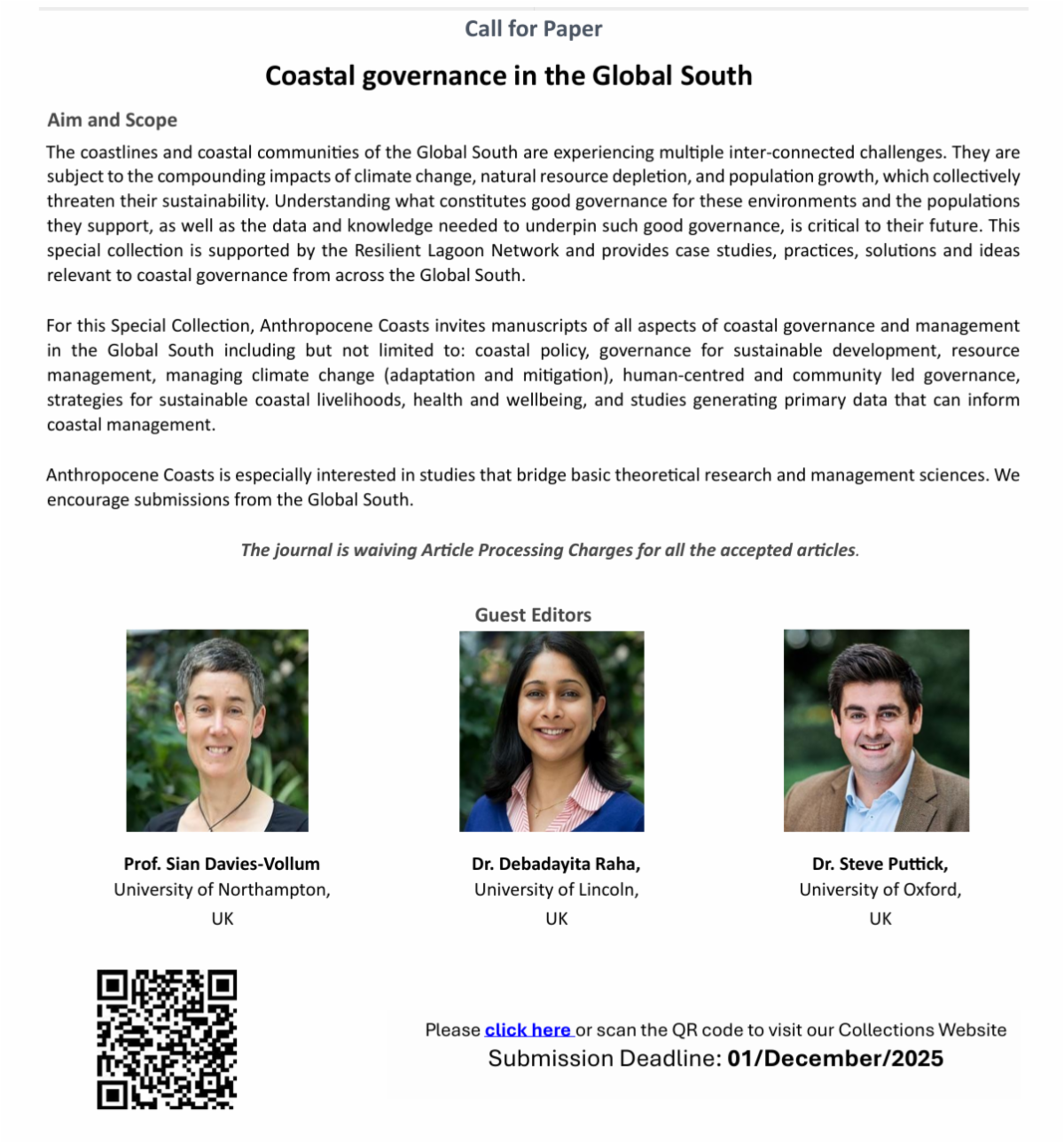
Special Collection: Coastal governance in the Global South
GUEST EDITORS:
Professor Sian Davies-Vollum
Dr Debadayita Raha
Dr Steve Puttick
For this Special Collection, Anthropocene Coasts invites manuscripts of all aspects of coastal governance and management in the Global South including but not limited to: coastal policy, governance for sustainable development, resource management, managing climate change (adaptation and mitigation), human-centred and community led governance, strategies for sustainable coastal livelihoods, health and wellbeing, and studies generating primary data that can inform coastal management.
Anthropocene Coasts is especially interested in studies that bridge basic theoretical research and management sciences. We encourage submissions from the Global South.
Update Milestones:
- August 30, 2024: Open call for abstracts closes; submit MS for 2x independent review
- December 1st, 2025: Manuscript submission deadline
Click here to read more.
| |
Topical Collection: Contaminants and sediment transport in estuaries and deltas
GUEST EDITORS:
Prof. Sergey Chalov
Dr. Evgeniya Panchenko
Prof. Michal Habel
Estuaries and deltas are vulnerable to environmental changes caused by economic activities and climate change. Sediments and a significant portion of contaminants transported as particulates are delivered to the deltas throughout the catchment. Some of the contaminants from rivers pass through estuaries into coastal waters and affect the highly productive marine ecosystem. Many deltas serve as secondary sources of sediment and pollutants. The study of sediment and contaminant transport is therefore essential for understanding the impacts on estuarine biodiversity. Research and monitoring of contaminant transport is crucial for the development of effective management strategies to maintain ecosystem sustainability.
For this Special Collection, Anthropocene Coasts invites manuscripts that focus on the protection and restoration of estuarine ecosystems and biodiversity, modern methods of pollution monitoring and sustainable management, physical and chemical mechanisms of sediment and contaminant transport, impacts of human activities and climate change on water quality and dynamics of sedimentation in estuaries and deltas.
Submission deadline: 17 October 2025
Click here to read more.
| | "World Large River and Delta Systems Source-to-Sink Online Talk Series" continue to update! | | Most of our subscribers are coasts-related researchers. If you would like to put some recruitment information or share some latest news about coastal research in FEC monthly newsletter, please feel free to contact us through fecchina@ecnu.edu.cn. | | | | |