Coast Posts
- A Newsletter From FEC

September 2026

Monthly News Updates

News from Future Earth Coasts International Project Office
Shanghai | East China Normal University

Highlights:


  • FEC Contributes to New Coastal Adaptation Report Addressing Climate Challenges in Atlantic Canada
  • Modelling Blue Carbon Ecosystems Across Scales | Session 5 of the Innovation & Technology Transfer Series
  • Building Just and Sustainable Coastal Cities: Join Session 4 of the FEC Just Transitions Training Series
  • The 5th International Conference on Mega Deltas & the 1st International Workshop on Coastal Sustainability
  • FEC Webinar Recap | Session 4 of the Innovation & Technology Transfer Series on Blue Carbon Biogeochemical Flux Dynamics
  • FEC Webinar Recap | Session 3 of the Just Transitions Online Training Series on Deltas
  • Anthropocene Coasts: Call for Papers – Tour de Coasts
  • FEC New Publications | Integrating human and natural systems from a global systems perspective
  • FEC New Publications | Nutrient and sediment dynamics of the Breton Sound estuary: Insights from 114 sampling events over twelve years
  • Updates from FEC Academy Members: Prof. Gerardo Perillo
  • Updates from FEC Affiliated Projects: Novara One Planet, Lagoons for Life
  • Updates from FEC Supported Networks: Decade Collaborative Centre for Coastal Resilience
  • Hiring: Leading Scholar in Chemical Oceanography & Biogeochemistry — SKLEC, ECNU
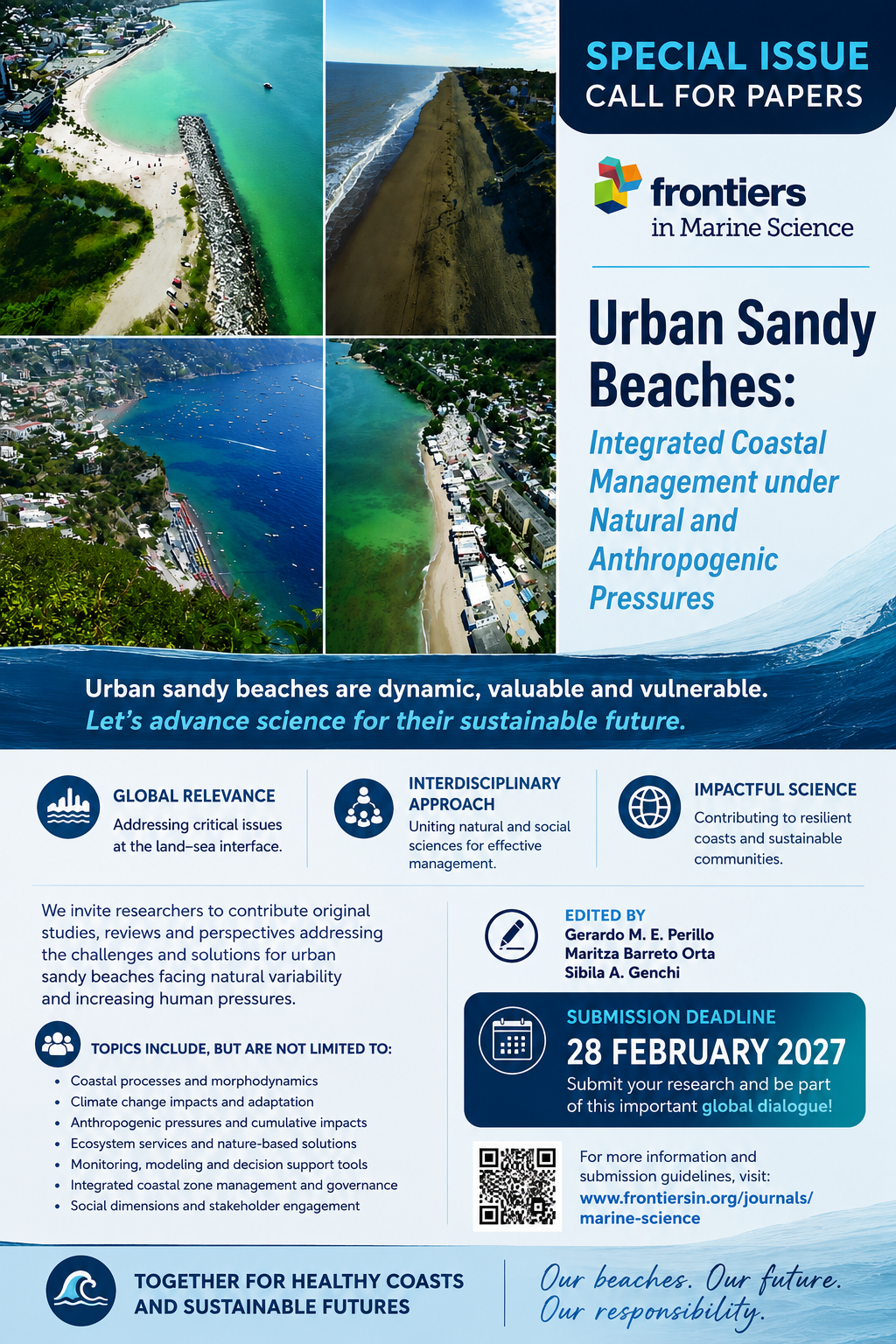
  • Call for Papers: Urban Sandy Beaches


What have we been up to

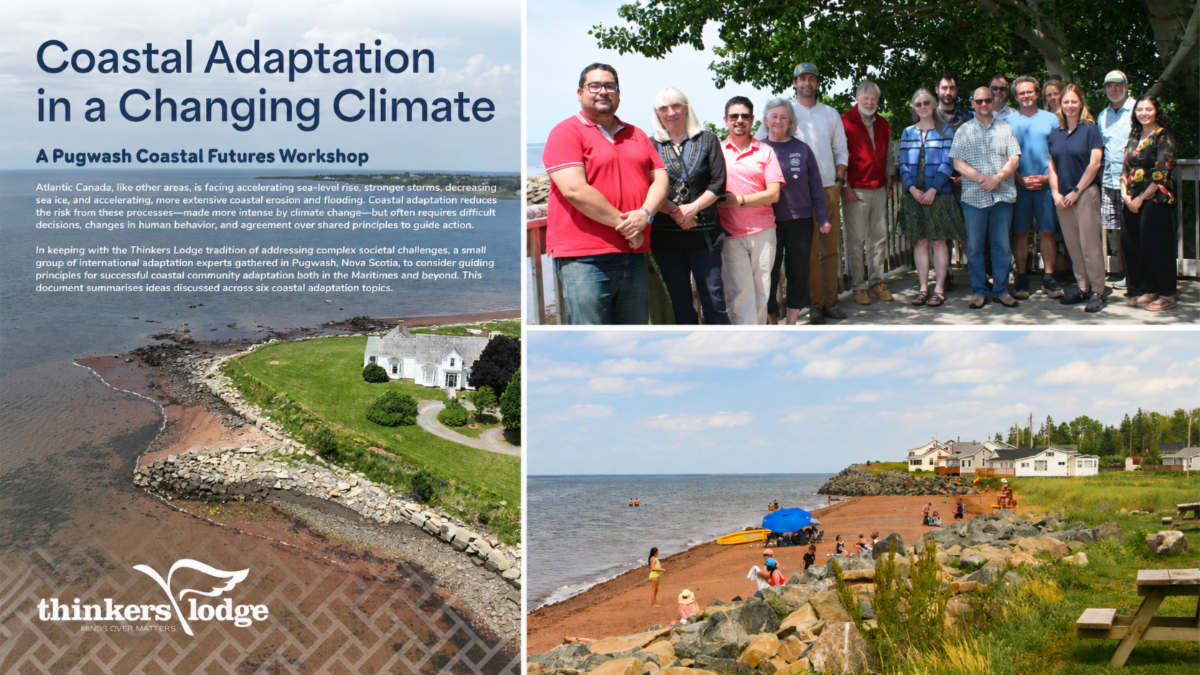
FEC Contributes to New Coastal Adaptation Report Addressing Climate Challenges in Atlantic Canada

The Technical Report Coastal Adaptation in a Changing Climate presents the outcomes of a Pugwash Coastal Futures Workshop held at Thinkers Lodge in Pugwash, Nova Scotia, Canada. Building on the Lodge’s tradition of addressing complex societal challenges, international adaptation experts considered guiding principles for successful coastal community adaptation in the Maritimes and beyond. The report responds to accelerating sea-level rise, stronger storms, coastal erosion, flooding and declining sea ice in Atlantic Canada. It includes participation by FEC IPO US and FEC IPO Mexico. 

Click here to read the full report.


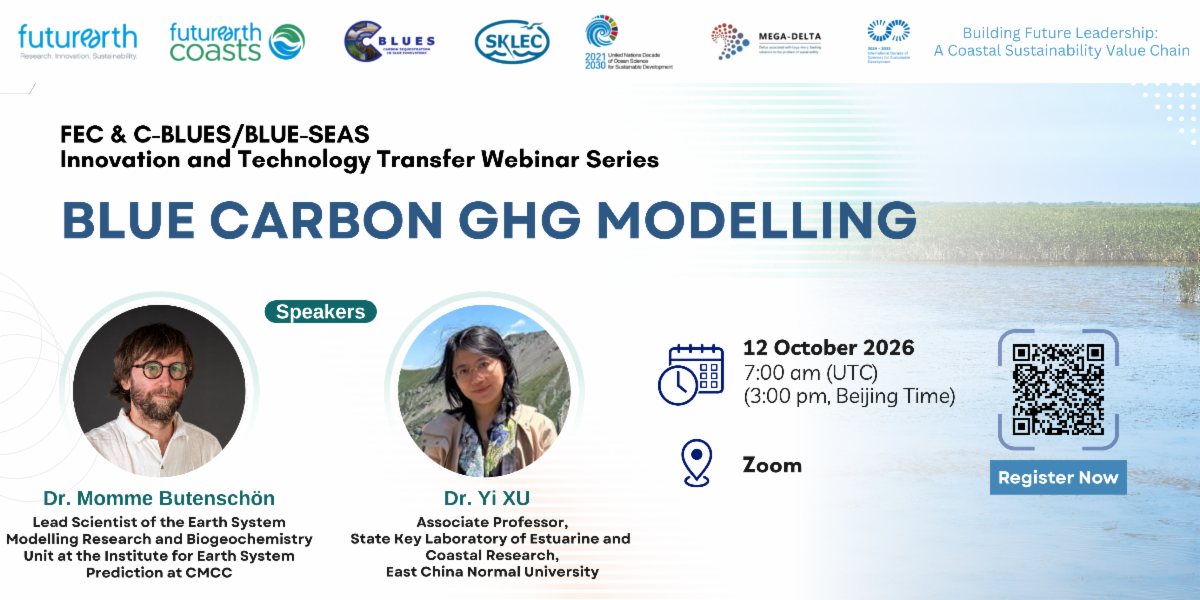
Modelling Blue Carbon Ecosystems Across Scales | Session 5 of the Innovation & Technology Transfer Series

Future Earth Coasts (FEC), together with the C‑BLUES and Blue‑Seas initiatives, is pleased to announce the fifth session of the Innovation and Technology Transfer Webinar Series. Supported by EU–China blue carbon collaborations, the series highlights cutting‑edge tools, modelling approaches, and scientific advances that strengthen understanding and management of blue carbon ecosystems across local, regional, and global scales.


This session focuses on blue carbon ecosystem modelling and the biogeochemical impacts of carbon transport from coastal wetlands to adjacent marine waters, showcasing innovative numerical and process‑based modelling frameworks. Through presentations on scaling blue carbon assessments from ecosystem to continental levels and simulating lateral carbon export in coastal environments, the session will explore how advanced modelling can improve carbon budget estimates, support climate mitigation strategies, and inform policy and management decisions.

Featured Speakers

🔹 Dr. Momme Butenschön (CMCC)

Modelling blue carbon ecosystems and their upscaled contribution to the global carbon budget

🔹 Dr. Yi Xu (East China Normal University)

From Wetlands to Coastal Waters: Numerical Modeling of the Biogeochemical Effects of Blue Carbon Lateral Transport


📅 12 October 2026

🕖 07:00 UTC

📍 Online via Zoom


Click here to register.

Click here to read more.


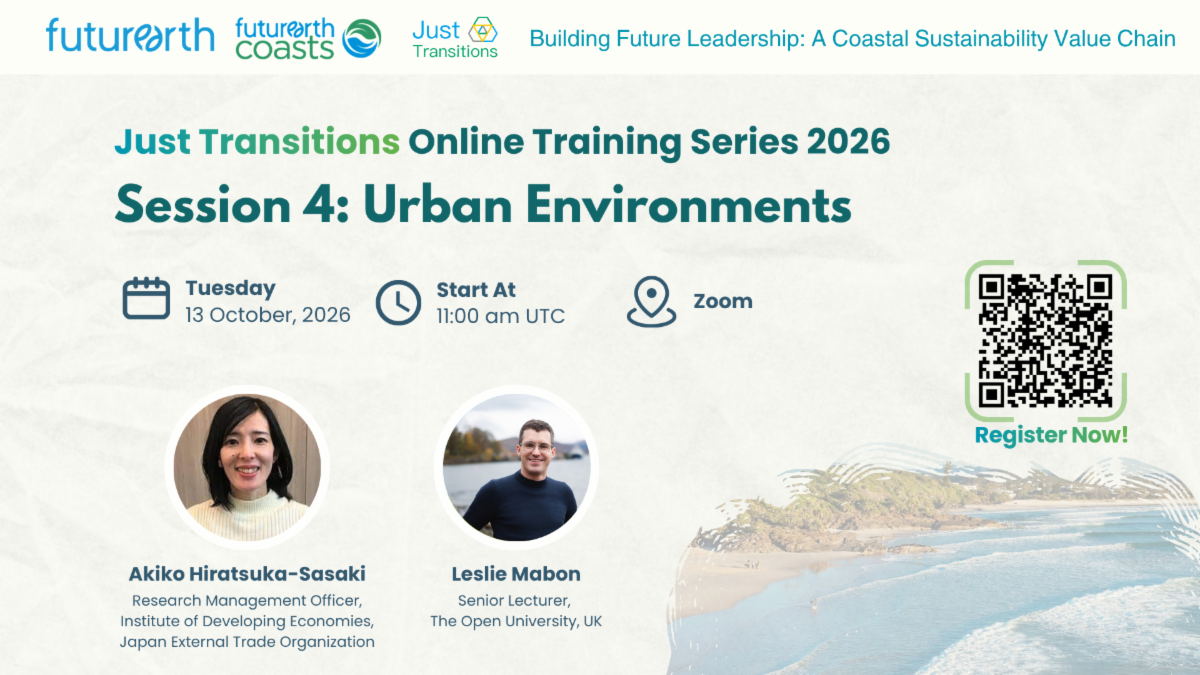
Building Just and Sustainable Coastal Cities: Join Session 4 of the FEC Just Transitions Training Series

How can coastal towns and cities advance climate and sustainability goals without leaving vulnerable communities behind? Session 4 of the FEC Just Transitions Online Training Series will bring together practitioners, researchers, policymakers, ECOPs, and community leaders to examine how urban development, climate risks, and social inequalities shape pathways towards a just transition. Particular attention will be given to smaller cities and towns that may have fewer resources and less representation in global sustainability networks.


We're delighted to welcome:

🎤 Akiko Hiratsuka-Sasaki (Institute of Developing Economies, Japan External Trade Organization), who will discuss the role of international city networks in supporting just transitions in coastal cities.

🎤 Leslie Mabon (The Open University, UK), who will explore how knowledge about "what works" for just transitions is shared and why local perspectives must remain central.


Key discussion topics include:

✅ Climate risks, urban development, and social inequalities in coastal cities

✅ Who benefits from climate and sustainability initiatives, and who may be left behind

✅ Challenges and opportunities for smaller cities and towns

✅ Strategies for ensuring inclusive and equitable transitions


💬 Participants are encouraged to bring examples from their own urban contexts and contribute their perspectives.

📅 13 October 2026

⏰ 11:00 AM UTC (2 hours)

📍 Online via Zoom


Click here to register.


Click here to read more.


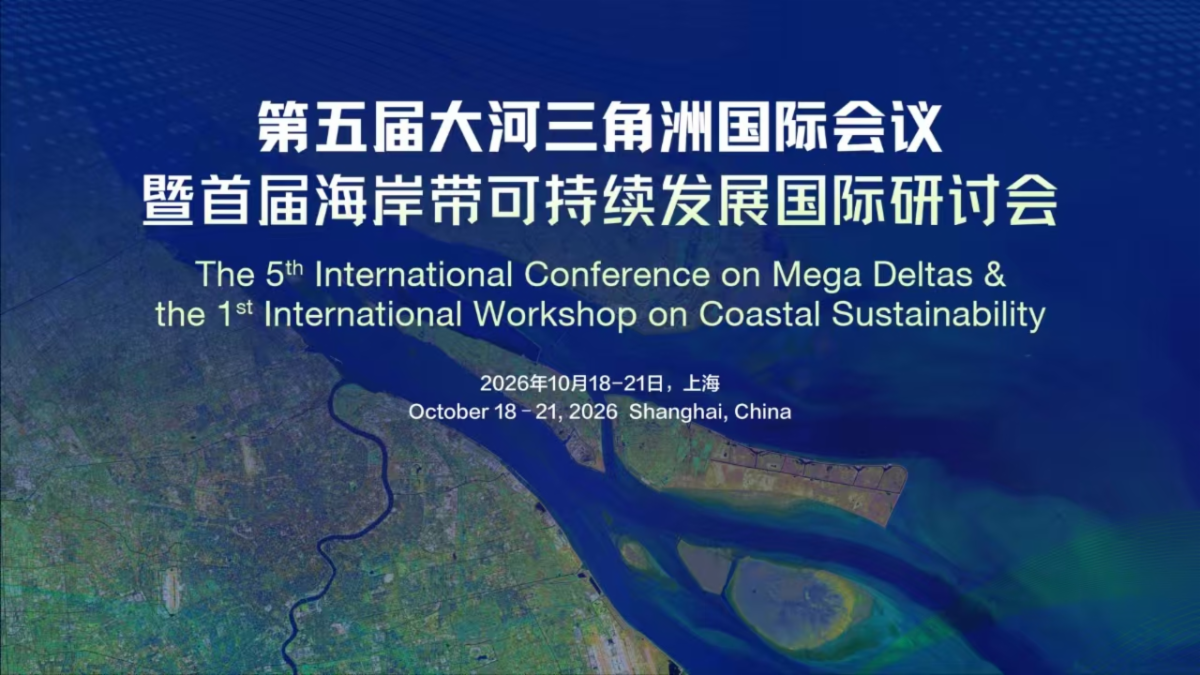
The 5th International Conference on Mega Deltas & the 1st International Workshop on Coastal Sustainability

FEC is pleased to announce the 5th International Conference on Mega Deltas and the 1st International Workshop on Coastal Sustainability, taking place 18–21 October 2026 in Shanghai, China. FEC is proud to serve as a co‑organizer of this global event.


Mega deltas are vital interfaces connecting river basins and the ocean—supporting food security, ecological stability, and regional development. As climate change and human activities reshape these systems, this conference will bring together scientists, policymakers, practitioners, and international organizations to exchange knowledge and explore integrated land–sea governance solutions.


Key themes include:

·       Delta responses to climate change and human activities

·       Coupled river basin–delta–coastal systems and integrated land–sea governance

·       Coastal ecosystem conservation, restoration, and blue economy development

·       Climate adaptation, disaster risk reduction, and resilient coasts

·       China–Africa cooperation on sustainable river basins and coastal zones

·       Building an international cooperation mechanism for sustainable mega deltas


Looking forward to seeing the global community come together to advance sustainable delta futures.


Click here to read more.


FEC Webinar Recap | Session 4 of the Innovation & Technology Transfer Series on Blue Carbon Biogeochemical Flux Dynamics


FEC Webinar Recap | Session 3 of the Just Transitions Online Training Series on Deltas


Anthropocene Coasts:

Call for Papers – Tour de Coasts

Anthropocene Coasts is launching a new special collection titled Tour de Coasts.  

This special collection is supported by FEC and provides a forum for knowledge exchange about priority coastal sustainability concerns and aims to create a comprehensive understanding of coastal sustainability challenges and opportunities from a global perspective.


For this Special Collection, Anthropocene Coasts invites manuscripts of all aspects of coastal sustainability challenges and opportunities globally including but not limited to: governance; individual, cultural, community, and ecological health; effective and inclusive communication; human behavioral change; food, water, and housing security; ecological analyses; economics and financial incentives; potential for managed coastal retreat; technology and increased connectivity; coastal disease threats and health benefits; use crises to inform; and modeling. 

The submission deadline for this collection has been extended to September 30, 2026. You can access the topical collection via this link. 


Guest Editors 


Dr. Katya Altman, Bureau of Ocean Energy Management, USA 


Dr. Dwayne Porter, University of South Carolina, USA  

Dr. Heath Kelsey, University of Maryland, USA

Dr. Anja Scheffers, Southern Cross University, Australia 

Dr. Xiaoyu Fang, East China Normal University, China  

New Article Published in This Special Collection


Dutta, S., Al Balushi, M., Al Harbi, F., & Paul, S. (2025). Fisheries management of the Arabian Peninsula region with special emphasis to the Sultanate of Oman: perspectives of climate change adaptations. Anthropocene Coasts, 8(1), 1-14.

https://doi.org/10.1007/s44218-025-00088-8

FEC New Publications

Integrating human and natural systems from a global systems perspective


John W. Day, William H. Conner, Katherine C. Ewel, Rachael Hunter, G. Paul Kemp, Robert Lane, Jay Martin, William Mitsch, Victor H. Rivera-Monroy, John Rybczyk

Abstract


During his long career, Howard Odum focused on both conceptual and theoretical issues such as maximum power and the development of energy circuit language as well as ecosystem-level studies of natural systems and human interactions with these systems. He and colleagues carried out large macrocosm studies on a variety of ecosystems. We review here studies initiated by Howard Odum as well as whole system studies carried out by a number of post docs, his students and their students. We focus on studies involving John Day, Katherine Ewel, and William Mitsch. Ewel and Mitsch worked on fertilized cypress systems in Florida. While at Ohio State University, Mitsch initiated a wetland research park on the university campus. He and Day carried out a series of holistic studies of the Mississippi basin to address water quality issues caused by agricultural runoff and developed a basin-wide plan for wetland reclamation to reduce nutrient inputs to streams and rivers. More recently, studies have been carried out on the long-range and large-scale effects of hydrology and macrophyte planting on phosphorus removal by wetlands adjacent to Lake Erie. Major ecosystem-scale studies in coastal Louisiana have investigated the value of coastal wetland and aquatic systems in improving water quality and restoring lost landscapes. These studies in the Midwest and Mississippi delta form the basis of determining design standards for creating and restoring wetlands in the Mississippi Basin to reduce Gulf of Mexico hypoxia and regain many lost ecosystem functions over a large part of North America. Studies have also been conducted of the use of mangroves to treat effluent from shrimp ponds. These studies were intended to increase our understanding of water quality improvement and ecosystem budgets, demonstrating the importance of pulsing, self-design, and emergy analysis.


Click here to read more.


Nutrient and sediment dynamics of the Breton Sound estuary: Insights from 114 sampling events over twelve years


Robert R. Lane, John W. Day, Jason N. Day, Bin Li, Matthew K. Moerschbaecher, Robert R. Twilley


Abstract


This long-term study of nutrient, sediment, and chlorophyll-a dynamics in the Breton Sound estuary examines how the Caernarvon river diversion influences estuarine water quality and ecosystem functioning. General linear model analyses revealed strong spatial and temporal gradients shaped by interactions among site, season, and discharge, with salinity, nitrate + nitrite (NOx), total nitrogen (TN), and total phosphorus (TP) all declining down-estuary, indicating efficient non-conservative nutrient processing and dilution. Nitrate concentrations decreased sharply under high discharge, producing an order-of-magnitude decline from upper- to lower-estuary conditions, particularly during warm seasons, reflecting temperature-dependent wetland processing and benthic removal pathways (e.g., denitrification) that intensify during more frequent wetland exchange and warm conditions, along with reduced residence time during peak flows. Stoichiometric ratios shifted from P limitation in the upper- and mid-estuary to N limitation in the lower-estuary. Chlorophyll-a peaked mid-estuary where salinity, nutrients, and light availability were optimum. Suspended sediments (TSS) were highest near the diversion structure in the upper-estuary as well as at the most gulfward sites in the lower-estuary due to riverine inflow and tidal/storm resuspension, respectively. Overall, the estuary transforms nutrient-rich river water into a more balanced coastal discharge, enhancing water quality and supporting wetland and aquatic productivity. The findings demonstrate that managed river inflows via the Caernarvon structure promote long-term nutrient attenuation and ecological resilience when integrated with hydrologic connectivity with wetlands and sediment management in Breton Sound and across the Mississippi River delta.


Click here to read more.


Coastal Radar

Updates from FEC Academy Members

Prof. Gerardo Perillo Awarded AGU International Award 2026

FEC is delighted to share that Prof. Gerardo Miguel Eduardo Perillo, former Director of the FEC International Project Office in Argentina and current FEC Academy Member, has been awarded the American Geophysical Union (AGU) International Award 2026.


The AGU International Award recognizes outstanding contributions that advance the Earth and space sciences and foster international scientific cooperation. Prof. Perillo's remarkable career has been characterized by his dedication to coastal and marine research, capacity building, and international collaboration, making a lasting impact on the global scientific community.

The award is part of AGU's 2026 Union Medals, Awards and Prizes program, which celebrates individuals whose contributions have transformed our understanding of the world, strengthened communities, and helped advance solutions for a sustainable future.


FEC warmly congratulates Prof. Perillo on this well-deserved recognition and celebrates his continued contributions to coastal science, interdisciplinary research, and international scientific leadership.


Congratulations, Gerardo, on this outstanding achievement!


Click here to read more.


Updates from FEC Affiliated Projects

Novara One Planet

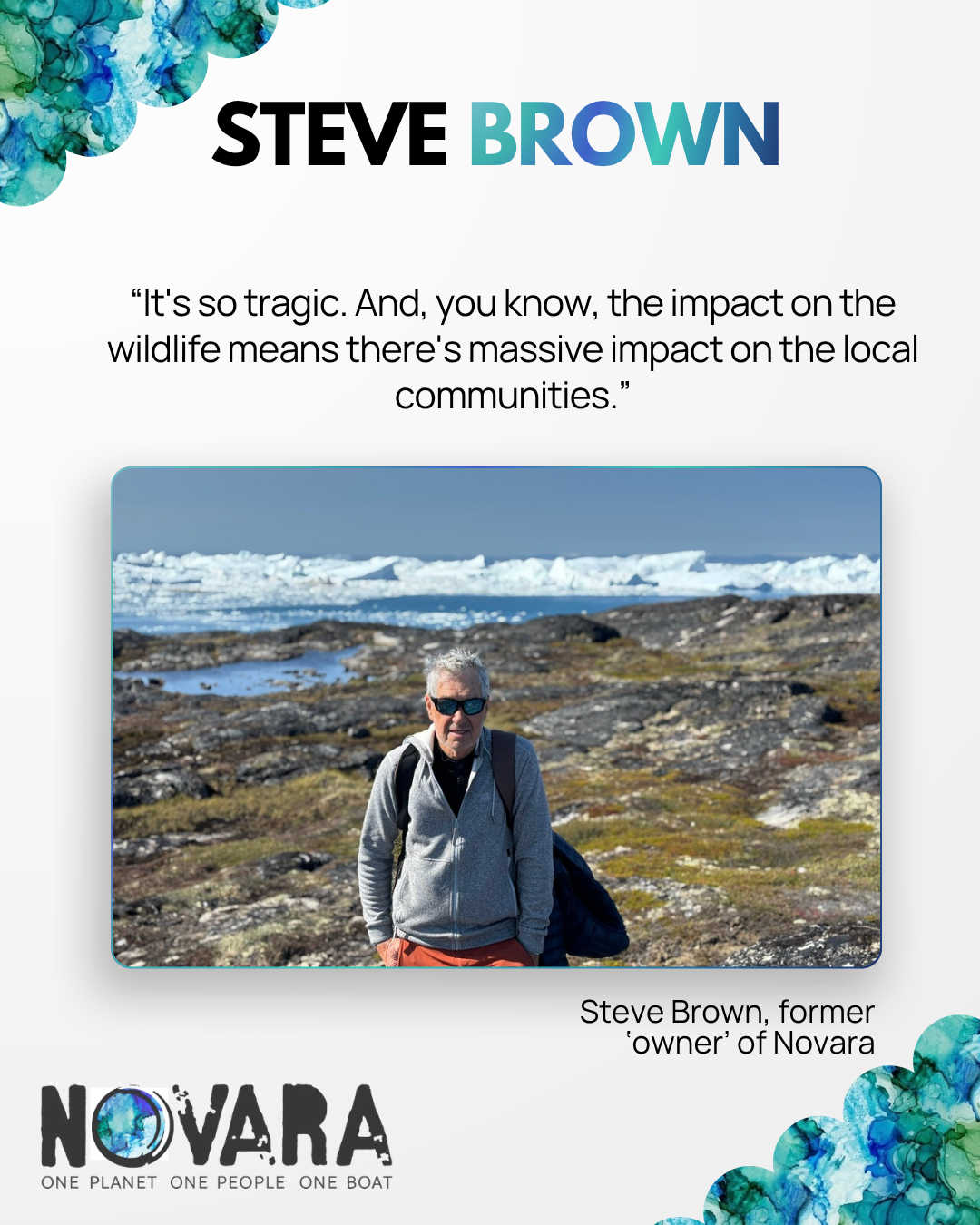
Podcast – Steve Brown on guardianship, adventure and climate change: the story of Novara

What does it mean to truly care for a boat, a crew, and the places you travel through? In this episode, Steve Brown reflects on a life shaped by sailing, adventure, and responsibility. As the former owner of the ice-strengthened schooner Novara, Steve shares how his relationship with the boat was never just about ownership. It was about guardianship. Steve describes buying Novara in 2014 with a clear purpose: to use her for the kind of voyages she was built for. That meant Arctic ice, remote coastlines, and long expeditions across some of the world’s most challenging waters. But the journey was about more than seamanship. It was also about climate change, changing ice conditions, and the people living closest to those changes.


Click here to read more.


Click here to listen to the podcast.


Lagoons for Life

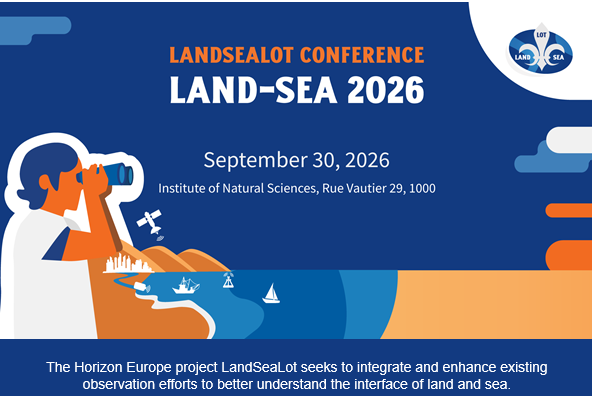
Land-sea interface areas are vital to resilience, security and productivity. Currently, diverse efforts are being made to observe those crucial areas of the world, including through in-situ and satellite observations, modelling, and citizen science activities. The European project LandSeaLot aims to bring these efforts together, towards the ultimate goal of developing a Common Observation Strategy for observing, understanding and protecting coastal areas.  


On 30 September 2026, in Brussels, stakeholders involved in the observation, study and management of land-sea interface areas will come together with coastal community representatives to explore this ongoing effort to improve observations and discuss the way forward.

Lagoons for Life will attend the event aiming to learn about LandSeaLot’s mission, explore novel methods such as the use of cost-effective observation technology, and listen to success stories emerging from regional and local actions and citizen science collaborations.


Updates from FEC Supported Networks

Decade Collaborative Centre for Coastal Resilience (DCC-CR)

Ocean Decade Blueprint for Coastal Resilience

The DCC-CR is coordinating the development of the Ocean Decade Blueprint for Coastal Resilience, contributing to the roadmap towards the 2027 UN Ocean Decade Conference in Rio de Janeiro. As part of this process, an international Blueprint Solution Workshop will take place in Milan, bringing together experts and stakeholders to identify priorities and actionable solutions for coastal resilience.


Click here to read more.


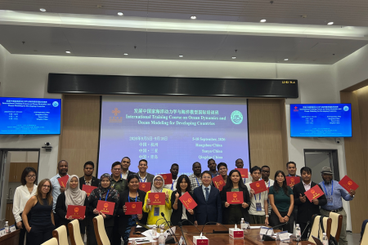
Co-Growth in China: two weeks of training and international exchange

From 4 to 19 September, 20 participants from seven countries joined the in-person Co-Growth programme across Sanya, Hangzhou and Qingdao. The two-week programme combined scientific training, field activities and international exchange on coastal resilience, bringing together experts and participants from across the Asia-Pacific region and beyond.

Click here to read more.


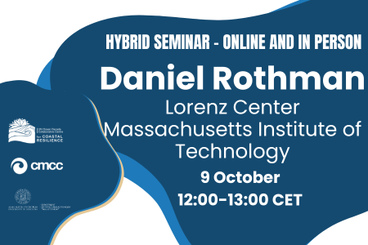
Kinetic Organization of Marine Microbial Respiration

On 9 October 2026, MIT geophysicist Daniel H. Rothman will give a hybrid seminar at the University of Bologna exploring how microbial metabolism shapes marine organic carbon degradation and the global carbon cycle. The seminar will present a theoretical framework for understanding and predicting microbial respiration rates and abundances in the water column and marine sediments.


Click here to read more.


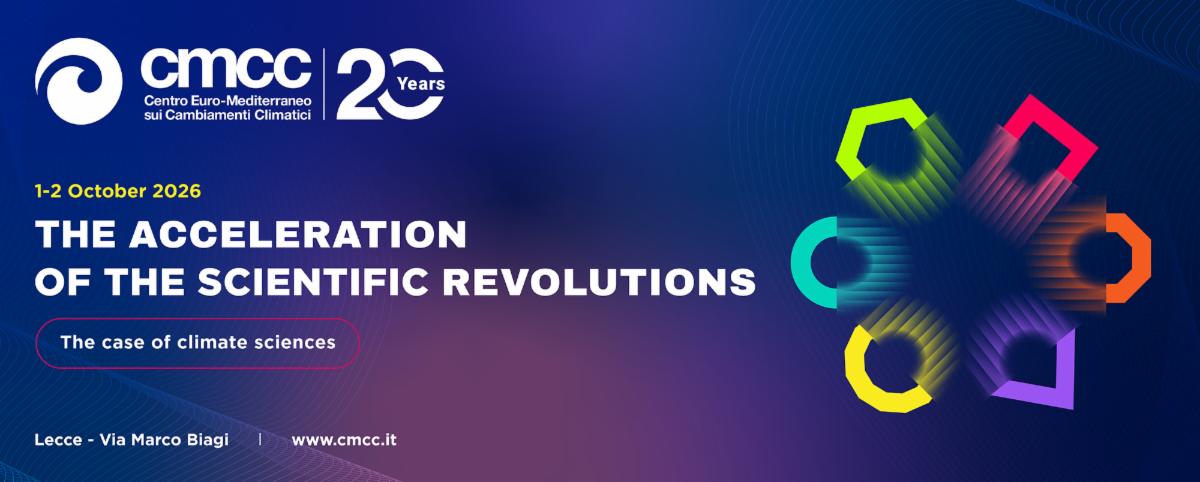
The Acceleration of Scientific Revolutions: The Case of Climate Sciences

The CMCC Symposium 2026 will explore how climate science is evolving in response to new technologies, data and approaches to scientific discovery. The event will provide a space for discussion on the transformations shaping climate research and their implications for addressing increasingly complex environmental challenges.


Click here to read more.


Updates from FEC IPO China

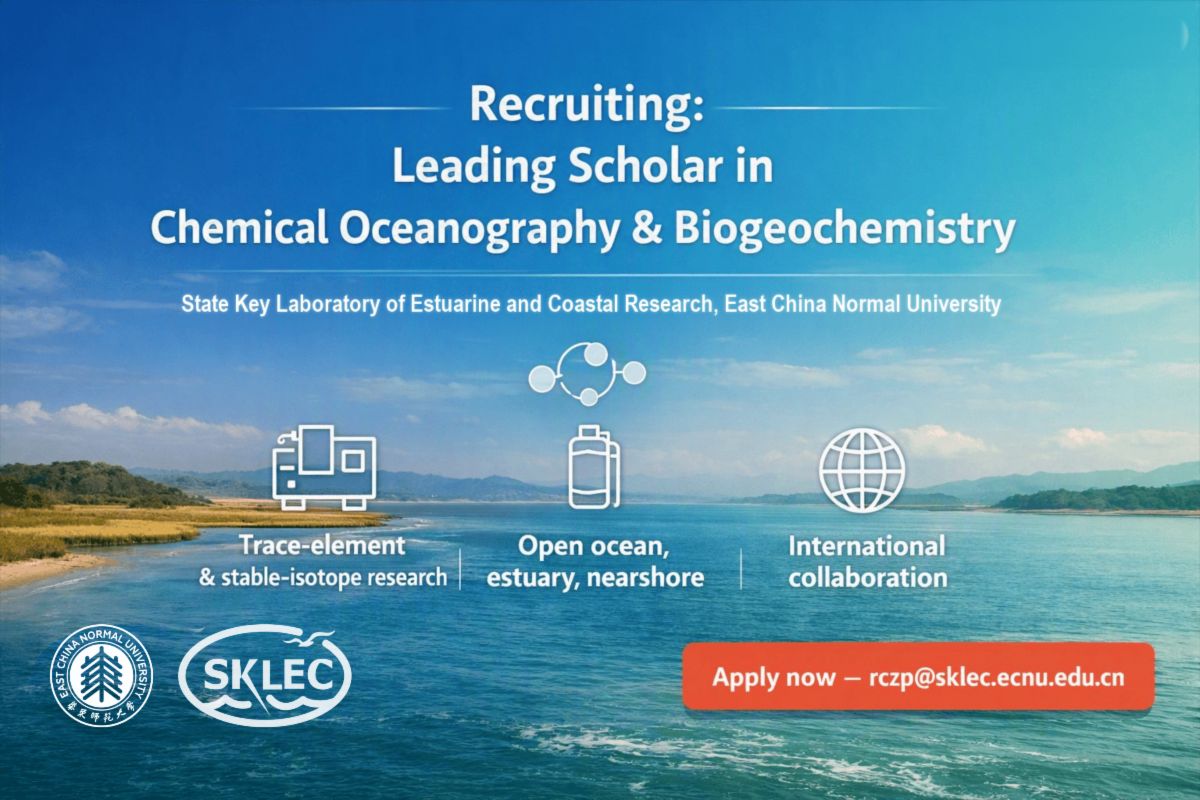
Hiring: Leading Scholar in Chemical Oceanography & Biogeochemistry — SKLEC, ECNU

The State Key Laboratory of Estuarine and Coastal Research (SKLEC) at East China Normal University is recruiting a Leading Scholar in Chemical Oceanography and Biogeochemistry. We seek an internationally recognized researcher with landmark contributions in trace‑element and stable‑isotope studies of seawater, extensive field experience in open‑ocean, estuarine and nearshore environments, and a strong track record of international collaboration (fieldwork in Belt & Road countries highly desirable).


Why join us: world‑class facilities (Element 2 HR‑ICP‑MS, Neptune MC‑ICP‑MS), Class‑1000/100 clean labs, established protocols for dissolved Fe, Pb, Se, Si, Ga and their isotopes, and deep‑ocean sampling systems (X‑Vane, Niskin‑X) with access to IOCAS MOTES clean containers. We offer competitive salary, generous start‑up funding, dedicated lab space, excellent graduate/postdoc talent, and relocation/housing support.


Responsibilities: lead the chemical oceanography & biogeochemistry program to international excellence, expand Belt & Road research networks, secure and lead national‑level projects, and mentor junior faculty and students.


Apply: send CV, up to 3 representative achievements, a research summary with a 5‑year plan, and 2–3 recommendation letters to rczp@sklec.ecnu.edu.cn. Subject line: “Leading Scholar Application + Chemical Oceanography + [Your Name]”.

Contact: Dr. Wang | +86‑21‑54836016 | www.sklec.ecnu.edu.cn


Please share this with colleagues who might be a great fit.


Click here to read more.


Call for Papers: Urban Sandy Beaches

New FEC Publications (Since April 2026)

○ Alfonso MB, Scordo F, Seitz C, Arias AH, Ronda AC, Mavo Manstretta GM, Chandra S, Perillo GME and Piccolo MC (2026) Microplastic contamination in remote mountain lakes of the americas: a baseline assessment from Patagonia and Northern California. Front. Toxicol. 8:1851245.

doi: 10.3389/ftox.2026.1851245

○ Charuka, B., Angnureng, D. B., Adhiambo, R. T., Tutu, G. O., Ekumah, N. O., Grace, A. E., ... & Aheto, D. W. Adaptation in Coastal Areas of Ghana: Opportunities and Challenges for a Just Transition. Just Transition and Climate Justice in Sub-Saharan Africa, 133-153.

https://doi.org/10.4324/9781003669593-12

○ Conner, W. H., Day, J. W., Day, R. H., Duberstein, J. A., Hunter, R. G., Keim, R. F., ... & Wolfe, B. T. (2026). Sustainable Management of Coastal Freshwater Forested Wetlands in the Mississippi River Delta. Forests, 17(4), 514.

https://doi.org/10.3390/f17040514

○ Day, J. W., Mitsch, W. J., & Rybczyk, J. M. (2025). Integrating human and natural systems from a global systems perspective. Ecological Engineering, 210.

https://doi.org/10.1016/j.ecolmodel.2025.111351

○ Elrick-Barr, C., Pelling, M., Glavovic, B. C., Smith, T., & Brown, K. (2026). Reframing local empowerment for climate resilience through mutual aid. Environmental Research Letters.

http://doi.org/10.1088/1748-9326/ae9564

○ Kharwar, K., Nair, P., Vaishnav, D. K., Bansal, A., & Amoss, L. D. (2026). Films as a Tool for Climate Education: A Quasi-Experimental Intervention amongst Middle School Children from the Indian Himalayan Region. Australian Journal of Environmental Education, 1-26.

https://doi.org/10.1017/aee.2026.10187

○ Lane, R. R., Day, J. W., Day, J. N., Li, B., Moerschbaecher, M. K., & Twilley, R. R. (2026). Nutrient and sediment dynamics of the Breton Sound estuary: Insights from 114 sampling events over twelve years. Estuarine, Coastal and Shelf Science, 110034.

https://doi.org/10.1016/j.ecss.2026.110034

○ Lutalo, B., Matovu, B., Sarfo, I., Semakula, H. M., Mukwaya, P., Turyahabwe, N., & Mwangu, A. R. (2026). Sand mining in Africa: Value chains, sustainability dilemmas, and key lessons for extractive industries. The Extractive Industries and Society, 27, 101952.

https://doi.org/10.1016/j.exis.2026.101952

○ Matovu, B., Mammel, M., Lee, M. A., Beegum, S., Fatma, M., & Hsieh, Y. L. (2026). Co-creating a fisherwomen-led business empowerment model for sustainable seafood value chains and transformations: Takeaways from India. Cogent Food & Agriculture, 12(1), 2677229.

https://doi.org/10.1080/23311932.2026.2677229

○ Mwabvu, B., Matovu, B., & Viswanathan, P. K. (2026). Co-designing the future of smallholder farming amidst anthropogenic and environmental complexities: Critical options and narratives for sustainable agriculture practices in India. Sustainable Futures, 11, 101899.

https://doi.org/10.1016/j.sftr.2026.101899

○ Paul, S. (2026). Copepods of a creek and an inter-tidal beach: perspectives from Sagar Island of Ganges estuary, India. Community Ecology, 1-11.

https://doi.org/10.1007/s42974-026-00303-7

○ Paul, S. (2026). Ecology of the copepods in Ganges estuary of India. Aquatic Sciences, 88(4), 122.

https://doi.org/10.1007/s00027-026-01353-9

○ Roy, A., & Roy, P. (2026). Urban flood susceptibility modelling of Guwahati in India using GIS-based AHP-MCDM for sustainable disaster risk management. Progress in Disaster Science, 100649.

https://doi.org/10.1016/j.pdisas.2026.100649

○ Smith, T. F., Bell-James, J., Page, J., Scheffers, A., Cataldo, G., Corrin, J., ... & Wang, H. (2026). Beach law in the anthropocene. Ocean & Coastal Management, 278, 108213.

https://doi.org/10.1016/j.ocecoaman.2026.108213


FEC Publications (April, 2025 - March, 2026)

○ Adhiambo, R., Mensah, P. K., Koomson, A., & Acheampong, E. (2025). Navigating stress: Impacts of temperature, polycyclic aromatic hydrocarbons, and heavy metals on the diatom Thalassiosira weissflogii adapted to tropical waters of the Gulf of Guinea. Aquatic Toxicology, 107388.

https://doi.org/10.1016/j.aquatox.2025.107388

○ Celliers, L., Ferse, S., Bruns, A., Eisenack, K., Hornidge, A. K., Klepp, S., ... & Rölfer, L. New rationalities, inner logic, and hope for sustainable future coasts. Global Sustainability, 1-21.

https://doi.org/10.1017/sus.2025.10041

○ Cumming, G. S., Rogers, A. A., Collins, T. G., Cuttler, M. V., Elrick-Barr, C. E., Gliottone, I., ... & Wilson, S. K. (2025). Social-ecological contributions of protected areas to their surroundings. One Earth, 8(12).

https://www.cell.com/one-earth/abstract/S2590-3322(25)00288-X

○ Cunha, J., Elliott, M., Villasante, S., Balbi, S., Cabecinha, E., & Ramos, S. (2025). Assessing cumulative risks to coastal and marine habitats under management and climate change scenarios: The case of northern Portugal. Ocean & Coastal Management, 268, 107756.

https://doi.org/10.1016/j.ocecoaman.2025.107756

○ Davies-Vollum, K. S., Puttick, S., Agyekhumene, A., Amolegbe, T., Aneyo, I., Boateng, I., ... & Sohou, Z. (2025). A stakeholder-informed framework for the sustainable management of coastal lagoons in West Africa. Anthropocene Coasts, 8(1), 1-11.

https://link.springer.com/article/10.1007/s44218-025-00093-x

○ Day, J. W., Conner, W. H., Ewel, K. C., Hunter, R., Kemp, G. P., Lane, R., ... & Rybczyk, J. (2025). Integrating human and natural systems from a global systems perspective. Ecological Modelling, 510, 111351.

https://doi.org/10.1016/j.ecolmodel.2025.111351

○ Defeo, O., Corte, G., Barboza, C. A., Debiasi, P., Costa, L. L., Elliott, M., ... & McLachlan, A. (2025). Sandy beaches within meta-social-ecological systems: An integrated framework for ecology, management, and conservation. Estuarine, Coastal and Shelf Science, 109350.

https://doi.org/10.1016/j.ecss.2025.109350

○ Duan, Y., Sanchez-Azofeifa, A., Chen, C., Tian, B., Li, X., Sengupta, D., & Zhou, Y. (2026). S2Coast-2023: The first global 10-meter resolution coastline dataset derived from enhanced Sentinel-2 composite imagery using Google Earth Engine. Remote Sensing of Environment, 334, 115186.

https://doi.org/10.1016/j.rse.2025.115186

○ Dutta, S., Al Balushi, M., Al Harbi, F., & Paul, S. (2025). Fisheries management of the Arabian Peninsula region with special emphasis to the Sultanate of Oman: perspectives of climate change adaptations. Anthropocene Coasts, 8(1), 1-14.

https://doi.org/10.1007/s44218-025-00088-8

○ Elliott, M., Borja, Á., & Cormier, R. (2025). Managing marine resources sustainably–But how do we know when marine management has been successful?. Ocean & Coastal Management, 265, 107623.

https://doi.org/10.1016/j.ocecoaman.2025.107623

○ Elliott, M., Cormier, R., & Borja, Á. (2025). Making sense of marine management–The ten-tenets revisited. Marine Pollution Bulletin, 221, 118580.

https://doi.org/10.1016/j.marpolbul.2025.118580

○ Elrick-Barr, C. E., Smith, T. F., & Thomsen, D. C. (2025). Practitioner perspectives of wellbeing in rapidly changing Australian coastal communities. Ocean & Coastal Management, 266, 107668.

https://doi.org/10.1016/j.ocecoaman.2025.107668

○ Galparsoro, I., Montero, N., Mandiola, G., Menchaca, I., Borja, Á., Flannery, W., ... & Stelzenmüller, V. (2025). Assessment tool addresses implementation challenges of ecosystem-based management principles in marine spatial planning processes. Communications Earth & Environment, 6(1), 55.

https://doi.org/10.1038/s43247-024-01975-7

○ Genchi, S. A., Vitale, A. J., & Perillo, G. M. (2025). Coastal cliff erosion: a bibliometric analysis and literature review. Anthropocene Coasts, 8(1), 1-18.

https://doi.org/10.1007/s44218-025-00072-2

○ Gutierrez, D., Calado, H., Toor, F. v., Moreira, M., Paramio, M. L., Martins, F., Santos, N., Melo, N., & Newton, A. (2025). Empowering Maritime Spatial Planning and Marine Conservation Efforts Through Digital Engagement: The Role of Online Platforms. Sustainability, 17(14), 6371.

https://doi.org/10.3390/su17146371

○ Herrera-Silveira, J. A., Pech-Cárdenas, M., Cinco-Castro, S. G., Pech-Poot, E., Árcega-Cabrera, F., Iturria-Dawn, R., ... & Teutli-Hernández, C. (2025). Mangrove blue carbon in Laguna de Términos, México, a protected area: spatial variability, sources and factors related. Regional Studies in Marine Science, 104390.

https://doi.org/10.1016/j.rsma.2025.104390

○ Jiang, W., Huang, Z., Dai, Z., Luo, J., Zeng, W., & Liang, X. (2025). Attenuation of hydro‐sediment dynamics progradation over mangrove wetland. Journal of Geophysical Research: Oceans, 130(2), e2024JC021531.

https://doi.org/10.1029/2024JC021531

○ Li, Y., Donnelly, J. P., Gao, S., Gao, J., Bramante, J. F., & Kotra, K. K. (2026). Reconstructing 3100 years of extreme coastal flooding events from Emau Island, Vanuatu. Quaternary Science Reviews, 373, 109733.

https://doi.org/10.1016/j.quascirev.2025.109733

○ Li, Y., Robinson, S. V., Nguyen, L. H., & Liu, J. (2023). Satellite prediction of coastal hypoxia in the northern Gulf of Mexico. Remote Sensing of Environment, 284, 113346.

https://doi.org/10.1016/j.rse.2022.113346

○ Li, Y., Xia, Z., Nguyen, L., Wan, H. Y., Wan, L., Wang, M., ... & Liu, J. (2025). Spatiotemporal dynamics of coastal dead zones in the Gulf of Mexico over 20 years using remote sensing. Science of The Total Environment, 979, 179461.

https://doi.org/10.1016/j.scitotenv.2025.179461

○ Liang, X., Dai, Z., Mei, X., Wang, R., Zeng, W., & Fagherazzi, S. (2025). Hurricanes induced irreversible large‐scale loss of mangrove forests. Geophysical Research Letters, 52(9), e2025GL115692.

https://doi.org/10.1029/2025GL115692

○ Matovu, B., Bleischwitz, R., Lukambagire, I., Alkoyak-Yildiz, M., Tarek, R., Etta, L., ... & Hsieh, Y. L. (2025). Examining the perceptions and attitudes toward Women's employment and leadership in the blue economy: A case study of India. Social Sciences & Humanities Open, 11, 101537.

https://doi.org/10.1016/j.ssaho.2025.101537

○ Matovu, B., Mim, T. A., & Lutalo, B. (2025). Where and how can Africa and India leverage the blue economy opportunities of the Indian Ocean region as a driver for sustainable development and partnerships?. Sustainable Futures, 10, 101218.

https://doi.org/10.1016/j.sftr.2025.101218

○ Niu, D., Tan, Y., Ma, C., Qi, Y., Li, Y., Li, Y., & Tang, J. (2025). Reservoir artificial flood discharge is a critical driver for the compositional and functional shifts of dissolved organic matter in river mouth. Communications Earth & Environment, 6(1), 996.

https://doi.org/10.1038/s43247-025-02920-y

○ Niu, D., Li, Y., Tan, Y., Ma, C., Qi, Y., Li, Y., & Tang, J. (2025). The impact of water-sediment regulation scheme (WSRS) on the chemistry of dissolved organic matter in the Yellow River estuary and adjacent waters. Water Research, 123669.

○ Nogueira, S. F., Vitale, A. J., Genchi, S. A., Roth, A., Vargas, S. M., Siben, A., ... & Perillo, G. M. (2025). Design and development of a cost-effective buoy using 3D printing for coastal monitoring. HardwareX, e00657.

https://doi.org/10.1016/j.ohx.2025.e00657

○ Ogier, E. M., Pecl, G. T., Hughes, T., Lawless, S., Layton, C., Nash, K. L., & Morrison, T. H. (2025). Novel marine-climate interventions hampered by low consensus and governance preparedness. Nature Climate Change, 1-10.

https://doi.org/10.1038/s41558-025-02291-4

○ Ogier, E. M., Pecl, G. T., Hughes, T., Lawless, S., Layton, C., Nash, K. L., & Morrison, T. H. (2025). Enhance responsible governance to match the scale and pace of marine–climate interventions. Nature Climate Change, 1-2.

https://doi.org/10.1038/s41558-025-02292-3

○ Onwubiko, C. C., & Aheto, D. W. (2025). Assessing the Role of Coastal Habitats in Flood Reduction in Selected Communities of Rivers State. Coasts, 5(2), 17.

https://doi.org/10.3390/coasts5020017

○ Paul, S., Karan, S., & Bhattacharya, B. D. (2026). Short-term impact of cyclone Yass on the copepod community of Muriganga estuary of India. Discover Ecology, 2(1), 7.

https://doi.org/10.1007/s44396-026-00024-1

○ Salazar, Y. C. A., Genchi, S. A., Nuciari, L., Perillo, V. L., Piccolo, M. C., & Perillo, G. M. (2025). MiSMoS (MicroScale Morphology System): an inexpensive new method to survey 3D surface micromorphology. Latin American Journal of Sedimentology and Basin Analysis.

https://lajsba.sedimentologia.org.ar/lajsba/article/view/264

○ Valiela, I., Chenoweth, K., & Day, J. (2025). Meta-analysis of vegetation responses to experimental nitrogen enrichments done in salt marshes under different sea level rise regimes reveal interaction of N supply and sea level rise. Science of The Total Environment, 975, 179198.

https://doi.org/10.1016/j.scitotenv.2025.179198

○ Vivian, C., Boettcher, M., Elliot, M., Mengis, N., Merk, C., Oschlies, A., ... & Gupta, A. (2025). The State of the Science for Marine Carbon Dioxide Removal (mCDR)–A Scientific Summary for Policy-Makers.

https://doi.org/10.5281/zenodo.15490407

○ Wu, S., Hu, Y., Zhao, W., Gong, L., Song, Y., Li, C., ... & He, Q. (2025). Human flood adaptation characteristics: A comparative study of three global river deltas. Journal of Hydrology, 133531.

https://doi.org/10.1016/j.jhydrol.2025.133531

○ Yang, J., Dai, Z., Mei, X., Lou, Y., & Fagherazzi, S. (2025). Wetland gain and loss in the Mississippi River bird‐foot delta. Earth's Future, 13(6), e2024EF005003.

https://doi.org/10.1029/2024EF005003

○ Zhao, X., Kaniewski, D., Wang, Y., Marriner, N., Salem, A., Alassal, S. E., ... & Chen, Z. (2025). On the long and winding road: unravelling the late emergence of Neolithic agriculture in the Nile Delta. Quaternary Science Reviews, 359, 109368.

https://doi.org/10.1016/j.quascirev.2025.109368

○ Zhao, X., Kaniewski, D., Wang, Y., Marriner, N., Salem, A., Liu, Y., ... & Chen, Z. (2025). Holocene trends in Nile Delta fire regimes driven by cropland expansion and reduced precipitation. Quaternary Science Reviews, 361, 109412.

https://doi.org/10.1016/j.quascirev.2025.109412


FEC Official Journal

Anthropocene Coasts

special column

Anthropocene Coasts, the official journal supported by Future Earth Coasts, is archived by 17 databases, such as Emerging Sources Citation Index (ESCI), SCOPUS, Google Scholar, Catalogue of Chinese High-Quality Sci-Tech Journals (Geosciences), CLOCKSS, CNKI, Wanfang, CNPIEC, Dimensions, EBSCO Discovery Service, Naver, EBSCO Discovery Service, OCLC WorldCat Discovery Service, Portico, ProQuest-ExLibris Primo, ProQuest-ExLibris Summon, TD Net Discovery Service.


Official Website:

https://www.springer.com/journal/44218

Submission system:

https://www.editorialmanager.com/anth/default1.aspx

Online Resources

"World Large River and Delta Systems Source-to-Sink Online Talk Series" continue to update!

Links:

(1) Bilibili: https://space.bilibili.com/441864512

(2) YouTube:https://tinyurl.com/s2stalks


For more resources in 2022: https://meas.ncsu.edu/sealevel/s2s/talks.html

Most of our subscribers are coasts-related researchers. If you would like to put some recruitment information or share some latest news about coastal research in FEC monthly newsletter, please feel free to contact us through fecchina@ecnu.edu.cn.

FEC IPO is supported by:
 
Follow us on Wechat !
「FEC微信公众号」


FEC IPO-China

联系方式:

FEC 国际项目办公室(中国)| 河口海岸学国家重点实验室
华东师范大学
东川路500号 上海 | 200241

邮箱 | fecchina@ecnu.edu.cn
Contact details:

FEC IPO (China)
State Key Laboratory of Estuarine and Coastal Research
East China Normal University
No.500, Dong Chuan Rd. Shanghai | 200241

Email | fecchina@ecnu.edu.cn
 
 
Facebook  Twitter  Linkedin