FFAR Grant Supports Farmer Learning

FFAR recently caught up with Jenny Siefert of the University of Wisconson to highlight the successes from the One Good Idea mini-grant program and its impact on farmer-led conservation.


Seifert received a grant through FFAR's Achieving Conservation through Targeted Information, Outreach & Networking (ACTION) program that supported the development of One Good Idea to better understand the effectiveness of conservation practice adoption.


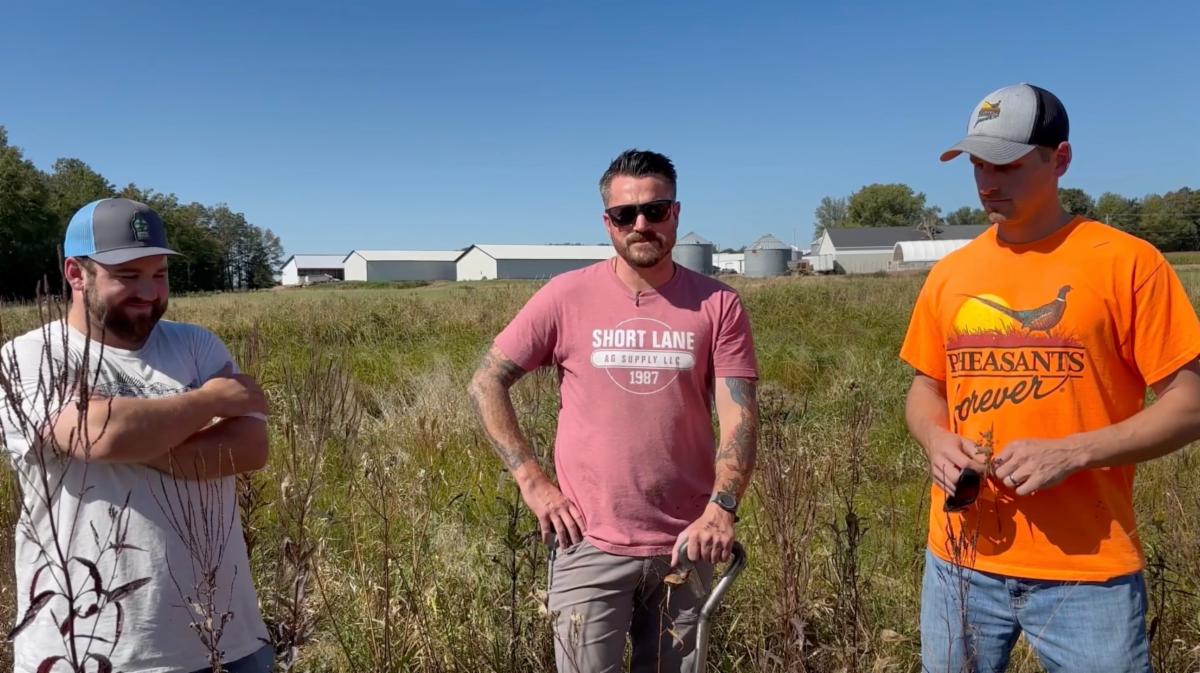
Through the One Good Idea mini-grant program, farmers and farm groups created educational media for other farmers to learn about their successes in conservation.

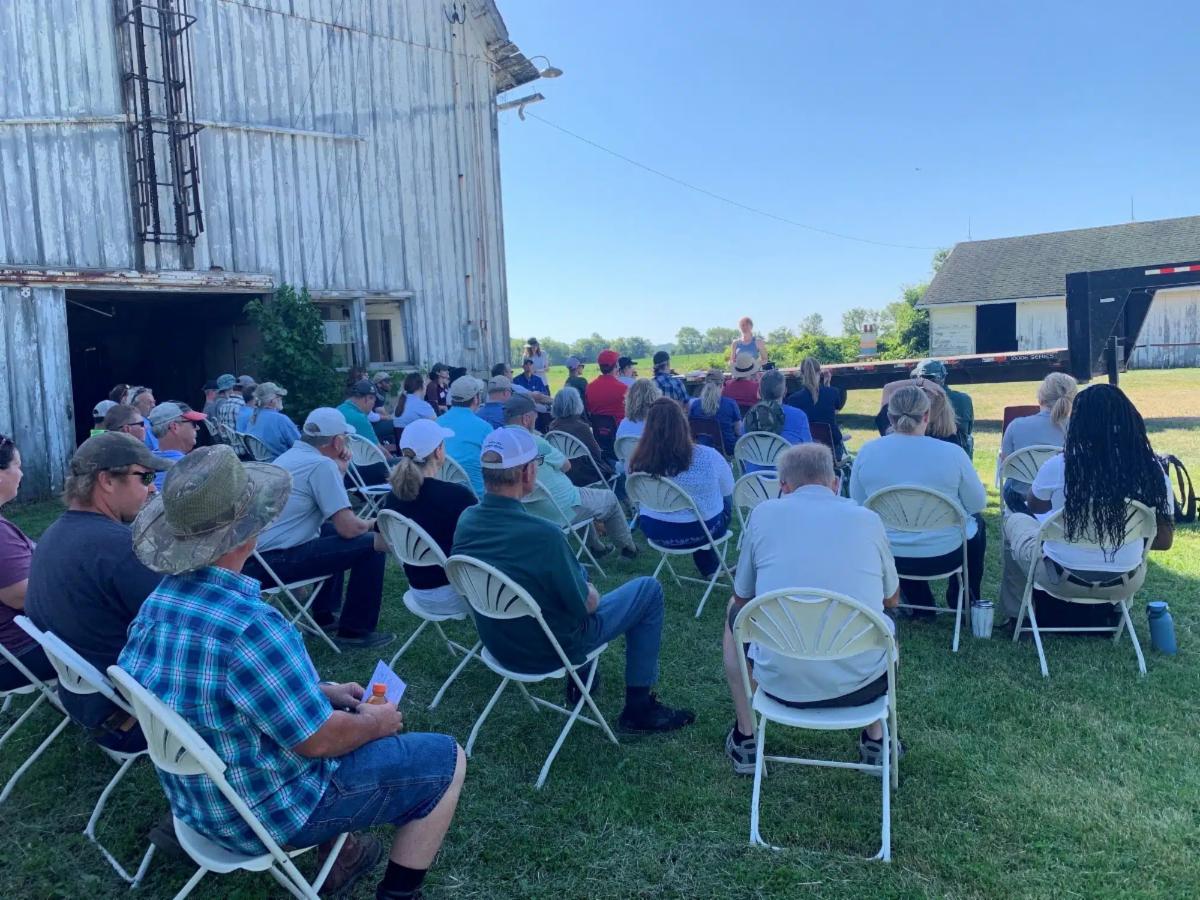
Jenny Seifert, Watershed Outreach Specialist, UW speaks to farmers at a field day in Wisconsin

Watch the brief video to learn more about Farmer-to-Farmer Learning.

A FFAR Fellow Story

FFAR and North Carolina State University (NC State) recently announced the 2025-2028 FFAR Fellows.


Led by NC State, the FFAR Fellows program prepares the next generation of food and agriculture scientists by breaking down disciplinary silos and focusing on professional development training.


Since the program's inception in 2018, the FFAR Fellowship has supported over 200 Ph.D. students, 90 active and 111 alumni, representing 48 universities in 35 states and three Canadian provinces.


Click the link below to watch one fellow's story: Erin Jackson of Colorado State University.

FFAR Fellow Insight

Apples to Apples: Why 'Foodomics' Matters for Precision Nutrition


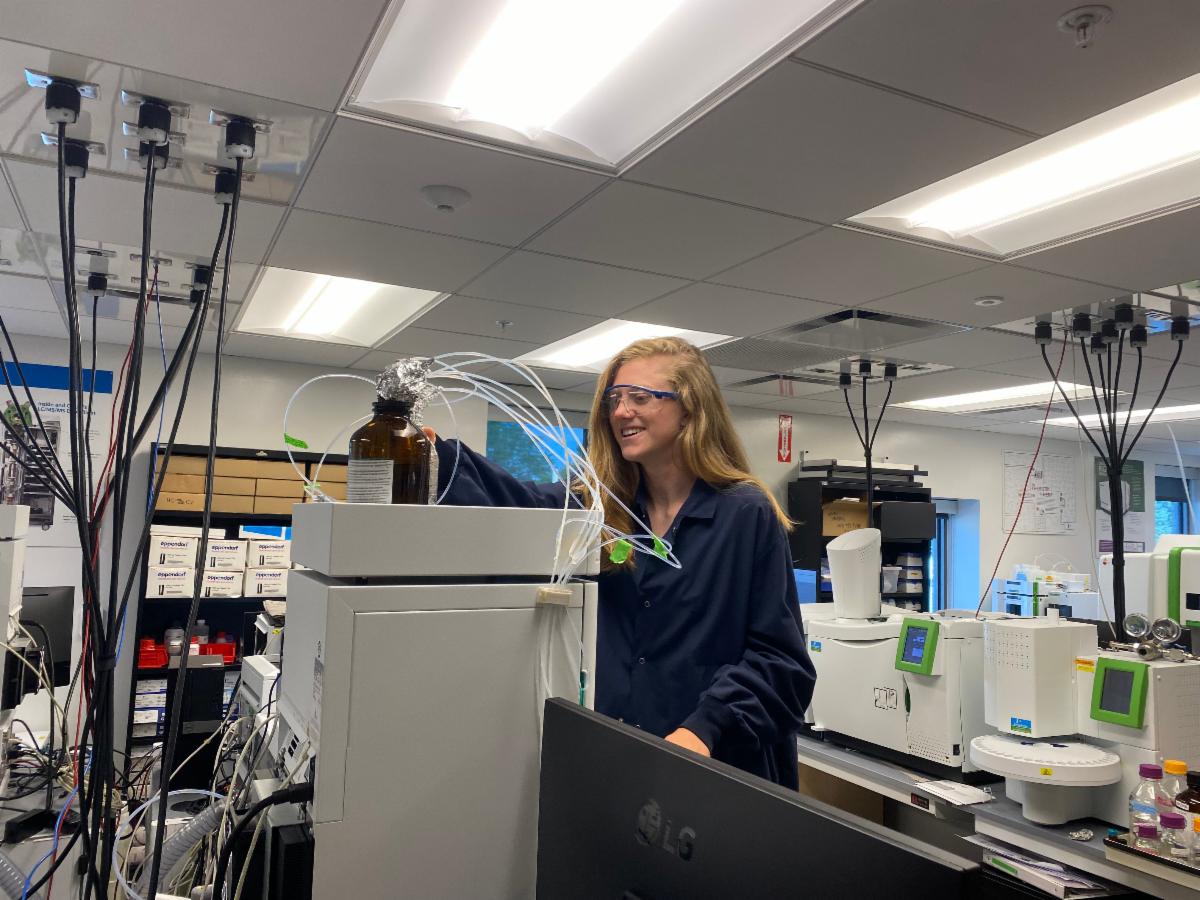
Eva Keohane, a FFAR Fellow at Colorado State University, shares some insights from her lab's research on chemical compounds in the foods we eat, and their effect on gut and heart health. 


"When we say an apple a day keeps the doctor away, the real question is: which apple and why?"

-Eva Keohane


Recent FFAR-Funded Publications

An In-Field Tool to Test for Bird Flu


Purdue University researchers, led by Dr. Mohit Verma, developed a paper-based, nasal swab test that rapidly detects HPAI (bird flu) in a variety of animals including poultry, cattle, wild birds, rodents and even humans.


This research breakthrough stemmed from Verma's previous FFAR New Innovator Award grant to develop a paper-based, low-cost field test for Bovine Respiratory Disease, another deadly and costly disease affecting cattle.

Recent Grants

Research to Reduce Gluten Intolerance


Capitalizing on his earlier breakthroughs on increasing dietary fiber in wheat and deleting wheat proteins that cause intolerances, Dr. Jorge Dubcovsky of UC Davis received a $990,000 Seeding Solutions grant to target the complete elimination of the genetic sequences of gluten that trigger immune responses, while preserving gluten strength, a key factor in bread quality.

Funding Accelerated Hybrid Soybean Development


FFAR's Crops of the Future Collaborative awarded a $4,050,000 grant to the ApoSoy project to develop a lower-cost process for producing high-yielding hybrid soybeans, providing a cheaper option for soybean farmers across the nation.

Open Funding Opportunities

Rapid Outcomes from Agricultural Research (ROAR)


The ROAR Program awards research grants in response to emerging and unanticipated food and agriculture threats.


With the re-emergence of New World screwworm in North America, FFAR is welcoming research proposals to the ROAR program on New World screwworm risk assessment, prevention and treatment.


Applications are welcome year-round.

Open Positions

Scientific Program Manager: Crop Research Portfolio


FFAR's Production Systems Team seeks a dynamic, self-starter to serve as Scientific Program Manager (SPM) to the crop research portfolio. This role offers an opportunity to drive innovation through research partnerships that improve crops and cropping systems. The SPM will provide technical leadership, cultivate scientific partnerships, and manage programs and projects for both existing and emerging crop research initiatives.

FFAR's Impact

400+

grants awarded


1:1.4 ratio

of FFAR funding to matching funds


$775M

in funding awarded