It appears spring has sprung, but since we live in New England, the saying goes “if you don’t like the weather, wait a minute” or if you like the weather don’t be fooled! I’m adjusting to Daylight Saving Time and have spent a few more minutes in the yard cleaning up the damage from all the rain. It is most definitely time to create a rain garden and adjust the edging to redirect the water!
A huge thank you to all who entered horticulture, design and photography at the Flower and Garden Show “Bursting into Spring.” I am also thankful for those who spent hours planning, setting up, putting out “fires,” acting as hosts, providing a respite space, and breaking down at the close of an amazing show! Several of our new designers took home top awards which sends a message that we are in good shape when it comes to the talent pool.
Annual Reports are coming in slowly. They are easy to find on our website in the members area under forms. Keep in mind these reports often help us determine awards. The reports go directly to the responsible committee chair when you hit submit. The President’s report comes directly to me.
The first of several Regional Roundtable discussions took place in Waterford on March 7 at the Town Hall. The chatter was lively, and everyone left with new knowledge. Board members John Davis, MaryAnn Lynn, Nan Merolla, Kelle Ruden, Kandra Houston, Scott DeMuth, Jean Stetz-Puchalski, Linda Kaplan, and Arlene Field help host each table and Karen Neilan organized great snacks. Our next program will take place on April 3 in Westport, followed by June 17 in Wethersfield. Watch out for an announcement in your area.
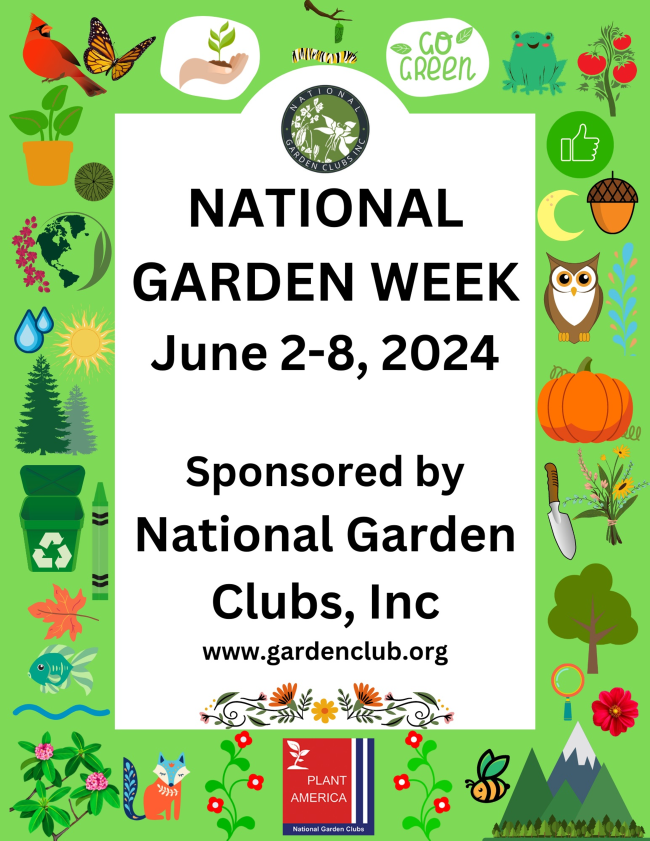
Join NGC clubs across the country to celebrate National Garden Week, June 2–8, 2024. This week is an opportunity to encourage pride in your community, interest new members, and work with other groups to be part of those efforts. The NGC website has great ideas and a downloadable poster you may use to publicize your events. Make sure to post your events on our FGCCT calendar and send pictures to Susan Demuth, our Social Media Chair, for posting on our Facebook and Instagram pages.
Flower Show School is on the calendar for April 18 (virtual), 24, 25, and 26, 2024 in person at Kellogg Environmental Center in Derby, CT. Remember, this is not for judges only! The class gives you the opportunity to learn how to look at designs and horticulture as well as steps involved in the creation of a flower show. I enjoyed every minute I spent in Flower Show School. Registration is available on our website.
|
|
|
|
|
|
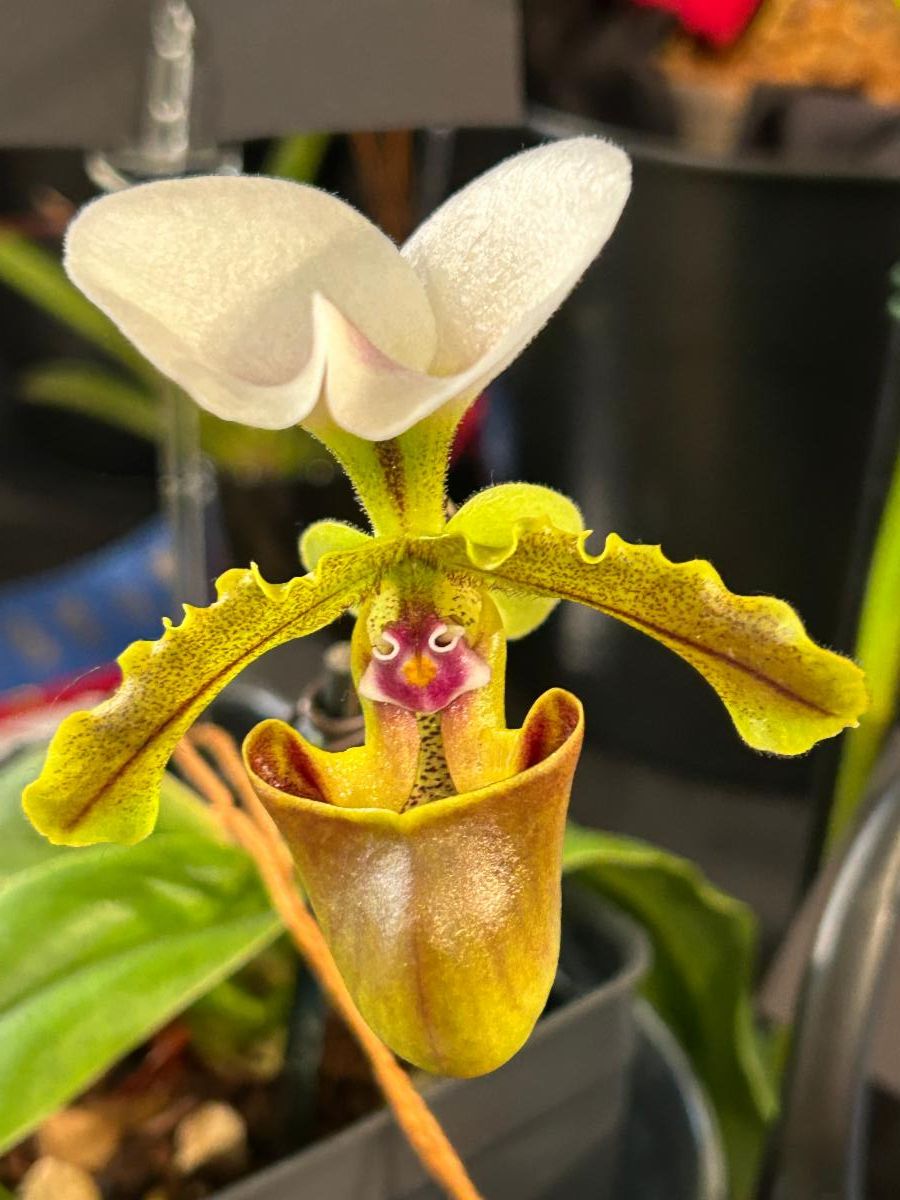
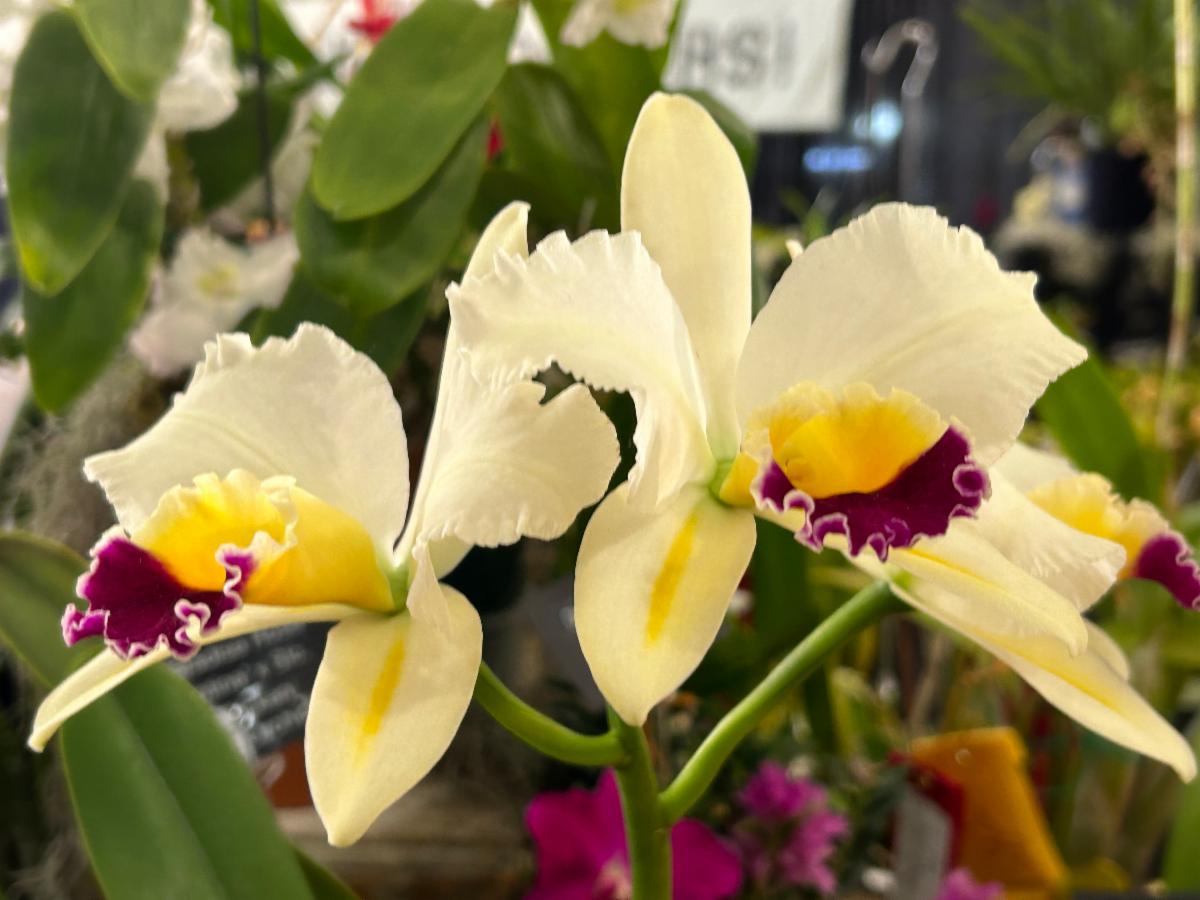
Our Annual Meeting will take place on April 17, 2024. Art Chadwick will present “Popular Orchids for the Home” and offer his books as well as provide orchids for sale. I heard Art speak at the NGC convention last May and was so pleased when he agreed to join us for our Annual Meeting. Don’t hesitate, registrations close at 5 PM on April 10. Remember to come early so you have plenty of time to enjoy the variety vendors Karen Grava and Judy Sirois have found for your shopping pleasure! Hope to see you all there!
Happy Gardening!
|
|
|
|
BEWARE of the Asian Jumping Worm ("AJW")! AJWs are invading our gardens, lawns, and forests, threatening to destroy the nutrients in our soil and making it inhospitable for many plants!
A major fundraiser for many clubs is the “May Market” or “Plant Sale.” We can help prevent the spread of this invasive creature by following a couple of best practices at these events:
(1) Once you dig a plant from your garden, rinse the roots vigorously and tease out any invasives that may have gotten entangled in the roots. If you find an AJW or an invasive plant, put it in a plastic bag and leave it in the sun for several days before discarding it in the trash.
(2) In well washed containers, pot up your rinsed plants in commercial, sterile soil. Hold the plants until the sale on tarps or impervious surfaces, several inches in from the edge. DO NOT store them directly on the ground.
(3) Another cheaper option is to sell bare root plants.
Please help keep our soil healthy!
|
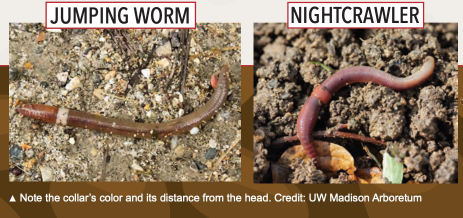
“Look-alikes": Jumping worms might be confused with another invasive worm, the nightcrawler (Lumbricus spp.); both can be large with dark coloring. Jumping worm adults have a smooth, unbroken milky-white collar (clitellum) close to the head end (14-16 segments away), whereas nightcrawlers have a raised pink-red collar shaped like a saddle and located more centrally along the worm’s body.
Castings: Jumping worm castings (feces) appear like coarse coffee grounds that create a loose layer between leaf litter and mineral soil beneath.
Behavior: These worms thrash wildly and often jump or flip over. They move extremely fast and in a snakelike manner. Unlike nightcrawlers, they can cast off the end of their tail if disturbed.
Life Cycle: Jumping worms have an annual life cycle. In the spring, they hatch from poppy-seed-sized cocoons and after 70-90 days, become mature and can produce new cocoons. In the late fall, the adults die but the cocoons over-winter to start the next generation.” [To learn more, visit the Cornell JWorm Working Group website.]
— Karin Pyskaty, FGCCT President
|
|
|
|
95th FGCCT Annual Meeting and Luncheon
Wednesday, April 17, 2024
Aqua Turf Club
556 Mulberry Street, Plantsville, CT
“Popular Orchids for the Home”
ART CHADWICK of Chadwick Orchids
In 1989, Art founded Chadwick and Son Orchids Inc. along with his father, who has been growing orchids since 1943. Art is a regular on the orchid society speaker circuit, and since 2002 has penned an orchid advice column for several newspapers. Art is also author of The Classic Cattleyas, widely considered to be the definitive book on large-flowered Cattleya orchids. He has the distinction of naming Cattleya hybrids after the wives of the last five U.S. Presidents.
Books and orchid plants will be available for purchase.
Doors open at 9 AM!
The event will begin at 9:15 AM with 45 minutes of social time and shopping.
The business meeting will begin at 10 AM, followed by the program. Lunch will be served at 12:15 PM.
Vendors will include both the familiar, favorite sellers and some new ones. All sales benefit the Federation and help support our projects. We will also again conduct our very popular drawing with items contributed by the vendors.
Luncheon includes Salad and Breadbasket, Dessert, Coffee/Tea Service. Cash Bar Available.
Make your entree selection through the registration form.
$45 per person
Reservation Deadline is Wednesday, April 10!
|
|
|
|
CT Flower Show 2024: A Great Success!
The 2024 Flower Show, "Bursting into Spring," was a great success with wonderful submissions of designs, horticulture and Affiliate participation. We had submissions from New Hampshire, New Jersey, New York and Massachusetts, which highlights that we are the only Flower Show in the area!
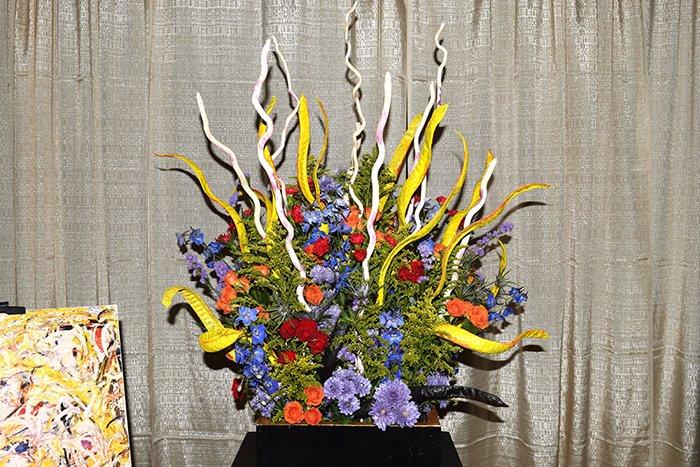
If you voted for the Peoples Choice Award, you will want to know the winner — Anthony Poitras with his Vibrant Explosion design based on a Jackson Pollock painting (pictured at right). Runner-up was Leslie Martino with Daydreaming and third, a novice’s interpretation of Hammer & Saw/Nuts & Bolts, Bradley Stearns.
Photography had 31 clubs represented, Design had 37 clubs, Creative Arts had 9 and Horticulture had 36. Even with some of the clubs represented in each category, that is a great response. I’d like to thank each club, each participant and each person who attended the Flower Show for their participation and support of a job well done by a great many people. I can’t wait until next year!
— Lynda Brown, 2024 Flower Show Chair
|
|
|
|
Flower Show School 2024 — It's Not Just for Judges! |
|
|
|
Flower Show School I, which will be held this April at Kellogg Environmental Center in Derby, CT, teaches all the flower show basics. It is open to all garden club members and is scheduled for April 18 on Zoom and April 24-26, 2024 in person. It is a great opportunity to learn more about exhibiting in and putting on a flower show or an excellent first step to becoming a judge.
Don’t miss this great opportunity. Flower Show School I will not be taught in Connecticut again until 2027.
April 18: Flower Show Procedure—Zoom class and exam
April 24: Flower Show School 1 Design
April 25: Flower Show School 1 Horticulture
April 26: Exam
|
|
|
|
Treasury Notes
How to prove you are a Tax-Exempt Organization?
|
|
|
|
A 501(c)(3) determination letter is a document issued by the IRS to a non-profit organization that has been approved for tax-exempt status stipulated in section 501(c)(3) of the Internal Revenue Code. This letter serves as proof of the tax-exempt status of an organization and is required for donors to claim tax deductions on their contributions. In essence, the determination letter is the official notification that an organization is exempt from federal income tax.
New Copies in Your Email Next Month
Your garden club may be listed as a subordinate of FGCCT. If applicable, new copies to our subordinates from our assistant treasurer are being emailed to your club next month. The FGCCT Determination Letter and the FGCCT cover letter states that your garden club is covered under our FGCCT organization. These two documents should suffice as proof of tax-exempt status.
|
|
|
|
FGCCT Award Applications — May 31 Deadline!
May 31 is the deadline for the Awards presented for club projects and activities for the May 31, 2023 to June 1, 2024 year. If your club has a significant project or an outstanding club member worthy of an award, please complete an FGCCT Club or Individual Award Application. You may submit applications for numerous projects. However, I encourage you to make a compelling, detailed nomination in only one category for each project/club member. The digital applications and information is available on The Federation website under the Awards tab, Awards by Category. Please only submit one application for each nominee.
May 31 is also the deadline for nominations for three other awards.
-
The Lillian B Rathbun Award may be presented annually to an individual involved in all phases of garden club work. It is the highest award presented to an individual garden club member.
-
The Lucille Schavoir Award may be awarded annually to a club for outstanding garden club work during the awards year, June 1 to May 31. It is the highest award presented to a club.
For either of these two awards, go to The Federation website, Awards tab then Awards by Category: Special Recognition Awards. Complete a FGCCT Individual Award Application online; when you hit "send" it will automatically be forwarded to the Awards Chair.
This year the Awards Luncheon is on Wednesday, October 16, at the Aqua Turf Club in Plantsville. Reservations will be taken from approximately September 1 to October 1. Mark your calendar!
|
|
|
|
TRIBUTE Award Applications — May 31 Deadline!
Tribute Award nominations are to honor individuals who have made outstanding contributions within their club. Think of it as a ”Lifetime Achievement” in a certain category. Send a letter of nomination (no forms necessary) to Kelle Ruden, Second Vice President by the May 31 deadline. Be sure to include the name of the nominee and your name and club affiliation. The Tribute Award categories are: Civic Development; Communication; Conservation; Floral Design; ‘Healing, Therapy and Senior Gardening’ (formerly Garden Therapy); Horticulture; ‘Landscape and Landscape Design’; Photography; Youth; All Around Excellence.
|
|
|
|
Make a Note … 'Garden Therapy' Has a New Name!
Garden Therapy has a new name. It is now Healing, Therapy and Senior Gardening. This change reflects the fact that Garden Therapy has become a recognized professional service.
|
|
|
|
Regional Roundtables are here!
Have you ever wanted to speak to your counterparts in nearby Clubs? The Federation is holding five Regional Roundtable Events in 2024. Club Board of Directors and Committee Chairs. are invited to exchange information and ideas on topics including: Membership, Fundraising, Finances, Programs & Events, Social Media & Promotion, FGCCT Resources and more.
The Roundtables will take place for Clubs in the Southeast, Southwest, Northeast, Northwest, and Central Regions of Connecticut. Our current schedule is:
- March 7, 9:30 am – 12:30 pm: Waterford Town Hall, 15 Rope Ferry Road, Waterford, CT
Was a tremendous success! Thank you to all who attended.
-
April 3, 9:30 am – 12:30 pm: Saint Luke Church, 49 Turkey Hill Road, Westport, CT
-
June 17, 9:30 am – 12:30 pm: Webb Deane Museum, 211 Main Street, Wethersfield, CT
- Other dates/locations to be announced.
There is no charge but space is limited, so please register soon!
|
|
|
|
NGC Youth Awards
Congratulations to FGCCT's NGC Youth Poetry Contest Winners at the State Level!
The 2023-2024 NGC Youth Poetry Contest theme was "I Spy With My Little Eye, Something Green Outside - Celebrating Our Green World."
The Federated Garden Clubs of Connecticut, Inc. - First Place Winners
[Click on the poem title to read the entire poem]
— Kandra Houston. FGCCT Youth Activities Chair
|
|
|
|
National Garden Week is June 2-8!
National Garden Week is always the first full week in June. The purpose is to bring “more awareness to the importance of gardening and preserving gardening traditions and practices by passing on knowledge to new gardeners.” The annual event was started to encourage community pride, enhance existing gardens and beautify blighted areas.
1. Think about how your garden club can beautify the environment in your community.
- Give away small plants in decorative containers as a “Pass-Along Plant” activity.
- Present a beautiful floral arrangement to your local library or town hall.
- Clean up a blighted lot in your neighborhood and plant a garden.
2. Plan an educational program on gardening and invite the public.
- Create a table display at your local library. Have available hand-outs on invasives or pollinators. Give out seed packets.
- Plan a workshop with children or young adults.
- Encourage planting native trees and plants.
- Explain how gardening is good for one’s health: reducing stress, increasing physical fitness, increased Vitamin D from sun exposure, and the pleasure of growing your own organic vegetables and beautiful flowers.
3. Plan a garden tour of club members’ gardens.
- Organize a tour of 4-8 home gardens and publicize the event.
- Give awards to your community’s non-members’ beautiful home gardens.
Don’t forget to send us photos of your celebrations!
— Linda Kaplan, FGCCT Public Relations Chair
|
|
|
|
FGCCT Scholarship Committee
Once again, The Federation of Connecticut Garden Clubs is happy to announce that it will award scholarships to deserving Connecticut residents in their junior, senior, or graduate year of a college or university in or outside of the state who are majoring in a field related to the interests of the organization.
Each year the committee is impressed by the quality of applicants and the diversity of their educational focus, whether it’s landscaping, forestry, the environment, agronomy and more. A full listing of the fields of study and other requirements can be found on the FGCCT website under Education. A minimum GPA of 3.0 and a demonstrated financial need are necessary. Applications must be received by July 1 and should be sent to scholarships@ctgardenclubs.org.
Since 1982 it has been through the generous donations of Connecticut garden clubs, individuals, and other organizations that it is possible to help worthy scholars ease their financial burden as they work hard toward achieving their career goals. We are profoundly grateful for the continuous support for the next generation of plant scientists, environmentalists, conservationists, and more.
Please get the word out so deserving students know of the scholarship and can apply for consideration. Thank you.
— Carole Fromer, FGCCT Scholarship Committee Chair
|
|
|
|
More 2024 Tours:
May 1-May 4 ~ Washington DC and Annapolis (wait list only)
June 23-July 7, 2024 ~ Scotland with Yorkshire Extension (a few spots)
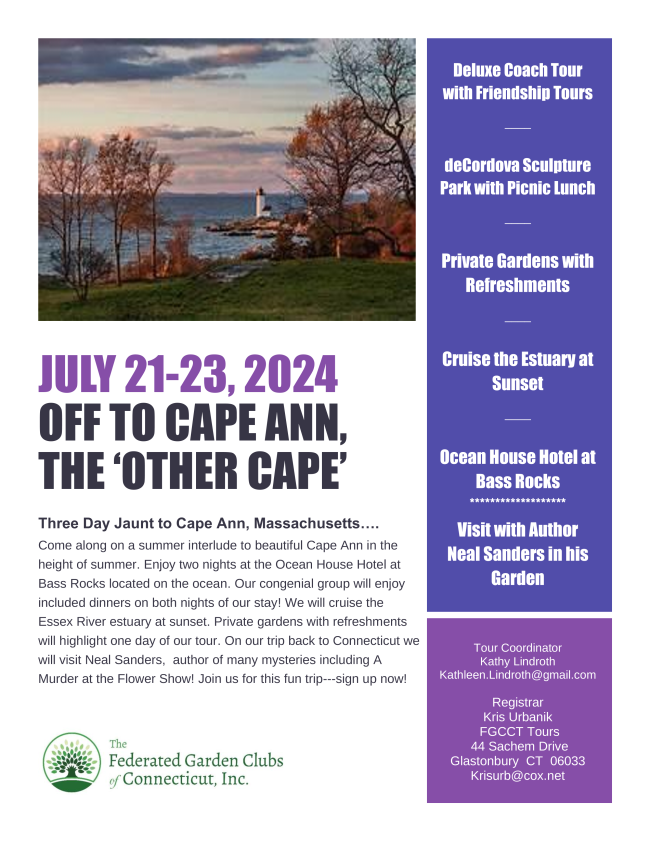
July 21-23 ~ Cape Ann (a few spots)
August 10-17 ~ Glacier National Park (wait list only)
October 24-November 3 ~ Sicily
Keep checking the website for new tours!
|
|
|
|
Legislative Update: Rodenticides (SGARS)
In Support of HB 5217 to prohibit the use and sale of second-generation anticoagulant rodenticides (SGARS).
The rodenticide bill as currently drafted is missing the core provision needed to prevent the widespread use of this poison by pest control companies. HB 5217 MUST PROHIBIT THE USE—NOT JUST RESTRICT THE SALE—OF THESE TOXIC CHEMICALS to effectively protect wildlife and pets from consuming these poisons.
First- and second-generation anticoagulant rodenticide poisons work by preventing blood from clotting. The victims die slowly from internal bleeding with a few days. These second-generation anticoagulants were created to be more toxic and last longer in a victim’s body. The only known antidote may work if it is administered immediately, but most wildlife hide any illness until it is too late.
Wildlife rehabilitators, biologists, and state residents are seeing Connecticut’s birds of prey dying from rodenticide poisoning at an alarming rate. Rodenticide is the cause of death for the majority of these birds who are brought to rehabilitators, indicating that there is a much larger problem in the wild than people are aware of.
Rodenticides are commonly located in dark gray bait boxes next to buildings, in parks, and anywhere that people want to eliminate rodents. These rodenticides pose a greater threat to non-target wildlife, pets and other animals that prey upon these rodents. There are other safe and effective alternatives to rodenticides.
We should also support HB 2023 (SB 962) which
- Includes a ban on sale, use, and application of SGARS
- Spells out appropriate exemptions for agriculture food production sites, food warehouses, breweries, wineries, medical facilities or for infestations associated with a public health crisis
- Fully applies to places people eat, live, shop, and work such as grocery stores, restaurants, homes, schools, and office buildings
The ban includes any sale or distribution through the Internet. The bill subjects violators of the ban to a civil penalty of up to $5,000 per violation by the DEEP commissioner. Without the ban, licensed pesticide applicators will routinely continue to overuse this overkill method.
Please contact Environmental Co-Chairs Rep. Joseph Gresko and Sen. Rick Lopes with your concerns and help prevent the unnecessary poisoning of our state’s wildlife.
— Gerri Giordano, FGCCT Legislative/Government Action Chair
|
|
|
|
'Rheum' to Grow
By Renee Marsh, FGCCT Horticulture Chair
|
|
|
|
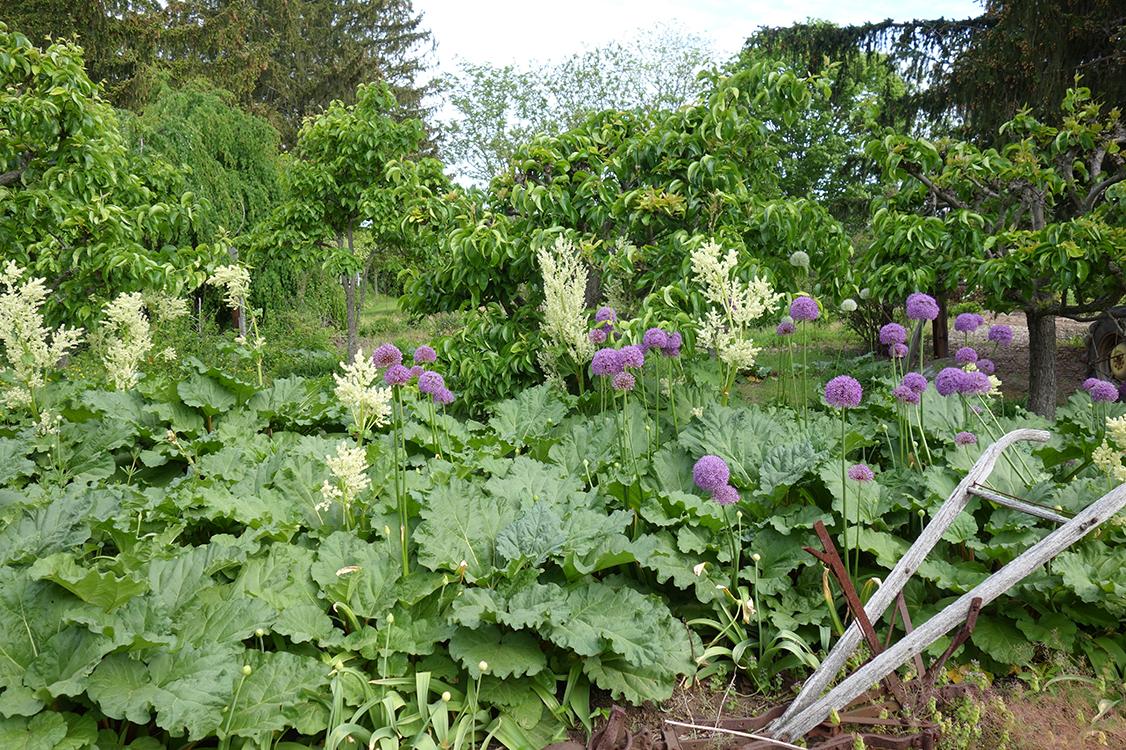
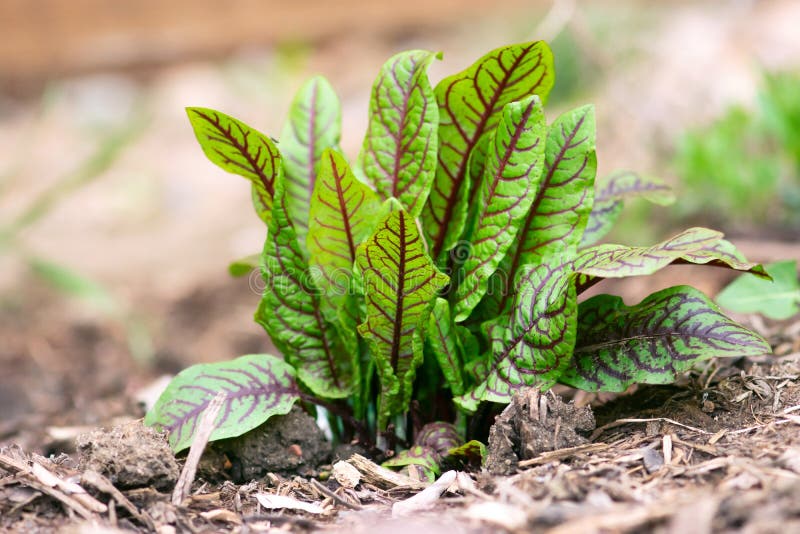
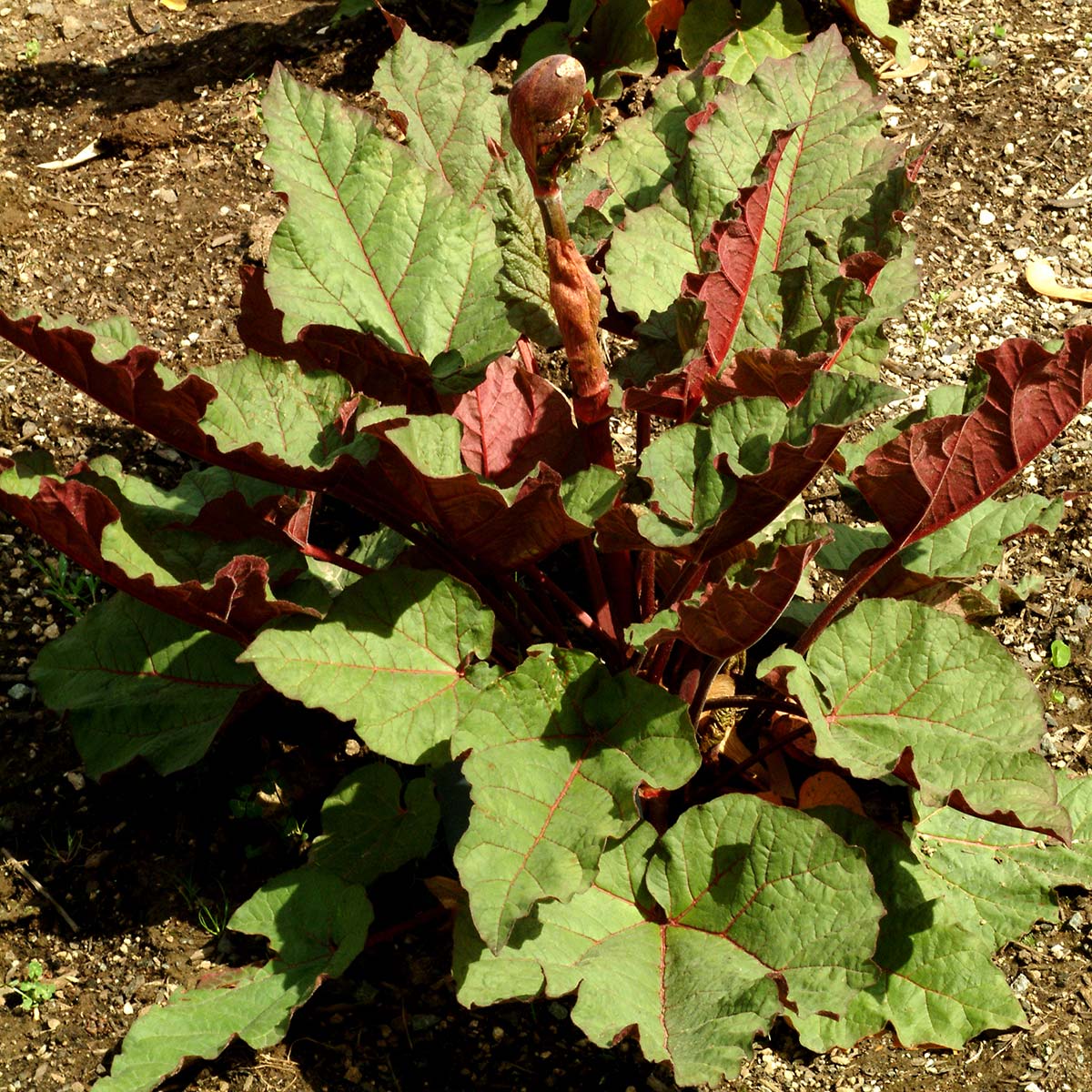
Nothing marks spring more than the red knobs of rhubarb pushing up through the soil. It is such an impressive perennial with its thick red stalks and broad leaves, and of course, it is the taste of spring. Rhubarb, or Rheum, is in the Polygonaceae family, known informally as the knotweed or smartweed/buckwheat family. For you invasive species foes, yep, that would be Japanese knotweed. You may be familiar with its cousins in the Rumex genus, like dock or sorrel, the former, considered a weed, and the latter, a tasty salad addition. I grow red-veined sorrel, Rumex sanguineus, because it is a handsome perennial with striking, red-veined leaves and the young leaves have a bright, lemon tang.
|
|
|
|
Common rhubarb in bloom with alliums |
|
|
|
|
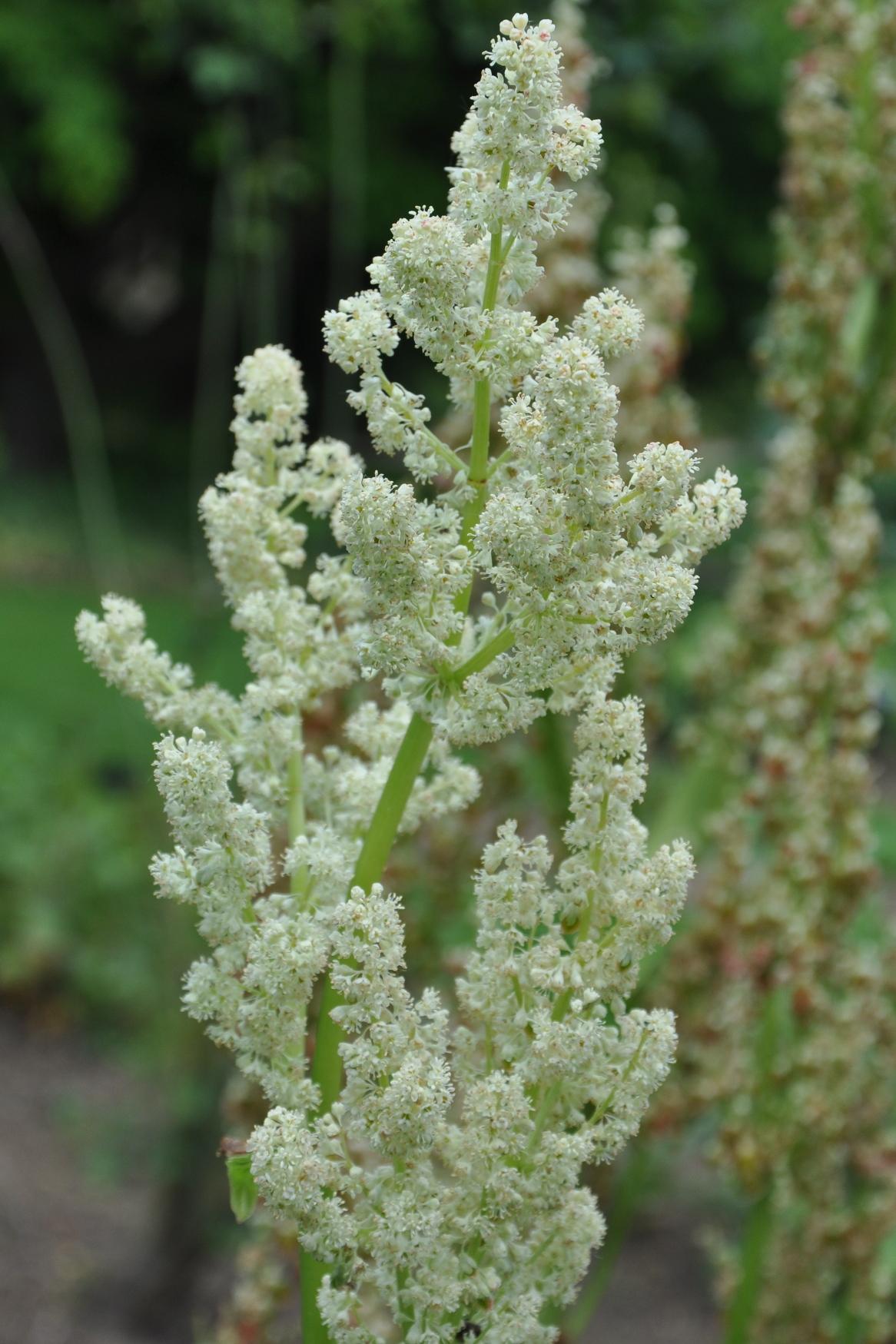
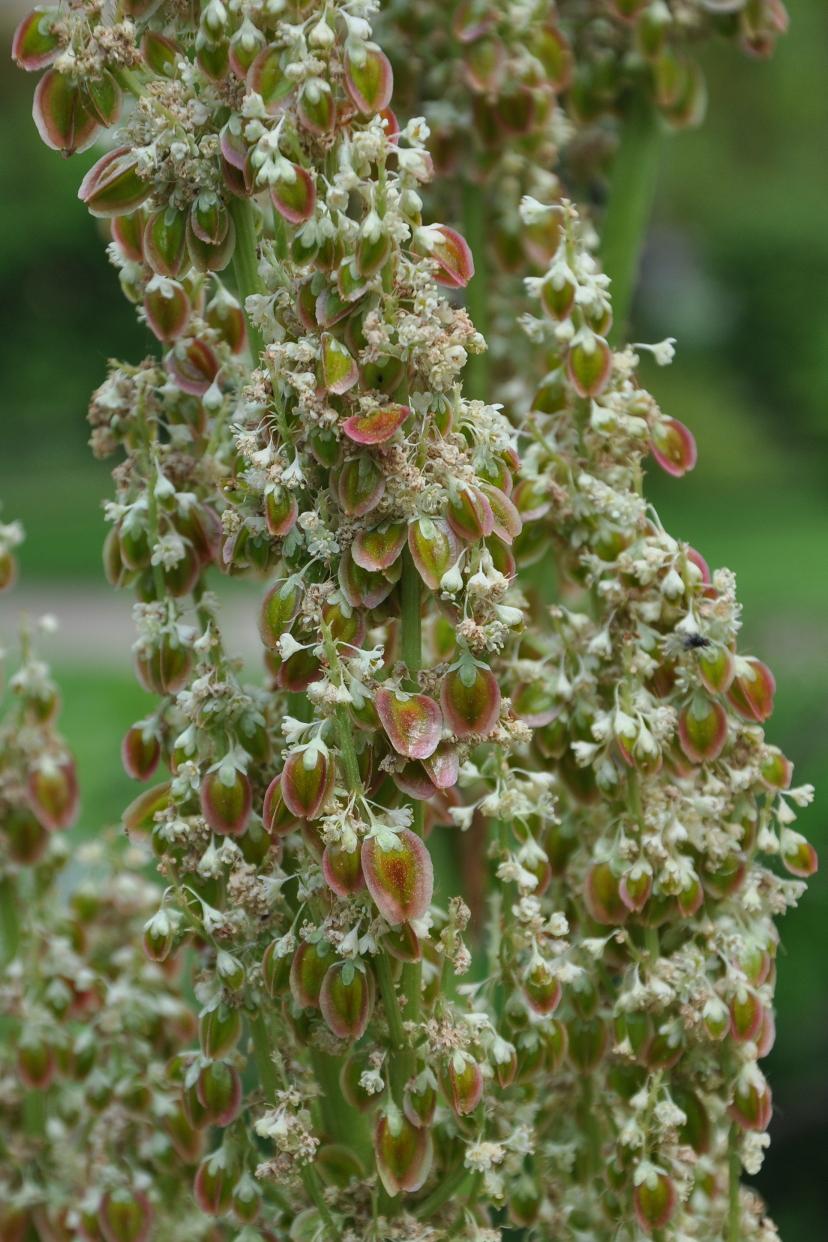
The rhubarb most of us are familiar with is Rheum rhabarbarum, commonly referred to as garden rhubarb or common rhubarb. All parts of the plant contain the slightly poisonous oxalic acid but the concentration of it is very low in the leaf stems, which is what one eats. The stem’s tart flavor is actually caused by the non-toxic malic acid. And yes, the leaf blades are poisonous to humans and livestock if consumed in large enough amounts, so don’t do that. Rhubarb has eye-catching flower stalks with clouds of white to pink/red flowers and the seeds are three-sided with little winged edges. Thinking about it, I now recognize its kinship with the docks —Curly, Broadleaf (and Moe) — which apparently are quite tasty and were widely eaten during the Depression.
|
|
|
|
|
|
There are about 60 Rheum species native to Asia, Europe, and North America. Many are used in traditional medicine but I thought I would focus on those grown for their ornamental qualities. It turned out to be a bit tougher than I thought. Though there are many rhubarb species listed as “ornamental,” finding ones that would grow in our gardens (not the Himalayas) and are actually available, took a bit of digging (pun intended). There was much search fluff around “Giant Rhubarb”, which is actually Gunnera, a different species altogether, though an awesome, huge plant if you have lots of water and a Zone 7 garden.
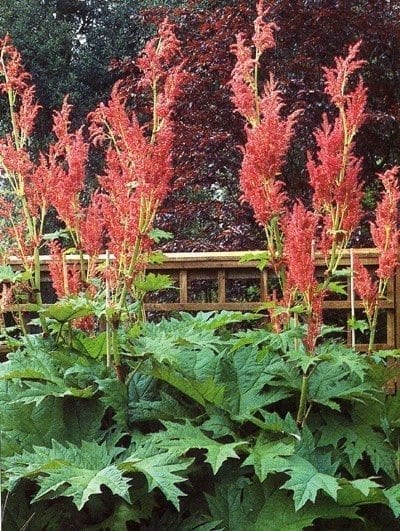
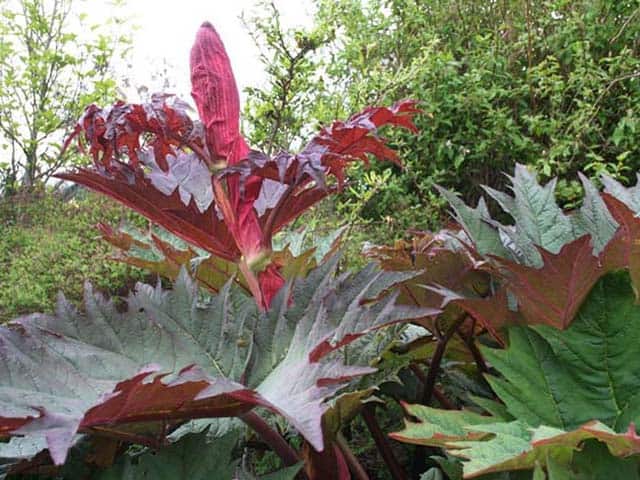
I narrowed the search down to Chinese Rhubarb, aka Turkey rhubarb (R. palmatum), a bigger, badder cousin known for its bold, architectural form. It has large, pointy-edged leaves tinged with bronzy-red in spring, later becoming green. To add to the statement, spikes of flowers tower overhead in summer, in shades of soft pink to red. This species is more sensitive to drought and heat than common rhubarb and is best growth is in USDA Zones 5-7. It needs organically rich, moist, well-draining soil to perform its best. If it has the right moisture, full sun is fine; if not, some afternoon shade is appreciated. Now with the hotter summers, even my common rhubarb, which is in full sun, just lies down and quits.
The most available Chinese variety is R. palmatum var. tanguticum, sometimes listed as a cultivar ‘Tanguticum’. It is valued for unique foliage that has deeply lobed leaves with a rugged, shaggy appearance. The leaves are typically green with reddish veins and it reaches a height of 3-4 feet and a spread of 2-3 feet. Rather than white flowers, it produces 6-foot, reddish flower spikes in late spring to early summer. One notable cultivar, ‘Atrosanguineum’, has a more deep red foliage.
|
|
|
|
And lastly, there is Rheum × hybridum ‘Ace of Hearts’, which is a hybrid between Chinese rhubarb and the more diminutive but rare Rheum kialense. It is well suited to smaller gardens, with a compact form that typically grows 4-5 feet tall and 3-5 feet wide. The leaves are heart-shaped and veined red on the underside with a red stem. Pale pink flower spikes rise from the clumps in early summer. If this has inspired you to search for these plants, I recommend Broken Arrow and Oliver Nurseries locally which list ‘Tanguticum’. There are online nurseries as well, like Digging Dog Nursery, which carry a number of species. I am looking forward to spring, the first rhubarb pie and a tasty salad of sorrel and dock.
|
|
|
|
For the Love of Birds
By Holly Kocet, Garden Club of Newtown & Co-Chair, FGCCT Conservation Committee
|
|
|
|
The arrival of spring brings a flurry of activity with birds returning to join our winter birds in preparation for a new breeding season. Here are few things to keep in mind to help our avian friends:
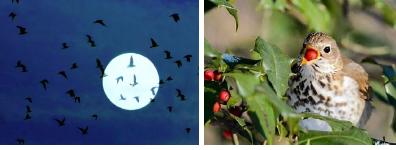
1. Lights Out for Bird Migration - April 1 thru May 31. Most migratory birds travel over Connecticut at night because temperatures are cooler and winds less turbulent. They rely on dark skies, navigating by the moon and stars. Artificial lighting attracts and disorients birds which leads to collisions with windows and other reflective materials. According to Menunkatuck Audubon, “the result is catastrophic: Almost 1 billion birds are killed in the United States every year.”
This spring, we can help prevent fatal collisions of returning migratory birds by flipping off the lights between the hours of 11 PM and 6 AM LightsOutCT.org suggests the following:
- Turn off all unnecessary outdoor and decorative lighting.
- Extinguish spot and flood lights.
- Down-shield exterior lights so they don’t spill over to areas not needed.
- Install motion detectors and timers to control lights.
- Reduce blue (cool) lights harmful to many animal species.
- Turn off nonessential interior lighting, especially on upper floors.
- When working at night, keep indoor light indoors, draw shades and drapes.
Minimizing outdoor lighting also preserves moths. Both adult moths and caterpillars are a large part of a birds’ diet. Moths attracted to lights become exhausted and perish during the night.
2. Cats need to Stay Indoors. It is estimated that cats kill hundreds of millions of birds every year. While cats are just doing what comes naturally, we humans can prevent this needless killing.
It is a myth that cats are not truly happy unless they can go outdoors. I’ve heard it said that outdoor stimulation prevents destructive behavior like scratching furniture. In fact, this destructive behavior is more likely to be an indicator of an underlying issue. Consulting with a veterinarian can be helpful. Often something as simple as adding a scratching post or playscape solves the problem.
Another myth is that if a cat has always been allowed outdoors, transitioning to indoors is impossible. Nothing can be further from the truth. Feral cats aside, outdoor cats can make this transition and they are healthier for it. Fluffer-nutter, a female longhair, was abandoned and living in an outbuilding for several years at my husband’s place of employment. When it became possible, she was captured, taken to the vet for a well visit and brought home. After only a few months, Fluffer-nutter settled in to her comfy new surroundings with absolutely no interest in going outdoors. This story has been repeated since with other rescues, both male and female.
Indoor cats are also healthier and safer. Allowing them to roam increases their risk of contracting an infectious disease, picking up fleas and ticks, and non-targeted poisoning. Other potential risks include cars and predators such as dogs and coyotes. The chore of cleaning a litterbox is a small price to pay for the peace of mind that our pet is safe while preventing the needless slaughter of innocent songbirds.
3. Birds must have Indigenous Plants. Local natives provide the very best food, shelter and nesting sites that birds need for survival and reproduction. Plants introduced from Europe and Asia are not helpful. “Replacing native plant communities with non-native vegetation can devastate native insect biomass. When plants that share an evolutionary history with insect herbivores are replaced by non-native ornamental or invasive plant species, insect biomass per unit area can be reduced by up to 96%.” (Richard et al. 2019, Tallamy et al. 2020).
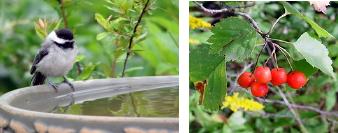
Butterflies, moths and other insects lay their eggs on indigenous plants because their leaves are food. Most rely on specific host plants in order to survive and prosper. Hungry birds seek out native plants to find these insects. Nestlings are fed caterpillars almost exclusively because they are soft, easily digested and nutritious. It has been reported that 6,000-9,000 caterpillars are required to raise a single clutch of baby chickadees. Additionally, adult moths are an important food source for many birds including, but not limited to, flycatchers and whippoorwills. So important are moths to the food web that they outnumber butterfly populations 16:1. We need not worry that plants will be defoliated however, because birds reduce this risk by the sheer volume of caterpillars consumed.
Food, shelter and nesting sites go hand in hand. And no plant illustrates this better than our native hawthorns (genus Crateagus). Hawthorns might just be the perfect tree for birds. Not only do hawthorns host 159 species of butterfly and moth caterpillars, but their dense branches keep nests secure during severe storms. Thorned branches add additional protection from predators. Finally, migrating birds returning home in spring will still find some berries to welcome them back.
Many native trees and shrubs have nutritious berries that are high in fats. Migrating songbirds rely on these plants to fuel their migration. Some high-quality berry plants include bayberry (Myrica (Morella) pensylvanica), arrowwood (Viburnum dentatum), gray dogwood (Cornus racemosa), spicebush, (Lindera benzoin) and Virginia creeper (Parthenocissus quinquefolia).
I recently read an opinion that opportunistic birds will readily make poor food choices, not unlike the irresistible temptation of a fast-food offering. I do not believe this is true for birds. A study published in Biological Conservation, (2020) shows that even when exotic fruits are more abundant, “birds usually prefer and seek out native fruits.” Just as pollinators prefer plants they co-evolved with, birds do prefer plants with indigenous fruits, seeds and berries. Birds instinctively know they must choose fruits that contain the fats, carbohydrates and nutrients needed to survive the cold winter months. But when introduced plants from Europe and Asia are all they can find, they have to settle for nutrient-poor berries. That is why we need to make better plant choices in our landscapes – adding indigenous plants, trees and shrubs.
There is nothing wrong with supplementing native berry and seed plants with bird feeders when temperatures plummet, especially during snowstorms and in late winter when many seeds and berries are depleted. According to the Cornell Lab of Ornithology, nighttime poses a challenge for surviving cold temperatures. Birds can shiver all night and deplete their fat reserves. The next day is crucial for them to replenish these reserves so they can survive the next night. Supplementing with high energy foods like black oil sunflower and suet can make all the difference until the weather moderates and insects and supporting plants emerge.
4. Water is So Important. Providing water all during the year is critical for birds, especially when no natural water source exists. Birds need water to rehydrate, preen their feathers to remove mites, and for reproduction. A birdbath or fountain with fresh clean water is important, especially when summer temperatures climb. Birds, like all creatures, need to quench their thirst. Water is often inaccessible in winter, under cover of ice and snow. Providing water for birds is even more critical during cold weather because water helps them align their feathers for insulation and waterproofing. Heated birdbaths work really well. Models that attach to deck railings are most convenient for monitoring and refilling as necessary.
Our reward in caring for birds is the thrill of watching our favorite avian flyer, be it cardinal, chickadee, or finch, taking sips or splashing around in a birdbath we provide. And with lots of native plants, trees and shrubs, you can be assured that birds will find your yard attractive. Often said and so very true, “if you plant it, they will come.”
|
|
|
|
Photos courtesy of Menukatuck Audubon Society |
|
Above left: Chickadee [Holly Kocet]
Above right: Large-seeded Hawthorn [GoBotany]
|
|
|
|
|
SPOTLIGHT on our FGCCT Affiliates! |
|
|
|
|
|
|
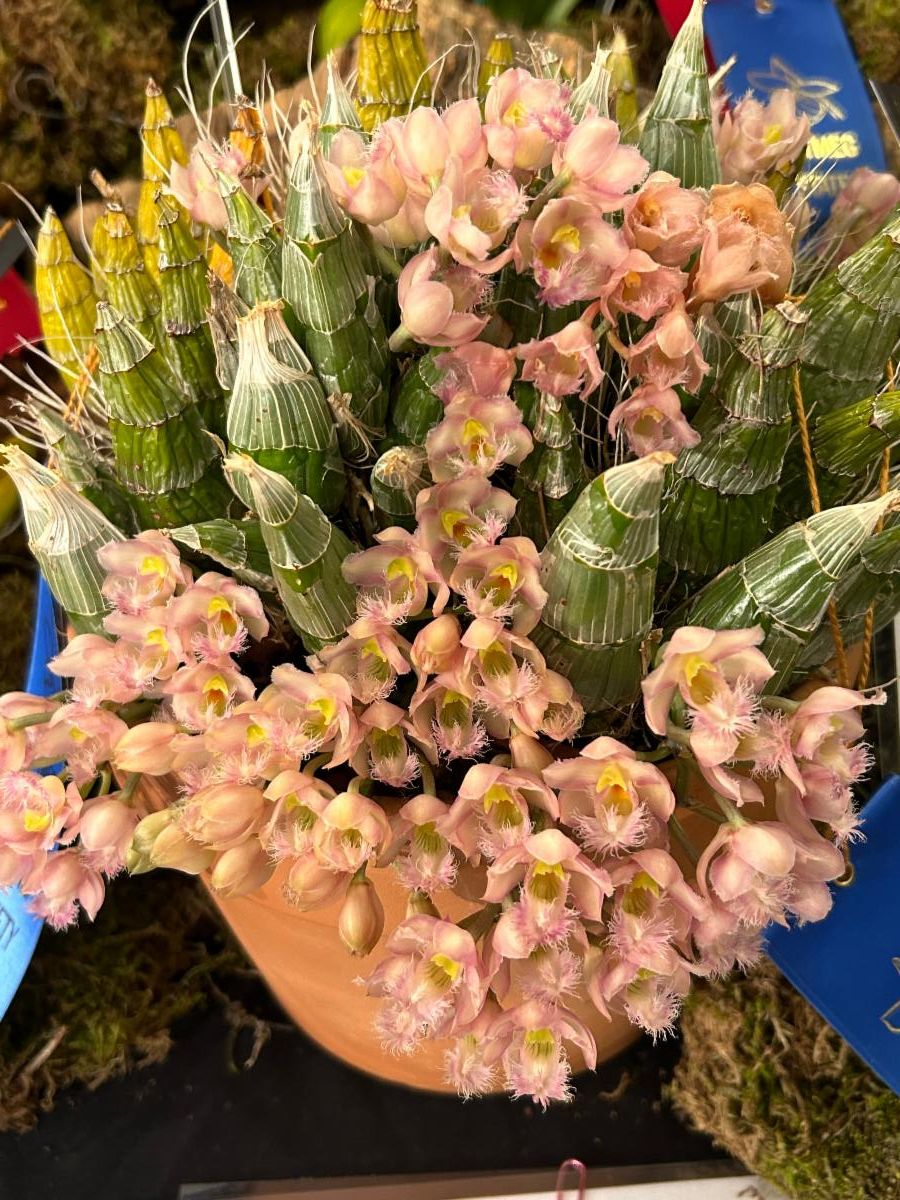
Nutmeg State Orchid Society
|
|
|
|
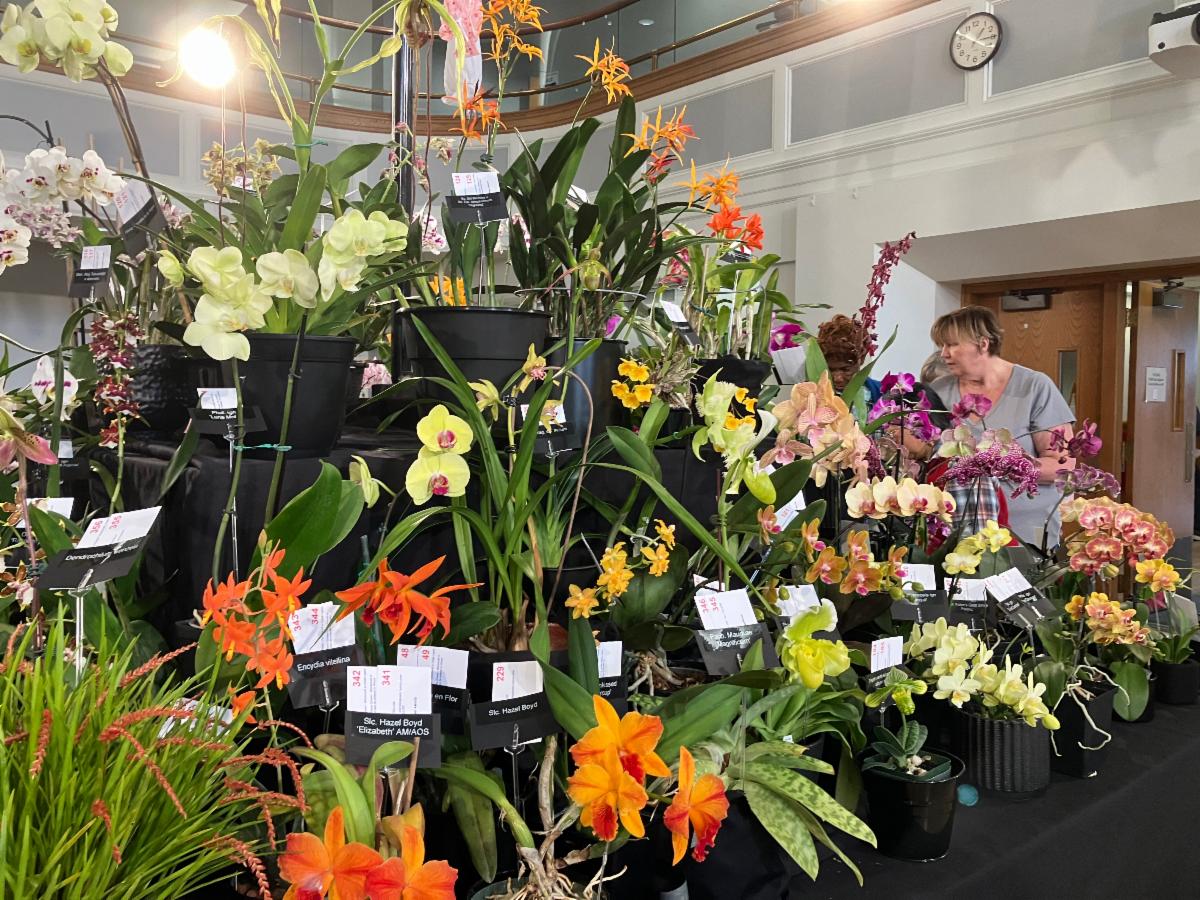
Say hello to The Federation’s newest affiliate, Nutmeg State Orchid Society (NSOS)! It was a pleasure to welcom this wonderful group to the CT Flower & Garden Show, where they joined our education exhibitors. NSOS seeks to promote interest in the conservation of orchids, the largest flowering plant family. They choose to do this by community involvement in the conservation of native and tropical orchids through:
- Educational programs to increase awareness through lectures and demonstrations on plant culture, propagation, and preservation
- Rescue and relocation of native plants due to the destruction of habitats in Connecticut
- Being good stewards of our environment to preserve orchid habitats for the pleasure of future generations
- Providing information on the preservation, cultivation, hybridization, and uses of orchids utilizing exhibits, lectures, publications, and other such activities.
Affiliated with the National Orchid Society, NSOS has a full calendar of events as well as a monthly newsletter filled with useful information about orchid care. Their annual Show and Sale is an event that draws enthusiasts from around New England. They also host a plant sale in October each year.
The Society meets the first Sunday of every month from 12:30 PM to 5 PM at Farmington Senior Center, 321 New Britain Ave., Unionville, CT. For those new to orchids, consider attending the April 7 meeting; the speaker will be Karen Timko on "Orchid Basics." Refreshments will be provided. Farmington Senior Center, 321 New Britain Ave., Unionville, CT.
For more information and membership information, please visit the Society's website.
|
|
|
|
"Club Corner" is a place for clubs to showcase recently completed club achievements and activities. Has your club done something unique (or uniquely successful?) that you'd like to share? Visit "Club Corner" on the FGCCT website for more news from clubs! (Note that this area is not for upcoming events—you can post those on the FGCCT Club Calendar.)
Send photos, along with a writeup (200 words or less) and photo captions, to CFNewsManager@ctgardenclubs.org to be considered for inclusion. Please ensure you have appropriate permissions for all photos. We reserve the right to edit copy and select photos for inclusion.
|
|
|
|
Featured Club: Garden Club of New Haven |
|
|
|
The Garden Club of New Haven
Rooted in History, Planted in the Present, Branching into the Future
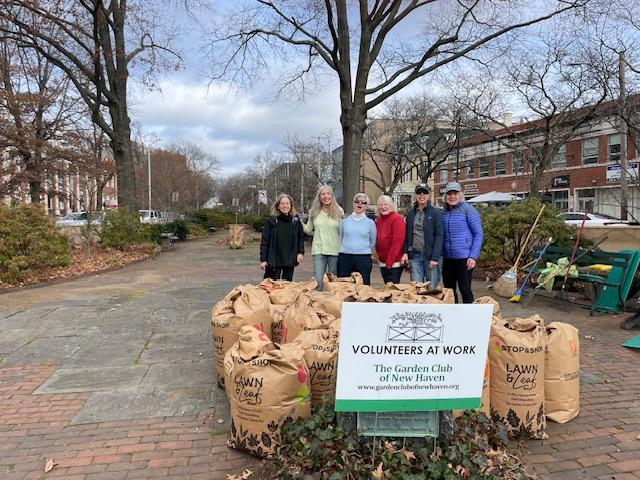
Since its founding in 1924, the Garden Club of New Haven (GCNH) has promoted knowledge of gardening and an appreciation for the ways in which gardens and the natural world enhance the quality of our lives. The club’s educational work in horticulture, its environmental activism, and its civic engagement aim to secure a future for the Greater New Haven community in which the beauty of nature is both celebrated and preserved. With 118 members, the club was one of the Charter Members of The Federation when it was founded by 30 clubs in 1929. New Haven’s President, Prudence Lee Demarest (Mrs. John R. Demarest) became the first President of The Federation and was also a Treasurer of the then-named National Association of Garden Clubs.
The Club has consistently won both State and National Awards for their work including most recently the 2023 FGCCT Lee Bauerfeld Beautification Award for their work at Quinnipiac Meadows & Edgerton Park. Their ongoing Civics projects include:
New Haven Green & Its Elms: A primary focus of the Club’s work continues to be planting new trees on the New Haven Green, in other city parks, and on New Haven streets, and providing for the care of these trees.
|
|
|
|
Phelps Triangle Park
For decades, Phelps Triangle Park has been a favorite neighborhood relaxation spot in the heart of New Haven. Club members care for the park as needed throughout the year. Winner of the Landscape Design Critics Council Award from the NGC in 1984, as well as the New England Garden Clubs Cornelia Williamson Watson Bowl Award and the FGCCT Historic Preservation Award.
Holiday Arrangements
Each December, members gather to make holiday arrangements for numerous area nursing homes and charitable organizations, nurturing fellowship and a festive holiday spirit.
|
|
|
|
Upcoming special projects for the 100th Anniversary include:
- The Planting Project: Reinvigorating the club's involvement with appropriately 40 organizations they have partnered with over 100 years
- Writing the club history for the website
- Creating a Member’s Garden Book, an online photo journal providing a snapshot of members' gardens
- A Celebration: Day on the Green — May 10, 2025, 10-2 pm (on and around the New Haven Green)
- A Flower Show at the New Haven Public Library
- A Botanical Display at Yale’s Beinecke Library
- A Tour of historic Grove Street Cemetery
- A Tour of Phelps Triangle
- En Plein Air — local artists painting on the Green
- Planting and floral design workshops for kids
-
A Screening of the film The New Haven Green: Heart of a City, narrated by Paul Giamatti
- The Annual Shaw-Swords Lecture. Open to Public-November 13, 2024
- Green Space: An Urban Imperative: A panel on the importance of public green spaces with a focus on looking towards the future, moderated by Coleen Murphy Dunham. Speakers: Sophie van Haselberg, NY Restoration project, Sarah Charlop-Powers, ED of the Natural Areas Conservancy, and George W. Sanderson, inaugural VP of Urban Conservation NY Botanical Garden
|
|
|
|
In Southbury, a New "Pollinator Pathway Garden and Outdoor Classroom"
The Southbury Garden Club, Southbury Land Trust, and Sustainable Southbury were the recent recipients of a grant from the Connecticut Community Foundation. The grant of $1,907 was awarded for the group’s collaborative project, “Pollinator Pathway Garden and Outdoor Classroom.” The garden will be located at the rear entrance of Southbury Town Hall. The project will include the spring installation of a native plant garden along with an educational component created especially for elementary school students that is scheduled for fall 2024.
Southbury Garden Club’s Master Gardener Kerstin Andersson designed the layout of the garden and chose appropriate plants for the site. SGC Co-President Helena Hoover-Litty, along with SGC’s Conservation and Environment Committee Chair Susan Rosendahl, also a Master Gardener, designed the curriculum for the educational aspect of the program. “Children are the primary focus of the educational materials,” said Hoover-Litty, “but the garden will be available to all residents of Southbury.” This project will also provide a beautiful garden in this very public setting with educational signage and it will build on Southbury’s Bronze Certification as a Sustainable town, said Hoover-Litty.
“We are excited to bring awareness of the importance of native plants to our ecosystem and the health of our watershed,” said Joy VanderLek, Southbury Land Trust’s project lead. We look forward, as well, to an ongoing relationship with our environmental partners in Southbury Garden Club and Sustainable Southbury.
|
|
|
|
Celebrating 70 Years!
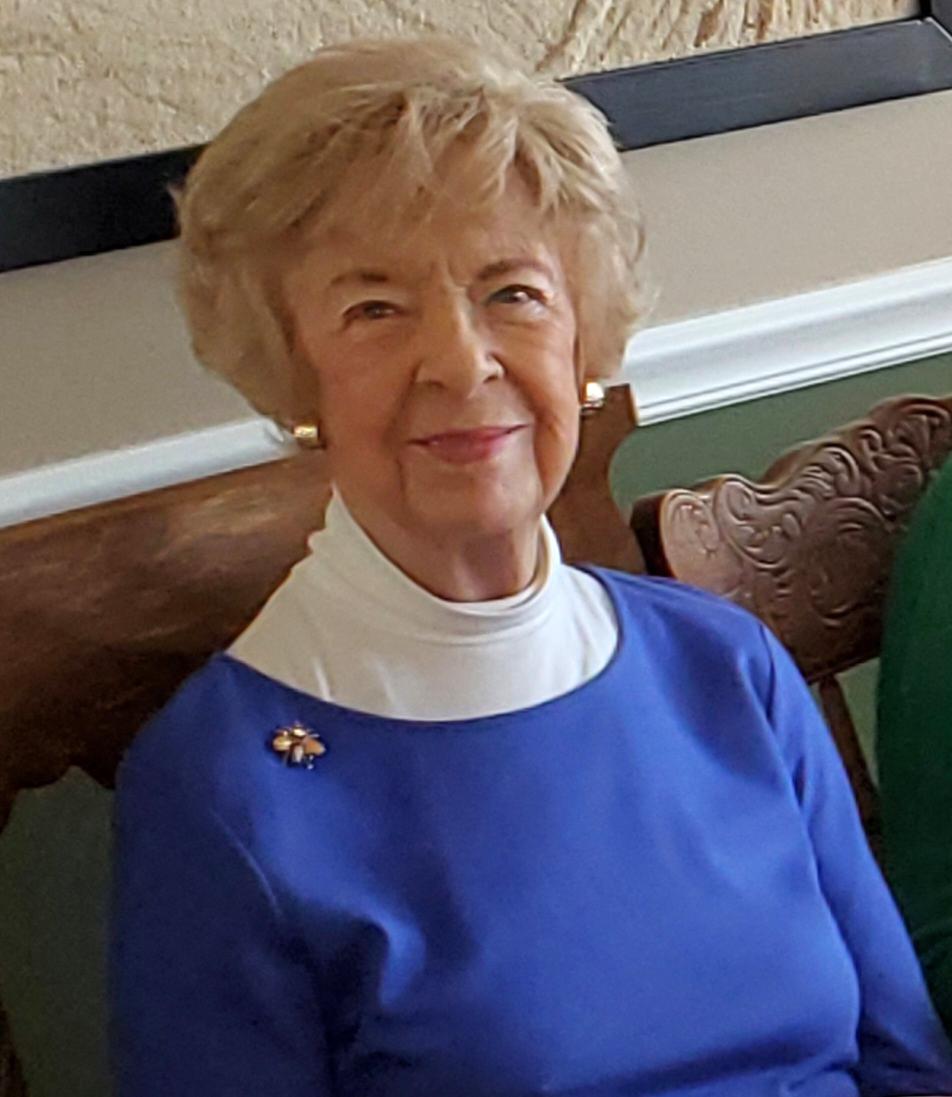
The Suffield Garden Club congratulates Barbara V.G. Coffin — now in her 70th year as a member! Barbara joined the club in 1954 ... a year before current club President Marie Gauthier was even born!
|
|
|
|
|
Donations to FGCCT's Scholarship, Garden Therapy and World Gardening Funds |
|
|
|
We thank the following Garden Clubs for their recent donations to the FGCCT Scholarship Fund.* For almost 40 years, the Federation has awarded scholarships to college and university students who major in Agronomy, Botany, City Planning, Conservation, Environmental Studies, Floriculture, Forestry, Horticulture, Land Management, Landscape Design, Plant Pathology, or allied subjects. We welcome donations of any size. Our appeal is ongoing to give all of our clubs the opportunity to make a contribution in the amount of their choosing.
|
|
|
|
Scholarship Donations since the last issue of CFNews |
|
|
|
Glastonbury Garden Club
Kensington Garden Club
|
|
|
|
|
Garden Therapy Donations since the last issue of CFNews |
|
|
|
Karen Hutchinson
Kensington Garden Club
|
|
|
|
|
Please send all Scholarship Fund donation checks to the appropriate chair (see below). Make checks out to "FGCCT" with the appropriate Fund listed on the memo line.
*Please note that due to the deadline for articles and information for the CFNews, some donations may not be received and deposited in time to be included in the bi-monthly donation acknowledgement, but will be included in the next issue of our newsletter.
PLEASE MAIL CHECKS TO:
|
|
|
|
For World Gardening & Garden Therapy:
The Federated Garden Clubs of CT, Inc.
Attention: Rosemary Bonaguide
PO Box 902
Wallingford, CT 06492
|
|
For FGCCT Scholarship Fund:
The Federated Garden Clubs of CT, Inc.
Attention: Carole Fromer
PO Box 902
Wallingford, CT 06492
|
|
|
|
Follow us on Facebook and Instagram!
FGCCT is on Facebook and Instagram and we love to post your news and photos! Please send upcoming events, club activities, civic projects, milestones, and hort tips. Include photos and a brief writeup of the news your club would like to share. The best format is text in an email with jpg photos attached. Take active photos showing members at work or showcasing beautiful gardens, flowers, and plants (please name the flower if it is a hort only photo). Let’s follow each other! Send submissions to social@ctgardenclubs.org
|
|
|
|
Just a reminder …
Please send all correspondence to the new FGCCT office:
The Federated Garden Clubs of CT, Inc.
P.O. Box 902
Wallingford, CT 06492
Did you recently elect new officers? Email their names and contact information to us at office@ctgardenclubs.org so they will receive Federation correspondence. If you need assistance, please contact FGCCT Office Administrator Joan Lenart at office@ctgardenclubs.org or by phone at 203-488-5528 on Mondays and Wednesdays, from 10 am to 2 pm.
|
|
|
|
Deadline to submit articles/photos, ads and calendar events for the June/July 2024 issue of the CFNews is May 10, 2024. Please submit to:
|
|
|
|
ARTICLES/PHOTOS
Martha (Marty) Sherman
ADVERTISING
|
|
|
|
|
Reminder from NGC: The National Gardener is ONLINE (and free!)
The official publication of the National Garden Clubs, The National Gardener, appears quarterly, and features articles of interest to environmentalists, gardeners, landscapers, floral designers, educators and photographers. Subscribe here.
|
|
|
|
|
|
|
State, Regional &
National Events
|
|
|
|
|
|
|
|